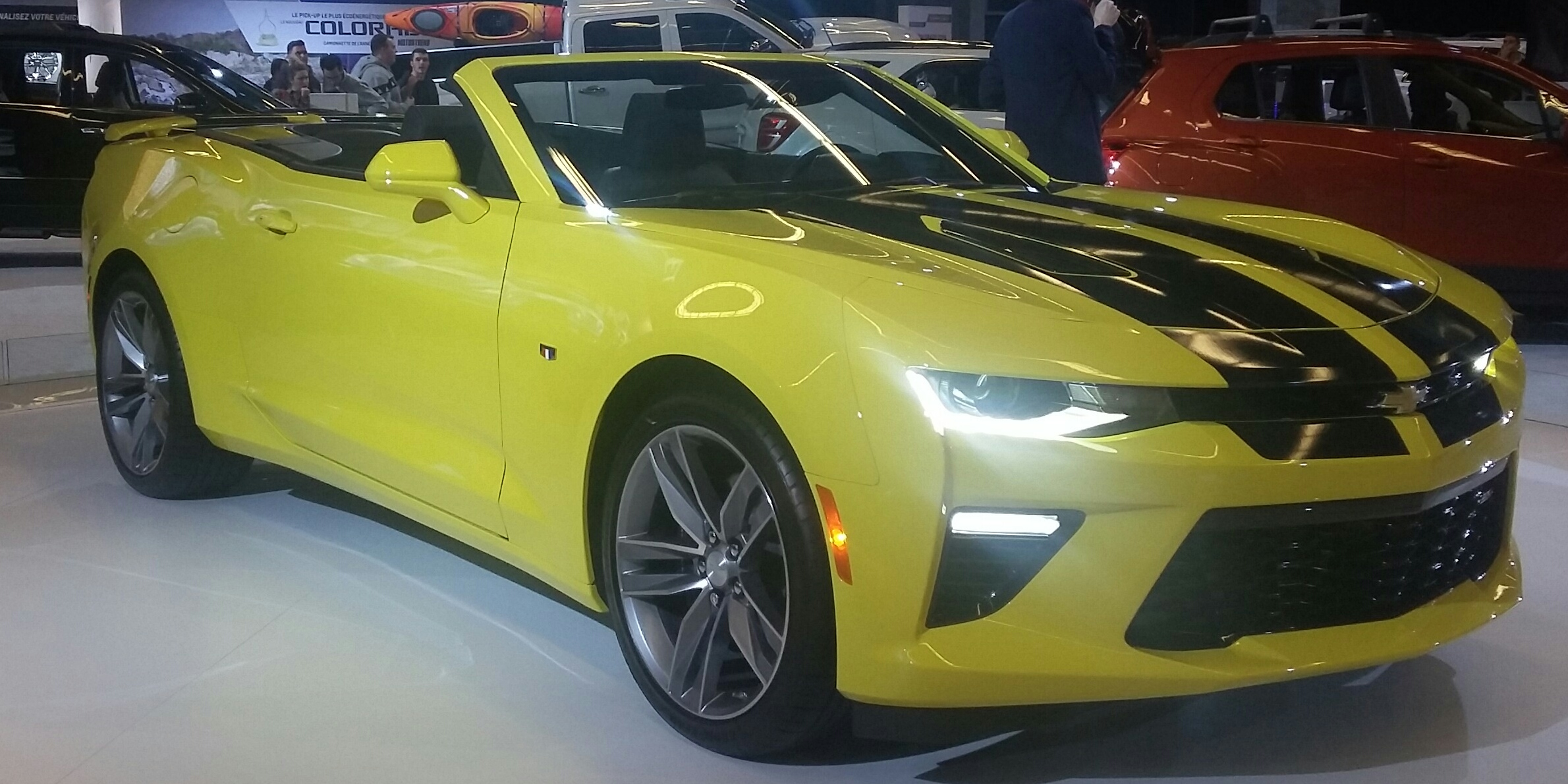
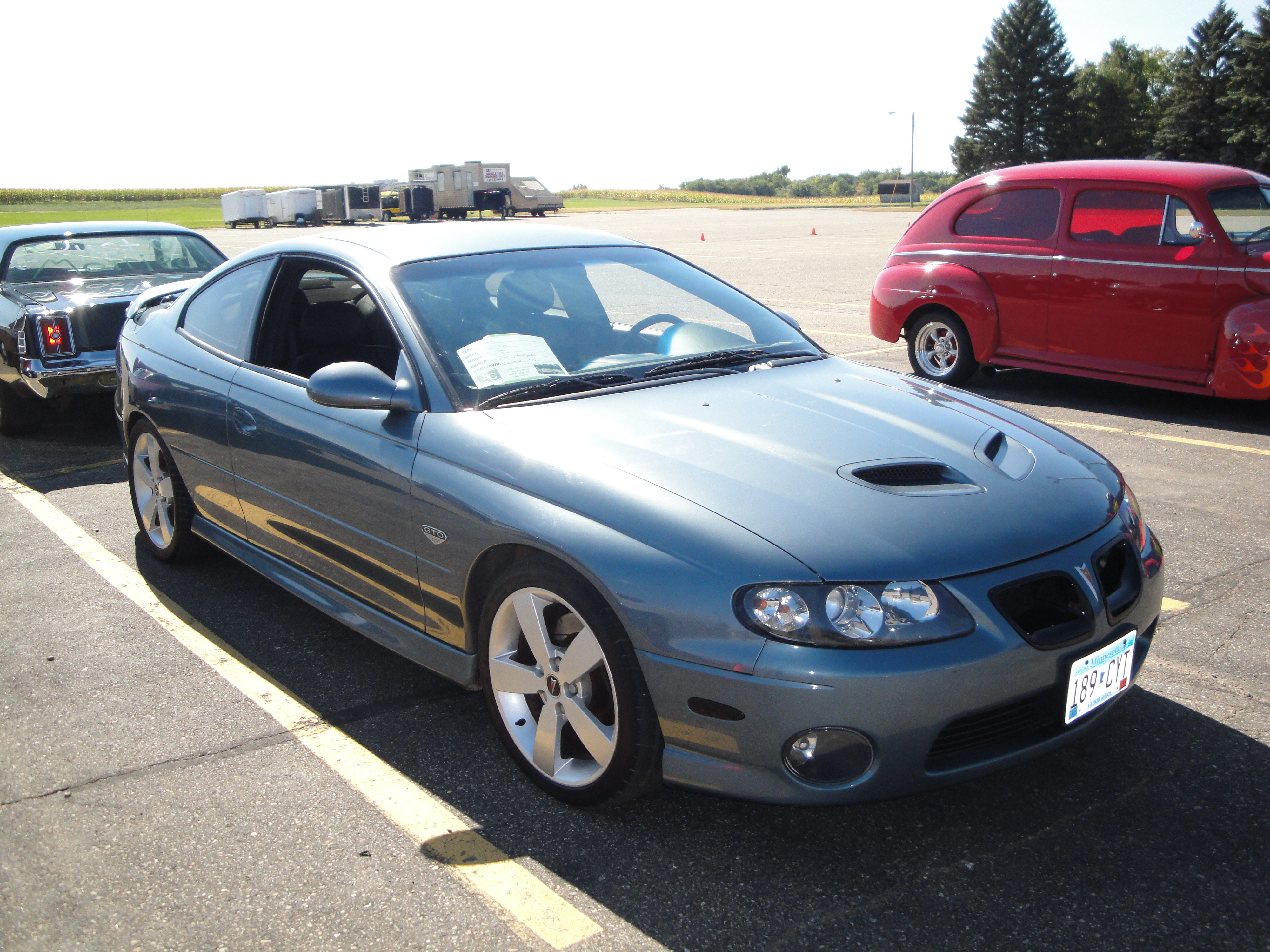
Consumer Behavior: Used buyers can fine-tune a search like never before. CUV just a regression to Model T form factor? Ford's radical streamline of offerings.
Cars The Podcast
Consumer Behavior: Used buyers can fine-tune a search like never before. CUV just a regression to Model T form factor? Ford's radical streamline of offerings.Cars The Podcast · Jun 15, 2026
A 1970 Impala is a classic Chevrolet from the early 1970s. It’s the kind of car people remember because it looks very “old-school” and it represents that era of big American engines.
Dog dish hubcaps are the simple, round wheel covers you see on some older cars. They’re not the fancy kind—more like a basic cap that covers the wheel.
“Old lady’s car” is a common enthusiast shorthand for a used car that was driven gently and primarily for errands or commuting. It’s often used as a proxy for how the car may have been treated (smooth driving, fewer hard launches).
The Pontiac Firebird is a sporty performance car made by Pontiac. It’s known for being part of the classic muscle-car era. The podcast mentions it because the speaker’s friends had one.
Rally wheels are a classic wheel style people put on older cars for a sportier look. “Eight inch” means the wheel is 8 inches wide, which changes what tires can fit and how the car sits.
Classifieds are a used-car-shopping channel where buyers search listings in newspapers or similar publications. In the segment, it’s part of the “fine-tune a search” idea—using specific details (like wheel size/style and price) to find the right deal.
Facebook Marketplace is a website/app where people sell things, including cars and car parts. It helps you find listings without having to rely only on local ads or dealerships.
Bring a Trailer is a website where car enthusiasts buy and sell cars through auctions. It’s useful because you can find specific cars and see lots of details before bidding.
An electric car runs on electricity stored in a battery. Instead of buying gas, you charge it—usually at home or at public chargers. That changes what people think about when shopping for a used car.
The BMW i3 is BMW’s early electric car. It’s a small hatchback, and it was one of the first EVs BMW sold in volume. The host is saying they bought one used when there were lots of them available.
CUV means “crossover,” which is basically a car that’s made to feel more like an SUV. It usually sits higher and has a more upright shape for easier loading and more usable space.
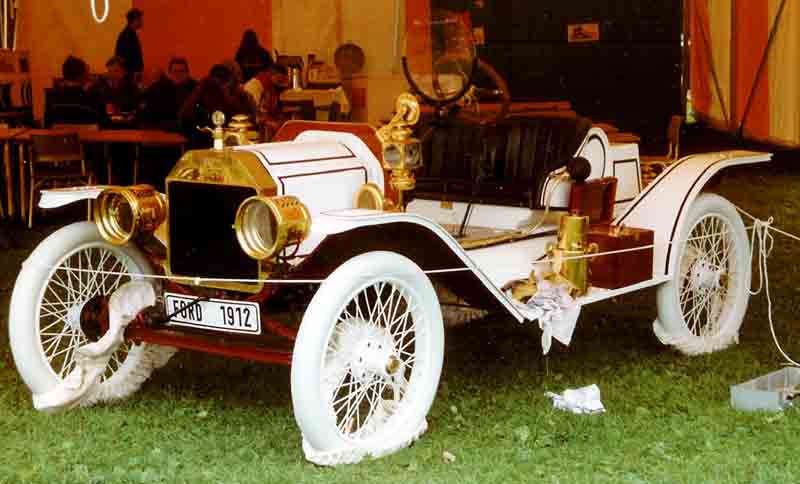
“Form factor” here means the car’s overall shape and how it’s laid out. The host is saying car designs changed over time—first taller and boxier, then lower and wider, and now trending back toward a boxier shape that’s easier to live with.
The Ford Model T is a very old car made by Ford. It’s important because it was one of the early cars that became widely available to regular people. The podcast references it as part of a historical timeline of cars.
SUVs (sport utility vehicles) are typically taller, higher-riding vehicles with an upright, boxier body shape compared with traditional sedans. The host frames SUVs as a “regression” in shape—higher off the ground for easier access and more room for people, pets, and cargo—while also noting practical constraints like garages and parking spaces.
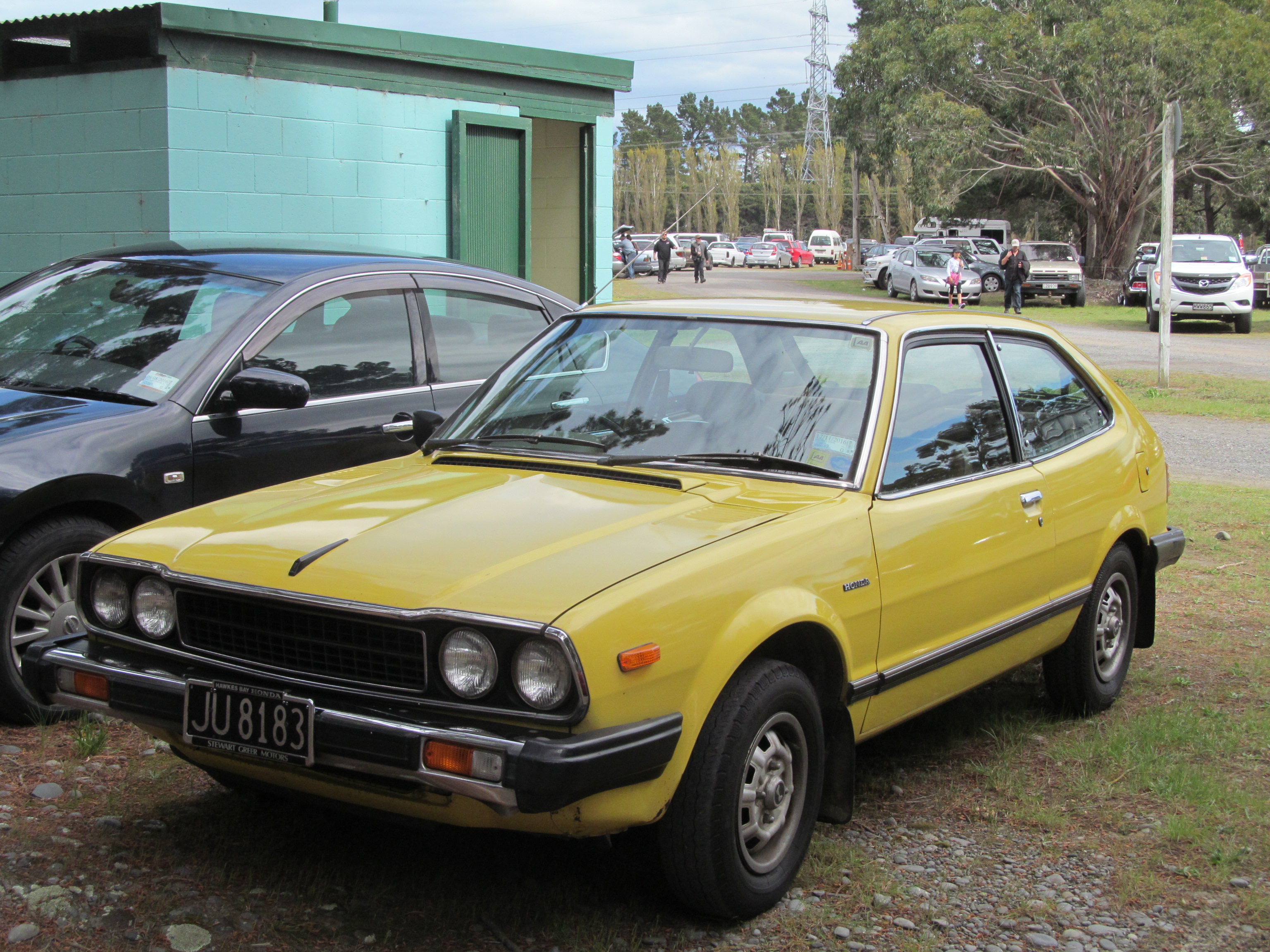
The Honda CR-V is a compact SUV that’s popular for everyday errands and family use. The host is comparing it to a regular car like the Accord to show why people prefer the taller, more boxy shape.
The Honda Accord is a popular regular car (a sedan) that people often consider when shopping for something practical. The host is saying some buyers choose a taller SUV-style vehicle instead of an Accord.
A Ford Ranger is a mid-size pickup truck. It’s the kind of truck people buy for everyday usefulness, and here it’s mentioned as something the speaker owned for a long time.
The Mustang is a sporty car model made by Ford. In the podcast, they’re talking about older versions called “Fox body” Mustangs. The point is that those older cars can be similar in how they behave or feel.
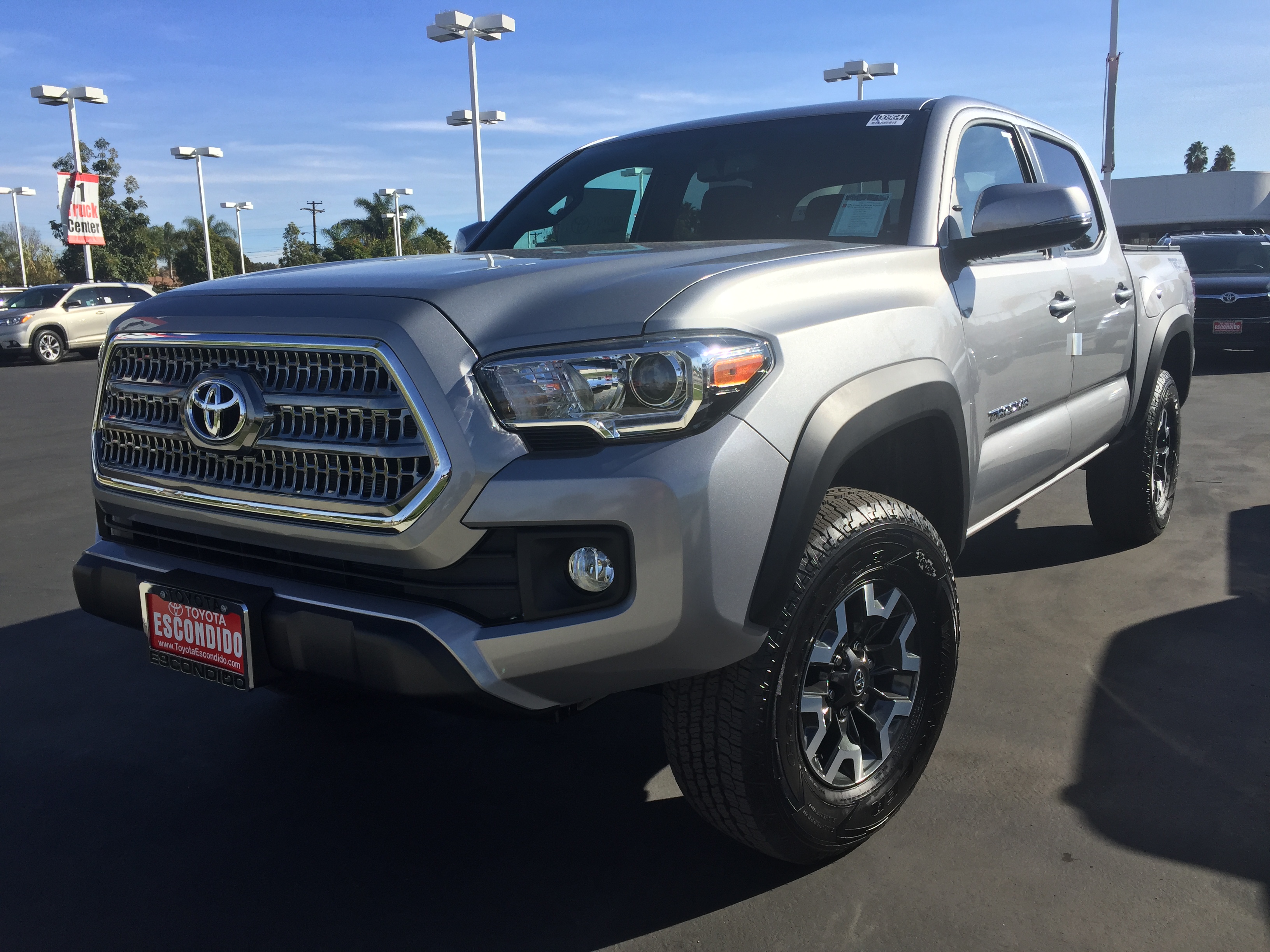
The Toyota Tacoma is a popular truck model. People often choose it used because it’s known for being dependable, and it comes in different engine options like a smaller four-cylinder.
The Toyota 4Runner is an SUV that’s built on truck-style hardware, not a car-like platform. The speaker is saying it can still work for hauling stuff—like gravel or bark—by using the rear cargo area like a truck bed.
Term
body on top
This is describing how some SUVs are built on a truck frame. The frame and drivetrain are the “base,” and the outer SUV body sits on top of it.
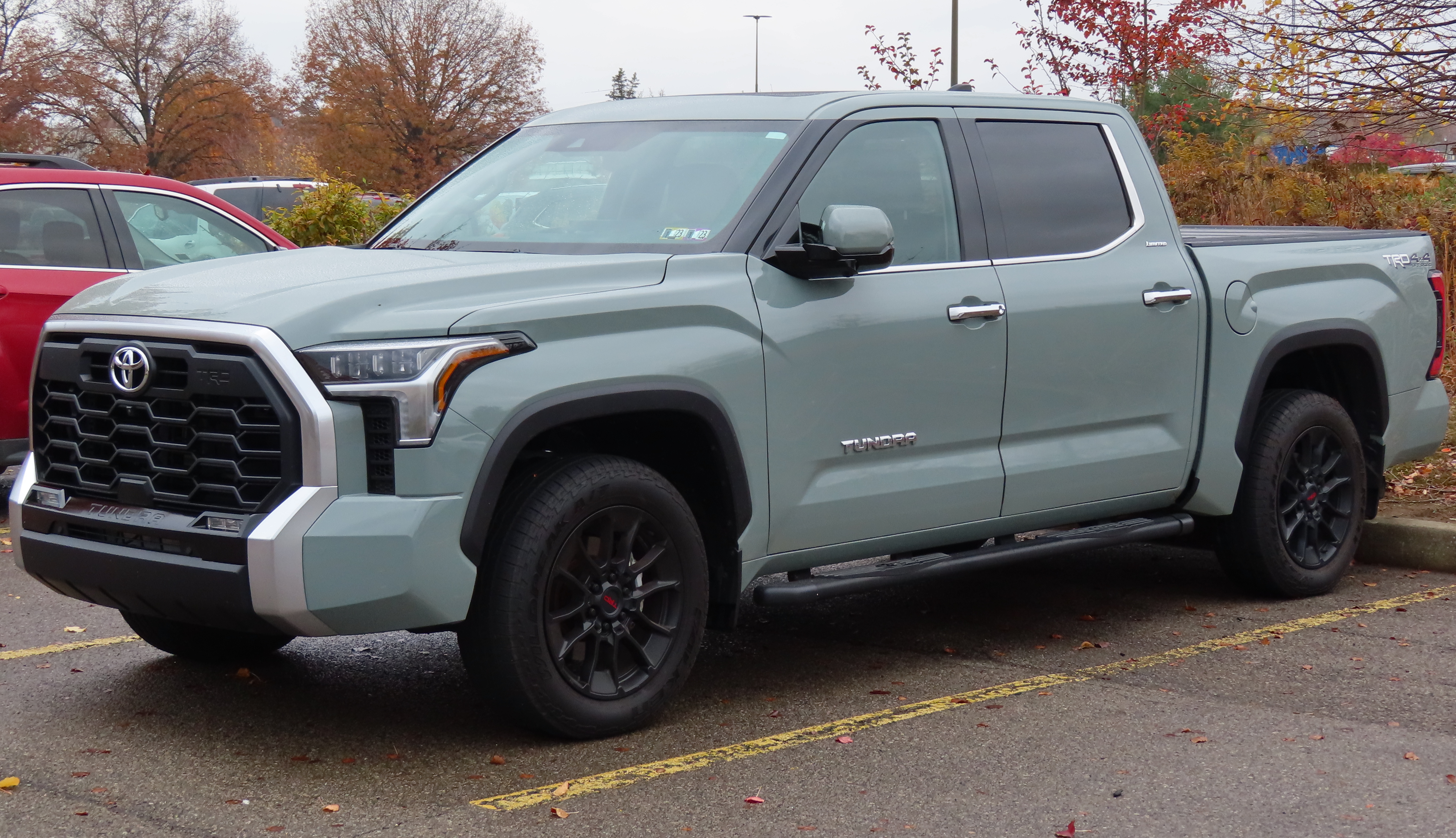
The Toyota Tundra is Toyota’s larger truck. The speaker is saying the 4Runner uses similar truck-style underpinnings, so it can handle hauling tasks more like a truck than a typical SUV.
The Chevrolet Suburban is a big SUV that can fit a lot of people and luggage. In this conversation, they’re using it as an example of an SUV that can replace a pickup for trips like going to the airport.
The Chevrolet Blazer is an SUV that can be used like a truck for hauling people and stuff. Here, they’re saying it can still do real utility tasks, not just be a “car for commuting.”
In pickup-truck terms, a canopy is a cover mounted over the truck bed that helps protect cargo from weather and can also improve how you organize/secure items. Here, the point is that you don’t have to worry about the setup when using an SUV/truck-like vehicle for practical hauling.
The Ford Bronco is a tough, off-road SUV that a lot of people like to buy and modify. They’re saying used Broncos have gotten much more expensive than they used to be.
A six-inch lift means the suspension is modified to raise the truck/SUV higher off the ground. People do it to fit bigger tires and make the vehicle better for rough roads.
“44s” is slang for huge tires—about 44 inches tall. Bigger tires help the vehicle handle rough terrain, but they can make the ride and driving feel different.
Car
Ford Comet
The Ford Comet is an early-1970s compact car that the hosts say is closely related to the original Ford Maverick. They use that relationship to frame why people might admire the Maverick’s styling even though it wasn’t originally marketed as a convenience-focused car.
Term
grabber
“Grabber” is a name Ford used on some versions of the older Maverick that were aimed at buyers who wanted a sportier, more powerful feel than the basic economical model.
The Ford Maverick is a small pickup truck. It’s designed more like a regular car (not a heavy truck frame), and that’s part of why people like it compared with older “car-based” pickup attempts.
A unibody pickup is built like a car, with the body and frame combined into one structure. That can make it lighter and easier to drive, but it’s a different engineering approach than the heavy frame used on many classic trucks.
The Subaru Brat was a small pickup that was built more like a car than a traditional truck. The hosts mention it as an example of an earlier attempt at this kind of pickup that didn’t really catch on.
The Subaru Baja was a small pickup-like vehicle built on a car platform. The hosts bring it up as another earlier example of this “car-based pickup” concept that didn’t stick around long.
The Hyundai Santa Cruz is Hyundai’s small pickup. The hosts mention it while talking about how some car-based pickup models don’t last long in the market.
A ladder frame is a strong “truck-like” frame made of two main rails with bars connecting them. It can take up space inside the cabin, so the speaker is saying this design keeps the interior roomier.
The Ford Fusion was a common Ford sedan that many people bought as a family car. The host brings it up to show Ford removed a lot of regular cars from its lineup.
Ford 500 is basically a name Ford tried for the Taurus. They later changed it back to Taurus because the “500” name didn’t work as well with customers.
The Ford Taurus is a long-time Ford car model. Here, they’re saying Ford changed the name and then went back to Taurus because the other name didn’t feel right to buyers.
EcoBoost is Ford’s turbo-engine technology. “EcoBoost mode” usually means the car is set up to be more efficient, using the engine in a way that saves fuel.
The Hyundai Genesis is a line of cars made by Hyundai. It’s meant to be a more upscale option than basic models. The podcast mentions it while talking about a commercial and the name being associated with Hyundai.
A dyno is a testing machine that measures how much power a car makes. In this story, they couldn’t run it properly because the car’s safety systems wouldn’t let them disable something for the test.
Independent suspension means the wheels don’t have to move together. That helps the tires stay planted on the road, which improves handling and smoothness.
Right-hand drive means the steering wheel is on the right side of the car. It’s common in places where cars drive on the left, and it can make a car more or less rare depending on your country.
The Holden Commodore is a popular Australian car model. A “wagon” just means a station wagon body style—more cargo space than a sedan.
Car
Holden Maloo
The Holden Maloo is an Australian pickup truck that’s built on the same platform as the Holden Commodore. It’s basically a “performance ute,” meaning it’s meant to feel more like a sports car than a plain work truck.
The Ford Mustang is a very popular American sports car. In this clip, the guest is saying they’ve owned Mustangs for a long time, so they’re using that history to explain what they wanted next.
Manual shifting means you change gears yourself instead of letting the car do it. The guest is saying they got tired of doing that every day and wanted something easier.
The Camaro is a popular American sports car. The guest says they bought a 1999 Camaro Supersport with T-tops, mainly because they wanted something with an automatic instead of constantly shifting.
T-tops are removable roof panels. They can make the car feel more open, but they can also be a problem if they don’t seal well—especially when it rains.
The GTO is a Pontiac muscle car. Here, the speaker is talking about the 2004 to 2006 version and how it showed up in the U.S. around the same time the Camaro was gone.
“Paint issues” usually means visible problems like peeling clear coat, fading, scratches, or uneven color. On a used car, paint condition is important because it can hint at prior damage, repainting, or neglect.
If a car was stolen, it can have problems you can’t easily see—like damage from being driven hard or missing items. It’s something you’d want to verify with records and a careful inspection before buying.
The Range Rover is a luxury SUV made by Land Rover. It’s designed to be comfortable and capable, including on rough roads. The podcast mentions it because someone had one that needed work and they were talking about how to handle repairs.
“Original wheels” are the wheels that match what the car came with from the factory. People like them because they fit correctly and look right for the vehicle.
“Wrapping” means putting a vinyl film on the outside of the car to change the color. It can be cheaper than repainting and can be removed later.
Car
LS motors
“LS” is a GM engine family—basically a type of V8. The speaker is saying those engines were originally meant for other models, then ended up in the car they’re talking about.
The Cadillac CTS-V is a faster, performance-focused version of the Cadillac CTS. It’s meant to feel more powerful and sporty than the regular model. The podcast brings it up by name as a specific Cadillac variant.
The Corvette is Chevrolet’s well-known sports car. Here it’s mentioned because the speaker says the same performance engines were used in Corvettes too.
A supercharger is a device that forces extra air into the engine. More air helps the engine make more power, so the car feels faster without needing a totally new engine.
Fuel injection is how the car delivers gasoline to the engine. It meters the fuel so the engine can run properly—especially when you add modifications that increase airflow and power.
LIVE
From the shadows of Mount Rainier, this is Cars, the podcast with your host, Don
Swear.
And I'm Joe Black from Fast Cars Media.
Fast Cars Media.
Fast Cars, I see it sometimes, underscore media.
Yeah, I haven't figured out which one it's on yet for the underscore.
I'm going to try to match them up, but I just threw it all together.
I like the name.
It's, it goes right to the point.
Fast Cars Media.
And I used to be Fast Cars and Freedom, too, because Fast Cars and Freedom was
Rascal Flats.
I love the song.
Oh, that's where that came from.
Yeah, it's a great song.
But what happened was is when I have people try to pull up my accounts on YouTube, boom,
there you go.
There's Rascal Flats.
Wait a minute.
How come you don't see my stuff?
So I figured it out.
Fast Cars Media gets right to the point.
It does.
Sort of like Cars, the podcast gets right to the point.
Yes.
It's got a bit of that Spaceballs theme to it, too.
Spaceballs, man.
You love that stuff.
I do.
You're waiting for that second one to come out.
I don't even remember the first one.
Elon Musk's favorite movie, too.
Do you know that?
I did not know that.
That's where the whole ludicrous and plaid stuff came from.
I don't even remember it.
I'm going to have to Google it and look it up or something, watch it on YouTube or something.
Hey, how?
Maybe it's on Tubi.
It's on Tubi?
Maybe it is.
Well, we're a couple of oldsters, right?
Yeah.
No, I'm not old.
You're not old?
Nope.
I never claimed to be old.
I looked in the mirror the other day.
I'm old.
Nope.
Nope.
You're going backwards?
I'm just Joe Black.
I'm 53 years old.
That's all I am.
53?
Yes, sir.
Yeah, sir.
That's as old as I am.
Wow.
I know more than that.
Hey, speaking of that, we got perspective.
That's a good thing about age perspective.
We wanted to talk today about the mindset of how we go about buying cars.
It occurred to me that one of my favorite classes in school was a class called consumer
behavior.
I think it had something like that in college.
Did you?
Well, this relates to you because you're in a field, you're in law enforcement, but
it's kind of a psychological end of law enforcement, isn't it?
You know what?
You're a little bit of everything.
Huh?
In law enforcement, you're a little bit of everything.
Yeah, but you specialize in crisis intervention, which you got to use psychology, don't you?
Psychological warfare?
It is psychological.
I mean, you want to, sometimes you just break yourself down to whatever their interest
might be, depending on the whole situation.
So you have something in common.
And when they can relate to that, depending on whatever the situation is, then they can
look and say, Oh, this person understands.
So it just takes a little bit of everything sometimes.
Now, the reason this relates to cars is where a car podcast is every single car you see
on the road other than fleet vehicles, somebody made a purchase decision to say, I'm going
to spend my hard earned money, my life's energy to purchase this particular product.
Like they could about any car in the world.
And sometimes people buy stuff for practical reasons, but a lot of it's emotional.
Um, and I think I just read something about like most people, it's like 40% of your income
for a vehicle.
It's a ridiculous amount.
Yeah, you, you and I are both kind of like dressed to impress.
You know what I mean?
Totally.
Let me, let me buy the suit.
You know what I mean?
So I can impress everybody else, but it's like, you know what?
You could have the suit.
But guess what?
You better have the shoes to go with it because it doesn't mean anything.
Who wears shoes?
Exactly.
I don't have any on right now.
I just wear socks.
That's it.
Men without socks.
Is that the name of a band?
There was men without hats.
There you go.
Okay.
That's today.
Choice of a car is a lot of emotion that goes into it.
And I think you and I are car guys were died in the wool car guys.
And I think people who aren't car guys think that they think a car person, somebody just
spends a lot of money on a car.
And I think they're weird, but the people, the car guys, I know, like you, we're not
into spending a bunch of money on cars.
I don't have to.
I know.
I just recently bought a new car, but that's a, that's out of the ordinary was, it was
kind of a long planned purchase, but I generally buy stuff that's depreciated and something
that interests me.
Yeah.
But I think about when you and I were young, this is going back a long ways.
We didn't have the ability to go online and you, you're kind of back to the nineties
for that in high school.
I was in a small town.
The internet.
Yeah.
You, you ended up buying cars.
They were like whatever's in your town and whatever was in the, you know, you're not traveling
to buy a car.
No, I mean, there might be a dozen or two cars in the local newspaper for sale and just
want a car.
My price bracket was like 500 bucks or less.
So you're, I've learned a lot of things about buying cars over the years.
And how did you, and I guess when, when you're talking, so me, it's always been classics
and muscle cars.
Yeah.
Ever since I was a kid.
And since I was four years old, I guess, I don't know, but have you got your head checked
about that?
No, I'm good.
All right.
I mean, I wish I had more of them.
You know, which I kept the ones that you always have the one that got away.
But the, the cars you bought when you were really young, say you're in high school,
were they ones that did you, you didn't search far and wide for it.
They were probably cars that were in your.
My town car was a 1970 Impala white, blue interior, two door, white matching rims with
dog dish hubcaps.
It did have a 350 with a power glide transmission.
And it was an old lady's car.
She used to drive it to Florida and back in the wintertime.
My dad found it for me.
Let me translate that a 350 is a small block Chevy V8 and a power glide is a automatic.
Yes.
And I probably, my dad found it for me.
I didn't even know I was getting a car.
I had no idea, but my dad was more or less like, all right, he can be junior now.
I don't think we want him driving our car.
So that's how it came into play.
And it was a beautiful car.
I mean, first thing I did was in the morning.
So you're talking about how did we get things then?
So I used to work at a Sonoco station.
So every Sunday morning I opened up the gas station myself.
I was only turn on the pumps, do everything set up the till with the money.
And I'm there for eight hours by myself.
Well, I get the Sunday paper on my way in the morning on when I go to the gas
station in the morning.
So I got the Sunday paper.
I've got my hostess snack pies and my chocolate milk or coffee or whatever.
I didn't drink coffee then, but whatever else to go with it.
Right.
And I would sit there at the desk because we had a desk and then you look
out over the pumps.
We had one late of pumps, which had eight pumps on it.
And when a customer came in, not that you remember any of this.
No, when you need, they drove in, you got to also get the little line that goes
ding, ding, the car runs over the bell.
Oh yeah.
So am I go out there?
Hi, how are you doing?
Good morning.
And what would you like?
Give them whatever they want for their food.
Do you have a spiffy white suit on with a tie?
Nope.
Did I have a snoco shirt?
Throw my name on it.
And they, you know, they, then you always ask him, my boss is like, you always
ask me if you'd like me to check into the hood.
Always wash the windshield and then you get those little ladies that you
want all the four tires checked.
It's like, oh my God, you know, check for air.
Well, when you get four or three cars there, then it's kind of like, and
you're running back and forth by yourself.
Anyways, so get back to the sound like there's still horses running around.
And if I had a lot of money, just, yeah, if I had the money, I would kid you
not, I would love to own a gas station, old school, like they were back then.
And I mean, not that they were that old school, but it's like, you know, just
the way everything was working at that time.
So we still did the mechanics at that gas station is to pay garage.
So anyways, back to the paper.
I'm sitting there looking at the paper.
Well, my friends had Camaros.
Firebirds, Mustangs, 56 Chevy's.
And here I'm in my 70 in Paula.
I'm kind of like, hmm, it's like, this is grandma's car.
So I said, you know what I did?
I'm looking in the paper that morning, classifieds Corvette, eight inch rally
wheels, $75.
That's a steal, right?
Yeah.
So I'm kind of like, I call the guy up.
So yeah, I'm interested in your wheels.
Isn't that?
And he's like, Oh yeah, I still have them.
Those would look good on it.
Oh, they did.
Big body and they did.
And so I called the guy up and I talked to him in the morning, come with the
term rings and yep, I told the guy is like, I said, I really like your wheels.
This and that.
And he goes, he goes for $100.
He goes, I'll deliver them to you.
And he lived like a couple of towns over while I'm working.
I can't go anywhere.
I'm like, God, why nobody else get those wheels?
I call my boss and said, Hey, Bob, I said, uh, I said, I'm interested in these
wheels and this is like, just take the money out of the till.
And he goes, I'll take it out of your check on Friday.
I'm like, okay, guy delivered me the Corvette rally wheels.
Those damn things were on my car before the end of the day.
I mounted them myself and put them on the car.
So I go from this to having the Corvette rally wheels on there now.
I'm not going to lie.
Everybody loved my car.
Not me because it wasn't the camera.
It wasn't this and that, but it was a beautiful ride.
Um, but that's the difference between the media today.
Like, and now you can go to the internet and you can sit there and look at
a Facebook marketplace or anything else that you want to go find.
You can just Google it to a point where you can get whatever you want.
That and you couldn't do that.
Yeah.
And people nowadays are, they're sourcing cars from further and further away.
You've got, you've got people with, with bring a trailer auctions.
You have people with eBay and there's a, there's quite a industry of people
who are hauling cars around hot shotters and whatnot, getting cars
from one state to another.
Oh yeah.
They're looking for that one car and they can pretty much Google
what they want to find from one of the sources there is.
Yeah.
Just pops up on the, you know, on the whole internet.
Yeah.
Well, this is not exactly a classic Chevy, but yeah, I just, you know,
during the pandemic, six years ago or when gas prices sank to, I remember paying
a buck, 99 a gallon.
I was playing even less, I think.
Down to coma.
Yeah.
Well, I'm such a contrarian.
I decided, well, that's a good time to buy an electric car.
Right.
Cause if they're going to be rock bottom, cause everybody's thinking, oh,
gas is going to be cheap forever.
So we bought a used BMW I three.
And at the time there was just a flood of them on the market.
I didn't even know if they had electric cars in 2000.
Well, there was, there was, but it was during the pandemic.
Right.
Yeah.
So anyway, but we were able to pick exactly out of the used bunch.
We are a pick color and the interior.
We had a specific idea in mind of which one we wanted because they were
a bunch of different colors and interiors and stuff.
So, and we got, you know, exactly what we wanted at a good price, but it was,
you could search all over and find exactly what you wanted.
It's almost like ordering new, but you know, that's how it is nowadays for
almost any used car.
You get exactly what you want question.
We don't, I don't answer questions.
Come on, Joe.
Well, let's just do that.
Well, try me.
What's that?
The whole thing?
A midlife crisis is not really a midlife crisis at 50.
It's actually in your 30s because you only live so long.
So I don't know whether it came up with all these years.
I don't know if you live to a hundred.
Yeah.
I wish.
You know, I'll be, I say, we say, I'll be happy for the 75.
Hey, one thing about car choice really gets me.
I hear this repeated a lot is everybody's buying SUVs now.
Why, why are people buying these SUVs and not really going off road?
And it's really what's happened in my viewpoint is that we're going back to
the cars, the form factor.
They used to be from all the way from the Model T up till about 1950.
If you think about it, cars used to be fairly tall, big and stubbier.
It was only what, remember what happened between about 1950 and 1960 cars got
longer, lower and wider, and we kind of stuck with that for the next five
decades.
And now we're going back to your is better.
You can put more people in it.
So then they came to the SUVs.
It's like, well, it's not a car.
So now we have it higher off the ground and we get more kids in there and more
dogs and groceries and we call stuff SUVs, but it's really just a car that
shaped more like a box.
Right.
It fits in your garage better for the, for the amount of garages today are small.
Just like parking spaces.
Yeah, they're small.
So people say, instead of buying an accord, I'd rather have something like a CRV.
And they're trying to downsize this.
If you think about it, it's, it's kind of like, you ever go to the mall, go
to the shopping centers, go any place you want in all the parking spaces.
Right.
Yeah.
How many times do you see the truck that's taken up two spaces going halfway
into the parking lot?
Oh yeah.
Cause they're so big.
They don't make spaces for trucks.
They make them actually for cars.
That's a good point.
I got a personal experience with that.
You know, we had that for runner, I told you for about nine years, right?
How I ended up buying that.
Cause I think about how did I end up with a for runner?
And it was because, uh, before that, I had this Ford Ranger that we took to
330,000 miles and I just loved a quote, small pickup.
Right.
And I wanted another one.
Time out.
Basic time out.
So how do you, okay.
I've never asked you how tall you are.
So you were about 6364
Oh, well, I wish I used to be, I'd have probably more like 62
after gravity, so me 58
I never claim I've been taller except when I was younger.
I wished I was, but how do you drive in a Ford Ranger?
I have a difficult time because the seat only goes back so far.
It's like, I'm not like low riding.
Well, this was, this was the extra cab and it's funny.
You asked that I actually modified this, the seat, uh, there you go.
You modified it.
I did.
Honestly, it's good question.
Yeah.
Single cab ones.
You see these guys, your height.
I'm kind of like, I don't know.
I can't even drive that thing.
It's the same thing with Fox body Mustangs.
Same thing.
It's like the seat only goes back and I'm not like sitting here like
I'm boys in the hood or something.
You know what I mean?
The gangsta lean.
That's right.
I'm not gangsta leaning it like, yo, bro.
What's going on?
Yeah.
No, I like to just be comfortable, but it's like, even when you're shifting
the gears, it's just kind of like, man, how do they do this?
And that was a common complaint.
And I, I actually made a custom bracket for the seat just to get some, right.
Get further away from the pedals.
Right.
Um, but yeah.
Anyway, I wanted a newer version of that.
And by then the ranger was discontinued and I wanted something more reliable.
I was going to get a Toyota Tacoma.
Yeah.
Maybe a used Tacoma four cylinder and now did that seat go real back?
Like real far the Tacoma.
No, on the, uh, the Toyota SUV head, you know, I modified that one as well.
See, it's exactly what I was talking about.
Yeah, the, the, so anyway, but I got to looking at Tacomas and they, they're
so long, right?
Even the fairly basic one with an extended cab, they're so long.
And I thought, well, shoot, why not a forerunner?
It's, you know, it's basically a pickup with a SUV.
It's the same as, it is the same, same frame as the
mechanically, the tundra, same engine and whatnot.
So the same, it's just a different body on top.
And the, the times I needed to use it as a pickup.
I just threw a tarp in the back and, you know, when I needed to haul gravel or
bark or whatever in the forerunner, I just,
that's, and then you, what, that's what people don't realize that, but that's
a true statement that we, you know, they say, Oh, do you want the suburban
or do you want to pick up?
You want the blazer or do you want to pick up?
And it's like, you know what, you can actually do more with the blazer and the
suburban, cause you can still use it like a truck.
People don't realize that you don't have to worry about you already have the
canopy on it.
Yeah.
And if you need to see five people and luggage, you can do that.
So yeah, you can't just shove them in the back of the pickup truck and
let's go to the airport.
But now some people think pickups are cooler for some reason.
I don't know.
Yeah.
I don't like wet luggage, but I think I've only had three pickup trucks ever.
No, I've had, I've had Broncos.
Oh, I've had, had two OJs.
You, I was going to ask you the OJ version, the big ones that two OJs, OJs.
Yeah.
Yeah.
And I thought about putting my license plate.
Juice, no juice, no juice, but, but you know what?
The prices of the Broncos have gone crazy.
Even those ones.
Yes.
Because I mean, like I said, I sold my last one, I think for $5,000 back in
2000 and I don't know, 10, 12.
And I mean, one of them had a six inch lift with 44s on it.
It was like a beast.
And it's pretty much just a toy.
They're going for like 15, $20,000 at least now.
And I'm like, damn, I was like, that's just insane.
Well, now, now that we're on the topic of Ford trucks and we're still talking
about this consumer behavior idea of what motivates people to buy stuff.
The Ford Maverick has turned out to be a huge hit.
Top Gun.
I thought you're going to make a joke about the original Maverick.
Uh, you know what?
Yeah.
I, you know what I'm saying?
When I do my lives sometimes people are always asking for a Maverick and
there's very few Mavericks out there because it's the sister of the Mustang.
Basically.
Oh, they're talking about the original Maverick from the early seventies.
And the same as the Comet.
Yeah.
They are beautiful cars.
I mean, but nobody ever thought so back then, you know, you, you didn't even
have a glove compartment for those.
If you remember, had it under, under the dash and stuff.
And they were, they were not, they were more for an economical car unless
you got the grabber.
Right.
But, um, they're, they're a hot item.
Yeah.
Well, there's a guy at Griot's with that blue Comet with the 302.
You've seen that?
Yep.
Yeah.
Yeah.
So anyway, the Ford, the Ford Maverick pickup that's been so hot lately.
And I like those.
They're, they're nice little trucks.
It proved me wrong.
Cause every time there's been a unibody pickup, you know, car-based pickup,
it's done very poorly.
It'd be like a Subaru brat.
Yeah.
The Subaru brat, the Subaru Baja, Santa, you know, the Hyundai Santa Fe came out
and it's already been discontinued.
Yeah.
Not Santa face, Santa Cruz.
It's because it's a Hyundai.
Well, yeah, but also it's the, the trick is the Maverick looks like a Ford
pickup.
It's all squared off.
It is a beautiful little ride.
I know my brother, it's a great, it's a great truck.
He's getting 45 miles per gallon.
Even if, cause during COVID, when they first, it came out with those right
around COVID time, they were under $20,000.
And the price of course, after that just went, and even the Broncos, when
those Broncos came out, the first thing people were taking orders on those
Broncos.
Yeah.
Those Broncos were also $20,000 also.
Right.
And it's like, now you look at a Bronco, you're talking $60,000, $70,000 easy.
And there's some beautiful ones out there.
What we found out is styling is so important.
The fact that you, when you style something to look like a pickup, people
don't care.
Most people don't, they don't use the pickups for hauling heavy stuff anyway.
So here's the thing that looks like a boxy Ford pickup shrunken down.
Yep.
And it's still pretty roomy inside because you, it is very roomy there.
You don't have the ladder frame getting in the way.
They're beautiful inside.
Yeah.
Get the big screen TV, like you're almost in a Tesla.
You know what I mean?
Yeah.
And they're, they're styling, I mean, you can order whatever package you want on
those.
Yeah.
And you know, you can get all wheel drive, two wheel drive or four wheel drive.
I guess I'm all wheel drive.
There's some nice little vehicles.
And it's, it's amazing how sometimes I predict that something's going to sell
really well, right?
And it doesn't.
Yeah.
They had some problems with it first when they came out.
Um, and they were designed a lot, believe it or not, for like, I'm trying to
think, I'm trying to think of the right word for today, but it used to be like
the yuppies, you know, the BMWs, but for the city people, that's what they've
been designed for.
So it's like, okay, I got this beautiful little truck, but I can use it for a
car going through the commuting in the city.
And, but then I can go pick up a desk if I need to, or a couch throw it in the
back and that's where it was built around these, these, these groups.
Well, it's amazing.
Look, look what Ford did.
They took a huge gamble by getting rid of, they got rid of the fusion, the focus,
the fiesta, they got rid of the edge.
Even they got rid of all their kind of their cars and their kind of blasey
stuff and they're going for the, a very trim down lineup of,
of F one fifties Broncos.
Yeah.
You said that about the edge.
I know those, those edge four doors that they look like a station wagon
kind of box, you know what, I can tell you what, I like some of those.
They were kind of like wild colors.
I mean, they get the roof, moonroof a little bit here and there.
I was like, I kind of like it because they're, I don't know, they're ugly.
I kind of like ugly with things.
Yeah, but it's practical.
And it was, it was quite a money maker for Ford.
They sold those for a pretty high margin, at least compared to that, the Maki.
Oh, let's not go there.
Don't go, don't go down there.
Don't go down the rabbit hole of the mock.
Well, save it for the Mustang, which I cannot believe that they just didn't say,
you know what, we made a mistake.
Let's change the name just a little bit.
Well, because they did that also with the Ford 500.
Oh, right.
They changed it back to Taurus.
That's right.
Cause they knew they made a big mistake by that name.
And some of those Ford 500s, which I didn't know, but you're someone were turbo
charged and they have all this other special.
Yeah, they put the Eco EcoBoost mode.
And they're like, they're like little race cars.
Oh, yeah.
So you think it's grandma driving a little Ford 500.
It's like, look at that funky looking thing.
And then I'll say, it's like, what was that?
Yeah.
You know, before it takes some, some big gambles and all those dice.
Well, they're, they're doing it again with something new, but we'll cover
that in another episode.
They haven't even shown a product, but they're just talking about
revamping their whole production of cars.
You think Tiger Woods is driving around in the Kia?
Well, yeah, he did.
He crashed that commercial for Buick Genesis off the cliff, which is really a
Hyundai.
Yeah.
But see, they, they, they did that with Buick for years ago.
He was doing the advertising for Buick.
Well, maybe he should have driven the Buick off the cliff.
Maybe he should have been driving a Cadillac.
I mean, give me a hopped up Cadillac.
People ask me with my GTO.
Hey, Joe, whatever car would you ever have a four door?
I said, hell yeah.
Give me one of those four door Cadillacs.
A matter of fact, they just saw one in Agrios a few weeks ago.
Oh, the CT five, the black, the black wing.
Oh my God, it was beautiful.
It, it's so hopped up.
You're talking about seven or it is something horsepower, right?
And the guy was trying to put it on the, um, the horse power.
Yep.
He's trying to put on the dyno, but because all the safety features, he
couldn't get it turned off.
No matter what he did, he could not get it turned off to run on that.
And what a beautiful car, man.
That sounds like it might be your next car.
Cause you, I wish, well, I'm not gonna lie.
I mean, if I'm going to have that, I might as well have a Cadillac SUV
to go with it, right?
Yeah, but, but that's a lot like your GTO, right?
It's got the LS V8 and it is, it is independent suspension.
It's a lot like your car, just a more modern version.
I mean, I've got ideas for the GTO.
I mean, I'd like to keep that car for good.
And a friend of mine, he's, he's got one of 34 Holden's, which is actually
your car is Holden Monaro, isn't it?
Yes.
So his is a station wagon and it pushes like 500 and something.
Porsche is one of 34 2017 and it's right hand drive.
It's here in the States.
It's here in the States.
He, he, does it look like yours?
Is it like a, like a Commodore wagon or it looks like a wagon.
Okay.
Almost counted.
But so I was asking him, I was like, how did you get it here?
So it came to Australia.
It actually went to LA, but it went to a, up into, first it had to go up
into the Midwest and he had to go get it from the Midwest to get it to here.
But it's still right hand drive.
I'll do a video on it real soon, but yeah, I see, you know, I've seen
a Holden Maloo drive around.
It's amazing.
And with that, the, uh, it's the Australian El Camino.
Yes.
I love those.
Yeah.
I mean, well, the, well, I like the GTO version.
They have the GTO version of that.
And so there's also, um, I just saw recently, there's a four door version
of the GTO pickup.
I'm like, I've never seen one of those, but it's, so it looks like my
GTO front end, but it's a four door truck pickup.
Yeah.
But it's got crazy horsepower.
Yeah.
They're stock from Australia.
But it's a, it's a four seater, four door.
Yeah.
It's got a little itty bitty bed.
Yeah.
It's just kind of cool.
Australians are weird, but they carry a kangaroo in the bag or what?
The wallaby kangaroo jack.
Yeah, but they're, they're just, I mean, beautiful.
I mean, I'd love to have one of those original two door pickups or like my car.
So now what, what was your mindset?
How did you end up with, well, how did you end up with that GTO?
Is that the only one you've had?
Well, I've had, it's a Mustang's pretty much 30 years, what is it?
It's a five.
Oh, I've had Mustangs pretty much the last 30 years, Mustangs of all types.
Yeah.
And my last one being my Mystic Cobra.
And I was like, you know what?
I'm tired of banging gears, manual shifting.
This is like, I'd rather have an automatic.
Well, I bought a 99 Camaro Supersport with T tops and everything else.
And I was going to redo that car and the whole thing with the hood scoop, right?
Yep.
And it was one of 273 in that blue color, whatever it was.
Anyways, I got a steal of a deal on it and I bought it.
This was in 2000.
This is about three years ago and I paid 3800 for it.
It was the second owner of the car, but it had like 140 something thousand miles.
And I just, I'm not a T top person.
And I had it for the summertime and I drove around.
I was like, you know what?
I really don't want to build this car up because I don't like T tops.
You, you don't like Bert Reynolds?
Not even on the original trans amps.
I'm just don't like, I had one before, but I just don't like T tops.
And so anyways, I turned around, I had it for like a few months.
So this time I bought it in September.
I sold it in November because it started to rain out.
And I like to drive my cars all the time.
I don't like T tops leak.
They do and it didn't, but I sold it for $5,500.
I did nothing to it, nothing.
So the GTO, when they came out, they came here to the United States,
04 to 06 GTOs by then the Camaro was gone, right?
That's why.
And I was like, you know what?
I said, those things are ugly.
They remind me of, and I'm not a European car guy.
I respect the cars.
And I go, it looks like a BMW.
It looks like all these different things.
I'm like, I just don't like, that's ugly.
Well, somewhere along my mindset, I was like, you know what?
I like ugly though.
So when I was looking for one, I was like, I said, I would drive a GTO.
I said, but I don't want a manual.
I want automatic, I'm tire shifting gears.
I want something I can just cruise in.
I want something I can drive every day.
And you have to remember a couple of years before that, I had a 03 Terminator.
Um, and it was convertible, which I never drove had, uh, 40,000 miles almost on it.
I just never drove it.
I mean, like, look at us right now, it's pouring out.
Yeah, that means you wash your car with water, everybody, right?
But you don't want it to get wet or you don't want this and that, right?
But it's like, it makes no sense.
So I found this GTO down in Portland and the guy, the car's originally from Arizona.
So it has some paint issues.
The car was actually stolen.
A woman owned it for like 15 years and, um, she got it back like the next day or so.
This guy bought it eventually.
So I'm the third owner.
And the guy was asking 13, five for it down near Portland.
So I went and looked at it once and this was almost a year and a half ago,
two years ago, and so I was kind of like, ah, I was you know what?
He had a Range Rover.
He was fixing up and I'm like, bro, don't put your money in those, those money pits,
Range Rovers are money pit junk.
But he just loved it.
He had a brand new car.
He didn't care.
So he put a new headliner in it.
He found original wheels for it, put those on it.
He started to fix the car up.
He was actually going to, um, because the paint issues, cause paint's not cheap,
but wrapping is cheaper.
He was going to wrap it like a white color and do all that stuff to it.
Cause it has red interior, still several thousand.
Exactly.
Unless you do it yourself.
I got good buddies that do it.
So we might just, I might just, me and my other buddy might just take a chance at
and try it out for the price of the wrap.
Yeah.
So, uh, this was in November.
I went back a few weeks later because he still had it on there and I didn't even
offer anything when I went and looked at it.
I go, I'm at nine.
Well, you do nine and he took the nine.
Like I said, he was at 13 five selling it.
Those cars averaged 13 to 16, depending on me, how many miles are on them.
Yeah.
Well, when I started to do my research on these cars and found out everything
they are, I was like, Oh my God, there were 180 miles out of the factory.
I remember 180 miles an hour.
Oh, oh yeah.
From the factory.
I'm just like, wow.
And those cars were actually, so the, like you said, what happened was the leftover
motors from the Camaros and the trans Am's, the LS motors, they had nothing to
do with them.
They said, Hey, let's go over to our Australian counterpart.
I said, we could use these motors and take the, you know, hold them in narrow and
use it for the GTO and just call it the GTO.
And so basically that's how I ended up with getting to this car after I found
out all the history of it.
Um, the only motors that those engines came in, mine's at 420 horsepower was in
the Cadillac, uh, C, CTS.
Yeah, CTSV, yeah, came in that and the old five Cadillac, I mean, Corvettes.
That's what they came in.
Okay.
And so when I found out all that and everything else also during for, during
those years in the mid 2000s, it was voted the most comfortable interior of any
GM car for midsize.
It was Aussie's like the lap of luxury.
You know what?
It's really comfortable.
You know what I mean?
It's like, yeah, I feel like I'm in a lazy boy driving that thing.
You know, it's like, I had my buddy Lance and we went and picked it up.
And I said, I said, man, I said, you know how fast we were going?
He's like, he's, I don't know, 70.
I go, dude, we're doing 95 miles an hour.
I said, we put it slow down because you don't even realize you're going that fast.
And I'm not a speed demon or anything, but it's just still comfortable.
I mean, I, I, my, my thing is I just want to keep this car and, uh, redo it.
I mean, basically you throw on, you throw on a supercharger.
You're at 600 horsepower.
That's without having to do the fuel injection without him doing anything else.
I've got all these ideas of it just to build it up because I'm having fun with it.
And I drive it every day.
Nice.
Still looks, still looks very understated.
You know what?
I could tell you this though, Don, that's not one time almost ever I drive that car
that I do not get a compliment on that car and the people that know what it is.
And it's just kind of like, I have people walk across parking lots and like, Hey,
I'm like, you know what that is?
He's like, Oh, I know what that is.
You know, I mean, but even women, I mean, just people come up and they're like,
I really like you.
I had a woman at Grios last weekend.
She walked by.
She goes, I love you, GTO.
I said, Oh, I said, you know what?
She goes, Oh, me and my husband.
She goes, she goes, I had a black one.
He had a blue one.
They're divorced now, but isn't hers.
Yeah.
And they're divorced and now she goes, but she goes, I loved it.
And so I just, I didn't buy it to get compliments on it, but I was shocked at how
many comments you get on it.
I was just shocked.
Yeah.
The people, the compliments all the time I get from it.
And I'm like, the paint's not the best on the car.
I mean, it's, you know, it's peeling here and there on the paint, you know, and
that's kind of nice though.
It's kind of nice to have a car.
You, you don't worry about a belt buckle.
I'll do a wrap on it.
Eventually is how I look at it.
A wheel and tire changes, some updates and
Hey, let's land the plane here.
We can find Joe at
Fast Cars Media.
Fast Cars Media on all the platforms that would be social medias.
YouTube, TikTok, Instagram and Facebook.
And we can be reached here at the podcast at cars, gmail.com.
Signing out for this week, Don Swear and I'm Joe Black, peace, love and happiness.
About this episode
Car buying isn’t just spreadsheets—it’s emotion, identity, and search strategy. The hosts talk about how used buyers can “pick color and the interior” and even find niche deals fast, then connect that to modern online sourcing. They also dig into why SUVs/CUVs feel like a return to older, boxier form factors, and how fit and ergonomics (seat travel) can decide the winner. Along the way, they share real used-car stories—from a used BMW i3 to a GTO hunt—and Ford’s lineup streamlining.
Every retail purchase was a personal decision. Motivators? Unlike prior decades, a used buyer can easily search the globe for their ideal car. What drove us to some of our decisions. Ford, Toyota, Pontiac, Tesla, Cadillac?