
Consumer Behavior: Used buyers can fine-tune a search like never before. CUV just a regression to Model T form factor? Ford's radical streamline of offerings.
About this episode
Car buying isn’t just spreadsheets—it’s emotion, identity, and search strategy. The hosts talk about how used buyers can “pick color and the interior” and even find niche deals fast, then connect that to modern online sourcing. They also dig into why SUVs/CUVs feel like a return to older, boxier form factors, and how fit and ergonomics (seat travel) can decide the winner. Along the way, they share real used-car stories—from a used BMW i3 to a GTO hunt—and Ford’s lineup streamlining.
Every retail purchase was a personal decision. Motivators? Unlike prior decades, a used buyer can easily search the globe for their ideal car. What drove us to some of our decisions. Ford, Toyota, Pontiac, Tesla, Cadillac?

1970 Impala
"My town car was a 1970 Impala white, blue interior, two door, white matching rims with"
A 1970 Impala is a classic Chevrolet from the early 1970s. It’s the kind of car people remember because it looks very “old-school” and it represents that era of big American engines.
The Chevrolet Impala is a full-size American sedan that became an icon in the late 1960s and 1970s. A 1970 Impala is especially notable for its classic body styling and the era’s big V8 culture, which is why it shows up often in “muscle car” and classic-car conversations.
dog dish hubcaps
"dog dish hubcaps. It did have a 350 with a power glide transmission."
Dog dish hubcaps are the simple, round wheel covers you see on some older cars. They’re not the fancy kind—more like a basic cap that covers the wheel.
“Dog dish hubcaps” are a distinctive style of wheel covers that sit over the wheel like a shallow, round “dish.” They’re associated with older American cars and are often seen on classic Chevrolet models.
power glide transmission
"It did have a 350 with a power glide transmission. And it was an old lady's car. My dad found it for me. Let me translate that a 350 is a small block Chevy V8 and a power glide is a automatic."
“Power Glide” is the name for an automatic transmission. That means the car shifts gears for you instead of requiring a manual shift.
“Power Glide” is a brand name used for certain GM automatic transmissions. In the transcript, it’s explicitly translated as an automatic gearbox, meaning you don’t shift manually.

350
"It did have a 350 with a power glide transmission. And it was an old lady's car. My dad found it for me. Let me translate that a 350 is a small block Chevy V8 and a power glide is a automatic."
Here, “350” is the name people use for a Chevrolet V8 engine. It tells you the engine’s size and type—an older, common Chevy motor.
In this context, “350” refers to the Chevrolet small-block V8 engine family commonly called the “350.” It’s a widely used displacement and engine designation in older American cars, especially Chevys.
old lady's car
"And it was an old lady's car. She used to drive it to Florida and back in the wintertime. My dad found it for me."
“Old lady’s car” is a common enthusiast shorthand for a used car that was driven gently and primarily for errands or commuting. It’s often used as a proxy for how the car may have been treated (smooth driving, fewer hard launches).

Pontiac Firebird
"Well, my friends had Camaros. Firebirds, Mustangs, 56 Chevy's. And here I'm in my 70 in P..."
The Pontiac Firebird is a sporty performance car made by Pontiac. It’s known for being part of the classic muscle-car era. The podcast mentions it because the speaker’s friends had one.
The Pontiac Firebird is a classic American muscle/pony car that’s closely associated with the same era as other famous performance models. It’s often discussed because of its styling, engine options, and role in the muscle-car enthusiast world. Here, it’s mentioned alongside Camaros and Mustangs as part of the speaker’s friends’ car history.
eight inch rally wheels
"I'm looking in the paper that morning, classifieds Corvette, eight inch rally wheels, $75."
Rally wheels are a classic wheel style people put on older cars for a sportier look. “Eight inch” means the wheel is 8 inches wide, which changes what tires can fit and how the car sits.
“Rally wheels” are aftermarket-style wheels (often with a distinctive multi-spoke look) that became popular on classic American cars. The “eight inch” part is the wheel width, which affects tire fitment and how the car looks and handles.
classifieds
"So I said, you know what I did? I'm looking in the paper that morning, classifieds Corvette, eight inch rally wheels, $75."
Classifieds are a used-car-shopping channel where buyers search listings in newspapers or similar publications. In the segment, it’s part of the “fine-tune a search” idea—using specific details (like wheel size/style and price) to find the right deal.
Facebook marketplace
"Like, and now you can go to the internet and you can sit there and look at a Facebook marketplace or anything else that you want to go find."
Facebook Marketplace is a website/app where people sell things, including cars and car parts. It helps you find listings without having to rely only on local ads or dealerships.
Facebook Marketplace is an online classifieds platform that makes it easier to find used cars and parts locally or from farther away. In the used-car context, it reduces search friction compared with older methods like local ads and dealer inventory.
bring a trailer auctions
"And people nowadays are, they're sourcing cars from further and further away. You've got, you've got people with, with bring a trailer auctions."
Bring a Trailer is a website where car enthusiasts buy and sell cars through auctions. It’s useful because you can find specific cars and see lots of details before bidding.
Bring a Trailer is an online auction site focused heavily on enthusiast cars, where buyers can find specific models and trims. For used buyers, it can be a more targeted alternative to general classifieds because listings are curated and often include detailed photos and descriptions.
eBay
"You've got, you've got people with, with bring a trailer auctions. You have people with eBay and there's a, there's quite a industry of people"
eBay is an online marketplace where people sell used items, including car parts and sometimes cars. It lets you search beyond your local area.
eBay is a broad online marketplace where used cars and parts can be sourced from many locations. In used-car shopping, it expands the buyer’s search radius and increases the chance of finding niche items that aren’t available locally.
electric car
"I decided, well, that's a good time to buy an electric car. Cause if they're going to be rock bottom..."
An electric car runs on electricity stored in a battery. Instead of buying gas, you charge it—usually at home or at public chargers. That changes what people think about when shopping for a used car.
An electric car is a vehicle that uses an electric motor powered by a battery pack instead of burning gasoline. For used buyers, the key difference is that “fuel cost” is replaced by electricity cost, and charging access becomes part of the buying decision.

BMW I three
"So we bought a used BMW I three. And at the time there was just a flood of them on the market."
The BMW i3 is BMW’s early electric car. It’s a small hatchback, and it was one of the first EVs BMW sold in volume. The host is saying they bought one used when there were lots of them available.
The BMW i3 is BMW’s early electric hatchback, known for its compact size and for using a carbon-fiber passenger-cell (on many versions). In the used market, it became a common “pandemic-era” buy when supply increased and shoppers were comparing EVs against falling gasoline prices.
CUV
"And it's really what's happened in my viewpoint is that we're going back to the cars, the form factor."
CUV means “crossover,” which is basically a car that’s made to feel more like an SUV. It usually sits higher and has a more upright shape for easier loading and more usable space.
CUV stands for “crossover utility vehicle,” a category that blends car-like unibody construction with SUV-style packaging like higher ride height and a more upright cabin. The host argues that CUVs are essentially a return to older, boxier “form factor” ideas—just packaged for modern buyers’ needs.
form factor
"And it's really what's happened in my viewpoint is that we're going back to the cars, the form factor."
“Form factor” here means the car’s overall shape and how it’s laid out. The host is saying car designs changed over time—first taller and boxier, then lower and wider, and now trending back toward a boxier shape that’s easier to live with.
In automotive talk, “form factor” means the overall vehicle shape and layout—how tall it is, how it packages occupants and cargo, and how it fits into real-world spaces. The host uses it to describe a historical shift from tall, upright cars (Model T era through ~1950) to lower, wider designs (1950–1960 onward), and then a newer shift back toward more upright, space-efficient designs.
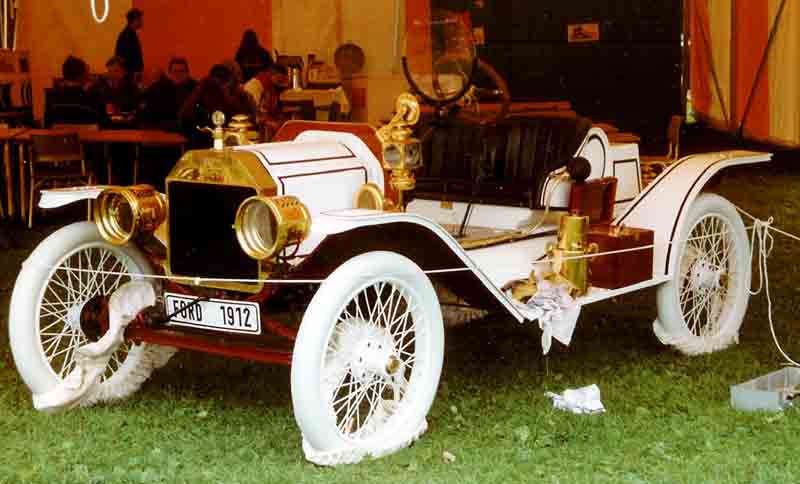
Ford Model T
"...factor. They used to be from all the way from the Model T up till about 1950. If you think about it, cars u..."
The Ford Model T is a very old car made by Ford. It’s important because it was one of the early cars that became widely available to regular people. The podcast references it as part of a historical timeline of cars.
The Ford Model T is an early, highly influential car that helped popularize mass-produced automobiles in the United States. It’s often referenced when discussing the long history of cars and how far technology and design have progressed. In this podcast, it’s mentioned as a starting point in a timeline of car models and eras.
SUVs
"So then they came to the SUVs. It's like, well, it's not a car."
SUVs (sport utility vehicles) are typically taller, higher-riding vehicles with an upright, boxier body shape compared with traditional sedans. The host frames SUVs as a “regression” in shape—higher off the ground for easier access and more room for people, pets, and cargo—while also noting practical constraints like garages and parking spaces.

Honda CR-V
"So people say, instead of buying an accord, I'd rather have something like a CRV."
The Honda CR-V is a compact SUV that’s popular for everyday errands and family use. The host is comparing it to a regular car like the Accord to show why people prefer the taller, more boxy shape.
The Honda CR-V is a compact crossover SUV (often called a CUV) known for fitting into the “practical family hauler” role without being as large as many full-size SUVs. Here it’s used as the alternative to an Accord, highlighting how buyers want the upright, higher seating and easier loading of an SUV-shaped vehicle—especially when parking and garage space are tight.
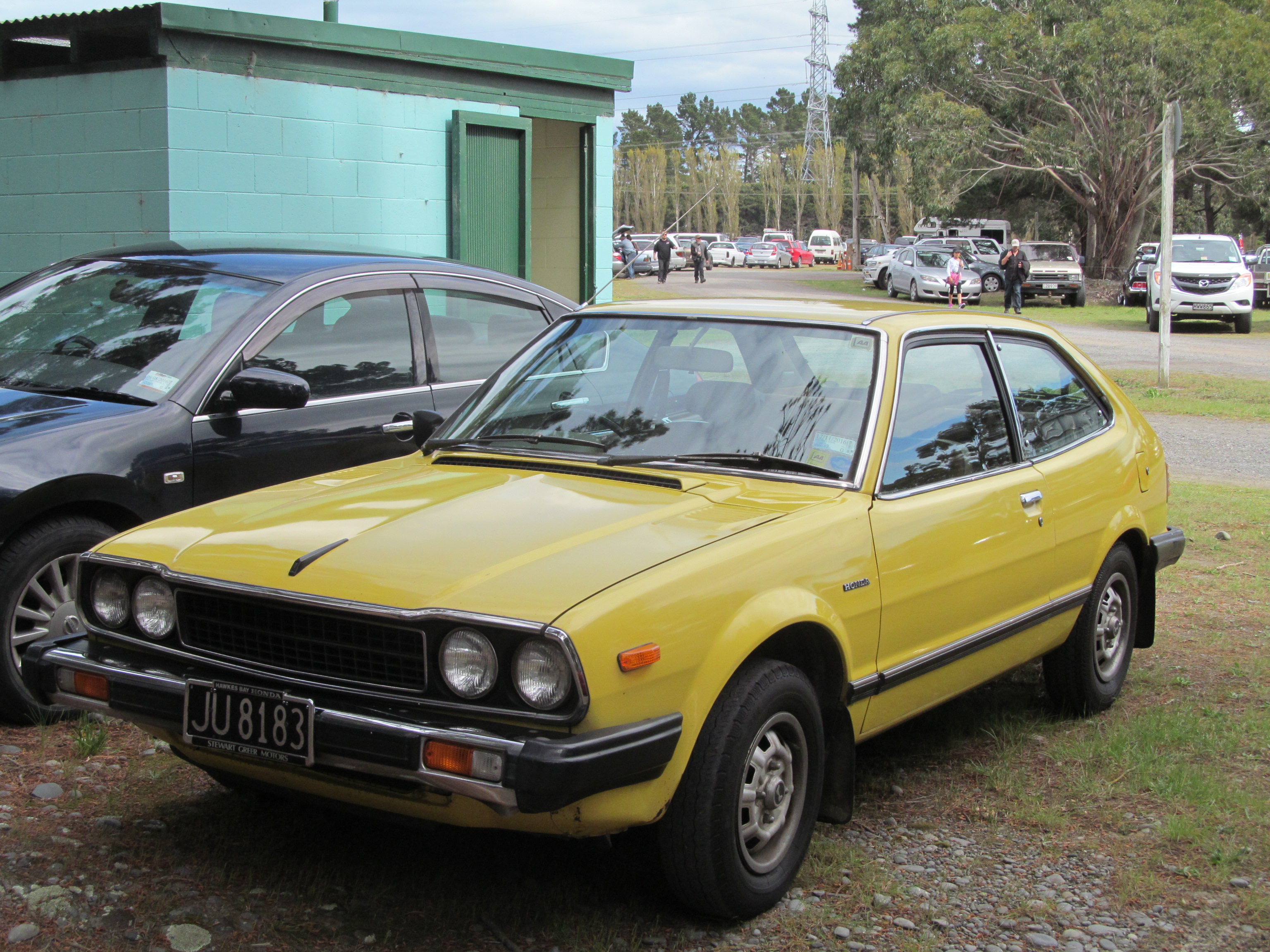
Honda Accord
"So people say, instead of buying an accord, I'd rather have something like a CRV."
The Honda Accord is a popular regular car (a sedan) that people often consider when shopping for something practical. The host is saying some buyers choose a taller SUV-style vehicle instead of an Accord.
The Honda Accord is a mainstream midsize sedan that many buyers cross-shop when they’re deciding between a traditional car and a taller, more SUV-like option. In this segment, the host uses “instead of buying an Accord” to illustrate how consumer preferences are shifting toward higher-riding CUVs/SUVs for space and practicality.

Ford Ranger
"[798.6s] How I ended up buying that. [799.9s] Cause I think about how did I end up with a for runner? [802.1s] And it was because, uh, before that, I had this Ford Ranger that we took to [807.9s] 330,000 miles and I just loved a quote, small pickup."
A Ford Ranger is a mid-size pickup truck. It’s the kind of truck people buy for everyday usefulness, and here it’s mentioned as something the speaker owned for a long time.
The Ford Ranger is a midsize pickup truck known for being practical and easy to live with, especially for people who want a smaller truck than full-size models. In this segment, it’s also used as an example of a long-term ownership experience, including very high mileage.

Mustang Fox Body
"...t even drive that thing. It's the same thing with Fox body Mustangs. Same thing."
The Mustang is a sporty car model made by Ford. In the podcast, they’re talking about older versions called “Fox body” Mustangs. The point is that those older cars can be similar in how they behave or feel.
“Mustang” refers to the Ford Mustang, a long-running pony car known for its performance options and strong enthusiast culture. In the podcast, it’s specifically tied to “Fox body Mustangs,” which are earlier Mustang generations that are often discussed for their parts and driving characteristics. The mention suggests the speaker is comparing behavior or ownership experiences across similar models.
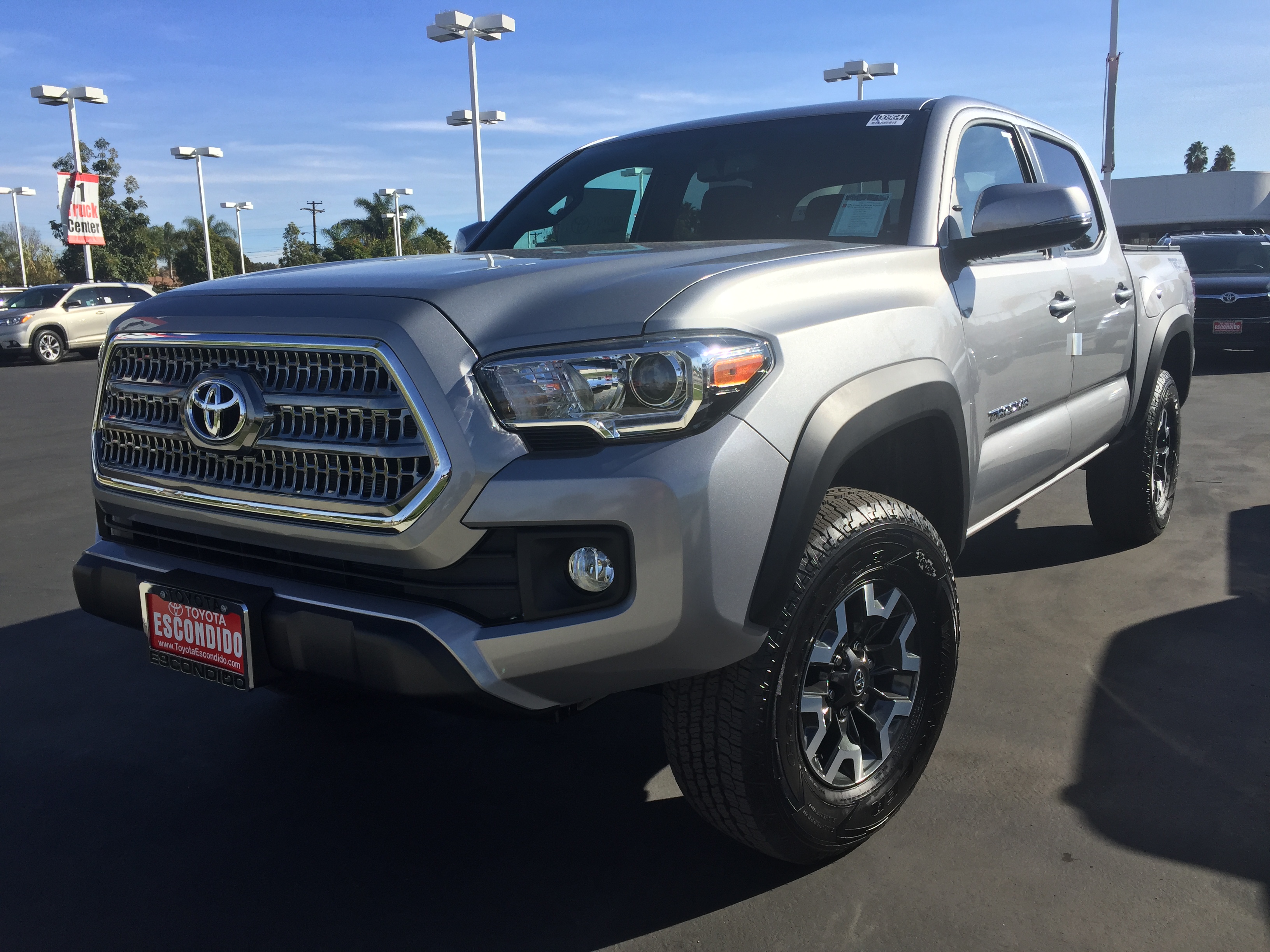
Toyota Tacoma
"I was going to get a Toyota Tacoma. Yeah. Maybe a used Tacoma four cylinder and now did that seat go real back?"
The Toyota Tacoma is a popular truck model. People often choose it used because it’s known for being dependable, and it comes in different engine options like a smaller four-cylinder.
The Toyota Tacoma is a midsize pickup known for being rugged and widely supported with parts and service. In this segment, the host is considering a used Tacoma (including a four-cylinder) as a reliability-focused alternative to other trucks.

4Runner Forerunner
"And I thought, well, shoot, why not a forerunner? It's, you know, it's basically a pickup with a SUV. It's the same as, it is the same, same frame as the mechanically, the tundra, same engine and whatnot."
The Toyota 4Runner is an SUV that’s built on truck-style hardware, not a car-like platform. The speaker is saying it can still work for hauling stuff—like gravel or bark—by using the rear cargo area like a truck bed.
The Toyota 4Runner is a body-on-frame SUV built around pickup-truck underpinnings, which is why it can be used like a truck when you need cargo space. Here, the speaker emphasizes that it shares the same basic mechanical foundation as the Toyota Tundra (frame, engine family), but with an SUV body.
body on top
"It's the same as, it is the same, same frame as the mechanically, the tundra, same engine and whatnot. So the same, it's just a different body on top."
This is describing how some SUVs are built on a truck frame. The frame and drivetrain are the “base,” and the outer SUV body sits on top of it.
“Body on top” is describing a body-on-frame construction approach where the vehicle’s frame and mechanicals are separate from the outer body. That’s why the 4Runner can be described as “basically a pickup with an SUV,” since the underlying structure is truck-like.
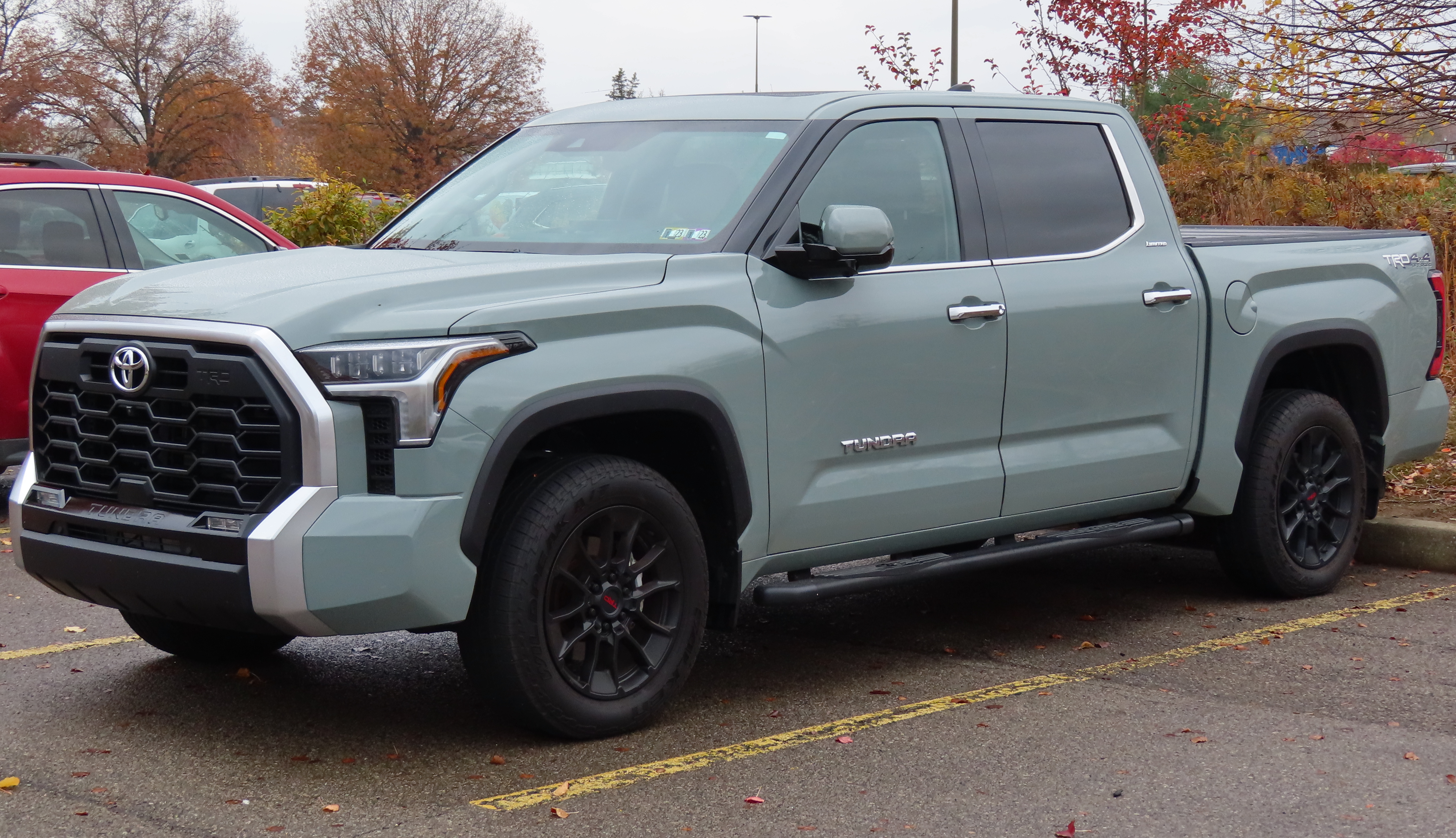
Toyota Tundra
"It's the same as, it is the same, same frame as the mechanically, the tundra, same engine and whatnot. So the same, it's just a different body on top."
The Toyota Tundra is Toyota’s larger truck. The speaker is saying the 4Runner uses similar truck-style underpinnings, so it can handle hauling tasks more like a truck than a typical SUV.
The Toyota Tundra is a full-size pickup, and this segment claims the 4Runner shares the same frame and engine family “mechanically” with the Tundra. That’s a key reason the speaker views the 4Runner as a pickup-like alternative for hauling.

Chevrolet Suburban
"And it's like, you know what, you can actually do more with the blazer and the suburban, cause you can still use it like a truck."
The Chevrolet Suburban is a big SUV that can fit a lot of people and luggage. In this conversation, they’re using it as an example of an SUV that can replace a pickup for trips like going to the airport.
The Chevrolet Suburban is a full-size SUV known for seating capacity and cargo space, which makes it one of the most “truck-like” family vehicles. The hosts are emphasizing that it can carry multiple people and luggage without needing to rely on a pickup truck.

Chevrolet Blazer
"And it's like, you know what, you can actually do more with the blazer and the suburban, cause you can still use it like a truck."
The Chevrolet Blazer is an SUV that can be used like a truck for hauling people and stuff. Here, they’re saying it can still do real utility tasks, not just be a “car for commuting.”
The Chevrolet Blazer is a midsize SUV that’s often used like a more practical, family-friendly truck. In this segment, it’s being compared to the Suburban for how much cargo and people it can carry, especially when you need more than a pickup can handle.
canopy
"People don't realize that you don't have to worry about you already have the canopy on it."
In pickup-truck terms, a canopy is a cover mounted over the truck bed that helps protect cargo from weather and can also improve how you organize/secure items. Here, the point is that you don’t have to worry about the setup when using an SUV/truck-like vehicle for practical hauling.

Ford Bronco
"No, I've had, I've had Broncos. [984.2s] Oh, I've had, had two OJs. ... [1000.1s] The prices of the Broncos have gone crazy."
The Ford Bronco is a tough, off-road SUV that a lot of people like to buy and modify. They’re saying used Broncos have gotten much more expensive than they used to be.
The Ford Bronco is a rugged off-road SUV with a strong enthusiast following, and it’s also a popular used-market target. The hosts discuss how Bronco prices have risen dramatically and mention a modified example, showing how demand and customization affect what buyers pay.
six inch lift
"And I mean, like I said, I sold my last one, I think for $5,000 back in 2000 and I don't know, 10, 12. ... And I mean, one of them had a six inch lift with 44s on it."
A six-inch lift means the suspension is modified to raise the truck/SUV higher off the ground. People do it to fit bigger tires and make the vehicle better for rough roads.
A “six inch lift” is a suspension modification that raises the vehicle’s ride height by about six inches. This typically changes tire clearance and handling characteristics, and it’s often paired with larger tires for off-road use.
44s
"And I mean, one of them had a six inch lift with 44s on it."
“44s” is slang for huge tires—about 44 inches tall. Bigger tires help the vehicle handle rough terrain, but they can make the ride and driving feel different.
“44s” is shorthand for 44-inch tires, a common way enthusiasts describe very large off-road tire sizes. Bigger tires increase ground clearance and off-road capability, but they can also affect steering feel, ride comfort, and gearing.

Ford Comet
"Oh, they're talking about the original Maverick from the early seventies. And the same as the Comet. Yeah. They are beautiful cars."
The Ford Comet is an early-1970s compact car that the hosts say is closely related to the original Ford Maverick. They use that relationship to frame why people might admire the Maverick’s styling even though it wasn’t originally marketed as a convenience-focused car.
grabber
"And they were, they were not, they were more for an economical car unless you got the grabber. Right."
“Grabber” is a name Ford used on some versions of the older Maverick that were aimed at buyers who wanted a sportier, more powerful feel than the basic economical model.
“Grabber” here refers to a performance-oriented trim/option package associated with the early-1970s Ford Maverick. The hosts contrast it with the base car’s economy focus, implying Grabber-equipped versions were more “enthusiast” than the standard setup.

Ford Maverick
"So anyway, the Ford, the Ford Maverick pickup that's been so hot lately. [1085.1s] And I like those. [1087.5s] It proved me wrong."
The Ford Maverick is a small pickup truck. It’s designed more like a regular car (not a heavy truck frame), and that’s part of why people like it compared with older “car-based” pickup attempts.
The Ford Maverick is a compact pickup that’s built around a unibody (car-like) platform rather than a traditional body-on-frame truck layout. In this segment, the hosts call out how it’s “squared off” and popular, contrasting it with earlier car-based pickups that didn’t last.
unibody pickup
"Cause every time there's been a unibody pickup, you know, car-based pickup, [1092.8s] it's done very poorly."
A unibody pickup is built like a car, with the body and frame combined into one structure. That can make it lighter and easier to drive, but it’s a different engineering approach than the heavy frame used on many classic trucks.
A unibody pickup uses a single integrated body structure (like most passenger cars) instead of a separate ladder frame. That design can make the truck feel more car-like and efficient, but it also changes how the vehicle handles loads and durability compared with traditional body-on-frame trucks.

Subaru Brat
"It'd be like a Subaru brat. [1096.2s] Yeah."
The Subaru Brat was a small pickup that was built more like a car than a traditional truck. The hosts mention it as an example of an earlier attempt at this kind of pickup that didn’t really catch on.
The Subaru Brat is a small, car-based pickup from Subaru’s lineup that became known as a quirky “lifestyle” truck. In this segment, it’s used as an example of an earlier unibody/car-based pickup that the hosts believe didn’t succeed well.

Subaru Baja
"The Subaru brat, the Subaru Baja, Santa, you know, the Hyundai Santa Fe came out [1101.6s] and it's already been discontinued."
The Subaru Baja was a small pickup-like vehicle built on a car platform. The hosts bring it up as another earlier example of this “car-based pickup” concept that didn’t stick around long.
The Subaru Baja is a car-based pickup/crossover-style vehicle that Subaru sold in the early 2000s. Here it’s grouped with the Brat as another example of a unibody, car-based pickup idea that didn’t have lasting success.

Hyundai Santa Cruz
"Not Santa face, Santa Cruz. [1106.0s] It's because it's a Hyundai."
The Hyundai Santa Cruz is Hyundai’s small pickup. The hosts mention it while talking about how some car-based pickup models don’t last long in the market.
The Hyundai Santa Cruz is Hyundai’s compact pickup that blends pickup utility with a car-like unibody design. In this segment, the hosts correct themselves from “Santa” to “Santa Cruz” and connect it to the idea that some car-based pickups get discontinued.
ladder frame
"And it's still pretty roomy inside because you, it is very roomy there. [1165.2s] You don't have the ladder frame getting in the way. [1167.6s] They're beautiful inside."
A ladder frame is a strong “truck-like” frame made of two main rails with bars connecting them. It can take up space inside the cabin, so the speaker is saying this design keeps the interior roomier.
A ladder frame is a body structure made of two long rails connected by crossmembers, like a ladder. It’s common on traditional body-on-frame vehicles and can intrude into the cabin floor, so the host is arguing that this vehicle’s layout avoids that downside.
all wheel drive
"I guess I'm all wheel drive. There's some nice little vehicles."
All-wheel drive means the car can send power to all four tires. That helps it grip better on wet, snowy, or rough roads.
All-wheel drive (AWD) sends power to all four wheels, improving traction when roads are slippery or uneven. Many AWD systems can vary how much torque goes to the front vs. rear depending on conditions.
two wheel drive
"Yeah. And you know, you can get all wheel drive, two wheel drive or four wheel drive."
Two-wheel drive means only two tires get power. It can be cheaper and sometimes more efficient, but it may slip more on slick roads.
Two-wheel drive (2WD) sends power to only one axle—either the front or the rear. It’s typically simpler and can be more efficient than AWD, but it usually provides less traction in bad weather.
four wheel drive
"Yeah. And you know, you can get all wheel drive, two wheel drive or four wheel drive."
Four-wheel drive powers all four tires. It’s usually built for tougher traction situations like mud, snow, or off-road driving.
Four-wheel drive (4WD) is a drivetrain that powers all four wheels, often with a more off-road-focused setup than typical AWD. Many 4WD systems are designed to be used when traction is low, sometimes with selectable modes.

Ford Fiesta
"They took a huge gamble by getting rid of, they got rid of the fusion, the focus, the fiesta, they got rid of the edge."
The Ford Fiesta was a small, city-friendly car. The host mentions it as one of the models Ford stopped selling to simplify its lineup.
The Ford Fiesta was Ford’s subcompact car, often chosen for city driving and affordability. Bringing it up with other discontinued models is part of the “trim down lineup” point.

Ford Focus
"They took a huge gamble by getting rid of, they got rid of the fusion, the focus, the fiesta, they got rid of the edge."
The Ford Focus was a smaller Ford car that many people used for everyday driving. The host lists it to show Ford cut back on a bunch of car models.
The Ford Focus was Ford’s compact car line, popular with buyers who wanted something smaller and efficient. Its mention in the same breath as the Fusion and Fiesta underscores Ford’s decision to exit multiple mainstream segments.

Ford Fusion
"They took a huge gamble by getting rid of, they got rid of the fusion, the focus, the fiesta, they got rid of the edge."
The Ford Fusion was a common Ford sedan that many people bought as a family car. The host brings it up to show Ford removed a lot of regular cars from its lineup.
The Ford Fusion was Ford’s mainstream midsize sedan, known for being a high-volume family car. Mentioning it alongside other discontinued nameplates highlights Ford’s lineup reduction strategy.

Ford Edge
"You said that about the edge. I know those, those edge four doors that they look like a station wagon kind of box, you know what, I can tell you what, I like some of those."
The Ford Edge is a Ford SUV. It’s the kind of car that looks a bit like a station wagon because it has a higher roof and a practical, boxy shape.
The Ford Edge is a midsize crossover SUV, and in this segment it’s being described as having a “four doors” look that resembles a station wagon. That’s a common way people talk about CUV styling: tall rooflines and wagon-like proportions rather than a traditional sedan shape.
Ford 500
"Well, because they did that also with the Ford 500. Oh, right. They changed it back to Taurus."
Ford 500 is basically a name Ford tried for the Taurus. They later changed it back to Taurus because the “500” name didn’t work as well with customers.
Ford 500 refers to Ford’s short-lived renaming of the Taurus for the mid-2000s era. The hosts are pointing out that Ford changed the name back to Taurus after realizing the “Ford 500” branding didn’t land well with buyers.

Ford Taurus
"Oh, right. They changed it back to Taurus. That's right. Cause they knew they made a big mistake by that name."
The Ford Taurus is a long-time Ford car model. Here, they’re saying Ford changed the name and then went back to Taurus because the other name didn’t feel right to buyers.
The Ford Taurus is a long-running Ford sedan line, and in this segment it’s mentioned as the name Ford reverted to after the “Ford 500” experiment. The point is about how branding and naming can affect consumer perception and sales.
EcoBoost mode
"Cause they knew they made a big mistake by that name. And some of those Ford 500s, which I didn't know, but you're someone were turbo charged and they have all this other special. Yeah, they put the Eco EcoBoost mode."
EcoBoost is Ford’s turbo-engine technology. “EcoBoost mode” usually means the car is set up to be more efficient, using the engine in a way that saves fuel.
EcoBoost is Ford’s branding for turbocharged gasoline engines designed to improve fuel economy and power compared with naturally aspirated setups. In this context, “EcoBoost mode” suggests a driving/engine calibration that emphasizes efficiency and smoothness rather than maximum output.

Hyundai Genesis
"...eah, he did. He crashed that commercial for Buick Genesis off the cliff, which is really a Hyundai."
The Hyundai Genesis is a line of cars made by Hyundai. It’s meant to be a more upscale option than basic models. The podcast mentions it while talking about a commercial and the name being associated with Hyundai.
The Hyundai Genesis refers to Hyundai’s vehicle line that was positioned as a more upscale alternative within the brand’s lineup. In the podcast, it’s mentioned in a commercial-related context, where the speaker describes a “Genesis” ad and connects it to Hyundai. The discussion is more about branding and recognition than technical details.
dyno
"He's trying to put on the, um, the horse power. Yep. He's trying to put on the dyno, but because all the safety features, he couldn't get it turned off."
A dyno is a testing machine that measures how much power a car makes. In this story, they couldn’t run it properly because the car’s safety systems wouldn’t let them disable something for the test.
A dyno (dynamometer) is a machine used to measure engine output—typically horsepower and torque—by loading the drivetrain while the car runs. Here, the car owner wants to run it on the dyno, but safety features prevent turning something off needed for the test.
LS V8
"Yeah, but, but that's a lot like your GTO, right? It's got the LS V8 and it is, it is independent suspension."
An “LS V8” is a type of V8 engine made by GM. People like it because it’s strong and there are lots of parts and upgrades available for it.
“LS V8” refers to General Motors’ LS-series V8 engines, a family known for compact size, strong aftermarket support, and good performance potential. In this context, it’s used as a shorthand for the engine character and swap/upgrade ecosystem that often comes with LS-powered cars.
independent suspension
"Yeah, but, but that's a lot like your GTO, right? It's got the LS V8 and it is, it is independent suspension."
Independent suspension means the wheels don’t have to move together. That helps the tires stay planted on the road, which improves handling and smoothness.
Independent suspension means each wheel can move somewhat independently, instead of being tied together by a single rigid axle. That usually improves ride comfort and grip because the tire contact patch can stay more consistent over bumps and uneven roads.

Holden Monaro
"And a friend of mine, he's, he's got one of 34 Holden's, which is actually your car is Holden Monaro, isn't it?"
The Holden Monaro is a V8 muscle car from Australia. Here, they’re talking about a rare version of it, which is why it stands out to used buyers.
The Holden Monaro is an Australian muscle car known for its V8 performance and classic rear-wheel-drive layout. In this segment, it’s referenced as the basis for a rare “one of 34” example, highlighting how specific trims/variants can matter in used-car searches.
right hand drive
"Porsche is one of 34 2017 and it's right hand drive."
Right-hand drive means the steering wheel is on the right side of the car. It’s common in places where cars drive on the left, and it can make a car more or less rare depending on your country.
Right-hand drive (RHD) means the steering wheel is on the right side of the car, which is common in countries that drive on the left. It can affect availability, importability, and even how a car feels/operates for buyers used to left-hand-drive markets.

Holden Commodore Wagon
"Is it like a, like a Commodore wagon or it looks like a wagon. [1435.4s] Okay. [1435.8s] Almost counted."
The Holden Commodore is a popular Australian car model. A “wagon” just means a station wagon body style—more cargo space than a sedan.
The Holden Commodore is a long-running Australian car line, and the wagon body style is one of its common variants. In the transcript, “Commodore wagon” is used as a visual comparison for the vehicle’s shape.

Holden Maloo
"but yeah, I see, you know, I've seen [1452.0s] a Holden Maloo drive around. [1453.3s] It's amazing."
The Holden Maloo is an Australian pickup truck that’s built on the same platform as the Holden Commodore. It’s basically a “performance ute,” meaning it’s meant to feel more like a sports car than a plain work truck.
The Holden Maloo is an Australian performance pickup based on the Holden Commodore platform. It’s known for being a factory ute (pickup) with muscle-car styling and V8 power options, which is why it stands out compared with typical North American pickups.
Mustang
"Well, I've had, it's a Mustang's pretty much 30 years, what is it? Oh, I've had Mustangs pretty much the last 30 years, Mustangs of all types."
The Ford Mustang is a very popular American sports car. In this clip, the guest is saying they’ve owned Mustangs for a long time, so they’re using that history to explain what they wanted next.
The Ford Mustang is a long-running American pony car known for offering V8 power and a wide range of trims over decades. Here, the guest says they’ve owned Mustangs for about 30 years, which frames their buying preferences and how they’re comparing other cars to that experience.
manual shifting
"I'm tired of banging gears, manual shifting. This is like, I'd rather have an automatic."
Manual shifting means you change gears yourself instead of letting the car do it. The guest is saying they got tired of doing that every day and wanted something easier.
“Manual shifting” means driving a car with a manual transmission, where the driver selects gears using a clutch and gear lever. The guest specifically says they’re tired of it, which highlights how transmission choice affects used-car satisfaction.
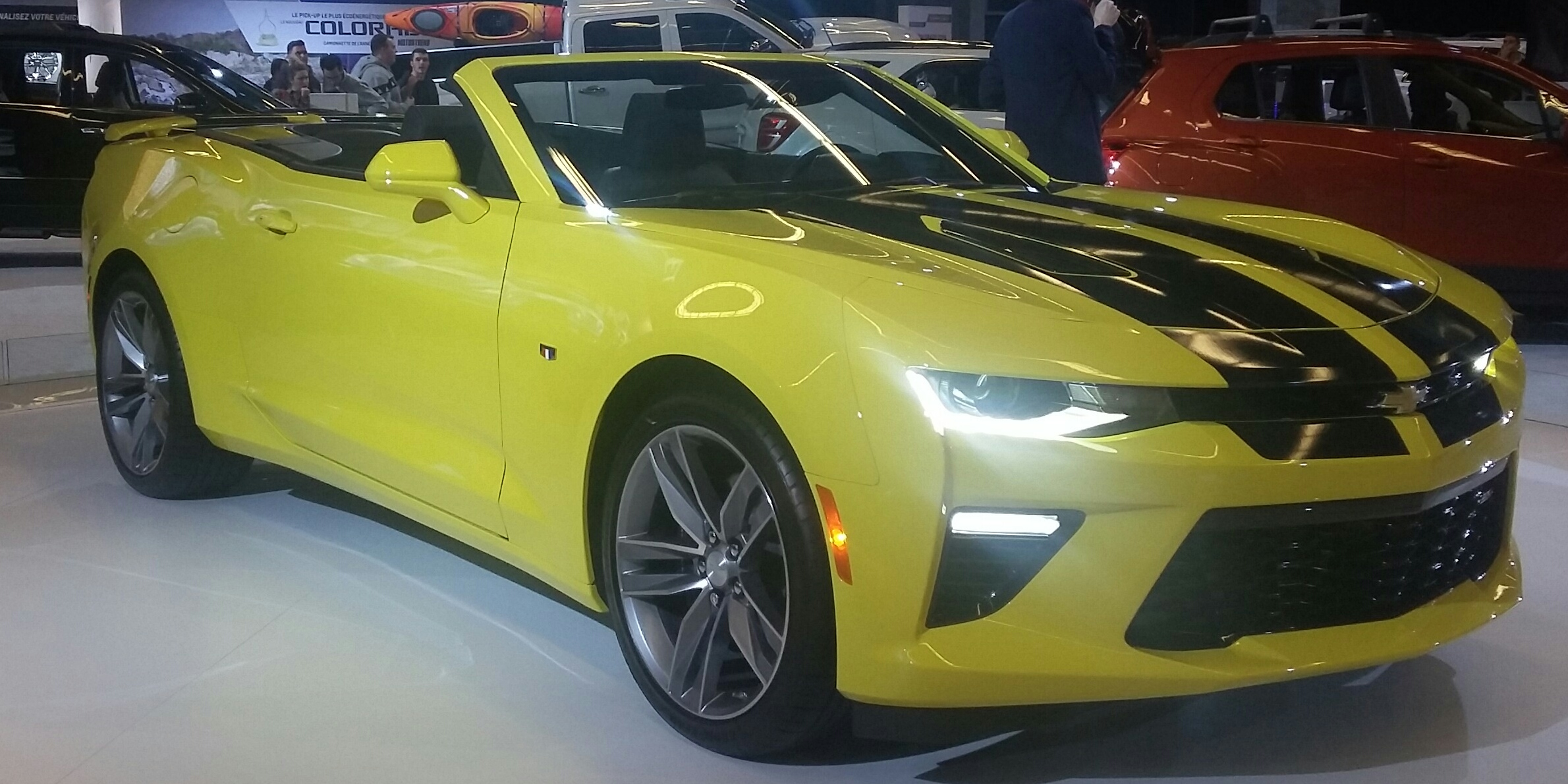
99 Camaro Supersport
"Well, I bought a 99 Camaro Supersport with T tops and everything else. And I was going to redo that car and the whole thing with the hood scoop, right?"
The Camaro is a popular American sports car. The guest says they bought a 1999 Camaro Supersport with T-tops, mainly because they wanted something with an automatic instead of constantly shifting.
The Chevrolet Camaro is a classic American muscle/pony car, and the “Supersport” trim typically indicates a more performance- and appearance-focused package. In this clip, the guest buys a “99 Camaro Supersport” with T-tops as part of moving away from manual gear changes toward an automatic.
hood scoop
"And I was going to redo that car and the whole thing with the hood scoop, right? "
A hood scoop is a raised opening on the hood. It can be for getting air to the engine, but it’s also often added because it looks sporty.
A “hood scoop” is an intake-shaped opening on the hood. Depending on the design, it can be functional (routing air toward the engine) or mostly cosmetic, and the guest mentions redoing the car with a hood scoop as part of their planned modifications.
T tops
"And it was like, you know what? I really don't want to build this car up because I don't like T tops... I don't like T tops leak."
T-tops are removable roof panels. They can make the car feel more open, but they can also be a problem if they don’t seal well—especially when it rains.
T-tops are removable roof panels shaped like a “T,” commonly found on older American cars. They let you remove part of the roof for open-air driving, but they can introduce sealing and water-leak concerns if the seals or fitment aren’t perfect.
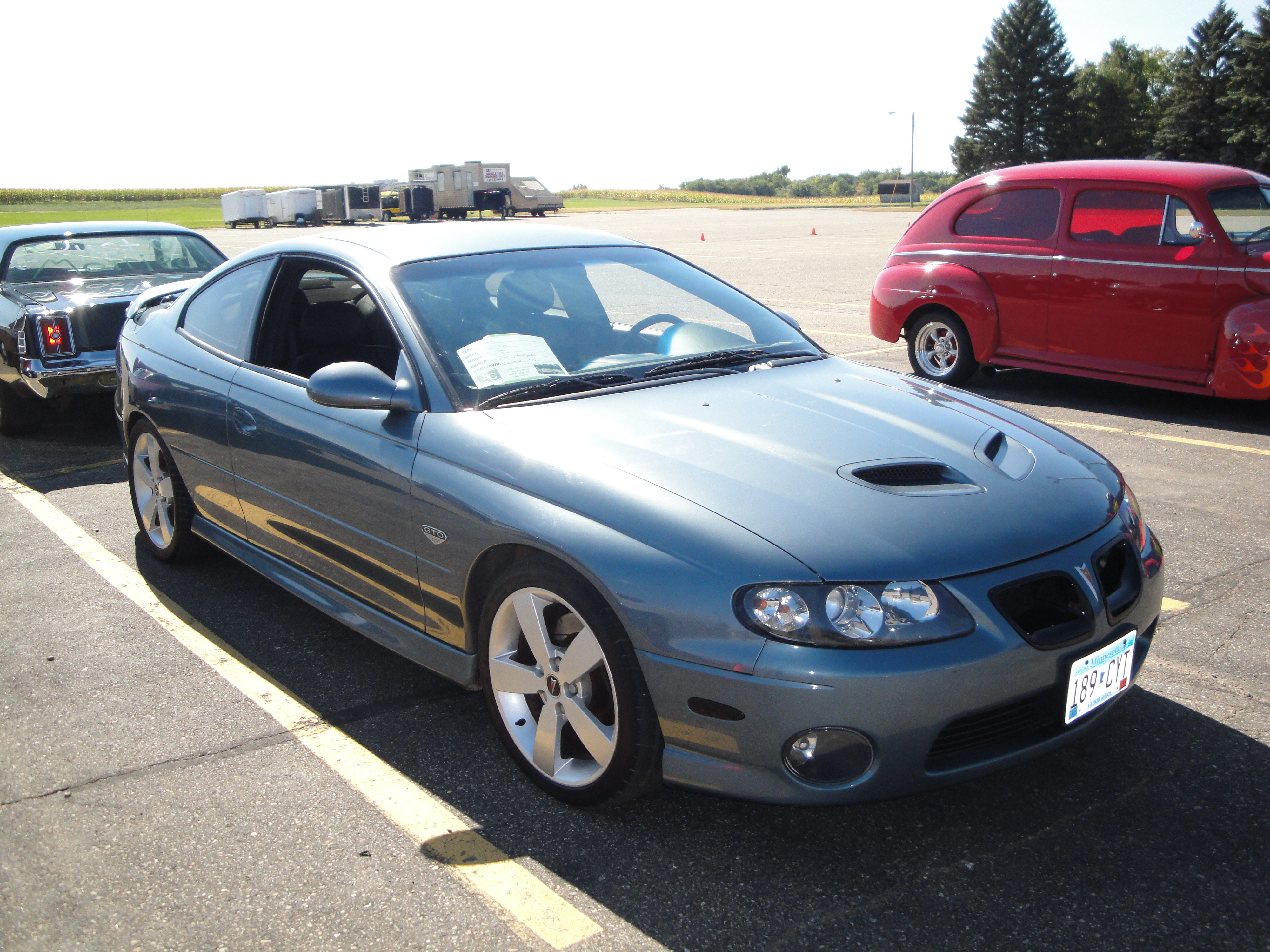
GTO
"So the GTO, when they came out, they came here to the United States, 04 to 06 GTOs by then the Camaro was gone, right?"
The GTO is a Pontiac muscle car. Here, the speaker is talking about the 2004 to 2006 version and how it showed up in the U.S. around the same time the Camaro was gone.
The Pontiac GTO is a classic American muscle car nameplate that became especially associated with the 2004–2006 generation. In this segment, the host is talking about the 2004–2006 GTO arriving in the U.S. after the Camaro had already been discontinued, which is why they’re comparing it to the earlier car they owned.
automatic
"So when I was looking for one, I was like, I said, I would drive a GTO. [1622.3s] I said, but I don't want a manual. [1624.0s] I want automatic, I'm tire shifting gears. [1626.0s] I want something I can just cruise in."
Automatic means the car changes gears by itself. The speaker prefers it because it’s easier for everyday driving than a manual.
An automatic transmission shifts gears for you, so you don’t have to manually select each gear. In used-car shopping, that choice often matters for daily driving convenience, especially if you’re coming from (or avoiding) a manual.
paint issues
"So I found this GTO down in Portland and the guy, the car's originally from Arizona. [1660.7s] So it has some paint issues. [1662.7s] The car was actually stolen."
“Paint issues” usually means visible problems like peeling clear coat, fading, scratches, or uneven color. On a used car, paint condition is important because it can hint at prior damage, repainting, or neglect.
stolen
"So I found this GTO down in Portland and the guy, the car's originally from Arizona. [1660.7s] So it has some paint issues. [1662.7s] The car was actually stolen. [1663.8s] A woman owned it for like 15 years and, um, she got it back like the next day or so."
If a car was stolen, it can have problems you can’t easily see—like damage from being driven hard or missing items. It’s something you’d want to verify with records and a careful inspection before buying.
A car being “stolen” is a major used-car red flag because it can lead to hidden damage, missing parts, or title/record complications depending on how it was recovered. Even if the car is later returned, buyers often want documentation and a thorough inspection.

Land Rover Range Rover
"...s kind of like, ah, I was you know what? He had a Range Rover. He was fixing up and I'm like, bro, don't put yo..."
The Range Rover is a luxury SUV made by Land Rover. It’s designed to be comfortable and capable, including on rough roads. The podcast mentions it because someone had one that needed work and they were talking about how to handle repairs.
The Land Rover Range Rover is a luxury SUV known for comfort, off-road capability, and a high-end driving experience. It often comes up in conversations about ownership because maintaining and repairing luxury vehicles can be more involved than mainstream cars. In this podcast, it’s mentioned in the context of someone fixing one up and advice about what not to do during that process.
headliner
"So he put a new headliner in it. [1697.4s] He found original wheels for it, put those on it."
The headliner is the fabric or panel on the inside ceiling of the car. If it gets loose or ugly, fixing it usually takes a lot of work.
The headliner is the interior “ceiling” panel of a car. When it sags or gets damaged, replacing it is a labor-heavy job because the trim often has to come apart.
original wheels
"He found original wheels for it, put those on it. [1699.7s] He started to fix the car up."
“Original wheels” are the wheels that match what the car came with from the factory. People like them because they fit correctly and look right for the vehicle.
“Original wheels” means the factory wheel design that came with the vehicle. Enthusiasts often prefer them for fitment, appearance, and to avoid mismatched aftermarket sizes or offsets.
wrapping
"because the paint issues, cause paint's not cheap, [1705.9s] but wrapping is cheaper. [1707.8s] He was going to wrap it like a white color and do all that stuff to it."
“Wrapping” means putting a vinyl film on the outside of the car to change the color. It can be cheaper than repainting and can be removed later.
In this context, “wrapping” means applying a vinyl wrap over the car’s body to change its color or finish. It’s often cheaper and more reversible than repainting, especially when you’re dealing with paint issues.

LS motors
"the leftover motors from the Camaros and the trans Am's, the LS motors, they had nothing to do with them."
“LS” is a GM engine family—basically a type of V8. The speaker is saying those engines were originally meant for other models, then ended up in the car they’re talking about.
“LS” refers to GM’s LS-series V8 engine family, known for strong performance and widespread aftermarket support. The speaker is claiming these LS engines were repurposed from other cars and then used in the GTO context.

Cadillac Ctsv
"the Cadillac, uh, C, CTS. Yeah, CTSV, yeah, came in that and the old five Cadillac, I ..."
The Cadillac CTS-V is a faster, performance-focused version of the Cadillac CTS. It’s meant to feel more powerful and sporty than the regular model. The podcast brings it up by name as a specific Cadillac variant.
The Cadillac CTS-V is a high-performance version of the Cadillac CTS, built to deliver a more aggressive, track-capable driving experience than a standard CTS. It’s discussed in the podcast as “CTSV,” indicating the specific performance trim. The mention suggests the car is part of a conversation about notable performance Cadillacs.

Corvettes
"Yeah, CTSV, yeah, came in that and the old five Cadillac, I mean, Corvettes. That's what they came in."
The Corvette is Chevrolet’s well-known sports car. Here it’s mentioned because the speaker says the same performance engines were used in Corvettes too.
The Chevrolet Corvette is GM’s flagship American sports car. The host mentions Corvettes as one of the places the engine family showed up, again tying engine provenance to the car’s history.
supercharger
"I mean, basically you throw on, you throw on a supercharger. You're at 600 horsepower."
A supercharger is a device that forces extra air into the engine. More air helps the engine make more power, so the car feels faster without needing a totally new engine.
A supercharger is an engine-mounted forced-induction device that compresses incoming air before it enters the engine. Because more air (and oxygen) can be burned per cycle, it can boost power significantly without changing the engine’s basic layout.
fuel injection
"That's without having to do the fuel injection without him doing anything else."
Fuel injection is how the car delivers gasoline to the engine. It meters the fuel so the engine can run properly—especially when you add modifications that increase airflow and power.
Fuel injection is the system that delivers fuel into the engine in a controlled, metered way (instead of using a carburetor). When people say they can add boost “without” changing fuel injection, they’re usually talking about whether the existing system can supply enough fuel under higher airflow.
Request an Explanation
Heard something you'd like explained? We'll add it to this episode.
Sign in to request explanations for terms you heard.
Want to learn more?
Browse our glossary for plain-English explanations of automotive terms, jargon, and concepts.
Help improve this episode
See something that's not quite right? Our annotations are AI-generated and can sometimes miss the mark. Click the flag icon on any annotation to suggest a correction.