“Coda” is a race track in Austin, Texas. It has long straightaways and lots of turns, so it’s great for seeing how cars handle and how fast they can go.
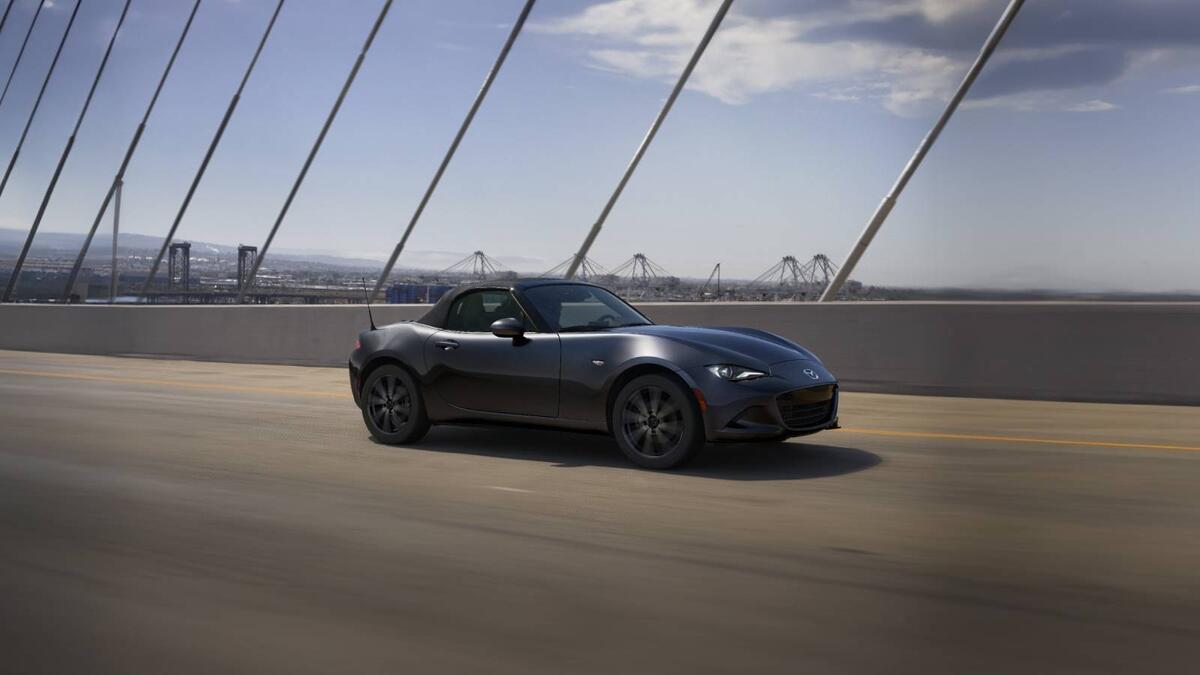
The Miata is a small two-seat convertible made for driving for fun. It’s popular because it’s light and handles well. The discussion here is about whether taller or larger drivers can fit comfortably.
The “broomstick test” is a joking way to check if someone’s head will hit the roof in a car. If it would, they probably won’t fit comfortably or safely.
A road rally is like a planned driving trip with rules and checkpoints. Instead of racing on a track, you drive a route and hit timing or check-in points along the way.
Place
Nürnürgring
The Nürburgring is a famous race track in Germany. It’s known for being tough and for being where car people go to test and develop performance cars.
Stelvio Pass is a famous mountain road in Italy. It has steep climbs and lots of tight turns, so it’s a great place to see how a car handles uphill and downhill.
The Stelvio is a luxury SUV made by Alfa Romeo. It’s meant to be more fun to drive than a typical family SUV. The podcast brings it up in connection with driving a scenic mountain route.
The Nürburgring is a legendary race track in Germany. Car companies and drivers use it to test and compare how fast and how well cars handle.
Concept
rallies to dinner
They mean the cars leave together and drive to dinner as a group. It’s like a coordinated meetup instead of everyone going on their own.
Concept
convoy style
“Convoy style” means lots of cars driving together as a coordinated group. They’re saying they won’t have all 100+ cars doing that at once—just smaller groups.
Depreciation just means a car usually becomes worth less after you buy it. In the segment, they assume you’ll lose about 20% of the car’s value after a year when you sell it.
“Rolling your buys into each other” describes chaining purchases so the sale proceeds from one car help fund the next one. The host is essentially modeling a rotating schedule where you buy, use for about a year, sell, and then repeat—so depreciation and resale value matter a lot.
The Toyota MR2 is a small sports car where the engine is placed near the middle of the car. The host is talking about it as a possible future purchase that might fit their budget plan.
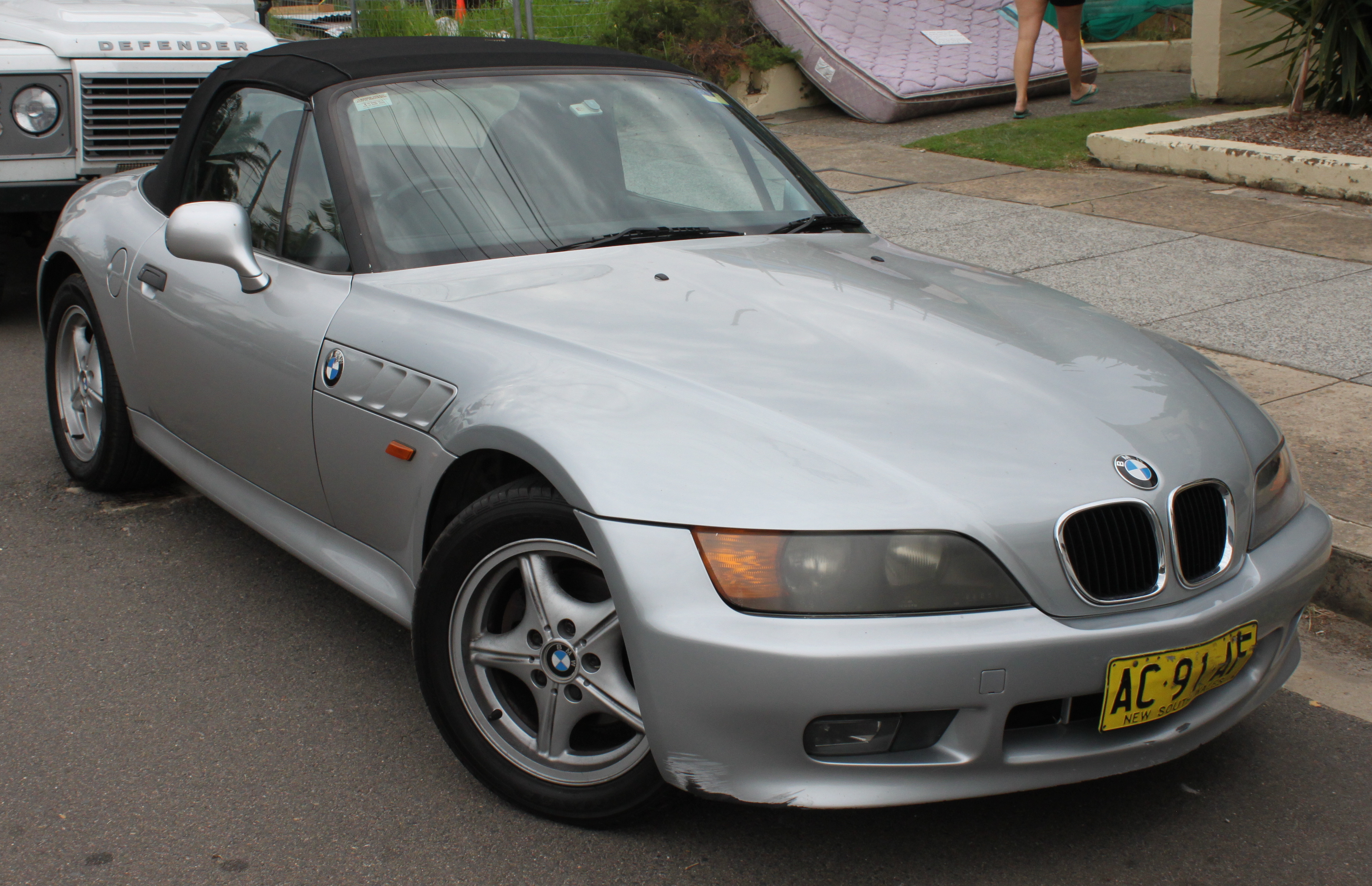
The BMW Z3 is a small two-seat convertible roadster. It’s designed for fun driving with the top down. The podcast is comparing it to other similar BMW roadsters (like the Z4).
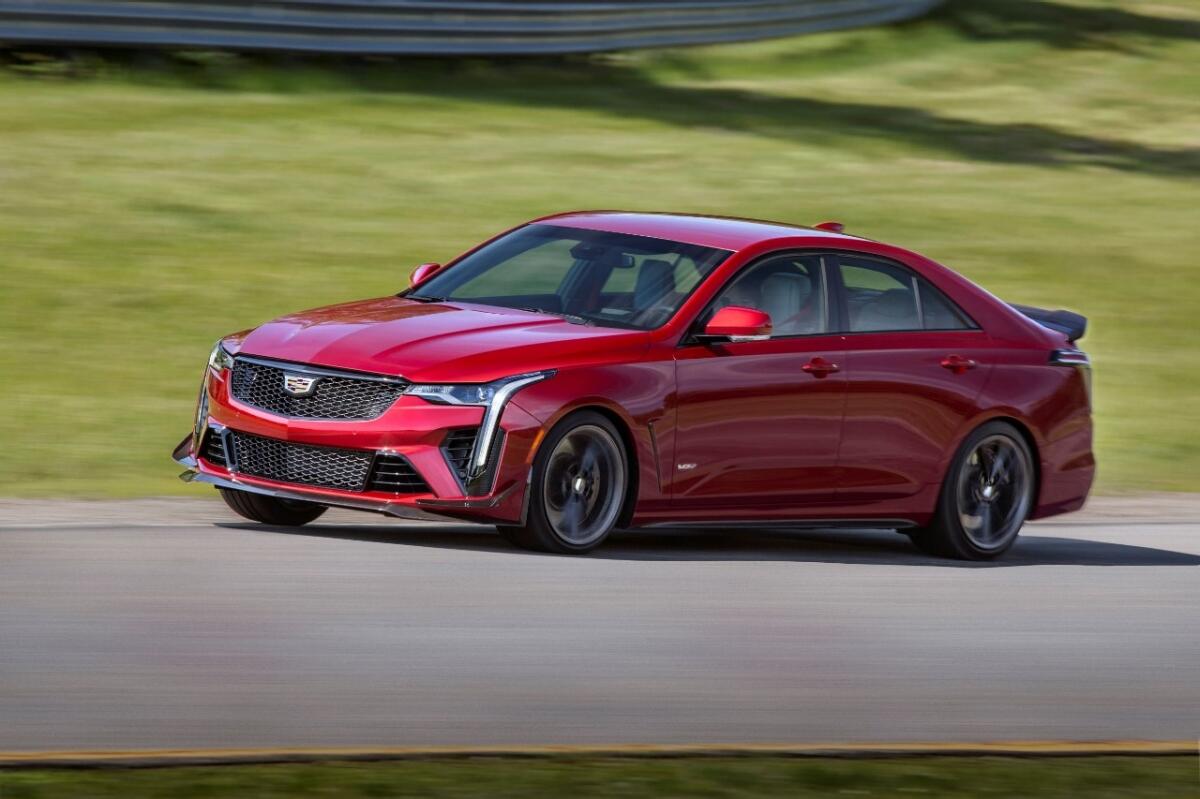
The CT4 is a compact luxury sedan made by Cadillac. The CT4V is the more performance-focused version. The podcast is discussing it as a car that could be used for real trips and driving, not just as a concept.
“Going private” means the organization is moving toward a more exclusive, member-only setup instead of something open to the public. The host compares it to private race clubs that become more exclusive over time.
They’re talking about a Ferrari model they think could be extremely fast around a track. The point is that lap times don’t always translate into people remembering the car.
The Cybertruck is an electric pickup truck. Instead of using gasoline, it runs on electricity. The conversation is about how unusual and different it is compared with typical trucks.
Term
in-house B8 engine
“In-house” means the company makes the engine itself instead of buying it from someone else. “B8” is the engine’s internal model name, like a specific version or family of that engine.
Laguna Seca is a well-known road course in California, famous for its distinctive “Corkscrew” corner. The host references it as the place where they previously discussed the topic at hand.
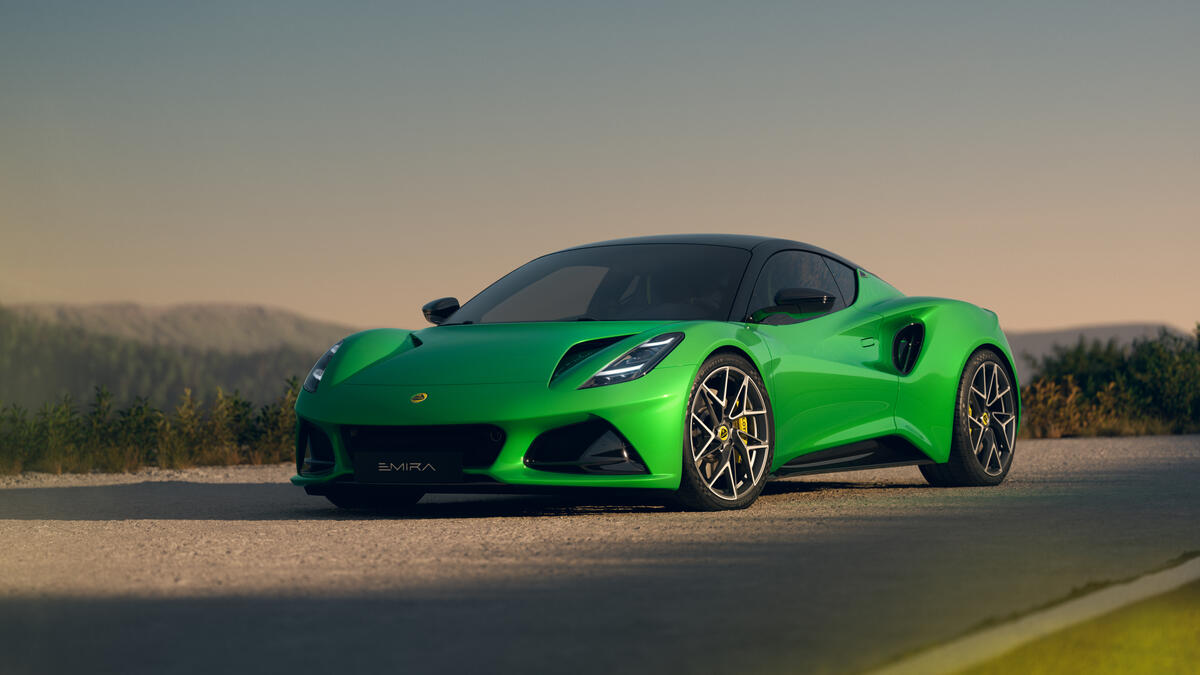
The Emira is a sports car made by Lotus. It’s designed to feel light and handle well. The conversation is about an updated version that’s been improved with more power and lower weight.
A manual transmission is the kind of car where you choose the gears yourself using a clutch and a gear stick. Here, the hosts are talking about it because getting the manual is part of why someone would want the Amira.
They’re talking about a 2004 Porsche Boxster with a manual transmission. The reason it comes up is that some cars from that era have a known issue involving a bearing inside the engine, so you want to verify whether it’s been addressed.
An IMS bearing is a small part inside some Porsche engines. If it fails, it can lead to serious engine problems. That’s why people worry about it when buying a used Porsche with that engine.
Bore scoring means the inside walls of an engine cylinder get scratched or worn. If that happens, the engine can lose sealing and start using oil or running poorly. It’s often not something you can just ignore or easily repair.
The GT350 is a high-performance sports car based on the Mustang. It’s designed to drive hard and feel sporty, not just commute. The podcast is asking whether it’s more performance than someone really needs.
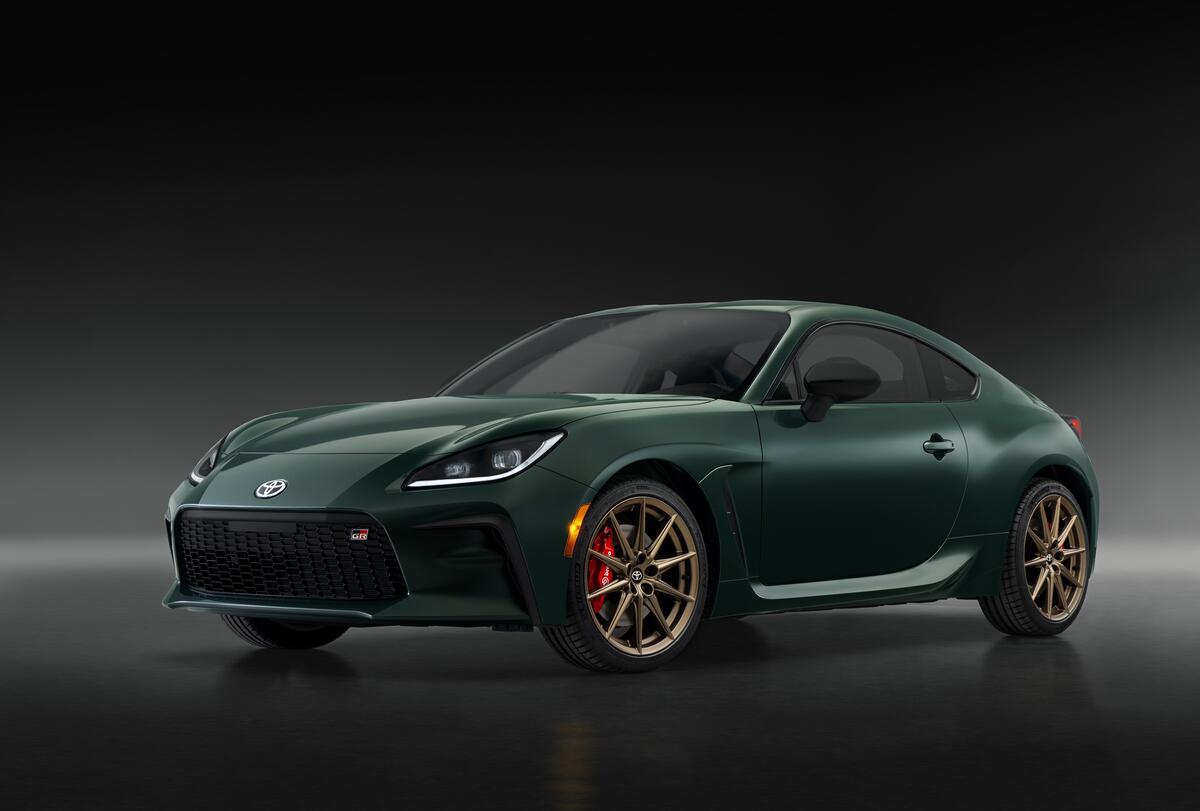
The GR 86 is a small sports car meant to be fun to drive. It’s powered by a four-cylinder engine and is usually chosen by people who want something sporty without spending extreme money. The podcast is comparing it to another similar-style car option.
Term
horsepower rates
Horsepower rate is a shorthand for how much power a car makes and how that power is delivered across the rev range. Different models are tuned to feel different—some are more responsive at lower speeds, others pull harder at higher RPM. In the segment, it’s used to justify why different trims/models exist for different driving styles.
“Tight roads” means narrow streets with lots of turns close together. The idea is that a smaller, lighter car is easier to steer and control there than a big, powerful one.
Here “theater” means the car feels dramatic or showy—like it’s doing a lot even when you’re just driving. The host is saying a small car may feel more calm and controlled.
The Volkswagen CC is a Volkswagen sedan with a more stylish, coupe-like look. The hosts are referencing an earlier recommendation they made that didn’t work out for the listener.
A track day is when people drive their cars on a race track instead of public roads. It’s harder on the car and the driver, so it’s not the best place to learn something new like a manual.
A roll bar is a metal safety structure inside the car. It’s meant to protect you if the car tips over, and installing one can be annoying because it often requires taking parts of the interior apart.
A roll cage is like a stronger, more complete roll bar system. It’s designed to protect you in a crash, and it’s usually harder to install than a basic roll bar.
The Mitsubishi 3000 GT is a 1990s Japanese sports car that was packed with advanced features. The hosts say it’s the most complicated of the group they tested, and that complexity plus extra weight makes it more likely to have problems later.
The Nissan 300ZX is a well-known 1990s Japanese sports car. In this discussion, it’s one of the reference cars they already covered when trying to compare against the Mitsubishi 3000 GT.
The Mazda RX-7 is a Japanese sports car known for having a rotary engine, which is unusual compared to most cars. The hosts mention it as one of the cars they previously tested before trying to compare with the Mitsubishi 3000 GT.
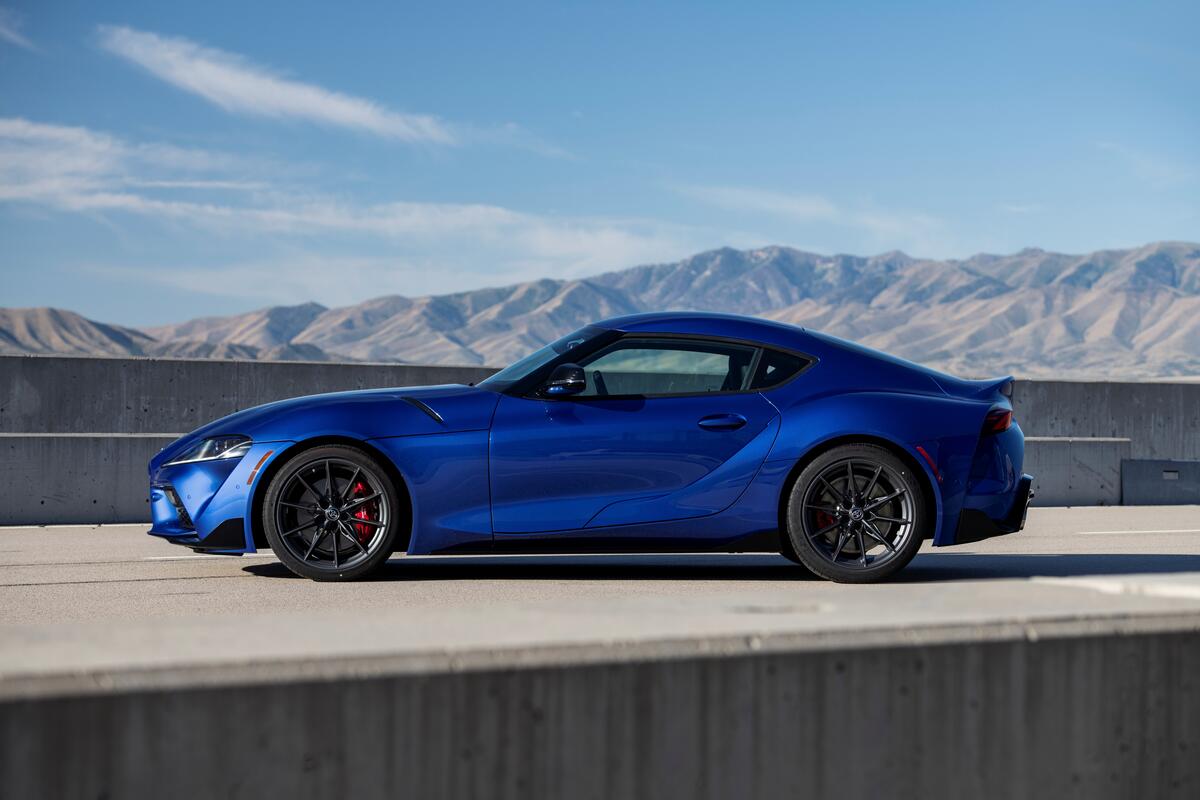
The Toyota Supra is a famous 1990s Japanese sports car, often talked about in the same breath as other turbo performance cars. In this segment, it’s one of the reference cars they already did before comparing to the 3000 GT.
Residual value is basically what the car is expected to be worth later. If it “bottomed out,” it means the expected future value has hit its lowest point.
This phrase means the car can do a lot of the driving for you—like keeping speed and helping with steering—while you still have to pay attention. The host is saying that makes commuting easier.
Stop-and-go is traffic where you keep creeping forward and braking repeatedly. The host is saying that kind of driving can make a manual sports car less pleasant than an easier-to-drive car.
A windshield is the front glass of the car. The host is saying that in everyday driving—especially around trucks and construction—small cars may be more likely to get damaged by debris.
The Acura Integra Type S is a sporty Acura that’s still easier to live with day to day. The host is suggesting it as a middle ground: still fun and manual, but less loud and less harsh than the 86 for commuting.
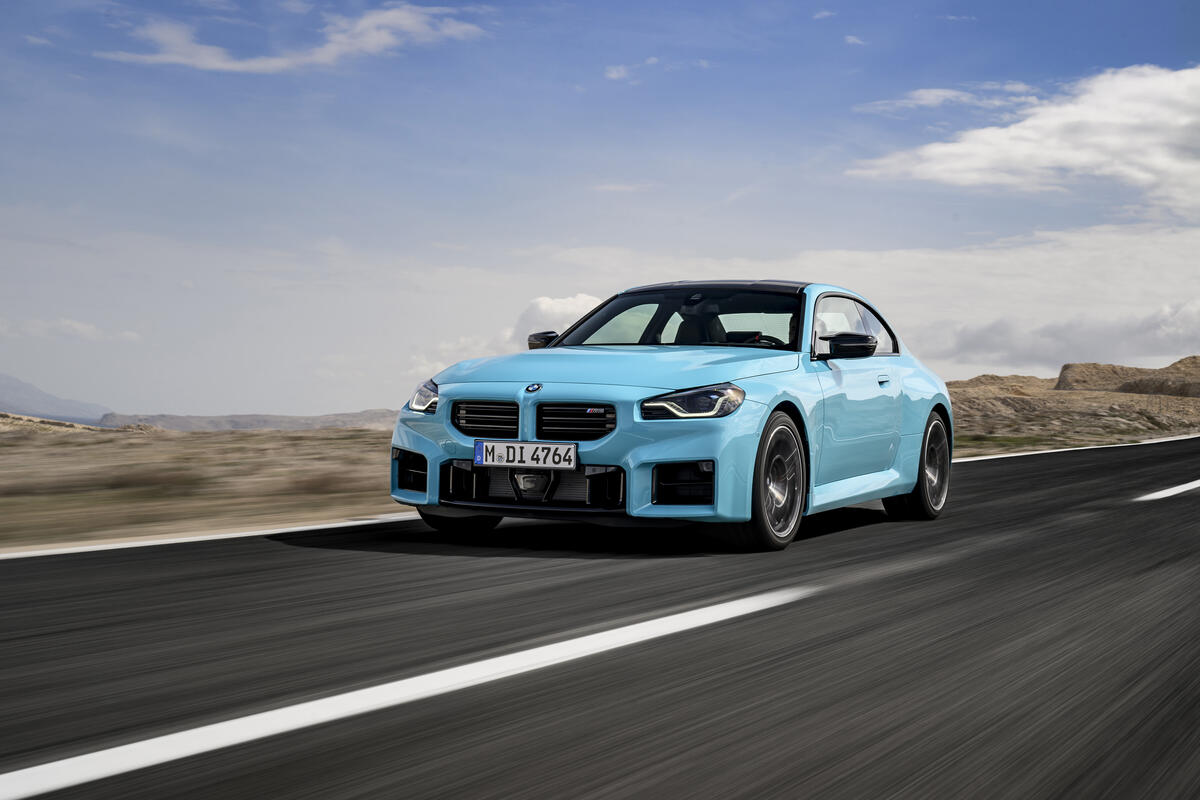
The BMW M2 is a small BMW that’s tuned for driving—more fun than a normal 2-series. Here they’re saying an older M2 can be a great daily commute car, and that it’s not flashy in a way that draws attention. You can enjoy it without constantly worrying about it.
The BMW 2002 is a classic compact “Neue Klasse” era BMW that became a cornerstone of BMW’s enthusiast following. In this segment, it’s mentioned as an example of “classic classics” someone might own, alongside other iconic European models. The underlying idea is that these older cars are desirable but often require more care and cost.
The Porsche 928 is an older Porsche grand tourer—basically a classic Porsche meant for longer drives. The host says they spent a lot of money on one and it changed their mind about owning that kind of car. The takeaway is that some classics can be costly to keep running.
When people say a classic car is “sorted,” they mean it’s been fixed up and is in good working order. The host wants one that’s already sorted so they don’t have to do the hard work themselves. It’s about avoiding surprises and constant tinkering.
A “wrench” is just slang for a mechanic—someone who can work on cars. The host is saying they don’t have the skills to fix cars themselves, and they also can’t afford to always pay a top mechanic. That’s why they avoid certain older cars.
The Jaguar E-Type is a famous old British sports car that many people consider a dream purchase. Here, the host is saying it sounds amazing, but they worry it might not be reliable or easy to keep running. They’d likely need an expert mechanic, which could get expensive.
“Mid-engine” means the engine sits closer to the middle of the car instead of all the way in front. That usually helps the car feel more balanced and easier to steer when you’re driving hard.
The Mercedes-AMG GT is a high-performance Mercedes sports car. They’re using it as an example of the kind of car layout and driving feel they might compare against for the GRGT.
“Cleaner laps” means you’re not stuck behind other cars or getting slowed down. With fewer cars on track, it’s more likely you can drive your lap without interruptions.
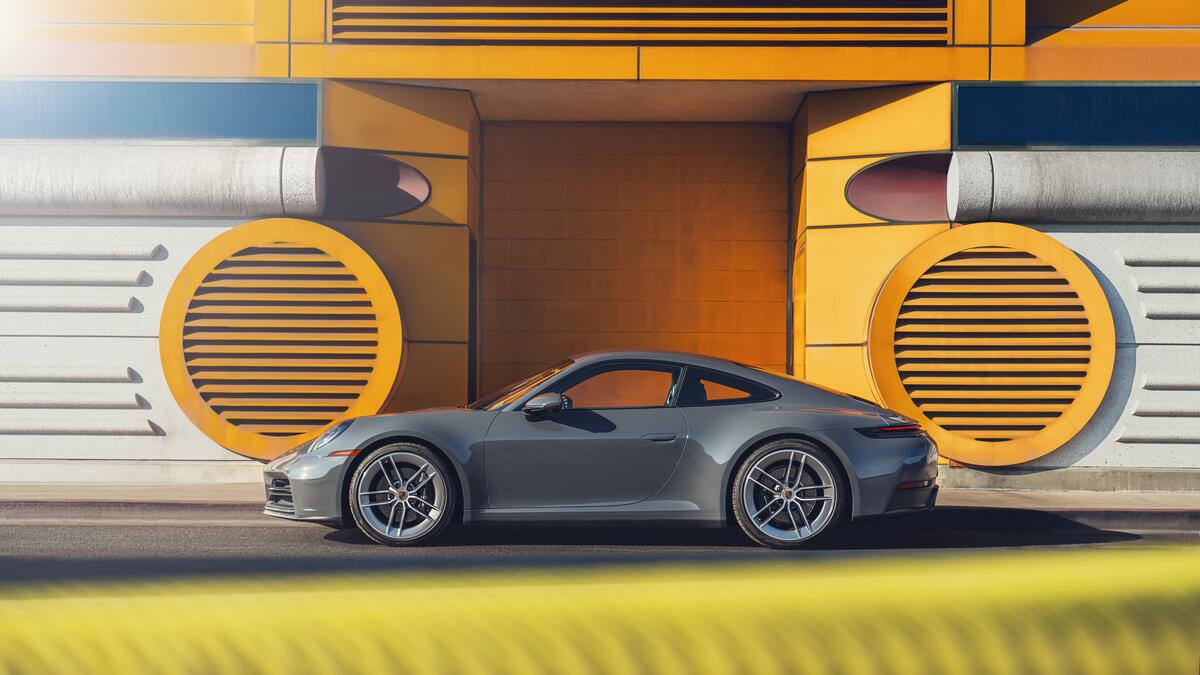
A Porsche 911 Targa is a 911 with a roof that can open up, but it still keeps a strong fixed rear frame. In this discussion, the speaker picks the 997-era Targa and says they’d want it with a manual gearbox.
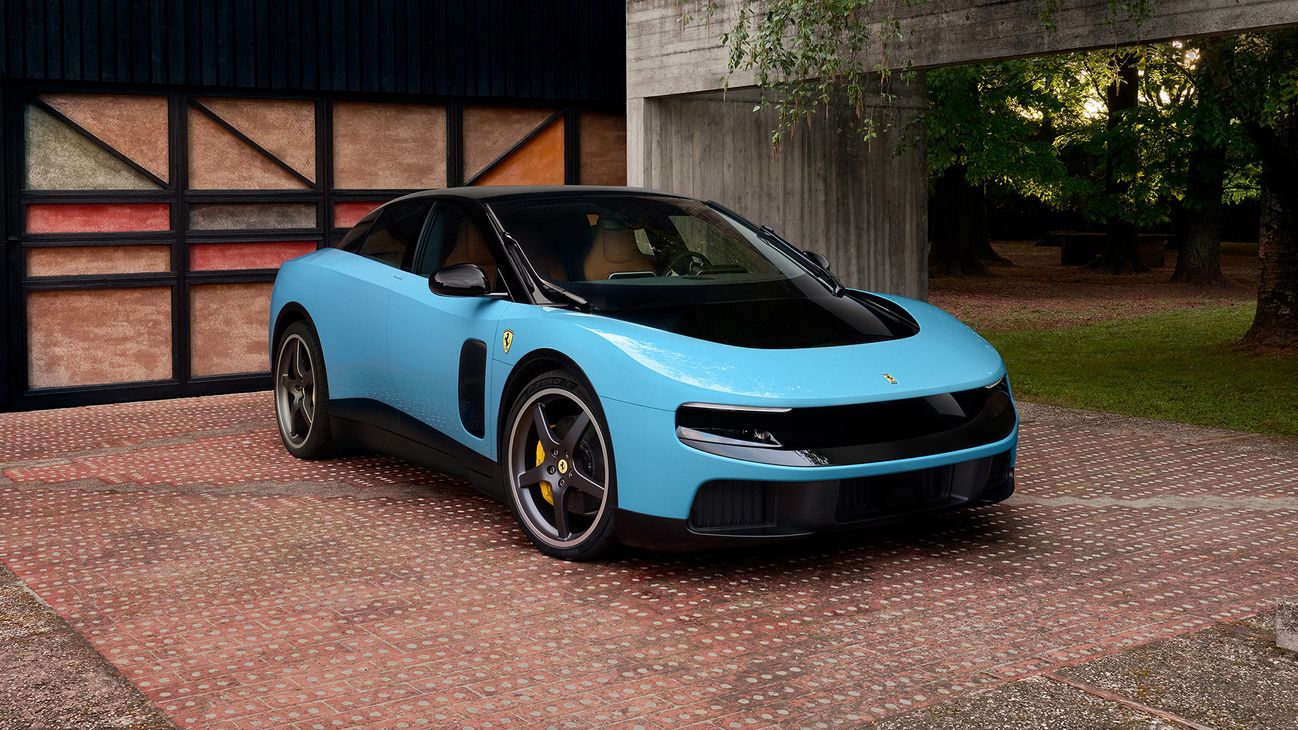
“Type 01” sounds like a specific car model name. The podcast is talking about it because it has a very distinctive long front end, and people who have driven it are discussing it. The main point here is the unusual “long-nosed” look.
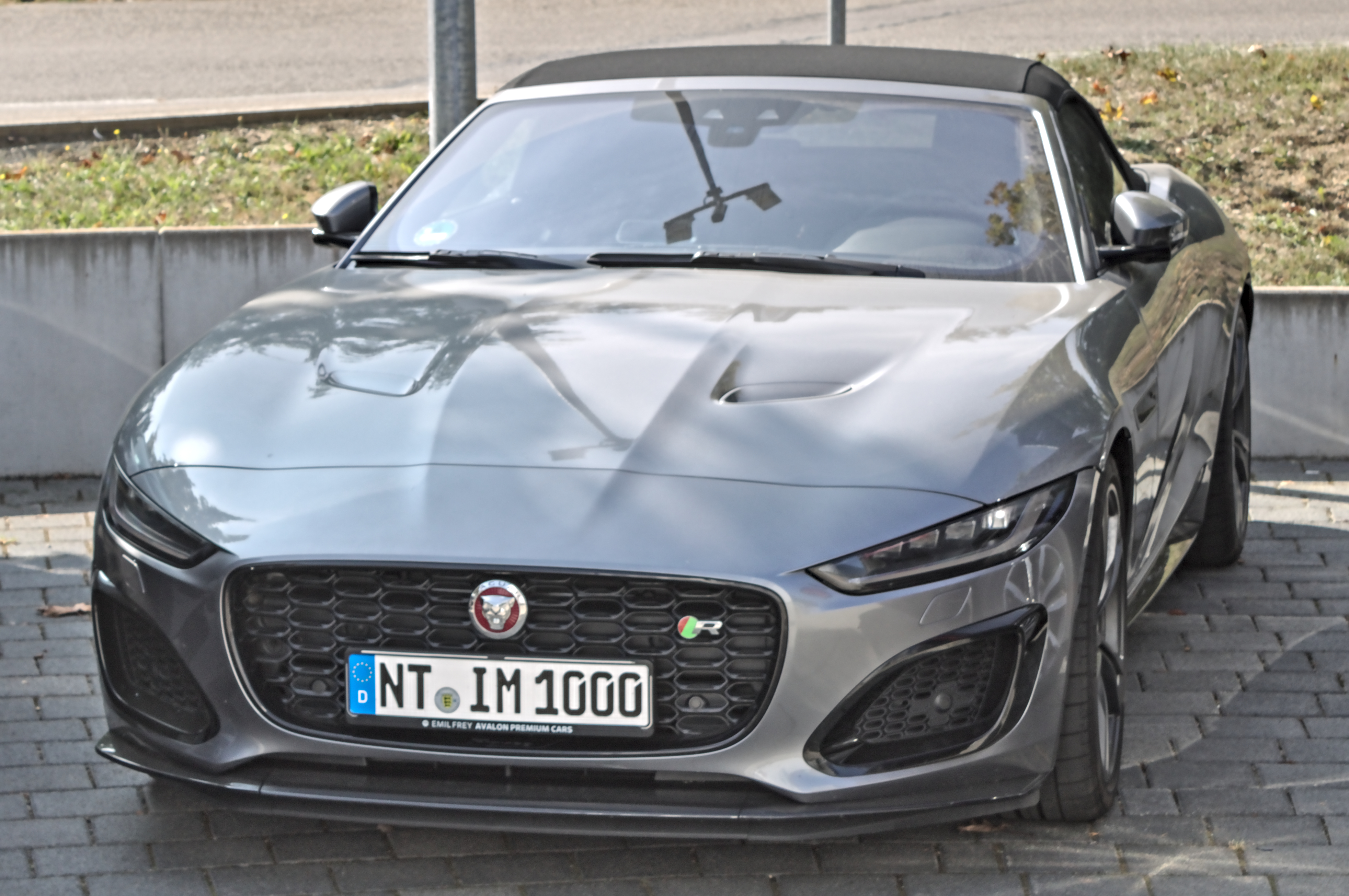
The Jaguar F-Type is Jaguar’s sports car. The speaker is saying Jaguar is talking about going electric, but you can still buy/configure an F-Type right now.
A configurator is a website tool where you pick options for a car, like color and packages. It’s being used here to show what Jaguar is still selling/letting people order.
Car
Gordon Murray T33
The Gordon Murray T33 is a new, high-end supercar made with a strong focus on being light and fun to drive. In this segment, the host is saying it’s the car they’d choose, so it’s treated like a real enthusiast option.
The McLaren W1 is a top-tier McLaren supercar. The host is talking about its rear spoiler and “long tail,” which are shapes meant to help the car stay stable and grip the road at speed.
A rear spoiler is the wing-like piece on the back of a car. It helps the car stay planted by changing how air flows over it, which can improve grip and stability.
“Spec” racing means the cars have to follow a ruleset that keeps them more similar to each other. That way, the race is more about driver skill than who spent the most money.
The Porsche Cayman is a sports car with the engine in the middle. Putting the engine near the center helps the car handle more predictably, which makes it popular for track days.
The Escalade is a big luxury SUV. It’s built to carry people comfortably and usually comes with lots of features. The discussion is about how it compares to another luxury SUV option.
The Armada is a large Nissan SUV. It’s built for families or groups that need more seating and space. The podcast says the newer version is better than people might expect.
NISMO is Nissan’s performance brand. It usually means the car gets sportier tuning and upgrades, so the hosts are questioning why the NISMO Armada doesn’t feel like a bigger improvement.
The E 63 AMG is a high-performance version of a Mercedes E-Class sedan. It’s designed to be faster and more sporty than a regular E-Class. The podcast mentions it as a possible used option within their budget.
The BMW 6 Series is a luxury car meant for comfortable, longer-distance driving. In the podcast, it’s brought up while comparing different used options at a certain price point. They’re trying to decide which car makes the most sense for what they want.
The Panamera is a Porsche luxury car that’s built like a sedan. It’s meant to be more practical than a typical sports car while still feeling sporty. The podcast brings it up as something you can buy for the money they’re discussing.
This is a 2012 Cadillac CTS-V wagon, which is a supercharged, very fast version of the CTS. They’re saying that if you want one, the automatic version is the one you’re more likely to find.
This is a driving event that people do to experience a famous twisty-road area. The hosts are saying they already went there last year and are planning different trips since then.
Bigger wheels usually means larger rims (and often taller tires). That can make the car sit higher, so getting in and out feels awkward compared to before.
Ride height is how high the car sits off the ground. If it’s higher than you expect, stepping out can feel like you’re climbing down from a taller platform.
A “streetable track car” is a performance car you can drive on normal roads, but it’s also good enough for track days. It’s the goal of having one car that can do both.
A “trackable street car” is a car you can drive normally, but it’s set up so it won’t fall apart when you take it to a track day. The host is weighing how realistic that compromise is.
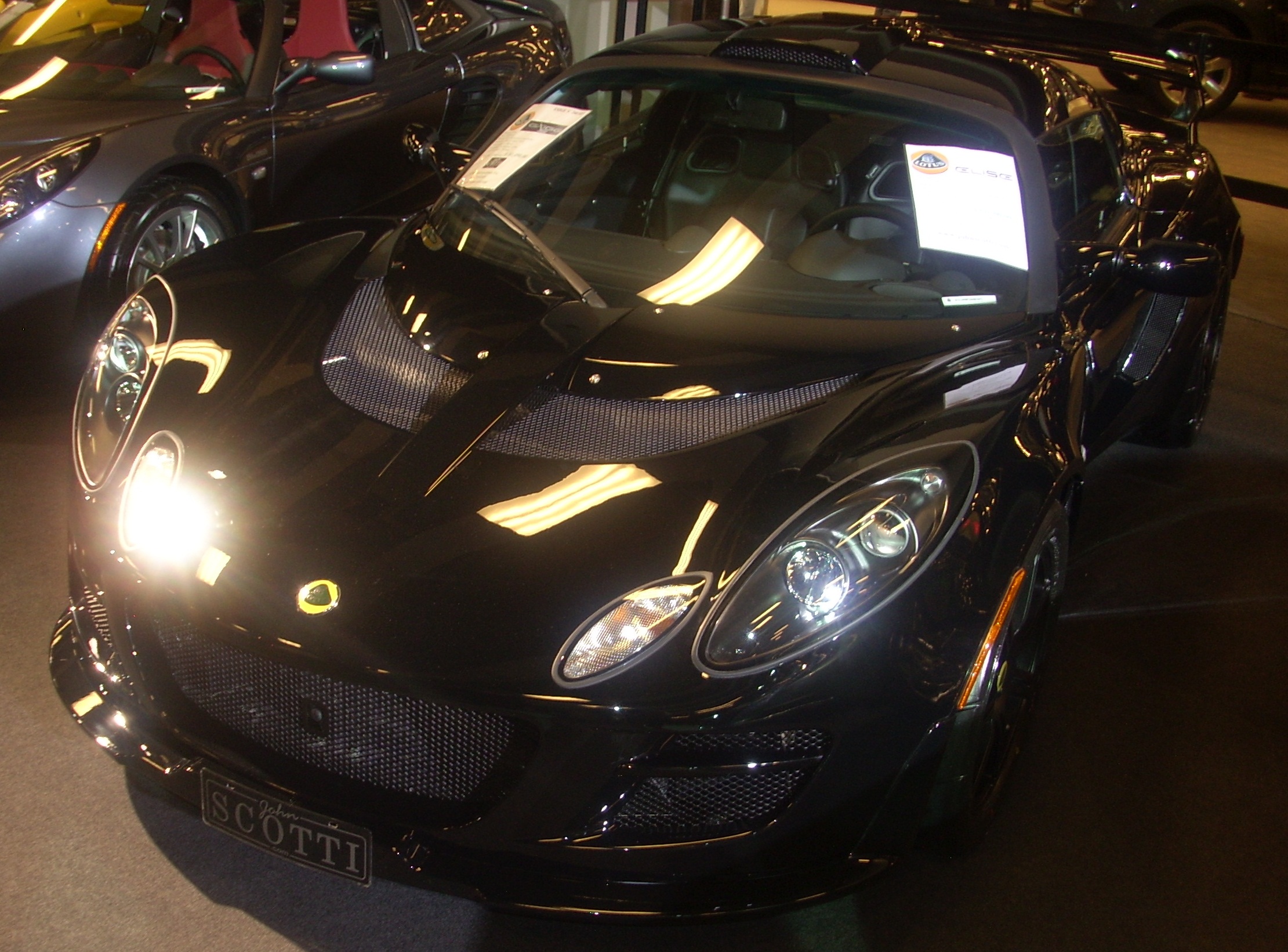
The Lotus Elise is a small, light sports car that’s really fun to drive. Here, the host is saying it’s the better choice when you care most about how it feels on the road and especially on a track day.
Cruise control is a feature that keeps your car at a steady speed without you holding the gas pedal. The host mentions it because it makes long drives easier.
An “enthusiast trap” is when you buy a car for the fun parts (like track days) but it ends up being miserable for normal driving. The host is saying you can end up spending more time dealing with the downsides than actually enjoying the car.
Genesis is a luxury car brand from Hyundai. The host is using it as an example of a brand that should think about whether its cars are actually good for both everyday driving and track days.
Hyundai is the mainstream automaker behind the Genesis luxury brand. The host is saying Hyundai is making cars that enthusiasts are taking seriously, including for track days.
Genesis is Hyundai’s luxury car brand. The podcast is talking about how people decide whether to consider it when shopping for a nicer car. It’s more about the brand choice than a specific model’s features.
The Elantra is a compact car. The podcast is talking about the Elantra N, which is a sportier version that some people are finding is surprisingly good, including for track driving. The point is that it can be both practical and fun.
The Hyundai Elantra N is a sportier, higher-performance version of the Elantra. It’s the kind of car that can get people excited enough to go buy one after they’ve tried it or heard about it.
Straight line acceleration is how fast a car can go from a stop in a straight line. The point here is that EVs aren’t only interesting for that one number—they affect how the car drives more broadly.
EVs are cars that run on electricity from a battery. In this discussion, they’re mentioned because electric cars make it harder to focus only on “how fast it goes in a straight line.”
The Hyundai Ioniq 5 is an electric Hyundai with a very recognizable, modern shape. The host is saying the imagined car looks a lot like the Ioniq 5’s design style.
Front-engine cars have the engine in the front of the car. Since it’s farther from the driver, the engine noise and vibrations can be less noticeable inside the cabin.
Tinnitus is a condition where a person hears ringing, buzzing, or other sounds without an external source. In the context of car choice, the speaker is linking tinnitus sensitivity to how engine noise and vibration frequencies are transmitted in different engine layouts.
Mid-Ohio is a race track in Ohio where people go to drive cars on track. It has a variety of turns, so it’s a good place to see how well a car handles.
Road America is a well-known race track in Wisconsin with long stretches and fast corners. Cars that do well there usually have strong power and stable handling at speed.
LIVE
and go live. Okay. Technology is kind of working. I think we're live. up. Questions
are coming in again. Good. Excellent. Excellent. So audio and video has been confirmed. Hey,
the web can hear us too. Thank you guys for being here. We are going to start off by talking about
how kind of excited and exhausted we are because this is an all questions podcast. We want to hear
from you in the audience as well. But we have finished day one of two for the I think it really
is the biggest hooked on driving event ever. Guys, thanks for joining us. We're amazed to be
back. We're very thankful. Last year you recall that we actually live streamed from the top of the
tower. That is not this year. We're keeping it on just the second floor for this go around,
which is fine by me. It's got air conditioning. There's no glass floor. It's a much better
evening for you. I mean, hey, it was a cool experience and we're grateful to Coda for putting
us up there. But yeah, we're back in the lounge above garages one and two. So if you've been
to Coda, you know exactly where we're at and live streaming to you. We're taking your questions,
as Todd said, and it's been quite a day so far. We've got, well, the most, I think,
most drivers we've ever had for hooked on driving event. And a lot of coaches are telling us this
is either hooked on driving on crack or hooked on driving on steroids. So I mean, the folks in
California where we do a big event are coming up and going, I've never seen anything this
big, which is really cool. But Coda deserves that. And Coda is monstrous. This is almost a three
and a half mile track. The back straight is nearly three quarters of a mile. So everybody
sees top speed back there. Yep. You and I have gotten out on track already. We don't have our
cars this trip. True. We did not ship them out, but we've gotten on on track in a Cayman,
which has been great. We turns out we don't fit in a Miata. Todd doesn't fit. And I thought, well,
gosh, his head was three inches at least. The broomstick test would have been through my forehead.
That would have been where that go. It was, there was, I couldn't even fake it. I thought,
all right, you're not going to fit. I'm not going to fit. So we had to abandon the Miata,
which is fine. So we were in the Cayman and that, that all went well. I'm sorry. I'm sorry,
you were in a Cayman. You know, it was very much a familiar environment on on track. So
yeah, it's been a great day and we've had a great time hosting people. We're looking at questions
here online. I'm going to say answer real quick. One of you said nice haircut because
you think my hair is no longer long. You know, what you're missing and my wife is in the background
laughing is that when I'm in humidity, it just goes poof and I look like Greg Brady. So that's an
old reference. So I pull it all back into this and this is all I've got because anyway, it doesn't
matter. The hair is still there. Don't worry. It's just my thing. And the other thing we should
talk about that we haven't talked about in detail and we've gotten questions already about it is
our Europe monster that we're about to do. Yeah, we have been invited as of last year. We are still
amazed and pinching ourselves to Europe's largest road rally. It is 100 plus cars in Eastern Europe
this year and the organizer does three different locations usually around the globe. So we were
invited to Eastern Europe and we thought, well, you know, what cars do we drive? So we called our
friends at RSR in Nürburgr and said, Hey, do you have a couple of cars that we could take on on a
rally? And to our amazement, they said yes. So we've got a C8 Stingray Corvette and a 911
992.1 Carrera 4S to drive in Eastern Europe. And then we'll come back. We thought, hey,
we're already going to be in Europe. We might as well come back and do the Dolomites and
Stelvio Pass and come back through. Let me see if I can do it by memory. It's going to be crazy.
Okay, this this is truly the biggest road trip film we've ever done. It dwarfs anything we've
ever done. And you may remember last year, we were on the top of the Coda Tower, which was crazy.
And somebody asked the question, like, what would you guys most like to do road trip? I don't
remember what the actual question was. And I just flippantly was like, Hey, it'd be really cool.
I love doing like great driving roads in Europe and forgot about it. And like two months later,
this guy contacted us and said, I'm doing an Eastern Europe rally, which you and I had
even thought about Eastern Europe. So do you guys want to come? So we're coming there for that.
And then we're adding our own. So I'm not going to get this in order, but I'm going to try.
Okay, deep breath. It's going to sound like the Animaniacs. But here we go. We've got Germany,
The autos. You're right. The manuals are way out of that, but the autos would work. That's good.
You could totally get that. That's excellent. Anything else from the room?
Okay, we're back to the screen. It's all good. On YouTube, Banana Bread says,
any chance we will come back to the East Coast for an adventure next year?
I mean, hopefully. We'll give you guys the plan that we target here. The back of the room is
cheering about an East Coast event. Here's the thing that we try to do. We try to do three
actual adventures a year, and sometimes four, but we try to do 31 is our European
adventure every year. One is something in our backyard. We've not got a couple of those that
can leave from Salt Lake, and we can rotate those every other year. And the third one is
somewhere else in the nation, and we try to hop around. Well, as you know, last year at this time,
we went out and did Tale of the Dragon. And people were like, come back and do Tale of the
Dragon. I was like, we're just there, which is why we went to West Coast. Because we hadn't been
to West Coast since I think it was 2018 or so. It was the last time we did actual California
adventure. So we'll probably bounce somewhere east again this next year, but we'll see. The
other thing, and I wish we had more advance on this, but we never really know when we're doing
those until January of the year they're going to happen. Because we kind of have to figure out,
we have to get all the track information so we can take our Europe trip, because it's the big
movable piece, and drop him in and then build around it. So unfortunately, we never know
much further in advance than that. But thank you for your interest. I had a request from
Greg for Beartooth today. So thank you, Greg. That was awesome. Definitely keeping that in mind.
That's coming back next year. Yeah, we want to actually kind of alternate some of the trips,
but we're always looking for more. So we're always, let's just say this, we're always taking
suggestions. And it's been really cool to be in conversations with people say,
have you been on highway number, whatever that is? No, tell me more about it. Like,
I just took a trip. And so we've actually heard about more California roads that we have not
driven in North Cal. Yes. And we need to check some of those out. And yeah, more of your favorite
driving roads. And we'll, we'll definitely consider everything. Anything else from the room?
What's up, Lonnie? Next mod for the Rubik's eye. What's what money are you going to spend? I have
no reason to do this, but I'd like to do the big brush bars. I'd like to take the front and rear
bumper off and do the big bumpers. I have no purpose for that whatsoever. It will only add
weight. It look cool. We'll only add weight. But I you know what, I have to say the surprising
thing about the Rubik's eye and my wife and son can both attest is lifting that thing and putting
on bigger wheels and knowing candidly that it's just not worth much. Even before we did that,
that was the whole reason we did it. It has given that car a new life. I can go through that. It's
so fun. I have so much fun with it now. Every time you drive over and we podcast, you say,
I almost fell in my face getting out because it's like three feet taller than I thought it was.
Yeah, because of course, we own two kions. So I'm used to the ride height of the one we normally
use. And then I step out of the Rubik's eye and practically fall down and like, wait, it's three
inches further than it's supposed to be. Yeah. Anything else from the room? What's up, Tom?
Streetable track car or trackable street car. I'll tell you personally,
I want a car I can drive daily that is a street car that doesn't embarrass itself on track,
because I just think it's a ratio of time spent. I mean, this is a conversation I have with a lot
of people about my Amira. I love my Elise and I cannot believe that I can say I have an Elise
and an Amira. That's ridiculous. But I love my Elise and if you're having a driving experience,
it's Elise. Elise just wins, okay? But my Amira is the car that I can take my wife in. We can
actually take a trip. We can actually do distance. I'm not going to hurt myself if I feel like all
I'm going to do today is drive and I have no cruise control into 1000 miles of the Amira is
the car. But then when I bring it to a track, I had it here last year. I had it on Laguna Seca
a couple of weeks ago. It's a very fun car on track. Would I be faster and more dialed in than
the Elise? Yeah. But I'm having so much fun in that car. So I think of the trade off and I think
this is the great enthusiast trap that we all fall into. It's like, well, I want this a little bit
better on track. I track four times a year, but now it's a great track car. And the rest of the
time I'm driving it going, this is obscene, because it's too loud and it beats me up and I'm
putting on belts and what am I doing? So that's my feel. Tom, your question has got me thinking
about manufacturers need to answer this very question. They need to answer it first. Because
Porsche offers a broad selection, well, not anymore, because the Cayman got killed. Don't look at me.
Shoot. Well, we offer 26 different models of the 911. Would you like to have a trackable street car?
That's what they do. But I think for some of those, like they're not hooked on driving events,
but they're kind of poser cars. Like there's so many of them just driving around. And
if you see that car, it's like, wow, that needs to be on track. But what if car companies started
really asking themselves that question about like Genesis? Well, Hyundai's doing that to themselves
like, hey, we've got this broad selection. And they're great on track. Everybody's discovering
the Elantra N, it feels like, or rediscovering it. Like, you know what? That is an incredible car.
There is a genuine trend of hooked on driving in various regions where a coach at hooked on driving
ends up with a student with an Elantra N. And then after that goes and buys an Elantra N. And like
at the next event, we see the coach is like, oh, that's my brand new Elantra N. Like, wow, that's
happened three or four times, which is crazy. I'm going to tie this back together with EVs,
because it can no longer be about just straight line acceleration. And if Ferrari's going to build a
Ferrari, it's got to be great on track. And if it is, would we all accept it? Or we still throw
rocks at it? I'm just imagining the luce on track, really, both visually and actually doing it. I
think that thing's tall, by the way. I see people walking around it. It's, it's every bit an SUV.
It has that Ioniq five thing about it where it looks like a hatch. That's not a hatch. Except
you.
Well, that was a flattering start to that question. She's already as addicted to our
podcast. Thank you for that. Question in the room about other podcasts that we listen to.
And thank you for listening. I really appreciate it. I'm very grateful. It's a lot of fun to talk
cars. And what I keep telling Todd, by the way, is we all have this deep desire to just get it
out of our system. We just, people just go right into talking about cars, whatever's on their
mind. It's like right under the skin. We have to get it out of our system. And as soon as that
door opens, we're just talking about it. So that's what we get to do with this podcast. But
I suppose what about you? The only other car podcast I listened to is Matt Farah,
because he's a friend and we went on there multiple times. And let's be honest, we started this
podcast because we've been on his three times. And every time we finished an episode, they're like,
you guys should do a podcast. And I was like, what are we doing a podcast about? You guys have got
like the round table of guys just gabbing about cars covered. And that's when we started realizing
we were getting so many of these things that became part of it. So many emails and we're like,
that's the podcast. So luckily we found that. But Matt's a friend and the reality is I listened to
his podcast based on cars I know we're not going to get into because he gets into all the exotic
stuff because he has the road and track backing as well. So I'm curious about that stuff. And some
of the questions I don't listen to all of them. I just got cherry picking. Okay, the reality is most
the podcasts I listen to are Hollywood related. Because since I've moved out of that world,
I'm kind of curious to know what's going on in it. And so that's most of my podcast listening.
I'm guessing I'm treating videos like podcasts like Ben Collins. Here we are doing video podcast.
Look at us. Well, I mean, like, like video reviews as the podcast rather than like, yeah,
Ben Collins, you know, mad respect for his skills on track while discussing a piece of information
that he has discovered that hasn't been handed to him by a manufacturer. He's discovered this
relating it to the audience while he's maybe sideways. And it's not just again, some piece of
information that, you know, people are regurgitating. So same thing with Chris Harris,
you know, mad respect for both of those guys. And I'm listening to them and probably not watching.
So I suppose it's a little like a podcast for me. And you're what's wrong with YouTube. I mean,
wait, sorry. Ludacris Fool asks, would love to see a hooked on driving event at Palmer. I'm
springing that up because our Northeast region is working on a Palmer event, hopefully for later
this year. And I hope so. If not, it'll be early next year. I'm curious about Palmer. We may have
to go out there for that one. Yeah, I mean, the aerial photos, aerial photos of any track look
really good. I mean, just makes you want to be there on track, but it's gonna be cool. That's
interesting. We once steered someone away from a mid engine car because they had hearing damage,
never considered that before, or all mid engine cars, somewhere in that regard,
engine noise wise, any quieter cars. The reality is that if you have only ever driven
front engine cars, you put the engine here and it is so much more evident, plus the changes where
the vibration is. And I've known people with tinnitus that has a lot of problems with a mid
engine car. And they don't have a problem with the front engine car has to do with how far away
is the engine, what engine noise is it making, levels of frequency and vibration. It's a very
personal thing. I've even known people that they got into one mid engine car and it bugged them
in another one and it didn't. The reality is if noise bothers you, mid engines, probably not for
you. And I hate to say that. I mean, I wear it on the Elise anyway. I mean, that's a loud car.
There's a little bit of personal issues going on there too. Devin Bain asking me a question about
the 911. Devin's our mid-Atlantic regional owner asking about the 911 approaching 200,000 for a
lightly option base. Has Porsche jumped the shark? I mean, they jumped the shark like years ago, but
I think the market itself, I don't think Porsche ever planned on the market doing what it has done.
I don't think they planned on it, but they're certainly capitalizing on that. And that's sort
of the reason at this point. So, yes, but they... 1001? 1001. Episode 1001. Oh, yes. Yeah, the problem
with Porsche. Yes, that is my reference to that. So, yes, but you know, there's, we could go on about
that. Steve is asking me, I did walk into this last time. I said we were going to see it and we did.
What's my review of Mandalorian and Grogu? This is why you turn into this automotive podcast for
me to talk about Star Wars films. Here we go. Let's see. It was really cool to see Star Wars on
the big screen again. I'm a big fan. I'm probably a kinder fan at this point than I probably should
be because I am living the nostalgia. I got brief backstory. I got so burned out on film,
by the time I left New Line, I almost didn't watch movies for about a decade. And then,
but that was when my son was born and we were watching all kids movies. So, I was like, all
right, that's fine. This is a nice reset. And I worked my way back into a love of film. So,
I'm an easy target for Star Wars movies and I want to love them. I enjoyed Mandalorian and
Grogu as a big screen Star Wars adventure and it's got actually surprisingly good action scenes.
However, the world feels small for the first time. Every time I've seen a Star Wars film,
it feels like stuff's happening everywhere. Like, we got to cut away because this other plot line
is going on and it's big and we got to be a back and forth. This is just following him and that
works on TV, but something about it on film, big screen, even though it was shot digital.
Anyway, something about it, right? No, no, no. It's just, it felt little because he keeps interacting
with the rebels. I don't know if he goes to the rebel base. I'm like, that's it. There's like
six ships and two people. What do you mean? The rebels won. What's going on? So, that was my problem
is that it felt little. What are we talking about? It doesn't matter. You can go back to watch it.
All right, good. You're good. Let's see. We've got a request for a hosting event at Mid Ohio. Yes,
there's a lot of tracks we're investigating and regions that we've had a lot of conversations
about, but Mid Ohio has definitely come up. So, has Lime Rock and others. Road America's come up.
Yep. Yeah, Road America be awesome. A lot. Anything else from the room? We're probably going to wrap
this up fairly soon. Thank you guys for being here. Thank you guys for watching those of you
that are watching remotely. That's pretty cool. I can't believe we got to do this here today.
Yeah, we're going to be doing more live podcasting, but then in the next few weeks,
you're going to start seeing us from some sort of monument in the background,
and it'll be some mountains, and we won't be able to believe that we're there. But
we're excited that you guys follow the show. Thank you. Continue writing your car debates,
the blown budget, the things CEOs screw up and say. Yes. And oh, I've got one for you. It's Ferrari
CEO really trying to, you know, beat his chest and say, no, no, no, we've got all the dollars. And no,
the world is wrong. It's gonna be interesting. We'll see who buys that car. I don't know, man.
So all of those, your topic Tuesdays, car conclusions, car debates, as you know,
we love seeing all those debates. And by the way, I want to compliment all of you. You're doing great
on the car debates. I want to hear more car conclusions. I want to hear more topic Tuesdays.
All of those, all of those things right to us every day driver TV at gmail.com. And when you
come to a hooked on driving event, please thank your owner and ask them more about what their
plans are for the future and more tracks. And we want to continue to build this brand. And we
thank you guys for coming. And we want to share the joy of tracking and getting, getting your car
in track and having a great time too. The best thing about these two brands and it's the reason
that we've merged them anyway. Well, no, it's merges is too far. The reason that we're excited
to have them both under the same umbrella is the fact that we just want you to have a car you love
and you drive. And I don't care if that means I never do anything but commute with man, I love my
car or all I want to do is track and man, I love my car. I don't care. I just want you to drive it.
I don't want you to just park it there and be like, well, that's $1,000 out of my pocket every
month and I hate it. That's the worst thing ever. So thank you for being with us. Thanks for understanding
what we do and helping our craziness and letting us help your craziness. You are a people. Somebody
here said I have 22 cars in 31 years to have a problem. No, you're just our people. That's
a last question about Tom Homanzik in Germany. I haven't been tracking what he's been doing lately,
but Auto Motor and Sport. Yes. I don't know what all he's driven yet. We're going to have to see
you. We're going to see him this year as well. Anyway, thank you all for being with us. It's
really, really cool to have an actual audience. Thank you guys for that. And of course,
have you online as well. And there'll be a whole lot more with the next question podcast will be
I'm doing math, 1,075. But we're glad to do this one. And that one will be
All Questions, No Cars. And those get nuts. Yeah, they do for sure. So between now and then.
Yeah. Guys, thank you again for watching from near from afar. We really appreciate it. All your
patronage, all your support. Come see us on one of our adventures. Come see us somewhere at a
hooked on driving track day and we're looking forward to next time as always. Cheers everyone.
Thanks a lot.
About this episode
Broadcasting live from Circuit of the Americas, the hosts run a fast Q&A, recap Hooked on Driving day one, and talk track-day logistics—plus why a Miata didn’t fit and a Cayman did. The conversation widens into Europe rally and road-trip planning (C8 Stingray, 911, Dolomites/Stelvio, ending at the Nürburgring), then shifts to car-debate themes: depreciation math, “daily + track” tradeoffs, and Porsche flat-six reliability (IMS and bore scoring). They also cover manual-learning advice and community culture.
After a full day at Circuit Of The Americas, the guys record a LIVE
podcast with questions from the audience in attendance and those
watching the live stream.
Audio-only MP3 is available on Spotify, Apple Podcasts and 10 other platforms.
Look for us on Tuesdays if you’d like to watch us debate, disagree and then go drive again!
Rate and review us on Apple Podcasts, and subscribe to our two YouTube
channels. Write to us your Topic Tuesdays, Car Conclusions and those
great Car Debates at [email protected] or everydaydriver.com
Learn more about your ad choices. Visit megaphone.fm/adchoices