
multi-agentic AI
This is AI that uses multiple little “helpers” working together instead of one single chatbot. The goal is to make the car-shopping process smarter and more accurate.
Capital One
Capital One is a financial company that’s using AI to help people shop for cars and get financing more easily. Instead of doing everything manually, the AI can guide you through steps.
Chat Concierge
Chat Concierge is an AI chat tool that helps you shop for a car. It can also help with practical steps like booking a test drive and getting pre-approved for financing.
live API checks
This means the AI can look up current information from other computer systems while you’re chatting. That helps it avoid using outdated details.
pre-approved for financing
Pre-approval means a lender checks your finances and says, “You’re likely approved for a car loan.” It can make buying the car faster because you’re not starting from scratch at the dealership.
estimate trading value
Trading value is what a dealer might offer for your current car. The estimate is usually based on things like mileage and condition, plus what similar cars are selling for.
Kia cuts prices
They’re talking about Kia lowering prices. That can make EVs or electrified cars easier to buy and can change how fast people switch to EVs.
oil shocks speed up EV adoption
This segment frames “oil shocks” as a driver of EV adoption. When fuel prices spike, the cost of driving an ICE vehicle rises, which can make EVs comparatively cheaper to own and operate.

Tesla Roadster
The Tesla Roadster is an all-electric sports car. It’s designed to be fast and exciting while running on batteries instead of gasoline. It gets mentioned a lot because it helps set expectations for what EVs can do.

Tang Great Tang
BYD is a major Chinese EV maker, and the Great Tang is one of its bigger, more premium SUVs. The hosts are saying it’s doing well early on, which can be a sign of momentum for BYD.

Porsche Cayenne
The Porsche Cayenne is Porsche’s SUV. The hosts say it’s being updated for China, which usually means changes to fit local rules and what buyers want there.
price-cutting plan
A price-cutting plan means the company lowers prices to sell more cars. It can help you compete, but it may also reduce profit.
BYD
BYD is a Chinese company that makes EVs and batteries. In this segment, they’re presented as moving faster than Tesla on getting a Roadster to production and rolling out EV tech.
Europe battleground between automakers and Chinese brands
They’re saying Europe is where the fight is happening. Chinese EV makers are pushing harder there because sales are slower at home and the US is harder to enter.

Dodge Challenger
The Dodge Challenger is a gasoline-powered performance car. It’s known for strong acceleration and a classic muscle-car style. It may be mentioned in EV news because it represents a major performance segment that EVs are starting to challenge.

D9 Denzer
The D9 is an electric vehicle that was shown as a production version at a major auto show in Beijing. It’s being talked about because it’s a new EV model entering the market. The episode mentions it to highlight how quickly new EVs are being introduced.
0-60 kph time
0–60 kph is how fast a car goes from standing still to 60 kilometers per hour. Lower time usually means quicker acceleration.
E3 platform
A platform is the car’s “base design” that other models can reuse. Sharing a platform can make it easier and cheaper to build related EVs.

Z9 Denzer Z9
The Z9 GT is an electric wagon, meaning it’s a battery-powered car with extra cargo space. It’s built on a shared vehicle platform called E3, which can help manufacturers make related models more efficiently. It’s mentioned because it shows how EV lineups are expanding into practical styles.
electromagnetic suspension
Electromagnetic suspension is a suspension system that uses electronics (and magnets) to control how the car rides. The goal is to keep the car more stable and comfortable at the same time.
DSUS or Dysus M system
DSUS (or Dysus M) is BYD’s name for its advanced suspension tech. It’s basically their branded way of saying the car uses electromagnetic suspension.
God's Eye as they call it, drive resistance
“God’s Eye” sounds like BYD’s name for a driver-assist or self-driving feature. The point is that the car is trying to “understand” the road and control how it drives.
drift mode
Drift mode is a special driving setting for sliding the car around corners. It changes the car’s traction and stability behavior to make drifting easier to control.
tank turn capability
Tank turn means the car can spin around in place, like a tank, instead of needing a big turning radius. It’s useful for tight parking or maneuvering.
flash charging 2.0
“Flash charging 2.0” is BYD’s name for their fast-charging tech. The idea is to charge the battery quicker than older setups.
1,500 kilowatts
That number is how much electrical power the charger can deliver. Even if a charger is capable of 1,500 kW, your EV may only take part of that power depending on how full the battery is and how it’s behaving at that moment.
fast charging
Fast charging is the quick way to recharge an EV at a high-power station. Your car might not charge at the absolute maximum the charger can provide, especially if the battery is too full or too cold.
low state of charge
“State of charge” just means how full the battery is. If the battery is already pretty full, the car usually slows down charging to keep the battery healthy.
Goodwood Festival of Speed
Goodwood Festival of Speed is a famous car event in the UK. Companies use it to show off new cars and tech to the public and press.
tariffs and taxes
Tariffs and taxes are extra costs added when a car is brought into a country. That’s why a car that’s cheaper in China can cost much more after it reaches the UK.
Strait of Hamouz
The Strait of Hamouz is described as an important route for moving oil and other fuels. If ships can’t pass freely, fuel becomes harder to get and prices can rise.
grid storage
Grid storage is like a big battery for the electric system. If you can store extra wind or solar, you don’t have to waste it—and you don’t have to turn on expensive backup power later.
intermittency
Intermittency means renewables aren’t always producing power at the same level. When the wind drops or people use more electricity, the grid has to switch to other power sources.
time-of-use electricity pricing
Electricity can get more expensive at certain times, especially when the grid has to use costly backup power. If expensive power is needed, the price tends to jump.
vehicle-to-grid systems
This is when your EV plugs into the grid and can send electricity back out. It helps the power company when the grid needs extra power, and it can also help reduce your electricity costs.
distributed batteries
Instead of one giant battery, you use lots of smaller batteries in different places. EVs can become part of that system when they’re plugged in.
renewables aren't available
Sometimes wind or solar doesn’t produce enough electricity. When that happens, the grid has to use other power sources to keep the lights on.
flexible capacity
Flexible capacity is the ability of a system to respond quickly to changing grid needs. In this context, EVs provide flexibility because operators can request energy only when it’s needed, rather than relying on weather-dependent generation.
plug-in hybrids
A plug-in hybrid is part gas car and part electric car. It has a battery you can charge at home or at a charger, but it can also run on gasoline.
BEVs
BEV just means “battery-electric vehicle.” These cars run on electricity from a battery, not gasoline.
sticker price
Sticker price is the price printed on the car’s listing before you add taxes and fees. What you actually pay can be lower or higher after incentives and discounts.
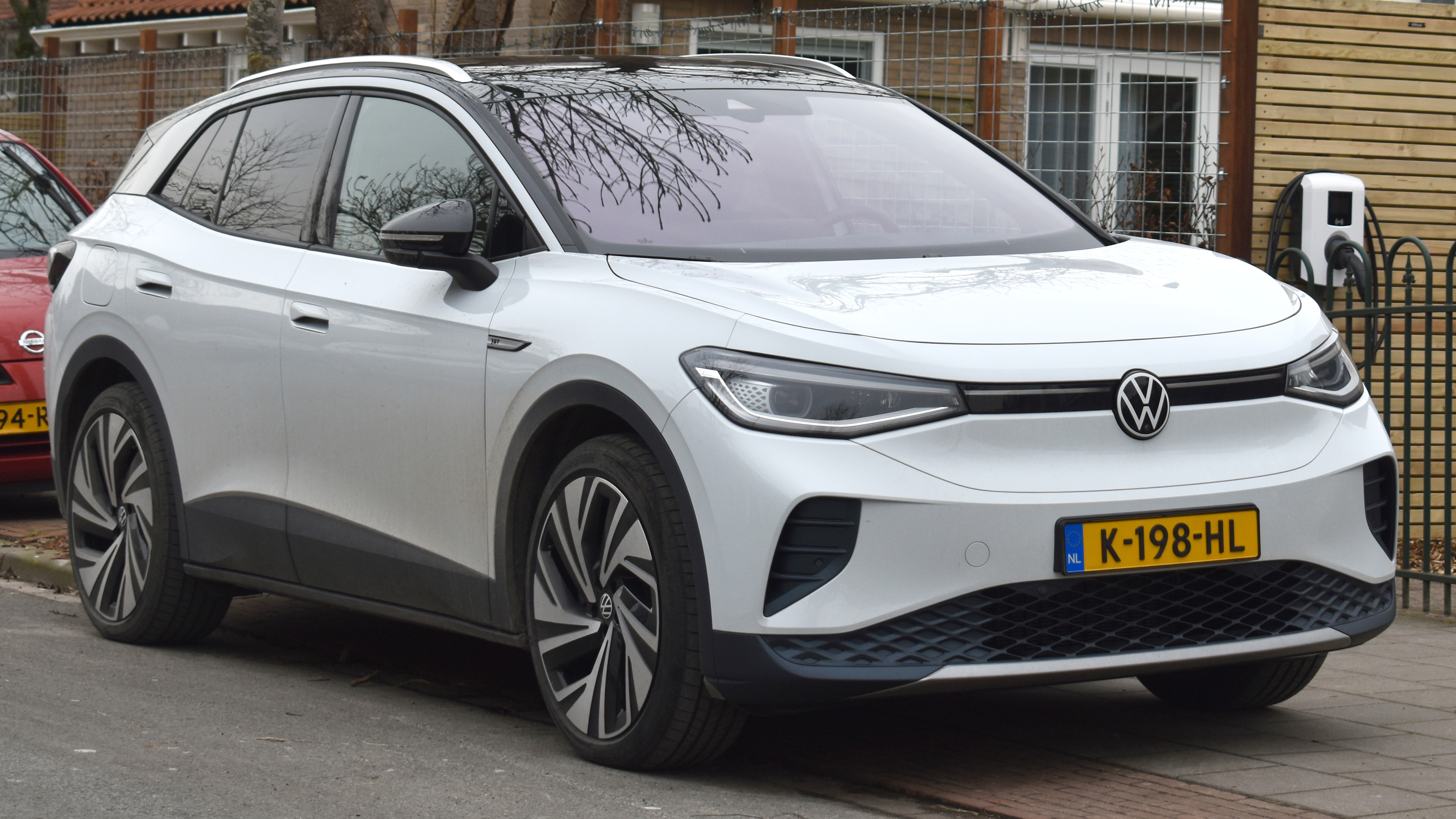
Volkswagen ID4
The Volkswagen ID4 is an all-electric SUV. The hosts are using it as a benchmark to compare pricing versus plug-in hybrid versions of other cars.

Volkswagen Tiguan
The Volkswagen Tiguan is a popular SUV. Here it’s mentioned because there’s a plug-in hybrid version, and the discussion compares its price to an all-electric alternative.
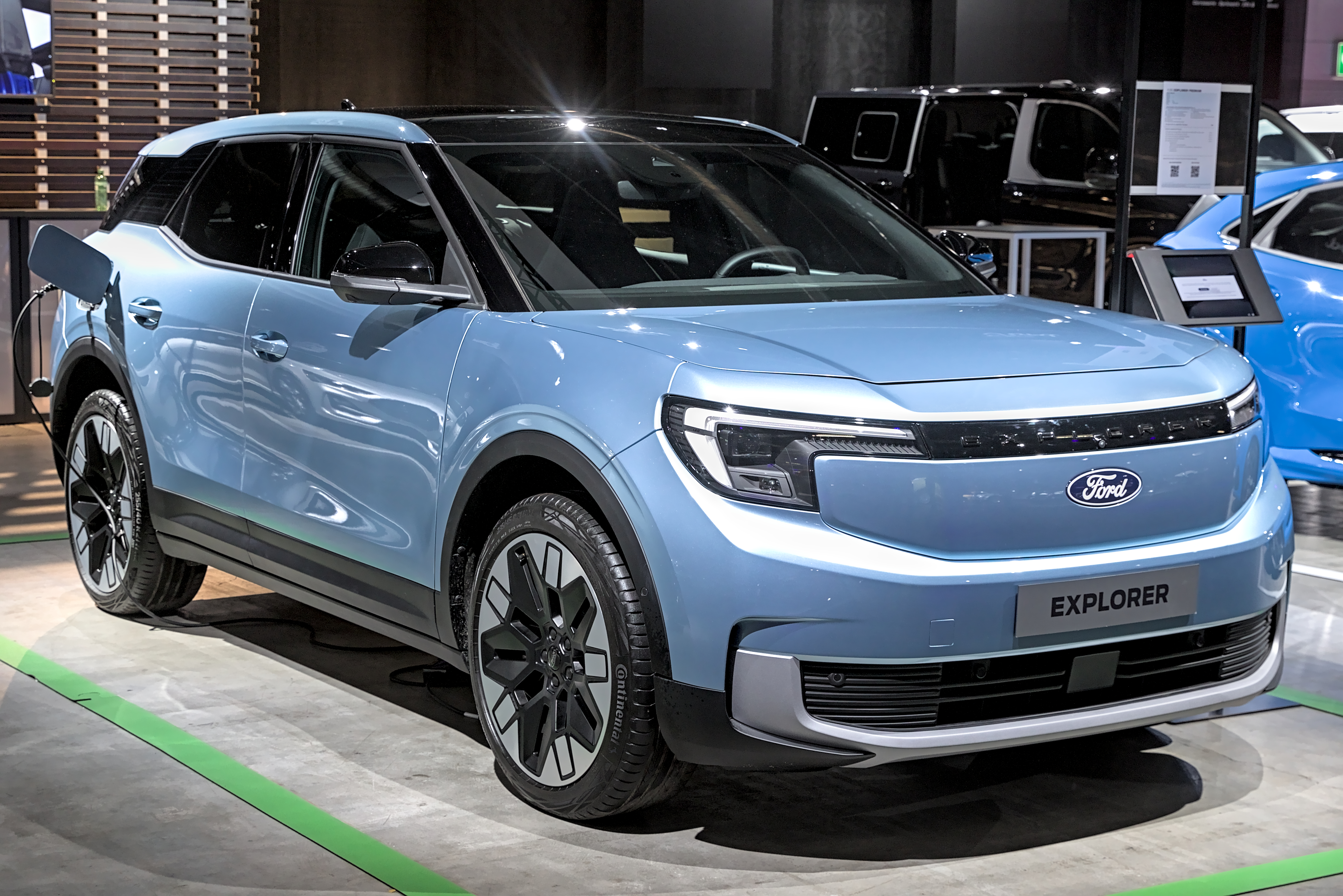
Ford Explorer
The Ford Explorer is a well-known SUV nameplate. In this part of the show, it’s being used as the all-electric comparison against a plug-in hybrid.

Ford Cougar
The show mentions a Ford Cougar plug-in hybrid. They’re comparing its price to an all-electric Ford model to make the point that plug-in hybrids aren’t always the cheaper option.

7 Jq7
“7” is mentioned as an EV model in a list where the all-electric version is priced lower. The point is that cheaper EV options can make it easier for more people to switch. The podcast is using it to support the broader pricing-and-adoption story.
real-world fuel consumption
Real-world fuel consumption is how much energy or fuel people use in everyday driving. The show says official numbers are often based on perfect test conditions, so they may not match what you’ll see in real life.
connected cars
A connected car can share data over the internet. Here, the idea is that plug-in hybrids can report how people actually use them—like whether they plug in to charge.
plugged in
“Plugged in” means charging the car at home or a public charger. How often you do that determines whether you mostly drive on electricity or mostly on gas.
Omoda
Omoda is a newer car brand coming from China. The hosts are pointing out that it’s selling a lot of cars and growing quickly in Europe.
JQ
JQ is another Chinese car brand mentioned in the same growth story. They’re using it to show how quickly some new brands are expanding and selling cars.
Chinese EV incomeors in Europe
They’re talking about Chinese companies bringing EVs to Europe. Even though sales can start strong, there are problems that can make it harder to keep going.
GWM Aura03
The GWM Aura03 is a small electric car from GWM that was sold in the UK for a few years. The discussion highlights that it looked distinctive, but it was priced pretty high compared with what many buyers expect.
four-year experiment
This “four-year experiment” means GWM tried selling these cars in the UK for four years to see if it would work. After that period, they decided to stop.
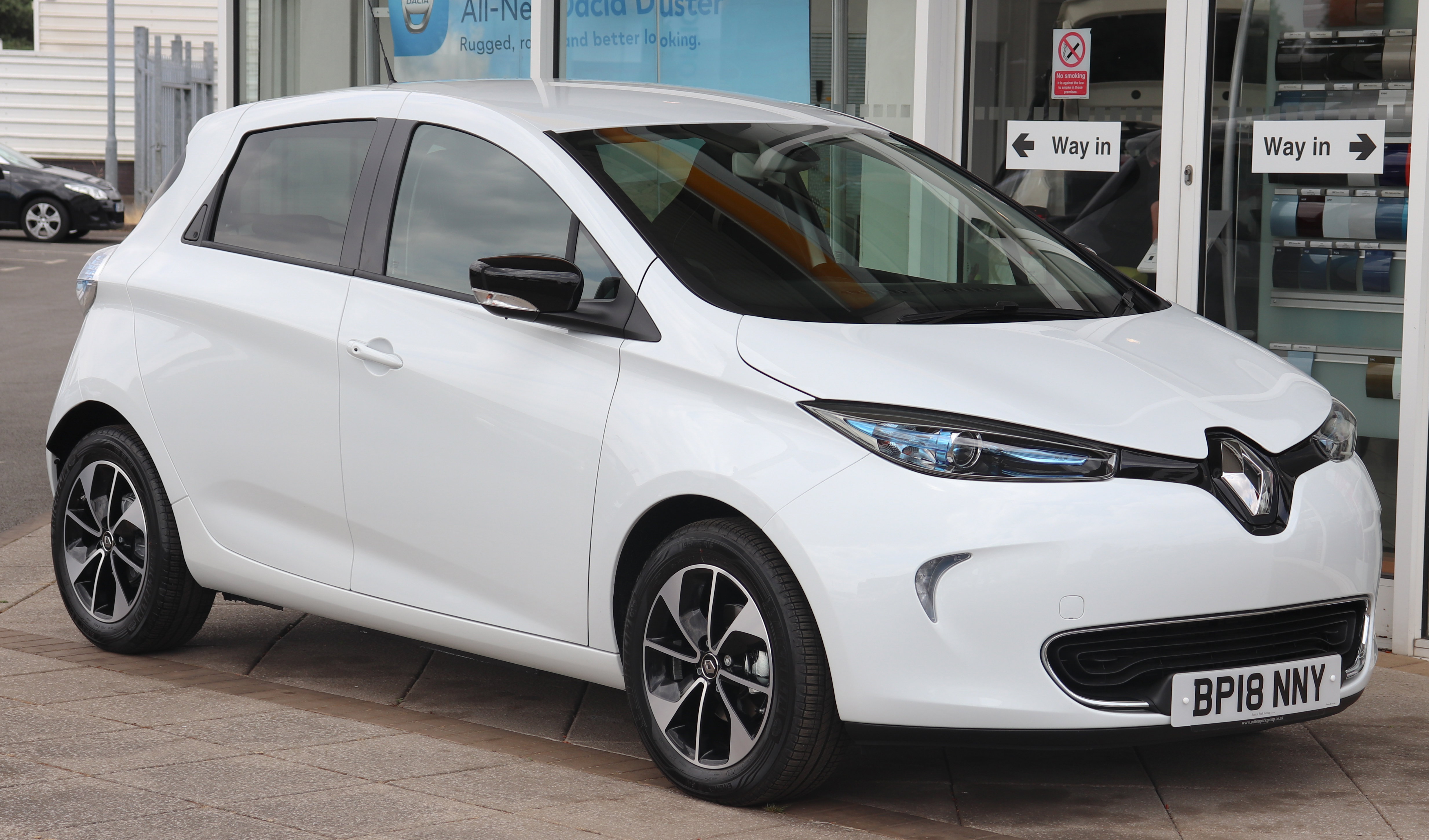
Renault Zoe
The Renault ZOE is a small all-electric car. It’s designed for city and everyday driving using a battery instead of gasoline. It comes up when people talk about upgrading from a smaller EV to a bigger one.

Vauxhall Corsa
The Vauxhall Corsa 5 doors is a small car with four passenger doors plus a hatch for cargo. It’s designed for everyday driving and easy access. The podcast mentions it because some people who drive this type of car may switch to an EV instead.
battery options
“Battery options” means the car is sold with different battery sizes. Bigger batteries often give more driving range, but they can also make the car cost more.
trim levels
Trim levels are different versions of the same car with different feature packages. The hosts are saying they tried to make the Aura03 more attractive by offering new versions.
International Motors
International Motors is the company handling the UK import and sales numbers mentioned in the segment. If they sell only a small number, it can mean fewer cars for parts and service to support.
dealer inventory
Dealer inventory is the cars that are already sitting at dealerships. Even if a model stops coming to the UK, you might still be able to buy one that’s already in stock.
servicing and parts availability
This is about whether you can get the car fixed easily in the future. If a brand doesn’t bring many cars in, it may also mean fewer parts and fewer service options.

MG ZS
The MG ZS is a small SUV. The point here is that even if the warranty is good, you can still be stuck waiting if replacement parts take a long time to arrive.
seven-year warranty
A seven-year warranty means the company promises to cover certain repairs for a long time. But if parts are hard to get, your car can still be in the shop for weeks.
Stellantis Investment
Stellantis Investment is money and support from Stellantis. Here, it’s being linked to better distribution—so a newer EV brand can be sold through big dealer showrooms.
Leap Motor
Leap Motor is an EV company (not a traditional legacy brand). The hosts are saying it’s gaining traction and is preparing to bring a new electric car to Europe.
fully electric B05
The Leap Motor B05 is an all-electric car. In this segment, they’re saying it’s meant to be the brand’s first more sporty EV for Europe.
warm version or a hot version
“Warm” and “hot” versions are marketing terms for different performance trims—typically a step up in power, tuning, and/or handling for the “hot” variant. On EVs, this often maps to different motor output, software tuning, and sometimes battery/thermal calibration.

Kia EV4
They’re comparing the new EV’s size to the Kia EV4 so you can picture how big it is. It’s basically a “how it stacks up” reference, not a deep dive into the Kia itself.

Volkswagen ID.3
They mention the Volkswagen ID.3 because it’s a well-known compact EV. The point is to show the new car’s size relative to a familiar model.

Renault Megane E-Tech
They’re using the Renault Megane E-Tech as another reference point for size. It helps you understand how the new EV compares to other popular compact electric cars.
active grille
An active grille is a front opening that can adjust to let in more or less air. Closing it can reduce wind resistance, which helps the EV go farther on a charge.
front air curtains
Front air curtains are channels or vanes near the front of the car that direct airflow along the sides. The goal is to reduce turbulence and aerodynamic drag, improving efficiency—especially important for EV range.
low drag coefficient
A low drag coefficient means the car is more aerodynamic, so it wastes less energy pushing through the air. For EVs, lower aerodynamic drag usually translates into better highway efficiency and longer real-world range.
kilowatt hour pack
A “kilowatt hour pack” refers to the battery capacity measured in kWh. In general, a larger kWh battery can provide more range, though efficiency and aerodynamics also play major roles.
WLTP
WLTP is a standardized test used to estimate how far an EV can go. It’s a consistent way to compare cars, but your actual range may be different in everyday driving.

Alpina B10
The Alpina B10 is a compact SUV that’s available with different battery options. It’s mentioned along with official range testing (WLTP) so people can compare how far it can go. The podcast brings it up to explain EV choices and specifications.
single motor on the rear wheels
This means the EV has one electric motor powering the back wheels. It’s usually simpler than having motors on both axles, which can change how it feels to drive.
peak at 174 kilowatts
That 174 kW number is how fast the car can charge at its fastest point. In practice, it may slow down as the battery gets fuller.
direct to consumers
Selling direct to consumers (DTC) means the manufacturer handles sales rather than relying on traditional dealer networks. For EVs, DTC can reduce markups and standardize pricing, but it also changes how customers negotiate, trade in, and get service support.
ballot initiatives to challenge the dealers
A ballot initiative is a way to change state law by getting voters to approve it. EV companies sometimes use this threat to try to loosen rules that protect traditional car dealers.
dealer franchise system controlling most deliveries
Most new cars in the US are sold through dealer franchises. That system is so dominant that new EV brands often have to fight to sell without dealers.
Rivian
Rivian is discussed as an EV startup navigating dealer restrictions by securing a dealer license through a legislative compromise. The episode frames this as a potential route around direct-sales barriers in certain states.
Lucid
Lucid is one of the EV brands mentioned in the market-share comparison. The point is that, despite attention, these newer EV makers still sell relatively few cars in the US.
S&P Global Data
S&P Global Data is cited as the source for the market-share figures mentioned in the segment. This matters because it anchors the discussion in a specific data provider rather than anecdotal claims.
direct sales bans or restrictions
In many states, car companies aren’t allowed to sell cars straight to you. They have to sell through local dealer businesses, which can make buying an EV harder or more expensive.
direct sales exemptions
An exemption is a special rule that lets a company do something that others can’t. Here, some states allow direct sales only under certain conditions, and sometimes only for Tesla.
dealer license via legislative compromise
A legislative compromise can result in a startup obtaining a dealer license, effectively blending into the franchised-dealer system rather than bypassing it. The episode presents this as a practical workaround for selling in restricted markets.
site selection for first European manufacturing plant
They’re deciding where to build their first factory in Europe. That choice can affect costs, shipping, and how easy it is to sell cars across the region.
MG Motor
MG Motor is planning its first European factory, and the episode says it’s leaning toward Spain. Where a factory is built can change costs and how easily vehicles can be sold in Europe.
SAIC
SAIC is the company behind MG Motor. The episode mentions it to explain who’s making the decision about where to build a factory in Europe.
Bloomberg
Bloomberg is cited as the source for the latest update on manufacturing location momentum (Spain ahead of Hungary). This indicates the information is coming from a specific newswire/reporting outlet.
tariffs on Chinese imported cars
Tariffs are extra taxes on cars when they’re shipped into a country. If the taxes get high, it can be cheaper for companies to build the cars locally instead of importing them.
local production to avoid import taxes
Instead of shipping cars from China, companies can build them in Europe. That can help them avoid expensive import taxes, but politics and trade warnings can complicate the decision.
CATL
CATL is a company that makes the batteries EVs rely on. The point is that battery supply and related EV industry are already present in the region being discussed.
EV used sales up 54%
This is about how many electric cars are being sold second-hand. If used EV sales jump a lot, it usually means more people are willing to buy EVs without paying new-car prices.
range retention
Range retention tells you how much driving distance an EV can still do after a few years. Higher retention usually means the battery is holding up better over time.
marketed range
Marketed range is the official range number you see in ads and on the spec sheet. It’s not exactly what you’ll get every day, especially as the battery ages.
Cadillac
Cadillac is mentioned as one of the brands that, in this report, didn’t lose range over five years (based on the advertised range metric).
Mercedes
Mercedes is included in Recurrent’s “no range loss” list after five years, using the marketed range metric. For listeners, it’s a reminder that different brands can show different long-term range retention patterns.
Hyundai
Hyundai is one of the brands that this report says didn’t lose range after five years. It’s a useful signal for long-term battery performance, though real-world results can vary.