Daytona WRL Victory & IndyCar Charter Debate with Sally Mott and Zach Veach
About this episode
The Pits Are Open Podcast blends pit-stop basics with a tribute to IndyCar owner Dennis Reimball, then pivots to Sally Mott’s Daytona WRL win and her path from go-karts through MX-5 Cup toward NASCAR. The conversation broadens into IndyCar’s future—2027/2028 schedule chatter, electrification/hybrid rule debate, and the charter system’s impact on competition. Zach Veach joins to discuss his racing-to-aviation crossover and hopes for a return to IndyCar, especially the Indianapolis 500.
In this episode of The Pits Are Open, host Will Marotti pays tribute to the legendary IndyCar team owner Dennis Reinbold, who recently passed away at 65. We dive into the massive talking points circling the paddock, including upcoming schedule updates for 2027, the future of the 2028 Dallara chassis, and the growing debate among drivers against electrification and hybrid power units. Plus, we break down the controversial world of racing charters and whether they help elevate or suppress independent teams in modern motorsports.
On the guest side, we catch up with sports car phenom Sally Mott, who recounts her recent continuous climb up the racing ladder, including an incredible WRL win at Daytona in a GT4 Supra with an all-female driver lineup. Sally shares crucial business of racing insights, explaining why making it to the grid is 85 percent entrepreneurship and only 15 percent driving. Later in the show, veteran open-wheel standout Zach Veach joins the broadcast for his first-ever appearance on the program to discuss the trajectory of his career and what it takes to survive the professional racing landscape.
Inside This Episode
- 00:00:24 - Opening Tribute to IndyCar Team Owner Dennis Reinbold
- 00:03:04 - IndyCar 2027 Schedule Realities & Regional Expansion
- 00:04:22 - The Hybrid Push vs. Driver Backlash for the 2028 Chassis
- 00:05:41 - The Business of Charters: Do They Suppress or Help Motorsports?
- 00:08:23 - Career Accelerator Spotlight: SVS Insiders Platform
- 00:10:00 - Sally Mott on Her Daytona WRL Win and MX-5 Cup Docuseries
- 00:11:51 - Transitioning to Late Models & The Mooresville Racing Culture
- 00:13:37 - Mentorship from Ben Keating & Networking in the Paddock
- 00:16:34 - The True Formula for Drivers: Entrepreneurship vs. Track Time
Sponsor & Social Blocks
- SVS Insiders Platform: https://svsinsiders.com
- Speed Sport Official Website: https://speedsport.com
- Schaeffer Manufacturing: https://www.schaefferoils.com
- America's Christian Credit Union: https://www.americaschristiancu.com
- Facebook: https://www.facebook.com/ThePitsAreOpenShow
- Instagram: https://www.instagram.com/ThePitsAreOpen
- X (formerly Twitter): https://x.com/ThePitsAreOpen
Hashtags
#IndyCar #NASCAR #Motorsports #ThePitsAreOpen #SallyMott #ZachVeach #DennisReinbold #DaytonaWRL #LateModels #RacingBusiness #SVSInsiders #SpeedSport #Dallara #RacingCharters #MX5Cup #WomenInMotorsports
IndyCar
"someone who's the most underrated, one of the most underrated drivers in IndyCar, Ed Jones"
IndyCar is a major American racing league for open-wheel race cars. It’s the series that runs big events like the Indianapolis 500.
IndyCar is the top-level open-wheel racing series in the United States, best known for oval-track racing and road courses. Cars are purpose-built for high-speed racing and typically use standardized components with team-specific engineering for setup and performance.
Ed Jones
"someone who's the most underrated, one of the most underrated drivers in IndyCar, Ed Jones, and couldn't come to terms with that."
Ed Jones is a driver who races in IndyCar. The speaker is saying he doesn’t get enough credit compared to other drivers.
Ed Jones is an IndyCar driver referenced as one of the most underrated in the series. The host is using his name to explain which driver they were trying to work with for an Indy 500 effort.
Spirit of Speedway
"we were launching something called Spirit of Speedway, which was a celebration and kind of a Green Bay Packer spin-off of a fan-owned entry to celebrate Speedway Indiana."
“Spirit of Speedway” sounds like a special event or theme connected to Speedway Indiana. They used it to create a themed car display.
“Spirit of Speedway” is described here as a themed celebration tied to Speedway Indiana. It’s being used as the basis for a special IndyCar show-car presentation with a custom livery.
Speedway Indiana
"to celebrate Speedway Indiana. And Dennis allowed us to take one of his IndyCars"
Speedway Indiana is the big racing venue in Indiana where IndyCar events happen. It’s closely associated with the Indianapolis 500.
Speedway Indiana refers to the Indianapolis Motor Speedway complex, the home of the Indianapolis 500. It’s a major motorsport venue in Indiana and a focal point for IndyCar events and fan activity.
Davey Hamilton
"a car that had run in the 2011 500. Davey Hamilton drove it, allowed us to borrow that car"
Davey Hamilton is a race driver. Here, he’s credited with driving the specific IndyCar that competed in the 2011 Indy 500.
Davey Hamilton is mentioned as the driver who drove the IndyCar that previously ran in the 2011 Indianapolis 500. His name ties the borrowed car to real race history.
livery
"borrow that car, wrap it in the Spirit of Speedway livery. And we used that as a show car for a little bit."
A livery is the car’s paint and sticker design—basically how it looks. Teams can change it for special events or sponsorships.
A livery is the car’s visual design—paint, graphics, sponsor logos, and color scheme—used for branding and special events. In racing, teams often change livery to match themes, sponsors, or commemorations.
Indiana State Fair
"And we used that as a show car for a little bit. We debuted it at the Indiana State Fair."
The Indiana State Fair is a big public event in Indiana. In this story, they debuted their special race car there so fans could see it.
The Indiana State Fair is a large annual fair in Indiana, and here it’s used as the debut venue for the team’s themed IndyCar show car. It highlights how racing teams sometimes bring cars to mainstream public events.
Dennis
"Dennis been around, started the team in 2020, full-time in 2020 for IndyCar."
“Dennis” is the person the speaker is talking about who started the team and has been involved with it. The transcript doesn’t say his full name in this excerpt.
“Dennis” is referenced as the person who has been around and who started the team in 2020. The transcript doesn’t provide a last name here, but the role is central to the team’s timeline and IndyCar involvement.
Robbie Buell
"Had some great drivers. Robbie Buell, Justin Wilson, Hunter Ray"
Robbie Buell is a racing driver. The host is listing drivers who have been part of their team.
Robbie Buell is listed among the drivers who had raced for the team the speaker started. Mentioning him provides context for the team’s driver history in IndyCar.
Hunter Ray
"Justin Wilson, Hunter Ray, J.R. Hildebrand, Townsend Bell"
Hunter Ray is a racing driver. The host is listing drivers who have been on their team.
Hunter Ray is included in the list of drivers the speaker says they had. This is part of establishing the team’s IndyCar pedigree and history.
Justin Wilson
"Robbie Buell, Justin Wilson, Hunter Ray, J.R. Hildebrand, Townsend Bell"
Justin Wilson is a race driver. In this part of the conversation, he’s mentioned as one of the team’s past drivers.
Justin Wilson is named as one of the notable drivers associated with the team. The speaker is using driver names to emphasize the caliber of talent they’ve had over the years.
J.R. Hildebrand
"Hunter Ray, J.R. Hildebrand, Townsend Bell, Connor Daly"
J.R. Hildebrand is a race driver. He’s mentioned as one of the drivers who have been part of the team.
J.R. Hildebrand is named among the drivers associated with the team. The mention is mainly historical context rather than a technical discussion.
Townsend Bell
"J.R. Hildebrand, Townsend Bell, Connor Daly, Connor Daly recently"
Townsend Bell is a racing driver. The host is listing drivers who have been on their team.
Townsend Bell is listed as one of the drivers the team has had. The speaker is emphasizing the team’s roster over time.
Connor Daly
"Townsend Bell, Connor Daly, Connor Daly recently,"
Connor Daly is a race driver. The speaker is saying he’s been involved with the team, including recently.
Connor Daly is mentioned as one of the drivers the team has had, and the transcript notes “Connor Daly recently,” implying a more current connection. This is part of the team’s driver history recap.
hybrid
"Apparently we had one and once we decided to go hybrid they walked away."
A hybrid race car uses both a regular engine and an electric system. The electric part helps with things like acceleration and efficiency, and it can change how teams build their cars.
“Hybrid” refers to a powertrain that combines an internal-combustion engine with an electric system. In racing discussions, it usually implies a specific hybrid regulation package that affects how manufacturers can compete and how teams plan their cars.
Toyota
"The rumor has been multiple years that it was Toyota. Toyota wants a bigger presence in American, North American racing for sure."
Toyota is the car company being mentioned as possibly getting more involved in U.S. racing. That kind of involvement usually means they’d support teams and invest in the technology needed to compete.
Toyota is the automaker being discussed as a potential manufacturer partner in North American racing. The speaker frames it as Toyota wanting a bigger presence in American motorsports, which would likely involve committing to the series’ current technical direction.
charters
"Look at LinkedIn this week for an article released about charters. Do charters help or suppress motorsports? ... I think charters basically make it a closed shop."
A “charter” is basically a long-term deal that guarantees a team a place to race. The argument here is whether that makes IndyCar more stable—or whether it blocks new teams from joining.
In IndyCar, “charters” are long-term entry agreements that grant teams a guaranteed spot in the series. The debate is whether that stability helps the sport grow or whether it “suppresses the field” by making it harder for new teams to enter.
independent teams
"You know, it was a place where it welcomed independent teams, [429.0s] it welcomed innovation. [431.0s] We had bumping, all that's going away. [434.2s] All that's gonna be ended."
Independent teams are smaller IndyCar teams that aren’t part of the biggest factory-style setups. The concern is that charters could make it harder for these teams to get into races.
In IndyCar, “independent teams” refers to smaller organizations that aren’t tied to the biggest manufacturer-backed or top-tier operations. The speaker frames charters as potentially reducing opportunities for these teams by making entry more controlled and less open.
bumping
"[429.0s] it welcomed innovation. [431.0s] We had bumping, all that's going away. [434.2s] All that's gonna be ended."
“Bumping” in IndyCar refers to a qualifying procedure where a faster car can replace (or “bump”) a slower car out of the field. It’s a way for teams to earn a spot late in the session, and the speaker suggests charters would eliminate that open competition.
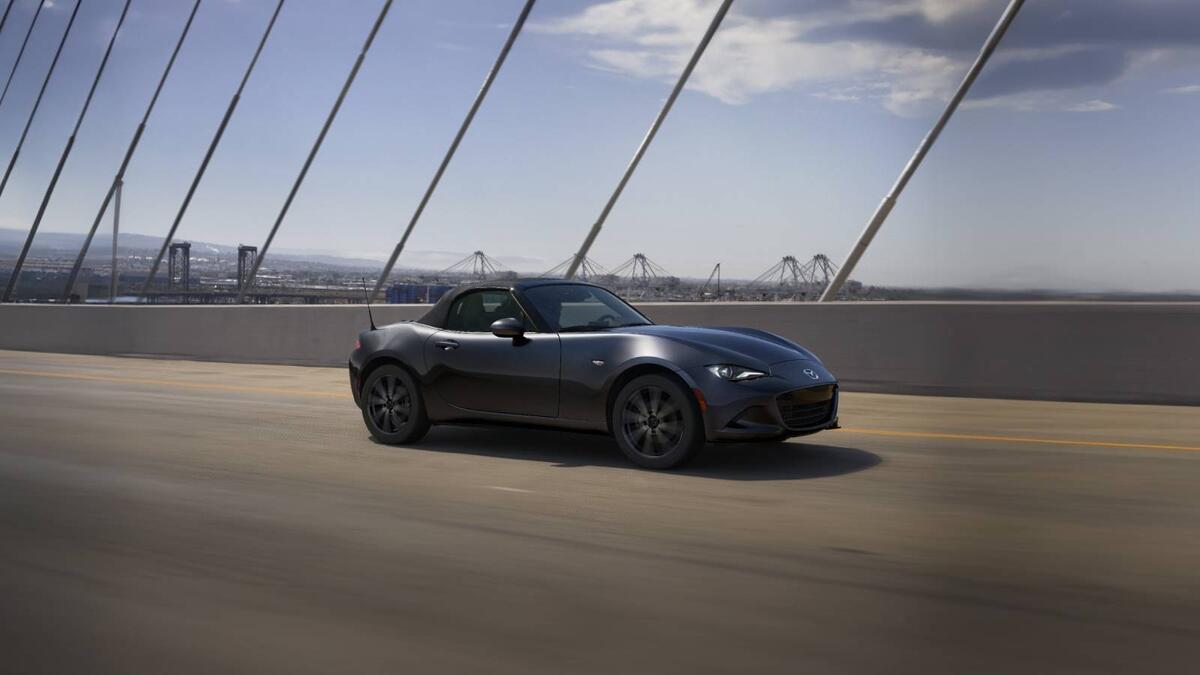
MX5 Cup
"Yeah, so I started my racing career in go-karting and then most known for my MX5 Cup career."
MX-5 Cup is a racing series where everyone drives very similar Mazda MX-5 cars. That means the racing is more about the driver and how well the car is set up.
The Mazda MX-5 Cup is a one-make racing series built around the Mazda MX-5 (Miata). Because the cars are closely matched, driver skill and setup details matter more than having a radically different car.
Mazda Mx5
"on Prime Video. It's about the women in the Mazda MX5 Cup, so I got lucky enough to be featured in that..."
The Miata is a small two-seat car made by Mazda that’s designed for enjoyable driving. There’s also a racing series where many people drive the same model, which is why it shows up in motorsport stories. The podcast is referencing that racing world and a feature connected to it.
The Mazda MX-5, commonly called the Miata, is a lightweight two-seat roadster known for its simple, fun driving feel. It’s significant in motorsport because it has a dedicated one-make racing series (the Mazda MX-5 Cup), which is why it comes up in discussions about drivers and teams. In the podcast context, it’s mentioned alongside a show/feature tied to women competing in that MX-5 Cup environment.
WRL
"I just got back from Daytona last weekend. We got a win in WRL with a victory racing, which is called a driver lineup."
WRL here is the name of the racing series she was competing in. She’s saying she won that series at Daytona.
WRL is a racing series/organization name in this context, and the speaker says they won in WRL at Daytona. It’s being used as the shorthand for the specific event/series where her team scored the victory.
driver lineup
"We got a win in WRL with a victory racing, which is called a driver lineup."
A driver lineup is just the group of drivers who share the car during a race. Teams choose who drives based on who’s best for the different parts of the event.
In endurance-style racing, a driver lineup is the set of drivers assigned to a car for the event. The lineup matters because teams plan stints around driver strengths, experience, and how the car is expected to behave over time.
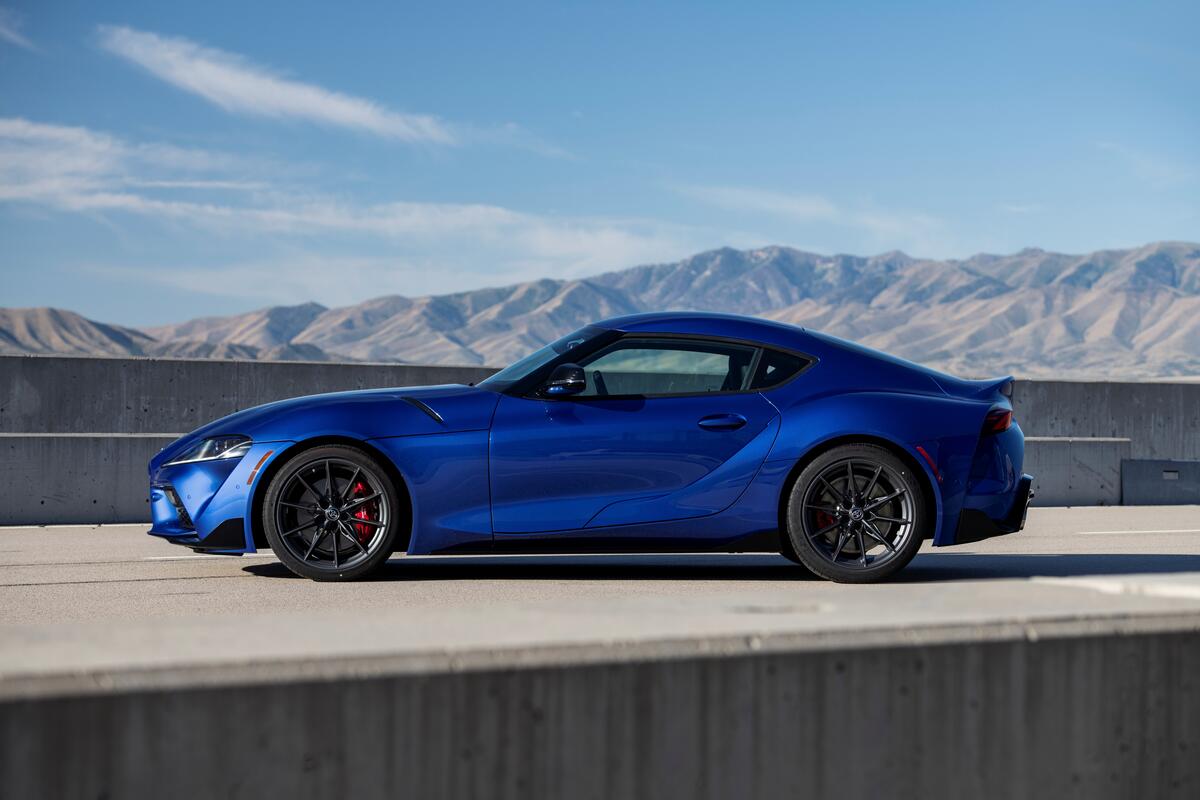
Toyota Supra
"Super cool, and the GT4 Supra."
A GT4 Supra is a Toyota GR Supra race car built to GT4 rules. It’s meant for competitive racing without the higher cost and complexity of the top GT classes.
A GT4 Supra refers to a Toyota GR Supra prepared to GT4-spec rules, which are designed for customer racing. GT4 cars are less complex and generally cheaper than GT3, but they still use race-focused aerodynamics, brakes, and safety equipment.
NASCAR ladder
"but my main goal is to kind of climb up that NASCAR ladder and make my way up to the Cup series eventually"
The NASCAR ladder is the step-by-step path drivers take to reach the top NASCAR series. You usually start in smaller series and work your way up by performing well.
The NASCAR ladder is the progression path from lower-tier NASCAR divisions up to the top-level Cup Series. Drivers typically move through regional or developmental series first, then earn opportunities at higher levels based on results.
Cup series
"and make my way up to the Cup series eventually in the upcoming years."
The Cup Series is NASCAR’s main top-level series. Reaching it is the biggest step up in NASCAR.
The Cup Series is NASCAR’s top national competition level. When a driver says they want to reach the Cup series, they mean the highest-profile NASCAR championship tier.
four wheel drive
"And we came to his shop and he had this [807.8s] four wheel drive Acura, this yellow looking car. [812.3s] It was kind of like, it was a champ car."
Four-wheel drive means the car can send power to all four wheels. That helps it stick to the ground better, especially when you’re accelerating hard.
Four-wheel drive (4WD) is a drivetrain setup where power is delivered to both the front and rear axles. In performance driving, it’s used to improve traction and reduce wheelspin when accelerating out of corners.
VIR
"In that plane ride to VIR, he was like, Sally, [843.4s] like, what are your goals? [844.5s] Where are you trying to go? [845.4s] And really got deep with me."
VIR is a famous race track in Virginia. It’s where a lot of racing events happen, so it’s a common stop for drivers building their careers.
VIR refers to Virginia International Raceway, a well-known road course in Virginia. It’s a frequent venue for sports car and development series, so it often shows up in racing-driver career paths.
Petit Le Mans
"In 2023, the Petit Le Mans race at Rhode Atlanta. [856.0s] And he's like, I have a team I can connect you with. [858.4s] You know, you only got to come up with $30,000."
Petit Le Mans is a long-distance sports car race at Road Atlanta. Multiple categories of race cars run together, so it’s not just one single type of car competing.
Petit Le Mans is a sports car endurance race held at Road Atlanta, typically as part of a larger race weekend. It’s known for multi-class racing, where different types of cars compete on the same track.
Rhode Atlanta
"In 2023, the Petit Le Mans race at Rhode Atlanta. [856.0s] And he's like, I have a team I can connect you with. [858.4s] You know, you only got to come up with $30,000."
They likely mean Road Atlanta, a race track in Georgia. It’s a well-known track where sports car races happen.
“Rhode Atlanta” appears to be a transcription error for Road Atlanta, a circuit in Georgia. Road Atlanta is a major venue for endurance and sports car racing, which is why it comes up in driver development conversations.
Miata Spec
"Was it Mazda, Miata Spec, was it still in carts?"
In racing, “spec” means the cars have to follow rules that keep them fairly equal. “Miata Spec” means it’s a Miata-based series where the car differences are limited so the driver matters most.
“Spec” in racing means the cars are restricted by rules so they’re close in performance—teams can’t just buy advantages. “Miata Spec” refers to a Mazda MX-5 (Miata) spec setup where the focus shifts to driver development and racecraft.
business, the behind the scenes stuff
"…Not so much the driving aspect, I'm talking about what you have to do to drive aspect, the business, the behind the scenes stuff."
They’re talking about how racing isn’t only about driving. There’s also a lot of work off the track—planning, coordination, and team stuff—that you have to handle as you move up.
This segment contrasts on-track driving with the off-track “behind the scenes” work that comes with racing, like logistics, team coordination, and the broader effort required to compete. It’s a career-development topic rather than a specific technical automotive term.
cart to car transition
"…just focusing on driving and how to learn, like learning like a cart to car transition."
Going from karts to real race cars is a big change. The cars feel heavier and handle differently, so you have to relearn how to brake, turn, and race.
A “cart to car transition” is the learning curve when moving from go-karts to full race cars, because grip, braking, steering feel, and weight transfer all change dramatically. The driver is highlighting that the hardest part wasn’t just driving fast—it was adapting technique to a different vehicle and racing environment.
Indy 500
"when I was four years old, [1927.3s] I told my parents I wanted to be in the Indy 500 [1929.4s] and they kind of laughed because, you know, you're four."
The Indy 500 is one of the biggest races in American open-wheel racing. Drivers race for 500 miles at the Indianapolis track, and teams have to plan pit stops and car setup carefully.
The Indy 500 (officially the Indianapolis 500) is the marquee race of IndyCar, held at Indianapolis Motor Speedway. It’s famous for its high speeds, 500-mile distance, and the way teams manage fuel, tires, and pit strategy over long stints.
go-karts
"And I didn't get my start so pretty late, though, [1941.2s] So I started racing go-karts when I was 12. [1944.1s] I was lucky to be picked up by Andretti Autosport at 15"
Go-karts are small race cars you drive on a track. A lot of future race drivers start in them because they’re great for learning how to drive fast and safely.
Go-karts are small, lightweight racing vehicles that are commonly used as the entry point for young drivers. Karting teaches basic racecraft like steering control, braking points, and how to manage grip.
Andretti Autosport
"So I started racing go-karts when I was 12. [1944.1s] I was lucky to be picked up by Andretti Autosport at 15"
Andretti Autosport is a professional IndyCar racing team. They hire drivers and build/prepare race cars to compete in IndyCar races.
Andretti Autosport is a well-known IndyCar racing team founded by the Andretti family. In IndyCar, teams like this develop drivers through junior series and then compete in the IndyCar Series with their own cars, engineers, and race strategy.

Ford Taurus
".... I mean, Aaron Brockett, my pastor led me to Dan Taurus at the time. They hadn't been involved with any m..."
The Ford Taurus is a regular passenger car (a sedan) made by Ford. It’s the kind of vehicle people use for everyday driving like commuting and errands. In the podcast, it’s mentioned as part of a personal reference, not as a detailed car review.
The Ford Taurus is a full-size family sedan that has been a long-running model for Ford. It’s often discussed as a mainstream, everyday car rather than a performance-focused one, which can make it show up in personal stories and local history. In the podcast snippet, it appears as part of a name or reference (“Dan Taurus”), suggesting it’s being used in a specific anecdote rather than a technical comparison.
open wheel
"it was everything I loved about racing without the stress of open road by IndyCar level of racing."
“Open wheel” means the race car’s wheels are not covered by body panels—they’re out in the open. IndyCar is the classic example, and it feels different from sports car racing.
“Open wheel” refers to race cars where the wheels are exposed outside the bodywork, like IndyCar and Formula-style cars. The host contrasts it with sports car racing, implying different driving demands, car layouts, and race dynamics.
Indianapolis 500
"my first and biggest love will always be the Indianapolis 500. So we've been busy."
The Indianapolis 500 is a legendary American race, held every year. It’s a huge deal in open-wheel racing, and the speaker really wants to get back to it.
The Indianapolis 500 (often called the Indy 500) is the most famous race in American open-wheel racing, held annually at Indianapolis Motor Speedway. The speaker frames it as their “first and biggest love,” highlighting its prestige and the goal of returning.

Porsche Cayman
"I've been driving for CSM in IMSA, racing their GT4 Porsche Cayman, all the last year."
The Porsche Cayman is a Porsche sports car with the engine placed toward the middle of the car. Here, it’s being used in a racing series (GT4), meaning it’s modified and raced under specific rules.
The Porsche Cayman is a mid-engine sports car from Porsche, known for its balanced handling and track-focused layout. In this segment, it’s specifically mentioned in the context of IMSA GT4 racing, where the Cayman is prepared to GT4 rules for customer/club-style competition.
GT4
"I've been driving for CSM in IMSA, racing their GT4 Porsche Cayman, all the last year."
GT4 is a class of race cars based on production sports cars, built to a cost-controlled rule set compared with higher GT classes. It’s designed to be more accessible for teams and drivers, while still delivering real race-car performance.
IMSA
"I've been driving for CSM in IMSA, racing their GT4 Porsche Cayman, all the last year."
IMSA is a big U.S. sports-car racing series. In this part, it’s where the speaker races the Porsche Cayman in GT4.
IMSA is a major North American sports car racing organization and series, known for multi-class racing and endurance-style events. Here, it frames the speaker’s move into GT4 competition with a Porsche Cayman.
CSM
"I've been driving for CSM in IMSA, racing their GT4 Porsche Cayman, all the last year."
CSM is the racing team the driver works with. They’re the ones running the car program in IMSA.
CSM is referenced as the team the speaker drives for in IMSA. In this context, it’s a racing organization that fields cars and supports drivers in GT4 competition.
Mid-Ohio
"which is kind of growing in a way that July 3rd, we'll be making an announcement at Mid-Ohio"
Mid-Ohio is a race track in Ohio that hosts motorsport events. The speaker says they’ll make an announcement there.
Mid-Ohio refers to the Mid-Ohio Sports Car Course in Ohio, a well-known road-course venue used for IMSA and other racing events. The speaker mentions it as the place where an announcement will be made.
driver analyst
"this year, I was there as the driver analyst for IndyCar Radio. And just being a part of that event again, you know, it changed something in my soul that I'm"
A “driver analyst” is someone on TV/radio who explains what the drivers are doing while the race is happening. They help you understand why certain moves work or don’t.
A “driver analyst” is a broadcast role where someone breaks down what drivers are doing on track—lines, braking points, tire behavior, and strategy—so viewers can understand the race beyond just lap times.
leading some laps
"We're leading some laps at the end. And for my first time really around there, I thought we had a shot at winning a thing."
“Leading some laps” means the car was in front of the field for portions of the race. In oval racing, leading can come from qualifying position, pit strategy, or on-track passing, and it’s often a sign you had a competitive setup.
Santino Ferrucci
"We had a great sponsor, Mitsubishi, and we brought that to Santino Ferrucci, investor Sullivan, who you drove for in the sports car side."
Santino Ferrucci is a professional race car driver. Here, he’s mentioned in connection with a sponsor and a team/driver relationship.
Santino Ferrucci is an IndyCar driver who has competed in open-wheel racing and has also driven in sports car programs. In this segment, he’s referenced as the driver who received the sponsor support mentioned.
Mitsubishi
"We had a great sponsor, Mitsubishi, and we brought that to Santino Ferrucci, investor Sullivan, who you drove for in the sports car side."
Mitsubishi is a car company. In racing, it can sponsor a driver or team, helping support the effort and getting its name seen during the event.
Mitsubishi is an automotive brand referenced here as a sponsor. In motorsport, sponsorship can fund a team/driver and is often tied to marketing partnerships and branding on the car and broadcast materials.
Sullivan
"Mitsubishi, and we brought that to Santino Ferrucci, investor Sullivan, who you drove for in the sports car side."
“Sullivan” sounds like a person who invested or supported the racing program. The host is saying you drove for them in sports cars.
“Sullivan” here appears to be a named investor/partner connected to the racing effort. The speaker links Sullivan to the driver’s sports-car experience, implying a sponsorship or team backing relationship.
No fans
"What a weird year though that was, huh? No fans. It was just kind of so spooky."
“No fans” means the race happened without spectators in the stands. That can make the whole event feel different for drivers and teams.
“No fans” refers to races being held without spectators, which changes the atmosphere and can affect team operations and strategy. In motorsport, crowd presence also influences how teams and drivers experience the event.
gasoline alley
"You know what it's like. You walk through gasoline alley, you see the grandstands come alive."
“Gasoline Alley” is the busy area at a race where teams work on the cars. It’s where you can see mechanics and crews getting everything ready.
“Gasoline Alley” is a nickname for the paddock/service area where race teams work on cars between sessions. In IndyCar contexts, it’s where fans can see the behind-the-scenes bustle—crews, mechanics, and cars preparing for the next run.
downtown Indianapolis
"And, you know, there's so much that I love about that race. You know, the parade the day before going through downtown Indianapolis."
They’re talking about the Indianapolis 500’s parade in the city. It’s part of what makes the event feel bigger than just racing on the track.
Downtown Indianapolis is referenced here as the setting for the pre-race parade associated with the Indianapolis 500. The point is that the event extends beyond the track into the city itself, which helps explain its unique fan culture.
McLaren
"It was offered to me. I ended up hosting a suite in Tower Terrace from McLaren."
McLaren is a famous race team (especially in Formula 1). If they’re hosting a suite, it means the speaker had access through that team’s people and sponsors.
McLaren is a Formula 1 constructor and racing brand known for high-level engineering and global motorsport presence. Hosting a suite “from McLaren” signals the speaker had direct ties to an F1 team’s hospitality network at the Indy 500.
Tower Terrace
"I ended up hosting a suite in Tower Terrace from McLaren. Oh, perfect."
Tower Terrace is a premium viewing and suite area at the Indianapolis track. It’s where VIP guests can watch the race from a more exclusive spot.
Tower Terrace is a specific hospitality area/venue at Indianapolis Motor Speedway used for suites and premium viewing. Mentioning it helps listeners understand the kind of access and vantage point the speaker had during the event.
Detroit
"it's the averaging finishing position for the Indy 500 winner at the following race, because it's a week later at Detroit, is always like mid-pack."
They’re talking about the IndyCar race in Detroit that happens shortly after the Indy 500. The point is that the Indy 500 winner often doesn’t do as well in the very next race.
In IndyCar scheduling, “Detroit” refers to the Detroit race weekend that follows the Indy 500. The hosts are pointing out how the very next race (at Detroit) tends to produce a mid-pack average finishing position for the Indy 500 winner.
double header
"It's better than it was because we used to do that double header at Detroit."
A “double header” means two races close together, usually on the same weekend. They’re saying it used to be tougher because you had to race again right after the previous race.
A “double header” in racing means two major races held over a short span, often back-to-back at the same event weekend. The hosts use it to explain why drivers felt more worn out when they had to race again immediately after the prior day’s event.
Belle Isle
"you'd wake up Sunday morning after doing a fully looped car race the day before at a place as rough as Belle Isle, man, you felt like you did five races the day before"
Belle Isle is a race track area in Detroit that IndyCar has raced on. They’re saying it’s rough and bumpy, so racing there back-to-back is really draining.
Belle Isle is a street-circuit venue in Detroit that IndyCar has used for races. The hosts describe it as unusually rough, which helps explain why a double-header (racing back-to-back) felt physically exhausting.
fully looped car race
"you'd wake up Sunday morning after doing a fully looped car race the day before"
They mean the previous race was a full, complete race—not cut short. The idea is that doing that and then racing again the next day was exhausting.
“Fully looped car race” is a colloquial way of describing running a full race distance/complete race event rather than a shortened session. In context, it emphasizes that the previous day’s race was a full, demanding effort before the next day’s competition.
Request an Explanation
Heard something you'd like explained? We'll add it to this episode.
Sign in to request explanations for terms you heard.
Want to learn more?
Browse our glossary for plain-English explanations of automotive terms, jargon, and concepts.
Help improve this episode
See something that's not quite right? Our annotations are AI-generated and can sometimes miss the mark. Click the flag icon on any annotation to suggest a correction.