The Indiana State Fair is a big public event in Indiana. In this story, they debuted their special race car there so fans could see it.
Person
Dennis
“Dennis” is the person the speaker is talking about who started the team and has been involved with it. The transcript doesn’t say his full name in this excerpt.
A hybrid race car uses both a regular engine and an electric system. The electric part helps with things like acceleration and efficiency, and it can change how teams build their cars.
Toyota is the car company being mentioned as possibly getting more involved in U.S. racing. That kind of involvement usually means they’d support teams and invest in the technology needed to compete.
A “charter” is basically a long-term deal that guarantees a team a place to race. The argument here is whether that makes IndyCar more stable—or whether it blocks new teams from joining.
Independent teams are smaller IndyCar teams that aren’t part of the biggest factory-style setups. The concern is that charters could make it harder for these teams to get into races.
“Bumping” in IndyCar refers to a qualifying procedure where a faster car can replace (or “bump”) a slower car out of the field. It’s a way for teams to earn a spot late in the session, and the speaker suggests charters would eliminate that open competition.
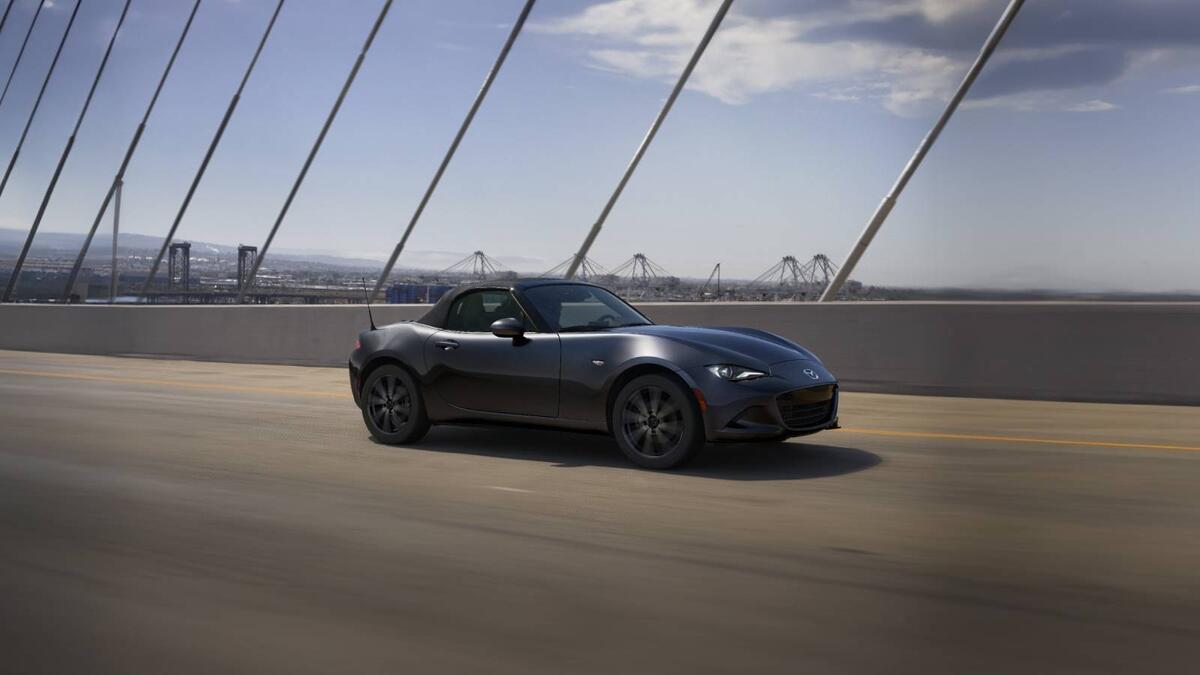
MX-5 Cup is a racing series where everyone drives very similar Mazda MX-5 cars. That means the racing is more about the driver and how well the car is set up.
The Miata is a small two-seat car made by Mazda that’s designed for enjoyable driving. There’s also a racing series where many people drive the same model, which is why it shows up in motorsport stories. The podcast is referencing that racing world and a feature connected to it.
A driver lineup is just the group of drivers who share the car during a race. Teams choose who drives based on who’s best for the different parts of the event.
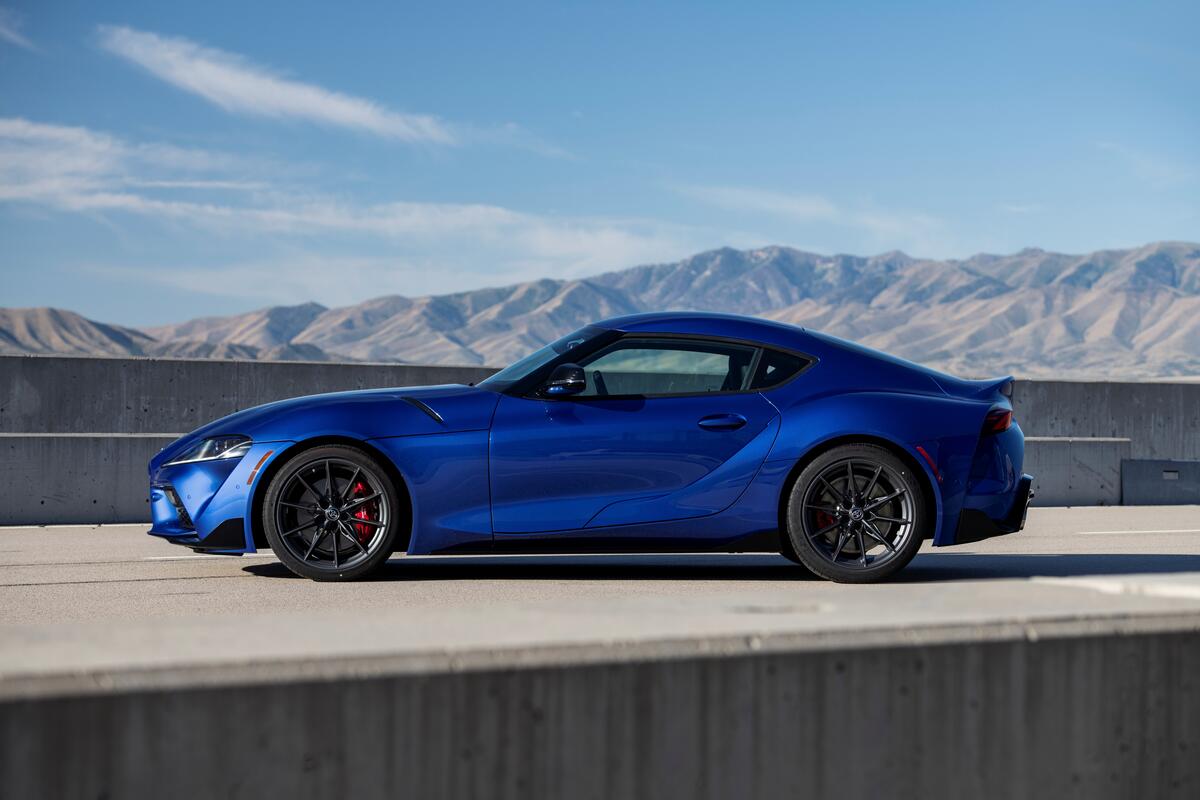
A GT4 Supra is a Toyota GR Supra race car built to GT4 rules. It’s meant for competitive racing without the higher cost and complexity of the top GT classes.
The NASCAR ladder is the step-by-step path drivers take to reach the top NASCAR series. You usually start in smaller series and work your way up by performing well.
Petit Le Mans is a long-distance sports car race at Road Atlanta. Multiple categories of race cars run together, so it’s not just one single type of car competing.
In racing, “spec” means the cars have to follow rules that keep them fairly equal. “Miata Spec” means it’s a Miata-based series where the car differences are limited so the driver matters most.
Topic
business, the behind the scenes stuff
They’re talking about how racing isn’t only about driving. There’s also a lot of work off the track—planning, coordination, and team stuff—that you have to handle as you move up.
The Indy 500 is one of the biggest races in American open-wheel racing. Drivers race for 500 miles at the Indianapolis track, and teams have to plan pit stops and car setup carefully.
Go-karts are small race cars you drive on a track. A lot of future race drivers start in them because they’re great for learning how to drive fast and safely.
The Ford Taurus is a regular passenger car (a sedan) made by Ford. It’s the kind of vehicle people use for everyday driving like commuting and errands. In the podcast, it’s mentioned as part of a personal reference, not as a detailed car review.
“Open wheel” means the race car’s wheels are not covered by body panels—they’re out in the open. IndyCar is the classic example, and it feels different from sports car racing.
The Indianapolis 500 is a legendary American race, held every year. It’s a huge deal in open-wheel racing, and the speaker really wants to get back to it.
The Porsche Cayman is a Porsche sports car with the engine placed toward the middle of the car. Here, it’s being used in a racing series (GT4), meaning it’s modified and raced under specific rules.
GT4 is a class of race cars based on production sports cars, built to a cost-controlled rule set compared with higher GT classes. It’s designed to be more accessible for teams and drivers, while still delivering real race-car performance.
A “driver analyst” is someone on TV/radio who explains what the drivers are doing while the race is happening. They help you understand why certain moves work or don’t.
Term
leading some laps
“Leading some laps” means the car was in front of the field for portions of the race. In oval racing, leading can come from qualifying position, pit strategy, or on-track passing, and it’s often a sign you had a competitive setup.
McLaren is a famous race team (especially in Formula 1). If they’re hosting a suite, it means the speaker had access through that team’s people and sponsors.
They’re talking about the IndyCar race in Detroit that happens shortly after the Indy 500. The point is that the Indy 500 winner often doesn’t do as well in the very next race.
A “double header” means two races close together, usually on the same weekend. They’re saying it used to be tougher because you had to race again right after the previous race.
Belle Isle is a race track area in Detroit that IndyCar has raced on. They’re saying it’s rough and bumpy, so racing there back-to-back is really draining.
Term
fully looped car race
They mean the previous race was a full, complete race—not cut short. The idea is that doing that and then racing again the next day was exhausting.
LIVE
54321
The pit stop is vital to every race team's success.
Pull out the track, let your team go to work.
Outside, outside, clear.
Change all four tires, fill the fuel cell,
and make needed adjustments, all in eight seconds or less.
Hey, hey, hey, welcome, everybody.
Thank you for tuning in to Speed Sport One.
Pits it open, Wilmer out of your host, Alex Smith,
our engineer-producer.
Good to be with you today.
We're starting off with a little bit of a sad note
over the weekend.
Last Saturday, it was announced that IndyCar team owner,
he was talking to you, because he had a lot going on,
multiple car dealerships, plus the IndyCar team,
plus other things.
We tried several times to get into one of his cars
for the 500.
I think most recently was 2023.
We were working with what I believe someone
who's the most underrated,
one of the most underrated drivers in IndyCar,
Ed Jones, and couldn't come to terms with that.
And I think the year before that,
we were launching something called Spirit of Speedway,
which was a celebration and kind of a Green Bay Packer
spin-off of a fan-owned entry to celebrate Speedway Indiana.
And Dennis allowed us to take one of his IndyCars,
a car that had run in the 2011 500.
Davey Hamilton drove it,
allowed us to borrow that car,
wrap it in the Spirit of Speedway livery.
And we used that as a show car for a little bit.
We debuted it at the Indiana State Fair.
Dennis been around, started the team in 2020,
full-time in 2020 for IndyCar.
I actually started the team in 1999.
Had some great drivers.
Robbie Buell, Justin Wilson, Hunter Ray,
J.R. Hildebrand, Townsend Bell,
Connor Daly, Connor Daly recently,
Jack Harvey recently in this past 500.
We just had a counter on your day.
In total, Dennis Reinbold entered 53 cars,
tried to enter 53 and qualified all of them
for various 500s.
So great job, again, a great guy
and very, very sad loss to racing
and particularly IndyCar is Dennis Reinbold.
So yeah, you never know.
You never know when your time's coming, right?
So let's see, we had
some things happening, IndyCar wise,
some announcements that are kind of in the background.
We're already talking about schedule changes for 2027.
Now, I don't know about you, but I heard that the DC race
coming up to celebrate the country's 250th anniversary,
I heard that that was a one-off.
But apparently there's some talk in the wind
that it could be repeated.
Certainly we're probably looking at a return to Phoenix
with a NASCAR double header in 2027.
I wish they'd get a race up here in the Northeast.
I think before we're talking about Mexico or Brazil,
I think we should get a race up here in the Northeast.
And in the Northeast, I think no farther
Southwest than Pennsylvania,
I think we should get a race up here in New England.
Very frustrating that they don't see us as a good fan base.
I remember one year, not too long ago,
Hartford was top 10 viewing in the Indy 500.
So the Hartford market was very, very interesting.
The Northeast is a great place for racing.
We used to have races in the Northeast, Indy car races.
So I think that really needs to happen.
The other thing that we're waiting for
is more news on the 2028 car, the new DeLora chassis,
waiting for testing, waiting to get glimpses of it.
It was interesting, I posted an article on LinkedIn
last week about electrification.
And a number of people are now speaking out against it.
People like Fernando Alonzo said it has no place in racing.
Scott Dixon was asked about it and said that
if you pulled all the Indy car drivers,
they'd say drop it.
And yet we keep getting it pushed toward us harder and harder.
I'd like to see a no hybrid entry myself personally.
Waiting for that.
And then we're wondering also if
we're gonna have a third engine manufacturer
that's been talked about for years.
Apparently we had one and once we decided to go hybrid
they walked away.
The rumor has been multiple years that it was Toyota.
Toyota wants a bigger presence in American,
North American racing for sure.
I know that.
Is that gonna happen though?
I don't know, I don't know what's gonna happen.
I just wanna be releasing this week.
Look at LinkedIn this week for an article released
about charters.
Do charters help or suppress motorsports?
Well, I'm not a big believer in charters.
I'm not a fan of charters.
I think charters suppress the field.
I think charters basically make it a closed shop.
It's like Formula One.
You've got X number of cars,
you're not getting any more than that.
And the S cars the same way.
I hate to see IndyCar become that.
It has already, it's too late.
The horse is already out of the corral.
But when you've got in 2027, 2028
you're giving charters to engine manufacturers.
One to Chevy, one to Honda.
That's gonna lock the field down at 27.
And who knows about Indy now with dry Rhymebolt.
What's the future of the team?
Succession plan, what's gonna happen with Dennis being gone?
Those are all big questions.
We don't know exactly how that's gonna work out.
But I'm not a charter fan, never have been.
I think, I wanna know who's valuating.
I guess the valuation of charters
is what the market will bear.
So in NASCAR, whatever you can get,
that's what the charter's worth.
No IndyCar charter has been sold yet.
Although there's been rumor for some time about Dale Coyne.
There's been rumor for some time about Unko's Hollinger
being on the block.
I guess we'll find out what they're worth
when those go, we'll patiently wait.
But I just feel like to charters,
it's what I used to love so much about IndyCar.
You know, it was a place where it welcomed independent teams,
it welcomed innovation.
We had bumping, all that's going away.
All that's gonna be ended.
And I guess you just chalked it up to,
I guess the future progress.
I don't think it's progress.
I think it's going backwards for fans.
I think the series is more exciting,
particularly when there's bumping.
But why couldn't you have bumping at road courses?
And everybody says the same thing.
Well, sponsors don't want to take a chance.
Well, but that's the chance sponsors took for 97 years.
I mean, it's not something new.
It's always been that way.
And I think there's great excitement to it.
So we'll see.
We'll see what happens with the schedule.
We'll see what happens with the new car.
We'll see what happens with Charter.
Got a great show for you coming up.
We got two drivers.
We're excited.
Sally Mott, who's been with us before.
And Sally's in the world of sports cars
and doing a great job.
I think doing some late model stuff now
with a NASCAR development team.
And then she's been on before.
We've never had our second guest at the bottom of the hour,
Zach Veach.
I know Zach, known Zach for a long time.
Zach's never been on before.
We're gonna have Zach Veach on,
talk about his career and how things panned out for him.
So a lot to talk about today, a lot going on.
Let's take a break.
We're gonna take a moment to give some love to our sponsors.
Speed Sport One, thanks again for tuning in.
All everybody out there, stay with us.
We've got a great show coming up before we'll be right back.
Drivers, team owners, driver parents, team managers,
and motorsports professionals.
What if your future didn't depend entirely
on finding the next sponsor?
SVS Insiders is the career accelerator platform,
helping people across motorsports,
build stronger careers, stronger teams,
and new revenue opportunities beyond sponsorship.
Get direct access to industry leaders,
practical strategies, exclusive resources,
live workshops, and a community focused
on moving forward together.
If you're serious about growing your career or organization,
join us at svsinciders.com
and become part of the movement
that's changing how motorsports is funded.
All right, welcome back.
Yeah, check out svsinciders.com.
It's a great place to meet new folks.
It's a great networking tool
and a great education tool as well.
Our first guest today,
we met back last year at PRI in December,
and quite an accomplished driver.
She's been racing carts for a long, long,
started, I think, eight years old around there,
and has been steadily moving up
through different racing series.
We want to get some updates on what she's doing right now,
so let's welcome back to the pitster open, Sally Mott.
Hey, Sally.
Hey, how's it going?
It's going good. Thanks for coming on.
Thanks for having me. I appreciate that.
Ring there.
Hey, so for the folks that haven't seen you on the show
before, give us a little bit about your background
and what you've done and where your plans are heading.
Go ahead.
Yeah, so I started my racing career in go-karting
and then most known for my MX5 Cup career.
Did two years of that.
My rookie year was 2024, and I did 2025 as well.
My 2024 season was actually caught on video,
and it's on a docuseries called First of the Finish
on Prime Video.
It's about the women in the Mazda MX5 Cup,
so I got lucky enough to be featured in that series.
It's a part episode, or sorry,
a six episode docuseries on Prime Video
and then decided that I'm going to make the switch
to NASCAR, so I'm doing late models this year.
I get the opportunity to race some sports car stuff
here and there this year.
I just got back from Daytona last weekend.
We got a win in WRL with a victory racing,
which is called a driver lineup.
Super cool, and the GT4 Supra.
So I'm kind of doing a lot of things this year,
but my main goal is to kind of climb up that NASCAR ladder
and make my way up to the Cup series eventually
in the upcoming years.
Who are you driving with on the late model side now?
Who are you with?
I'm racing with MKM Racing,
and I just moved to Moorsville,
I think two months now it is, time flies.
Oh my gosh.
From Texas, so.
Oh man, what a culture adjustment, Texas.
Yeah, yeah, definitely.
Racing is a part of life here, so it's really cool.
It's part of the reason why I moved is
to be able to go to the race shop whenever I want,
go to the racetrack whenever,
there's racing here every day of the week,
and it's awesome that you see,
I have race car drivers in my neighborhood.
I mean, Carson, who's of our,
I'm looking at his house right now.
Really?
Yeah, I can say that, I'm like, I love this, so.
Well, I kind of feel that way too.
I feel like you kind of have to be there, right?
So if you're going to be in one of two places
in the United States for the universe of racing,
obviously South Carolina, North Carolina, and then Indy.
I mean, that's for me anyway,
that's where so much of what happens is centered,
is Indianapolis.
Tell me about, you had a time
where you were working with Ben Keating.
Was that just a one-off, an endurance car thing?
What was that all about?
So crazy enough, he lived in Victoria,
I don't know if he still lives there, Victoria, Texas.
And that is where I spent, I don't know,
like most of my life, pretty much.
And I knew of him, and I was like,
I know he owns like a crazy amount of car dealerships.
I think it's like 26, 28 car dealerships in Texas.
Yeah, I'm like, okay, I got to meet this guy, right?
And he's racing, oh, he's doing all these things
in my hometown.
And it was a pretty small town at the time.
I'm not sure where it's at now,
but I was like, that's crazy.
It's very, you know, it's big coincidence.
And so after like a couple of years of trying,
I think we met his shop guy,
or it was just a friend of new shop.
So you typically had these things go
and he introduced us to Ben.
And we came to his shop and he had this
four wheel drive Acura, this yellow looking car.
It was kind of like, it was a champ car.
And he's like, hey, you know,
you want to drive this thing with us.
So I'm like, yeah.
So he invited my dad and I to fly on his private plane
with him from the Victoria Regional Airport
to the Danville Airport.
So it's luxury with Ben Keating and his plane.
And actually it's crazy you asked that
because he's the reason why I got into MX5 Cup.
In that plane ride to VIR, he was like, Sally,
like, what are your goals?
Where are you trying to go?
And really got deep with me.
And he was like, let me try to help you, right?
And he was actually thinking about doing MX5 Cup as well.
In 2023, the Petit Le Mans race at Rhode Atlanta.
And he's like, I have a team I can connect you with.
You know, you only got to come up with $30,000.
And I was like, oh, okay.
Well, if I can do that, then I'm in, right?
Because I want to get into the MX5 Cup shootout.
And that's kind of everything that actually happened.
So he started that all for me.
But yeah, he lived in my hometown
and invited me to do a 24 hour champ car race with him at VIR.
We ended up finishing the race,
which the past four or five years
and previously he had never finished the race.
And I'm the driver who got to cross the finish line
in the car for the team.
So I came by and they're like cheering for me.
It was possible.
And I actually texted him yesterday.
I congratulated him for winning.
He won yesterday.
Yeah, that's cool.
So yeah.
So there's a lot of drivers, younger drivers that watch you.
I'm sure a lot of drivers look up to you
want to kind of follow your footsteps.
Tell me what you've learned.
You've been in racing now for a while,
different multiple series and all kinds of tracks.
What do you know now that you didn't know
when you were eight years old?
A lot.
About motorsports, motorsports.
About motorsports?
Yeah, yeah.
A lot, somewhat.
Pick out a couple of big things.
Well, I'd say I could go into the specifics,
but I've learned so many life lessons through racing
that have really shaped who I am today.
But you're saying about motorsports.
So I think about this.
A lot of times people go into motorsports.
Like when I was gonna try to be a race car driver,
my first stop was Skip Barber.
So I went to Skip Barber three days
and I did really well, I handled the car great.
So in my mind, I'm thinking,
well, the next step must be Indianapolis, right?
Skip Barber Indianapolis, right?
Well, little did I know.
I mean, the money was just all consuming.
And I was a kid, I didn't understand sponsorship.
I didn't know any of that stuff.
So I ran two years till I ran out of money and that was over.
So what have you learned in terms of the business,
the difficulty of it between when you were racing cars
and whipping around to where you're at now?
What have you learned about it?
Yeah, I'd say the biggest thing is that racing
and being a professional race car driver
and making it in the sport is probably,
I don't know, 10, 15% driving,
unless you are born into a very wealthy family
who has no issue with the funding part,
which unfortunately I'm not.
So the other, whatever it is, 90% to 85% of that
is learning how to be an entrepreneur,
to be a business owner, to be a networker,
to be a social media influencer,
to be a content creator,
to do all of these things to get yourself
into the race car.
And then and only then, once you're in the car,
you can focus on the drive, right?
And then the results are very important too.
You can't discount the results,
but if you don't have the money to get yourself in the seat,
that doesn't even matter, right?
For me, I've educated myself a lot on how to build a website,
how to do the social media, how to get myself out there,
especially with the Amazon Prime show coming out.
I had to get an LLC, all these things
that I never thought I'd have to learn how to do,
to be a race car driver.
I thought it was gonna be only racing,
which would be nice.
And I know some people that is their story
because they have so much money,
they don't have to worry about all of that.
But I will say it helps you appreciate it a lot more,
for sure.
And it really hurts when you make small mistakes
that end up in really big invoices
that come out of your bank account.
You're like, I'm never gonna do that again.
Been here, done that.
Yeah, exactly.
So, and also the finance part,
like I've had to learn how to budget
and do my own taxes and get a CPA.
Like, this stuff sucks.
I hate adulting and especially...
No, it's true, it's true.
And I'm gonna say though that I know a lot of young drivers,
talk to a lot of young drivers.
I know drivers, that's how they are.
They just, they don't really know,
they don't get the exposure to the fact that
there's a whole other world
that you have to be able to maneuver and navigate.
Right?
I always say there's the business of racing.
There's the sport of racing.
There's the politics of racing.
You've gotta be good at all three of them.
If you're going to be able to progress, right?
So let's stay on this train of conversation and thought.
We're gonna take a quick break,
show some love to our sponsors.
We'll be right back.
Stay with us, guys.
Sally Mott, great driver.
She's learning a lot about motor sports,
has a lot to share.
We'll be right back.
This segment is brought to you
by America's Christian Credit Union.
If you want your money working for you
without stepping away from your values,
this is worth a serious look.
Right now, America's Christian Credit Union
is offering a 12 month certificate at 4.5%.
That's one of the highest rates in the nation,
and it's all available for a limited time to new members.
You can open with as little as $1,000
or invest up to 1000000
It's called a term share certificate.
Similar to a CD, but grounded in mission.
Lock in the right while it's available.
Visit americaschristiancu.com slash pits to get started.
Yeah, we appreciate our friends at ACCU.
Good folks, and they do a lot of good things.
Hey, welcome back, Pits are open.
We've got Sally Mott on the video with us
and happy to have her.
You know, you're almost,
I didn't realize that you were gonna say what you said
because you've almost become a commercial
for what our project is now,
Speedway Venture Studio,
which is an investment capital vehicle,
but we've launched this SPS Insiders.
And really it's an educational environment
to be able to teach drivers,
and we're starting with kids in carts and their parents.
Their parents don't know this stuff either.
And bills start mounting and the things that you have to do
to get through the system to even get yourself in a place
where you're able to be investable for a sponsor.
You know, I said this yesterday in church,
I said, you know, people think it just happens.
You just show up and you're there, right?
And I said, isn't it funny that the harder you work,
the luckier you get.
The amount of work is enormous that goes into any career,
but particularly racing.
Yeah, no, I agree with that.
And it's all the stuff that you do behind the scenes
that nobody sees, which separates you on the racetrack.
You think like these guys who win every race or champions,
like they just wake up and, you know,
they go out there and win.
It's like, well, you don't really see
what's going on behind the scenes,
especially in racing, like you said,
like these guys don't just show up with new sponsors
on their car every single race.
Of course, leading in the Cup Series,
they have their own agents and whatnot,
but they know the hustle, they had to grind through it
and start all eight models work their way up.
It's like to get the sponsors to have new sponsors
on the car every race.
That's a lot of work just in itself
to be prepared mentally, physically for every race
every single weekend.
It's like so much work goes into it.
And then getting to the racetrack,
it's like that's an accomplishment in itself.
And then you got to go out there and perform, right?
So it's like, this sport is never ending.
It's not like a nine to five job.
It's 28, it's all consuming.
25, 8, 24, 7, no, you're still working.
Sure, you're just leaving, you're working.
I'll never forget years ago, 10 years ago,
we started in Motorsports, Bryan Herda said to me,
you understand you're going to do 80 to 90% of the stuff
you're not going to like,
so that you can do 10 to 20% of the stuff you do like.
And I think you might have been kind.
I think it's more like you got to 95% of the stuff
you don't like to do, 5% of the stuff you like.
What part of your career, Sally,
did you start understanding that it was this hard?
Do you remember, like, how old, what stage was it?
Was it Mazda, Miata Spec, was it still in carts?
When did you start realizing, holy cow, this is tough?
Well, I mean, you know, like the racing aspect,
or the racing aspect, when I first started, it's hard.
Not so much the driving aspect,
I'm talking about what you have to do to drive aspect,
the business, the behind the scenes stuff.
When did you realize that was tough?
I would say my first year of MX5 Cup was like,
oh crap, this is real.
Because like I started in like local slash regional,
like amateur, spec me out of stuff, right?
We bought a car and kind of made it a race car.
And it was like, it was fun.
Racing against guys who was like their hobby.
I was like, all right, this is cool.
Like my dad is pretty much paying for most of it.
It's not that expensive yet,
just focusing on driving and how to learn,
like learning like a cart to car transition.
And then I won the MX5 Cup scholarship.
And I'm like, oh my God, I'm going to IMSA.
Like that was a really big jump for me.
Yeah, yeah.
And from there, I was like, well,
things are getting like quadrupled in money
that we need to fund this.
Like my budget needs to be way bigger.
And so that's when I was like, oh my gosh, okay,
the pressure's on.
Like I'm racing in a much bigger series.
I can market this.
I got to strap down my social media,
make sure everything's good.
Content I'm putting out there is good.
Like I got to start sending the emails, the lengthens.
That's when I was like, okay, this is getting real.
And the money that we're spending here
is not just chump change, not like it was.
It definitely wasn't to start comparatively.
Right, no, I get it.
I was trying to add zeros on the end of things really quickly.
So tell me if you know people like this, okay?
So here's the story.
They start out in carts, mom and dad are paying for it.
They go to regional, mom and dad are paying for it.
Let's say they're progressing well.
I'm thinking of someone right now.
Championships along the way, they get to regional,
they get to nationals, mom and dad still pay for it.
Maybe they get into an FR4 series, FR America series,
or maybe they get into the USF juniors or USF 2000, right?
Mom and dad, but there's a glass ceiling somewhere
that mom and dad cannot take it to the next level.
And so now the driver's like, well, I want to progress.
Mom and dad want them because they've shown some promise.
They've shown talent.
They want them to progress, but they're stalled there.
They're stuck there.
Would you say that's a somewhat familiar story
or a very familiar story?
Yeah, I mean, it's, for me, we're still,
I haven't hit that ceiling yet because I have a situation
where I have sponsors, but it's not filling
the gap completely.
So we can still kind of put in there
and put things together.
But it's starting to get to the point where next year,
I'm like, for us funding it, I think we're out.
So it's going to have to be fully sponsored.
So to answer your question, I don't think we've hit it yet,
but we're about to.
But how about other drivers that you know,
or other drivers in that situation
where they fit the ceiling and they're stalled?
Yeah, like I have 123 how many?
What do you think?
If you had a guess.
Like all my friends who are drivers,
I mean, for example, I'm really close
with an IndieNext driver.
And to get to IndieCar takes millions of dollars.
You even get the chance to get there, right?
And that's his dream is to get to IndieCar.
He's currently in IndieNext.
He's not even racing actively because he can't,
he's done a couple of races, he's got the opportunity.
But parents have sent them to Italy to go raise cards.
And the whole thing, he used to race with F1 drivers,
like now F1 drivers, like he should have gone there,
but they don't have a month.
Like he is at that last ceiling.
And unless something magical happens
where they're like, get a sponsor who's secure,
here's $3 million, go run a couple of seasons.
It's just not gonna happen, which it's so unfortunate.
And I'm like, luckily right now where I'm at,
I don't need that much money to raise it,
but eventually I will, so.
And nobody goes into it thinking that, right?
Nobody starts racing and going,
oh yeah, I'm gonna hit a wall at some point.
I don't mean like a physical wall.
I'm gonna hit like a funding wall at some point.
And I'm not gonna be stalled.
I mean, I know some unbelievably good drivers right now
that are sitting on the wall watching
because they don't have the funding.
And maybe they get a job with a team,
which there's nothing embarrassing about that.
Maybe they're coaching, nothing embarrassing about that.
But that's not what they wanna do.
What they wanna do would be out there competing.
And so my heart goes out to them.
And we've put together this model to help people realize
that there's ways that they can make money
even beyond what they think of right now
so that they can at least pay the bills.
They can at least keep the lights on.
They can pay for their travel.
They can pay for their combinations.
That's all possible.
And I think our goal right now is to just help
as many drivers as possible to figure that out
and start producing some income.
So, well, listen, thank you so much for coming on.
It's great to see you again.
I hope you'll keep us posted if there's any breakthroughs.
I'm gonna give you a million bucks.
I hope you'll text me and say,
hey, I wanna come on and take my million-dollar sponsor.
That would be so cool.
I know you're a good driver.
We'd like to see you succeed.
So thank you, thanks for taking time.
We appreciate it.
Yeah, thanks for having me.
And I will definitely keep you posted.
We got some that I've been working on
for a couple of years now that might come together.
So I'll let you know.
We got some exciting news coming up.
Thanks for having me.
Cool, thanks so much.
Sally Mott, everybody.
Thanks, Sal.
All right, we're gonna take a break.
A little love to the sponsors.
Speed Sport One crowd.
Thank you so much for watching.
Call your friends, relatives, associate neighbors.
Tell them to tune on to speed.
However you're watching, Amazon Prime, Roku,
however you're getting it to show right now,
get your friends to watch it too.
Tell them to help us out.
Go to our website, thepitsareopen.com.
Sign up for our newsletter, our weekly newsletter.
Alex, we had this unbelievable.
We have our weekly newsletter.
Got about 5,000 people, subscribers.
We were almost at 52% open rate this week.
Holy cow, cause it's good information.
It's good stuff that we're sharing.
Anyway, stay with us.
We'll be right back.
Zach Veech, when we return.
This segment is brought to you by Redline Ace.
In racing, image isn't extra.
It's part of the competition.
Redline Ace understands that,
and they build visuals that command attention
the moment you roll onto the track.
Located just minutes from the Indianapolis Motor Speedway
and Speedway, Indiana, Redline Ace specializes
in high performance motorsports graphics
trusted across every level of competition.
From custom car wraps and full team branding
to helmets, collars, hero cards, and more.
They make sure your presence matches your performance.
See the difference for yourself at redlineace.com
and find out why champions trust Redline Ace
to keep their image in victory lane.
All right, welcome back.
Pits are open.
Great to have you watching the program.
And again, we'd love for you to go to our website,
sign up for our newsletter.
We keep you informed on future guests on the show.
Give us some racing news.
Tell you what's happening with our SVS Insiders group.
Got some big announcements coming out with that every week,
really.
And yes, we'd love to have you be part of it.
Our next guest, what an amazing career.
Had really a meteoric rise through early days of karting
and ladder series development
and ended up with one of the top teams,
Andretti Autosport, amazing.
And I've known him for a few years,
haven't seen him for a couple of years,
but so grateful that we were able to connect.
And I want to welcome for the first time on Pits are Open,
Mr. Zach Veach.
Zach, what's going on, man?
I'm doing well, Will.
Thanks for having me.
It's been a while since we've got to talk about it.
It has.
It has, yeah.
I see you've been flying planes a lot lately.
Oh, man.
It's, aviation has become,
it seems like it's taken over the racing world.
A lot of us are pilots these days, it seems like.
I've kind of done a little old school route.
I have an airplane from 1945.
I've been restoring for the last year and a half.
But man, there's so many similarities between being
in the cockpit of one of these race cars
and then moving on to aviation.
Yeah, it's really become a passion of mine.
That's cool.
That's really cool.
So I've been following your career for years
and you really had a phenomenal rise from, you know,
karting to when you got into the latter series and and
and ready to give us the folks who haven't seen you before,
maybe on the program.
Just give us a background of your career and, man,
you really were clicking up through the ranks all that time.
Well, how did that happen?
Yeah, well, I guess you got to always go back to the beginning.
So I'm the son of a national champion truck and tractor
pulling puller, I should say.
So my dad, I grew up traveling across the country,
watching him compete at county fairs.
And of course, the national series that was sponsored
by Lucas Oil at the time.
So I that was my introduction to motorsports,
but I always wanted something more.
I always, you know, when I was four years old,
I told my parents I wanted to be in the Indy 500
and they kind of laughed because, you know, you're four.
Yeah, I saw it on TV and I just it clicked in my head.
But that's what I wanted.
And I didn't get my start so pretty late, though,
compared to a lot of kids.
So I started racing go-karts when I was 12.
I was lucky to be picked up by Andretti Autosport at 15
for that first step of the road, Indy.
And then 10 years later, I made my debut in the Indy 500
driving for it for a team.
So, yeah, man, it's I tell people is just smart choices
and dumb luck.
I think I think a lot of it has to God's blessing
to tell you the truth because I don't know.
Some people don't want to recognize that,
but racing is so hard.
I know, you know, I was just telling Sally Ma, you know,
I went to skip Barbara when I was a kid and I did well.
And I thought the next step was Indy.
You know, I thought he went from skipping to Indy
and and finally, boy, it doesn't work that way.
And then a lot of steps are our debut as a team was in the 2016 500.
And we actually, you know, it was hard, it was a grind, but we made it.
And I said, OK, this will be every year.
We'll just make it every year.
Well, that didn't happen every year.
You know, it says, in fact, I remember your first 500.
You won't remember this.
I was in the pits and you were walking through with two guys.
I don't know who they were.
And I said, hey, is that good luck and you smile?
I mean, we never met before.
So I was like, oh, I just I got to say, say hi to Zach Beach.
You know, so cool.
I appreciate that.
I it's funny, we talked a little bit about the Lord and, you know,
his presence in my life has been amazing.
And I think we've touched on this story before.
But, you know, for a lot of people, they don't understand.
I finally got my big break and being in the Indianapolis 500
all because of my pastor and Indianapolis, Aaron Brockett.
So, you know, when I moved to India, I was 19 years old.
You know, it's a real development age in your life.
I started going to Trader's Point Christian Church.
And what Aaron did, I mean, he's an incredible pastor,
but he always brought it home to a level that every audience,
no matter what their age or there was something for you,
you could take out of his services.
And I started leading on him kind of as a life advisor in a way.
So I had two days before my deadline for the Indian 500.
And I talked to every single person I could and I was laying on my couch.
And I just remember this overwhelming feeling.
I needed to talk to Aaron.
I needed to give him a call and it wasn't even about racing.
It was just that I wanted some advice because it's like I've been pushing so
hard and I was so close, but do I give up?
Do I keep going?
And I called Aaron and he goes, I got one guy I think you need to talk to.
And five days later, I had to deal in the Indian 500.
Two weeks after that, I was racing full time for Andretti Autosport
in the IndyCar series.
So I have so much to give thanks for to Aaron.
And of course, the Lord, how they worked in my life.
It was, man, it's something that I'll be forever grateful for.
I'm not sure this is true, but I think it's true.
I think you introduced, you know, I mean, as a driver and team,
I think you introduced Group 1001 and Gamebridge.
I don't think anybody ever heard of, I never heard of Game who.
I didn't know what it was.
I know it was card game.
What is it?
Great.
And Gamebridge.
Yeah.
Did I know?
I mean, and that's, you know, they're a massive, massive financial company, obviously.
But I think you introduced them to the world of motorsports.
I sure did.
And that was all.
I mean, Aaron Brockett, my pastor led me to Dan Taurus at the time.
They hadn't been involved with any motorsports.
So it was kind of my story that got him interested in motorsports.
So he got involved.
And I think, you know, it's like everybody else.
Once you're a part of it, you're a part of it for life.
And once you're a part of it, you're another.
So I mean, it's been incredible to see how that relationship has grown.
Right.
Yeah.
It started with us just for the 500.
Then it led to a full year or full program at Andretti.
They became the presenting sponsor of the Indy 500 part owner of Andretti
Outer Sport and now involved with the Cadillac F1 team.
So, you know, it's an incredible growth of, you know, what a single
phone call can do in today's world.
But it's been one that's better at racing.
That's for sure.
Well, I remember this happened a few years ago.
We were at the track and it was two-seaters and we had some clients.
We were put in two-seaters and it was, it was busy.
And I thought, I saw you, you were talking to Dan Taurus.
And then, and then you left and I just, I had never met Dan before.
So I just stepped over and introduced myself.
We had a nice conversation about 50 minutes.
I said to him, how did you go from being a sponsor to a part owner?
It was, it was again, an amazing, like you said, I mean, they had no
indication, no motorsports experience at all.
And now they're, they're in F1.
You know, I mean, it's insane.
But I mean, that's kind of how it happens.
Once you get infected, it's very difficult to get the infection out of your system.
The motorsports infection.
It's a testament to Dan because, you know, he's been super successful.
You know, he, he doesn't know how to do anything without doing it to the full
capability and, you know, commit your full self to it.
And that's what something, that's something I respect so much of him.
And to see what they built and how it's growing always improving
has been incredible.
And to watch that and, you know, feel like you had a small part in the beginning of it.
It's, it's something that's very special and it's cool to see, you know,
because they're on every stage of racing these days.
And, you know, I mean, just, it's amazing.
It is amazing to see how that has, has grown and, and transpired over, over just,
what, 11 years, something like that.
So it's, it's, it's, the introduction, yeah, was 2017.
So they're going, you know, almost a decade now and it's been an impactful one.
So listen, we're going to take a break.
We need to show a little sponsor love here.
We get back, tell us what you're doing.
I know you're doing some sports car racing.
I want to hear what's going on.
And, and what does the future hold for Zach Veach other than airplanes?
Or maybe that's it.
I don't know.
So let's talk about that.
We get back.
All right.
Guys, stay with us.
We'll be right back with Zach Veach.
All right.
Welcome back.
Pits are open.
Willem Roddy, your host, Alex Smith, our engineer producer.
And first time guest here for Pits are open, Zach Veach.
Zach, we had a little bit of distressing news recently.
Dennis Reinbowl, just a great, great guy, Indy Car owner, participant, passed away.
I don't know that you ever drove for Dennis.
I'm thinking you probably didn't, but I had a lot of conversations
about coming back to the Indy 500 with him.
So, you know, he was somebody that we all respected and loved because, I mean,
his commitment to the Indy 5 was unmatched to anyone else for sure.
And he gave so many great opportunities to so many young drivers.
I mean, Sage Karam was with him for a while, of course, Conor Daly.
And I saw you guys had Conor off.
Yeah, just got Conor on the last weekend.
Yeah.
You know, Dennis was one of those guys that he just, he was a true racer.
And I mean, I think all of us, we knew that there were some battles that he was having,
but it was quite a shock.
And, you know, I didn't realize it was that bad.
I mean, I saw him in May and, you know, I said, okay, well, looks a little not great,
but, you know, it's obvious for when you go through and you're going through treatment
and stuff.
But I actually was taken aback.
I got somebody texted me the news on sale.
I'm like, what?
It was, it was shocking to me.
I just, I couldn't believe it.
And that's been the tough thing, right?
You know, it's crazy to say I've been involved in racing for 20 years now.
But I, right, it's, you know, because it's just, it's flown by.
But the people, we've lost some really incredible people along the way.
And, you know, that's the, the thing I love about motor sports is you get to meet all
these interesting people.
But that's also the thing I hate about motor sports because you end up with friends all
over the world.
You know, we're all getting to later stages in life.
Obviously, you know, I still hopefully have, you know, 20 years of a career left.
But, you know, there's a lot of friends that I wish were still around.
And, and Dennis is going to be one of those guys that we think about every single May that
we go back the speedway from here on out.
You know, the thing about Dennis, it didn't matter where you were at in the relationship.
I mean, he always made you feel special.
Absolutely.
You know, we, we talked several times about trying to get into a, a, a, a Dennis car.
And most seriously, I think it was 2023.
We were trying to get at Jones back in, back in the race.
And Ed had a really good, it still does, has a great finishing record at the 500.
And it didn't happen.
But, but Dennis always was, you know, you could call him, he was serious.
He was respectful.
And I'll, I'll miss that.
I'll miss that because he's definitely one of the good guys.
All right.
Let's chef gears here.
Zach Veach.
I know you're doing, you were doing some sports car racing.
What, what would you like to do if you could write this script from here on out for the next
78 years?
Let's say you're still, you're, you're your early 30s, right?
Yeah.
Okay.
So you've got plenty of time.
You got your kid.
So you're a kid with a lot of wisdom.
I'll say that.
Okay.
You're a kid with a lot of, what would you want to do?
And how would it progress for you?
Well, that's what we're, we're working on.
You know, it's when I left IndyCar racing and started racing sports cars,
I love the sports car world.
I mean, it's been incredible.
The mechanics, the drivers that are there and the fans, including it's,
it's a whole different world from the open wheel side.
Yeah.
You know, to me, it was everything I loved about racing without the stress of open
road by IndyCar level of racing.
Everyone there is just, just truly racing at the end of the day.
But, you know, the longer I spent away, the more I realized my first and biggest love
will always be the Indianapolis 500.
So we've been busy.
You know, I've been driving for CSM in IMSA, racing their GT4 Porsche Cayman,
all the last year.
And this year, I'm still with the team more in an advisory role,
which is kind of growing in a way that July 3rd,
we'll be making an announcement at Mid-Ohio and quite share what it is yet.
But I'm looking forward to it because it's going to give me a way to give back to the
junior levels of racing and put me in a new role that I haven't been yet in my racing journey.
So that's been taking a lot of focus lately.
But we're also trying as hard as we can to get back to the Indianapolis 500 next year.
So the last three years, it hasn't really been something on my radar where I haven't
put behind it the amount of effort it takes to get there.
You know, it's kind of always been, yeah, I'd like to get back, but I don't know what happened.
You know, this year, I was there as the driver analyst for IndyCar Radio.
And just being a part of that event again, you know, it changed something in my soul that I'm
ready to come back.
I want to be in the Indy 500.
I want to give it another shot because 2020 was my last year.
We're leading some laps at the end.
And for my first time really around there, I thought we had a shot at winning a thing.
And, you know, I really want to come back and redeem that story.
So that's full speed ahead.
If I get to that next year, it's going to be managing what we're about to announce,
racing the Indy 500 every single year for the next 10 years, if I can.
And just still being a part of the sport there.
I love so much.
Well, I mean, I would be thrilled for you because that happened.
I, 2020 was a year for us too.
We had a great sponsor, Mitsubishi, and we brought that to Santino Ferrucci,
investor Sullivan, who you drove for in the sports car side.
What a weird year though that was, huh?
No fans.
It was just kind of so spooky.
Well, you know, the one thing I think we all took away from that place is
the Indianapolis 500 is nothing without the fans there.
Yeah.
You know, it was still just this historic thing, but it's the energy that you show up on race day.
You know what it's like.
You walk through gasoline alley, you see the grandstands come alive.
And man, those people there make that event.
Without them, it's just another race on another Sunday.
So, you know, for me, being that, that was my last 500.
I feel somewhat robbed, you know, you have to go back and be a part of that.
And, you know, there's so much that I love about that race.
You know, the parade the day before going through downtown Indianapolis.
I mean, so special.
People come out and support you in a way that's unseen in any other race throughout the world.
Yeah, you can't compare it.
And even I had, I had an opportunity this year, which I didn't look for or expect.
It was offered to me.
I ended up hosting a suite in Tower Terrace from McLaren.
Oh, perfect.
And so I had 130 people up there, mostly sponsors, corporate people and family drivers and stuff.
And a lot of, it was heavy F1 people, right?
Heavy on the F1 side.
And boy, I tell you, did they get an awakening.
Some of them, many had never been to a 500.
And they're like, man, you can't compare anything in F1 to this.
I said, yeah, glad you finally came to that.
It was a special one because Philly's Throwing Quest is one of my best friends.
Oh, really?
Oh, I love it.
It was funny because so two weeks before the 500, obviously he welcomed little Stella,
his first kid into the world.
And I texted him and I congratulated him.
And he goes, you know, people say you win the Indy 500 and that changes your life.
But I say, no, this changes your life.
Kids change your life.
And then he sent a message saying, well, I haven't won it yet, so I don't know.
I texted him maybe 20 minutes after he crossed the finish line.
And I was like, well, were you wrong?
But the thing I love about Philly is being a dad still matters so much more than that Indy 500
when he had a few weeks ago.
He seems like such an excited new father.
I don't know from behind the scenes, but he glows.
He glows when the baby's around him.
He sure does.
So I'm so happy for him and his wife.
I mean, we were lucky to go to Sweden for their wedding a couple years ago.
Really?
Wow.
Man, it's just they're an incredible group.
So I'm so happy for them and it couldn't happen to a better winner.
And I think honestly, for the next year, obviously, for people that don't know when you
win the Indy 500, you kind of become a steward of the race for the year up until the next winner.
And with that comes the responsibility of going around the country, promoting the race,
talking about your experiences.
And I don't think we could have a better person explaining the Indy 500 for the next year.
I totally agree.
I think he's a great ambassador for the sport.
I think he's really one of the good guys.
He's got his head screwed on right.
He's got his feet on the ground.
I'll tell you what, you could tell.
You could tell a week later, he was tired.
He didn't realize the just the all out onslaught of media presentation was going to happen.
So it'll be a tough year for him.
One of my favorite statistics in racing, and I might not get this completely accurate, but
it's the averaging finishing position for the Indy 500 winner at the following race,
because it's a week later at Detroit, is always like mid-pack.
Well, yeah, that week took everything.
And why not take a week in, I mean, why do we have to race right after the 500?
At least give them a week to breathe and enjoy it and do the, you know, so I just, I wish there was
a little, yeah.
It's better than it was because we used to do that double header at Detroit.
Right, right.
And that was, you'd wake up Sunday morning after doing a fully looped car race the day before
at a place as rough as Belle Isle, man, you felt like you did five races the day before
and you had to strap back in and go get it done.
I know, I can't imagine.
You know, the people of Detroit, they've been incredible too.
Obviously with the new track, it's great for GM.
It's, you know, beautiful.
We'll see.
True.
But yeah, a week off wouldn't be a bad thing.
Wait, Zach, listen, we're just about out of time.
Would you come back?
Because there's a lot more I wanted to talk to you.
I want to talk to you about charters.
We don't have time to talk about today, but I want to talk about charter system
and more plans for you and what would it take.
A lot of folks would love to see you back in IndyCar, particularly in the 500.
So I think it would be great to have you back on us.
I would love to.
You just tell me then and I'll be there.
All right.
That sounds great.
Hey, listen, thank you so much.
Pleasure seeing you again.
Pleasure having you on the program and best wishes for the future.
We really, really think a lot of you.
Thank you so much.
Thanks for having me.
Well, have a great rest of your day.
All right.
Zach Veats, everybody.
All right.
Hey, that's a wrap for us.
Alex, great job today.
Great show.
We had Sally on.
We had Zach on.
And a little change there.
A new driver trying to work their way up.
And a veteran driver who's accomplished tremendous things, still more to go.
But it was a great contrast in the two careers.
We're happy for that.
Again, I want to encourage you to go to our website, pitsareopen.com.
Sign up for our weekly newsletter.
We won't bombard you.
You'll only get once, maybe twice, the most a week from us.
And then also, please check out our Driver Development Web.
It's really a career accelerator platform.
That's how I would describe it best.
A career accelerator platform.
Whether you're a driver, team manager, team owner, we're going to give you the tools.
We're going to help you.
That's an incredible opportunity.
So please check out svsinsiders.com.
We'd love to have you in the group.
All right.
Hey, thanks again.
Thanks to Speed Sport, Speed Sport 1.
Thank you, Shaefer Oil.
Thank you, America's Christian Credit Union.
Thank you, Redline Ace.
Thank you, everybody.
Good seeing you guys.
God bless you.
We love you.
See you next week.
About this episode
The Pits Are Open Podcast blends pit-stop basics with a tribute to IndyCar owner Dennis Reimball, then pivots to Sally Mott’s Daytona WRL win and her path from go-karts through MX-5 Cup toward NASCAR. The conversation broadens into IndyCar’s future—2027/2028 schedule chatter, electrification/hybrid rule debate, and the charter system’s impact on competition. Zach Veach joins to discuss his racing-to-aviation crossover and hopes for a return to IndyCar, especially the Indianapolis 500.
In this episode of The Pits Are Open, host Will Marotti pays tribute to the legendary IndyCar team owner Dennis Reinbold, who recently passed away at 65. We dive into the massive talking points circling the paddock, including upcoming schedule updates for 2027, the future of the 2028 Dallara chassis, and the growing debate among drivers against electrification and hybrid power units. Plus, we break down the controversial world of racing charters and whether they help elevate or suppress independent teams in modern motorsports.
On the guest side, we catch up with sports car phenom Sally Mott, who recounts her recent continuous climb up the racing ladder, including an incredible WRL win at Daytona in a GT4 Supra with an all-female driver lineup. Sally shares crucial business of racing insights, explaining why making it to the grid is 85 percent entrepreneurship and only 15 percent driving. Later in the show, veteran open-wheel standout Zach Veach joins the broadcast for his first-ever appearance on the program to discuss the trajectory of his career and what it takes to survive the professional racing landscape.
Inside This Episode
- 00:00:24 - Opening Tribute to IndyCar Team Owner Dennis Reinbold