A lively debate unfolds around the future of dealership negotiation strategies, focusing on the one price model versus traditional negotiation. Industry experts discuss the impact of social media, rising vehicle prices, and the evolving customer expectations. Guests include Jeff Miller, a pioneer of the one price model, and others who share their experiences and insights. The conversation explores how transparency and culture influence sales, customer trust, and employee satisfaction, while also addressing the role of AI in shaping dealership practices. The episode highlights the importance of adapting to market demands and maintaining a strong customer connection.
Today's show features:
Jeff Miller, CEO of Mark Miller Subaru
Tustin Ulrich, GM of Roper Kia
Matt Birckhead, Dealer Principal / Owner of Sir Walter Chevrolet
Bart Schlosser, GM of Tom Wood Lexus
This episode is brought to you by:
Repair360 – If you’re in the used car business, you know wasted time is wasted money. Check out Repair360—the first and only reconditioning software that connects every function in the dealership to tighten recon and help you sell more cars — No more hounding vendors. Goodbye endless texts and hallway chases. Repair 360 connects all the dots. See where every car is and what its recon is costing minute-to-minute in real time. Visit repair360.com
Car Dealership Guy is back with our second annual NADA Party—happening in Las Vegas on Thursday, February 5th. It’s the hottest ticket at NADA 2026. Spots are limited and unfortunately we can't invite everyone —so RSVP today at https://carguymedia.com/cdglive and we hope to see you in Vegas!
—
Check out Car Dealership Guy’s stuff:
CDG News ➤ https://news.dealershipguy.com/
CDG Jobs ➤ https://jobs.dealershipguy.com/
CDG Recruiting ➤ https://www.cdgrecruiting.com/
My Socials:
X ➤ https://www.twitter.com/GuyDealership
Instagram ➤ https://www.instagram.com/cardealershipguy/
TikTok ➤ https://www.tiktok.com/@guydealership
LinkedIn ➤ https://www.linkedin.com/company/cardealershipguy/
Threads ➤ https://www.threads.net/@cardealershipguy
Facebook ➤ https://www.facebook.com/profile.php?id=100077402857683
Everything else ➤ dealershipguy.com
"September's average transaction price climbed just over 2% from August and nearly 4% year over year."
The average transaction price is how much people actually pay for a car after discounts and negotiations. It helps show how much cars are costing on average.
The average transaction price refers to the average amount that consumers pay for a vehicle after negotiations and any incentives are applied. This metric is important for understanding market trends and consumer spending in the automotive industry.
"Analysts say incentive spending has crept up about 7.5% of the sticker, which is roughly $3,700 a car, giving shoppers a little breathing room, but not nearly enough to turn the tide."
Incentive spending is when car companies offer discounts or deals to help sell more cars. This can make it cheaper for you to buy a car.
Incentive spending refers to the discounts or financial incentives offered by manufacturers or dealers to encourage consumers to purchase vehicles. This can include cash rebates, low-interest financing, or special lease offers.
"...about 7.5% of the sticker, which is roughly $3,700 a car, giving shoppers a little breathing room, but not nearly enough to turn the tide."
The sticker price is the price you see on a car's window when you go to buy it. It's the starting price before any deals or discounts.
The sticker price is the manufacturer's suggested retail price (MSRP) displayed on a vehicle's window. It represents the price at which the manufacturer recommends the vehicle be sold, before any discounts or negotiations.
"Stellanus is rethinking the Grand Wagoneers place in the marketplace. For 2026, pricing starts just over $62,000. That's down sharply from nearly $85,000 on last year's model, with a new hybrid variant updated styling and simplified trims built for easier retail."
The Jeep Grand Wagoneer is a large SUV that combines luxury features with off-road capabilities. The 2026 version is being redesigned to be more affordable and easier to sell.
The Jeep Grand Wagoneer is a full-size SUV that has been reintroduced by Jeep, emphasizing luxury and off-road capability. The 2026 model features a new hybrid variant and updated styling aimed at aligning with Jeep's core brand identity.
"That's down sharply from nearly $85,000 on last year's model, with a new hybrid variant updated styling and simplified trims built for easier retail."
A hybrid variant is a type of car that uses both gas and electricity to run. This helps save fuel and is better for the environment compared to regular gas-only cars.
A hybrid variant refers to a vehicle that uses both an internal combustion engine and an electric motor to improve fuel efficiency and reduce emissions. This technology is becoming increasingly popular in modern vehicles.
Subaru is a car company from Japan that makes vehicles known for their ability to handle tough weather and terrain. They are popular among people who enjoy outdoor activities.
Subaru is a Japanese automotive manufacturer known for its all-wheel-drive vehicles and boxer engines. The brand has a strong following among outdoor enthusiasts and is recognized for models like the Outback and WRX.
"...there's a lot of variables and car deals, right? I mean, you know, credit, et cetera, you know, so there's people that are payment shopping too."
MSRP is the price that the car maker suggests you should pay for a new car. It's like a starting price that dealers might use when selling the car.
MSRP stands for Manufacturer's Suggested Retail Price, which is the price that the manufacturer recommends for a vehicle. It's often used as a starting point for negotiations at dealerships.
"...there's a lot of variables and car deals, right? I mean, you know, credit, et cetera, you know, so there's people that are payment shopping too."
Dealer fees are extra charges that car dealerships might add when you buy a car. These can include things like paperwork fees or costs for getting the car ready to sell.
Dealer fees are additional costs that dealerships may charge on top of the vehicle price. These can include documentation fees, preparation fees, and other charges that can affect the final price of the car.
"...sounds awfully close to COVID times when dealers are doing the same thing with new car inventory and excessive markups."
Dealer markup is when a car dealer charges more than the suggested price set by the manufacturer. This often happens when many people want the same car.
Dealer markup refers to the additional amount that a dealer adds to the MSRP of a vehicle. This can happen when demand exceeds supply, leading to prices significantly higher than the MSRP.
"...And you look at tellurides in 2020, dealers in Florida were getting $25,000 over sticker..."
The Kia Telluride is a popular SUV known for being roomy and packed with features. In 2020, many people wanted it, so dealers charged extra money on top of the regular price.
The Kia Telluride is a mid-size SUV that gained popularity for its spacious interior, advanced technology, and value for money. In 2020, it was in high demand, leading to significant dealer markups.
"I feel like that's insinuating that dealers that are not one price are not transparent. I would say that, and we use the term traditional, that's not everybody."
Transparent pricing means that the price you see is the price you pay, with no hidden costs. It's like knowing exactly how much something costs without any surprises at checkout.
Transparent pricing refers to a pricing strategy where all costs are clearly communicated to the customer, eliminating hidden fees and surprises. This approach is often contrasted with traditional dealership practices that may involve negotiation and undisclosed fees.
"And that one price environment with all of our employees that we've brought up through the years has put us in a position where it's just who we are now."
In a one price environment, the price you see is the price you pay for a car, with no haggling or negotiation. It makes buying a car easier and more straightforward.
A one price environment is a sales strategy where a dealership offers a single, fixed price for their vehicles, rather than negotiating prices with customers. This approach aims to simplify the buying process and build trust with customers.
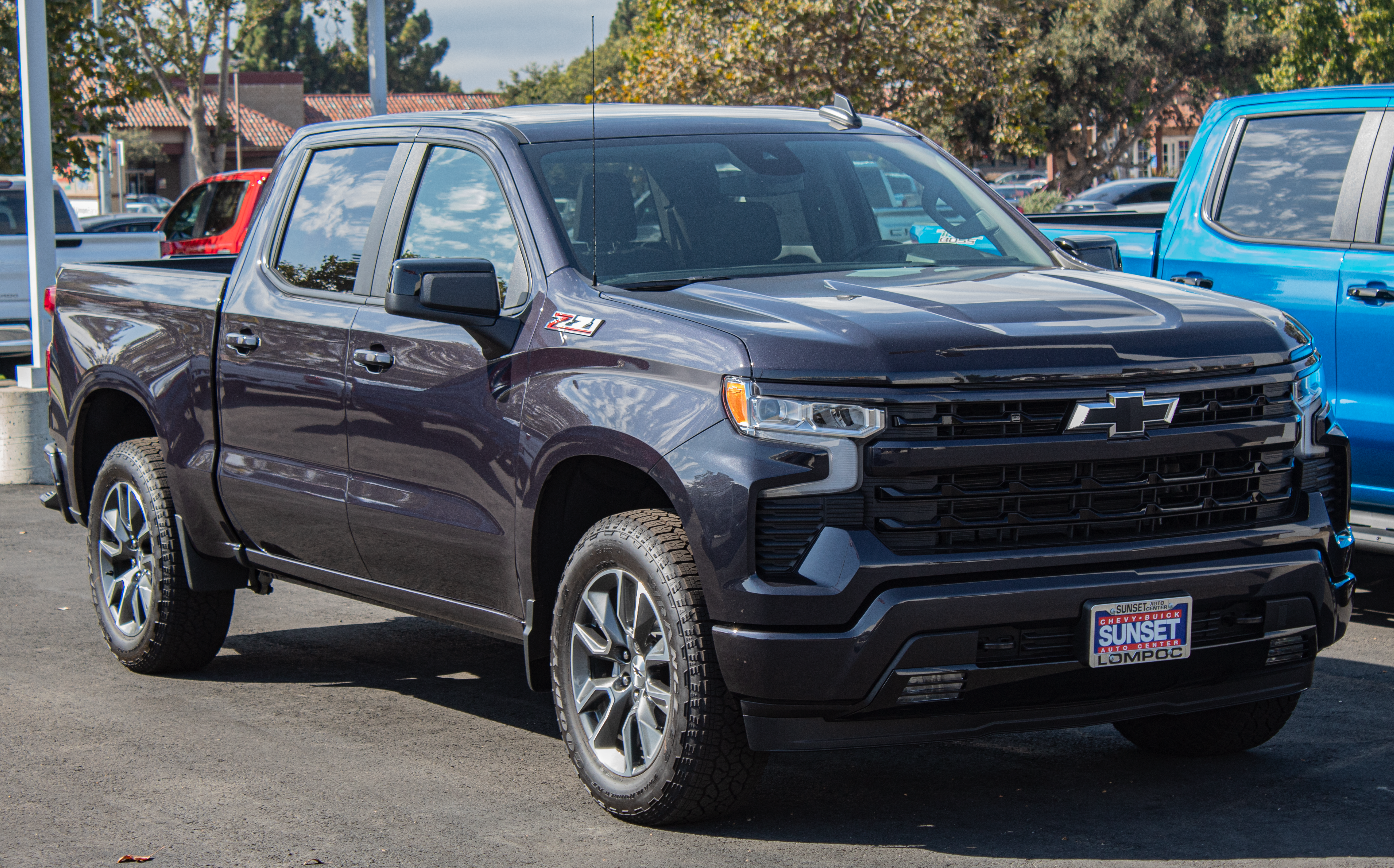
"...lers. So it's hard to build value around a black Silverado. We all have 40 of them sitting on the lot. So t..."
The Chevrolet Silverado is a big truck that people use for carrying heavy loads or towing things like trailers. It's popular because it's strong and can be used for both work and fun, making it a common choice for many drivers.
The Chevrolet Silverado is a full-size pickup truck known for its robust performance, versatility, and strong towing capabilities. It is significant in the automotive market as one of the best-selling trucks in the United States, often discussed for its reliability and various configurations that cater to different needs, from work to leisure.
"...most retail across the room, they're selling cars in two, three hours because of this back and forth. And you get a salesperson..."
Retail sales mean selling cars directly to people who want to buy them. It usually involves talking about prices and trade-ins, which can take a while depending on how the dealership works.
Retail sales in the automotive context refer to the direct sale of vehicles to consumers, typically through dealerships. This process often involves negotiations on price and trade-ins, and can vary significantly in duration based on the dealership's practices.
"...I assume you get people that are still trying to negotiate trade price though, right?"
Trade price is how much a dealership will give you for your old car when you buy a new one. It's something you can talk about and negotiate with the salesperson.
Trade price refers to the value assigned to a vehicle that a customer is trading in when purchasing a new or used car. This price can be negotiated and is often a point of discussion between the buyer and the dealership.
"in the Subaru world, we have what's called guaranteed trade program. And then we have"
A guaranteed trade program means that when you trade in your car, the dealership promises to give you a specific value for it, no matter what happens in the market. This makes it easier for you to know what your car is worth when you're buying a new one.
A guaranteed trade program is an initiative by dealerships to offer a fixed trade-in value for a vehicle, regardless of market fluctuations. This program aims to simplify the trade-in process for customers by providing a clear and consistent value for their vehicle.
"It's a true buy offer. And I think that's really important to the one price philosophy. ours is exactly the same as Jeff's just the exact"
The one price philosophy means that the price you see for a car is the price you pay, with no haggling or negotiating. This makes buying a car simpler and more straightforward.
The one price philosophy is a pricing strategy used by some dealerships where the price of a vehicle is set and non-negotiable. This approach aims to create transparency and simplify the buying process for customers, eliminating the back-and-forth negotiation typically associated with car purchases.
"...we went from a first town closing rate of about 25 28%, which is about national average to 42."
Closing rate is how many people who come to a car dealership end up buying a car. A higher number means the dealership is doing a good job selling.
Closing rate is a sales metric that indicates the percentage of potential customers who make a purchase after visiting a dealership. A higher closing rate suggests more effective sales tactics.
"...it's less time for salespeople. You need less salespeople on the floor."
Salespeople are the people at a car dealership who help customers find and buy cars. They answer questions and guide customers through the buying process.
Salespeople in a dealership are responsible for selling cars and assisting customers throughout the buying process. Their performance can significantly impact a dealership's overall sales figures.
"...there are a percentage of people that still enjoy negotiating an aspect of it. I don't know if I could speak to what that percentage is..."
Negotiating means talking with the seller to try to get a better price on the car. It's like bargaining to see if you can pay less than what they first offer.
Negotiating in the context of car buying refers to the process where buyers and sellers discuss and agree on the final price of a vehicle, often involving back-and-forth communication to reach a mutually acceptable deal. This can include discussions about trade-ins, financing, and additional fees.
"...can I get floor mats? Can I get whatever? And in the first year, it used to be that I'd get a phone call once a week..."
Add-ons are extra things you can buy when you get a car, like floor mats or special features. They usually cost more than the base price of the car.
Add-ons are additional features or services that can be included with a vehicle purchase, often at an extra cost. Common add-ons include floor mats, extended warranties, or upgraded sound systems.
"...our experience and our culture going back to what you're talking about, it's so much better that whether even if they get beat by..."
Customer experience is how customers feel about a company based on their interactions. For car buyers, it includes how they are treated during the buying process and afterward.
Customer experience refers to the overall perception and satisfaction a customer has with a brand or service throughout their interaction. In the automotive context, it includes everything from sales to service and support.
"...One thing that we really started about four years ago, I think, is I don't mark up rate..."
Mark up rate is the extra cost added to the price of something, like a car. In dealerships, it can refer to how much more you pay in interest when financing a car.
Mark up rate refers to the percentage added to the cost price of a product to determine its selling price. In car sales, it often relates to the interest rate charged on financing, which can significantly affect the total cost of the vehicle.
"So vehicle service contracts in a world of increasing inflation, labor costs, park costs, and just the sheer cost of the technology to repair a vehicle are supremely important."
A vehicle service contract is like an extended warranty for your car. It helps pay for repairs after your regular warranty runs out, which can save you money if something goes wrong.
Vehicle service contracts (VSCs) are agreements that cover the cost of repairs and maintenance for a vehicle after the manufacturer's warranty expires. They can provide peace of mind for car owners, especially as repair costs increase due to inflation and advanced technology.
"...most FNI departments give. What, what is, let's go around the panel..."
FNI departments are parts of car dealerships that help customers with financing and insurance options when buying a car. They often sell extra services like vehicle service contracts.
FNI stands for Finance and Insurance, which refers to the department in a dealership that handles financing options and insurance products for customers. They play a crucial role in selling vehicle service contracts and other add-ons.
"you know, I look at a Kia K4 that has a 27 inch curved touchscreen. Those are $5,000 to replace."
The Kia K4 is a car that has a lot of modern technology, like a big screen inside. It's made to attract people who want a nice-looking car with cool features.
The Kia K4 is a mid-size sedan that offers modern features and technology, including a large touchscreen. It's designed to appeal to consumers looking for a stylish and tech-savvy vehicle.
"And if we want great CSI and we want guests returning to our service department, and we want to give them the best experience possible..."
Customer Satisfaction Index (CSI) is a way to see how happy customers are with the service they get at a dealership. A high score means customers are satisfied and likely to come back.
Customer Satisfaction Index (CSI) is a measure used by dealerships to gauge customer satisfaction with their service and sales experiences. High CSI scores indicate that customers are happy with their interactions and are likely to return.
"...service contracts and all these protection products while selling the car. And so when the first pencil to a customer..."
Protection products are extras you can buy for your car that help cover costs for things like damage to the tires or paint. They help keep your car looking good and running well without extra costs.
Protection products are additional offerings that provide coverage for various aspects of vehicle ownership, such as gap insurance, tire and wheel protection, and paint protection. These products are designed to safeguard the owner's investment in the vehicle.
"...traditional versus one price. For anyone that's thought about this or had some experience go forward..."
A one price store is a type of car dealership where the price you see is the price you pay, without any bargaining or negotiation.
A one price store is a dealership model where the price of the vehicle is fixed and non-negotiable, contrasting with traditional dealerships that often engage in price haggling. This approach aims to simplify the buying process for customers.
"...especially in a one price environment like we are, and how that appears in the chat GPT..."
Chat GPT is a computer program that can talk and answer questions like a person. It's used to help people find information or get answers quickly.
Chat GPT is an AI language model developed by OpenAI that can generate human-like text based on the input it receives. It's used in various applications, including customer service and information retrieval.
Select text to request an explanation
We're doing better as a result of social media presence.
If it doesn't do those three things, then it's on the chopping block.
It's in return on investment discussion.
Hey, everybody, welcome to another episode of The Daily Dealer Live.
Hi, I'm your host, Sam Darkin.
Thank you for joining us today in this gathering place for all automotive
to learn, to share, and to have that all-important voice.
And today, we're diving into one of the hottest debates
in automotive retail, one price versus negotiation.
Let's do a roundtable.
But first, before we get into that, today's industry headlines.
First up today, we've got fresh data from Kelly Bluebook,
which shows that new car prices have crossed a, get this,
$50,000 threshold, this for the very first time.
September's average transaction price climbed just over 2% from August
and nearly 4% year over year.
This is fueled by a heavier mix of luxury models and higher price TVs.
Analysts say incentive spending has crept up about 7.5% of the sticker,
which is roughly $3,700 a car, giving shoppers a little breathing room,
but not nearly enough to turn the tide.
Big picture here, strong grosses are nice, but as prices climb,
the buyer pool is getting smaller and smaller as more shoppers drift
to used or weighed it out entirely.
Manufacturers will need to up that incentive to bring that price back down
to help consumers.
That's my own personal take on that.
Next up today, on the financing side, JP Morgan Chase is flagging
fresh risks in auto credit.
CEO Jamie Dimon says,
the recent bankruptcies of auto parts supplier first brands
and subprime lender, tricolor holdings could be early signs of broader stress.
For contacts, the bank took a $170 million charge off tied to tricolor alone
in what Dimon called, quote, not their finest moment.
He also added that when one problem shows up, there's usually more behind it.
That's not a light warning, especially as credit keeps tightening across auto retail.
Because when financing costs climb and loans get harder to secure,
dealers feel it fast.
Operations tighten up, growth slows down, and more focus shifts to service
and used sales just to keep margins healthy.
And finally up today, after several years of soft sales at luxury level prices,
Stellanus is rethinking the Grand Wagoneers place in the marketplace.
For 2026, pricing starts just over $62,000.
That's down sharply from nearly $85,000 on last year's model,
with a new hybrid variant updated styling and simplified trims
built for easier retail.
Stellanus admits the Grand Wagoneer drifted too far up market.
So the new approach is all about bringing it back in line with Jeep's Core DNA
in hopes it'll be easier to stock and sell.
Well, that's a wrap on today's industry headlines.
All right, let's jump into it.
This topic has long been asked for.
We'll set it up just a little bit as inventory normalizes,
margins tighten, and customer expectations evolve.
The question is, does one price actually build trust and efficiency,
or does it strip away that emotional connection that's made car buying great for decades?
Before we launch into the panel, a reminder,
we're live streaming across all our social media platforms everywhere.
Join this conversation, one-player ice negotiation,
what best serves the customer, the dealer, our dealership employees,
and what best puts our best foot forward.
We've got four powerhouse voices here today, two on each side of the debate.
First up, we've got Jeff Miller, CEO of Mark Miller Subaru,
Utah based, one of the first true one price pioneers
in the country.
He says, one price has driven a higher sales, stronger CSI,
and better employee satisfaction.
Jeff Miller, welcome to the show.
Thanks for having me.
And Jeff, just a little side note,
you're actually one of the reasons we're doing this roundtable,
because you came on the show a couple months ago.
I don't remember what the topic was,
just sharing about your dealership,
and there was a ton of conversation online.
What's better, one price or non-negotiating,
so we're here to talk with you and this entire panel about it.
Next up, we've got Bart Schlosser, GM of Tomwood Lexus in Indiana.
He's pro one price, believes transparency removes friction
and elevates the customer experience.
Bart, welcome to the show.
Thank you very much.
And Bart, you're not too far from me in the Indiana, Illinois,
Wisconsin, Michigan marketplace.
So a great dealer group out there.
And then next up, Tustin Ulrich, GM of Roper Kia.
He's seen both sides and says,
one price isn't the silver bullet it's made out to be
after trying it a couple different ways.
He says, negotiate, Tustin, welcome to the show.
Thank you.
Happy to be here.
Awesome.
And finally up today on this panel, Matt Burkhead,
dealer principal at Sir Walter Chevrolet in Raleigh, South Carolina,
who warns that one price can make the process transactional,
losing the human connection that separates great stores
from good ones.
Welcome to the show, Matt.
Thanks for having me.
Looking forward to being part of this.
All right, let's go.
And to all of our dealer, audience, vendors watching,
tell us in the comments, does one price boost CSI and trust,
or does it kill your grosses?
Let's hear from you.
And just right out, we've got a ton of engagement online.
Supervisor Dan says, hello from London.
And he's our international audience for today.
And then your favorite bald guy says,
good morning, everyone from Tracy Honda in California.
All right, Jeff, let's start out with you.
Mark Miller-Suber has been one price for years now.
What's the real business impact of having transition
from negotiating to one price?
Have you seen measurable improvements in volume, CSI,
and employee happiness?
I think all three.
I mean, really, when you look at one price,
it's really just meeting the customer where they want to be.
I mean, we did a lot of research on one price
before we went to it over a decade ago.
And it's really only about 10% to 20% of the population
that actually wants to negotiate the car deal,
but 95% of car dealerships negotiated.
It really doesn't make sense to not meet a customer
with what they want and how they want to have that purchase go.
So by doing that, it's not only increased sales,
but our grosses haven't been hit at all by it.
And really, our CSI and employee satisfaction
is as good as it can get.
So when you sit in groups as we all do, 20 groups,
we benchmark against an ADA and whatnot,
how do you compare in terms of front-end gross
and total net gross to others in the industry
that are in the negotiating standpoint,
that negotiate versus one price?
I would say even since we've been doing it
for our front-end gross standpoints,
we're right on average with the rest of our 20 group.
And I'm in a Subaru 20 group,
the 20 big-time Subaru retailers across the country.
And we're right there on average on front-end gross.
From a back-end stuff, I think back-end's not as much
impacted by one price.
I think that's more about how you train
and how you really focus on the back-end.
We've put a big focus on back-end
over the last 12 to 18 months
and really seen big improvements there
just by focusing on that in a different way.
So is the back-end similar?
Is it one price as well?
Is it just, hey, take it or leave it?
Or do your finance managers have the ability
to engage and negotiate with the customer?
Same way.
Still one price.
Same way.
Yeah, still one price across the board
that we have set pricing across.
And then there's some discounts.
If you package, we do some package deals
where if you discount together as a package,
but it's not a deal-by-deal,
the finance manager gets to decide
who gets a better deal on a service contract.
We don't do that.
Okay.
So NADA shows that the average front-end gross
is down about 20% year over year,
so this year compared to last.
Is that consistent with yours
or has it been flat through the past year?
Yeah.
I mean, as we've seen inventory increase
in the Subaru world,
I mean, we were down in the 10 to 20-day supply
in the inventory world.
Now we're back up to 45, 60 days.
We are seeing front-end gross just go down
because of that.
Yeah.
So it's interesting,
and I'm going to open this up to anybody.
As you say this, Jeff,
you say, hey, we're going to meet the customer
where they want to be.
We're using a percent staff that you quote
about what percentage of people
like to negotiate versus not.
By saying we're not negotiating,
that's not necessarily meeting the customer
where they want to be.
That's meeting most of the customers
where they want to be per that survey.
What do you do with the rest who say,
hey, I want to negotiate?
It's an interesting world
because you talk to most retailers out there
and you ask a retailer who's your target audience
and they'll say everybody.
Everybody can come by a car for me.
And really like marketing 101 is you need to target
and you need to be focusing on the customers
that are best for your company
and the best for what you want.
And so by us focusing on that,
say 85% of customers that don't want to negotiate
just want a great experience,
want to be treated fairly,
don't want to be taken advantage of
is how they will put it
if you've listed their words.
You're letting that other 15% that
want to fight and want to have that anger
and they go somewhere else.
And it's perfectly fine with them going somewhere else.
And what we found is actually
those generally that 15% of customers
that ends up going somewhere else
are generally your problem child
in the service department anyway.
Interesting.
So better all the way from the cycle.
Yeah.
So Matt, how would you respond to that
as an advocate for continuing to negotiate?
Does doing one price remove your ability
to meet the customer where they want to be?
Well, I think, you know, it's a,
it has to be ingrained in your culture, right?
And one price, I'm assuming you're doing it
on new and used both, you know?
And I think, you know, that's where it gets tough for us.
I would say over 50% of our leads
and we did no haggle on use for a long time
or right across from a car max store.
And every other lead that came in
is still asking about price, right?
Wanting to negotiate before they come into the store.
And it's, for me also, you know, we're all using Vauto.
We're using Vincue, whatever you're using, right?
We're all doing market-based pricing.
We're using, you know, sophisticated data
to get the best price out there
so that you even get that lead.
So, but with that said, you're also, you know,
I assume we all here have aging rules on pricing, right?
So as you are lowering that price over time,
are you really even one price at that point, you know,
because you're showing customers that the initial price
is going to change, you know, over time?
On new cars, you know, the price can change
depending on rebates and stuff like that.
So I think, I think there's a big balance also, you know,
with the Carvanas and the car maxes
on losing that human connection, you know,
using the discussion as you're trying
to get someone into the store.
Obviously, we all want transparency, right?
I mean, you're not going to tell them a price, you know,
upfront and then they come into the store
and it's a different price.
But the price that you may, you know, end up discussing
may not have been the price that they, you know,
initially discussed.
There's a lot of variables and car deals, right?
I mean, you know, credit, et cetera, you know,
so there's people that are payment shopping too.
You may have an old car that's 60 days old.
We have a 60 day age policy, right?
You're going to lose a deal on day 59 over, you know,
a few hundred dollars.
And I feel that, you know, when we were doing that,
no haggle, once you do it, once it's over with, right?
You've kind of destroyed that culture.
So that was kind of our sticking point, you know.
If you do it once or make an exception, it's kind of gone.
So Bart, you do one price at Tom Wood.
Matt makes an interesting point with technology.
You're continually updating pricing, right,
to match market and aging rules and whatnot.
How does your one price strategy adapt
to the changing market trends
and do you lose credibility as those prices change?
And it essentially reverts to negotiating at that point.
Right. So, you know, Matt brings up a very good point.
You know, we're on the same pricing model, right?
We do the same.
We bring down the price as we have a 60 day policy also.
And as we get, you know, closer to that 60 days,
we just got to be a little bit more sensitive to it, right?
And, you know, watching the VDPs and everything
that's taking place on that particular car.
But when the opportunity presents itself,
we find that we still move the car, right?
The car still moves.
And if it's aged, there's probably a reason why it's aging.
And, you know, we'll move it off to one of our other stores
and or we'll take it to auction, right?
You've got to find yourself, you know,
not to use the old Tommy Gibbs model,
but there's a reason why you still have it at 60 days
and you should be liquidating that car.
So we don't put ourselves in a position pricing-wise
that we have that car at 60 days.
If it's there, we make the, we liquidate.
So, Bart, are you saying you liquidate as it ages
rather than move the price?
Or will you update the price and say that still counts?
Oh, no, no, no, we're constantly, I mean, we move,
we move prices three, four times a week, right?
It's all based upon, you know, the activity
that's taking place online, especially with,
like I said, with VDPs and everything that's taking place
with the car, we're constantly monitoring that car.
So now we even have some, some guests and we explain,
we're transparent in the process, you know,
that this car price may go down, right, as it ages.
And we may have some people that game and say,
okay, I'm just going to wait another week
until you bring the price down.
Okay, that's fine.
But guess what?
There's probably another person that's going to come
in this store that's going to probably buy this car.
So if you want to go that route, you can go that route,
but this is the price.
And sometimes that can get people the engagement.
Sometimes they, they game it.
So back to, you know, what Jeff was saying earlier,
sometimes you just got to say, you know,
that's the price of the car and it goes.
So Tustin, if, if we're changing the pricing
for market conditions and the customer can see that change,
is that one price?
Is that non negotiating?
Yeah, I mean, it's an interesting thought for sure.
And the question I would ask Bart,
as he made the sentiment of gamifying it a little bit
and telling the guests, hey, the price might go down,
but you can wait it out and see,
but there's someone coming behind you,
sounds awfully close to COVID times when dealers
are doing the same thing with new car inventory
and excessive markups.
And you look at tellurides in 2020,
dealers in Florida were getting $25,000 over sticker
is just a crazy amount of money.
I think the true thing that we need to talk about
is how we can generate a better guest experience.
I do appreciate that Bart called the customer the guest
because we do the same thing
because of unreasonable hospitality.
But, you know, I think a lot of what's created
this decisiveness, in my opinion,
are the dealers that are choosing to advertise a low price
that they're not willing to honor when a guest shows up
and instead try to charge an irrational amount of fees
for things that you may or may not agree with
that add value to the guest experience.
And they just refuse to honor a price
and it's buried somewhere four lines into a paragraph
that you can't find.
And it's that experience that I would safely say,
none of the four dealers in this room right now
are doing any tactic anywhere close to that.
So it's us trying to provide a great customer experience
that's going to make a significant difference.
And it's the dealers out there that are just refusing
to play by the right rules and take care of the guests
that are creating this debate at all.
Bart, your response?
Yeah, my first reaction is with the compression of margins,
I can see why that challenge presents itself.
Dustin, I see where dealers are put into that business.
But it is also very important that you maintain that transparency.
But for us, we do everything.
We even contemplated putting on the ads that Dustin brought up.
But we quickly vacated that, no other way to describe it,
because of the concerns that you brought up.
It's all part of the transparency that's on it.
It is so vitally important.
Part of the reason why one price for us
is we want to go a different route than the traditional manner.
And by having that transparency, having that straight up where it's at,
we're kind of going against the grain.
And we want to be in a position where we're just 100% transparent,
and we just don't enter into that realm the other way to describe it.
I guess my question, if you don't mind me asking,
my question back to that would be,
I feel like that's insinuating that dealers that are not one price are not transparent.
I would say that, and we use the term traditional, that's not everybody.
For us, this is our culture.
This is how we conduct ourselves.
And that one price environment with all of our employees that we've brought up through the years
has put us in a position where it's just who we are now.
By going against, I'm really not concerned about other dealers, I guess.
That's where I'm coming from, I guess.
But that is a value proposition, right, of one price.
One price is insinuated in one price.
It is greater transparency, no negotiation, because you buy the car.
I mean, I was part of that at Saturn back in the 90s.
Look, this is the price.
And one of the disciplines is you either sell it at that price or you don't.
And if you don't, you lose the credibility and you might as well go back to negotiating, right?
And Sam, really, the value becomes everything in it.
I mean, it's all about value when you're in the one price,
because you don't have the price as a salesperson.
We're called product specialists, but our product specialists can't use that silver bullet of,
oh, I'll knock 500 bucks off to close this deal.
They truly have to listen to the customer.
They truly do need assessments to figure out what that customer really wants.
Our salespeople aren't paid on gross-based commissions either.
So because of that, they get paid the same if they sell a $10,000 car or a $60,000 car.
So because of that, they're actually out there.
And we really, really are careful about not putting spiffs on cars.
I don't put a $1,000 bounty on a 50-day unit, because that's going to make my salesperson,
my product specialist, push someone to something that they may not want.
So by doing that, we really do focus on everything we do is about value-based selling.
Interesting. So Matt, what would you say to that?
One price, you focus on value with the customer, building the value in the vehicle versus justifying
the price. And the traditional model doesn't allow for as much value, because you're focused on
what is that end price. And maybe there's a little bit of an assumption by the consumer
that they can take advantage of you. There's always that chance you make a higher profit
with them. So it's more about the price, not the value, Matt.
I think on that building value, we all want to do that with the vehicles. I would love to
sell our vehicle the way we have it priced on the website. I think it's easier said than done
on use than it is on new. Here in Raleigh, North Carolina, in our LMA, we have 21 Chevy dealers.
So it's hard to build value around a black Silverado. We all have 40 of them sitting on the
lot. So the value becomes in the human connection. And if the human connection for our store
is, obviously, we're transparent. The price online is the price that you're going to pay.
But if we're certainly not going to lose a deal to the competition over, if it's a few hundred
dollars. And again, let us go back to, if you're not sticking to your guns on the true no negotiation,
once you make an exception, whatever that exception may be, if it's to hit SFV at the end of the
month or whatever, then you've kind of brought down that whole culture. So maybe it's more
market dependent. Like I said, we have car max across the street as well. When I tried that
no-haggle here years ago to try to compete with them, I didn't really see a boost in sales or
anything like that. So for us, maybe it is geographical dependent. Or maybe it's just
that we didn't have it ingrain throughout our whole culture. We were doing it on use, not on
new. And our salespeople aren't paid on gross either. We're volume focused. So yeah, sorry.
So I was going to say, Matt, real quick question for you. Do you think
by you being in a position, you're across the street from a car max store, right? Do you think
that that's an advantage for you that you do negotiate? Or do you think you steal some deals
from them just because they don't negotiate?
They sell a lot more cars than us. So I don't know that we are stealing deals. I think a lot of
times with car max is around value of the trade, right? That's when people are coming back and
forth. And again, I like to think the most of the consumers are well educated now, right? They
do a lot of research. They're pitting dealers against dealers. They're finding the three or
four vehicles that they like and submitting the leads. And it comes back to that human connection,
right? Who do they feel most comfortable with, you know, who answers, who sent the video in
front of the car, right? They feel that connection with the salesperson. I just worry that you become
so transactional without the proper culture on a one price strategy that you end up like a car
of honor, right? I don't know if you guys have shopped them, but it's an AI bot, right? That's
all they have. And you submit it and their lead form is a digital, you know, it's a DR tool.
There's no lead form where you're just submitting information, you know, shoot me best price or
comps or anything like that. It's you buy on the car online. That's it. You know, it's single point
store, you know, our advantages are people. And I just worry that we would lose some of that, that
personal touch point. If we truly were going to say no negotiation, you know, to me, it's a hard line,
you know, you're going to do like what just done and obviously it's been successful form
or or say, you know, we're going to be willing to work with some people. They may be credit
challenged. Like I said, you may need to get a few more Silverados over the over the line at the
end of the month. But once you cross that line, I think it's hard to go back. Yeah, Matt. And I
mean, I agree. I mean, I think the by making the one price, like I was talking about before is
it requires our, especially on internet leads and everything like that, it requires our sales
people to become more personable and create more of a personal touch in order to get that deal
because they can't just beat a price. So they have all of our sales are required to send a video
within five minutes of every internet lead. And we do all those things to make sure that we're
creating this thing. So customers know when they come in, they're going to have the easiest
experience possible ease of experience is what the best part of one price is. I mean, we sell
cars in 30 minutes. I mean, most retail across the room, they're selling cars in two, three hours
because of this back and forth. And you get a salesperson, when you get a customer at that
salesperson's desk, and all of a sudden they're pulling out a pencil and showing on the payments
and the customer's like, well, aren't you going to go talk to your manager or your boss and
still price was like, why, why would I don't have to do that? Here's the deal. Like we're done.
Right. I assume you get people that are still trying to negotiate trade price though, right?
So, so we're very, we're very upfront right from the get go. And we really push this idea of within
30 seconds of you walking into our store, we're going to explain to you how we do business and
give you the opportunity if you don't want to do business that way, we're not going to waste your
time and take you through the process. And on a trade idea, we do the same thing was we'll provide
in the Subaru world, we have what's called guaranteed trade program. And then we have
instant cash off for Cali and our appraisals. So we're essentially giving three appraisals on
every car. Right. And you get the best of the three. And we don't negotiate appraisals because I
feel like if you're negotiating appraisals, you're negotiating. Yeah. Like the tried to do one price
and all they did was just did it all through trade. And so they just would negotiate in low ball
trades by three grand. We don't over I don't allow over allow or under allow on trades. So the number
is what it is. You buy it whether you buy a car from us or not. It's a true buy offer. And I think
that's really important to the one price philosophy. ours is exactly the same as Jeff's just the exact
same process. Do you think that there are OEMs that this works for better one price versus
traditional negotiation and not like are there certain I think about you know, Lexus had Lexus
plus during COVID right they they encouraged that they kind of stepped away from a Subaru.
I don't know if they would encourage it more or not. Jeff, you would love it if I'm on
Subaru's National Council. I would tell you Subaru would love it if every retailer in the world
became one price overnight. But I mean, you talk about it's it's about closing. It's about
percentages and numbers. Our biggest metric that we saw as you talk about metrics is from pre one
price to post one price. We went from a first town closing rate of about 25 28%, which is about
national average to 42. We close 42% of our customers that walk in the door, walk out with a car.
And by doing that, it's less time for salespeople. You need less salespeople on the floor.
Our average salespeople sell 15 to 16 bar and it creates that idea where it's about closing.
It's about numbers. You can sell more with less customer. To speak to that though, I don't think
that one price is necessarily the silver bullet that defines any of those things. I think if you
have a strong culture that trains its people well, so I hear what you're saying, but we also
average 15 to 16 cars per person. We also have a very efficient staff. We also, as Jeff mentioned
earlier, as Bart mentioned earlier, you know, the same thing when we have a VIP guest that
sends in a lean on a particular car, they get a video within five minutes, we pull the car
up front to an area that's designed for VIP hang tag with their name, we reserve the car for them
and we won't sell them to a guest. It's their standing. If someone has submitted a leave within
90 minutes, we have their drink of choice up front. We do all those same things and we will 100%
honor the price on the website with no additional fees, markups, any games or gimmicks. So we try
to embody a lot of the same positive qualities that you guys are speaking to, just not necessarily
using one price as the line to get there. And if you're going all that way, Tustin,
you talk about honoring the price and not having any extras. Those are a lot of words
that dealers that are one price would use. What's the line for you? Why not just commit to a one
price? Why not just offer that as part of your value proposition? What do you see value in the
negotiating piece? Yeah, I think that there are a percentage of people that still enjoy
negotiating an aspect of it. I don't know if I could speak to what that percentage is. I don't
know if anybody really could. But to me, it's one of the last few things you can negotiate.
And maybe it is geographically based. We are in Southwest Missouri. In Southwest Missouri,
it is a lot of farmers who are used to the air quote term from the 90s fender trading
on their Silverado pickups when they would buy them at the end of the tax year.
Those certainly are not techniques any of us enjoy today. We want manager involvement early.
We don't want fender trading. We don't want salespeople that lean on price. But we went
through a pretty radical change at my store two years ago to become significantly more efficient,
to become better for our guests, better experience, provide top level customer service. A lot of that
was hinged on reading the book that we talked about in the beginning of this. We talked about a
reasonable hospitality with Will Gadara. How can we provide that level of service? They're providing
that level of service for $400 meal. We're selling $35,000, $45,000 cars. We have a responsibility
to the guests and really to the industry to be different than what a lot of dealers are giving
everybody such a bad name for. Tustin, where do you think the highest profitability for the
dealership is in the employees? Which again allows you to hire the best people. It allows you to
have the best facilities, get the best return. Is it in a negotiating environment or one price?
I don't think, I think it's in culture. I think what are you doing to set up your day?
At our store, we adopted a lot of the principles of what Glen and 800 Club do, but we do daily
meetings. Our entire sales staff is in the same meeting with the BDC department every day at 8.30.
We read through our core values, our pledge to the guests. We read daily affirmations. We talk
about where we are at pace, how we can better serve our guests, product training. We're doing all of
these things every single day. When you do those things the right way and when you take care of
employees and make sure they don't miss Johnny's football games on Saturdays, regardless of what
target you're chasing, you do those things daily, not consistently. You don't love your wife
consistently. You love your wife daily. When you do those things daily and you build the culture
the appropriate way, you can have all the attributes that Jeff and Bart are talking about in a one
price store, yet still give room to negotiate and not feel like you have to walk that guest or play
the game just because you're holding the line. So any response on that? And then I want to talk
employees because you bring up a great point, Dustin. Any response on that, Bart? Yeah. So
in the Tom Wood group, we're the only one price store. The Lexus store is the only one price
store in the group. And it was a decision that we made individually. And I always say this,
one price is not for everybody. And it's based upon the culture that you want to develop
in the leadership role that you have. And as Dustin brought up, you have your employees that
gravitate to your model, to your culture. And the same thing happens in our world in the one price.
We have sales consultants that, I love the car business, but man, I just don't want to have to
deal with all that negotiation, man. If you could just get rid of it, man, I'm all in. And those
are the people that gravitate toward us and then have a passion for it too, and our advocates for
you as part of the process in the one price environment. So speaking then of employees,
let's go there. There's a great comment online. And there are so many comments, by the way. It's
going to be, it's going to be tough to get to everybody's comments. It's just lit up. I got
to find the one about retention. So there's a great question. It says, what is each dealership
employee sales department turnover in one price versus negotiating dealers? And be honest. So
what do your salespeople prefer and what do they stay for? Is it the traditional
engagement negotiation or is it one price? I mean, we have very, very low turnover. I hire,
I mean, between my two superstores, I haven't salt lake. I've got about 30 salespeople,
32 salespeople. I probably hire for a year. Okay. A year maybe. Bar? When we, you know,
obviously Lexus is on an upturn right now sales wise. So in December of 22, we had eight sales
consultants. Now we have 15. We have not, we've added, we have not replaced anybody. Nobody has
left. Now that being said, when we, like Jeff, we went one price 10 years ago, we lost a lot of
people. We, we had, I guarantee you, we were probably 80, 90% turnover because you had that
culture that loved negotiation and then you switched to a culture of non negotiation. You're
going to have fallout and we did, right? But since, you know, again, since December of 22,
we haven't lost anybody. We just added to the, to the sales consultants.
Tustin. Yeah. So like I said, we went through a pretty radical change two years ago. Our marketing
model was not efficient and certainly not on brand with what Kia Motors America liked. And so we
changed that. And by changing that, we become more efficient and by more efficient, I mean,
we're increasing volume. We're up about 28% year over year. However, we're doing it with less
sales people. We had 21 sales people two years ago. We run with 14 sales people now.
And so it's just about making sure we have the right people and the right seats doing the right
things. And I want to make sure everyone that's on this bus is bought in 100%.
Tustin, I think you're almost one price. You just don't want to say and draw that line.
Because listen, part of your stick, part of your stick is this. We're fully transparent,
which we all are. Nobody says that anybody here isn't. I think you're like just a couple degrees
away. And I think there are groups that will say, Hey, we're going to go one price. And then you
have the uprising, right? Like what Bart said he had. And the shipmates turn the ship, right? It's
a little bit of a hostile takeover. And I wonder if a little bit of success in that world is
getting the training and the culture right. Matt, what's your perspective and what's your
retention? Yeah, I mean, our retention is very strong over there. We have 15 sales folks. I think
we've had, you know, the ones that have come in and out haven't been due to, you know, our negotiating
or non negotiating pricing strategy, right? And I like to think that our culture is strong enough
that if we said, you know, this afternoon, we're going to go to a one price and we're fully convicted
and explained why we were doing it. I think they'd be bought in too. We're doing a lot of the things
that, you know, Tustin talked about, actually, I'm taking notes on Tustin's playbook right here.
So we've got it. We've got it literally on the sales side, right? So we're asking, we're asking
a lot of them. We open at nine, we're asking them to get here at 830 and doing a daily sales
meeting every morning. We were breaking out and doing a save a deal 15 minutes after that initial
15 minute meeting and that those initial 15 minutes were going over reviews.
We're building people up, right? It's all positive going over that we win the previous day,
you know, based on a 15, like if yesterday our goal was seven, did we sell eight cars? And that's
based off 15% daily growth. So doing those things every morning, we're going right outside after that
and getting folks to take stuff, put stuff up on social media. And then following that we go and
do a trade walk, right? So we've added a lot of things into the process to better educate our
salespeople, you know, what's here, what's on the lot. What we haven't discussed is price, right?
We want them just to take care of the customers, you know, I think it's the managers, it's our job
to set the pricing and make sure that, you know, things are aligned in a profitable way.
At the end of the day, we want the salespeople to just give our guests the best experience
possible. Yeah, so you're saying maybe it's not about the pricing model, it's about the culture
and the training and what you set up in store in between the years as you engage. And to that
point, Jeff, I've got a question, you know, Cox shows, Cox Automotive data shows 56% of customers
say that they hate to negotiate. That's on Cox. But they also say 72% still try to negotiate anyway.
Like, what do you do with the messy middle where they may say they want one thing,
but everybody thinks they're a little special, right? And so they want that exception from you.
How do you meet them where they want to be if they're doing different?
We've had a good line for that that we've used for over a decade. And what happens is,
what we talked about with the idea is we really do train hard on the idea within the first 30
seconds of coming in our store, you are being told that we are one price, this is how it's
going to be prices on the window. We have digital hang tags on every car. That is the price of the
vehicle. And what happens is you get to the end of it and 80, 90% of the time they're always going
to ask someone's always going to ask, can I have a couple hundred bucks? Can I get floor mats? Can I
get whatever? And in the first year, it used to be that I'd get a phone call once a week at my desk
as general manager saying, Hey, this customer wants to talk to you and the customer be like,
Are you really going to lose my business over $50? You're going to lose my business over $100?
And I would always say to that customer is when you walked in the store, did my
product specialist explain to you how you did business? We do business there and they say,
Yes, he said you're one price. So I would say, so if I were to give you $100 off right now,
it would mean we've been lying to you since the moment you walked in the door.
And most customers hear that and they're like, Okay, 95% of them say, Okay, thank you. I appreciate
that. And they're really just testing you. You also get customers that do the walk out to their
car and sit in their car and 45 seconds later, they'll get back in and walk back in the store.
And they're just seeing if you're really going to hold tight to your one price or if you're just
lying. And so by really holding to it, you get beyond that very easily.
Tusted, would you give them the floor mats in your model that's almost one price?
Yeah, I like that I'm now being tagged as the almost one price.
That's fantastic. At the end of the day, we're going to earn the guest business. We want the
trade. We want the service work. We want them in our ecosystem. I want the flexibility to give them
the floor mats at that $85 is what's required to earn their business today and not have to say.
I completely understand if you would like to go to the dealer 40 minutes from here and see if they
will include the four mats at the same price because we all know they will. And I'm just not
willing to lose that guest over $85. Jeff, I love the line. I love the sentiment. I love what it
represents. I love that it speaks through from Jump Street. Like that is fantastic. And it's not
from a fear of loss. I just want to get them in her ecosystem today because I believe in momentum
and I don't want that momentum to be lost. But it is interesting because people do crave
transparency. They crave integrity. Trust is ground zero for every relationship. Being able to say
we're not going to give up that trust and that transparency by giving away those
floor mats. Does it earn you more business than not? And by the way, yoga cars
messaged in, Tustin, you'll know half one price, trademark pending. So
yoga car wants patent pending on that particular price. I would say where it really goes is
repeat business. Because once you're on one price for multiple years and you get those customers
coming back, then they know who you are. They know what you're going to do. They walk in the door
and say, I'll take the green one and write it up. To ask, as profits are compressing,
are you giving up a little bit of profitability you've created by having an incredible culture
and a great service department that has a guest coming back? I mean, guests will spend a little
bit more for repeat business because they trust you so much more. So are you sacrificing a little
bit of profit there? I think you could probably say that there is some sacrifice to profit there.
But I mean, I think we've proven, I mean, a lot of people, especially in the Subaru world, have
always looked at me and said, how could you possibly do that? Like your guy down the street
just going to beat you by a hundred bucks or throw in those floor mats. Like you must not
be in a competitive environment. I mean, I've got a Subaru store two miles from me. So in Salt Lake
City, we're the two closest Subaru stores in the country. Even when we send people away and they
go down the street to that customer because our experience and our culture going back to what
you're talking about, it's so much better that whether even if they get beat by, we get beat
by 200, 300 bucks, they still come back and buy from us because they know we really do push it to
the finance side as well. One thing that we really started about four years ago, I think, is I don't
mark up rate. And what I did is I did some statistical analysis on it. And by not marking up rate and
selling on the fact that we're not going to mark up rate, you're going to have the same experience
in our finance department. We're not going to make money on you there. It's worth about three to
four percent in closing ratio. So that three to four percent in closing ratio more than makes up
what I ever made in reserves when you take in charge backs. You make no finance reserve on any of
your F&I transactions aside from the flats. We give best rate to every customer. What's your
average PVR? On the back end right now, 1600. Wow. Yeah. Good on you. But I'm hearing you talk,
Jeff. And for me, I don't know if it's the one price because customers, a lot of our customers
don't know about that we can keep a spread or whatever. To me, what I'm hearing is that you've
got your whole team rowing in the same direction. So it's really your team and the culture and the
store that's believing in this, that's making it work. It may or may not be that customers are
liking it. I don't know what you're selling versus the guy down the street. But to me, that's what
I'm hearing on your side is that the store culture, you've given everyone in the store
something to rally around something that they fully believe in. Without question, in the one price
world, that is the most important thing if you're ever going that way is that the owner, general
manager, general sales manager, sales managers across the board all believe in it. And I'll
believe it's the right thing to do and it's the best way to do it. We lost, like he was saying,
when we first went one price, I lost to sales managers within the first two months because
they didn't believe in it. And you knew they didn't believe in it. They didn't think it was right. So
they couldn't be here. Jeff, how long does it take to get the ship turned? Where you get people
to believe? Because Jeff, you talked about it. Bart talked about the departure of teams that
aren't used to it. Two years, you say, Bart? Oh, no, it was a good three years. And to Jeff's point,
man, you got to have buy in from owner, general manager. And then in our particular case,
it was those, as Jeff said, those two managers. And that once you move on from those two managers
and then you bring in people that truly do believe, and usually you find those people
on your bench, right? And they're the ones that are coming up through the system and are very
passionate about it and make good managers. It was those managers that helped propel it even
further when they're like, okay, good, this is working. They believe us. And then the buy in
happens even further. And then it brings even more people on board. But I would say at least,
it's two to three years. It's a two to three year process beginning to end.
And is that pain in the two to three years worth being able to deliver on the promise? Lexus
itself went down this road and abandoned it. What does that tell you if the OEM Bart isn't
willing to stick to their guns on it? Well, we had this thing that interfered with that called
COVID. So they had to scale back some of their involvement and some initiatives. And, you know,
Lexus Plus didn't make it. But, you know, it's all of a sudden you're, we use the term, it was
even part of the Lexus Plus process, you know, burn the ship, right? You burn the ships, you don't
go back. And, you know, we burn the ship. So even if Lexus left, we burn the ship, we're not going
back, right? And we maintained it. And I believe that as we define and refine the process, the
efficiency is the one thing I think Jeff is speaking to also. The efficiencies is associated
with the one price. It just moves because you just got to move the process along faster.
Is that cut away from the personal interaction? Some could say yes. Some could say, in our
particular case with Lexus, time is the most important thing with our guests. So if you're
being efficient with their time, their satisfaction rises because you're being respectful of their
time. Matt, you're efficient with your guest time and you negotiate. I like to think so, right?
And then those sticky situations are where, you know, that it takes longer and that's where,
you know, are you doing right by the customer? If you're not, you know, you know what they can
afford, they're not quite there and you want to work with them, you know, like, like Dustin said,
you want to get, you know, every wheel across the curb, right? And get them into the ecosystem
and then get them back into your service department and do the whole thing over, you know, three or
four years. So that's, you know, that's where, you know, when I'm looking at this and you're
thinking going all the way down that road, what do you do with that customer that comes in
first-time buyer or whatever, you're really close in the bank, you know, cut you back a little bit
and you, you know, if you can do an extra thousand bucks, you can bring them into your ecosystem,
right? You're just going to tell them, you know, pound sound, right? So, you know, those are the
sticky situations where I just get stuck on this where. And Matt, I think the interesting thing
when you bring that up, we, we do, and those are the ones where a manager does get involved
and we do, we will make exceptions on that kind of a deal when especially special finance world
where a manager has to come in and structure deals properly to make it work. That is,
that is one of the places where we will get managers involved to take, to get that deal.
But if you do that for one, does you lose, okay, but you lose the credibility then.
But a salesperson has no authorization to do anything like that.
All right, so there's a, there's a comment, Jeff, from Eager K, and I don't know if this
is true. I just want to throw this out and we'll see if you all know about this. He said three
stores in Massachusetts are being sued for discriminatory selective negotiation practices
in stores that are true, truly no-haggle stores. They got audited, got caught with deals where
they negotiated, maybe like those subprime deals. Jeff, could, are you aware of those types of
suits and could there be exposure for a store like yourself, uh, selectively making exceptions
to bring? I would, I would make the argument that in a full negotiation store, there's a lot
higher likelihood of discrimination lawsuit than there would be. Bart? Yeah, I'm with Jeff on that
one. I'm with Jeff. That's the first time I've heard of that. That's, I have not heard of that.
And again, I have, I don't, I, we're getting that online. I'm bringing it in. The biggest,
the biggest liability on that right now is rate markup. I mean rate markup discrimination is
with a hundred percent the biggest liability retailer has on that. And you're eliminating,
you're eliminating that. I'm going flat. Yeah. So one thing nobody here wanted to bring up,
but I'm just going to say it, you can respond to this. Uh, when you throughout the 1600 PVR and
you benched that against, uh, you benched that against Publix, there's a pretty significant
delta between where you are in the Publix. Uh, how do you deal with that? Where FNI is such
an important profit center in any dealership operation? Well, as I said right now, I mean,
we, we've really done a push on trying to get that number better. I mean, if you went last year,
I was at a thousand. So yeah, I mean, really our focus right now has been how we can sell value
and how we can sell more service contracts, more debt and ding windshield contracts,
things that give value to a customer. That is my focus right now on the back end side. And
I don't see, I don't, I mean, I don't see us ever being 25, 3000 a copy like a public, but
I mean, I think where we're at right now is a pretty solid number for what we want to be.
So vehicle service contracts in a world of increasing inflation, labor costs, park costs,
and just the sheer cost of the technology to repair a vehicle are supremely important. Maybe
it's one of the most important offerings most FNI departments give. What, what is,
let's go around the panel, one of, one of the folks posting to social said, hey,
what is everyone's VSC pen? Jeff, what's your VSC pen? And then Bart.
So I'd say on new cars, we're just under 50%. And that's probably up 10% this year.
Just focus on just under 50%. So just 50% on new car penetration. Yeah.
Bart. It's impressive. Yeah. We're, we have a rate between 25 and 30% on new and just a tad bit
higher on use improvement. Yeah. Opportunity. There you go. Bart. Yeah. I'm sorry to buy
Tustin. You're good. Half. Sorry. You keep saying half price. I'm going to keep delaying my
responses. Half one price trademark pending. That's funny. I like it. I'm changing my Facebook
status immediately. 62% at IKEA store. Strong. Yeah. Thank you. And map. We're 50% across the board.
So this is an interesting point, right? So do your sales staff in a one price store
lose the ability to truly sell and advocate? And it's interesting. Could you make an argument
that F and I results are, are, are evidence of that, right? Can you really understand where
the customer is and meet them where they need to be in a non negotiation environment, Bart?
So this is a really good question. So one of our challenges that we have is exactly what you
spoke to, right? Yeah. And so the ever searching, how can we overcome? We have, we have recently
signed on with Darwin and in our particular, now in our particular case, we're still Lexis Plus.
So our sales consultants do the F and I from beginning to end too, along with being one price.
Our sales consultants take them from beginning to end on F and I. So we're running about the
same numbers as Jeff, right? We see the public's numbers and we get again opportunity. So, you
know, we're, we're taking them through that process of, of menu presentation as utterly
important and another another like moving up a level, you know, going from a 300 level sales
consultant to a 400 level college equivalent, right? Yeah. It's ever important right to do,
to, to find that means of increasing F and I, but it all goes back to the question that interaction
with the guest, you got to be able to provide that value proposition in the middle of all that.
And we're hoping that, you know, working with Darwin, we can get there.
Jeff, are you guys start to finish salesperson performs the finance function as well?
So we have, we're hybrid. So the vast majority of my sales, we still have three finance managers
per store. So we still run to a finance manager when we work to this idea of a senior product
specialist where we have a couple, two or three people on each of our floor that they're able
to go the whole process all the way through. It allows us to be a lot more flexible in our
finance world where to add a whole other finance manager requires 40 to 60 deals in our world
to add a senior product specialist is 15. So it makes it so you can adjust to your volume
levels a lot quicker, a lot more nimbly. So I have an F and I background. I worked for almost
two decades for a Swiss based insurance carrier came in and trained. I've seen the model F and
I going start to finish or sales start to finish. It's a tough gig because customers come in to
buy that car. They can touch, see, feel, get excited about. It's a tangible purchase that
they all said we need. They come in through your door looking for it. And the intangible part is
that protection against something they truly need. And most of them made a pact, a solemn valuable
before they walked through your doors. They wouldn't buy it, right? And yet customer, it's, it's
another one of those deltas where we talk about customers don't want to negotiate, but then they
want an exception for themselves. And then there's this kind of pact where, hey, you know, we don't
want to buy that service contract. But at the end of the day, CSI is so much higher if they do and
they need it. How do you train salespeople in that one price environment to take them from
tangible to intangible effectively? I mean, I think it's the training's everything, right? It's
having a good training partner on the finance side. We're with Ethos is the company we've
partnered with earlier this year. And the big focus on that has been training on the finance side.
We don't just train our finance managers, we train our salespeople. We train our salespeople
on the value of a service contract, why a customer needs a service contract, what that long term
look looks like for a customer coming back to the store to sell to buy another car from that
product specialist if they buy a service contract. And it gets that focus really looking strong for
the product specialist to be finance's greatest advocate. Okay, now before I come to the other
side, before I come to Tustin and Matt on the question on training finance managers,
intangible, intangible, I got to stop for a quick ad read because the producers are going to
kill me in the text. We're going to go just a little bit long today. We've got so much commentary
in the social media. We want to get to all of this, but we love Repair 360 reconditioning software.
The dealership secret weapon, the platform that connects the dots to help you sell more cars.
You can scan this QR code to get more information on Repair 360. Go to Repair360.com to learn more.
If you're listening to this in the podcast, you're going to go nuts because you want to have
a take on this and post into the social comments. So join us live next time. But you do have the
ability to go to the notes in the podcast library and hit that Repair 360. We appreciate Repair 360
for sponsoring this panel and the content today. So props to them. So Matt, let's start with you
like your take on finance and this whole negotiating piece and the higher VSC pen that you have
relative to non negotiating. Yeah, I mean, we're, I guess we're representing the traditional side
here anyway. But we have, you know, three finance managers, they're touching upwards of 75 plus deals
a month. What we have done with them is we have two open spots in the sales tower. So we always
have two of those folks sitting over on the sales tower. So they're seeing here and feeling every
deal that's coming through, right? And then it's early involvement, right? I mean, it's,
they are, we're using Darwin too. So they're getting out with the customer once they've,
you know, they've come to agreements on, on a payment range, right? And then they're sitting
down with the customer doing that, you know, traditional 10, 10 questions, you know, 10 step
or 10 questions, building that, that allows them to build the menu, you know, custom to how that
the customer is driving habits and things like that. And then they're taking them in into the,
into the box, I guess, so to speak, and signing them up. We again, 800%, they have a FNI trainer,
you know, so we're leaning into that. We actually just came from a retreat where we were talking
about AI and FNI and the benefits and efficiencies you can get in FNI from, from using AI to help
build your menus, help build your rebuttals and things like that. So trying to bring in some
technology as well to make, make things easier here and make it a better process for our guests
as well. Justin, the delta between VSC with traditional and one price and then I, I want to
transition into AI because you bring up an incredible point, Matt, and how that may affect
the pricing models. So, Justin. Yeah, so for me, I think the question I asked between traditional
FNI and a salesperson running Cradle of the Grave, like salespeople in general don't do well with
having tenacity or good wear with all or follow up. So by the time they explain to the guests,
a certain amount of times that they cannot give up the formats that we'll keep referencing,
you know, how much time do they have to spend not giving that up? And then are they really
providing the best opportunity to explain the VSC? And then the question I asked in today's,
you know, I look at a Kia K4 that has a 27 inch curved touchscreen. Those are $5,000 to replace.
At what point are we doing the guests at the service by not fully explaining the risk that
they're taking by not purchasing a contract on that car? And as a salesperson has been with them
for two and a half hours, it's, you know, worn out or an hour, any amount of time going to give
it the proper presentation that it needs to make sure that that guest is protected in the long run.
And if we want great CSI and we want guests returning to our service department,
and we want to give them the best experience possible, then we all know a protected experience
is that. And so I think that's why it makes sense just that we have Kia stores inside of our 20 group
that are cradle to grave stores. And we see those results. And I'm still going to stand strong that
there needs to be a fresh face that comes in that with some new life to that deal and the
opportunity to fully explain the risk that a guest is taking by not purchasing some of those
products that are available to them. Yeah. And you know, it's interesting, even Amazon, they were
on our show, we referenced it in our roundtable last Friday, Amazon talked about how they just
haven't quite solved for the finance penetration yet, like on an app without some human interaction
to create that need for that intangible product. Their penetration rates are much lower. And is
the customer as well served? You know, the argument could be probably not. We'd love to go another
eight to 10 minutes if we can. But I just want to ask everybody in the panel, if we're all okay,
thumbs up, or does anybody have any conflicts or issues? Okay, fantastic. Interesting, talking
on Justin's comment there, like, yeah, that's part of why we are in that hybrid, I explained,
versus just having everybody cradle grave is that we found that it's a very unique person
that's able to handle that. And an entry level salesperson, there's no way they're going to
be able to run it all the way through in an effective way. The people that we have found
that are really good at it that, and actually, unfortunately, we lost one because he was so
good at it, we made him a finance manager. But he would, he would start talking about
service contracts and all these protection products while selling the car. And so when
the first pencil to a customer, he was doing a fully protected pencil. And here it is. And the
customer just said, Okay, let's do it. I trust you. That's the right way to go. And so he was,
he had a higher DVR than anybody else in our finance department doing it himself.
But that skill set on the ability earlier too, right? So, you know, you really got a there's
a lot of safeguards and things that you need in place there to protect the store as well.
I would not be comfortable having every one of my sales people doing finance. It would scare
them. And at the point, you get comfortable with them doing it. A lot of times they'll go
find a finance job because it is such a tough job. And it is such a unique skill set. They love
the extra income that comes with that position, right? And typically, or often you see higher
turnover in that. All right, let's talk AI for just a minute. I was this week in part of Viada
with a company called Das Technology and heard a bunch of dealers sharing thoughts and concerns
they have about AI. And one of the big topics isn't SEO search. It's AI driven search as customers
look to buy a vehicle. And AI is enhancing search capabilities in a way that it's astounding to
me. It's not pulling up like Google does. And I may get this wrong. If you have a better understanding
of it, it's not pulling up a list of all the different vehicles. It's actually going comparing
and it's just telling you where to go get it. How does AI impact the future of automotive? And in
particular, traditional versus one price. For anyone that's thought about this or had some
experience go forward. But I think if you haven't put your store into chat GPT or said where should
I buy a Chevrolet in Raleigh, North Carolina, that's the first thing you should do when you leave
this call. Jeff, I'm guessing yours is going to say it's a one price store. They're firmly
committed to it, whatever it may say. Hopefully it's positive things. And then even take it a
step forward, put it against your main competitor up the street and see what it says, pros and cons
versus both stores. Because it's a real thing. And we actually just changed our marketing partner
and went with someone flex dealer who's thinking about things like that and how you show up
within chat searches and things. Because I think people are using chat GPT instead of Google now.
It's just the new age that we live in. That's what I'm using. So you get a lot more information
in a conversational manner. So yeah, it's a lot. So I would just add to what Matt brought up too,
is all the information he mentioned, but then also that pricing element too. Because people
are going to be asking what is the best price on an RX, 350, 2022 in Indianapolis. I'm looking for
a used one. So you've got to be very, very cognizant of that and how you're represented,
especially in a one price environment like we are, and how that appears in the chat GPT.
It's very important going forward. It's top of mind for me. Absolutely top of mind.
Because some customers aren't going to say give me the cheapest price. They're going to say show
the best dealership close to me with the highest reviews that I can go in and buy a vehicle in
30 minutes and have a specific type of an experience. And chat GPT is nuanced enough to
deliver the result back and it may not be the low price leader if the reviews don't reflect it. True?
True. Absolutely. And so then does that make a case for one price and building reviews going
through that two year, three year pain? Or does it make the case for just cleaning up reviews and
making sure that you have a strong culture? Tustin, what do you say? I see that. Yeah,
it was a great lead in. Gideon, let's go half price, half negotiation or half one price. I'm
going to continue to stand on the things I said in the beginning of this interview. It is more
about culture and what you do with your team and being transparent and being honest and up front
and just standing for the right things. That's what we're all for here trying to do. We're trying
to create cultures that give impact to our communities, impact to our guests, impact to
anybody that become in contact every day. You can do that whichever way you see fit. You can do that
as a cradle to grave. One price, you can do that as a traditional store that has finance managers.
The way you choose to do it I think is less relevant. I actually did this search in chat
GPT in preparation for this today. I wanted to ask its thoughts on one price versus negotiated price.
It even said, would you like me to compare your market specifically? I said yes. When it did that,
it did not pull up anything referencing that a store was one price or negotiating. It did
reference from a third party lead provider whether the price was a good deal, a great deal,
a fair deal, not a fair deal. I thought it was interesting as I walked through that with chat
GPT because I don't know if that's something that it's going to lead with is a caveat. I think
reviews matter. I think what we build to the back end of our websites and what we can do for our
community and what we feed into this ecosystem that is living and breathing and growing exponentially
every minute of every day is probably more important than whether we choose to negotiate
formats or not. This is funny. I just did your little test. I put my chat GPT in rather
than where is the best and fastest experienced by a car in Salt Lake City, by a Subaru. It specifically
refers to Mark Miller, Subaru and one price low pressure selling. Congratulations. That's how you
lead it though. You lead it with the best and fastest. If you didn't put the best and fastest,
would it not said that if I just said the best experience? The nice thing is that chat GPT
at least is picking up the idea of what we're trying to push. That's because of what you're
building in the back end of your website. That is, you guys are living and breathing now.
It's part of your marketing strategy. It's on your social. All those cues that you're leading with,
you are speaking to the audience. To every audience that says best and fastest experience
by a Subaru and Salt Lake is going to get that answer. If they just say the cheapest place to
buy a Subaru and Salt Lake City, you may not be the answer. It is 100% what we feed into
everything in this giant algorithm. It also reflects what you generally feed into it as
well. As it grows over time, the crazy thing is it's going to give you more of what you want,
whatever that is, which leads us to our final question for today on this panel, which has
been incredibly entertaining. We're going to read out all the comments here in just a moment
after we end this. If you look five years down the road and you have to make a guess,
a traditional one price or does it even matter? What does the future look like and what does the
future hold? Tustin, we got to start with you on this one. Five years down the road.
Again, I just said it. I'm going to say it again. I think culture trumps everything.
I think there's a reason why some retailers like Toys R Us and Blockbuster faded. I think
it's because they refuse to change at the times. I do think this world demands transparency,
but look at Amazon. The number of products that Amazon sells every day compared to every other
online retailer is stifling. It's absurd what they've created. They're not the cheapest price.
They do have coupons. They allow their retailers to put coupons as optional on every listing,
and you can click whether you choose to use that coupon or not. It's not required. It is there.
You feel like you're getting a deal. It creates a sense of urgency. You might click the buy it now
one click button because you see a 5% coupon, and you don't know if that's going to be there
10 minutes from now. I think when we take cues from retailers that are transacting more things
in a millisecond than we're probably going to transact it a year, there's some cues there to
what people want. They don't necessarily want the cheapest price. Some people are going to look for
a deal. Some people are going to look for quality. Why not try to be all of it? Why not try to be
there and meet them where they need to be by also giving an incredible experience by taking care
of our staff, keeping retention high, and just making sure that you are being as straightforward
as humanly possible and no reason to ever deviate from that. With that, Tustin, that's a mic drop
from GM Robert Diaz. Bart, your perspective. I think that one of the members in our 20 group,
they have quote, posted price. So I think we're going to have a lot of Tustins out there. I think
that you're going to see a lot more transparency in how price is presented. I don't think you're
going to see a major migration to one price. Again, culture is the reason why is having that
lead in and having that patience for it. The other thing that I would say low caution to is
I be very careful with this AI. Everybody's saying the same thing. We have no idea what this is
going to lead. Be very careful. So many things could twist and turn in all of this, but I do
believe it'll probably be a hybrid of this. I could post a price and the price will be the
price when they come into the store and then there'll be some sort of, yeah, we do negotiate,
we don't negotiate. That's where I think it'll lead. Yeah. And by the way, I don't want to pile
on to Tustin on this, but just so you know, Mr. Half One Price trademark pending, Amazon doesn't
negotiate. You either buy at that price or not. So it is. They allow the retailers to put coupons
on there. You can go search any product on Amazon. There will be one and they're a highlighter with
a coupon. It's still one price. It's still one price. All right, Matt, and then we'll close out
on Jeff. Yeah, I think culture draws everything. So whichever way the wind blows, if you're
committed to it, like Jeff is to what they're doing there, you can make it work. But I think at
the end of the day, we're dealers, right? Car dealers and we're very adaptable. So I think you
mentioned a stat earlier, 56% of the people don't want to negotiate. That still leaves a lot of
people out there that want to talk about price, right? And if that number is 75 or 80% in five
years, I think we'll see a lot more car dealers that are doing the one price thing, right?
We want to meet our customers where they're at, right? So I think the market will dictate a lot
of that. It'll be interesting to see where it goes. And Jeff Miller, you kind of work ground
zero for this conversation with Mark. You made a few weeks ago. So give us in about 30, 45 seconds
kind of your view on five years from now. So I would have bet when over a decade ago, when we
went one price, I would have bet a lot more retailers would have adopted it by now. And I think
that you haven't seen as many dealers adopted 100%. But I think you've seen a lot of retailers
like Dustin and have moved that direction. And what I think has happened is you've seen a lot
more retailers that are fully transparent in what they do, which is a very good thing for our industry.
The more retailers we can get out there that are fully transparent on what they're doing
and not trying to hide things, it still baffles the imagination that there are retailers out there
that don't list pricing on their websites. And it's crazy to me. It just blows my mind that
someone's just going to put MSRP on every car and expect someone to send them leads.
So and Jeff, to your point, to kind of put a bow on it, whether you're one price or negotiation,
I think what we're really talking about here is trust, how we earn it, how we protect it,
how we ultimately as dealers profit from it. And at the end of the day, this isn't just about how
we price the car. It's about how we price the experience. And there's many different ways to
approach that. And a huge thanks to every one of our panelists today. It's been a lively discussion
to Jeff, to Bart, to Dustin, and to Matt. Thanks for joining today's show. We appreciate you,
thanks for having us. Have a great week, guys. And in just the couple minutes we have left,
we're going to go through and wind through these comments. Dancy says really like these
roundtable discussions. We get to hear wider and deeper perspectives under this format.
I think the viewers, listeners get a lot of value out of these roundtables. So thanks.
Andy Mortensen, it was a hero on this. I love Tustin's view on this, all of this.
That's a great comment. Ken Chriskeon earlier commented a great, great point.
Yoga cars, one price is not for every market, every brand, dependent on microlocation and
competition. I actually agree with that. I think there are some Williams, particularly the ones
that do stair step that make it tougher to adhere to one price, although that would have been a
good part of the conversation to Adam Marburger comes in and says, Tustin. And he adds three hearts
next to it, which is absolutely awesome. Well, to our Daily Dealer Live audience,
for everyone watching and everyone who joined in in the comments today,
thank you so much for joining today's show. We appreciate you being here.
Thank you for watching the Daily Dealer Live where we break down the biggest moves
in the car business as they happen. Don't forget, we're here live every Monday,
Wednesday, and we're back live Friday, 1 p.m. Eastern across all our social media platforms.
To our panelists, to you, to everyone they posted in the comments field today,
thanks for being here. So if this is your world ad, like, subscribe,
turn on those notifications so you never, ever miss a beat. We'll see you Friday, everybody. Thank you.
you
you
you
you
you
you
you
you
you
you
Request an explanation for:
4 cars
4 cars featured
Request an Explanation
Heard something you'd like explained? We'll add it to this episode.
Sign in to request explanations for terms you heard.
Want to learn more?
Browse our glossary for plain-English explanations of automotive terms, jargon, and concepts.
See something that's not quite right? Our annotations are AI-generated and can sometimes miss the mark.
Click the flag icon on any annotation to suggest a correction.