
About this episode
Electric trucks are framed as the latest battleground in the EV push—after an early wave that many view as expensive, money-losing, and overly ambitious. The hosts compare automaker strategies: Ford’s “normal” F-150 Lightning approach, GM’s big-battery mega-truck bet, Rivian’s lifestyle angle, and Tesla’s polarizing Cybertruck. They also debate what’s changed for next-gen EV trucks, including pricing, construction, and “outlier” concepts like E-Revs and even a V8 comeback. Personal rural/off-road/towing experiences shape the practicality discussion, especially around winter range and charging.
inverters
"Automakers were swapping gears and gas for batteries and inverters. But some moved quicker than others, and everyone went about it differently."
An inverter is an electronic device that helps the battery power the electric motor. Batteries store electricity one way (DC), but many motors need it in another form (AC) to run correctly.
Inverters are power electronics that convert DC electricity from a battery into AC electricity for the electric motor. They’re a core part of an electric vehicle’s drivetrain because they control motor speed and torque.
adoption strategies
"It's been interesting to see different adoption strategies play out, right? Ford made a normal-looking F-150 that happened to be electric."
Adoption strategies refers to how automakers choose to roll out new technology—timing, product choices, and how aggressively they invest. In EV trucks, it can mean going all-in early versus taking a wait-and-see approach while learning from market feedback.
Rivian
"GM went all in on big battery mega trucks, Rivian built a lifestyle brand around a tech-forward product, and of course, Tesla gave us the chrome dumpster of doom."
Rivian is an electric-vehicle company. In this segment, they’re saying Rivian marketed its electric truck more like a modern tech/lifestyle thing than a traditional truck.
Rivian is an EV brand known for building electric trucks and SUVs with a tech-forward identity. The hosts mention Rivian as taking a different approach—positioning its electric truck as a lifestyle product rather than just a conventional truck replacement.
Tesla
"product, and of course, Tesla gave us the chrome dumpster of doom. Plenty of other automakers stayed in wait-and-see mode, too."
Tesla is a well-known electric-car company. The hosts are pointing out that Tesla’s electric truck stood out with a very distinctive look and marketing approach.
Tesla is an EV brand that has pushed electric vehicles into mainstream attention through bold design and aggressive production/scale strategies. Here, the hosts reference Tesla’s electric truck with a nickname, using it to illustrate how different automakers chose very different branding and product directions.
battery packs
"From literal heavy weights with insanely huge battery packs and eye-popping range figures, to industry-leading innovation and out-of-the-box thinking."
A battery pack is the EV’s energy storage system. Bigger battery packs usually help with range, but they also add weight and cost.
Battery packs are the assembled modules of lithium cells that store energy in an EV. Their size and efficiency strongly influence range, weight, and cost—especially in heavy-duty trucks.
wait-and-see mode
"Plenty of other automakers stayed in wait-and-see mode, too. From literal heavy weights with insanely huge battery packs and eye-popping range figures,"
Wait-and-see mode means companies hold back instead of jumping in right away. They’re watching to see whether electric trucks really catch on and become affordable and practical.
Wait-and-see mode describes a cautious approach where automakers delay major EV commitments until they see clearer signals on demand, costs, and technology maturity. In this segment, it contrasts with companies that launched electric trucks more aggressively.
range figures
"From literal heavy weights with insanely huge battery packs and eye-popping range figures, to industry-leading innovation and out-of-the-box thinking."
Range figures are how far an EV is expected to go on a full charge. For trucks, that matters because they often need to drive long distances or do heavy work.
Range figures are the stated driving distance an EV can travel before needing a recharge. For electric trucks, range is especially important because real-world duty cycles can be demanding and charging infrastructure may vary.
first generation of electric trucks
"Just like gas-powered trucks, the boom of the first generation of electric trucks brought forth an arms race of who can do what and how."
The “first generation” means the earliest electric truck models that came out. The hosts are saying that early wave didn’t turn out as well as people hoped, especially financially and in how well it matched what buyers needed.
“First generation” electric trucks refers to the earliest wave of EV pickups and commercial trucks that hit the market. The hosts are framing this era as a learning phase that didn’t meet expectations on cost, profitability, or real-world practicality.
body-style variants
"are at the forefront and leading the charge, no pun intended, with a bevy of body-style variants set to follow."
A "body style" is the vehicle’s shape and layout—like a pickup truck versus an SUV. "Variants" just means the same general vehicle is sold in different versions so different people can pick what fits them best.
A "body style" is a named vehicle configuration—like pickup, SUV, coupe, or wagon—defined by its shape and layout. "Body-style variants" means the same model family is offered in multiple named configurations to fit different buyer needs.
electric era
"to fend off the Chinese, appease America's appetite for trucks and SUVs, and push into the electric era."
"Electric era" is just a way of saying the future where more vehicles run on electricity instead of gas or diesel. For trucks, that often means new designs and new ways to charge them.
The "electric era" refers to the industry shift away from primarily gasoline and diesel vehicles toward battery-electric and other electrified powertrains. In trucking, it usually implies changes in vehicle design, charging strategy, and operating economics.
E-Revs
"Then there's the outliers and noise, the resurgence of V8s and the lack of hybrids, the supposed extended-range electric vehicles known as E-Revs, and even a back-to-basics gas-powered idea."
"E-Revs" means an electric vehicle that can go farther than a normal EV. It’s still mostly electric, but it has a backup system that helps extend the driving range when the battery runs low.
"E-Revs" is shorthand for extended-range electric vehicles—EVs that use a battery-electric drivetrain but also include a range-extending system (often a generator) to add miles when the battery is depleted. The key idea is reducing range anxiety while still driving like an EV most of the time.
hybrids
"Then there's the outliers and noise, the resurgence of V8s and the lack of hybrids, the supposed extended-range electric vehicles known as E-Revs, and even a back-to-basics gas-powered idea."
A "hybrid" is a car or truck that uses both a gas engine and an electric motor. The episode is saying hybrids aren’t the main focus compared with EVs and extended-range electric ideas.
A "hybrid" vehicle combines an internal-combustion engine with an electric motor and battery. The host’s point is that, for this discussion, hybrids are being treated as less common or less relevant than full EVs and extended-range concepts.
V8s
"Then there's the outliers and noise, the resurgence of V8s and the lack of hybrids, the supposed extended-range electric vehicles known as E-Revs, and even a back-to-basics gas-powered idea."
A "V8" is a type of gas engine with eight cylinders. The mention here is basically saying some people still want big, traditional engines instead of going fully electric or hybrid.
A "V8" is an engine with eight cylinders arranged in a V configuration. In the context of this episode, the host is pointing out a trend toward (or nostalgia for) large-displacement gasoline engines even as electrification grows.
off-road driving
"I use trucks for standard dump runs and home depot runs, but I also do a lot of off-road driving."
"Off-road driving" is when you drive on rough dirt trails or uneven ground instead of normal roads. It can be harder on a vehicle, so the right setup matters more than it does for commuting.
"Off-road driving" means operating a vehicle on unpaved or uneven terrain where traction and suspension travel matter more than on-road grip. It’s a use case that can strongly influence what drivetrain and vehicle packaging make sense, especially for trucks.
7.3 power stroke
"My first vehicle was a 7.3 power stroke, you know, Ford F-250, old body style. Man, I never should have gotten rid of that one, but that's the world that I come from, right?"
A “7.3 Power Stroke” is a specific diesel engine Ford used in some older trucks. Diesel engines like this are popular for hauling and towing because they make strong pulling power.
“7.3 Power Stroke” refers to Ford’s 7.3-liter Power Stroke diesel engine family used in certain older F-Series trucks. It’s a well-known workhorse diesel, often associated with strong towing capability and long-term durability when maintained.

Ford F-250
"My first vehicle was a 7.3 power stroke, you know, Ford F-250, old body style. Man, I never should have gotten rid of that one, but that's the world that I come from, right?"
The Ford F-250 is a big, work-focused pickup truck. The host is saying their first truck was an older diesel F-250, the kind people use for towing and hauling.
The Ford F-250 is a heavy-duty pickup truck from Ford, known for towing and durability. In this segment it’s specifically tied to a “7.3 power stroke,” which points to Ford’s classic diesel setup used in older F-Series trucks.
body on frame
"And I think my background and regular old body on frame, you know, archaic type stuff definitely helps inform what I think about these rigs and what they do well and what"
“Body on frame” means the truck’s body is built on top of a separate metal frame. This is common on trucks because it’s sturdy for hauling and towing, especially on rough roads.
“Body on frame” is a truck construction method where the vehicle’s body mounts to a separate ladder-like frame. It’s common on traditional pickups and is often favored for towing and durability because the frame can handle heavy loads and rough use.
winter tires
"We drive in very cold weather in the winter. We all run winter tires and looking how complete it is. Gotta love them."
Winter tires are tires made to work better in cold weather. They grip more safely on snow and ice than regular tires.
Winter tires are specialized tires designed for cold temperatures, using rubber compounds and tread patterns that grip better in snow and ice. They’re especially relevant when discussing electric trucks because cold weather can affect traction and overall drivability.

Jeep Cherokee
"...old, the snow, et cetera. My first car was a Jeep Cherokee XJ. So, like, the definition of an iconic SUV."
The Jeep Cherokee is an SUV model made by Jeep. The podcast talks about the older “XJ” version as an iconic SUV and mentions it as someone’s first car. That’s why it’s brought up—because it’s a well-known older Cherokee.
The Jeep Cherokee is a compact-to-mid-size SUV line that’s been around for decades. The podcast specifically calls out the “XJ” as the speaker’s first car and describes it as iconic, which is why it’s mentioned in a personal, historical context. It’s relevant because the XJ is often remembered for its distinctive styling and long-lasting presence.

Audi Quattro
"We own a lot of Jeeps. We've owned a lot of Quattro from Audi. But everything we own, you know, nothi..."
Quattro is Audi’s all-wheel-drive setup, which helps the car send power to more than one set of wheels. The podcast mentions it because the speaker has owned vehicles with that system. It’s included as a personal reference to how those cars drive in different conditions.
“Quattro” is Audi’s name for its all-wheel-drive system, and it’s commonly associated with Audi vehicles that use that traction setup. In the podcast, the speaker mentions owning “Quattro” vehicles, linking it to their experience with Jeep ownership and other vehicles. It’s brought up as a reference point for traction and driving feel rather than a single specific model.
towing 7,000 pounds
"But everything we own, you know, nothing my wife or my dad or I own at this point, doesn't tow 7,000 pounds. You know, we have boats that weigh 5,000 pounds."
Towing capacity is how much weight a vehicle can safely pull. Towing 7,000 pounds is heavy, so it’s a tough test for any truck—especially if you’re thinking about switching to an electric one.
Towing capacity is the maximum weight a vehicle can safely pull, and 7,000 pounds is a substantial load that stresses drivetrain, cooling, and braking. The host uses this number to frame why electric trucks (and EVs in general) need to meet real-world heavy-duty demands.
gap just to have some safety gap
"You know, we have boats that weigh 5,000 pounds. You need a 20 percent, you know, gap just to have some safety gap there. And so, I do a lot of towing, usually short distance."
They’re talking about leaving extra room beyond the bare minimum—so the vehicle isn’t working right at its limit. That extra buffer helps keep towing safer and more comfortable when conditions aren’t perfect.
This is a “margin” concept: having extra capacity beyond the actual load to keep performance and safety within comfortable limits. In towing, that margin matters because real-world conditions (hills, wind, repeated pulls) can increase the effective load on the vehicle.
20 percent gap
"You know, we have boats that weigh 5,000 pounds. You need a 20 percent, you know, gap just to have some safety gap there. And so, I do a lot of towing, usually short distance."
They’re using a simple rule: don’t tow right at the maximum rating. Instead, leave about 20% extra capacity so the truck has breathing room for safety and real-world conditions.
A “20 percent gap” here means using a rule-of-thumb buffer—towing well below the vehicle’s rated maximum so the truck has headroom. That headroom helps with thermal limits, braking, and stability, which become especially important when comparing EV trucks versus conventional towing setups.
180 miles of towing
"and that can be up to about 180 miles of towing at one shot. So, that's the context on the towing aspect and the weights and everything like that."
They’re saying they sometimes tow for a long stretch—up to about 180 miles without stopping. For an electric truck, that matters because towing uses a lot of energy and you may need charging more often.
“180 miles of towing at one shot” describes a long continuous towing range requirement, which directly challenges EV energy consumption and charging logistics. It’s a key real-world metric for whether electric trucks can handle typical duty cycles without frequent interruptions.
carbureted vehicles
"I own, I think, four carbureted vehicles, right? Maybe five right now. But I absolutely appreciate the benefits of electric,"
Carbureted vehicles use a carburetor to blend fuel and air. It’s an older style of engine fueling system, and the host is using it to explain their “old school” attitude toward technology.
Carbureted vehicles use a carburetor to mix air and fuel before it enters the engine, rather than using modern electronic fuel injection. The host’s mention of owning carbureted cars signals an “old-school” preference, which often comes up in EV debates about simplicity, response, and maintenance.

Polaris Ranger Kinetic
"Yeah. So, for my part, like probably the most memorable experience that I have with an EV is I tested a Polaris Ranger Kinetic. They built that electric side-by-side."
Polaris Ranger Kinetic is an electric off-road utility vehicle (a side-by-side). The host is using it for real chores like towing and hauling, to show that electric vehicles can do work too.
The Polaris Ranger Kinetic is an electric side-by-side (an off-road utility vehicle) built by Polaris. In this segment, it’s used like a small workhorse—towing and hauling—so it’s a concrete example of how EVs can be used off-road, not just for commuting.
electric side-by-side
"They built that electric side-by-side. And we use it, our family owns a campground here."
An electric side-by-side is an off-road vehicle with two seats that runs on electricity. It can be great for slow, practical work, but you have to think about how far the battery can take you.
An electric side-by-side is an off-road utility vehicle with two seats (often called an SxS) that uses an electric powertrain instead of a traditional internal-combustion engine. Compared with gas versions, it can be quieter and easier to operate for low-speed work, but it raises questions about battery range and recharging.
EVs doing work
"So, in the sense of EVs doing work, they're absolutely capable of it. But it's just kind of like what's been brought up already."
“EVs doing work” means using electric vehicles for real jobs, like hauling and towing. The host is saying electric can handle the task, but you still have to watch battery range.
“EVs doing work” refers to using electric vehicles for practical, labor-like tasks—like hauling brush and logs or towing trailers—rather than only for everyday commuting. The segment argues that EVs can handle these jobs, but the tradeoff is still often battery range.

Jeep Grand Cherokee
"thinks I hate cars that have gas engines when I own a V8-powered Grand Cherokee, which, by the way, that's a life choice."
A Jeep Grand Cherokee is an SUV, and “V8-powered” means it has a big eight-cylinder gas engine. The host is saying they still drive a gas SUV, so their opinion about EVs isn’t just “anti-gas.”
The Jeep Grand Cherokee is a midsize SUV known for offering powerful V8 engines in certain trims. The host emphasizes that they personally drive a V8 Grand Cherokee, which sets up their argument that they’re not anti-gas—they’re judging EVs based on real use.
Supercharge 6.2 V8
"At the same time, I drive something like an SLAV, an SLAV Blackwing with a Supercharge 6.2 V8, and I'm sitting there idling at a bus stop..."
A supercharged V8 is a gas engine that uses a device to push extra air into the cylinders. More air generally means more power, so it’s a performance-focused setup.
A supercharged V8 uses a forced-induction system (a supercharger) to cram more air into the engine, which boosts power compared with a naturally aspirated V8. The host’s “Supercharge 6.2 V8” highlights that their car is using a high-output gas setup, not an EV powertrain.
91 premium
"Like, I'm just killing the planet and drinking 91 premium at the rate of zero or negative miles per gallon."
“91 premium” is a type of gas with a higher octane number. Some higher-performance engines need that higher-octane fuel to run properly.
“91 premium” refers to gasoline with an octane rating of 91, typically sold as a higher-octane fuel than regular. Higher octane can be required by some performance engines to prevent knock and allow more aggressive ignition timing.
miles per gallon
"Like, I'm just killing the planet and drinking 91 premium at the rate of zero or negative miles per gallon."
Miles per gallon (MPG) tells you how efficiently a gas car uses fuel. If you’re idling, you’re burning gas without going anywhere, so the “MPG” joke lands.
Miles per gallon (MPG) is a fuel-economy measure for gas vehicles, indicating how far you can drive per unit of fuel. When the host says “zero or negative miles per gallon,” they’re joking that idling uses fuel but doesn’t move the car forward.
range in the winter
"They're really cool, but to kill this point, depending where you live, [518.2s] range in the winter can be an issue for some people."
In winter, electric trucks often don’t go as far as they do in mild weather. Cold temperatures can reduce battery effectiveness and you may use more energy to heat the cabin.
EV range in winter can drop because cold battery temperatures reduce usable energy and increase energy needed for heating. This is a practical limitation that can make electric trucks less convenient depending on climate and driving patterns.
Charging
"[520.9s] Charging can be a real issue for some people. [522.9s] So, I think that it's not a one-size-fits-all situation,"
Charging is about whether you can reliably plug in your EV when you need power. If chargers are hard to find or take too long, it can be a problem for everyday use.
Charging is the infrastructure and logistics side of owning an EV—finding chargers, waiting for them, and fitting charging into daily life. The hosts flag it as a potential blocker for some people, even if the vehicles themselves are appealing.
one-size-fits-all situation
"Charging can be a real issue for some people. [522.9s] So, I think that it's not a one-size-fits-all situation, [525.9s] especially in the current timeline."
They’re saying EV trucks don’t work for everyone in the same way. What matters is your situation—like weather, how you drive, and whether charging is easy for you.
The hosts argue that electric trucks aren’t universally the best choice; suitability depends on the owner’s specific use case. Factors like climate, towing needs, and charging access can change whether an EV truck makes sense.

Ford F-150 Lightning
"But I feel like that was kind of... [554.2s] F-150 Lightning launch experience. [559.7s] F-150 Lightning was the moment where people were like, [562.0s] oh, electric trucks are going to be real."
The Ford F-150 Lightning is an electric pickup truck based on the regular F-150. It mattered because it brought EVs to a truck style that lots of people already understand and buy.
The Ford F-150 Lightning is an all-electric version of the popular Ford F-150 pickup. It became a major mainstream moment for electric trucks because it showed EV tech in a familiar, high-volume truck format.
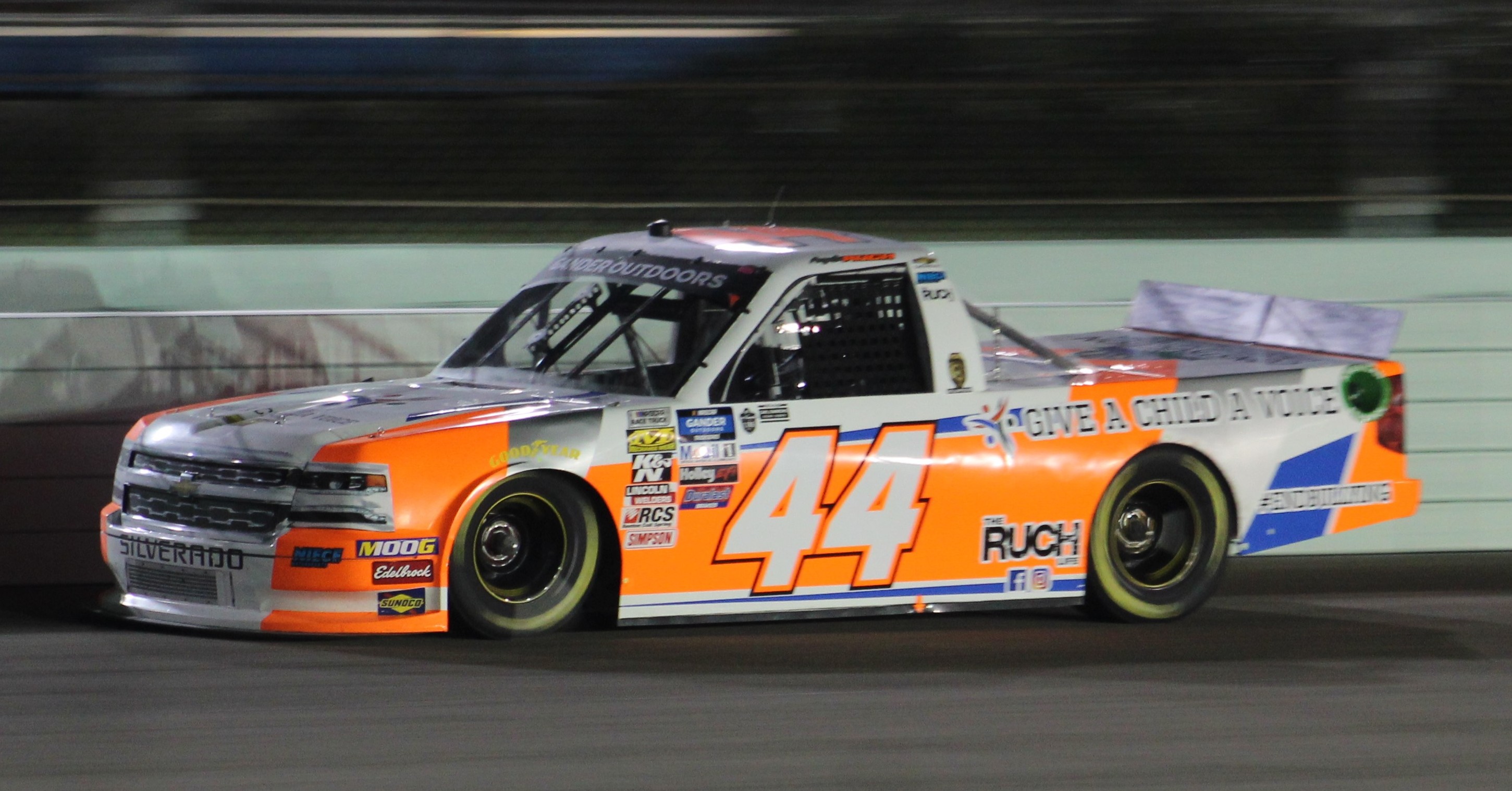
Chevrolet Silverado
"And I do think that kind of egged on GM to get us to the Sierra and Silverado, [579.7s] and of course, ultimately RAM, which we'll circle back to."
The Chevrolet Silverado is a popular big pickup truck. In this discussion, it’s mentioned as GM’s other major truck platform that would eventually join the electric-truck conversation.
The Chevrolet Silverado is a full-size pickup line that the hosts mention as part of GM’s broader electric-truck push. The point is historical/strategic: after Ford’s F-150 Lightning, GM moved to electrify its own truck lineup.

Sierra
"And I do think that kind of egged on GM to get us to the Sierra and Silverado, [579.7s] and of course, ultimately RAM, which we'll circle back to."
The GMC Sierra is a big pickup truck model line. Here it’s mentioned as one of the trucks GM moved toward after the electric-truck conversation got real.
The GMC Sierra is a full-size pickup line that the hosts mention as part of GM’s response to electric-truck momentum. In this context, it’s being positioned as an EV truck effort following the F-150 Lightning’s impact.

Dodge Ram
"...e Sierra and Silverado, and of course, ultimately RAM, which we'll circle back to. So, yeah, so we had ..."
Ram is the name used for Dodge’s full-size pickup trucks. The podcast mentions Ram as part of a larger conversation about trucks and how they’re being updated. It’s brought up because Ram is a major truck brand people recognize.
“Ram” refers to the Ram pickup truck brand, which is known for full-size trucks aimed at towing, hauling, and everyday use. The podcast mentions “ultimately RAM” and says they’ll circle back, indicating it’s part of a broader discussion about electrified truck strategies and naming. It’s relevant because Ram is one of the major players in the full-size truck segment.
range extender
"but basically that was totally scuttled. [599.8s] And that's now a range extender. [602.0s] And I think it's mild hybrid now, right, Joel?"
A range extender is a backup power system that helps an electric vehicle go farther. When the battery gets low, it kicks in to keep the car moving without you needing to charge right away.
A range extender is an auxiliary power source used in a partially electrified vehicle to generate electricity when the battery runs low. It’s typically used to reduce “range anxiety” without requiring frequent long charging sessions, though it changes the vehicle’s efficiency and emissions profile.
mild hybrid
"And that's now a range extender. [602.0s] And I think it's mild hybrid now, right, Joel? ... [606.2s] So, like, they brought the VA back and was a mild hybrid, [608.9s] but then they're killing the mild hybrid because, you know, [611.1s] car guys don't want a mild hybrid."
A mild hybrid is a car that has a small electric assist system, but it still mainly relies on the engine. It can help with things like acceleration and smoothness, but it usually isn’t meant to be driven like a full electric car.
A mild hybrid uses a small electric motor and battery to assist the engine, but it usually can’t drive the vehicle purely on electricity for long. The hosts frame it as controversial among “car guys” because it doesn’t deliver the full EV experience or the simplicity some enthusiasts want.
VA
"So, like, they brought the VA back and was a mild hybrid, [608.9s] but then they're killing the mild hybrid because, you know, [611.1s] car guys don't want a mild hybrid."
“VA” sounds like an internal code name for the truck’s engineering setup. The hosts are saying RAM changed the plan to a mild-hybrid version tied to that setup.
“VA” here appears to be an internal or program shorthand for the powertrain/architecture RAM was using when it moved to a mild-hybrid setup. Without more context from the transcript, the exact expansion of “VA” can’t be confirmed, but it’s being treated as a specific engineering platform choice.

RAM charger
"Like, it's been changed. [622.0s] Yeah, it's bad. [623.1s] So now it's called the Rev, right? [625.1s] So the range extender was originally called the RAM charger, [627.5s] and the Rev was the electric one."
RAM Charger refers to a version of RAM’s electric-truck idea that wasn’t meant to be a battery-only EV. Instead, it uses an extra power source to help you go farther between charging stops.
The RAM Charger is the name RAM used for its range-extender concept. In this context, it’s the non-pure-EV approach where a secondary power source helps extend driving range beyond what the battery alone can do.

Jeep Wagoneer
"...And now the RAM charger is going to be the 3RUSUV Wagoneer rebadge, and the Rev is going to be the range ext..."
The Jeep Wagoneer is a large SUV meant for carrying passengers and cargo. The podcast mentions it in a rebadge/name context connected to electric or range-extender plans. So it’s mainly about branding and what name gets used, not a detailed review of the SUV itself.
The Jeep Wagoneer is a full-size SUV known for offering a more upscale, family-oriented layout. In the podcast, it’s mentioned as part of a rebadge discussion tied to “RAM charger” and “Rev,” where the Wagoneer name is used in the context of electric or range-extender branding. That makes it relevant to how electrified vehicles are being marketed and named.
kilowatt pack
"It was going to be, like, a 250, seven kilowatt pack. It was going to easily weigh like 10,000 pounds."
They’re talking about the size of the EV battery. Bigger battery packs usually mean more range, but they also add a lot of weight.
A “kilowatt pack” is shorthand for the size of an EV’s battery pack, expressed in kilowatts (often people mix up kW vs kWh in casual speech). In EVs, the battery’s capacity determines how much energy the truck can store, which strongly affects range and how heavy the vehicle ends up being.
10,000 pounds
"It was going to easily weigh like 10,000 pounds. There's no way a thing wasn't going to weigh 10,000 pounds. Crazy."
They’re talking about how heavy an electric truck would be—around 10,000 pounds. That kind of weight changes how the truck drives and how expensive it can be to run.
The speaker is calling out the expected curb weight of an electric truck concept—around 10,000 pounds. Weight matters because it affects efficiency, braking, tire wear, and how hard it is to package a large battery under a truck’s frame.

Rivian R1-T
"I looked at, you know, the Rivian R1-T and the Cybertruck and all these things that debuted and or launched."
The Rivian R1-T is an electric pickup truck. It’s one of the first big-name electric trucks people talked about when EV trucks started becoming real.
The Rivian R1-T is an all-electric pickup truck from Rivian. It’s mentioned here as part of the early wave of electric trucks that were shown to the public around the same time as other EV pickups.
Texas
"Definitely. And like whenever, so I was part of that press launch. So like we showed up, they did it in Texas."
They’re saying Ford did the launch event in Texas. It’s a place where a lot of people buy and use trucks, so it makes sense for an electric truck reveal.
Texas is mentioned as the location where Ford held the F-150 Lightning press launch. For EV trucks, choosing a specific state can signal where the event and early customer focus are, especially in “truck country.”
San Antonio
"So like we showed up, they did it in Texas. I believe it was San Antonio. And so like you show up in truck country"
San Antonio is the city they think the launch happened in. It’s part of the story of where Ford chose to reveal the electric F-150.
San Antonio is the specific Texas city the speaker believes Ford used for the F-150 Lightning press launch. It’s included because it helps listeners place the real-world event behind the “truck country” framing.
on-ramp
"I remember I got to a stoplight, getting ready to go on to the interstate. And so the on-ramp was uphill."
An on-ramp is the ramp you drive onto to get onto the highway. If it’s uphill, the truck has to work harder—especially when towing.
An on-ramp is the roadway that connects a local road to a highway, often with a grade (uphill or downhill). Grades matter because they change how much power and traction a truck needs, especially when towing heavy loads.
turbo lag
"And it was like diesel, but with no turbo lag. It just went."
Turbo lag is a short delay you can feel when you step on the gas and the engine doesn’t instantly respond. The host is saying the electric truck felt immediate, unlike a typical turbo diesel.
Turbo lag is the delay between pressing the accelerator and the turbocharger producing boost pressure. Diesel engines often use turbochargers, and lag can make throttle response feel less immediate—so “no turbo lag” is a key feel-good difference the host attributes to electric drivetrains.

Tesla Model 3
"It was like the Model 3 that was gonna be 35 grand, right?"
The Tesla Model 3 is an electric car that people often use as a benchmark for EV pricing. The host is saying the promised low price didn’t really happen the way people expected.
The Tesla Model 3 is a compact electric sedan that became a reference point for “affordable EV” pricing. Here, the host compares the truck pricing promises to the earlier expectation that the Model 3 would hit a lower starting price.
470 some miles of range
"These things go up to 470 some miles of range, but they weigh 9,000, 8,000 pounds."
“Range” means how far the truck can go on one full battery charge. The host is saying the range is high mainly because the battery is huge, not because the truck is especially efficient.
“Range” is the estimated distance an EV can travel on a full charge under specified conditions. The host is using the high range figure to argue that these trucks achieve it primarily through very large batteries rather than efficiency.
9,000, 8,000 pounds
"but they weigh 9,000, 8,000 pounds. Like they have so much range, not because they're efficient."
This is the truck’s weight. Heavier vehicles usually burn through battery energy faster, so weight is a big reason EV range can be harder to achieve efficiently.
Vehicle curb weight (here, “9,000, 8,000 pounds”) affects EV efficiency and energy use. Heavier trucks typically consume more energy per mile, which is why the host contrasts weight with the claimed range.

Cybertruck
"The Rivian and the Cybertruck, and just hear me out before you roll your eyes about the Cybertruck."
The Tesla Cybertruck is an electric pickup with a very unusual shape. In this episode, the host says it mattered because it was designed from the ground up as an EV, not just modified from a gas truck.
The Tesla Cybertruck is an all-electric pickup designed with a distinctive, angular body and a focus on packaging efficiency. The host argues it, along with the Rivian, helped “pave a path forward” by taking a fresh approach rather than adapting an existing gas-truck layout.
clean sheet
"The reason I say that is because they are a clean sheet, dedicated vehicles with no compromise packaging, and I want to explain that."
“Clean sheet” means the car was designed from the ground up, not modified from an older gas-car design. The host thinks that helps EVs fit batteries and components better without as many trade-offs.
A “clean sheet” design means the vehicle is engineered from scratch for its intended purpose, rather than being adapted from an existing platform. The host argues that EV trucks like the Rivian and Cybertruck used clean-sheet thinking to avoid compromises in packaging and layout.
no compromise packaging
"because they are a clean sheet, dedicated vehicles with no compromise packaging, and I want to explain that."
“No compromise packaging” means the designers didn’t have to force the EV parts into a layout meant for something else. The host is saying these trucks fit the battery and other components in a way that avoids big compromises for space or usability.
“No compromise packaging” refers to designing the interior and component layout so the vehicle’s key goals—like battery placement, cabin space, and structural needs—don’t force trade-offs. In EV trucks, this often means the battery and drivetrain can be integrated efficiently without squeezing around legacy gas-engine constraints.
Rivian R1T
"And it is the R1T specifically at the truck [867.1s] is the most innovatively packaged modern vehicle [870.1s] money can buy no matter how much you spend."
The Rivian R1T is an electric pickup truck. It’s designed from the ground up as an EV, and that helps it work really well off-road while still feeling surprisingly normal to drive on the road.
The Rivian R1T is an electric pickup known for strong off-road capability and a very “clean sheet” EV design. The host is emphasizing how Rivian packaged the powertrain and systems to work well both off-road and on-road, making it feel unusually capable for a modern EV truck.
48-volt system
"Just hear me out. [884.5s] It runs a 48-volt system. [886.9s] It runs Ethernet."
A 48-volt system means the truck uses 48 volts for parts of its electrical system instead of 12 volts. Using a higher voltage can make it easier to power things without needing as much current through the wiring.
A 48-volt system is an automotive electrical architecture that runs many vehicle loads on 48 volts instead of the more common 12 volts. Higher voltage can reduce current for the same power, which can make wiring and components more efficient and easier to package.
Ethernet
"[886.9s] It runs Ethernet. [888.4s] It runs CAN bus systems that I'm sure [890.6s] someone's going to be more knowledgeable about than me."
Ethernet here means the truck uses a computer-style network to share information between its electronic modules. That can help the vehicle move data faster for modern features.
In modern vehicles, Ethernet refers to using standard Ethernet networking to move data between control units. It can provide higher bandwidth than older in-car networks, helping support features that need lots of data.
CAN bus systems
"It runs Ethernet. [888.4s] It runs CAN bus systems that I'm sure [890.6s] someone's going to be more knowledgeable about than me."
CAN bus is the car’s internal communication system. It’s how different computers in the vehicle share messages so everything can coordinate properly.
CAN bus (Controller Area Network) is a widely used in-vehicle communication network that lets different electronic control modules talk to each other. It’s the backbone for many functions like sensors, actuators, and vehicle control messages.
subframe
"you can actually replace just certain parts of the subframe stuff that glue back on or bolt back on."
A subframe is like a reinforced metal “frame within the frame” that supports things like the suspension. The idea here is that in a crash, you might be able to replace just damaged sections instead of rebuilding the whole structure.
A subframe is a structural framework that mounts to the vehicle’s main body/chassis and carries key components like suspension and drivetrain attachments. The host is describing a design approach where, after a crash, you can replace only parts of the subframe area instead of the entire structure.
innovation usually costs a lot of money initially
"And innovation usually costs a lot of money initially. It just is what it is. Look at anything."
New technology usually costs a lot at the beginning because companies have to build it, test it, and get it working reliably. The host is using that to explain why early EV-truck innovations can be costly before they become mainstream.
This is the idea that new automotive technologies often require significant upfront investment before they become cheaper and more widespread. In the context of EV trucks, it frames why early designs and startups can be expensive and risky before scaling.
LED lighting
"Well, there's LED lighting, touch screens, Bluetooth, infotainment, all that stuff."
LED lighting uses light-emitting diodes instead of traditional bulbs, allowing faster response, better efficiency, and more design flexibility. The host lists it as an example of technology that first appeared in more expensive cars before spreading to wider markets.
infotainment
"Well, there's LED lighting, touch screens, Bluetooth, infotainment, all that stuff. It came to expensive cars first."
Infotainment is the car’s main screen-and-audio system—things like music, maps, and phone features. The host is saying these features often start in expensive cars before spreading out.
Infotainment is the in-car user interface that combines entertainment and information features—typically including audio, navigation, phone integration, and vehicle settings. The host groups it with other tech that debuted in higher-end vehicles first.
GM
"is because you had Ford, GM, Tesla, and Rivian [987.8s] who is no longer a startup, right?"
GM is a huge car company. The host brings it up to show electric trucks aren’t only being tried by small new companies.
GM (General Motors) is one of the largest traditional automakers, and the host lists it among companies that have committed to electric trucks. The point is that these are established players, not just small startups.
next generation
"continue on building electric trucks [996.9s] into this next, we say next generation. [1000.1s] It's really a new iteration of what electric trucks"
“Next generation” means the newer version coming after the current one. The host is basically saying electric trucks need a better, more practical version than what we have today.
“Next generation” here refers to the next major step in electric truck design and product strategy. The host frames it as an “iteration” that should have existed from the start—implying improvements in affordability and practicality.
six-figure trucks
"So they had to launch those six-figure trucks [1007.6s] so that way they could actually afford to put these out [1012.1s] even though like you mentioned Rivian"
“Six-figure trucks” just means really expensive trucks—over $100,000. The host is saying early electric trucks cost so much that only a small group could buy them.
“Six-figure trucks” means vehicles priced in the $100,000+ range. The host argues that these expensive early electric trucks were launched to fund development and make it possible to eventually offer cheaper models for broader buyers.

Ford Maverick
"with Ford's $30,000 electric truck, right? [1022.8s] This one that seems to be smaller than a Maverick, [1025.9s] one that you could actually buy, park in a city,"
The Maverick is a smaller Ford pickup truck. The host uses it as a comparison to say the electric truck would be easier to park and drive in the city.
The Ford Maverick is a compact pickup used here as a size reference point. By saying the electric truck is “smaller than a Maverick,” the host is emphasizing a smaller footprint that could be easier to park and use in cities.
yet another model team moment
"get around easily. [1030.2s] That is supposed to be yet another model team moment [1034.5s] that changes the way cars are built"
This sounds like the host’s way of saying “this is another big milestone.” Here they’re implying that a more affordable electric truck could change how cars are made and who they’re for.
This is a podcast catchphrase-like reference to a “model team moment,” used to signal a turning point in how vehicles are built or marketed. In context, it’s tied to the idea that a cheaper, smaller electric truck could change mainstream expectations.
LFP
"[1171.8s] I believe it's gonna be LFP [1173.1s] that does change factors for the cold."
LFP is a type of EV battery. It’s often chosen because it can handle heat and stress well, and it may behave better when it’s cold. The host is basically saying the battery choice matters for winter performance.
LFP stands for lithium iron phosphate, a battery chemistry used in many EVs and electric trucks. It’s known for being generally safer and more tolerant of abuse than some other lithium chemistries, but it can have different cold-weather behavior. In this segment, the host is saying LFP should help with cold-related factors for a small truck.
Jim Farley
"[1199.8s] But the lightning was supposed to get a second gen truck. [1202.4s] It was originally gonna arrive in like 2025 and 2026 [1205.8s] and 2027. [1207.1s] At one point, Jim Farley CEO Ford called that truck"
Jim Farley is Ford’s CEO. In the segment, he’s talking about a future Ford electric truck and using a fun comparison to explain how ambitious it sounded. It’s more about the company’s messaging than a driving or engineering detail.
Jim Farley is the CEO of Ford, and he’s quoted here describing a future electric truck concept with a pop-culture comparison. The host uses the quote to emphasize how Ford’s next-gen truck ambitions were being marketed internally and publicly. It’s a brand/leadership reference rather than a technical detail.

Ford Falcon
"... Farley CEO Ford called that truck the Millennium Falcon of Trucks, which I'm not sure if Mr. Farley's see..."
The Ford Falcon is a Ford car name that has been used for different versions over the years. In the podcast, it’s used as a comparison—calling something the “Millennium Falcon of Trucks.” So it’s mainly a fun reference to the name, not a detailed explanation of the car.
The Ford Falcon is a car model name associated with Ford, historically used for performance and mainstream driving depending on the generation and market. In the podcast, it’s referenced through a nickname comparison—“Millennium Falcon of Trucks”—to describe a truck concept or vehicle being discussed. That makes it a branding/analogy reference rather than a technical review of the Falcon itself.

Ford Explorer
"Probably not the best. This is the Ocean Gate Explorer, baby. Probably not the best qualifier."
The Ford Explorer is a mid-size SUV, meaning it’s a family-sized vehicle with room for passengers and cargo. In the podcast, the name is used as a reference to “Ocean Gate Explorer,” not as a serious car review. So it’s more of a quick mention than a deep dive.
The Ford Explorer is a mid-size SUV built by Ford, typically used for family transportation and everyday driving. In the podcast, the name is used as a joke reference to “Ocean Gate Explorer,” which is not about the vehicle itself. The mention is mainly a wordplay moment rather than a technical discussion of the SUV.
cab forward
"It was probably cab forward, I believe, based on the patents we saw."
Cab-forward means the driver’s seat area is pushed closer to the front of the truck. That can make the truck’s layout more efficient and sometimes helps with airflow.
Cab-forward is a truck design where the driver’s cab sits farther toward the front axle, pushing more of the vehicle’s length behind the cab. This can improve packaging and aerodynamics, and it often changes how the truck’s interior space feels.
swiveling seats
"We're talking about like they patented swiveling seats. They patented like a desk that folds out."
Swiveling seats are seats that can turn around. The idea is that instead of only facing forward while driving, you can rotate them to work or hang out like you’re in an office.
Swiveling seats are seats that rotate to face different directions, commonly used to turn the cabin into a more office- or lounge-like space. In a truck concept, they support the idea of using the vehicle as a remote workspace rather than just for driving.
folds out
"They patented like a desk that folds out. They were looking at this being like a remote office."
A fold-out desk is a built-in desk that pops out when you want to use it and folds away afterward. Here, it’s mentioned as part of making the truck cabin function like an office.
A fold-out desk is a built-in, hinged work surface that deploys when needed and stows away when not. In the context of a truck concept, it’s part of the “remote office” pitch—turning the cabin into a place to work during downtime.
remote office
"They were looking at this being like a remote office. This was gonna have a front that you could configure with different shelving units."
A remote office means the vehicle is designed so you can work from inside it while stopped. The host is describing a truck concept meant to act like a mobile workplace.
A remote office concept is designing a vehicle cabin to function like a workplace while parked—prioritizing space, seating orientation, and work surfaces. In this segment, it’s tied to the idea of using the truck as a mobile base for work rather than just transportation.
touchscreen
"It'll have a touchscreen, of course, but like, you know, I doubt it's gonna have climate control knobs..."
A touchscreen is a screen you control by touching. The host is saying the truck will probably use a screen for functions instead of having separate physical knobs.
A touchscreen is a driver interface where controls are operated by tapping or swiping on a display. The host mentions it as a likely feature on the new EV truck, contrasting it with physical climate-control knobs.
mega castings
"This thing's gonna use mega castings. It's gonna be cab forward and it's gonna have like three or four main components that all bolt together..."
Mega castings are huge metal pieces made in one shot instead of lots of smaller parts. Using fewer parts can make the truck easier to build and sometimes easier to repair.
Mega castings are very large cast aluminum structural parts used to replace many smaller stamped or welded pieces. The goal is to reduce the number of parts and welding steps, which can lower assembly time and potentially make repairs easier.

Chevrolet Avalanche
"like the Sierra Silverado EV have, or like the Chevy Avalanche had?"
The Chevrolet Avalanche is a GM vehicle with a clever cargo setup. The hosts mention it because it used a mid-gate-like feature to help carry longer items.
The Chevrolet Avalanche is a GM vehicle known for its flexible cargo layout, including a mid-gate-style pass-through concept. In this segment, it’s referenced as an example of a truck/SUV configuration that can handle longer loads.

GMC Sierra EV
"...d be awesome. I was so impressed with that in the Sierra EV. I was like, dang, if you got a little bed,"
The GMC Sierra EV is a pickup truck that runs on electricity. The podcast talks about liking it and mentions the bed size, meaning how much space it has for hauling. It comes up because it’s an electric truck option designed to still feel like a practical pickup.
The GMC Sierra EV is an electric pickup truck intended to bring the Sierra name into the battery-electric market. The podcast highlights being impressed with the Sierra EV and mentions the idea of having a “little bed,” pointing to how it’s packaged for truck buyers who want utility. It’s relevant because it shows how automakers are tailoring EV trucks to different sizes and use cases.

Tello
"because something that Caleb alluded to, that we didn't get to was a startup called Tello, T-E-L-O. Tello is exactly what you're talking about. It is a very small truck."
Tello is a small-truck idea from a startup. The pitch is that it’s compact like a city-friendly truck, but it can still open up more space for cargo using clever interior/cargo features.
Tello (spelled out as T-E-L-O) is described as a startup’s very small electric truck concept. The episode frames it as solving the “tiny truck” problem by using a fold-down mid-gate and adjustable seating to effectively lengthen the cargo area without making the truck physically huge.
mid-gate
"The standard bed is like 60 inches long, okay? But it has a mid-gate and it will fold down and then with the seats in the right,"
A mid-gate is a fold-down section in the middle of a truck bed. When you lower it, you can move cargo more easily and make the truck’s space work like it’s longer.
A mid-gate is a hinged panel on a pickup’s bed that can fold down to create a pass-through or extend the usable cargo area. In this segment, the mid-gate is part of how the Tello truck can increase effective bed length without fully extending the bed itself.
cat-forward design
"And it's supposed to be a truck that is all, it's kind of like the Mini Cooper, like there's no front end almost, right? It's cat-forward design, just crush up there."
They’re describing a truck layout where the driver’s cabin sits farther forward. That helps the truck feel shorter and easier to fit in tight spaces.
“Cat-forward design” appears to be a mishearing of “cab-forward design,” a layout where the cab is pushed forward to maximize space and shorten the vehicle’s front overhang. The speaker connects this to the idea of a compact truck with “no front end almost,” improving maneuverability and making the truck feel smaller overall.
crush up there
"It's cat-forward design, just crush up there. "
They mean the front of the vehicle has parts that intentionally crumple in a crash. That helps slow down the forces on the people inside.
“Crush up there” is shorthand for a crumple zone—engineered front-end structures designed to deform in a crash to absorb energy. The speaker is implying that even with a cab-forward/short-front layout, the front still has crash-absorbing structure.
pre-production trucks
"Like this is not in production, [1402.3s] but they are looking at, [1405.2s] but they're looking at like it coming later this year, [1407.8s] hopefully, like we've seen it. [1409.3s] They've got pre-production trucks rolling around LA, [1412.3s] seen photos of it."
Pre-production trucks are early versions made before the truck goes on sale. They help the company test things in the real world, and the final truck can still be different.
“Pre-production trucks” are vehicles built before full commercial release to validate design, manufacturing, and real-world behavior. They’re often used for testing and collecting feedback, so specs and capabilities can still change before the final production version.
multimodal capability
"especially relevant [1423.6s] to electric trucks, [1424.6s] I don't mind if it can't do everything at once, [1427.4s] if it has multimodal capability. [1429.2s] Like I don't need to be able to haul five people"
Multimodal capability means the truck can do more than one kind of job. The host is saying it doesn’t have to be perfect at everything—just good across the common things you’d use a truck for.
“Multimodal capability” here means the truck can handle multiple kinds of work or payload needs rather than being optimized for only one scenario. For electric trucks, that’s a practical way to judge usefulness: can it cover typical routes and cargo patterns even if it can’t do every extreme task?
small platform
"As long as like, if you're going to have a small platform, [1446.7s] if you can, if you can like kind of cycle between jobs, [1450.5s] that's how I think you get a winning formula [1453.0s] with these small trucks."
They’re talking about smaller electric trucks built for everyday routes. The idea is that if you use it for the jobs it’s best at (and rotate between tasks), it can work well without needing to handle everything in one go.
In this context, a “small platform” refers to a smaller electric truck design intended for limited, repeatable routes rather than one vehicle doing every possible job. The host argues that cycling between tasks can be a practical “winning formula” for these smaller trucks.
zero to 60
"Four seconds, zero to 60, 350 miles of range, [1461.6s] all wheel drive, 40 grand."
“Zero to 60” means how fast the truck can go from stopped to 60 miles per hour. Faster times usually feel more punchy when you accelerate.
“Zero to 60” is shorthand for how quickly a vehicle accelerates from a standstill to 60 mph. It’s a common way to compare how responsive different vehicles feel, especially for quick starts.
350 miles of range
"Four seconds, zero to 60, 350 miles of range, [1461.6s] all wheel drive, 40 grand."
“Range” is how far the electric truck can drive on one full charge. If the range is high enough, you can do your work without needing to stop and charge as often.
“Range” is the distance an electric vehicle can travel on a full battery charge under typical conditions. For trucks, range matters because it affects whether you can complete routes without charging downtime.
all wheel drive
"350 miles of range, [1461.6s] all wheel drive, 40 grand. [1463.5s] Wow, that's, that's impressive."
All-wheel drive means power goes to all four wheels. That usually helps the truck grip better on wet roads, snow, or rough ground.
All-wheel drive (AWD) sends power to all four wheels, improving traction on slippery or uneven surfaces. On trucks, AWD can help with stability and grip when carrying loads or driving in poor weather.
payload
"Like the idea that like people in the cab [1486.6s] actually affect payload, [1488.5s] like there's going to be a lot of little boys [1490.0s] that don't really heed that."
Payload is the maximum weight the truck is allowed to carry. If you have more people in the cab, you may have less capacity left for cargo.
Payload is the weight a vehicle can carry—typically people, cargo, or equipment—within its designed limits. The discussion implies that what’s in the cab (people) can reduce the remaining payload capacity for cargo.
GVWR
"They can tell you GVWR, no problem. And then there are those who are like, what are you talking about?"
GVWR means the maximum total weight your truck is rated to handle. That total includes the truck itself plus people and cargo. If you exceed it, you can stress the truck and make towing less safe.
GVWR stands for Gross Vehicle Weight Rating. It’s the maximum total weight the vehicle is designed to carry, including the truck, passengers, cargo, and any trailer/tow load (as applicable). Knowing GVWR helps you avoid overloading the truck.
Cummins
"oftentimes those people end up buying a Dooley Ram with a Cummins and they put the 6,000 pound slide in camper in the bed."
Cummins is a brand of diesel engine. Diesel engines are often chosen in heavy trucks because they make strong pulling power for towing. Here, it’s being used to describe a truck that’s meant for heavy work.
Cummins refers to Cummins diesel engines, a common choice in heavy-duty trucks. In towing discussions, “Cummins” usually signals a high-torque diesel setup designed to pull heavy trailers more effectively than many gasoline engines. The segment uses it as shorthand for the truck’s engine capability.
slide in camper
"with a Cummins and they put the 6,000 pound slide in camper in the bed. But again, that's not a knock on truck drivers."
A slide-in camper is a camper that fits into the back of a pickup truck. It adds a lot of weight to the truck, which can change how safe and capable the truck is. The point here is that people may not realize that before buying.
A “slide-in camper” is a type of pickup camper that mounts in the truck bed and can be installed/removed. Because it adds significant weight high in the truck, it directly affects payload and towing suitability. The segment highlights how people buy setups without fully understanding the weight implications.
receivers
"Most of these guys aren't even ever towing. Their receivers probably never seen an actual hitch put into it."
A receiver is the hitch mount on the back of the truck where you attach towing gear. It’s the part that lets you hook up a trailer or other accessories. The speaker is saying many owners never really use it.
A receiver (usually “receiver hitch”) is the standardized square tube on the truck used to attach towing accessories like hitch-mounted bike racks, cargo carriers, and trailer hitches. It’s part of the truck’s towing interface, and its rated capacity matters for safe towing. The speaker notes many owners don’t even use their receiver/hitch setup.
hitch
"Their receivers probably never seen an actual hitch put into it. And I think that the issue here is that people aren't buying what they need."
A hitch is the connection on the truck that lets you attach a trailer or other towing equipment. It has to be rated for the weight you’re pulling. The speaker’s point is that many people don’t really tow at all.
A hitch is the towing connection system mounted to the truck (often via the receiver) that allows trailers or other equipment to be attached. Different hitch classes and ratings determine what loads are safe. In this segment, “hitch” is used to emphasize that many owners don’t actually tow.
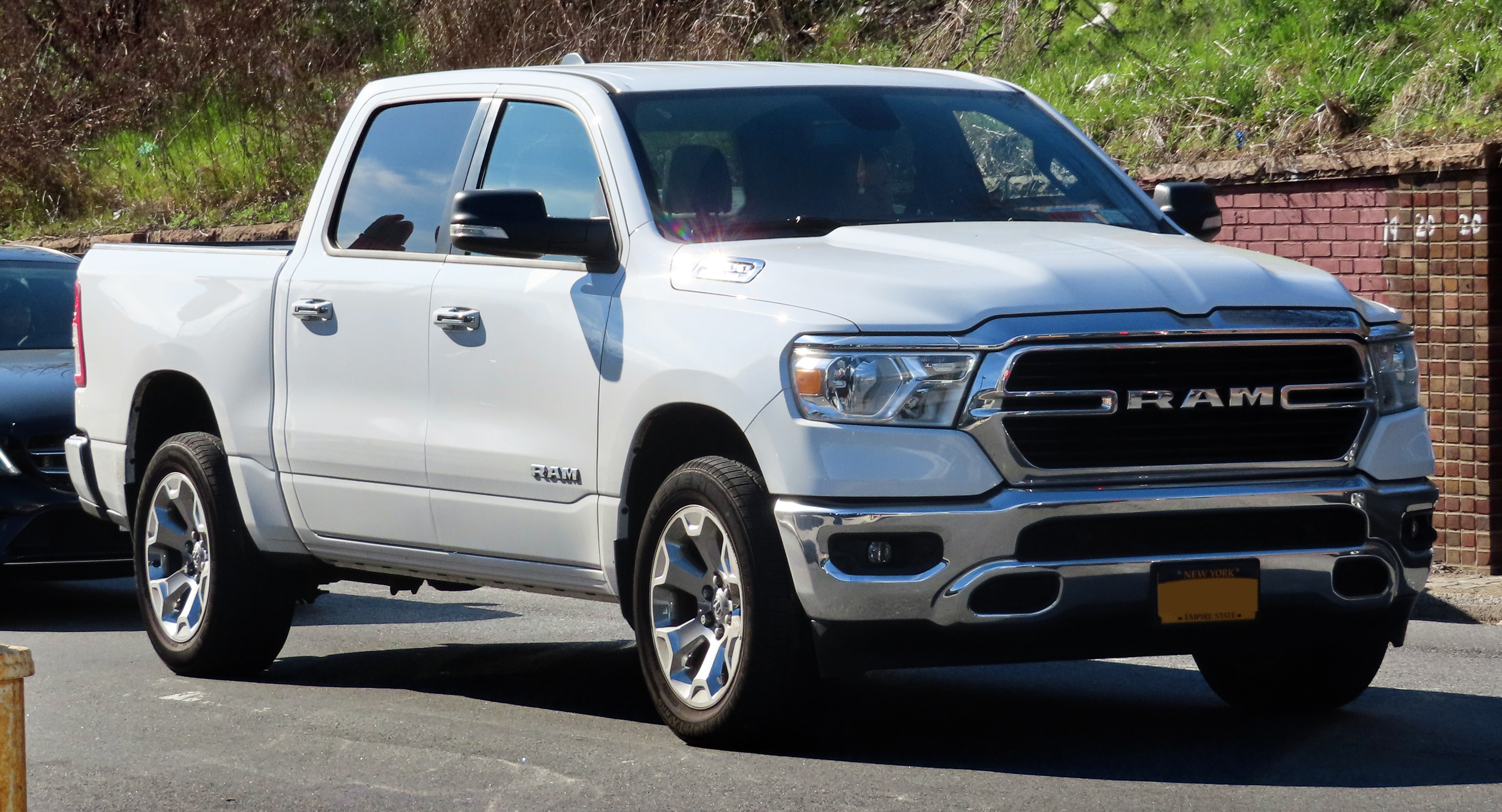
Ram 1500
"So you're about to prove my point, okay? You get in a Ram 1500, an F-150, a Hummer EV is actually changed the game"
The Ram 1500 is a big pickup truck. People often buy it for everyday use, especially when it has enough seats for a family.
The Ram 1500 is a full-size pickup truck from Ram (Stellantis). It’s commonly used as a daily driver, and its crew-cab layouts helped make pickups more practical for families.

F-150
"You get in a Ram 1500, an F-150, a Hummer EV is actually changed the game"
The Ford F-150 is a very popular big pickup truck. It’s often used like a family vehicle, especially in versions with more rear seating.
The Ford F-150 is Ford’s best-known full-size pickup truck. Like other pickups, it became more family-friendly as crew-cab configurations became common.
Request an Explanation
Heard something you'd like explained? We'll add it to this episode.
Sign in to request explanations for terms you heard.
Want to learn more?
Browse our glossary for plain-English explanations of automotive terms, jargon, and concepts.
Help improve this episode
See something that's not quite right? Our annotations are AI-generated and can sometimes miss the mark. Click the flag icon on any annotation to suggest a correction.