A “T-Bird” is the Ford Thunderbird. This one is a 1958 model, and the host is talking about buying it and then finding out some important things like the lights and windshield wipers weren’t working.
High beams are the bright headlights you use to see farther down the road. If they don’t work, the car won’t be as safe at night and may fail inspection.
Licensing means getting permission to drive the car legally. If safety items like lights or wipers don’t work, the car may not be approved until it’s fixed.
“Blow by” means some of the engine’s hot gases are getting past the piston seals and ending up in the lower part of the engine. That usually points to wear inside the engine. Here, they’re saying the blow-by results might indicate how bad the engine problem is.
“Holly” likely means a Holley carburetor, which is a fuel-mixing part used on many older engines. The carburetor helps the engine get the right fuel/air mixture. They’re deciding whether to leave it on the car or take it back.
A carburetor is a device that mixes fuel and air before it enters the engine. It’s common on older vehicles and many classic performance builds, and it can be a major factor in drivability and tuning. The speaker mentions it because they’re treating the carburetor as a valuable part in the transaction.
A “mechanic special” is a car being sold with problems—usually cheaper—because the next owner plans to fix it. It’s basically “not ready to be a normal daily driver.” In this segment, they’re talking about selling it that way if the other option doesn’t work out.
Brake discs are the metal parts your brake pads squeeze to slow the car. If they’re worn out or not smooth anymore, replacing them helps the brakes work better and more predictably.
Nassau Blue is a particular paint color used on certain Corvettes. They’re saying the new car’s blue is a slightly darker version of the same color they had before.
Term
AC
AC means the car’s air conditioning. It cools the cabin, so the car is more comfortable to drive in warm weather.
Term
134
“134” is a type of refrigerant used in car air conditioning. Adding it can restore cooling if the system is low on refrigerant.
The 1977 AMC Matador is an older American car from the 1970s. The speaker mentions it because it was their previous family car before the 1987 Mercury station wagon.
The Geo Metro is a tiny, older compact car. The speaker is describing how its tail lights and headlights were so distinctive that they could recognize it even when it was far away.
This is a big, old-school American luxury car from 1964 made by Buick. The “225” is part of the model name that relates to how long the car’s wheelbase is, which is why it feels so roomy.
MacPherson is a type of car suspension system. It helps the wheels move up and down while keeping the car stable, and the host is mentioning it like a technical detail about how a car handles.
An AMC Javelin is a classic American muscle car made by AMC. It’s the kind of car people remember for being fast and fun, and the host is talking about selling theirs and wanting it back.
This is a 2009 Audi S6, which is the sportier version of the A6. The host is saying it’s unusual because it uses a V10 engine related to the Lamborghini Gallardo, which makes it feel like a “sleeper” car—fast but not flashy.
The Lamborghini Gallardo is a Lamborghini model famous for a V10 engine. Here, the host is using it as the reference point for the V10 that’s supposedly been adapted into the Audi S6.
V10 means the engine has 10 cylinders arranged in a V shape. More cylinders like this often help an engine feel smooth and can support high-revving power.
The Honda S600 is an older, small sports car made by Honda. It’s the kind of car that can attract attention because it’s compact and sporty. The podcast is talking about how it might look to other people if someone drove one.
The GMC Acadia is a mid-size SUV, meaning it’s a larger family vehicle. It’s meant for everyday driving with more room than a small car. The conversation is about comparing costs and financing when choosing one.
A “sleeper” is a car that doesn’t look very fast, but it actually is. The host is saying this Audi S6 fits that idea because it has a surprising, high-end engine.
Term
aspirated amount of torque
Torque is the twisting force that helps a car accelerate. “Naturally aspirated” means the engine makes power without a turbo or supercharger, so the way it delivers torque can feel different.
Concept
maintenance standpoint
They’re basically saying, “From the point of view of keeping the car running,” it can be hard. That usually means repairs take longer, cost more, or parts are harder to get.
The Chevrolet Express is a large van made by Chevrolet. People use it to carry passengers or haul things. The podcast is using it as a named vehicle in their conversation, likely because it has an interesting history or role.
Company
Mercedes Taylor
“Mercedes Taylor” is where the host’s car is being worked on. They mention it’s been there for a month, suggesting the repair process is taking a long time.
Aftermarket parts are components made by companies other than the original manufacturer. In this context, the speaker is saying the AMG kit on the car is not factory-supplied, which can affect how easy it is to find matching parts later.
“Engine out” means the shop has to take the engine out of the car to get to something underneath. That’s usually expensive and time-consuming because it’s a big job.
Oxygen sensors help the car figure out whether the engine is burning fuel efficiently. If one goes bad, the car may run poorly, and on some cars the sensor is so hard to reach that the engine has to come out.
A differential is a set of gears that lets wheels turn at different speeds when you’re cornering. That helps the car turn smoothly instead of fighting itself.
In modern cars, “electronics” refers to the network of sensors, control modules, and software that manage everything from engine behavior to drivability and safety systems. The host’s point is that, for cars from certain eras, failures or annoyances are more likely to come from these systems than from the core mechanical components.
A car’s cooling system is how it keeps the engine from getting too hot. It uses coolant to carry heat away, and if it breaks, the car can overheat fast.
Injection molded plastic is a way of making plastic parts by shaping melted plastic in a mold. Over many years, some of those plastic cooling parts can get brittle and crack, causing leaks.
A water cooled alternator is an alternator that uses coolant to stay cool. That can help it run reliably, but it also means there are coolant hoses and connections that can fail.
Coolant hoses are the tubes that move coolant through the engine. If one splits or a plastic fitting breaks, coolant can leak out fast and the car can overheat.
“W140” is a Mercedes S-Class generation code. It’s basically the car’s underlying platform for a specific time period, and the host is saying Mercedes should have handled something better on that design.
They’re saying 3D printing could be used to replace parts you can’t easily buy anymore. The key point is that they’re talking about printing in metal, not just plastic.
They’re talking about using a 3D printer to make car parts. Instead of buying the part from a factory, you can potentially print it—sometimes even in metal.
The oil pump moves oil through the engine so parts stay lubricated. Here, they’re saying they used a metal 3D-printed oil pump to replace an older one made from a weaker material.
“Pot metal” is a cheap type of metal alloy that’s commonly used for cast parts. The host is saying that material choice can be a problem for long-term durability.
The F-150 is a large pickup truck made by Ford. It’s the kind of vehicle people use for hauling, towing, or just daily driving. The discussion is about how much a newer one can cost compared with an older, cheaper truck.
The Autobahn is a German highway system. When someone says a car is built for the Autobahn, they mean it’s comfortable and capable at high, steady speeds.
They’re talking about a school program focused on restoring old cars. It’s about learning how to bring a vehicle back to a proper, working condition—usually with both mechanical work and careful repair.
They’re talking about a 1964 Buick. They say they practiced by taking apart and rebuilding the engine on that car when they were younger, as part of learning restoration.
An engine overhaul means rebuilding the engine more deeply than routine maintenance. It usually involves taking it apart, checking parts, replacing anything worn out, and putting it back together so it runs right.
The Ford Bronco is a popular off-road SUV. Here, the host talks about a Bronco with a manual transmission that restarts the engine automatically after stalling, which can confuse new stick-shift drivers.
This is a fuel-saving system that turns the engine off when you’re stopped and turns it back on when you need to go. In this case, it’s acting in a way that surprised someone learning to drive a stick.
A manual transmission is the kind of car where you choose gears yourself. You use a clutch pedal and a shifter, instead of letting the car pick the gears.
Aston Martin’s DB4 is a famous classic sports car. In the story, it’s described as race-prepped, meaning it’s been set up for driving hard, not just cruising.
This is an early Porsche sports car, and the specific version mentioned is a rare open-top variant. In this story, it’s important because it’s being used to teach teenagers how to drive a manual.
The “65 Stingray” refers to the 1965 Chevrolet Corvette Sting Ray, a classic American sports car. In this segment it’s used as the first car the host taught his daughter to drive a manual (“a stick”) in a church parking lot.
“Driving experience events” are organized practice sessions where people learn driving skills. Here, the host describes using classic cars so beginners can practice the basics of a stick shift safely.
Here, “analog experiences” means the car feels physical and mechanical, not just controlled through screens or software. You can sense what’s happening because the car responds directly to what you do.
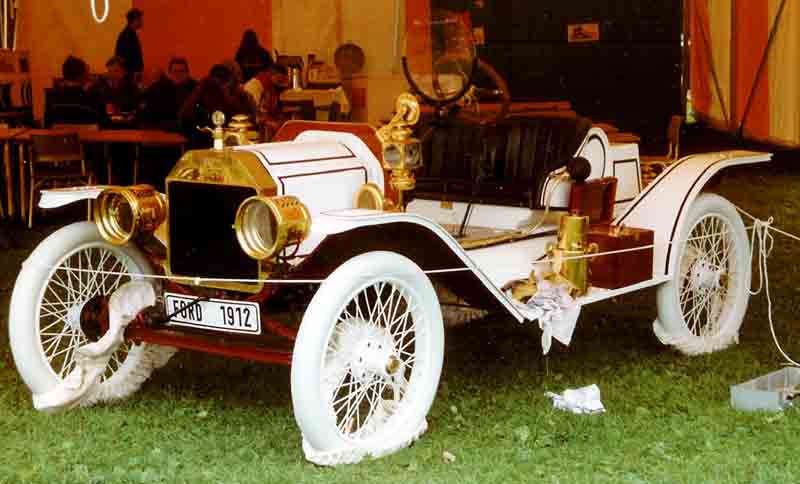
This is a 1930 Ford Model A, an old classic car. The key point is that it’s “bone stock,” meaning it’s basically original, so you can feel how the car reacts to what you do while driving.
“Bone stock” means the car is basically as it came from the factory. So you’re experiencing the car the way it was originally built, not a modified version.
Overdrive is an extra “gear mode” that helps the engine run slower when you’re cruising. That usually makes the car feel calmer on the highway and can help reduce wear.
Proactive maintenance means taking care of the car before problems happen. The idea is that if you service it regularly, older cars are more likely to run reliably.
Spark plugs are small parts that help the engine ignite the fuel. The host is saying modern cars can often go a very long time between spark-plug replacements.
Points ignition is an older way of controlling the spark in a gas engine. Because it’s mechanical, it usually needs more tuning and upkeep than modern electronic ignition systems.
They’re using “slow lane” to mean driving at a calmer pace instead of rushing to match everyone. The idea is that it can make you more patient and less stressed while driving.
In modern driving, “distraction” refers to anything that pulls your attention away from operating the vehicle safely. The speaker’s point is that a car without a clock (and without electronic time pressure) removes one source of mental distraction, helping the driver stay more present.
They’re saying older cars feel more “alive” because they have fewer computers controlling everything. With more mechanical parts, you can often feel what the car is doing more directly.
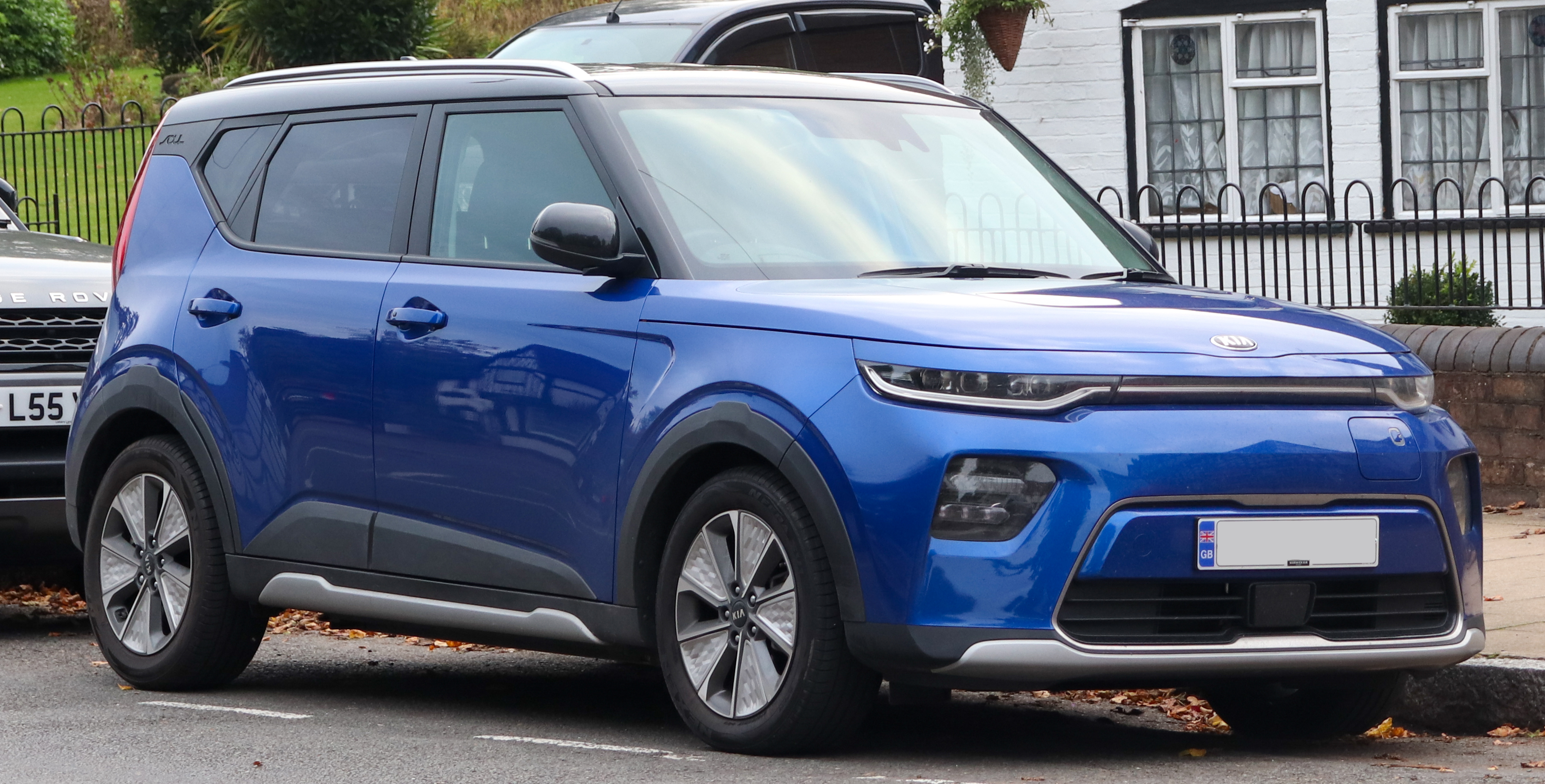
The Kia Soul is a small car that’s shaped more like a crossover than a traditional sedan. It’s designed for everyday driving and easy use. The conversation is basically saying that simpler versions can feel more straightforward.
This is describing the material used for the car’s fabric roof. It’s cloth that’s been treated to help it resist water, but it still depends on condition.
That’s the motor that moves the windshield wipers. This one runs on a 6-volt electrical system, and the speaker says it caused problems later compared with the original vacuum-style setup.
Instead of electricity, this uses engine vacuum pressure to run the wipers. If the vacuum system isn’t working well, the wipers can act up.
Term
model A4
They’re talking about a Ford Model A-era car and arguing about how many miles per gallon it actually gets. The point is that the real numbers were worse than what people claimed.
The Model T is a very famous early Ford from the early 1900s. Here it’s mentioned as the older car that came before the Model A, so they can compare power and how big the upgrade felt.
Car
Flathead V8
The Flathead V8 is an old Ford V8 engine that hot-rodders love. The speaker is saying it was another major jump in power compared with the earlier cars.
Term
high boy
“High boy” is a hot-rod nickname for a car with a taller, more lifted stance. It’s describing the look and how the car sits, not a specific factory model.
A “period build” is a car built to feel like it belongs in a specific time period. Instead of modern upgrades, it tries to use the kind of parts and style people used back then.
A “Flathead” is an old-style V8 engine where the valves sit in the engine block. A Ford Flathead is a famous vintage Ford V8 that people often modify for hot rods.
LIVE
You're going to love this.
Driven Radio Show.
Quiet, numbskulls.
I'm broadcasting.
Hey, all you gearheads and car fiends, welcome to Driven Radio Show, your weekly automotive
happy hour.
I am Brett Hatfield, here with my co-host and engineer extraordinaire, Mr. T-Bird
Mark Groves.
Hey, that's me.
We are coming to you from Driven Radio Studios, where it's full blown summer.
Yeah, it's warm right up.
Yeah, we got past Memorial Day in 80s.
I've been enjoying the chocolate treats from Shetty Balls, because it's been interesting.
You know, my office upstairs has that big giant window in it with Western exposures.
So in the middle of the day, I find myself closing the blinds, and then I got a fan
out in the hallway trying to direct cold air into my office.
Like in that episode of Kung Fu, you're sitting there trying to do your zen thing while you're
in the hot box.
Never seems to get there, man.
I'm just sweating it out, baby.
How about some T-Bird chronicles?
What's going on?
Well, I sent an email, and I sent you a copy of it over the weekend.
I know.
And by the time I got done with it, I was like, holy crap, man.
Yeah, basically, I've asked for two choices that either the guy buys the car back or…
Back up a little for those who are new.
I initiated.
I bought a T-Bird off of…
A 50?
Bring a trailer.
A 58?
1958 T-Bird.
Cool-looking car.
Yeah, cool-looking car.
The description was like, oh my god, look at all this stuff.
I sent some emails back and forth before I bid on it, saying, hey, does this work?
Yeah, yeah, yeah.
And so I got the car in the driver, you know, into the garage, and what do you know?
The thing that I had asked about, the lights don't work, don't work right, high beams
don't come on, and the floor switch didn't fix it.
The wipers don't work, so the car can't be licensed, even though it was taken pictures
with Missouri licenses on it.
If you still lived on the Kansas side, they just look at the van and then they roll you
out.
Yeah, yeah.
They don't give a damn if stuff works.
I did.
I sold those tires to a young guy who was like, we were talking about the car, and he was
like, you know, I know this place up here owned by this Cuban guy who, I'm like, I'll
think about it, but no, I'm not going to go there because he basically will look at and
make sure it's the right car that's on the.
Tell me he's got cigars for sale.
Probably.
It's an interesting neighborhood.
But the end all be all between all that shit.
And then I found body rod on it, which just, that was the game-ender.
When I was like, wait a minute, I was doing some work on it and was actually trying to
figure out how to get to that floor switch, dimmer switch.
I thought you had to go actually underneath the car, but I looked under and I'm like,
wait a minute, closer look and oh, look, I can put my finger now through this corner
of the foot well for the driver's side.
Oh, my puppies, man.
And that's when I finally got angry enough because all the other stuff, I'm like, I blame
myself, you know, it was an online auction.
I believed his bullshit and I.
The guy was not honest.
No, he was not on.
Not even when I asked directly was not honest.
And I, but I took it on myself and I'm like, I knew better.
But this when I found the body route was kind of the end of the story.
So I put together a nice, but I thought it was a very nicely worded.
It was.
There was no vitriol, no, anything.
I don't need the vitriol.
I don't need anger.
I don't need revenge.
But basically I asked either, you know, I'm looking at a pretty much a minimum of about
five grand to remediate these issues that are with the vehicle.
That would be minimum best case scenario.
If the blow by doesn't mean there's an F engine.
At worst case scenario, it's about 19 grand.
So I'm, you know, I sent the thing to to the gentleman that
had bring a trailer and to the previous owner saying, OK, here are all the things.
This is what I think we should do.
This is my preference.
My preference is he buys it back.
Yes. And I eat the Holly that I bought for it here.
You've got a free carburetor good on you and and go from there.
I'd keep the Holly.
No, take that shit out of my garage.
I'm done.
But if that doesn't appeal to him, which it probably won't
because, you know, there was a chunk of change there.
I expect him to pay my taxes and title, too.
Yeah.
Then I I've asked for $5,000 and I'll I'll sell a
a mechanic special to somebody and, you know, between the 5000
and what I should be able to get out of the car.
Just as is walk away from it.
Wow. I am.
I'm not thrilled.
Now, on the flip side, you know, there have been some very nice people
from Darrell Osipic, Osipic automotive.
913313613
who I've got it slated to go to him on June 9th.
Toad, of course.
And see if he can give me a real professional idea
of what all is going to need to be done to the thing.
And then also talk to James Miller from down at Sparkburn Hot Rods.
Yeah. Who's like, oh, dude, yeah, we can work on that.
It's going to be a little bit.
He's he's pretty backed up, but he's like, you know, yeah, I figure
if I can get it running and get it decently running, get it down to him.
And he's actually got a line on some other T-Bird bodies
where it's like you cut out some panels, cut out this,
tack them in and that started to sound like an awful lot.
It's it's an it is an awful lot.
And that's exactly what I didn't want was an awful lot.
You tried to confirm everything worked.
Yeah. Asked questions.
Yep.
Tried to get honest answers and you were lied to.
Yeah. Yeah. All right.
And I've always had really good luck with bringing a trailer,
especially when I've had trouble, some seller.
And I bought quite more things off there than I care to admit.
Looking to buy more crap.
Yep. And I think they are
really good about supporting their buyers.
I think they support their sellers well.
But if you have a seller that hasn't been 100 percent honest,
they're pretty good about taking care of their buyers.
So make sure you stay in touch with them.
Oh, yeah. Yeah.
Still waiting to see that.
That went out two days ago.
So we'll see what happens.
Okay.
I am getting dad's 98 Corvette
ready for a trip.
I'm finally going to the Corvette Museum.
I think I brought this up before.
We're going to go in July.
Made sure I got the AC working.
We're going to replace some brake discs.
Going to do some stuff with that.
But in the meantime, I'm kind of puttering around in this car
and I'm really liking it more than I should.
More than I should really like that car.
It is nice and snappy.
Yes, it is.
We'll put it out.
Corvettes are great.
Yeah, they really are.
They're great road cars.
They are. And for the money, man,
what a scream and performance bargain those things are.
And so I'm enjoying myself and dad's car more than I should be.
And plus it's Nassau Blue.
And the new Nassau Blue was a little bit darker
than my 65 Nassau Blue, but it's the right color.
And first for a Corvette for me for a long time, it has AC.
Yeah, I feel incredibly spoiled.
And it works.
And it. Oh, my God, it does.
It does now a big thanks to my brother in law, Mark,
who came over and threw some 134 in it.
And now it blows nice and cold.
So thank you, Mark.
I appreciate the help and we're still going out for dinner.
Our special guest this week, and he's already he's already popped in
just for a second because, well, he knows is Jonathan Klinger.
John has built his career around the passion driven side of the automotive industry.
He's a 2004 graduate of McPherson College's automotive restoration program.
We might have had some classes together.
Jonathan spent 16 years at Haggerty leading efforts in public relations,
youth advocacy and car culture education, helping transform the company
from a small insurance agency into a widely recognized authority on classic cars.
He is a member of the McPherson College Board of Trustees
and serves on the National Advisory Board for its automotive restoration program.
They never asked me to do that.
In 2010, he committed to driving a stock
1934 model a as his only vehicle for an entire year, regardless of weather or distance.
Man, that's hardcore documenting the experience in a daily blog titled
365 days of a he built a community of enthusiasts
and demonstrated that classic cars can be reliable, affordable
and enjoyed as everyday drivers.
John currently serves as the executive director of the Enby Center
for automotive for American automotive heritage.
John, welcome back to driven radio, pal.
It's been a long time.
It really has been a long time.
Well, you're so stinking busy, I can't get you nailed down in one place.
Yeah, no, we're going to have some fun.
Usually, the longest conversation we have in a year is revolves around
some beer and a barbecue at the post car show cookout at Luke's.
That's right. Yeah.
My favorite automotive event of the year.
Yeah, I know. There's always a little melancholy towards the end of the afternoon
because you realize, oh, crap, man, I got to wait another year for this.
So what was your early car background?
When did you realize you were a car guy?
This is a fun question for me.
You know, you hear a lot of people in this industry or those hobbies
say that they've loved cars for as long as they can remember.
And that isn't necessarily the case for me.
As a little boy, I was obsessed with engines
and it didn't matter what it was.
So I grew up in a small farming community in Northern Illinois.
A lot of my family farms, my grandpa,
who I was quite fond of and close to, he was a lifelong farmer.
And so I was around all sorts of equipment and trucks, large and small.
And I just it didn't matter if it was the gas powered string trimmer,
the lawnmower, one of the farm tractors, a semi,
like I was just obsessed and mesmerized by the engine.
And when I was a really young boy, the greatest thrill
and I used to make up reasons and excuses to do this.
My greatest thrill was to be able to start whatever it was.
Oh, cool.
If someone would let me turn the key to start it or when I got,
you know, big enough or strong enough to pull, start whatever it was.
You know, that I was just obsessed with that.
So I just had this strange obsession with engines.
And and, you know, being around, I mean, my grandpa had
what we would call antique tractors.
But to him, they were tractors that he just had had a really long time
and they still served a purpose.
And, you know, and so I so I was around older stuff and and and, you know,
just this interest in engines gravitated towards, you know,
being interested in the earlier farm equipment, earlier tractors.
And then eventually a couple of old cars or vehicles came into my life
and it kind of happened that way.
So it wasn't like I grew up obsessed with cars from as long as I remember.
It started with this obsession with an engine that eventually
led itself into having an interest in older cars.
Although I did have my mom when I was a young boy.
She had our family car was a 1987 Mercury stable station wagon
that replaced the 1977 AMC Matador when my parents purchased that.
But I used to ride in the third seat, you know, on the way back of the wagon
that was rear facing.
And so this is what I would have been in kindergarten, first grade.
I did I used to play this little game by myself to be able to identify
all the cars on the roads based on either their headlights or the tail lights.
And so I have this mostly useless ability to still differentiate
like an 89 also build Delta 88 versus
or, you know, or whatever, you know, the Buick T type
with savers of that generation, you know, just based on their lights.
Oh, yeah. Well, I have the same thing.
It used to be that you could spot a third gen Corvette
from a long way away because the headlights were kind of close together.
And that was an easy gimme.
And then the stupid Saturns came out and their headlights were close together.
It's like, oh, man, I thought I was going to get to see a Corvette.
No, it's that piece of junk.
So now I mean, as far as, you know, with just a few exceptions,
like if I was to play that game today with whatever was on the road,
I would feel miserable. Oh, God, I recognize nothing anymore.
It's got to be at least 20 years old.
I don't recognize. Although I was behind speaking of that.
Remember the Geo Metro, the little three cylinder? Oh, yeah.
They had a very distinctive tail light.
Yeah, probably just because the lens itself was so cheap,
you could actually see not just the ball because of the outline of the socket.
Oh, yeah. And the lens was behind the most pristine
Geo Metro convertible, I think that it exists on the planet the other day.
And right away, I was like, are those Geo Metro headlights?
I mean, so it's funny how things I remembered from then when I was focused on that.
But, you know, I couldn't do that on if you get really close to the Geo Metro
tail lights, you can see the stamp logo that says Lego on it.
I was like, wow, that's a small car.
What was your first car?
What was my first car?
Well, the car that that they got me into this whole mess
and I say that the fun way is when I was in eighth grade,
my family inherited a 1964 Buick Electra 225.
I still have. So I've had that car for 30 years. Wow.
Do you still have it?
Yeah, I do. And actually, just last weekend,
did a did a weekend tour with the Greenhorn region,
which is a non-geographic region in the AACA,
the antique automobile club of America.
And it was started to appeal to younger members.
OK. And so initially, it was for members under the age of 40.
Well, a few years ago, the two guys who founded it when they started
to hit 40 magically went to 45 this phrase to cut off.
But but I ain't job of that this year.
So it was a bit of a melancholy,
colly like, you know, I've had this car for 30 years.
So that's why I took it on that tour.
Had a great time.
I love that car.
And my my automotive interests have gravitated much earlier
than then, you know, a 60s large American car.
But I will always have that car.
Yeah. And if I was forced to only keep one,
that would be the last one to go.
Well, you've had that almost as long as I've had the Red Corvette.
And so, yeah, I get it.
It's all right. You remember that, Brett?
I had it out in MacPherson when I was no, I know, I know.
I'm just saying how many people do you meet
that have had one car for 30 years or more?
Not many. Well, well, in our in our circles, your circles.
OK, maybe. No, no.
And you're you're included in that circle.
Now grows you got stuck with that the minute you started doing this show with me.
All right. Yeah.
So that was call that my first car,
even though that was a few years before I legally drive.
OK, first fun car or fast car?
Fast car.
And it can be fast relative, like does your AMX qualify?
Yeah. Well, I sold that.
It was a javelin. I had it.
I had an AMC javelin.
I sold that I regret selling it.
I'm in contact with the owner.
That's how sick I am.
I already told the owner I want to buy it back.
I already tracked down the guy who's got my Broncos.
So, yeah, I go with that.
Like, why do we sell something?
We're going to buy it back.
But it seems like a good idea at the time.
Honestly, the fastest car of our own is is one of my current day of the drivers.
I have a 2009 Audi S6,
which that was the generation when they crammed that detuned version
of the Lamborghini Gallardo V10 in under the hood.
That's just horrible.
You would have to put up with that.
I just got on this strange little.
I mean, I had never owned a German car.
You know, I grew up in a Ford family and about all of my daily drivers,
not all, but most of my daily drivers have been some sort of Ford product.
And I just got on this strange little kit that I wanted to daily drive
something with a 10 or a 12 cylinder like I don't know why it was just like this.
And so I found myself.
It's called masochism.
Yeah, well, you have you either do or I know you had one, right?
So I found myself looking at fully depreciated S class Mercedes,
you know, certain BMWs with the 12 cylinders.
And, you know, I just at the time this was pre covid.
This is when I was still at I already going into the office every day.
And I just I'm like, you know, I don't know if I'm ready for the perception
that me rolling in an S 600 Mercedes.
You know, even though most people would not understand that I would have paid
less than whatever the finance GMC Acadia or Subaru or whatever they're driving.
But so that's how I kind of backed into this V10 powered Audi.
I mean, it's for better and worse, it's kind of an ultimate sleeper.
Unless you know what it is, like it looks so 500 horse.
Is that what they're good for?
For 50, 450.
Well, 450. But yeah, 450 is 450, man.
That's actually aspirated amount of torque.
And I mean, it is a it can be a challenge from a maintenance standpoint.
I'm saying this nicely.
But when I drive on a road trip, I love that car.
And I like performance sedans, which already puts me in a bit of a minority.
But like, if I'm going on a road trip, unless I'm towing something,
put me in a sedan. Yes, I either, you know, I'm
one ton diesel duly because I'm towing something or beyond that,
I want to be in an either really powerful sedan or something nimble
because that's that's fun.
You know, it's not fun driving a pickup empty.
You're just trying to get somewhere.
Now, I still have the Schadenfreude Express.
It is at the Mercedes Taylor, where it's been for a month.
It is so difficult to find parts for it.
It almost defies description.
It's hard to find parts for the classic center.
They'd help. They don't have them.
They don't have them. They don't make them.
They don't have them yet.
Really? Yeah.
I'm kind of hoping because I'm I'm also watching C126 on AMG right
or on bring a trailer right now that has not a genuine AMG kit on it.
It's been an aftermarket one, but I don't care.
It looks so damn good.
And I'm hoping to be able to find parts for that.
I can still find stuff for the 600.
I just everything comes from Europe or someplace else.
Nothing's here.
I've had so I mean, this one I purchased it with
and it was exactly the one to purchase it.
It had two prior owners who were just meticulous.
All the service record. Oh, yeah. Yeah.
It had 52,000 miles on.
I paid less than $20,000 for it.
And the thing was flawless.
Like that's what's crazy.
I mean, the depreciation curve at these things.
Well, yeah. No.
Now, it's one sneeze away from an $8000 engine out service.
You know, it has of the six oxygen sensors for the six of them,
you have to drop the engine out to change it.
I mean, like, it's absolutely have to have the appetite for the maintenance.
But, you know, I've put about 25,000 miles on it.
Do you have access to a lift?
I do. And I'm not against taking that engine out myself.
I haven't done that.
You're going to start leading now.
So now it has 75,000 miles on it.
And I'm truly paralyzed with.
Do you sell it now?
Because it's fully serviced.
Everything works.
There's no lights on, you know, in order.
I just lean into the fact that I do like driving it.
You know, someday there will be.
Well, if you love it, but just know that, you know,
it's got the potential to be a $10,000 hammer to the head.
If the right circumstance comes up and I've known, you know,
this, that stupid ass has been in our family for 25 years.
And I've seen, but my, my dad, God love him.
And pop, I know you'll listen to the show.
I love you to death, but you know that you and I have different approaches
to automotive maintenance.
Dad was a pilot.
He never let anything go on a plane ever.
But cars, if it was running, it was fine.
That's right.
It's real easy to coast to the side of the road.
It's, it's, it's less to fall out of the sky.
I think we had a discussion about that in one of our business classes,
if you will recall, it is more difficult to do that in a plane.
And the 600, you know, we, dad and I have a run and joke
about the $2,000 oil change.
They'll find something.
They'll find something.
So, you know, this could be a whole topic and it's in a future episode is
it'll be interesting to see, you know, in the coming decades, how
a car like that may resurface to get rejuvenated.
And because there's something in like, here's
here's what worries me about, I mean, let's talk about my car in particular.
Sure.
I purchased it because I was, I had this irrational lot for a large
multi-cylinder engine.
It's all wheel drive, so it works great in northern Michigan.
I put snow tires on it and it sounds great.
It handles awesome.
It has, you know, way more power and torque than what I needed to sit in.
But where I'm getting at on this is I'm not worried about the integrity
of the engine and the transmission, you know, the core mechanical parts.
Actually, I've had more than one technician say, you know, the engine
and the transmission and the differential is nearly bulletproof.
What will start to, and then I know there's a whole sensor issue sometimes
that, you know, can be a little annoying.
But what will start to plague cars from a certain era of time?
Electronics.
Well, I'm not even talking about electronics.
What will put me on the side of the road with no moments notice is
the cooling system in that car, plumbing for the cooling system in a lot of cars
from this era, these injection molded plastic, you know, plastic over time
gets, you know, gets brittle.
And it, I mean, this happened.
I've known that this hasn't happened on my car, but I have known of this
happening on other cars.
So for example, this car has a water cooled alternator, which I didn't know was
a thing until I had it.
The little coolant hoses that go in and out of that, the elbow is plastic.
Those with a moments notice can just burst in all your coolant
dumps out in a matter of seconds.
That's the thing that would put that you can't predict.
So I put you on the side of the road and it'd be interesting in the coming
decades, cars like this, you know, what is the process to get them back
to a reliable state of, of driving?
You know, it's not like, you know, I'm looking at a 23 pureless touring car
that I'm drilling over on an upcoming auction, really, really like that car.
It needs a lot of work, but guess what?
That's all relative and it's not that big of a deal.
So you've got a coolant running through your alternator.
Do you have hydraulic blinker fluid too?
I don't, I don't understand.
I know.
What is, you know, there's more.
I've come to learn there's more cars than I would have thought that
actually has that.
Really?
Okay.
For Qua.
I got, I got three questions about that Audi.
First of all, how in the hell did the Mercedes engineers miss doing that on a
W140 platform?
Because every other thing on the whole damn car is so complicated.
Two, um, 3D printer, you think maybe you could 3D print a lot of that stuff?
Oh, I'm sure you could.
Yeah.
And that's going to be the solution.
And the good news is you can 3D print that stuff in metal.
Yeah.
Um, we have a project at work in 1927 Chandler that working with a local
company, we have a new 3D printed in metal oil pump because the original
oil pump in that Chandler engine was cast out of pot metal, which is not a good
thing.
Well, and along with the 3D printing, how available are those plastic parts for
the coolant system?
My male, are they available or is it?
Oh yeah, they're available and they're not expensive.
It's the, it's that over time, that is an example of, of a, a newly
unpredictable failure.
So the way I think from a proactive maintenance standpoint, I'm like,
huh, if I'm going to keep this car,
go through and do it, it's 100,000 miles.
I think the engine is going to come out and all that stuff is going to get
replaced.
Yep.
You know, and it'll cost you more than the car's worth, but you get a key ride.
It's still cheaper to buy something new and I know what it is.
Oh, absolutely.
It's like, it's like buying a 20 year old pickup that's got, you know, 25,000
miles on it.
You give 20 grand for it and somebody says, why the hell would you do that?
And then you say, Hey, go look at a new F 150 for $80,000.
That's why.
And that's the third thing that car snows on all four corners.
Do you just go rip in the snow and have a blast in that thing?
It'll go anywhere.
It's a beast.
The beast, I love the thought of it.
It just sounds good.
So do your question.
What's the fastest car I've owned?
Yeah.
You know, that's probably a little out of left field, but that
truly is the fastest.
No, no, no.
And it's when you start talking about the maintenance
that over and everything, it's certainly relatable.
Anytime you want to cry to somebody about having a multi cylinder German
sedan, I'm your guy.
You've got the idea, but you know, I was, I can miss myself over the
winter that I was in a cell at, um, you know, I, uh, just given my current
work commuting situation, it has done a lot of sitting in the last year.
It hasn't been driven hardly at all.
And, uh, yeah, but what would you replace it with?
I think, well, that's just it.
And, um, the, uh, you know, so I got it out, I don't know, about three weeks ago.
And I'd actually called my friend, um, uh, who was one of the partners
at Grand Rapids Auto Gallery, which, you know, they can sign cars and sell.
I'm like, yeah, I think it's time.
Let's, uh, and he's like, okay, bring it over tomorrow.
And I got it out.
They were driving upset.
Nope.
I can't do that.
Yeah, that's why I'm keeping this.
So it's, yeah.
So, you know, the question is how fast have I been in it?
Yeah.
I've been pretty fast in it.
Oh, for a short, for a short versus of times, it is, well, and actually
where a car like that really comes alive in, because it's a heavy car, um, you
know, around town, uh, you know, cars far less impressive, you know, snap away
from it as stoplight, you know, up to 20 miles an hour.
But, you know, when you get out in the interstate and you're cruising along at
70, it's like something like the horse goes from a trot ready to a gallop.
It's like, let's just go.
And it doesn't, it doesn't even need to downshift.
Like it just, uh, it pulls.
You can, I mean, you can be passing someone and not even thinking about it
in your triple digits.
So how fast have I ever been going?
And I, I've never, I don't know.
I mean, that's built for the Autobahn, so it'll go a lot faster than I've ever
had it, but, uh, yeah, nice.
All right.
Uh, the 600 is still pushing you at the seat back in the seat at a buck 40.
So, yeah, I know, I know.
Don't you just love it?
Those are fantastic.
Um, what first made you realize you could, uh, this could become a career
rather than a hobby working in the collector car world.
Yeah.
So in high school, I, my interests started to gravitate towards something
in the automotive industry, but I, I, at that point, I was not aware of that
this old car hobby, you know, and using that term in this context, uh, that
you can make a career out of it.
I just, I just didn't know enough about it.
And so I was, uh, um, you know, I was starting to think about what schools
to go to or what type of program after high school wasn't necessarily that,
you know, college was top of my mind, but something, you know, some type of training
because I bought something in the automotive industry.
And there was a part of me that always thought it'd be really fun to sell cars.
And I still think that I would be, I have this like strange little dream
and be fun to sell cars.
I know it's a, it's an uproar industry.
Anyways, um, as I was looking, I happened to, we all know Dennis Gage, you know,
the, you know, one of the originals of, you know, Saturday morning television
automotive content and it was my junior year of high school and he, he was on,
but I was also doing something else, you know, kind of half, half watching the episode.
And all of a sudden he did a segment featuring the automotive restoration
program at McPherson college.
So I listened, I'm like, really?
There's a college where you can go restore cars and, and, um, well, from the time
I watched it Saturday morning to it was one of those, I didn't write it down.
I thought I was going to remember it.
I went to the guidance counselor in my high school that Monday all excited.
I'm like, Oh my gosh, there's this college in Kansas that has a degree in
automotive restoration.
And, but I couldn't remember exactly what the name of the college was.
You know, I hadn't, oh no.
And so of course, you know, we're going to talk about a few things throughout
this interview that's going to date us, but you know, this was still, you know,
in the late nineties, the guy,
You speak for yourself, man.
Really thick, um, master catalog of all the colleges in, in North America.
And I just, it's in Kansas and she, and so she says, well, look into this.
Well, she gets back to me a couple of days later and says, I can't find anything.
I can't find anything that says anything about this automotive restoration degree.
So, you know, so whatever I, you know, a little bit of time went on.
It was like six weeks later, um, USA today did a little sidebar clip on a
automotive section about the restoration program at person college and someone who
was a good friend, a family friend, also a mentor to me,
flipped that out and sent mail it to me.
And I went in and I'm like, see, this is it.
So anyway, so I, you know, I went to her the place and, and, um, applied and had to,
and it was the, the examples of the work I had done, uh, in the portfolio that I had to submit
was actually when I had done a very, uh, what I would now classify as a very amateur
engine overhaul of that 64 Buick when I was in high school and I had photos.
And this is like, these are like film photos.
So I was, uh, you know, pacing them on the computer paper with typed, uh, captions below them.
And, uh, so yeah, so that was, you know, I kind of backed into this by accident.
And at the time I still didn't take it seriously from like a true career perspective.
You know, if you remember Brett in those days, the restoration program was just a two year
associates degree program and I still thought that, you know, I was going to go towards more
of the modern automotive side of the industry and, and that this was going to be an interesting
like learn more about my hobby, so to speak, to do it on the side, you know, the mindset of a
high schooler and, uh, and thought I would still continue on.
And it wasn't till, you know, I had a couple of opportunities to travel to events,
you know, learn more about the industry, those two years at McPherson that, that, you know,
and met some really influential people along the way, Roger Morrison from Solana, Kansas.
You know, just an amazing, amazing guy who, who I credit for having a, um, you know,
a very positive influence on me as a college student.
And I, you know, I'm blessed to call him a friend all these years later.
Um, and, uh, yeah, it was just, you know, it just kind of, as I learned more, it just turned
into more of a, the thought of a career. Now, there was a time I thought I was going to restore
cars. I mean, I went to school for the hands-on aspect. I loved hearing care and cars and,
um, you know, the fact that my first job that was actually at McPherson College and three years
later, that led to a job at Hagerty that was, uh, you know, just shy of 16 years. And then that
led to where I'm at now. So how did you wind up working for Hagerty? Uh, what was the genesis there?
You know, at the time, uh, so this was 2007 when I started there. Um, they, the company had about
200 employees then and I saw it to a peak of about 1900. So tremendous growth through those 15 years.
Um, it was, so my job working at the college, part of my job was, uh, I interacted heavily with
the national advisory board for the restoration program, which one of the members of that advisory
board at the time, uh, was McKeel Hagerty. He actually still is on the advisory board, but,
you know, he, he was, um, and so I got to know McKeel through that and, uh, had some conversations
and at the time he was looking for someone with a true classic car background and a passion
to help influence their PR strategy and, and some of their branding efforts, uh, you know, to get
that company and the, and, and, and customers to think of it as more than just a tiny boutique
insurance agency and like this whole idea of transforming into an automotive lifestyle brand,
which is what they have done and, you know, you can see the moves that they're continuing to do and
so it was a fun time. So I mean, you know, during that time that, you know, we created the youth
advocacy programs that they still do and, um, you know, one of the ones that I dearly loved and
worked with another closely with, with two other McPherson, uh, alums was the, the driving experience
that they put on and that was teaching young drivers how to drive manual transmission in classic
cars all over the country. I mean, it was just some really, really neat stuff. Um,
what started out as the historic vehicle association or the HPA, so advocacy, uh,
you know, that, that came out of that, um, you know, it was just a lot of fun projects that, uh,
that were really continue to be really, really good for the industry and the automotive community.
Did you personally get to teach anybody how to drive a stick?
Oh, yes. Oh, yes. Many times. Okay. What's, what's the best learning to drive a stick story
and what were you in? Well, I tell you the one that threw me for a loop, uh, one time I wasn't
expecting. So when Ford came out with the, the new Bronco, uh, there was a couple of events,
well, there was a number of events that we were friendly with, uh, some of the PR branding folks
at, at the Ford communications team at the time, and they would send us a couple of
stick shift Ford products from their press fleet to, you know, support this event. So,
so, you know, we would gather up classic cars and then there was, you know, a new Mustang or,
you know, and in this case, a new, new Braco with a manual transmission. I don't know if you've
driven one, but if you stall it, as soon as you put your foot on the clutch, the computer restarts
the engine. No kidding. I mean, it's an offshoot of the, you know, the stop auto stop start feature,
you know, I mean, so you saw me and that, that threw me for a loop when that happened and I'm
like, well, okay, well, we just need to figure out how to deactivate this because we're trying to
teach something. Um, you know, the other, gosh, what was another one? I mean, there was, I don't
even remember what model it was. What was neat about that program and the model, I can't speak
to how they do it now because it's, it's been a few years since I've been there, but there was a
time when the model was, is if we took this to a different city, we would just reach out to
clients and other car owners and, and, you know, most people didn't want to offer out their prized
classic car to teach a bunch of strangers how to drive manual transmission, but you would be
surprised how many would get 68 or 10 people that were like, I love this and you
absolutely, which was so humbling. I mean, it was really like in, but there was a couple of times
like one, there was a, um, a race prep Aston Martin DB four that some guys sent us and I'm like,
oh my God, I don't know if we should do this. And I forget the Ferrari model, but like, um,
you know, there was a guy that loaned us this Ferrari that was, you know, um, you know, high
six figures, low seven figure car. And I'm like, you realize we're going to be teaching 15 year olds
how to drive clutch and, and, but actually in the last story I'll tell on this, and this was, um,
the very first event that we did is kind of a proof point. Um, one of the early supporters
and Barry Wolk, he would have no problem that I said his name on this, um, from Michigan. Uh,
he and his wife brought a, uh, Porsche 356 Continental Cabriolet, which is a pretty rare
variant of the 356. Yeah. And he posted on it on, uh, I don't know, you know, what is the VW
for more techs forum or, you know, one of the, yeah, I think, and in a bunch of photos
and people just kind of railed on there like, I can't believe you a lot. A bunch of teenagers
drive that and he, he fired back at them. He says, guys, it's a, it's a Volkswagen clutch.
You know, guys, it is a Volkswagen clutch. You know, it's, it's, uh,
What's the worst that can happen? What is the, you know, and, you know,
shut up and you should be doing the same. You know, you all talk about, you know, young people,
um, you know, not, not being interested in old cars. Here's your chance to, you know, to,
to give back type of thing. Um, I am proud to say one of my daughters, the, the younger one who's
25, uh, talk about dating yourself. Um, I taught her how to drive a stick in that 65 stingray.
We went to a church parking lot and, you know, like a Tuesday afternoon
and I took her out and she was so nervous and I kept looking at her and going,
Jaden, it's an old Chevy. Don't worry about it. It's fine. You'll do fine. And we,
we took about a half hour and she learned how to drive a stick and by the time we left,
she could drive the sucker. She was, she was fine and I'm so very proud of her for learning
how to drive a stick in that car. She's terrified of the car still, but, uh, but I think it's mostly
cause she knows how much I love the car and that sort of thing, but taught her how to drive a stick
in a 65 stingray and I want her to be able to brag about that for the rest of her life anytime.
Cause you know, um, it's, it's a piece of hardware. Most people don't get a touch.
Sure. Absolutely. Well, the other, and I've since forgotten the, um, the exact number, but,
you know, for a lot of years that Model A that I drove every day, uh, was used in these driving
experience events. And, and it was a point of pride that, I mean, it was,
I mean, well above 500, um, different people had been in the seat of that car learning how to drive
a manual transmission. Now these are slow speeds that it was in close courses, you know, it was
about, you know, using the clutch and taking off and coming to a stop and you'd shift from
first to second. I mean, it wasn't high speed. This was about like the fundamentals of,
of how to operate a clutch and how a manual transmission works. But I mean, it was always
my point. And if anyone was questioning, I was like, it's the same clutch. Now I will tell you
that clutch is getting towards the end of its life, but this whole idea of someone who says,
Oh, I can't teach my grandchild how to drive in that car. I'm too worried about the clutch. It's
like, if you're worried about the clutch, you got bigger problems. Uh, why not teach them in that?
Exactly. So no, I, I think that that was, um, that was one of the more humbling experiences about
that program was it was, it was one of the better examples of how the classic car community
would come together and just, just have fun and, you know, met a lot of great people and
seeing, seeing the young people's eyes light up as they started to, you know, figure it out.
Um, but then also it was, you know, the adults who participated in it, whether they were teaching
or loaning their car. Um, it was, it was a great, you know, I would, uh, um, I would do it again.
And actually in the, in the context of which I work now, we, we have access to an awful lot of,
uh, cars that are nearly all manual transmission. And even though we don't have a formula,
a formal, the public can sign up and pay type of thing. We have definitely done that for
certain groups and it's, it's fun. I mean, because, you know, it's,
we live in such a digital world and, and you know, these analog experiences when,
you know, you can just, something happens mechanically because of a certain input that you
did or did not do. And then it responds, you know, as a result of what you did or did not do. I mean,
that connection is, you know, people crave that. Whether they know it or not, they crave that.
Yeah. People don't have very many visceral experiences anymore. Everything's been so,
whitewashed and, you know, everything's so clean and easy and you don't get those very often.
And when you do, wow, you just feel alive. It's, it's fantastic. I'm so thrilled that you,
you came up with that program and, and it's been implemented the way it was.
Yeah. I mean, it wasn't, you know, there was other people in the room that, that, that, uh,
brainstormed that, but that was a fun one to be a part of.
Hey, you, you brought up your Model A and we mentioned in your bio, you drove that thing
every day for a year, uh, as, as the 365 days of A.
What was the biggest thing you learned from driving an 80 year old car every day?
Yeah. So from October of 2010 to October of 2011, a bone stock 1930 Model A Ford two door sedan
was my only form of transportation and, and the parameters, the self-imposed challenge
was it didn't matter what the weather was or what the distance was. That was my
personal form of transportation. The only exception was, you know, I, I traveled, uh,
some for my job is if I flew somewhere that are, you know, that was, that was the only time I drove
a modern vehicle is if I was on a business trip and, you know, cause at the time herds wasn't,
you know, they didn't have a Model A Ford option. So damn them. Yeah. But, uh, you know, the, the,
so during that year I put 17,000 miles on it. I had it in seven different states.
I drove it from my home in Northern Michigan down to my hometown of Northern Illinois,
which is about 420 miles in a modern vehicle. It's between six and eight hours depending
on how you time traffic and that it took 14. Um, I did that trip three times, you know,
including once for Thanksgiving and once for Christmas. What was the top speed?
It would, if I wanted the top speed that I felt like I could drive it without just
melting the bottom end of the engine was 55, but that was pushing it. It loved 47.
47 miles an hour. All the noises and vibrations just found perfect harmony.
There was, you know, 46, 48, there was a little coffee going on, but 47, it just,
it was a sweet spot. So, but, you know, I, I, I would go 55 if I was on the open road
and, and now the car has an overdrive in it. So I did put that little modern, uh, goodness. So
cool. I mean, it'll actually, it'll go 65 now, although
you're out driving the brakes at that point. Yeah. I'm wondering how terrifying that is.
Yeah. But it, uh, you know, so your question was, you know, what was the biggest thing I learned
over that year? And I was, it kind of gets back to, and this gets back to one of my core interests
and old cars. It's the mechanical mastery. And what I mean by that is when it comes to older cars,
it, the old saying, if you take care of it, it'll take care of you. It's so true. Oh, yeah. Oh, yeah.
You know, pro pro active maintenance, staying up on top of the service. And I change it every
thousand miles, um, you know, just being in tune with it and the car is not going to let you down.
You know, modern day vehicles, they're pretty forgiving. Yeah. Think about, you know,
100,000 miles between spark plug changes and, you know, you can really abuse and neglect a
modern car for quite a long time. Now you might have a bunch of lights on the dash and things
that work as far as it putting you on the side of the road, you know, it's pretty minimal, you know,
the old model, model A or anything with, you know, a point's ignition or whatever, you started
doing things and, you know, you could pull into the gas station and you think it's running fine,
you shut it off and you go to leave and absolutely will not start. And actually, you know, you find
yourself either adjusting or filing points or something like that. And there's just one silly
example, but it's all stuff. If you are in tune with that vehicle and you're taking care of it
proactively, it's never going to let you down. And so this whole idea of like, and that's something
that you like, it's a point of pride. You know, when you, um, I did a, I referenced, I did a car tour
last weekend and there's about 30 cars, the oldest being a 1910 Rio all the way up to
mid 80s Mercedes and everything in between. It is quite a wide variety. And there was out of
those 30 cars, there was only one breakdown that was, uh, you know, put the car on the side of the
road or truly put the car on the side of the road. And that was an unfortunate transmission issue.
But everything else, all these old cars running around driven by people under age of 45,
all of them have stories of what they were doing to get the car ready and taking care of this and
take care of that. And none of them broke down or almost none of them broke down. That's fantastic.
I love it. So that's what, I mean, that's like the other thing, I mean, I don't know if that's the
biggest thing I learned, but the other it reinforced, so I was 29, I turned 30 towards the end of that
project when I did that. And I mean, just the stories that an interesting old car brings out of
other people. And it's not just the, oh, my grandpa had one or all of this. I mean, it's like,
it, cars are, you know, they're one of the few examples of an artifact that just brings people
together from all parts of life. I mean, just like you can meet someone at a cocktail party
and they could claim to be not a car person at all. You know, they're not in this industry,
they're not in this hobby, they didn't care less about cars. But if you ask them, well,
tell me about your first car. Chances are they're going to get a smile and they're going to light
up, you know, they're going to, and, you know, they're going to have a fun story connected to
that first car. And, you know, and even if the car was a total pile, you know, they still kind of
laugh at it for the first time and all of that. And, you know, so it was, it was the story sharing
side that I've come to really love about, you know, the old car side of the automotive industry.
That's what really kind of came out of it. And there's some more philosophical things that,
you know, you just, it was, it's sometimes it's okay to be in the slow lane. And,
you know, it taught me a little more patience as a driver because my daily commute at the time
was 14 miles from my house into the office in the downtown city. Now, the route that I took,
the speed limit was never above 45 miles an hour. So it wasn't like the car couldn't keep up with
all the other cars. You know, it wasn't like I was trying to get on the interstate and apologize
to everybody for, for holding them up. But, you know, there's something about, you know,
certain people that, you know, they see an old car in the road and even if the old car is going
to speed them, but they think, oh, I got to get around it. And, you know, so I spent a year
getting passed, you know, it was not very often I was passing anybody to model A. I was always the
one getting passed. Well, on that particular route, which is a single lane winding road most of the
way. And then towards the end of this 14 mile, there was a few stop lights, you probably can
see where this is going. I could get passed by eight, 10 vehicles along the way. And 95% of the
time, all those cars that passed me, I was sitting right with them at one of those stop lights.
So just kind of was like, but you know, when you do that every day, you just kind of start
reflecting and it's like, okay, it's okay to slow it down. You know, it's okay, you know, it's,
it's, you know, because we're in such a rush all the time. Sure. The other thing that it, I mean,
now I'm starting to get on the philosophical side. You know, there's no clock, you know,
and a model A did not have a clock in it. Obviously, it doesn't have anything electronic,
but also does not have even a mechanical clock from the factory. And there's a sense of anxiety
if you feel like you're running a little bit behind and there's a clock staring at you the dash
or your phone or whatever. When you just, I mean, even if you know you're late, you know,
you're not going to, you can only drive so much faster to try and make up time before you become
unsafe or illegal. But like the clock's just not there. It's just one, again, one less distraction
and you're a little more present with yourself thinking about other things. And so, you know,
eliminating some of these distractions that we didn't even think about or some of the things
that I observed over time. So it was a, it was, that year was a wonderful, you know, project
experiment, whatever you want to call it. But, you know, it was, go back to why I did it is,
I always kind of had this fantasy of driving an old car every day for a year, but it kind of turned
into this, let's prove to the world that old cars can be driven, they can be reliable. And
also at the time, you know, kind of think back to that 2010-ish era. It just seemed like every
time you turned around, there was some new automotive-based cable television programming that,
you know, it was kind of the same premise of go buy this car, do these few things, flip it for
six figures, you know, kind of, it kind of got to be an overdone way of trying to do
television programming. But it built, and then, you know, of course, the auctions were being
televised and, you know, they're televised in the big sales, right? Not the people ones. So it
started to build this mindset that you had to have six figures laying around to have an interesting
old car. And that's not it at all. I mean, this was, this car, this Model A was purchased, not
completely turnkey, but pretty close for $11,000. And initially, my thought was, by the car,
drive it for a year and turn around and sell it for the same amount. But that year, that blog,
that attention, and 17,000 miles later, that car wasn't going anywhere.
Yeah. Well, you spend real time in one and you kind of fall in love with them.
You find out that there are lots of vintage machines, and I'll say machines, because I think
motorcycles also have this. A lot of things seem like they've got a soul.
Yes. And it seems like the more mechanical it is, and the less electronic it is,
the more of a soul it has. And I really enjoy that. Now, two questions on the Model A. One,
was it watertight-ish? I mean, when you're in it in the rain?
It's just a good way of saying that. So it was a two-door sedan, but those still have the fabric
top. Yeah, did it keep the rain? Well, not fabric. I mean, it's, you know, that,
you know, called a rubberized canvas as far as describing what it feels like.
So that material itself is waterproof, as long as it's not worn out or compromised,
but the seams can leak. And towards the end, I was laying, trying to, a thinly disguised
bead of black caulk around the edges of that. And if you were in hard enough rain, rain would
eventually, you know, come in through the cowl. Oh, sure. Yeah. Yeah, absolutely.
But, you know, for the most part, I stayed dry, you know, it's,
but yeah, and I did have one of the few non-stock items I had is I did have a
six-volt electric wiper motor instead of the vacuum motor. Although it actually gave me problems
towards the end that I kind of wished I would have just had a vacuum motor. But ironically,
one of the few upgrades that car had gave me problems.
And I know you never went very fast in the thing. What kind of mileage did it get? You got to have
kind of an idea. You know, I tracked it for a while. And, you know, sometimes I'd hear people
say like, oh, model A4, you'll get 25 miles of the gallon. And I never got anywhere close. I mean,
I think the best I got from when I was tracking, more like 17 or 18, was the best. And the average
was probably 14 to 15. Okay. So, you know, 40 horsepower, 15 miles of the gallon, you know,
the efficiency, compared to a modern day. But I don't know that you can really throw horsepower
into that idea. I think it's just classic cars get 14, period.
Sure. Sure. Well, I think of how, you know, so the model A4 replaced the model T after,
you know, how many, you know, more than, well, what was it, 07 or 09? 07 to 09 to 27, right?
I don't know. You guys have to check me on that. But anyways, model T was made for a long time.
And then, you know, the model A comes out to replace it. And the model T was 20 horsepower.
And then here comes the model A40 horsepower. You know, in one model year, doubling the power
output, that had to be pretty radical. And then, you know, a few years later after model A production,
then comes the Flathead V8, which was another sizable jump in horsepower.
What was the Flathead V8 that you and I, the hot rod, the high boy that you and I ran around in
McPherson for an afternoon, then it's been several years back. So that, that's a cool car.
So that was a former Roger Morrison car. We talked about a lot of Kansas and that's now part of
Haggerty's collection, their Haggerty Learning Garage. But that has, that was a period build
from the late fifties. And that had, has a Ford Flathead that has a Scott Supercharger.
Now, I don't know exactly what it currently puts out, but it puts out more than a stock Flathead,
I can tell you that. That was a cool car. That is a very cool car, yes.
Be sure to listen for part two of the John Klinger interview on Driven Radio Show.
About this episode
Driven Radio Show #356 (John Klinger Part 1) blends classic-car reality checks with the guest’s “analog” mindset. The hosts kick off with summer studio banter, then trade stories about project-car headaches—like a 1958 Thunderbird with nonworking lights and wipers—and the costs and logistics of fixing them. Klinger’s path starts with childhood engine obsession and a year-long, bone-stock 1934 Model A daily-drive challenge. The conversation also covers manual-driving lessons, AC and parts scarcity, and why mechanically simple cars can feel more reliable.
Brett and Mark welcome John Klinger of The NB Center for American Automotive Heritage to discuss his early love of engines, the transition from agrarian to automotive pursuits, his 1964 Buick Electra 225, the glory of German sedans with big engines, 3D printing car parts, maintaining great old cars rather than buying new, finding the McPherson College auto restoration program, and driving a Ford Model A for a year. All this and much more on Driven Radio Show!