The Genesis GV60 is an electric car from Genesis. It’s designed to feel more stylish and fun to drive than many typical tall EV SUVs, and it has a distinctive center-console display that changes function when you start the car.
A gear selector is the control used to choose the transmission mode (like Park, Drive, or Reverse). In this GV60 description, the host explains a distinctive interface where a rotating “crystal ball” display becomes the gear selector when the ignition is switched on.
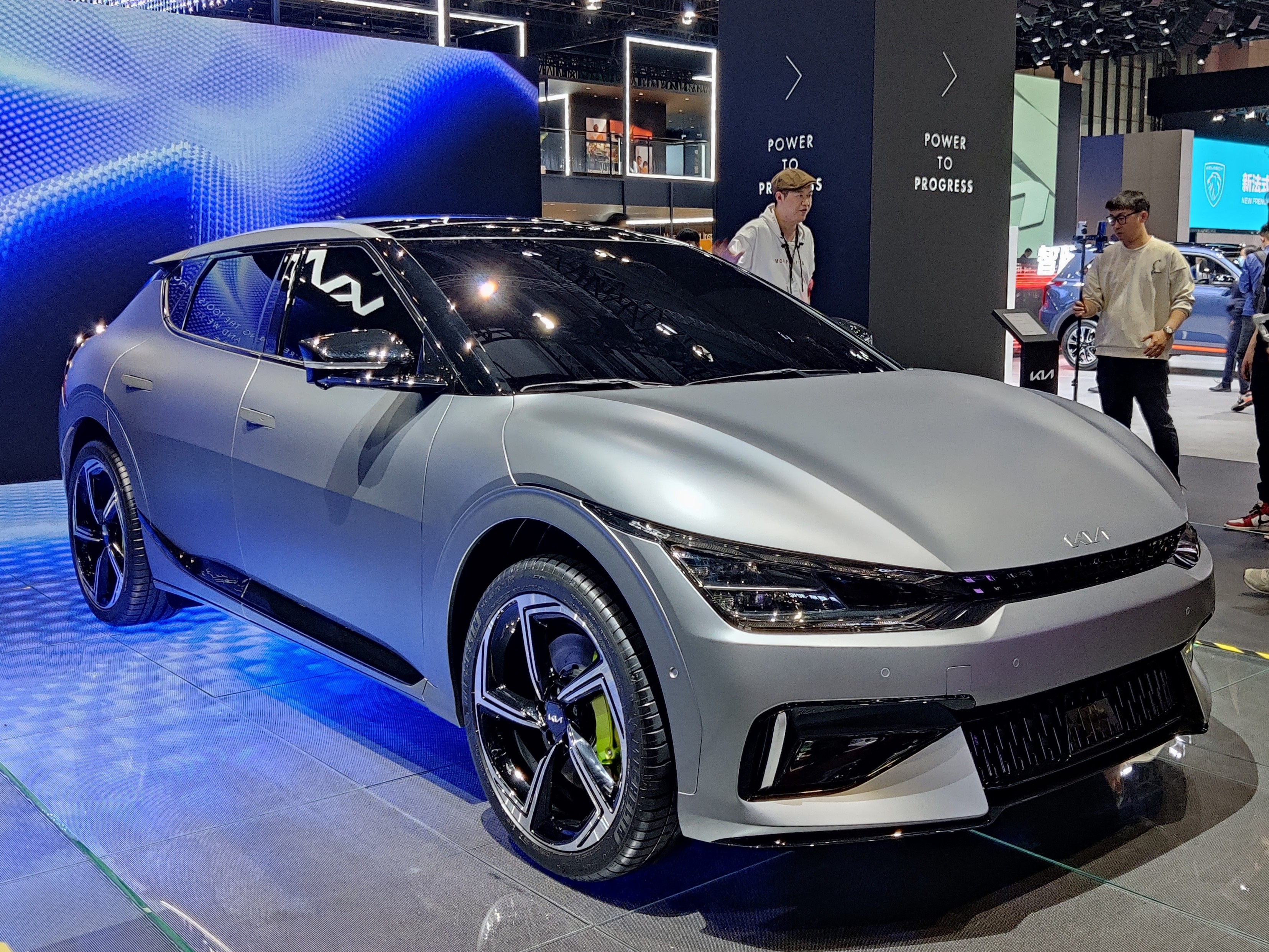
The Kia EV6 is an electric car known for its good looks and how it drives. The host is using it as a comparison to explain why the GV60 looks more like a sleek fastback than a typical high SUV.
Four-wheel steer means the back wheels can turn too, not just the front wheels. This helps the car turn more tightly, which is especially useful for parking and slow turns.
The Hyundai IONIQ 9 is another big electric car they drove. They liked how efficient it felt and how it turned, and they used it as a benchmark for what the EV9 should offer.
The Audi e-tron is an electric car from Audi. They mention it because the friend previously had one, but now wants something different due to family needs.
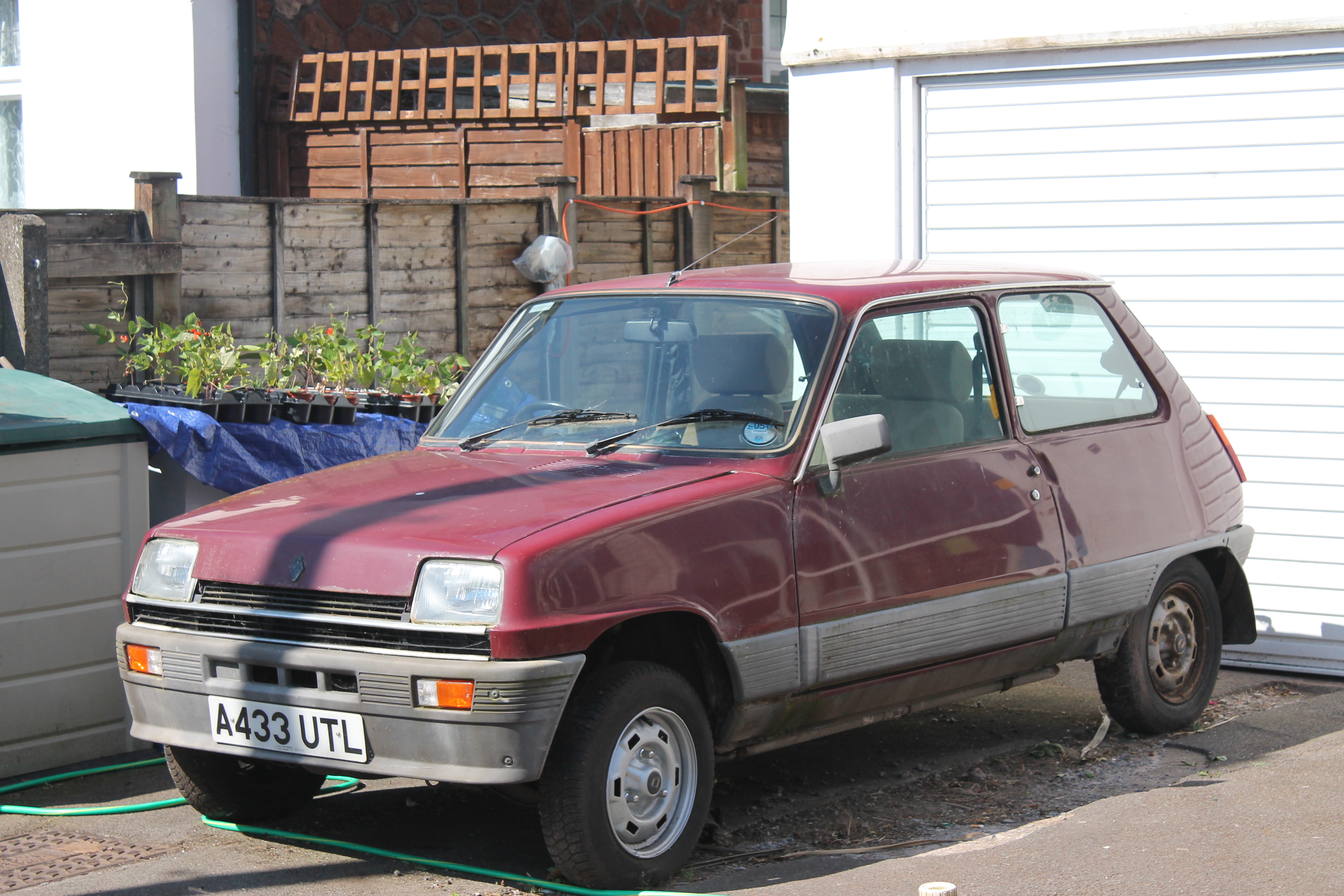
The Renault 5 E-Tech Electric is a small electric car. It uses the “Renault 5” name from an older model, but it’s built to run on electricity. The podcast mentions it as a top pick in their discussion.
The Renault 5 is a small hatchback, and in this context they’re talking about the electric version. They say it was the top-selling EV in April in the UK.
One-pedal driving means you can slow down mostly by lifting your foot off the accelerator. The car uses the electric motor to slow itself and recharge the battery.
In an EV, regen is how the car slows down while also charging the battery. “Variable” regen means you can choose how strong that slowing/charging effect is.
They mean the little paddle controls behind or on the steering wheel. On this EV, those paddles are used to change how the car slows down and recovers energy.
They’re talking about an older Renault EV setup that already let the driver control how strongly the car slows down using energy recovery. The paddles are like buttons on the steering wheel that change how much slowing you get.
They’re talking about the Vauxhall Corsa GSE, which is a sportier version of the Corsa EV. It’s meant to look and feel more exciting than a normal hatchback.
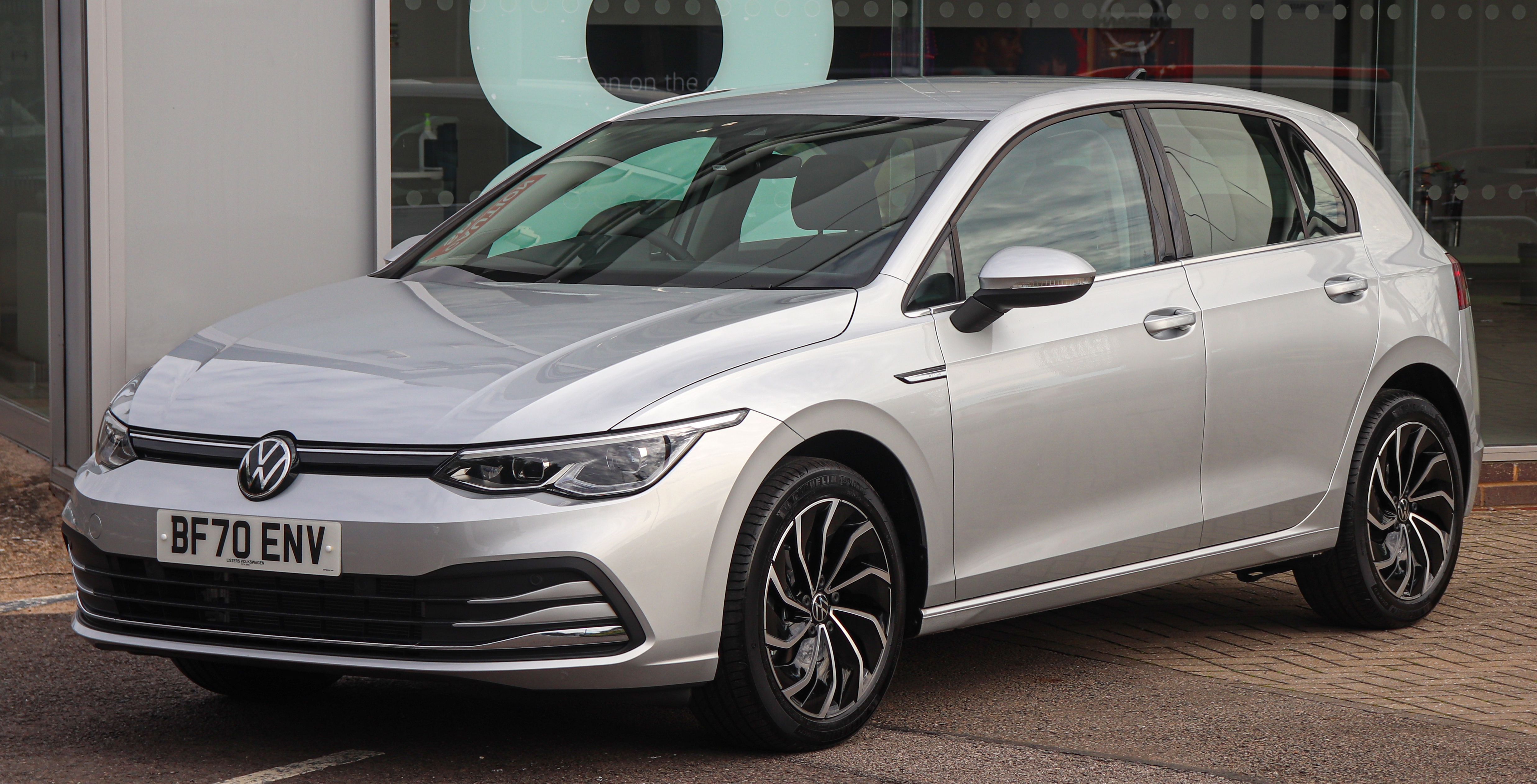
The Volkswagen Golf is a popular compact car. In the episode, it’s mentioned while talking about how certain sporty versions look. That matters because people often choose cars based on both style and the type of driving they want.
Alloy wheels are the metal wheels on the car. “Three spoke” means the wheel has three main spokes, and the host is saying it gives a retro, divisive look.
The Chevrolet Nova is an older model of car that people still talk about today. In the episode, they mention a specific version called the Nova SR and its wheel design. It’s being used as a reference for where a look or feature might have come from.
They’re comparing the Corsa GSE’s wheel style to an older Vauxhall Nova SR from the 1980s. It’s basically a “this reminds me of the old days” design reference.
The Lotus Carlton is a high-performance, rare version of the Vauxhall Carlton that Lotus helped tune. The hosts bring it up to show that an older, powerful car was already very quick for its time.
A twin-turbo engine uses two turbochargers to push more air into the engine. That helps it make more power, and “3.6 liters” tells you the engine’s size.
Term
proper diff
A “diff” is the part that lets the wheels turn at different speeds, especially when you’re cornering. The hosts are saying the car’s setup should help it grip better and feel more “real” to drive.
“Same platform” means the cars are built on the same basic underlying design. That usually makes them feel similar to drive because many key parts and layouts are shared.
The Mokka GSE is another electric Vauxhall that the host has already driven. They’re using it as a clue for what the Corsa GSE will feel like because they share the same basic design underneath.
A limited-slip diff helps the car put power down when one wheel starts to spin. It shares power more effectively so you get better grip and control, especially on slippery or uneven surfaces.
The Alpine A290 is another EV example they’re using to make a point: if you use full power, the battery drains faster. So the range you get can shrink quickly when you drive hard.
Car
Abarth 600e
The Abarth 600e is mentioned as an EV that doesn’t go as far when you push it hard. The idea is that aggressive driving drains the battery faster, so range drops.
CATL is a company that makes EV batteries. The hosts are talking about CATL’s newest battery tech and why people are excited about the potential range it could deliver.
A semi solid state battery uses a gel-like material instead of a fully liquid chemical inside the battery. The goal is to make it safer and potentially help the battery store more energy.
Here, the battery uses a thick gel instead of a liquid inside. The gel can make the battery safer if something goes wrong, and it can also help the battery store more energy.
Energy density is basically how much “battery power” you can fit into a certain size or weight. More energy density usually means you can drive farther without adding more battery mass.
WLTP is a standardized testing method used to estimate how far a car can go on a charge. The hosts are saying the Chinese range number may look bigger than what you’d expect under the WLTP test.
Battery swap means you trade your nearly-empty battery for a full one at a station. Instead of charging for a long time, you can get going quickly—if the swap network is available.
“1500 kilowatt” charging means an extremely powerful charger—much stronger than most public fast chargers you’ll see today. Using that much power requires big electrical infrastructure upgrades. It’s mentioned because it’s needed to make very quick charging times possible.
Battery chemistry is what the battery is made of inside. Different types of battery materials can change how far the car can go, how fast it charges, and how well it performs in different conditions. The idea here is that different vehicles might use different battery types.
Term
MC battery
“MC battery” is likely shorthand for a specific battery-cell chemistry or platform the speaker expects to be common in premium EVs in Europe. The key point is that the speaker is distinguishing this battery type from others and predicting which one will show up in higher-end vehicles. Without more context from the transcript, the exact expansion of “MC” can’t be confirmed.
Energy density tells you how much “battery power” you get for the battery’s weight (and sometimes size). Higher energy density generally means more range without adding weight. The speaker thinks this will be the big factor as EVs get better batteries.
This means how far the car can go for each kilogram of battery material. If that number improves, you can get more range without making the battery heavier. That’s why it matters for efficiency and real-world EV design.
A kilowatt (kW) is a measure of how much charging power the station is providing. If the price is “per kilowatt,” it means the cost is tied to how much power/energy you’re using while charging.
A public charger is an EV charging station available to anyone, usually found at places like service areas, shopping centers, and highways. Pricing and charging behavior at public chargers can strongly affect how convenient fast charging feels in real life.
The Dodge Charger is a big car that’s built for power and fast driving. It’s the kind of car people talk about when they’re comparing how long you need to charge a car versus how much you actually use. That’s why it can show up in a discussion about charging routines.
“Comfort Range” is a version of the Renault 5 that comes with a bigger battery. A bigger battery usually means you can drive farther before you need to recharge.
In an EV, a heat pump is a more efficient way to heat the cabin. Instead of using lots of battery power to make heat from scratch, it moves heat around, which can help the car go farther in cold weather.
The Volkswagen Polo is a small car model. In this discussion, it comes up because someone is comparing EV options and wants to know if the car has a heat pump to help with heating efficiency.
The Raval mentioned in the podcast is a concept car from Cupra. A concept car is a preview of what a future production car could look like or include. The speaker is comparing it to other EVs they’re interested in and was surprised by what it did or didn’t have.
A back-to-back test compares two vehicles under the same conditions to isolate the effect of one variable (here, whether the EV has a heat pump). Doing the same journey, route, and conditions helps reduce “noise” from weather, driving style, and traffic. This is especially important for EV range claims because winter range can swing a lot even with small changes.
In this context, “efficiency” means how much electricity the car needs to produce the heat you want. A more efficient system uses less power for the same warmth, which can help your EV go farther in winter. The host is saying the improvement might be around 10–20%.
Term
recoup
“Recoup” means “get your money back.” The host is doing a simple calculation: if the heat pump costs extra, how long would it take the reduced electricity use to make up that extra cost. It depends on how much you drive in winter and how much range/charging time you actually save.
Winter range means how far an EV can go when it’s cold outside. Heating the cabin and cold battery behavior can reduce the distance you’ll actually get.
Insulation is how the car keeps heat from escaping. If the cabin loses less heat, the heater doesn’t have to work as hard, which can help the EV use less energy.
The Hyundai Kona is a compact car that comes in EV form. Here it’s being considered for a daily commute, and the discussion is about whether a more expensive trim is worth the extra monthly cost.
The Kia EV3 is an electric SUV. The episode mentions it because people may be able to get it through salary sacrifice and choose a mid-level trim. They’re basically comparing what you get for the money.
The Kia EV4 is an electric car model. The podcast brings it up while discussing which EVs to consider and how they compare. It’s part of the decision-making process for choosing the right electric vehicle.
The Renault Scenic is a family-focused van-like car. In this discussion, they’re comparing its bigger size and back-seat space to a smaller SUV like the Kona.
The Alpina B10 is a luxury sedan that’s tuned to be faster and more enjoyable to drive than a standard version. It’s meant to feel comfortable, but still deliver strong performance. The podcast mentions it as one of the options being considered.
The Volkswagen e-Up is a small electric car meant for city driving. It’s designed for everyday trips rather than long-distance travel. The podcast says it’s usually cheap to insure and that the speaker really likes it.
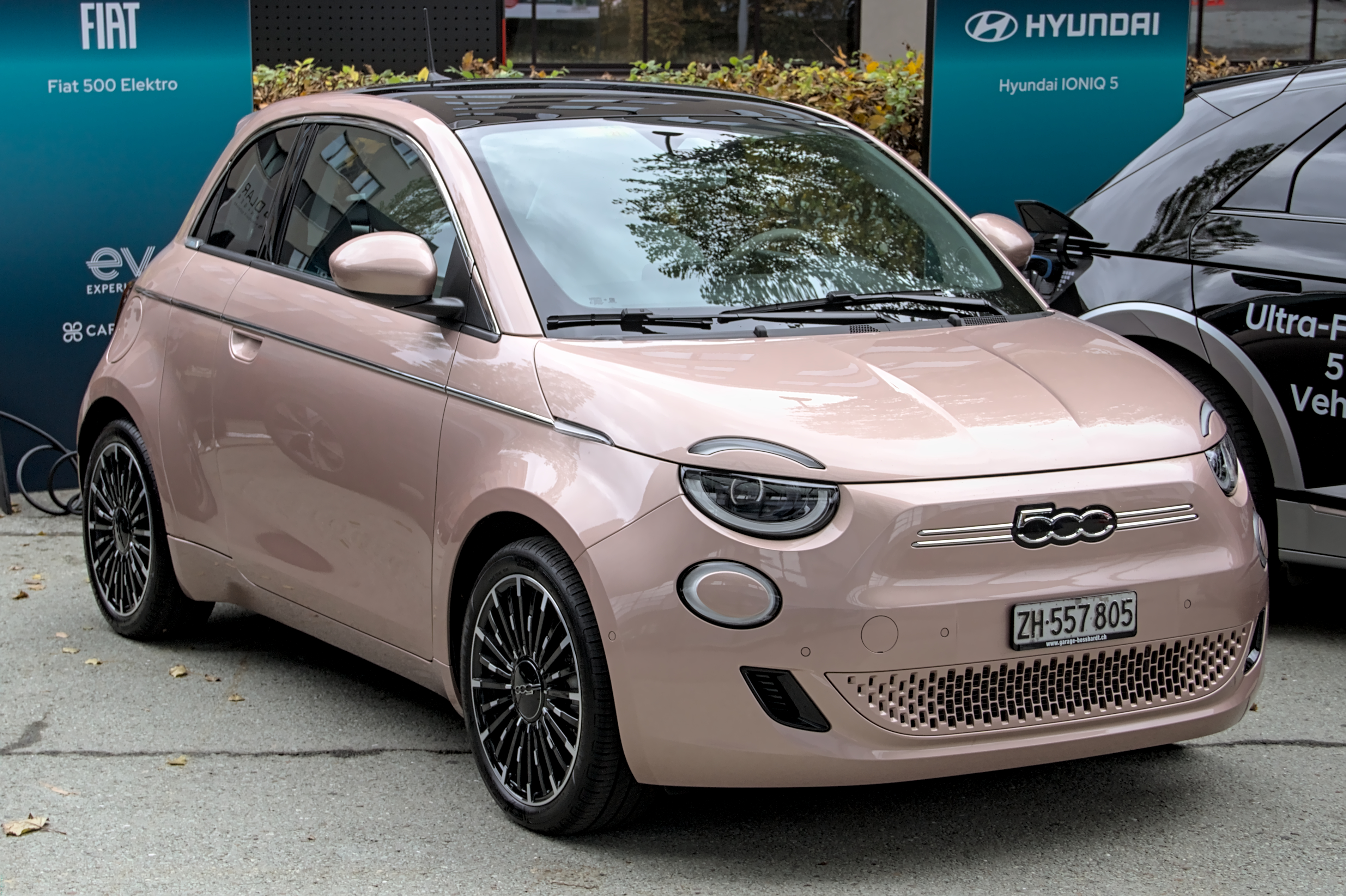
The Fiat 500 is a small car made for city driving. It’s easy to handle and park in tight spaces. The podcast brings it up because it’s often cheaper to insure than many other cars.
The 500e is an electric version of the Fiat 500. It’s a small car that runs on electricity instead of petrol. The episode brings it up because it’s often cheaper to insure than many other cars.
The Volkswagen e-Golf is a fully electric hatchback. It’s basically a Golf that runs on electricity instead of petrol. The podcast mentions it because it may be relatively inexpensive to insure compared with some other EVs.
ADAS systems are driver-assistance technologies (like collision warning or lane-keeping) that help prevent crashes or reduce driver workload. The hosts speculate that ADAS can raise insurance costs because repairs and calibration after an accident can be expensive.
The charge port is where you plug a vehicle into a charger to replenish the battery. The hosts suggest that if the charge port is mounted at the front, front-end damage could require more expensive repairs, which can affect insurance pricing.
A “light shunt” is a minor collision, typically low-speed, that can still damage components. Even small impacts can be costly on EVs if they hit areas like the front-mounted charge port or related wiring and sensors.
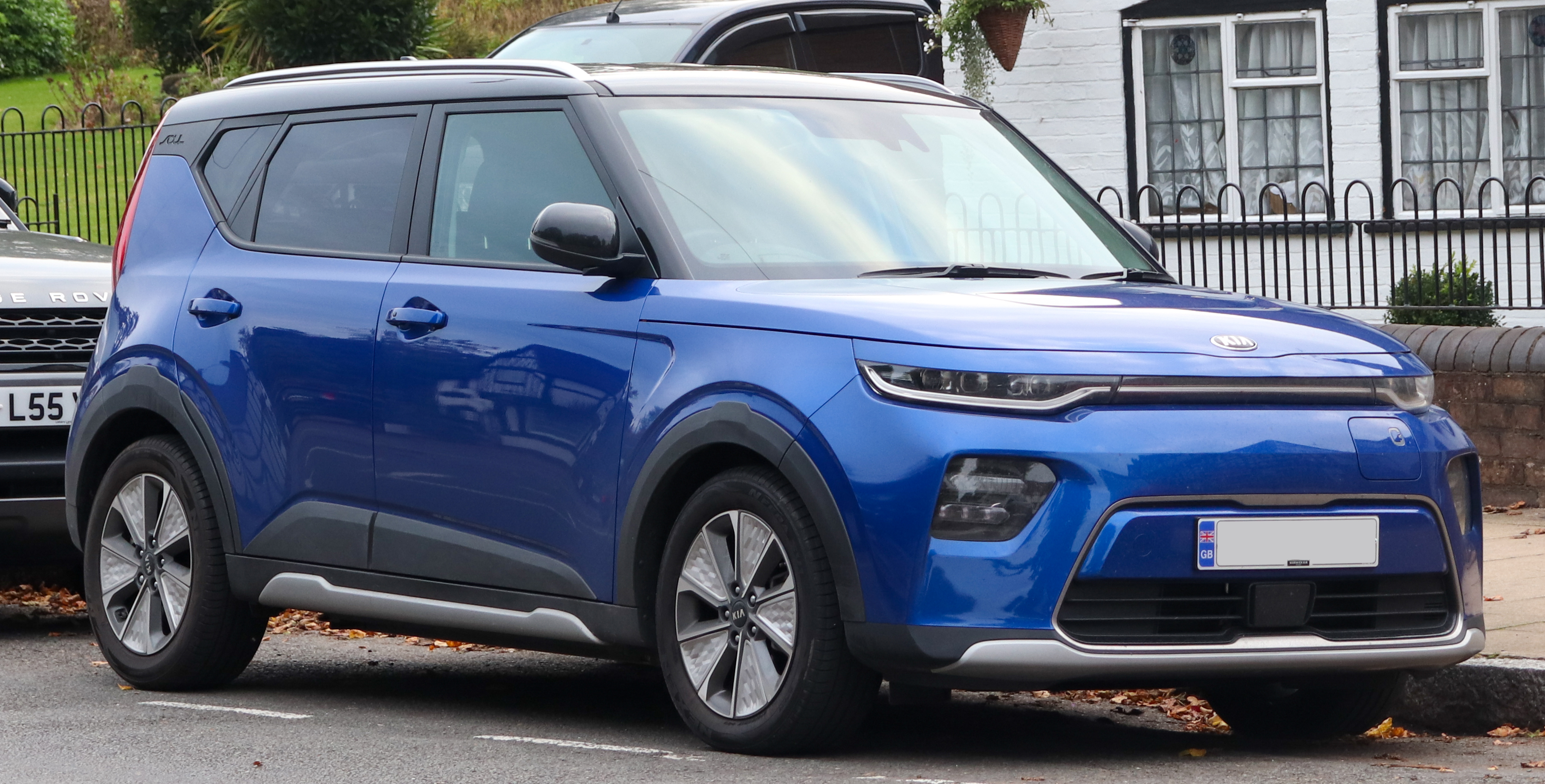
The Kia Soul is a small, practical car with a distinctive boxy shape. Here they’re talking about the electric version (Soul EV) as a good used-car choice for a certain budget.
In the UK, cars get an “insurance group” number that helps insurers decide how much it’ll cost to insure that model. Lower groups often mean cheaper insurance.
The Hyundai Ioniq 5 is an all-electric SUV. It’s designed to be practical for normal driving, not just short trips. The podcast mentions it in connection with how it feels to use an EV in different weather.
The Hyundai Ioniq 6 is an electric car made by Hyundai. The listener is sharing how they use it day to day and how efficient it feels in their driving.
Rear-wheel drive (RWD) means the car sends power to the rear wheels instead of the front. In an EV, that can change how the car feels to drive—often with different traction and stability behavior than front-wheel-drive versions.
Miles per kilowatt-hour is a way to measure how efficiently an electric car uses its battery. More miles per kWh means you waste less electricity and get better range in real life.
The Dodge Journey is a larger family-style SUV. In this podcast, it’s mentioned in a conversation about how efficiently cars use energy. The speaker is comparing how far you can go depending on conditions like weather and trip length.
The Opel Astra is a compact car, and the episode specifically talks about the Astra Electric. The speaker says it’s very efficient, meaning it can go further on the electricity it uses. That’s important because it can reduce how often you need to charge.
Car
Kia E-Niro
The Kia E-Niro is an electric crossover. The hosts say it was extremely efficient for them, especially compared with other EVs they’ve owned, and it still did well in winter.
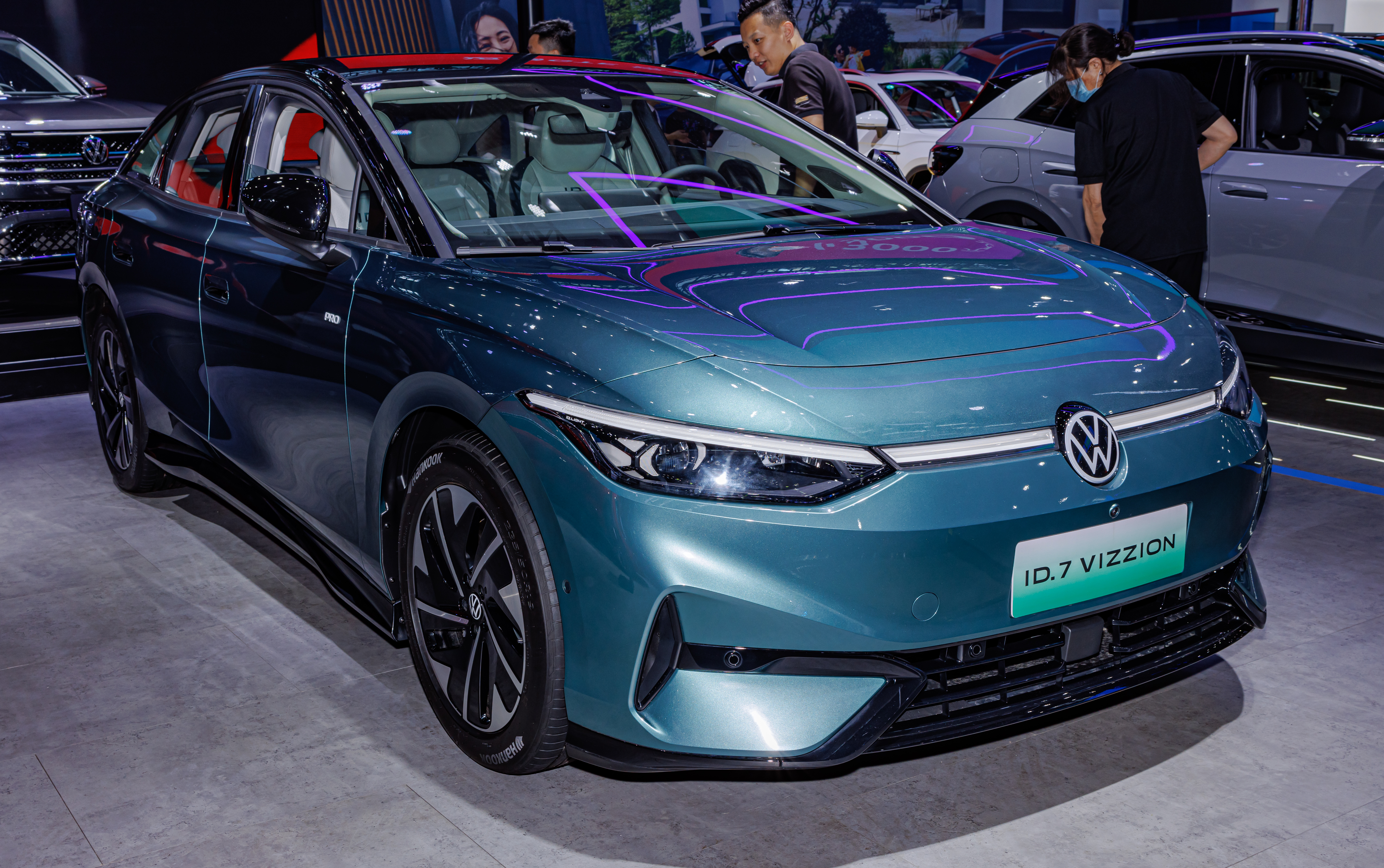
The Volkswagen ID.7 is an electric car. The podcast speaker says they lived with one for a while, so they’re sharing what it was like to use it in real life. It’s mentioned because it’s a larger EV and that can affect comfort and everyday practicality.
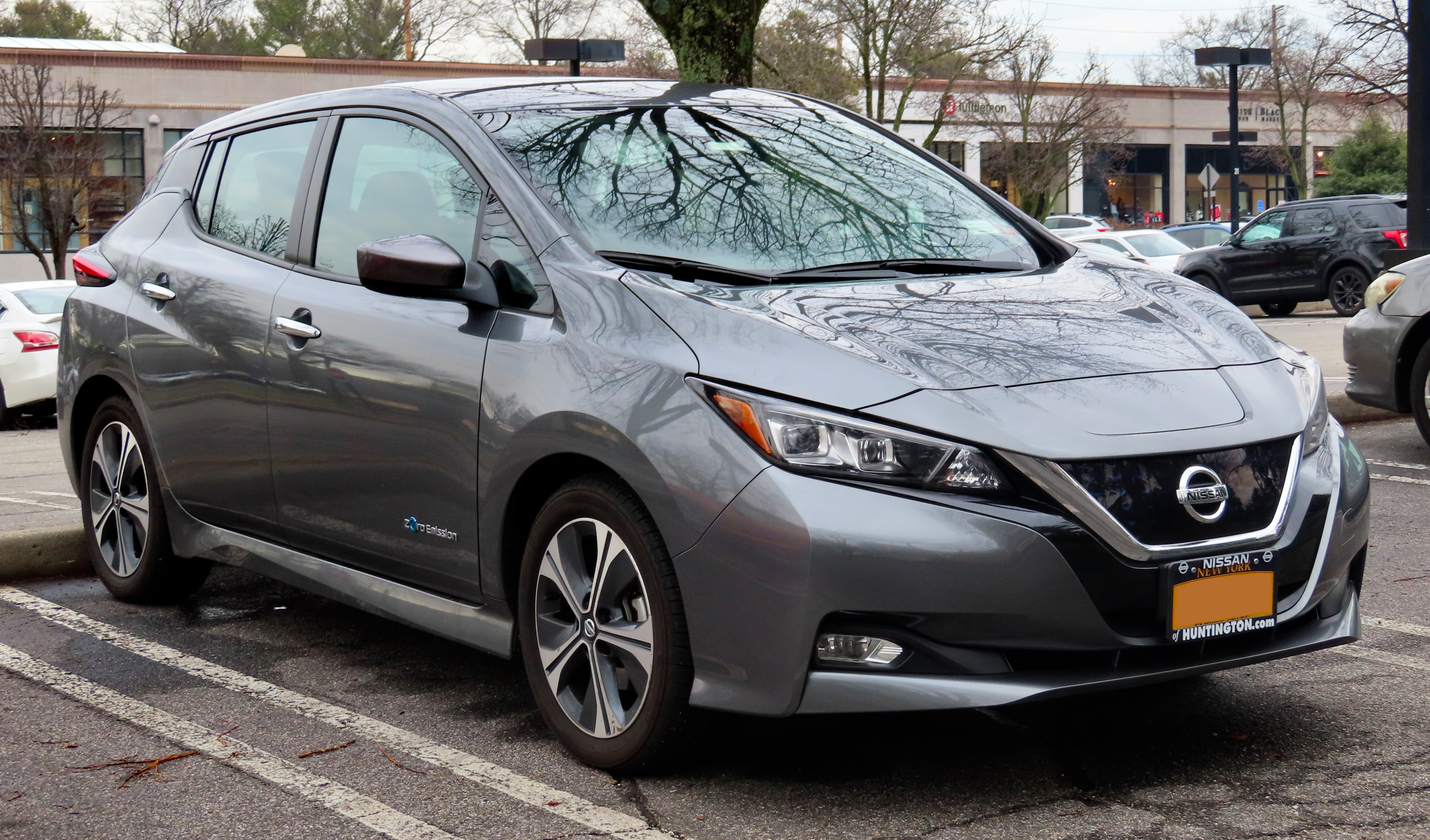
The Nissan Leaf is a well-known electric car. The hosts mention it had a heat pump, which helps the car use electricity more efficiently in cold weather.
The Volvo XC60 is mentioned because its EV range number changes with the weather. When it gets warmer, the car can often use energy more efficiently, so the estimated range goes up.
The Kia Niro is used to illustrate a trade-off: updates can make a car nicer and safer, but they can also hurt efficiency. In this case, extra tech and safety features are said to make it less efficient than the earlier version.
B segment is a category for small cars in Europe. The point here is that better EV batteries and efficiency would help even small cars compete with gas cars.
Sodium-ion batteries are a different type of EV battery that uses sodium instead of lithium. The hope is they can be cheaper and easier to source, depending on how they’re manufactured.
The Vauxhall Corsa GSE is an electric hot hatch. People like it partly because the battery is placed low in the car, which helps the car sit lower and feel more stable when you drive hard. It also uses upgraded braking and traction parts to help it handle better.
The center of gravity is basically where the car’s weight “balances.” If it’s lower, the car tends to feel steadier in turns and when you brake or accelerate. Putting heavy parts like batteries low in the car helps lower that balance point.
Alcon makes performance brake parts. If a car has “Alcon brakes,” it typically means the braking system is upgraded for stronger stopping and better endurance when you drive hard. It’s mentioned here as part of what makes the hot hatch feel more capable.
Car
smart hashtag one
The smart hashtag one is an electric small car. In this segment it’s brought up mainly for comparison—people are saying it looks similar and that it’s bigger than you might expect. They also mention a newer model, the smart hashtag two, which they say is smaller.
LIVE
Hello and welcome to the Kilowatt Half Hour, a podcast about the world of EVs brought to
you by the team at electrifying.com Well, I think it's fair to say that we've had
a bit of a calmer week this week after all of the Beijing show Madness and all of that
went on, which you can hear all about in Jenny's podcast last week with Steve, and the one
before that that we did from the show itself. So it's been a lot of Beijing stuff going
on and it's finally calmed down a bit. So we are here and we've got new car sales figures
out so we're going to be chatting about that. That makes for some interesting reading.
And we've also been out and about all on different launches and that kind of thing.
So first, Tom and Batch, it's good to see you both. How are you doing and what have you been up to?
Hello, I haven't been on for quite a while, have I? It's actually quite nice.
No, it's lovely to have you on.
Thank you. And it's very kind of you to say that. I mean, obviously, you feel obliged to say that.
I mean, not entirely sure whether you mean it. Also, to the benefit of our YouTube viewers,
I'm quite alarmed by the fact that Vicky and I are wearing exactly the same clothes today.
Oh, no, we are. We're matching.
Do I need to go and change?
Yeah, I think you should. There was ever a reason to watch a podcast rather than listen to it.
Here it is, isn't it? Here it is. Yes, exactly.
And also for the people who can see him on YouTube, I think there's some polar opposites here
because Vicky, you appear to be in the sauna and Batch, you appear to be in a fridge.
With lots of IKEA furniture around me. Yes.
Yes. It's very white. Anyway, yes. This is why it's lovely to be back. It's all this great banter.
Great banter. Anyway, what have I been up to? Well, I've been spending a bit of time, actually,
in the updated Genesis GV60, which it completely passed me by this update. I wasn't really aware
of it. And then I booked one in and I've been driving it. And it's reminded me what a lovely car
that GV60 is. It's getting one of those cars that launch with great fanfare, didn't it? And then
there's kind of such a slipped away into the background and nobody ever mentions it. And yet
it's a lovely car. Drives really nicely, nice and engaging to drive, comfortable ride as well.
The only thing I don't like about it in this update, they've now fitted a silly
squared off steering wheel at the bottom, which I hate. I hate that kind of thing. But the rest
of it, nice tech, which works. There's buttons on the steering wheel, on the centre console as well.
Just a really nice car. So I've been very happy this week, I have to say.
Has it still got a slightly chintzy interior? I seem to remember it had kind of like a crystal
snow globe or something. It looked like something that's fallen out of year grand's
drinks cabinet in the middle. Yes. So some of our listeners and viewers will remember Nicola did
a fantastic video. She had one's a long term, I believe. And she did like a Mystic Meg kind of
thing. Yeah, I love that video. It's one of the best, isn't it? And to people who don't know,
basically when you get in the car and you switch on the ignition, in the centre console,
they looks like there's a sort of a crystal ball. And as soon as you switch the ignition on,
it spins round and then that becomes the gear selector. It's still got that. But this particular
car I've got is a bit more muted. It's just got a simple black interior, whereas I seem to remember
you used to be able to order the car with a blue interior with lime green stitching and
what have you. So yes, no, it's still a very nice car, but I fear it's still quite forgettable because
there are so many new sort of premium electric SUVs launching all of the time. So yeah.
Interesting. I do really like the GV60. I mean, it's basically the Genesis EV6,
isn't it? Sort of a take on the EV6. Yeah. Which I really like because it's sort of,
I mean, they're classed as SUVs, but to me, they always look more like sort of fastback kind of
estatey type things. They're not very high set SUVs, are they? Which I prefer. I really like
the looks of them. So I like both of those cars. I would, I reckon it's a good used by, isn't it?
The Genesis GV60. I bet that's been interesting used by. Yeah. Anyway, what have you been up to?
Well, I've been having a poke around a friend's EV9. He's bought a new EV9. And I said, how is it?
He said, well, it's generally great, but the charging is proving quite expensive. And I said,
well, why? You can charge at home. And he said, yeah, but I don't generally. I said,
why? And he said, because I have to park in a multi-story. And I can't get it around the bends.
So I have to park in the EV charging base, which are on the first floor, which I can reach. And
you have to be charging when you go there. So I have to, if I'm going for a long time, I have to
leave it on charge. It's like, I do remember that car being huge.
It is massive. And they don't do four-wheel steer on it, do they? This is one of the things we've
said in our reviews of both of the cars is that that's the one thing they should really
offer a thing, even if it's optional, is four-wheel steer. Because the turn I spent a lot of time in
the IONIQ 9, which is the Hyundai equivalent of the EV9 last year. And I absolutely loved it.
I've got good efficiency. It felt like just fantastic. You do drive both of those and you
think, where's Land Rover? Why haven't they done this car? But yeah, the turning circle,
that's the one thing you're like, it could benefit from four-wheel steer. But they're
lovely things. Has he considered getting a smaller car, Tom? Or is that out of the question?
It's the obvious question. I think, well, he did have an Audi e-tron before, but I believe
his issue is a lack of contraception. So he has too many children. And therefore,
seven seats are essential. It's a problem for all of us, really, isn't it?
Excellent. Well, probably a new ground here on the KWR family, I think.
I did suggest a Blingo might be more appropriate, but he gave me a look. I think that might have been
just too far.
Yeah. But other than that, now I've been going around in my borne, which is still great,
liking it very much. Excellent. Okay, so shall we talk about some news stories then?
Batch, shall we talk about car sales? Because we've had some news in about new car sales,
haven't we, this year? Yes, why not? Let's talk about that. Of course, it is the first week of
month, which means it is new car registration time. And I mean, it won't be much of a surprise,
really, will it? But again, EVs have, the share of EVs has grown. More people are buying EVs,
and this is official Society of Motor Manufacturers and traders, SMMT data. It's such a mouthful,
that, isn't it? It really is. But anyway, that's an entirely different story. But the new car
market as a whole was up nearly a quarter in April on April last year. But importantly, for our
listeners and for our job prospects, of course, EV sales were up almost 60%. So that is quite
staggering, really. So that means nearly a quarter of cars sold in April were electric,
and nearly two in every cars registered came with a plug. So that's that's that's BEVs,
pure electric cars, and plug-in hybrids. I mean, so that is absolutely staggering,
isn't it, really, if you actually stop and think about it. And that means that in 2026,
demand for electric cars so far has gone up by 22%, with 177,000, more of them on the roads
compared to the first quarter of 2025. So and overall, we have now hit 2 million EV car sales
in the UK. So I mean, it does show, doesn't it? The UK really is one of the leaders in Europe
when it comes to selling electric cars and a bit of a quiz for the pair of you here, although I
think both of you actually know the answer. So just play along with this, please. But can you
do you know what the best selling EV was in April? I could have a guess, but
but yeah, go on, Batch, tell us what was selling EV. You know, you know, and I'm just I'm just
playing for time, really. It was, of course, the Renault 5, which I don't think is a much of a surprise,
really, because I don't know about you, but in my little neck of the world in Hampshire,
the Renault 5s are absolutely everywhere. And funny enough, most of them are in the yellow
with the top spec cars with the black roofs. You never see the bottom spec cars, as far as I'm
aware. And Renault has they finally confirmed to electrifying.com that they are going to be
fitting it with one pedal driving. I think we broke the story, I think, or we were very
we've been saying that Renault will be fitting it. And now Renault has finally confirmed it.
Yeah, they've been saying for a long time that they will it was just a question of when and then
all of a sudden the owners forums lit up with people saying their dealers had said they were
getting them in with the with the because it's not just the one pedal and it's the flappy paddle
variable regen that's already on the Renault 4. So that was the frustration, wasn't it?
And the micro. Yeah, exactly. I drove the 5 before it had even been launched out on a
European car of the year thing. And they told me then before they'd put it on sale that it would
get the three regen with the paddles and the one paddle. So they've known for a long
time. But yeah, so no, I mean, I'd see a lot of Renault fives around me. I do see a few basic
ones. There's somebody near me that's got a basic green one with the green roof and everything. And
it looks quite cool, actually. I do quite like it. Yeah. Yeah, no. So it's but that's great,
isn't it? 2000000 EVs. I feel like we need some special effects kind of big kind of like, you
There you go.
Thanks, Tom. Hang on. I'm so glad I'm back.
I think that's all of the sound effects I have at my disposal, I'm afraid.
Yeah, well, I think the reason for Renault 5 being number one will be shown later when I do
Barnards bargains, because they are cheap. But I'll tell you more about that later. But in the
meantime, there's another car that's been getting me not so much excited, but interested, I would
say, which is the Corsa GSE. Oh, yes. Have you seen this? Now, it's a curious thing, because I
think a lot of the whole hatch electric cars are quite aggressive in the way they look, aren't they?
The the E 208 GTI was quite aggressive. The even the Polo GTI looks quite, you know, it's a GTI.
This I thought was quite subtle. But there are little hints about its potential, including
three spoke alloys. Now, three spoke alloys are a bit of a retro. There are some cars that they
really suit and there are other cars where I just can't accept them. Yeah. And they're a bit of a
divisive thing, three spoke alloys, aren't they? But yes, this has them, which is I think it harks
back to the Nova. The Nova SR had three spoke alloys. And it's got checked seats as well.
Do you remember those from the 80s? So somebody at the Vauxhall or Opal Design Centre has
has got a history book, I think. But yeah, the other thing that I thought was
quite interesting, I mean, it's got 281 horsepower. I mean, that's daft, isn't it, in a Corsa.
And the 0-62 time is 5.5 seconds. Now, in a world where Tesla's are doing it in less than two,
that doesn't seem that impressive. But I again, looked back through the history books and remember
the Lotus Carlton, which at the time was considered so fast that it was mentioned in parliament as
being irresponsible. Yes. Because it was 177 horsepower. And that had a 0-60 time of 5.4. So
this this Corsa, electric Corsa is just a tenth of a second slower to 60 than that Lotus Carlton,
which had a twin turbo 3.6 liter engine. Just nuts. And they probably could make it faster.
That is a great comparison, isn't it? Yeah, I can't believe that it's nearly as fast as
Lotus Carlton. But it's, can I just say, I love the alloys on the Corsa GSE. It's good if you
check out the on the YouTube channel, there's a video of the GSE that Lucas did. And they've got
the NOVA, the original NOVA, that those alloys have sort of given the inspiration for. And I
have to say, I mean, A, I love the NOVA too. I'll be honest. It looks so wicked. But I really like
the alloys on the GSE. I quite like, I like the fact that it's a little bit understated. I like
the fact that it's not too over the top. Yeah. So yeah, I think it needs to be, it still needs to
be cheap on monthlies though, doesn't it? I think you still, even with 281 horsepower and all of
that, it's going to, I mean, I'm really keen to see what it's like to drive because it's got a proper
diff and all of that stuff. So affordable electric hot hatches, I'm all for. Well, talking of price,
I mean, we don't know what the price will be, but it's going to be kind of mid high 30s, we think.
Yeah. And that is the price that the Corsa Electric, or as it was, or was it the Corsa
dash E as it was first of all. Do you remember that used to be 40 grand? And we're all like,
what? And then Vox will realise that was number. So this is going to be cheaper than kind of a
basic Corsa E was when that first came out five years ago. I think the signs are all good though,
because I drove the Mokka GSE and it's basically, it's going to be essentially the same car and
same platform. And again, similar styling as well. I mean, the Mokka, if you take the wheels
off the Mokka GSE, it just looks like a normal Mokka, but the wheels really make it. And I think
that's a similar situation with the Corsa. But yeah, same platform, that limited slip diff.
And I remember that Voxel had done some work to the steering on the Mokka as well. And it was
actually a really, wow, not really engaging, but very, quite an engaging car to drive,
something you could have a lot of fun with. But of course, it's just got the similar problem,
which the Abarth 600e has in the Alpine A290. Soon as you use all of the power, the range goes.
But of course, that's just that, let's not go down that rabbit hole. But yeah, I think the signs
are good. And I'm very much looking forward to driving the Corsa. Yeah, no, I'm looking forward to it too.
Okay, so moving on to talking about range, in fact, we've had a video up about CATL's
latest battery tech, and it's gone down really well. There's been a lot of people commenting on it
because this was one of the Beijing show stories. So they've launched a battery that can do 930
miles to a charge to a single charge. So this is not a solid state battery, it is a semi solid
state battery. So it uses a compressed gel in place of a liquid electrolyte. So that makes
it safer if the cells are compromised. And it also means that it's much more energy dense. And
yeah, it's interesting. It's very interesting tech. So yeah, they reckon up to 930 miles. That is
Chinese official range figures, which is more optimistic than WLTP. So by WLTP standards,
I don't know, just as a rough estimate, I'd say you're going to be more like 800 miles,
something like that. That's still a lot of range, isn't it? So that's really impressive stuff.
Did they say how big the battery is? Is it? No, they're not officially giving us the,
they haven't confirmed the official size of the battery, but they've got energy density and this
kind of thing. It's, you know, it's big enough that it could fit into your everyday large saloon
type car, I believe. So it's, yeah, it is interesting. They've already got sort of some of this tech on
sale out in China as well. So we know that it is going to be out there in production cars.
But it was just really amazing walking around the stand out there, seeing all this new tech,
they had a really cool, you could, you could experience the battery swap technology as well.
So you could, they could do a battery swap in 90 seconds. I find that interesting, but I don't
honestly think that it's going to work in the UK. I think our charging infrastructure is already
good enough. And I don't think that we have the space on the roads nor the kind of, you know, so
I think the charging swap stuff in China, I think, I think it's a, it's, it could work. But over here,
I just don't think it's going to happen. But nonetheless, really interesting to experience it.
Flash charging batteries. So you get, you know, 10 C charging, which means that the, so the charging
scales up. So even if it's a really big battery, then it can charge 10 to 80% in under four minutes,
and it can do that as well, even if it's a smaller battery. So it's, it's, you know, but you need
really, really fast charges with, you know, basically up to 1500 kilowatt charges
to support that kind of charging. So again, then the question raises is, when are we going to see
the infrastructure to support that? But it was just fantastic walking around saying all the tech,
because they've, and I think, I mean, you can watch the video about it, but I genuinely, I did feel
that the interesting thing was that there seems to be a move towards providing different battery
tech for different installations. So I think we're going to see a bit more variation in battery
chemistry for different, different EVs and different commercial vehicles as well, because
obviously these really energy dense batteries, it could even mean more for aerospace and commercial
vehicles and HGVs as it could for passenger cars and that kind of stuff. But yeah, and they've also
got their, they knew they've got an all rounder and MC battery, which is, I think probably the
one that we'll actually see in premium cars in Europe. And that's, I think that's 1000 kilometers
to a charge. And it's got, it can provide enough power that it's basically three Bugatti's worth
of power. So it's got a lot of performance and a lot of range and, and again, really impressive
energy density. So overall, I was just really pleased to see a lot of batteries that are really
improving. So, you know, the amount of range you get per kilogram of battery cell, because I think
that will be the important thing, isn't it? It's, it's when it, when it trickles down to cars and
we start to see much lighter batteries, that's, that's going to really improve efficiency. And
that's what we're all about. So it's really impressive, really impressive stuff. Yeah.
Yeah. I wonder if people will want 1000 kilometer or 1000 mile batteries, or is it, will they just
say, well, 500 miles is enough? As long as it's really 500 miles? Yeah, I think there will be
some demand for that. But inevitably, I suspect that the cost of having a battery that big,
even with this kind of energy dense battery is going to be perhaps quite prohibitive for the
majority of us. So I wonder if the bigger benefits are going to be when we see these more energy
dense batteries coming into more normal sized EVs. So you get sort of a lighter car and potentially
more range, a more, a more, still a modest range, but more range for, for the amount of battery you've
got and all of that. Interestingly, we'll come to the comments later, but there were also some
people saying that they don't want their EV to charge more quickly, because then it becomes less
convenient because you, it means you have to part, if you, if your EV can charge in four minutes,
it means you have to plug it and stand next to it for four minutes and then move it.
You can't just plug in and leave it for 20 minutes while you go to the services
and get a coffee and use the toilets. And so, and I was like, that's actually a good point. I've
not really thought of that. The actual, is it more inconvenient if you're flash charging that
quickly, that you then have to stay with the car while it charges and then move it before you go
to the services? Because then it's like, it's like filling up a petrol car, isn't it? Is that, is that,
I genuinely haven't really considered that. I have had it. Well, I've gone to the services
and I thought, right, well, I just need a very quick five minute charge to just give me a bit
of comfort to get home, you know, an extra 20 miles or something, especially since it's a,
you know, a quid per kilowatt at the services. Yeah. And you go in and you get in the queue
for a cup of tea or something. It's like, it's taking too long. This is cost me more in the
energy than it is for the cup of tea. So you have to bail and go and say, oh, that was annoying.
Yeah. I've actually had the same thing as well, where you don't say, you know, if you haven't set
a limit on the battery charge or whatever, and you've left it on a public charger and you're
like, oh, I don't need this much range. I'm like literally like, you know, I'm paying,
paying way more for this electricity than I need to. I've got to go and move the car.
Yeah. I've done the same thing. You rush back to get it off the charger because you don't need
the charge. Yeah. It's interesting, isn't it? But I mean, you know, leave it a comment by all
means. Let us know what you think. I don't know. Do we need a thousand kilometers of range
to a battery, to a single battery charge? Do we need faster charging? I don't know. I certainly
think my takeaway was that more energy dense, lighter batteries is only a good thing. So yeah,
we'll see when that eventually comes to Europe. It'll be really, really good to see.
In the meantime, Tom, have you got a bargain for us? I have got a couple of bargains inspired by
our conversation. So the first one is the reason that the Renault 5 is selling so well is it's
currently the cheapest car on our leasing thing. So a Techno Plus, so the latest version,
it's not a pre-reg one, Comfort Range, that's the 52 kilowatt hour one, not the cheaper smaller
battery one, 230 quid a month, and that's with 8,000 miles. So yeah, that's cheap. That's cheaper
than any of the Chinese stuff. It's cheaper than the Renault 4 because used to be the
cheaper one. So no wonder. I mean, if you'll think, oh, what do I want? I'll get a little electric car
or even I quite fancy one of those Renault 5s, which is what I think a lot of people are doing.
It's not just they're looking for a car. They're looking for a Renault 5 because they think it's
cute. Then that's very affordable, isn't it? Especially if you're spending under 50 quid a
month on petrol. Yeah, absolutely. I mean, yeah, I think that's fantastic. And the Corsa things,
looking down the rabbit hole of the Corsa GSE, I looked at used Corsa Ease and they're cheap.
I mean, there's one just that I picked out, which was an Elite 71 plate, 24,000 miles, barely used,
9,700 quid. So I'm sure you could get one even cheaper than that if you wanted to.
And I always thought the Corsa electric was all right.
It's already solid little EV, isn't it? It was 40 grand.
That's the job cars. Yeah. Yeah. 40 grand. Yeah. Well, that was madness, wasn't it,
when they were that expensive? Yeah, I had one as a gift car for a bit and thought,
yeah, I quite like this. Yeah. I like the fact the Corsa was always just the sensible cousin to the
E208 wasn't at the interior as much, a bit sort of more boring, but also kind of easier to use
and all of that. So I've always quite liked the Corsa. Like I said, it just does the job
car and that's fine, isn't it? With the Corsa, talking to quite a few used car dealers,
they are starting to stock the Corsa electric, the Corsa E, because they can price them under
£10,000 and it's a very easy, if somebody turns up at a dealership and they say,
well, I'm thinking about going to electric. It's a very easy seller Corsa electric because
a Corsa is just so familiar to everybody that once you've got over how to plug it in and what
etc. and what you need, like a home charge, etc. The Corsa, there's nothing scary about a Corsa
and it's cheap. So on the used market, Corsa electrics are sort of big business at the moment.
Yeah, quite an interesting car. It was a 200 mile range, wasn't it? It's got 100 kilowatt
charging, so both of which are like, oh, okay, well 200 miles I could get away with, whereas
those kind of early Leafson things, which are all 150 miles, that was a bit like, 200 miles,
that's a nice psychological barrier. Yeah. Yeah. No, I think a sub £10,000 Corsa E is quite a
compelling thing really, isn't it? And I've always liked the way they drive. They're quite comfy and
quite a positive car to drive, I think. I like it. Anyway, shall we look at some comments
and questions that have come in this week? I'm going to start with the electric versions,
or to be more precise, a potential electric version. So we've heard from at Waldemar 10811.
He says, I'm seriously considering buying my first EV and I'm drawn to the Coupre Reval
and the Polo, but was surprised to see that neither of them come with heat pumps. I'd really
like range, resale value, et cetera. That's an interesting question, actually. And as an aside,
I'm actually after this podcast, I am hopping in my long-term Skoda Roll Rock to go to Gatwick,
so that I can drive the Coupre Reval. So keep your eyes peeled for the full review, because
and also, working Tom Ford will be driving for the video. So that'll be up on the YouTube channel
soon. So all of that coming out for you if you're interested in the Reval heat pumps.
I'm actually of the opinion that you don't really need a heat pump unless you do a lot of mileage
in winter, because the gains are fairly minimal. And it does, I think, depend a little bit on what
heat pump is in what car and all this kind of thing. I think there is a difference in the
heat pumps that are really good and those that maybe aren't giving you such great gains. I don't
know what you guys feel about this. It's really hard, because obviously, what we really need to do
is a scientific back-to-back test with a car that has a heat pump and a car that doesn't
and do the same journey and see what the difference is. And you know what, we've been planning that
for a long time and it will happen one day. So maybe this winter we'll finally do our heat pump
test that we've been wanting to do. But yeah, I don't know, have you guys got experience with
this? Have you managed to get more scientific sort of impression than I have? I wouldn't say
scientific, but I think that the engineers say it's kind of 10 to 20% efficiency, isn't it,
with a heat pump, which is reasonably significant if you've got a smaller battery car. I think that
if you're having to pay, I did a sum once of it's a £1,000 option on something like a Kia
and how long it would take you at 10% efficiency to recoup that £1,000 that you've spent on the
heat pump. But where they're optional, I'm not sure or I'd bother unless, as you say, you really
need. If you're doing a journey once a week, which is 200 miles and you're only getting
180 miles range without it, then you might well think it's worth it to not have to stop and charge.
But otherwise, maybe not. It's just tricky, isn't it? Because I mean, I know that the,
I mean, for instance, you know, Renault 4 and Renault 5 both get heat pumps as standard.
And yet, ironically, I've found that their winter range isn't great. So I don't know whether
sometimes, and believe me, I'm a huge fan of the Renault 5 and the Renault 4. I would buy
either of them. I love them. But I have noticed that in the winter, I don't think I'm seeing any
better range from them than you do from comparable cars that don't have heat pumps. So I struggle
to really see. Yeah, so it's a, yeah. I mean, maybe Renault know that. And that's the reason it's
got heat pump is because without one, it would be truly disastrous. Maybe. I don't know. It's a
tricky one to say, isn't it? I would say in that sort of, I think in that sort of context, looking
at the Rival and the Polo and this kind of thing, I would, I wouldn't worry about it too much. I
buy the car that you like. And unless you're doing masses and masses of mileage, I really don't think
it's a deal breaker. So go for the car that you like and enjoy. And don't worry so much about
your winter range and you'll be absolutely fine. I think there are other things they can do to make
heaters more efficient as well. So even stupid things like having more insulation in the car.
To preserve the heat you've got inside the car can be almost as efficient as having a heat pump
just because then if you think of heat pumps, just like you're in a metal box,
if you're in a metal box in the freezing cold, it's going to be cold in there. So if you insulate
it a bit, if you have thicker glass, it makes it more efficient. So maybe there's engineers
who know more than, well, there will be engineers who know more than us, who can tell us the truth.
Shall we do a few questions and comments? Yes. I have one here from Simon Hodges who says,
hi, I've just come across the podcast and it's now my regular on my commuters. I catch up with
your episodes. I'm looking to buy a couple of EVs. So I hope you don't mind two different
questions. The first EV is for me is I need one for my commute to around 120 miles round trip,
mostly motorways from Whitstable. But in about 45 minutes of traffic jam as I crawl into Stratford
three days a week, I'm thinking of a Kona ultimate, even though your podcast would suggest the EV3.
However, on salary sacrifice, the mid-level trim is about £40 a month more expensive
than the Kona top trim. Is it really worth that? Or are there any other suggestions you have for
about the same amount of money? The other kicker is that my sons are both tall, one being six foot
three, so rear passenger space is important. Shall we deal with that one first before we get to his
second question? Yeah, go on then. Let's deal with that one first. What do you reckon then?
I don't think the Kona is very big in the back, is it? I think it's a key and the Nero bigger in
the back. Was it slightly stretched over a Kona? I seem to remember it all. I think your Nero.
Yeah, I agree with you. I don't seem to remember. If I think about how spacious cars in the back,
I don't think naturally think of the Kona. I have to be honest.
Well, I mean, it looks like I think he's probably, as he actually got his son in the back and said
that the space is okay in there, so he can obviously get away with it. And in that case,
the Kona is a good car and I think is, you know, is probably a pretty good deal on that now,
isn't it? So I don't know. So cars with masses of space in the back in that kind of class,
what else is there? I was going to say, I did three EV4 then. Yeah,
Scenic's probably one of the best. That's a good shout, actually. I think Scenic's really good.
So I reckon the Renault Scenic could be a good one.
I don't know. What about, I was just thinking about even maybe even the, oh, smart one.
What's the, what's the rim like in the back of a smart one?
Yeah, all you go down the Chinese route because I mean,
I was thinking that. I know 2-3 has got loads of space in the back, hasn't it? And I was even
driving the A on V recently or another new brand and that, I mean, honestly, I was staggered the
amount of space. You could fit 10 foot people in the back. It was huge, you know, so that is an
option. But I think the Scenic is, I think the Scenic is a great option. Just, is the Scenic too
large as a car compared to a Kona? I'm not entirely sure. Megann's more on rivalism.
It's only large and only bigger, isn't it? Yeah, I think the Scenic's only marginally bigger because
that's my problem as well. I keep thinking about slightly bigger cars, but I don't know if that
would suit the purposes. So I think if you know that your kids will fit in the back of the Kona
and you like it, then go for it because it is a good car. So yeah, I think, I think it's a solid
shout. And like you were saying, Batch, there are Chinese cars because it's a cultural thing,
isn't it? They love having a lot of rear passenger space. So I was thinking LeapMotor as well. The
LeapMotor B10, that's got tons of space in the back of it. And I bet that's really cheap to
lease and this kind of thing. And you know, it's all right. The MGS5 EV, that's big, isn't it?
Yes. Yeah, that is true actually. The MGS5, that is a good shout too.
Yeah, I'd have that over the LeapMotor. So consider the MGS5 as well. Check that out. That is a good
shout. Yeah, what's the second question then? Second question. I'm looking for a used EV that
my wife and teenage sons can drive. Ideally, it would be under £10,000 and not a ridiculous
amount to insure. I know you have to pay more to drive an EV, but I think it's worth it. Can
you recommend anything? Or am I doomed to end this, scrolling through, end this lease and Zoe's?
Well, we've mentioned one, haven't we, which is the Corsa. That's under £10,000.
Recommend it. Any others you'd suggest? So in terms of insurance costs, I think the Volkswagen
E-Up is very cheap to insure, isn't it? That's one of the cheaper ones. And I absolutely love that
car. Obviously, say at me, Electric, that version as well, but the E-Up, especially because they
did the bigger battery, they did a facelift, didn't they, with a bigger battery? I don't know if you
can get one of those for under £10,000 yet though, but they're sort of, I think that's,
they're pretty good. I think they're down to sort of insurance group 10. So it's one of the cheapest
cars to insure. The Fiat 500 E is also really cheap to insure, but if you've got a Sunoo 6x3,
I can't help but think that might not be right. But E-Up's really good. Even the E-Golf too,
actually, I would say. A lot of people forget about the E-Golf. I mean, real world ranges only
90 miles. So that's kind of your, that's the sacrifice, the compromise rather that you're
making. But it's good. Plain date Ioniq as well. I think they're both sort of group 15, 16, so quite
cheap to insure. So it depends on what sort of range you're, you're okay to live with really,
as well. But I don't know, what about... The leaf was, when I checked, it was like group 26. It's
really high. And I don't know why. Is it going to be to do with ADAS systems and that kind of thing,
maybe? I think it might be because the charge port's at the front. So if you have a light shunt,
then you're having to repair all that, which is obviously a bad thing. I think the,
the dacha spring was also surprisingly high insurance. I think that was in the mid-20s as well.
Who knows why? But you'd think, oh, that'd be an ideal runabout for the kids or something.
Oh, what about a Kia Soul? A Kia Soul would be a good shot, wouldn't it?
The Soul EV, that is a great little car. I was going to mention...
Very uncertain about that batch. No, it was just because I'm frantically asking AI to help me for
the moment. Because I thought, I thought the Courser Electric, I thought there'd be another,
another shout out for the Courser Electric with this podcast sponsored by Vauxhall.
But the Courser Electric has been in the 20s as well. And you'd think that would be a...
Is it really? Is it really an insurance group? Yeah. So...
£10,000 now, aren't they? The early ones. That could be an interesting one.
Because I think that's Group 18. So that might be cheaper to ensure than you might imagine.
So it could be worth checking that out too. And the Kia Soul, I think, is also around
about Group 18, depending on what trim you go for and that kind of thing. So,
I'd say both of those are a pretty good shout if you, for a used car for that kind of price.
And they're a bit more interesting than the Zoe or the Leaf, much as I do actually like the Zoe
particularly. But yeah. Right, batch, have we got another comment from anybody?
We have indeed. We've got another efficiency champion, Jason Davis has emailed in,
saying, I hope you're all well and enjoying the warmer weather,
like with my Hyundai Ioniq 6, especially when it was 22 degrees on Thursday and I popped the
sunroof open but forgot the sun would be so hot. And that is a very hot, sweating emoji that he's
added to that. This is one of the most British comments we've ever had, isn't it? At 22 degrees
and we've got a hot, sweaty emoji. It's too hot. It's too hot, 22 degrees. It's too hot.
I'm calling it. I'm calling it, guys. It's too hot. Anyway, for anybody outside the UK,
this is the reality of it. Well, he carries on saying he's had an Ioniq 6. He's owned that for
about a year. On average, I drive around 13 to 15,000 miles a year. The Ioniq 6 is the ultimate
edition rear wheel drive. Definitely a total upgrade from my previously owned Ioniq BEVs,
which I've owned since 2018. Thought I'd write to show the efficiency I'm getting,
3.8 miles per kilowatt hour average over the last 13,900 miles. Carry on the good work team,
especially the kilowatt half hour, three-quarters of an hour, an hour. Okay, Jason, we just like
to chat, all right? Don't have a go at us. Slightly going over occasionally. Interesting
that. It got me thinking, perhaps I'll kick off first, of the cars which we've lived with
over the past few years and what have been the most efficient ones. The one that springs to
mind for me is the Voxelastra Electric. Again, sorry, this podcast is sponsored by Voxel.
But I had the hatchback and I lived with that for six months and I was very impressed. I mean,
nearly all the time I'd be getting about four miles per kilowatt hour and sometimes on a
shorter journey when the weather was nice, that would even be nudging five miles per kilowatt
hour very occasionally. But a midpoint was four miles or 4.2. So yeah, for me, I always hold
up the Astra Electric as my efficiency champion. How about you two? That is good. The most efficient
car I've ever lived with was the Mark 1 Kia E-Niro, which I also spent six months living with.
And I used to get five miles per kilowatt hour out of that without really even trying. Yeah,
even with lots of people in it, on the motorway in summer, you'd get five miles per kilowatt hour.
And then in winter, it would drop a little bit, but it would still be really impressive,
like over four and a half miles per kilowatt hour easily even in winter. So it was such an
efficient car. I loved it. It was a really good thing. And as is obligatory, a small shout out for
the Volkswagen ID7 that I lived with for a while, which for a big old car, that did over four miles
per kilowatt hour without trying as well. So I was always impressed with that. But the E-Niro
definitely wins. It was remarkably efficient. The Mark 1 E-Niro, definitely my favorite
efficient car. I think our leaf over what we had at 11 years or something did 3.8 over 40,000.
No, more than that, 60,000 miles. So but I think then later cars, including an Astra that I ran,
were doing more than that. But that's just technology, isn't it? So you think
advances in battery technology and well, I think the leaf had a heat pump, but
and the weather makes such a difference, doesn't it? I mean, if someone's got a
new car that they bought in winter and they go, why is it so inefficient? And then my neighbor
who's got a Volvo XC60, my range is showing 300 all of a sudden. What's happened? I'm like, it got warmer.
Yes, indeed. No, yeah, well, you say that, but it does bring to mind. So when they did the new Kia
Niro, which was actually sort of a very, very heavy facelift, wasn't it? It was the same
platform underneath. But that became much less efficient, I think, because they added a lot
of safety stuff and tech. And so ironically, if you went for the Mark 1, it was it was
usefully more efficient. The updated one was kind of a bit, you know, arguably a bit better to
drive and more refined and lots of other other improvements, but efficiency wasn't one of them.
So which I always found a bit sad. Right, we do a few comments from YouTube. So that
video on the CATL battery tech that I talked about has been that's gone down. Well, lots of
comments on that at tube something says personally with 300 miles of range already, I'd rather the
battery packs were made smaller with twice the energy density, we don't need half the amount
for the same range. And that reduction in weight would be great for adding range or making it more
efficient, as well as being cheaper upfront. I could not agree more. I think we pretty much said
that same thing, didn't we? At Brian Davies 6074, this is great news for the small car market,
battery volume, weight and cost is a real limit on the development of small EVs.
When cars in the B segment can achieve 400 plus real world range without weighing about two tons
and can recharge in circa 15 minutes, it really is game over for the ice equivalents.
And final one. So at Mr. Solve Alloux, battery is already a pretty dang good. What manufacturers,
I agree with that too, what manufacturers should focus on is sustainability, no rare minerals
and ability to produce batteries locally around the world with materials they have on hand.
So he suggested sort of basically sodium ion batteries, which I would add CATL did have a
sodium battery on its stand. So they have got some of those batteries in there in their sort of
portfolio. But I mean, I sort of agree with all of those comments really. It's interesting to see
what people feel when you see this kind of tech and actually that not many of the comments were
along the lines of, I really need an EV with 900 miles of range sort of thing. So maybe we're right,
maybe actually that's not necessary. I don't know. Again, leave us a comment on the podcast and let
us know. Batch, I think we've had some good comments in on the Corsa GSE vid that Lucas did.
It's the Vauxhall clang again. Here we go. There's been a bit of love here for the
Vauxhall Corsa GSE walk around video. The Joe T81 said, finally a proper low slung EV hot hatch,
having the batteries under the seats does wonders for the overall height and center of gravity of
this car. That powertrain, including the limited slip differential and the Alcon brakes is a peach
two. So the Joe T81 is a big fan, clearly. And then we've got some fans of Lucas, our presenter
of the video, because we've definitely got to get Lucas on the podcast to talk about this,
haven't we? We must get him back on soon anyway. We'll get him on. Don't worry. We'll get Lucas
back on to talk about it. But what have they been saying about? Well, Simala Krum has been saying,
bro, should be narrating nature documentaries. So I mean, I mean, David Attenborough,
you know, he's he's 100 soon, perhaps he's going to be hanging up his hat on that front,
and perhaps Lucas can take over who knows. But whilst we contemplate that, I'd just like to
mention Nick C1313 who said, I want this guy to narrate my life. And then finally,
the from Bevolution UK, he says, well, they say up there with Morgan Freeman. So there we are.
A lot of love to both Vauxhall's new hot hatchback and Lucas, our presenter.
We will get Lucas on the pod soon to shout about it.
That does make me laugh.
Some some GEX two comments from the video for that and the Linda Shelley I6Y and Mark
Liv and Marek Drummond all say it looks like the smart hashtag one, which is no bad thing,
they say very much like the smart hashtag one, which is kind of one of those forgotten cars,
isn't it the smart hashtag? I mean, we mentioned it earlier, but I was following on the other
day and forgotten how big it is. I mean, it's a hefty old beast, isn't it? Yeah. Yeah. Yeah,
which is going to be confusing when there's the the new hashtag two, which is very small.
Yes, they've seen together. That is going to be weird. And talking about prices,
Jacques Visser 7716 said the price in South Africa are around 300 and 39
thousand for the Aspire. So that's between fifteen and seventeen and a half thousand pounds,
which is cheap enough, isn't it? I mean, whether that would be a chance to let you in, I'm not sure.
I did actually have a go in the EX2 out in Beijing when I was there. I had a brief spin
around a car park and one round some cones. And it's I mean, it's you know, it's it's
fine to drive, but it is really about the amount of space you get in there for the
for that sort of money, because we think it's going to start around about 19, maybe 20.
They've said under 20. So it will be I think quite a lot of car for the money, the EX2.
So it'd be interesting to see how it goes down when it gets here, because it has done so well
in China. And I know, you know, it's in various other markets too. So yeah, it's yeah, it is
an interesting one, isn't it? And yeah, I guess we'll have to see. I do I hope they bring it over
in the pink and the sort of pinky purple and the lilac colors that they had. I think those would
go down really quite well. Have you got trousers to match, Batch? Actually, stupid question, of course.
Obviously. Anyway, because I can't we should probably bring this to an end, because we have
done the traditional 45 minute half hour, you know, half hour podcast. So yeah, I can't help
but end on a shameless plug for the website, because you can check out that GLEX2 review on
the website, check out Ginny's podcast where she's chatting about it video on the YouTube channel.
There's loads of stuff out there, a revile review coming out soon and all of that. So there you
go with my with my plug done. I think it's been really good chatting to you guys. And you want to
see you. It's been really good. See you next time. Bye.
About this episode
EVs, charging, and winter reality collide as the hosts move from Beijing EV chatter to UK sales and what’s selling—then dig into the updated Genesis GV60’s “crystal ball” gear selector. A practical ownership thread follows: expensive charging, the case for four-wheel steering, and why heat pumps and insulation don’t always deliver the winter gains people expect. The show also spotlights CATL’s semi-solid-state battery claiming “930 miles,” then weighs battery swapping and flash charging against real-world convenience.
This week on the Kilowatt Half Hour podcast, the team finally recover from the chaos of the Beijing Motor Show… only to dive straight into another packed week of EV news, launches and listener questions.
We've been driving the new Vauxhall Corsa GSE — a properly quick electric hot hatch with 281hp, checked seats, three-spoke alloys and a 0–62mph time that’s somehow almost identical to a Lotus Carlton. Plus, it’s cheaper than the old Corsa Electric used to be. Naturally, opinions are shared.
Vicky’s been living with the Skoda Elroq, preparing for the international launch of the Cupra Raval and getting familiar with the Geely EX2, while Batch breaks down the latest UK car sales figures and what they tell us about the state of the EV market right now.
There’s also plenty to discuss from CATL, including claims of a 930-mile semi-solid-state battery, ultra-fast 10C charging capable of adding charge in minutes, and sodium-ion batteries designed to work in extreme cold.
As always, there are bargains too — including a surprisingly tempting used Corsa Electric for under £10k — plus your questions and comments. This week the team tackles whether heat pumps really matter on EVs like the upcoming Cupra Raval and Volkswagen Polo EV, helps one listener choose between a Hyundai Kona Electric and Kia EV3 for a brutal motorway commute, and suggests affordable used EVs that won’t completely destroy insurance premiums for teenage drivers.
There’s also a brilliant efficiency flex from an Ioniq 6 owner averaging 3.8 miles per kWh over nearly 14,000 miles, plus your thoughts on future battery tech, lightweight EVs and the new generation of electric hot hatches.
Oh, and Tom apparently now sounds like Morgan Freeman.
All that and more on this week’s Kilowatt Half Hour.