Ep 105: 2 million EVs, a 930-mile range and a hot Corsa
About this episode
EVs, charging, and winter reality collide as the hosts move from Beijing EV chatter to UK sales and what’s selling—then dig into the updated Genesis GV60’s “crystal ball” gear selector. A practical ownership thread follows: expensive charging, the case for four-wheel steering, and why heat pumps and insulation don’t always deliver the winter gains people expect. The show also spotlights CATL’s semi-solid-state battery claiming “930 miles,” then weighs battery swapping and flash charging against real-world convenience.
This week on the Kilowatt Half Hour podcast, the team finally recover from the chaos of the Beijing Motor Show… only to dive straight into another packed week of EV news, launches and listener questions.
We've been driving the new Vauxhall Corsa GSE — a properly quick electric hot hatch with 281hp, checked seats, three-spoke alloys and a 0–62mph time that’s somehow almost identical to a Lotus Carlton. Plus, it’s cheaper than the old Corsa Electric used to be. Naturally, opinions are shared.
Vicky’s been living with the Skoda Elroq, preparing for the international launch of the Cupra Raval and getting familiar with the Geely EX2, while Batch breaks down the latest UK car sales figures and what they tell us about the state of the EV market right now.
There’s also plenty to discuss from CATL, including claims of a 930-mile semi-solid-state battery, ultra-fast 10C charging capable of adding charge in minutes, and sodium-ion batteries designed to work in extreme cold.
As always, there are bargains too — including a surprisingly tempting used Corsa Electric for under £10k — plus your questions and comments. This week the team tackles whether heat pumps really matter on EVs like the upcoming Cupra Raval and Volkswagen Polo EV, helps one listener choose between a Hyundai Kona Electric and Kia EV3 for a brutal motorway commute, and suggests affordable used EVs that won’t completely destroy insurance premiums for teenage drivers.
There’s also a brilliant efficiency flex from an Ioniq 6 owner averaging 3.8 miles per kWh over nearly 14,000 miles, plus your thoughts on future battery tech, lightweight EVs and the new generation of electric hot hatches.
Oh, and Tom apparently now sounds like Morgan Freeman.
All that and more on this week’s Kilowatt Half Hour.
Hosted on Acast. See acast.com/privacy for more information.

Genesis GV60
"that GV60 is. It's getting one of those cars that launch with great fanfare, didn't it? ... And yet 145.0s] it's a lovely car. Drives really nicely, nice and engaging to drive, comfortable ride as well."
The Genesis GV60 is an electric car from Genesis. It’s designed to feel more stylish and fun to drive than many typical tall EV SUVs, and it has a distinctive center-console display that changes function when you start the car.
The Genesis GV60 is a compact electric SUV/crossover from Genesis, known for its EV-focused tech and a more car-like, engaging feel compared with many tall, family-oriented EVs. In this segment, the host discusses interior design details (including the center-console “crystal ball” display that becomes the gear selector) and how the GV60’s styling can make it feel more “fastback/estate-like” than a traditional high-riding SUV.
center console
"There's buttons on the steering wheel, on the centre console as well. 169.8s] Just a really nice car. ... basically when you get in the car and you switch on the ignition, in the centre console,"
The center console is the area between the seats where you find controls and screens. In this car, it’s where the rotating display/controls live.
The center console is the dashboard area between the driver and passenger that typically houses controls like infotainment buttons, climate controls, and sometimes the gear selector. The host specifically points out button placement on the steering wheel and center console, and describes the console’s rotating “crystal ball” interface.
gear selector
"basically when you get in the car and you switch on the ignition, in the centre console, 204.4s] they looks like there's a sort of a crystal ball. And as soon as you switch the ignition on, 209.1s] it spins round and then that becomes the gear selector."
A gear selector is the control used to choose the transmission mode (like Park, Drive, or Reverse). In this GV60 description, the host explains a distinctive interface where a rotating “crystal ball” display becomes the gear selector when the ignition is switched on.
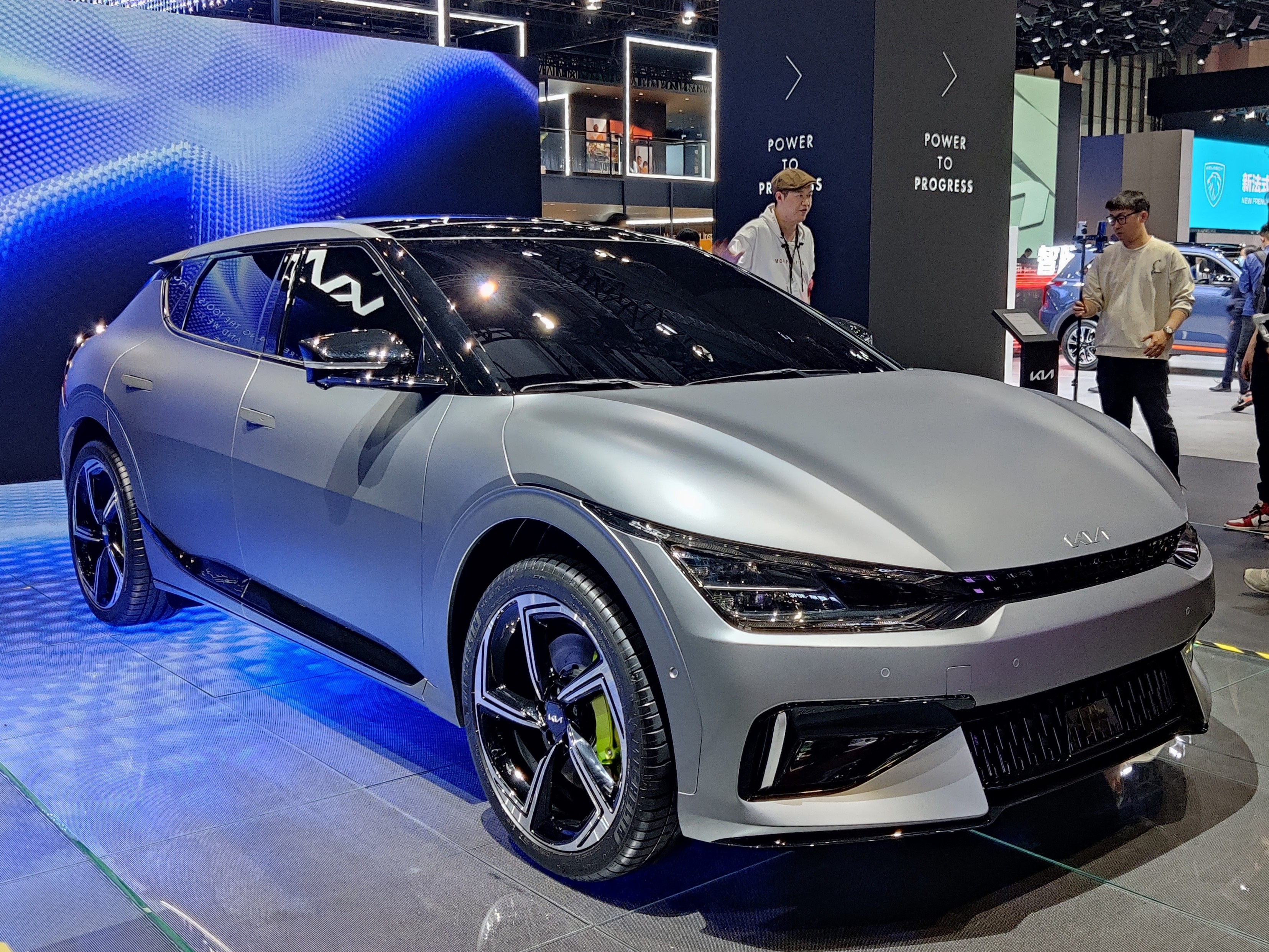
Kia EV6
"Interesting. I do really like the GV60. I mean, it's basically the Genesis EV6, 245.1s] isn't it? Sort of a take on the EV6."
The Kia EV6 is an electric car known for its good looks and how it drives. The host is using it as a comparison to explain why the GV60 looks more like a sleek fastback than a typical high SUV.
The Kia EV6 is an electric crossover/fastback that’s often praised for its design and driving feel. Here, the host uses it as a reference point for the Genesis GV60’s styling—especially the “fastback/estate-like” shape rather than a tall, high-riding SUV stance.

Kia EV9
"Well, I've been having a poke around a friend's EV9. He's bought a new EV9. And I said, how is it? He said, well, it's generally great, but the charging is proving quite expensive."
The Kia EV9 is a big electric SUV. The point here is that if you can’t charge at home, it can get annoying and expensive to rely on public chargers.
Kia EV9 is a large, family-focused electric SUV built around battery-electric power. In this segment, the hosts discuss how its size and charging logistics affect real-world ownership, especially when home charging isn’t convenient.
charging
"He said, well, it's generally great, but the charging is proving quite expensive. And I said, well, why? You can charge at home."
For an EV, “charging” means plugging the car in to refill its battery. If you can’t charge at home, you often have to pay more at public stations.
In EV ownership, “charging” refers to replenishing the battery by plugging the car into an electrical power source. The segment highlights that charging costs can vary a lot depending on whether you can charge at home or must use public charging.
four-wheel steer
"It is massive. And they don't do four-wheel steer on it, do they? This is one of the things we've said in our reviews of both of the cars is that that's the one thing they should really offer a thing, even if it's optional, is four-wheel steer."
Four-wheel steer means the back wheels can turn too, not just the front wheels. This helps the car turn more tightly, which is especially useful for parking and slow turns.
Four-wheel steer is a chassis system where the rear wheels can turn along with the front wheels. That can reduce the turning circle and make low-speed maneuvering—like parking and tight turns—feel much easier.

Hyundai Ioniq 9
"Because the turn I spent a lot of time in the IONIQ 9, which is the Hyundai equivalent of the EV9 last year. And I absolutely loved it."
The Hyundai IONIQ 9 is another big electric car they drove. They liked how efficient it felt and how it turned, and they used it as a benchmark for what the EV9 should offer.
The Hyundai IONIQ 9 is discussed here as a large electric vehicle that offers a notably good turning feel thanks to its steering setup. The hosts compare it directly to the Kia EV9, praising its efficiency and maneuverability.

Audi Etron
"It's the obvious question. I think, well, he did have an Audi e-tron before, but I believe his issue is a lack of contraception."
The Audi e-tron is an electric car from Audi. They mention it because the friend previously had one, but now wants something different due to family needs.
The Audi e-tron is Audi’s electric vehicle line, referenced here as the friend’s previous EV. The segment uses it as background for why the friend is now shopping for a different EV with more seating.
BEVs
"So that's that's that's BEVs, [468.5s] pure electric cars, and plug-in hybrids."
BEV means the car runs only on electricity. It charges from a plug and doesn’t use petrol.
BEV stands for battery-electric vehicle. It means the car is powered only by an electric motor drawing energy from a battery, with no gasoline engine.
plug-in hybrids
"So that's that's that's BEVs, [468.5s] pure electric cars, and plug-in hybrids. I mean, so that is absolutely staggering, isn't it, really, if you actually stop and think about it."
A plug-in hybrid uses electricity and petrol. You can charge it at a plug, and if the battery runs low it switches to petrol.
A plug-in hybrid (PHEV) uses both an electric motor and an internal-combustion engine. It can be charged from an external power source, and it can also run on fuel when the battery is depleted.

5 Renault 5
"... playing for time, really. It was, of course, the Renault 5, which I don't think is a much of a surprise, rea..."
The Renault 5 E-Tech Electric is a small electric car. It uses the “Renault 5” name from an older model, but it’s built to run on electricity. The podcast mentions it as a top pick in their discussion.
The “5 E-Tech Electric” refers to the Renault 5 E-Tech Electric, a modern revival of the classic Renault 5 nameplate in fully electric form. It’s discussed as part of a ranking or comparison, with the episode noting it as “number one” later. That makes it relevant because the car’s appeal is tied to how it performs and fits into everyday EV life.
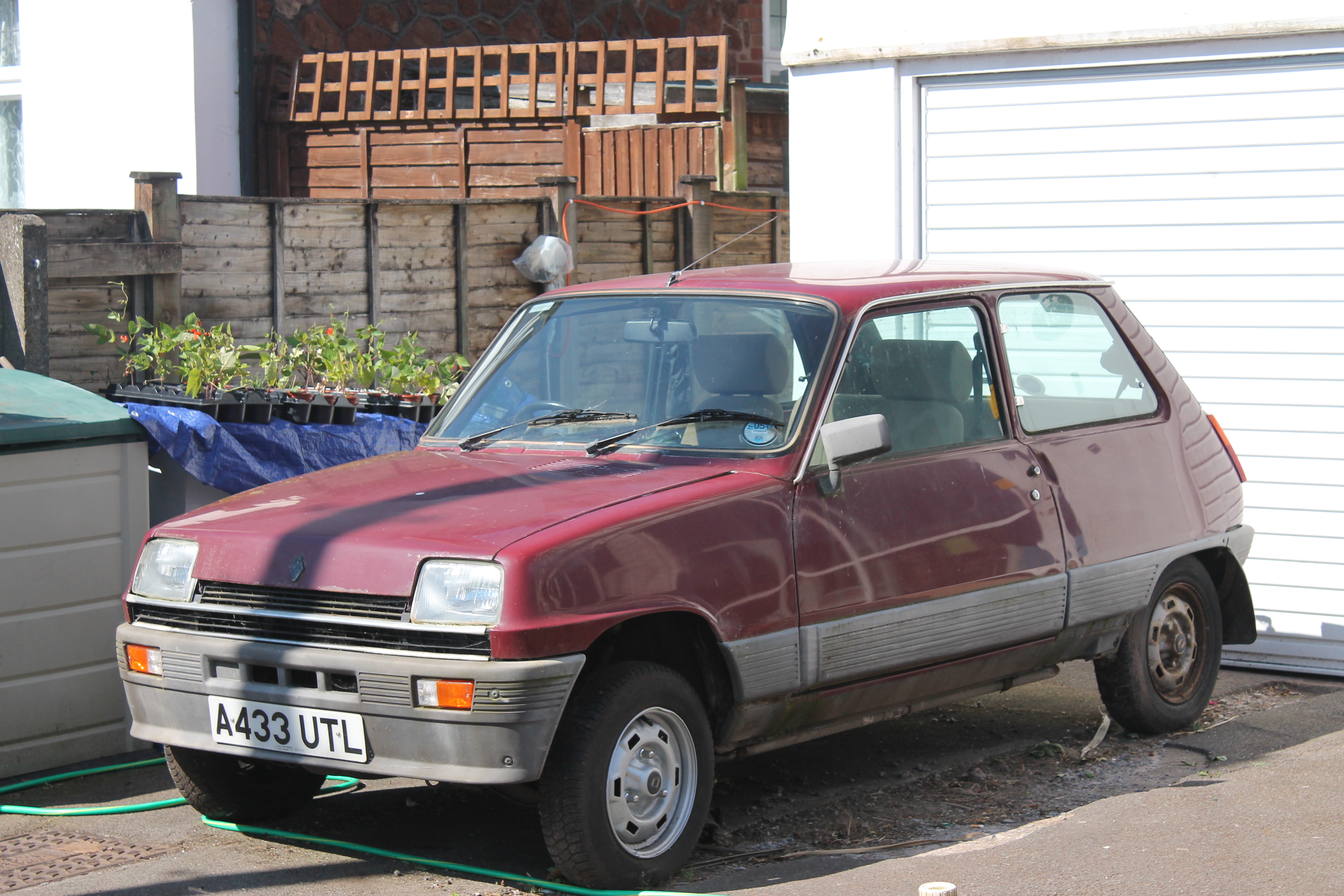
Renault 5
"But can you do you know what the best selling EV was in April? I could have a guess, but [530.8s] but yeah, go on, Batch, tell us what was selling EV. You know, you know, and I'm just I'm just playing for time, really. It was, of course, the Renault 5, which I don't think is a much of a surprise,"
The Renault 5 is a small hatchback, and in this context they’re talking about the electric version. They say it was the top-selling EV in April in the UK.
The Renault 5 is a small, mass-market hatchback that’s being sold in an electric form, which is why it shows up in EV sales charts. In this segment, it’s called out as the best-selling EV in April, tying the model to real UK demand.
one pedal driving
"And Renault has they finally confirmed to electrifying.com that they are going to be fitting it with one pedal driving. I think we broke the story, I think, or we were very [577.4s] we've been saying that Renault will be fitting it. And now Renault has finally confirmed it."
One-pedal driving means you can slow down mostly by lifting your foot off the accelerator. The car uses the electric motor to slow itself and recharge the battery.
One-pedal driving is an EV control mode where lifting off the accelerator slows the car using regenerative braking. It lets drivers do most speed changes with the accelerator pedal, reducing how often they use the brake pedal.
variable regen
"…it's not just the one pedal and it's the flappy paddle variable regen that's already on the Renault 4."
In an EV, regen is how the car slows down while also charging the battery. “Variable” regen means you can choose how strong that slowing/charging effect is.
“Variable regen” means the EV’s regenerative braking strength can be adjusted. Instead of one fixed amount of lift-off slowing, the car can recover more or less energy depending on driver input (like paddles).
flappy paddle
"…it's not just the one pedal and it's the flappy paddle variable regen that's already on the Renault 4."
They mean the little paddle controls behind or on the steering wheel. On this EV, those paddles are used to change how the car slows down and recovers energy.
“Flappy paddle” is a casual way to describe steering-wheel paddle shifters used to control functions. Here, they’re specifically tied to selecting regenerative braking behavior, not traditional gear changes.

Renault 4
"…because it's not just the one pedal and it's the flappy paddle variable regen that's already on the Renault 4. So that was the frustration, wasn't it?"
They’re talking about an older Renault EV setup that already let the driver control how strongly the car slows down using energy recovery. The paddles are like buttons on the steering wheel that change how much slowing you get.
The Renault 4 is being referenced here as the earlier model that already had “variable regen” and paddle controls. In EVs, regen is how the car slows down and recovers energy, and the paddle setup lets drivers choose how strong that slowing effect is.

Corsa GSE
"…there's another car that's been getting me not so much excited, but interested, I would say, which is the Corsa GSE. Oh, yes."
They’re talking about the Vauxhall Corsa GSE, which is a sportier version of the Corsa EV. It’s meant to look and feel more exciting than a normal hatchback.
The Vauxhall Corsa GSE is being highlighted as a “hot” electric hatch with a more subtle, performance-oriented look. The discussion focuses on styling cues that hint at its sporty intent, like the wheel design and interior details.
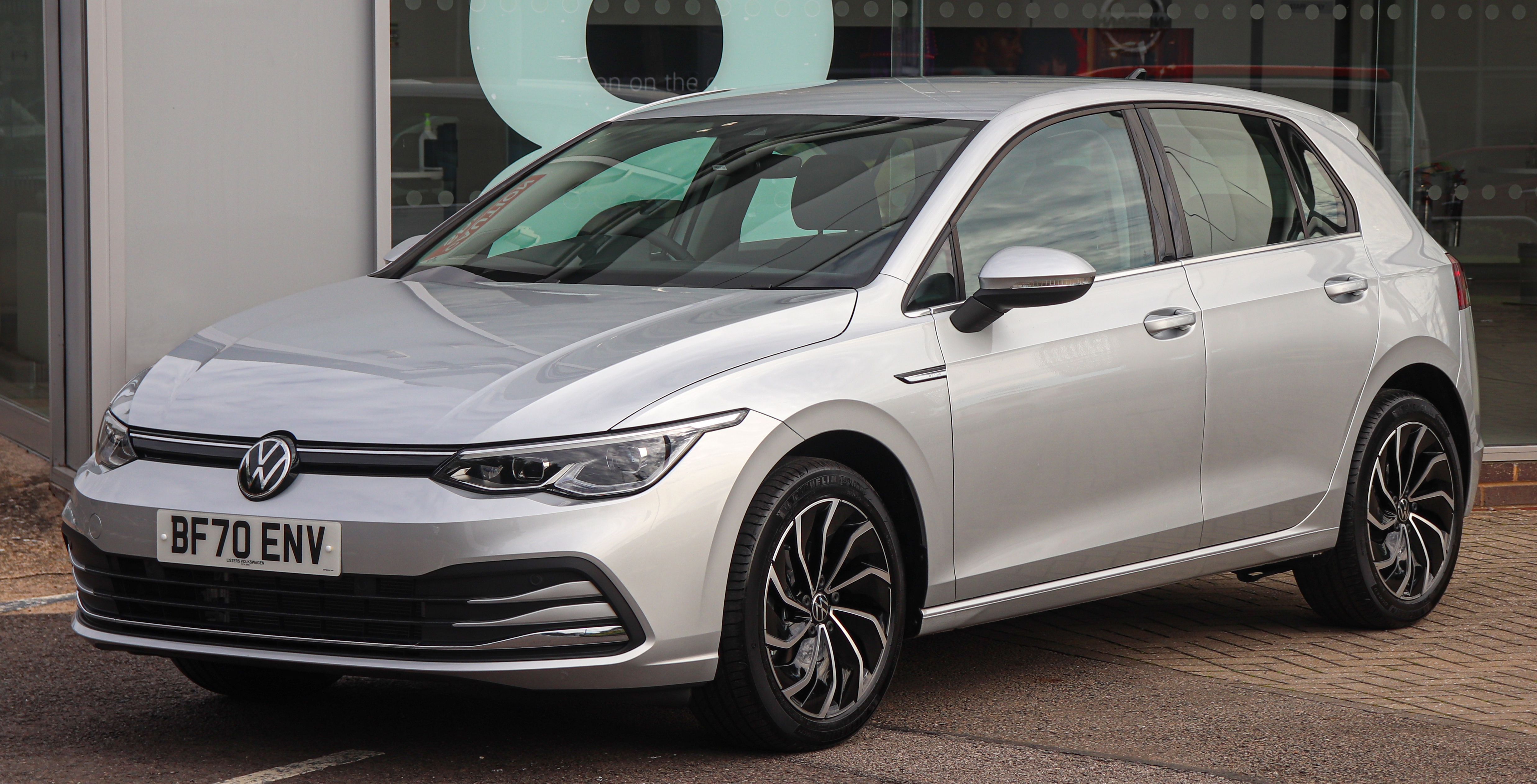
Volkswagen Gti
"... in the way they look, aren't they? The the E 208 GTI was quite aggressive. The even the Polo GTI looks..."
The Volkswagen Golf is a popular compact car. In the episode, it’s mentioned while talking about how certain sporty versions look. That matters because people often choose cars based on both style and the type of driving they want.
The Volkswagen Golf is a widely known compact car platform, and the podcast mentions it in the context of how different performance trims look. The discussion contrasts aggressive styling cues on one model and mentions the Polo GTI as well, but the Golf itself is part of that broader “hot hatch” design conversation. It’s relevant because appearance and trim identity often influence what buyers choose.
three spoke alloys
"…including three spoke alloys. Now, three spoke alloys are a bit of a retro."
Alloy wheels are the metal wheels on the car. “Three spoke” means the wheel has three main spokes, and the host is saying it gives a retro, divisive look.
“Three spoke alloys” refers to alloy wheels designed with three main spokes. The host treats them as a styling signature—some cars suit the look, while others don’t—so it’s being used as a visual clue to the Corsa GSE’s character.

Chevrolet Nova
"...s has them, which is I think it harks back to the Nova. The Nova SR had three spoke alloys. And it's got..."
The Chevrolet Nova is an older model of car that people still talk about today. In the episode, they mention a specific version called the Nova SR and its wheel design. It’s being used as a reference for where a look or feature might have come from.
The Chevrolet Nova is a classic American compact car that’s remembered for its styling and for being offered in performance-oriented trims. The podcast specifically mentions the Nova SR and its three-spoke alloy wheels, using it as a reference point for design details. That kind of historical nod helps explain where certain design cues come from.

Nova SR
"…which is I think it harks back to the Nova. The Nova SR had three spoke alloys. And it's got checked seats as well."
They’re comparing the Corsa GSE’s wheel style to an older Vauxhall Nova SR from the 1980s. It’s basically a “this reminds me of the old days” design reference.
The Nova SR is referenced as a past Vauxhall model that also used three-spoke alloy wheels. The point is design heritage: the Corsa GSE’s wheel choice is being compared to an 1980s-era look.
0-62 time
"And the 0-62 time is 5.5 seconds. Now, in a world where Tesla's are doing it in less than two, [759.2s] that doesn't seem that impressive."
“0-62 time” means how fast the car gets from a standstill to 62 mph. Lower numbers usually mean quicker acceleration.
“0-62 time” is the elapsed time it takes a car to accelerate from 0 mph (or km/h, depending on market) to 62 mph. It’s a common performance metric because it reflects how quickly the car can build speed from a stop.

Lotus Carlton
"But I again, looked back through the history books and remember [764.2s] the Lotus Carlton, which at the time was considered so fast that it was mentioned in parliament as [769.4s] being irresponsible. Yes. Because it was 177 horsepower. And that had a 0-60 time of 5.4."
The Lotus Carlton is a high-performance, rare version of the Vauxhall Carlton that Lotus helped tune. The hosts bring it up to show that an older, powerful car was already very quick for its time.
The Lotus Carlton is a rare performance version of the Vauxhall Carlton, tuned by Lotus. In this segment it’s used as a historical benchmark: the hosts cite its 177 horsepower and a 0-60 time of 5.4 seconds, plus a “twin turbo 3.6 liter” engine.
twin turbo 3.6 liter engine
"[784.7s] which had a twin turbo 3.6 liter engine. Just nuts. And they probably could make it faster."
A twin-turbo engine uses two turbochargers to push more air into the engine. That helps it make more power, and “3.6 liters” tells you the engine’s size.
A “twin turbo” setup uses two turbochargers to force more air into the engine, allowing higher power output than a naturally aspirated engine of similar size. The “3.6 liter” part refers to the engine’s displacement, which is the total volume of all cylinders.
proper diff
"I think you still, even with 281 horsepower and all of [833.8s] that, it's going to, I mean, I'm really keen to see what it's like to drive because it's got a proper [837.5s] diff and all of that stuff."
A “diff” is the part that lets the wheels turn at different speeds, especially when you’re cornering. The hosts are saying the car’s setup should help it grip better and feel more “real” to drive.
A “diff” is short for differential, the gearbox component that lets the left and right wheels rotate at different speeds when turning. When the hosts say it has a “proper diff,” they likely mean a more performance-oriented differential (often limited-slip or torque-vectoring behavior) that can improve traction and feel.
same platform
"because I drove the Mokka GSE and it's basically, it's going to be essentially the same car and [878.6s] same platform. And again, similar styling as well."
“Same platform” means the cars are built on the same basic underlying design. That usually makes them feel similar to drive because many key parts and layouts are shared.
“Platform” in car design means the shared underlying architecture—things like the chassis structure, mounting points, and major electrical/mechanical layouts. When two cars share the same platform, they often have similar driving dynamics and interior packaging, even if their bodies look different.

Vauxhall Mokka
"[865.3s] basic Corsa E was when that first came out five years ago. I think the signs are all good though, [871.8s] because I drove the Mokka GSE and it's basically, it's going to be essentially the same car and [878.6s] same platform."
The Mokka GSE is another electric Vauxhall that the host has already driven. They’re using it as a clue for what the Corsa GSE will feel like because they share the same basic design underneath.
The Vauxhall Mokka GSE is discussed as a driving reference point for the upcoming electric Corsa. The hosts say it’s “essentially the same car” and “same platform,” implying shared underpinnings that can translate into similar driving characteristics and packaging.
limited slip diff
"But yeah, same platform, that limited slip diff. [895.0s] And I remember that Voxel had done some work to the steering on the Mokka as well."
A limited-slip diff helps the car put power down when one wheel starts to spin. It shares power more effectively so you get better grip and control, especially on slippery or uneven surfaces.
A limited-slip differential (often shortened to “limited slip diff”) helps manage wheel slip when one wheel loses traction. Instead of letting the slipping wheel spin freely, it biases torque so the other wheel can keep moving, improving traction and stability.

Alpine A290
"which the Abarth 600e has in the Alpine A290. Soon as you use all of the power, the range goes. [916.2s] But of course, that's just that, let's not go down that rabbit hole."
The Alpine A290 is another EV example they’re using to make a point: if you use full power, the battery drains faster. So the range you get can shrink quickly when you drive hard.
The Alpine A290 is brought up as another EV example where maximum power use causes a noticeable range drop. The hosts are using it to illustrate how driving style and power demand can dominate how far an EV actually goes.

Abarth 600e
"But of course, it's just got the similar problem, which the Abarth 600e has in the Alpine A290. Soon as you use all of the power, the range goes."
The Abarth 600e is mentioned as an EV that doesn’t go as far when you push it hard. The idea is that aggressive driving drains the battery faster, so range drops.
The Abarth 600e is referenced as an example of an EV where using lots of power quickly hurts real-world range. The hosts compare its behavior to the Alpine A290, suggesting a common limitation in how these cars consume energy under hard driving.
CATL
"Okay, so moving on to talking about range, in fact, we've had a video up about CATL's latest battery tech, and it's gone down really well."
CATL is a company that makes EV batteries. The hosts are talking about CATL’s newest battery tech and why people are excited about the potential range it could deliver.
CATL (Contemporary Amperex Technology) is a major Chinese battery manufacturer, and the hosts discuss its latest battery technology. They tie it to a Beijing auto-show story and focus on how it could enable very long EV range claims.
semi solid state battery
"So they've launched a battery that can do 930 miles to a charge to a single charge. So this is not a solid state battery, it is a semi solid state battery."
A semi solid state battery uses a gel-like material instead of a fully liquid chemical inside the battery. The goal is to make it safer and potentially help the battery store more energy.
A semi solid state battery is an intermediate step between conventional liquid-electrolyte lithium-ion cells and fully solid-state batteries. Here, the electrolyte is a compressed gel rather than a liquid, which can improve safety if the cells are damaged.
compressed gel
"So it uses a compressed gel in place of a liquid electrolyte. So that makes it safer if the cells are compromised. And it also means that it's much more energy dense."
Here, the battery uses a thick gel instead of a liquid inside. The gel can make the battery safer if something goes wrong, and it can also help the battery store more energy.
In this battery design, a compressed gel replaces the usual liquid electrolyte. That matters because the gel can reduce leakage and improve safety if the cells are compromised, while also supporting higher energy density.
energy dense
"And it also means that it's much more energy dense. [963.4s] yeah, it's interesting. It's very interesting tech."
Energy density is basically how much “battery power” you can fit into a certain size or weight. More energy density usually means you can drive farther without adding more battery mass.
Energy density is how much energy a battery can store for a given weight or volume. Higher energy density generally means more driving range from the same battery size, or a smaller battery for the same range.
WLTP
"That is Chinese official range figures, which is more optimistic than WLTP. So by WLTP standards, [977.0s] I don't know, just as a rough estimate, I'd say you're going to be more like 800 miles,"
WLTP is a standardized testing method used to estimate how far a car can go on a charge. The hosts are saying the Chinese range number may look bigger than what you’d expect under the WLTP test.
WLTP (Worldwide Harmonised Light Vehicles Test Procedure) is a standardized method used in Europe to estimate fuel economy and EV range. The hosts note that CATL’s “930 miles” claim is based on Chinese official range figures, which they expect to be more optimistic than WLTP results.
battery swap technology
"But it was just really amazing walking around the stand out there, seeing all this new tech, [1015.9s] they had a really cool, you could, you could experience the battery swap technology as well."
Battery swap means you trade your nearly-empty battery for a full one at a station. Instead of charging for a long time, you can get going quickly—if the swap network is available.
Battery swap technology is the idea of exchanging a depleted EV battery for a fully charged one at a station, rather than waiting for charging. The hosts mention experiencing it on the stand, which highlights how infrastructure can reduce downtime and change the EV ownership experience.
1500 kilowatt charges
"but you need really, really fast charges with, you know, basically up to 1500 kilowatt charges to support that kind of charging."
“1500 kilowatt” charging means an extremely powerful charger—much stronger than most public fast chargers you’ll see today. Using that much power requires big electrical infrastructure upgrades. It’s mentioned because it’s needed to make very quick charging times possible.
The speaker is referring to ultra-high-power fast charging on the order of 1500 kW (1.5 MW). That kind of power is far beyond typical public DC fast chargers, and it implies major upgrades to the electrical grid, substations, and charger design. It’s the kind of capability needed to support the “flash charging” targets described earlier.
battery chemistry
"there seems to be a move towards providing different battery tech for different installations. So I think we're going to see a bit more variation in battery chemistry for different, different EVs and different commercial vehicles as well"
Battery chemistry is what the battery is made of inside. Different types of battery materials can change how far the car can go, how fast it charges, and how well it performs in different conditions. The idea here is that different vehicles might use different battery types.
Battery chemistry is the specific materials used in the battery cells (for example, different lithium-ion chemistries). Different chemistries can trade off range, power delivery, charging speed, cost, and temperature behavior. The speaker suggests the industry may use different chemistries for different EV types and use cases.
MC battery
"they knew they've got an all rounder and MC battery, which is, I think probably the one that we'll actually see in premium cars in Europe."
“MC battery” is likely shorthand for a specific battery-cell chemistry or platform the speaker expects to be common in premium EVs in Europe. The key point is that the speaker is distinguishing this battery type from others and predicting which one will show up in higher-end vehicles. Without more context from the transcript, the exact expansion of “MC” can’t be confirmed.
energy density
"really impressive energy density. So overall, I was just really pleased to see a lot of batteries that are really improving."
Energy density tells you how much “battery power” you get for the battery’s weight (and sometimes size). Higher energy density generally means more range without adding weight. The speaker thinks this will be the big factor as EVs get better batteries.
Energy density is a measure of how much electrical energy a battery can store for a given weight (or sometimes volume). Higher energy density usually means more range for the same battery mass, or a lighter battery for the same range. The speaker frames it as the metric that will matter as battery tech improves and becomes cheaper.
range per kilogram of battery cell
"the amount of range you get per kilogram of battery cell, because I think that will be the important thing, isn't it?"
This means how far the car can go for each kilogram of battery material. If that number improves, you can get more range without making the battery heavier. That’s why it matters for efficiency and real-world EV design.
“Range per kilogram of battery cell” is a practical efficiency metric: how much driving distance you can get for each kilogram of battery material. It’s closely tied to energy density and helps compare battery generations even when total pack sizes differ. The speaker suggests that improvements here will translate into lighter, more efficient EVs.
kilowatt (kW)
"an extra 20 miles or something, especially since it's a, you know, a quid per kilowatt at the services."
A kilowatt (kW) is a measure of how much charging power the station is providing. If the price is “per kilowatt,” it means the cost is tied to how much power/energy you’re using while charging.
A kilowatt (kW) is a unit of power, and EV charging stations are often priced in terms of power delivered (or related measures). When someone says “a quid per kilowatt,” they’re talking about the cost tied to charging power/energy usage at that station.
public charger
"Yeah. I've actually had the same thing as well, where you don't say, you know, if you haven't set a limit on the battery charge or whatever, and you've left it on a public charger and you're"
A public charger is an EV charging station available to anyone, usually found at places like service areas, shopping centers, and highways. Pricing and charging behavior at public chargers can strongly affect how convenient fast charging feels in real life.

Dodge Charger
"...e the same thing. You rush back to get it off the charger because you don't need the charge. Yeah. It's int..."
The Dodge Charger is a big car that’s built for power and fast driving. It’s the kind of car people talk about when they’re comparing how long you need to charge a car versus how much you actually use. That’s why it can show up in a discussion about charging routines.
The Dodge Charger is a large, performance-oriented sedan/coupe-style muscle car known for strong acceleration and a big, V8-focused heritage. In a podcast about EV charging and efficiency, it may come up as a contrast point—especially when discussing how quickly you can “get it off the charger” when you don’t actually need much charge. That kind of comparison helps highlight how charging habits and vehicle needs affect real-world time and cost.
Comfort Range
"So a Techno Plus, so the latest version, it's not a pre-reg one, Comfort Range, that's the 52 kilowatt hour one, not the cheaper smaller battery one,"
“Comfort Range” is a version of the Renault 5 that comes with a bigger battery. A bigger battery usually means you can drive farther before you need to recharge.
“Comfort Range” is a battery/range trim level for the Renault 5 that’s associated with a larger battery pack. In the segment, it’s explicitly linked to a 52 kWh battery, which affects how far the car can go per charge.
52 kilowatt hour
"Comfort Range, that's the 52 kilowatt hour one, not the cheaper smaller battery one,"
“52 kilowatt hour” is how big the EV’s battery is. A larger number usually means you can travel farther on a single charge.
“52 kilowatt hour” (kWh) is the battery capacity being discussed for the Renault 5 Comfort Range. Higher kWh generally means more stored energy, which typically translates to more driving range per charge (though real-world range also depends on efficiency and driving conditions).
heat pumps
"He says, I'm seriously considering buying my first EV and I'm drawn to the Coupre Reval and the Polo, but was surprised to see that neither of them come with heat pumps."
In an EV, a heat pump is a more efficient way to heat the cabin. Instead of using lots of battery power to make heat from scratch, it moves heat around, which can help the car go farther in cold weather.
A heat pump in an EV is an efficiency-focused climate system that uses electricity to move heat rather than generating it directly. That matters because heating can otherwise drain the battery, especially in cold weather, so cars with heat pumps often maintain range better.

Volkswagen Polo
"He says, I'm seriously considering buying my first EV and I'm drawn to the Coupre Reval and the Polo, but was surprised to see that neither of them come with heat pumps."
The Volkswagen Polo is a small car model. In this discussion, it comes up because someone is comparing EV options and wants to know if the car has a heat pump to help with heating efficiency.
The Volkswagen Polo is a small hatchback that’s being mentioned here as a potential EV-related shopping comparison. The key point in this segment is the buyer’s concern about whether the Polo (or the EV versions being considered) includes a heat pump, which affects winter efficiency and range.

Raval Coupre Reval
"...nsidering buying my first EV and I'm drawn to the Coupre Reval and the Polo, but was surprised to see that neith..."
The Raval mentioned in the podcast is a concept car from Cupra. A concept car is a preview of what a future production car could look like or include. The speaker is comparing it to other EVs they’re interested in and was surprised by what it did or didn’t have.
“Raval” in the podcast appears to refer to the Cupra Raval concept, which is being compared to other small EVs the listener is considering. Concept cars like this are discussed to gauge future design direction and what features might come to market. The episode notes the listener was surprised that certain expected options weren’t present, which highlights how concept specs can differ from assumptions.
scientific back-to-back test
"what we really need to do [1564.9s] is a scientific back-to-back test with a car that has a heat pump and a car that doesn't [1568.6s] and do the same journey and see what the difference is."
A back-to-back test compares two vehicles under the same conditions to isolate the effect of one variable (here, whether the EV has a heat pump). Doing the same journey, route, and conditions helps reduce “noise” from weather, driving style, and traffic. This is especially important for EV range claims because winter range can swing a lot even with small changes.
efficiency
"I wouldn't say [1588.7s] scientific, but I think that the engineers say it's kind of 10 to 20% efficiency, isn't it, [1593.0s] with a heat pump, which is reasonably significant if you've got a smaller battery car."
In this context, “efficiency” means how much electricity the car needs to produce the heat you want. A more efficient system uses less power for the same warmth, which can help your EV go farther in winter. The host is saying the improvement might be around 10–20%.
Here, “efficiency” refers to how effectively the heat pump converts electrical energy into useful heating (and/or how much it reduces energy needed for cabin and battery warming). The host cites an estimate of roughly 10–20% efficiency improvement, which can matter more for EVs with smaller batteries because every extra kWh used in winter has a bigger impact on range. It’s a key reason heat pumps are marketed as a winter-range upgrade.
recoup
"I did a sum once of it's a £1,000 option on something like a Kia [1604.2s] and how long it would take you at 10% efficiency to recoup that £1,000 that you've spent on the [1610.5s] heat pump."
“Recoup” means “get your money back.” The host is doing a simple calculation: if the heat pump costs extra, how long would it take the reduced electricity use to make up that extra cost. It depends on how much you drive in winter and how much range/charging time you actually save.
“Recoup” here is used in an EV cost/benefit sense: the host is estimating how long it would take the energy savings from a heat pump to offset the upfront purchase price. This is essentially a payback-period calculation based on assumed efficiency gains and real-world charging costs. It’s a useful way to judge whether an optional EV feature is worth paying for.
winter range
"And don't worry so much about your winter range and you'll be absolutely fine. I think there are other things they can do to make heaters more efficient as well."
Winter range means how far an EV can go when it’s cold outside. Heating the cabin and cold battery behavior can reduce the distance you’ll actually get.
Winter range is the reduced driving distance an EV can achieve in cold weather. Cold temperatures increase energy use for cabin heating and can reduce battery efficiency, so the car may not match its advertised range in winter conditions.
insulation
"So even stupid things like having more insulation in the car. To preserve the heat you've got inside the car can be almost as efficient as having a heat pump"
Insulation is how the car keeps heat from escaping. If the cabin loses less heat, the heater doesn’t have to work as hard, which can help the EV use less energy.
In an EV cabin, insulation reduces heat loss to the outside environment. Better insulation (and related measures like thicker glass) helps keep the cabin warm longer, lowering the energy needed from the heating system.

Hyundai Kona
"I'm looking to buy a couple of EVs. So I hope you don't mind two different questions. The first EV is for me is I need one for my commute to around 120 miles round trip... I'm thinking of a Kona ultimate... on salary sacrifice, the mid-level trim is about £40 a month more expensive than the Kona top trim."
The Hyundai Kona is a compact car that comes in EV form. Here it’s being considered for a daily commute, and the discussion is about whether a more expensive trim is worth the extra monthly cost.
The Hyundai Kona is a compact EV/crossover that’s often compared on real-world practicality like range, charging, and cabin space. In this segment, the host discusses choosing between Kona trims under a salary-sacrifice pricing difference for a commute-focused buyer.

Kia EV3
"...imate, even though your podcast would suggest the EV3. However, on salary sacrifice, the mid-level trim..."
The Kia EV3 is an electric SUV. The episode mentions it because people may be able to get it through salary sacrifice and choose a mid-level trim. They’re basically comparing what you get for the money.
The Kia EV3 is an electric compact SUV positioned as a more affordable entry point in Kia’s EV lineup. The podcast mentions it in the context of salary sacrifice and trim levels, implying they’re weighing cost and equipment. That makes it relevant to listeners trying to match monthly affordability with the features they actually want.

Kia EV4
"...at else is there? I was going to say, I did three EV4 then. Yeah, Scenic's probably one of the best. Th..."
The Kia EV4 is an electric car model. The podcast brings it up while discussing which EVs to consider and how they compare. It’s part of the decision-making process for choosing the right electric vehicle.
The Kia EV4 is referenced as another electric model the speakers are considering, with the conversation focusing on which EV makes the most sense for their needs. Mentions like “I did three EV4 then” suggest they’re comparing options or test-driving/shortlisting. In an EV podcast, that typically ties to practicality, range expectations, and overall ownership fit.

Renault Scenic
"Scenic's probably one of the best... I reckon the Renault Scenic could be a good one... Just, is the Scenic too large as a car compared to a Kona?"
The Renault Scenic is a family-focused van-like car. In this discussion, they’re comparing its bigger size and back-seat space to a smaller SUV like the Kona.
The Renault Scenic is a compact MPV (people-mover) that’s designed to maximize passenger space, especially for families. The hosts compare it to the Hyundai Kona, focusing on whether the Scenic’s larger size is worth it for rear-seat comfort and usability.

LeapMotor B10
"So I was thinking LeapMotor as well. The LeapMotor B10, that's got tons of space in the back of it. And I bet that's really cheap to lease"
The Leapmotor B10 is a Chinese electric car. They’re saying it’s built to feel roomy in the back, and they think it could be a cheap lease option.
The Leapmotor B10 is a Chinese-market EV positioned as a value-focused family car, and the hosts highlight its rear-seat space. They also connect that space-first packaging to the idea that some Chinese brands prioritize maximizing passenger room.

Alpina B10
"...o I was thinking LeapMotor as well. The LeapMotor B10, that's got tons of space in the back of it. And ..."
The Alpina B10 is a luxury sedan that’s tuned to be faster and more enjoyable to drive than a standard version. It’s meant to feel comfortable, but still deliver strong performance. The podcast mentions it as one of the options being considered.
The Alpina B10 is a performance-focused luxury sedan based on the BMW 5 Series platform, tuned for stronger power and a more refined driving feel. The podcast mentions it in the same breath as other alternatives, suggesting it’s part of a shortlist for someone looking for a fast, comfortable car. It’s relevant because it represents a different approach to performance than EVs—more about driving character than charging.

Volkswagen Eup
"Recommend it. Any others you'd suggest? So in terms of insurance costs, I think the Volkswagen E-Up is very cheap to insure, isn't it? That's one of the cheaper ones. And I absolutely love that car. Obviously, say at me, Electric, that version as well, but the E-Up, especially because they"
The Volkswagen e-Up is a small electric car meant for city driving. It’s designed for everyday trips rather than long-distance travel. The podcast says it’s usually cheap to insure and that the speaker really likes it.
The Volkswagen e-Up is a small electric city car designed to keep things simple and affordable for short-to-medium trips. It’s specifically called out in the episode as being “very cheap to insure,” which can make it attractive for first-time EV buyers. The host also mentions loving the car, tying the ownership cost conversation to real daily usability.

Fiat 500
"...it's one of the cheapest cars to insure. The Fiat 500 E is also really cheap to insure, but if you've g..."
The Fiat 500 is a small car made for city driving. It’s easy to handle and park in tight spaces. The podcast brings it up because it’s often cheaper to insure than many other cars.
The Fiat 500 is a small city car known for being easy to park and maneuver, which makes it a common choice for urban driving. In the episode, it’s mentioned because it’s “one of the cheapest cars to insure,” which matters a lot for total ownership cost. That’s why it comes up in a discussion focused on insurance and EV alternatives.
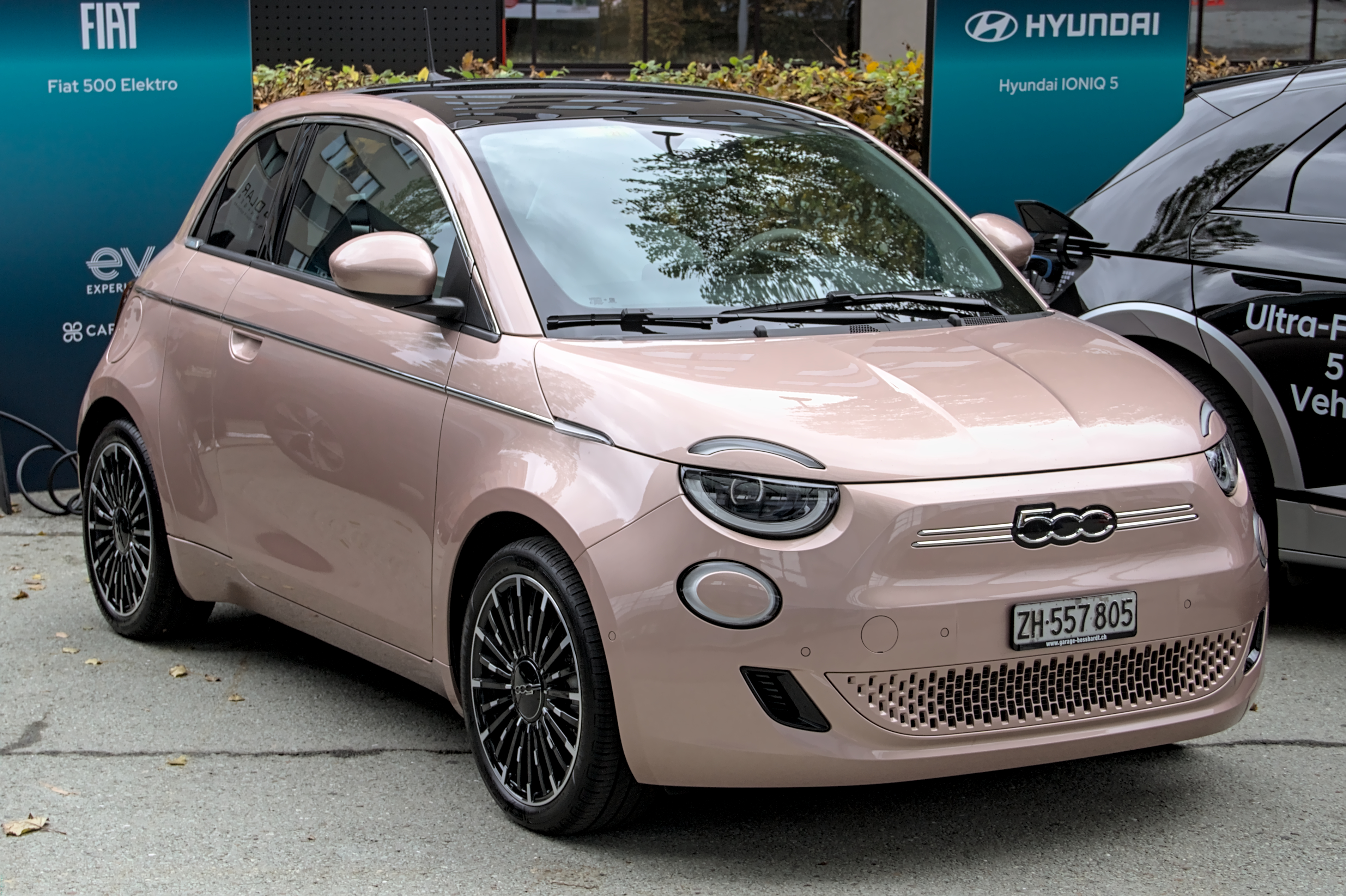
500e Fiat 500 E
".... So it's one of the cheapest cars to insure. The Fiat 500 E is also really cheap to insure, but if you've got..."
The 500e is an electric version of the Fiat 500. It’s a small car that runs on electricity instead of petrol. The episode brings it up because it’s often cheaper to insure than many other cars.
The 500e is the electric version of the Fiat 500, designed to keep the small-car format while switching to battery power. The podcast highlights it as “one of the cheapest cars to insure,” which can be a major factor for EV adoption. It’s mentioned alongside the Fiat 500 E to reinforce the theme of low ownership costs.

Volkswagen Egolf
"cars to insure. The Fiat 500 E is also really cheap to insure, but if you've got a Sunoo 6x3, I can't help but think that might not be right. But E-Up's really good. Even the E-Golf too, actually, I would say. A lot of people forget about the E-Golf. I mean, real world ranges only"
The Volkswagen e-Golf is a fully electric hatchback. It’s basically a Golf that runs on electricity instead of petrol. The podcast mentions it because it may be relatively inexpensive to insure compared with some other EVs.
The Volkswagen e-Golf is a battery-electric version of the Golf, designed to bring EV practicality into a familiar hatchback shape. It’s often discussed in the context of running costs and insurance, since smaller EVs can be cheaper to own than larger ones. In this episode, it’s grouped with other EVs as part of a conversation about insurance pricing.
ADAS systems
"[2037.7s] really high. And I don't know why. Is it going to be to do with ADAS systems and that kind of thing, [2043.2s] maybe?"
ADAS systems are driver-assistance technologies (like collision warning or lane-keeping) that help prevent crashes or reduce driver workload. The hosts speculate that ADAS can raise insurance costs because repairs and calibration after an accident can be expensive.
charge port
"[2043.2s] maybe? I think it might be because the charge port's at the front. So if you have a light shunt, [2048.9s] then you're having to repair all that, which is obviously a bad thing."
The charge port is where you plug a vehicle into a charger to replenish the battery. The hosts suggest that if the charge port is mounted at the front, front-end damage could require more expensive repairs, which can affect insurance pricing.
light shunt
"[2043.2s] maybe? I think it might be because the charge port's at the front. So if you have a light shunt, [2048.9s] then you're having to repair all that, which is obviously a bad thing."
A “light shunt” is a minor collision, typically low-speed, that can still damage components. Even small impacts can be costly on EVs if they hit areas like the front-mounted charge port or related wiring and sensors.
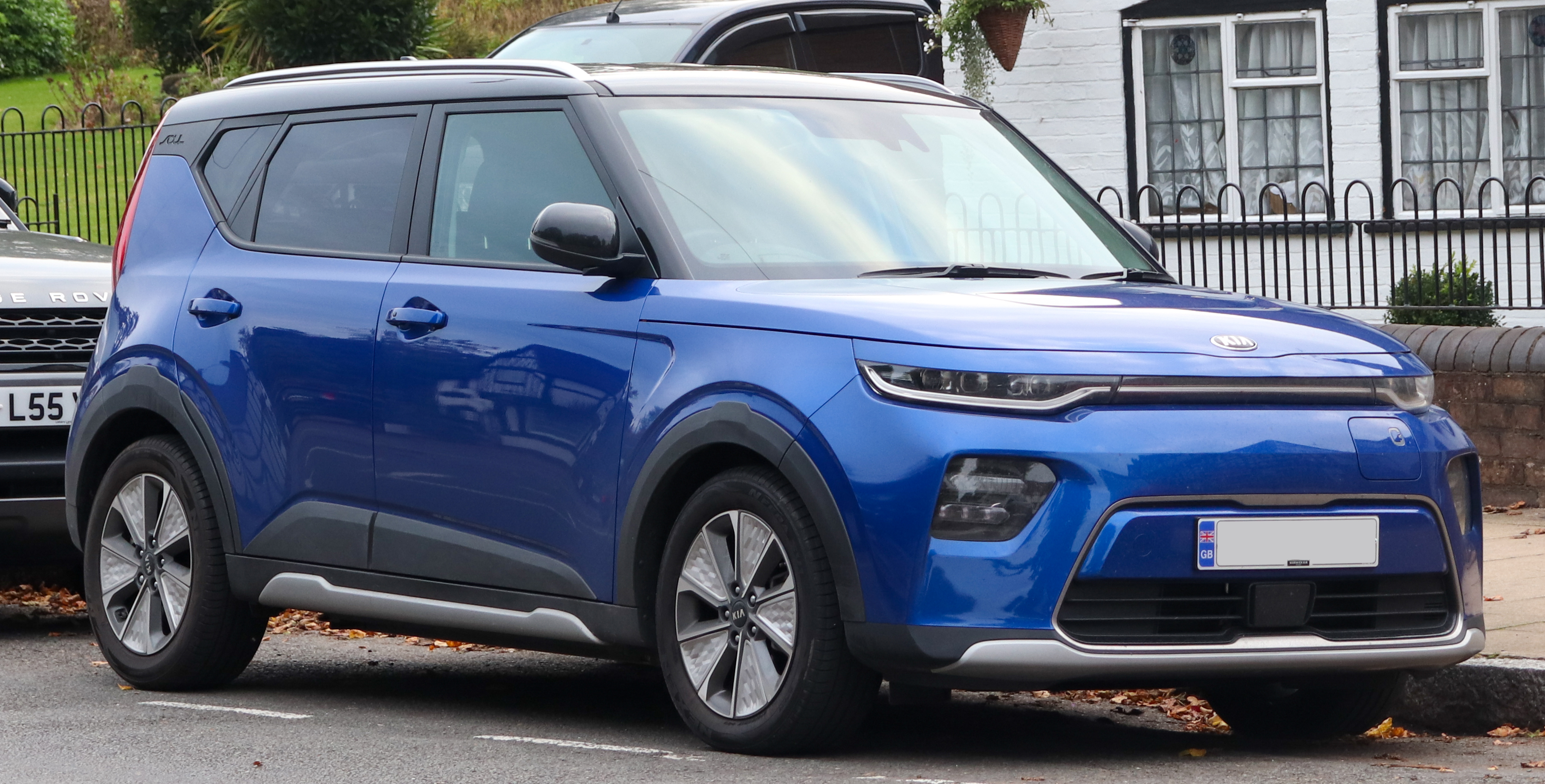
Kia Soul
"Oh, what about a Kia Soul? A Kia Soul would be a good shot, wouldn't it? [2072.1s] The Soul EV, that is a great little car."
The Kia Soul is a small, practical car with a distinctive boxy shape. Here they’re talking about the electric version (Soul EV) as a good used-car choice for a certain budget.
The Kia Soul is a compact, boxy crossover/hatchback that’s popular in the UK and Europe. In this segment, the hosts specifically discuss the Soul EV as a used-car option and compare it to other EVs like the Zoe and Leaf.
insurance group
"Is it really? Is it really an insurance group? Yeah. So... [2106.2s] £10,000 now, aren't they? The early ones. That could be an interesting one. [2110.1s] Because I think that's Group 18."
In the UK, cars get an “insurance group” number that helps insurers decide how much it’ll cost to insure that model. Lower groups often mean cheaper insurance.
In the UK, an “insurance group” is a rating system insurers use to estimate how expensive a car is to insure. Higher groups generally mean higher premiums, so the hosts use group numbers to argue that certain EVs could be cheaper to insure than expected.

Hyundai Ioniq
"...ell and enjoying the warmer weather, like with my Hyundai Ioniq 6, especially when it was 22 degrees on Thursday ..."
The Hyundai Ioniq 5 is an all-electric SUV. It’s designed to be practical for normal driving, not just short trips. The podcast mentions it in connection with how it feels to use an EV in different weather.
The Hyundai Ioniq 5 is a fully electric crossover designed for everyday comfort and efficient long-distance driving. It’s often discussed because it’s practical, has a modern interior, and performs well in real-world conditions. In this episode, it’s mentioned alongside other Hyundai EVs in the context of weather and day-to-day use.

Hyundai Ioniq 6
"like with my Hyundai Ioniq 6, especially when it was 22 degrees on Thursday and I popped the sunroof open but forgot the sun would be so hot. [2177.8s] Well, he carries on saying he's had an Ioniq 6."
The Hyundai Ioniq 6 is an electric car made by Hyundai. The listener is sharing how they use it day to day and how efficient it feels in their driving.
The Hyundai Ioniq 6 is an electric sedan known for its aerodynamic shape and efficiency-focused design. In the listener email, the host highlights real-world use (including opening the sunroof) and mentions the car’s rear-wheel-drive setup as part of the ownership experience.
rear wheel drive
"The Ioniq 6 is the ultimate edition rear wheel drive. Definitely a total upgrade from my previously owned Ioniq BEVs,"
Rear-wheel drive (RWD) means the car sends power to the rear wheels instead of the front. In an EV, that can change how the car feels to drive—often with different traction and stability behavior than front-wheel-drive versions.
miles per kilowatt hour
"3.8 miles per kilowatt hour average over the last 13,900 miles. Carry on the good work team, ... nearly all the time I'd be getting about four miles per kilowatt hour and sometimes ... nudging five miles per kilowatt hour"
Miles per kilowatt-hour is a way to measure how efficiently an electric car uses its battery. More miles per kWh means you waste less electricity and get better range in real life.
Miles per kilowatt-hour (mi/kWh) is an EV efficiency metric that tells you how far the car can travel using one unit of battery energy. Higher mi/kWh means the car is using electricity more efficiently, and it’s strongly affected by speed, temperature, and driving conditions.

Dodge Journey
"...iles per kilowatt hour and sometimes on a shorter journey when the weather was nice, that would even be nud..."
The Dodge Journey is a larger family-style SUV. In this podcast, it’s mentioned in a conversation about how efficiently cars use energy. The speaker is comparing how far you can go depending on conditions like weather and trip length.
The Dodge Journey is a midsize SUV that’s typically associated with petrol powertrains, but in this episode it appears in a discussion about efficiency and energy use. The mention of “miles per kilowatt hour” suggests the conversation is comparing real-world energy consumption figures across different vehicles or driving conditions. That’s why it’s brought up alongside EV-related efficiency talk.

Opel Astra
"...les or 4.2. So yeah, for me, I always hold up the Astra Electric as my efficiency champion. How about you..."
The Opel Astra is a compact car, and the episode specifically talks about the Astra Electric. The speaker says it’s very efficient, meaning it can go further on the electricity it uses. That’s important because it can reduce how often you need to charge.
The Opel Astra is a compact car, and in this episode the speaker calls out the Astra Electric as their “efficiency champion.” That implies they’re discussing real-world energy use—how many miles you can get per unit of electricity—rather than just official figures. It’s brought up because efficiency directly affects charging frequency and running costs.

Kia E-Niro
"The most efficient car I've ever lived with was the Mark 1 Kia E-Niro, which I also spent six months living with. And I used to get five miles per kilowatt hour out of that without really even trying."
The Kia E-Niro is an electric crossover. The hosts say it was extremely efficient for them, especially compared with other EVs they’ve owned, and it still did well in winter.
The Kia E-Niro (Mark 1) is an electric version of the Niro crossover, and the hosts call it their most efficient car they’ve lived with. They’re comparing real-world consumption in miles per kilowatt-hour across seasons, highlighting how the car stays efficient even in winter.
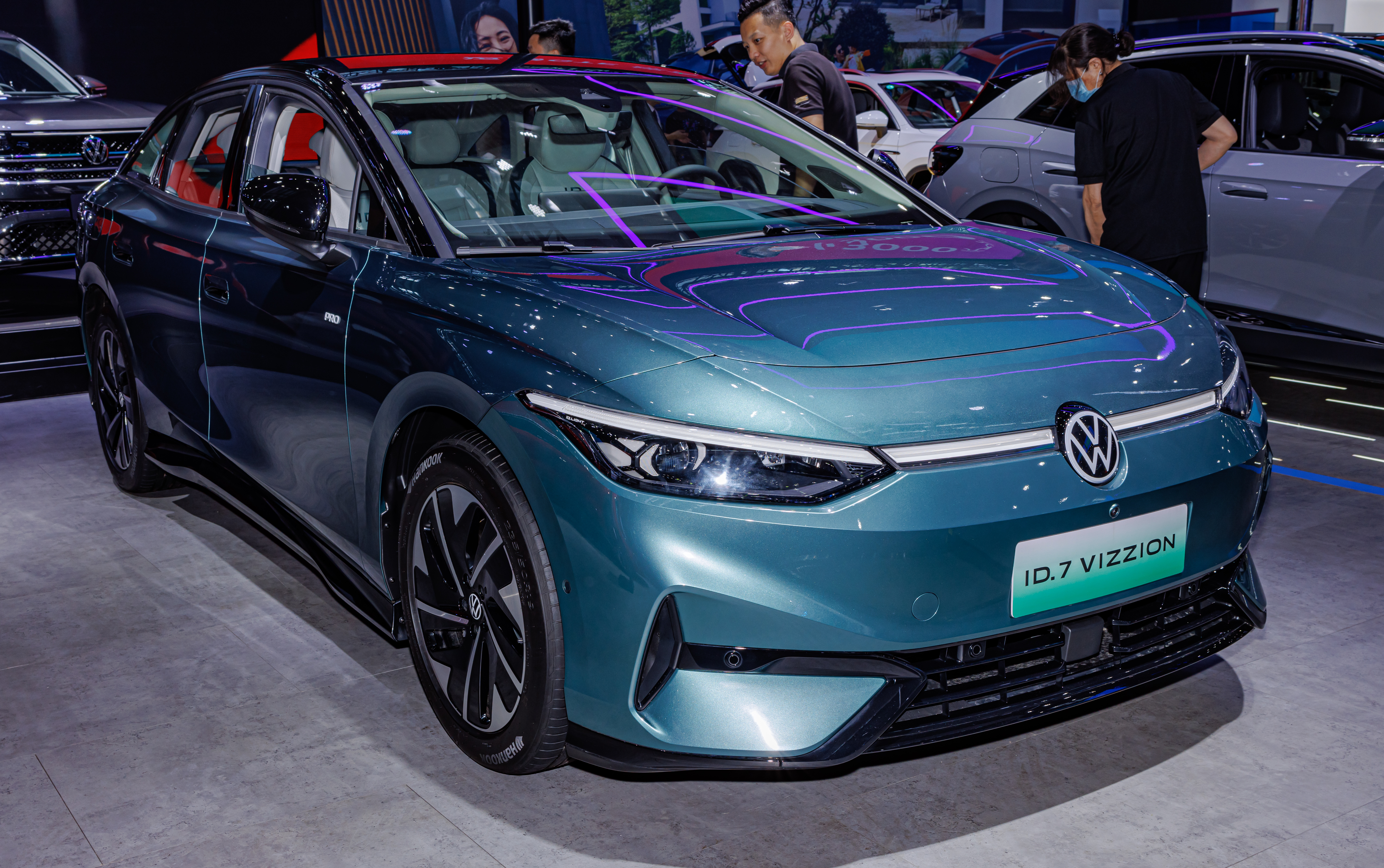
Volkswagen Id7
"... obligatory, a small shout out for the Volkswagen ID7 that I lived with for a while, which for a big ol..."
The Volkswagen ID.7 is an electric car. The podcast speaker says they lived with one for a while, so they’re sharing what it was like to use it in real life. It’s mentioned because it’s a larger EV and that can affect comfort and everyday practicality.
The Volkswagen ID.7 is a fully electric large sedan designed for comfortable, long-distance cruising. The podcast mentions a “small shout out” to the ID.7 they lived with, which suggests they’re sharing personal ownership experience. It’s relevant because it helps listeners understand how an EV feels day-to-day in a bigger, more family-oriented body style.
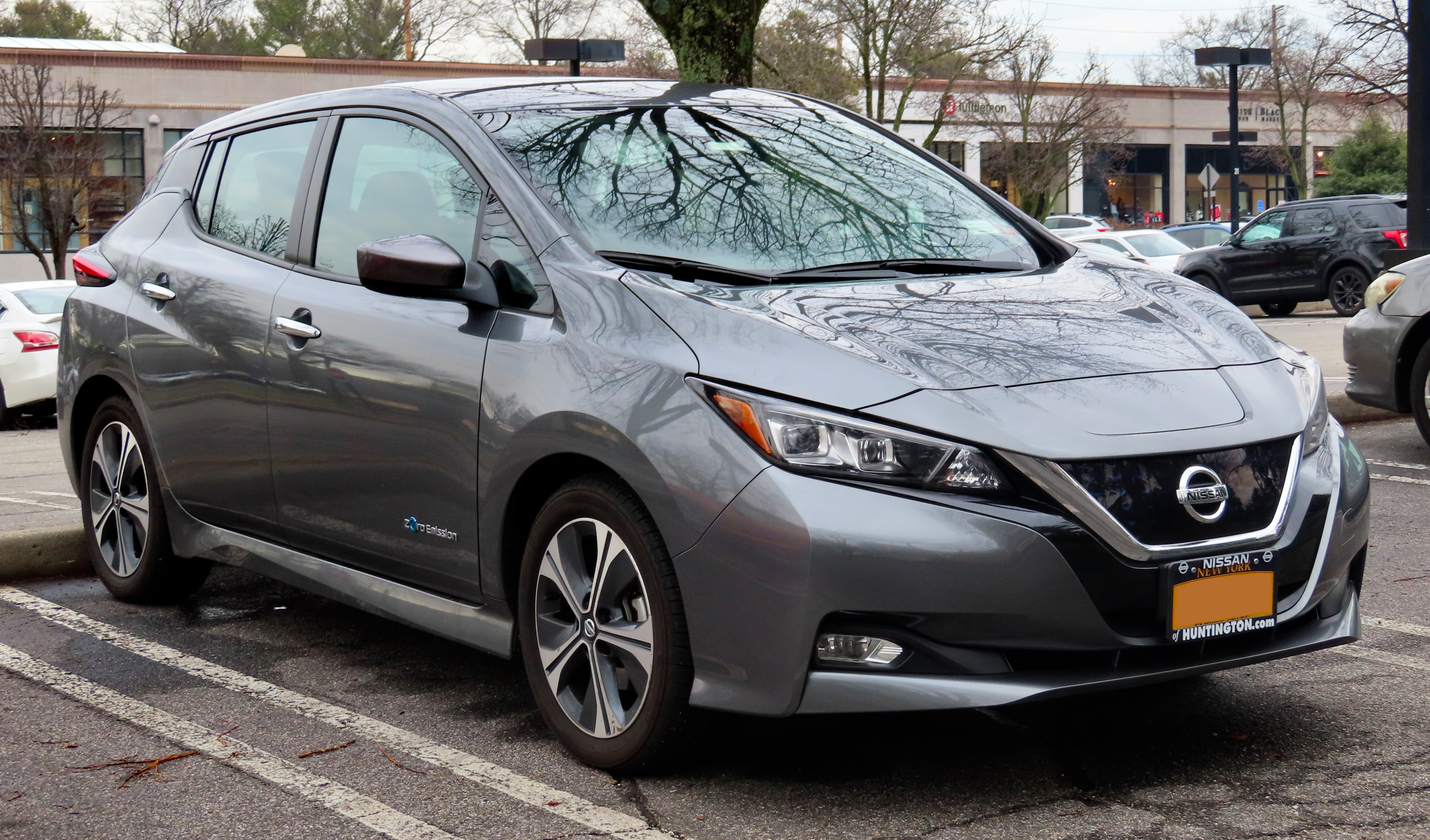
Nissan Leaf
"I think our leaf over what we had at 11 years or something did 3.8 over 40,000. No, more than that, 60,000 miles. So but I think then later cars, including an Astra that I ran, were doing more than that. But that's just technology, isn't it? ... I think the leaf had a heat pump, but and the weather makes such a difference, doesn't it?"
The Nissan Leaf is a well-known electric car. The hosts mention it had a heat pump, which helps the car use electricity more efficiently in cold weather.
The Nissan Leaf is an early-generation mass-market EV, and the hosts compare its efficiency to newer EVs. They specifically mention that their Leaf had a heat pump, which can improve winter efficiency by using waste heat more effectively for cabin heating.

Volvo XC60
"And then my neighbor who's got a Volvo XC60, my range is showing 300 all of a sudden. What's happened? I'm like, it got warmer."
The Volvo XC60 is mentioned because its EV range number changes with the weather. When it gets warmer, the car can often use energy more efficiently, so the estimated range goes up.
The Volvo XC60 is a plug-in/EV-relevant SUV in this discussion because its displayed range changes with weather. The hosts use it as an example of how EV range estimates can jump when temperatures improve.

Kia Niro
"So when they did the new Kia Niro, which was actually sort of a very, very heavy facelift, wasn't it? It was the same platform underneath. But that became much less efficient, I think, because they added a lot of safety stuff and tech."
The Kia Niro is used to illustrate a trade-off: updates can make a car nicer and safer, but they can also hurt efficiency. In this case, extra tech and safety features are said to make it less efficient than the earlier version.
The Kia Niro is discussed as an EV where a “heavy facelift” can reduce efficiency even if the underlying platform stays the same. The hosts attribute the efficiency drop to added safety equipment and technology, even while the updated car may drive better and feel more refined.
B segment
"At Brian Davies 6074, this is great news for the small car market, battery volume, weight and cost is a real limit on the development of small EVs. When cars in the B segment can achieve 400 plus real world range..."
B segment is a category for small cars in Europe. The point here is that better EV batteries and efficiency would help even small cars compete with gas cars.
The B segment is a European vehicle-size class, typically covering small cars (roughly the size of compact hatchbacks). EV range and charging improvements in this class are emphasized because they would make small EVs more practical.
real world range
"When cars in the B segment can achieve 400 plus real world range without weighing about two tons and can recharge in circa 15 minutes, it really is game over for the ice equivalents."
Real world range is how far an EV actually goes in normal driving, not a lab test number. It’s the more useful estimate for planning trips.
Real world range is the distance an EV can travel in everyday driving conditions, not just under standardized test cycles. It matters because it reflects real energy use from things like speed, temperature, and driving style.
sodium ion batteries
"So he suggested sort of basically sodium ion batteries, which I would add CATL did have a sodium battery on its stand."
Sodium-ion batteries are a different type of EV battery that uses sodium instead of lithium. The hope is they can be cheaper and easier to source, depending on how they’re manufactured.
Sodium-ion batteries are an alternative to the more common lithium-ion chemistry. They’re discussed here as potentially avoiding scarce “rare minerals” and enabling battery production with more widely available materials.
Vauxhall Corsa GSE
"It's the Vauxhall clang again. Here we go. There's been a bit of love here for the Vauxhall Corsa GSE walk around video... having the batteries under the seats does wonders for the overall height and center of gravity of this car. That powertrain, including the limited slip differential and the Alcon brakes is a peach"
The Vauxhall Corsa GSE is an electric hot hatch. People like it partly because the battery is placed low in the car, which helps the car sit lower and feel more stable when you drive hard. It also uses upgraded braking and traction parts to help it handle better.
The Vauxhall Corsa GSE is an EV hot hatch, and the big talking point here is its packaging: the batteries are placed under the seats. That helps keep the car’s overall height lower and improves the center of gravity, which can make it feel more stable and “go-kart-like” in corners. The segment also highlights its performance hardware, including the limited-slip differential and Alcon brakes.
center of gravity
"having the batteries under the seats does wonders for the overall height and center of gravity of this car."
The center of gravity is basically where the car’s weight “balances.” If it’s lower, the car tends to feel steadier in turns and when you brake or accelerate. Putting heavy parts like batteries low in the car helps lower that balance point.
Center of gravity (CoG) is the point where a vehicle’s weight effectively balances. Lowering the CoG generally reduces body roll and makes weight transfer during braking, turning, and acceleration feel more controlled. That’s why placing batteries under the seats is often discussed as improving handling: it can keep heavy mass lower in the chassis.
Alcon brakes
"That powertrain, including the limited slip differential and the Alcon brakes is a peach"
Alcon makes performance brake parts. If a car has “Alcon brakes,” it typically means the braking system is upgraded for stronger stopping and better endurance when you drive hard. It’s mentioned here as part of what makes the hot hatch feel more capable.
Alcon is a brake brand known for high-performance braking systems, often used on track-focused and motorsport-inspired cars. When a car is described as having “Alcon brakes,” it usually means upgraded calipers and/or rotors designed for stronger stopping power and better fade resistance under repeated hard use. In this segment, it’s cited alongside the LSD as part of what makes the Vauxhall Corsa GSE feel special.

smart hashtag one
"they say very much like the smart hashtag one, which is kind of one of those forgotten cars, isn't it the smart hashtag? I mean, we mentioned it earlier, but I was following on the other day and forgotten how big it is."
The smart hashtag one is an electric small car. In this segment it’s brought up mainly for comparison—people are saying it looks similar and that it’s bigger than you might expect. They also mention a newer model, the smart hashtag two, which they say is smaller.
The smart hashtag one is a compact electric car that’s being used here as a comparison point for the Vauxhall Corsa GSE’s styling and size. The hosts mention it as a “forgotten” model and note how big it feels, which matters because EV packaging and dimensions strongly affect how a car feels in everyday driving. They also contrast it with the “new smart hashtag two,” described as much smaller.
Request an Explanation
Heard something you'd like explained? We'll add it to this episode.
Sign in to request explanations for terms you heard.
Want to learn more?
Browse our glossary for plain-English explanations of automotive terms, jargon, and concepts.
Help improve this episode
See something that's not quite right? Our annotations are AI-generated and can sometimes miss the mark. Click the flag icon on any annotation to suggest a correction.
1 community members have helped improve this episode.