
Ep 366 Danny Allen Dubs by Dan
About this episode
A lively conversation with Danny Allen (Dubs by Dan) and other builders that moves from personal VW origins to the culture around shows, tracks, and magazines. The hosts connect Danny’s “cabster” feature on Volksworld to UK scenes like Essex and “cow look,” then dig into build philosophy—patina vs faux patina, metalwork vs filler, and why “the best modifications are ones that go unnoticed.” Along the way, they trade stories about engines, machining, and community, plus a few event and merch promos.
From the day he was brought home from the hospital in his father's split-window Beetle, it seemed Danny Allan was destined for a life surrounded by Volkswagens. As they say, he was born with the "VW Bug."
For decades, Danny has been a familiar and highly respected name in the UK Volkswagen community. Many enthusiasts first discovered him more than 35 years ago when the Mk1 GTI he built himself earned magazine cover status, establishing his reputation as a talented builder with an incredible eye for detail. Since then, he's become one of Britain's most recognized air-cooled Volkswagen enthusiasts, creating an impressive collection of beautifully crafted Beetles, Buses, and Cal-Look inspired cars. Whether he's building award-winning show cars or dependable drivers for close friends, Danny's work is known for its exceptional craftsmanship and attention to detail.
Beyond the garage, Danny has spent years sharing his passion through the pages of VolksWorld magazine as a contributing writer, producing feature stories, technical articles, and in-depth coverage of some of the UK's finest Volkswagens. His influence on the British VW scene extends far beyond his own builds, helping preserve and celebrate the rich history of the hobby.
In this episode, we get into Danny's lifelong journey with Volkswagens, the evolution of the UK VW scene, the stories behind some of his most memorable builds, and what it takes to create cars that continue to inspire enthusiasts around the world. We also discuss his work with VolksWorld magazine, the people who shaped the hobby in Britain, and why the Volkswagen community remains as strong as ever.
If you're a fan of vintage Volkswagens, Essex UK culture, air-cooled performance, or simply love hearing stories from someone who's lived through decades of VW history, this is an episode you won't want to miss.
Airmighty
"“Airmighty magazine are you looking for a magazine a high quality book like magazine completely collectible... Their gallery photography issue that they send out once a year...”"
Airmighty is the name used here for a magazine/book publisher or brand that produces a collectible, high-quality publication with gallery photography. The host is promoting it as a European magazine with annual issues.
Volksworld
"“...was on the cover of Volksworld the latest issue of Volksworld and it's called the cabster...”"
Volksworld is a magazine dedicated to Volkswagen cars. If a custom VW build is on its cover, it usually means it’s a big deal in the VW scene.
Volksworld is a Volkswagen-focused magazine that covers VW builds, events, and enthusiast projects. Being featured on its cover signals that the Volkswagen cabster build is notable within the VW community.
cabriolet
"“...it's called the cabster... Customized intensely customized Cabriolet Volkswagen be able with latest technology all over it.”"
A Cabriolet is basically a convertible. It’s the kind of Volkswagen where you can drive with the top down.
A Cabriolet is a Volkswagen body style with a convertible roof—typically a fabric soft top—so the car can be driven open-air. In classic VW circles, “Cabriolet” is a specific category of open-top Beetle-based and related builds.

Volkswagen Cabriolet Volkswagen
"Customized intensely customized Cabriolet Volkswagen be able with latest technology all over it. You w..."
The Volkswagen Cabriolet is a Volkswagen convertible—an open-top car. Some owners heavily customize them and add newer technology so it’s easier to drive and more modern to live with. The car is popular with hobbyists because you can keep the classic look while improving the rest.
The Volkswagen Cabriolet is a Volkswagen open-top model (a convertible) known for its classic styling and enthusiast-friendly platform. When someone talks about an intensely customized Cabriolet with modern technology, it usually means they’ve updated the car’s systems while keeping the original look. It’s a common kind of project car in classic scenes because it blends nostalgia with drivability upgrades.

Volkswagen Rabbit
"...You'll know he had a GTI back in the day or early rabbit that was all over the magazine So still drives it..."
The Volkswagen Rabbit is a small compact car made by Volkswagen. Some versions became popular with car fans, and many people still talk about them because they’re fun to drive and easy to work on. It may be mentioned because it’s part of the early history of Volkswagen performance culture.
The Volkswagen Rabbit is a compact car that became especially well known in enthusiast circles, including early GTI-era history. It’s often discussed because it’s a practical daily-size platform that also has a strong performance and modification culture. In a podcast context, it may be referenced as a “back in the day” car that someone still drives or that helped define the scene.
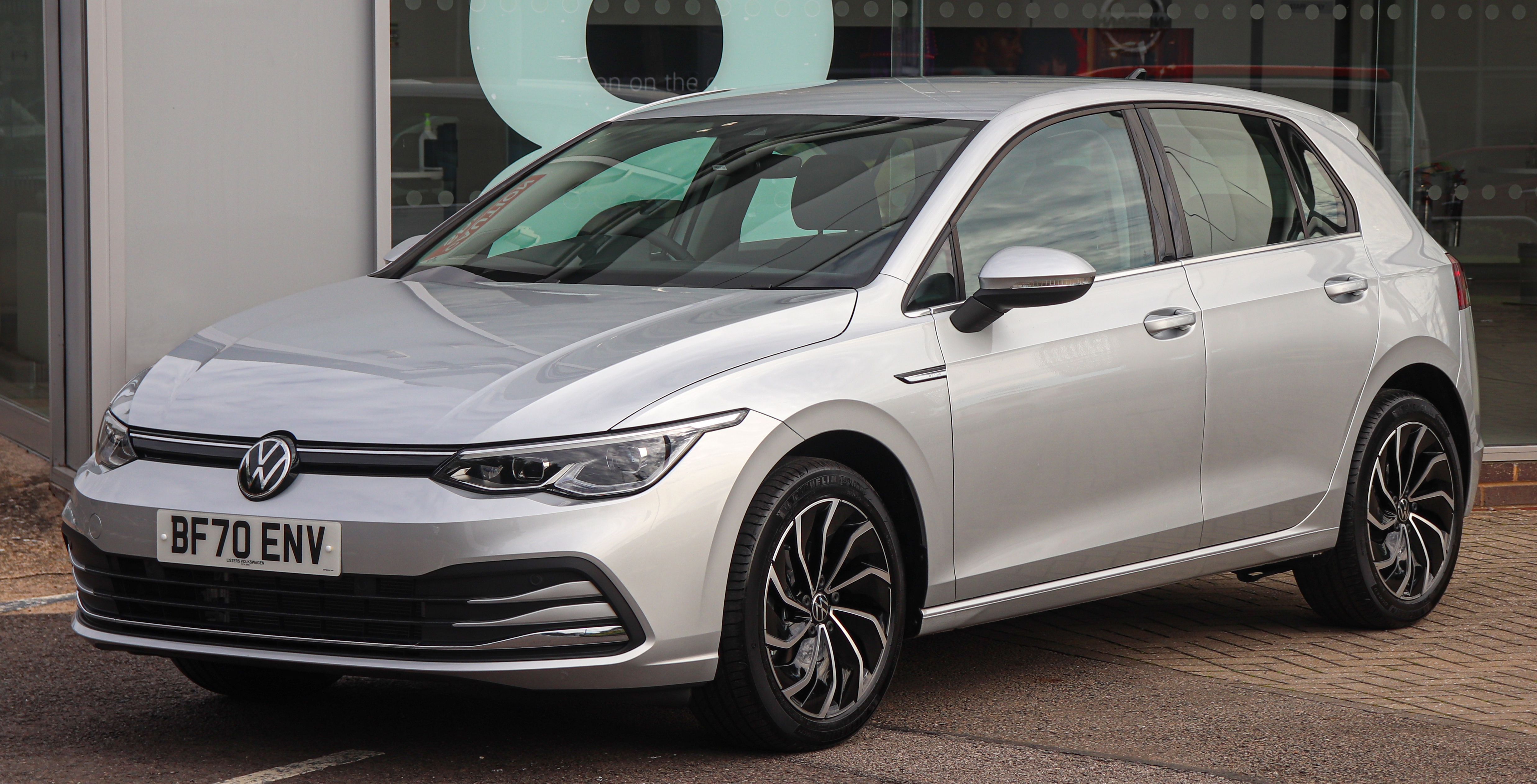
Volkswagen Gti
"...'re in the water pumper game You'll know he had a GTI back in the day or early rabbit that was all over..."
The Volkswagen Golf is a small car that many people use every day. Some versions and generations are also popular with car fans because they can be made to drive more enthusiast-style. In the episode, it likely comes up as part of the timeline of Volkswagen models people grew up with or built.
The Volkswagen Golf is a compact car line that’s known for being versatile—used as a daily driver, a performance platform, and a popular base for enthusiast builds. When the episode mentions the “water pumper game” alongside earlier cars like the Rabbit/GTI, it’s pointing to later-generation Golf models that helped define a more modern era of Volkswagen engineering. It’s discussed because it’s central to how the community talks about Volkswagen performance and ownership.
race of champions
"Dan's a cool dude and got to met him several times came here for the race of champions some other stuff"
The “race of champions” sounds like a motorsport event where car fans and drivers show up. The host is using it to explain why Danny was in town.
“Race of champions” is mentioned as an event Danny came to attend. In this context it’s a motorsport gathering that draws people from the wider car scene, not just one specific brand community.
Las Vegas
"It has to do with the exciting time that we get to have here in Las Vegas"
Las Vegas is where the weekend event is happening. The host is saying lots of VW people are coming there for it.
Las Vegas is the host city for the “one crazy weekend” of VW-related activities. The mention matters because it frames the episode’s event-driven context—enthusiasts traveling in for show-and-shine and community time.
Volkswagen magazine
"He had several featured cars over the past few years that have been featured in Volkswagen magazine"
“Volkswagen magazine” refers to VW-focused editorial coverage where enthusiast cars and builds get featured. Being “featured in Volkswagen magazine” is a credibility marker in the VW scene because it signals the build is notable to other enthusiasts.
dubs by Dan
"So if you got your subscription check it out Danny Allen does by Dan, but I'm excited to get him on."
“Dubs by Dan” is the name of Danny Allen’s VW shop/company. It’s associated with the cars he builds and the VW community content he’s been featured in.
“Dubs by Dan” is the name of Danny Allen’s company/brand in the Volkswagen enthusiast world. The host is pointing listeners to his work and past featured cars in VW-related media.
VW scene
"He's a contributing rider custom car builder drag race enthusiast I mean you name it this guy's got hardcore passion for the VW scene"
“VW scene” just means the community of people who are into Volkswagen cars. It’s the group that shares builds, parts, and events for VW enthusiasts.
“VW scene” refers to the enthusiast community centered on Volkswagen cars—especially the culture around modifying, collecting, and showing them. In the UK, this often overlaps with classic Beetles, custom builds, and drag or show events.
hot motor
"1988 [601.4s] Madeleine some friends who had a beat where they'd put a hot motor in [604.9s] And they were going to summer nationals and my dad went do you want to go to a show with these two guys?"
A “hot motor” just means the engine has been tuned or modified to make more power. It’s the kind of setup people build when they want faster acceleration, especially for drag racing.
“Hot motor” is drag-racing slang for an engine that’s been modified for more power than stock. In this context, it means the car had been built to run harder at events like drag races or show-and-go competitions.
UK cow look
"But they're still doing it's it's the custom cow look stuff or more not the cow look but more the custom 80s look like [651.6s] Yeah, the UK cow looking [653.6s] Yeah, the UK cow look was a little bit wild because you guys had the car [656.7s] What was the name of the car with no B pillar and was completely open with the Maui and Sun's interior billa bug the billa bug"
“UK cow look” is a specific style people did on Volkswagen Beetles in the UK. It’s meant to look wild and custom, with major body changes that make the car stand out at shows.
“UK cow look” refers to a Volkswagen Beetle styling trend associated with the UK scene, inspired by the “cow look” concept. It typically features dramatic bodywork and a more open, show-car look—here described as having no B-pillar and an open roof/interior presentation.
B pillar
"What was the name of the car with no B pillar and was completely open with the Maui and Sun's interior billa bug the billa bug [662.6s] That's the one there's a car here today. Like it. Have you seen it? [665.2s] No, I haven't seen it here at the stock blue for you know free until they with no wind up a license really"
The “B pillar” is the metal post in the middle of the car’s body—between the doors. Cutting it out or changing it is a big structural and styling change, so it’s a key detail in custom builds.
The “B pillar” is the vertical structural post between the front and rear doors on most cars. Removing or altering it is a major body modification that changes both the car’s appearance and how the body is supported, which is why it’s mentioned in connection with the custom “cow look” Beetle style.
chromoly chassis
"It's a stress 356 right stretched and widened. Yeah, so stretch and widen into it's a full chromoly chassis on the thing [733.8s] Yes, full tube chassis"
A chromoly chassis is a race-car style frame made from strong steel tubing. It helps the car stay stiff and safe under hard driving, which is why builders use it for track and drag setups.
A full chromoly chassis means the car’s structure is built from chromoly steel tubing. Chromoly (chromium-molybdenum steel) is strong and relatively lightweight, which is why it’s common in serious race cars and custom builds.
full tube chassis
"Yes, full tube chassis [736.1s] One-piece body"
A full tube chassis is basically a welded metal frame made from tubes. It’s common in race cars because it can be built strong and stiff for hard launches and cornering.
A full tube chassis is a spaceframe-style structure made primarily from welded steel tubes, rather than relying on the original body shell for strength. This is typical in purpose-built drag and pro-touring cars because it can be engineered for stiffness and safety.
One-piece body
"[736.1s] One-piece body [737.1s] It ran in the it ran the pro turbo class or what class that run like dragster class"
A one-piece body means the outer shell is made as one main piece instead of lots of separate panels. Builders sometimes do this to make the car feel more solid and easier to fit correctly for racing.
A one-piece body typically refers to a body shell constructed as a single integrated piece rather than multiple separate panels. In race builds, this can help with fitment, rigidity, and reducing panel-related flex.
pro turbo class
"It ran in the it ran the pro turbo class or what class that run like dragster class [741.9s] I think in the states it went in pro turbo."
“Pro Turbo” is a category in racing for cars with turbochargers. It’s basically a ruleset that groups turbo cars together so they compete more fairly.
“Pro Turbo” is a racing class designation for turbocharged cars, with rules that determine what modifications are allowed and how cars are prepared. The host is also comparing it to a dragster-style class, implying a drag-focused competition format.
kits and specials
"We had a class called kits and specials, which if anything that wasn't a beetle, right? [751.3s] So buggies rails fugitives and those and those were in a separate class out here"
“Kits and specials” is a racing category for unusual VW-based cars that aren’t the typical factory setup. It’s a way to separate the weird/custom builds into their own competition group.
“Kits and specials” is a motorsport class name used to group cars that are not standard production Beetle-based builds. In this context, it’s being contrasted with a separate class for buggies and other non-standard VW derivatives.
water pumper
"Yeah, cuz you're a water pumper guy, too [770.6s] You're being the water pumper scene for a while. ... [791.7s] forward thinking of the water pump cars because really I mean the hatchback Volkswagen was probably the first hatchback that was out the rabbit, right?"
“Water pumper” is slang for VWs that use liquid coolant to keep the engine cool. It’s a way enthusiasts talk about which generation/style of VW they’re into.
“Water pumper” is enthusiast slang for Volkswagen models that use liquid cooling (water-based coolant) rather than air-cooling. In VW culture, this shorthand often separates fans of later liquid-cooled platforms from the older air-cooled cars.
swallowtail
"[837.4s] 1975 so first four year of production. So it's a way they called a swallowtail, right? [841.9s] I think in the states, right? [843.7s] But it's not I haven't got a swallowtail where panel because when the car was new it had been crushed in the back"
“Swallowtail” is a nickname people use for a certain look on the back of some Volkswagen Golfs. The speaker is saying the car’s rear appearance was changed with a different rear panel to match a newer style.
“Swallowtail” is an enthusiast nickname for a particular Volkswagen Golf rear-end styling used in certain markets/years. In this segment, the speaker connects it to how the car’s rear panel looked and how later panels were fitted to change the appearance.
rear panel
"[843.7s] But it's not I haven't got a swallowtail where panel because when the car was new it had been crushed in the back [848.5s] And they put a later rear panel in it to make it look like a more modern golf, right?"
A “rear panel” is part of the car’s body at the back. If it gets damaged, people can replace it, and in this case the speaker replaced it with a later version to change how the car looked.
A “rear panel” is a bodywork section at the back of the car, and it can be replaced after damage. Here, the speaker says their Golf had been crushed in the back when new, so a later rear panel was installed to make it look more like a newer Golf.
Caliq scene
"From Caliq to the 80s look to everything it was always about advancing the modernization or Volkswagen [860.9s] You know a lot of people say oh Caliq 67 earlier [863.1s] There was a lot of 68 69 70 71's all the way up to 73 Volkswagen"
The “Caliq scene” refers to a Volkswagen/air-cooled enthusiast subculture associated with California-style aesthetics and modifications. The speaker uses it to frame how people viewed and evolved Golf styling over time, especially as the scene looked back nostalgically.
Caliq 67
"[860.9s] You know a lot of people say oh Caliq 67 earlier [863.1s] There was a lot of 68 69 70 71's all the way up to 73 Volkswagen"
“Caliq 67” is a fan nickname for a certain Volkswagen style tied to the late-1960s. The speaker is saying people argue about which years fit that look.
“Caliq 67” is a shorthand enthusiasts use to describe a specific early Volkswagen look/theme associated with the “Caliq” style. In this segment, it’s part of a timeline of Golf years and how the community talks about which eras “count” for the look.
17 inch wheels
"Every car you saw it's 17 17 inch wheels big sound systems big body kits and I [903.4s] Built that car went to a show out in Germany and when I want to put a car like theirs"
“17 inch wheels” means the car has wheels that are 17 inches across. Bigger wheels often change how the car looks and how low it can sit, which is why it’s mentioned as part of the style.
“17 inch wheels” is a specific wheel-size choice that affects stance and fitment on a classic Golf. The speaker lists it as part of the typical look of their era’s show cars—along with big sound systems and body kits.
body kits
"Every car you saw it's 17 17 inch wheels big sound systems big body kits and I [903.4s] Built that car went to a show out in Germany and when I want to put a car like theirs"
“Body kits” are add-on parts that change the outside look of a car, like bumpers and skirts. In this story, they’re part of the classic “show” style the speaker wanted.
“Body kits” are aftermarket exterior panels—like bumpers, side skirts, and spoilers—used to change a car’s shape and stance. The speaker frames them as a defining part of the show-car look they were building toward.
cow look golf
"[903.4s] Built that car went to a show out in Germany and when I want to put a car like theirs [907.1s] But like a hot rod or a cow look golf, right? [911.2s] So you were inspired by air-cooled cars when you did your goal, so you're so your golf was kind of a monochromatic like like a"
A “cow look golf” is a nickname for a Volkswagen Golf build with a particular visual style. The speaker is saying their car matched that style closely enough that magazines labeled it that way.
“Cow look golf” refers to a specific Volkswagen Golf styling direction inspired by the “COW look” aesthetic—typically involving period-correct body modifications and a cohesive, show-car look. The speaker later confirms a magazine called their build a “cow look golf,” tying the term to a recognizable visual formula.
air-cooled cars
"[911.2s] So you were inspired by air-cooled cars when you did your goal, so you're so your golf was kind of a monochromatic like like a [919.0s] Kind of if you do the cow look version of that"
“Air-cooled cars” are cars where the engine is cooled by air flowing over it, rather than by coolant in a radiator. The speaker is saying their Golf build was inspired by classic air-cooled Volkswagens.
“Air-cooled cars” describes vehicles whose engines rely on airflow and fins for cooling instead of a liquid coolant system. The speaker says their Golf build was inspired by air-cooled cars, linking the styling and show culture to classic Volkswagen engineering.
water pump scene
"That's awesome. And so you're in the water pump scene and then what's your first air-cooled car that you that you kind of break out in the [936.5s] Scene with for your son."
They’re talking about the “water pump” part of a liquid-cooled engine. That’s the system that moves coolant around to keep the engine from overheating.
“Water pump scene” is a shorthand reference to the cooling system used on liquid-cooled engines, where a water pump circulates coolant through the engine and radiator. In a Volkswagen context, it contrasts with air-cooled Volkswagens that don’t use the same liquid-cooling approach.

67 bug drag car
"And so you're in the water pump scene and then what's your first air-cooled car that you that you kind of break out in the [942.7s] I'd always had a be all [940.2s] and then I built a [942.7s] 67 bug drag car [945.0s] Game set same color orange as a golf."
A “67 Bug” is a 1967 Volkswagen Beetle. Here it’s been modified as a drag car, which means it’s tuned mainly for fast acceleration in a straight line.
The “67 bug” refers to a 1967 Volkswagen Beetle (often called the “Bug”). In this context it’s built as a drag car, meaning it’s set up to accelerate hard in a straight line for short races.
2165 turbo
"[945.0s] Game set same color orange as a golf. Yeah, 2165 turbo. No, I [949.7s] Ran that down into the lower leavens really and then sold that to start the business"
“2165 turbo” means a turbocharged VW engine built to about 2.165 liters. Turbocharging helps the engine make more power than a naturally aspirated setup.
“2165 turbo” refers to a turbocharged Volkswagen engine displacement commonly built from an enlarged “Type 1” style bottom end (often 2.1–2.2 liters) and fitted with a turbocharger. It’s a popular enthusiast recipe for making strong power from an air-cooled VW platform.

Type 3's
"So the seafront would be full of Beatles and campers and [1010.8s] Type 3's and it gradually got taken over by British Air Scorps and Capris and now modern hatchbacks"
A Volkswagen Type 3 is an older VW model line, separate from the Beetle. They’re talking about classic Volkswagens that used to gather in that area.
The Volkswagen Type 3 is a classic model line (distinct from the Beetle) known for its air-cooled, rear-engine layout. In the segment it’s mentioned as part of what used to show up at the Southend seafront meetups.

Ford Capri
"...radually got taken over by British Air Scorps and Capris and now modern hatchbacks And so we organized a m..."
The Ford Capri is a classic two-door car made in the UK that was meant to feel sporty. People still talk about it because it was a popular style of car in its day and is now a recognizable classic. It may come up in the episode as a comparison point for other classic cars from the same era.
The Ford Capri is a classic British-built personal sports coupe that became popular for its sporty styling and accessible performance. It’s often discussed in classic-car circles because it represents a specific era of European “everyday sports” cars and shows up in many enthusiast stories and restorations. In a podcast about classic VWs, it may be mentioned as part of the broader landscape of iconic cars from the same time period.
restoration
"Then you were starting you were doing everything from restorations to customs and everything in between"
In car terms, “restoration” usually means fixing up an older car to look and work like it did before—sometimes to a near-original standard.
“Restorations” in the enthusiast context means returning a car to a previous condition—often focusing on correct appearance, fitment, and mechanical health rather than just making it run. It’s one of the common service categories in classic VW communities.
customs
"Then you were starting you were doing everything from restorations to customs and everything in between"
“Customs” refers to personalized builds where the owner’s taste drives changes—often including styling, interior, and mechanical tweaks. In classic VW circles, customs can range from subtle upgrades to full restyle/stance-style projects.
livery
"I haven't written them for that continue for that ten years. I don't know if you're like a livery now and then"
A livery is the car’s “look” in paint and graphics—like the stripes, logos, and color scheme. It’s how people make a car look like it belongs to a team or event.
In car culture, a livery is a specific paint/graphics scheme applied to a vehicle—often with logos, colors, and patterns that identify a team, event, or sponsor. It’s common on show cars and race cars because it visually communicates the car’s identity.
Kelsey sell the Vauxhall show
"But what I do do is I help Paul and the guys at Kelsey sell the Vauxhall show"
They’re talking about helping with a car show connected to Vauxhall, with Kelsey being the group involved. It’s about events, not a car part.
This appears to reference involvement with a Vauxhall-branded show, with “Kelsey” acting as the organizer or partner group. It’s a local event context rather than a vehicle specification, but it’s relevant to how the scene organizes itself.
Volkswagen scene
"There's a lot of anti-essics in the Volkswagen scene because always because of well"
“Volkswagen scene” means the community of people who are really into Volkswagens. It includes the builders and owners who share ideas, parts, and opinions about how cars should be done.
“Volkswagen scene” refers to the enthusiast subculture built around Volkswagen vehicles—especially the community of owners, builders, and show participants. In this context, it’s used to describe local attitudes and rivalries within that fanbase.
Essex
"The VW scene started in Essex in England, you know, it's right and everyone goes Oh, don't another Essex car not"
Essex is a place in England. In this conversation, it’s being talked about like a major center for Volkswagen enthusiasts and builders.
Essex is a county in England that the speaker treats as a key origin point for the UK Volkswagen enthusiast community. The point is that the region is portrayed as a hub for both the people (“talent”) and the cars being built.
Southern California of England
"Now I learned it's something new that Essex was kind of like it was kind of it's like the Southern California of England"
It’s a nickname-like comparison. The speaker means Essex has a similar car-culture energy to Southern California—lots of people building and showing cars.
This is a comparison used in car culture: “Southern California of England” implies Essex has a similar vibe to Southern California’s car scene—lots of builders, strong community identity, and frequent show/build activity. It’s not a technical automotive term, but it’s a named cultural analogy with specific meaning in enthusiast circles.
patina guy
"There's a level of creation and whether it's a patina guy or a full show guy Or a guy who's mental and off the charts like linden creamer like that guy"
A “patina guy” likes cars to look naturally aged, like they’ve lived a life. Instead of making everything brand-new for shows, they want the car to keep its original look and character.
A “patina guy” is someone who prefers cars to look aged and naturally worn—often keeping original surfaces or intentionally preserving wear. In the VW scene, this usually means valuing authenticity and character over a perfectly restored, show-ready finish.
full show guy
"There's a level of creation and whether it's a patina guy or a full show guy Or a guy who's mental and off the charts like linden creamer like that guy"
A “full show guy” is someone who builds their car to look perfect for car shows. They usually want it to look freshly finished, not worn-in or naturally aged.
A “full show guy” is someone who builds and maintains a car primarily for concours-style judging or show standards. The goal is usually a highly refined, consistent, and “finished” look rather than an intentionally aged patina.
kit car
"The guys from type 2 had that kit car that I don't even know what the brushpoint Yes, yeah the one that's like all tri-colored."
A “kit car” is a car you build from a set of parts. Instead of buying a complete car, you assemble it—often to make something unique.
A “kit car” is a vehicle assembled from a parts kit rather than built entirely by the original manufacturer. Enthusiasts often use kits to create unusual body styles or to build something that looks like a specific concept while still using chosen components.
going doors
"It's got going doors and all stuff, but it's just like something It's something insane and there's there's people that pursue the insane"
“Going doors” sounds like they mean a special kind of door that opens in a unique way. It’s usually done to make the car look more dramatic and to make getting in easier.
“Going doors” appears to be a mis-transcription for a specialized door style—most likely “gull-wing doors” or another distinctive hinge/opening configuration. These are aftermarket or custom door setups used to create a dramatic look and sometimes improve access.
detail linden
"And I think that makes a big difference in our hobby when you get the crazy crazy Detail linden. Yeah, if you see linden's car in the flesh that car is insane"
“Detailing” means cleaning and finishing a car really carefully—often to a show standard, not just a normal car wash. “Detail Linden” here likely refers to a specific detailer or shop whose work is known for being especially extreme.
“Detailing” in the VW scene usually means more than a quick wash—it’s careful, step-by-step cleaning and finishing of the car’s surfaces to a show-level standard. In this context, “Detail Linden” sounds like a specific person or shop known for that kind of high-end VW detailing, which is why the host says the car looks “insane” in person.
trophies
"no one no one is a massive infuser ever builds a car to win a trophy. The trophies are a bonus They're they're a three pound bit of plastic. Yeah, but"
The host is contrasting trophies with the actual goal of building a car: trophies are treated as a small, secondary payoff. In car culture, this framing highlights that the real “win” is the finished build and the process of improving it.
gray carbon gear
"At every level to get even with the gray carbon gear that I had my original my original idea with that car"
Carbon fiber is a lightweight material that’s often used on custom cars for a high-tech look. “Gray carbon” means it’s finished in gray, and “gear” here probably refers to a specific part on the build that stood out.
“Gray carbon” refers to carbon-fiber trim or components finished in a gray tone, often used in custom builds for weight savings and a distinctive look. “Gear” here likely means a specific part or set of parts on the car that the builder used as an early inspiration point.
metalworking
"“...you're now creating these cars you're now metalworking and filling and painting and you look at bill of bug...”"
Metalworking means physically working with metal—cutting and shaping it to make parts fit or to change the car’s shape. Custom car projects often need this before anything can be painted.
Metalworking refers to physically shaping and forming metal parts—cutting, bending, hammering, or fabricating. For custom cars, it’s often required to create new body shapes, mount points, or structural modifications before paint and finishing.
swage line
"Right if you look at the roof it's got no swage line in the roof Okay, it's a metal worker."
A swage line is a molded crease in the car’s metal body. If it’s missing, it can mean the roof or panel was repaired or changed rather than left original.
A swage line is a pressed body crease that runs along sheet metal to add shape and stiffness. On a Volkswagen, missing or altered swage lines can be a clue that a panel has been reworked or replaced during restoration.
deck lid
"Okay, it's a metal worker. That's not a bad job, but then they did it on the deck lid Oh, you're talking about the the indents it's got no"
The deck lid is the rear door/panel that opens to the trunk area. If someone is talking about how it looks or how it’s been modified, they’re usually talking about the bodywork quality.
The deck lid is the hinged exterior panel that covers the rear cargo area on many Volkswagens. Mentioning it in the context of indents and panel shape suggests the restoration work is focused on exterior sheet-metal accuracy.
indents
"Oh, you're talking about the the indents it's got no Relief and it comes all the way down the deck lid and that's gone"
Indents are the shallow dents/contours in the body panels. Restorers care because the exact shape can tell you whether a panel is original or reworked.
Indents are recessed body contours pressed into sheet metal. In classic Volkswagen restoration, correct indent geometry helps distinguish original stamping from custom metalwork.
best modifications are ones that go unnoticed
"Yeah, I think sometimes the best modifications are ones that go unnoticed. Yeah. Yeah, no, absolutely It would have been some of your biggest challenges in the hobby"
The best restoration work is the kind you can’t easily spot. If it looks factory-original, it usually means the fit, shape, and finish are done really well.
In restoration culture, “unnoticed” modifications are those that match original panel shapes and finishes so well that they don’t look altered. The idea is that the highest-quality work blends in rather than calling attention to itself.
chrome plate
"Finding the right people to do the stuff you can't do right finding a good chrome plate or find a good polish are Finding good materials of liars, you know"
Chrome plating is when a part gets coated with a shiny protective metal layer. Restorers look for good-quality chrome because cheap plating can look dull or peel over time.
Chrome plating is the process of coating metal parts with a thin layer of chromium for corrosion resistance and a reflective finish. Classic Volkswagen restorations often depend on finding quality plating so exterior trim and hardware look correct.
polish
"Finding the right people to do the stuff you can't do right finding a good chrome plate or find a good polish are Finding good materials of liars, you know"
Polish refers to the abrasive finishing process used to refine paint or metal surfaces to a high-gloss look. In restoration discussions, it’s often paired with chrome work to achieve a uniform, show-quality finish.
filler
"Because you're looking at cars that were built in the 90s and those cars had tons of filler like Instead of metalwork. They're just like we don't need to waste time doing metalwork We got this filler and then just smoothing stuff out with filler"
“Filler” is a putty/restoration material used to smooth dents and make the body lines straight before paint. Good restorations use as little as possible because the metal underneath should be correct.
In classic VW restoration, “filler” usually means body filler (like fiberglass or polyester putty) used to smooth dents and uneven metal panels. The point is to create a straight, paint-ready surface, but too much filler can hide poor metalwork and can cause long-term issues if it’s not applied over properly prepared metal.
metal finishing
"metal finishing stuff, but now everything's gone back to like Metal finish the car and the least amount of filler possible Any bodywork guy will tell you that if your metal is correct"
“Metal finishing” means getting the metal panels straight and properly shaped before you do any putty or paint. If the metal is right, you don’t need as much filler.
“Metal finishing” refers to the process of shaping, forming, and preparing metal panels so they fit correctly and have the right surface before filler and paint. The discussion contrasts earlier approaches that relied on filler versus modern restoration goals that minimize filler by getting the metal right first.
split window
"1988 uh bug jam and you count me split windows are there versus how many split windows are here today That's a big difference, right?"
“Split windows” means the van’s windshield/upper glass is divided into two sections instead of one. It’s a recognizable early-VW look that collectors talk about.
“Split windows” refers to Volkswagen vans (commonly Transporter/Type 2) with a two-piece windshield/upper window arrangement—an identifying feature of earlier models. Enthusiasts track split-window availability because it affects how common or collectible those vans are in the hobby.
1988 bug jam
"Well, there's a lot more earlier cars on the scene than there was if you go back to look at the you know 1988 uh bug jam and you count me split windows are there versus how many split windows are here today"
“Bug Jam” is a VW event. The host brings up 1988 to show how many certain VW vans (split windows) were around back then compared to today.
“Bug Jam” is a Volkswagen-focused event, and the speaker uses the 1988 show as a reference point to compare how many split-window cars were present then versus now. It’s used here as a historical snapshot of the scene’s growth.
barn door van
"Yeah, and you know back in the 80s when we all first got into it. No one knew what a barn door van was right, you know I saw my first barn door in"
A “barn door van” is a VW van where the back opens with two separate doors, like barn doors. People use the term to describe that rear-door style.
A “barn door van” is a Volkswagen Transporter/van with rear doors that open like two separate panels (often called split rear doors). It’s a specific, recognizable body style that enthusiasts use to identify earlier van configurations.
restoring cars
"People are restoring them from a roof. Yeah And now with restoring cars in the uk you guys battle with a lot of rust out here a lot of rust"
“Restoring cars” here means fixing up an old VW so it looks right and works properly again. That can include repairing damaged metal and tracking down parts that are hard to find.
“Restoring cars” in this context means bringing a classic VW back to a usable or show-ready condition by repairing corrosion, replacing missing parts, and rebuilding worn components. It’s not just cleaning—restoration often involves significant metalwork and sourcing hard-to-find parts.
rust
"And now with restoring cars in the uk you guys battle with a lot of rust out here a lot of rust"
“Rust” is corrosion—metal slowly breaks down when it’s exposed to water and salt. On old cars, rust can be a big deal because it can affect the body and even the safety of the car.
In classic VW restoration, “rust” refers to corrosion that can affect structural panels, floors, and mounting points. It’s especially important in the UK because many cars have spent decades exposed to moisture and road salt, so rust determines how much metalwork and fabrication a restoration needs.
3D printed
"Well now it just seems a lot easier as well as like Having new pieces of metal made having stuff 3d printed water jetted like whatever you can do now"
“3D printed” means making a part by building it up layer-by-layer from a computer design. Restorers use it to recreate missing or hard-to-find pieces.
“3d printed” refers to using additive manufacturing to create replacement parts or components from digital models. In classic VW restoration, it’s often used for items that are unavailable, too expensive, or too difficult to source.
water jetted
"Having new pieces of metal made having stuff 3d printed water jetted like whatever you can do now"
“Water jetted” means cutting material using a very high-pressure jet of water. It’s used to make accurate replacement parts for restorations.
“Water jetted” refers to waterjet cutting, a process that uses a high-pressure stream of water (often with abrasive) to cut metal or other materials. Restorers use it to fabricate precise replacement pieces when original parts are missing or when custom shapes are needed.
CAD
"And then the machine shop had a cnc controlled machine and he was using that at night and how teaching them how to use the machine and make it his own parts. They're like chris adkinson. Yeah."
CAD is computer software for designing parts. Instead of sketching by hand, you build a digital model first so it can be made accurately.
CAD (computer-aided design) is software used to create precise digital models of parts. In the restoration story, CAD is what lets someone design custom components before they’re manufactured.
CNC controlled machine
"And then the machine shop had a cnc controlled machine and he was using that at night and how teaching them how to use the machine and make it his own parts."
A “CNC controlled machine” is a shop tool guided by a computer to cut parts very accurately. It helps restorers make custom pieces that fit like originals.
A “CNC controlled machine” is a computer-controlled milling/turning tool that follows programmed instructions to cut parts with high precision. The speaker contrasts older restoration requiring special access with today’s ability to reproduce parts more easily using modern machining.
center caps
"I mean you could have you need center caps for a certain will that are unavailable. You can have 3d printed"
“Center caps” are the decorative/functional covers in the middle of a wheel hub. For classic Volkswagens, certain center caps can be unavailable, so 3D printing or custom fabrication may be used to restore the correct look.
barn find
"From nothing, you know, I mean you saw the barn door here, right that was built from like... Rebuild the car that was that everybody thought was lost forever"
A “barn find” is an old car that’s been sitting unused in storage for a long time. Later someone finds it and tries to bring it back to life.
A “barn find” is a car that’s been stored away for a long time—often in a barn or similar space—and is later discovered and restored. In this segment, the host is talking about rebuilding a car that people believed was effectively gone forever.
Volkswagen world
"Yeah, the the the volkswagen I hate the words seem but the volkswagen world has changed so much"
Volkswagen is the car brand. Here they mean the whole VW enthusiast and restoration scene has changed a lot.
Volkswagen is the German automaker behind the classic air-cooled and water-cooled VW models that many enthusiasts restore. The host is using “Volkswagen world” to describe how the community and restoration ecosystem have changed over time.
metal welding
"you'll put your hands on the car and do metal welding whatever bodywork all that kind of stuff"
Metal welding is a fabrication process that joins metal parts by melting and fusing them together. In classic VW restoration work, it’s commonly used for body repairs, patching rust, and rebuilding damaged sections.

Volkswagen I
"From being the hobby over here is you know, like you said earlier, like we're all that we're all the same We're all just a bunch of knucklehead guys that are that at some point in our life. We saw a guy in a Volkswagen. I thought That's cool"
The Volkswagen ID. Buzz is an electric van. It’s meant to look and feel like the classic bus style, but it runs on electricity instead of gasoline. It may be discussed because it shows how the same car hobby is moving into modern EVs.
The Volkswagen ID. Buzz is an electric version of the classic “bus” concept, designed to bring a modern, family-friendly van form into an EV package. It’s significant in enthusiast discussions because it represents a new direction for Volkswagen while still aiming to capture the recognizable vibe of the original bus. In this podcast context, it’s likely mentioned as part of how modern vehicles fit into the same hobby and community mindset.
Roadster
"It's a cabster like a like roadster cab caberle roadster"
A roadster is a type of car that’s usually open-top, meant for driving with the wind in your face. Here it’s used to describe the style of the custom car they built.
A roadster is an open-top car style—typically with two seats and no fixed roof. In this segment, the host uses “roadster” to describe the vibe of the “cabster” build they just finished.
magazine cover
"So cabster you just finished that car now when you when you land on the cover the magazine, which obviously Is a it's a big deal for all of us that are in our generation"
The host is talking about a finished car being featured on a magazine cover, which is treated as a major milestone in the classic VW hobby scene. It frames why the hobby feels meaningful after years of building and following the scene.
different temperaments
"In this hobby we're all we're all at different levels of skill In addition to we all have a different temperament like me. I'm I'm"
“Different temperaments” in this hobby context refers to how people’s personalities and focus styles affect their willingness to do tedious, precision work. It’s a practical mindset concept: some people can grind through long machining sessions, while others need shorter bursts.
single keyway shaft
"I had to try to make this sprint car steering wheel fit on my crew cab and it's it's a single keyway Shaft on an early bus"
A “single keyway shaft” is a rotating shaft with one groove that helps line up a part so it mounts correctly. It’s like a built-in alignment feature that prevents the steering wheel or hub from twisting out of place.
A “single keyway shaft” describes a shaft that uses one key slot (keyway) to locate a mating part. In steering/column or hub applications, the keyway controls alignment so the wheel or component can’t slip out of position.

62 bus
"Or you know 62 bus and so I went to my buddy at the beetle bar I went to the shop and he's and I said hey, I'm gonna just cut the ends off this"
“62 bus” means a 1962 VW Bus. The older design can be different from newer ones, so parts don’t always bolt on the same way.
“62 bus” is shorthand for a 1962 Volkswagen Type 2 (the classic VW Bus/Transporter). The host is pointing out that this year’s steering-column/shaft setup uses a specific keyway arrangement, affecting how aftermarket parts fit.
lathe
"And then I said happy things like it was yeah, I just put it in that Put in that lathe right there and just chuck it up in there and then just machine it"
A “lathe” is a metalworking machine that spins a part and uses a tool to shape it. People use it to make parts fit correctly when nothing bolts on perfectly.
A “lathe” is a machine tool that spins a workpiece while a cutting tool shapes it. In restoration/custom work, it’s commonly used to machine hubs, shafts, and other parts to precise fitment.
chuck
"Put in that lathe right there and just chuck it up in there and then just machine it I'll show you how to use it and then just do that after about 30 minutes"
A “chuck” is the clamp on a lathe that holds the part in place. If it’s not tight or aligned, the machining won’t be accurate.
A “chuck” is the clamping device on a lathe that holds the workpiece securely. Proper chucking matters because it affects how accurately the part can be machined.
bodywork
"I know where my limitations are body work 00 skill for body work pain No, but like I could do anything if it was just do that one task"
Body work means fixing and shaping the outside of the car—like dents, rust, and panel alignment—so it looks right and can be painted properly.
Body work is the set of repairs and modifications done to a car’s outer panels—things like dents, rust repair, panel alignment, and refinishing. In a classic VW build, it often determines how straight the body looks and how well the paint will lay down.
building an engine
"But every task in this hobby requires so I mean building an engine is justice assembling parts It's like making sure the case has gone through that the pieces are machined correctly"
Building an engine is when you assemble an engine from parts and make sure everything fits and works correctly, not just bolt things together.
Building an engine means assembling and preparing an engine from parts—often including machining, measuring clearances, and verifying components fit and function correctly. It’s more than just putting parts together; builders check tolerances and test-fit to ensure reliability and performance.
machined correctly
"It's like making sure the case has gone through that the pieces are machined correctly that you're checking and testing and fitting and doing that Because and so that's that requires a certain level of patience"
Machining is precision shaping of metal parts. “Machined correctly” means the parts were made to exact measurements so they fit together properly.
Machining is precision metalworking done with tools like lathes and mills to shape parts to exact dimensions. “Machined correctly” implies the engine components were cut to the right measurements so they can assemble with proper clearances and function as intended.
bearing
"You know on this car. We used this bearing or this "
A bearing is a mechanical component that allows rotating parts to move with low friction while supporting loads. In engine builds, bearings are critical wear items and must be selected and installed correctly for smooth operation and longevity.
patina car
"You've never been a patina fan It's it's it's been interesting to me because I I had one patina car and it was a 66..."
A “patina car” is a classic car that looks worn in a natural, aged way on purpose. Instead of restoring it to look brand-new, people keep the original look—sometimes because it’s cheaper, and sometimes because they like the character.
A “patina car” is a vehicle that’s intentionally kept with visible age-related wear—like faded paint, surface rust, and worn trim—so it looks naturally aged rather than freshly restored. In classic VW culture, patina is often treated as a style choice and sometimes as a budget-friendly alternative to full restoration.
generational thing
"But yeah the patina car and I think it's a generational thing too. Maybe I think don't like it's probably a strong too strong"
They’re saying that liking patina might depend on your generation—what you grew up around and what you consider “cool” or “authentic.” Different age groups can have different ideas about whether a classic should look worn or restored.
The speaker frames patina taste as a “generational thing,” meaning preferences for how a classic car should look can vary by age cohort. In enthusiast communities, this often reflects different exposure—some people grew up seeing restored cars, while others saw patina as authentic and approachable.
faux patina
"I saw a couple faux patina cars here, which is like spray or spray on rust and some stuff like that, which is a little Doesn't make it doesn't make a lot of sense to me..."
“Faux patina” means someone tries to make a car look old using tricks or products—like spraying rust—rather than letting it age naturally. Some people like the look, but others feel it doesn’t make sense or doesn’t reflect the car’s real condition.
“Faux patina” refers to a fake or artificially created “aged” look—such as spray-on rust or other coatings meant to mimic natural deterioration. Enthusiasts often debate it because it can look convincing at a glance, but it may not match the real metal condition or the long-term durability of genuine wear.
chrome lip around the tire
"what throws me for a loop is Like black wheels on a car like all black like when you there's got to be that chrome lip around the tire"
They’re talking about a shiny chrome ring detail near the edge of the wheel and tire. On classic VWs, small styling touches like that can make the car look more polished or more “finished.”
A “chrome lip around the tire” is a trim detail—often on certain wheel styles or hubcaps—that creates a shiny ring at the edge of the wheel/tire. On classic VW builds, this kind of visual detail is part of the overall stance and styling, and it can strongly affect how “clean” or “period-correct” a car looks.
cutaway wheels
"I've seen enough of at this point was is like the cutaway wheels The cutaway fuchs maybe because there's been a lot of those"
Cutaway wheels are wheels where parts of the metal are removed so the wheel looks more open and airy. People like them because they change the look of the car a lot.
Cutaway wheels are wheels with sections of the spokes or center area removed, creating an open “window” look. On classic Volkswagens, this style is often associated with specific Fuchs wheel variants and is mainly about appearance and visual lightness.
cutaway fuchs
"The cutaway fuchs maybe because there's been a lot of those They stood they the 1552 had the I was the middles cut out right they had the cutaway on those"
“Cutaway Fuchs” are a special kind of wheel based on the classic Fuchs style, but with extra cutouts. The cutouts make the wheel look more unique and show more of the brake and suspension behind it.
“Cutaway Fuchs” refers to Fuchs-style wheels (the classic Porsche-inspired multi-spoke design) that have been modified with cutouts. In VW air-cooled circles, these are a popular way to get a distinctive look while still using the recognizable Fuchs pattern.
17 inch hoop
"We're just going to get some wheels cut the face off put them on a 17 inch hoop and be done with it"
A “17 inch hoop” just means the wheel rim is 17 inches across. Changing rim size affects which tires can be used and can change how the car looks and rides.
A “17 inch hoop” is shorthand for a 17-inch wheel rim diameter. Wheel diameter matters because it determines what tire sizes fit and how the car’s stance and ride feel will change.
slotted steel wheels
"I've got friends that have spent $4,000 on a set of stamped steel wheels made in the 70s from South Africa"
Stamped steel wheels are made by pressing steel into a mold-like shape. They can be cheap and tough, but some older versions are collectible, even if they’re not perfect or super fancy.
Stamped steel wheels are wheels made by pressing (stamping) steel into shape, usually with a simpler construction than cast wheels. They can still be collectible—especially older, region-specific designs—but they may have limitations in straightness and finish compared with higher-end wheel types.
pursuit of being in a hobby
"but that that's part that's one of the things in our in our hobby, right the pursuit of being In a in a hobby that there was millions of Beatles What can you have that differentiates yours from everybody else's"
They’re talking about how car hobbies are about more than just driving—you want your car to feel special. So people hunt for rare parts so their build looks different from everyone else’s.
The speaker is describing a hobbyist mindset: people chase unique parts and rare details to make their cars stand out. In classic VW culture, this often means spending time and money to find wheels, trims, or period-correct components that differentiate one build from others.
four lug wheels
"You know because I now being on this four lug wheel kick just finding some really cool Off look four lug wheels."
It means the wheel bolts to the car using four bolts/studs. If the bolt pattern doesn’t match, the wheel won’t fit without adapters.
“Four lug wheels” means the wheel attaches to the hub with four wheel studs/lug bolts. That bolt pattern affects which wheels will physically fit a given VW (or any car), so it’s a key detail when hunting for period-correct or rare wheels.
gas burners
"I saw Randy had gas burners and I thought gas burners will be more rare than gas burners"
“Gas burners” sounds like a hobby nickname for a particular wheel style. The point here is that one style is rarer than another, so people chase the look.
“Gas burners” is a nickname for a specific style of aftermarket wheel/trim that enthusiasts recognize. In this context, the host is comparing rarity and looks between different wheel/cosmetic options, implying “gas burners” are a known, sought-after appearance.
cosmetics
"I thought cosmetics are more rare than gas burners. I wasn't a fan of the look of the cosmetics at first and then I I bought a car paid too much money for the car bought the car just for the cosmetics"
Here “cosmetics” means the look of the car—like trim and styling parts. The host is saying they bought the car mainly because those parts were rare and looked right.
In classic VW circles, “cosmetics” usually means the visible exterior/interior appearance pieces—trim, badges, and other styling parts—rather than mechanical components. The host is describing buying a car primarily for these rare visual parts and then later seeing them reproduced.
clutch
"That turned up at the shop and we had to find a clutch for it And good old ebay found us a clutch right local to where we live"
A clutch is what lets you smoothly connect the engine to the gearbox. If it fails, the car can’t drive properly until it’s replaced.
A “clutch” is the driveline component that connects and disconnects engine power from the transmission. When the host says they had to “find a clutch,” they’re talking about replacing the wear/failed part needed to get the car back on the road.
turbo motor
"Yeah, it's got a 29 19 model craft motor a craft turbo motor in it that made 800 horsepower on the dyno get out of here and it's got a"
A turbo motor uses a turbocharger to push extra air into the engine. More air usually means more power, especially when tuned for racing.
A turbo motor uses a turbocharger to force more air into the engine, which can significantly increase power. In drag racing builds, turbo setups are often tuned for strong boost and consistent runs.
dyno
"Yeah, it's got a 29 19 model craft motor a craft turbo motor in it that made 800 horsepower on the dyno get out of here and it's got a"
A dyno is a testing machine for an engine. It measures how much power the engine makes while it’s running under load.
A dyno (dynamometer) is a machine that measures engine output—typically horsepower and torque—by loading the engine while it runs. It’s commonly used to verify power after building or tuning a motor.
dragster
"It was in his dragster. He went seven 70 in that thing"
A dragster is a race car built specifically for drag racing. It’s designed to accelerate as fast as possible for short, straight runs.
A dragster is a purpose-built car for straight-line drag racing, optimized for acceleration over a short distance. They often run specialized engines and fuel systems designed for repeated high-load passes.
Santa Pod
"So one day you'll have that car Santa pod make a run. Yeah, that'll be rad. So what when's that happening?"
Santa Pod is a famous drag racing track in the UK. People go there to race their cars and try to set fast times.
Santa Pod Raceway (often shortened to “Santa Pod”) is a well-known drag racing venue in the UK. It’s a common destination for enthusiasts to run their cars and compare times.
club gti
"Whereas in England all we have is club gti. Yeah, and you even remember a club gti you weren't"
“GTI” is a Volkswagen badge for their sportier, more performance-focused versions. A “GTI club” is basically a group of owners who get together around those cars.
“GTI” stands for “Grand Touring Injection,” a Volkswagen badge used for performance-oriented versions of regular models. A “GTI club” is a fan group centered on those cars, typically organizing meets and events for owners and enthusiasts.
edition 38
"And we gave ourselves this stupid name edition 38 and it came from 1938 was the year the factory was built"
“Edition 38” sounds like a special name the group gave itself. The host explains it’s based on 1938, the year the factory was built, so it’s meant to connect the club to Volkswagen’s history.
“Edition 38” appears to be a named club or group identity tied to Volkswagen culture. The speaker says the name comes from 1938, the year the factory was built, which suggests it’s a heritage-themed branding for their community.
Request an Explanation
Heard something you'd like explained? We'll add it to this episode.
Sign in to request explanations for terms you heard.
Want to learn more?
Browse our glossary for plain-English explanations of automotive terms, jargon, and concepts.
Help improve this episode
See something that's not quite right? Our annotations are AI-generated and can sometimes miss the mark. Click the flag icon on any annotation to suggest a correction.