
Ep.XXX Everything is on the table.
About this episode
Reckless driving stories set the tone, from a Honda Fit stunt with a leg out the window to doorless, seatbelt-free Jeep Wrangler talk and a crash involving a cable barrier and multiple airbags. The conversation then pivots into “everything is on the table” car planning: Mustangs (manual, no black, Eruption Green), avoiding modified cars, and even EV ownership details like Level 1 charging and NACS fast charging. Later, they shift to truck accessories, F1 chatter, and gaming recommendations.
This week Josh and Corey catch up on some new products, new releases of cars, get off track on some life updates and discuss what the future looks like for a certain BMW.
SUPPORT REVIVAL!
https://revivalmotoring.com/

Honda Fit
"I'm talking about like I seen this dude driving a Honda Fit with his leg, left leg, up, mounted on the window."
A Honda Fit is a small Honda hatchback. The hosts bring it up because someone was doing a dangerous stunt with their body out the window while driving.
The Honda Fit is a compact hatchback known for its small footprint and practical interior packaging. In this segment it’s mentioned because the driver is doing an extreme, unsafe stunt involving the Fit’s door area and window opening.
door card
"So his knee was on the door card hanging out of the window and his foot was jammed where the A-pillar and door card meet."
The door card is the inside panel you see on the door—where the window controls and other switches are. It’s not meant to be used as a brace point while driving.
A door card is the interior trim panel on a car door, typically covering the door’s mechanisms and often housing switches and speaker grilles. In the segment, the driver’s knee is described as resting on the door card, which is a fragile interior component rather than a structural surface.
A-pillar
"and his foot was jammed where the A-pillar and door card meet."
The A-pillar is the vertical metal support at the front of the car, near the windshield and front side window. It helps protect you in a crash, so putting your foot there while driving is dangerous.
The A-pillar is the front vertical support structure of a car’s body, located between the windshield and the front side window. It’s a key part of the vehicle’s crash structure, so wedging a foot against it (as described) is especially risky.
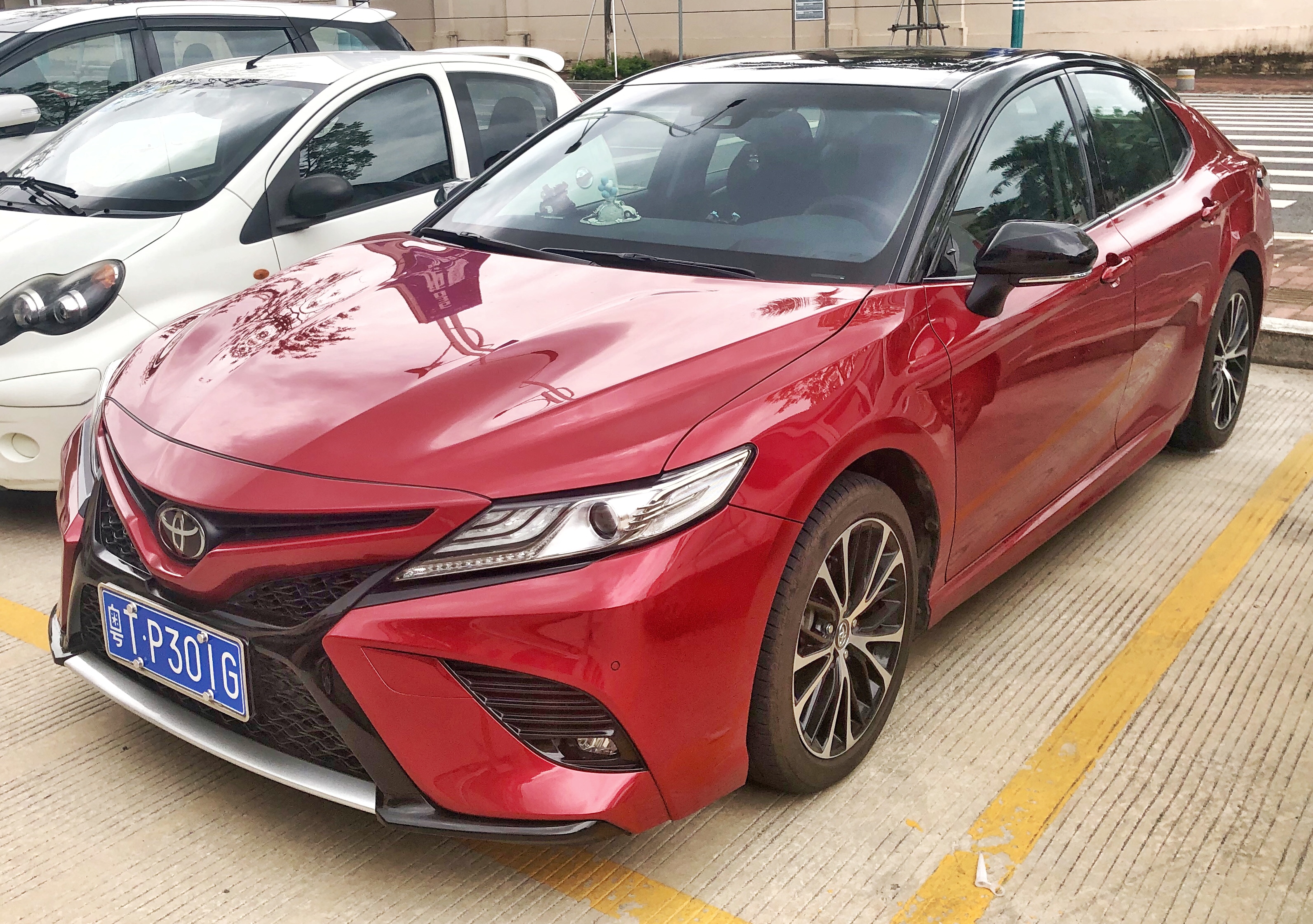
Toyota Camry
".... Ed Podva, I watched a handicap van taxi smoke a Camry in the left-right quarter of the way home today."
The Camry is a regular family car (a sedan) that many people use for daily driving. It’s common enough that you’ll often see one in traffic. The podcast brings it up because someone was driving it in a dramatic or risky way.
The Toyota Camry is a mid-size sedan built for everyday commuting and comfort. It’s widely seen on roads, so it often comes up in real-world driving stories. In the podcast, it’s mentioned in the context of a close call or aggressive driving moment.

Chevrolet Impala
"Tall Goober. So an impala crashed into a snow bank on the highway. And then..."
The Impala is a large sedan made by Chevrolet. The podcast mentions it because a driver crashed into a snow bank. It’s included as part of what happened on the road.
The Chevrolet Impala is a full-size sedan that has been produced for many decades and is known for its classic American-car presence. In the podcast, it’s mentioned because an Impala crashed into a snow bank on the highway. That makes it part of a real-world incident story rather than a technical discussion.

Jeep Wrangler
"...an evasive maneuver as evasive as you can be in a Wrangler. Yeah."
The Wrangler is a type of SUV designed for off-road driving. It’s known for being able to handle rough roads and tricky situations. In the podcast, it’s mentioned because the driver was trying to avoid something quickly.
The Jeep Wrangler is a rugged, off-road-focused SUV known for its simple, capable design. It’s often discussed when people talk about maneuvering in tight or challenging situations because it’s built to handle rough terrain. The podcast references it in the context of an evasive maneuver.
left high speed lane
"But I assume was driving in the left high speed lane veered off into the grass and caught the guard rail, except the guard rail"
That’s the lane on the left side of a multi-lane highway where cars usually go faster. If a car leaves the road from that lane, it can hit the roadside barriers harder because it’s moving quicker.
On multi-lane highways, the left (fast) lane is typically the lane used for higher speeds and passing. When someone veers from that lane, the consequences can be more severe because they’re traveling faster when they leave the roadway.
guard wires
"except the guard rail is one of those series of guard wires. Oh, so it's not a guard rail. It's cable. It's going to catch you and fling you."
Instead of a solid metal rail, some roads use cables and posts as a barrier. It’s meant to slow and redirect a car, but it can still be very forceful if you hit it at speed.
Some highways use cable-and-post barrier systems instead of a solid guard rail. These “guard wires” are designed to flex and redirect a vehicle, but they can also “catch” and rapidly change the car’s direction, which may contribute to a violent outcome.
airbags were deployed
"He I didn't think there was anybody else in the car. All of the airbags were deployed so you can see in it. So hopefully nobody else was in the car."
Airbags deploy when the crash is strong enough to trigger the sensors. If multiple airbags went off, it usually means the impact was serious.
When a crash is severe enough, the car’s airbag system deploys multiple airbags to reduce head and chest impact. Seeing that “all of the airbags were deployed” suggests the impact met the threshold for a high-energy collision.

Honda Crv
"There's a lot of it. Seeing someone drive a CRV on the rim, on the highway and past me. Yeah, tha..."
The CR-V is a compact SUV, meaning it’s a practical car with more space and higher seating than a sedan. People commonly drive it on highways. The podcast brings it up because someone noticed a CR-V driving nearby.
The Honda CR-V is a compact SUV that’s popular for practical daily use like commuting and family errands. It’s frequently spotted on highways, which is why it shows up in traffic-focused conversations. The podcast mentions seeing one being driven aggressively or closely on the road.
new edge
"I'd be cool with a new edge. I'd be cool with a, um, I probably wouldn't get another S 197"
“New Edge” is a nickname for a particular Mustang design style. It means the car looks more sharp and angular compared to older Mustangs.
“New Edge” is a styling era of the Ford Mustang (mid/late-1990s to early-2000s) associated with sharper, more angular bodywork. When someone says they’d be cool with a “new edge,” they’re talking about that specific look and generation feel.
S 197
"I'd be cool with a new edge. I'd be cool with a, um, I probably wouldn't get another S 197 I'd probably go newer or something with a coyote or something even newer."
S197 is Mustang-speak for a specific generation of the car, roughly from the mid-2000s. The speaker is basically saying they might skip that generation and choose something newer.
“S197” refers to the Ford Mustang’s 2005–2009 generation (internal chassis code S197). In this conversation, the speaker says they probably wouldn’t get another S197, implying they’re considering moving to a newer Mustang platform.
coyote
"I'd probably go newer or something with a coyote or something even newer. Let's call it a, uh, what do you call it?"
“Coyote” is a nickname for a Ford V8 engine used in newer Mustangs. The idea here is that it’s a newer, more capable engine than older Mustang V8s.
“Coyote” is the nickname for Ford’s modular V8 engine family used in later Mustangs (commonly the 4.6L/5.0L “Coyote” V8). The speaker is suggesting they’d prefer a newer Mustang with that engine for a more modern, effortless driving experience.

BMW M550
"... For example, we have a coworker who's got a 2020 M550. Yep."
The BMW 5 Series is a luxury sedan that’s bigger than the 3 Series. The podcast mentions a 2020 M550, which is a higher-performance version of that model. It’s included because the speaker is talking about a coworker’s car.
The BMW 5 Series is a mid-size luxury sedan that’s offered in many trims, including performance-oriented models. The podcast references a coworker’s “2020 M550,” which indicates an M-badged performance variant within the 5 Series lineup. It’s brought up as a real-life example of what someone drives.

Ford Mustang GTD
".... So back off nerds, if I'm incorrect, but a 2020 Mustang GT with like roll up windows. Roll up."
The Mustang GTD is a high-performance version of the Mustang. The podcast is talking about what it might be like and comparing it to a Mustang GT from around 2020. The “roll up windows” comment is about specific features the speaker is trying to match or confirm.
The Ford Mustang GTD is a performance-focused Mustang concept/variant discussed as a more extreme, track-oriented direction. The podcast mentions a “2020 Mustang GT” with details like “roll up windows,” which suggests the speaker is comparing features or trying to clarify what’s accurate about the GTD. It’s being discussed as part of a performance-spec and configuration conversation.

2020 Mustang GT premium with the stripes
"All right. What do you got 2020 Mustang GT premium with the stripes?"
This is a 2020 Ford Mustang GT, which is the Mustang’s V8 performance trim (as opposed to the EcoBoost models). “Premium” refers to a higher equipment level, and the “stripes” points to a visual package/appearance option that can vary by dealer or factory configuration.
shift knob
"“I assume by the shift knob, you know?” “Yep.”"
A “shift knob” is the handle you grab to move the gear lever in a manual or some automatic setups. Enthusiasts often use it as a clue to identify what transmission/shift setup a car has, or whether it’s been modified.
tune
"“...could probably throw a little bit of a tune on there.”"
A tune is when the car’s computer is reprogrammed to run the engine more effectively. If you change parts like the intake or exhaust, a tune helps those parts actually make extra power.
A “tune” is a calibration change to the engine control unit (ECU), adjusting parameters like fuel delivery and ignition timing to match the car’s hardware. The host is suggesting that with basic breathing mods (intake/exhaust), a tune could unlock more power from the Coyote V8.
exhaust
"“And all she would need, you know, a little exhaust, a little intake, ...”"
The exhaust is the system that carries engine fumes out of the car. Changing it can help the engine flow better and can be part of a power upgrade.
“Exhaust” refers to the system that routes burned gases out of the engine (manifolds, pipes, catalytic converters, mufflers). Performance exhaust upgrades can reduce backpressure and change sound, and they’re often used alongside tuning to realize power gains.
intake
"“And all she would need, you know, a little exhaust, a little intake, ...”"
An intake is how the engine gets air. Upgrading it can help the engine breathe better, especially when combined with a tune.
An “intake” is the air path and components that deliver air to the engine (often including the airbox, filter, and intake tubing). On performance builds, intake changes are commonly paired with tuning to improve airflow and throttle response.
Eruption green
"I won't settle for less than eruption green. Eruption green with brocaros."
“Eruption Green” is the name of a specific factory paint color. People who shop for Mustangs use color names like this to find the exact look they want.
“Eruption Green” is a specific paint color name used on certain Ford Mustangs. Color names like this matter to enthusiasts because they help identify the exact factory finish and can affect how a car is listed or valued.

Shelby GT500
"I mean, all right. I've looked at a GT 500 and a GTD. I need to look at a normal one."
The Shelby GT500 is a very powerful performance version of the Mustang. The podcast mentions it because the speaker wants to compare it with other versions and see what a standard one is like. It’s part of a decision or shopping conversation.
The Shelby GT500 is a high-performance version of the Ford Mustang, focused on maximum power and track-ready capability. The podcast mentions looking at a GT500 and a “GTD,” and also says they need to look at a “normal one,” implying a comparison between special variants and standard configurations. It’s discussed as part of evaluating what to buy or what differences matter.
GT 500
"Oh, that's GT 500. Okay. Yeah."
“GT 500” is a performance Mustang trim associated with Shelby. It’s the more powerful, more aggressive version of the Mustang.
“GT 500” refers to the Ford Mustang Shelby GT500, a high-performance version of the Mustang. It’s known for its track-capable power and aggressive tuning compared with regular Mustangs.
wheels
"Look at the wheels, dude. They were saunty's. That was something."
They’re talking about the car’s wheels. Different versions of cars can have different wheel designs, so it’s one of the things you can look at to figure out what model it is.
In this context, “wheels” is being used as a visual clue for identifying the car. Wheel design (style, spoke shape, and finish) is often distinctive between trims and can help enthusiasts recognize a specific model.
American muscle
"Some mustangs. It's American muscle. Some American muscle."
“American muscle” means a powerful American car—usually with a big V8 engine—built for fast acceleration. People use it as a shorthand for that whole style of performance.
“American muscle” is a nickname for classic American performance cars, especially from the 1960s–1970s, built around large-displacement V8 engines and strong straight-line acceleration. In modern talk, it’s often used more loosely for any big, powerful American performance car.

Ford Bronco
"...ke I showed you today, there was just a series of Bronco Raptors for whatever reason in my Facebook market..."
The Bronco is an SUV built for off-road driving. Some versions are more powerful or more specialized than the standard one. The podcast mentions it because the speaker saw several Bronco Raptors listed for sale.
The Ford Bronco is a rugged SUV designed for off-road capability and outdoor use. The podcast references “Bronco Raptors” showing up in online listings, which points to higher-performance or more specialized versions. It’s being discussed in the context of what’s available in the market.

Volkswagen Jetta
"...n. So if you were searching Toyota 86, Volkswagen Jetta would just pop up. Right."
The Jetta is a compact sedan from Volkswagen. The podcast mentions it because it shows up when someone searches for a different car. That’s about shopping/search results rather than performance details.
The Volkswagen Jetta is a compact sedan that’s often compared in search results and shopping lists with other popular compact cars. In the podcast, it’s mentioned because when someone searches for a Toyota 86, the Jetta appears in the results. That points to a discussion about what cars get suggested or cross-shopped.
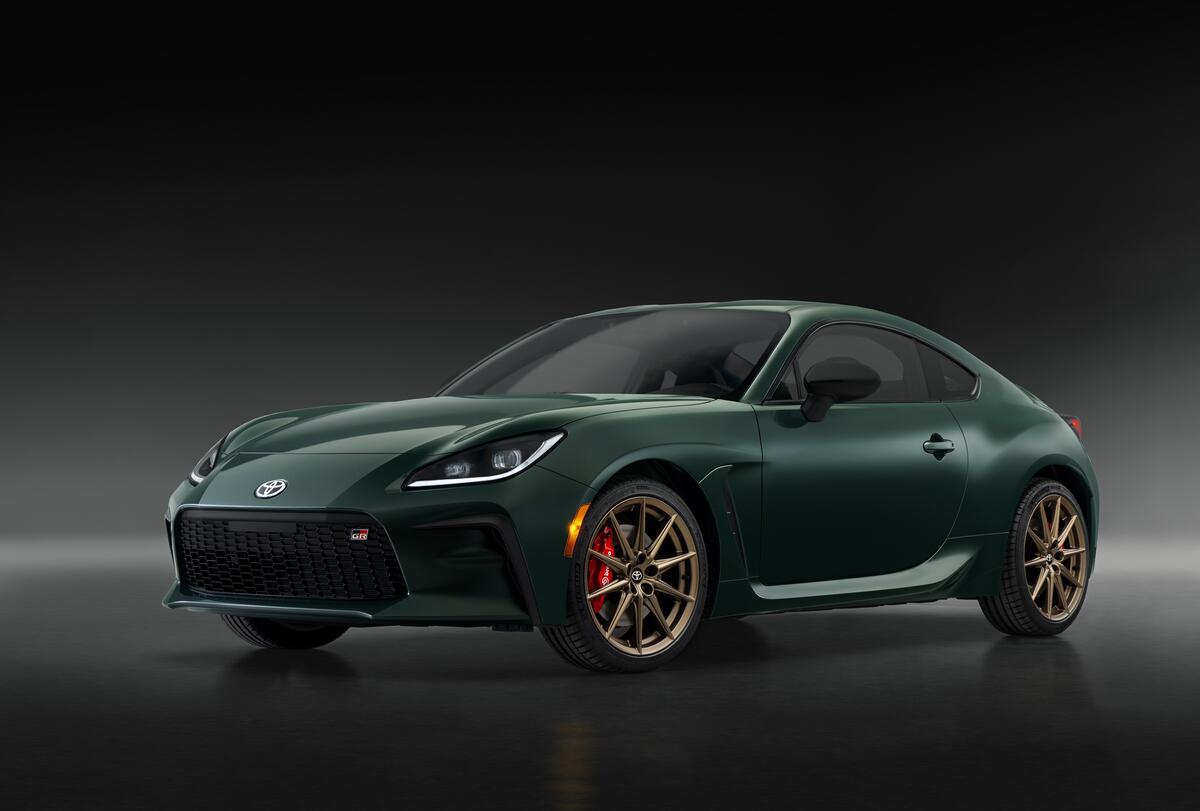

Rolls-Royce Phantom
"...y this, right? I talked about this years ago, the Phantom Shitter cat. Yeah."
The Phantom is a very expensive luxury car from Rolls-Royce. The podcast mentions it with a joke, not as a detailed car breakdown. It’s being used as a recognizable example of a top-tier luxury vehicle.
The Rolls-Royce Phantom is a luxury flagship sedan known for its high-end comfort and expensive, top-tier build. The podcast mentions it in a humorous way (“Phantom Shitter cat”), suggesting it’s part of a light anecdote rather than a technical review. It’s included as a recognizable luxury reference point.
tonneau cover
"Whether it's tonneau cover and commit to that [3102.5s] or I was even thinking a cap."
A tonneau cover is a lid that sits on top of a pickup truck’s bed. It keeps stuff in the bed protected from rain and weather, and some types can also help with airflow.
A tonneau cover is a cover that goes over the bed of a pickup truck. It helps protect cargo from weather and can also reduce wind drag, depending on the style (folding, rolling, or retractable).
smart cap
"Rough Country makes a version of a thing called a smart cap. [3110.6s] Smart caps are really cool, but they are really expensive."
A “smart cap” is a higher-tech truck bed cover. It usually costs more because it has extra features (like powered operation or added security), not just a simple cover.
A “smart cap” is a truck bed cap that typically includes integrated features beyond basic weather protection—often power operation, security/locking, and sometimes built-in tech or lighting. The key point here is that it’s an expensive, feature-rich alternative to simpler tonneau covers or caps.
Rough Country
"Rough Country makes a version of a thing called a smart cap. [3110.6s] Smart caps are really cool, but they are really expensive."
Rough Country is a company that sells aftermarket upgrades and accessories for trucks. Here, they’re being talked about as making a more affordable version of a truck bed cap.
Rough Country is an aftermarket parts brand best known for truck accessories like suspension upgrades and bed/utility add-ons. In this segment, they’re mentioned as making a cheaper alternative to a “smart cap.”

Ford Ranger
"...heaper, but they didn't or don't have them for my ranger. So."
The Ranger is a pickup truck, meaning it has a bed for carrying things. People use it for work or practical hauling. The podcast mentions it because the speaker is talking about what options or upgrades are available for their Ranger.
The Ford Ranger is a mid-size pickup truck typically used for work and everyday hauling. In the podcast, it’s brought up in the context of pricing and availability compared with other performance-oriented options. The speaker notes that they don’t have them “for my ranger,” implying a parts/trim or upgrade discussion.
canvas ones
"So that's my, like I like the canvas ones and that'd be a pretty easy, good solution to a lot of somewhat problems."
These are fabric covers that go over the back of a pickup. They help hide your stuff and make it harder for people to steal it.
A canvas cover (often a soft tonneau cover) is a fabric top that goes over the truck bed to help keep items out of sight. It’s commonly chosen because it’s lighter and easier to live with than hard covers, while still improving security.
lift
"Yeah. Exactly. Yeah. So that would be a lift."
A lift means raising the truck higher off the ground. That usually helps when driving on rough roads or trails and makes room for bigger tires.
A lift is a suspension modification that raises a truck’s ride height. Raising the truck can improve ground clearance for off-road driving, and it also changes how the truck fits larger tires and wheels.
1552
"1552 just came out with some more off-road wheels. BBS has those off-road wheels."
1552 is being talked about as a wheel brand that makes off-road rims. They’re one of the aftermarket options being compared.
1552 is mentioned as a company/brand that has released additional off-road wheel options. The segment treats it as an aftermarket wheel maker alongside BBS and RAZE.
BBS
"1552 just came out with some more off-road wheels. BBS has those off-road wheels."
BBS makes wheels. In this segment they’re being mentioned as a brand that sells off-road-ready rims.
BBS is a well-known wheel brand, especially associated with performance and motorsport-style wheels. Here, they’re mentioned as offering off-road wheel options for trucks.
RAZE
"BBS has those off-road wheels. RAZE has off-road wheels."
RAZE is a wheel brand. They’re being mentioned as another option for off-road rims.
RAZE is referenced as a wheel brand offering off-road wheel designs. The context suggests they’re competing in the same aftermarket off-road wheel space as other brands mentioned in the segment.

Chevrolet Corvette
"...ut. Now the caveat to that is it's similar to the Corvette when it came out that you could get one for 50, w..."
The Corvette is a sports car from Chevrolet. It’s built for performance and driving excitement. The podcast mentions it because the speaker is comparing what they cost or how available they were when they first appeared.
The Chevrolet Corvette is a sports car known for high performance and being a flagship model for the brand. The podcast compares its pricing or availability “when it came out,” suggesting discussion about how much you could get one for at launch. It’s being used as a reference point in a value or market conversation.
MSRP
"[3759.7s] I want to make sure I'm right on that. [3760.9s] Uh, original MSRP. [3765.3s] Hmm."
MSRP is the official sticker price the manufacturer recommends for a car. It’s a starting point for figuring out what the car should cost before deals and extra fees.
MSRP (Manufacturer’s Suggested Retail Price) is the printed “sticker price” a carmaker sets for a vehicle before discounts, taxes, and dealer add-ons. It’s often used as a baseline for comparing how expensive a model is at launch versus later pricing.
rubber floor mat
"[3910.3s] Uh, it just gets a credit. [3912.9s] You got a rubber floor mat. [3914.2s] Like the Maverick had carpet."
A rubber floor mat is a tough mat that protects the truck’s floor. It’s great if you get dirt or water inside because you can usually wipe it out or hose it down.
A rubber floor mat is a durable, water- and mud-resistant protective mat that covers the floor area. It’s often chosen for trucks used for messy jobs because it’s easier to clean than carpet.
small truck
"[3933.6s] Although real, I mean, like this is such a small truck. [3939.9s] What are you, what are you using this truck for?"
A “small truck” is a pickup that’s shorter and lighter than the big full-size ones. They’re basically asking what you’d use a small truck for if you need more capability.
“Small truck” refers to a compact pickup size that’s typically easier to park and more affordable than full-size trucks. The hosts use it to question what the truck is really being used for, given its limited size and likely budget-oriented tradeoffs.

Corolla
"Be over the Corolla. I guess the same thing we talked about with the Maverick where it's like you live in a suburban slash city area."
The Toyota Corolla is a common, practical daily driver. Here, they’re comparing it to a truck to explain why a truck might be more useful for things like carrying gear.
The Toyota Corolla is a mainstream compact car known for being easy to own and efficient for daily commuting. In this segment, it’s used as a baseline comparison for why someone might choose a small truck instead—especially when you still want pickup utility for hobbies.

Maverick
"I guess the same thing we talked about with the Maverick where it's like you live in a suburban slash city area."
The Ford Maverick is a smaller pickup truck that’s meant to be easier to live with day-to-day than big trucks. They’re using it as an example of a truck that can still carry gear when you need it.
The Ford Maverick is a compact pickup truck designed to be a more affordable, commuter-friendly alternative to larger trucks. The hosts are framing its appeal around suburban/city life plus occasional “bed stuff,” like hauling a mountain bike to trails.

Suzuki Jimny
"It kind of reminds me of Suzuki Jimny. Why does it bounce when it I don't know why it has that little weight?"
The Suzuki Jimny is a small off-road-looking vehicle. They’re saying the truck looks similar to it, and they’re also noticing it seems to bounce a bit, which is usually related to how the suspension rides.
The Suzuki Jimny is a small, boxy off-road-oriented SUV/kei-style vehicle known for its compact size and upright stance. The host says the truck “reminds” them of the Jimny, likely pointing to a similar look or ride character, then comments on it “bouncing,” which suggests a suspension/ride-height feel.
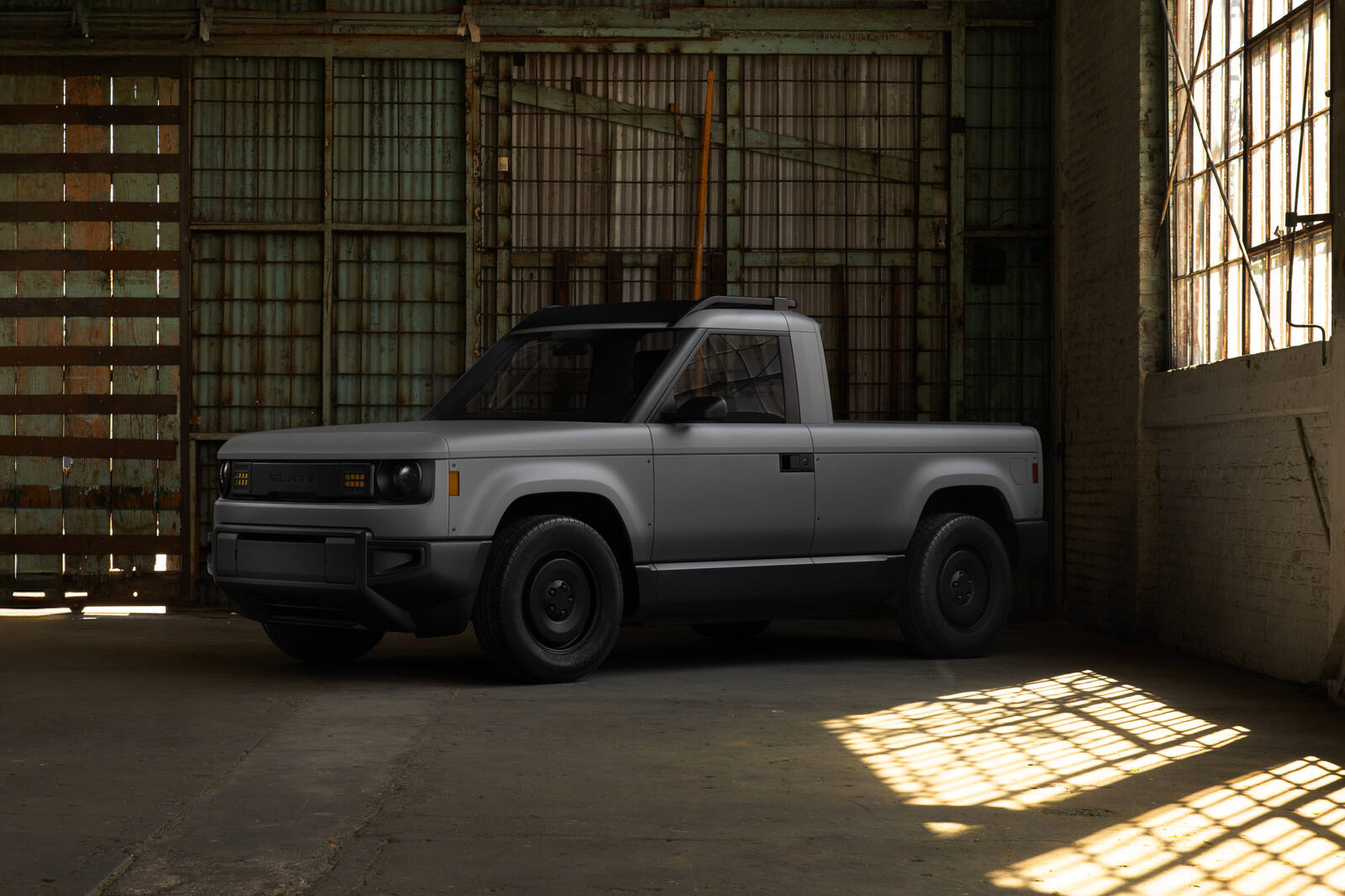
Truck Slate Truck
"...start taking pre-orders. Also not pricing for the slate truck and key accessories. Here's what to know."
A truck is a vehicle with a bed for carrying things. The podcast is talking about pre-orders and pricing for a truck and its accessories. It’s about what you’ll need to pay and what’s included.
“Truck” in this context refers to a pickup truck being discussed for pre-orders and pricing for the vehicle and accessories. The podcast mentions “pre-orders” and “not pricing for the slate truck and key accessories,” which suggests a conversation about what buyers should expect to pay and what’s included. It’s a general market/pricing topic rather than a specific model.
fastback
"Uh, pick up square back SUV, fastback, open air cargo kit. How a vehicle details."
A fastback is a car shape where the roof smoothly slopes down toward the back. It’s a style choice that can also change how the car handles airflow.
A fastback is a body style where the roofline slopes continuously down toward the rear, creating a more streamlined shape than a traditional sedan. It’s often associated with a sportier look and can affect aerodynamics and interior packaging.
SUV
"Uh, pick up square back SUV, fastback, open air cargo kit. How a vehicle details."
An SUV is a taller, roomier type of vehicle. They’re listing different body styles like SUV, fastback, and others.
SUV stands for “sport utility vehicle,” a body type built with a taller seating position and typically more cargo space than a sedan. In this segment, it’s used as one of several body-style options being compared.
open air cargo kit
"Uh, pick up square back SUV, fastback, open air cargo kit. How a vehicle details."
This sounds like an add-on that makes it easier to carry items in an exposed cargo area. It’s meant for hauling things that don’t need to be fully enclosed.
An open-air cargo kit refers to an accessory or configuration that turns part of the vehicle into an exposed cargo area. It’s a niche body/utility setup that changes how you load bulky items compared with a fully enclosed trunk or bed.
Battery range
"Here we go. Battery range. So this project to have 150 miles with an asterisk is designed and engineered to get you through most local daily driving needs."
Battery range is how many miles an electric car can drive on one full charge. The actual number can change depending on how you drive and the weather.
Battery range is the distance an electric vehicle can travel on a full charge before the battery needs recharging. It’s usually quoted as an estimate under specific test conditions, so real-world range can vary with speed, temperature, and driving style.

Tesla My Model
"240 miles. I mean, my model three only has 270. Yeah, that's pretty, that's a..."
Apple CarPlay
"Also, like what is, oh man, did they fuck the charging? Does it have Apple CarPlay Android? When your phone is your primary controller, you don't need CarPlay Android Auto."
Apple CarPlay lets you connect an iPhone to your car so you can use certain apps on the car’s screen. It’s mainly for things like maps and music.
Apple CarPlay is a smartphone integration system that mirrors a compatible iPhone’s apps and controls onto the car’s infotainment screen. It’s commonly used for navigation, music, and messaging while keeping the driver focused on the car interface.
Android Auto
"When your phone is your primary controller, you don't need CarPlay Android Auto. Just plug in your phone."
Android Auto lets you connect an Android phone to your car so you can use certain apps on the car’s screen. It’s usually for navigation and music.
Android Auto is Google’s smartphone integration platform that displays compatible Android phone features on the car’s infotainment system. Like CarPlay, it’s designed to make navigation and media easier to use while driving.
O-night charging
"O-night charging. O-night charge as torn 50 miles. Yeah."
Overnight charging means plugging your EV in at home and letting it charge while you sleep. It’s usually slower than charging at a station, but it’s convenient.
“Overnight charging” refers to leaving an EV plugged in for many hours, typically using lower-power charging at home. It’s often used to top up the battery gradually so the car starts the next day with a full or planned range.
fast charging
"And then fast charging. So that is, I'm going to call it a Tesla charger."
Fast charging is when an EV charges at a higher power so it adds range quicker. It’s the difference between slow everyday charging and quicker charging at a station.
Fast charging is higher-power EV charging that can add a lot of range in a shorter time than standard home charging. The key idea is charging power (how many kilowatts the charger can deliver), which strongly affects how quickly the battery fills up.
NACS
"It's the whatever NACS one. But. Wow."
NACS is a specific type of charging plug/connector standard used by Tesla. It matters because it tells you whether your EV can physically plug into a charger and communicate with it.
NACS is Tesla’s North American Charging Standard, a plug and charging interface used for many EV fast-charging setups. In practice, it determines what physical connector and charging handshake an EV expects at the charger.

Dodge Charger
"Okay. So like comes with a charger. Everything you need is included."
The Charger is a car model from Dodge. The podcast mentions it as coming with what you need, including a charger. That suggests the conversation is about an electrified version and what’s included in the purchase.
The Dodge Charger is a sedan that’s also offered in performance trims, making it a common choice for people who want a faster, more powerful daily driver. In the podcast, it’s mentioned with the idea that it “comes with a charger” and that “everything you need is included,” which sounds like a discussion about a package or charging setup. It’s likely being referenced in the context of an EV or electrified variant.

Tesla Model 3
"I tell you what the model three I had a by mine separately. Yeah. It's got an app."
The Tesla Model 3 is an electric car from Tesla. It’s popular and usually comes with smartphone app features for things like monitoring and control.
The Tesla Model 3 is Tesla’s mainstream electric sedan, known for being one of the most common EVs on the road and for its app-connected ownership experience. In this segment, the host compares charging setup details and mentions the Model 3’s app.
tail light upgrade
"Wow. The tail light upgrade. Audio and tech."
A tail light upgrade means changing the rear lights from the original setup. People do it for brighter visibility or a different look.
A “tail light upgrade” means replacing or adding different rear lighting components than the factory setup. Enthusiasts often do this for better visibility, different styling, or to use newer LED technology.
Expansion speakers pair
"Bring your own speaker mount. That's there. Expansion speakers pair. Front left and right integrated speakers."
This sounds like an audio option that adds two extra speakers. More speakers can make the music sound fuller and clearer.
An “expansion speakers pair” indicates an audio package that adds two additional speakers beyond the base system. Adding speakers can improve sound staging and clarity, especially at higher volumes.
Front left and right integrated speakers
"Expansion speakers pair. Front left and right integrated speakers. Okay."
These are the two front speakers—one on the left and one on the right. “Integrated” suggests they’re built into the car’s intended speaker locations.
“Front left and right integrated speakers” describes the stereo speakers in the front of the cabin, built into the vehicle’s audio layout. “Integrated” usually means they’re installed in the door/dash locations designed for the system rather than being temporary add-ons.
tablet mount steering wheel controls
"So we can get real tablet mount steering wheel controls, but it doesn't seem like there's a way that you can get it with a dash."
This means the car has a tablet-style screen, and buttons on the steering wheel can control it. It’s meant to keep you from having to touch the screen while driving.
“Tablet mount steering wheel controls” refers to using controls on the steering wheel to operate a tablet-style infotainment screen mounted in the cabin. This is a usability feature: it lets you change audio/navigation without reaching for the screen.
dash
"So we can get real tablet mount steering wheel controls, but it doesn't seem like there's a way that you can get it with a dash. Yep."
Here, “dash” means the dashboard—the main front panel of the car. They’re saying the tablet/controls might not be available in a setup that fits the normal dashboard layout.
In this context, “dash” means the dashboard area where the factory infotainment and controls are typically integrated. The speaker is implying the tablet/controls setup may not be available in a version that also uses a conventional dashboard integration.
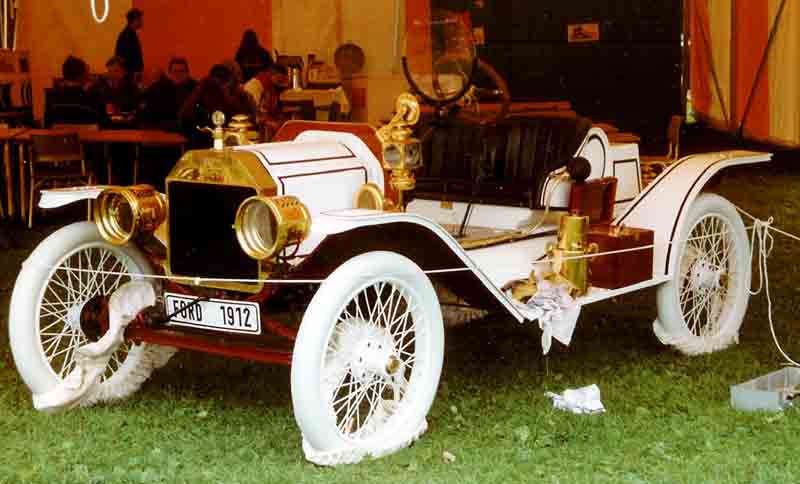
Ford Model T
"...icle in the company itself has built for its next model T moment is on track for a debut next year."
The Ford Model T is an old, famous car from Ford’s early days. People often use it as a symbol of a big, important new car release. The podcast is using that idea to talk about a future debut.
The Ford Model T is a historic early mass-produced car that helped popularize affordable personal transportation. The podcast mentions a “next model T moment” and a planned debut, using it as a metaphor for a major new release. It’s being discussed as a milestone-style comparison.
lithium iron phosphate battery
"The EV will use lithium ion, lithium iron phosphate battery with a 400 volt charging system, according to the details, Ford shared last year,"
This is a specific kind of EV battery. It’s a lithium-ion type that’s often cheaper and can handle everyday charging and use well.
A lithium iron phosphate (LFP) battery is a type of lithium-ion battery chemistry used in many EVs. Compared with some other lithium-ion chemistries, LFP packs are often cheaper and can be more tolerant of heavy use, though they may have different energy density characteristics.
400 volt charging system
"The EV will use lithium ion, lithium iron phosphate battery with a 400 volt charging system, according to the details, Ford shared last year, 400 volt systems don't charge as quickly as the 800 volt ones."
This is how the EV’s electrical system is set up for charging. The higher the voltage, the more power it can often take in quickly—so 400V can be slower than 800V, but it may cost less and work with more chargers.
A 400-volt charging system is an EV electrical architecture that determines how the battery is charged and how much power can be delivered at a given current. The host notes that 400V systems generally charge more slowly than 800V systems, but they can be cheaper and easier to support with existing charging infrastructure.
800 volt ones
"400 volt systems don't charge as quickly as the 800 volt ones. But they do have the upside of lower cost and wider charging support."
Some EVs are built with a higher-voltage charging system. That can let them charge faster, but it may require more specialized equipment to do it well.
800-volt EV charging systems are designed to move more charging power into the battery for faster charge times. The tradeoff is that they can require more specialized components and charging hardware, which is why the episode contrasts them with 400V systems’ broader support and lower cost.

Chevrolet Volt
"with a 400 volt charging system, according to the details, Ford s..."
The Chevrolet Volt is a car that can run on electricity, and it also has a gasoline engine for extra range. The podcast mentions a “400 volt” charging system, which is about the battery charging setup. It’s included because the speaker is talking about how it charges and works.
The Chevrolet Volt is a plug-in hybrid that uses an electric drive system and can also run using a gasoline engine when needed. The podcast mentions a “400 volt charging system,” which relates to how the battery is charged and powered. It’s being discussed in the context of technical details and charging.
high belt line
"Still, we can tell that the side profile features a high belt line and a relaxed rake of the windshield to reduce air resistance and improve efficiency,"
A high belt line is a styling and packaging choice where the body’s “shoulder” line sits higher along the doors. In the context of EV design, it can help shape airflow and reduce aerodynamic drag when paired with other body details.
relaxed rake of the windshield
"Still, we can tell that the side profile features a high belt line and a relaxed rake of the windshield to reduce air resistance and improve efficiency,"
This means the windshield is tilted at a gentler angle. That can help air flow over the car more smoothly, which can improve efficiency and range.
Windshield rake refers to the angle of the windshield relative to the road. A more “relaxed” (less steep) rake can be used to manage airflow over the hood and roof, reducing drag and improving aerodynamic efficiency—important for EV range.
32 inch tires
"What I selected had a two inch lift, 32 inch tires, extra lights, all this other stuff, right?"
This means the tires are about 32 inches tall. Bigger tires can help off-road clearance and look, but they can also change how the truck feels and can affect fuel economy and speed readings.
“32 inch tires” refers to the tire’s overall diameter, which is a key dimension affecting gearing, ride comfort, and clearance. On a lifted truck, larger tires are often chosen to improve off-road capability and visual stance, but they can also affect speedometer accuracy and fuel economy.
quad motor electric
"So offered quad motor electric M3 as well as a gas only. So keeping us three liter twin turbo S 58 alive for another generation."
“Quad motor” means the car would have four electric motors working together. More motors can help the car deliver power more precisely, which can make it feel quicker and more controllable.
“Quad motor” means the electric drivetrain uses four electric motors instead of one or two. That can improve torque delivery and allow more precise control of traction and vehicle response, especially in a performance car like the discussed M3 variant.
three liter twin turbo S 58
"So keeping us three liter twin turbo S 58 alive for another generation. Which school I'm good with that, that that motor is quite stout from what I understand."
The S58 is BMW’s performance engine used in some of their M cars. It’s a 3.0-liter straight-six with two turbochargers, and the discussion here is about keeping that gas engine around longer.
The “S58” is BMW’s internal engine family used in recent M cars, and it’s a 3.0-liter inline-six with twin turbochargers. The hosts are saying BMW may keep this engine architecture for another generation while meeting new emissions rules.
Euro seven
"So it looks like, OK, so to to make the gas engine meet strict Euro seven emission standards without slapping a heavy hybrid battery onto it."
“Euro seven” is a set of stricter rules in Europe for how clean cars must be. The hosts are saying BMW has to make the gas engine meet those rules without making the car too heavy with extra battery hardware.
“Euro seven” refers to upcoming European vehicle emissions regulations that tighten limits on pollutants from new cars. The segment frames it as a challenge for BMW to make the gas engine comply without adding a heavy hybrid battery.
pre chamber ignition system
"BMW engineered a patented pre chamber ignition system. If he just two spark plugs per cylinder in advanced turbos to cut down on fuel consumption on high revs."
A pre-chamber ignition system is a way to make the spark start combustion more effectively. It helps the engine burn fuel more efficiently, which can reduce emissions without needing extra heavy hybrid components.
A pre-chamber ignition system uses a small auxiliary combustion chamber near the spark plug. That design helps create a more reliable, faster-burning flame kernel, which can improve combustion efficiency and reduce fuel use—useful for meeting strict emissions targets.
two spark plugs per cylinder
"If he just two spark plugs per cylinder in advanced turbos to cut down on fuel consumption on high revs."
Instead of one spark plug lighting each cylinder, there are two. That can help the fuel burn more completely and consistently, which matters for both power and emissions.
Using two spark plugs per cylinder means each cylinder has dual ignition points. In performance and emissions-focused engines, that can improve flame development and combustion stability, especially under high load or high-rev conditions.
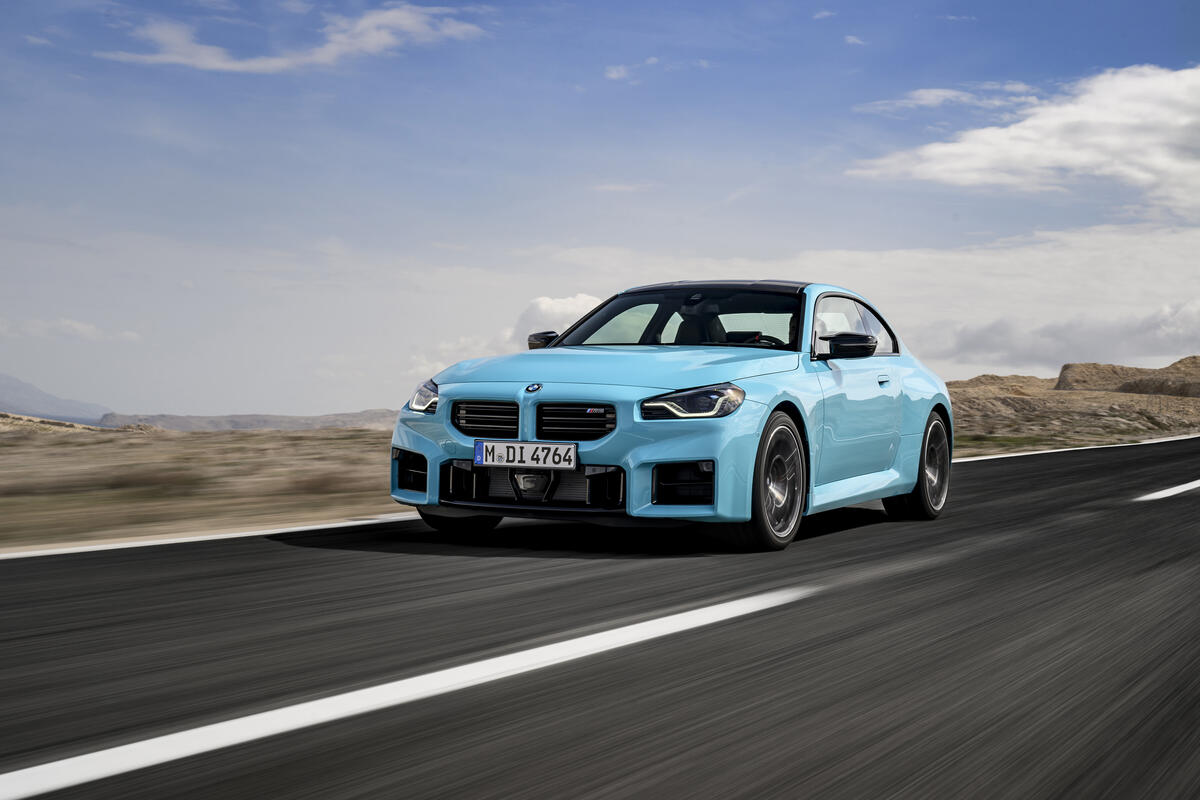
BMW M2
"... have really gone past. It looks like the current M2 was another door. I now I will say the previous M..."
The BMW M2 is a performance version of a BMW coupe. It’s designed to be fun and quick, but in a smaller size than some other performance BMWs. The podcast compares the current M2 to an earlier one.
The BMW M2 is a smaller, sportier performance coupe built for drivers who want an M-car feel in a more compact package. The podcast references “the current M2” and also mentions “the previous M…,” indicating a comparison between generations. It’s discussed as part of a performance-car lineup conversation.
48 volt mild hybrid
"because even in this article, it says performance will utilize an updated 48 volt mild hybrid version."
A “48 volt mild hybrid” is a car that has a small electric assist system. It helps the gas engine in certain situations, but it’s not a full electric car.
A “48 volt mild hybrid” uses a 48V electrical system plus a small electric motor to assist the engine, rather than fully replacing it. It can improve efficiency and smoothness (for example, during acceleration or when restarting), while keeping a conventional combustion engine as the main power source.
horsepower numbers
"If someone were to do [5670.2s] some manufacturer were to put something out [5673.1s] that was so far off [5677.4s] what everyone else is doing as far as horsepower numbers"
Horsepower is a number that describes how strong an engine is. Higher numbers usually mean the car can accelerate more strongly. The speaker is saying that if a company made something that didn’t follow the usual horsepower expectations, it could start a whole new trend.
“Horsepower numbers” refers to the quantified output rating of an engine—how much power it can produce. In enthusiast discussions, comparing horsepower figures is often shorthand for how aggressively a car is tuned for acceleration and overall speed. Here, the host is arguing that going “so far off” the usual horsepower/weight expectations would create a new trend.
weight
"what everyone else is doing as far as horsepower numbers [5680.0s] stand out and weight and all this stuff there would stand out."
Weight is how heavy the car is. Lighter cars tend to feel quicker and handle better because there’s less mass to control. The speaker is saying these are the usual numbers people compare when judging cars.
In performance-car talk, “weight” usually means the vehicle’s curb mass (how heavy it is when ready to drive). Lower weight generally improves acceleration, braking, and handling because the car has less mass to move and control. The host groups weight with horsepower as the key specs that define what “everyone else is doing.”
create a new wave
"But it would we did was so good. [5685.5s] It would create a new wave. [5688.8s] Yeah, you'd hope it'd be like a butterfly flopping its wings."
The phrase means one surprising car could start a trend that other companies and buyers start chasing. If it’s different enough and really good, it can change what people think is cool or desirable. That’s what the host is hoping for in the scenario they describe.
“Create a new wave” is the idea that one unusually bold car concept can shift consumer expectations and trigger a broader trend. In automotive terms, it’s about a manufacturer setting a new benchmark—whether that’s performance, design, or a totally different philosophy—so other brands follow. The host frames it as the potential outcome if a company releases something radically different and “so good” it changes what people want.

Mercedes 190 Cosworth
"Right. But not BMW. [5700.6s] But say, I don't even know, Mercedes. [5705.3s] Mercedes says, you know what? [5707.0s] The 190 Cosworth was such a legendary car."
This is a famous older Mercedes performance car that was built with help from Cosworth. People remember it because it was a big deal for speed and racing back in the day. The point here is that Mercedes could try something similar again with a newer car.
The Mercedes 190 Cosworth refers to the Mercedes-Benz 190 (W201) that was developed with Cosworth for high-performance homologation racing. It’s famous for its turbocharged 2.3-liter inline-four and for being a landmark “legend” Mercedes performance project. In this segment, the host uses it as an example of Mercedes reviving that kind of heritage with a modern model.
hoarding
"Right. And then it would go to that weird phase of like people hoarding on people flipping on it."
“Hoarding” here means people buy up a bunch of the same car and hold onto them. The host is saying that can lead to “flipping,” where the cars get sold quickly for profit.
In car culture, “hoarding” describes enthusiasts or speculators buying up limited or highly desirable cars faster than normal demand. The host connects it to a “flipping” phase, where cars become short-term commodities rather than everyday enthusiast purchases.
flipping
"Right. And then it would go to that weird phase of like people hoarding on people flipping on it."
“Flipping” means buying a car and then selling it soon after, often for more money. The host is saying it can turn a fun car into a quick-profit game.
“Flipping” refers to buying a car (often one that’s scarce or suddenly popular) and reselling it quickly, usually at a higher price. The host frames it as a “weird phase” where market behavior can distort what enthusiasts actually want to drive.
Porsche
"Be like the living turn into a Porsche thing for a little bit."
Porsche is a well-known German brand that makes sports cars. The host is comparing a trend in the market to how Porsche models can become highly sought after.
Porsche is a German sports-car brand known for performance engineering and enthusiast-focused models. Here, the host uses “a Porsche thing” to describe a phase where people start hoarding or flipping a desirable car.
Audi
"Yeah, from that. Kind of run because Audi wouldn't do anything cool."
Audi is a German car brand. The host is basically saying Audi didn’t make anything as exciting as what enthusiasts were hoping for.
Audi is a German automaker known for its technology-forward approach and performance models. The host says “Audi wouldn't do anything cool,” suggesting Audi wasn’t responding to the same enthusiast demand as BMW and Mercedes in this imagined scenario.
marketing dictates what's being made
"But yeah, basically marketing dictates what's being made in a way. You know what I mean?"
This is the idea that automakers shape their product plans around what they believe will sell, rather than purely around engineering or enthusiast desires. In practice, it can mean limiting certain “dream specs” to higher trims or specific price tiers so the brand can maximize demand.
new BMW clientele
"But, you know, new BMW clientele are going to care about. It'd be a very interesting thing, right?"
“Clientele” just means the kind of customers a brand is aiming for. The host is saying BMW is thinking about what new buyers will care about when they plan new cars.
“Clientele” here refers to BMW’s target customer group—buyers the brand is trying to attract or retain. The point is that BMW’s lineup decisions are influenced by what that specific audience is expected to want.

M5 comp
"So new BMW, you've got to have the new M3 comp M5 comp. That those people."
The BMW M5 Competition is a stronger, sportier version of the BMW M5. It’s designed for people who want a fast, high-performance version of BMW’s bigger M sedan.
BMW’s M5 Competition is the performance variant of the M5, built to deliver higher output and more track-capable behavior than the base M5. It sits in the same “new BMW clientele” conversation because BMW uses these Competition trims to target buyers who want maximum performance from the M lineup.
300 horsepower
"And if you suddenly you said, yeah, we got this new lightweight M3 makes 300 horsepower. They'd, you know, what would they do?"
Horsepower is a number that describes how strong the engine is. “300 horsepower” means the engine is rated to produce a lot of power.
Horsepower is a measure of engine power—how much work the engine can do over time. When someone says a car “makes 300 horsepower,” they’re talking about the peak power output the engine is rated to produce.
priced in such a manner
"I don't know. And especially if it was priced in such a manner. It's 30, 36 thousand dollars."
This is about how the price affects whether people will want the car. If it’s priced too high or too low, it can change how buyers see it.
This refers to how pricing strategy affects what buyers will accept and how the brand positions each model. In performance-car lineups, small price changes can shift a car from “aspirational” to “too expensive,” which then changes how the market reacts.
36 grand
"It's 30, 36 thousand dollars. I think it's a little crazy. Yeah, 36 grand."
“Grand” is slang for $1,000. So “36 grand” means roughly $36,000.
“Grand” is slang for thousands of dollars, so “36 grand” means about $36,000. The host uses it to argue that the hypothetical spec would land in a different price bracket than typical high-performance BMW offerings.
straight six
"[5844.3s] Yeah. It's a straight six. [5845.9s] That's what that's what I mean. [5846.9s] Just simplicity."
A “straight six” means the engine has six cylinders lined up in a row. Many people like it because it tends to run smoothly and feels straightforward compared to more complex engine designs.
A “straight six” is an inline-six engine layout where all six cylinders are arranged in a single line. Compared with other layouts, it’s often praised for smoothness and simplicity because the engine’s balance and firing order can be very even.

BMW E46
"...ke, we're getting crushed right now. Basically an E46 M3. But with today's."
The BMW 3 Series is a luxury sedan, meaning it’s a more upscale version of a typical family car. Some versions are built for performance. The podcast mentions the E46 M3, which is a specific performance model within the 3 Series family.
The BMW 3 Series is a compact luxury sedan that comes in many trims, including performance models. The podcast specifically mentions “basically an E46 M3,” which ties the 3 Series family to the M3 performance generation. It’s referenced in the context of how the speaker feels they’re being “crushed” by performance or discussion.
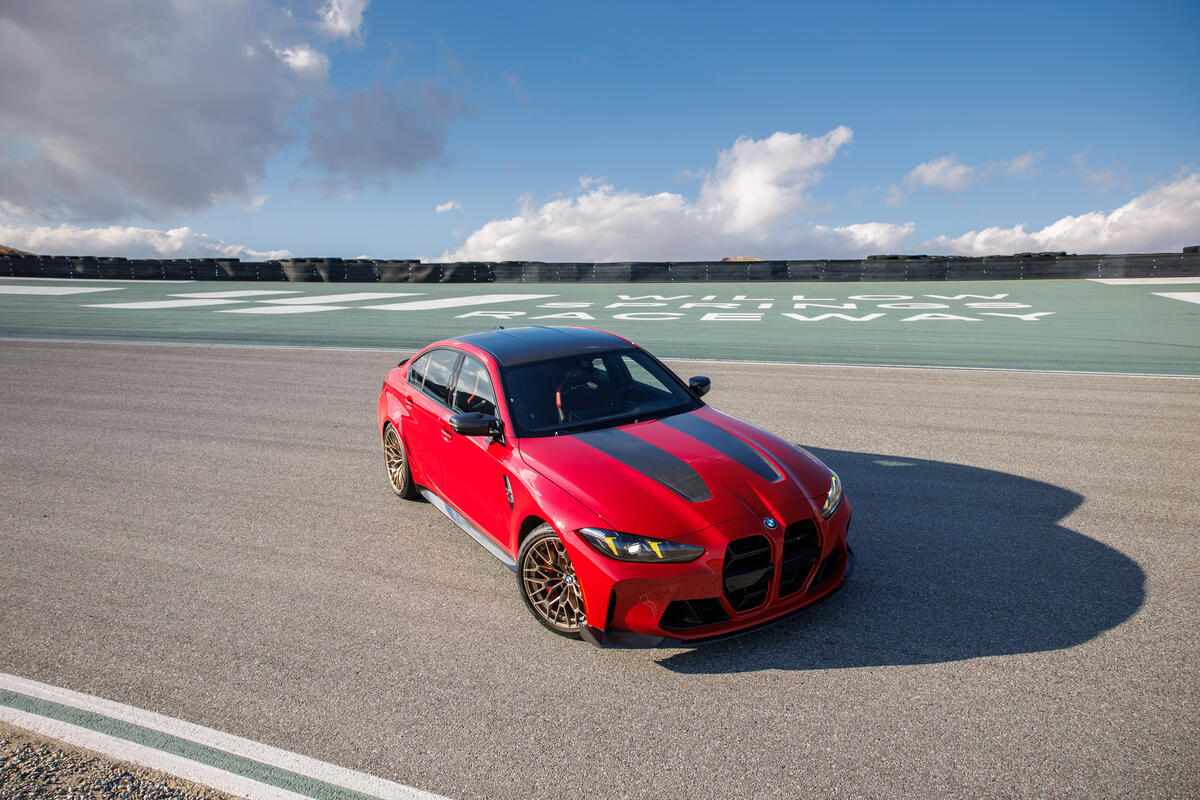
E46 M3
"Basically, Mercedes is like, we're getting crushed right now. Basically an E46 M3. [5872.5s] But with today's. [5874.3s] Yeah. Safety specs."
The E46 M3 is a BMW performance car from the 3 Series generation called “E46.” People really like it because it’s a classic BMW-style sports sedan/coupe with an inline-six feel, and it’s used here as the standard Mercedes would have to beat.
The BMW E46 M3 is a performance version of the E46-generation 3 Series, and it’s one of the most celebrated “driver’s car” eras BMW produced. The E46 M3 is especially associated with the brand’s inline-six character, and it’s being used here as a benchmark for what Mercedes would need to match.
safety specs
"Basically an E46 M3. [5872.5s] But with today's. [5874.3s] Yeah. Safety specs. [5875.9s] Yeah. And new visual, new, right."
“Safety specs” means the rules and required safety features modern cars have to include. Those requirements can make cars heavier or more complicated than older ones.
“Safety specs” refers to the required safety regulations and equipment standards that modern cars must meet. In performance-car discussions, these requirements can add weight, complexity, and cost, which can make it harder to keep a car feeling as “pure” as older designs.
Ranger Raptor
"So unfortunate Ford says 405 horsepower. Ranger Raptor might already have too much power. So there's no ..."
The Ranger is a mid-size pickup truck. In the podcast, it’s discussed in relation to a high-performance “Raptor” version and how powerful it might be. The speaker says there don’t seem to be plans for an even more powerful version.
The Ranger is Ford’s mid-size pickup, and in the podcast it’s specifically tied to the “Raptor” performance discussion. The speaker references horsepower and says there are “no plans” for a Ranger Raptor variant with even more power, implying a limit in future lineup. It’s being discussed as part of what Ford may or may not offer next.

F-150 Raptor
"So unfortunate Ford says 405 horsepower. Ranger Raptor might already have too much power. So there's no ..."
The F-150 is Ford’s large pickup truck. The podcast mentions a horsepower number (405) to talk about how powerful it is. It’s used as a comparison point for other trucks’ performance.
The Ford F-150 is a full-size pickup truck known for being widely available in many power and trim options. The podcast mentions Ford stating “405 horsepower,” using it as a reference point in a comparison about whether a Ranger Raptor might already have too much power. It’s discussed in the context of performance specs and lineup positioning.
Bronco Raptor
"...dy have too much power. So there's no plans for a Bronco Raptor R or Ranger Raptor R. That's unfortunate. I don't..."
The Bronco is an SUV designed for off-road driving. The podcast is talking about special high-performance versions and says there are no plans for an even more extreme “Raptor R” type model. It’s about what Ford plans to build in the future.
The Bronco is Ford’s off-road SUV, and the podcast discusses performance variants by saying there are no plans for a “Bronco Raptor R” or similar. That implies the lineup’s power ceiling or future model strategy is being constrained. It’s mentioned as part of a discussion about what might come next for off-road performance.
license plate cameras
"License plate cameras will soon track phones, wearables, info taming and even your pets. A new kind of license plate reading camera will also scrape the smart devices you take with you"
These are cameras mounted on roads or in parking areas that read car license plates automatically. They can be used for things like enforcement, but they can also be part of tracking systems.
License plate cameras are roadside systems that capture images of vehicle plates and then process that information automatically. They’re often used for traffic enforcement, tolling, and locating vehicles, but they can also be connected to broader data collection.
Request an Explanation
Heard something you'd like explained? We'll add it to this episode.
Sign in to request explanations for terms you heard.
Want to learn more?
Browse our glossary for plain-English explanations of automotive terms, jargon, and concepts.
Help improve this episode
See something that's not quite right? Our annotations are AI-generated and can sometimes miss the mark. Click the flag icon on any annotation to suggest a correction.