
About this episode
Euro Traffin kicks things off: it’s a summer show with European cars only, and the hosts trade hangover stories while recapping standout rebuilds and rare-parts hunts. The conversation then bounces between event logistics (Castle Elm weather, Bristol plans, upcoming “Titanic Dubs”) and practical ownership talk—wheels, tread, and even a dead-battery computer panic. Later, it shifts into deeper DIY mode: 3D-printed parts, valve-block wiring fixes, and sound-deadening removal methods. The episode ends with more motoring chatter, including Goodwood and future-spec BMW M3 debate.

Volkswagen Bora
"...nces in that. Then Graham Holmes came up with his Bora, which was basically a lesson in hunting down rar..."
The Volkswagen Bora is a Volkswagen sedan, meaning it’s a regular four-door car rather than a hatchback. It’s built on a platform related to the Golf, depending on the version. In the podcast, it’s mentioned as the basis for a particular project or build.
The Volkswagen Bora is a compact/midsize sedan that’s closely related to the Golf platform, depending on the generation and market. It’s discussed in the podcast as a project car tied to “hunting down” rarer parts or a specific build direction. That makes it notable as a less-common base compared with more widely known Volkswagen models.

Volkswagen Caddy
"...he came over, so Gary brings his van over. It's a Caddy van. He brings over for dub shed."
The Volkswagen Caddy is a small van made by Volkswagen. People use it for carrying things, but it can also be modified for projects. The podcast mentions it as the van that was brought over for a custom setup.
The Volkswagen Caddy is a compact van used for work and everyday transport, often customized in enthusiast circles. In the podcast, it’s specifically referenced as a van brought over for a “dub shed” setup, highlighting its role as a platform for projects. That makes it notable as a common base for customization rather than a performance car.

Audi SQ5
"They're SQ5 wheels... You've had all sort of. Maybe you were having the battery issues or the electrical issues with it. With? With the Q5."
An Audi SQ5 is a sportier, higher-performance version of the regular Audi Q5. Here, the host is mainly discussing wheels that fit the SQ5 and also bringing up an earlier battery/electrical problem they had on their Audi.
The Audi SQ5 is the performance-oriented version of the Q5, typically using a stronger engine and sport-tuned setup than the standard Q5. In this segment, the host is talking about SQ5-specific 20-inch wheels and also mentions battery/electrical issues on a Q5, tying the wheel choice to their Audi ownership experience.
20s
"They're genuine 20s... The tires are probably about four mil left on them."
“20s” here means the wheels are 20 inches across. Bigger wheels usually mean different tires and can affect ride comfort and replacement costs.
In wheel talk, “20s” means 20-inch wheels (the wheel diameter). Larger wheel sizes are common on performance trims and can change ride comfort, tire cost, and how easily you can find replacement tires.
budget tire
"They're genuine 20s. But they had budget tires on them."
“Budget tires” are cheaper tires. They may not grip as well or last as long as higher-end tires, even if they look similar.
“Budget tires” refers to lower-cost tire models rather than premium brands or performance-focused tires. They often prioritize price over grip, tread life, and refinement, which can matter a lot on a heavier SUV.
four mil left
"But they had budget tires on them. The tires are probably about four mil left on them."
“Four mil left” means there are about 4 millimeters of tread remaining on the tire. Less tread usually means worse grip, especially in rain, and it’s a sign the tires may be due soon.
“Four mil left” is shorthand for remaining tire tread depth measured in millimeters. Tread depth affects wet grip and braking distance, so knowing how many millimeters are left helps estimate when the tires need replacement.
fully refurbished
"So I've been watching a set of fully refurbished Q5 20s, SQ20 wheels, SQ5 20 inch wheels."
“Fully refurbished” wheels have been repaired and refinished. Instead of buying brand-new wheels, you’re getting wheels that have been cleaned up and restored.
“Fully refurbished” wheels are restored by repairing damage (like curb rash), refinishing, and reconditioning the wheel surface to look and function like a renewed unit. For buyers, it’s a way to avoid the cost of brand-new wheels while still improving appearance and corrosion resistance.
battery issues
"Maybe you were having the battery issues or the electrical issues with it."
“Battery issues” means the car’s battery or charging system wasn’t behaving correctly. That can lead to starting problems or weird electrical warnings.
“Battery issues” refers to problems related to the vehicle’s battery and/or its charging system, which can cause hard starts, warning lights, or electrical glitches. The host also calls out “electrical issues,” suggesting the problem may have been more than just a dead battery.
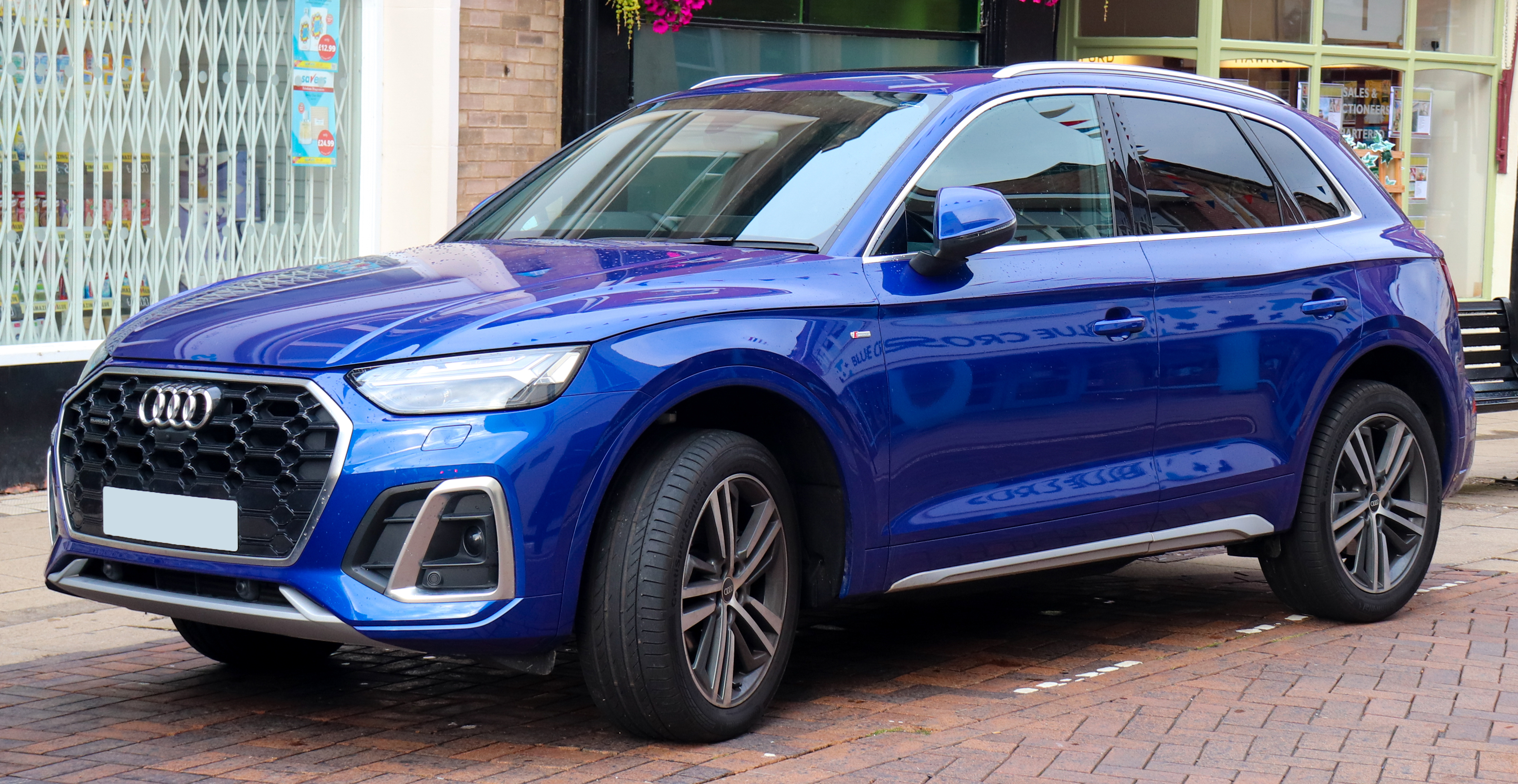
Audi Q5
"With? With the Q5. Battery. A long time ago."
The Audi Q5 is Audi’s popular SUV model. The host says they once had battery or electrical problems with their Q5, which can cause starting/charging headaches.
The Audi Q5 is the mainstream compact luxury SUV in Audi’s lineup. The host specifically mentions prior battery/electrical issues on their Q5, which is the kind of ownership problem that can affect day-to-day reliability and troubleshooting costs.

Nissan R32
"...ago of like, this is my window for working on the R32. Because if you look all around that window,"
The Nissan Skyline is a series of sports cars made by Nissan over many years. Some versions are especially popular with car enthusiasts for modifying and working on. The podcast brings it up while talking about working on an R32 Skyline.
The Nissan Skyline is a long-running Japanese sports-car nameplate known for performance variants and a strong enthusiast following. In the podcast, it’s referenced in the context of working on an R32, showing how the Skyline line is tied to hands-on projects. The mention highlights the Skyline’s role as a popular platform for tuning and restoration.
Kia
"Have met the standard. [745.5s] Kia or whatever I had. [746.5s] I still did the bleepy thing, which I didn't like,"
Kia is a car brand. Here it’s just mentioned as the make of the earlier car the speaker is comparing to.
Kia is a major automaker known for offering a wide range of cars and crossovers. In this segment, it’s referenced as the previous vehicle the speaker compared against.
bleepy thing
"[746.5s] I still did the bleepy thing, which I didn't like, [748.2s] but it wasn't as obtrusive as the last car I had."
The “bleepy thing” is the annoying beep a car makes to warn you. It’s usually for safety features like reminders or driver-assist alerts.
“Bleepy thing” is a casual reference to an audible driver-assist warning or alert chime. Many modern cars use beeps for things like seatbelt reminders, collision warnings, or lane-departure alerts.
SSRs
"SSRs? Might have been SSRs. The might have been SSRs."
SSRs are a brand of aftermarket wheels. Enthusiasts often choose them because they look right and can be lighter or better suited to the car’s setup.
SSRs refers to SSR wheels, a Japanese aftermarket wheel brand known for motorsport and enthusiast builds. The host is guessing that the car’s wheels were SSRs, which matters because wheel choice affects fitment, weight, and the overall “show build” look.

Chevrolet SSR
"...s were out, but it was like a proper show build. SSRs? Might have been SSRs."
The Chevrolet SSR is a vehicle that looks like a pickup truck but has a special removable/retractable roof. It’s meant to be a fun, showy style vehicle rather than a typical work truck. The podcast mentions it as something that may have been part of a custom build.
The Chevrolet SSR is a distinctive U.S.-market vehicle that blends a pickup-style body with a retractable hardtop, creating a “sport truck” concept. It’s significant because it’s unusual and visually memorable, which is why it often comes up in enthusiast discussions. The podcast references SSRs as part of a “show build” context.
RB30
"But like the bay, it was an RB30, so it's a stroked RB26 in it."
RB30 is a Nissan engine type (an inline-six). People build these by changing internal parts like the crankshaft stroke to make more power and torque than the smaller RB26.
The RB30 is an engine family from Nissan’s RB-series inline-six lineup. In this context, it’s being described as a stroked RB26, meaning the RB30 uses a longer-stroke crankshaft to increase displacement and torque potential.
RB26
"But like the bay, it was an RB30, so it's a stroked RB26 in it."
RB26 is a well-known Nissan engine used in the Skyline GT-R. A “stroked” RB26 means builders change the crankshaft stroke to make the engine bigger and usually stronger.
The RB26 refers to Nissan’s RB26DETT engine, famous from the R32–R34 Skyline GT-R era. Here, the host says the car uses a stroked RB26, which is a common tuning approach to boost displacement beyond the stock RB26.
20 inch wheels
"I was fascinated by Marty's Mark 6 cause it's one of these ones with like the 20 inch wheels, mega low static low..."
This means the car has big wheels—20-inch rims. Bigger wheels can make the ride feel different, so it’s relevant to why the host is talking about how smooth (or not) the car feels.
“20 inch wheels” means the car is running larger-diameter rims than stock. Larger wheels usually pair with shorter sidewall tires, which can change ride comfort and make the suspension feel harsher unless the setup is tuned well.
static low
"I was fascinated by Marty's Mark 6 cause it's one of these ones with like the 20 inch wheels, mega low static low, like static low, you know,"
“Static low” means the car is set very low while it’s just sitting still. That can make the ride harder and can cause clearance issues, so it’s a big part of the host’s curiosity about how it drives.
“Static low” refers to how low the car sits when it’s not moving—its ride height at rest. It’s a common stance/fitment goal, and going very low can affect clearance, comfort, and how the suspension behaves over bumps.
coilovers
"and I can't remember what coil overs he's running on that, but I know they're not cheap."
Coilovers are upgraded suspension parts that let you adjust how low the car sits and how stiff/soft it rides. They matter a lot for ride comfort, especially on a car that’s been lowered a ton.
Coilovers are adjustable suspension units that combine a coil spring and shock absorber in one package. They’re often used to fine-tune ride height and damping, which is why they’re central to how a very low car like Marty’s Mark 6 can still ride smoothly.
BHNRs
"but I know they're not cheap. The BHNRs. Oh, they're out there, like ultra deeps or something?"
“BHNRs” appears to be a specific coilover brand/model or suspension setup nickname. Without more context from the transcript, it’s unclear exactly which product line it refers to, but it’s being used as a shorthand for the exact suspension hardware on the car.
ultra deeps
"The BHNRs. Oh, they're out there, like ultra deeps or something? Ultra deeps, yeah."
“Ultra deeps” is a slang way of saying the car is slammed—set extremely low. That usually affects how it rides over bumps, so it’s relevant to the host’s surprise that this one can still feel smooth.
“Ultra deeps” is stance slang for an extremely low ride height and aggressive fitment. It implies the suspension is set for maximum visual drop, which can make ride quality harder unless the damping and alignment are dialed in.
Mark tune up
"Cause you get into my mark tune up like it's grand and then most people get in and go, this piece of shit."
This sounds like a “tuned” version of the car—basically a specific setup someone built for Marty’s Mark 6. The host is saying people think it’ll be fine, but then they get in and react to how it actually feels.
“Mark tune up” likely refers to a specific tuned setup or configuration for the Mark 6 (Marty’s car), rather than a generic maintenance “tune-up.” In context, it’s contrasted with how people react after getting in the car, suggesting the suspension/stance setup is the defining change.
ground clearance
"Because as long as I ground clearance to get over things, [1056.7s] which most of those modern stuff,"
Ground clearance is how much space there is between the bottom of the car and the ground. If it’s too low, you can hit or scrape the underside when the road gets bumpy or uneven.
Ground clearance is the distance between the road and the lowest part of the car’s underbody. Lowering it can make the car scrape or bottom out over speed bumps, driveways, and uneven roads, so it directly affects real-world usability.
Mark twos
"Mark twos are particularly bad as you'll know. [1063.5s] From the bumper. [1064.2s] Yes."
“Mark twos” sounds like a specific older version of a car. The point is that this version tends to scrape more easily—especially at the front—because it sits lower or has a less forgiving shape.
“Mark twos” here appears to refer to a specific generation/variant of a car line (often called “Mark II”) that the speaker says is especially bad for scraping from the bumper. The key idea is that some older designs have less forgiving front-end geometry and underbody clearance.
rubber band tires
"Like he's on twenties, he's rubber band tires, [1082.1s] you know, solid top mounts, the coilovers."
“Rubber band tires” usually means low-profile tires with a small sidewall. They can make the car feel more connected, but they also make bumps feel bigger because there’s less cushioning.
“Rubber band tires” is a slang way to describe very low-profile tires—short sidewalls on large wheels. Low-profile tires can improve steering response, but they also tend to make the ride harsher because there’s less tire sidewall to absorb bumps.
solid motor mounts
"Like he's on twenties, he's rubber band tires, [1082.1s] you know, solid top mounts, the coilovers. [1085.3s] It should ride terribly, but I,"
Solid top mounts are suspension mount components that use little to no rubber isolation at the top of the strut/shock. Compared with softer mounts, they transmit more vibration and impact into the chassis, which can make the ride feel less compliant over bumps.
tire tank sloppy
"And everybody has a superb says these that they can get a bit tank sloppy."
The speaker is basically saying some cars feel a bit out of control or unstable over bumps. It’s usually related to how the suspension is set up and how it absorbs impacts.
This appears to be a garbled reference to a common enthusiast complaint: that a car can feel “tank-slap” or “sloppy” over bumps when suspension geometry, damping, or mounting stiffness isn’t well matched. The underlying idea is that some setups can lose composure on rough roads.
heated leather
"where the sport line doesn't have heated leather. [1150.5s] It's a Bose headrest with whatever that name is. [1152.9s] Yes. [1156.0s] But the lesser model in the sport line, [1156.0s] which is like the SE or whatever has heated leather."
Heated leather means the seats are made of leather and they warm up. It’s a comfort option that some trim levels include and others don’t.
Heated leather refers to leather upholstery with built-in heating elements, usually controlled by a multi-level switch. It’s a comfort feature that can be tied to specific trim levels, which is why the hosts are comparing which models in the “sport line” have it.
sport line
"where the sport line doesn't have heated leather. [1150.5s] It's a Bose headrest with whatever that name is. [1156.0s] But the lesser model in the sport line, [1156.0s] which is like the SE or whatever has heated leather."
“Sport line” is a car trim level—basically a package of features and styling. They’re discussing different Sport line versions and what comfort options each one includes.
“Sport line” is a trim/option package name used on some Volkswagen Group cars, typically bundling styling and equipment. Here it’s important because the hosts are comparing which “Sport line” variants include heated leather and which don’t.
Bose
"It's a Bose headrest with whatever that name is. [1152.9s] Yes. [1155.1s] It is something. [1156.0s] But the lesser model in the sport line,"
Bose is a well-known company that makes high-quality car audio. They’re saying the car has an audio system built into the headrests.
Bose is an audio brand known for premium sound systems. In this segment, “Bose headrest” implies an audio setup integrated into the headrests, which is a higher-end option compared with standard speakers.

Skoda Superb
"But the lesser model in the sport line, [1156.0s] which is like the SE or whatever has heated leather. [1161.4s] TJ used to have a sport line superb, didn't they? [1163.1s] Or is that an Octavia?"
Skoda Superb is a bigger Skoda car with lots of room inside. The hosts mention it to compare how it feels to move from a bigger Skoda to a smaller one.
The Skoda Superb is a large European sedan/wagon known for offering a lot of interior space and comfort for the money. In this segment, it’s used as the “bigger car” baseline before comparing to an Octavia.

Skoda Octavia
"TJ used to have a sport line superb, didn't they? [1163.1s] Or is that an Octavia? [1164.6s] Oh, I don't know. [1166.7s] Have you ever, have you ever got into an Octavia"
Skoda Octavia is a practical Skoda that’s smaller than the Superb. The hosts are talking about what it feels like to switch from a bigger Skoda to the Octavia.
The Skoda Octavia is a compact-to-midsize car that’s especially popular in Europe for its practicality and space efficiency. Here it’s contrasted with the Skoda Superb to highlight how the cabin and “feel” changes when you step down to a smaller model.
boot
"but I don't think I'd finished it was the storage box [1247.7s] on the right hand side. [1248.6s] Back then I don't even think I showed you it finished. [1251.6s] So when you open the boot, looking in the sub boxes on the left,"
The boot is the back storage area of the car—what some people call the trunk. It’s the space you open to put luggage or gear inside.
In car terms, the boot is the storage compartment at the rear of the vehicle (the trunk in North America). It’s where you’d typically load luggage and where custom storage boxes are often built.
sub boxes
"So when you open the boot, looking in the sub boxes on the left, [1255.9s] which follows the lines down from the partial shelf. [1258.5s] So it kind of encloses it in."
“Sub boxes” are enclosures built to hold subwoofers for a car audio system. The box shape and internal volume strongly affect how the subwoofer plays (especially bass response).
partial shelf
"which follows the lines down from the partial shelf. [1258.5s] So it kind of encloses it in. [1260.2s] And I kept looking at the right hand side thinking,"
A partial shelf is a panel in the back of the car that covers part of the cargo area. Builders use it as a shape/fit reference when making custom speaker boxes.
A partial shelf is a structural or trim panel in the rear cargo area that partially covers or separates space. In audio builds, it can define how the subwoofer enclosures fit and how the enclosure lines “follow” the bodywork.
hidden door
"but with like a little hidden door that there was a press fit in [1273.3s] with two like pull tabs on it. [1275.8s] And I think my last video had that on it."
A hidden door is a concealed access panel built into the car’s custom interior. It lets you reach something inside later while keeping the outside looking clean.
A hidden door in a custom boot build is an access panel concealed within the enclosure or trim. It’s typically used to reach wiring, service points, or components without leaving the area looking unfinished.
press fit
"but with like a little hidden door that there was a press fit in [1273.3s] with two like pull tabs on it. [1275.8s] And I think my last video had that on it."
A press fit means one part is pushed into another so it stays tight by friction. It’s a common way to make panels removable but still snug.
A press fit is a mechanical fit where parts are held together by interference—one piece is pushed into another so it stays without screws or glue. In car audio enclosures, it’s often used for removable panels that still need to be secure.
valve block
"I started to turn my attention back to the center box [1293.6s] where the valve block and stuff was. [1295.2s] So I had all the hard lines made,"
A valve block is a part that controls flow—basically a hub with valves inside. It directs air or fluid to different parts of a system so it can operate correctly.
A valve block is a manifold-like assembly that houses multiple valves and routes fluid or air to different circuits. In automotive builds, it’s commonly associated with systems like air suspension or other pneumatic/hydraulic control setups.
hard lines
"where the valve block and stuff was. [1295.2s] So I had all the hard lines made, [1296.4s] but the VU4 style manifold has the manifold block."
Hard lines are stiff tubes that carry air or fluid. They’re used instead of soft hoses when you want a cleaner, more stable routing.
Hard lines are rigid tubes used to carry fluid or air, rather than flexible hoses. They’re often used in performance or custom systems because they can be routed cleanly and maintain consistent geometry under load.
VU4 style manifold
"So I had all the hard lines made, [1296.4s] but the VU4 style manifold has the manifold block."
A manifold is a part that routes flow to different directions. “VU4 style” here likely means a particular design of that routing piece used in their system.
A manifold is a distribution block that combines or splits flow paths to multiple outlets. “VU4 style manifold” suggests a specific design/variant used in this builder’s setup, where the manifold block is integrated with the manifold itself.
circuit board
"And there's like a circuit board on top with a plug on the side and all the wires going to it... The solenoids are soldered to the circuit board."
A circuit board is the part that holds electronic components and connects their wires together. It helps send the right electrical signals to the solenoids.
A circuit board is the electronic platform that connects components and routes electrical signals using traces and soldered connections. In this segment, the solenoids are mounted/soldered to the circuit board, and the board’s internal connections route power to the plug.
plug delete
"I've seen guys online where they do like a plug delete, but there's like no information about it online."
A plug delete is when someone removes or bypasses a factory electrical connector. The goal is usually to make the wiring simpler or hide/relocate the connection.
A plug delete is a modification where an existing electrical connector/plug is removed or bypassed, typically to simplify wiring or eliminate a factory connector from the harness. The host is investigating a plug-delete approach because there’s little online information about how to do it for this specific setup.
solenoids
"it was just wires and solenoids and shit everywhere. The solenoids are soldered to the circuit board and then there's retracts in the circuit board which go back to the plug."
Solenoids are small electric devices that act like switches for fluid flow. When they get power, they move to let fluid go where it needs to go.
Solenoids are electrically controlled valves that open and close to move hydraulic fluid on command. Here, the solenoids are soldered to a circuit board, and the host reroutes their wiring to a remote plug while keeping the same power/control function.
remote plug
"ran them out the back of it down the back of the V stand where you can't see it and then put a remote plug on it out of the way and then it worked."
A remote plug is just a connector moved to a different spot, usually so the wiring is cleaner or easier to access. It keeps the electrical connection but changes where it lives.
A remote plug is a relocated electrical connector that’s extended away from the original module so the wiring is easier to route or less visible. Here, the host runs the solenoid leads down the back of the V stand and mounts a remote plug out of the way.
Mega low miles
"[1710.5s] which I went, oh, that's really nice. [1713.4s] Mega low miles. [1714.4s] It actually would have been better for building a chop"
“Low miles” just means the car hasn’t been driven very much. People like it because it can mean less wear, but you still want to check how the car was maintained.
“Low miles” refers to how many miles (or kilometers) a car has been driven. In enthusiast buying, very low mileage often matters because it can imply less wear—though condition and service history still matter more than the odometer alone.
building a chop
"[1713.4s] Mega low miles. [1714.4s] It actually would have been better for building a chop [1716.9s] than what it was originally looking at."
A “chop” is a custom modification where the roof is cut down to make the car look lower and more aggressive. They’re saying the car would have been a good base for that kind of project.
A “chop” is a custom-car body modification where the roof is lowered (often by removing a section of the body) to create a sleeker, more aggressive profile. The host is saying the car’s low mileage would have made it a better starting point for that kind of custom build.

Porsche Boxster
"...as still a sports shirt. It'd be like 9-11 versus Boxster. That kind of thing."
The Porsche Boxster is a small, sporty car made by Porsche. It’s designed to feel quick and fun to drive, and it’s built with the engine placed closer to the middle of the car. The podcast mentions it as a familiar example of a true sports car.
The Porsche Boxster is a mid-engine two-seat sports car known for its balanced handling and open-top (roadster) style. It’s often discussed as an entry point into Porsche’s sports-car lineup and as a benchmark for “classic” roadster character. In the podcast, it’s used as a reference point for how something can be “still” a sports car in spirit.
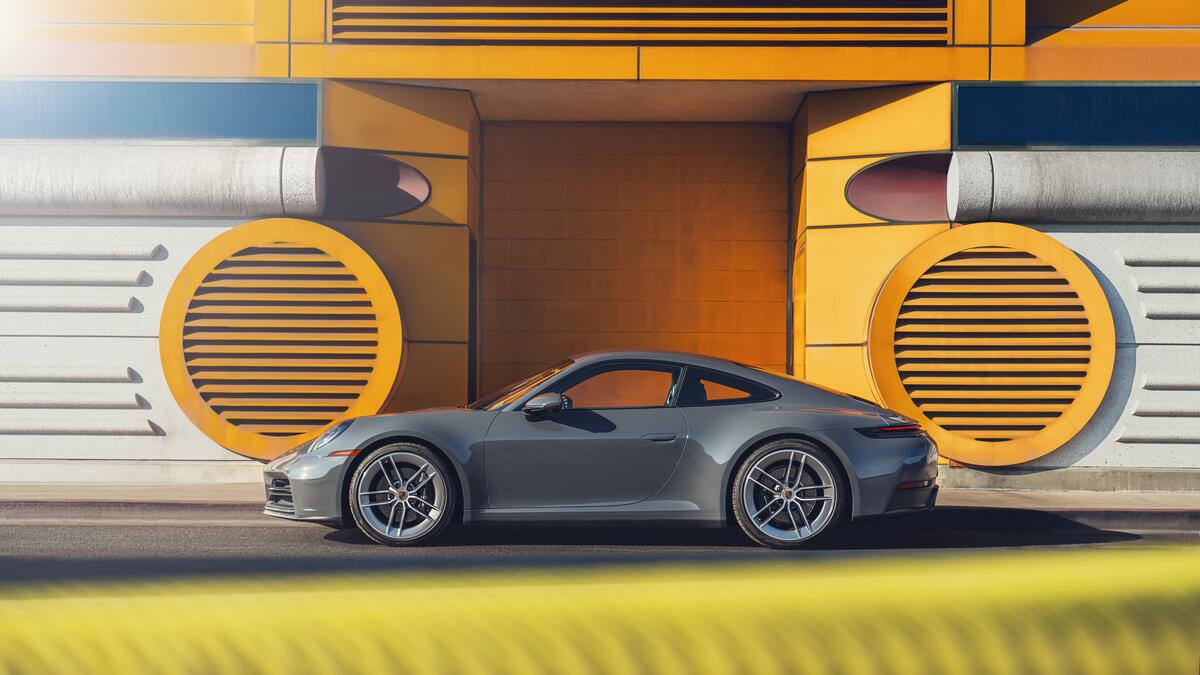
Porsche 911
"[1719.5s] But it was still a sports shirt. [1721.0s] It'd be like 9-11 versus Boxster. [1723.2s] That kind of thing."
The Porsche 911 is one of Porsche’s most famous sports cars. Here, the host is using it as a quick comparison point to explain what kind of car they mean.
The Porsche 911 is a rear-engine sports car known for its distinctive silhouette and long-running design. In this segment, it’s used as a reference point for comparing how different models feel and look, specifically against a Boxster/Cayman-style alternative.

Cayman type
"[1726.6s] 9-11 KM, I'm sorry. [1728.8s] Cayman type. [1729.7s] Yes."
The Cayman is a Porsche sports car that’s similar in spirit to the Boxster. The host is basically saying the car they were talking about feels like that kind of Porsche.
The Porsche Cayman is a mid-engine sports coupe that’s closely related to the Boxster platform. Here, the host says the car they were looking at is “Cayman type,” meaning it’s in that same general Porsche mid-engine family rather than something more extreme.

1200cc Harley
"And I have not a bike on the road in nearly 20 years. [1988.8s] It's a 1200cc Harley. [1991.7s] I kind of expected because it was a Harley."
This means the bike is a Harley-Davidson with a 1200cc engine. “1200cc” is the engine size, and bigger numbers usually mean the engine can make more pulling power.
A “1200cc Harley” refers to a Harley-Davidson motorcycle with a 1200 cubic-centimeter engine displacement. Engine displacement is a rough indicator of how much air/fuel the engine can move per cycle, which often correlates with the bike’s typical torque and cruising feel.
fully comp
"I think that's about quite expensive insurance. [2001.5s] Fully comp. [2003.2s] 3000 mile a year with Lee as a named rider."
“Fully comp” means you have the most complete type of insurance. It generally covers your bike if it’s stolen or damaged, not just damage you cause to other people.
“Fully comp” is shorthand for fully comprehensive insurance, which typically covers damage to your own bike as well as theft and third-party liability. It’s usually more expensive than basic third-party coverage because it pays for a wider range of incidents.
named rider
"[2001.5s] Fully comp. [2003.2s] 3000 mile a year with Lee as a named rider. [2007.9s] I think that's a ring."
A “named rider” is the specific person the insurance policy allows to ride the bike. If someone else rides it, the insurance might not cover them.
A “named rider” is an insurance policyholder listed by name as an approved driver/rider. Insurers use it to price risk based on that person’s age, experience, and claims history, and coverage may not apply if someone else rides the bike.
3000 mile a year
"[2001.5s] Fully comp. [2003.2s] 3000 mile a year with Lee as a named rider. [2007.9s] I think that's a ring."
This is how many miles the rider expects to use the bike in a year. Insurance companies use that estimate to guess how likely you are to have a claim.
“3000 mile a year” is the estimated annual mileage used by insurers to calculate risk and pricing. Lower expected mileage often reduces the chance of an accident, theft exposure, and wear-related claims.
tax
"[2011.5s] 156 pound. [2013.0s] And the tax is 120 pound for the year. [2016.3s] I'm more surprised with the tax than on the insurance."
“Tax” is the yearly fee you pay to be allowed to ride the bike on public roads. It’s separate from insurance and can be surprisingly high or low depending on the vehicle.
“Tax” here refers to annual vehicle tax/road tax, a recurring government fee to legally keep a vehicle on public roads. The cost can vary by vehicle type and emissions/engine characteristics, so it may surprise owners when comparing it to insurance.
smoked indicators
"There's like smoked indicators on. They sent the standard ones for it."
It means the turn-signal covers are tinted dark, like a “smoked” look. It’s mostly an appearance change, though it can also make the light look a bit less bright.
“Smoked indicators” refers to turn-signal lenses that have a dark tint (often from a smoked film or lens coating). The tint changes the look and can slightly affect how bright the signal appears in daylight.
smoke tail light
"There's a smoke tail light. He set the standard one for it."
It’s a rear light with a dark tint on the lens. People do it to make the bike look more custom, while still having brake/taillight function.
A “smoke tail light” is a rear light lens that’s tinted dark for a smoked/blackened appearance. Many aftermarket or custom parts use this to change the visual style while keeping the same basic lighting function.
fork seal
"Now it needs to do fork seals on it. It's just a bit bouncy in the front end, but I can do that over winter."
Fork seals are the rubber seals inside the front suspension. When they wear out, the front suspension can feel bouncy and may start leaking oil, so replacing them restores proper front-end feel.
Fork seals are the seals inside a motorcycle’s front suspension fork that keep fork oil from leaking and help maintain correct damping. If they wear out, the front end can feel “bouncy,” and the bike may also show oil seepage around the fork tubes.
front wheels
"Like a good, a solid afternoon, pull the front wheel out, pull the forks off, replace the seals."
This is just describing the process of taking the front wheel off so you can get to the front suspension parts. It’s a normal step for front-fork work.
“Pull the front wheel out” is a service step for removing the front end components so you can access the fork assembly. It’s part of many fork-seal replacement jobs because the wheel and fork must be separated safely.
1200 customs
"So I say it's 1200 customs. There's loads of like different bits over a standard."
This sounds like the bike is in the 1200cc class and is being referred to as a “custom” version. It’s basically telling you what size engine it has and that it’s a custom-styled variant.
“1200 customs” refers to a motorcycle custom model/variant associated with a 1200cc engine class. In practice, it’s a way of describing the bike’s displacement and trim/custom spec rather than a generic “custom” idea.
bigger front wheel
"There's loads of like different bits over a standard. Sports are a bit more like bigger front wheel and for a 26 year olds, a fresh bike."
It means the front wheel is larger than usual. A larger wheel can make the bike feel different—often smoother over bumps and sometimes slower or quicker to steer depending on the setup.
A “bigger front wheel” usually means a larger wheel diameter or different wheel/tire size than the standard setup. That can change steering feel, ride comfort, and how the bike rolls over bumps.
chrome
"Like the chrome's in really good order on it. That was my thing. I wanted a 21 inch front wheel and good condition and the chrome and good condition"
“Chrome” is the shiny metal finish on parts of the bike. If it’s in good shape, it usually means the bike wasn’t neglected or exposed to corrosion.
“Chrome” here means the shiny plated metal trim on the motorcycle. Condition of chrome is mostly cosmetic, but it’s also a quick indicator of how well the bike has been cared for (rust, pitting, and corrosion show up fast).
18 inch front wheel
"I wanted a 21 inch front wheel and good condition and the chrome and good condition"
That means the front wheel is 21 inches across. Bigger or smaller wheels can change how the bike steers and what kind of tires it can run.
A “21 inch front wheel” refers to the diameter of the motorcycle’s front rim. Wheel size affects steering feel, tire options, and how the bike rolls over bumps.
torquey
"And obviously mechanically, it's a good bike, but like it's torquey. I was surprised because it wasn't the big twin."
“Torquey” means the engine feels strong when you accelerate, especially at lower speeds. It’s the bike’s “pull” rather than just top-end speed.
“Torquey” describes an engine that produces strong low-to-midrange torque, making it feel punchy when you roll on the throttle. It’s different from horsepower: torque is about pulling force, especially at lower RPM.
big twin
"I was surprised because it wasn't the big twin. They're actually that smaller."
“Big twin” is a nickname for a larger V-twin motorcycle engine. People use it to talk about how the bike’s power and pull will feel compared to smaller V-twins.
“Big twin” is a motorcycle term (most associated with Harley-Davidson) for large-displacement V-twin engines. It’s used to distinguish bigger V-twin variants from smaller ones, often implying different torque and power characteristics.
1340
"The big twins are 1340. They have less horsepower, which is weird, but they've more torque."
“1340” is the engine size—about 1.34 liters. The speaker is saying the bigger engine doesn’t necessarily mean more horsepower, but it can feel stronger when pulling.
“1340” refers to a 1340cc engine displacement, another common Harley-Davidson V-twin size. In this discussion, the speaker notes a tradeoff: the larger engine is described as having less horsepower but more torque.
horsepower
"[2159.1s] What sort of horsepower is that? [2161.7s] Oh, 70, I want to say."
Horsepower is a number that tells you how strong an engine is. Higher horsepower usually means the engine can push the vehicle harder, especially when you’re going faster.
Horsepower is a measure of an engine’s power output—how much work it can do over time. It’s commonly used to compare how strongly different engines can accelerate a vehicle, especially at higher speeds.
factory aftermarket
"[2171.0s] but now it's nice. [2172.4s] There's a lot of nice like factory aftermarket."
“Factory aftermarket” means upgrades you buy that are still made or endorsed through the brand, not just generic add-ons. They’re meant to fit well and look right for that model.
“Factory aftermarket” refers to parts that are sold through the manufacturer’s own accessory program or are closely tied to the factory brand, even though they’re not part of the original build. They’re often designed to fit properly and may be more consistent in quality than random third-party parts.
110 screaming eagle
"[2175.6s] The guy described you, there's screaming eagle is basically, [2179.5s] I think it's like Votex for Harley."
Screaming Eagle is a Harley-Davidson brand for performance parts and accessories. People choose it when they want a more aggressive sound and a more “official” upgrade.
Screaming Eagle is Harley-Davidson’s performance and accessories brand, known for engine upgrades and exhaust systems. When someone says “Screaming Eagle,” they’re usually talking about parts intended to improve sound and performance while staying within the Harley ecosystem.
pipes
"[2181.6s] So like there's pipes on it. [2183.0s] The pipes sound really nice,"
Here, “pipes” means the exhaust pipes on the motorcycle. They change the sound a lot, and sometimes can affect how the bike runs.
In this context, “pipes” means motorcycle exhaust pipes. Exhaust pipes strongly affect the bike’s sound and can also influence performance depending on the design and how they’re paired with other exhaust components.
hand grips
"[2192.3s] Same with all, believe it or not, the skulls, [2194.8s] the hand grips and foot pegs and all are a brand."
Hand grips are the rubber or leather parts you hold on the handlebars. People swap them for comfort and style, and some brands make them as part of a matching custom look.
Hand grips are the handlebar coverings you hold onto, and on motorcycles they’re often customized for comfort, control feel, and style. Because they’re visible and easy to swap, they’re also commonly part of branded “look” packages.
foot pegs
"[2194.8s] the hand grips and foot pegs and all are a brand. [2197.5s] I didn't realize this, but that was something called Willy G,"
Foot pegs are the spots where your feet rest. People often change them for comfort and for the bike’s style.
Foot pegs are the platforms the rider’s feet rest on, and they’re frequently customized for ergonomics and aesthetics. Like grips, they’re easy to replace and can be part of a coordinated aftermarket look.
Willy G
"[2197.5s] I didn't realize this, but that was something called Willy G, [2199.7s] which is a guy who was."
“Willy G” is a nickname for a real person the host connects to the custom Harley world. In this segment, they describe him as a tattoo artist and someone tied to the founders.
“Willy G” is referenced here as a specific person associated with Harley-Davidson-style branding and customization. The host describes him as a tattooist and also as connected to the founders, implying he’s a recognizable figure in the custom culture around these parts.
kettled for rallies
"[2779.3s] You know, kettled for rallies, [2780.3s] but not be eligible because of what's in the engine bay."
This sounds like they’re talking about getting a car ready for rallying. Then they say it might not be allowed because of what’s been put in the engine area.
“Kettled for rallies” appears to refer to a rally-prep or rally-eligible setup, where a car is prepared/modified for rally use. The host then contrasts it with not being eligible due to “what’s in the engine bay,” implying rules about allowable components.
400 brake
"[2783.9s] So it's an SR20 putting out 400 brake. [2786.1s] Holy shit."
“Brake” is shorthand for brake horsepower, which is how much power the engine is making. It’s measured in a way that represents engine output rather than what the tires end up receiving.
“Brake” here means brake horsepower (bhp), a traditional way of quoting engine power measured at the engine output (not at the wheels). It’s often used in the UK/Europe and is a useful shorthand for comparing engine output across builds.

Temerario Lamborghini Temurario
"...Audi Fulturni, possibly. And it's just a rebodied Lamborghini Temurario. I probably pronounced both of them wrong."
The “Temerario” here sounds like a custom project where the car’s outer body has been changed to look like a specific Lamborghini-style model. That means the car may not be the original factory version, but it’s built to match the look. The podcast is talking about it as a rebodied car concept.
The “Temerario” mentioned in the podcast is described as a rebodied Lamborghini, meaning the car’s body has been changed to resemble a different model. That kind of build is significant because it can turn a more common base into a visually specific, rare-looking project. The podcast frames it as a pronunciation uncertainty while discussing that rebodied concept.
re-bodied
"And it's just a rebodied Lamborghini Temurario."
“Rebodied” means the outside shell of the car was changed. The car may still be based on the same underlying parts, but it looks different on the outside.
“Rebodied” means the vehicle’s body panels and exterior styling were replaced or redesigned, while the underlying chassis and/or mechanical components may remain from another car. In car shows, this often describes prototypes, coachbuilt one-offs, or cars built to look like something else.

Audi R8
"But that was interesting to see it kind of look like an Audi R8 with PS1 graphics."
The Audi R8 is a famous high-end supercar from Audi. It’s used here as a comparison for the shape and styling of the car they saw.
The Audi R8 is a mid-engine supercar known for its V10 (in many years) and all-wheel-drive layout. In this segment, it’s used as a visual reference point for how another car looked.
electric presence
"When he was talking about the electric cars and the manufacturers now, it's very that electric presence."
They mean the event had a lot of electric cars and electric technology on display. It’s basically saying EVs were a big part of what you’d see.
“Electric presence” refers to how prominently electric vehicles (EVs) and electrified powertrains are represented at an event or in the lineup. It’s not a technical term by itself, but it’s a specific way to describe the balance between EVs and traditional cars.
holy grail of the Jap world
"So the holy grail of the Jap world has been found. So body in white, R34 GTR, body shell has been found."
They’re using “holy grail” to mean “the ultimate prize” for Japanese car fans. In this segment, the prize is an R34 GT-R shell that’s supposedly being sold with special documents.
The phrase “holy grail of the Jap world” is used to describe an extremely sought-after Japanese car or collectible. Here it’s tied to the discovery of a bare R34 GT-R body shell with paperwork that could make it registerable as new.
R34 GTR
"So the holy grail of the Jap world has been found. So body in white, R34 GTR, body shell has been found."
“R34 GTR” refers to a specific Nissan Skyline GT-R generation. It’s a very collectible Japanese performance car, and the big point here is that the seller claims it can be registered like a brand-new one because of the documents.
The Nissan Skyline GT-R is the famous “R34” generation, known for its twin-turbo inline-six and strong motorsport heritage. In this segment, the host is talking about a body shell being found and offered with paperwork that could allow it to be registered as a new car.
body in white
"So body in white, R34 GTR, body shell has been found. And someone has put it on Japan auctions."
“Body in white” means the car’s metal shell is built, but it’s not fully finished yet—no paint and not all the final parts installed. Think of it as the bare framework of the car.
“Body in white” means the car’s metal body structure is assembled and ready for finishing, but it’s not yet painted or fitted with many exterior/interior components. It’s essentially the bare shell stage used in manufacturing and restoration projects.
Japanese registration papers
"So this thing comes with like Japanese registration papers from Nissan, so it can be registered as a brand new R34."
Registration papers are the official paperwork that proves a vehicle is legally recognized. Here, the claim is that the documents are strong enough that the car could be registered like a brand-new R34.
Japanese registration papers are the official documents that identify a vehicle in Japan’s system, including its ownership and legal status. In this case, the host claims the paperwork is from Nissan, which is what makes the seller’s “register it as new” pitch possible.

GTRs
"which when you consider the prices, some of the GTRs are making, [3434.4s] like it's probably not, would I pay it?"
“GTR” usually means the Nissan GT-R, a high-performance Japanese sports car. The speaker is basically saying that the asking price is so high it’s in the same ballpark as what some GT-Rs cost.
“GTR” is shorthand for the Nissan GT-R, a Japanese sports car known for its all-wheel-drive grip and fast, repeatable performance. In this segment, the host compares the price of a rare car to what some GT-Rs have been selling for, implying the market is unusually hot for certain models.
e-coat
"Like it's in the original e-coat. [3442.8s] Comes with papers, as I say, as you can register it."
E-coat is a factory method for applying paint that helps it stick and protect the metal from rust. Saying it’s “original e-coat” is basically saying the car still has its original factory paint protection.
E-coat (electrocoat) is a factory paint process where parts are dipped and an electric current helps the coating evenly cover metal surfaces. The host’s “original e-coat” reference implies the car has its factory corrosion protection and paint system intact, which matters a lot for value and restoration decisions.
reshell
"someone will have a rotten one and a lot of money [3451.3s] and they'll just go, well, reshell that. [3453.0s] And there you go."
“Reshell” means taking the good mechanical parts from one car and putting them onto a different body. It’s a way to save a valuable drivetrain when the original body is too far gone.
“Reshell” means swapping a car’s mechanical components onto a different body shell—often to restore or preserve a valuable drivetrain while replacing a damaged or rusted body. In this context, it’s the idea of taking a rotten car and moving its good parts onto a better shell.
rally shell
"You know, for me, is it like, well, I'm not massively into rallies [3462.6s] but maybe for you, is that like someone finding a rally shell? [3465.3s] Yeah."
A “rally shell” is basically the body/frame of a rally car without all the finished parts. People buy them to rebuild a rally car from scratch, especially if the shell is clean and straight.
A “rally shell” is an incomplete rally car base—typically the body/chassis without the full drivetrain and interior—intended to be rebuilt into a competition car. The host contrasts finding a clean rally shell versus starting from a rotten one, highlighting how the base condition drives both cost and what kind of build you can realistically do.
concourse vehicle
"Do you build a totally concourse vehicle with your brand new shell? [3474.9s] Or do you take it and build a car you always wanted,"
A “concourse vehicle” is a car that’s restored to be perfect for car shows. The speaker is asking whether you’d build it to look brand-new for judging, or use it for a different kind of build.
A “concourse vehicle” is a car built and maintained to win judged shows—typically restored to look exactly like it did when new, with correct details and immaculate presentation. The host uses it to frame the choice between preserving a pristine shell as a showpiece versus building a more personal, usable car.
die-building
"Like if that was a mark one for me, [3482.2s] you're kind of torn between die-building a pristine example here, [3485.3s] because you have the opportunity to, or do you?"
“Die-building” means going all-in on making the car as perfect and accurate as possible. The speaker is saying you might be torn between making a flawless show car versus building something you’ll drive and enjoy.
“Die-building” here is shorthand for building/restoring a car to an extremely exact, show-quality standard—essentially treating the build like a meticulous “specimen” project. The host contrasts that with building a car you’ll actually enjoy, even if it’s not a perfect museum-style example.
narrow body
"Like, you know, that could have been a normal GTS, narrow body or whatever, but it's the actual proper GTR, but that'll sell like someone will buy that no problem."
“Narrow body” describes a car configuration with a slimmer body width compared with a wider “wide body” version. On models like the Porsche 911, this affects stance, wheel/tire fitment, and often how the car is perceived in terms of rarity and collectability.
Throttle House
"Have you ever heard of throttle house? Yes. The GTR, the M2 guys."
“Throttle House” is referenced as a car-media brand, associated here with “the GTR, the M2 guys,” meaning the hosts are known for covering performance cars. The speaker is using it as a comparison point for the kind of car enthusiast content and personalities the audience might recognize.
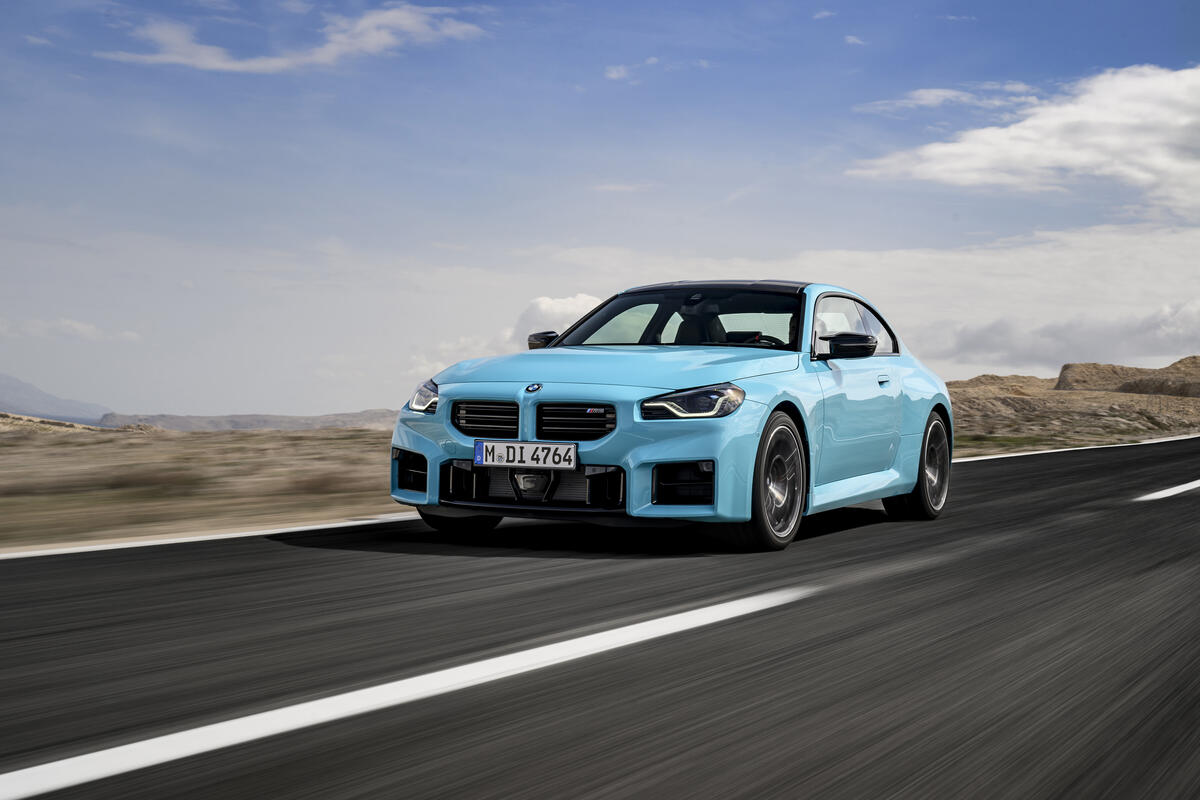
BMW M2
"Yes. The GTR, the M2 guys. And this is the curveball."
The BMW M2 is a small, sporty BMW coupe made by BMW’s performance team. It’s meant to feel quick and nimble rather than big and heavy. The podcast mentions it as an unexpected pick in the performance-car mix.
The BMW M2 is a compact performance coupe from BMW’s M division, designed to deliver “smaller car” agility with serious power. It’s often brought up by enthusiasts because it’s positioned as a more focused, driver-oriented alternative to larger M models. In the podcast, it’s described as a “curveball,” implying it’s an unexpected but notable choice among performance cars.
Francis Bourgeois
"And this is the curveball. Francis Bourgeois, you know, the train guy. I did see this eye."
Francis Bourgeois is referenced as a “train guy” who is also apparently a car enthusiast. The host is discussing a new set of podcast hosts and the personalities involved, using Bourgeois as an example of someone with automotive interest outside the usual car-media circle.
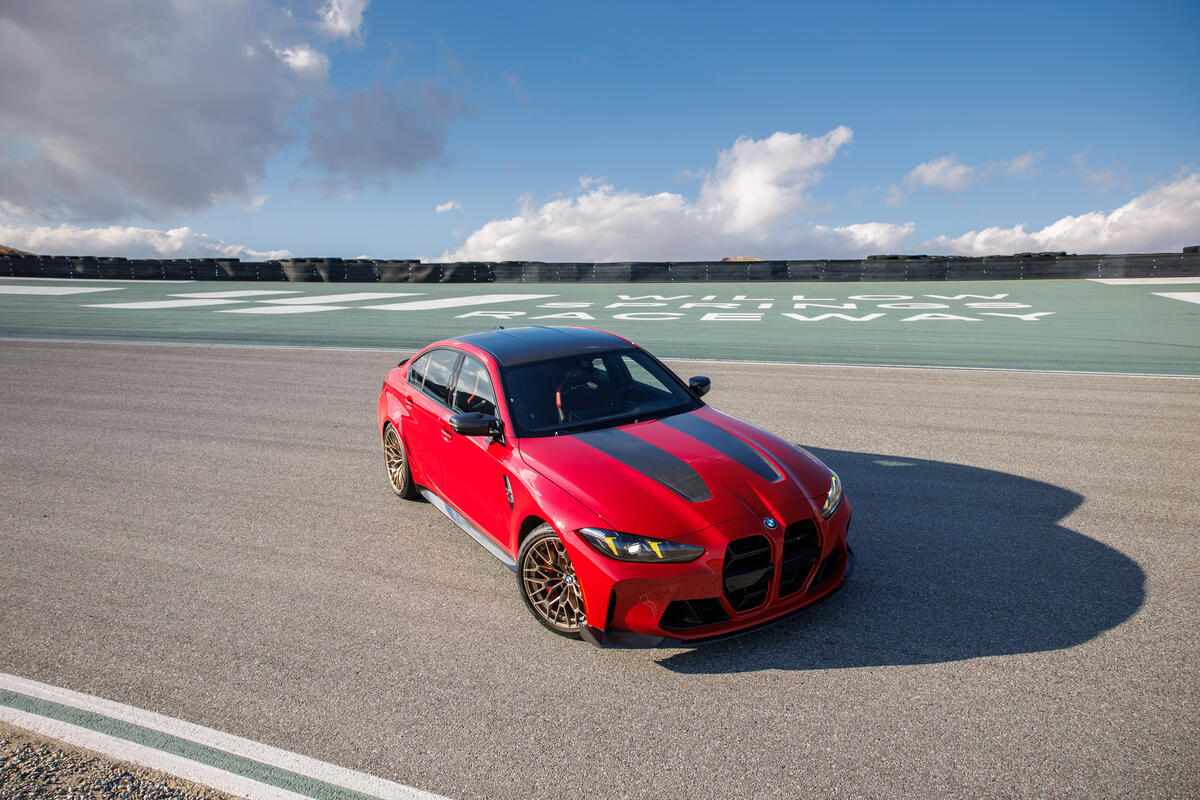
BMW M3
"What's another one I have? So the M3. So it was started then that the current M3"
The BMW M3 is a performance-focused BMW with a stronger engine and sportier setup than a regular 3 Series. It’s meant for people who want a fast, responsive driving feel. The podcast brings it up as the beginning point for the current M3 direction.
The BMW M3 is a high-performance version of the 3 Series, built by BMW’s M division for drivers who want a track-capable sedan/coupe experience. It’s significant because each generation has helped define what “M” performance means, and it’s frequently used as a reference when talking about tuning and performance potential. The podcast specifically frames it as the start of “the current M3” era.
six cylinder petrol version
"But BMW have confirmed that no, there is going to be a six cylinder petrol version alongside the EV model coming up."
“Six cylinder petrol” means the car will use a gasoline engine with six cylinders. More cylinders often helps the engine run smoothly and can make power delivery feel more refined.
A “six cylinder petrol version” means a gasoline engine with six cylinders, typically referring to an inline-six layout in BMW’s case. This is a specific engine configuration that affects smoothness, power delivery, and packaging compared with four-cylinder or V6 setups.
narrow ring
"So the prototype was out hammering around the narrow ring recently and test not. I think it's the current S58 engine."
The “narrow ring” is the Nürburgring track in Germany. Car makers use it to test cars because it’s very demanding and shows how well a car handles in lots of different situations.
“Narrow ring” is a reference to the Nürburgring Nordschleife, Germany’s famous long, twisty track. It’s widely used for development testing because it stresses cooling, traction, and stability over many different corner types and speeds.
S58 engine
"So the prototype was out hammering around the narrow ring recently and test not. I think it's the current S58 engine."
The S58 is BMW’s performance inline-six engine family used in recent M models. Saying the prototype uses the S58 implies it’s not a brand-new engine concept—it’s based on BMW’s current high-performance six-cylinder tech.
The S58 engine is BMW’s modern high-performance inline-six used in recent M cars. It’s known for being turbocharged and for delivering strong output with an M-tuned character, so tying the prototype to the S58 suggests BMW is leveraging an existing performance engine architecture.
turbo straight six
"I think it's the current S58 engine. I think it is the twin turbo straight six."
A “twin turbo straight six” is a six-cylinder gasoline engine in a straight-line layout, with two turbochargers. Turbos help the engine make more power by pushing extra air into the cylinders.
A “twin turbo straight six” describes an inline-six engine (straight six) that uses two turbochargers. Twin turbos are used to improve boost response and power output by forcing more air into the engine for more efficient combustion.

RS6
"Isn't it saying how tunable the M3, M5, RS6 is? It's not. They're so restricted. Yeah. And M5s, I think Stevie Allen was at EuroTrap ... I remember being over in Scotland and Carter Robinson let me drive his 700 brake RS6. And it's just insane, that amount of power, insane."
“RS6” is Audi’s very fast performance model. They’re describing how a super-powerful RS6 can feel totally different from a less powerful Audi RS3, so you shouldn’t expect the same sensation when you move between them.
“RS6” refers to the Audi RS 6, a high-performance wagon/sedan (depending on generation) built around a powerful turbocharged engine and all-wheel-drive traction. The segment highlights how extreme power levels (like “700 brake RS6”) can feel dramatically different from stepping down to an RS3, emphasizing that power and calibration changes can transform the driving experience.
tunable
"Isn't it saying how tunable the M3, M5, RS6 is? It's not. They're so restricted."
“Tunable” means you can change the car’s settings to make it behave differently—usually by adjusting the engine computer. The host is saying some cars are easier to modify for big power than others.
“Tunable” in this context means the car’s engine and drivability can be altered via calibration changes (like ECU tuning) and supporting modifications. The host contrasts “tunable” cars with ones that are “restricted,” implying modern cars may have tighter limits that reduce how far you can push power safely or legally.

BMW M5
"... the new car. Isn't it saying how tunable the M3, M5, RS6 is? It's not."
The BMW M5 is a fast, high-performance BMW sedan. It’s designed to be powerful while still being practical for normal driving. The podcast mentions it when talking about how easy or flexible these performance cars are to modify.
The BMW M5 is BMW’s performance flagship sedan, combining everyday usability with very high power and advanced chassis tuning. It’s often discussed alongside other “tunable” performance models because owners look for ways to increase performance beyond stock. In the podcast, it’s mentioned in the context of how the M3/M5/other performance cars compare in terms of tuning potential.
Request an Explanation
Heard something you'd like explained? We'll add it to this episode.
Sign in to request explanations for terms you heard.
Want to learn more?
Browse our glossary for plain-English explanations of automotive terms, jargon, and concepts.
Help improve this episode
See something that's not quite right? Our annotations are AI-generated and can sometimes miss the mark. Click the flag icon on any annotation to suggest a correction.