
About this episode
Reload Podcast EP154 blends dub shed build updates, show-season planning, and a chaotic April Fools “news” round. Nigel celebrates buying his first personal number plate and Connor/Lee trade workshop war stories, including measuring a Mark II sub box volume using multi-pack crisps. The crew also discusses R32/R32 parts hunting, wheel arch rust cleanup, and the stress of last-minute show prep. Later, they debate EV “reversal” talk, insurance headaches for modified cars, and share near-miss driving tales—plus a stolen F1 KitKat bar tracker story.
Revolut
"So I had money lying in my Revolut account. So it made it even cheaper again."
Revolut is a money app. They’re saying they had funds sitting there, so buying the plate ended up costing less than expected.
Revolut is a fintech app used for money transfers and payments, which the speaker uses to hold funds. They mention having money in their Revolut account, which reduced the effective cost of the plate purchase.
boot
"I wanted it to look neat. I didn't want it all shitty and like basically overpowering the boot."
“Boot” means the trunk area of the car. They’re trying to keep their build from taking over too much of that space.
“Boot” is the UK term for the trunk/storage area of a car. The speaker is concerned their enclosure shouldn’t “overpower” the boot space visually or practically, implying a fitment constraint.
MDF
"[406.7s] No, because the, the, the hole you had been filling it through, that's MDF. So you had [413.1s] been filling it up to the MDF."
MDF is a type of board made from wood fibers. People use it in car projects because it’s easy to cut and helps you build a solid base for custom parts.
MDF (medium-density fiberboard) is a woodworking panel material often used as a base for custom enclosures, mounting panels, and interior fabrication. In car projects, MDF is frequently used for speaker boxes or trim templates because it’s easy to cut and shape.

Nissan R32
"...afts. Arts and crafts. Just cracking on with the R32. So just like taking more parts off. While I'm t..."
The Nissan Skyline is a performance car, and the R32 is a specific older version people often modify. The episode mentions working on an R32 and removing parts, which is usually done to make the car quicker or lighter. That’s why it’s being talked about in a build or track-prep context.
The Nissan Skyline is a well-known Japanese performance car line, and the R32 is one of its most famous generations among enthusiasts. The podcast context mentions “cracking on with the R32” and taking parts off, which points to building or preparing a car for faster, more focused driving. That’s why it’s discussed—Skyline R32s are often associated with track and tuning projects.
wheel arch
"I corner manfully volunteered to help me because it was real spidery in there. I got my hands up into the wheel arch and I could feel all the cobwebs in the back of my hands."
The wheel arch is the curved body area around the tire, and it’s a common place for debris to collect and for corrosion to start. The speaker is describing reaching into the wheel-arch cavity and finding heavy cobwebs/debris, which supports the idea of trapped moisture leading to rust.

Volkswagen Eos
".... Gotcha. Gotcha, bitch. Um, myself. Remember the EOS with the Soraco front? I always liked it. Aye. O..."
The Volkswagen Eos is a Volkswagen model that has a roof that can open like a convertible. The podcast mentions it with a particular front styling look, meaning the car had a specific appearance. It’s brought up because it’s a recognizable, different kind of Volkswagen.
The Volkswagen Eos is a compact car that’s known for its convertible-style roof system. In the podcast, it’s referenced with a specific front-end look (“Soraco front”), which suggests a particular styling package or modified appearance. It comes up because the Eos is distinctive compared with a standard fixed-roof Volkswagen.
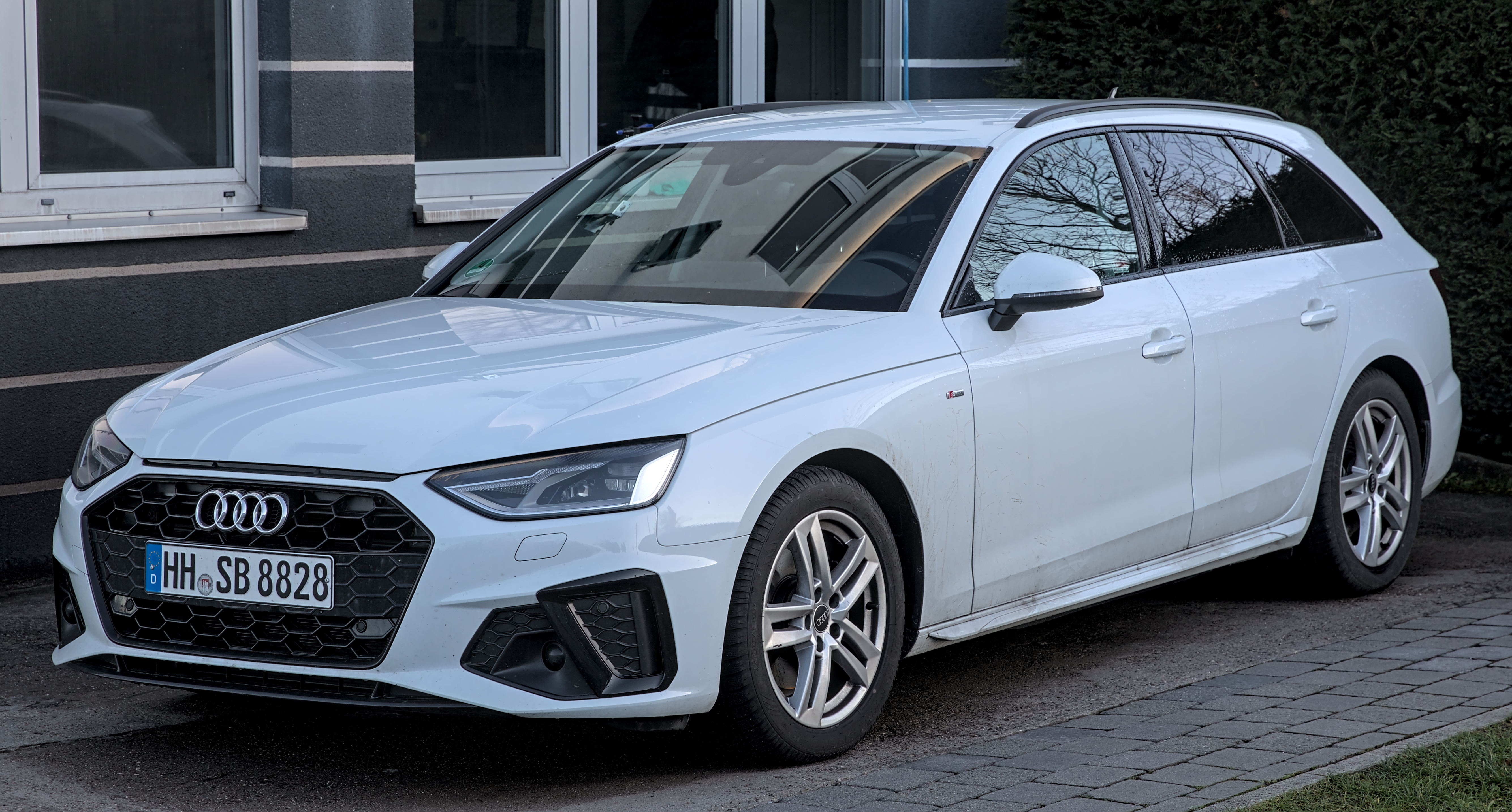
A4 two liter TDI
"Yeah. And some specs. ... There's a A4 two liter TDI I was looking at and it was an extra 380 quid."
This is an Audi A4 described with a “two liter TDI” diesel engine. The speaker uses it to show that even within the same general model family, the TDI engine choice can lead to a large insurance increase. It highlights how insurers may rate engine type and output differently.
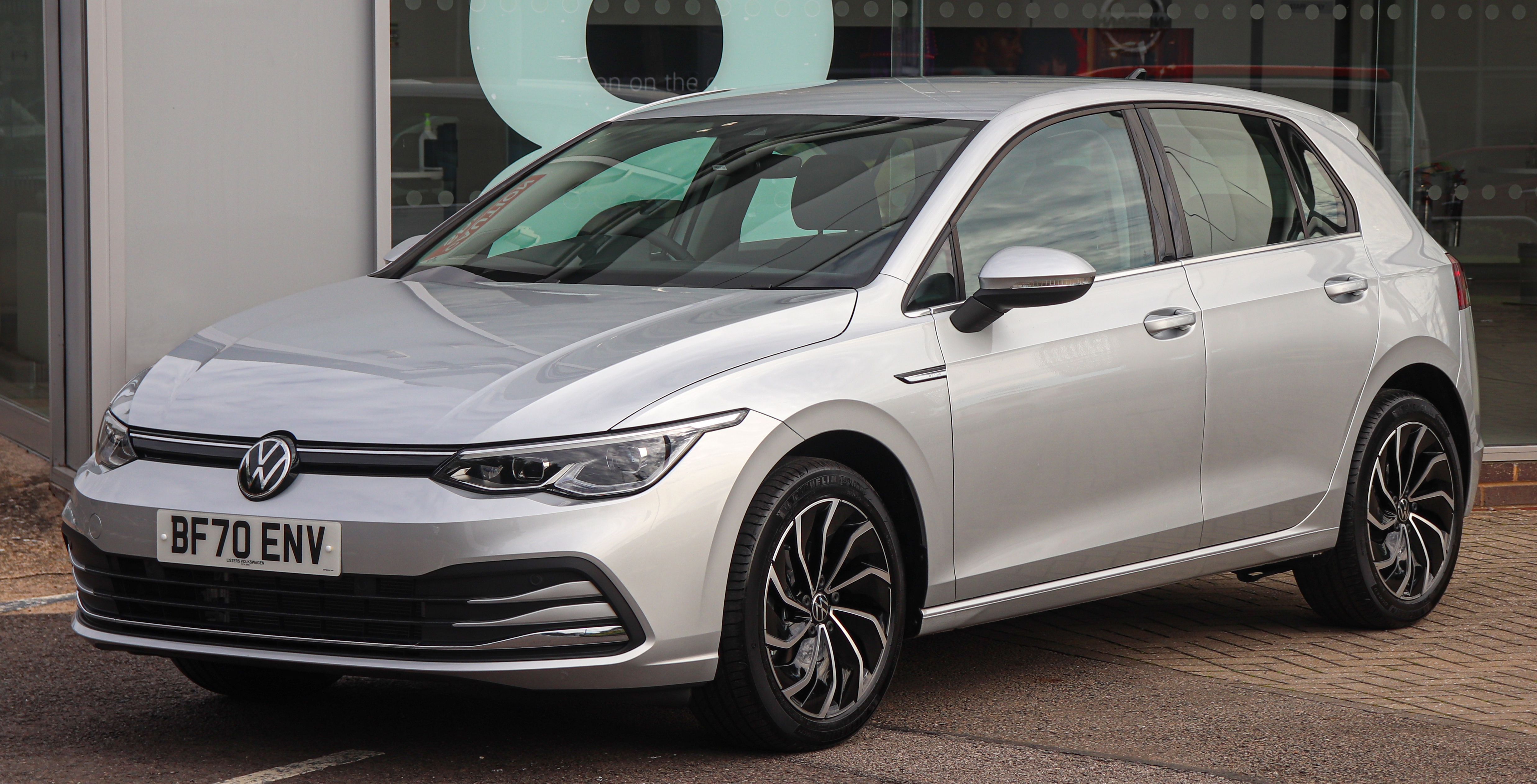
Volkswagen Gti
"...d insure a 16 valve carado because it didn't say GTI on it. It was a coupe."
The Volkswagen Golf is a compact car that comes in different versions. In the episode, they talk about a “16 valve” Carado and how the car’s labels (like GTI or not) can change insurance or how it’s identified. So it’s about the specific Golf variant, not just the model name.
The Volkswagen Golf is a compact car platform that’s offered in many versions, including performance-oriented trims. The podcast context mentions insuring a “16 valve” Carado that didn’t say GTI on it, which highlights how trim/badging can affect what people think they’re buying or insuring. That’s why the Golf comes up—because the details of the specific version matter.
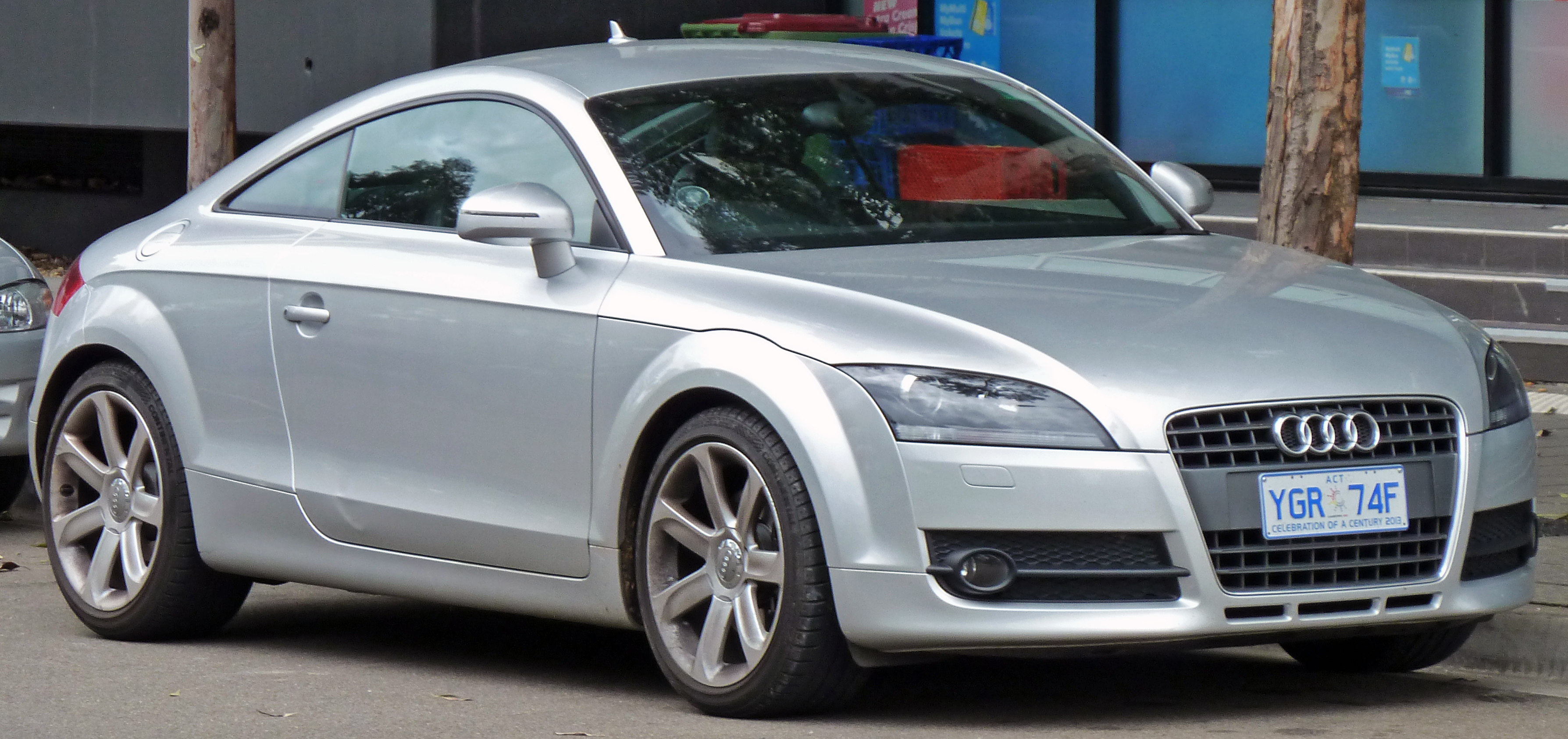
Audi TT
"I'm trying to insure the TT at the moment and have you seen this custodian? So I keep getting these targeted ads you've seen lately..."
The Audi TT is a sporty Audi model. The speaker is talking about the hassle/cost of insuring it, which connects to the earlier discussion about insurance rules.
The Audi TT is a compact sports coupe/roadster known for its sporty styling and performance-oriented variants. The speaker mentions trying to insure a TT, which ties back to how insurance classification and targeted offers can vary by model.
insurance
"I'm really, really particular about insurance. Like I chance many things, but I don't drive without insurance. And I wouldn't even take a car down the road, basically."
Insurance is the coverage you buy so you’re not paying everything out of pocket if something happens with your car. The speaker is saying they won’t drive unless they have it.
The speaker is emphasizing that they won’t drive without insurance. In car ownership, insurance is what financially protects you if you cause damage or injury, or if your vehicle is stolen or damaged.
slalom
"[1370.5s] and about the third basic slalom, [1374.0s] the back end just snapped. [1375.7s] And I remember just going sideways and going, oh."
A slalom is a course with cones where you weave left and right. It’s used to see how well a car turns and how stable it feels when you change direction quickly.
A slalom is a timed driving course that uses cones to create a series of quick left-right turns. It’s a common way to test a car’s handling balance, steering response, and driver control at moderate speeds.
missiles mounted
"A guy in Florida got pulled over because he had missiles mounted in his pickup truck. True or false?"
This is talking about someone attaching missile-type weapons to their vehicle. It’s not a normal car modification and would be extremely dangerous and likely illegal.
Mounting missiles (or missile-like devices) to a vehicle is an extreme and dangerous modification, and it would almost certainly raise serious legal and safety issues. The segment treats it as a “Florida Man” style story, but from a vehicle standpoint it’s an example of highly illegal/unsafe mounting of weapon-like hardware.
bitumen
"UK DOE engineers are road testing self-healing roads [1744.5s] with combining bitumen and gravy."
Bitumen is the tar-like glue in asphalt that holds the road together. If you change how it’s made, you can sometimes make the road last longer.
Bitumen is the sticky, black binder used in asphalt to hold aggregate (gravel/stone) together. It’s a key ingredient in most road surfaces, and modifying it is a common approach to improving durability and crack resistance.
potholes
"We were fixing all the potholes and stuff from basically our house down into the village."
Potholes are holes or broken spots in the road. They can make the ride bumpy and can even hurt your tires or suspension if you hit them.
Potholes are damaged sections of road surface that can form when water gets into pavement and freezes or when traffic breaks up the asphalt. They can upset a car’s suspension and tires, and they’re especially noticeable on twisty driving roads.
F1
"was it the last episode Lee, you talked about the F1 KitKat bars? ... Are you going to say that 12 tons of KitKat got stolen? Yes. And it was the F1 branded?"
“F1” is short for Formula 1, a famous kind of racing. The hosts are talking about KitKat bars that were branded with the F1 name.
“F1” refers to Formula 1, the top tier of open-wheel motorsport. In the segment, it’s used to describe F1-branded KitKat bars, tying a mainstream product to the racing world.
lorry
"Apparently they were going from Italy to Poland and the hijacked the lorry with 12 tons of these F1 KitKat bars."
A lorry is basically a big delivery truck. It’s the kind of vehicle that would carry a lot of goods—like those KitKat bars.
A “lorry” is a large truck used for freight, common in the UK and parts of Europe. In the segment, it’s the vehicle used to transport the KitKat bars from Italy to Poland.
camouflage paint
"You know, but yeah. It was like, didn't you have somebody in Hallford's corner wanted to know about the camouflage paint? My boss, no joke, when I worked in Hallford's, she walked up to me when I was in the paint aisle and she lifted one of the cans and she went, how did they get at the spray like that?"
Camouflage paint is paint with a pattern meant to make a car harder to recognize at a glance. People use it for fun styling, and sometimes car makers use it to disguise a prototype while it’s being tested.
Camouflage paint is a patterned finish designed to break up the visual outline of a vehicle. In automotive use, it’s often used for styling, but it’s also commonly seen on test mules to help hide body lines and details.
Tokyo Auto Salon
"There was one came out in, I think it was January for the Tokyo Auto Salon and it was a little mini R32 that somebody built on like a Suzuki twin platform or like a K-Car platform, but put the kit and all on it."
Tokyo Auto Salon is a big car show in Japan where people bring modified and customized cars. It’s especially known for tuning parts and creative build projects.
Tokyo Auto Salon is a major Japanese aftermarket and tuning show focused on modified cars, concept builds, and accessories. It’s a common place for small-batch custom projects and “kit” cars to get attention.
kit
"There was one came out in, I think it was January for the Tokyo Auto Salon and it was a little mini R32 that somebody built on like a Suzuki twin platform or like a K-Car platform, but put the kit and all on it. So it's like a little mini R32."
A “kit” here means aftermarket parts that change how the car looks—like bumpers, skirts, and panels. The builder used a kit to make a small car resemble an R32.
A “kit” in this context means an aftermarket body kit or conversion kit that changes the car’s appearance to match another model’s styling. The speaker is describing a build where an R32-like look is added to a small kei-car/Suzuki-based platform.
F1 race
"...the start of the race was delayed and everything because of the start of the F1 race was delayed."
“F1” is the highest level of open-wheel racing. If there’s a big crash, officials may delay the start so the track can be made safe.
“F1” refers to Formula 1, the top tier of open-wheel racing. The start of an F1 race can be delayed due to crashes, debris, or track safety work, which affects the whole event schedule.
halo
"And you know, the halo obviously is a lot to do with that. And then the other crash standards, but it's amazing to see that."
The “halo” is a protective frame on an F1 car that sits in front of the driver’s head area. It’s meant to help keep the driver safer if something hits the car.
The “halo” is a safety device used in Formula 1: a titanium structure mounted around the cockpit designed to protect the driver’s head from debris and impacts. It’s a key example of how F1 safety has evolved after serious incidents.
BMW
"But BMW is seeing this support in the older cars. Connor Olds."
BMW is a car company from Germany. In this part of the conversation, they’re talking about how BMW still helps owners of older cars by making parts available.
BMW is the German automaker being discussed in the context of supporting older cars with parts availability. The speaker implies that BMW is still providing support for aging models, which matters for keeping them on the road.
remap
"Whether you're after quality parts of your car, a remap to squeeze out a few extra horses or factory quality upgrades to make life a little bit sweeter."
A remap is when a specialist updates your car’s computer settings. It can make the engine feel a bit stronger by changing how it responds to throttle and fuel.
A remap is reprogramming the engine control unit (ECU) to change how the car delivers power and torque. In the segment, it’s described as a way to “squeeze out a few extra horses,” meaning modest performance gains.
diesel
"For the superb, but I'm also like, it's a fucking 10 year old diesel superb. 200,000 miles on it."
Diesel is a different type of fuel than petrol. Diesel cars are often better for long-distance driving, but they can be more expensive to maintain if something goes wrong.
Diesel is a fuel type used in many European cars, including the Skoda Superb mentioned here. Diesel engines are often chosen for strong fuel economy and torque, but they can come with higher maintenance costs depending on mileage and how the car has been driven.
wiper arms
"[3052.5s] And when we got to Nuri, [3055.3s] we realized we hadn't put the wiper arms back on, [3057.7s] so I had to wiper the whole trip. [3058.9s] We had to buy wipers at the Elder Jumble at the show."
Wiper arms are the parts that hold and move the windshield wipers. Without them, the wipers can’t work, so you end up driving with poor visibility in rain.
Wiper arms are the link between the wiper motor and the wiper blades. If they’re missing or not installed, the blades can’t sweep water off the windshield, which is why the speakers had to improvise by buying replacements.
airbag
"There was something to do with the airbag. [3164.0s] And then when they tried to take the airbag off, [3165.5s] they couldn't."
An airbag is a safety cushion that pops out during a crash. If it’s built into the steering wheel, you can’t just yank the wheel off—people have to disconnect and handle it correctly.
An airbag is a safety system designed to deploy rapidly in a crash to cushion the driver or passenger. Steering-wheel-mounted airbags are integrated into the wheel, so removing or replacing the wheel requires careful handling to avoid damage or accidental deployment.
Autobahn
"It's like people talk about the Autobahn, [3609.0s] you know, they say about like, [3610.3s] our speed limits should be higher and stuff."
The Autobahn is Germany’s highway system, known for very fast driving. They’re saying that if anything goes wrong at those speeds, it can become really dangerous fast.
The Autobahn is Germany’s high-speed highway network, famous for sections where there’s no general speed limit. The speaker contrasts the Autobahn’s reputation and infrastructure with the idea that when something goes wrong at very high speed, the consequences are severe.
brake lights
"...because you've no brake lights, you've nothing. And like, because I've tail cars home behind, like, driving behind them, coming home that don't have brake lights..."
Brake lights are the red lights that come on when you slow down. If they don’t work, people behind you won’t know you’re braking until it’s too late.
Brake lights are the red lights that illuminate when the driver presses the brake pedal. If they’re not working, drivers behind you can’t tell when you’re slowing down, which makes night driving much more dangerous.
coilovers
"My car had coilovers, so it handled a bit better. The 14 should have been faster, but I always thought the carb was that, actually, that way a bit quicker."
Coilovers are suspension parts that let you adjust how stiff the car rides. They can make the car feel more controlled in corners.
Coilovers are adjustable suspension units that combine a coil spring and shock absorber. They’re often used to reduce body roll and improve handling by allowing the ride height and damping to be tuned for the driver and road conditions.
first car
"if you were to buy a first car in the morning, what would you buy? ... I take what he means about first car, just when you pass your test."
A first car is the one you learn on. The best ones are usually easy to drive and not too powerful, so you can build confidence and skills.
The discussion centers on what makes a good “first car” after passing a driving test—typically something simple, light, and not too powerful. The idea is that it builds real driving skills without overwhelming the driver with complexity.
30,000 mile engine
"It was a 30,000 mile engine, and we put it in it, and it was a 30,000 mile engine, because it was perfect. You would imagine, it was probably a lot of car to replace as well, money-wise, but he probably didn't want to destroy the young fellas."
They’re saying the engine had only about 30,000 miles on it. Lower mileage usually means it’s less worn out, so it’s more likely to run well.
“30,000 mile engine” is shorthand for an engine with relatively low mileage, which often implies less wear and a better chance of reliability than a high-mile unit. In parts sourcing, mileage is commonly used as a proxy for condition when the engine’s service history is unknown.
Vauxhall
"Aye, Vauxhall, old Vauxhall stuff. I don't know why we went to Dunningall for four doors, because he worked in Lisburne."
Vauxhall is a car brand from the UK. When they say “old Vauxhall stuff,” they mean older Vauxhall cars or parts they found or were looking at.
Vauxhall is a British car brand (part of General Motors historically) known for models like the Astra, Corsa, and older Vauxhall variants. In this segment, “old Vauxhall stuff” suggests they were dealing with parts or vehicles from that brand.
Request an Explanation
Heard something you'd like explained? We'll add it to this episode.
Sign in to request explanations for terms you heard.
Want to learn more?
Browse our glossary for plain-English explanations of automotive terms, jargon, and concepts.
Help improve this episode
See something that's not quite right? Our annotations are AI-generated and can sometimes miss the mark. Click the flag icon on any annotation to suggest a correction.