
About this episode
The hosts catch up after Dub Shed with a mix of road-trip impressions, show recap, and a few deep-dive tangents. They compare a frustrating Dacia Sandero hire car with a feature-packed BYD Seal, then move into standout cars from the show, including rare GT-R auction examples, a Mark II Escort that took car of the show, and several impressive VW builds. There’s also talk of community help on the show floor, upcoming events, and a bizarre in-car toilet patent.

Volkswagen Jetta
"...I sold the roof of my donor Jetta you did last night. So that was cool. It's off to help a mark one golf having a full restoration."
A Volkswagen Jetta is a common Volkswagen sedan. Here it’s being used as a “donor” car, meaning it’s stripped for parts to help another restoration project.
A Volkswagen Jetta is a compact sedan from Volkswagen, and in this episode it’s mentioned as a “donor” car. A donor car is typically sacrificed to provide usable parts for restoring or repairing another project car.
donor car
"...I sold the roof of my donor Jetta you did last night. So that was cool."
A donor car is a car you use mainly for parts. Instead of fixing it, you take useful pieces from it to help repair or restore another vehicle.
A donor car is a vehicle kept or sacrificed mainly to provide parts for another car. In restorations, people often sell or strip donor cars to reuse body panels, trim, or mechanical components.
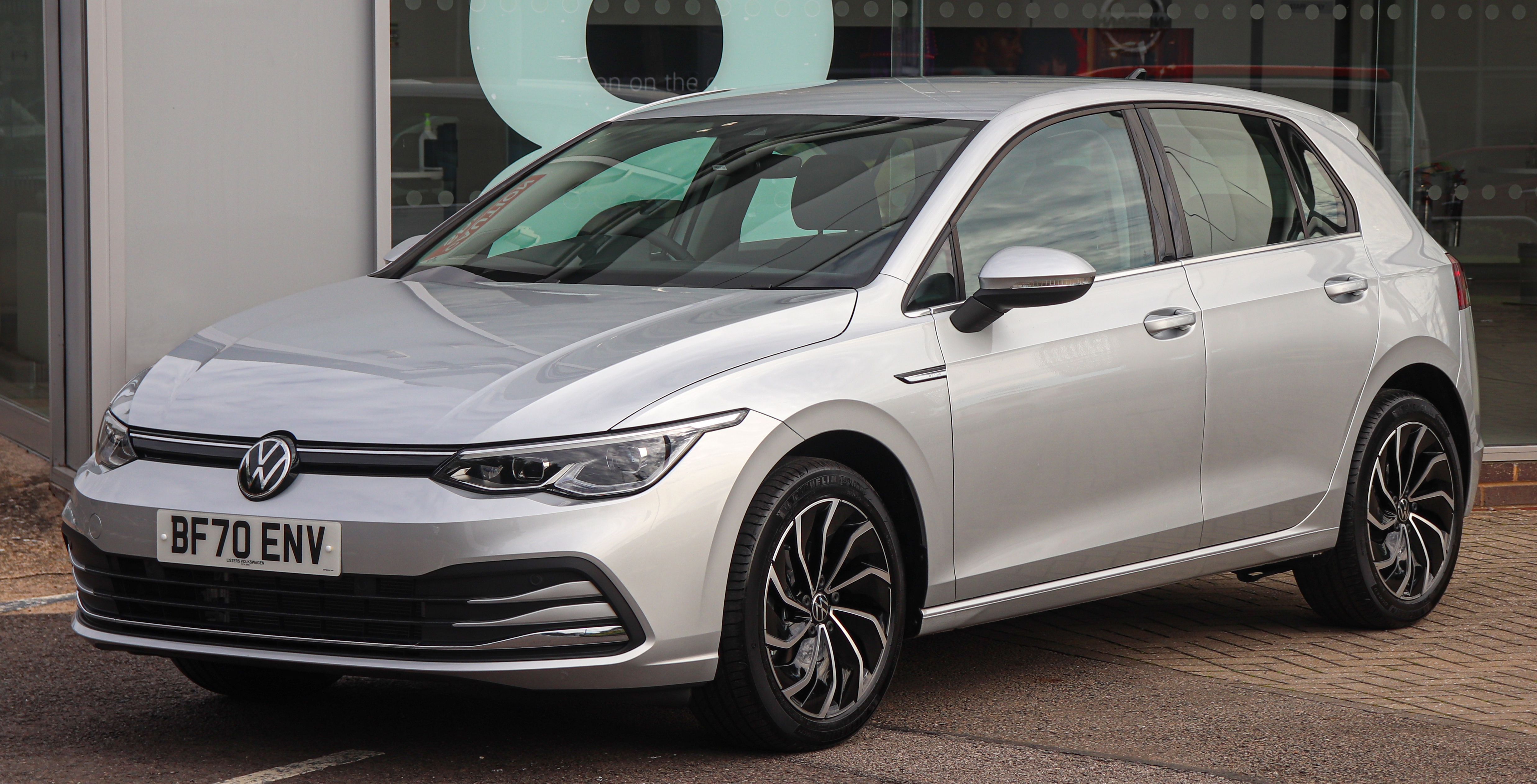
Volkswagen Golf Mk1
"...It's off to help a mark one golf having a full restoration."
The Volkswagen Golf Mk1 is the original Golf generation. It’s the older Golf they’re restoring, and parts from the donor car are being used to help finish the project.
The Volkswagen Golf Mk1 refers to the first-generation Golf, a classic compact hatchback that’s popular for restorations. In this segment, the Mk1 Golf is the project car that the donor Jetta parts are going toward.
bushings
"...He recommends them for taking like bushings and stuff out of arms. So I'm going to give that a try..."
Bushings are small parts that help connect metal parts while reducing shaking and noise. They’re often replaced when they wear out, especially in suspension components.
Bushings are rubber (or sometimes polyurethane) components that sit between metal parts to reduce vibration and allow controlled movement. In suspension and steering arms, they’re often pressed out and replaced, which is why specialized tools can be useful.

Dacia Sandero
"What do you have? Dacia Sandero, the top gear favorite, certainly not Lee Maxwell..."
The Dacia Sandero is a small car (a hatchback) meant to be affordable. It’s built for everyday driving and practicality rather than luxury. The episode is mentioning it as a well-liked budget car.
The Dacia Sandero is a small, budget-friendly hatchback designed to keep costs down while still offering practical everyday transportation. It’s often discussed in “value” conversations because it’s typically positioned as an affordable alternative in the hatchback market. The podcast calling it a “top gear favorite” suggests it’s being remembered for being a sensible, fun-to-own type of car.
Lane assist
"[231.1s] cost where they can and they'll meet the bare minimum requirements, but it doesn't mean that [235.0s] when you hire one, it doesn't annoy you. Yeah. In particular, the Leon assist, I find very [243.8s] a intrusive. I don't like it anyway. But even in cars where it works well, I don't like it. [251.1s] But this one, you just felt like it was pulling you all over the road."
Lane assist is a system that tries to help you stay in your lane by watching the road lines. If it misreads the lane markings, it can feel like the car is fighting you.
Lane assist is a driver-assistance system that uses cameras or sensors to detect lane markings and helps keep the car centered. In the segment, the host says it felt intrusive and “pulled” the car around, and it even reacted oddly when the road markings changed.
blind-spot monitoring
"[295.4s] genuine modern cars because visibility is generally quite crap out of them that we [299.5s] lights it light up on the mirrors that we amber light for somebody in your blind spots. [303.4s] I agree. I quite like that. Yeah. Um, it's obviously no replacement for looking over your [309.2s] shoulder, but it is nice."
Blind-spot monitoring is a feature that warns you if there’s a car in your blind spot. It’s meant to help you notice danger sooner, but you still should look yourself.
Blind-spot monitoring uses sensors to detect vehicles in areas you can’t easily see with your mirrors. It typically alerts you before you change lanes, and the host notes it’s helpful even though it doesn’t replace checking over your shoulder.
speed limit change alerts
"...I figured out in the end that every time you went from a different speed limit into another, so you'd say you went from a 30 into a 40, it would beep to kind of let you know that the speed limit had changed..."
Some cars have systems that notice when the speed limit changes and then beep or ding to warn you. It’s meant to help you stay within the new limit.
The beeping is likely an in-car driver-assistance feature that warns you when the posted speed limit changes. It uses a map/GPS or camera-based speed-limit recognition to notify you so you don’t accidentally drive faster than the new limit.
CVT gearbox
"Another negative was it's a CVT gearbox. So there's no gears and it works like a great graduated. How do you describe a cone system?"
A CVT is a transmission that doesn’t shift gears in the usual way. It changes ratio smoothly, so the engine may rev more but the car still speeds up gradually.
A CVT (continuously variable transmission) doesn’t use fixed gear ratios like a traditional automatic or manual. Instead, it smoothly changes the effective ratio, so the engine can stay in a narrow RPM range while the car accelerates.
Autobahn
"But I got out onto the Autobahn and got onto the under restricted section. And I thought right time to do Autobahn things."
The Autobahn is Germany’s highway system, famous for very high-speed driving. The speaker is basically saying they got on the fast road to see how the car handles.
The Autobahn is Germany’s high-speed highway network, known for long stretches where speed limits may not be enforced. That context matters because the speaker is testing the car’s behavior at higher speeds.
under restricted section
"But I got out onto the Autobahn and got onto the under restricted section. And I thought right time to do Autobahn things."
They’re saying they entered a part of the Autobahn where there are speed limits or rules. So it’s not the “no-limit” style driving.
“Under restricted” appears to refer to a section of the Autobahn with speed limits or restrictions in effect. That’s relevant because it changes what kind of speed testing is appropriate and legal.
360 cameras
"Because do you know these modern cars now you select reverse and they've got 360 cameras. And it shows you the whole image around the car. You can do that while you drive."
360 cameras are cameras mounted around the car that combine into one view. It’s especially useful for parking because it shows where the car sits relative to curbs and walls.
A 360-camera system uses multiple wide-angle cameras around the car to stitch together a top-down “bird’s-eye” view. It helps you judge clearance when parking or maneuvering in tight spaces, and some systems let you view it outside of reverse.
front camera and a rear camera
"Then it'll swap to 360 of the car and then a front camera and a rear camera beside it. But what I found it was, do you know when you go into a multi-story car park..."
Cameras at the front and back help you see where the car is going when visibility is limited. They’re useful for parking and tight maneuvers.
Front and rear cameras are part of a driver-assist suite that improves low-speed visibility. In combination with screen overlays, they reduce blind-spot risk when turning into tight spaces or aligning with curbs.
multi-story car park
"But what I found it was, do you know when you go into a multi-story car park or any car park and at the entrance, the tight turns, the big high curbs."
A multi-story car park is a parking building with tight spaces and curbs. Cameras and parking aids help you avoid scraping the car when turning into small spots.
A multi-story car park is a structured parking environment with narrow lanes, tight turns, and high curbs. Those constraints make parking sensors and camera views more valuable because small clearance errors can cause expensive body damage.
wireless chargers
"LED lit interior, lots of USB-C, charging points, two-in wireless chargers, Android Auto, all the usual stuff you get in modern cars..."
Wireless chargers let you charge your phone without plugging in a cable. You usually just place the phone on a pad in the car.
Wireless chargers use electromagnetic induction to charge a compatible phone without plugging in a cable. They’re convenient for daily use, but charging speed and phone positioning can vary by device and charger design.
USB-C
"LED lit interior, lots of USB-C, charging points, two-in wireless chargers, Android Auto..."
USB-C is a modern USB connector standard used for charging and data connections. In cars, it’s commonly used to power phones and accessories and may support faster charging than older USB types.
LED lit interior
"Full leather with black with like tail stitch, which was actually really nice. LED lit interior, lots of USB-C, charging points, two-in wireless chargers..."
“LED lit interior” refers to interior lighting that uses light-emitting diodes, often for ambient lighting and accent strips. LED lighting is popular because it’s efficient, can be color/brightness controlled, and typically lasts a long time.
Android Auto
"two-in wireless chargers, Android Auto, all the usual stuff you get in modern cars..."
Android Auto connects your Android phone to the car’s screen. It lets you use things like maps, calls, and music more easily while driving.
Android Auto is a smartphone-to-car integration system that mirrors compatible apps onto the car’s infotainment screen. It’s typically used for navigation, calls, and music while keeping the phone’s interface safer to use.
miles per gallon
"And I think I put 12 liters in it, which equated to about 46, 45, 46 miles per gallon, which in a hybrid, big car, me hammering it, it's great."
Miles per gallon (MPG) tells you how efficiently a car uses fuel. Higher MPG means you go farther on the same amount of fuel.
Miles per gallon (MPG) is a fuel-economy measure that indicates how far a vehicle can travel per unit of fuel. The speaker is comparing MPG results in a hybrid/big car context, emphasizing efficiency under mixed driving and “hammering it.”
DSC
"Here's another thing about the DSC that it didn't like loads of buttons on the steering wheel. None of them were to control the volume of the stereo."
DSC is a computer safety system that helps the car stay stable when the road is slippery or you’re turning hard. If the car starts to slide, it can automatically reduce power and brake individual wheels to help you keep control.
DSC stands for Dynamic Stability Control, an electronic system that helps keep a car stable during hard cornering or slippery conditions. It uses sensors to detect loss of traction and can reduce engine power and/or apply brakes to individual wheels to help the driver maintain control.

Jaguar Mark I
"...really know why I did, but just in time to see a Mark I jet a coupe in an RA Silver and I was like, that'..."
The Jaguar Mark I is an older Jaguar model from the classic era. The podcast is describing a moment where someone saw one in a particular color and noticed it. It’s being mentioned because it’s a recognizable and interesting vintage car.
The Jaguar Mark I is a classic Jaguar saloon from the early post-war period, known for its elegant design and historical significance. The podcast mentions seeing a Mark I “jet a coupe” in a specific color, which suggests they’re recalling a notable sighting or a memorable example. That kind of reference is typical when discussing classic car culture and recognizable models.

BMW E39
"... them for probably for years. It was a beautiful E39 five series and like a bottle green metallic wit..."
The BMW 5 Series is a comfortable mid-size sedan made by BMW. The podcast is talking about a specific older version (the E39) in a distinctive green color. It’s mentioned because that particular car sounds especially nice.
The BMW 5 Series is a mid-size luxury sedan line known for balancing comfort, driving dynamics, and long-term usability. The podcast specifically calls out an E39 “bottle green metallic” example, which is a popular generation among enthusiasts. That’s why it’s discussed—people often remember certain colors and condition-specific cars from that era.

BMW M5
"...d I was like, that's that's so nice. That's cool. M5 and that color with the orange top indicators wo..."
The BMW M5 is a fast, sporty version of a BMW 5 Series sedan. People talk about it because it’s built to drive quickly while still being a normal car you can use day to day. The podcast is likely pointing out a particularly nice-looking one.
The BMW M5 is a high-performance version of the BMW 5 Series, built by BMW’s M division. It’s known for combining everyday practicality with very strong acceleration and handling, which is why it often comes up in enthusiast conversations. The mention of a specific color and details highlights how these cars are frequently discussed as collectible, standout examples.
air suspension
"I've started to work on the air suspension for the centerpiece. Yeah. So somewhere for my compressor and valve block to live."
Air suspension is a suspension system that uses air bags to support the car. It can raise or lower the car’s ride height, and the speaker is building parts to make it fit in their custom project.
Air suspension uses air springs instead of conventional steel coil springs, allowing the car to automatically adjust ride height. In this segment, the speaker is working on air suspension components for a custom “centerpiece” setup, including packaging space for the compressor and valve block.
compressor
"So somewhere for my compressor and valve block to live. So I built a box out of MDF started with cardboard templates."
For air suspension, a compressor is the pump that makes pressurized air. The speaker is figuring out where to mount it so the system can work reliably.
In an air suspension system, the compressor pressurizes air for the air springs. The speaker is planning physical mounting locations (“somewhere for my compressor and valve block to live”) as part of fitting the system into a custom enclosure.
valve block
"So somewhere for my compressor and valve block to live... Then I made like a floating mount for the valve block to sit on."
A valve block is like the control center for the air suspension. It directs air to the suspension bags, and the speaker is mounting it so everything fits and stays stable.
A valve block in an air suspension system routes pressurized air to the different air springs and controls ride-height changes. The speaker is fabricating a “floating mount” so the valve block can sit securely and fit properly within the custom box.
fiberglass mold
"So to allow that I ended up making like a fiberglass mold of it. I made the box around it, sealed it all up."
A fiberglass mold is a custom form made with fiberglass so you can shape something to fit a tricky space. They’re using it to make the enclosure work around the wheel well.
A fiberglass mold is a shaped form made from fiberglass materials used to create or form a custom enclosure or part. The speaker uses it to work around the wheel well not being centered, then seals and builds up the box with fiberglass, sanding, and filler.
floating mount
"Then I made like a floating mount for the valve block to sit on. And then I had a clock with my compressor to let throw it on the side to make everything fit in."
A floating mount is a way to hold a part while reducing vibration transfer. The goal is to keep the component from rattling or transmitting noise.
A floating mount is a vibration-isolating mounting approach that reduces how much movement or noise transfers from the vehicle structure to a component. Here, it’s used to mount the air suspension valve block so it can sit securely while minimizing unwanted vibration.

Nissan R32
"...emember where I got up to talking about with the R32. Kind of the bit that I'm stalled at at the minut..."
The Nissan Skyline is a sports car model from Japan. The podcast mentions the R32, which is a well-known older version that many car fans like. It’s being brought up because that generation is especially memorable.
The Nissan Skyline is a Japanese sports-car and performance-car nameplate with a long history, especially known for its enthusiast following. The podcast references the R32, which is one of the most famous Skyline generations among fans. That’s why it comes up—Skyline R32s are often discussed as key milestones in performance car history.
prop shelf
"...take some of the big stuff out of the fuel tank and the prop shelf and stuff. I can't do that on my own."
A prop shelf is a mounting area that helps support the drivetrain components. They’re talking about removing parts around it to get to the drive shafts.
A prop shelf is a structural/drivetrain mounting area in some vehicles that supports the propeller shaft/driveline components. In this context, it’s part of the area they’re disassembling to access drivetrain parts like the drive shafts.
fuel tank
"...I need help to take some of the big stuff out of the fuel tank and the prop shelf and stuff. I can't do that on my own."
The fuel tank is where the car stores its fuel. When you’re taking big parts out, it’s usually a major job because it’s part of the fuel system.
The fuel tank stores the gasoline/fuel for the engine. Removing or working around it often requires careful handling because fuel systems are sensitive to leaks and contamination, and some components are buried behind it.
drive shafts
"One of the drive shafts is like welded in to the hub, but it fucking won't come out. You need the air hammer almost."
Drive shafts are the parts that send power from the drivetrain to the wheels. If one is stuck to the hub, it means it’s seized and may need special tools to get it apart.
Drive shafts transfer torque from the transmission to the wheels (or to the differential in a drivetrain). When a drive shaft is “welded in” to a hub or won’t separate, it usually points to corrosion, heat damage, or seized splines that require force and specialized tools to remove.
hub
"One of the drive shafts is like welded in to the hub, but it fucking won't come out."
The hub is the center part the wheel and axle components connect to. If something is stuck to the hub, it usually means it’s corroded or seized and won’t slide off easily.
The hub is the central mounting point for a wheel and related components (like bearings and sometimes the axle/shaft interface). If a drive shaft is stuck to the hub, it often means the splines or mating surfaces have seized due to corrosion or wear.
air hammer
"You need the air hammer almost. I need the air hammer. And that's one of the rears."
An air hammer is a tool that uses compressed air to hit very hard, very fast. It’s used to knock stuck parts loose when normal tools won’t work.
An air hammer is a pneumatic tool that delivers rapid, high-impact blows to break stubborn parts free. It’s commonly used for seized hubs, rusted joints, and stubborn bearings where hand tools can’t generate enough force.
conical spacer
"...it's the one that's missing that kind of conical spacer that we were talking about. So it might be the same."
A conical spacer is a tapered ring that helps parts fit in the right position. If it’s missing, the parts may not line up correctly or may be harder to remove and reinstall.
A conical spacer is a tapered ring used to position and/or center a component on a hub or shaft. If a spacer is missing, it can affect alignment, fitment, and how parts seat—often making removal or reassembly more difficult or causing driveline issues.
24 hour Nürburgring qualifying
"Did you hear there was a crash at the 24 hour Nurburgring qualifying? I think it was last week. I did not. So unfortunately, one of the drivers died. It's like a seven car crash. So obviously the qualifying was postponed."
The Nürburgring 24-hour race is a long endurance event, and qualifying is how teams set up where they start. A big crash during qualifying can delay the event because safety comes first.
The Nürburgring “24 Hours” is an endurance race where cars run for a full day, so qualifying sessions determine starting positions and strategy. In this segment, they’re discussing a qualifying crash that led to the session being postponed, highlighting how serious incidents can be in endurance racing.

Ford Mustang
"... and you will have stuff from like Concourse 60s Mustang through to My Stupid Mark II Golf and then every..."
The Ford Mustang is a sports car made by Ford. It’s famous for being stylish and fun to drive, and there are many versions from different decades. The conversation sounds like it’s about collecting or showing older Mustangs.
The Ford Mustang is a long-running American sports car that became a cultural icon for performance and style. In car collecting circles, Mustangs are discussed across many generations, from early classics to later models. The podcast’s mention of “Concourse 60s” suggests they’re talking about show-quality, historically significant examples.

Nissan Gtrs
"..., but they're selling a collection of five or 34 GTRs or 35. Okay, right. Adding down to them standard..."
The Nissan GT-R is a very fast sports car made by Nissan. The podcast is talking about limited numbers being sold, which makes it feel more like a collectible than a normal car. That’s why it’s mentioned—rarity and demand are part of the story.
The Nissan GT-R is a high-performance sports car built for serious speed and strong performance in a production package. The podcast context mentions sales of a limited number of GT-Rs, which points to how these cars can be treated like collectible, special releases. That makes the GT-R a frequent topic when discussing rarity and enthusiast demand.
Nizmo LSD
"So 1999 Midnight Purple, 27,000 miles, Nizmo LSD, Forge Pestons, 27,000 miles. That thing is just in time for needing the front start cars replaced."
An LSD (limited-slip differential) helps the car put power down when one wheel starts slipping. “Nizmo LSD” here means a tuned or upgraded version of that traction system.
An LSD is a limited-slip differential, which helps manage wheel spin by allowing the axle to transfer torque more effectively when one wheel loses traction. In this segment, “Nizmo LSD” implies a specific LSD setup associated with Nizmo, paired with low mileage on a Skyline.
Forge Pestons
"So 1999 Midnight Purple, 27,000 miles, Nizmo LSD, Forge Pestons, 27,000 miles. That thing is just in time for needing the front start cars replaced."
“Forge Pestons” appears to refer to forged pistons—pistons made from forged (high-strength) material rather than cast. Forged pistons are commonly used in turbo builds because they can better tolerate higher boost and cylinder pressures when properly engineered and tuned.
S tune
"...one of the money has 6,700 miles and one of only 14 cars ever fitted with Nizmo's S tune. That's the Bayside Blue."
“S tune” here means a particular tuning setup from Nizmo. The episode emphasizes it’s rare, which is part of why the cars are so valuable.
“S tune” is a specific tuning package associated with Nizmo, used to describe a particular calibration and/or hardware spec. The hosts treat it as rare—“only 14 cars ever fitted”—which is why it matters to collectors.
RB26
"Oh, that's a big money car. The modified RB26, bigger turbos, stiffer suspension and a gold plated engine cover."
RB26 is the name of Nissan’s turbo inline-six engine used in the Skyline GT-R. It’s popular because it’s strong and works well with performance upgrades.
RB26 refers to Nissan’s RB26DETT inline-six engine family used in the Skyline GT-R. It’s especially famous because it responds well to turbo upgrades and tuning, which is why the V-spec 2 Nür discussion centers on a “modified RB26” with bigger turbos.
bigger turbos
"Oh, that's a big money car. The modified RB26, bigger turbos, stiffer suspension and a gold plated engine cover."
“Bigger turbos” means using larger turbochargers to push more air into the engine. That can make more power, but it usually needs the rest of the setup tuned to match.
“Bigger turbos” means replacing the turbochargers with larger units to move more air through the engine. That typically increases potential boost and power, but it can also change drivability and requires careful supporting tuning.
V-spec 2
"So they let's launch a V-spec 2 Nur. Oh, that's a big money car. The modified RB26, bigger turbos, stiffer suspension and a gold plated engine cover."
V-spec 2 is a Nissan factory performance trim level for certain Skyline GT-R models. Here it’s used as part of a special name that signals extra performance-focused equipment.
V-spec 2 is a factory performance designation for certain Nissan Skyline GT-R variants, indicating additional track-focused hardware compared with standard trims. In this segment it’s part of the “V-spec 2 Nür” name, which the hosts connect to upgrades like a modified RB26 and stiffer suspension.
Broad Arrows Villa Dest
"Yeah. Well, the collection is currently in the UK. So someone in the UK has owned it. It says that it's being, they've been auctioned at Broad Arrows Villa Dest."
This is the name of the auction venue mentioned for these cars. Where they’re auctioned can affect how the sale works and who can bid.
Broad Arrows Villa Dest is mentioned as the auction venue for the collection. For listeners, this is useful context because auction house and location can affect bidding, import rules, and how the cars are presented.
front strut cars
"And I don't know if they're overly bad anywhere else in particular, but the front strut cars look good. There's a crowd I follow. Are they kind of like tilted in?"
“Front strut cars” means the front suspension uses struts (shock absorbers built into the suspension). They’re saying this design can trap moisture and lead to rust at the top mounting area where metal layers meet.
“Front strut cars” refers to vehicles that use a strut-type front suspension, where the shock absorber is integrated with the steering/suspension assembly. The hosts connect this layout to rust: they describe corrosion that forms at the top where multiple layers of sheet metal meet around the strut mount.
double wishbone suspension
"I kind of, yeah. It's a very job car thing. I think it's to do with the double westbound suspension and the angle of the shock."
Double wishbone suspension is a suspension setup that uses two shaped arms to guide the wheel’s movement. They’re speculating that the suspension geometry—along with the shock angle—might influence where water and corrosion build up.
Double wishbone suspension is a front or rear suspension design that uses two control arms (“wishbones”) per wheel to precisely control wheel motion and alignment. The hosts mention it while speculating about how suspension geometry and shock angle relate to where rust forms around the top sheet-metal layers.
shock
"I think it's to do with the double westbound suspension and the angle of the shock. But there seems to be like two or three layers at the top where the sheet metal is and they rot sort of in between and you'd like unpack them."
Here “shock” means the shock absorber that controls how the car moves over bumps. They’re saying the shock’s placement/angle might be related to why certain spots rust badly.
In this context, “shock” refers to the shock absorber (often integrated into a strut on many cars). The hosts link the shock’s angle/position to the rust-prone areas at the top of the suspension mount where sheet metal layers meet.
biodiesel
"[1623.1s] Yeah. Another one then I have here is, so a good few years back, [1628.7s] there was a big trend with biodiesel basically taking used cooking oil, [1633.4s] making them to diesel for road vehicles and sent the manufacturers into meltdown because [1640.8s] they weren't developing their cars to run on this."
Biodiesel is a type of diesel fuel made from plant-based or waste oils (like used cooking oil). It’s meant to be a greener alternative, but it can be tricky for some modern diesel engines.
Biodiesel is a diesel fuel made from biological feedstocks like used cooking oil, typically converted through chemical processing. The hosts discuss a period when biodiesel use became a “trend,” and how automakers struggled because many engines weren’t designed for it.
TDI
"[1640.8s] they weren't developing their cars to run on this. No. [1643.2s] And with the how fickle modern TDIs are, it wasn't great."
TDI is a kind of diesel engine design that uses a turbo and injects fuel directly into the engine. The point here is that these engines can be more sensitive to what fuel you use.
TDI stands for turbocharged direct injection, a diesel engine technology where fuel is injected directly into the combustion chamber and a turbo boosts air intake. The segment claims “modern TDIs” can be “fickle,” implying that fuel quality/compatibility issues can matter more with these systems.
waste oil
"[1643.2s] And with the how fickle modern TDIs are, it wasn't great. [1648.1s] So never ending struggle to find a use for waste oil. [1652.4s] The manufacturers have come up with the way to use it entire."
Waste oil is used oil that people would normally throw away. The discussion is about finding ways to reuse it instead of wasting it.
Waste oil refers to used oil that’s been discarded from cooking or industrial processes. The hosts frame it as a problem to solve—finding a reliable use for it—before discussing how manufacturers and suppliers tried to repurpose it.
synthetic rubber
"[1652.4s] The manufacturers have come up with the way to use it entire. [1657.2s] So continental are using it to make synthetic rubber. [1662.7s] Use cooking oil. Okay."
Synthetic rubber is rubber made in factories using chemicals, not collected from trees. The hosts are saying some companies are using cooking oil as a feedstock to help make it.
Synthetic rubber is rubber-like material produced through industrial chemical processes rather than harvested from natural sources. The segment says “continental” is using cooking oil to make synthetic rubber, highlighting an alternative pathway for turning waste oils into useful materials.
Continental
"[1652.4s] The manufacturers have come up with the way to use it entire. [1657.2s] So continental are using it to make synthetic rubber. [1662.7s] Use cooking oil. Okay."
Continental is a big company that makes car parts—especially tires. Here, they’re mentioned as using cooking oil to help produce synthetic rubber.
Continental is an automotive supplier brand known for tires and other vehicle components. In this segment, the hosts mention Continental using cooking oil to make synthetic rubber, connecting the company to materials used in tires.
natural rubber
"Natural rubber is white. Yeah. So that's actually why you had white wall tires back in the day."
Natural rubber is a rubber made from plant latex. In tire-making, it can influence how light or dark a rubber part looks.
Natural rubber is a rubber material derived from latex (commonly from rubber trees). Because of its base color and chemistry, it can be used to create lighter-colored rubber components—relevant here to why older tires could have white sidewalls.
white wall tires
"So that's actually why you had white wall tires back in the day. Was that Michelin man's white? Correct. They died the tread black so it didn't leave white marks on the road,"
White wall tires are tires with a white band on the side. Long ago, that look wasn’t only style—people used materials and finishing methods that made the sidewall stay light-colored, so it could be practical as well as flashy.
White wall tires have a white sidewall band instead of the usual all-black rubber. The white color historically came from using natural rubber and/or specific compounds that could be left light-colored, and the white band was more than just decoration—it helped identify tire type and could avoid visible scuffing depending on the era’s materials and finishing process.
tread
"Correct. They died the tread black so it didn't leave white marks on the road, which is so the wall was the natural parking."
The tread is the part of the tire that actually touches the road. It’s the grippy, patterned surface that wears down over time.
The tread is the textured outer surface of a tire that contacts the road. Its rubber compound and shape are designed for grip, wear, and water evacuation, and in this discussion it’s contrasted with the white sidewall.
silica
"So it says many raw materials, including steel, textiles, carbon, black and silica go into the making of tires."
Silica is a common ingredient mixed into tire rubber. It helps the tire grip better and can improve how the tire performs and wears.
Silica is an additive used in many modern tire rubber compounds. It helps improve traction (especially in wet conditions) and can affect rolling resistance and wear characteristics.
rolling resistance
"Go for it, you know, as long as it doesn't affect performance of tires and they can get their bit out of it."
Rolling resistance is how much energy it takes for a tire to keep rolling. If it’s lower, the car can use less fuel, but it can depend on the tire’s rubber and design.
Rolling resistance is the energy lost as a tire deforms while rolling and as it interacts with the road. Lower rolling resistance generally improves fuel economy, while tire compound choices can trade off grip, wear, and rolling resistance.
in-vehicle toilet
"Chinese car manufacturer series, series, S-E-R-E-S, let's call it, have been granted a patent for an in-vehicle toilet. You're talking shite, which is voice activated and slides out from under the passenger seat."
They’re talking about a toilet built into the car. The idea is that it’s hidden under the passenger seat and comes out when you need it.
The hosts are discussing an “in-vehicle toilet,” a sanitation fixture integrated into the car itself rather than using an external restroom. In this case, it’s described as being concealed under the passenger seat and deployed when needed.
voice activated
"You're talking shite, which is voice activated and slides out from under the passenger seat. I'm struggling to get my head around how this works."
“Voice activated” means you can control something by speaking to the car. In this story, you’d use your voice to make the toilet come out.
“Voice activated” refers to a system that uses spoken commands to trigger actions. Here, the toilet deployment is described as being controlled by voice rather than a manual switch.
slides out from under the passenger seat
"You're talking shite, which is voice activated and slides out from under the passenger seat. I'm struggling to get my head around how this works. Like, so what I'm picturing is you hit the button."
They’re describing a toilet that’s hidden under the passenger seat and then moves out when you need it. The hosts are questioning whether there’s enough room for a person to use it.
The segment describes a deployable mechanism where the toilet is stored beneath the passenger seat and moves out when activated. This is essentially a packaging and space-constraint problem: it must deploy into the limited area available near the footwell.

Silver Wraith
"...n the 1950s, a special edition of the Rolls-Royce Silver Wraith included an in-built television and a toilet und..."
The Silver Wraith is an older Rolls-Royce luxury car. The podcast is describing a special version from the 1950s that reportedly had a built-in television and other luxury features. It’s being mentioned because it’s an example of how extravagant some cars were back then.
The Silver Wraith is a classic Rolls-Royce model from the mid-20th century, associated with traditional luxury and coachbuilt-style refinement. The podcast mentions a 1950s special edition that reportedly included an in-built television and other amenities, emphasizing how bespoke these cars could be. That makes it a compelling topic for collectors and for stories about luxury technology in that era.
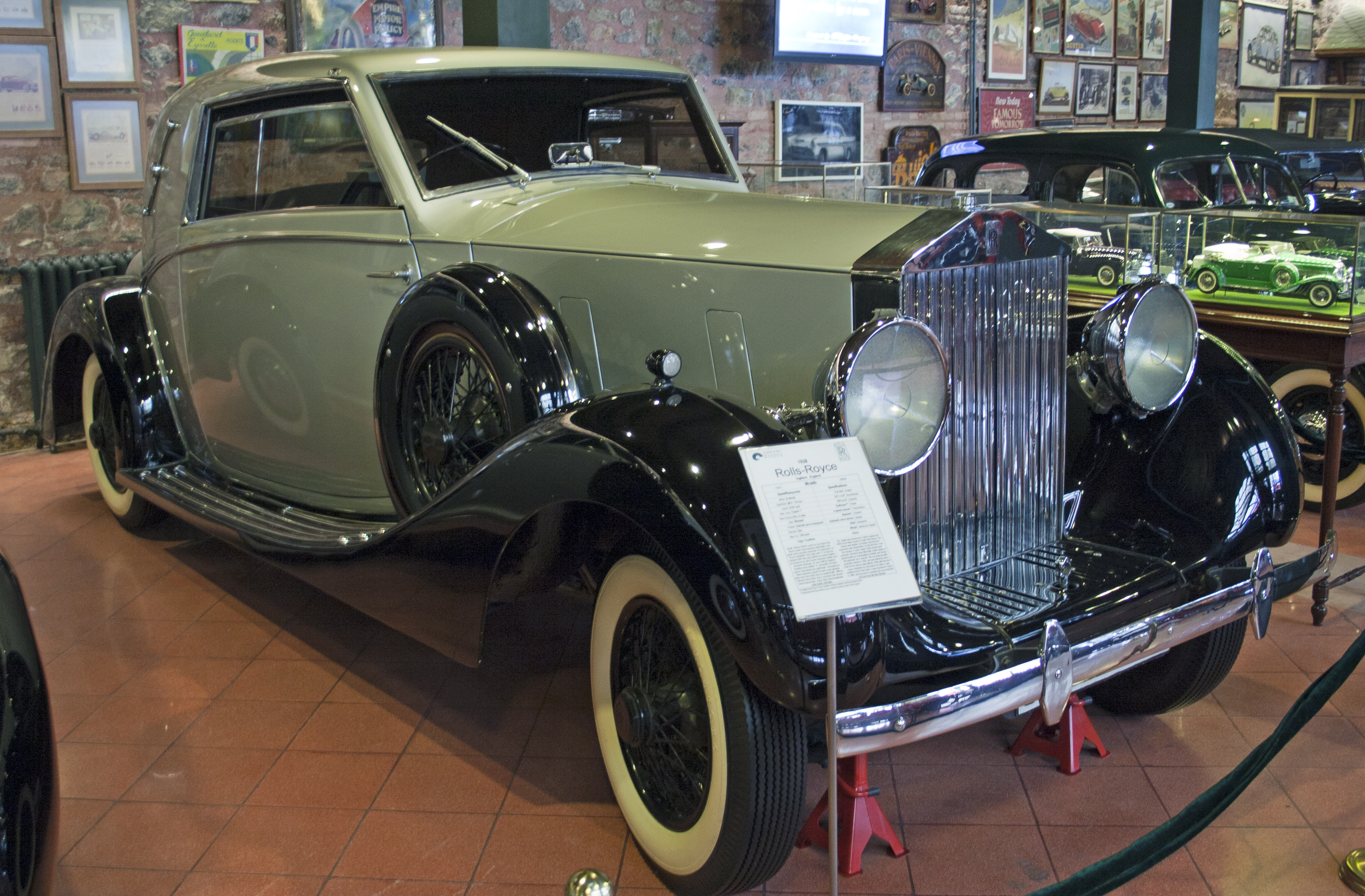
Rolls-Royce Wraith
"...950s, a special edition of the Rolls-Royce Silver Wraith included an in-built television and a toilet und..."
The Rolls-Royce Wraith is a luxury car designed for comfortable, fast long-distance driving. In the podcast, they’re talking about a very old special Rolls-Royce version that included unusual built-in luxury features. It’s being mentioned because it shows how extravagant these cars can be.
The Rolls-Royce Wraith is a luxury grand tourer, known for its powerful performance and high-end comfort. The podcast references a 1950s special edition of the Silver Wraith with an in-built television and other features, which is likely being used to illustrate how Rolls-Royce offered extreme luxury options. That kind of historical detail helps explain why the Wraith name appears in the conversation.

Rolls-Royce Rollsroyce Silver
"generally worse than them. What people would presume builders would be. Apparently, this is not new. In the 1950s, a special edition of the Rolls-Royce Silver Wraith included an in-built television and a toilet underneath the passenger seat, according to"
The Rolls-Royce Silver Shadow is a very high-end luxury car made by Rolls-Royce. The podcast is talking about a special version from the 1950s that reportedly had unusual built-in features like a television. It’s being mentioned because it shows how extravagant some luxury cars could be.
The Rolls-Royce Silver Shadow is a luxury flagship-era car from Rolls-Royce, known for its refined ride and classic styling. The podcast references a 1950s special edition that reportedly included an in-built television, which highlights how these cars could be customized for very specific luxury features. That kind of detail is often part of why the Silver Shadow comes up in collector and history discussions.
fuel protests
"One big thing that we're supposed to happen really get talking about because we haven't been on there is the fuel protests that happened mostly in the south of Northern Ireland... But like fuel protests happened quite literally double shed weekend."
Fuel protests are protests about fuel—usually things like prices or access. Here, the hosts say they happened around the same time as the car event and might have disrupted people.
Fuel protests are public demonstrations focused on fuel availability, pricing, or policy. In the episode, they’re discussed as an event that coincided with the car show weekend and may have affected attendees’ travel plans.
gear knob
"So we'll post a few photos these but the best way to describe them was a flat base with a gear knob coming up out of it."
A gear knob is the knob you hold when shifting gears in a manual car. They’re saying the trophy design includes a gear-knob shape.
A gear knob is the handle at the top of a manual transmission’s shift lever, used to grab and move the shifter. The hosts describe the trophies as having a “gear knob coming up” from the base, using that shape as a design motif.
honeycomb structure
"And a symbol on the tops of the flat base was made up like a honeycomb structure which sort of knotted towards the mark seven market era GTIs within the honeycomb."
A honeycomb structure is a repeating hexagon pattern like a beehive. They’re using that pattern in the trophy design.
A honeycomb structure is a repeating hexagonal pattern used in design and sometimes in engineering (like lightweight panels). Here it’s used as a trophy design element, with GTI “Mark” references arranged within that pattern.
GTI logo
"If you look down the ways was laser engraved the GTI logo and it was laid out in stripes like the original mark one fabric."
The GTI logo is the badge that identifies the “GTI” sporty Golf. Here, they’re saying it was engraved on the trophy.
A GTI logo is the visual badge associated with Volkswagen’s “GTI” performance trim. In this segment, it’s specifically mentioned as being laser-engraved on the trophy design in stripes.
laser engraved
"If you look down the ways was laser engraved the GTI logo and it was laid out in stripes like the original mark one fabric."
Laser engraving is a way to permanently mark something using a focused laser. They’re saying the trophy has engraved logos and patterns.
Laser engraving is a manufacturing method where a laser burns or etches a pattern into a surface for crisp, durable markings. The hosts mention the trophy’s GTI logo and patterns being laser engraved.
Easter egg
"I'd showed him the one on my leg and then he dropped them down was like, Oh, did you see that we Easter egg?"
An Easter egg is a fun hidden detail meant for people who look closely. They’re saying the trophy had a clever hidden reference.
An “Easter egg” is a hidden or subtle reference placed by a designer for fans to discover. The hosts say the trophy includes an Easter egg detail that Brian designed, and they discuss noticing it.
BBS RFs
"Was it we read Corsa? I think it's a Corsa D with white centered BBS RFs with tartan trimmed interior and a half cage."
BBS makes aftermarket wheels that are popular with car enthusiasts. “RFs” is a particular wheel design, and the white centers are part of what makes the car look special.
BBS is a wheel brand famous for lightweight, motorsport-inspired rims. “RFs” refers to a specific BBS wheel style, and the host calls out the white-centered look as part of the car’s standout presentation.
half cage
"Another one was a Scottish car that came over. Was it we read Corsa? I think it's a Corsa D with white centered BBS RFs with tartan trimmed interior and a half cage. That car was so cool."
A half cage is a partial metal safety frame inside the car. It’s meant to make the cabin stronger and safer, without going all the way to a full race cage.
A “half cage” is a partial roll-cage inside the cabin—typically adding structural protection around the driver area without installing a full cage. It’s a common compromise for cars that want added rigidity and safety while keeping some comfort and usability.
Volkswagen scene
"That's because we're so heavily in the Volkswagen scene. You don't get to see a lot of that stuff. Yeah. Until dub shed."
This just means the car community that focuses on Volkswagen cars. The host is saying they usually see VW stuff, so it was cool to see other brands at this event.
The “Volkswagen scene” refers to the enthusiast community centered around Volkswagen models and their aftermarket culture. The host uses it to explain why the event is a pleasant surprise—seeing non-VW cars that still get deep attention from owners.

Mini Classic Mini
"... or four foot. Yeah. It's like, if you thought a classic mini wasn't dangerous enough or small enough, this is ..."
The Mini Classic is a small car that’s meant to look and feel like the original Mini. The podcast is joking that it’s very small and can feel a bit intense to drive. It’s being mentioned because it’s a classic-style Mini in a modern form.
The Mini Classic is a modern interpretation of the classic Mini, typically built to capture the original’s small-car proportions and styling. The podcast joke about it being “not dangerous enough or small enough” suggests they’re highlighting how compact and lively it feels compared with larger cars. It’s likely discussed as a fun, nostalgic choice that still drives like a Mini.
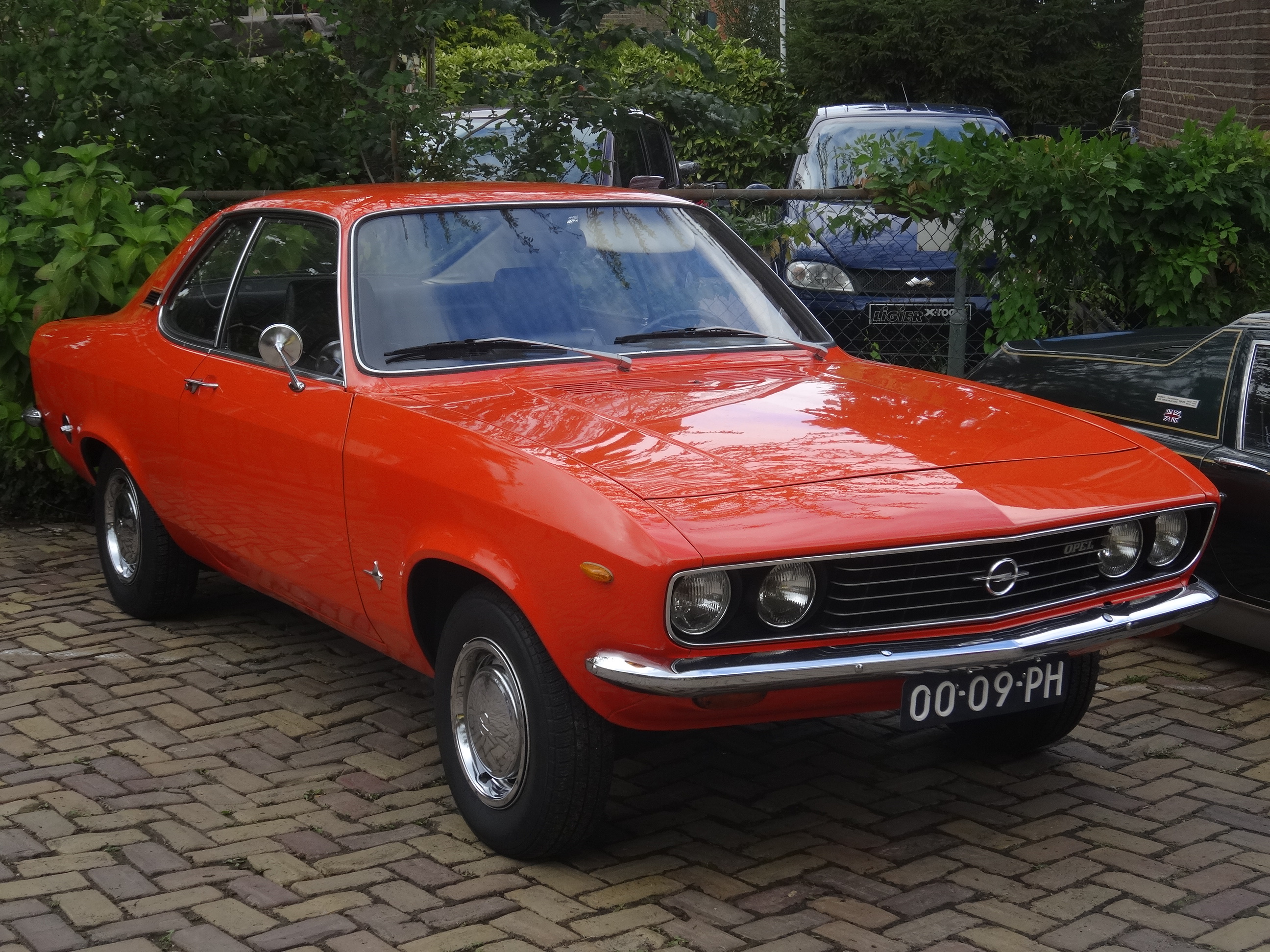
Opel Manta
"... Yeah, that was really cool. There were two opal mantas, which I absolutely loved. They're weren't quite ..."
The Opel Manta is a sporty-looking two-door car made by Opel. The podcast sounds like it’s about someone really liking these cars and remembering them fondly. It’s being mentioned because it’s a standout model to them.
The Opel Manta is a sporty coupe from Opel, especially associated with the 1970s and 1980s era. The podcast mentions multiple “Opel Mantas” and expresses strong enthusiasm, which fits how this model is often remembered by fans for its design and character. It’s likely being discussed as a personal favorite or a notable car from a particular collection or story.
dry carbon front end
"Was that with the dry carbon front? Yeah, I think that's the bit about it I didn't particularly like. It's not my taste. ... it's showing off as a full dry carbon front end 1000 horsepower."
“Dry carbon” refers to carbon-fiber body panels made with a specific manufacturing method. They’re talking about a carbon-fiber front end that’s meant to look impressive, not just be practical.
A “dry carbon front end” means the front bodywork is made from carbon fiber produced using a dry layup process, typically resulting in a lighter, stiffer panel than conventional composites. The hosts treat it as a visual and engineering “showpiece,” implying the car is built to display the carbon-fiber look.
carbon bits
"He was talking about doing all the carbon bits on the Orange Mark II Golf. And I was saying if it was me, I would paint them..."
“Carbon bits” means carbon-fiber parts, usually used to make the car look more special. They’re arguing about whether it should look matte (“dry”) or shiny (“glossy”).
“Carbon bits” refers to carbon-fiber components used for styling—often trim pieces, panels, or exterior accents. Carbon fiber can be finished in different ways (matte/dry vs glossy), and the hosts are debating which look fits better for a show car versus an OEM-style appearance.
rigger kit
"Was like a rigger kit. Some sort of, I think it's a rigger kit. And the car was all done."
A “body kit” is aftermarket bodywork that changes the look of a car—like bumpers and side skirts. They’re saying this Mercedes had one of those kits installed.
A “rigger kit” here appears to mean an aftermarket body kit—front/rear bumpers, side skirts, and related panels—to give a more aggressive or distinctive look. In car culture, these kits are often chosen to change the car’s proportions and stance beyond what the factory offered.

Volkswagen Passat
"So what, two or three years ago, Aaron built a B5 and a half Passat Saloon... Semi sheave bay, big turbo TDI. It sat so well..."
This is a Volkswagen Passat from the B5 generation, and “B5 and a half” means the facelifted version. They’re describing a heavily customized show car version of it.
The Volkswagen Passat B5 is a mid-2000s-era platform that became a favorite for UK-style show builds and sleeper projects. They specifically call out “B5 and a half,” which is the facelifted/updated B5-era variant, and describe a heavily modified show car with interior work and a big-turbo diesel setup.
Alcantara
"Riccardo CS interior. I mean, trim from top to bottom and Alcantara and leather. Like nothing was untouched."
Alcantara is a soft, suede-like material used inside cars. People like it because it looks premium and feels great.
Alcantara is a synthetic suede-like upholstery material used in car interiors for its soft feel and premium look. It’s often used on headliners, door cards, and seats because it gives a “sporty” cabin appearance without the cost of real leather.
RS
"So the car sat as stepped up RS's. Riccardo CS interior. I mean, trim from top to bottom..."
“RS” is a performance-style badge. Here they’re using it to describe how the car sits—like it has a more aggressive, sportier setup.
“RS” is commonly used as a performance badge (most famously by Ford, but also used by enthusiasts in other contexts) to imply a higher-performance look or spec. In this segment, they say the car “sat as stepped up RS’s,” which likely means it was fitted with more aggressive, performance-oriented wheels/stance rather than a factory RS model.
coilovers
"“Like Richie's example, his daily driver, the estate fat fives, coilovers. It looks cool,”"
Coilovers are suspension parts that let you adjust how high or low the car sits. They’re commonly used to improve handling and give a more aggressive stance.
Coilovers are an adjustable suspension setup that combines a coil spring and shock absorber into one unit. Enthusiasts use them to lower the car and fine-tune ride height and handling balance.
LMS
"“...interiors, boat bills, LMS, like the car is insane... The LMS are the wheels for me, like on both cars.”"
“LMS” sounds like the name of a specific wheel style/model. The hosts are saying those wheels are what make the cars look right.
“LMS” here is being used as a wheel name/model, since the speakers immediately connect it to “the LMS are the wheels for me.” Wheel model names like this matter because they affect fitment, weight, and the overall look of the car.
engine swap
"“...one who's been documenting a lot race from limitless... yeah, done a EP three swap and then did the Bay that we car looks incredible.”"
An engine swap means putting a different engine into the car than it originally came with. It’s usually done for power, sound, or to match a specific build goal.
An engine swap is when a car’s original engine is removed and replaced with a different engine. In this segment, the host says the builder “did the EP three swap,” implying a swap to an engine associated with an “EP3” donor.
bagged car
"What else did I like? That all road, the bagged one, Scottish car, the white all road here."
A “bagged” car uses air suspension. That means the car can be lowered a lot for looks and then raised again when needed.
“Bagged” refers to a suspension setup using air springs (airbags) instead of conventional coil springs. It lets the car be lowered dramatically and adjusted for show stance versus driving height.
car scene camaraderie at big shows
"Comradery. Comradery. So something that people talk shit about, the car scene is dead and I hit the car scene, blah, blah, blah, because I'm not part of it. Fuck you. And you get big shows like dub shed... when something goes wrong, people pull together."
They’re talking about how car enthusiasts help each other out at big car events. If a car breaks or has a problem, other people jump in to fix it so the show can still happen.
The hosts are describing how the car community shows up for each other during large events. When something goes wrong on a car, people coordinate help so the car can be fixed and displayed.
sump
"And Per Danny in the twenty valve turbo mark one, slapped the sump and came in, was leaking oil, got them sorted. ...got a replacement sump off a guy who knew that he kept them in stock... got it swapped in the show hall."
The sump is the engine’s oil pan. If it gets hit and gets damaged, oil can leak out, which can quickly become a serious problem.
A sump is the oil pan at the bottom of the engine that holds engine oil. If the sump is struck (“slapped the sump”), it can crack or deform, leading to oil leaks that need an urgent replacement to keep the engine safe.
death stretch
"But it turned out he had been driving up and he has an absolute what I call death stretch."
“Death stretch” is slang for a really long, rough drive. The speaker means it was a trip that sounded exhausting or risky.
“Death stretch” is enthusiast slang for an extremely long, stressful drive—often to the point where it feels dangerous or punishing. Here it’s used to describe how far the car was driven before arriving at the event.
drift event
"[3170.9s] fuck it, I'll phone him and right away straight into business mode. And he was like, don't you [3175.3s] worry. He says, one of my guys, Stefan is going down to do the tires at the drift event with you [3181.3s] guys text me in the morning. I'll throw the B Blaster in. Stefan will do it down there. We'll [3186.3s] get it done."
A drift event is a car event where people practice sliding the car around corners on purpose. Because the tires get worked hard, getting the tires mounted correctly is really important.
A drift event is a motorsport gathering focused on controlled oversteer and sliding through corners. Tires and fitment matter a lot because drifting loads the tires heavily and can quickly expose problems with mounting or clearance.
jack
"[3219.5s] the probabilities is where to do this is rolling, driving around the hall 10 times to try and get [3223.2s] it to where you need to be. And he had in the jack and there was nobody around. And I said to [3227.7s] race with the civic and I think he brought on the jack the next day as well. So it's class to"
A jack is the tool used to lift the car. They’re saying they had the jack there, but there wasn’t anyone around to help.
A jack is the tool used to lift a car so you can change tires or do under-car work. In tire-mounting stories, the jack is often part of the workaround when there’s no help nearby or when the car needs to be positioned precisely.
limited slip differences
"We're all doing the same shit on this class to see. We recorded with limited slip differences."
A limited-slip differential helps the car put power down when one wheel starts to spin. It’s basically a traction helper so you don’t lose grip as easily.
“Limited slip” refers to a differential that can reduce wheelspin by limiting how much speed difference can occur between the left and right wheels. In practice, it helps traction when one wheel loses grip, like on wet roads or during hard cornering.
torque specs
"or it won't give you a lot of torque specs and things like that. It gives you everything, like it's dealer level stuff."
Torque specs are the exact tightness a bolt is supposed to be. Tighten it too little and parts can loosen; too much and you can damage threads.
Torque specs are the specified tightening force for fasteners (like bolts and nuts), usually given in units such as N·m or ft-lb. Using the correct torque helps prevent stripped threads and ensures components are clamped properly.
dealer level stuff
"It gives you everything, like it's dealer level stuff. Yeah. It's a proper like tax guide."
“Dealer level” refers to information typically found in manufacturer service documentation—procedures, specifications, and diagnostic guidance used by authorized dealerships. It’s a way of saying the manual is more detailed than a basic owner’s guide.
VR6
"because one of them referred to VR6, which I assumed was the R32, but it turns out in the US there's a VR6 non-R32 front wheel drive car."
VR6 is a special Volkswagen engine design. It’s built to be more compact than a typical V6, while still giving you the feel of a bigger engine.
VR6 is Volkswagen’s engine design that combines a narrow-angle V configuration with a single cylinder head. It’s known for fitting a compact layout while still delivering the smoothness and power of a larger multi-cylinder engine.
service intervals
"But there's also a few weird bits in it, like the, you know, kind of tech guides for service intervals and things like this."
Service intervals are the planned schedule for when you should do certain checks or maintenance. The hosts are saying the guide lists exactly how often to inspect things.
Service intervals are the scheduled mileage/time targets for maintenance tasks (like inspections, lubrication, or adjustments). In the segment, the hosts reference “tech guides for service intervals,” and then cite a specific recurring check tied to door hardware.
door straps
"every 30,000 miles that advice text, check the door hinges and the door straps. And grease them, isn't it?"
Door straps are support pieces that help keep the door positioned correctly. The hosts are saying the checklist includes checking them because they can affect whether the door sags.
Door straps are the reinforcement straps/hardware used to support and control door movement and alignment (often part of the hinge/door support system). The segment treats them as part of a periodic inspection—along with hinges—because wear or looseness can contribute to sagging doors.
door hinges
"it's actually listed as one of the checks you should do. Like, it's something like every 30,000 miles that advice text, check the door hinges and the door straps."
Door hinges are the parts that let the door swing open and closed. If they wear out or loosen, the door can start to sag, so the guide tells you to check them.
Door hinges are the pivot points that allow a car door to swing and align correctly with the body. The hosts mention a checklist that includes inspecting door hinges on a recurring basis, which matters because worn hinges can lead to sagging doors and misalignment.
car of the show judging
"And then the main event, what it came down to, car of the show. For the first time ever. Yes. A non-German winner."
“Car of the show” is the top award at a car event. The hosts explain that they narrowed down a shortlist and then inspected the cars carefully to find issues before choosing the winner.
“Car of the show” is an event award where judges evaluate vehicles against each other, typically using a scoring rubric and close inspection. The hosts describe a shortlist and then a “decade mode” approach focused on finding flaws, which explains how they arrived at the winner.
restomod
"there was other, there was a RestoMod Porsche 993 that was built like a 994 or 964, like backdated kind of thing."
A restomod is an old car that’s been rebuilt with modern upgrades. It keeps the classic vibe, but aims to drive and behave better than the original.
A restomod is a modified classic car that keeps the original look or platform but updates it with modern engineering, drivability, and/or reliability improvements. The hosts mention a “RestoMod Porsche 993” as an example of the kind of high-effort build that can be expected to win judging—though it didn’t in their case.
decade mode
"And when it came down to it, the rally car was like, I remember going around it and going around with Robin, ... And we went out and a small team of us went out and went into what I call decade mood. It's basically trying to find flaws."
“Decade mode” sounds like a joke about being extra picky during inspection—like you’re thinking about what might go wrong over years of ownership. Their point is that no car is perfect, even very expensive ones.
“Decade mode” here is a humorous way of describing an inspection mindset: looking for problems and imperfections as if you’re scrutinizing a car over a long period of ownership. The hosts connect it to the idea that even expensive builds can have flaws, so the judging process is intentionally critical.
Request an Explanation
Heard something you'd like explained? We'll add it to this episode.
Sign in to request explanations for terms you heard.
Want to learn more?
Browse our glossary for plain-English explanations of automotive terms, jargon, and concepts.
Help improve this episode
See something that's not quite right? Our annotations are AI-generated and can sometimes miss the mark. Click the flag icon on any annotation to suggest a correction.