
Episode 13: Does Bob Lutz Count As A Problematic Fave [With Guest Liam McAnderson]
About this episode
The conversation starts with transit gripes and quickly turns into a data-heavy look at how hard it is to afford and use a car in the U.S. From new-car prices and financing to used-car APRs, insurance, repairs, and delinquency rates, the hosts build a bleak picture of car ownership. They also roast touchscreen-heavy interiors, compare real EVs to Tesla hype, and then settle into an affectionate, detail-packed celebration of Bob Lutz-era Vipers and their wild special editions.
Hello! On this episode of Well Ther—I mean Tran Girlismo, the girls are joined by Liam McAnderson of the wonderful podcasts Ten Thousand Losses and Well There's Your Problem! First, Liam and Jordan commiserate about Pennsylvania sports and abysmal traffic infrastructure. Next, Victoria dives into her Charts Analysis of how unaffordable it is to own a car right now (very) from her article you can read on this very Patreon! Next, we get into the Tesla Roadster, which is apparently supposed to come out in like a week. Did you know how long Elon's been saying "next week bro"?
Finally, in honor of Liam's appearance, Victoria delves into the history of the Dodge Viper, the glorious machine that it is, and everyone chooses the chariot they would most want to spin out flaming into a wall with.
Note: We have some moments where the audio "skips" for names that shouldn't be said out loud, actionable threats, etc. It is intentional because bleeps are startling.
Our opening theme is from Horse Tranquilizer Simulator by Stella Spazzatura, as always!
Referenced Stories:
[all of the links in the Vibecession section of the show come via the article I wrote]
"Unforgivable reliability issues" In Long-Term Giulia Quad @CarAndDriver
Victoria's longform piece on pedestrian safety @Motor1
Rob Saka Calls For Vision Zero Audit @Seattle City Blog
Helsinki and Oslo Vision Zero Success @The Guardian
Big Mac Index @Wikipedia
Roadster coming in May (jerk-off motion fart sound) @Road&Track
Roadster Coming On April 1st @Road&Track
Musk Comments About Peter Thiel @electricvehicles
Tesla Roadster Coming In 2014 @TheVerge
Tesla Roadster Coming In 2019 @Tesla Blog
Tesla Roadster Coming In 2020 @The Guardian
Tesla Roadster Battery Range Is Bullshit @Bloomberg
Real Men Don't Eat Quiche (apparently a real book that Vicki just did not know existed, Jordan called it) @Wikipedia
Tesla Roadster Will Have SpaceX Package @elektrek
Tesla Roadster SpaceX Package Will Fly @autoblog
Chaparral 2J Longform Story @Road&Track
Tesla Roadster Coming In 2021 @elektrek
Tesla Roadster Coming In 2022 @TheVerge
Tesla Roadster Coming In 2023 @MotorTrend
Tesla Roadster Coming In 2024 @Teslarati
Tesla Roadster Coming In 2025 And Also It Does 0-60 In Less Than One Second @CarAndDriver
Lucid Air Sapphire Does 0-60 In 1.77 Seconds (I regret the .01 second error) @YouTube
Behind The Wheel At Chrysler by Doron Levin @Amazon
Viper SRT-10 ACR Nordschleife Record
Viper GTC Tested @CarAndDriver
The Best Amateur Racer In The World @Hemmings
VLF Force 1 V10 @MotorAuthority
The Mom That Won The GTA V Banshee (Turns out that WEST COAST CUSTOMS (the Pimp My Ride guys) built it lmfao) @CarThrottle
Chrysler Firepower @Wikipedia
Dodge Copperhead @Wikipedia
THE VIPER QUESTION
LIAM'S CHOICE:
JORDAN'S CHOICE:
VICTORIA'S CHOICE:
rear shock
"[238.1s] I got into a Ford Fusion lift yesterday where the rear shock that I was sitting on top of [243.1s] was blown the fuck out entirely and I could hear it slamming the top. [250.0s] No suspension, baby."
A rear shock is a part that helps the car absorb bumps and keep the wheels planted. If it’s blown, the car can feel out of control over rough roads and can make loud slamming noises.
A rear shock absorber (often just called a “shock”) dampens up-and-down motion from bumps so the tires keep better contact with the road. If a shock fails, the suspension can bottom out and you may hear harsh impacts as metal components hit their limits.

Ford Fusion
"[238.1s] I got into a Ford Fusion lift yesterday where the rear shock that I was sitting on top of [243.1s] was blown the fuck out entirely and I could hear it slamming the top."
A Ford Fusion is a regular Ford sedan. The speaker is saying their specific Fusion had a rear shock problem, so the car felt like it had basically no suspension.
The Ford Fusion is a mid-size sedan from Ford. In this segment it’s mentioned because the speaker says the rear shock failed while they were sitting on/near it, making the ride unsafe.
Stellantis
"So, yeah, but no. [393.7s] Stella is short for Stellantis. [396.2s] God damn it."
Stellantis is a big company that makes lots of different car brands. It’s the kind of company your listener’s guest might work for if they’re in the auto industry.
Stellantis is a major global automaker formed from the merger of Fiat Chrysler Automobiles (FCA) and PSA Group. It owns many car brands and supplies vehicles and parts across multiple markets.
Steelers
"[438.2s] And I just love that we're doing this for to watch the Steelers pick badly and then [443.7s] suffer forever. [444.5s] It's going to be good."
The Steelers are a football team. In this segment, they’re just part of the hosts’ conversation, not about cars.
The Pittsburgh Steelers are referenced in the context of sports fandom and draft picks, not as an automotive topic. This mention is mainly cultural rather than car-related.
Eagles
"[446.3s] You're going to pick a, you're going to pick a DT that'll be great on the Eagles. [451.8s] Absolutely."
The Eagles are a football team. Here it’s just a sports reference, not a car topic.
The Philadelphia Eagles are referenced as part of a sports comparison about draft picks. It doesn’t connect to automotive engineering or buying decisions.
cars are too expensive now
"Because like, you know, the New York Times did this piece recently that was poorly reported and incomplete about how cars are too expensive now. That's crazy. They got like, they were like, here are all the cars available for under $25,000."
They’re talking about why buying a car feels harder than it used to. It’s about how expensive cars are for regular people, not just the sticker price.
The hosts are discussing the affordability of cars, using a news story as a jumping-off point. In car culture, this usually refers to how prices and financing costs affect what people can realistically buy.
Federal Reserve Economic Data
"So I was like, assuredly, I could do better than this. So I dug into the Federal Reserve Economic Data from the Federal Reserve Bank of St. Louis, Fred, as they call it. I'm familiar with Fred."
They’re using an official government-style database of economic numbers. The goal is to find long-term trends about cars and costs, not just one recent article.
This refers to a large public database of economic statistics maintained by the U.S. Federal Reserve. The speaker uses it to pull historical data related to the automotive industry and affordability.
Federal Reserve Bank of St. Louis
"So I dug into the Federal Reserve Economic Data from the Federal Reserve Bank of St. Louis, Fred, as they call it. I'm familiar with Fred. To go through basically all of the automotive industry numbers they've got like historical data for."
This is part of the U.S. central banking system. They provide the data the speaker is using to talk about car costs over time.
This is a regional Federal Reserve bank in the U.S. that hosts the FRED database. In the segment, it’s mentioned as the source of the economic data used for the automotive-cost discussion.
FRED
"So I dug into the Federal Reserve Economic Data from the Federal Reserve Bank of St. Louis, Fred, as they call it. Yes. I'm familiar with Fred. To go through basically all of the automotive industry numbers they've got like historical data for."
FRED is a website with lots of official economic data. The speaker uses it to look up long-term trends related to cars and costs.
FRED is the popular name for the Federal Reserve Economic Data website run by the Federal Reserve Bank of St. Louis. It provides time-series charts and downloadable data, which the speaker uses to analyze automotive industry trends.
92% of American households have at least one car
"So you have to like either get it maintained or buy a new one every so often. You, I was reading 92% of American households have at least one car. We do."
They’re quoting a statistic about how many U.S. homes own at least one car. The point is that cars aren’t a niche purchase—they’re common for everyday life.
This is a statistic about car ownership rates in the U.S. It’s relevant because it frames cars as a widespread necessity, which affects how affordability and maintenance costs impact most households.
78.4% of American workers use a car
"You, I was reading 92% of American households have at least one car. We do. 78.4% of American workers use a car, either their own or like carpool, to get to work."
They’re sharing a commuting statistic—how many workers get to work using a car. It’s used to show that cars are a big part of everyday transportation.
This statistic describes how many workers rely on cars for commuting, either driving themselves or carpooling. It supports the argument that cars are a major expense and part of daily life for many Americans.
work shuttle
"So I was like, I was like pirates. And I took the regional rail down to Wilmington, Delaware. And then they had a work shuttle that was like one of those like limo vans."
A “shuttle” is just a vehicle that drives a group of people between places on a set route. Here, it sounds like a special van used for getting workers or students around, not a normal public bus.
A “work shuttle” is a dedicated vehicle route used to move people between locations for a specific purpose (like commuting to a job site or campus). In this segment, it’s described like a limo-style van used for transportation rather than a public bus route.
regional rail
"And I took the, I took regional rail down to Wilmington, Delaware. And then they had a work shuttle that was like one of those like limo vans."
“Regional rail” is a train that runs between nearby cities and towns. It’s not a local subway, and it’s not a long-distance cross-country train either.
Regional rail refers to train services that connect cities and towns over medium distances, usually with more frequent stops than long-distance intercity trains. It’s being used here as part of the speaker’s travel route to Wilmington, Delaware.
transit
"[979.1s] Liam is an outlier. [981.0s] Very few people use transit to get to work. [984.5s] And although some people work from home, that rate has been dropping precipitously since"
Here, “transit” just means public transportation, like buses or trains. They’re saying most people don’t commute that way.
In this context, “transit” means public transportation—like buses or trains—used to commute instead of driving a private car. It’s being discussed as an uncommon choice for getting to work.
Cox Auto
"Oh, Cox Auto, who does month by month reporting on average price."
This is a company that collects and reports car pricing data. The hosts are using it to talk about how expensive cars have gotten over time.
Cox Auto refers to a data/reporting service that tracks vehicle pricing over time. In this segment, it’s used as the source for month-by-month reporting on average car prices.
all time high
"What is it's all time high from? It's all time high was like I think it was last spring and it was like around here."
“All time high” just means the highest point on record. They’re saying car prices are near their peak, and they’re also talking about how that peak compares when you adjust for inflation.
“All time high” means the highest level a price metric has ever reached in the dataset being referenced. The hosts discuss how car prices are at (or near) their peak, and then clarify the comparison method (including inflation adjustment).
Adjusted for inflation
"Everyone else was right. Adjusted for inflation like that."
Inflation adjustment means they’re translating older prices into today’s money. That way, you can tell if cars are actually getting more expensive in a meaningful way, not just because the dollar has changed.
Adjusting for inflation converts past prices into today’s dollars, so you can compare “real” price changes rather than just nominal sticker prices. The hosts use this to explain whether car prices are truly higher than earlier peaks when accounting for the changing value of money.
CPI
"Now here's the other interesting thing is Fred does a CPI for just car prices."
CPI is a common way to measure how prices rise over time. This time they’re talking about a version that focuses only on car prices, so you can see whether cars are getting more expensive beyond normal inflation.
CPI (Consumer Price Index) is an inflation measure. Here, the guest mentions a CPI specifically for car prices, which helps compare how car costs change over time after accounting for general inflation.
heated seats
"I want air conditioning, like even like your base, base, base, base, base fucking Kia has like heated seats now."
Heated seats are car seats with built-in warming elements. They’re pointing out that even cheaper cars now often include this feature.
Heated seats are seats with built-in electric heating elements controlled by switches or a climate system. The hosts mention heated seats even on very low-trim cars to argue that “minimum standards” for comfort features have risen.
Kia
"I want air conditioning, like even like your base, base, base, base, base fucking Kia has like heated seats now."
Kia is a car brand. They’re using it as an example to say that even cheaper Kia models now include features like heated seats.
Kia is the automaker used here as an example of a mainstream brand offering comfort features on lower trims. The point is that features once reserved for higher-end cars are now common even in entry-level models.
standard content
"Yeah, it's how many things are as standard now sort of stuff. Yeah. So the the the rebuttal I have to this is that like, yes, standard content levels are relatively higher than they used to be."
“Standard content” means the features you get without paying extra. If more stuff becomes standard, the car’s base price often goes up too.
“Standard content” refers to features included as standard equipment rather than optional add-ons. The hosts connect higher standard content levels to higher prices, since more included features can raise the base cost of the car.

Subaru Outback
"But like the new outback is five thousand dollars more than it used to be. It starts an outback starts at thirty six now."
The Subaru Outback is a family-friendly car that’s part wagon, part crossover. The hosts mention it because its starting price has gone up a lot compared to earlier years.
The Subaru Outback is a popular Subaru wagon/crossover built for everyday comfort with a more rugged, outdoors-oriented vibe. In this segment, the hosts use it as an example of how the price of a “core” model has risen over time.
model refreshes
"I feel like we're also seeing this bump because I feel like the pandemic really delayed a lot of like refreshes on like core models for a lot of these companies."
A model refresh is when a car company updates an existing model partway through its “life cycle.” The hosts are saying the pandemic delayed these updates, so cars may have stayed in their older spec longer and gotten more expensive.
A model refresh is a mid-cycle update automakers make to an existing car generation—often including styling changes, interior updates, and sometimes new engines or tech. The hosts argue that pandemic delays pushed these refresh timelines back, which can affect pricing and feature availability.

BMW 3 Series
"they were like, well, we're making the new three series. You want to just keep throwing shit at it?"
The BMW 3 Series is one of BMW’s most common and well-known car models. The hosts bring it up because big model updates can get pushed back, which can change pricing and features.
The BMW 3 Series is BMW’s compact executive sedan/near-luxury staple line. Here it’s mentioned as an example of a major model refresh cycle that got delayed, which can affect pricing and what features are standard.
manual
"remember the civic was supposed to be like reasonable, cheap clock seats, maybe a manual like, yeah, yeah, like reasonable daily transportation to your city."
A manual is a car where you change gears yourself using a clutch pedal and a stick. The speaker is saying older versions of the Civic were more likely to be offered in a simpler, manual form.
A manual transmission (often just called “manual”) is a gearbox where the driver selects gears using a clutch pedal and gear lever. The speaker mentions “maybe a manual” as part of what they remember about the Civic being more affordable and simpler.
stick shift
"It was the last year for the stick shift when it had cloth seats, manual, everything. The dealership fucking screwed me."
A “stick shift” means the car has a manual transmission. You use a clutch pedal and a gear lever to choose the right gear yourself.
“Stick shift” is slang for a manual transmission, where the driver uses a clutch pedal and gear lever to change gears. It’s often preferred by enthusiasts because it gives more direct control of engine speed.
straight piped
"I walked out to my straight piped Toyota Supra and peeled out and never returned because they made me so bad."
“Straight piped” means the exhaust was changed to remove parts that quiet the sound. The car gets louder, and depending on what was removed, it may not meet emissions rules.
“Straight piped” means the exhaust system has been modified to remove one or more mufflers/catalyst-related restrictions, routing exhaust gases with minimal filtering. This usually makes the car louder and can affect emissions compliance and drivability.
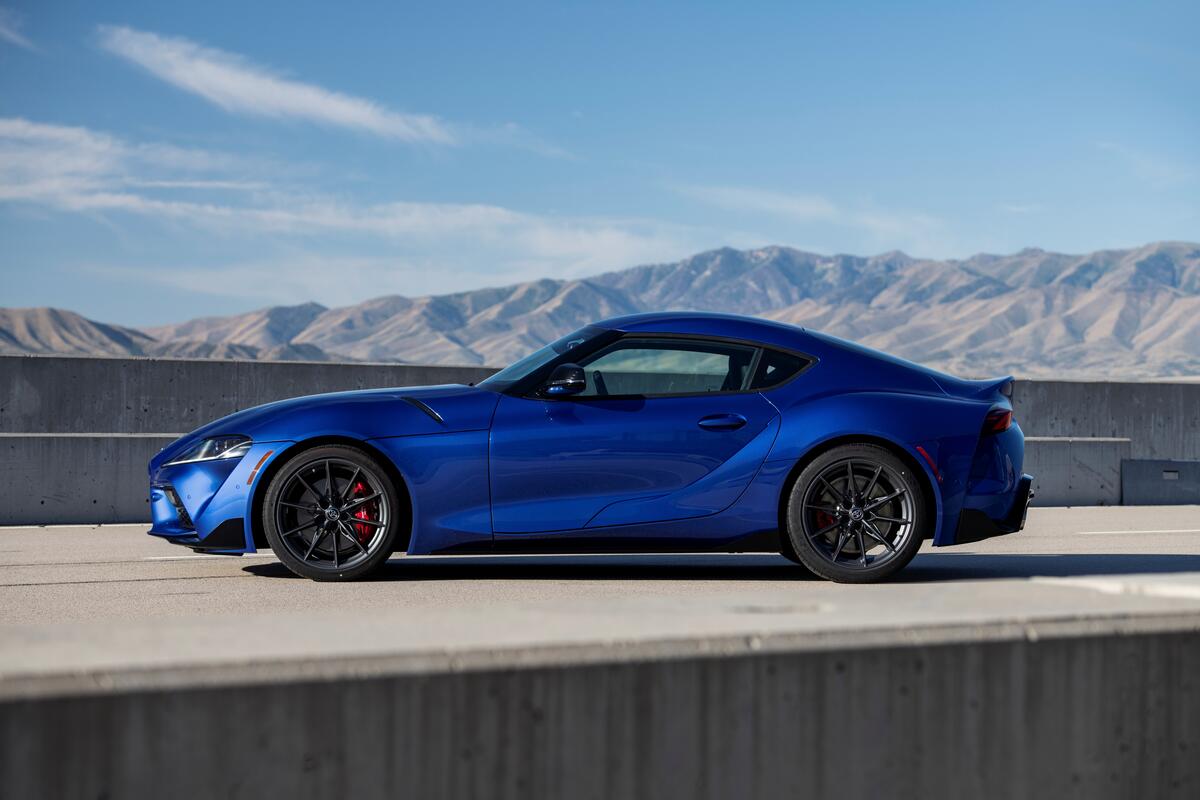
Toyota Supra
"I walked out to my straight piped Toyota Supra and peeled out and never returned because they made me so bad."
They’re talking about a Toyota Supra, which is a sporty Toyota coupe. They also mention it being “straight piped,” meaning the exhaust was modified to be louder.
The speaker mentions driving a straight-piped Toyota Supra after leaving the dealership. The Supra is a performance sports coupe, and “straight piped” implies the exhaust was modified to remove restrictions, typically increasing sound and sometimes changing performance.
peeled out
"I walked out to my straight piped Toyota Supra and peeled out and never returned because they made me so bad."
“Peeled out” means the driver spins the tires to make them slip and heat up. It’s hard on tires and is usually done for fun.
“Peeled out” describes spinning the driven wheels while the car is stationary or moving very slowly, usually to heat up tires and/or clear debris. It’s commonly associated with aggressive driving and can accelerate tire wear.
JD Power
"I actually was looking into this. JD Power has found that new car problems are being reported at their highest levels."
JD Power is a company that tracks how reliable cars are and reports survey results. The speaker is using their data to say new cars may be having more problems lately.
JD Power is a market research company known for publishing vehicle quality and reliability studies. The speaker is referencing JD Power’s findings about how often new-car problems are reported.
software
"I mean, that that that makes sense to me because like we have like supply chain issues and like, well, it's all the software. And also software, right?"
Cars today run on a lot of computer software, not just mechanical parts. The speaker is saying software problems—like glitches—can cause issues in new cars.
In modern cars, “software” can control many systems beyond infotainment, including engine management, driver-assistance features, and electronic modules. The speaker is suggesting that software complexity and bugs can be a major source of reported new-car problems.
supply chain issues
"I mean, that that that makes sense to me because like we have like supply chain issues and like, well, it's all the software."
“Supply chain issues” means problems getting the parts needed to build cars. If manufacturers can’t get the usual parts on time, it can affect how well the cars turn out.
“Supply chain issues” refers to disruptions in how parts and materials get sourced and delivered to manufacturers. In cars, shortages or substitutions can lead to changes in components or production timing, which can contribute to quality problems.

Toyota RAV4
"... say it. So I drive like the car we have is a 24 RAV4 XLE. So like, yeah, second highest trim level."
The Toyota RAV4 is a compact SUV that’s meant for everyday driving. The podcast mentions the “RAV4 XLE,” which is a specific trim level with extra features compared to the base version. It comes up because it’s the car they’re using as a reference for their driving style.
The Toyota RAV4 is a compact crossover SUV known for being practical, widely used, and available in many trims. The podcast specifically mentions a “24 RAV4 XLE,” which indicates a particular model year and mid-to-upper trim level. It’s discussed because it’s a relatable, everyday car choice and a reference point for how the host drives.
rear climate vents
"Number one, no rear climate vents. Yeah. Number two, none."
These are the air vents in the back of the car that blow warm or cool air. If the car doesn’t have them, people in the back may not get comfortable as easily.
“Rear climate vents” are the air outlets in the back seat area that let rear passengers get heating or cooling. If a vehicle lacks them, rear-seat comfort can be harder to control.
CarPlay glitch
"I don't know if this is Toyotas or Apple's fault. This is bizarre car play glitch where the screen will just flash red. In like seconds at a time."
They’re talking about Apple CarPlay misbehaving. CarPlay is the phone-to-car screen system, and the “glitch” means the display acts up or disconnects briefly.
A “CarPlay glitch” refers to problems with Apple CarPlay, the system that mirrors an iPhone’s apps onto the car’s infotainment screen. A screen flashing red for seconds suggests a software/connection issue between the phone and the head unit.
infotainment
"Yeah, fucking the the level of the Nissan infotainment hell"
Infotainment is the car’s main screen and electronics for music, maps, and phone features. They’re basically saying it’s frustrating or buggy.
“Infotainment” is the car’s electronics for media and information—typically the touchscreen, audio controls, navigation, and phone integration. When someone calls it “hell,” they’re usually complaining about usability, lag, or bugs.
Nissan
"Even if I even if I am the some for some reason, our Nissan has the largest Bluetooth range that I have ever experienced on any object ever mild."
They’re talking about their Nissan (the car brand). They’re saying the car’s Bluetooth signal works farther than what they’ve experienced in other vehicles.
The speaker mentions their Nissan and says it has unusually strong Bluetooth connectivity. In this context, Nissan is the car brand they’re using as the example of the tech working well.
Bluetooth range
"our Nissan has the largest Bluetooth range that I have ever experienced on any object ever mild. on any object ever mild."
Bluetooth range is how far away your phone can be and still stay connected to the car. If the range is good, you can keep listening or using the phone without the connection dropping.
Bluetooth range is the effective distance over which a car can maintain a wireless connection to a phone (for audio streaming, calls, and pairing). Real-world range varies with phone model, signal interference, and whether the phone is in the cabin or outside.
Stalantis
"It stands for Stalantis. It stands for Stalantis. Um, yeah, I just knew cars are I learned at my wedding"
They likely mean Stellantis, which is a big company that owns multiple car brands. The speaker is just explaining what the name stands for.
“Stalantis” appears to be a mishearing of “Stellantis,” the multinational automaker formed from a merger of Fiat Chrysler Automobiles and PSA Group. The speaker is using it as a brand/company name reference in the conversation.
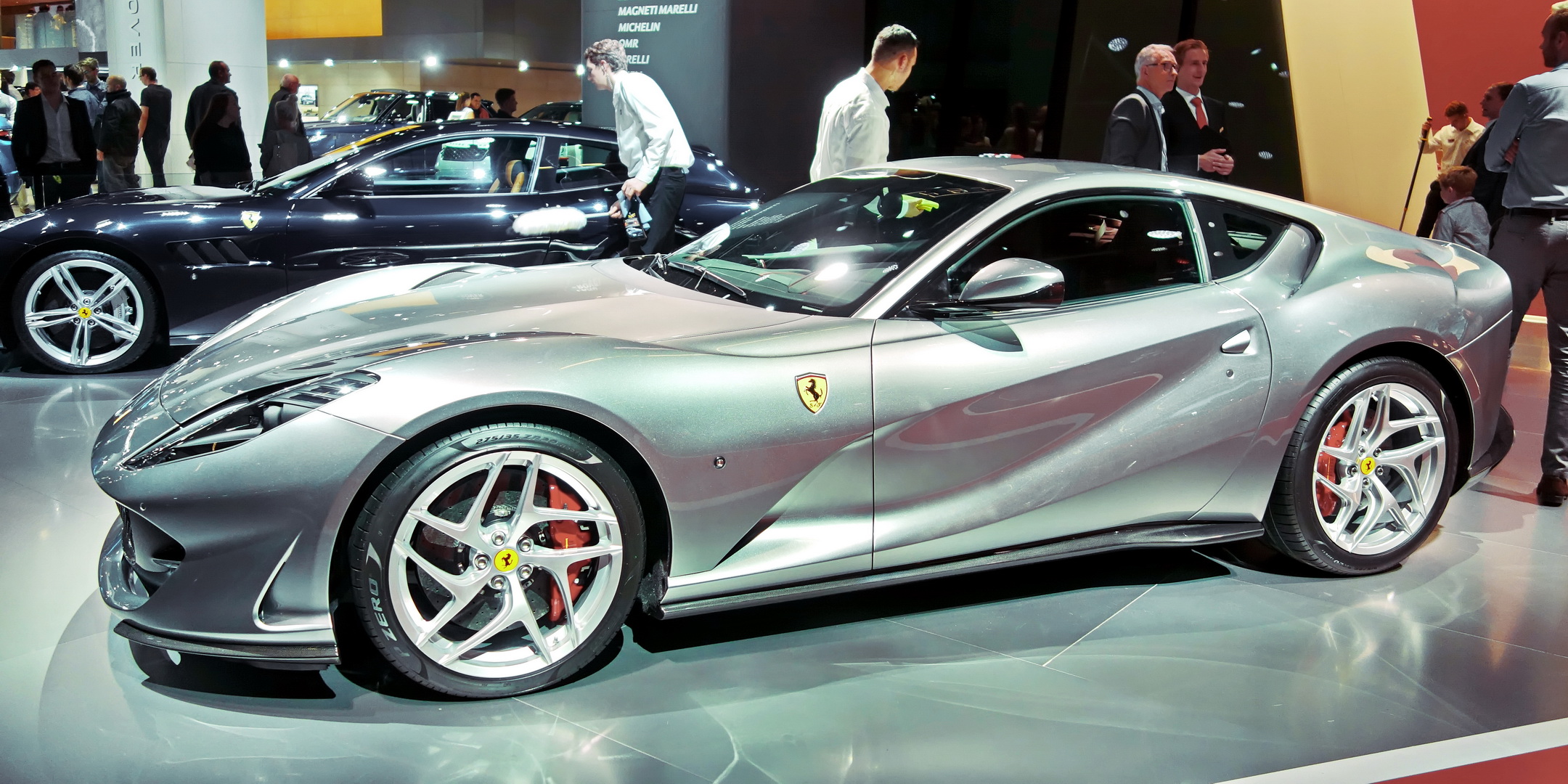
Ferrari 812
"And he was talking about the the dodechi cylinder cylinder, the Ferrari 812 replacement, right?"
They’re talking about the next Ferrari that will replace the 812. The 812 is a famous high-end Ferrari, and people care a lot about what comes after it.
The speaker mentions a “Ferrari 812 replacement,” referring to the next-generation successor to the Ferrari 812 Superfast. The 812 is known for its naturally aspirated V12 character, so a replacement is a major talking point for enthusiasts.
start, stop switch
"The fucking start, stop switch in a in a one of the dodechi cylinder."
This is the button or control that starts the car and can stop it when you’re idling. The speaker is criticizing how it’s implemented in the car they’re discussing.
A start/stop switch controls the engine start and stop function. In some cars—especially with modern infotainment-heavy interiors—this can be integrated into touch controls, which can affect how quickly and confidently drivers can use it.
capacitive touch screen
"Yeah. It's a capacitive touch screen on the bottom of the wheel. Oh, my God, that's horrible."
It’s a touch screen that senses your finger using electricity. The downside is you don’t get the same “push” feeling as real buttons, so it can be harder to use quickly.
A capacitive touch screen uses the electrical properties of your skin to detect touch, rather than a physical button press. In cars, this can change usability—especially while driving—because it relies on accurate touch input instead of tactile feedback.
interior refresh option
"That's horrible as they're immediately letting people pay to retrofit real buttons in this car already has an interior refresh option. The only good thing that he does now is like, all right, cool."
They’re talking about an option that updates the car’s interior. The speaker’s point is that the car already has a way to change things, so the original setup still feels like a bad choice.
An “interior refresh option” refers to an updated interior package or retrofit that changes the cabin controls and materials after the original design. In this context, the speaker is saying the car already has an option to update the interior, yet the criticized control layout still exists.
turbo
"I'm going to stress it out. I'm going to make this turbo miserable. This this this as you have correctly noticed cars are very touch screen filled."
A turbo is a device that helps the engine make more power by pushing extra air into it. They’re basically saying they want to really push the turbo-powered car hard.
A turbo (turbocharger) forces more air into the engine, allowing it to make more power without needing a larger engine. When someone says they’re going to “make this turbo miserable,” they’re talking about stressing the turbo-equipped setup under hard driving.
vehicle dependent dependability ratings
"JD Power has found that overall vehicle dependent dependent dependability ratings have been trending downward for years now because of this."
They’re talking about how car dependability is measured—basically, how often problems show up in different cars. The claim is that those dependability scores have been getting worse over the years.
“Vehicle dependent dependability ratings” refers to how dependable vehicles are measured across different models and conditions, typically based on reported problems. The key idea is that dependability scores are changing over time, not just one-off complaints.
fuel efficiency
"is that like everybody's like, well, cars are more fuel efficient than they used to be. Not really. Since 2015, gas powered fuel efficiency has basically stagnated"
Fuel efficiency means how far a car can go on a gallon (or how much energy it uses to travel). They’re saying gas cars haven’t improved much lately, while electric and other alternative powertrains have driven most of the gains.
Fuel efficiency is how much distance a vehicle can travel per unit of fuel (or, in broader terms, how efficiently it uses energy). The speaker argues that since 2015, gas-powered fuel efficiency gains have largely stalled, while improvements have come mainly from hybrids/EVs.
EVs
"and everything has been all of the efficiency of gains have been driven by Peaheves and EVs, which primarily go to buyers that make one hundred and fifty thousand dollars per household or more."
EVs are electric cars that run on batteries instead of gasoline. They’re saying most recent efficiency improvements are coming from electric cars rather than regular gas cars.
EVs are electric vehicles that use electric motors powered by batteries instead of burning gasoline. The speaker’s point is that efficiency improvements have been driven largely by EV adoption rather than by steady gains in gas-only cars.

Chevrolet Nova
"...f you. Yeah, we've done live shows where we have Nova Robot Boys. I I I like my brav gets twenty two m..."
The Chevrolet Nova is a car model made by Chevrolet. Different versions were produced over many years. In the podcast, it’s mentioned mainly because the name is recognizable and used for a bit.
The Chevrolet Nova is a nameplate used for compact-to-intermediate cars that became popular in multiple generations. The podcast mentions it in a playful, show-related way (“Nova Robot Boys”), indicating it’s being referenced as a recognizable model name rather than a deep technical topic. It’s brought up because the Nova name has enough cultural and automotive recognition to land with listeners.
CVT
"We we really like how fuel efficient are deeply boring CVT Nissan is [1702.1s] because we drive to New York and Chicago a lot and from Pennsylvania,"
CVT means “continuously variable transmission.” It’s a type of automatic gearbox that can smoothly change ratios so the engine doesn’t have to jump between fixed gears.
CVT stands for continuously variable transmission. It uses a belt or chain and variable pulleys to keep the engine near an efficient operating point across a wide range of speeds.
EV
"Uh, the only thing we'd go to is an EV at this point, because, yeah, "
EV means electric vehicle. Instead of using gasoline, it runs on electricity from a battery, which can make it cheaper to drive depending on charging costs.
EV means electric vehicle—cars powered primarily by electricity stored in a battery rather than gasoline. The speaker is framing EVs as a practical alternative given fuel costs and long-distance driving.
premium or mid grade
"But also it's like, oh, anything is a downgrade in both fuel economy [1746.6s] and also everything we could switch to takes premium or mid grade. [1750.8s] So it's an extra like it's an extra penalty."
They’re talking about different types of gasoline. Premium and mid-grade have different octane levels, and some engines are designed to use them to run properly.
“Premium” and “mid grade” are fuel octane ratings. Higher-octane fuel is often recommended for engines designed to run with it, typically to prevent knock and allow more aggressive ignition timing.

Volvo V60
"Yeah, I've been looking at a Volvo V 60, [1760.5s] the cross country that they make you buy now. [1763.4s] Uh-huh. And it's just like it's a turbo four cylinder."
They’re talking about a Volvo V60 wagon. They’re looking at the Cross Country version, which is meant to be a bit more rugged than the regular V60.
The speaker is considering a Volvo V60, a wagon-style model from Volvo. They specifically mention the Cross Country variant, which is Volvo’s more rugged, higher-stance take on the V60 lineup.
mild hybrid
"I would get a mild hybrid, but like, that's more shit to break. [1770.8s] That's more shit that I have to replace. [1772.4s] Like, and if I'm looking at pre-owned, it's just like,"
A mild hybrid is a car that has a small battery and electric motor to help the gas engine. It can improve smoothness and efficiency, but it also adds extra parts that could need repairs.
A mild hybrid adds a small electric motor and battery to assist the engine, usually for smoother starts, some regenerative braking, and limited electric assist. It’s generally less complex than a full hybrid, but it still adds components that can fail and cost money to repair.
pre-owned
"Like, and if I'm looking at pre-owned, it's just like, [1774.8s] I don't know how this has been driven. [1776.1s] I don't know like what the, what the, what the mild hybrid system is going to look like."
“Pre-owned” just means used. They’re saying that with a used car, you may not know how the previous owner treated it, especially for newer tech.
“Pre-owned” refers to buying a used car rather than a new one. In this context, the speaker is worried about not knowing how a mild-hybrid system has been driven or maintained.

Civic type R
"My wife wants a Civic type R quite badly, but the Civic type R is a it's like a $60,000 car. And it is it no matter how nice the new Civic is, you're still buying the very nice Civic, you know, Civic."
The Civic Type R is the sporty, high-performance version of the Honda Civic. It costs more than a normal Civic because it’s built with stronger performance parts.
The Honda Civic Type R is a performance version of the Civic, tuned for track-style driving with a stronger engine and sport-focused chassis setup. It’s typically priced far above a regular Civic because of the extra performance hardware and limited production.
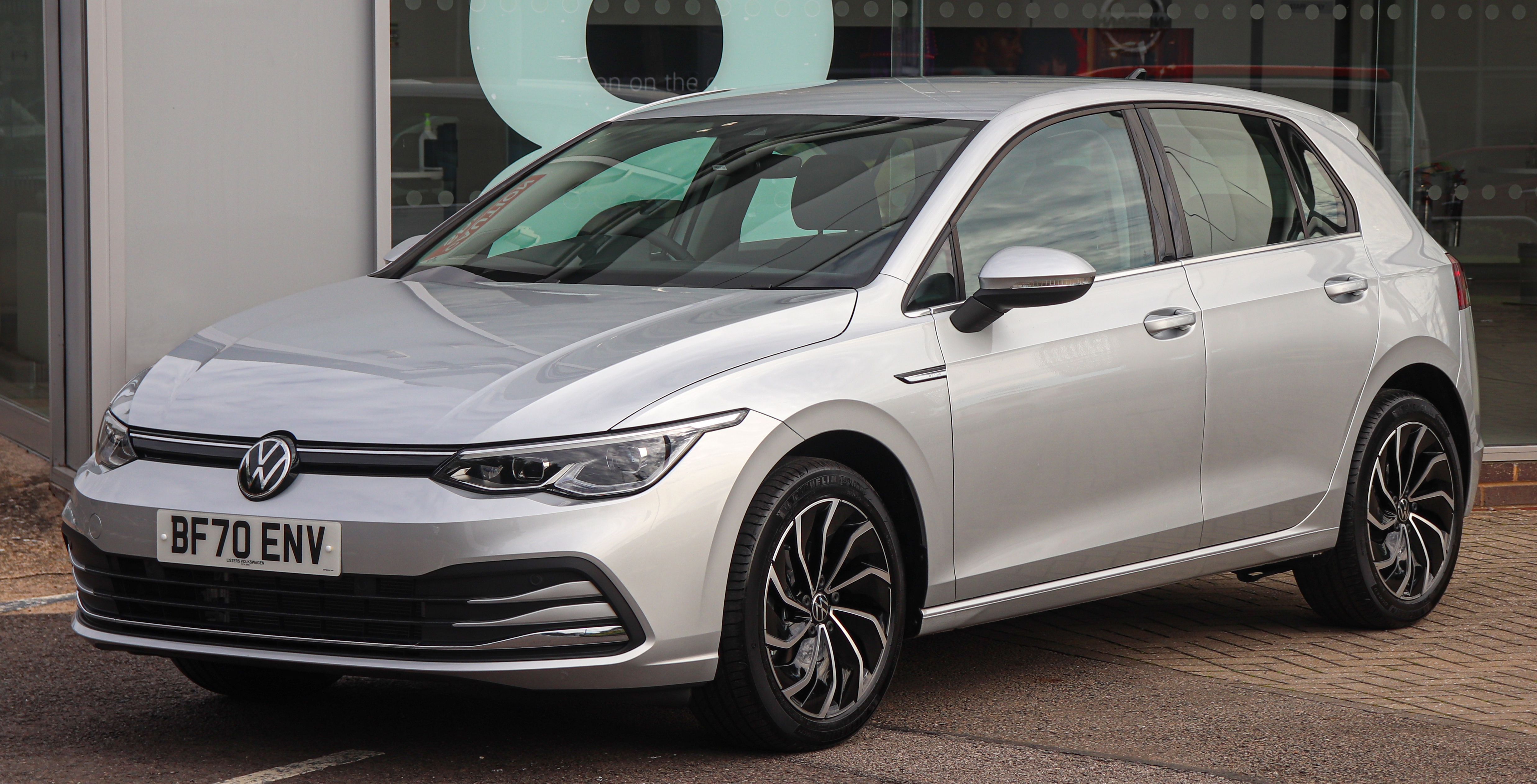
Golf R
"I mean, this is my this is my beef with the with the Golf R. It's like, well, it's a decontented Audi."
The Golf R is the fast, sporty version of the Volkswagen Golf. It’s meant to feel more powerful and grippy than a regular Golf.
The Volkswagen Golf R is the high-performance, all-wheel-drive variant of the Golf. It’s often compared with other hot hatches and compact performance sedans because it blends everyday usability with more power and grip.

Audi Rs3
"...tented Audi. Absolutely. Yeah. I could go get an RS3 for six grand more. I was going to say, not that..."
The Audi RS 3 is a high-performance version of the Audi A3. It’s meant to be quicker and more sporty than a regular A3. The podcast mentions it while talking about how much it costs compared to another option.
The Audi RS 3 is a performance version of the Audi A3 line, built to deliver sporty handling and strong acceleration. In the podcast, it’s brought up as a pricing/option comparison (“get an RS3 for six grand more”), which makes it relevant to value and what buyers might choose. It’s discussed because it’s a compact, high-performance alternative within the broader performance EV/ICE talk.

GTI
"It's like just like the GTI is a $40,000 car now. Especially they don't make the golf anymore. No, they don't. I bought one in."
The GTI is the sporty version of the Volkswagen Golf. It’s designed to be more fun to drive than a regular Golf, usually with a stronger engine.
The Volkswagen GTI is the performance-focused trim of the Golf, usually with a turbocharged engine and sport-tuned suspension. It’s a popular “hot hatch” because it offers real driving fun without going all the way to the Golf R’s higher price.
used car prices have never come back to earth
"Oh, oh, yeah, that is a number you're never going to hear. Even a year later, actually, if you even tried to buy that in March of 2020, you would like I ooh, that's the other thing where it's just used car prices have never come back to earth. No, that's that's my beef."
They’re saying used cars are still priced way higher than what people consider normal. In other words, the market never returned to the cheaper prices you might remember.
This is a reference to the post-pandemic used-car market staying inflated for longer than many people expected. When used prices don’t “come back,” it means buyers pay more than historical norms for pre-owned vehicles.
Carvana
"Is that like, well, I look at car max like I would. So I bought and sold my GTI through Carvana. So like I highly recommend selling a car to Carvana"
Carvana is a company that sells used cars, mostly through an online process. The speaker is saying they sold their car through Carvana and recommends doing that.
Carvana is an online used-car retailer that buys and sells vehicles through a digital sales process. The speaker mentions using it to sell their GTI, highlighting how these platforms can affect pricing and convenience.
380 at the wheels
"...bought my heavily modified GTI that made 380 at the wheels and took a fucking second look at it."
“At the wheels” means the power measured at the tires on a dyno. It’s the real-world power that gets to the road, and it’s usually different from the factory horsepower number.
“At the wheels” is a dyno measurement of horsepower delivered to the drivetrain after losses in the engine and transmission. It’s often lower than the factory “rated” horsepower because it reflects what actually reaches the tires.
heavily modified
"...because they bought my heavily modified GTI... Whatever idiot bought my heavily modified 380 horsepower to the front wheels, GTI..."
“Heavily modified” means the car was changed a lot from how it left the factory. People do this to make it faster, handle better, or feel different to drive.
“Heavily modified” means the car has been changed substantially from its factory configuration, typically to increase power, improve handling, or alter drivability. In enthusiast circles, this can include engine tuning, turbo upgrades, suspension changes, and drivetrain work.
glove box
"...I was like, OK, I threw the axe is important in the glove box. Like good luck, everybody else."
The “glove box” is the storage compartment in the passenger side of the dashboard. The speaker implies something important was left there, suggesting the car had been set up with specific items or documentation for the next owner.
front wheels
"Whatever idiot bought my heavily modified 380 horsepower to the front wheels, GTI take off in a stoplight..."
This means the car sends power to the front tires. That changes how the car grips and how it behaves when you accelerate.
“Front wheels” indicates the car’s drive wheels—here, the power is sent to the front axle (front-wheel drive). That affects traction, handling balance, and how torque is managed during acceleration.
stoplight
"...380 horsepower to the front wheels, GTI take off in a stoplight for the first time."
A stoplight is just a traffic light. Here it means the moment the car starts moving from a stop, which is where traction and acceleration matter most.
A “stoplight” is an everyday term, but in this context it’s being used to describe a launch/acceleration event—starting from a standstill at an intersection. That’s relevant because modified high-power cars can behave differently during initial traction and throttle application.
finance rates
"[1960.2s] So average finance rates have not dropped below 6 [1963.3s] percent for a new car."
Finance rates are the interest rates banks and lenders charge for car loans. Higher finance rates usually make the monthly payment and total cost go up.
Finance rates are the interest rates lenders charge for auto loans. In practice, they strongly influence monthly payments and the total cost of financing a new car.
APR
"[1966.7s] Like your your APR after 2022. [1971.4s] We had that like one moment where it was all money was free."
APR is basically the interest rate on your car loan. A higher APR means you pay more money over the life of the loan.
APR (annual percentage rate) is the interest rate used to calculate the cost of borrowing money for a car loan. When people say “your APR,” they mean the rate that determines how much extra you pay on top of the loan principal.
loan length
"[1979.7s] The average loan length is now 60 or 72. [1985.4s] Well, so it's just it's just the overall average"
Loan length is how long you have to pay off the car. A longer loan can make payments smaller each month, but you may pay more interest overall.
Loan length is how many months (or years) you have to repay an auto loan. Longer loan lengths can lower the monthly payment, but they often increase total interest paid over time.
monthly payment
"[2000.7s] The average monthly payment for a new car is now seven hundred [2004.2s] and seventy seven hundred and seventy three dollars per month."
Your monthly payment is what you pay each month to pay off the car. It depends on the loan size, the interest rate, and how many months you’re paying for.
Monthly payment is the fixed amount you pay each month to repay a car loan. It’s driven by the loan amount, APR, and loan length, so changes in interest rates can noticeably move it.
new car loans
"[2024.4s] Financing cars. [2026.3s] Twenty two point nine percent of new car loans [2029.1s] are now longer or eighty four months or longer now."
They’re talking about the typical terms of loans for brand-new cars. If more loans are for longer periods, you might pay more total interest even if the monthly payment is lower.
The discussion focuses on how auto-loan terms for new cars are changing—specifically, how many loans are being stretched to longer durations. That matters because longer terms can increase total interest paid even if the monthly payment looks manageable.
used car loans
"Right. Yeah. Used car loans were at an average of sixty five point seven months. And the average amount financed was twenty four thousand one hundred and forty eight dollars for used cars average."
A used car loan is money you borrow to buy a pre-owned car. The hosts are talking about typical loan lengths and amounts to estimate the overall cost of buying a used car.
“Used car loans” are financing loans taken out to buy a pre-owned vehicle. The episode is using loan terms and averages to estimate what buyers are likely paying for used cars.
amount financed
"Used car loans were at an average of sixty five point seven months. And the average amount financed was twenty four thousand one hundred and forty eight dollars for used cars average. And the average amount financed was twenty four thousand one hundred and forty eight dollars for used cars average."
“Amount financed” is the price the bank is funding for the car purchase. It’s basically the loan amount, which may not exactly match what the car costs on the sticker.
“Amount financed” is the dollar amount the lender actually finances for the purchase. It’s different from the car’s sticker price because it can exclude taxes/fees or include them depending on how the financing is structured.
out the door
"So let's assume the end of twenty twenty four is down roughly. That's thirty thousand out the door for a used car. Yes. Yes."
“Out the door” is the total amount you end up paying to buy the car. It includes the extra stuff like taxes and fees, not just the car’s base price.
“Out the door” (often abbreviated OTD) is the total price you pay to complete the purchase, including taxes, registration, and dealer fees. It’s a key number because it reflects the real cash cost beyond the advertised price.
correlations not causation
"reported and I'm like, can you correlations not causation? Can you show me the return of Fiat and Alfa Romeo to the U.S."
This is a reminder that just because two things seem related doesn’t mean one caused the other. For example, a chart might show problems happening alongside something, but that doesn’t prove the thing caused the problems.
“Correlation not causation” is the idea that two things can move together without one directly causing the other. In car discussions, it often comes up when people use graphs of reported issues to imply a brand or model is the cause, even though other factors could be involved.

Fiat 500
"Because I bet there's a I was like, I had a friend who had a Fiat five hundred of ours in Austin and love that thing."
The Fiat 500 is a tiny, easy-to-drive car made by Fiat. The hosts are talking about how someone barely drove it, but still managed to use it more than you’d expect.
The Fiat 500 is a small city car from Fiat, known for its compact size and easy parking. In this segment, it’s mentioned as a “beater” that still gets driven more than expected, which is a common real-world ownership story for small cars.
limp mode
"I just you can make it to your little errands around town and limp mode. Come on. Come on."
Limp mode is what a car does when it senses a problem. It reduces power so you can drive carefully to get it checked, even though the car won’t feel normal.
Limp mode is a protective driving mode where the car limits power and sometimes changes how it shifts to prevent damage after it detects a fault. It’s meant to get you to a shop safely, but it usually feels sluggish and may cap speed or throttle response.
interest rate
"Do you know what the average interest rate was as of again, December 2024, when this was ended for a used car loan?"
The interest rate is the price of borrowing money. A higher rate usually means you pay more each month and overall.
The interest rate is the percentage cost of borrowing money on a loan. Higher interest rates increase the monthly payment and the total amount paid over the life of the loan.
repossessions per capita
"Do you have the chart of amount of repossessions per capita?"
Repossession means the lender takes the car back. “Per capita” just means the number is adjusted for how many people are in the area, so it’s easier to compare.
“Repossessions per capita” is a rate that normalizes repossessions by population size, letting you compare regions or time periods fairly. It’s a way to gauge how widespread loan distress is, rather than just counting raw repossession numbers.
auto loans delinquent by 90 or more days
"I did actually end this with a chart of US auto loans delinquent by 90 or more days, which that is the end of this whole article."
This means people stopped paying their car loan for a long time—at least about 3 months. Lenders track this because it’s a strong sign the loan may be heading toward trouble like repossession.
“Delinquent by 90 or more days” means borrowers have missed payments for at least three months. In auto-lending, that’s a common threshold used to flag loans that are seriously behind and often precede repossession or default.
subprime
"And the thing that I couldn't believe was that 20 percent of new and used car loans together are subprime."
Subprime means the loan is going to someone with a lower credit score or higher risk of missing payments. If more car loans are subprime, more of them can fall behind when things get expensive.
“Subprime” refers to borrowers with weaker credit profiles, which makes lenders charge higher interest rates or apply stricter terms. When a large share of auto loans is subprime, it increases the risk of delinquencies during economic stress.
producer price index
"The cost of car insurance, according to the producer price index, is now again, basically double what it was in 2008."
PPI is a measure of how prices change earlier in the supply chain (for businesses). In this segment, it’s being used to support the point that insurance costs have gone up a lot.
The Producer Price Index (PPI) measures price changes at the producer/wholesale level rather than what consumers pay at retail. They’re using it as another indicator that insurance-related costs have risen sharply.
totaled
"Also, new cars take longer to repair. They get totaled at higher rates than ever because of all the safety systems."
“Totaled” means the insurance company decides it’s not worth repairing the car. With newer cars, repairs can cost more because there are more advanced systems to fix.
When an insurer says a car is “totaled,” it means the damage is so expensive to repair that the payout is cheaper than fixing it. Modern cars can be totaled more often because repairs involve expensive parts and complex systems.
safety systems
"They get totaled at higher rates than ever because of all the safety systems."
Safety systems are the newer features that help prevent crashes or reduce injury. If they get damaged in an accident, fixing them can be expensive and slow, which can affect whether the car gets written off.
“Safety systems” refers to modern driver-assistance and crash-protection technologies (like sensors, cameras, and automated braking). When these are damaged, repairs can take longer and cost more, which can increase the odds of a vehicle being totaled.
deductibles
"They have Americans on average have higher, you know, which is defined as more than $1,000 deductibles for their insurance than ever before."
A deductible is the amount a policyholder must pay out of pocket before insurance coverage kicks in for a claim. The segment suggests that many drivers now have deductibles over $1,000, which can make insurance claims more painful.
per capita fatalities
"If you look at our roads on a like normal basis as like per capita fatalities, so the number of road deaths for the number of people that live here, our roads are somewhere between Kazakhstan and Syria for road safety."
It means “how many people die on the roads compared to how many people live there.” That way, a big country and a small one can be compared fairly.
“Per capita fatalities” is a way to compare road deaths by adjusting for how many people live in a given place. Instead of looking only at total deaths, it uses deaths per population to make locations more comparable.
pedestrian and bicyclist fatalities
"Most of the most of our deaths are driven by pedestrian and bicyclist fatalities. Yeah, absolutely. Because they're that you're not in the car that's now safe and bigger than ever."
This is about deaths of people on foot or on bicycles, not people inside cars. It highlights that road danger often hits the most exposed road users hardest.
“Pedestrian and bicyclist fatalities” refers to deaths of people outside the vehicle—walking or riding a bike—rather than occupants. This matters because many road-safety improvements that protect drivers don’t automatically protect vulnerable road users.
Vision Zero
"Yeah, has vision zero worked for any city? Yes, no, no, European ones... It was Oslo, Norway, where they were like they achieved total success... You just have to actually change infrastructure."
Vision Zero is a plan cities use to make roads safer. The goal is to reduce or eliminate serious crashes by changing how streets are designed, not just by writing tickets.
Vision Zero is a road-safety strategy aimed at eliminating traffic deaths and serious injuries. It typically relies on redesigning streets and intersections (not just enforcement) so that crashes are less likely to happen and, if they do, are less likely to be fatal.
roundabouts
"...things got immediately worse when we introduced roundabouts. Yeah, in New York City, there was they actually got a few small decrease in pedestrian fatalities..."
A roundabout is a circular intersection where cars go around in a loop. It often makes crashes less severe because speeds are lower and drivers have fewer straight-on collision paths.
A roundabout is a circular intersection where traffic flows around a central island, usually with yield control for entering vehicles. Compared with traditional intersections, roundabouts can reduce high-speed collision angles and lower the severity of crashes, especially for pedestrians and cyclists.

Cadillac Escalade
"Yeah, tall. Yeah. Yeah, show me about a Cadillac Escalades in Oslo and I'll make some points here."
The Cadillac Escalade is a big, tall SUV. The concern is that when a large vehicle hits a pedestrian, the impact can be more severe because the car’s front is higher off the ground.
The Cadillac Escalade is a large full-size luxury SUV. In the context of Vision Zero and pedestrian safety, the point is that big, tall vehicles can be more dangerous to people outside the car because of higher front-end height and mass in a collision.
Honda Civic Burger Index
"[2728.9s] And I was like, yeah, I feel like doing this coming soon [2731.5s] will hopefully be the the Honda Civic Burger Index. [2736.4s] That's what I was telling you where I wanted to compare, [2739.4s] basically, equivalently loaded trims of cars and amount of time taken to buy one."
They’re using a fun “index” to compare how hard it is to buy a Honda Civic. Instead of just looking at the price, they’re trying to measure affordability using a simple comparison method.
The “Honda Civic Burger Index” is a playful, data-driven way to compare how long it takes to buy a Honda Civic across different trim levels. It borrows the idea of using a common “basket” item to stand in for broader economic comparisons, then applies it to car pricing and affordability.
Honda Civic
"[2728.9s] And I was like, yeah, I feel like doing this coming soon [2731.5s] will hopefully be the the Honda Civic Burger Index. [2736.4s] That's what I was telling you where I wanted to compare, [2739.4s] basically, equivalently loaded trims of cars and amount of time taken to buy one. ... [2758.8s] I just need to know what a civic starts at."
The Honda Civic is a popular everyday car model. Here, they’re talking about it in the context of figuring out how affordable it is—like how long it might take to buy one depending on the version you choose.
The Honda Civic is a long-running compact car line from Honda, and it’s often used as a benchmark for mainstream pricing and affordability. In this segment, it’s the subject of an index meant to compare how long it takes to buy the car across similarly equipped trims.
Big Mac Index
"[2744.4s] Based off of a combination of like doing [2747.3s] in doing like CPI and also the Big Mac Index, basically. [2751.3s] If you're familiar with the Big Mac Index, one of my favorite economic. [2755.2s] It's really good. Yeah. Markers. Yeah."
The Big Mac Index is a simple way economists compare prices across places using the cost of a Big Mac. Here, they’re using it as inspiration for a similar kind of affordability comparison for cars.
The Big Mac Index is an economic “price comparison” concept that uses the price of a McDonald’s Big Mac as a rough gauge of currency value and purchasing power. In this episode, it’s referenced as a model for how to build an affordability index for cars.
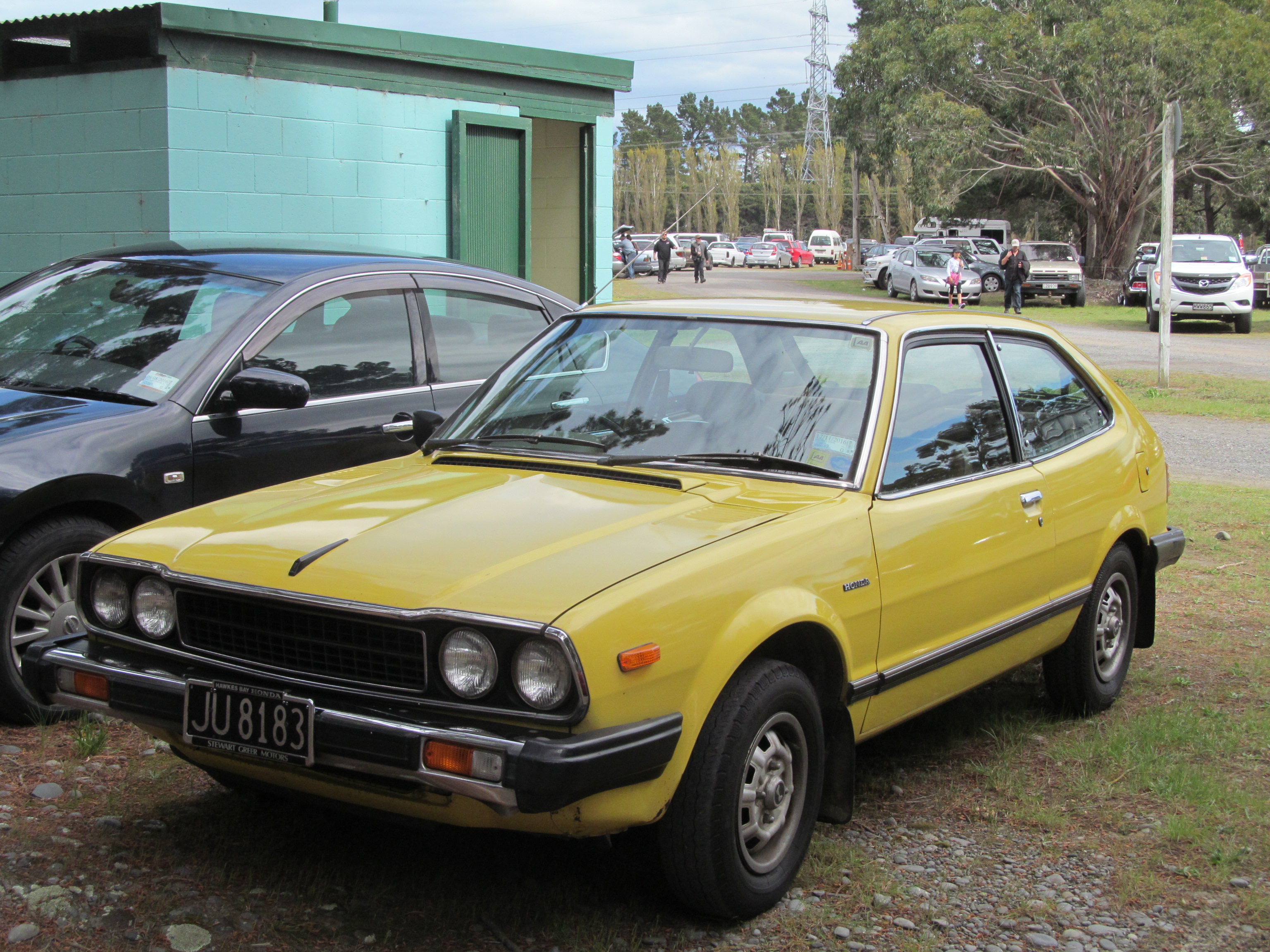
Honda Accord
"I I will say if you if you can you venture maybe to go towards like a Honda Accord, Honda Accord is genuinely just a lot. You're right. Alpha Julia, Alpha Julia."
The Honda Accord is a popular Honda family car. It’s generally bigger and more comfortable than a Civic, so it’s often chosen for commuting and road trips.
The Honda Accord is a midsize family sedan from Honda. In this segment, it’s mentioned as a step up from a Civic and positioned as a practical, roomy option for everyday use.

Honda Prelude
"I keep building I keep building preludes because I have that sickness."
A Honda Prelude is a Honda sports coupe. The host is saying they keep working on or thinking about that kind of car a lot.
The Honda Prelude is a compact sports coupe from Honda, known for its styling and driving feel across multiple generations. In this segment, the speaker says they keep building Preludes, suggesting a personal interest in that model line.
residual value
"Also, this is the thing where if you do have like a newish car that's like five years old, it's worth its weight and gold if it's in good condition still."
Residual value is what a car is still worth after a few years. The speaker is saying that if a car is only about five years old and in great shape, it can be worth a lot when you sell it.
Residual value is how much a car is worth later, after depreciation. The speaker argues that a “newish” car (around five years old) in good condition can retain strong residual value—meaning you can sell it for a relatively high price compared to what you paid.
trade-in
"I know several friends of mine who when they traded in made out like they are sold and that bought something else."
A trade-in is when you give your current vehicle to a dealer as part of the purchase of another vehicle, and the dealer applies a value to it. The speaker contrasts people who “made out like they are sold” when trading in, implying they got a strong trade-in amount.
Tesla
"I figured Liam might want to get in on talking about Tesla. Everyone's favorite crypto fascist auto manufacturer."
Tesla is the company making the electric cars they’re talking about. This part is about Tesla’s plans for the Roadster.
Tesla is the automaker being discussed, specifically in relation to its product announcements and future plans. Here, the conversation centers on Tesla’s Roadster timing and what it signals for the brand’s direction.
shareholder event
"It was supposed to be you actually on April 1st. That was announced as of last November's shareholder event,"
A shareholder event is when a company talks to its investors. They often use it to announce big plans—like upcoming cars.
A shareholder event is a meeting or presentation where a company updates its investors about strategy, product plans, and financial outlook. In this context, the hosts say the Roadster timing was announced at a recent shareholder event.
flying car
"This was also when he teased making it a flying car because, no, quote, my friend, Peter Teal, once reflected that the future was supposed to have flying cars, but we don't have flying cars."
A “flying car” is a vehicle that’s supposed to be able to both drive and fly. The hosts are pointing out that, despite talk and teasing, we still don’t have them in everyday life.
A “flying car” is a vehicle that can drive on roads and also fly like an aircraft. The segment mentions it as a teased future concept, contrasting it with the fact that flying cars aren’t broadly available yet.
mass delusion
"There's it was one of the first hints that mass delusion had entered the EV space, because that was I feel like the Roadster was before we even knew exactly how much of an evil dipshit Elon was like we had hints."
“Mass delusion” means lots of people believed the same thing, even if it didn’t match reality. In this conversation, they’re saying early EV excitement may have gotten ahead of the facts.
“Mass delusion” is a rhetorical way of saying a large group of people collectively believed something unrealistic or unproven. Here, it’s used to criticize early EV hype—specifically the gap between big promises and what was actually available.
Request an Explanation
Heard something you'd like explained? We'll add it to this episode.
Sign in to request explanations for terms you heard.
Want to learn more?
Browse our glossary for plain-English explanations of automotive terms, jargon, and concepts.
Help improve this episode
See something that's not quite right? Our annotations are AI-generated and can sometimes miss the mark. Click the flag icon on any annotation to suggest a correction.