
Episode #221 -Budget Overlander Progress Report
About this episode
The hosts trade progress updates on their budget overlander projects, from cooling-system repairs and cheap key/fob wins to selling off unwanted parts for cash. They also work through a growing checklist of maintenance and legal prep, including timing-chain worries, a missing supercharger belt, and smog-related wiring. The back half shifts into a Jaguar ad quiz and then returns to project logistics, with shakedown miles, a new carburetor, and rally prep all on the table.
The fellas reveal their current progress (or absence of) in an attempt to add stress to their respective builds. Intense pressures help form diamonds...or some crap like that.
overlander
"Episode: Episode #221 -Budget Overlander Progress Report"
An overlander is someone who uses their vehicle for long trips, often with gear for camping and rough roads. It’s more about the trip setup and vehicle readiness than one specific car.
An “overlander” is someone who travels with a vehicle setup optimized for long-distance, self-sufficient trips—often including rough roads, camping gear, and durability-focused maintenance. The term usually implies a build philosophy rather than a single car model.
mud on the tires
"...where we are hoping to go outside of getting mud on the tires um do that song..."
“Mud on the tires” is a casual way to describe actually using the vehicle off-road rather than keeping it as a show or weekend project. It signals the hosts want real-world traction and durability testing.

Cadillac Fleetwood
"...gs that song but no I have no idea um you made a Fleetwood Mac uh reference earlier I was tracking on that o..."
The Cadillac Fleetwood is a large, luxury car made by Cadillac. In the podcast, the name comes up because it sounds like “Fleetwood Mac,” a band name. The Fleetwood name is mainly associated with older-style luxury cars.
The Cadillac Fleetwood is a full-size luxury car line known for its classic, comfortable ride and traditional styling. The podcast reference to “Fleetwood Mac” is a wordplay moment, but it still highlights the Fleetwood name as something widely recognized. It’s often discussed because it represents a particular era of American luxury vehicles.
progress report
"...let's do let's do it's been a while since we revealed our our cheap overlanders so let's go a progress report style..."
They’re doing an update where they say what they’ve finished so far and what they’re planning to do next.
A “progress report” is a structured update format where the hosts recap what they’ve completed and what they plan to do next. In this episode, it frames their build updates for their overlanding trucks.
PCP project car progress
"...I know I've touched upon at PCP project car progress a couple times but dude I've got so many things to take care of on my truck..."
This sounds like the name they give to their recurring “car progress” updates. It’s basically their ongoing build recap segment.
“PCP project car progress” appears to be a recurring segment or shorthand for their ongoing build updates. It’s not a standard automotive term, but it functions as a show-specific label for their car-project documentation.
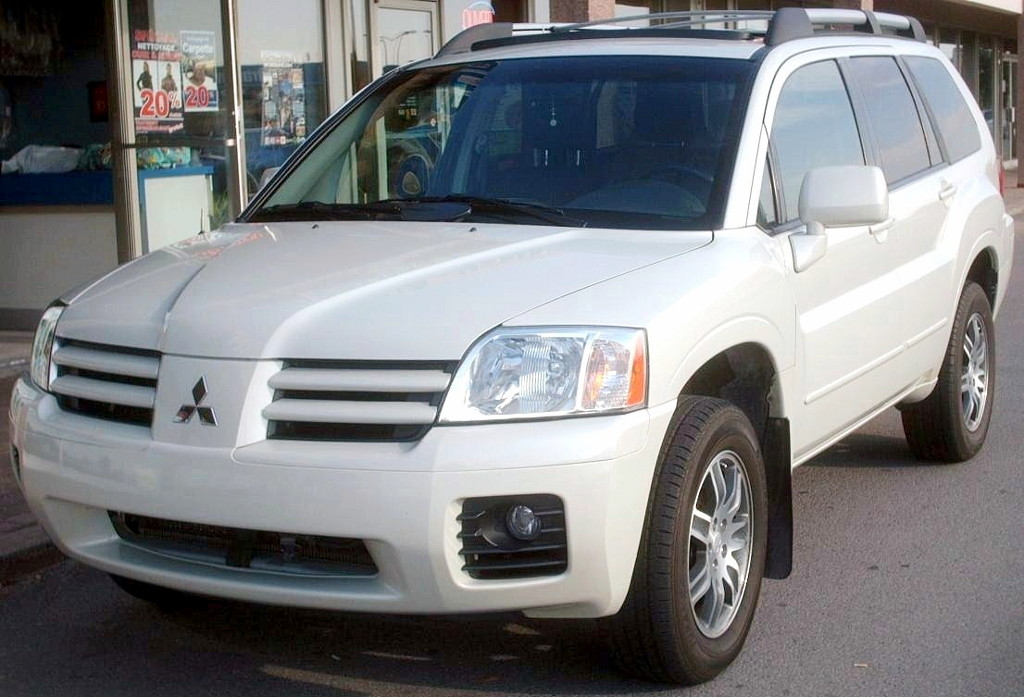
Mitsubishi Endeavor
"...money bro I have Zippo left after this latest uh endeavor but let's just get into it like what we've done a..."
The Mitsubishi Endeavor is a mid-size SUV made for regular driving and carrying people or cargo. In the episode, the name is used as a wordplay reference, not necessarily as a detailed car review. It’s basically being brought up because the word matches what the host is saying.
The Mitsubishi Endeavor is a mid-size SUV that was built for family-oriented use, with a focus on practicality rather than high-end performance. In the podcast, it’s mentioned as part of the host’s ongoing “endeavor,” which is a play on the word “Endeavor.” That kind of mention usually signals a light, conversational reference rather than a deep technical discussion.
smog strawberry milkshake of death avoidance
"but you know I said I did the cooling system we already covered that right this the smog strawberry milkshake of death avoidance quickly for the uninitiated um in case somehow I love"
“Strawberry Milkshake of Death” is a scary nickname for when engine oil and coolant mix. When that happens, the engine can overheat or get damaged, so it’s something you want to catch early.
They’re referring to “Strawberry Milkshake of Death,” a nickname for coolant mixing with oil. That usually shows up as a creamy, milky residue and can indicate serious engine damage if it’s not addressed quickly.
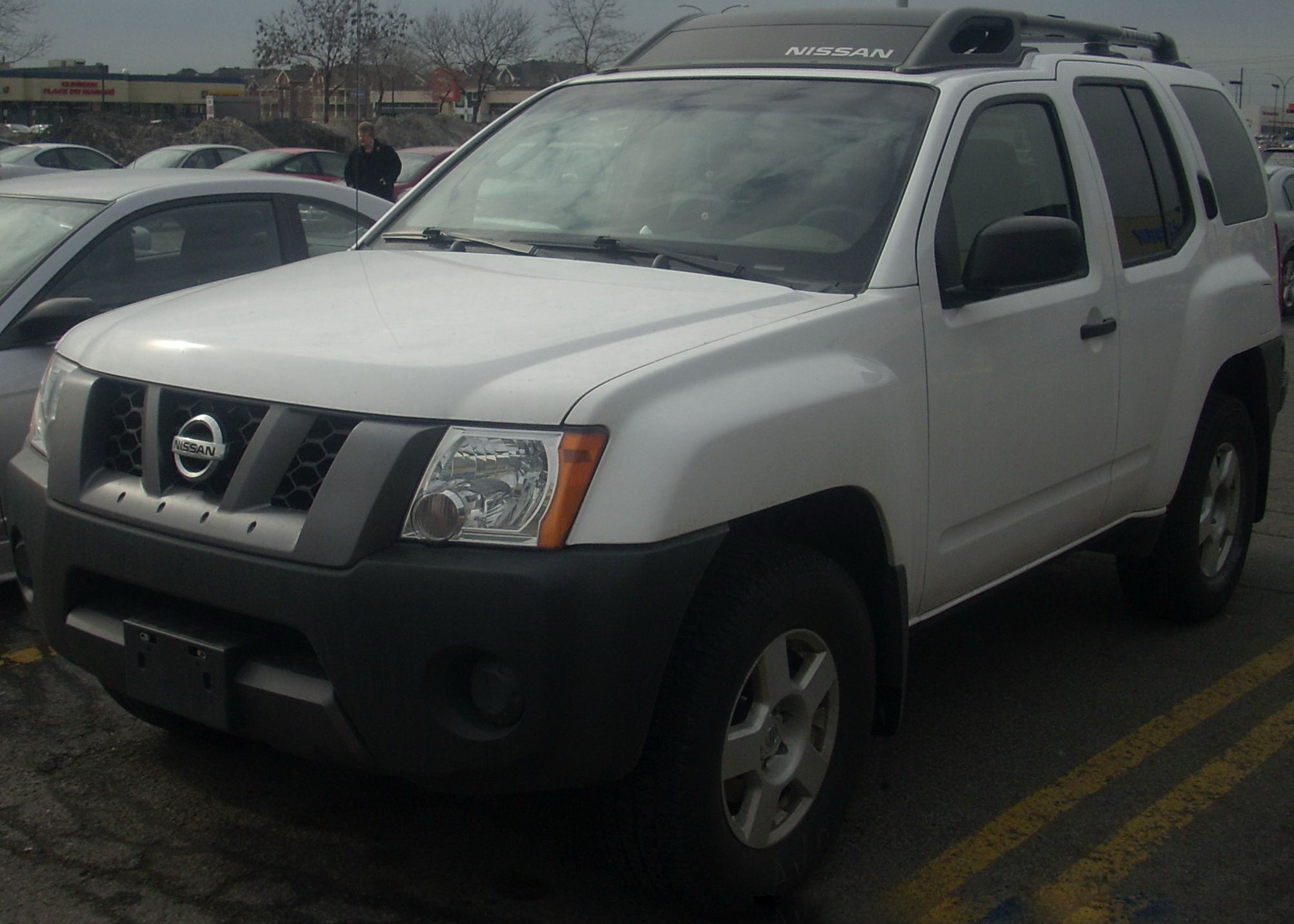
2008 nissan x terra off road trim
"that is um Chadwick's 2008 that's right uh nissan x terra off road trim that's the one one"
They’re talking about a 2008 Nissan Xterra (an SUV) that they’re using for an off-road trip on a budget. The point is making sure it’s dependable enough to go farther than normal driving.
The hosts are discussing a 2008 Nissan Xterra in an off-road-oriented trim. They’re using it as part of a budget overlanding project, focusing on keeping it reliable enough for remote travel.
five speed manual
"it's a five speed manual away from really being the one you want but um yeah hey uh and and and so we're"
A five-speed manual is a car where you shift gears yourself using a clutch. It gives the driver more control over how the car drives.
A “five-speed manual” is a gearbox where the driver selects gears using a clutch pedal and shift lever. Manual transmissions are often preferred by enthusiasts for direct control and typically simpler driveline design than many automatics.
valve covers
"i also did a bunch of gas kits like valve covers timing or not timing timing but i wish um more on that"
Valve covers are the covers on top of the engine that help keep oil inside. If they leak, you can lose oil and make a mess, so they’re often part of routine repairs.
Valve covers are the housings over the top of the engine’s cylinder head(s), protecting the valvetrain and sealing in oil. Leaks from valve covers can lead to oil loss and mess, and fixing them is common during maintenance or “while you’re in there” work.
timing
"i also did a bunch of gas kits like valve covers timing or not timing timing but i wish um more on that"
“Timing” here likely refers to timing-related maintenance such as setting or replacing components that control when the engine’s valves open and close. Getting timing wrong can cause poor running or engine damage, so it’s a serious job.
bolt pattern
"[352.6s] it someone was super pumped they went on an old Tacoma because it has the same uh bolt pattern [356.6s] as the x terra so four wheels for like 50 bucks a wheel with some kind of serviceable tires on"
The bolt pattern is how the wheel’s bolt holes are laid out. Wheels only fit correctly if that pattern matches the vehicle’s hub.
A wheel bolt pattern is the arrangement of the lug bolts (or studs) on the hub, typically described by the number of bolts and the spacing between them. If the bolt pattern doesn’t match, the wheel won’t mount safely.
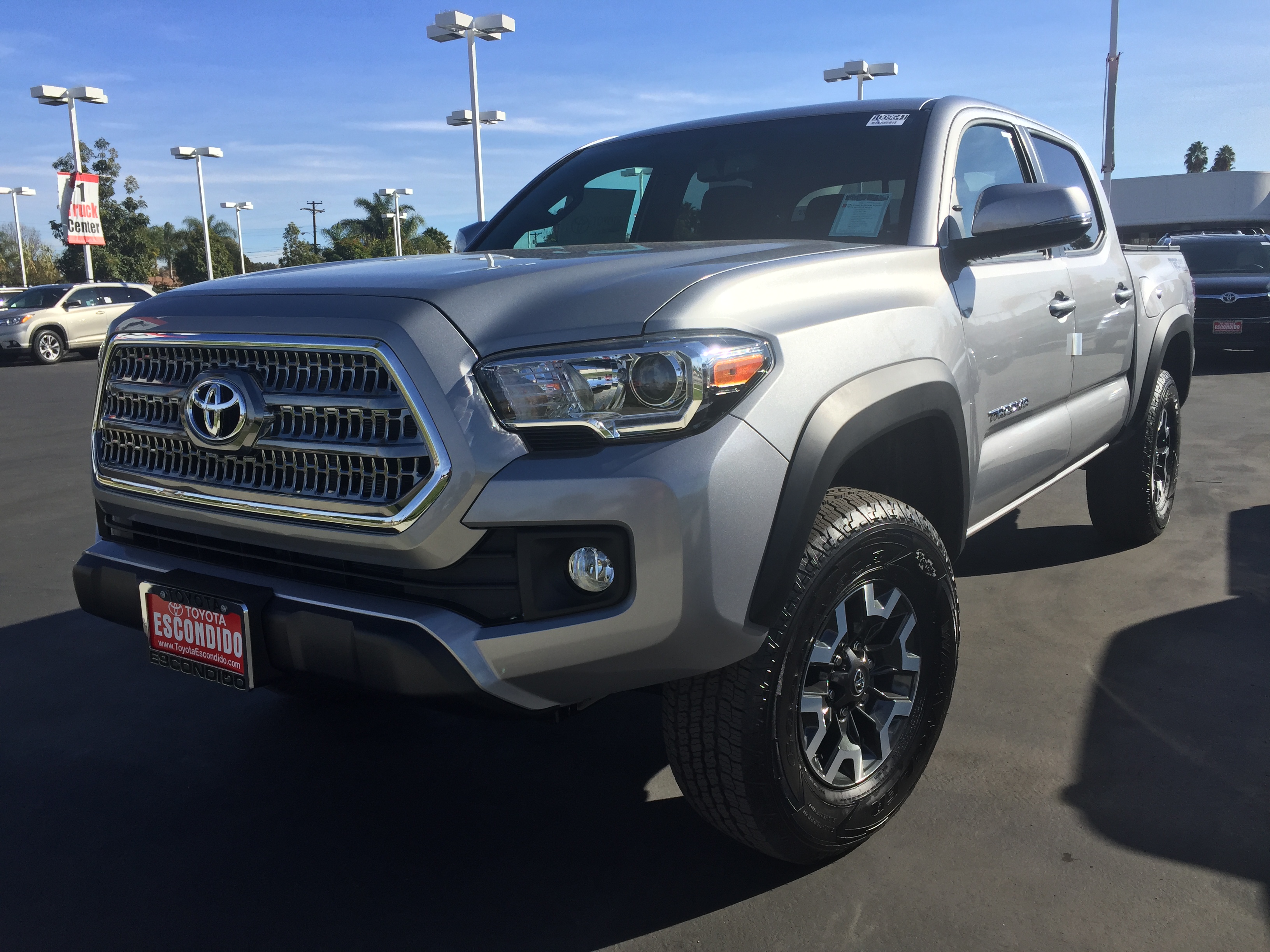
Toyota Tacoma
"[352.6s] it someone was super pumped they went on an old Tacoma because it has the same uh bolt pattern [356.6s] as the x terra so four wheels for like 50 bucks a wheel with some kind of serviceable tires on"
The Toyota Tacoma is a pickup truck that a lot of people use for driving off-road. Here it’s mentioned because its wheels can fit the other truck due to matching bolt patterns.
The Toyota Tacoma is a popular midsize pickup known for off-road capability and a huge aftermarket. In this segment, it’s mentioned because it shares a wheel bolt pattern with the other vehicle, making wheel/tire swaps possible.
cooling system
"[373.8s] of that i did the cooling system i did those uh things i'd still need to do some like exterior [377.9s] interior work um it's pretty rough you saw the egg splattering on the uh the paint which is nobody"
The cooling system keeps the engine from getting too hot. It uses coolant and a radiator to move heat away, and problems can lead to overheating.
The cooling system manages engine temperature using coolant, a radiator, hoses, and a water pump (plus fans/thermostat depending on the vehicle). If it’s neglected, overheating can cause serious engine damage.
limo tint
"[383.9s] cares no but i can't mud i hate it but i hate the tint so it's got limo tint which is like [389.8s] very hard to see out of even in daylight and at night on a trail is going to be a nightmare"
Limo tint is extremely dark window tint. It can make it hard to see out, especially at night or on dark roads/trails.
“Limo tint” refers to very dark window tint, typically much darker than standard aftermarket tint. It reduces visibility significantly, which can be especially risky at night or in low-light trail conditions.
battery
"[443.9s] um i made a list me [450.3s] and the kid were like hey let's go out and let's go let's go flip over rocks right let's see what [454.9s] we can find so i made a list um i've i've i've done that that's progress um i've i've put in a battery"
The battery provides electrical power for starting the engine and running vehicle electronics. Off-road builds often need reliable battery health because accessories and frequent starts/stops can stress the system.
RockAuto
"i got a shop a rock auto shopping cart nice and i've got some items in there but there was one i was like if i have to order this"
RockAuto is a website where you can order car parts. The host is using it to find and price the items they need for their project.
RockAuto is an online retailer that sells replacement parts for many vehicle makes and models. In the segment, the host uses it to build a shopping cart of parts needed for the project vehicle.
fob
"i have a functional key i know big what did you do yeah so this is broken off in the ignition it was yes so um this is the only real progress i've made on it huge let me let me let me let me discuss it and and talk about what went down"
A fob is the remote part of your car key. If the fob or key blade is damaged, you may still be able to turn the ignition, but you might not be able to use the remote functions.
A fob (key fob) is the remote control portion of a car key that can lock/unlock and sometimes start the vehicle. The segment distinguishes between a working fob and a broken key blade, which affects how the car can be accessed and keyed.
tumbler
"Now you can turn it like you can just jam whatever in there and turn the tumbler um but it was broken off in the ignition one working fob"
The tumbler is the inside “moving piece” of the ignition lock. It’s what lines up when the right key is used, so the ignition can turn.
In a car ignition, the tumbler is the internal rotating part of the lock cylinder that aligns when the correct key is inserted. If the key is broken off, you may still be able to turn the tumbler manually, but the lock won’t function normally for future key use.
lock cylinder
"I was concerned that like okay i might have to replace the the lock cylinder right but you can get it it's like a hundred and like a real deal brand one"
The lock cylinder is the part the key goes into. If it’s worn out or the key situation is messed up, replacing it can let you use new keys properly.
The lock cylinder is the part of the ignition (and sometimes doors) that the key actually fits into. When it’s damaged or you need new key codes, replacing the lock cylinder can be part of restoring proper key operation.
security bolt
"it put it in i got to drill the old one out you got to install it the security bolt put it all back together"
A security bolt is a tougher, harder-to-remove bolt used to protect the lock/ignition area. It usually means you need the right tools or steps to install the new part.
A security bolt is a special fastener used to make certain lock-cylinder or steering/ignition components harder to remove. It typically requires a specific tool or procedure, so replacing or installing the cylinder often involves dealing with that bolt.
VIN
"Then i have to go to the dealer give them the vin and see if you give me the code they can cut to the door"
VIN is your car’s unique ID number. The dealer can use it to figure out what key cuts and lock codes your exact car needs.
VIN (Vehicle Identification Number) is a unique 17-character code that identifies a specific vehicle. Dealers can use the VIN to look up the correct key/lock information for that exact car so they can cut keys that match the door/ignition systems.
labor
"settle on a place they're like yeah you know what like if it's really easy to extract like we'll charge you a half hour labor it's 60 bucks um cool but maybe it's an hour you know we charge"
“Labor” just means the mechanic’s time. If they say “an hour of labor,” you’re paying for how long they expect the work to take.
“Labor” is the shop’s charge for the technician’s time. When a quote is given as “half hour labor” or “an hour,” it’s usually billed in time blocks regardless of how long the job actually takes.
cut a key
"like a hundred and twenty dollars an hour um you know bring it by we'll charge you whatever to cut a key you bring your own key we gotta code it and code the fob and so like i don't"
Cutting a key means making the metal key match your car’s lock. On many newer cars, the key also has electronics that may need setup.
“Cut a key” means physically machining the key blank to match the lock’s mechanical cuts. For many modern cars, that’s only part of the job—electronic programming is often required too.
bait and switch
"am i getting you know am i am i getting uh i can't think of the the right term am i getting the whole switcheroo yeah yeah bait and switch thank you bait and switch"
A “bait and switch” is when a shop gets you in with one deal, then changes it so you end up paying more. It’s basically a trick with the price or what you thought you were getting.
“Bait and switch” is a sales tactic where a low price or easy estimate is offered first (“bait”), but the final cost or scope changes later (“switch”). In auto service contexts, it often shows up as the job taking longer or requiring extra steps after you’ve agreed to a baseline.
accessory
"it's like so hokey and i'm pretty sure that's why the battery that was in it kind of went to pot because like you can't it's like you got to find the right spot to like turn it off otherwise it leaves it stays on like an accessory and then you drain the battery"
“Accessory” is a mode where the car powers some electronics but isn’t fully running. If you leave it on, it can drain the battery.
In car electrical terms, “accessory” (often the ignition position) powers certain circuits without fully turning the car on. If the car is left in accessory mode, the battery can drain because loads keep running.
bladed key
"and then because i don't have a bladed key if the battery dies i can't get in the car power walk i gotta break through the window or like or just hack into it"
A “bladed key” is the normal metal key you can use in a lock. If you don’t have one and your car’s electronics/battery die, you can get locked out.
A “bladed key” is a traditional mechanical key with a metal blade that can be used in a physical lock. Many modern key fobs are “fob-only,” so without a bladed backup, you may need to break a window or use locksmith methods if the battery or electronics fail.
transponder
"...we didn't need to like program the transponder in your extra key um and i had another one here so i just cut you an extra one..."
Your car has a little security system. The key has a chip (transponder) that the car reads to make sure it’s the right key before it will let you start.
A transponder is a small electronic chip inside a key fob or key. The car uses it to verify the key is authorized before allowing the engine to start.
OBD2
"...we were able to just plug in your obd2 and program the fob there's no charge for that..."
OBD2 is a port in the car that lets a shop plug in a computer to talk to the car. It’s used to diagnose problems and, in some cases, help with setup like key fobs.
OBD2 (On-Board Diagnostics, second generation) is the standardized diagnostic port used to communicate with a car’s computer. Shops can plug in a scanner to read codes and sometimes perform programming or configuration tasks.
shopping cart
"...now i feel free to order all the other parts because i was waiting... so now i can pull the trigger on the shopping cart nice..."
They’re talking about the online list where you collect parts before buying them. It helps them plan upgrades without blowing the budget.
In this context, “shopping cart” refers to the online list of parts the host is ready to purchase. It’s a common way enthusiasts track upgrades and budget before ordering.
wheels mounted and balanced
"...definitely enough to get the wheels mounted and balanced uh dude you're so close..."
When you get new tires, they have to be put onto the rims (mounted). Then they’re balanced so your car doesn’t shake or vibrate when you drive.
Mounting and balancing are tire shop steps after you buy tires or wheels. Mounting puts the tire onto the wheel, and balancing adds weight so the tire/wheel assembly spins smoothly without vibration.
secondary chain
"more like right oh nine there's another issue with the second gen so the timing chain uh where the secondary chain wears down the tensioner"
Some engines use more than one chain to control valve timing. The secondary chain is the “extra” one, and if it wears out it can cause noise and problems.
In some V6/V8 engine designs, there can be more than one timing chain. The “secondary chain” is the additional chain that can wear and contribute to noise and timing issues.
tensioner
"where the secondary chain wears down the tensioner we've heard this story before but it isn't so much"
The tensioner is what keeps the chain tight. If it doesn’t do its job, the chain can start making noise and wear out sooner.
A timing chain tensioner keeps the chain tight by applying spring/hydraulic pressure. When the tensioner wears or can’t maintain proper tension, the chain can rattle, whine, or wear faster.
VQ 40s
"no up until 2010 vq 40s okay so up until uh 2010 where they fixed it where they used a different guide"
“VQ” is Nissan’s name for a family of V6 engines. They’re saying a timing-chain problem happened on certain versions for a range of years, and later Nissan changed the parts to fix it.
“VQ” refers to Nissan’s VQ-series V6 engine family. The speaker is saying the timing-chain issue applies to certain VQ 40 variants up to a specific model year, and that Nissan revised the guide/tensioning setup afterward.
whining
"it wears it down and it starts to make this kind of like whining oh no not the rattles way worse right once you're at rattle it's like no question mark you're fucked"
They’re describing a specific kind of engine noise that can happen when the timing chain system is wearing out. If it gets louder, it usually means the problem is progressing.
In this context, “whining” is an abnormal noise associated with timing chain/tensioner wear. As the chain/tensioner degrades, the sound can become louder over time and may indicate the repair is getting urgent.
rattle
"way worse right once you're at rattle it's like no question mark you're fucked um but it will whine"
Rattle is a rough, loose-sounding noise from the engine. In this story, it’s treated as a sign the timing chain problem has gotten worse.
“Rattle” here refers to the harsh, loose-sounding noise that can occur when a timing chain is no longer properly controlled by the tensioner. It’s often used as a sign the wear has progressed.
guide
"where they fixed it where they used a different guide uh it wears it down and it starts to make this kind of like whining"
A guide is a part that helps keep the chain in the right place. If it wears out, the chain can move incorrectly and start making noise.
A timing chain guide is a component that helps control the chain’s position and reduces wear. If the guide wears down, the chain can start making noise and may require replacement of related parts.
primary
"or just you'd have to buy new secondary chains the primary sits in front so it needs to come off"
They’re talking about the main timing chain versus the other one. Because of where it sits inside the engine, it can change how hard the repair is.
The speaker distinguishes the “primary” timing chain from the secondary chain, noting the primary sits in front of the secondary system. That layout affects how much of the engine must be disassembled to access and replace worn components.
driveline wine
"it was faint but i'm like this is some kind of drive driveline wine from the trans or diff"
They mean a specific kind of whining sound that can come from the powertrain parts that transfer power to the wheels. They’re trying to figure out which component is making the noise.
“Driveline wine” is a high-pitched noise that can come from the drivetrain—often gears, bearings, or related components. The speaker is using it as a clue to guess whether the noise is from the transmission/differential rather than the timing chain.
transfer case
"which ends up being way more expensive actually i use the motors cheaper for one of these trucks [1045.1s] than a transfer case go figure or something else for making you know yeah yeah these v-key 40s are"
On a 4x4 truck, the transfer case is the part that sends power to both the front and rear wheels. It also provides a “low gear” mode that helps you move slowly over rocks, mud, or steep trails.
A transfer case is the gearbox that splits power from the transmission to the front and rear axles on four-wheel-drive vehicles. It’s what allows low-range gearing for crawling over rough terrain.
used engine
"[1050.2s] like literally everywhere like you can get a you can get a used engine for nothing um in which case"
A used engine is an engine taken from another car instead of buying a new one. It can save money, but you want to make sure it’s in good shape and not a problem waiting to happen.
A used engine is a replacement powerplant taken from another vehicle (often from a salvage yard) rather than a brand-new unit. It’s commonly used to reduce repair costs, but it raises questions about mileage, wear, and whether it was properly maintained.
dual overhead cam V6
"[1077.9s] the primary it's the secondary you know which still is going to secondary just needs like one [1082.5s] of the banks yeah so yeah the two camps so it's a dual it's a quad cam setup technically right no one [1088.1s] needs that term it's a dual overhead cam v6 but uh it just it'll fail"
A dual overhead cam V6 is an engine where the valve timing is controlled by two camshafts sitting in the top of the engine. It’s a common layout in modern V6 engines, but it still relies on timing parts working correctly.
“Dual overhead cam” (DOHC) means the engine has two camshafts located in the cylinder head to control valve timing. A V6 is an engine with six cylinders arranged in a V shape, and the DOHC layout can improve valve control but still depends on correct timing components.
ignition cylinder
"[1105.4s] there's gonna that's that's i here's the thing and this is why i really was sweating all of a [1113.1s] sudden getting slapped with like a five or six hundred dollar bill for the the ignition cylinder"
The ignition cylinder is the lock-and-switch assembly where the key goes, which also controls starting/ignition power. If it fails, the vehicle may have starting issues and can require parts and labor to replace.
blown head gasket
"like oops blown head gasket all of a sudden like [1139.7s] or whatever i just knock knock the hell out of some wood"
A head gasket is a seal that keeps coolant and engine gases from mixing. If it blows, the engine can overheat or run poorly, and repairs can get very expensive.
A blown head gasket means the seal between the engine block and cylinder head has failed, allowing coolant and/or combustion gases to leak. It can cause overheating, loss of compression, and major engine damage if not addressed quickly.
overlanding rigs
"because it's outrageous [1175.9s] the amount of money people spend on overlanding rigs like you just the outfit like just modifications"
Overlanding rigs are vehicles built for long trips off the beaten path, often with camping gear and extra equipment. People modify their trucks so they can handle rough roads and stay self-sufficient.
Overlanding rigs are vehicles set up for long-distance off-road travel with camping and recovery gear. The “rig” includes not just the vehicle but also modifications like suspension, tires, and storage intended for remote routes.
chainslap
"...unless it gets like unbelievably loud or i do hear chainslap what are you like have you have you crunched the numbers..."
“Chainslap” is a loud rattling or slapping sound from a chain inside the engine. It can mean the chain is loose or the tensioner isn’t working right, so it’s worth checking.
“Chainslap” is the sound of a timing chain (or related chain-driven components) striking or moving excessively. It’s often a sign of chain wear, slack, or tensioner issues, and it’s something you don’t want to ignore.
z1 off-road
"...with my rate even then uh z1 off-road who are the same people as z1 motorsports i bought a lot of my z32 zx parts from great guys..."
Z1 Off-Road is a company that sells aftermarket parts for enthusiast cars. In this segment, they’re being used as an example of a place that sells complete kits with the right pieces included.
Z1 Off-Road is an aftermarket parts company known for supporting Nissan Z cars and other enthusiast platforms. The speaker describes buying parts and kits from them that include OEM components and necessary seals.

Nissan Z32
"...ame people as z1 motorsports i bought a lot of my z32 zx parts from great guys um they sell a kit they..."
The Nissan 300 ZX is a sports car made by Nissan. The episode is talking about parts for the Z32 generation, including aftermarket support from companies that sell kits and components. That’s important because it helps owners maintain and modify these cars.
The Nissan 300 ZX (often referred to as the Z32 in later generations) is a sports car known for its performance potential and strong enthusiast community. The podcast context mentions Z1 Motorsports and buying parts for a Z32, which points to how widely supported these cars are for upgrades and repairs. That’s why the 300 ZX comes up often: owners keep them running and improving with aftermarket kits and parts.
oem parts
"...z1 off-road who are the same people as z1 motorsports i bought a lot of my z32 zx parts from great guys um they sell a kit they assemble with oem parts and it's ready everything's in there..."
OEM parts are the same type of parts the car maker uses when the vehicle is built. They’re usually a good match for fit and function.
OEM parts are original equipment manufacturer components—made to the same specifications as what the vehicle came with from the factory. Using OEM-spec parts can help with fitment and longevity compared with some generic aftermarket options.
gaskets
"...everything you need all the gaskets all the little o rings everything and i love kits like that..."
Gaskets are the seals that stop fluids from leaking between parts. If one fails, you might see leaks and the engine can run into bigger problems.
Gaskets are sealing materials placed between engine components to prevent leaks of oil, coolant, or other fluids. If a gasket fails, you can get seepage, contamination, and sometimes overheating or drivability issues.
o rings
"...all the gaskets all the little o rings everything and i love kits like that from these companies..."
O-rings are small rubber seals that help stop leaks. If they harden or crack, fluid can seep out, so replacing them during a repair can help prevent future leaks.
O-rings are small circular rubber seals used to prevent leaks in pressurized or threaded connections. They’re common in fuel, vacuum, and cooling systems, and replacing them during a service can restore proper sealing.
drive belt
"...shipped it's like a hundred bucks okay but that's with the that's with the drive belt because this truck famously has one drive belt..."
A drive belt is a belt that spins important engine accessories. If it’s old or loose, you can get annoying noises and the accessories may not work properly.
A drive belt is a belt that transfers engine power to accessory systems like the alternator, power steering pump, or air-conditioning compressor. If a belt is worn or the tensioner is failing, it can cause squealing, charging issues, or accessory failures.
jack stands
"...is it is it on blocks right now it is on jack stands okay now yeah you'd have to..."
Jack stands are the safety supports that hold the car up while you work underneath. You should never rely on the jack by itself for safety.
Jack stands are safety supports used to hold a vehicle securely while it’s lifted. They’re used instead of relying on a jack alone, which is important for preventing falls during maintenance.
space saver donuts
"like the most used for space saver donuts uh i can't do it so i'm gonna run it from what i [1335.2s] run you have like that's that's the dice roll if chain slap comes on i gotta fix it and i'll"
A “space saver” spare is a smaller, temporary spare tire. It’s mainly for getting you off the road and to a shop, not for long-distance driving.
“Space saver donuts” are temporary spare tires (often smaller and narrower than a normal tire) meant to get you to a repair shop. They’re usually limited in speed and distance compared to a full-size spare.
ditch lights
"the driving adventure is getting longer uh but before i just want to [1406.1s] i got some cheap ass uh like ditch lights i want to mount up there just for funsies oh i think we"
Ditch lights are extra headlights mounted low on the car for better visibility off-road. People add them to see more clearly on trails or at night.
Ditch lights are auxiliary off-road lights mounted low on the vehicle (often near the front bumper or fenders) to improve visibility on trails and in rough conditions. They’re commonly used for overlanding, rock crawling, and nighttime driving.
suction cups
"i do have uh some like tablets yeah i got a little suction cups around the back [1437.9s] it's it's great uh but that's a big thing and i want to do obviously the tent is going to be a"
Suction cups are a way to stick something to a smooth surface using vacuum pressure. It’s a temporary mount that avoids tools or drilling.
Suction cups are a mounting method for temporary accessories (like small devices or cameras) without drilling. In this context, they’re being used to attach gear to the vehicle’s exterior or glass.
limo tent
"it's just a night and the guy put a little strip across the top you know like the top [1450.2s] like one foot down is like limo tent so like i'm constantly like to look at traffic lights i have [1455.2s] to look under it"
“Limo tint” means very dark window tint. It can make it harder to see things like traffic lights, especially in low light.
“Limo tent” here refers to very dark window tint (often a strip across the top of the windshield/side glass). It reduces visible light entering the cabin and can change how you see traffic signals, especially at night.
heat gun
"it's going to be and i hate doing that job heat gun and it's great yeah yeah [1459.7s] yeah that sucks but uh besides that it's like i'm i'm pretty close to being ready um i still need"
A heat gun is a handheld tool that blows hot air, commonly used to help apply or remove window tint by softening adhesive and making the film conform smoothly. It’s also used for other DIY automotive trim work.
registered
"besides that it's like i'm i'm pretty close to being ready um i still need [1465.6s] to get it registered everything there's no wait there's no rear defroster on that thing right"
“Registered” means the vehicle is legally set up with the government so you can drive it on public roads. It usually involves paperwork and fees.
“Get it registered” means completing the legal paperwork so the vehicle is authorized for road use (license/registration). For overlanding builds, registration is often a gating item before you can legally drive to events or trails.
rear defroster
"um i still need [1465.6s] to get it registered everything there's no wait there's no rear defroster on that thing right"
A rear defroster helps clear condensation, fog, or ice from the back window. Without it, it can be harder to see when the weather is cold or damp.
A rear defroster clears fog or ice from the rear window, improving visibility in cold or wet weather. If the vehicle lacks one (or it’s not working), drivers may need alternative strategies for defogging.
spare tire tools
"here's my list missing spare tire tools including missing the jack oh missing first aid kit"
These are the tools you need to take the spare tire out and put it on when you get a flat. If they’re missing, you might be stuck because you can’t actually use the spare.
These are the tools needed to remove the spare tire and secure it in place. If they’re missing, you may not be able to change a flat even if the spare tire itself is present.
first aid kit
"oh that's that's that's important yep uh passenger rear flare broken actually you know what to stop you right there the first aid kit was apparently optional it was an optional thing yes"
A first aid kit is a small set of supplies for basic injuries. In this case, the hosts are saying some versions of the vehicle include it and some don’t.
A first aid kit is a safety item intended for minor injuries while traveling. The hosts note it may be optional depending on trim/options, which affects whether it’s included from the factory.
passenger rear flare
"oh that's that's that's important yep uh passenger rear flare broken actually you know what to stop you right there the first aid kit was apparently optional it was an optional thing yes"
A flare is the part of the car body around the wheel. If it’s broken, it can mean the car got hit or scraped, and it may let dirt and water get in.
A flare is the body panel section around the wheel opening that helps cover the tire and protect against debris and spray. A broken rear flare often points to prior impact or off-road damage and can lead to more corrosion.
rear wheel flare
"passenger rear flare rear wheel flare broken okay i have paint rear center caps"
This is the trim around the rear wheel opening. If it’s damaged, you may need to repair it so water and dirt don’t get kicked into the body.
This refers to the wheel-arch flare on the rear wheel area. When it’s broken, it can affect how well the car sheds mud and water and may require body repair and repainting.
rear center caps
"okay i have paint rear center caps the wheel center caps okay flaking off the center caps"
Center caps are the little pieces in the middle of the wheel. If they’re missing or falling apart, it’s usually a cosmetic issue, but it can also mean the wheel area needs attention.
Center caps are the decorative (and sometimes protective) pieces mounted in the middle of a wheel. Missing or flaking center caps can be purely cosmetic, but they can also indicate wheel hardware wear.
front center caps
"front center caps are missing i i should remove the mud flaps and running boards yep"
These are the center pieces on the front wheels. If they’re missing, you’ll want replacements so the wheel looks right and the center area is protected.
Front center caps are the same wheel center pieces, but on the front wheels. Missing caps can expose wheel mounting areas and may require matching replacements for a consistent look.
mud flaps
"front center caps are missing i i should remove the mud flaps and running boards yep okay rear headliner pins"
Mud flaps are the pieces that help keep mud and rocks from splashing up onto the car. If you remove them, the car can get dirtier and the lower body can take more damage.
Mud flaps are rubber or plastic panels behind the wheels that reduce spray and protect the body from road debris. Removing them can increase how much dirt and water hits the lower panels.
running boards
"i i should remove the mud flaps and running boards yep okay rear headliner pins"
Running boards are the steps along the side of the car. They help you climb in, and they can get damaged if the vehicle scrapes over rough ground.
Running boards are step-like side panels that help people enter and exit the vehicle, especially on taller vehicles. They can also take hits during off-road use, so removal or repair may be part of a restoration plan.
headliner pins
"rear headliner pins so the headliner sagging a little bit in the rear even though it's been redone it's still sagging so i get the little screw-in pins and just pin it up and yeah that'd be fine"
Headliner pins are small clips or fasteners that keep the car’s ceiling lining attached. If the roof lining is sagging, reattaching the pins can fix it.
Headliner pins are fasteners used to hold the interior roof lining (headliner) in place. If the headliner is sagging, replacing or re-securing these pins can restore a tight fit.
passengers sun visor clip
"missing passengers sun visor clip so the clip that holds the sun visor is missing on the passenger side missing stereo volume knob"
This is the clip that keeps the sun visor attached and working. If it’s missing, the visor won’t stay where you want it.
A sun visor clip is the hardware that holds the visor in position and allows it to pivot or stay up. If it’s missing, the visor may flop around and won’t function properly for glare control.
rockford fosgate
"missing stereo volume knob that is of course the rockford fosgate oh you got the rock files maybe um repair or replace steering wheel leather"
Rockford Fosgate is a car audio brand. If your stereo is from them, the knobs and parts you need may be specific to that system.
Rockford Fosgate is an audio brand known for aftermarket and OEM-style car stereos and speakers. The hosts are saying the missing stereo volume knob is on a Rockford Fosgate unit, which can affect replacement parts and compatibility.
steering wheel leather
"repair or replace steering wheel leather so the it's a leather wrap wheel but on the top it's completely worn down like to the rubber inner wheel"
This is the leather covering on the steering wheel. If it’s worn out, it can feel rough or slippery, and you may want to rewrap or replace it for comfort.
Steering wheel leather refers to the wrapped or covered surface on the wheel. Worn leather can become slippery and uncomfortable, and it often indicates the interior has seen heavy use or sun damage.
low pressure side cap
"...ac is not blowing cold i did notice it's missing the low pressure side cap on the which is on a potentially 280 000 mile truck says 180 potentially that's not the end of the world but like that's a good starting point for like trying to figure out where leak is..."
That cap is part of the air-conditioning system’s service port on the low-pressure side. If it’s missing, the system can get contaminated and you can’t check the A/C pressure correctly.
On an A/C system, the “low pressure” side is where refrigerant pressure is lower and is typically accessed for diagnostics. Missing a cap can allow moisture contamination and refrigerant leaks, and it makes it harder to measure pressures accurately.
knock sensor wiring
"...that's a good starting point for like trying to figure out where leak is um the knock sensor wiring which i was aware of right um missing a bolt for the supercharger cover..."
The knock sensor is a sensor that listens for bad combustion noises. If the wiring is damaged, the engine computer may not know what’s happening and can run less efficiently or protect the engine.
A knock sensor detects engine “knocking” (abnormal combustion) and sends that information to the engine computer. Damaged wiring can prevent accurate detection, which may cause poor performance or engine protection strategies.
supercharger cover
"...the knock sensor wiring which i was aware of right um missing a bolt for the supercharger cover as well as the lower coolant pipe bracket and the pcv hard hard pipe at the timing belt cover..."
That’s the protective housing over the supercharger area. If bolts are missing, the cover can loosen and cause problems like leaks or rattling.
The supercharger cover is the protective housing over the supercharger drive/assembly. Missing bolts or a loose cover can lead to vibration, leaks, or misalignment, and it can also make other components harder to inspect and service.
lower coolant pipe bracket
"...missing a bolt for the supercharger cover as well as the lower coolant pipe bracket and the pcv hard hard pipe at the timing belt cover..."
That bracket holds coolant pipes in place. Without it, the pipes can shift and potentially leak or get damaged over time.
A coolant pipe bracket secures coolant plumbing so it stays aligned and doesn’t rub or leak. If a bracket is missing, hoses/pipes can move under vibration, increasing the chance of coolant leaks or damage.
PCV hard pipe
"...missing a bolt for the supercharger cover as well as the lower coolant pipe bracket and the pcv hard hard pipe at the timing belt cover so clearly somebody did the timing belt..."
The PCV system helps manage crankcase vapors so the engine can burn them instead of venting to the outside. If the rigid PCV tube is missing or not fitted right, the engine can run poorly.
The PCV (positive crankcase ventilation) system routes crankcase vapors back into the engine to be burned. A “hard pipe” is the rigid tube portion of that system, and if it’s missing or improperly installed, it can cause vacuum/ventilation issues and drivability problems.
brake fluid flush
"...oh wow and now they're gone uh the brake fluid looks gross gotta do brake fluid needs to flush um and the rear window spray nozzle is broken..."
A brake fluid flush replaces old brake fluid with new. Old fluid can get contaminated with water, which can make brakes feel worse and be less reliable.
A brake fluid flush replaces old brake fluid with fresh fluid. Brake fluid absorbs moisture over time, which can reduce braking performance and increase the risk of corrosion inside the brake system.
rear window spray nozzle
"...gotta do brake fluid needs to flush um and the rear window spray nozzle is broken and just like popped out it's like snaps at the top of the gate it's the plastic like holds that snap it in are broken and so it's"
That’s the little sprayer that shoots washer fluid onto the back window. If it’s broken or won’t stay in, the rear glass won’t get cleaned properly.
A rear window spray nozzle directs washer fluid onto the rear glass for visibility. If the nozzle is broken or popped out, you may lose rear wiper/washer function and end up with poor rear visibility.
shocks
"[1940.3s] driving it to and from the uh locksmith um it's it's probably it's it's due it's due for shocks [1951.0s] okay wow so i can get by without them if i blow if i blow my load on like super"
Shocks are parts that help your tires stay in contact with the road. If they’re worn out, the car can bounce more and feel less controlled over bumps.
“Shocks” are the dampers in a car’s suspension that control how quickly the wheels move up and down. When they’re worn, the ride gets bouncy and the car can feel less stable, especially on rough roads.
valve cover leaks
"[1982.1s] happening for a long time yeah i know valve cover leaks are quite common on these [1987.9s] but like valve covers look really really really good yeah but you somewhat definitely"
The valve cover is where oil sits around the top of the engine. If the gasket leaks, oil can run down onto other parts and make a mess (and sometimes cause problems).
A valve cover leak happens when the gasket/seal around the valve cover fails and oil seeps out. Oil can drip onto hot components like the starter, creating a “slimed” area and potentially leading to electrical or starting issues.
starter
"[2008.0s] directly onto the starter and then taking out the starters mmm and then you're stuck yeah [2015.5s] it starts fine but that whole area is completely slimed"
The starter is what spins the engine to get it running. If oil gets on it, it can interfere with starting.
The starter is the electric motor that cranks the engine when you turn the key. If oil leaks onto it (for example from a valve cover), it can foul connections or insulation and contribute to hard-start or electrical issues.
power steering fluid
"[2021.7s] it is low on power steering fluid so not to sign so we'll see i think it is losing power [2028.1s] steering fluid i there's a little wine too so i think it's happening for a while"
Power steering fluid helps make turning the wheel easier. If it’s low, steering can feel noisy or heavy, and the system can get damaged if you keep driving.
Power steering fluid is the hydraulic fluid used by many cars to help turn the steering wheel with less effort. Low fluid levels can cause whining, slow/rough steering response, and can eventually damage the power steering system.
power steering rack
"[2039.9s] okay because if i if i got to do a box it's a pain in the dick or an entire rack [2044.8s] there's no rack it's a box oh that's right that's right yeah that's not cheap"
The steering rack is a key part that helps turn the wheels when you move the steering wheel. If it’s failing, it can be a costly repair.
A power steering rack (often called the steering rack) is the gear mechanism that converts steering wheel motion into left/right movement for the tie rods. Replacing it can be expensive and labor-intensive, especially compared with simpler leak fixes.
ATF
"[2061.7s] steering over those first gens they run on atf like like mine does or is it [2068.2s] i think so i know there's a knee sign fluid but you can use that or atf"
ATF is a specific type of fluid used in automatic transmissions. Some cars also use it for power steering, so using the correct fluid matters.
ATF (Automatic Transmission Fluid) is a specialized fluid used in many automatic transmissions—and, in some vehicles, also for power steering. Using the wrong fluid can cause poor operation or accelerated wear in the steering/hydraulic system.
first gens
"[2061.7s] steering over those first gens they run on atf like like mine does or is it [2068.2s] i think so i know there's a knee sign fluid but you can use that or atf"
“First gens” means the earliest version of a car model. They can have different parts or fluid requirements than newer versions.
“First gens” refers to the earliest production generation of a model line. In this context, the hosts are saying the early versions use a different fluid setup for power steering than later generations.
clean title
"i would easily argue that point i think yours is a history better condition there no queen presentation dirty history um clean title at least but yeah that's the important part right"
A “clean title” means the car’s paperwork looks normal—no big red flags like being totaled or flooded. It usually makes the car easier to buy and insure.
A “clean title” means the vehicle’s ownership paperwork doesn’t show major legal issues like salvage or flood branding. It’s generally a good sign for buyers because it suggests the car hasn’t been written off or heavily compromised.
driveline fluids
"i have more tires too yeah tires are huge uh i can't do any of the driveline fluids which kind of sucks because yeah the trans"
Driveline fluids are the lubricants that keep the drivetrain parts running smoothly. Old or contaminated fluid can cause rough shifting or extra wear.
Driveline fluids are lubricants for the drivetrain components like the transmission and differential(s). Fresh fluid helps reduce wear and can improve shifting smoothness and driveline noise.
transmission
"i can't do any of the driveline fluids which kind of sucks because yeah the trans who knows if that transmission's ever been opened up if um i will tell you when i did the radiator"
The transmission transfers engine power to the wheels and manages gear ratios for acceleration and cruising. If it’s been neglected or opened up, fluid condition and shifting behavior can reveal how healthy it is.
radiator
"who knows if that transmission's ever been opened up if um i will tell you when i did the radiator and before i blocked because i had to block the transmission core lines right so it wouldn't all just drain out when i took the radiator off"
The radiator helps keep the engine from overheating by cooling the coolant. If you’re working around it, you can sometimes spot signs of coolant problems.
The radiator cools the engine by transferring heat from coolant to the air. When the radiator is removed, it can also reveal coolant contamination issues that might point to other problems.
trans fluid
"that fluid was not pink my friend it was brown as shit so the smell burnt or no a little like 180 000 mile trans fluid at least it wasn't full of coolant so that's true"
Transmission fluid lubricates internal gears and clutches and helps the transmission shift correctly. Fluid that’s dark or smells burnt can indicate overheating, contamination, or neglected service.
original fluids
"we're talking like we have a front diff rear diff transfer case you know transmission with all could be original fluids could be"
“Original fluids” usually means the car still has the same fluids it left the factory with. Over time—especially with rough driving—those fluids can wear out and stop protecting the drivetrain as well.
“Original fluids” means the vehicle may still have its factory fluids in components like the differentials, transfer case, and transmission. Off-road use and age can degrade these fluids, so checking and refreshing them is a common maintenance step.
air in the system
"just to make sure there's no air in the system yeah but i did look at them the pads are like definitely like the 20 to 30 range"
If air gets into the brake lines, the pedal can feel soft because the air compresses instead of pushing the brakes. Bleeding the system removes that air so braking feels normal again.
Air in the brake hydraulic system can compress under pressure, which leads to a spongy or soft brake pedal feel. Bleeding the brakes removes trapped air and restores more consistent hydraulic response.
pads
"yeah but i did look at them the pads are like definitely like the 20 to 30 range and the rotor has some grooving but not too bad"
Brake pads are the parts that squeeze against the brake rotor to stop the car. If they’re getting thin, they need to be replaced to keep braking strong.
Brake pads are the friction material that clamps onto the rotor to slow the vehicle. Their remaining thickness (often discussed as a percentage or measurement) helps determine whether replacement is needed soon.
mileage
"are you gonna start commuting it i want to put some mileage on it but like sure obviously i'm not going to if it's got that condition before the"
They’re talking about how much extra driving they’ll do. More driving can make a weak or questionable part fail sooner, so they’re trying to time repairs and trips.
In this segment, “mileage” is used as a practical measure of how much driving time they’ll add before fixing a questionable condition. For maintenance planning, adding miles can increase the risk of failure for parts that are already borderline.
mechanical sympathy
"all the you have you have greater mechanical uh sympathy than i do not by a lot like i have i have mechanical sympathy but like you're better at just like preparing for shit"
Mechanical sympathy means treating your car gently so you don’t beat it up. It’s things like letting it warm up and avoiding aggressive driving when the car isn’t ready.
Mechanical sympathy is the habit of driving and maintaining a vehicle in a way that reduces stress on components. It often means warming up properly, avoiding harsh inputs, and not pushing the car beyond what it can handle when it’s cold, tired, or not fully sorted.
balance sheet
"if you're doing like the calculations along with it doing a little balance sheet these these things are super expensive"
A balance sheet is a way to add up your money situation—what you have versus what you owe. They’re saying people often do that kind of cost math when judging how expensive these builds are.
A balance sheet is a financial statement that summarizes what you own (assets) and what you owe (liabilities) at a point in time. In this context, they’re talking about doing the math to show how expensive overlanding builds can be.
off-roading
"you can secure a vehicle that you can go have the same levels almost nearly well fun of course uh and do a lot of pretty serious off-roading with these things"
Off-roading means driving on rough roads or trails that aren’t paved. It usually requires careful driving and sometimes changes to the vehicle so it can handle the terrain.
Off-roading is driving on unpaved or rough terrain like trails, mud, rocks, and sand. It typically demands different driving technique and often motivates vehicle upgrades to improve traction, durability, and ground clearance.
conspicuous consumption
"and and to do it right quote unquote you you have to empty all your pockets and anyone who's in the know and isn't fronting knows that you can have an outrageous amount of fun and coolness however you however you measure that right without spending huge coin"
Conspicuous consumption means buying expensive stuff mainly to show off. In cars, it can mean spending a lot so others notice you have money.
Conspicuous consumption is spending primarily to signal status—buying expensive things to be seen as having wealth. In car culture, it often shows up as paying for flashy upgrades or high-cost ownership to stand out.
extended warranty
"do you have a moment to talk i would like to discuss my uh vehicle's extended warranty out here in the in the chaperone or wherever we go so um oh Blair witch yeah yeah yeah god"
An extended warranty is like extra insurance for your car after the original warranty ends. If something breaks that’s covered, it can help pay the repair bill, but not everything is included.
An extended warranty is extra coverage you buy beyond the factory warranty period. It can pay for certain repairs if covered components fail, but the terms, exclusions, and claim process vary a lot.
Request an Explanation
Heard something you'd like explained? We'll add it to this episode.
Sign in to request explanations for terms you heard.
Want to learn more?
Browse our glossary for plain-English explanations of automotive terms, jargon, and concepts.
Help improve this episode
See something that's not quite right? Our annotations are AI-generated and can sometimes miss the mark. Click the flag icon on any annotation to suggest a correction.