
Episode #223 - Automotive Grudge Match: Isuzu vs. Suzuki
About this episode
The hosts turn an Isuzu-vs-Suzuki grudge match into a tour of compact oddballs, from the light, rare Suzuki Swift GTI and Sidekick to the turbocharged, all-wheel-drive Isuzu Impulse RS and boxier truck-based SUVs. They also dig into badge engineering, noting how Suzuki’s Geo Metro and Isuzu’s Rodeo/Trooper lineage spread through other brands. After calling the matchup a draw, they pivot to a Nissan Xterra ad quiz, then close with project-car wrenching and a Lexus CT fuel-economy chat.
Two highly under appreciated Japanese auto makers square off this installment of Automotive Grudge Match. Does Isuzu have the edge with its larger off-roader offerings does Suzuki's pint-sized and highly unique cars capture the win?
automotive grudge matches
"Around these parts, we've been known to do automotive grudge matches where we're taking OEM, pit it against another OEM, usually logically, right?"
They’re doing a “versus” episode where two automakers go head-to-head. It’s meant to be a rivalry-style comparison, not just one car review.
The hosts describe a recurring format where they pit one automaker against another in a head-to-head comparison. In this episode, the “grudge match” framing sets expectations for a rivalry-style discussion rather than a single-car review.
OEM
"Around these parts, we've been known to do automotive grudge matches where we're taking OEM, pit it against another OEM, usually logically, right?"
OEM stands for “original equipment manufacturer.” It means the company that makes the car (or its main parts) for the factory, not an aftermarket company.
OEM means “original equipment manufacturer”—the company that builds the vehicle or major components as part of the factory supply chain. In these grudge matches, they’re comparing automakers at the factory level rather than aftermarket brands.
Suzuki
"We've been a little Suzuki heavy, but who gives a fuck? Suzuki's cool. So we're going to be Suzuki heavy again."
Suzuki is a Japanese car and motorcycle brand. Here, the hosts are saying they’ll talk more about Suzuki for this episode’s matchup.
Suzuki is a Japanese automaker known for compact cars and motorcycles, and it often shows up in enthusiast discussions because of its small-displacement engineering and practical designs. In this segment, the hosts set up Suzuki as the focus of one side of the “fight card.”
badge engineered
"It's so complex and so badge engineered, which we'll talk about. But you know, honestly, they didn't have long lives here."
Badge engineering means one car is basically reused and sold under different brand names. So even if it looks different on the outside, it may drive and be built very similarly underneath.
Badge engineering is when two cars are essentially the same vehicle mechanically, but sold under different brand names and badges. The hosts mention it because it can make it harder to judge a brand’s “true” engineering identity when multiple companies share the same platform.
US market
"...we were talking about US market only. So don't be coming at me with your new Suzuki Swift from 2023..."
“U.S. market” just means the version of the car lineup that was sold for customers in the United States. The hosts are saying they’re talking about what U.S. buyers could get, not what’s sold in other countries.
“U.S. market” refers to the specific cars, trims, regulations, and sales strategy aimed at buyers in the United States. The hosts repeatedly emphasize they’re discussing what was available in the U.S., not newer models sold elsewhere.

Suzuki Swift
"only. So don't be coming at me with your new Suzuki Swift from 2023, or your new Azuzu. It was Schirmer R,..."
The Suzuki Swift 5-door is a small hatchback with four or five seats and easier rear access than a 3-door. The podcast is referring to older Swift models rather than newer ones.
The Suzuki Swift 5-door is a compact hatchback variant designed for practicality, with extra rear-seat access compared with a 3-door. The podcast context pushes back on newer versions, implying the discussion is about older Swift generations and their characteristics. It’s mentioned because the Swift nameplate is known for small-car fun and affordability.
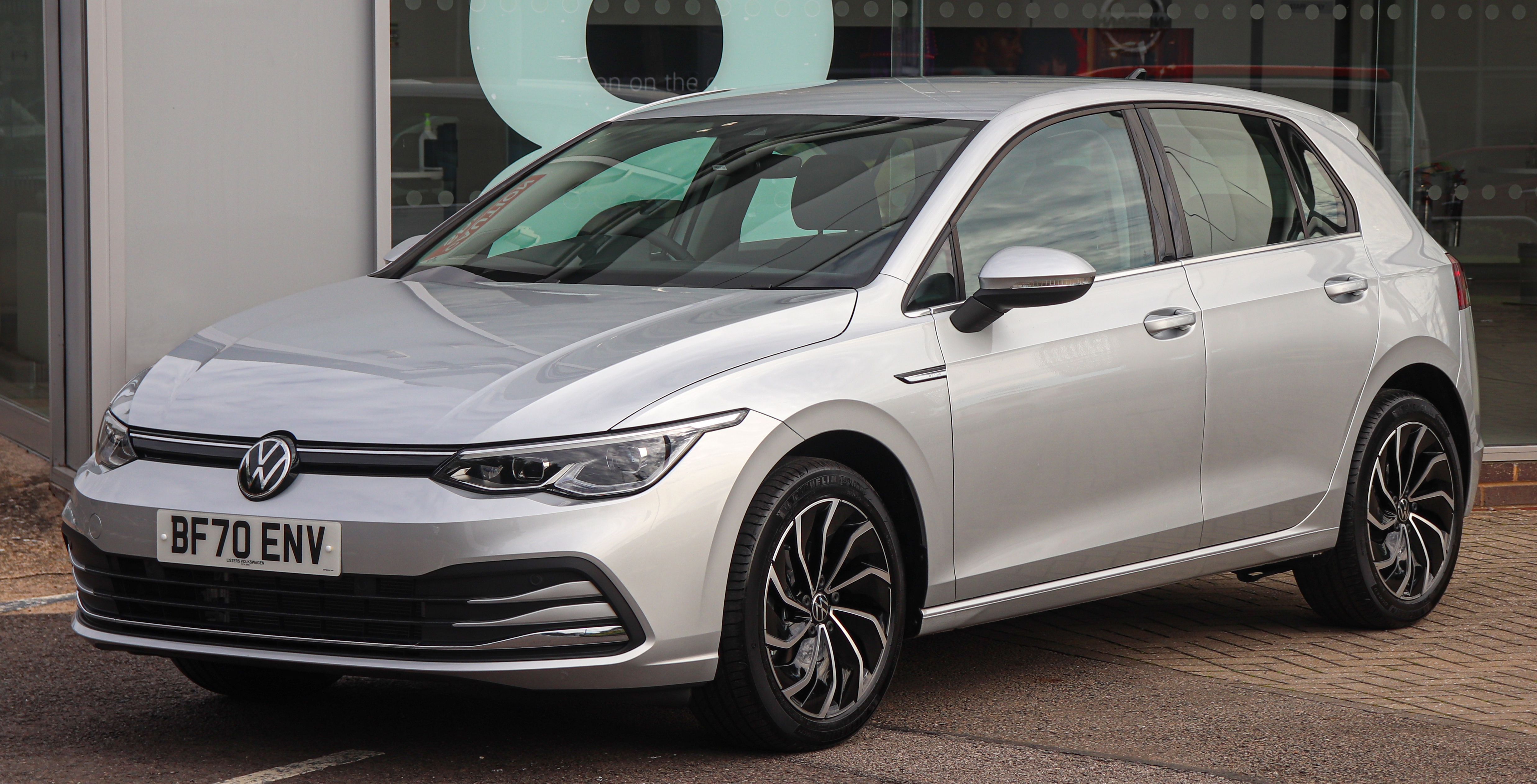
Volkswagen Gti
"...Impulse Azuzu, Impulse RS versus the Suzuki Swift GTI, or later GT. Man."
The Volkswagen Golf is a small hatchback car. The podcast mentions it while talking about other small cars and performance versions.
The Volkswagen Golf is a compact hatchback known for being a mainstream, practical car with a wide range of trims and performance variants. In the podcast context, it’s mentioned while comparing other small cars and hatchback-like options, including references to the Swift GTI. It comes up because the Golf is a benchmark name in the compact hatchback world.

Plymouth Fury
"...I picked up from Seller Maker. This is Sound and Fury, and it's got a, I thought it was going to be a P..."
The Plymouth Fury is an older, full-size American car. People often talk about it as a classic from the muscle-car era, especially when they’re discussing a particular car they found or bought.
The Plymouth Fury is a full-size American car from the muscle-era period, known for its big body and performance-oriented options depending on the year. The podcast reference to “Sound and Fury” and a seller pickup suggests it’s being discussed as a specific classic example. It’s a notable name because the Fury line is strongly tied to that era’s styling and power.
turbo four-cylinder
"You've got a turbo four cylinder 1.6 all wheel drive, and it's just what a sleek looking machine."
A turbo four-cylinder is an engine with four cylinders that uses a turbo to make more power. The turbo helps the engine feel stronger without needing a bigger engine.
A turbo four-cylinder means a 4-cylinder engine that uses a turbocharger to force more air into the cylinders. That typically improves power and acceleration compared with a non-turbo setup of similar size.
all-wheel drive
"You've got a turbo four cylinder 1.6 all wheel drive, and it's just what a sleek looking machine."
All-wheel drive means the car can send power to all four wheels. That usually helps it grip better, especially when the road is wet or slippery.
All-wheel drive (AWD) sends power to more than just the front or rear wheels, improving traction—especially on wet or slippery roads. In a comparison like this, AWD can make a smaller turbo car feel more planted and easier to put down.
front wheel drive
"The other one we got a hot. Like a little front wheel drive, perfect proportions, lighter weight, hundred horsepower, screamer of a little, a little motor."
Front wheel drive means the front wheels do the work of moving the car. Many small cars use it because it’s simpler and can help keep the car light.
Front wheel drive (FWD) sends engine power to the front wheels. It’s often packaged efficiently in small cars, which can help keep weight down and make the car feel nimble in everyday driving.
1.6 turbo
"[431.7s] Yeah. [432.0s] 160. [432.9s] Out of that 1.6 turbo. [434.3s] And they do look good."
A “1.6 turbo” is a small 1.6-liter engine with a turbocharger. The turbo helps the engine make more power by pushing extra air into it.
“1.6 turbo” describes a 1.6-liter engine that uses a turbocharger to force more air into the cylinders. More air generally allows more fuel to be burned, which is how turbo engines can make higher power from smaller displacement.
intercooler pipe
"[498.0s] Dude, I have not seen an impulse RS for sale and trust me, as someone that religiously [503.3s] hunts for them, since I passed on that one with the Mountain Dew can welded in as an [508.5s] intercooler pipe."
An intercooler pipe is part of the turbo system that carries boosted air around. The hosts are pointing out that a particular car had an unusual/modded intercooler pipe.
An intercooler pipe is the plumbing that routes compressed air between the turbocharger and the intercooler (and then onward to the engine). In the segment, the host references a modified intercooler pipe as part of why a specific Isuzu Impulse RS listing stood out.
manual steering
"[563.5s] If it's really light, manual steering, skinny tires, and I get behind the wheel, like I [570.0s] just, I was just today, I drove a, a one owner, 1962 Alpha spider."
Manual steering means there’s little or no power help for turning the wheel. It usually makes the steering feel more connected to the road, especially in a light car.
Manual steering means the driver provides most of the steering force without power assistance. On light cars, manual steering can feel more direct and communicative because the steering effort changes with speed and tire grip.
skinny tires
"[563.5s] If it's really light, manual steering, skinny tires, and I get behind the wheel, like I [570.0s] just, I was just today, I drove a, a one owner, 1962 Alpha spider."
Skinny tires are narrower tires than what you’d see on many modern cars. They can make the car feel more nimble and efficient, though they may not grip as hard as wider tires.
Skinny tires are narrower than typical modern tires, which reduces rolling resistance and can make the car feel lighter and more responsive. They also change grip characteristics—often prioritizing feel and efficiency over maximum traction.

Alfa Romeo Spider
"...as just today, I drove a, a one owner, 1962 Alpha spider. Okay."
The Alfa Romeo Spider is a classic sports car that’s made as a roadster. The podcast is talking about a 1962 example, which is an older, collectible version.
The Alfa Romeo Spider is a classic Italian sports car, famous for its open-top roadster design and enthusiast following. The podcast mentions driving a one-owner 1962 Spider, which highlights its vintage appeal and collectible status. It’s discussed because the Spider represents a distinct era of lightweight, character-driven sports cars.
hot hatches
"I deep, deep passionate thoughts about hot hatches. I've been like that for a while, but the impulse RS is just, I think it's a very cool thing."
Hot hatches are small hatchback cars that have been tuned to feel more sporty and quick. They’re basically the “fun” performance versions of regular compact hatchbacks.
Hot hatches are compact hatchbacks tuned for performance, usually with stronger engines and sportier suspension/brakes than the regular versions. The hosts connect the term to their own long-running enthusiasm and then discuss specific cars they think fit the “hot hatch” vibe.
convertible trucks
"Um, I got another fun one. Oh, it's an, it's an underserved segment, convertible trucks. Oh, sure."
“Convertible trucks” are trucks that you can drive with the top open, like a convertible. The idea is rare because most trucks are designed with a fixed roof for strength and safety.
“Convertible trucks” refers to pickup-style vehicles that combine truck utility with an open-top design. It’s an unusual niche because most trucks are built with fixed roofs for structure and safety, so the hosts call it an underserved segment.

Suzuki Samurai
"...you got here? I'm glad you said sidekick and not samurai. Yeah."
The Suzuki Samurai is a small SUV that was built for off-road driving. The podcast is clarifying that they meant one Suzuki model name instead of another similar one.
The Suzuki Samurai is a small, rugged off-road-oriented SUV known for its simple design and trail capability. The podcast mentions it in a quick exchange about “sidekick and not samurai,” which highlights how these Suzuki off-road models are often confused by name. It’s discussed because the Samurai is a recognizable compact 4x4 from its era.
Lotus
"[771.6s] T-shirt that says Suzuki is Lotus. [776.8s] Can we do one of those anamorphs cover where the Suzuki? [814.1s] I don't want to see these matchups."
Lotus is a British sports-car brand. In this bit, they’re jokingly comparing Suzuki to Lotus.
Lotus is a British sports-car brand famous for lightweight engineering and handling-focused design. The hosts reference it as a comparison point for Suzuki in a humorous “grudge match” framing.
Geo
"[851.2s] But it doesn't, I think part of it is that there's not a geo equivalent. [857.6s] True. [858.1s] Like geo, we're, we're big geo honks here. [889.5s] It's, it's more emblematic of the time."
Geo was a car brand (owned by General Motors) that sold certain models under a different badge. The hosts are saying the Isuzu Amigo doesn’t have a direct twin sold as a Geo, and that the Geo version would be part of the same “time period” vibe.
Geo was a brand used by General Motors for a lineup of smaller, often badge-engineered vehicles sold through Geo dealerships. Here, the hosts say there isn’t a “geo equivalent” to the Amigo, and later reference a “geo variant,” meaning a similar model sold under the Geo badge.
four by four
"...it looked, I thought it looked cool because it was on bigger tires, it was the four by four. And it looks, it looks like a budget via cross, which is a weird statement, but"
“Four by four” means the car can drive all four wheels, which helps it grip better on rough or slippery ground. It’s often mentioned for off-road versions.
“Four by four” is shorthand for a 4WD (four-wheel-drive) drivetrain, where power can be sent to all four wheels for better traction. It’s commonly used when describing off-road-oriented versions of small SUVs.
salvage title
"Um, I actually didn't pick one for that yet. Um, I saw a couple salvage title ones. We'll talk about that later."
A salvage title means the car was badly damaged at some point and an insurance company wrote it off. It can be a bargain, but you should be extra careful about how well it was repaired and what it costs to insure.
A salvage title is issued when a car is declared a total loss by an insurer, usually due to major damage or theft recovery. Cars with salvage titles can be cheaper, but they may have hidden repair quality issues and can face restrictions or higher insurance costs.

Renault Wind
"It's a Jen. I like the, the wind. It's like, and both can be convertible."
The Renault Wind is a small car that can be driven with the top down. The podcast is comparing it to another convertible and focusing on that open-air feature.
The Renault Wind is a small convertible designed to deliver open-air driving in a compact package. The podcast notes that it’s like another convertible option, emphasizing the shared “convertible” appeal. It’s discussed because the Wind is a distinctive, smaller alternative to larger convertibles.
body-on-frame
"Well, it's weird because we're like, we are in the, um, we're, we're in the body. Like body on frame. It's just like, we're in, we're in peak SUV."
Body-on-frame means the car’s body sits on a separate metal frame underneath. It’s a common setup for trucks and many SUVs, and it’s often chosen for durability and towing.
“Body-on-frame” is a vehicle construction method where the body is mounted on a separate ladder-like frame. It’s common on traditional SUVs and trucks because it tends to handle towing and rougher use well, but it can feel less “car-like” than unibody designs.

Ford Bronco
"I think we are in body and there are playful, there are playful SUVs named one playful, quote unquote, playful SUV Bronco on the market, Bronco Wrangler."
The Ford Bronco is an SUV known for off-road capability and a more adventurous vibe than most regular family SUVs. Here it’s mentioned as one of the few newer SUVs that still feels “fun.”
The Ford Bronco is a modern off-road SUV built around the idea of being a fun, capable alternative to typical family crossovers. In this discussion it’s used as an example of a “playful” SUV that’s still big and four-door.

Jeep Wrangler
"I think we are in body and there are playful, there are playful SUVs named one playful, quote unquote, playful SUV Bronco on the market, Bronco Wrangler."
The Jeep Wrangler is a classic off-road SUV that’s known for being able to remove the roof and doors. In this segment, it’s used as an example of a fun SUV that’s still huge in four-door form.
The Jeep Wrangler is a rugged, off-road-focused SUV famous for its removable roof and doors and its trail-ready design. The hosts compare it to other big four-door SUVs to illustrate how “playful” off-roaders have grown in size.

Cadillac Escalade
"...uge. Like a four door like Wrangler is a fucking Escalade, essentially. Um, right."
The Cadillac Escalade is a big luxury SUV with four doors. It’s designed to be comfortable and spacious, and it’s often mentioned because it’s one of the most recognizable large SUVs.
The Cadillac Escalade is a large, full-size luxury SUV built for comfort, space, and a premium driving experience. It’s frequently discussed because it’s a mainstream “statement” SUV with strong presence and high-end features. The podcast context compares its size/shape to other big four-door SUVs, highlighting how it fits into the full-size category.

Nissan Kicks
"Uh, but just like there are no, like you can't like Nissan kicks. Like there's like nothing."
The Nissan Kicks is a small crossover meant more for everyday city driving than serious off-roading. It’s mentioned here because the hosts feel there aren’t many truly fun, smaller options anymore.
The Nissan Kicks is a small crossover that’s positioned more as an urban-friendly commuter than a playful off-road SUV. The hosts mention it to make the point that there aren’t many smaller, “juke-able” cars left that feel fun in the way older body-on-frame vehicles did.

Nissan Juke
"...s like nothing. There are no, like, I'm going to juke this car, I'm kidding, but, uh, body on frame, w..."
The Nissan Juke is a small SUV-style car. It’s known for having a unique look, and the podcast also mentions how it’s built structurally.
The Nissan Juke is a compact crossover known for its distinctive, quirky styling and smaller footprint compared with larger SUVs. The podcast mentions its construction style in the context of “body on frame,” which is a key structural difference versus unibody crossovers. It’s brought up because the Juke’s design and platform choices make it stand out in the compact segment.

Lexus GX
"body on frame, we, uh, body of frames hot right now, dude, we got, we got the GX, uh, is doing well, all that kind of stuff."
The Lexus GX is a rugged SUV that uses a traditional frame underneath, which helps it handle rougher roads. The hosts mention it as one of the few examples of this kind of SUV still doing well.
The Lexus GX is a body-on-frame midsize SUV known for traditional truck-like construction and off-road capability. The hosts bring it up as an example of a current model that’s doing well while the market has fewer “playful” truck/SUV options.
Bronco Raptor
"...see, that's fair. Um, I do think, I do think the Bronco Raptor fucking likes to fuck around and find out."
The Ford Bronco is an SUV designed for off-road driving. The podcast is talking about how capable it is when pushed hard.
The Ford Bronco is a rugged SUV built with off-road capability in mind, and it’s often discussed for how well it handles rough terrain. The podcast context repeats the idea that a Bronco Raptor “likes to fuck around,” pointing to its aggressive performance and capability. It’s mentioned because the Bronco name is strongly associated with trail-ready driving.

F-150 Raptor
"...at's fair. Um, I do think, I do think the Bronco Raptor fucking likes to fuck around and find out."
The Ford F-150 is a large pickup truck. It can be used for work or everyday driving, and the podcast is mentioning it while talking about how different trucks behave.
The Ford F-150 is a full-size pickup truck and one of the most common trucks on the road, offered in many configurations for work and daily driving. The podcast mentions it in the context of other off-road-capable vehicles and “likes to fuck around,” using it as part of a broader performance and capability discussion. It’s brought up because the F-150 is a baseline reference for truck size and capability.

Tesla Semi
"...k like thing that like you can do like a, like a semi whatever, but no, I want like, I want a, I want, ..."
The Tesla Semi is an electric truck meant for hauling cargo. It’s built for long-distance driving, not for carrying passengers.
The Tesla Semi is an electric heavy-duty truck designed for long-haul freight. The podcast reference to “semi” and wanting something like a “semi whatever” indicates they’re discussing the truck category and its purpose rather than a passenger vehicle. It’s a notable EV because it targets a segment traditionally dominated by diesel trucks.
SUV "people mover" peak
"...we're in the perceived peak of SUV, but it's weren't like tall people mover peak. Right."
They’re talking about when SUVs were at their biggest and most family-focused. The joke is that today’s SUVs might look like that on the outside, but they’re not always as big or tall as the classic “people mover” ones.
“People mover peak” is a casual way of describing the era when SUVs were at their most dominant as family transport—bigger, taller, and built to carry more people. The hosts contrast that with the idea that today’s market is more about what SUVs look like (“perceived peak”) than the truly tall, large “people mover” style.

Chevrolet Tracker
"...f that was like SUV, it's still way bigger than a tracker by weight. It is, but by dimension, no, I dimens..."
The Chevrolet Tracker is a compact SUV. The podcast is talking about how it compares in size to other SUVs, especially the difference between weight and overall dimensions.
The Chevrolet Tracker is a compact SUV that’s typically smaller than full-size SUVs, even when people compare it by weight or general size. The podcast context contrasts “dimension” versus “weight,” emphasizing that the Tracker may not be as large as some other SUVs in physical size. It’s mentioned because it’s a common reference point for compact SUV proportions.
wheelbase
"Look at the wheelbase of a new mini. I guarantee it's like a two foot different... I can eyeball I can eyeball a wheelbase from five miles up."
Wheelbase is the distance between the front and rear wheels (through the axles). It helps determine whether a car feels more stable on the highway or more maneuverable in tight spaces.
Wheelbase is the distance between the front and rear axles. It’s a key dimension that influences stability, ride quality, and turning feel—so enthusiasts often compare wheelbase when debating how “big” or “tight” a car feels.
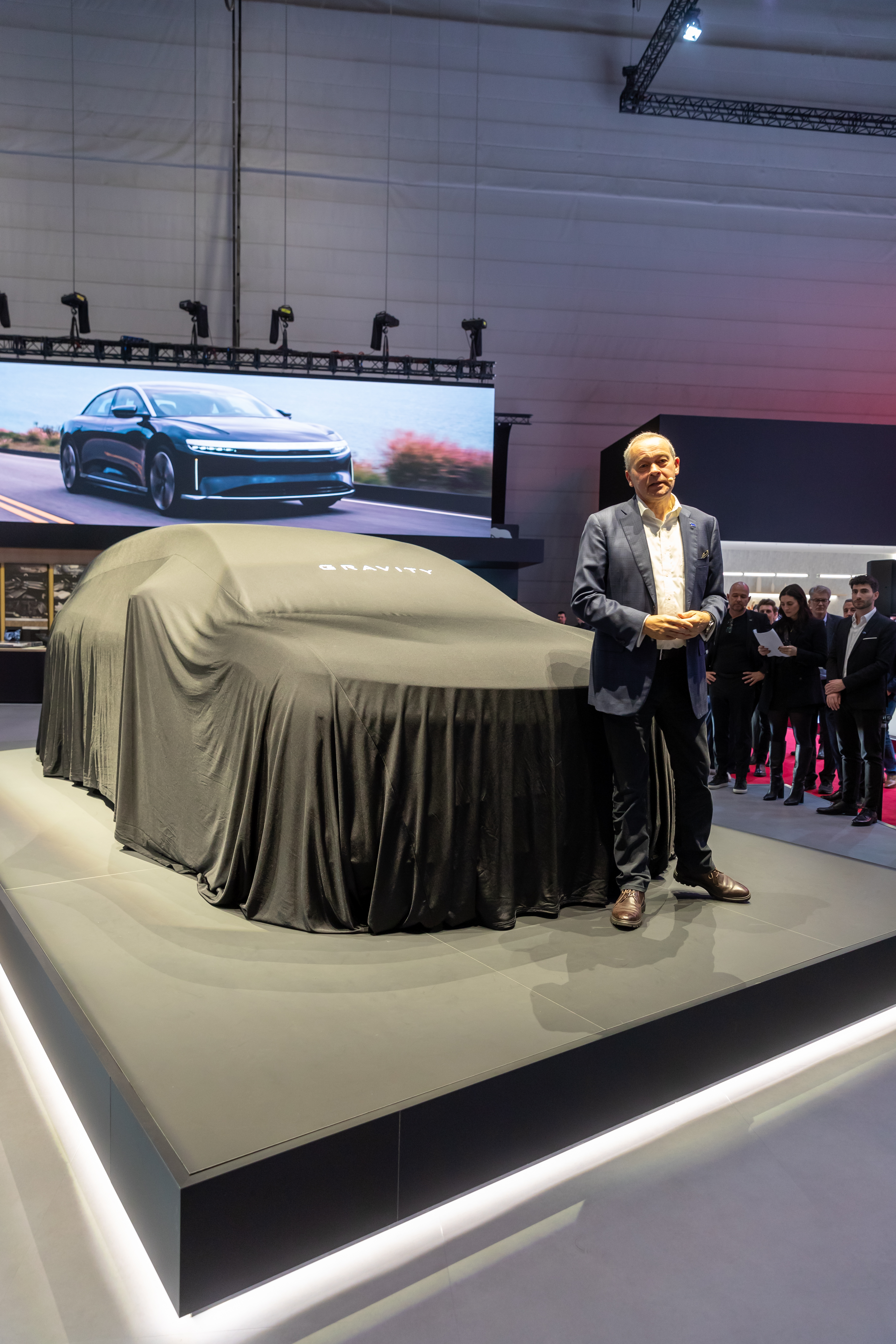
Lucid Gravity
"whatever a 7800 pound GMC 2500 or a lucid gravity, which has its own gravity or whatever. Like the..."
The Lucid Gravity is an electric SUV. It’s designed to be a large, family-sized vehicle, and the conversation mentions how heavy it is compared with other big trucks and SUVs.
The Lucid Gravity is an upcoming or newer large electric SUV from Lucid, positioned as a heavy, full-size family vehicle. The podcast compares its weight to other large vehicles, emphasizing how massive it is for its class. It’s discussed because electric SUVs like this are part of the shift toward EVs in the large-vehicle segment.
rebadging
"OK, here's a here's a fun category. Oh boy, what have we got? Best rebadging ever."
Rebadging is when two different brands sell basically the same car, just with different badges and branding. Sometimes the cars are nearly identical; other times there are small changes.
Rebadging is when a manufacturer sells a vehicle that’s largely the same as another company’s model, but with different branding, badges, and sometimes minor trim changes. The “best rebadging ever” category is about which brand swaps did the most convincing job (or the most interesting one).
rebadged
"So both of these companies famous for getting. Yes, for getting that one for getting rebadged."
Rebadged just means the same car is sold with a different brand name. The parts are often very similar, but the badges and styling can change.
“Rebadged” means a vehicle is sold under a different brand name, usually with the same underlying design and major components. Automakers do this to reuse another company’s platform while changing badges, trim, and sometimes minor exterior details.

Nissan Frontier
"...od. Is that a fucking Equator, which is a Nissan Frontier spoiler? And the sidekick is the GeoTrak."
The Nissan Frontier is a pickup truck with a bed for carrying things. People talk about it when discussing truck styling and different trim options.
The Nissan Frontier is a mid-size pickup truck known for offering truck utility without the full size of a heavy-duty pickup. The podcast reference to a “Frontier spoiler” and sidekick/other nameplates is about identifying specific truck styling details. It’s a common model to discuss when talking about pickup design and how trims look.
SMOD
"And the sidekick is the GeoTrak. Got this. And they got to look after the SMOD."
“SMOD” is an acronym the hosts mention, but they don’t explain what it means in this clip. Without more context, it’s hard to say what they’re referring to.
“SMOD” is mentioned as something the rebadged vehicles “got to look after,” but the transcript doesn’t provide enough context to confidently identify what the acronym stands for. It may refer to a specific model/branding or a technical/production shorthand used by the hosts.

Geo Metro
"The most impactful. Is the Geo Metro. OK, I think the most impactful badge in your engineer job here out of all of this impactful. Is the Geo Metro, which is a Suzuki product."
The Geo Metro is a tiny, budget-friendly car that was sold in the U.S. The hosts are using it as an example of a Suzuki-related model that mattered a lot, even if they don’t rate it as the highest quality.
The Geo Metro is a small, economy-focused car that was sold in the U.S. under the Geo brand. In this segment, the hosts call it the most “impactful” option and discuss how it’s a Suzuki product, tying it to the broader Isuzu-vs-Suzuki grudge match.
Honda Rodeo
"the rodeo, the Suzu rodeo, Acura, their first truck. Yeah, their first SUV."
The Honda Rodeo is an older Honda SUV. The hosts are basically saying that Honda’s version and a closely related version from another brand were sold side-by-side and lasted a long time.
The Honda Rodeo is an SUV model that Honda offered under its own branding. In this discussion, it’s brought up alongside the “Suzu Rodeo,” with the hosts comparing how badge-engineered versions were sold at the same time and how long they lasted.
sound deadening
"That was even and I think they're like 12 percent more sound deadening or something. Sure. Any sound deadening. Right. But yeah."
Sound deadening refers to materials and design choices used to reduce cabin noise by absorbing or blocking sound vibrations. The hosts mention “sound deadening” in the context of differences between similar models, implying one version had more noise insulation than another.
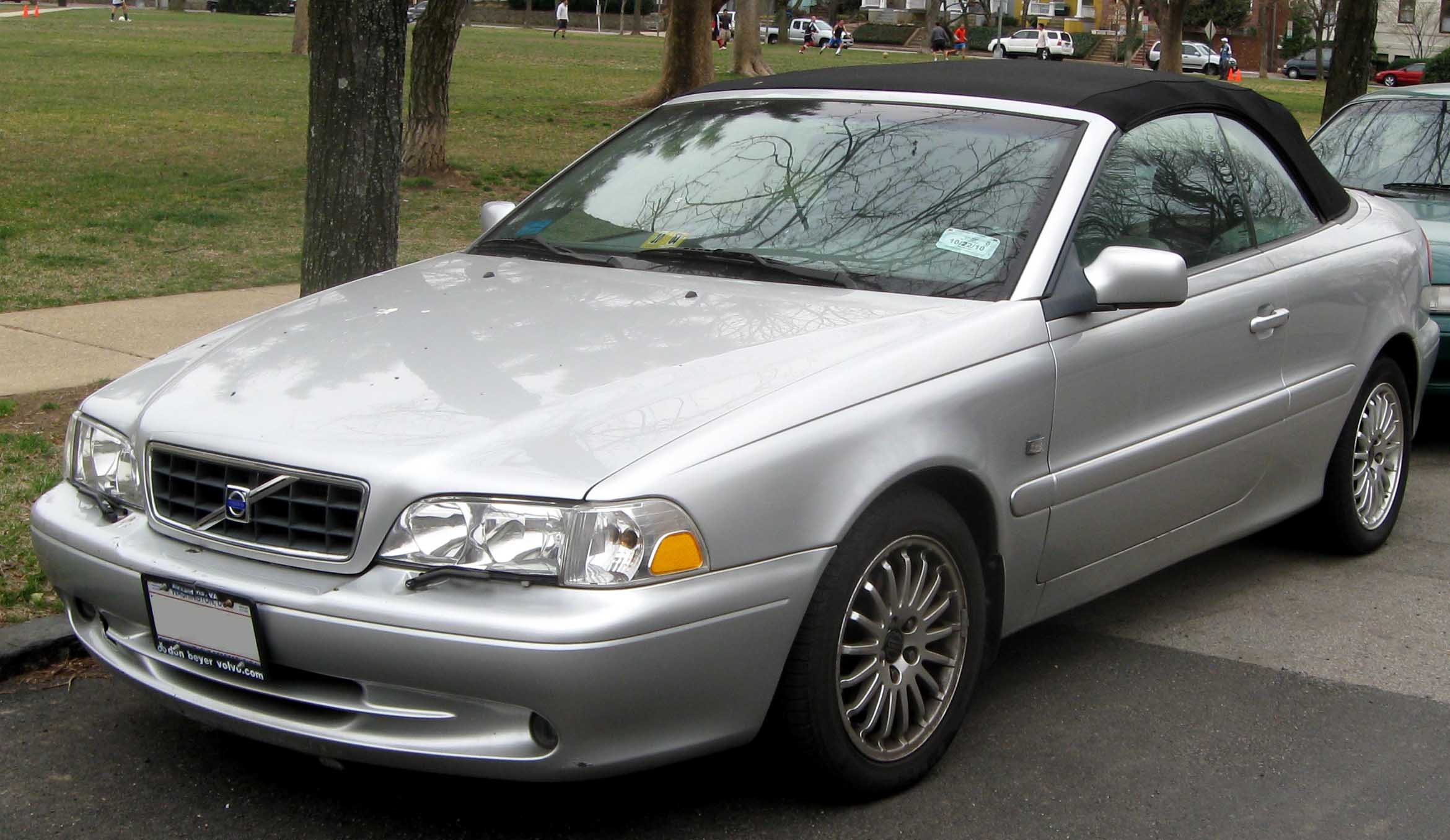
Volvo C70
"This. My 1980 Honda C 70 passport right here. This was the original Honda Passport."
The Volvo C70 is a luxury car that can be driven as a convertible. The podcast is mentioning it as an example of a car with an open-top style.
The Volvo C70 is a luxury car that was offered as a convertible, combining a more upscale ride with open-top driving. The podcast references a “1980 Honda C 70 passport,” which appears to be a mix-up in naming, but the Volvo C70 mention itself points to the convertible Volvo model. It’s discussed because the C70 is a recognizable compact luxury convertible option.

Honda Prelude
"Whatever. Hey, they did better than Prelude did for Honda. Right."
The Honda Prelude is a Honda car that was made to feel sporty to drive. It’s usually a two-door coupe, and people talk about it when they discuss older Honda performance models.
The Honda Prelude is a sporty two-door coupe from Honda, known for its handling-focused design and driver-oriented feel. It often comes up in conversations about Honda’s performance-era models and how the brand balanced everyday usability with sportiness. In a podcast, it’s a natural reference point when discussing how one model “did better” than another within Honda’s lineup.

Honda Odyssey
"...actly. Although you know what the original Honda Odyssey. It was a quad."
The Honda Odyssey is a minivan made for families. It’s built to make it easy to get in and out and to fit people and luggage.
The Honda Odyssey is a minivan designed to carry families comfortably, with sliding doors and flexible seating. The podcast reference to the “original” Odyssey being a “quad” points to how early versions had different body/seat configurations than later generations. It’s often discussed because the Odyssey is a long-running, mainstream family vehicle.
reverse badge engineering
"By the way, you did not mention the Suzuki or the Azuzu Oasis, which is the reverse badge engineer. So there's a few."
Badge engineering is when one company sells a car that’s basically the same as another company’s car, just with different badges. “Reverse” badge engineering means the naming/branding relationship is flipped compared to what you might expect.
Reverse badge engineering is when a brand reuses another company’s vehicle design or platform under its own name, but in the opposite direction of the more common “badge engineering” story. In this segment, the hosts use it to describe how the “Azuzu Oasis” (as stated) relates to the Honda “Passport” naming and the broader Isuzu/Suzuki/Honda comparisons.
unibody
"[1829.9s] Right. [1829.9s] Because they did the ridge line, which is still unibody. [1833.4s] It's unibody."
Unibody means the car’s body and “frame” are built as one piece. It’s a common design that can make the vehicle lighter and more efficient.
Unibody construction means the car’s body and frame are integrated into a single structure, which generally improves weight efficiency and packaging. The hosts contrast this with body-on-frame designs when discussing what Honda has (and hasn’t) offered.

Honda Passport
"[1839.4s] Isn't that wild except for the passport, which was a huge sales success for them too. [1845.3s] The SLX not as much. [1846.8s] They didn't make as many."
The Honda Passport is Honda’s SUV, and in this conversation it’s brought up as a standout for being more “SUV-like” than most other Hondas. They also mention it sold well.
The Honda Passport is Honda’s SUV that stands out in this discussion because it’s one of the few Honda-branded options that uses a more traditional body structure approach compared with Honda’s typical unibody designs. The hosts mention it as a sales success, implying it helped Honda compete in the SUV market with a more rugged-leaning package.

Isuzu Trooper
"[1858.8s]s] And it's like, it's like $3,200 more than this, like, whatever. [1863.8s] You can get a trooper with leather on the second gen. [1865.8s] Yeah."
The Isuzu Trooper is a rugged SUV that’s built to handle rougher roads. Here they’re pointing out you could get nicer interior options like leather.
The Isuzu Trooper is a body-on-frame SUV known for being a rugged, off-road-capable alternative in the era when many competitors were moving toward unibody designs. In this segment, it’s referenced as an option with higher-end features like leather, showing how the Trooper could be configured more like a “premium” SUV.
Acura SLX
"[1866.9s] Yeah. [1866.9s] But I like, I actually want to say that I do want an Acura SLX so hard, dude. [1872.3s] That's on my list."
The Acura SLX is a nicer, Acura-branded version of an SUV that shares a lot with the Isuzu Trooper. People talk about it because it was Acura trying to sell a more premium off-road-ish SUV.
The Acura SLX is a premium-badged SUV sold by Acura that’s closely related to the Isuzu Trooper platform. It’s notable because it was part of Acura’s attempt to offer a more upscale, family-friendly off-road-capable vehicle without designing a completely new body structure from scratch.
Azuzu
"[1909.8s] Yeah. [1910.3s] I'll give it to Azuzu on that one. [1912.1s] Fair."
“Azuzu” is a playful nickname for Isuzu, used by the hosts while comparing which brand did better on design and overall coolness. It’s a brand reference, not a separate model.

Suzuki SX4
"I put that on there. I like the SX4. Just going to say it."
The Suzuki SX4 is a small crossover SUV. It’s meant to be practical for daily driving, and the podcast is just saying the speaker likes it.
The Suzuki SX4 is a compact crossover designed to be practical and versatile for everyday use. The podcast simply notes liking the SX4, which usually means it’s being remembered for being an easy-to-live-with small SUV/crossover. It’s discussed as part of a broader set of compact utility vehicles.

Suzuki Reno
"Like there's obviously a Suzuki Reno. [2053.4s] We could get now just."
The Suzuki Reno is a Suzuki model that was sold in the U.S. in the early 2000s. It’s the kind of car people bring up when comparing how different brands reused the same basic design.
The Suzuki Reno is a compact car/SUV-like model that Suzuki sold in the U.S. in the early 2000s. It’s often discussed in the context of badge-engineered or platform-sharing vehicles, where the same basic car is sold under different names.
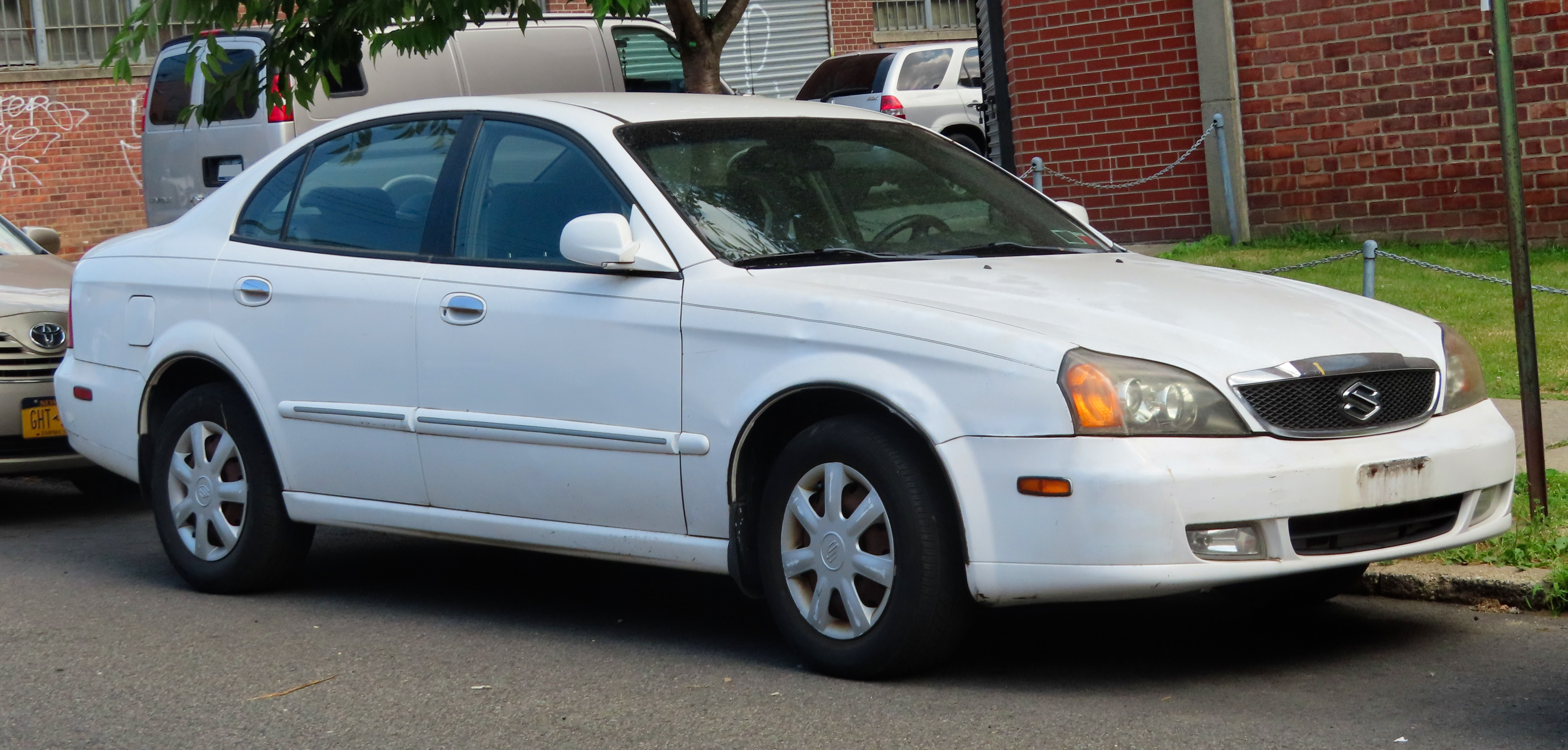
Suzuki Verona
"Okay. [2057.8s] Let's spend 45 minutes on the Verona. [2060.1s] Oh God, dude."
The Suzuki Verona is a sedan Suzuki sold in the U.S. a while back. People mention it because it shares the same basic design as other cars sold under different names.
The Suzuki Verona is a mid-size sedan that Suzuki marketed in the U.S. in the mid-2000s. It’s notable because it’s commonly associated with badge-engineering/platform sharing, meaning its core underpinnings were used across multiple brands.
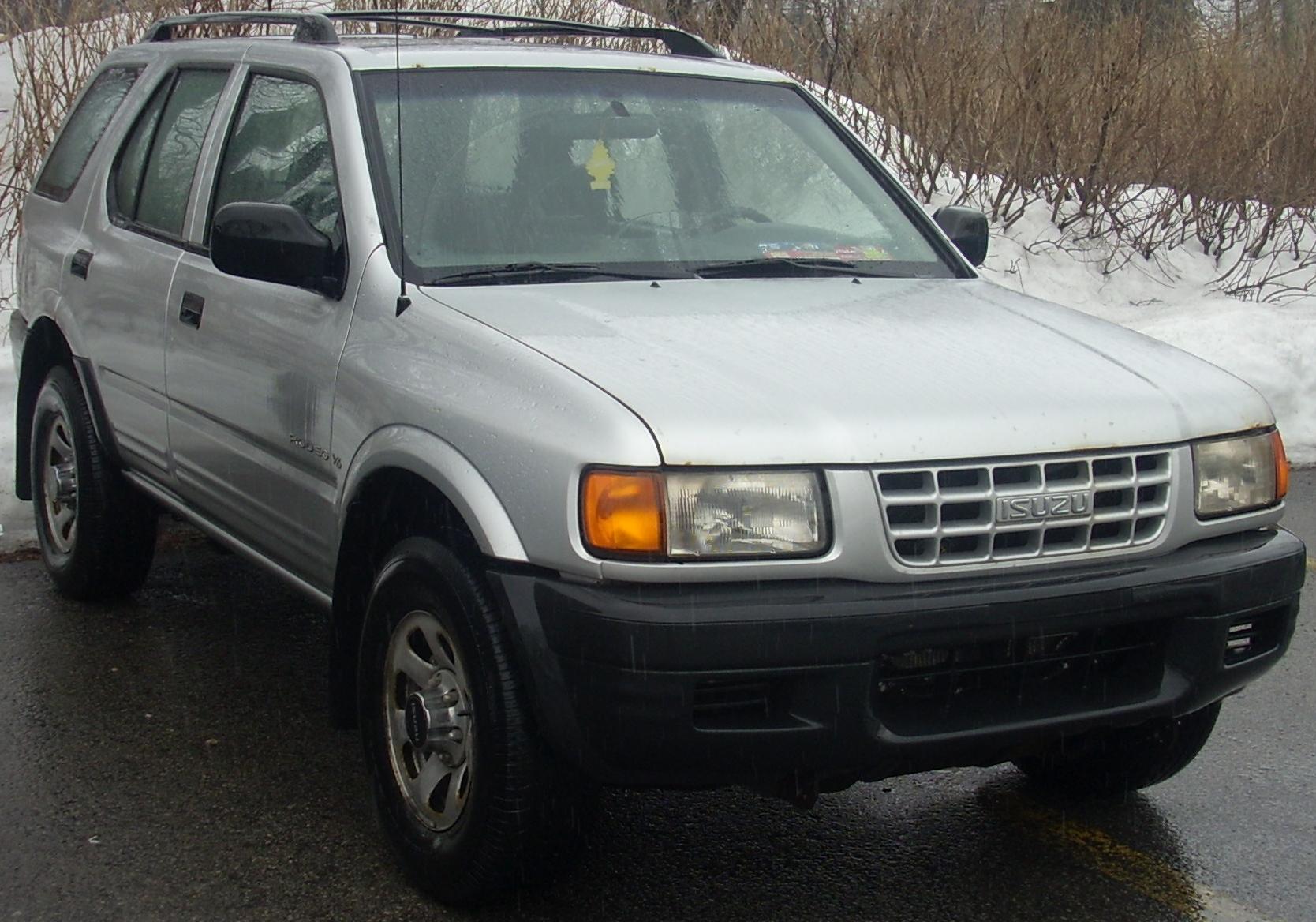
Isuzu Rodeo
"I should [2101.4s] say the trooper was like a really good product. [2108.4s] The rodeo was a competent product and I mean that positively."
The Isuzu Rodeo is an SUV model that was sold for everyday use. In this conversation, they’re basically saying it was a good, capable choice.
The Isuzu Rodeo is a mid-size SUV that’s often remembered as a competent, practical alternative in its era. Here it’s praised as “competent,” meaning it was solid without being the standout like the Trooper.
sport utility vehicle
"Enter the blank. It's an SUV that actually lives up to its billing as a sport utility period vehicle. Period."
An SUV is a bigger, higher-riding vehicle meant for carrying people and stuff. It’s often built to handle rougher roads too, not just smooth city driving.
A sport utility vehicle (SUV) is a vehicle type designed for higher seating, more cargo space, and often off-road-capable hardware. In this segment, the hosts are emphasizing that the SUV actually matches the “SUV” promise rather than being just marketing.
gear basket
"The proof. How about its exterior gear basket? It's heavy duty aluminum roof rack."
A gear basket is a roof rack that you can load with bulky items. It’s like a platform on top of the car for extra cargo.
A “gear basket” is a roof-mounted cargo platform (often a metal rack) used to carry bulky items like luggage, tools, or outdoor gear. It’s typically designed to be more open and ventilated than a fully enclosed cargo box.
roof rack
"How about its exterior gear basket? It's heavy duty aluminum roof rack. It's available."
A roof rack is hardware on the top of the car for carrying extra gear. It helps you haul things that won’t fit inside.
A roof rack is an add-on system mounted to the roof that provides attachment points for cargo and accessories. In this segment, it’s described as heavy-duty aluminum, implying it’s built to handle outdoor use and heavier loads.
integrated first aid kit
"It's integrated first aid kit. Optional. Seat covers."
An integrated first aid kit is a first-aid kit stored in the car in a built-in compartment. It’s meant to be easy to reach when you need it.
An integrated first aid kit is a built-in storage compartment for medical supplies, usually placed in the cabin or a convenient interior location. The “integrated” part means it’s designed as part of the vehicle rather than a loose accessory.
shift on the fly
"Not to mention shift on the fly. Four wheel drive and a torque rich V6 that can tow torque rich."
“Shift on the fly” means you can switch drivetrain modes while driving, without pulling over. It helps when road conditions change suddenly.
“Shift on the fly” refers to the ability to change certain drivetrain settings (commonly 2WD/4WD or low-range/high-range) without stopping the vehicle. It’s a convenience feature that helps you adapt traction conditions quickly.
torque
"Four wheel drive and a torque rich V6 that can tow torque rich. Wow. That's quite."
Torque is the engine’s pulling power. More torque usually means the vehicle can get moving easily and tow better.
Torque is the twisting force an engine produces, and it strongly affects how easily a vehicle accelerates and how well it tows. The segment emphasizes a “torque-rich V6” to suggest strong low-end pull for hauling.
four wheel drive
"Four wheel drive and a torque rich V6 that can tow torque rich. Wow. That's quite."
Four wheel drive means power goes to all four wheels. That can help the car grip better on wet, snowy, or rough roads.
Four wheel drive (4WD) sends power to all four wheels to improve traction, especially on slippery or uneven surfaces. The hosts pair it with towing capability and a V6 to describe an SUV that’s meant for real-world utility.
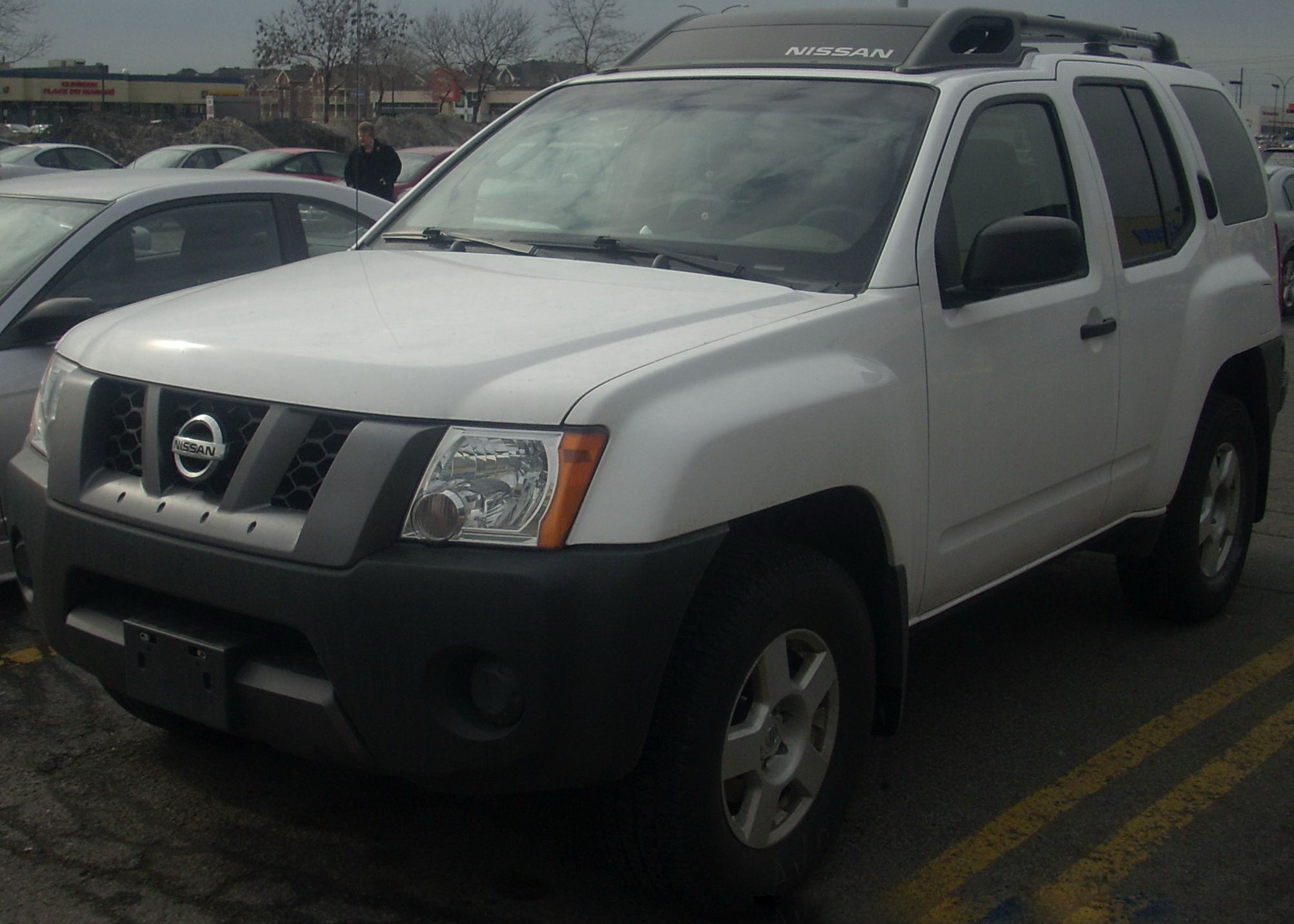
2002 Nissan Xterra SE
"I'm going to say this is a post facelift. So I'm going to say 2002 Nissan XTERRA SE. I'm trying to remember if the supercharged one was one with"
The Nissan Xterra SE is an older Nissan SUV that was built to handle rough roads. Here, they’re talking about a specific 2002 version and debating which engine/trim it has and how heavy it is.
The Nissan Xterra SE is a mid-2000s SUV known for its body-on-frame construction and off-road-focused styling. In this segment, the hosts are discussing a specific 2002 Xterra SE, including whether it’s the supercharged variant and its approximate weight.
post facelift
"I'm going to say this is a post facelift. So I'm going to say 2002 Nissan XTERRA SE. I'm trying to remember if the supercharged one was one with"
A “facelift” is when a car gets refreshed partway through its model run. “Post facelift” just means it’s the newer, updated version after that refresh.
A “facelift” is a mid-cycle refresh where a manufacturer updates styling and sometimes equipment without changing the whole generation. “Post facelift” means the vehicle is the updated version after those changes were introduced.

Nissan 2002 Nissan
"...say this is a post facelift. So I'm going to say 2002 Nissan XTERRA SE. I'm trying to remember if the superch..."
The Nissan 200 SX is a Nissan sports coupe. The podcast is talking about identifying a specific version and time period of a Nissan model.
The Nissan 200 SX is a sports coupe from Nissan’s lineup, known for its performance-focused reputation in certain markets. In the podcast, it’s mentioned alongside the idea of a “post facelift” and a year range that sounds like it’s being used to identify a specific Nissan model and engine setup. It’s brought up because the 200 SX name is tied to enthusiast interest in older Nissan sports cars.
supercharged
"I'm trying to remember if the supercharged one was one with 5000 pounds. I'm going to say, yeah, just SE."
A supercharger is a device that forces extra air into the engine so it can make more power. They’re debating whether this Xterra is the one with that added boost.
A supercharger is a forced-induction device that uses engine power to pressurize the intake air, allowing more air (and fuel) to be burned for higher output. In this discussion, they’re trying to recall whether the Xterra they’re talking about is the supercharged version.
square headlight deal
"So 2000. Square headlight deal. Yeah. Yeah."
This is a reference to a specific exterior lighting design—headlights with a more squared-off shape—used to distinguish between model-year styling updates. The hosts are using the headlight shape as a quick visual clue for which Xterra version they mean.

Toyota Land Cruiser 100 series
"[2847.7s] from solid front axle to the 100 series, which was like, I remember [2852.9s] when that truck came out, it was like, oh, you don't want that."
The Toyota Land Cruiser 100 series is a particular generation of the Land Cruiser. They’re saying it moved away from a solid front axle to a different suspension setup (IFS).
The Toyota Land Cruiser 100 series is a specific generation of the Land Cruiser line. The hosts mention it in the context of switching from a solid front axle to an independent front suspension (IFS), which changes ride and off-road behavior.
solid front axle
"[2847.7s] from solid front axle to the 100 series, which was like, I remember [2852.9s] when that truck came out, it was like, oh, you don't want that."
A solid front axle connects both front wheels with one rigid bar. It can work great off-road because the wheels stay more “in sync” over bumps, but it may ride less smoothly on pavement.
A solid front axle is a suspension design where the left and right wheels are connected by a single rigid axle beam. It often helps off-road traction and wheel articulation, but can feel less refined on-road than independent setups.
IFS
"[2856.3s] It's got a IFS. [2858.4s] Like you don't want that like independent."
IFS means the front wheels can move independently. That usually makes the ride smoother and handling nicer on regular roads, but some off-road fans prefer solid axles for certain trail situations.
IFS (independent front suspension) means each front wheel moves somewhat independently instead of being tied together by a solid axle. It typically improves on-road comfort and steering feel, which is why some off-road purists dislike it compared to solid-axle designs.
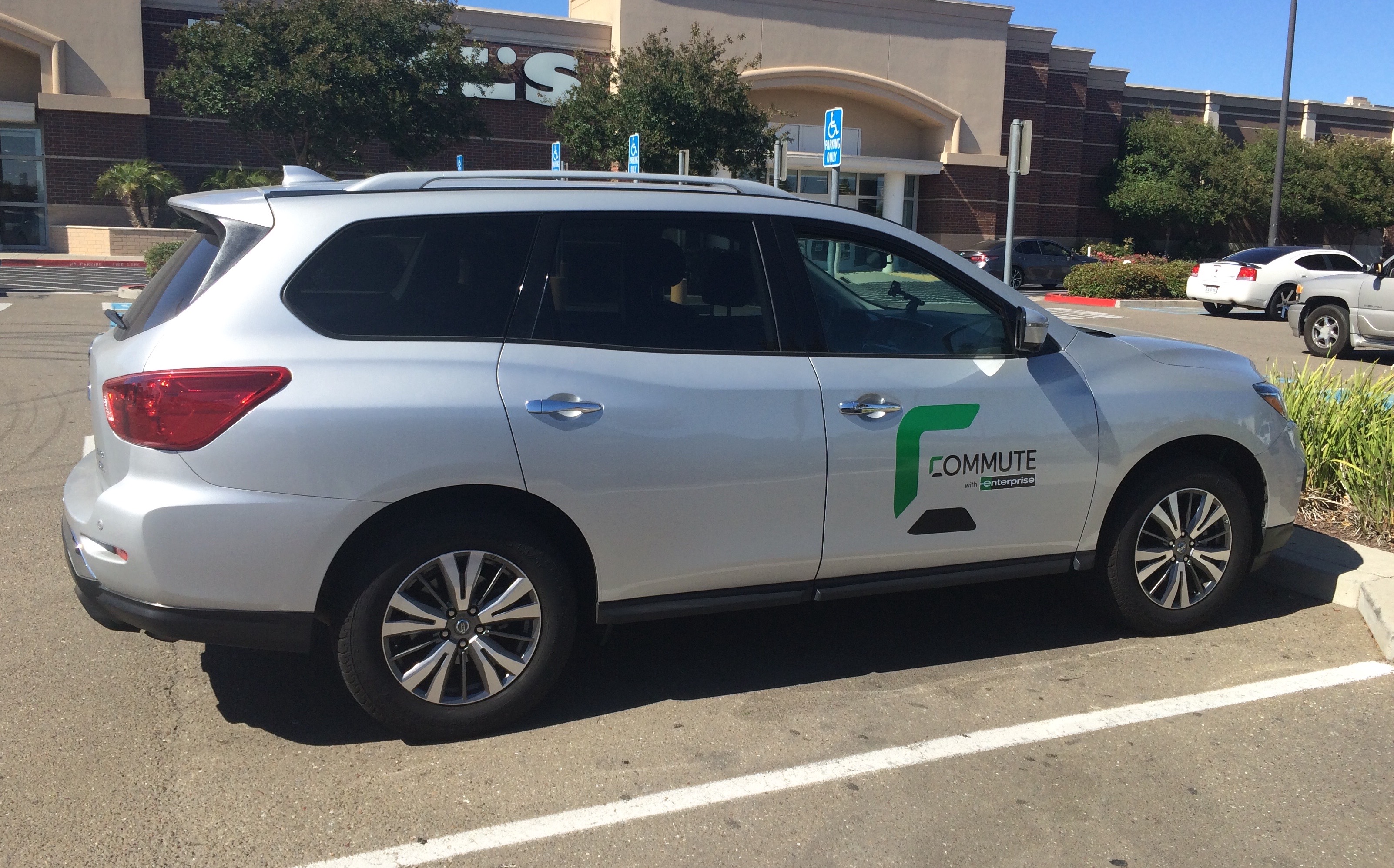
Nissan Pathfinder
"way. Like Pathfinder would eventually go to, you know, unibody design...."
The Nissan Pathfinder is an SUV that Nissan has made for many years. Over time, its design changed, including how the body is built, which can change how it drives and rides.
The Nissan Pathfinder is a mid-size SUV that has evolved over multiple generations, including a shift from older body-on-frame construction to unibody designs. That construction change matters because it affects ride comfort, handling, and how the vehicle feels day-to-day. The podcast mentions this evolution when talking about how the Pathfinder “eventually” went unibody.
XTERRA naming reference to a race
"[2894.2s] It was named the XTERRA, which was a race. [2897.1s] Like a, like an Iron Man triathlon, whatever competitor at the time. [2902.3s] So I think this ad hits that"
They’re explaining the Xterra name as a reference to racing/competition at the time. The point is that the branding matches the vehicle’s “go do stuff” off-road vibe.
The hosts connect the Nissan Xterra name to a racing event/competitor concept (an “Iron Man triathlon” style comparison). It’s a marketing/branding explanation for why the name fits the vehicle’s adventurous image.
Xterra generations and trims
"Saw two generations. The third gen coming up in a couple of years probably... Cause we do have like, honestly, I think we have the two top trims, right? ... The off road was the best."
They’re comparing different versions of the Nissan Xterra across different years/generations, and how the off-road packages were labeled.
The hosts compare multiple Nissan Xterra generations and how the available trims changed over time. They specifically call out the off-road-oriented trim naming differences between generations.
neutral safety switch
"[3053.9s] And I'm trying to really talk about how cool this tracker is and trust me, it's really [3056.8s] good. [3057.3s] The neutral safety switch again."
The neutral safety switch is a safety sensor that stops the car from starting unless the shifter is in the right position. If it’s acting up, the car may refuse to start even though everything else seems okay.
A neutral safety switch is an electrical switch that prevents the starter from engaging unless the transmission is in the correct position (typically neutral or park). When it fails or is misadjusted, the car may crank intermittently or not start at all, even if the battery and starter are fine.
fusible link
"Unless you got wire splices and a fusible link on hand. Yes. So for a dollar 75 worth of parts, I got a fusible link, cut it."
A fusible link is like a special fuse in the car’s wiring. If too much current flows, it melts to prevent damage, and then you have to replace it.
A fusible link is a short, purpose-built wire that acts like a fuse in a vehicle’s wiring harness. If there’s an electrical fault or overload, it melts to protect the wiring from overheating and burning, then must be replaced to restore proper circuit operation.
wire splices
"Unless you got wire splices and a fusible link on hand. Yes."
Wire splices are just ways of connecting two wires together. If they’re done poorly, the connection can be unreliable and cause electrical problems.
Wire splices are electrical connections made by joining two wires together, often with solder and/or proper crimp connectors and insulation. In automotive repairs, poor splicing can create intermittent faults, increased resistance, or even heat damage.
speaker cover
"You have to remove the speaker cover. [3128.6s] You have to remove the speaker."
That’s the plastic/trim piece that covers the car’s speaker. You take it off so you can reach the speaker and its wires safely.
The speaker cover is the trim piece that protects the cabin audio speaker. Removing it is often necessary to access the speaker fasteners and wiring without damaging surrounding dash plastics.
under steering wheel column plastic
"You have to remove the under steering wheel column, like plastic down there and you can wedge one hand up through there..."
That’s the plastic panel under the steering wheel. Mechanics remove it to get their hands and tools to the wiring underneath.
The under-steering-wheel column plastic is the lower dash/trim panel beneath the steering column. It’s removed to reach wiring and connectors in that area, which is why service manuals often specify removing it for electrical work.
wire stripper
"I'm talking, dude, stripping the wires. [3143.3s] I was using the very end of the wire stripper in the..."
A wire stripper is the tool that peels the plastic coating off a wire. You use it carefully so you don’t damage the metal inside.
A wire stripper is a tool used to remove insulation from the end of a wire without cutting the conductor. Using the correct end of the stripper matters because nicking the conductor can cause intermittent electrical problems.
solder iron
"Trying to get my solder iron in there. [3177.5s] I'm like shivering and like dude and put it into perspective."
A solder iron is a heated tool used to join wires with melted solder. It helps make a solid electrical connection, but you have to be careful not to burn the surrounding plastic.
A solder iron is used to melt solder and create an electrical connection between wires. In automotive repairs, soldering can provide a strong, low-resistance joint, but it must be done carefully to avoid overheating insulation or wicking solder too far.
heat shrink wrap
"So the fusible links are really good way to go. Put the heat shrink wrap on it too. Made it all professional."
Heat shrink wrap is a plastic sleeve you heat so it tightens around a wire connection. It helps keep the connection insulated and protected from water.
Heat shrink wrap is a protective sleeve that shrinks tightly around wiring or connections when heated. It helps insulate the joint, resist moisture, and reduce the chance of corrosion or accidental shorts.
bump out
"So if you get yourself in a pickle, you can bump out. You can, you can bump stop your way out."
“Bump out” means getting unstuck by rocking the car and using a little momentum, instead of just spinning tires. It’s a common off-road recovery idea.
“Bump out” refers to using the vehicle’s momentum to move out of a stuck situation by shifting or rocking the drivetrain rather than relying on traction. It’s often discussed alongside bypasses like a neutral safety switch delete because it can help the driver regain control when normal starting/engagement is limited.
bump stop
"You can, you can bump stop your way out. And it's, dude, it's not going to leave you stranded ever again."
A bump stop is a hard limit that prevents the suspension from compressing too far. “Bump stop your way out” means using that full-compression situation to help the car reposition when it’s stuck.
A bump stop is a suspension component designed to limit how far the suspension can compress. In off-road recovery talk, “bump stop your way out” implies using the suspension’s full compression (and drivetrain engagement) to help the vehicle change position and regain traction.

Plymouth Barracuda
"...and a half ago, um, about that was very near the barracuda on the GWA rally. That has not happened yet."
The Plymouth Barracuda is an older muscle car. The podcast mentions it in connection with a rally/event, using it as a reference point.
The Plymouth Barracuda is a classic American muscle car known for its performance heritage and iconic styling. The podcast reference to a rally and “near the barracuda” suggests it’s being used as a historical or event-related comparison point. It’s discussed because the Barracuda is a well-known name among classic performance cars.
valve covers
"So I found somebody. I mess it. I found multiple people selling valve covers with all the bolts intact on eBay or some of the bolts intact. Like some of them are there. Some of them are not."
Valve covers are the top covers on an engine that protect the parts under them and help keep oil from leaking. If a listing includes all the bolts, it means you can usually bolt it on without hunting down missing hardware.
Valve covers are the housings on top of an engine that protect the valvetrain area and help keep oil from leaking. When people buy valve covers “with all the bolts intact,” they’re usually trying to avoid missing hardware that can make installation harder or require sourcing replacements.
all-season tires
"Do you remember right after I put all the brand new set of four PILUS board all seasons on my daily, the CT 2008. And I was like, man, like I got the new set of tires."
All-season tires are meant to be usable year-round in many climates. If you switch to a stickier version, it can sometimes make the car use more fuel.
All-season tires are designed to work across a range of temperatures and conditions, typically balancing dry grip, wet traction, and light snow capability. Because they’re a compromise, switching to a “stickier” all-season tire can increase rolling resistance and reduce fuel economy.
normal
"[3495.8s] What? [3496.6s] Use normal is the best fuel economy. [3498.4s] It's been proven on that. [3500.1s] No. [3501.1s] 100%. [3502.1s] I've averaged 44 miles per gallon. [3504.3s] I'm both my CTs always in normal. [3507.3s] Here's the thing though."
“Normal” is the regular driving setting. It usually makes the car respond more normally to the gas pedal than Eco mode does.
“Normal” is a driving mode that typically restores more typical throttle and drivetrain behavior compared with Eco or Sport settings. In many cars, switching modes can change how aggressively the engine responds, which can affect fuel economy.
tire pressure monitors
"[3508.3s] I've been driving. [3508.9s] And I was like, why am I like 38, 38 and a half? [3511.7s] And I realized when they like reset the tire pressure monitors and all that shit, because"
These are sensors that watch your tire air pressure. If you change the tire pressures, the car may need a reset so it knows what “normal” pressure is again.
Tire pressure monitors are sensors (usually part of the TPMS system) that measure each tire’s pressure and alert you when it’s too low or when pressures change. Some cars also let you “reset” or “relearn” the system after you inflate tires so the readings match the new baseline.
quarter mile
"It is, I tested it quarter mile or zero 60 time. Run quarter miles in this car. You pick up a whole second."
The “quarter mile” is a straight-line race distance—one quarter of a mile. People use it to compare how fast cars accelerate in real-world testing.
A “quarter mile” is a drag-racing distance (1/4 mile) used to measure acceleration performance. When someone says they ran the quarter mile, they’re usually comparing how quickly the car reaches a given speed over that straight-line distance.
0-60 time
"It is, I tested it quarter mile or zero 60 time. Run quarter miles in this car. You pick up a whole second."
“0-60 time” measures how fast a car can go from standing still to 60 mph. Lower time usually means quicker acceleration.
“0-60 time” is the elapsed time it takes a car to accelerate from 0 mph to 60 mph. It’s a common performance metric because it reflects how quickly the car can build speed from a stop.
RPM
"...it was like, oh yeah, it's 5500 RPM, which is like for an economy car or whatever. But like for a four cylinder, that's low."
RPM means how fast the engine is spinning, measured in revolutions per minute. Higher RPM usually means the engine is working harder.
RPM (revolutions per minute) is how fast the engine’s crankshaft is spinning. When the host says the car hits about 5500 RPM, they’re talking about the engine speed where the car is making power or where the tachometer indicates the limit/shift point.
eco mode
"...then I flip it to eco and the eco, it just says eco mode, little green icon. ...I found it to be too anemic."
Eco mode is a car setting meant to save gas. It usually makes the car feel less eager to accelerate so you use less fuel.
Eco mode is a driving setting that changes engine and throttle behavior to prioritize fuel economy over responsiveness. The host notes it shows an “eco mode” green icon and that it feels “too anemic,” meaning reduced acceleration/torque feel compared with normal or sport settings.
EV mode
"Like I find that it's more aggressive in going into just like EV mode where it's only running the, just off of the fucking EV motor and battery."
EV mode means the car is driving using electricity only, not the gas engine. It usually works best at lower speeds and with enough battery charge.
EV mode is when a hybrid vehicle runs only on its electric motor and battery, without using the gasoline engine. In practice, it’s typically limited by battery state, speed, and how hard you accelerate.
coasting
"And also a little bit more aggressive in when it kicks the motor off when you're just coasting or like recharging."
Coasting is when you take your foot off the gas and just let the car roll. Hybrids often use that time to stop the gas engine to save fuel.
Coasting is when you lift off the accelerator and let the car slow down with minimal engine input. Many hybrids use this moment to shut off the engine and rely on the drivetrain’s momentum, improving efficiency.
recharging
"And also a little bit more aggressive in when it kicks the motor off when you're just coasting or like recharging."
Recharging in a hybrid means the battery gets topped up while you drive. The car can recover energy when you slow down, instead of wasting it.
In a hybrid, “recharging” usually refers to restoring battery charge using regenerative braking and/or engine-driven charging. Instead of wasting speed as heat, the electric motor acts as a generator to put energy back into the battery.
fuel economy
"[3736.8s] Let's shut this out. [3737.4s] We've gone into Lex's CT fuel economy. [3739.2s] Talk hard. [3740.1s] I'm sorry. [3740.7s] Shut it down."
Fuel economy means how far the car can go on a given amount of gas. They’re talking about how the car’s MPG changes depending on whether you drive more in the city or more on the highway.
Fuel economy is how efficiently a car converts fuel into distance, usually measured as miles per gallon (MPG) or liters per 100 km. In the segment, they’re comparing MPG averages over multiple tanks and different driving mixes (city vs highway).

Cadillac CTS
"..., the Suzu trooper is incredibly slow. Uh, Lexus CTs, two of those are in pretty fucking slow cars. U..."
The Cadillac CTS is a luxury sedan, meaning it’s a car for comfortable everyday driving with a more upscale interior. The podcast is talking about how it feels in terms of speed or acceleration.
The Cadillac CTS is a mid-size luxury sedan that was designed to compete in the performance-and-comfort space within Cadillac’s lineup. The podcast context groups it with other slow or “CTs” mentions, focusing on how it performs in real-world driving. It’s brought up because the CTS is a recognizable luxury car model with a long production history.
Request an Explanation
Heard something you'd like explained? We'll add it to this episode.
Sign in to request explanations for terms you heard.
Want to learn more?
Browse our glossary for plain-English explanations of automotive terms, jargon, and concepts.
Help improve this episode
See something that's not quite right? Our annotations are AI-generated and can sometimes miss the mark. Click the flag icon on any annotation to suggest a correction.