The Focus SVT is a more performance-oriented version of the Ford Focus. “SVT” is Ford’s in-house performance program that made certain Focus models quicker and more driver-focused.
A muscle car is an older-school American performance car meant to feel powerful and fun. The idea is usually big engine power and a straightforward, no-nonsense driving experience.
This is the classic VW Beetle, and “air-cooled” means the engine is cooled by air moving over it instead of coolant. That can make it feel and behave differently than most modern cars.
“Mopar” is a car-enthusiast term for Chrysler’s muscle-car world, mostly Dodge and Plymouth. People use it like a shorthand for “that kind of American performance car.”
Concept
Massively overpowered asphalt ripper
That phrase is just hype-speak for a super-powerful street car. It means it’s built to feel fast and strong on regular roads.
They’re talking about older Porsche 911s with engines cooled by air instead of liquid. That’s a big part of why the older 911s feel and sound different.
“E30” is BMW’s internal code for a specific generation of the 3 Series. People love it because it’s a classic, easy-to-mod car with a strong enthusiast following.
The Dodge Magnum SRT is a performance version of the Magnum that uses a strong V8. The hosts are using it as an example of a modern muscle car that still feels like the old-school formula.
A pushrod V8 is a type of V8 engine where the camshaft operates the valves using rods. It’s a classic engine design that tends to be simpler and more old-school in how it works.
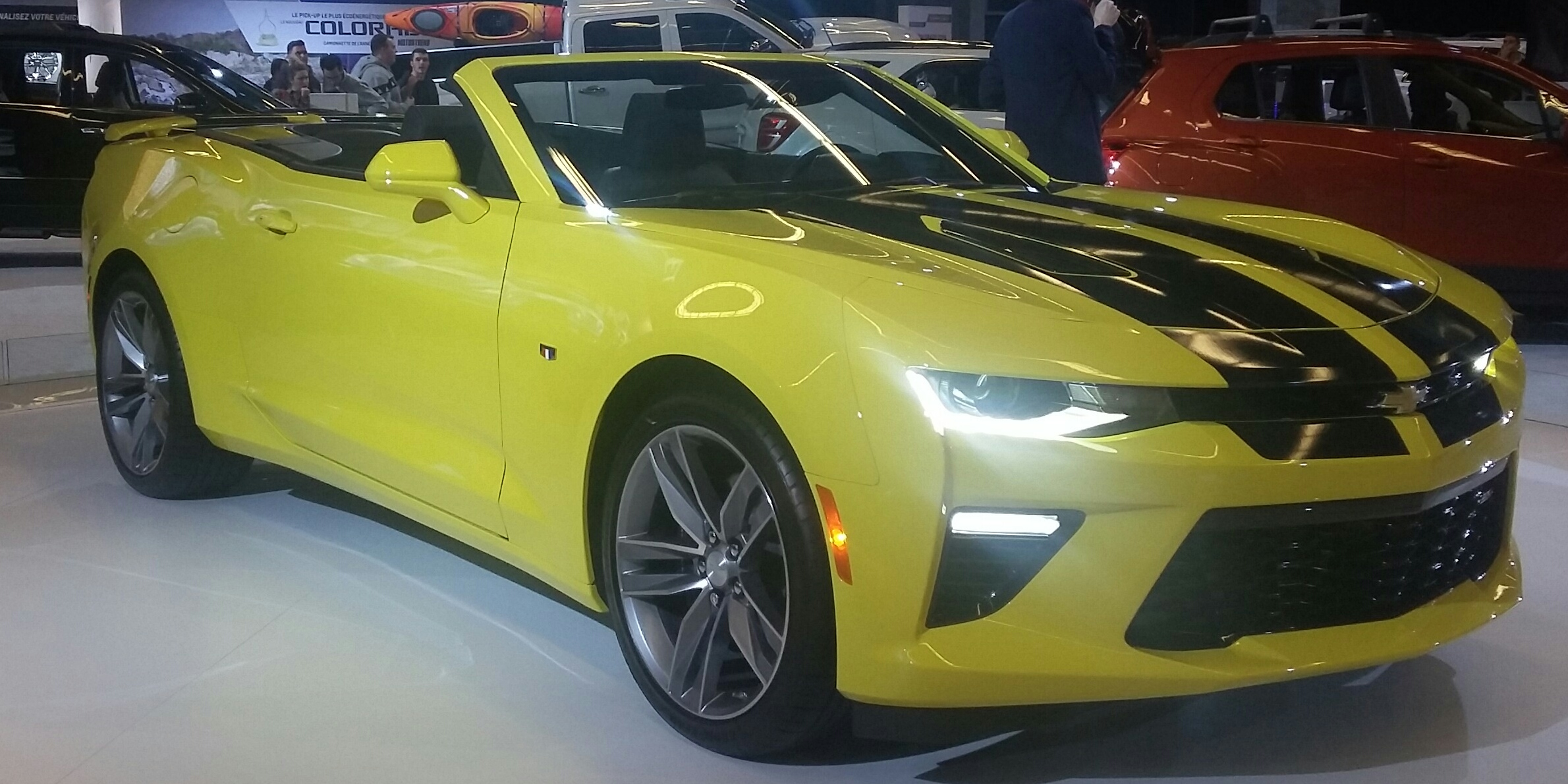
The Chevrolet Camaro is a sports car from Chevrolet. It’s made in different versions, including more powerful ones. Some models can be very expensive because people really want them.
The Dacia Duster is a compact SUV. It’s made to be practical for everyday driving, including rougher roads. In the podcast, it’s brought up mainly because the name sounds similar to another car people talk about.
Term
340
“340” is the engine size, meaning the car has a 340-cubic-inch V8. Muscle-car people use numbers like this to quickly say how big and how powerful the engine is.
Car
340 Duster
A “340 Duster” is a Dodge muscle car version with a 340 V8 engine. People like it because it’s a real performance model, but it’s not always the most famous or expensive muscle car choice.
A “Yanko Camaro” is a Camaro associated with Don Yenko’s performance reputation. Collectors see it as a special, higher-performance version with a famous name attached.
Term
air cool, nine, 11s
Those numbers are drag-racing time targets—how fast the car runs a short race. “9s” means very quick, and “11s” is slower, but still fast enough to be exciting.
This means keeping a classic car as original as possible, with the right parts that match what it came with. Collectors like it because it’s more authentic and can be worth more.
Restomod (spoken here as “restome modding”) is the practice of updating a classic car with modern engineering while keeping its vintage look. The idea is to improve drivability—like steering, braking, and suspension behavior—so it can feel closer to a modern car without losing the classic vibe.
A restomod is a classic car that’s been updated with newer parts. The idea is to keep the old-school style, but make it drive and stop better like a newer car.
Hot rod brakes means improving a car’s stopping power. It usually involves better brake parts so the car can slow down more confidently, especially after performance upgrades.
“Numbers matching” means the car’s key parts still have the same serial numbers they had when it was new. Collectors like it because it proves the car is more original and can be worth more.
The turn indicator bulb is the light that flashes when you signal left or right. For older cars, using the wrong one can mean the car isn’t put together with the exact correct parts.
A Mercury Comet is an older American car. Here, the point is you can buy one for relatively cheap and modify it with a bigger engine and better suspension to make it feel like a real muscle car.
Car
hot 302
“302” is a Ford V8 engine size people swap into older cars. Calling it “hot” means it’s set up for more power than stock, so the car feels faster and more exciting.
“Junkyard parts” are used components pulled from salvage yards, often at much lower cost than new or remanufactured items. In the segment, the host argues that using junkyard parts is a practical way to build a fun muscle car without spending “a lot of money.”
Term
handling components
Handling components are parts that help the car grip the road and steer more confidently. The point is you can upgrade those parts to make the car feel better to drive, even on a budget.
“Pre smog” means the car is from before strict emissions rules. Those older cars often have fewer emissions parts, so it’s usually easier to modify the engine for more power.
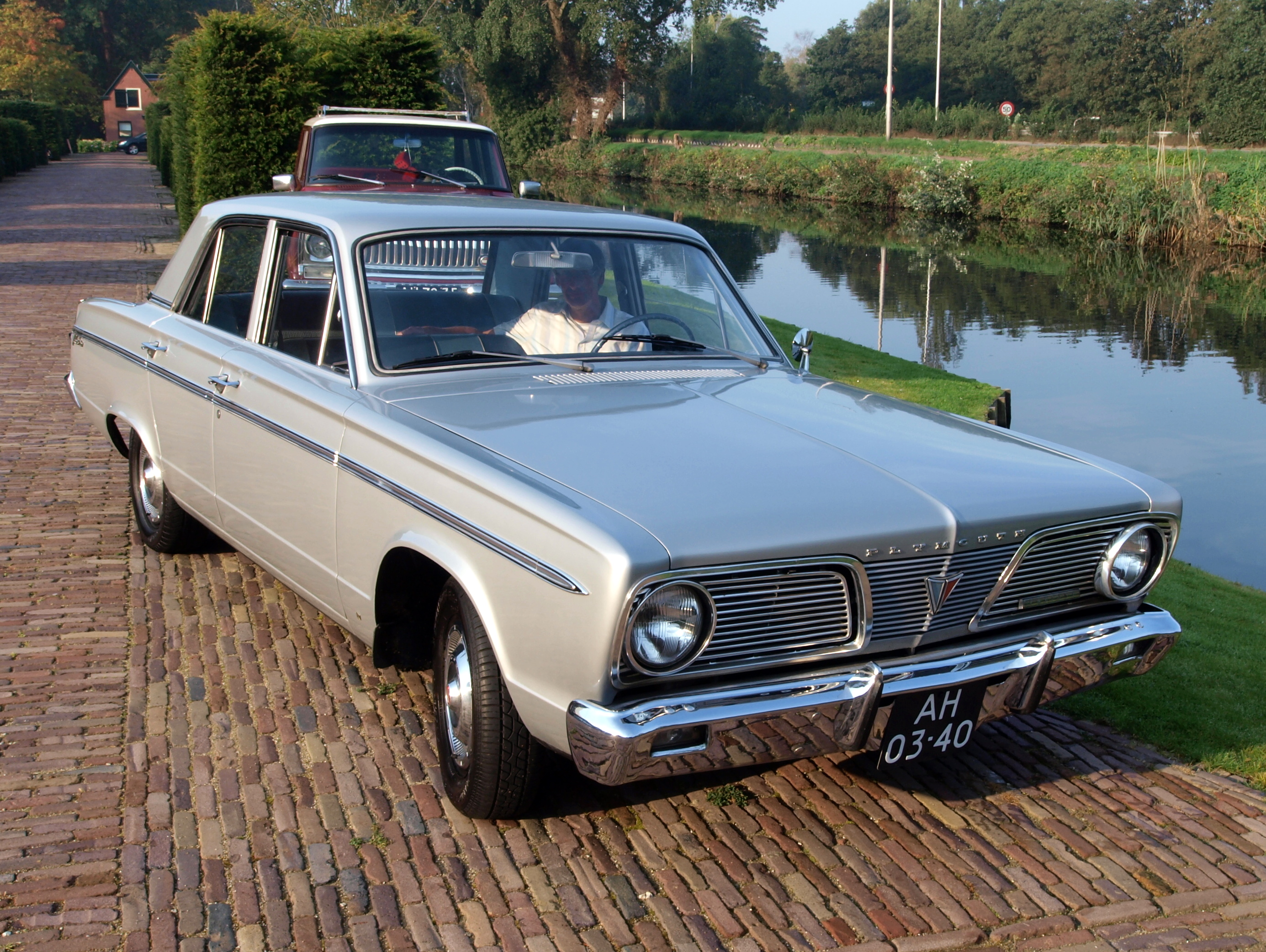
The Plymouth Valiant is an older Mopar that people sometimes modify for a fun, low-cost performance build. The host is basically saying you can start with something like this and upgrade it.
Tires with more grip help the car put power down and stop better. If you’re building a muscle car, good tires can make it feel way faster and more controllable.
The Dodge Road Runner is an older muscle-car model name. It’s known for being a performance-focused car from the classic era. The podcast mentions it as something people might want to find or own.
The Plymouth Road Runner is a well-known old muscle car. The host is basically saying you can skip the expensive “name” car and build something similar for less.
The Chevrolet Chevelle is a famous old muscle car. The host is saying you don’t necessarily have to buy a Chevelle to get that muscle-car experience.
Car
Plymouth Tempest
A Plymouth Tempest is an older Mopar car that people like to modify. Here, the idea is to buy one that already has a 326 engine and then add performance parts to make it feel like a bigger muscle car.
The Impala SS is a more performance-focused version of the Impala. The host is saying you don’t have to buy one specifically to get a fun muscle-car project going.
Car
Plymouth Sport Fury
The Plymouth Sport Fury is an older Mopar muscle car. The host is listing options to show that there are multiple ways to get a fun build without overpaying.
The Chrysler New Yorker is a big, older Chrysler. The host is saying you can even start with a car like that and turn it into something more fun and fast.
They’re talking about buying a less powerful version of a muscle car, then putting a stronger engine into it. It can make the car more exciting, but it has to be done properly to work well and not ruin the car.
Frame rust means the metal structure under the car is corroding. It can be dangerous and costly to fix, and it’s more common in places that use road salt in winter.
They’re saying you have to learn to recognize signs that a car was damaged before and then repaired. A bad repair can look fine at first but cause problems later.
SRS stands for Supplemental Restraint System, which is the network of airbags and related sensors/controls. If an SRS system has faults, the airbag warning light can stay on and airbags may not deploy correctly in a crash.
Cars have computer checks that verify emissions-related systems are working. “Readiness” means those checks have run successfully, which can matter for passing an emissions test.
Car
AMC Marlin
The AMC Marlin is a pretty rare older muscle-era car. If it’s not common, it can be tough to find replacement parts when something breaks.
“Unobtainium” is a funny way to say a part is basically impossible to get. It usually means it’s rare, discontinued, or costs way more than you’d expect.
A Chevelle is an older Chevrolet muscle car. Some versions, like the SS, are known for being more performance-oriented. People mention it because it’s a classic car that many enthusiasts want to own.
The Buick Skylark is another classic American model name from Buick that can be found in both base and more performance-focused trims. The speaker contrasts it with a Buick GS, implying that base Skylarks may be cheaper ways to get the look and feel of the era without paying top-dollar for the most sought-after variants.
The Chevrolet Vega is a much smaller, cheaper Chevrolet from the 1970s. They’re mentioning it to make the point that there are cheaper options than expensive muscle cars.
A 1965 Ford Mustang fastback is a classic American muscle car body style known for its distinctive sloping roofline. The speaker uses it as a reference point for how earlier muscle cars were often viewed as good-looking.
“Form over function” means the design looks mattered more than the practical side. The host is saying a lot of 1960s cars were built to look great, even if they weren’t optimized for every real-world requirement.
The host is talking about how many modern SUVs look similar and come in mostly one-color choices. They’re saying older cars were more visually distinct, so they got attention faster.
CAFE is a government rule that pushes car companies to make their overall fleet use less fuel. It’s based on averages across all the cars a company sells.
Emission standards are rules about how much pollution a car is allowed to put into the air. Car makers have to build engines and systems that keep exhaust cleaner to meet those rules.
The alternator is what keeps your battery charged and runs the car’s electrical stuff. A billet aluminum alternator is an aftermarket version made from solid aluminum, usually for style or small weight changes—not because it’s required for better driving.
Boyd Coddington is a company name that makes custom wheels. The mention here is about a particular “showy” wheel style people put on classic American cars.
Anodized is a process that coats metal to protect it and sometimes add color. It’s commonly used on aluminum parts so they don’t corrode as easily and still look nice.
“Direct bolt on” means the part is made to fit your car with normal bolts, not custom welding or major modifications. It’s the easiest kind of upgrade to install.
The Corvair is a classic Chevrolet with its engine in the back, and it’s built in a way that makes swaps and upgrades different from most cars. That’s why the hosts are discussing whether you can fit a bigger engine and what problems might show up.
Engines can spin in different directions. If you’re swapping parts or engines, the direction can matter because some components are built to work with a specific rotation.
An engine swap means putting a different engine into a car than it originally came with. The hard part is making everything fit—like clearance for the oil pan—so it can be a lot of work.
The oil pan is where the engine oil sits. If you put a different engine in, the oil pan might not clear the car’s frame parts, so you may need to modify or replace it.
“SVX” refers to a Subaru model that had a rare flat-six engine. A “swap” idea here means taking that engine and putting it into another car to make a custom build.
The AMC Matador is an older American muscle-era car made by AMC. Mentioning a “74 Matador coupe” means they’re talking about the 1974 two-door version as a possible weird/custom choice.
The Javelin is an AMC muscle car—another older American performance model. Here it’s mentioned as a less typical option for someone’s custom project.
Car
AMC Rebel SST
The AMC Rebel SST is an older muscle car from AMC. It’s the kind of car people like because it’s a little more unusual than the most famous muscle cars.
A 1963 Pontiac Tempest is an early-60s Pontiac that people like to modify. In this conversation, they’re talking about putting a 326 engine in it, which is a very period-correct kind of upgrade.
Car
Pontiac Ventura
The Pontiac Ventura is a classic Pontiac from the muscle-car era, often discussed as part of the broader “hidden gem” lineup compared with more famous models. In this segment, it’s mentioned as one of the kinds of cars people would want to talk about or build for that period look.
A motor swap means putting a different engine into a car. People do it to get the kind of engine they want, but sometimes laws or emissions rules decide what you can get away with.
An LS swap is when someone puts a GM LS V8 engine from one car into a different car. People do it because those engines are common and there are lots of parts and guides to make it work.
Car
Barracuda swaps
A Barracuda is a classic Mopar muscle car. “Barracuda swaps” means people often put different engines into a Barracuda to make it faster or easier to drive.
Horsepower is a measure of how much power the engine can make. The speaker is saying this engine starts around that number and can make more as you build it.
Smog emissions stuff is the equipment and settings that help an engine meet pollution rules. The speaker is saying removing that kind of constraint can free up power.
A limited-slip diff helps both drive wheels work together instead of one spinning uselessly. It improves traction, especially when the road surface isn’t consistent.
Term
grippy grippies
“Grippy grippies” is slang for high-traction tires that provide more grip in corners and during acceleration. In a swap build, tire choice is crucial because it determines how much of the engine’s power you can actually use.
The ECU is the car’s main computer for the engine. If you swap it, you often have to swap other electronics too so everything talks to each other correctly.
A wiring harness is the car’s wire bundle that connects all the engine sensors and computers. If you’re swapping electronics, you may need the matching harness so the plugs and signals work correctly.
CAN bus is how the car’s computers communicate with each other. If a required switch signal isn’t recognized, the car may not behave correctly—like refusing to start or run the way it should.
The neutral safety switch is a safety sensor that confirms the car is in the right gear to start. If the computer can’t see that signal after a swap, the car may not start or may act weird.
A carburetor is an older-style way to feed fuel into the engine. It can be simpler to work with for hot-rod projects, but it usually takes tuning and may not run as smoothly as modern fuel injection.
Elevation changes how much oxygen is in the air. Higher up, the engine may need different fuel settings, especially with carburetors, to run right.
Term
ambient temperature change
Changes in outside temperature can make a car run differently because the air and fuel behave differently. Older carbureted setups can be more sensitive to those changes.
Term
idle for 45 minutes
Letting the car idle for a long time can help it warm up so it runs smoothly. Older engines—especially carbureted ones—can be picky when they’re cold.
Term
gaskets disappearing
“Gaskets disappearing” is a colloquial way to describe gaskets failing or blowing out, which can cause vacuum leaks or fuel/air leaks. In carbureted engines, leaks can make the mixture wrong and lead to rough running or hard starting.
“Points” are part of an older ignition system that helps the engine spark at the right time. If they get worn or out of adjustment, the car can run poorly or not start.
A mechanical fuel pump is a pump that’s powered by the engine to move gas from the tank to the carburetor. It’s common on older cars that don’t use an electric fuel pump.
LIVE
In a world with entirely too many shows about cars, this is another pointless automotive
podcast.
It's like pulsing.
Like me.
How are you?
Chadwick.
Oh, a lot better now that I know you're pulsing.
Yeah.
Yeah, exactly.
How are you?
How are you, man?
Beyond pulsing?
I'm good.
Very good.
Oh, man.
Back on my shit, bro.
You know what?
I don't have a beverage.
Well, I do.
I have, first off, and this is just a hat tip, I spent an inappropriate amount of time
with our mutual friend Brad of Auto Off Topic, and they're part of, back when we were having
our...
Seltzer Wars.
Seltzer Wars.
They're Team Polar, and so I managed just to randomly pick up some Polars.
So I'm not converting to Team Polar.
I'm simply, this is an homage.
Oh.
And they were on sale.
Watching you closely, my friend.
So I've got this, but I do have, and maybe mid, I have some leftover beers from the rally
in the barracuda behind me.
So if I feel like I need a roughly 60 degree beer, there's going to be one back there.
And so I think I can do that.
I do.
I mean, I always love your background art, whether it be a Chevy Sprint Turbo or a Focus
SVT lately, I am super digging the barracuda, bro.
I love the color.
It looks good.
Jump on YouTube.
If you're listening on Spotify, just fucking take out your phone and watch YouTube while
you drive because Frank's Barracuda is in the background.
Yes.
Yeah, you should actually endanger the lives of you and others, especially by not looking
at the road nor pulling over or out or out.
And just, yeah, for your viewing pleasure, if you haven't borne witness to this podcast
visually, you can do that.
It's on the YouTube and you'll see the barracuda, the long fabled barracuda.
It is real.
I doubt it is.
And it's fantastic.
It is existence at this point.
You'll have to see it in the flesh at some point.
But, yeah, you know, I would say certified muscle car.
I know at the time it was probably more of like a quote unquote pony car, even though
it's not a horse, it's a fish.
But I don't know.
My muscle car is back.
This has to be, I don't even know, I'm going to have a drink right now because I think
that was the first succinct segue you have ever performed for a get episode, 224 phones.
And you just, and you just stomped all over it, my friend.
You had the interject.
Put it in the books.
Yes, muscle car talk.
I know we've talked about it briefly in the past years ago.
And but like, I don't know.
I feel like they're not just mine again, but like in the automotive zeitgeist, I feel like
they're kind of coming back.
I got that feeling, too.
Yeah.
What what are like, we have what are you hearing?
Very much know what's on the street.
We have very much know script clearly, as you know, if you've ever listened to this
podcast before, but I just like tossed out there.
What should we talk about there?
And I was like, muscle car question mark.
But so I do think whether we talk about, are they back?
Are they not?
What do you like?
What do I like?
I have thoughts on the muscle car.
I like it, man.
Don't call it a comeback.
It never went anywhere.
Actually kind of did when all the boomers died, right?
I think is what we were all dead.
Famously.
Yeah, mostly.
I think there's a couple hold on there, like in the triple digits.
So don't know how that's working nowadays, but they got, there was this thing, right?
And I think, God, I don't want to fuck up my times, but early 2000s, right?
Was muscle car peak when things were just fetching insane value for like
completely restored low mileage examples.
And then they kind of started a downward trend as, as that like, you know, I don't
know, market segment literally died off.
Sure.
And not just figuratively in this case.
And there's, there was like the fast, the furious stuff.
There was like the import scene and all that kind of detracted from muscle cars.
There were some purists out there and mostly racist, right?
Like racist people still like muscle.
Yeah.
Yeah, that was Frank's gateway into it, but for the rest of us.
No, I think, you know what it is though, Frank?
I think we enjoy simpler things.
And can you get any more mechanically simpler than a muscle car?
Like, like legitimately.
I mean, maybe, maybe air cooled Volkswagen.
If you're talking like a beetle, sure.
Yeah, that's kind of it though, honestly.
But not going to, you're not going to get the same kind of driving experience.
I mean, there's very different.
You could, yeah, I would love to own an air cooled.
I think I will someday, but like to get in a stock beetle from the appropriate
air and then get in your Barracuda.
Yeah, very different things.
Very different.
Yeah, yeah.
But yeah, like it's, it's, and I went through a muscle car phase and I mean,
arguably with what's behind me, you could potentially say that I still am in it.
I'm just, I'm pretty much an omnivore of cars at this point.
But you're right, you know, I've had a handful of different.
Really all Mopars, I've only ever owned Mopar muscle.
Well, that's other reasons, but it's Mopar or no car yeah.
Massively overpowered asphalt ripper.
Or mostly old parts and rust.
There's a lot of different ways that you do it, a little bit of both.
But the thing, like I really kind of do feel like they're having a bit of a moment.
Like they're really starting to get kind of come back.
And I don't know if that is like just like reflexive.
Like trying to be different than Aircool 911s and E30s and and and Honda's.
And you know, some of the stuff that is, you know, has been pretty popular lately.
And has really, and by lately, I mean, the last, say 20 years, 15 years.
Mm hmm.
Um, I don't know, maybe it is, but I kind of feel like the people are really kind
of coming back to the muscle car thing.
And the simplicity is part of it.
I think it is.
Um, I think just straight up attitude is also part of it.
I love the attitude, dude.
It's, I mean, what's the modern?
If you're seeking out, it's got to be Dodge, right?
Like Dodge is the, yeah, they're the standard bearer.
You're, you're speaking, you know, Mopar already.
Uh, I think Dodge kind of brought that back.
Now it was definitely a lot more modern.
I had a Magnum SRT, I would, I would definitely throw down that.
That's a modern muscle car for sure.
And the recipe is the same.
That thing was still using a push rod V8.
You know, I mean, like taking that engine apart was no different.
Sure.
A lot more, a lot more electrical components, sensors of that, that kind of
ilk, but taking that motor apart and putting it back together was exactly like
tearing down an old big block.
Yeah.
Yeah.
And, you know, Chevy's still doing it.
Ford has the Mustang, which is kind of a different animal.
It's a more, uh, worldly product, I suppose.
Sure.
But it's, it's interesting because I feel like when you're looking at like
classic muscle car shit, it's.
Attitude is part of it, but it's, I feel like it's a different attitude
than what it was, say, 25 years ago.
Yeah.
It's not like, like, it's not all about drag times, right?
Sure.
Yeah.
And there was like early 2000s, you had like the pro touring phase where people
were doing, you know, pro touring builds with everything at 17s and 18s on it,
which is kind of fun, but like it was a very different aesthetic.
And I think people taking, you know, classic 60s, 70s, even early 80s, you know,
American stuff, um, and just kind of flogging, flogging them in stock or near
stock form, right?
And just like letting it be sloppy and letting it be what it is, but just be,
be different and using the thing I think is, it's kind of in vogue again.
Um, or feels that way.
And I feel like I see more, I feel, I feel see more people our age and younger
into them when it used to be, you know, me driving my Barracuda for a long time.
I was like the young guy driving it.
And I still am in some circles, but I think more and more it's, it's, and maybe it is.
Maybe people are aging out and those cars are ending up in the hands of, of people
that are old enough to actually use them.
And so that's why when we do see them, they're actually, they're actually being
used because they're actually not being driven by someone in their 80s.
I, I think you're right there.
And I think, I think because the market did shift so much, I have seen like
prices be quite favorable on, you know, obviously the big name stuff.
If you're looking for like a Yanco Camaro or something, you're going to
pay insane amounts of money, but you can go out and get like a 60s Mustang,
which is a good, like a late 60s Mustang.
It's a good starting block, good, beautiful car, good car to bring back to life.
You can get into the door.
Uh, whereas before those were fetching pretty crazy prices.
I feel, and like other things too, like, um, I'm not going to spoil it here,
but I've always wanted a Plymouth Duster from the early seventies, like a 70,
72 with a 340 of course.
Um, but in a fun color and I could actually afford one now.
And like not too long ago, those were fetching a little bit of coin.
So yeah, they're pretty hard to find.
They are a lot of times when you do find them, they're for sale for a price that
like doesn't make sense.
It's like it's for sale, but it's not really for sale.
It's a lot of like, I know what I have stuff, but especially if you get
something like a 340 Duster is a fairly desirable car, it's not the most, right?
It's not like, you know, Hemi, E-Body Barracuda or Yanko Camaro or anything
like that, right?
Um, K code Mustang, but like it's still a, it's still a desirable thing.
And like, I feel like with some modern stuff, you can make it a reasonably
okay performer, but while still having, making great noises, looking apart,
having a little bit of attitude and, um, you know, not break, break the bank.
When you start looking at, you know, what other people are spending for air
cool, nine, 11s and things like that, like you can get, no, it's going to
drive far different, but if you can, if you're okay with that.
Yeah, well, that's like my other topic I wanted to cover about muscle
cars reemerging is do we, do we talk about stock?
Do we talk about bringing stuff back to stock?
Is that still like, cause that was the money move before, right?
To have an original parts matching car, or do we explore this more modern
thing of restome modding, which the, the, the technology in the restome
mod communities has gotten so good that you can make these cars, mirror
modern car driving dynamics, which I think that's enticing.
Yeah.
And I'm not talking, it doesn't need to be a Duster 340 original.
I'm cool with like a Duster 340 swap that was done tastefully.
Correct.
Yeah.
And you can get those pretty cheap and then do some restome mods.
Hot rod brakes.
Yeah.
Dude, that could be the fun part is like doing the hot rod shit.
Like I've never been a big, and this should not be a surprise to anyone.
Not that, not that I've never been big.
They make tools for that at the gas station.
I've seen them.
I've bought them.
Rhinocentrums, baby.
Exactly.
Over 9,000.
But, uh, yes, that sponsorship is going to come through.
I go, it's emphasis on cum.
Yeah.
Um, yeah.
They just like mail us a packet of samples.
It's like, why are they like sopping wet on Mark's bags?
It smells weird.
The great late night confidential episode.
We sample gas station.
Yes.
Exactly.
It's horrible.
It's horrible.
Yeah.
Yeah.
We have to, we have to do it with like a, like a, uh, a plexiglass partition in
case it's like too effective and it's just like the aphrodisiac effect.
It's just like skyrocketing.
Oh, um, the, um, only on late night confidential, uh, join our patreon.
No, the, um, I got the.
I've never, I've never been a big fan of the, oh, it's got to be numbers matching.
Oh, and it's got to have the correct, you know, oh, you know, that's off of a,
you know, that's off of a 68 when, you know, really, you can tell there's a subtle
difference when it's 68 69.
So your bumpers incorrect.
And so that's, oh yeah, you're using the wrong turn indicator bulb, uh, that negative
point's there.
But so like, I like it because again, back to the simplicity and attitude part.
Not that I'm like Mr.
Automotive Attitude and things need to be badass, but I do like, which is why I
like my barracuda because it's none of those things.
It's not a lot of attitude.
It makes great noises.
It does sick burnouts.
It does muscle car things, but it's not, it's not this, it's not this like screaming,
like, look out badass.
It's not that car, um, which we were, which what works for me, but like hot rod
shit is what has always been appealing.
Like put the bigger motor in, put the louder exhaust in, do, do hot, do hot rod
shit with it, right?
Like, go out, do make burnouts, be noisy.
Um, just like take it to places where maybe you are uncomfortable in it.
Like this rally I just went on.
Um, like that's the stuff that's appealing.
Put the big motor in, you know, uh, all of that.
Like that's the cool, that's the cool stuff about those cars.
And so I think that's where, that's certainly where the value is, right?
You don't have to get anything special, but yeah, go get a 71, 71
mercury comet, right?
And, and, and put a three, put a hot 302 in it and some like, you know, Mustang
two suspension and, and, uh, whatever, like get junkyard shit and some
rest of them odd shit and put it together and have something that's rad for
not a lot of money and does all the muscle car things.
Like that is so appealing to me.
That same, same route I would go because, you know, the game, the muscle
car game back in the day was, like I just said, the parts matching, everything's
got to be pristine and it's all about chasing value.
It's chasing your investment, how much you're going to get on the back
end of it, but you say, fuck all that, you get a rough example and you just,
like you said, throw junkyard parts at it, throw handling components at it and
actually drive the piss out of it.
That would be my goal is to get a lighter, lighter weight.
That's why I kind of like favor a duster or something to that effect and just
get a valiant, strip it out, pre smog, put, you know, if it doesn't have a
340, put a 340 in it and just grippy ass tires, brake suspension and just go
have fun, go have some goddamn stupid fun, dude.
Yeah, that's it.
I think, and like no matter where you want to be, right?
Let's say you want to, let's say you want an intermediate, right?
You want, you want something that's a little bigger or you want something
truly big, right?
Or you want to call, like there's ways that you can do that and have the
muscle car experience and not spend enormous coin, right?
Like you just go, let's say you want something intermediate, right?
You don't have to go, oh, I'm going to go find myself a road runner or a
454 Chevelle, you know, right?
Alibu SS, like you don't, you don't need to do that.
Like, okay, you want it, you want something that's close to a Chevelle,
like go find a fucking Plymouth Tempest with a 326 and just like put a
cam in it and like do some hot rod shit or, you know, you want something bigger?
You don't need it.
You don't need an Impala SS, right?
You don't just, just go find a sport fury or a Chrysler New Yorker even.
Go find a, go find a galaxy with a 390 and like that do some hot rod shit.
That's, that's the fun stuff.
And there are options out there.
And now that the crowd, again, that you said is dying off.
The crowd that's aging out is the crowd that cared about that shit,
cares about the numbers matching stuff, cares about, you know,
the one that looks perfect to take to the sock hop.
But people are aged, I can get these cars now, don't care about any of that shit.
So I think those cars are going to, they'll hold value for a while.
But I think the real play is, yeah, get the, get the lower spec thing,
throw a big motor in it or just toss a cam at it.
Like they made parts for these cars for fucking ever.
Yeah.
It's a, it's a dangerous market, though, for like, so truthfully, the shit we
play with 80s and 90s primarily, right?
It's still iffy and we take it for granted here.
We're both in California, right?
So rust isn't the thing.
So we don't really, I look at rut back in the day, I'm from, I'm from the Northeast.
It's seven years in most cars have frame rust.
It's just a, it's a fact of life, right?
But when you get into this like muscle game shit from 60s, 70s cars,
you got to get super serious because these cars did hold some value.
And back in the day, shoddy worksmanship was a standard.
And these things were built to resist rust like modern cars, not that
modern cars are perfect, but you're going to, you got to learn to look at
like damage that was repaired.
There's no car facts from 1968, right?
So that's a car of 60 years of wear and tear on them.
Right.
And could have been twisted around a telephone pole and then welded in like
uncle Wilford's backyard shed, you know, and then if you don't know what
you're looking for, you can get into a lot of like, can't fix situation stuff.
So you want to, you want to be aware of those things.
You want to get read up on that stuff.
There's plenty of stuff online.
They're mostly in the old forums from the, yeah, there are.
There's a lot of good shit.
Like early 2000 forums will help you out there, but it is, it is a risk, right?
To get into a car this old and that predates like modern tracking technology
and, you know, keeping track of service records.
You got to, you got to have a little bit of wear with all, and you have to
have like that skill set to like inspect a car very well.
Yeah.
And a lot of, I mean, you'll see a lot of like people that do want to spend
money on a good car that will buy something like side on, side unseen on
bring a trailer or something like that.
And a lot of times you can get a good car, but a lot of times I've seen stuff
that is like, oh, this is fully restored.
And it's like, dude, I wouldn't drive this car across town.
Just like, you know, mechanically shoddy stuff, sketchy body and paint work.
So, you know, a lot of it is the good news is if you're shopping, if you're
like already looking at the bargain stuff, right, you know, like kind of like
just, if you can see something in person, that's this old, obviously do it.
Or just assume that like the price you're going to pay better be commiserate
with you finding some skeletons in its closet.
Cause if it's been on the road for 50 to 60 years, there are going to be
skeletons in its closet.
Oh, always.
If you're paying six grand, maybe you don't care.
If you're paying 60 grand, you better damn well care.
So, yeah, the pitfalls are different, right?
Cause you don't got to worry about smog, right?
You don't got to worry about, um, SRS systems or, or whatever, right?
Monitor readiness.
Yeah.
Yeah.
You don't have to worry about any of that, right?
Emissions, but you do have to worry about like, you know, depending on the car
too, my, my car's a little on the obscure side.
You know, if you go about, go about and buy an AMC Marlin, there's going to be
shit that you won't be able to find parts for.
Sure.
Yeah.
Um, but if you go by, yeah, you go buy a 66 Mustang.
They sold 600 and something thousand of those in just 1966, which is an insane
number.
Wild.
Um, like, it's, so you can get any part ever for that car.
So just like do some homework, figure out what you would want, then figure out how
to get the cheaper version of what you would want, right?
And then they almost get you their solution, right?
Like you want something, God, it's, it's so pricey.
And then you find the car that was kind of built to compete with it, but never
got the fame.
Sometimes that cheaper option is still available much cheaper.
It's a good way to get close to it or the, or the little brother, right?
Like Chevelle's and Nova's and things of that nature.
You can like, you can do the little price shop and see what fits in what you're
trying to do.
Um, I agree.
I think when you're not chasing numbers, matching and things like that, you
can, you can roll the dice a little bit.
I think that's makes that choice a little easier.
But know what you're looking for and what you're getting into, right?
Like you said, there can be some parts that just unobtainium, right?
Yeah.
And like it's funny, you mentioned a Nova, like a lot of these cars were like
some of them, right?
Mustang wasn't really platform chair.
I mean, it was, right?
It's, it's the underpinnings were Falcon.
Yep.
But, you know, let's say you really want to Falcon.
We'll get a comment.
You can get a comment.
Comments probably cheaper and it's very similar car.
You, you want that Nova, right?
Like, oh, I want a 71 Nova.
Well, Nova's a command of premium because people want 71 Nova.
So what, like maybe go get an old Omega or Pontiac Ventura.
Like there are other versions of that car that are a little different.
And in my opinion, a little more special because they're, they're cool.
Go, go get a Canadian market, a Cadian.
True.
Yeah.
Like there are, there's, there's stuff out there.
Um, so if you kind of, if you, yeah, if you do just that, right?
You say, okay, I would love a Chevelle.
I would love an SS Chevelle.
Hmm.
What are my options that don't involve me spending $85,000 on a nice SS Chevelle?
Like, is it, you know, what does that look like?
Is it a Buick GS?
Is it just a base-ass Skylark?
Um, I've got the Chevy Vega parked over here.
Why don't you go ahead and price shop that?
Yeah.
So there's ways to do it.
And, um, and at the end of the day, yeah, just like whatever gets you in the
door to do Haraj shit.
Um, yeah, I don't know.
100 shot, 100 shot of NOS on your, on your 200 Falcon Ford Falcon.
Oh, absolutely.
Um, I do, I do like this, this exercise and I do want to get one.
It's just, it's tough to decide first off where, cause I want it to be, I want
it to be kind of special, but not, right?
Like I want it to be something I don't care about.
I want to just get in, beat the crap out of it and put it away.
Uh, and that's, that's what I want to do.
I don't really care about aesthetics.
I think if I chase that, that gets, that's when you get pricey.
I mean, I love a good looking car, but a good patina muscle car also looks
pretty damn cool in my opinion.
You know, that's the thing now.
Like, say 25 years ago, 30 years ago, um, there were a lot, a lot of like
60s and 70s cars, like American muscle era stuff that you can say like, boy,
kind of ugly, like my car, my car is not a traditionally pretty handsome,
attractive car, right?
That was, that was, you know, the, the first gen Camaro or, you know, a 65
Mustang fastback, those were the cars that people, oh, that's, that's a,
that's a sharp looking car, a 67 GTX is a sharp looking car.
Very.
Um, my car was always like, oh, that's a weird looking car.
But now that we're so far down the road, when I was driving this car around,
I got a back, I drive around everyone.
They got everybody's attention, thumbs up, taking pictures of it.
People asking, what is that?
I've never seen anything like that.
And so, you know, and it's because they, they look at your rear glass, uh, a
little squinty after a couple of drinks and they're like, holy shit, it's an
e-type, right?
Or a Riviera, a bowtail Riviera or like, there's all, there's a bunch of stuff.
But it's, it's, what's funny is like, if you have anything that's in decent
shape, right from the sixties and you're driving around, it's instantly cool.
There are no ugly sixties cars at this point, right?
Like, you know, a four door Corvair, people like, that thing's sick.
Like that is cool, you know, like it's, but forever that was just like a, a,
the roll it into a garbage can.
Like, well, it's because it's the error of design over science, right?
Like, fuck a wind tunnel.
Yeah, definitely safety.
Uh, but honestly though, like design one out, right?
It was, it was actually form over function, right?
For a lot of these designs.
So I think, I think that's something we dig on because let's be brutally honest.
We live now in a time of monochromatic SUVs.
That's, that's all the wind tunnel, the wind tunnel does win the day, right?
For, for cafe and, and, and emission standards.
And it wins the day.
And so yeah, like just being able to see something that is different, right?
Something that's got some fins or it's got some, you know, chrome outside, outside
of just outrageously huge pedestrian murdering full size pickup trucks.
Nothing has chrome.
Just their chrome does not exist.
So yeah, like something with metal and chrome and this and that it, it, it again,
like whether you call it attitude or presence or a sense of occasion, as some
of our friends like to call it.
It has all of that.
It doesn't justify you putting a billet aluminum alternator in your muscle
car just for shits and giggles though.
Right.
Oh yeah.
No, there's, there are wrong ways to do it.
Um, yeah, the, uh, I should have, I should have on the rally.
I should have got one of the timeout dolls.
Just, uh, your own personal, like, uh, pet peeve.
Yes.
Have it, have it wear it.
Have it, have it wear like a, um, like a backwards red Nike cap and let's make
it like a red, dirt one.
Um, yeah.
Um, what, what reference did you think I was making?
I don't know where you're going.
Just like hating on the, hating on the Yankees.
Um, nothing wrong with that around the sports.
Just get people like wanting to kick the shit out of it.
Um, no, there's wrong ways to do it.
Yeah.
Like the billet, um, really, at this point, any, um, Boyd
Coddington wheels or the, um, like the billet, like the bat wing shaped,
like steering wheel, you know, um, so bad.
Yeah.
Billet, really anything billet, honestly.
Yeah.
Yeah.
Yeah.
Um, anodized this or that, but no, um, I don't know.
Outside of, you mentioned the, the duster.
What else is in a vacuum?
What else, what else would you be looking at?
So honestly, uh, a little interested in doing a Corvair build.
Just, uh, you know what I'm saying?
Just, just to do it.
Cause that's like the critical support, my friend.
Oh, that's the 9-11 middle finger right there.
Right.
That's, that's gotta be it.
Um, it just make it handle.
Well, could there be one that'd be sick to do like a really nice, like a
Yanko Stinger build or just do like a cool, a cool outlaw Corvair build.
Like a fucking grippy fat tires, modern suspension.
Right.
And then, and then take it to a lift.
See if you can get, see if you can get it in the lift.
It'd be like, oh, absolutely nothing like or cool flat six.
Let's go.
Yeah.
Fuck.
Yeah, dude.
That would be sick.
I like those cars a lot.
I've come, I've come to love them.
Yeah.
I've come to almost buy one a couple of times.
Uh-huh.
Are you, are you like the first gen or like the later ones?
I'm a first gen guy.
Same.
Yeah.
Yeah.
I'm a first gen guy.
I'm a first gen guy.
Let me, let me Google suspension options that are direct bolt on for
Corvair real quick.
Oh, results zero.
Results zero.
Um, but custom fab some mounts and just throw something gnarly in there.
Make it handle good brakes.
For the record, not a muscle car, but yes.
Not, not a muscle car.
I'm on board with this though.
Two fire extinguisher minimum.
God, dude.
I'm so into that Corvair.
Do we can't.
I don't know, is there enough space to jam something muscly back there though?
People have done it.
People have done like, it's a lot of work and stuff like that.
Yeah.
And Corvair's are weird because I want to say it sits.
I want to say the engines, the motors on those spin, like counterclockwise or
something, they're like a different, it's like super low.
So you, when you do put a new, I've seen it where they try to put a muscle, like a
big block or something, like a V8 and the oil pan is it becomes a concern because
it's so awesome, baby.
Yeah.
Ah, or do we keep it or do we keep it six?
I don't know.
That could be a fun build.
Either way you do it.
Oh, God, let's go Porsche power train.
Like that dude, SVX Subaru motor.
Oh, in the rear.
Yeah.
Yeah.
Oh, pretend like it's like it's a van again.
You know, that could be fun.
235 ponies.
Yeah.
God, we were king for it.
Oh, yeah.
Okay.
Back to actual, that's what kings think about.
It is kingship.
Corvair swaps.
Back to muscle cars.
What, like, yeah, what, oh, like, there's some stuff like out of the world of Mopar
for me, just to kind of go a different direction.
Okay.
God, like nobody, nobody, nobody fucks with AMC stuff.
And I think a Javelin or like a, like a 74 Matador coupe, which is a weird deal.
It would be dope AMC stuff, AMC, like Rebel SST.
Yeah.
Now you want to talk about a car for races.
No, Rebel SST with the American flag stripes.
Yeah, that's hard stuff.
Yeah.
Or even just like different, different stuff, right?
Like, you know, I mentioned the Pontiac Ventura and the World's Omega, but like,
there's some of that stuff.
Like I would love like a, like a 63, like a 63 Tempest.
Yeah.
With a 326.
Yeah.
That would be rad.
That would be cool.
God, just the, just do you keep it stock?
I don't know.
I feel like swaps become such a thing.
If it's pre-smog here that you have to do it.
It's like a mandatory thing.
Like the only car you can legally get away with it.
Yeah.
But do you go, do you go like, in period ish?
Like my car's got, my car's got a motor from a 74 Duster.
It's a 340.
It was originally 273.
So it is swapped just with another small block, but it's like, other than motor
mounts, everything else, you know, it really depends.
If the car is like, I'm going for a stupid rest-o-mod build where it's not going to
be worth shit to anyone but me.
Yeah.
I would, I wouldn't care.
If I wanted to get some value, what's that?
So you go in like LS swap or, I think, yeah, I think of, or like, if we were to do
Mopar, I really do like those old SRT 86 ones.
I think that's a great motor.
And I've seen, I've seen a lot of like Barracuda swaps and other things with
that motor in it.
And that has always enticed me because the packaging is really good.
And the output is like 420 horsepower.
You can't, that's your starting and then no smog emission stuff.
That power just goes up real quick.
Super easy engine to service.
You could swap the gearbox over.
Like it's like too easy, right?
Six-speed manual, good, you know, limited slip diff, big, big diff and put down some
grippy grippies and some handling.
And I think that's the most cost-effective way to honestly do it that way.
I think building an in-period muscle car engine is a little more pricey than just
swapping in some motor that's kicking around all over the place.
Like I could probably get one of those six one-hemmys for nothing to tell you the
truth.
Maybe a lot of, if you could do fab, like if you can fab shit up.
Sure.
Yeah.
Well, you would, but you're really just changing motor mounts.
And if you are swapping over, yeah, but you're swapping the whole ECU and
everything, just try it.
If you can get a whole harness and everything.
Yeah, it's a fuck little work.
Can bus.
Yeah, but.
Oh, it doesn't, it's, it doesn't read the neutral safety switch brick or whatever.
Like can't like, I'm, I'm, I'm an, I'm an idiot.
And so I don't know if I can mentally handle can bus and swapping all that
shit over.
And I'm sure that like, they're very clearly our ways to do it.
Like I just, I don't know it.
There is something for me that's appealing about, you know, just throwing a
carburetor at it and like, right, me have fuel, me dump fuel and like, like
really cave man, hot rod shit.
Sure.
Um, and all the good and bad that comes with it.
Yeah.
Me have elevation.
Me are just cars.
Yeah.
Extreme rich.
Yeah.
Um, ambient temperature change, big, big shifted temperature.
Me switch carb again.
Yeah.
Me need idle for 45 minutes before moving.
Um, yeah.
I think, you know, I ran into a little bit of that shit on the rally.
Uh, sure.
You were probably at some elevation, right?
A little bit.
Yeah.
But like.
Part of that was just like gaskets disappearing and things.
That'll do it.
But, um, no, it's, um, I, for me, that is part of it.
We're like, you know, like something goes, you go use the car and
something goes, oh, it's not running quite right.
And you're like, like, I don't want to fuck with points.
Like I'm not going that far down, but like, you know, carburetor,
mechanical fuel pump, um, some of like just kind of basic gas goes in.
Exhaust comes out type shit.
Um, diagnostics way easier, right?
Like you're never going to be like, oh, it's the fucking crank sensor.
Or it's, you know, something stupid like that, that breaks your car.
Yeah.
Yeah.
Just no star condition because the Pat's key lost its little like chip in it.
Jesus.
Um, yeah, it's, I don't know.
There's, there's a lot of different ways to do it.
And that's, that's like part of the allure to me is like.
Outside of the shit we already mentioned, like all the billet garbage.
There's like, there's like kind of, I mean, there are very wrong ways to do it.
But there's a lot of right ways to do it, you know, whether it is the modern swap
or keeping something close to stock or just throwing in a similar
carbureted motor, but with a hot cam in it or putting a fucking blow or on something
like there's for no reason, just doing it.
Yeah.
Um, I hear you though, but like, is that the play though?
Is that the play is to get the non, the non like pedestal version?
Because it's sacrilegious to destroy very, uh, numbers matching pristine
car. Is it, is that the play right now is to get that like lesser known variant
and rough condition and just throw whatever you want to make it fun.
I kind of feel like that's a good play right now.
Yeah, I would say not too rough condition though.
No, I would say not rough.
I would say under appreciated condition, right?
Not the, not the factory perfect one, but like maybe the one that's
like a fairly original car has like the smallest V8 in it or whatever.
And, um, is like, like, yeah, as you put it, not the pedestal,
not the standard bear, right?
Right.
Like patina, like I'm not talking like, so I saw a video recently where a
guy like bought an older car and he like, it had, he's like, this is the weirdest
thing it has seven floor mats.
Watch this.
And he starts pulling the like floor mats off and then the bottom one, you
can already tell it's sinking and he pulls it off and it's just like a goddamn
hole in the floor.
Obviously we're going to not, look for that kind of stuff.
But like I'm saying like patina, like worn out, roughed up little bodies, not
perfect, but it's still like serviceable.
Um, and the interior is rough.
It doesn't, it doesn't have the original matching seats.
Um, that's, I think that's the thing to target.
And it's not like you said, the, the top trim, we're not going after top trim.
We're not looking for the one that necessarily comes with the big motor
because we can put the big motor in there.
Yeah.
Yeah.
And, and, and not feel bad about it.
Right.
That's it.
It's not sacrilegious to alter something like that.
Yeah.
It's like, so mine is the first gen Barracuda, second gen Barracuda.
Um, homie, homie from, uh, from the rally max with all his collection of C4 Corvettes.
Um, that's so mint on the Instagram.
If you, if you care, um, he has a second gen Barracuda.
He has a 67.
So the second gen went from 67, 68, 69, those three years.
And his, his is a middle trim car.
It's a, it's a 67 fastback 273, which was the V8, the small block, two barrel, right?
So 180 horsepower from the factory.
Not, not a whole lot.
Now he's doing major mods on it.
He's doing a five speed swap, full K, K member swap upfront with, with like, um, suspension,
all this stuff, right?
Um, which is, which is dope.
But like, you can buy that car for not huge money.
You buy, let's say you buy a good one for 15, a decent one, like what we're describing.
And then you spend five grand doing hot rod shit.
And you've got a very, very, very cool thing.
Yep.
Um, for not huge coin and not going out and spending, you know, $200,000 on whatever,
like the, the, the top dog 383 formula S was with delivery miles on it, numbers
matching everything, then you're just buying a white elephant.
And so, and at this point to anyone who's not boomer generation for the most part,
it doesn't like they're just, one is just as cool as the other.
You pull one up and it makes all the muscle car noises and it looks the part.
Nobody cares.
Honestly, almost what motors in it, it has V8 makes great noises.
Great.
Let alone all the other shit.
So, right.
Yeah, I do think that is the play is find a decent, far from perfect, far from
a dumpster fire, lower spec version or the off brand, if you will, version of, of
the, the pedestal car.
Is the stopwatch running right now?
Do we need to go secure these?
Is there a, is there a big, here's the thing, I don't time crunch right now.
I don't think so because I think we're, we're right on the precipice of yes,
they're kind of be getting, they're, they're starting to, I think to become
more cool than maybe they had been in the last 20 years.
I agree.
However, these people are just going to keep on dying.
They're dead, dude.
And getting younger.
So, you know, if, you know, a lot of, you know, people in their late 60s, late
70s, late 80s that were into these cars for a long time, keep bucket kicking.
Um, I think more are going to come to market and some of the really special
stuff will still come in big prices, but I think some of the stuff we're
describing won't.
Um, and so I think it could be, I don't think rush, but keep, keep your eye
open, look for a good deal.
And when it comes up, grab it before someone else does.
And then do hot rod shit.
Fuck I want, dude, I got to get rid of so many other.
You got to drive a Barracuda shit.
I do.
You got to get C time in this thing.
I'd love to review that thing.
Once it's full review worthy, you think it throws that nasty quarter?
Ooh, it can, if you know how to, it's funny.
Um, and maybe I can just spend a second.
How much, you've been watching the clock.
How much time we got here?
Do I got time to talk about this car real quick?
You want to, you want to do PCP?
I'll do it on PC.
I'll do it on PCP.
That's appropriate venue.
Um, so I can, I can discuss it, but it certainly could.
I would love to, to drive that car.
You're, you're absolutely right.
Yeah.
Yeah.
It's nice to, well, so I, you heard it from the experts guys get out there and
buy those shitty fucking muscle cars that by the way, we're absolutely not experts.
Oh, I wasn't referring to us.
I was just saying, it's not unlike an Instagram reel or something.
Uh, but I, I have, dude, many times they go flip into the, the marketplace.
And I'm like, I should probably, I can't even call myself a car guy.
I don't have a, a muscle car in the fleet.
It's wrong with me.
Oh, and then like, and, and maybe an episode for another day.
Cause we've been, we've been focusing on the, the, the classic muscle car era.
Mm hmm.
There's a model, modern muscle conversation to be had.
Aware.
And, and, and, and, but when I say modern, I mean, just after this.
So anything, say 80s and up, or even there's some like malaise gems that could
be a whole other conversation.
Get that Mustang Cobra Mustang to Cobra.
Yeah.
Oh, I know the dog shit era.
Yeah.
I get that, um, get that 301 turbocharged turbo Trans Am.
Um, which is like a dog, but like a very interesting dog.
The Cobra Mustang Cobra wasn't the Mustang to Cobra was not a dog.
It was like the late 70s turbocharged Buick's.
Oh, yeah.
Yeah.
Yeah.
There's, um, what about the King Cobra though?
You don't want to play around with that.
Oh no, no, they'll get you.
She'll get you.
Um, the, uh, the Plymouth Velary Roadrunner, um, like the 77 or whatever
it is with the bright orange and brown.
Yeah.
There's some, there's some shit out there.
That's for another day.
Yeah.
Good stuff, man.
Are you about to, you about to bestow a class one for you?
Is that true?
Yeah.
Let's, um, let's, uh, let's do that.
I'm going to pull this up and you tell the good people what the hell I'm whipping out.
Hey guys, welcome back to the segment.
We call automotive print ad quiz because we don't have a clever name.
Never will.
Uh, what are we?
Two late 20 episodes and fuck it.
Uh, so Frank's going to dig up an automotive print ad from a magazine.
Some other kind of periodical of the time, 80s, 90s, early to mid 2000s are fair game.
I get three guesses to figure out what he's doing after he reads that ad omitting
most of the things that give it away.
Uh, every time I fail, I can ask for help and you'll help me out.
10 minutes around the clock.
I don't know.
He looks like he's got some spicy cooking up.
Uh, please go ahead and roll that beautiful bean footage.
Oh boy.
I will flick this beautiful bean footage.
So this is a two pager.
Uh, we have a just a broadside photo of the vehicle in question, right on the driver's side.
Um, in, but it seems to be a black void.
And there's, uh, there's like a, a rising.
Like on the horizon, partially obscured almost as if it is coming over the horizon.
Um, logo of the manufacturer.
Um, and then for some reason there's like a flock of like, I don't know, 25 flamingos.
Flamingos flamingos flying just they're flying.
No, they're, they're, they're in the air.
They're not doing their famous one-legged perch.
No, no, they, they're like long neck in it.
Um, in the air, they're, they're peacocking, if you will.
Okay.
They're not peacocking flamingoing.
I, if, if this ad holds true, the flamingos have nothing to do with the car in question.
So we'll just move past that or maybe they do.
Yeah.
You know, that's for you to find out.
So Pontiac flamingo final answer.
Exactly.
Well, what is the flipping go?
Um, it says introducing the blank shaped for the wind.
Oh, I'm going to get to do the zoom in, the click to zoom in thing.
That's kind of wonderful.
Yeah.
Aerodynamics isn't just for the birds.
It affects everything that moves through the atmosphere, the better the shape, the
better the performance and the better the efficiency.
Especially true for the blank using a wind tunnel blank finely tuned their sports cars
outline to slice through the most formidable headwinds with greater ease.
It's 1.7 liter fuel injected engine rips from zero to 50 in 8.5 fleet seconds.
That's what it says in the process.
Blank reduced front and lift by 30% and increased rear end rogued hug ability with
blanks patented spoiler a whopping 60%.
Okay.
So now the front wheel drive blank.
No, sorry.
So the front wheel drive blank now has greater stability on open roads and sure
handling to weave through tight curves.
Forward visibility has been improved with a lower nose and more shapely raked, sorry,
more sharply raked windshield.
And you can see more of what you leave behind with a larger curved window in back.
Additionally, the newly designed blank has more interior room and a quieter ride.
And with less air resistance as you go breezing down the highway, blank has
produced yet another drag to owning a sports car these days.
Excessive gas guzzling.
EPA estimated 41 highway miles per gallon and an estimated 28 miles per gallon.
Yeah, it just says and an estimated 28.
It doesn't say city.
It just says that's the thing.
Okay.
Use estimated mile per gallon for comparisons.
Your mileage varies with weather, speed and trip length.
Actual highway mileage will probably be less.
But yeah, that's it.
Nothing else is a blank.
Okay.
Hmm.
Interesting.
So the birds meant something.
Yeah, aerodynamicism.
Oh, excellent.
Yeah.
Sorry, you said it with enough conviction.
Sure.
I'll vote him out.
Interesting displacement, 1.7.
Front wheel drive.
Yep.
Fuel injected, it said.
Fuel injected.
Patented spoiler.
Curved rear glass.
Curved rear glass.
So that paints an interesting picture.
I've got a couple of vehicles that come to mind.
Yeah, this is interesting.
The calling it a sports car.
They did.
And it's a redesign.
So it's not the first generation of the sports car from when I gathered two.
Additionally, the newly designed blank has more interior room and a quieter ride.
It could be, yeah.
I mean, it, right?
I guess it doesn't have more than the coast that way.
Yeah, yeah, yeah.
Right.
Is there any other way to interpret that?
Or additionally, the newly designed blank has more.
I mean, more.
More is a comparative.
It doesn't say.
Yeah, that's true.
Mm hmm.
Ground to the ground.
You know, these ads are always because that person was not writing an advertisement there.
Fuck, this is not the fact to 1.7.
This is older.
We're talking at.
At the latest mid 80s, based on the things you're talking about, EFI or electronic fuel
injection, pretty new.
We stopped talking about that in the 90s for sure.
For the record, it did not say EFI.
Did you say fuel, I'm sorry, fuel injection.
Sorry.
It's not a wood burning car.
Could be a front wheel drive 1.7.
There could be.
And there's a couple of cars that fit that, but the rounded glass is kind of.
Sports car, but front wheel drive.
Very few cars in this period.
Calling a curved glass.
It is not like I will give you this.
It is not like the Barracuda behind me.
No, yeah, or an E class or a 1800 S Volvo or P 1800.
I think so.
I've got that.
I think I got the make.
I think I got the make, but I don't think I have the car yet.
Ooh.
All right.
Well, maybe let me take a shot.
Let's go.
Front wheel drive 1.7.
This is going to be a 1980, let's say for Volkswagen Golf.
Final answer, my friend.
This is not the 1984 Volkswagen Golf.
OK.
May I have some help when they have called the golf their their sports car?
They would have called it as I think it was considered one
of the first like sporty or front wheel drives.
I think at this period, there weren't a lot of front wheel drive sports sports cars.
Sports cars, I don't know.
Maybe not.
Hmm.
I mean, that was a pretty just a straight up golf.
It was a pretty pretty pedestrian thing.
No, they always were touted as being even even in like the early 2000s
when Volkswagen tried to say even its base Jetta and base
golfs were sports cars.
Remember the commercials with the German guy?
The one that two points slow was not really that much of an improvement
over what we're talking about right now.
I mean, trying to think, well, OK, let me see if I can give you a hint
other than telling you.
Yeah, am I am I like completely off base here with that?
OK, so.
Without giving you too much.
You are in you are in the right the right.
Let's just say you're in the on the right continent.
Euro Asia.
That's Europe.
Name this continent.
Asia.
Yeah.
Oh, man.
OK, let's go with that.
So European front wheel drive.
Sports car.
I'm going to hold on to sport.
They're sporty car.
Sporty one point seven front wheel drive with some curved glass.
So that's why I'm thinking it has to be.
It has to be hatched.
It hatches in my head and I thought Volkswagen, well.
One point seven.
I can't think of another 17 car.
85
I think I'm close on the year.
I you didn't say whether I was like way the fuck off in a time machine.
So I'm going to assume I'm ballpark correct on time.
I'm an idiot.
There's like three.
There's three references to wind.
Is this is this an eighty?
Let's say 84 of Volkswagen, Schiraco.
Final fucking.
I'm an idiot answer.
Is that introducing the 1982
OK, Schiraco shaped for the wind.
The fucking name is wind.
So this is yeah.
Yeah.
Yes.
Well, I mean, to be fair, I was going to say golf,
which is also named after the golf wind.
I just do the displacement.
I was keying off of completely.
I believe and correct me if I'm wrong and I've done no research
because I don't do that sort of thing.
I think 82 which was the first year of the second generation.
I almost said golf, Schiraco.
I think that was the only year of the 17
because I think the next year in 83 went to the 18
I think oh, but there is 17 was the was only for 82
But there was two engines, though, that for the the next one, right?
There was a 16 valve and an eight valve, eight valve, yeah.
The eight valve and then 16.
Yeah. OK.
This one was later.
I don't think 16 valve came until 88
Maybe 87
OK. So, but for this, there was only the one engine option, right?
Yes. The 17 which they stuck in every Volkswagen
during that time period, if I remember correctly, there were seven.
And it was that's why I had to correct you on because you said EFI.
Like this is not electronic.
This is good old box.
Yes, my friend.
You know, I was thinking a little bit ahead in time, too.
So, yeah, that makes that tracks.
I don't know how I missed all the wind reference.
That was horrible.
It's OK.
I always forget the Volkswagen is a manufacturer of cars.
Like you're famous for that.
Yeah. Yeah.
Maybe maybe I just, I don't know, maybe I just.
This is a Gejarra like that, isn't it?
Though that's the next one.
That's the first one. First one. Sorry.
The wedge one. The first one was this one was like,
we don't need you anymore.
And then they just kind of did it on their own,
similar to like the first gen impulse to the second gen impulse.
Right. Or the Piazza, if you will.
Yes. The my Piazza.
Fuck, I like that second gen, though.
I don't care. Yeah.
Oh, no, I'm right there.
I don't care. But yeah, the wedge for the first one is so much better.
Yeah. No, good one, dude.
How haven't we done this car yet?
That's we might have.
I just I just like up the last time, too.
I just like the we're kind of like going over our our our trail,
like we're treading over trodden.
Dude, it literally said, I'm thinking back, like the birds,
the fucking wind tunnel. I'm like,
yes, I'm I'm copy and pasting you the you can see the birds.
I want you to see the birds.
I can't believe there's fucking birds in this.
Oh, we got. Oh, we got joking.
Dude, there's birds across the full two.
Oh, that's a good shot of the car, though.
Well, that looks great. That's a great ad, dude.
Yeah, it's funny.
I almost tried to like not overly describe the red logo coming over the
horizon because it makes you think it if you just got a final answer.
It just looks like it would be like a like a late 70s
Japanese car ad. Yeah, it's a Dotson.
Yeah. God, these things had more overhang than I remember.
Yeah, it's overhang in brain.
It's it's hanging all the brain, dude.
Yeah. Good car, man.
Good job. Yeah, they're good. Good ad.
Good job. I don't think I've done that.
I don't I don't recall that one.
We have done that ad, but we might have done that car.
Yeah, cool.
Um, we got any who good job.
Golf clap.
Um, have you made any progress on project cars or other?
Have I made any progress?
He says in a kind of insinuating tone that I should have.
Yeah, so I did.
I did probably the biggest project car progress one can do.
PCP is finish a project, right?
So that's that's what we're all driving towards,
even though my collection of dust gathering cars would tell you another story.
The trucker, I found the review, which is usually my like final piece
of the puzzle when I restore a car.
The review without drama, without issue and without a sense of speed.
Literally the second slowest accelerating car I've ever tested.
The only thing that beat it out was my Susie Trooper from 1988.
Yeah, which is a lot bigger with only a little bit more horsepower.
Yeah, like a little fraction of it in its heyday had a little more power.
Seventeen point 20 to sixty time on the tracker.
Wow.
Yeah.
I criminal my quarter mile time was not criminal speeding.
It was 63 miles an hour fabulous or something to that.
If it was so bad, dude, we know they're not fast
and they're not known for being fast.
It did weigh just under 2200 pounds, which it is the lightest.
That's the lightest tracker you can get, right?
Like those early ones, soft top, manual, rear wheel drive only eight valve motor.
Those that's like the absolute lightest spec you can get.
So pretty impressive that that's with like no fuel in it.
That's like below a quarter of a tank.
Yeah, can you imagine four wheel drive, hard top, three other people in the car,
full tank of gas, yeah, bunch of some bullshit in the cargo area?
Like what one of us is that putting down?
Dude, you're not you're not safely merging on any highway.
No, to be brutally honest.
But to tell you the truth, that low curve when you're driving it,
it does not feel slow and I think I think it's because all the inputs
and I mentioned during the review, all the inputs are so direct with that thing.
It's like there's no slot because there's nothing to be sloppy with.
It's just it's everything's like bolted together flimsley
and there's no weight or mass to worry about.
So it just it feels like you're moving and then you're not right.
Like it's it's a weird dynamic, but it gets up to highway speed.
It holds speed like that's a that's a modern achievement.
Right. Yeah.
No, they're not like it is funny because it's like, yes, they're slow.
Uh-huh.
But they're more fun than that.
And they they don't they don't feel as slow as it actually is
like because there's because it's so light, you know, it's not.
It's I wouldn't say it's like enjoyable at like
85 miles an hour with traffic on a highway.
No, it's not fun. It's not fun.
It wanders a little bit.
The short wheel base that I yeah.
And what I learned is like an obstacle in your lane.
You have the other half of that lane to work with without going out of your lane.
But that part isn't fun, but buzzing around town.
Yeah, absolutely.
That's what that car's for.
It's brilliant. Such a good beach town car.
Dude, it's it's probably is there a better beach town car?
It kind of it kind of is the right answer.
Maybe an old like like a Myers and Manx or like an old cabriolet.
Pretty fun. Yeah, a cabbie beach.
Yeah, yeah, yeah. Metro convertible.
Definitely a metro convertible.
Yeah, the Geo baby.
Yeah, Geo or go home.
No, it's it's great.
The car is actually listed for sale right now, too.
We can talk about that.
What live today?
What? Well, when this episode comes out,
you'll have a couple more days to go ahead and secure that fine geotracker if you want.
But yeah, we'll see how that turns out.
We'll see the tight the dice are the dice have been rolled.
They have a killer car.
But honestly, there's something special like it's bittersweet.
Because I had that car for like a year and a half, right?
And most of it was restoring it.
So you get this like I've got this equity this this time and blood investment into it.
But man, I love that truck and it came out.
It came out really good, dude.
So, you know, the new top, all the little details, right?
Like the spare tire cover, painting the wheels white to match the top.
These little these little things that are and it was clean on the inside,
which is a huge bonus with those because those seats tend to get thrashed.
So what can I say, dude, I finished a project. Wow.
It's a good feeling, man.
Now you're going to have muscle car room.
Yeah, right. It'll be an eighth in line.
Well, you already have a modern one.
You put it just the ZR one.
Oh, it's sports car, dude.
That's not a muscle car. Muscle.
Muscle sports car. Muscle.
Yeah. Sports. Yeah. Muscle sports. Muscles.
I love muscle. All right, man. That's how about you?
Have you have you made any project car progress?
I think it has to do with that shiny thing behind you.
Yeah.
I didn't die on a rally, which is great.
That's good.
Uh-huh. So, yeah, I barely made the starting the starting line.
Oh, no. I drove it.
So the day before the DWA camping while awesome rally,
which is what I took it on.
And that was the plan was I'm going to bring this car on on this rally.
So got it going, got it running,
putting some shakedown miles on it and on my way from Nevada back to my house
on 37 just past the racetrack.
Spudder, spudder, spudder dead.
Oh, like keep keep messing with it.
It kind of had done some of the some similarly before.
And I thought it was oops, my tank grommet blew out and it pissed out all the fuel.
So we got that, got a new tank grommet in,
put it all back together, started driving it.
I drove it to Novato, which was a.
Whatever, 60 and 50 mile drive.
Good little shake on the way back.
On the second set of 50 miles.
Yeah, made it whatever 15 miles down the road.
Fuel, just fueling issues.
I was basically the front float bowl on the carb, not getting fuel.
Rear had a bunch of fuel in it.
Okay, maybe my maybe the needle on the front carb is sticking.
It's a brand new carburetor.
Oh, OK.
New carburetor.
But you know, weird machining shit.
Who knows?
Anyways, Cliff notes, get it to my homey shop, because it was between my house
and where the car was, got it there.
Haggerty roadside, because I'm tired of burning all my triple A toes.
And I have Haggerty on this car.
So it used the Haggerty roadside, had to sit with the car for two hours,
which is fun, always got it got it to his place.
We tinkered with it as it turns out the fuel filter.
Yes, he's got it's one of those nice like billet aluminum ones
with the replaceable brass element inside.
Yeah, yeah, that element was installed.
Incorrectly, it was installed.
It was flipped inside just from from the factory.
So what it should have been a while for that to happen.
So it only it was only filtering through like this little circle of a hole.
Your fuel, you didn't realize it there.
We're like, OK, like this element's being weird.
We're like blowing through and it wasn't going through.
So like, OK, it must be plugged up.
Cards out for a while.
The tank's not that old, but like, OK, whatever.
So we're like, we'll just run it without this element for now.
And when I have an opportunity to, I can put it just a generic in line one.
So I bought it in line one, didn't have time to change it
before the rally took it with me.
Was great on the rally, right?
Drove great.
I figured like, OK, maybe night one, once we're all camp at the campsite,
we'll put this in, right?
We'll get it. We'll let the car cool down.
Car was brilliant.
Day one handles way better than I anticipated.
All my nice big, chunky sway bars and all the suspension goodies I did on it
really paid off.
Steering is another story.
Transmission is another story. Transmission is fine.
It's just a three speed auto.
And on a rally that limits you in a lot of ways.
Top speed is pretty limited at like 80.
80 miles an hour is like 4200 RPM.
Oh, boy.
And in a small block V8, that's like not a place you really want to spend all day at.
So trying to never times I push to pass that, but in in spurts, not like sustained.
Sure. Sustained.
Oh, we've got 20 miles of high speed sweepers.
It's like not great for that sort of thing. No.
And also downhills.
Downhills are fun because tight and twisty downhills.
I can't really gear down.
I can do it in a second.
Oh, yes. Right. Yeah.
So then I'm on my brakes all the time.
And the brakes are OK.
They're 1974 Plymouth Duster brakes.
OK. So they're better than four wheeled
drums, but they're 1974 Plymouth Duster discs.
And so, you know, there were some pretty hairy roads we went on.
The car did.
It was an absolute riot on the way up.
And I'm like, sawing the wheel back and forth,
just making a return and just fighting.
That's fun. It was kind of fun. Right.
Yeah. It was it was a lot of work, but it was fun.
But the downhills were like it really breaks
are getting really hot, kind of mushy.
So I'm like, OK, I don't want to die.
So I got all like, you just got to go really slow.
But all in all, very good.
I did have to. a quick roadside.
We had about 10 minutes of repair where the bypass
because there's inline filters at the flow poles on each car.
The little like stone elementy guys.
Yeah. And those plugged up because I was running another.
I had bypassed the filter.
The filter had no element in it.
So we blew it out.
Who was who was there?
Anyways, people.
Homie Brad, some other some other folks pulled over.
I think Will of Beeline.
We pulled them out.
We blew them out with carpet cleaner, put them back in and we were good to go.
Just carry on.
And then we did put that one at midnight, middle of the night.
We installed that filter.
And then we did the valley.
There's a gasket between the intake manifold and the block at the front,
which is has a there's an oil seal there.
Oh, the foam seal.
Where it just seals from oil leaking out from the like the the valley,
the like the the Lifter Valley.
Got it. Push on it and all that fun stuff in there.
Well, there's oil in there.
It's not under pressure.
But it splashes.
Yeah, that that seal at some point.
Day one or day zero gone.
Day zero, actually.
She gone. No idea.
Left the check.
I assume it went out and not in.
We're just going to probably would have.
No, would have noticed.
Maybe it might be floating around in there.
So we had to do an RTV, an RTV run.
OK, and just put a bead of RTV there overnight, let it cool overnight,
ran the rest of day one without it and then put that there.
It's fine. It's still it's still like that.
So that's my repair now.
Otherwise, brilliant.
I beat the balls off it and it didn't do it.
That's freaking awesome.
Really riotous to drive.
Oh, yeah.
And that that's by.
That is my update.
That is my progress was taking this car.
It's been off the road for almost 20 years.
Dude, yeah, it's shiny.
It looks really good.
Everyone enjoys its presence.
And then I did find out at the very
the last crossroad spot on the last half day home,
very easy to do enormous break stands in.
That's a really badders.
That's what really matters.
Yeah, yeah.
So somebody at the end of the round, we'll see.
But one day that footage will come come to light.
That is killer, dude.
Cool. Well, let me shut this thing down.
Yeah, we'll do it.
We'll do a quick shuddy here.
Guys, thanks again, as always, for stopping by, checking us out.
Follow us on YouTube, jump in there.
Frank, jump in the comments on YouTube.
It's a riot, you know, I just started.
I just started looking a minute ago on the last one.
It's it's out of hand.
And thank you for the guys that are listening and I love that shit, dude.
And I jump in there and I want to instigate some shit, too.
It's so good. Get in the comments, act like animals.
We love it.
But yeah, subscribe if you haven't yet.
We enjoy that.
We do put every episode up there.
Go ahead and rate the podcast if you haven't yet for whatever reason that is.
Also, Patreon, yeah, check it out.
It's pretty. It's a pretty decent price.
You buy us horrible alcohol.
We'll do special episodes that are available only to Patreon members.
And we have to talk to time.
Yeah, absolutely.
Yeah, like confidential folks get on there, check it out.
What else? Oh, my personal stuff.
Auto obscure garage, whatever, YouTube, rescue, restorations, reviews.
There is a lot of XTERRA content sneaking on there right now.
If you want to check that action out, check it out.
Frank, where can the folks follow your world-class photography?
The at the photographer's garage, but mostly here.
Just follow us here.
This is way more fun.
And we get to be dumb here and you get to listen to our musings.
And hopefully they don't keep you awake at night.
So thank you for that.
And yeah, yeah.
Yeah, patreon.com slash APA pod.
It's it's really slowly turning into a thing, which is a lot of fun.
So support us if you like or don't.
It doesn't really matter. You you be you.
But we appreciate we throw our way.
It helps us not die, which is great.
Yeah, we're working on it.
We are. Yeah.
Although, who knows?
We could what once we get enough
Patreon members and we start buying like
opium and things with the money for the the late night confidential.
Then maybe we'll we will die.
You said start start buying opium.
OK, anyway, yeah, yeah, hoarding opium.
See you guys in seven days.
Hording opium.
Later. Opium.
About this episode
Muscle cars are “coming back,” but the hosts debate what “back” really means—peak pricing in the early 2000s, then a dip as imports and Fast & Furious stole attention. They swap stories on buying smarter (lower-spec cars, patina, avoiding “numbers matching” obsession) and building tastefully with restomod upgrades, engine swaps, and even budget hot-rod approaches. The conversation also turns practical: rust, parts availability, pre-smog constraints, and real-world troubleshooting during a project.
Is the classic muscle car actually dead? The fellas debate whether or not we will see a return of American steel and sex appeal. Time to get jacked (off?) with muscle car talk.