
Episode #234 - Anti-Halo Cars
About this episode
OEMs LOVE to build themselves a nice and sexy "Halo Car" in order to flex their engineering and styling muscle, under the guise that it will become a shining beacon to draw people into the showroom. Is this bunk? What about the "Anti-Halo Car" which is a cheap and entry level offering that does the same thing without all the cost involved? PT Cruiser vs. LFA!? Let's discuss!
halo car
"So yes, the concept of a, a glitchy podcast and the concept of a, a halo car is everyone knows the halo car, right? You have the, the, the big crowning expensive limited production, lose money on every unit sold, um, big flagship car that sits in the dealership..."
A “halo car” is a flashy, attention-grabbing car a brand builds to make people notice them. Even if it’s expensive to make and doesn’t earn much profit, it can still help the company sell other cars by creating hype.
A “halo car” is a high-profile, usually limited-production flagship model used to draw attention to a brand. The idea is that even if the car doesn’t make money on each unit, it helps sell other cars by pulling customers into showrooms and boosting the brand’s image.

Audi R8
"Uh, you know, the Audi R8 was a very good halo car. Sure."
The Audi R8 is a high-end sports car with the engine placed toward the middle of the car. The hosts mention it as an example of a “halo car,” basically a model that makes people want to buy into the brand.
The Audi R8 is a mid-engine supercar from Audi, known for its performance and distinctive design. In this segment, it’s cited as a “halo car,” meaning it’s the kind of model that helps build brand excitement even beyond direct sales volume.
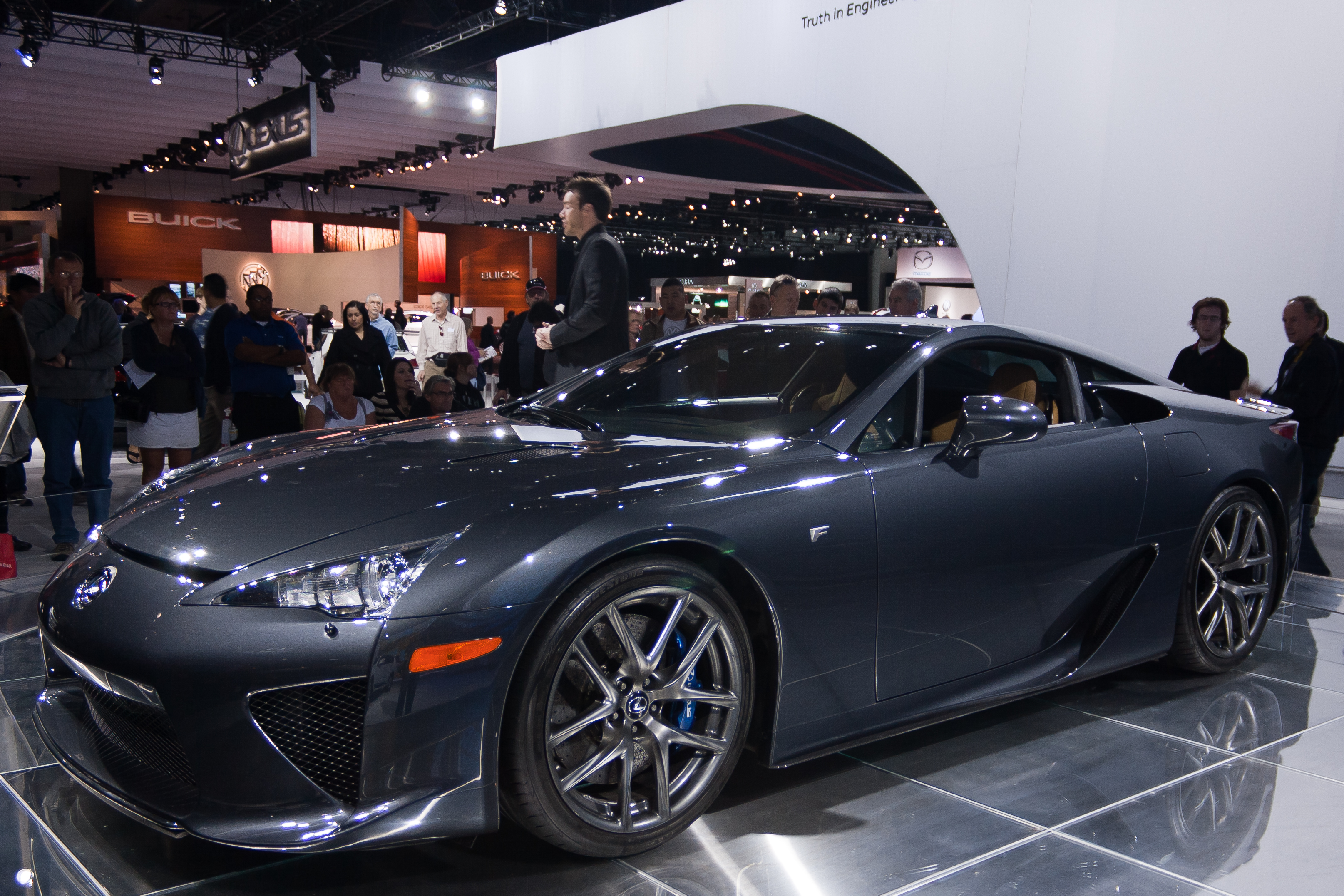
Lexus LFA
"Sure. Texas LFA, not really a great halo car."
The “Texas LFA” sounds like the Lexus LFA, a rare, expensive supercar made in small numbers. The host is saying it wasn’t as effective at creating hype for the brand as some other cars.
This appears to be a mis-transcription of “Lexus LFA,” which is Lexus’s limited-production supercar. The host contrasts it with the Audi R8 by calling the LFA “not really a great halo car,” implying it didn’t generate the same showroom pull or brand impact.

Lexus LS 400
"You said Lexus LFA, I would argue that the LS 400 was the original halo car ... because that was, you know, they're, they're shot right across the bow of Mercedes Benz ..."
The Lexus LS 400 was Lexus’s early luxury flagship. It was meant to make people take Lexus seriously and to get customers to walk into Lexus dealerships.
The Lexus LS 400 is a flagship luxury sedan from Lexus that helped establish the brand in the early 1990s. The hosts discuss it as an “original halo car” because it was positioned to compete with top German luxury sedans and to pull buyers into Lexus showrooms.

Lexus ES 250
"It pulled people into this new Lexus dealership model, in which case they purchased ES 250s"
The Lexus ES 250 was one of Lexus’s more accessible models. The point here is that the early flagship success helped sell the “regular” Lexus cars too.
The Lexus ES 250 is an entry-level Lexus sedan from the early Lexus lineup. The hosts connect the LS 400’s showroom impact to sales of models like the ES 250, arguing that the flagship helped pull customers into the broader Lexus dealership ecosystem.
limited production
"it was never a limited production, like hyper aspirational thing"
“Limited production” means only a small number of cars are made. The hosts are saying the LS 400 wasn’t meant to be rare or ultra-exclusive.
“Limited production” means a model is built in relatively small numbers rather than at high volume. The hosts contrast that with the Lexus LS 400, arguing it wasn’t a tiny, ultra-exclusive, hyper-aspirational type of car.

BMW 7 Series
"it was built to undercut the S class and the seven series."
BMW’s 7 Series is their biggest, most upscale sedan. The discussion implies Lexus was trying to challenge that “premium benchmark” positioning with a better deal.
The BMW 7 Series is BMW’s flagship large luxury sedan, typically competing directly with the Mercedes S-Class. The hosts frame it as a target Lexus wanted to undercut with the LS 400, highlighting how Lexus positioned the car against established luxury leaders.

Mercedes Benz S-Class
"it was built to undercut the S class and the seven series."
Mercedes-Benz’s S-Class is their “top” luxury car. When the hosts say Lexus tried to undercut it, they mean Lexus aimed to compete with the best without charging the same kind of money.
The Mercedes-Benz S-Class is Mercedes’s top-tier luxury sedan line, often used as the benchmark for comfort, refinement, and technology. The hosts mention the LS 400 being built to undercut the S-Class, meaning Lexus aimed to offer similar prestige with a more aggressive value proposition.
hyper aspirational
"it was never a limited production, like hyper aspirational thing"
“Hyper aspirational” means a car is marketed as an extreme dream or status symbol. The hosts are saying the LS 400 wasn’t trying to be that kind of unreachable fantasy.
“Hyper aspirational” describes an extremely high-status, dream-car positioning—something intended to feel out of reach for most buyers. In the segment, it’s used to explain what the hosts think a true halo car would be, versus the LS 400’s more accessible approach.
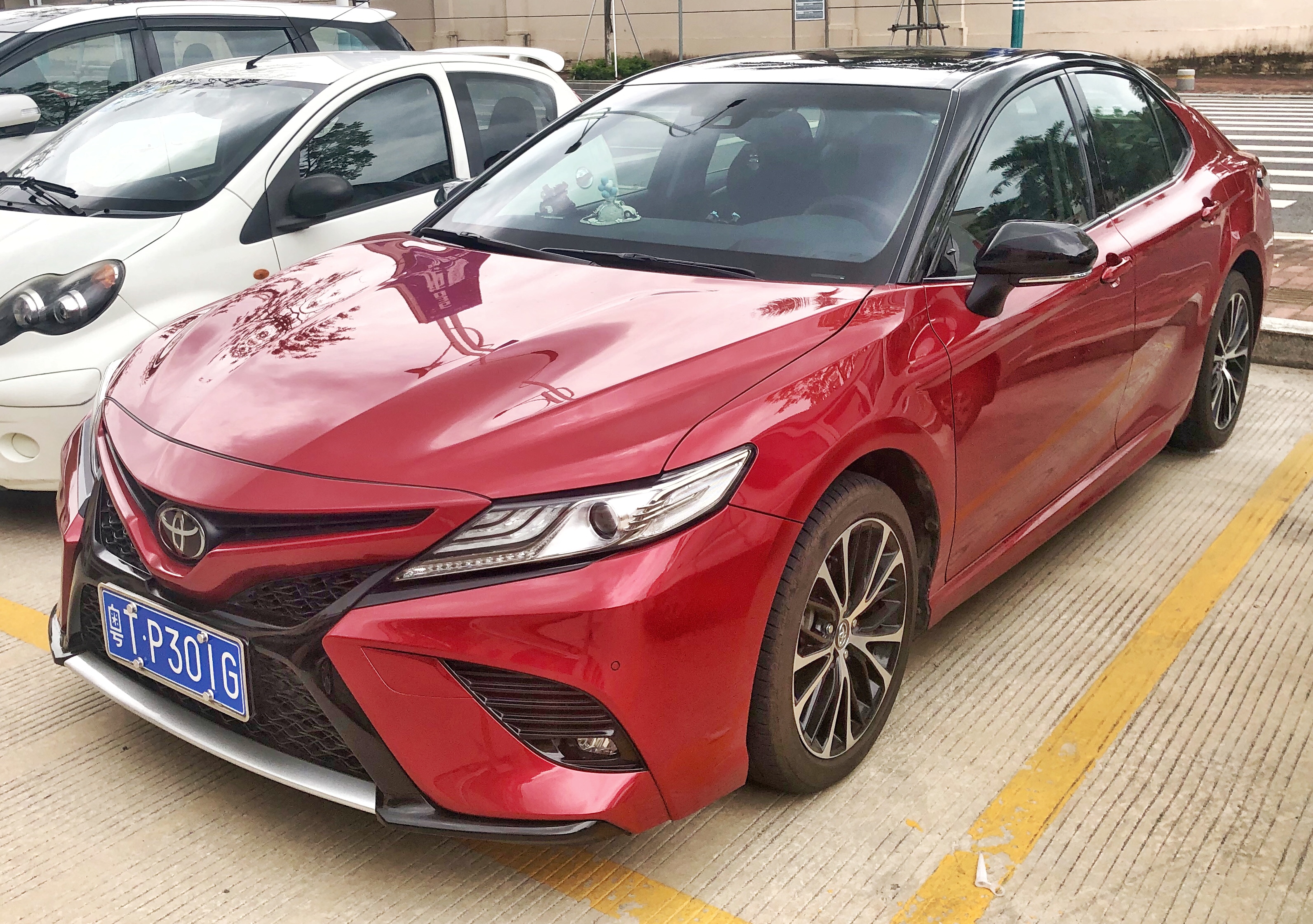
Toyota Camry
"...r. And when I say anti halo car, I don't mean the Camry. What I mean is something like the PT Cruiser, wh..."

Chrysler PT Cruiser
"What I mean is something like the PT Cruiser, which is a an entry level."
The Chrysler PT Cruiser was a quirky, retro-looking car. The hosts argue Chrysler used it as a kind of marketing hook—something affordable and eye-catching—to get people into showrooms.
The Chrysler PT Cruiser is a compact car known for its retro styling and “quirky” appeal rather than traditional luxury or performance halo positioning. The hosts call it an “anti-halo car” because Chrysler used a cheaper, mass-market, attention-grabbing model to draw people into the brand instead of leading with a prestige flagship.

Acura Integra
"...ra, I think made an anti halo car in the original Integra 86 Integra, where like we have a new brand. We're..."

Acura NSX
"Bring it to market and we're going to get people in the showroom, not with the legend, which they did, but the NSX."
The Acura NSX is Acura’s famous high-end performance car. In this segment, it’s treated as a “halo” model—basically the car that helps a brand look exciting and attracts buyers to dealerships.
The Acura NSX is a halo car—an expensive, high-technology flagship meant to define a brand’s performance image. The hosts contrast it with “anti-halo” approaches by arguing that halo cars can successfully draw customers into showrooms.
showroom
"Bring it to market and we're going to get people in the showroom, not with the legend, which they did, but the NSX. ... And so that's where like it becomes an interesting juxtaposition of like, how are you getting people into the showroom?"
Here, “showroom” just means the dealership where cars are displayed for customers to look at. The hosts are talking about which marketing approach gets more people to visit the dealer in person.
In automotive marketing, “showroom” refers to the dealership floor where customers see cars in person and are exposed to the brand’s lineup. The hosts use it as a measurable outcome—whether halo or anti-halo strategies actually bring people into dealerships.

Alfa Romeo GTV
"...d for me, I probably call halo cars were the 3000 GTV or four. Got to say it, very expensive compared t..."

Mitsubishi Lancer Evolution
"That was the successful halo car from Mitsubishi later to be mirrored by the Lancer Evolution, an aspirational sporty performance car that pulled people in that dammit, I can't float an EVO eight, but I'll take, you know, like a regular"
The Mitsubishi Lancer Evolution is a high-performance Mitsubishi that’s famous with car fans. It’s often seen as a car that helped make Mitsubishi more exciting and respected among enthusiasts.
The Mitsubishi Lancer Evolution (often shortened to “Evo”) is a rally-bred performance sedan that helped define Mitsubishi’s enthusiast reputation. In the context of the episode, it’s framed as a later “halo” model that drew attention to the brand when it arrived.

Mitsubishi 3000 GT VR-4
"I think the 3000 GT VR4 is a better example of a halo car, although it gets a little it gets a little sticky when the same car is available in a much, much lower trim level, which the 3000 GT was."
The Mitsubishi 3000 GT VR-4 is the stronger, more performance-focused version of the 3000 GT. The speaker is saying that this top trim is the best example of a “halo” car, because it’s the one that really feels special.
The Mitsubishi 3000 GT VR-4 is the higher-performance, more advanced variant of the 3000 GT, and it’s often treated as the clearest example of a “halo” spec. In the segment, the speaker contrasts it with lower trims to argue that the VR-4 best represents the brand’s flagship intent.

Mitsubishi Eclipse
"More. Do you think it was a 3000 GT or 3000 GT VR4? Or do you think it was a 2G eclipse? I'd argue it's 2G eclipse."
The Mitsubishi Eclipse is a sporty Mitsubishi coupe. Here, they’re talking about the second-generation Eclipse and how it helped attract buyers—kind of like a “cool” car that gets people into showrooms.
The Mitsubishi Eclipse is a popular Japanese coupe that became especially famous in the late 1990s and early 2000s. In this segment, the hosts are discussing the “2G” (second-generation) Eclipse as a halo-style draw for buyers, comparing it to other Mitsubishi performance models.
2G eclipse
"More. Do you think it was a 3000 GT or 3000 GT VR4? Or do you think it was a 2G eclipse? I'd argue it's 2G eclipse."
“2G” means the second generation of the Eclipse. It’s a shorthand enthusiasts use so they’re talking about the specific redesign era, not every Eclipse ever made.
“2G” here means the second generation of the Mitsubishi Eclipse. Generation numbers are used by enthusiasts to distinguish major redesign eras, since each generation can have different engines, styling, and performance character.
Mitsubishi Eclipse GSX (2G DSM)
"...maybe you wanted to check out a 3000 GT VR4 and you saw a 2G like GSX sitting there and you're like, wow, all wheel drive. Wow, two liter, four G63 turbo."
A “2G DSM” is a specific generation of Mitsubishi Eclipse, and the GSX is the sportier turbo/all-wheel-drive version. Fans like them because they’re sporty and look great, and they have a strong enthusiast following.
The “2G DSM” refers to the second-generation Mitsubishi Eclipse (and related DSM models) that enthusiasts often associate with the GSX trim. The GSX is known for its turbocharged setup and all-wheel drive, which is why people call these cars “sweet looking” and desirable even today.
all wheel drive
"...you saw a 2G like GSX sitting there and you're like, wow, all wheel drive. Wow, two liter, four G63 turbo."
All-wheel drive means the car can send power to more than one set of wheels. That usually helps it grip the road better, especially in rain or snow.
All-wheel drive (AWD) sends power to more than just the front or rear wheels, improving traction—especially on slippery roads. On turbocharged cars like the ones being discussed, AWD helps put power down more effectively.

Nissan Z32
"Nissan early 90s. OK, I'm going to go Z car, Z 32, 300 CX, halo car 100 percent. Pretty pricey compared to other cars on the market."
twin turbo V6
"Pretty pricey compared to other cars on the market. Twin Turbo V6, very tech heavy again, which we're seeing like the 90s was the time to to to platform your tech in front of everyone."
A twin-turbo V6 is a V6 engine with two turbochargers. Turbos cram more air into the engine so it can make more power, but it usually adds complexity.
A twin-turbo V6 uses two turbochargers to force more air into a V6 engine, allowing higher power output than a single-turbo or naturally aspirated setup. “Twin turbo” often implies more complex plumbing and control systems, which is part of why these cars are described as “tech heavy.”

Sentra Centra
"...you saw what the Z was doing. And you walked away with a Centra."
The Nissan Sentra is a more budget-friendly Nissan compact car. In this discussion, it’s used as the cheaper, less “halo” option compared to the flashier Z-car.
The Nissan Sentra is a compact car positioned as a more affordable alternative to higher-status models. In this segment, the host uses it as the “anti-halo” contrast—something you might walk away with after seeing Nissan’s more aspirational Z-car offerings.

Nissan 240SX
"Because also was tricky with these on at the time is. They, yeah, to your point, yeah, they had they the 240 SX, they had a 200"
The Nissan 240SX is a classic Nissan sports coupe that became really popular with car enthusiasts. People like it because there are lots of parts and it’s often used for performance builds.
The Nissan 240SX is a popular late-1980s/early-1990s sports coupe known for its strong aftermarket support and drift culture. In this segment, it’s referenced as part of Nissan’s lineup that helped attract buyers even when the “halo” strategy was being debated.

Nissan Hardbody
"Whether it be a halo car or an anti halo car to get them to buy your Ultima or your stanza or your access or your, you know, hard body. What I think is an interesting conversation of what do you think was"
“Hardbody” is a nickname for a Nissan pickup truck. They’re using it as an example of another Nissan model in the lineup that marketing could push buyers toward.
“Hardbody” is a common enthusiast nickname for the Nissan pickup truck line (often referring to the D21-era Hardbody). In this segment, it’s listed alongside sedans as another model Nissan wanted customers to buy using the halo/anti-halo strategy.
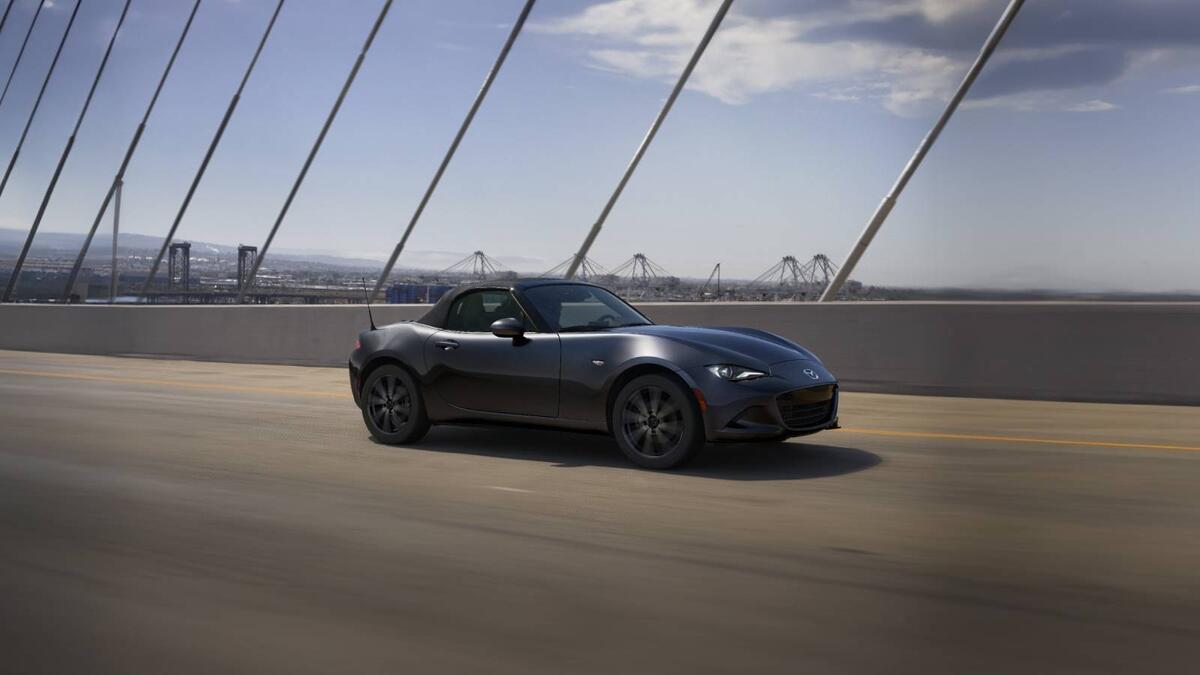
Mazda MX-5 / Miata
"...the showroom? Was it the FDRX seven or was it the Miata? I think the Miata."
Chicago Auto Show
"Today, yeah, for a month, Chicago auto show, 1989 NSX and Miata [941.0s] premiered at the same."
The Chicago Auto Show is a big car event where companies reveal new cars. The hosts bring it up to set the scene for when the NSX and Miata debuted.
The Chicago Auto Show is a major North American event where automakers debut new models and concepts to media and buyers. The hosts reference the 1989 show to highlight how the Acura NSX and Mazda Miata premiered around the same time.
went way long in the tooth
"Chrysler was very relevant and it went way long in the tooth and and didn't didn't work anymore by the end."
“Long in the tooth” means it was getting old or outdated, but it kept going. Here, the hosts are saying Chrysler’s product stayed around too long before it stopped making sense.
“Went way long in the tooth” is an idiom meaning something became outdated but continued anyway. In automotive talk, it usually implies a model stayed on sale past when its design, tech, or competitiveness had moved on.
2.7 liter
"But hey, look, there's a there's a base 2.7 liter 300 Chrysler 300 over here or a seabring or a car or yeah, or right at us."
“2.7 liter” is the size of the engine—how much space the engine’s cylinders have. Bigger displacement often means the engine can make more power, though the exact outcome depends on the design.
“2.7 liter” refers to engine displacement, meaning the total volume of all cylinders combined. It’s a key spec because it strongly influences how much air/fuel the engine can move and often correlates with power and fuel economy.

Chrysler 300
"But hey, look, there's a there's a base 2.7 liter 300 Chrysler 300 over here or a seabring or a car or yeah, or right at us."
The Chrysler 300 is a bigger, more traditional American sedan from Chrysler. In this conversation, it’s mentioned as another car you could buy instead of the PT Cruiser.
The Chrysler 300 is Chrysler’s large, rear-wheel-drive (in many trims) full-size sedan that became a mainstream “big American” alternative in the 2000s. Here, it’s name-dropped as a nearby comparison point to the PT Cruiser’s pricing and market positioning.
Plymouth
" [1086.9s] Chrysler, Dodge, was Plymouth. [1090.1s] Oh, Plymouth was dead by then. [1092.2s] Whatever."
Plymouth was a car brand that used to be part of Chrysler. The host is saying that brand was no longer around at the time they’re talking about.
Plymouth was a U.S. automaker brand under Chrysler, known for entry-level models and a wide dealer presence. The transcript references it as being “dead by then,” pointing to how brand lineups can disappear while dealers and shoppers move on.
Dodge
" [1085.5s] Dealers like there were others. [1086.9s] Chrysler, Dodge, was Plymouth. [1090.1s] Oh, Plymouth was dead by then."
Dodge is a car brand associated with Chrysler. In this segment it’s mentioned to explain how different brand names were connected in the past.
Dodge is a Chrysler-owned American brand that has often been positioned as more performance-leaning than some of its sister brands. Here, it’s mentioned alongside Chrysler and Plymouth to make a point about how brands overlap and evolve over time in the U.S.
Ken blocks of the world
" [1134.6s] It got enthusiasts interested in Subaru and whether that was both that [1138.2s] whether that was also bolstered by the Ken blocks of the world [1141.4s] and and on on, who knows."
Ken Block is a famous driver and online personality known for flashy rally-style driving. The host is saying that kind of fame can help make people interested in certain performance cars.
Ken Block is a well-known motorsport and media personality associated with rally-style driving and Gymkhana videos. The transcript uses him as an example of how modern motorsport stars can help build interest in a performance car like the WRX.
entry level sports sedan
" [1149.5s] I would put that in an anti-halo car category of like, [1153.4s] this is an entry level sports sedan [1158.1s] that got asses in the door and really got people to consider other offerings"
An “entry level sports sedan” is a regular sedan that’s made to feel sporty, but it’s not the most expensive performance car the brand offers. It’s meant to be a more affordable way to get into “fun” driving.
“Entry level sports sedan” refers to a sedan positioned as a relatively affordable way to get sporty driving traits—handling, steering feel, and performance—without stepping up to the brand’s pricier models. In this context, it describes the WRX’s role as an accessible performance option that still attracted enthusiasts.
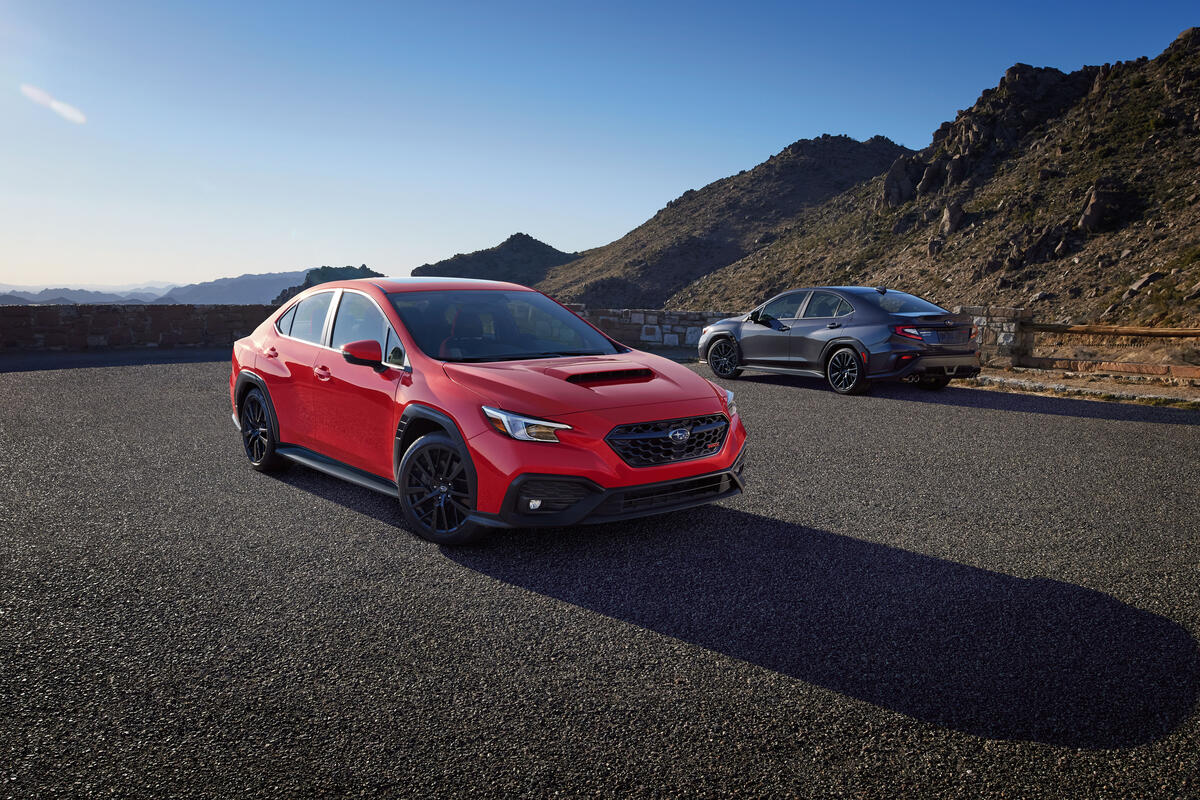
WRX
"We asked for more because the rest of the world had been getting WRX. It's been getting STIs. We did not have the STI in 02 and 03 here in the States."
The Subaru WRX is a performance Subaru with a turbo engine. The hosts are saying the WRX was the “regular” option they got, instead of the more hardcore STI.
The Subaru WRX is a turbocharged, rally-bred compact sedan/wagon that became a mainstream performance icon. In this segment, the hosts contrast it with the higher-status Subaru STI, which is the more track-focused version.
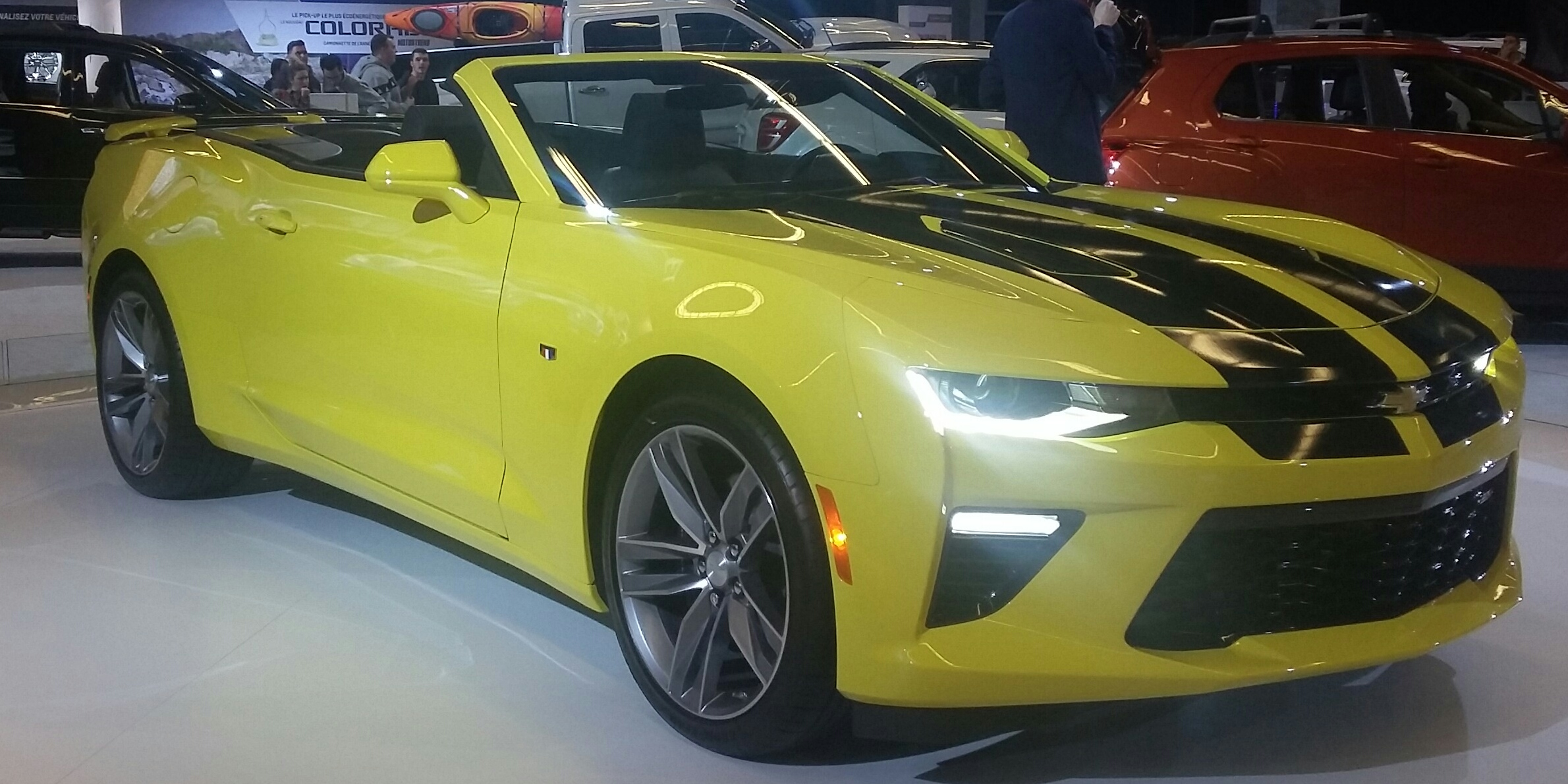
Chevrolet Camaro
"Dude, because so a lot of us were driving like V8 catfish Camaros."
They’re talking about a Chevrolet Camaro from a styling era people nickname “catfish.” The point is that it’s the classic American way—using a V8 engine for power.
The Camaro is a Chevrolet muscle car, and “catfish” is a nickname for a particular styling era that looks like a catfish’s head. Pairing it with “V8” highlights the classic American formula: big-displacement V8 power in a relatively affordable package.

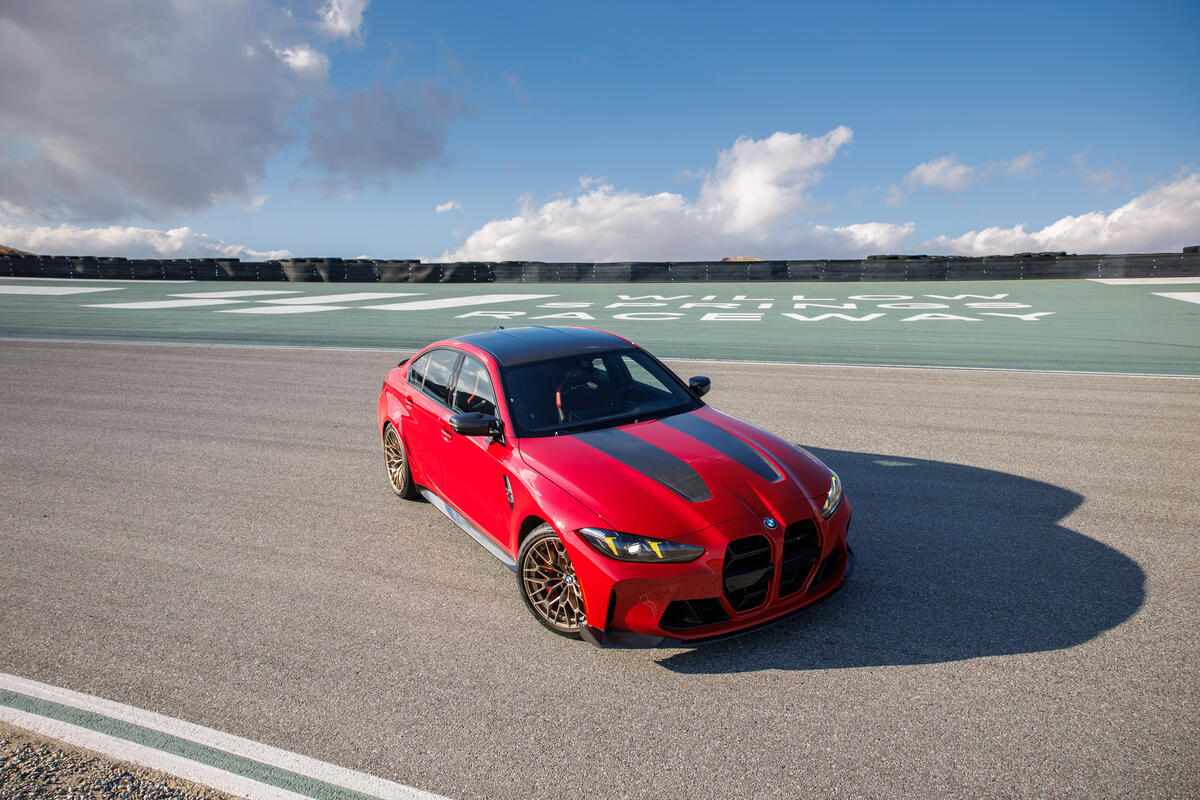
E36 M3
"Except for the M3. But like E36, 325s or 323s are not top of the line. But I'm sure you could go look at an E36 M3."
The BMW E36 M3 is a performance version of the older BMW 3 Series (from the E36 generation). The point they’re making is that the M3 is the one people notice, more than the regular 3 Series models.
The BMW E36 M3 is the M3 built on the E36-generation 3 Series platform (1990s), and it’s one of the most influential “driver’s car” M cars. The hosts use it to contrast the attention-grabbing M3 with other E36 3 Series variants like 325s/323s.
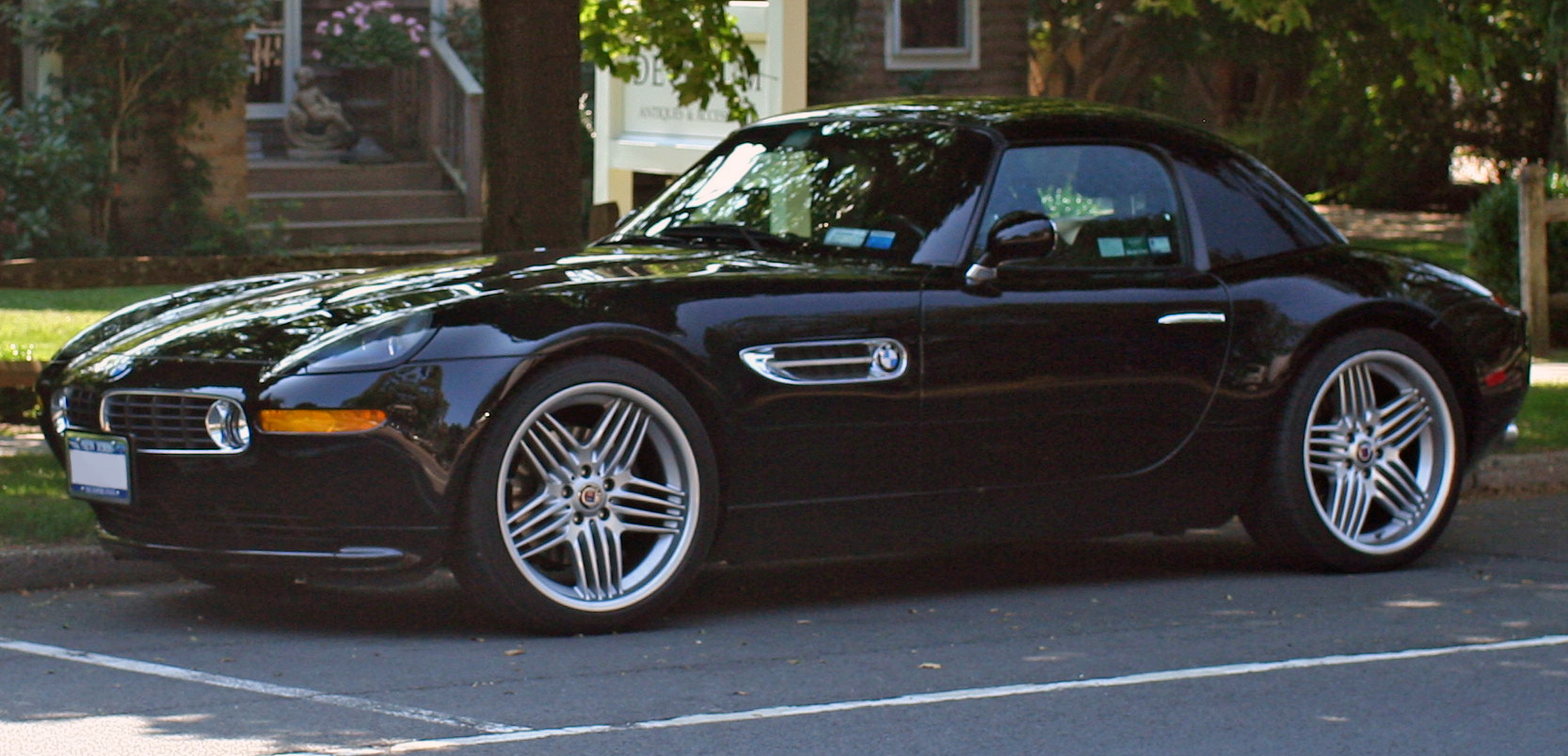

BMW Z8
"I don't consider any M cars, halo cars. ... I would consider a Z8, a halo car."
The BMW Z8 is a rare, stylish BMW roadster known for being a special, enthusiast-focused car. It’s not a common daily driver—it’s more of a “wow” car. The hosts mention it as an example of a halo car.
The BMW Z8 is a limited-production roadster from BMW that’s famous for its retro styling and for being powered by a high-performance V8. It’s often discussed as a “halo” type car because it’s rare, visually iconic, and aimed at enthusiasts rather than mass-market buyers. In this segment, the hosts explicitly call the Z8 a halo car.

Chevrolet Corvette
"I see a ZR or a Corvette, a halo car, like a ZO, like a Z."
The Chevrolet Corvette is a famous American sports car that enthusiasts often see as a top-tier model. In this segment, the hosts are using it as an example of a car that can feel like a brand’s “headline” vehicle. They’re debating which cars deserve that halo status.
The Chevrolet Corvette is a long-running American sports car line known for strong performance and a reputation as a “serious” enthusiast car. In this discussion, the hosts group the Corvette with other cars they consider “halo” candidates, implying it represents a brand’s top-tier excitement. They specifically mention it alongside a BMW ZR one (likely a Z-series reference) and other halo examples.

Ford Mustang GTD
"... looking for GT is very much a halo car. Right. A Mustang GT is not a halo car. No, but I think a GT 500 is ge..."

Shelby GT500
"A Mustang GT is not a halo car. No, but I think a GT 500 is getting close. Maybe. Like a new GT 500, right?"

Ford Mustang GT500
"No, but I think a GT 500 is getting close. Maybe. Like a new GT 500, right?"
The Ford Mustang GT500 is the more extreme, higher-performance Mustang version. The hosts are saying it might qualify as a “halo car,” because it’s more special than a regular GT. They also note that whether something counts can depend on what else is going on in that time period.
The Ford Mustang GT500 is the high-performance, top-trim variant of the Mustang, generally positioned closer to “special” and more exclusive than the standard GT. In this segment, the hosts suggest a GT500 might be approaching halo status—especially a newer one—because it’s more extreme and more likely to feel like a brand’s headline product. They frame it as a “maybe” depending on the era and what else is available at the time.
short life spans
"A lot of halo cars have pretty short life spans, right? Like they're flashing the pan technology things. They sell them for a couple of years."
They’re talking about how the most special cars often don’t stay around for long. When a car is limited and people still want it later, it can become very expensive. The hosts say that’s why some halo cars can keep gaining value over time.
The hosts are describing a pattern where halo cars often have brief production runs or short periods of relevance. Because they’re limited and quickly become “old news,” supply stays tight while demand can spike later. They connect this to the idea that these cars can become extremely expensive and keep appreciating in value.

Subaru SVX
"... that's the standard for halo cars, I think, too. SVX. That was a pretty shit, shit job of a halo car. ..."

Volkswagen Up Volkswagens
"as compared to before when they were making, you know, basically understeer mobiles that are that are tarted up Volkswagen's. Well, at that time of the R8 coming out, the Audi TT was the real hero."
understeer
"basically understeer mobiles that are that are tarted up Volkswagen's."
Understeer is when a car doesn’t “turn in” as much as you want. Instead of following the corner, it tends to slide outward because the front tires lose grip first.
Understeer is when a car turns less than the driver intends—typically the front tires lose grip first, so the car pushes toward the outside of the corner. The hosts use it as a critique of certain older Volkswagen-based designs, implying they felt less agile.

Audi Tt
"Well, at that time of the R8 coming out, the Audi TT was the real hero. ... If they launched a new TT. ... The new Beetle came out."
The Audi TT is a small sporty car with a recognizable design. Here, they’re talking about the earlier TT as a more fun, enthusiast-friendly choice—especially with a manual transmission.
The Audi TT is a compact sports coupe/roadster known for its distinctive styling and, in enthusiast versions, a more driver-focused feel. In this segment, the hosts specifically reference the “original” TT with a six-speed manual as the kind of car they consider genuinely desirable.

Audi RS3
"If you're asking me as far as like desirability, like RS3, cool. The rest of the line, I could not care less."
The Audi RS3 is a hot version of Audi’s smaller cars. It’s made for quick, sporty driving, and the hosts are saying it’s one of the few Audi models they actually like.
The Audi RS3 is a high-performance compact car in Audi’s RS lineup, typically built around a turbocharged engine and a sporty all-wheel-drive setup. In the segment, the hosts call it “cool” while implying the rest of Audi’s lineup doesn’t excite them as much.

Audi RS6
"Even RS5 and honestly, even the RS6, I love that it exists. It it does not make any part of me semi swollen with blood."
The Audi RS6 is Audi’s big, serious performance car. They’re saying they like that Audi makes something this extreme, even if it doesn’t emotionally grab them.
The Audi RS6 is a top-tier performance model known for being extremely fast and often offered as a wagon or sedan depending on generation. The hosts say they “love that it exists,” even if it doesn’t personally excite them the way they want a car to.

Audi RS5
"The rest of the line, I could not care less. Even RS5 and honestly, even the RS6, I love that it exists."
The Audi RS5 is a high-performance version of the A5. In this conversation, they’re basically saying it doesn’t do much for them compared to other picks.
The Audi RS5 is a performance variant of the A5, positioned as a sportier grand-touring option within Audi’s RS range. Here it’s mentioned as part of the lineup the hosts say they don’t care about, contrasting with their approval of the RS3 and the existence of the RS6.

Volkswagen Beetle
"The new Beetle. When the new the new 99 and a half 2000, whatever it was, I guess was 98. The new Beetle came out."
The Volkswagen Beetle is a famous, long-running small car. They’re bringing up the newer version (“new Beetle”) as an example of a model that landed well when it came out.
The Volkswagen Beetle is an iconic compact car with a long production history and a design that became a cultural symbol. The hosts reference the “new Beetle” as a past example of a model launch that felt right for the moment.
Recaro seats
"But like I still want a GLI so bad with the recaro seats from that period. And that one point eight turbo in a six speed manual."
Recaro makes sport seats that grip you better than regular seats. People like them because they help you stay in position when driving hard.
Recaro seats are aftermarket-style performance seats known for strong bolstering that holds you in place during spirited driving. They’re often sought after in enthusiast trims because they feel more supportive than typical factory seats.
1.8 Turbo
"And that one point eight turbo in a six speed manual. Yeah, I guess it'll settle for an early GLX with a manual at the VR six."
“1.8 turbo” means a 1.8-liter engine that uses a turbo to make more power. The turbo helps the engine feel stronger, especially when you accelerate.
A 1.8 turbo refers to a 1.8-liter engine equipped with a turbocharger to increase air intake and boost power. Turbocharged engines can feel punchier than naturally aspirated ones, especially in the midrange.
manual transmission
"And that one point eight turbo in a six speed manual. Yeah, I guess it'll settle for an early GLX with a manual at the VR six."
A six-speed manual is a car where you shift gears yourself using a clutch. It usually gives you more control and can feel more fun to drive.
A six-speed manual is a gearbox where the driver selects gears via a clutch and shift lever, with six forward ratios. Compared with automatics, it gives more direct control over engine speed and can make the car feel more engaging.
VR six
"Yeah, I guess it'll settle for an early GLX with a manual at the VR six. I know that I want that."
“VR6” refers to a Volkswagen engine design that’s like a V6 but made to fit in a smaller space. It’s a specific engine type, not just a normal V6.
“VR six” is shorthand for Volkswagen’s VR6 engine family, which uses a narrow-angle V configuration to package a V6 more compactly. It’s known for a distinctive sound and a balance of power with packaging efficiency.
BBS wheels
"I want the recaro's and I want those BBS wheels. And the factory."
BBS makes popular sport wheels. People want them because they look great and are known for being well-made.
BBS is a wheel brand famous in the enthusiast world for lightweight, high-quality alloy wheels. “BBS wheels” are often treated as a desirable upgrade because they can improve steering feel and add a classic motorsport look.
Ford Mustang
"The O.G. Ford Mustang, we talk about, like you mentioned, like the O.G. Yeah, the ninety percent of Mustang sold, our six cylinder. Yeah, cheap as hell, basic transportation, but like sexy."
The Ford Mustang is a famous American sports car. Here they’re talking about the early, cheaper Mustang versions—ones that weren’t the top performance models, but were still stylish and affordable.
The Ford Mustang is a mid-1960s American pony car that became a mass-market icon. In this segment, the hosts specifically contrast the “OG” Mustang with more expensive performance variants, emphasizing the base six-cylinder as affordable “basic transportation” that still looked good.
six-cylinder
"Yeah, the ninety percent of Mustang sold, our six cylinder. Yeah, cheap as hell, basic transportation, but like sexy."
A “six cylinder” is an engine with six combustion chambers. It’s often used as the cheaper, more everyday option compared with bigger, higher-performance engines.
A “six cylinder” engine has six cylinders working together to produce power. In the context of the early Ford Mustang, it refers to the base engine choice that made the car cheaper and more accessible than the high-performance V8 variants.

Ford Gt350
"That altered the trajectory of the American car. Yeah, and not because of, you know, the GT 350 or the, you know, the two plus two, you know, K code 289 GT, those are great."
K code 289 GT
"Yeah, and not because of, you know, the GT 350 or the, you know, the two plus two, you know, K code 289 GT, those are great."
“K code” is a factory engine designation used by Ford to identify a specific high-performance 289 V8 setup. The “289 GT” refers to the performance trim/engine combination, and in this segment it’s brought up as a more serious performance Mustang compared with the base cars.
two plus two
"the two plus two, you know, K code 289 GT, those are great."
“Two plus two” means the car has seats for four people: two full seats up front and two smaller seats in back. It’s a common way to describe certain coupes.
“Two plus two” is a body/seat configuration meaning two front seats plus two smaller rear seats. The hosts use it to describe a Mustang variant contextually associated with the performance discussion (alongside the GT 350 and K code 289 GT).

Ford Escort
"Ford repeated that magic with the 1987 Ford Escort. So this is what it would have been known."
The Ford Escort is a smaller, everyday Ford model. They’re saying Ford used a similar formula later—selling a lot of them by keeping the car affordable while still making it appealing.
The Ford Escort is a compact car line that Ford used to repeat a similar “mass-market magic” strategy—selling huge numbers by offering an affordable, good-looking option. The hosts specifically mention the 1987 Ford Escort as a later example of that approach.
Nissan 510
"Whether that be Nissan launching, you know, a 510 Like I talked about."
The Nissan 510 is an old-school compact Nissan that became a favorite with car fans because it was fun to drive and easy to modify. The hosts are referencing it as an example of the kind of “want it” car they think companies should make.
The Nissan 510 is a classic compact sedan/coupe from the late 1960s and early 1970s that became popular with enthusiasts for its simple, tunable platform. In this discussion, it’s used as an example of a model that could have strong appeal if Nissan built something with that kind of enthusiast-friendly character.

Cadillac Cimarron
"Or, you know, well, Cadillac shouldn't launch a Cimarron."
The Cadillac Cimarron is an older Cadillac model that many enthusiasts see as disappointing compared to what the brand name usually promises. The point here is that the hosts think Cadillac shouldn’t have gone that direction.
The Cadillac Cimarron is a late-1970s/early-1980s compact-based Cadillac that’s often remembered as a misstep. The hosts mention it to illustrate the idea of a “wrong” halo-style move—using a badge without delivering the kind of desirability people expect from Cadillac.
EV
"and is kind of hemming and hawing about like, I don't know, electric cars are doing a lot for me, except for what?"
“Electric cars” are cars that run mostly on electricity stored in a battery. You usually charge them by plugging them in, and that’s why some people are still deciding whether they want one.
“Electric cars” refers to passenger vehicles powered primarily by electricity from a battery, typically recharged by plugging in. In this segment, it’s used as the broader category of vehicles people are “hemming and hawing” about.
stripper spec
"I agree. Stripper spec, it's missing. We talked about it ad nauseam, right?"
“Stripper spec” just means the cheapest, most basic version of a car. It usually has fewer features so the price stays lower.
“Stripper spec” refers to a base or minimal-trim configuration with fewer features and options. In pricing discussions, it usually means trying to keep the entry price low by omitting convenience, comfort, or tech equipment.
upselling
"We need but in today's marketplace, there's so much upselling. There's technology, you know, you know, just scope creep."
Upselling is when a salesperson (or the sales process) pushes you to buy a more expensive version of the car. Here, it’s mentioned as part of why entry-level pricing is hard to keep low.
Upselling is the practice of encouraging customers to move from a base model to higher-trim or option packages. The segment frames upselling as a reason it’s difficult for car companies to maintain a low entry price.
price creep
"There's technology, you know, you know, just scope creep. There's technology, you know, technology, safety, all that obviously adds to price creep, right?"
“Price creep” means car prices slowly go up over time. Even if the car doesn’t change much, adding extra features and safety stuff can push the price higher.
“Price creep” is the gradual rise in a vehicle’s price over time as more requirements and features are added. In this segment, it’s tied to added technology and safety content that increases cost, making it harder to offer a truly low-cost entry model.
scope creep
"There's technology, you know, you know, just scope creep. There's technology, you know, technology, safety,"
“Scope creep” means the plan keeps growing—more features get added than originally intended. In cars, that can make the final car cost more.
“Scope creep” is when a project’s requirements expand beyond the original plan—often adding more features or complexity than intended. In car development, that can mean more systems and tech get included, which raises cost and makes it harder to keep an affordable target price.

Scion Xb
"If the Scion XB came back, but not a scion, right? Or like that was a pretty basic transportation product."
The Scion XB was a small, box-shaped hatchback. It was meant to be practical, but people liked it because it looked different and felt more fun than a typical commuter car.
The Scion XB is a boxy, compact hatchback that Scion sold in the U.S. It became popular because its simple, practical “transportation” formula was made more appealing through styling and a youth-focused brand image.
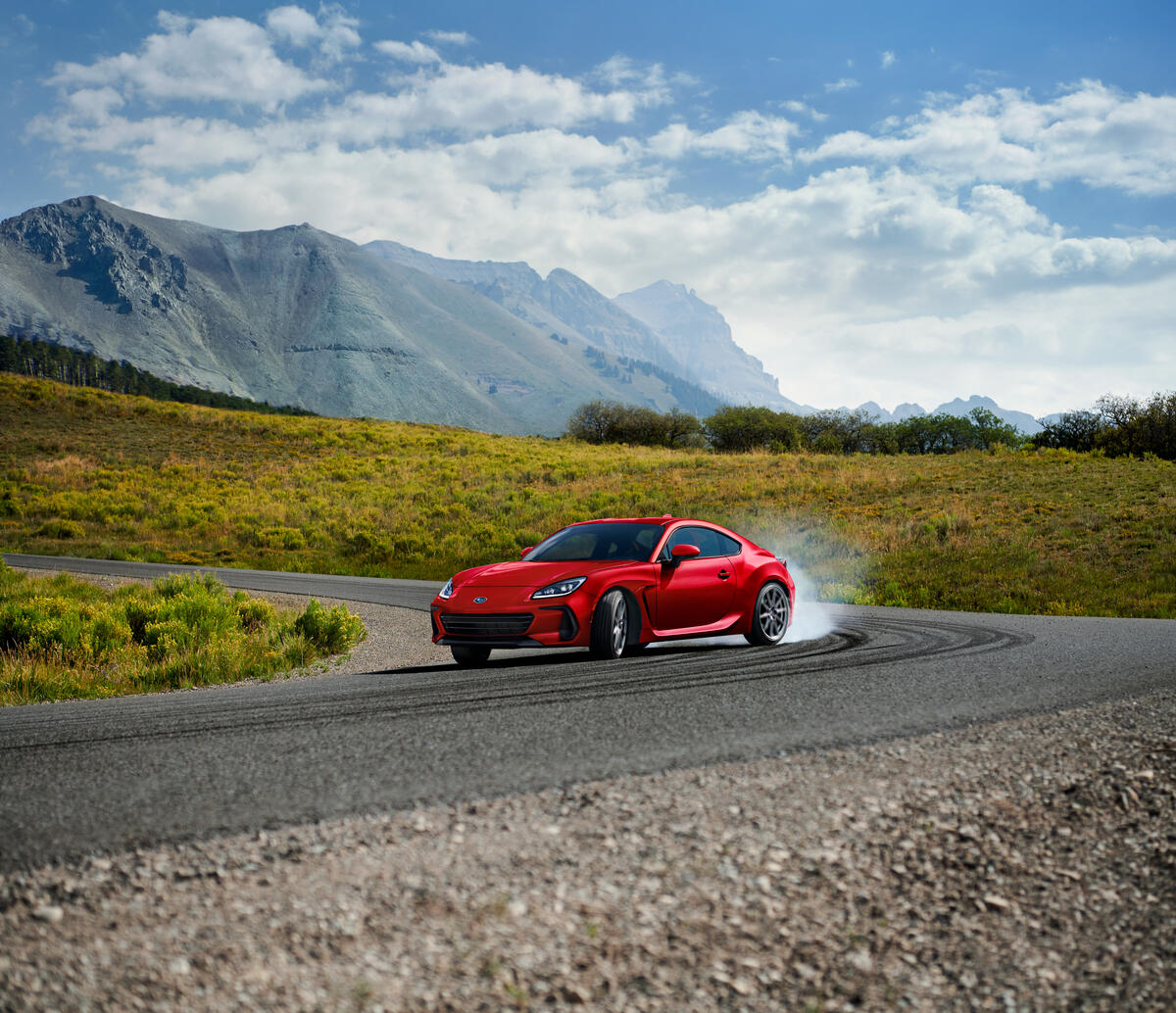
BRZ FT 86
"The the BRZ FT 86, whatever we're calling it nowadays. FRS twins originally."
The BRZ and the Toyota 86 are two similar sports cars that are meant to be affordable and fun. They’re not the flashy “top-of-the-line” kind of car—more like a driver’s car you can actually buy.
The BRZ and the Toyota 86 (often discussed together as the “FT-86”/“86” platform) are lightweight, rear-wheel-drive sports cars built as a joint project between Subaru and Toyota. They’re known for being affordable, simple, and fun to drive rather than expensive halo supercars.
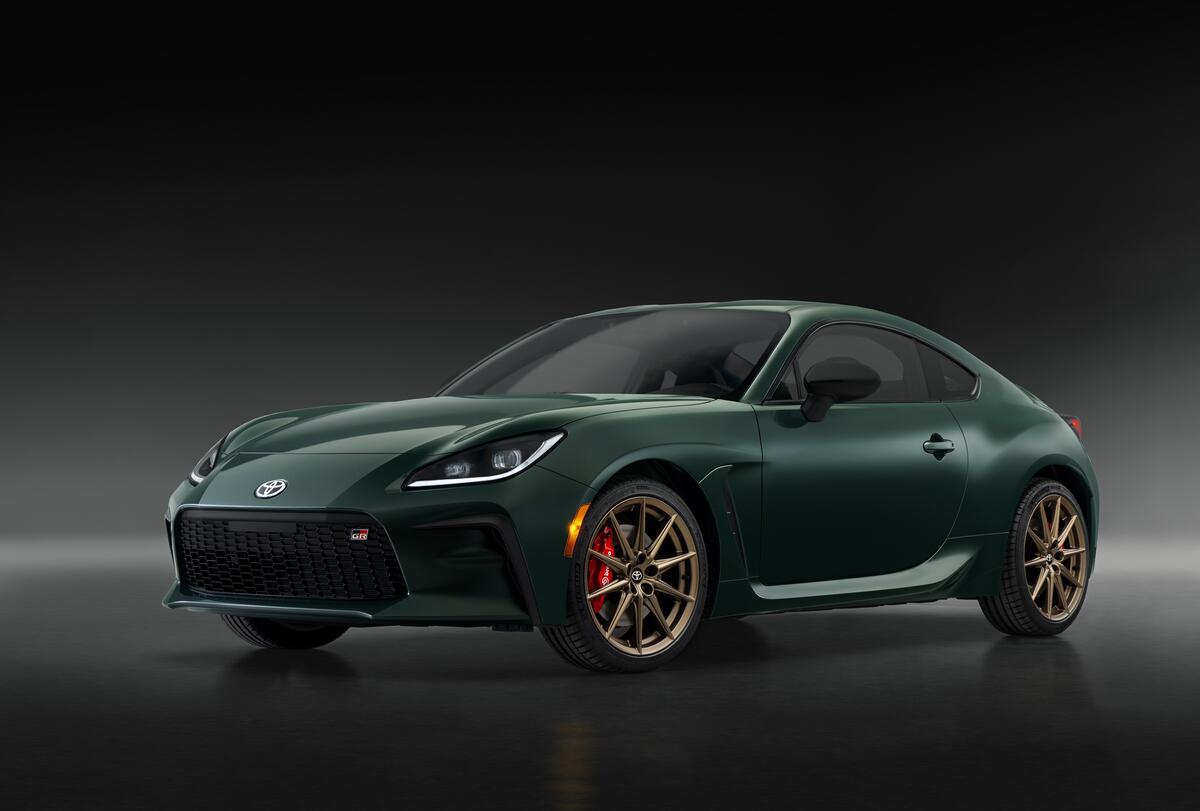
Toyota Gr86
"Yeah, the GR 86 now and 86. It changes like once an hour."
The GR 86 is Toyota’s newer take on the 86 sports car. It’s designed to be light and fun, and it shares a lot of the same basic idea as the Subaru BRZ.
The GR 86 is Toyota’s modern version of the 86 sports car, continuing the lightweight, rear-drive formula. It’s part of the same overall sports-car concept as the Subaru BRZ, but with Toyota branding and tuning.

Honda Crz
"There's been carting the Honda CRZ was a failed attempt at an anti halo car."
The Honda CR-Z was Honda’s attempt at a sporty, stylish small car. The hosts are saying it didn’t quite become the kind of exciting “regular-person” car they were hoping for.
The Honda CR-Z is a compact hatchback that Honda marketed as a sporty, “cool” alternative to mainstream commuters. In this segment, it’s called out as a failed attempt at an “anti-halo” car—meaning it didn’t fully deliver the emotional appeal of a halo sports car at a lower price.

Hyundai Veloster
"but I would say that the Veloster. Ultimately, I love a Veloster N."
The Veloster N is the sporty, track-oriented version of the Veloster. It’s meant to be fun and fast without costing as much as the most expensive performance cars.
The Veloster N is the performance-focused version of the Hyundai Veloster, branded under Hyundai’s N line. It’s notable because it aims to deliver real driving excitement at a price point below typical “halo” sports cars.

Ford Maverick
"Let's get the when the Ford Maverick first launched and it was like 22000 dollars. ... Now it's like 30. Yeah. But creeped up. It's just cheap now, apparently."
The Ford Maverick is a smaller pickup truck that Ford marketed as a cheaper way to get into a truck. The hosts are pointing out that its price has changed over time, which affects how "cheap and inviting" it feels to buyers.
The Ford Maverick is a compact pickup that was positioned as an affordable entry point to the truck world when it launched. In this segment, the hosts use its early low price versus later higher pricing to illustrate what an "anti-halo" strategy looks like in practice.

Lexus Lc500
"I think it looks pretty good. It's unique. The problem with an LFA is that an LC 500 is like. Didn't exist at the time, Frank."
convertible
"It was designed from the outset to be a convertible. It has a structurally reinforced chassis and sports suspension that loves bumpy roads and patchy pavements."
A convertible is a car where the roof can be folded down or removed. Since the roof helps the car stay stiff, convertibles usually have extra strengthening so they don’t feel flimsy.
A convertible is a car with a roof that can be removed or folded down, turning it into an open-top car. Because removing the roof reduces structural stiffness, convertibles typically rely on extra reinforcement to keep the body rigid.
structurally reinforced chassis
"It was designed from the outset to be a convertible. It has a structurally reinforced chassis and sports suspension that loves bumpy roads and patchy pavements."
A reinforced chassis means the car’s frame/body is strengthened. Convertibles need this because the roof is gone, and the roof normally helps keep the car stiff and solid.
A structurally reinforced chassis means the car’s body structure is strengthened to maintain rigidity and crash protection. This is especially important on convertibles, where the missing roof would otherwise reduce stiffness and worsen handling and noise/vibration.
sports suspension
"It has a structurally reinforced chassis and sports suspension that loves bumpy roads and patchy pavements. Well, on top of that, there's our top triple layered hand fitted with a real glass window."
Sports suspension is a suspension setup tuned to make the car feel more controlled and responsive. It usually handles bumps and steering inputs in a more “driver-focused” way than a softer setup.
Sports suspension is a suspension setup tuned for more responsive handling, often with firmer springs and/or different damping than a comfort-focused setup. It’s designed to control body motion so the car feels more agile, even over rough surfaces.
triple layered hand fitted
"Well, on top of that, there's our top triple layered hand fitted with a real glass window. And with a five speed, close ratio, gearpox and a one point eight liter fuel injected engine."
A triple-layer convertible top uses three layers of material instead of one, which helps keep out noise and improve insulation. “Hand fitted” means the roof is put together and aligned carefully by people rather than just by machines.
A triple-layer top refers to a convertible roof made from three layers of material, typically to improve insulation and reduce wind noise. “Hand fitted” suggests the roof components are assembled and aligned manually for better fit and finish.
five speed, close ratio
"And with a five speed, close ratio, gearpox and a one point eight liter fuel injected engine. It's not just the lack of a roof that'll make your hair stand on end."
Close-ratio means the gaps between gears are smaller. That helps the engine stay in the “right” rev range more often, so the car feels more lively when you drive it hard.
A close-ratio gearbox means the gear steps are spaced closer together than in a typical transmission, so the engine stays nearer its power band during acceleration. This usually makes the car feel quicker to respond when you’re shifting frequently.
fuel-injected engine
"And with a five speed, close ratio, gearpox and a one point eight liter fuel injected engine. It's not just the lack of a roof that'll make your hair stand on end."
A fuel-injected engine uses sensors and injectors to spray fuel in a controlled way. That usually makes the engine respond better and run more efficiently than older carburetor setups.
A fuel-injected engine delivers gasoline using electronically controlled injectors rather than a carburetor. Fuel injection helps with more precise fuel metering, which generally improves throttle response and efficiency.

Eagle Premiere
"1987 Eagle premiere can know AMC Alliance convertible final answer"
country of origin
"Was that your best guess? No, absolutely not you would country of origin help and it's been a long day Or cotton it of origin what what can I do to help you?"
“Country of origin” just means which country the car is officially considered to come from. It can matter for rules, paperwork, and labeling.
“Country of origin” is the country where a product (here, a car) is considered to have been made for legal, regulatory, or labeling purposes. Automakers and import rules often use it to determine compliance requirements and how the vehicle is classified.
Renault
"Because that that would have been a Renault product Renault product We've already done the flay go my friend I know the AMC Alliance"
Renault is a major French automaker that the speaker associates with the car’s likely origins or engineering. In this context, it suggests the Alliance may have had shared development influences or components tied to Renault’s involvement.
captive import
"Blank by blank unless it's not a fucking captive import which would be weird And then just like meeting into some bullshit."
A “captive import” is basically a car that’s tied to another company’s design or production, even though it’s sold under a different brand. It’s like the brand is “borrowing” the car from a partner.
A “captive import” is a vehicle that’s effectively imported or engineered by a partner company but sold under another brand, often with shared platforms and components. The term is used when the car isn’t truly “homegrown” in engineering or manufacturing, even if it carries the local brand’s name.
BMW 318 cab
"but there are people [2786.8s] Hurdling there. Yeah, there are I'm just gonna say this is a [2792.0s] 1985 [2795.5s] BMW 318 cab [2797.8s] Financer oh, that's you were much warmer."
This is a BMW 318 cabriolet, meaning a 3 Series convertible from the 1980s. The hosts are debating whether it was truly designed as a convertible first, or if it was more of a later adaptation.
The BMW 318 cab refers to a BMW 3 Series cabriolet (convertible) from the 1980s. The key enthusiast detail here is that the 318 cab is being discussed as a convertible variant rather than a car originally designed around being a convertible from the start.
CIS
"[2862.9s] Fuel injected which means lots of things CIS could be"
CIS is a specific older style of fuel injection used on some European cars. It’s not the same as newer electronic fuel injection, and it works in a more mechanical/pressure-based way. Knowing CIS helps you identify what kind of injection system the engine has.
CIS refers to Bosch’s “Continuous Injection System,” a mechanical fuel-injection setup used on some European cars. It meters fuel continuously based on airflow and control pressures, and it’s distinct from later electronic fuel injection systems.
Cabrio
"[2868.6s] It's not a cabrio [2871.6s] It's not anything from from"
“Cabrio” is just another word for a convertible. It means the car is designed to have an open-top roof that can fold down. The host is saying the car they’re talking about isn’t one of the obvious convertible candidates.
“Cabrio” is a German term commonly used to mean a convertible—an open-top body style with a folding roof. The host is using it to eliminate candidate cars that aren’t built as true convertibles.
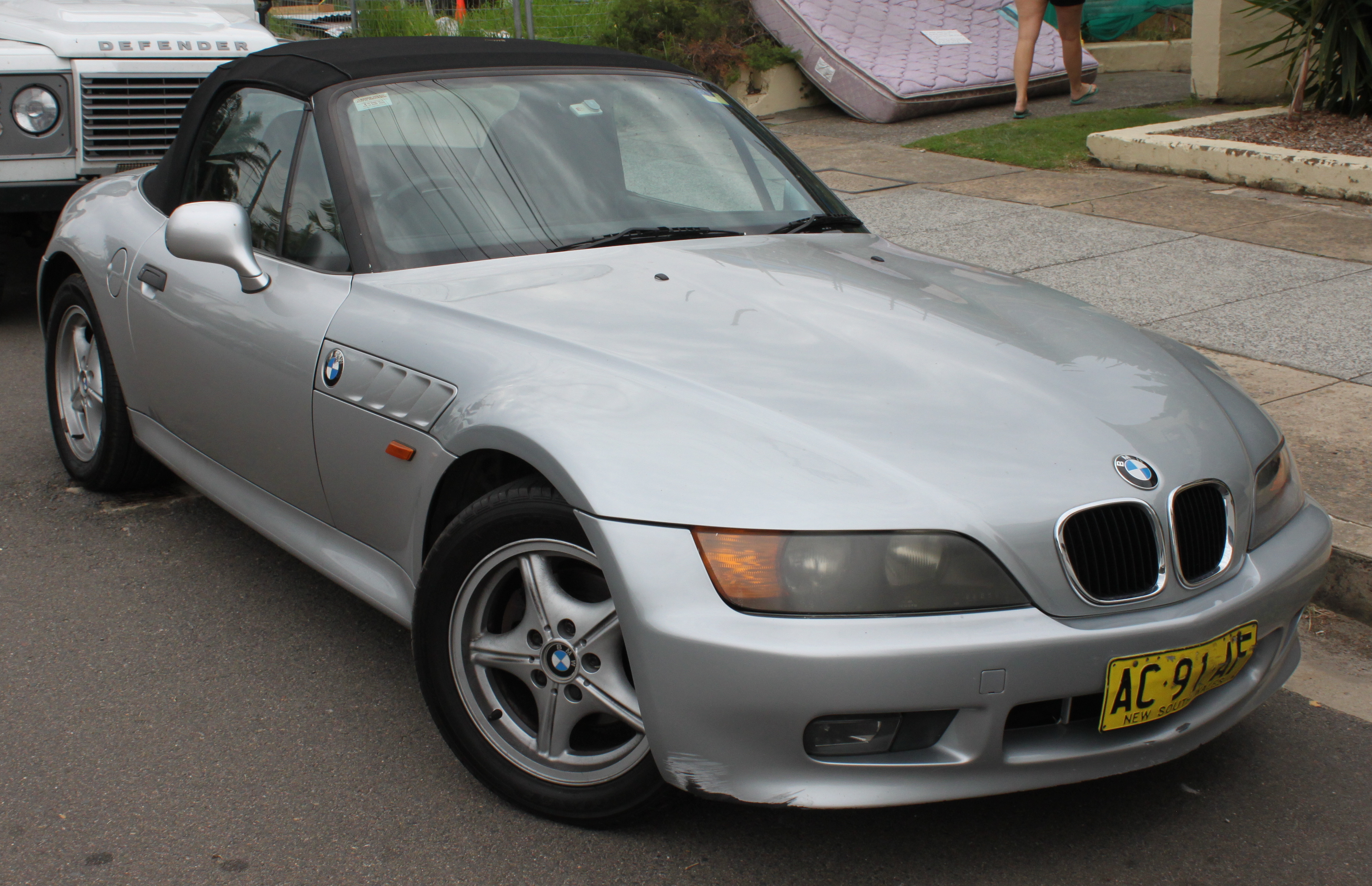
BMW Z3
"[2886.3s] Probably not what fucking second product could this be [2894.2s] It's it's not a Z3 Z1"
The BMW Z3 is a classic BMW roadster/convertible from the 1990s. It’s often remembered as an affordable way to get a rear-wheel-drive BMW driving feel. In this segment, it’s just one of the cars being considered and rejected.
The BMW Z3 is a 1990s-era BMW roadster/convertible that became popular as an entry-level “fun” BMW. The host mentions it alongside the Z1 while narrowing down what convertible they’re thinking of.

BMW Z1
"[2886.3s] Probably not what fucking second product could this be [2894.2s] It's it's not a Z3 Z1"
The BMW Z1 is a small BMW roadster/convertible-style car with a very distinctive design, including doors that slide out in a unique way. Here it’s mentioned as one of the possible cars the host is ruling out.
The BMW Z1 is a compact roadster known for its unusual “pop-out” sliding doors and its lightweight, driver-focused design. In this segment, the host is using it as a comparison point while trying to identify a different convertible candidate.
a1 chassis car
"[2904.8s] Cabrio doesn't count because it's not I mean it's very much. It's an a1 chassis car even an 89"
A “chassis” is the car’s main structure/platform. When someone says “A1 chassis,” they mean a particular platform family that can be used for multiple body styles. The host is arguing that this car’s base structure wasn’t originally designed specifically for convertibles.
“A1 chassis” refers to a specific platform/chassis family used by a manufacturer (in this context, the host is treating it as a named architecture). The point is that the car’s underlying platform is shared with non-convertible variants, so it wasn’t “built from the ground up” as a convertible.

1989 Volkswagen Cabrio
"This is a 1989 Volkswagen Cabrio final answer wrong. It'd be a two-liter anyways it wouldn't ... It's a 1989 Volkswagen Cabrio lay"
This is a 1989 Volkswagen Cabrio, a convertible version of a VW model from that era. The big point is whether it was designed as a convertible from the start or just modified after the fact.
The Volkswagen Cabrio (1989) is a late-1980s open-top version of the VW Golf platform, built as a factory-style convertible rather than a modern soft-top. In this segment, the hosts argue about whether it was designed from the ground up as a convertible, which matters because some convertibles are “converted” from a coupe/body shell while others are engineered specifically for open-top use.
PCP
"And do a little PCP to take that edge off to soften the blow. Yeah, PCC is that fair?"
PCP is a type of car payment plan where you make monthly payments and then deal with a bigger final payment at the end (or return the car). They’re using it as a joke about softening the blow.
PCP most commonly means “personal contract purchase,” a UK-style car finance plan where you pay an initial deposit and then monthly payments, usually with a final balloon payment or an option to return the car. In this segment it’s mentioned as something to “take the edge off,” implying a finance/ownership context rather than a car component.

Ford Focus
"Um [3119.1s] I'm so unhappy with the Ford Focus man. It bro. What is going on in the process of just getting my goat by the screw"
A Ford Focus is a compact car you can buy new or used. Here, the speaker is working on one because it’s running badly and they’re trying to find what part is causing the problem.
The Ford Focus is a compact car that’s often used as a practical daily driver—and it’s also a common platform for DIY repairs. In this segment, the host is troubleshooting a rough-running issue on a Ford Focus, which makes it the specific “why this matters” car for the discussion.
valve cover gasket
"Simplest fucking thing in the world. He's still talking about valve cover comes off because the valve cover [3137.2s] Gasket is leaking. Yeah."
The valve cover gasket is a rubber seal that keeps oil from leaking around the top of the engine. If it fails, oil can get where it shouldn’t and cause running problems.
A valve cover gasket seals the valve cover to the cylinder head to keep engine oil from leaking. When it leaks, oil can drip onto ignition components or wiring, which can contribute to misfires and rough running.
spark plugs
"Spark plugs easy. I have new ones motorcraft OEMs. Oh put those in there. Perfect. We love it [3152.6s] Put it together started it up."
Spark plugs are the small parts that create the spark to light the fuel in the engine. If they’re old or wrong, the engine can run rough, so replacing them can help diagnose the issue.
Spark plugs ignite the air-fuel mixture in each cylinder. Worn or incorrect spark plugs can cause misfires, poor throttle response, and “rough running,” so swapping in new ones is a common diagnostic step.
Request an Explanation
Heard something you'd like explained? We'll add it to this episode.
Sign in to request explanations for terms you heard.
Want to learn more?
Browse our glossary for plain-English explanations of automotive terms, jargon, and concepts.
Help improve this episode
See something that's not quite right? Our annotations are AI-generated and can sometimes miss the mark. Click the flag icon on any annotation to suggest a correction.