This is the Mitsubishi Outlander SUV, but the PHEV means it’s a plug-in hybrid. You can charge it with electricity, and it also has a gas engine for longer trips.
The Nissan Rogue is a popular everyday SUV. Here it’s mentioned as a comparison point for what the Outlander PHEV felt like to the host—basically, “not very special.”
A platform is the shared “base” design that multiple cars use. If two cars share a platform, they’re built on similar underlying structure even if they look different.
A plug-in hybrid is a car that uses both a battery and a gas engine. You can charge the battery from a plug, and the hosts are saying the charging/electric part works as intended.
A refresh is an update to a car partway through its life. It usually means changes like new tech or tweaks, and in this case they’re saying the big change is a larger battery.
Trims are different versions of the same car with different features. If there are lots of trims, it can be hard to tell which exact one someone drove.
This is a way of describing a car that mostly drives like an electric vehicle, but has a way to keep going when the battery isn’t enough. The host is saying the Outlander PHEV is similar in feel, but not exactly the same system.
A series hybrid is a hybrid setup where the wheels are driven by electric motors, while the gasoline engine primarily generates electricity (or charges the battery) rather than directly powering the wheels. This can improve efficiency in certain conditions because the engine can run in a more optimal range.
A clutch is a connection that can lock or unlock the engine’s power to the drivetrain. It’s how the car decides when the gas engine should directly help move the wheels.
Drive mode is a setting that changes how the car drives. On a plug-in hybrid, some modes can make the engine start sooner or change how it uses battery power.
Real-world range is how far the car goes in everyday driving, not just in a lab test. Here, the host says they got slightly more than the advertised range.
The Toyota RAV4 plug-in hybrid is another plug-in hybrid the hosts compare against. They’re using it to talk about how much electric-only range you can realistically expect versus the Outlander PHEV.
The Prius plug-in is another plug-in hybrid used for comparison. The host mentions it can go about 72 km on battery, depending on the version, and suggests the Outlander is in that same ballpark.
MPGe is a comparison number that translates electricity use into an MPG-like figure. It helps you compare an electric or plug-in hybrid’s efficiency to a gas car using one common scale.
MPG tells you how far the car can go on one gallon of gas. The host is pointing out the difference between the “equivalent” efficiency number and the actual gas MPG rating.
Level 2 charging is faster than plugging into a regular outlet. It usually needs a dedicated home charger, and it’s the most common way to charge EVs at home.
DC fast charging is the quickest way to charge an EV at public stations. It uses higher power than normal home charging, so you can add a lot of battery in less time.
Safety features are the car’s systems that help prevent crashes or reduce harm if something goes wrong. The host is saying the settings should be clear so you can use or turn them off without confusion.
Infotainment is the car’s screen system for things like music, maps, and settings. It’s basically the dashboard computer you interact with while driving.
Android Auto is how you connect an Android phone to the car so certain apps show up on the car’s screen. The host is saying Toyota’s built-in screen doesn’t do much, so Android Auto becomes the main workaround.
The gauge cluster is the screen or panel behind the steering wheel that shows things like speed and warnings. They’re saying some safety settings are controlled there instead of on the main touchscreen.
They’re saying Lexus does the same kind of thing as Toyota with its screens and settings. In their view, some safety-related settings are harder to access because you have to use the instrument cluster instead of the main screen.
A cargo cover is the panel that sits over the trunk area to hide what’s inside. The host says this one is awkward to slide in and out and gets scuffed quickly.
“Tarmac” is a mode meant for regular paved roads. It’s designed to make the car feel more controlled on pavement, not necessarily to go faster using the battery.
“Mud mode” is for when the ground is very slippery. It helps the car apply power more gently so the wheels don’t just spin and sink.
Term
ICP stuff
The host mentions “ICP stuff,” but they don’t explain what ICP stands for in this clip. It sounds like they mean the car’s usual traction/handling features, but the exact acronym meaning isn’t confirmed here.
A Velcro strap is a hook-and-loop closure. In this case, it’s used to keep something from bouncing when you drive over bumps, so you have to remember to fasten it every time.
The Mitsubishi Outlander PHEV is a family SUV that can run on electricity some of the time and also uses a gas engine. Here, they’re talking about how much room you get with the third row and how it stacks up against other similar plug-in SUVs.
The Hyundai Tucson is one of the other compact SUVs the host brings up as a cheaper alternative. They point out it’s a two-row SUV, so it doesn’t offer the third row the Outlander has.
“Near luxury” means the car tries to feel like a more expensive luxury model—better materials, nicer feel, and more features—while still being a regular-brand vehicle.
The Mitsubishi Eclipse Cross is a smaller SUV/crossover model. They’re saying it was redesigned, but most people don’t recognize it as much as the Outlander.
The Mitsubishi Outlander Sport is a smaller crossover. The point here is that it hasn’t been updated in a long time, so it feels behind compared with newer competitors.
Car
RVR
RVR is the name Mitsubishi uses in Canada for a smaller crossover related to the Outlander Sport. The hosts are saying it hasn’t been refreshed in a long time compared with other small crossovers.
The Hyundai Santa Fe is mentioned as a bigger, pricier option that’s similar in some ways. The hosts are also wondering whether it’s offered as a plug-in hybrid, which changes how it compares to the Outlander.
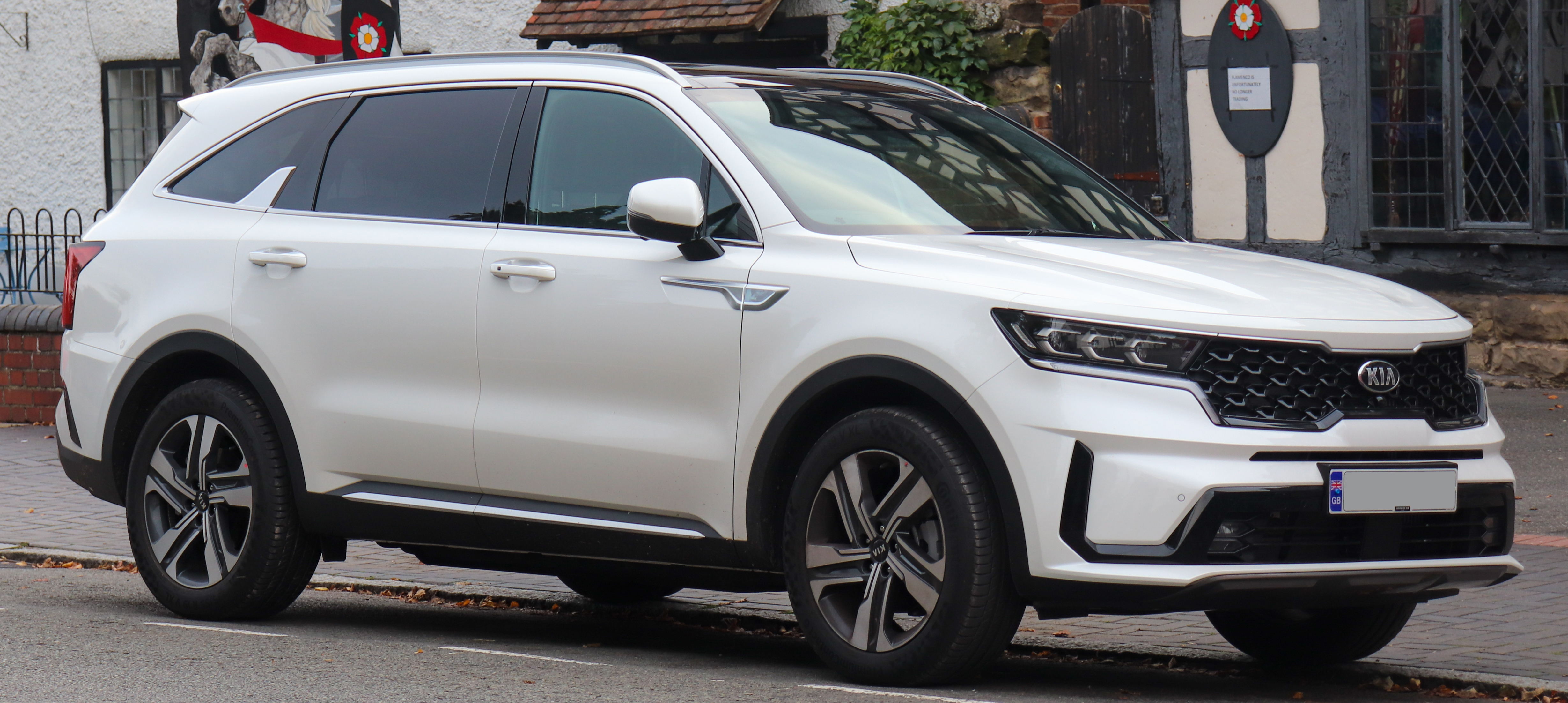
The Kia Sorento is being compared directly to the Outlander. They mention it can be had with a plug-in hybrid setup and that it has a third row you can actually use, which is important for families.
The GMC Canyon AT4 is a pickup trim level. The hosts are using it as a comparison to say the Outlander’s interior feels surprisingly nicer for the money.
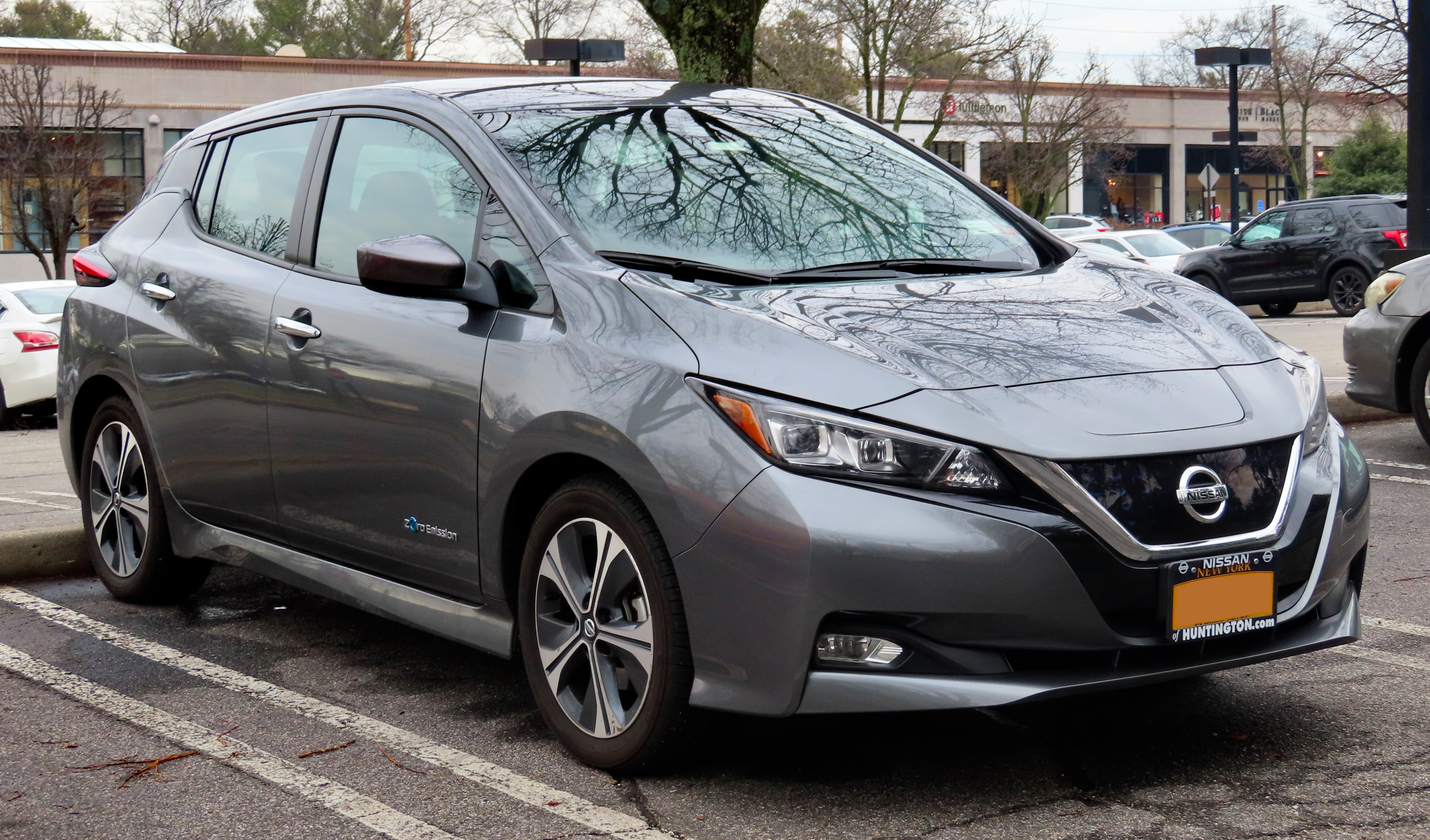
This is a new electric car Mitsubishi is talking about. The host says it looks a lot like the Nissan Leaf, and that Mitsubishi keeps using the “Eclipse” name for different cars.
The i-MiEV is an older Mitsubishi electric car that was among the first EVs sold in the US. The host is saying it was kind of small and simple, like a basic neighborhood vehicle.
The host is talking about the Mitsubishi Lancer and saying that, in the U.S., people mostly cared about the high-performance version instead of the regular one. It’s more about popularity than technical details.
The host is saying most people who wanted a Mitsubishi Lancer wanted the high-performance “Evo” version. In other words, the regular Lancer wasn’t the one that got attention.
This is an electric SUV from Genesis (the Electrify GV70). The host is saying it tries to feel very similar to the gas version, but the EV parts—especially how it slows down using the battery—change the driving feel and even affect things like cargo space.
Regenerative braking is how an electric car slows down while also recharging its battery. Instead of relying only on the brake pads, the car uses the motor to slow you down, and that can feel different depending on the settings.
The drivetrain is the set of components that deliver power from the vehicle’s power source to the wheels. In an EV, drivetrain settings can change how the car responds (for example, throttle mapping and regenerative braking behavior), which is why the host cares about separating those controls from infotainment.
Some cars have mirrors that fold in and out automatically. They usually move when the car unlocks, so if the car doesn’t unlock correctly, the mirrors may fold back instead.
Term
electric shock
They’re describing a sudden, surprising reaction from the car when they try to open it. It feels shocking, but it’s really the car’s locking/unlocking system acting at the wrong time.
Some cars have door handles that “sense” when you touch them. If the sensor doesn’t read it correctly, the car might do the opposite of what you expect.
Smart trunk access is a feature that lets your car open the trunk automatically when it senses your key nearby. If the sensor thinks you’re close enough, it can beep or open even when you didn’t mean to.
A key fob is the small remote you carry to lock/unlock and control your car. It talks to the car wirelessly, and the host is joking about making it smarter so it behaves the way you expect.
Non-ionizing radiation is a type of electromagnetic energy that’s not strong enough to damage atoms. The host is making a joke that the car could use some kind of scanning signal to figure out where your key is.
Keyless entry is how you unlock your car without putting a key in the door. Your key fob talks to the car wirelessly, and when you’re close enough, it lets you in.
A “mature industry” is when the basics are already figured out and improvements become smaller. The point here is that updates may be more about getting you to buy something new than making the car work better.
“Battery life” just means how long something can keep working before it needs power again. The host is using it to explain why having power available matters for both phones and cars.
Super Cruise is a feature that helps the car drive with less work from you—like steering for you—on certain roads. It’s not “fully self-driving,” but it can feel very close when it’s working correctly.
“Hands-free driving” means the car can do some driving tasks without you gripping the wheel. But it often still expects you to watch the road and be ready to step in.
These are in-car systems that watch whether you’re paying attention. If you look away too much, the car can warn you or reduce what it will do automatically.
This is a camera-based system that tracks where your eyes are looking. It helps the car tell if you’re distracted, especially when using driver-assistance features.
Instead of using physical buttons for heat and AC, you adjust them on the touchscreen. That can make you look away more, which can trigger warnings if the car is watching your attention.
The Honda Accord Hybrid is a hybrid version of Honda’s Accord midsize sedan. “Hybrid” here means it uses an electric motor alongside a gasoline engine to improve efficiency, typically without needing a wall plug like a plug-in hybrid.
LIVE
Hello and welcome to the unnamed automotive podcast. My name is Sammy Hage Afad and with me
as always is my good friend and fellow automotive journalist Benjamin Hunting. Say hi to the people,
Ben. Greetings, human listeners. Greetings to everyone. If this is the first time you're
listening to our show, thank you for trying something new. I really appreciate it. And I
think Ben does too. Is that right, Ben? Who can know my mind? Ben's work can be found all over the
internet. In fact, you can find his work at these publications. Ben, take it away.
Let's go with Hagerty Motor Trend and Driving.ca. And you can find my work at Driving.ca and
Autotrader.ca as well as Auto, no, as well as Driving.ca's YouTube channel. Ben, what's that
called? What's that called? Driving.ca. Okay. But you have to write the word dot. So it's driving
dot.com. Was Thomas C.A. taken? I guess so. Unfortunate. These squatters, these YouTube
squatters. You think that, I wonder, there should be something to be, there's too many numbers and
symbols when it comes to the internet now, right? What do you mean now? You're saying there's more
now than there used to be in the past? Yeah, because you used to be able to just, you could just go
samihagisad.com. And now that's been taken. And now I have to make samihagisad1.com and
samihagisad2.com. The real. Samihagisad1 exclamationmark1.com. Yeah. The real Samihagisad,
the real, real Samihagisad. I just go to samihagisad.biz. I thought that was legit, but it
sounds like. Don't do that one. I don't get any of the biz. It sounds like I've been taken. And if
you go to samihagisad.gov, don't give that one any of your personal information. That's the British
one, right? Dot gov. Dot gov.uk. Dot gov.mum. Speaking of dot gov, we've got some pretty cool
cars. Talk about this week. I'm really eager to hear your thoughts because you gave a really good
teaser last week about the 2026. Is it 26? Yes. Mitsubishi Outlander plug-in hybrid electric
vehicle or Pehev or PHEV or Fev, the way that some people say. I'm surprised you're excited about
this because traditionally you've hated this vehicle. No, I've always been excited about this.
I've always been turned down. I've always been disappointed by it because in so many ways,
it just feels like a slightly worse Nissan Rogue, right? Well, prepare to have your mind
blown because Mitsubishi, while it does still share. How should I prepare? Should I hold my brain
or my mind inside my head? You've completely broken my train of thought. So you can do whatever
you want to do. While the Outlander does share its platform with the Rogue, the Nissan Rogue,
for the plug-in version, apparently that's only happening for one model year. Were you aware of
the Nissan plug-in hybrid? Yes. The plug-in hybrid version of the Rogue is a single model year
vehicle. What do you think that's all about? I think that Mitsubishi is wanting some distance from
its forced roommate. We can talk about that later on because they're doing some weird stuff too.
This vehicle has been given a pretty thorough refresh. The Outlander is a weird one.
The most important thing is that it got a bigger battery, right?
I'm going to go through the things that I think are important, and if you want to contribute,
you can. The refresh is interesting because, for me, this vehicle has always kind of been,
it ran for a very long time. I can't even remember when the Outlander came out. I remember
the first time I drove a plug-in Outlander, it just felt like they had jury-rigged a decent
drivetrain into a crossover SUV that felt like it was five years old the day it was released.
It was something that I think sold very much on price and on the fact that people were able to
get discounts from their registration or tax breaks because they could get a plug-in.
The plug-in aspect was legit. It actually did all the stuff it was supposed to do,
but everything that was wrapped around it felt kind of jury-rigged together or from a different era.
That is long in the rear view. I have not driven an Outlander plug-in in a while. I drove the gas
one last summer, and I remember liking it, and I remember you being blown away by the fact that
I liked it. Yeah, I was caught off guard. Did you drive a range topping model or a non-range
topping model? I don't remember because there's so many different trims, so it's hard to tell.
Yeah, that's one of the few automakers that seem to have like 50 trims for one model.
So when I came to this vehicle, I was really curious to see, I mean, first they wanted to
bring, I think a lot of what is new on the PHEV had already happened for the gas model,
and they were bringing it up to spec. As you mentioned, the biggest difference, I guess,
mechanically, is the larger battery. But the larger battery isn't the whole story because
the larger battery makes a bunch of things happen. First, and I guess most importantly for them in
terms of advertising, you get more range from the larger battery. Let me double check the number.
I believe it's 78 kilometers in Canada, right around here. It's a very nice number.
And the range in miles is 45 miles, which is seven miles more than it used to be.
Seven miles doesn't sound like a lot, but I think that's an increase of like almost 20%.
So that's a decent number. But the other aspect of the range is not just the bigger
battery, it's 22.7 kilowatt hours. The cooling for the battery has been dramatically updated as
well. And that means that the system can put out more horsepower. It's almost 300 horsepower now.
It's 297. That's a lot. And there's something that you've got to understand. And honestly,
for me, it's tough to figure out. The Outletter PHEV, in terms of how its
in terms of how its drivetrain works, it doesn't pretty much everything routes through the battery
through the electric motors. So this feels like one of those like extended range electric vehicles
then like yes and no, because because the can also operate as a series hybrid or a parallel hybrid.
So like in this vehicle, you can drive it along just using the electric motors with no
gas engine running, nothing at all. And you get your 78 kilometers of range, right?
You can also drive it with the gas engine running to charge the battery to feed the motors,
which is how it drives in hybrid mode at lower speeds. So if your battery is depleted,
the gas engine comes on, but the gas engine is not moving the vehicle when you're driving around
town. On the highway at higher speeds, there is a clutch and a single speed transaxle that will
attach the engine to the front wheels, because it's determined that that is the most efficient
way for them to run the gas motor in those in those situations. So that's complicated,
like that is a lot going on. The reason I'm bringing it up is because you don't you don't
sense any of this happening. No, there is like zero clinkiness about how this drivetrain manages
itself. There's no weird feeling. There's no like strange noises. There's no lurching. The closest
I ever came to to like catching the vehicle in the act, so to speak, would be the times where
it was sitting at idle. And if the AC was on the cranked or something, or if I changed the drive
mode, like it has some performance. Yeah, it turns the engine on. And then I would notice.
Yeah. But other than that, it's it's really impressive. And that range is real world range.
I beat it by four miles with a sizeable, yeah, with a sizeable amount of highway driving too.
That's so weird. Okay, I want to talk to you about a few things. First of all, I think this
72 kilometers of range puts it really high up there on the ranking of 2026 model year
plug in hybrids. I think the new RAV4 EV or plug in hybrid can get up to 89 kilometers.
I can't I can't do all the math for the miles per gallon right now. But which model? Sorry.
The RAV4 plug in hybrid, which is, I believe similarly priced. Yeah. And I think this thing is
gets as much range as like a Prius plug in, which as well gets 72 kilometers on a full charge.
Depending on the trim level. Now, the weird. Yes. No, go on. I was going to add some more
stuff about the plug. The very strange thing about the Outlander is that it's it's efficiency
when not having any battery charge really changes things. The fuel mileage for the
gas engine is not very, you know, attractively rated. I got 33 miles per gallon.
I'm saying, yeah, that's the battery completely empty. That's wild.
That's really good. And that's significant. That's six miles per gallon better than the
official rating. Yeah. And it's rated at yeah, 27 miles per gallon. And also,
like, let's say you're on a trip, a long trip where you do most of the the driving. So I did,
I had 130 kilometer trip where I did 78 kilometers on battery and then the rest of it on gas. And
I got 101 miles per gallon on that trip. It's pretty nice. It's pretty nutty. Yeah, I love,
I love the good MBGE number always makes me feel the miles per gallon equivalent number,
like combined. It's a great, it's a great figure, right? Well, the MPG, the MPG number for this
vehicle is 73. Okay. I'm, I'm just, I'm just wanted to be up front that the ratings for the
the gas engine are not very strong. So you're obviously doing something right when, when you're
driving without any charge in the battery. I'm not doing anything special. Like honestly,
I drive the same test loop for every vehicle. You have mentioned that. But you've also gotten
over the last few cars, you've gotten higher than the average or the expected rating. So
yes and no, I had a tracks that was worse. Okay. So like, it's not, it's not always higher. It just
seems that way. The, the vehicle is also weird in the sense that you can plug it into level one,
level two and DC fast charging, which is the ultimate flex. If you are wanting to really
piss off an EV owner is to take your plug in hybrid to a fast charger and take up that spot
when they actually need it and you don't, because you could just drive on home. So I didn't do any
of that on a level to must be kind of expensive to DC fast charge a plug it like unnecessarily
expensive compared to filling it up, right? Yeah, I don't see the point of that. It's,
it's really just a party trick. I'm sure it's something that helps them with their advertising.
The level two charge took me six and a half hours to fill the battery, which is fine.
Okay. Isn't one of the other party tricks that the Mitsubishi Outlander has a third row?
Yeah, we'll get to that eventually. Oh, not now. Well, we're still talking about what's new and
the third row. Okay. Okay. The other new aspects of it, there's some styling differences. You're
not going to notice them. It looks very similar, but you know, it's got some bumper tweaks and
some lighting tweaks and all that stuff. The, the biggest change is inside. I had a,
in Canada, it's called the GTS, the GT premium. And it had like this brick brown leather in the
States. It's called SEL with the SEL. I think it's the premium package brick brown leather,
a whole bunch of gear. It looks great. It looks fantastic. It's a really, really nice interior.
I was surprised by how much I liked it. The infotainment screen. It's big enough. It's easy
to use. The gauge cluster is very well designed. All the menus make sense. There's not like, you
know, I've complained a lot in the past about how Toyota has all these menus on the gauge cluster
screen and they're filled with all these abbreviations because it's like a really small space.
And you don't know what it means, especially for like safety features. Mitsubishi doesn't do that.
All their menus are easy to read. They're easy to use. The, they respond well to the steering
wheel controls. It's pretty basic and simple. I was impressed by it. What I was very funny. It's
very funny to think about the infotainment screens because one of the automakers like Toyota in
particular has redesigned its infotainment system and has like this massive, beautiful,
really nicely responding screen, but has no apps, nothing to like actually do. There's no features
on it. So you're just like, well, I guess I'll just use Android Auto. Yeah. It's basically,
it's just like having a tablet, a dumb tablet. The only things you can really do on the Toyota
screens are see like trip info. Yeah. Yeah. It's awful. It's so on like useless. It's so sad compared
to other automakers. And I know, you know, we don't really need to have like app stores and like
features, but I don't want app stores. I want menus to control the vehicle. I don't want to be
squinting at a tiny screen and like, yeah. In comparison, all of like to turn off safety gear,
you have to do through the gauge cluster on it. And Lexus is the same with Lexus. It's not like
they're saving money on Toyota so they can lavish it out on the luxury models. It's the same across
the board. I do not get it. I did have an issue with the interior though, and that's underneath
the screen. So my tester only had like a thousand miles on it, 1500 kilometers under the screen.
There was already a piece of the leather missing like a circular, like a circular chunk had been
taken off. So it's where you rest your hand. Someone had rubbed away a piece of leather
and to see that so quickly in a vehicle's lifespan, that's a little worrisome. And the
trend continued at the back of the vehicle. It had a cargo cover that I found overly complicated.
It's just, it had like stuff. You can slide it on the back. You can slide it at the front. It's
a little weird in terms of how it works, but that wasn't my problem with it. My problem was
sliding it in and out. It was already completely scuffed all around where you would remove it.
And again, like, like on the, on the hard plastic area.
Exactly. And that's not confidence inspiring. So the car has this really nice interior,
but what's it going to look like in year two, especially if you have kids in it, for example?
Yeah, you already mentioned that the, the, the cabin is just so, is such a highlight and something
that stood out to you. But yeah, what's that's a great point. What's it going to look like in
year two? If it's not even making it to month through month one, like that's tough.
Okay. That pretty, that pretty much covers the, the differences for the vehicle.
Okay. They say that the steering and the suspension have been tweaked. I can't really
validate that because I don't remember the last time I drove a PHEV Outlander.
In terms of what I liked, I mean, the power was good. I never really felt like the vehicle
was slow. It weighs almost 5,000 pounds, but it's still decently quick.
Okay. The, the, there are many, many drive modes. There's two that seem to be performance-oriented
ones called power and one's called tarmac. And tarmac, they have like a little screen,
not a screen, in the owner's manual, they have this like bar graph that tells you all the things
that each of the drive modes is changing. And the difference between bad, sorry, I keep saying
battery performance or power and tarmac is that tarmac does some suspension stuff or some steering
stuff, question mark. Whereas performance or power, I can't remember. I'm just going to say
whatever I want now. It gives you the most power from the battery. In actual practice,
neither of them felt any different from normal. Yeah. The only, I think if you're traveling at
a highway speed and you're in power mode, the acceleration at highway speeds feels a bit stronger.
That's it. Off the line. Like not like, not like obvious, right? No, at no point does this vehicle
push you back in your seat. And off the line, there's no difference at all. I was very surprised
by that. It had a gravel mode that's supposed to be for loose services, which I have many of
around my house. I drove around with it. It was fine. I didn't really felt like I needed it.
I mean, it has all the drive anyway. The vehicle is not designed for hardcore off-roading. It's got,
you know, like, I believe has a mud mode or a snow mode as well. But it did all the standard
ICP stuff. I was impressed by how quiet it was. Really, really quiet, really comfortable,
really smooth. Just a good experience overall. Good row, good room in the second row as well.
Pretty spacious. And it's easy to get to the third row. You can either drop the second row
seats from the back of the vehicle, like let's say you're loading in cargo, or you can grab a
latch on the seat itself, on the shoulder of it and pull it forward. Super simple. That's all I
want. Now we're going to get to the thing about the vehicle that doesn't work at all. And this is
what Sammy was super excited to talk about. The third row is useless. It basically has no leg,
no leg. I was thinking about this the other day. It has basically no leg room, right?
None. I think that there is a certain age window for children where they might be able to be inside
of that third row. When they have paper-sized legs. It's tough to know. Also, like, but even like
shorter children, like, the angle of the leg is going to be a problem. It's just not well thought
out. I was thinking about this, and I was thinking that maybe, and you might need to help me out with
this, maybe this might work for somebody with a pet, like a dog, and they could be in the third row?
I don't think so. I, getting a pet, yeah, go for it. Pets don't have arms, and that means they
can't grab something and like pull themselves into a third row. No, you're going to have to put them
in there. And then like, you have to use the weird like seat belt thing for them. You can't put them
in there. It's not really going to work. Also, like, at that point, why not just put them in the cargo
area? Like, if that's what you're going to do? Because they won't have like a restraint, right?
No, but you would have like a carrier that you could put in the cargo area. Oh, yeah, okay.
The other thing is, I mean, you know how difficult it is to load a child in a seat in a vehicle when
there's not a lot of room? Like imagine a pet, which like doesn't, doesn't understand, doesn't
respond. It's going crazy. Maybe it's not even your pet. Maybe you're borrowing a neighbor's pet,
and it's really weird situation. I'm always trying. It's no, it's so complicated. I can't stand how
difficult dogs make it for you to just put them in the car. The other thing about the third row
is that, so it folds up out of the floor and I will give it credit. There's a four step process
with numbers on each of the tassels that you pull. Four steps. It's super, it's super easy to figure
out. And it's, it's not very heavy until you try to close it. When you're closing it, you feel a
bit of the weight when you're forcing it back down. But otherwise, it's pretty easy, except for
the strangest aspect is it doesn't latch when you put it down. There's a Velcro strap,
one Velcro strap that holds it down and prevents it from bouncing. And if you don't use that strap,
it will bounce over bumps and kind of disturb the peace and quiet of the otherwise calm cabin.
So you got to remember to do that step. It feels like the kind of thing that's going to wear out
over time. Like, I don't know if I want like a strap instead of a latch, but maybe that's the
price to pay for keeping it easy to use. That's so funny. Cargo space is okay with the third row
up, by the way. There's a big cavity where the third row sits. You can put a lot of stuff there.
And if you fold the second row, it's pretty decent. I took a bunch of stuff to a local
donation place and I didn't have any issues. Overall, I like the vehicle a lot. There are not
many three row compact plugins out there, except for the Rogue, which is again, that single model
year thing, according to what I read. The Rogue does not have fast charging, but it is otherwise
identical to the Mitsubishi. There are two other compact hybrids that I can think of,
the undercut, the Outlander on Price. That's the Tucson and the Sportage. So if you're looking
for a better deal, you can go to them. But they're two row. But they just don't have that third row.
Yeah, I think that's an advantage. I don't think anyone needs this third row. I think Mitsubishi
needs to cut it out like Dave Cooley, I would say. Wow. I don't really think it's the flex they
think it is. Even if you're only going to use it like most people once or twice a year, you're
going to hate it. It's just not going to work. And you're going to be like, why did I do this?
Otherwise have to get strapped down with a Velcro. Price wise, I want to say it can get
expensive. It starts at just under 50 in Canada. The one I drove was like 61 or 62, sorry. There's
a black package. They call it the Noir in Canada, which is funny even on the English website. And
that's 63. In the States, it's a bit more affordable. But I did mention there are others that undercut
it. It starts at 46 and goes up to 51. Mine was 56, including destination and options.
How do you feel about that? Because the average new car price in Canada is around $60,000,
between $16,000 and $70,000. This is right in that area. And you're getting a car that is
relatively high performance. I think for relatively high performance. I'm going to say
relatively high performance because other compact crossovers don't typically see the
near the 300 horsepower. It doesn't feel like a performance vehicle though. It just drives
around. No, I'm not calling it like a performance vehicle. I will say it has more power.
I think that it's largely offset by the weight of the battery though.
But then you also have the added efficiency and convenience of driving.
If you want to talk about it as a plug-in, then sure, it's quite good. The other thing
about it that I think is maybe underrated is it's really hard to pull off near luxury
in a compact vehicle. And I think the Outlander makes it happen. I think this feels like a class
of... I think this vehicle feels like a class above when you're...
Those quality concerns that I have that you had mentioning the leather,
kind of like wearing and then scuff marks so easily on particularly hardware areas.
My only two complaints. Everything else about this vehicle
feels luxurious. And I was super surprised by that because when you think Mitsubishi,
your mind doesn't go in that direction.
No, no, no. It's very... It's interesting. I mean, we've been... Me and you, I think,
every time we're confronted with a Mitsubishi, we're often wondering what the brand identity is,
especially in this post-Nissan era. They have a couple of cars and one... This is probably like
their... I would call it their flagship model. They want people to come in here, drop the money
on the Outlander PHEV. They also have... It's probably the only vehicle in their lineup right
now that has any name recognition, too, I would say. Yeah. So I'm going to name a bunch of other
cars that people probably won't recognize. They still have an Eclipse Cross, I believe it's called,
which got a really significant redesign, but seems to be playing in an in-betweener
spot that nobody really wanted to play in. It's like half a compact and half a subcompact,
and not quite excelling in either of those things and being kind of expensive in certain trims.
And then they have the Outlander Sport or RVR in Canada, which is a subcompact that just seems
to not have been updated in a really long time, especially when every other subcompact car in
the segment has gotten pretty significantly improved. So that makes it a really difficult thing
to try to understand what is Mitsubishi Gunning for here with its brand identity.
When they clearly have a great product on their hands with the Outlander, I'm going to say great.
It's not class... It might not be class-leading. It might not be the best that you would pick in
terms of the compact crossover segment, but it is a very unique three-row plug-in hybrid
compact crossover with an attractive interior. And in some ways it feels one-of-one, right?
Yeah, that's what I'm saying. The only other car that I would say is
cars that are close to what the Outlander is offering, but are bigger and more expensive,
are still the Santa Fe... I don't even know if the Santa Fe comes with a plug-in. I don't think it
does, but the Sorento does. Yeah, the Sorento is like a weird outlier in this conversation,
because it's like, do you spend... I believe they're not that different in price.
They're close. I think you can get an entry-level model. I think the Sorento tops out much higher
than the Outlander tops out at. And the other thing... Yeah, that would make a lot of sense.
But there is overlap on the entry-level Sorento and the mid-level Outlander.
The other thing about the Sorento that you have to consider is a usable third row, right? So
are you attracted to the practicality of a vehicle? Are you attracted to the almost luxury at a
non-luxury price aspects of it? And it's interesting, you know, the vehicle we talked about last week.
Remember how jazzed I was about the Canyon AT4's interior? And how that felt like
almost... I didn't say class of up at the time, but it did feel very special in a way I didn't
expect it to. And it felt a cut above other mid-sized trucks. So it's interesting that it was
essentially the same price point as this Outlander. Oh, yeah. Like mine was $71,000,
but the vehicle starts at $55,000, which is like right in the wheelhouse. It's actually less than
the starting price for the vehicle that I drove without options. So anyway, I don't have too much
more to say about it. I was pleasantly surprised by this vehicle. It is something I will recommend
people check out if people ask me now about a compact plug-in. And I would not have, before
driving it, it wouldn't have been on my list. Like it's on my radar, but it's not something that I
really thought about in terms of like, oh, you know, this is a legitimate choice that I think
should be checking this vehicle out. And at this point, I'm like,
yeah, definitely. If you want a finer experience inside your vehicle, I think this makes sense.
I wanted to mention another thing that Mitsubishi has recently announced. They're bringing in a car
called the Eclipse Sportback, which is an electric vehicle. And it looks like a leaf. Like,
let's be clear, it just looks like a new family. So I didn't even realize that it looked like a leaf
until you pointed it out. Because it looks like one. I think it 100%
like shares the same specs. I'm going to double check. Yeah.
I feel like when I see these new subcompact or whatever EVs announced, and there's like a
homogeneity to the designs, where even if there is like a resemblance, I'm like, well, that's just
what they look like these days. You know what I mean? It's just so sad because like Mitsubishi
has a very strange history with EVs. The IMEV, which I think is one of the first EVs that hit
the US market. If you remember, the IMEV was a really weird car. It was essentially a golf cart.
Let's not kid ourselves about what the IMEV was. But they could have just made a new IMEV.
What is an Eclipse Sportback? Why did we go with that name?
Look, I don't think it's a bad thing for them to have a leaf like vehicle.
But why do they keep calling everything an Eclipse?
Because we've established that they don't have anything else. Right?
It's the strangest thing. They have so much.
Like what are they? Why the Eclipse? They could have gone Lancer if they really wanted to.
I don't think Lancer holds any value with Americans. I just don't think it's like an Eclipse does.
Yeah. The Eclipse was something fun. And it was around for a long time. Don't forget,
like late 80s all the way to 2012 or something like that. The Lancer only arrived in the early
2000s and it was available until, I don't know, I guess recently. But it was a specialized
performance model that I think only appealed to a certain number of people.
Well, yeah, nobody really wanted the regular Lancer. They just wanted the Evo, I think.
I want to talk to you a little bit about the car that I've been driving this week.
It's the Genesis Electrify GV70. I don't want to get too into the weeds with it because
you drove it in the fall and I think everything that I will say will probably mimic what you
already said, which is to say this is a very good EV. It is almost a one-to-one comparison to its
gas-powered vehicle. It's really impressive that Genesis has been able to translate the car
no matter the powertrain to one another. I will say that I think the cargo room is a little bit
impacted and the pricing is a little bit out there. I don't love the braking feel of it.
I couldn't quite get the regenerative, you know, they have all these cars have like regenerative
braking like settings. Yes. This one has a bunch and I couldn't quite get it to get what I needed
it to be. It's constantly feeling on or off like weird and sometimes there were elements
when I was like, why is it hitting regenerative braking right now? I was just uncomfortable
with all of that. The one thing I wanted to talk to you about, two things. They have two things.
I identically sized knobs in the center console, one for controlling the infotainment screen and
one for controlling the drivetrain. One is basically a gear selector. These things should
be slightly different sized in my opinion and maybe even different shaped because you don't
want to be trying to change your settings on your infotainment screen and then throwing it into
reverse by accident. The other thing that keeps happening to me with this car, every time I walk
up to it, it does this like acknowledgement that I'm coming up to it. And when I try to open the
door, it then so like when let me describe the acknowledgement, the lights kind of like do a
little light show. The side view mirrors start to unfold. It looks like it's welcoming me.
This is a pretty common thing on modern cars, by the way. Yes. Just to interject, a lot of cars do
this. The moment I touch the door handle to open the door and I'm telling you this happened like
four or five times. You get an electric shock, like a free. No, it locks the car and undoes the
light show. It turns, it folds the mirrors back in and it's like, no, not for you, sir. And I'm
sitting there trying to open the door. I try like six times and then finally it opens the door.
This is a convenience feature that a lot of other automakers have gotten right. But when it
doesn't work, you look like a fool in front of your luxury car. Don't you agree? Have you ever
had these kinds of moments? No, I live in the middle of nowhere. No one sees me open doors.
It's like it's very free. Even then you probably feel silly, even if nobody's watching. I have had
many systems from many, many touch sensitive or keyless fob, sorry, keyless door opening systems,
not understand what I want them to do. It happens a lot. Cars lock when they, when I want them to
open or they open when I want them to lock. This is, I feel like we have yet to perfect this
technology and nothing suggests to me that we're moving in a direction where it's going to be
perfected anytime soon. And it happens on expensive vehicles and entry-level vehicles too. It doesn't
seem to be, there's no discrimination. So it's frustrating and weird. And the other thing I
don't like is not knowing if it's going to unlock the back doors and if I touch the back door,
what's going to happen and like, you know, you get in and you're sitting there and your passenger's
still standing outside on the other side waiting for you to unlock it. And you're like, well,
I thought it was unlocked. And then you have an argument. Well, I didn't you open the car and
it's like that. So no, it is even funnier that way is that some cars will only use the keyless
entry on the driver's side door and your passenger. But if you try to, obviously you try to open the
car on the other side or another door, it unlocks all the doors. But if you open it just the driver
door, it just only opens the driver door and you look like this is like, just this guy who's only
interested in himself. Like, yeah, you guys, goodbye now. I'm in the car. I'm getting, I buckled
in. I'm getting my seat position. I've turned it on. I'm listening to my tunes. Why is it anyone
else in the car? Oh, I have to unlock all the doors now. I just realized that I'm not the main
character on earth. So no one's paying attention to what I do. It's not the Truman show here.
Um, there are other things that I find not just with not with this car, but other cars
have all sorts of like, they think they're being clever, but are really inconvenient.
If you have a key in your pocket and you walk by the trunk of your of your Hyundai and you have
this smart trunk access, it'll start beeping at you. And then it'll eventually open the trunk of the
car or hatch of the car. You have to like then walk away from your car and make sure that doesn't
do that. It is the strangest smart feature. My Subaru has started doing this because if you hold
your hand to the emblem on the trunk, it will then open the open the trunk. But if you just stand
there and I can't remember what I was doing, I think I had put my stroller down there,
like behind my car. And I was just like trying to figure out where to put it after taking it out
of the car or whether or not I was going to put it in the car or pick another stroller.
And I was just standing there. And then suddenly it's like beep beep beep and then opens the trunk
and I was like, Oh my God, I'm going to get and I was in my garage. I was terrified. I was going
to get decapitated by my one time I was installing a trailer hitch on a Tacoma and I was kneeling down
behind it. And the key was in my pocket and my jeans, not jeans, I don't wear jeans. My pants
were so tight that they flexed on the button to pop the tailgate and it hit me on. Oh no.
Yeah. Is that one of your many concussions? No. Technology, man. Sometimes it doesn't go right.
There's still so many. How are they going to perfect this? They're
going to put cameras on cars and use. Oh yeah, more cameras is definitely the solution. I feel
like as cars have added cameras, things have only gotten better and not like more complex or like
significantly more expensive to repair. Yeah. Can't wait for a camera on my key fob that like
notices it's approaching the car and does the right thing. Yeah. You can like scan through my
pocket with like a low level of non-ionizing radiation. Whatever it takes. Yeah. And notice
that you came out of the grocery store with less money than you did. So now it knows that
you're it knows your shopping habits. Of course. I noticed that it came out of the grocery store
and the non-ionizing radiation had scrambled the eggs in my bag.
I just can't stand it when we have features that are inconsistent around. I mean, I know
every automaker has a different approach to these things, but something as simple as
keyless entry, which I think has been going on for probably more than a decade.
Keyless entry has been going on since the 90s. Yeah. For three decades, for two decades. It's like
when are you going to, when are we going to get this like perfect and what is stopping it from
doing that? What is going on with my with my Genesis that is not letting me into the car
every time I try to open it? A lot of the problems we have with cars is that
automotive, the automotive industry is a mature industry. And what that means is
we are not really innovating anymore. Products have already gotten as good as they can get.
Yes, we're able to make gas engines a little bit more efficient incrementally as we move forward.
Yes, we're able to work on battery technologies to improve EVs. But what I mean, I don't mean
the technology behind cars is mature. I mean, the industry itself, like cars are supposed
to do a certain thing, get you from A to B comfortably and safely. We have, we have got that
under control as of, I want to say. We've got that under control. Yeah. There's no car out there
that is on sale that does it either fails at the task of getting you from A to B,
or does so uncomfortably. Now, on purpose. It sounds like I'm being obtuse about this,
but what happens when an industry is mature is that the changes and updates and features that
you start to get as a consumer are no longer related to functionality. They are things that
are intended to entice you to buy a particular product. So that's why there's dozen different
solutions to keyless entry, a dozen different infotainment setups, different drive trains and
whatnot that are designed to excite you, be an enthusiast or do whatever. And once you introduce
those complications, things can start to get weird and things can start to break down because
you're straying from the mission statement. It's like cell phones. Sammy and I have had this
conversation quite a bit. I don't think mobile phones have improved meaningfully in maybe
89 years. The battery life is not any better, really. In fact, it seems to be getting
worse more often. Screen size, I mean, we're already... The only thing you can do now is make
your phone a tablet. You can't get much bigger. Charging is very, very fast. Ridiculously fast
if you have a brand that does that. And what else do you need? Cameras, I guess, have gotten better,
but it's really diminishing returns at a certain point in terms of how much glass you could force
into a lens. I would say that for the vast majority of people, phones do exactly what they need to do.
And then we get into weird bespoke operating systems, strange features on a phone that are
just there to be different. We're kind of moving past the phase where people... I remember getting
phones that you could add a projector to them, you could add a Hasselblad camera. You could...
All sorts of stuff like that. We're kind of moving away from the accessorization of phones,
but these are the kinds of things that industry does when they can't improve the main product
anymore. It does what it needs to do. It goes on the internet, the screen is decent, battery life
is decent, and the performance is fast enough for whatever. Sammy, I know you probably have
something to add about phones. Sure. And I think you and I have actually toyed with this together,
going on the dumb phone kind of kick or something a little less invasive. Staying away from flagships.
Yeah. And the main issue I have is I really, really like Android Auto or Apple CarPlay. I think it's a
useful system. It's great to have a unified interface with actual functional apps when you're
driving your car. So when I don't want to be distracted in my everyday life and have
overwhelming features on my device, I don't want that. But in my car, I want certain apps and
features there. So what I've always considered is putting my, I've got like an Android device
just leaving it in my car and then having a, like basically a candy bar style phone with,
with like hotspot, like a 4G hotspot and supplying that thing with internet every time I got,
like it's this weird ad hoc solution. Yeah. But you, it's not really a solution because you
start to overcome, like you were over complicated in a different way because now you have to keep
two devices charged and you have like your, your primary device is going to run out of power sooner
because it's now broadcasting radio all the time. It's like, I thought about these things as well.
And you end up like building an ecosystem for yourself that feels overly complicated all because
you want to satisfy the ability to disconnect from the distracting aspects of your device.
But I guess more what I was saying is in terms of it being a mature thing is I had a one,
plus seven, which is I think maybe the best phone I've ever had. It did everything I needed it to
do well. Eventually I ran out of Android updates for it. The manufacturer was no longer supporting
it. So I got a new phone, a one plus 12, which is like five generations later, and it does nothing
better than what my phone did before. It costs the same amount. I think it was like a thousand
dollars, which is a lot to pay for a phone, but I try to future proof my phones because they keep
them for three to four years minimum. And like for work too, right? Yeah, I use the cameras for
photos a lot that end up being published because the cameras are quite good. And other apps and
whatnot for vehicles. But like, I don't, there's nothing about the phone that I have now that
makes me feel good about having made that purchase. Right. The experience itself is not upgraded and
in some ways it's a step back. And now I'm looking at, I haven't, I'm loath to do future updates on
the phone because everyone who has done these updates are seeing problems with battery life
and third party launchers and all this stuff. Like, because again, phone companies have a vested
interest in you buying a new phone. So if your old phone suddenly starts to have not great battery
life because of an update they did that pushes you into buying a new phone. I mean, it sounds
conspiratorial, but it's been proven in some cases with some manufacturers that do this. So
you're kind of trapped in this world where like now, like, I don't think I'll ever buy another
quote unquote flagship or class leading phone because I don't think I need that functionality
anymore. I think that mid-range phones are as good as anything most people would ever need.
I actually think my best phone was a mid-range Motorola that I owned because
its processor was like not super powerful. And as a result, the battery didn't ask,
like it didn't ask for so much battery. And this phone lasted forever. It was one of my favorite
phones that I've ever owned. And it was one of the few ones that I've ever got that was not a
flagship. And I think that's just such a great balance. Because what good is a flagship phone
if the battery is dead or if you're searching for a plug? And I thought the reality is you just need
to have the car, you need to have the phone living like with battery life, right?
And like bring this all back to cars because it isn't the unknown and unnamed phone podcast,
at least not yet. I find that this is part of what's driving, drawing me to like mid-2000s,
early 2000s vehicles, because the driving experience has been largely taken care of.
You know, like there's nothing about those vehicles from that period when I drive them
that makes me think, oh man, I wish this was better from a driving perspective. I feel like
sure they could be more efficient and maybe they could be safer objectively.
But like in terms of utility, the experience behind the wheel, in terms of the
size inside, you know, practicality, I find that those vehicles take all of those bases for me
and for what I need. And like since 2010, we've been complicating vehicles largely through
technology, obviously because cars are themselves technology. But like, you know, connectivity
and advanced safety systems, I think are the, and crazy amounts of power, I think are the three
biggest differences between the 2000s and now. And I'm not even going to, I'm not even bringing EVs
into it. I feel like this is a separate category. But like, yeah, it's, it's just odd to see
companies flail around to try to get people behind the wheel.
Yeah. So like the question then is what, maybe we'll, we'll send this out to the listeners first,
and then we'll come back with our own answers. But what has been the most impressive leap forward
technology wise that we have seen in the past few years, I will say personally, I think it's
super cruise or any hands-free driving technology. I know we don't technically need these features,
but when they work and they work well, it is, it's like magic. It's so cool. And I will say that's,
that's one feature that really impresses me. On the opposite end, when you start getting all those,
like when you have the features that enable hands-free driving, but do not enable hands-free
driving, you know, like a driver attention systems. No, not just driver attention, but facial, like
eye monitoring system. Yeah, that's, I looped that all under that. Yeah, that's, to me,
that's the same thing. It's like one, this is the key step that will enable hands-free driving.
But if you don't have hands-free driving, it's just a nuisance, right? It's just the most annoying.
It's a nuisance even with hands-free driving. And, and it becomes a nuisance because of all
the other technologies that are demanding our attention. So if you have a system that requires
you to look forward at all times and not be distracted, don't put a 11 inch infotainment screen
right outside the line of sight that I have to look at to do things in the car and then
scold me for looking at it. That happens constantly in new cars. To change my, yeah,
to change my radio stations. How dare you, sir. It's insane, right? It's absolutely cruel. Or
change the navigation where I want to go, for example. Or climate controls. If you have a,
if you have screen, on-screen climate controls, you better not, you also better not be looking
at an address on the side of the road. I mean, come on. So that's one thing that I find absolutely.
It's like, it's so close, you made it work, right? Like you were so close. It's like, you have this,
you have to pass through this like gauntlet of torture and it's always there, but you can see
Mecca. You can see it. An oasis, of course. Anyways, that's it for this week's episode of the
Unnamed Automotive podcast. I really encourage you to head on over to our website, unnamed
automotivepodcast.com. You can see all of our previous episodes. You can subscribe to our podcast
through there, but most important, you can send us a message. There's a contact form. You fill it
out. That comment or feedback lands on our inbox. We really love hearing from you and I would love
to hear your thoughts about useful and useless technologies that have progressed in modern,
modern cars. And we'll talk about it, of course. In addition to that, you can send us an email.
It's benjamin at benjaminhunting.com. Or you can reach out to us on Instagram. I'm at
samy underscore hat, like you're laughing. And Ben, when he's on there, occasionally,
he's at hunting Benjamin. Yeah, go on blue sky instead of Instagram. That's where I am.
Okay, go on blue sky. What are you? You're hunting Benjamin there? Yeah, it's always the same.
I'm Sammy dash. Ha, like you're laughing. We're talking about cars next week, right Ben?
Yeah, I'm talking about the 2026 Honda Accord Hybrid.
You told me something about the Honda Accord Hybrid. Oh, I'm saving it for next week.
No, that it keeps. No, I'm saving it for next week. We're not going to talk about it.
Okay. We're almost at an hour here. We're not going to.
I am driving a Kia Sorento plug in hybrid. Oh, that's why you brought up the Sorento today.
Sportage, actually. I keep getting them mixed up. I'm sorry. I am actually comparing it to a
Mitsubishi Outlander PHEV for driving.ca. So when are you driving the PHEV? Next week.
So we'll be able to get your impressions on that as well. Yeah. Everyone loves Sammy's impressions.
Do they? Except for his Mark Kearney impression,
which I've heard lacks soul. Who's Mark Kearney? And on that, we're finishing the podcast.
Thank you for listening, everybody. Bye-bye.
About this episode
The hosts kick off with the 2026 Mitsubishi Outlander PHEV, comparing it to a plug-in Nissan Rogue and focusing on what changed in the refresh—especially a bigger battery, updated cooling, and smoother power routing. They share real-world range and efficiency results, then move into charging, third-row practicality, and interior usability quirks. The conversation digresses into keyless entry frustrations and smartphone design/distraction tradeoffs, before touching on hands-free driving and the Genesis Electrified GV70’s regenerative-braking feel.
What's this? The 2026 Mitsubishi Outlander Plug-in Electric Vehicle has zoomed onto the Unnamed Automotive Podcast for its review? Benjamin has plenty to talk about with this seriously refreshed compact crossover. Loaded with more range, a new interior and that same controversial third row, does this one of a kind PHEV make sense for today's buyers? And what is going on at Mitsubishi these days anyways?
Then Sami talks quickly about the 2026 Genesis Electrified GV70, before quickly going on a tangent about weird car features that haven't been perfected and what that means for a mature market like the automotive industry. Thanks for listening everyone!