
Episode 453: 2026 Mitsubishi Outlander PHEV, 2026 Genesis Electrified GV70, A Long Digression About Cell Phone Design
About this episode
The hosts kick off with the 2026 Mitsubishi Outlander PHEV, comparing it to a plug-in Nissan Rogue and focusing on what changed in the refresh—especially a bigger battery, updated cooling, and smoother power routing. They share real-world range and efficiency results, then move into charging, third-row practicality, and interior usability quirks. The conversation digresses into keyless entry frustrations and smartphone design/distraction tradeoffs, before touching on hands-free driving and the Genesis Electrified GV70’s regenerative-braking feel.
What's this? The 2026 Mitsubishi Outlander Plug-in Electric Vehicle has zoomed onto the Unnamed Automotive Podcast for its review? Benjamin has plenty to talk about with this seriously refreshed compact crossover. Loaded with more range, a new interior and that same controversial third row, does this one of a kind PHEV make sense for today's buyers? And what is going on at Mitsubishi these days anyways?
Then Sami talks quickly about the 2026 Genesis Electrified GV70, before quickly going on a tangent about weird car features that haven't been perfected and what that means for a mature market like the automotive industry. Thanks for listening everyone!

2026 Mitsubishi Outlander PHEV
"Speaking of dot gov, we've got some pretty cool cars. Talk about this week. I'm really eager to hear your thoughts because you gave a really good teaser last week about the 2026. Is it 26? Yes. Mitsubishi Outlander plug-in hybrid electric vehicle or Pehev or PHEV..."
This is the Mitsubishi Outlander SUV, but the PHEV means it’s a plug-in hybrid. You can charge it with electricity, and it also has a gas engine for longer trips.
The Mitsubishi Outlander PHEV is a plug-in hybrid version of the Outlander SUV, meaning it can run on electricity and also uses a gasoline engine. The big enthusiast angle is how the electric drive and battery affect real-world efficiency and how it drives compared with a conventional hybrid or gas-only Rogue-style competitor.

Nissan Rogue
"No, I've always been excited about this. I've always been turned down. I've always been disappointed by it because in so many ways, it just feels like a slightly worse Nissan Rogue, right?"
The Nissan Rogue is a popular everyday SUV. Here it’s mentioned as a comparison point for what the Outlander PHEV felt like to the host—basically, “not very special.”
The Nissan Rogue is a mainstream compact crossover SUV that’s often used as a baseline comparison for ride comfort, packaging, and “good enough” everyday driving. In this segment, the host is using it as a reference point to describe why the Outlander PHEV previously felt underwhelming to him.
platform
"While the Outlander does share its platform with the Rogue, the Nissan Rogue, for the plug-in version, apparently that's only happening for one model year."
A platform is the shared “base” design that multiple cars use. If two cars share a platform, they’re built on similar underlying structure even if they look different.
In automotive terms, a platform is the shared set of engineering underpinnings—like the chassis architecture and major hard points—that multiple models can use. When the hosts say the Outlander shares its platform with the Rogue, they’re implying the two cars have significant structural commonality even if their bodies and powertrains differ.
plug-in hybrid
"Were you aware of the Nissan plug-in hybrid? Yes. The plug-in hybrid version of the Rogue is a single model year vehicle... It actually did all the stuff it was supposed to do, but everything that was wrapped around it felt kind of jury-rigged together."
A plug-in hybrid is a car that uses both a battery and a gas engine. You can charge the battery from a plug, and the hosts are saying the charging/electric part works as intended.
A plug-in hybrid (PHEV) is a hybrid vehicle that can be charged from an external power source, typically using a home charger. The hosts discuss how the plug-in aspect “did all the stuff it was supposed to do,” meaning it can operate in electric mode and deliver the expected benefits, even if other parts of the car feel mismatched.
refresh
"This vehicle has been given a pretty thorough refresh. The Outlander is a weird one. The most important thing is that it got a bigger battery, right?"
A refresh is an update to a car partway through its life. It usually means changes like new tech or tweaks, and in this case they’re saying the big change is a larger battery.
A vehicle refresh is a mid-cycle update automakers do to keep a model competitive without fully redesigning it. Here, the hosts call out that the Outlander refresh is “thorough” and ties it to a bigger battery for the PHEV.
trims
"Did you drive a range topping model or a non-range topping model? I don't remember because there's so many different trims, so it's hard to tell."
Trims are different versions of the same car with different features. If there are lots of trims, it can be hard to tell which exact one someone drove.
Trims are different equipment/feature levels within the same model line, often with different standard options, styling, and sometimes powertrain choices. The hosts mention the Outlander having “50 trims,” which makes it hard to know which exact configuration someone drove.
kilowatt hours
"But the other aspect of the range is not just the bigger battery, it's 22.7 kilowatt hours. The cooling for the battery has been dramatically updated as well."
Kilowatt-hours (kWh) tell you how much energy is stored in the battery. A bigger number usually means the car can drive farther on electricity.
Kilowatt-hours (kWh) measure battery energy capacity—how much electrical energy the battery can store. More kWh generally means more potential electric driving range, assuming the vehicle’s efficiency and power demands are similar.
battery cooling
"The cooling for the battery has been dramatically updated as well. And that means that the system can put out more horsepower."
Battery cooling is how the car keeps the battery from getting too hot. If it’s cooled better, the battery can deliver more power more consistently.
Battery cooling refers to the thermal management system that keeps the battery within an efficient and safe temperature range. Better cooling can allow the battery to deliver higher power repeatedly without overheating, which can improve real-world performance.
extended range electric vehicles
"So this feels like one of those like extended range electric vehicles then like yes and no, because because the can also operate as a series hybrid or a parallel hybrid."
This is a way of describing a car that mostly drives like an electric vehicle, but has a way to keep going when the battery isn’t enough. The host is saying the Outlander PHEV is similar in feel, but not exactly the same system.
“Extended range electric vehicle” is a description for vehicles that behave like an EV for most daily driving, using a battery and electric motors, but can use a generator or engine to extend total driving capability. The host notes it’s “yes and no” because the Outlander PHEV can also operate in different hybrid modes (series vs parallel).
series hybrid
"then like yes and no, because because the can also operate as a series hybrid or a parallel hybrid."
A series hybrid is a hybrid setup where the wheels are driven by electric motors, while the gasoline engine primarily generates electricity (or charges the battery) rather than directly powering the wheels. This can improve efficiency in certain conditions because the engine can run in a more optimal range.
parallel hybrid
"then like yes and no, because because the can also operate as a series hybrid or a parallel hybrid."
In a parallel hybrid, both the gas engine and the electric motor can help move the car. Sometimes it uses one, sometimes it uses both.
A parallel hybrid is a hybrid setup where the gasoline engine and electric motor(s) can both contribute to driving the wheels. Depending on conditions, the system may use the engine alone, the motor alone, or both together.
transaxle
"On the highway at higher speeds, there is a clutch and a single speed transaxle that will attach the engine to the front wheels"
A transaxle is the gearbox-and-axle package that sends power to the wheels. It helps decide how the engine’s power gets to the drivetrain.
A transaxle is a combined transmission and axle unit, commonly used in front-wheel-drive layouts to package gearing and final drive together. In hybrids, it can also be part of how the engine is mechanically coupled to the wheels at certain speeds.
clutch
"On the highway at higher speeds, there is a clutch and a single speed transaxle that will attach the engine to the front wheels"
A clutch is a connection that can lock or unlock the engine’s power to the drivetrain. It’s how the car decides when the gas engine should directly help move the wheels.
In this context, a clutch is a mechanical device that engages or disengages the connection between the engine and the drivetrain. Hybrid systems use clutches to decide when the engine should directly drive the wheels versus when it should just support charging and motor operation.
drive mode
"And if the AC was on the cranked or something, or if I changed the drive mode, like it has some performance. Yeah, it turns the engine on."
Drive mode is a setting that changes how the car drives. On a plug-in hybrid, some modes can make the engine start sooner or change how it uses battery power.
Drive modes are selectable settings that change how the vehicle behaves—often including throttle response, steering feel, and how aggressively it uses the electric motor versus the gas engine. In plug-in hybrids, switching drive modes can also affect when the engine turns on.
real world range
"And that range is real world range. I beat it by four miles with a sizeable, yeah, with a sizeable amount of highway driving too."
Real-world range is how far the car goes in everyday driving, not just in a lab test. Here, the host says they got slightly more than the advertised range.
Real-world range is the distance a vehicle actually drives on a charge under typical conditions, rather than the idealized number from standardized testing. In this segment, the host claims to have beaten the stated range by a few miles with substantial highway driving.

Toyota RAV4 plug in hybrid
"I think the new RAV4 EV or plug in hybrid can get up to 89 kilometers... The RAV4 plug in hybrid, which is, I believe similarly priced."
The Toyota RAV4 plug-in hybrid is another plug-in hybrid the hosts compare against. They’re using it to talk about how much electric-only range you can realistically expect versus the Outlander PHEV.
The Toyota RAV4 plug-in hybrid is being used as a benchmark for plug-in hybrid range in this segment. The host compares its maximum electric range (up to about 89 km) and pricing positioning against the Mitsubishi Outlander PHEV.

Toyota Prius
"I think this thing gets as much range as like a Prius plug in, which as well gets 72 kilometers on a full charge."
The Prius plug-in is another plug-in hybrid used for comparison. The host mentions it can go about 72 km on battery, depending on the version, and suggests the Outlander is in that same ballpark.
The Prius plug-in is referenced as another plug-in hybrid example with an electric-only range around 72 km on a full charge (depending on trim). The point here is comparative: the host says the Outlander’s range is similar to the Prius plug-in’s.
miles per gallon equivalent number
"I love the good MBGE number always makes me feel the miles per gallon equivalent number, like combined. It's a great, it's a great figure, right?"
MPGe is a comparison number that translates electricity use into an MPG-like figure. It helps you compare an electric or plug-in hybrid’s efficiency to a gas car using one common scale.
Miles per gallon equivalent (MPGe) is a way to compare electric energy use to gasoline fuel economy by converting electricity consumption into a “gasoline-equivalent” MPG figure. Plug-in hybrids and EVs often use MPGe/combined MPGe-style metrics to make cross-comparisons easier.
MPG
"Well, the MPG, the MPG number for this vehicle is 73. I'm, I'm just, I'm just wanted to be up front that the ratings for the"
MPG tells you how far the car can go on one gallon of gas. The host is pointing out the difference between the “equivalent” efficiency number and the actual gas MPG rating.
MPG (miles per gallon) is the fuel-economy measure for how many miles the vehicle can travel per gallon of gasoline. The host contrasts the vehicle’s MPGe/combined efficiency talk with the actual MPG rating when running on gas.
level two
"The level two charge took me six and a half hours to fill the battery, which is fine."
Level 2 charging is faster than plugging into a regular outlet. It usually needs a dedicated home charger, and it’s the most common way to charge EVs at home.
Level 2 charging is a faster EV charging method that uses a dedicated charger and higher-voltage power (commonly 240V). It’s the typical choice for home charging and many workplaces, offering a practical balance of speed and convenience.
level one
"The vehicle is also weird in the sense that you can plug it into level one, level two and DC fast charging, which is the ultimate flex."
Level 1 is the slowest EV charging method, usually from a normal wall outlet. It’s fine for charging overnight, but it won’t add much range quickly.
Level 1 charging is the slowest common EV charging method, usually using a standard household outlet (typically 120V in the US). It’s convenient for overnight charging but takes much longer to refill the battery than higher-power options.
DC fast charging
"The vehicle is also weird in the sense that you can plug it into level one, level two and DC fast charging, which is the ultimate flex."
DC fast charging is the quickest way to charge an EV at public stations. It uses higher power than normal home charging, so you can add a lot of battery in less time.
DC fast charging is a way to recharge an electric vehicle using direct current at high power, so the battery can fill much faster than with standard home charging. It’s typically used at public chargers and is the quickest common method for adding significant range in a short time.
infotainment screen
"The infotainment screen. It's big enough. It's easy to use."
The infotainment screen is the big screen on the dashboard. It’s where you control things like music, navigation, and car settings.
An infotainment screen is the main dashboard display that combines entertainment and vehicle functions like navigation, media, and settings. Its usability matters because it affects how quickly you can find controls while driving.
safety features
"And you don't know what it means, especially for like safety features. Mitsubishi doesn't do that."
Safety features are the car’s systems that help prevent crashes or reduce harm if something goes wrong. The host is saying the settings should be clear so you can use or turn them off without confusion.
Safety features are driver-assistance and crash-avoidance systems designed to reduce accidents or mitigate consequences. The host’s point is that the car’s menu language and control layout should make these systems understandable and easy to operate.
infotainment system
"very funny to think about the infotainment screens because one of the automakers like Toyota in particular has redesigned its infotainment system"
Infotainment is the car’s screen system for things like music, maps, and settings. It’s basically the dashboard computer you interact with while driving.
An infotainment system is the car’s combined information and entertainment interface, typically centered on a touchscreen. It controls media, navigation, vehicle settings, and—depending on the brand—app-like functions.
Android Auto
"There's no features on it. So you're just like, well, I guess I'll just use Android Auto. Yeah. It's basically, it's just like having a tablet"
Android Auto is how you connect an Android phone to the car so certain apps show up on the car’s screen. The host is saying Toyota’s built-in screen doesn’t do much, so Android Auto becomes the main workaround.
Android Auto is a smartphone-to-car integration that mirrors compatible phone apps onto the vehicle’s infotainment screen. When a car’s native infotainment lacks apps, drivers often rely on Android Auto for navigation, music, and messaging.
gauge cluster
"In comparison, all of like to turn off safety gear, you have to do through the gauge cluster on it."
The gauge cluster is the screen or panel behind the steering wheel that shows things like speed and warnings. They’re saying some safety settings are controlled there instead of on the main touchscreen.
The gauge cluster is the driver-facing instrument display behind the steering wheel, where speed, warning lights, and many vehicle status messages appear. The host notes that some safety-related settings must be adjusted there rather than through the main infotainment screen.
Lexus
"In comparison, all of like to turn off safety gear, you have to do through the gauge cluster on it. And Lexus is the same with Lexus."
They’re saying Lexus does the same kind of thing as Toyota with its screens and settings. In their view, some safety-related settings are harder to access because you have to use the instrument cluster instead of the main screen.
The host says Lexus uses a similar infotainment/menu approach to Toyota, implying the limitation isn’t just a cost-cutting issue. They specifically mention that turning off safety gear requires using the gauge cluster.
cargo cover
"And the trend continued at the back of the vehicle. It had a cargo cover that I found overly complicated."
A cargo cover is the panel that sits over the trunk area to hide what’s inside. The host says this one is awkward to slide in and out and gets scuffed quickly.
A cargo cover is a retractable or removable panel that hides items in the trunk or cargo area from view. The host criticizes its design because it’s complicated to operate and already shows scuffing where it slides.
power
"Okay. The, the, there are many, many drive modes. There's two that seem to be performance-oriented ones called power and one's called tarmac."
“Power” is a driving setting meant to make the car feel more eager. It tries to use the battery to give you quicker acceleration.
In this context, the “power” drive mode is intended to prioritize battery output so the vehicle delivers stronger acceleration. The host contrasts it with “tarmac,” which may adjust steering or suspension behavior rather than just maximizing electric power.
tarmac
"There's two that seem to be performance-oriented ones called power and one's called tarmac. And tarmac, they have like a little screen, not a screen, in the owner's manual, they have this like bar graph that tells you all the things that each of the drive modes is changing."
“Tarmac” is a mode meant for regular paved roads. It’s designed to make the car feel more controlled on pavement, not necessarily to go faster using the battery.
“Tarmac” is a drive mode name used to tune the vehicle for grip on paved roads. Here, the host explains that it changes things like steering or suspension behavior, while “power” focuses more on extracting maximum battery power.
gravel mode
"It had a gravel mode that's supposed to be for loose services, which I have many of around my house. I drove around with it. It was fine."
“Gravel mode” is meant for driving on loose rocks or dirt. It helps the car manage traction so it doesn’t spin as easily and feels more stable.
A “gravel mode” is a traction/handling setting aimed at loose, low-grip surfaces. It typically adjusts throttle response, traction control behavior, and sometimes steering/suspension tuning to help the tires maintain grip on uneven surfaces.
snow mode
"The vehicle is not designed for hardcore off-roading. It's got, you know, like, I believe has a mud mode or a snow mode as well. But it did all the standard ICP stuff."
“Snow mode” is for winter conditions like snow or ice. It helps the car avoid wheel spin and keeps acceleration more controlled.
“Snow mode” is a traction-focused setting intended for icy or snowy roads. It typically reduces wheel spin by altering throttle response and traction control behavior so the car can move more smoothly with less grip.
mud mode
"The vehicle is not designed for hardcore off-roading. It's got, you know, like, I believe has a mud mode or a snow mode as well. But it did all the standard ICP stuff."
“Mud mode” is for when the ground is very slippery. It helps the car apply power more gently so the wheels don’t just spin and sink.
“Mud mode” is a drive setting designed for very slippery, low-traction conditions. It generally works by managing wheel spin (often via traction control logic) and smoothing power delivery so the vehicle can move without digging in.
ICP stuff
"The vehicle is not designed for hardcore off-roading. It's got, you know, like, I believe has a mud mode or a snow mode as well. But it did all the standard ICP stuff."
The host mentions “ICP stuff,” but they don’t explain what ICP stands for in this clip. It sounds like they mean the car’s usual traction/handling features, but the exact acronym meaning isn’t confirmed here.
“ICP stuff” appears to be a shorthand reference to the vehicle’s standard traction/handling feature set, but the acronym isn’t expanded in the transcript. Because the meaning of ICP isn’t clear from the provided text, it can’t be reliably defined for listeners.
Velcro strap
"There's a Velcro strap, one Velcro strap that holds it down and prevents it from bouncing. And if you don't use that strap, it will bounce over bumps and kind of disturb the peace and quiet of the otherwise calm cabin."
A Velcro strap is a hook-and-loop closure. In this case, it’s used to keep something from bouncing when you drive over bumps, so you have to remember to fasten it every time.
A Velcro strap is a hook-and-loop fastening used here as a functional retention method for a third-row/cargo cover or panel. The host’s point is that instead of a traditional latch, the strap must be used to prevent movement over bumps, which can affect long-term wear and day-to-day usability.
Mitsubishi Outlander PHEV
"Overall, I like the vehicle a lot. There are not many three row compact plugins out there, except for the Rogue, which is again, that single model year thing, according to what I read. The Rogue does not have fast charging, but it is otherwise identical to the Mitsubishi."
The Mitsubishi Outlander PHEV is a family SUV that can run on electricity some of the time and also uses a gas engine. Here, they’re talking about how much room you get with the third row and how it stacks up against other similar plug-in SUVs.
The Mitsubishi Outlander PHEV is a plug-in hybrid SUV built around a third-row layout and an electric-first driving experience. In this segment, the host focuses on how the third row affects cargo space and how the vehicle’s charging/trim positioning compares to other compact plug-in hybrids.

Hyundai Tucson
"There are two other compact hybrids that I can think of, the undercut, the Outlander on Price. That's the Tucson and the Sportage. So if you're looking for a better deal, you can go to them."
The Hyundai Tucson is one of the other compact SUVs the host brings up as a cheaper alternative. They point out it’s a two-row SUV, so it doesn’t offer the third row the Outlander has.
The Hyundai Tucson is mentioned as one of the compact hybrid alternatives that can undercut the Mitsubishi’s pricing. The host notes these are two-row options, meaning you give up the third-row seating/cargo packaging advantage.

Kia Sportage
"There are two other compact hybrids that I can think of, the undercut, the Outlander on Price. That's the Tucson and the Sportage. So if you're looking for a better deal, you can go to them."
The Kia Sportage is another SUV the host suggests as a cheaper option. They emphasize that it’s a two-row model, so you don’t get the third row.
The Kia Sportage is named as another compact hybrid alternative that can be priced below the Mitsubishi Outlander PHEV. In this comparison, the key tradeoff is that it’s a two-row SUV, so it doesn’t provide the third-row space the host is evaluating.
near luxury
"The other thing about it that I think is maybe underrated is it's really hard to pull off near luxury in a compact vehicle. And I think the Outlander makes it happen."
“Near luxury” means the car tries to feel like a more expensive luxury model—better materials, nicer feel, and more features—while still being a regular-brand vehicle.
“Near luxury” here is an enthusiast shorthand for how a non-luxury brand tries to deliver cabin materials, ride comfort, and features that feel close to a luxury brand—without being priced or built like one. The hosts argue the Outlander manages that in a compact crossover package.

Eclipse Cross
"They still have an Eclipse Cross, I believe it's called, which got a really significant redesign, but seems to be playing in an in-betweener"
The Mitsubishi Eclipse Cross is a smaller SUV/crossover model. They’re saying it was redesigned, but most people don’t recognize it as much as the Outlander.
The Mitsubishi Eclipse Cross is a compact crossover in Mitsubishi’s lineup. In this segment it’s mentioned as a model that got a significant redesign, but it’s framed as less recognizable than the Outlander PHEV.

Outlander Sport
"And then they have the Outlander Sport or RVR in Canada, which is a subcompact that just seems to not have been updated in a really long time, especially when every other subcompact car in the segment has gotten pretty significantly improved."
The Mitsubishi Outlander Sport is a smaller crossover. The point here is that it hasn’t been updated in a long time, so it feels behind compared with newer competitors.
The Mitsubishi Outlander Sport is a smaller, subcompact crossover variant (often marketed under different names by region). In the segment, it’s being criticized as feeling outdated compared with other subcompact crossovers that have been refreshed more recently.

RVR
"And then they have the Outlander Sport or RVR in Canada, which is a subcompact that just seems to not have been updated in a really long time, especially when every other subcompact car in the segment has gotten pretty significantly improved."
RVR is the name Mitsubishi uses in Canada for a smaller crossover related to the Outlander Sport. The hosts are saying it hasn’t been refreshed in a long time compared with other small crossovers.
RVR is the name used in Canada for Mitsubishi’s smaller crossover that’s closely related to the Outlander Sport. The discussion uses it to highlight how Mitsubishi’s subcompact offering has lagged behind competitors in updates.

Santa Fe
"Yeah, that's what I'm saying. The only other car that I would say is cars that are close to what the Outlander is offering, but are bigger and more expensive, are still the Santa Fe... I don't even know if the Santa Fe comes with a plug-in."
The Hyundai Santa Fe is mentioned as a bigger, pricier option that’s similar in some ways. The hosts are also wondering whether it’s offered as a plug-in hybrid, which changes how it compares to the Outlander.
The Hyundai Santa Fe is brought up as a larger, more expensive alternative that’s “close” to what the Outlander offers. The key point in the conversation is whether it’s available as a plug-in hybrid, which affects how it competes with a PHEV Outlander.
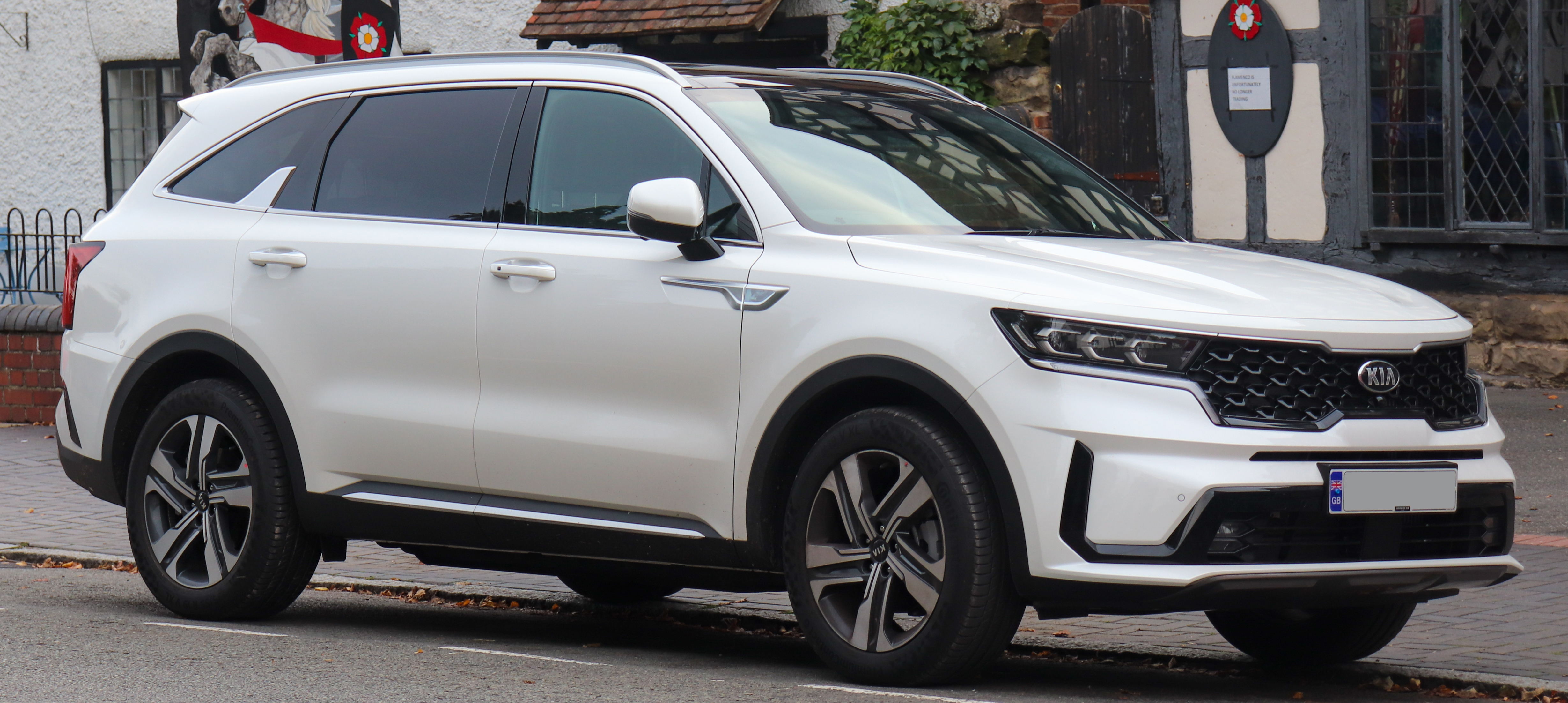
Sorento
"but the Sorento does. Yeah, the Sorento is like a weird outlier in this conversation, because it's like, do you spend... I believe they're not that different in price. They're close. I think you can get an entry-level model. I think the Sorento tops out much higher than the Outlander tops out at. And the other thing... Yeah, that would make a lot of sense. But there is overlap on the entry-level Sorento and the mid-level Outlander."
The Kia Sorento is being compared directly to the Outlander. They mention it can be had with a plug-in hybrid setup and that it has a third row you can actually use, which is important for families.
The Kia Sorento is discussed as a close competitor to the Mitsubishi Outlander, including overlap at the entry-level and mid-level price points. The hosts also call out that the Sorento does offer a plug-in hybrid, and that it has a usable third row, which matters for buyers who need practicality.

Canyon AT4
"Remember how jazzed I was about the Canyon AT4's interior? And how that felt like almost... I didn't say class of up at the time, but it did feel very special in a way I didn't expect it to."
The GMC Canyon AT4 is a pickup trim level. The hosts are using it as a comparison to say the Outlander’s interior feels surprisingly nicer for the money.
The GMC Canyon AT4 is a mid-sized pickup trim that’s being used as a reference point for interior quality and “special” feel at a similar price level. The hosts are comparing that perceived cabin upgrade to what they’re seeing in the Outlander’s interior value proposition.

Mitsubishi Eclipse Sportback
"I wanted to mention another thing that Mitsubishi has recently announced. They're bringing in a car called the Eclipse Sportback, which is an electric vehicle. And it looks like a leaf."
This is a new electric car Mitsubishi is talking about. The host says it looks a lot like the Nissan Leaf, and that Mitsubishi keeps using the “Eclipse” name for different cars.
Mitsubishi Eclipse Sportback is described here as an upcoming electric vehicle (EV). The host is focusing on how it’s positioned as a “leaf-like” design and how Mitsubishi is reusing the Eclipse name for multiple models.
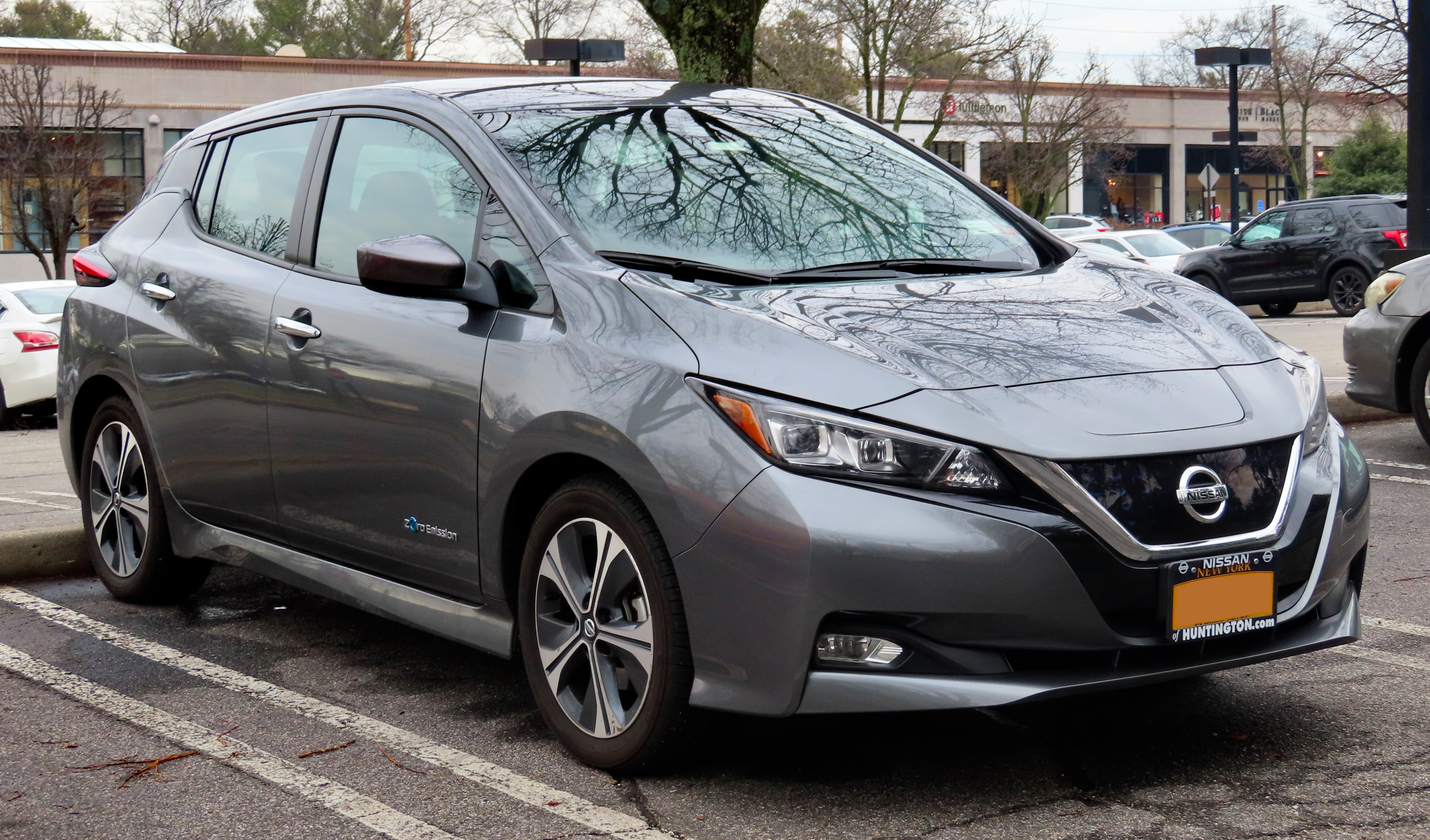
Nissan Leaf
"They're bringing in a car called the Eclipse Sportback, which is an electric vehicle. And it looks like a leaf."
The Nissan Leaf is a well-known electric car. The host is using it as a reference because the new Mitsubishi EV looks similar.
The Nissan Leaf is used as the visual comparison point for the Mitsubishi Eclipse Sportback. The host’s point is that many modern EVs share similar styling cues, making them look alike at a glance.
homogeneity to the designs
"I feel like when I see these new subcompact or whatever EVs announced, and there's like a homogeneity to the designs, where even if there is like a resemblance..."
The host means a lot of new electric cars look similar to each other. Even when they’re different brands, the styling trends make them blend together.
The host is describing “homogeneity” in EV design—how many new EVs end up looking similar. This is an aesthetic trend where manufacturers converge on shared styling elements, so even different brands can look alike.

Mitsubishi i-MiEV
"It's just so sad because like Mitsubishi has a very strange history with EVs. The IMEV, which I think is one of the first EVs that hit the US market."
The i-MiEV is an older Mitsubishi electric car that was among the first EVs sold in the US. The host is saying it was kind of small and simple, like a basic neighborhood vehicle.
The Mitsubishi i-MiEV is referenced as one of the earliest EVs to reach the US market. The host characterizes it as very basic—“essentially a golf cart”—to explain why Mitsubishi’s EV history feels unusual compared with today’s mainstream EVs.

Mitsubishi Lancer
"I don't think Lancer holds any value with Americans. I just don't think it's like an Eclipse does. [1736.2s] like late 80s all the way to 2012 or something like that. The Lancer only arrived in the early [1743.2s] 2000s and it was available until, I don't know, I guess recently."
The host is talking about the Mitsubishi Lancer and saying that, in the U.S., people mostly cared about the high-performance version instead of the regular one. It’s more about popularity than technical details.
The Mitsubishi Lancer is discussed here mainly as a U.S. market value/appeal question, with the host arguing that most buyers wanted the performance variant rather than the “regular” model. The segment also sets up the idea that the Lancer’s U.S. presence (and the timing of its availability) differed from the Eclipse.

Mitsubishi Lancer Evolution
"Well, yeah, nobody really wanted the regular Lancer. They just wanted the Evo, I think. [1761.6s] I want to talk to you a little bit about the car that I've been driving this week."
The host is saying most people who wanted a Mitsubishi Lancer wanted the high-performance “Evo” version. In other words, the regular Lancer wasn’t the one that got attention.
The Mitsubishi Lancer Evolution (often shortened to “Evo”) is the performance-focused version of the Lancer, and the host claims that U.S. buyers mostly wanted the Evo rather than the standard Lancer. That distinction matters because it explains why the performance trim can have a different reputation and demand than the base model.

Genesis GV70
"It's the Genesis Electrify GV70. I don't want to get too into the weeds with it because [1771.8s] you drove it in the fall and I think everything that I will say will probably mimic what you [1778.7s] already said, which is to say this is a very good EV."
This is an electric SUV from Genesis (the Electrify GV70). The host is saying it tries to feel very similar to the gas version, but the EV parts—especially how it slows down using the battery—change the driving feel and even affect things like cargo space.
The Genesis Electrify GV70 is Genesis’s electric version of the GV70, and the key point here is how closely the EV experience is meant to mirror the gas-powered GV70. In this segment, the host focuses on EV-specific behavior like regenerative braking feel and how the EV packaging affects practical things like cargo space.
regenerative braking
"I couldn't quite get the regenerative, you know, they have all these cars have like regenerative [1810.2s] braking like settings. Yes. This one has a bunch and I couldn't quite get it to get what I needed [1818.9s] it to be."
Regenerative braking is how an electric car slows down while also recharging its battery. Instead of relying only on the brake pads, the car uses the motor to slow you down, and that can feel different depending on the settings.
Regenerative braking is when an EV uses its electric motor as a generator to slow the car and send energy back to the battery. Because it can feel like the car is constantly “dragging” or intermittently slowing, the driver’s ability to tune its behavior (or the calibration of those settings) strongly affects brake feel.
drivetrain
"I identically sized knobs in the center console, one for controlling the infotainment screen and [1843.3s] one for controlling the drivetrain."
The drivetrain is the set of components that deliver power from the vehicle’s power source to the wheels. In an EV, drivetrain settings can change how the car responds (for example, throttle mapping and regenerative braking behavior), which is why the host cares about separating those controls from infotainment.
side view mirrors start to unfold
"little light show. The side view mirrors start to unfold. It looks like it's welcoming me."
Some cars have mirrors that fold in and out automatically. They usually move when the car unlocks, so if the car doesn’t unlock correctly, the mirrors may fold back instead.
Many modern cars use power-folding side mirrors that automatically unfold when you approach or unlock the vehicle. The mirror movement is tied to the same keyless entry logic, so if the system locks instead of unlocks, the mirrors may fold back and refuse entry.
electric shock
"You get an electric shock, like a free. No, it locks the car and undoes the light show."
They’re describing a sudden, surprising reaction from the car when they try to open it. It feels shocking, but it’s really the car’s locking/unlocking system acting at the wrong time.
The speaker is describing a perceived “electric shock” moment when the car reacts unexpectedly during keyless entry. In reality, the car is likely performing a lock/unlock cycle and mirror movement, but the timing can feel like a jolt or sudden response.
keyless door opening systems
"I have had many systems from many, many touch sensitive or keyless fob, sorry, keyless door opening systems, not understand what I want them to do."
This is the feature where you don’t use a traditional key. You touch the door handle and the car unlocks because it recognizes the key fob nearby.
Keyless door opening systems let you unlock and open a car using a sensor and a key fob (or phone key) instead of inserting a key. In practice, they rely on detecting your touch or proximity and then sending a command to unlock or lock the doors.
touch sensitive
"I have had many systems from many, many touch sensitive or keyless fob, sorry, keyless door opening systems, not understand what I want them to do."
Some cars have door handles that “sense” when you touch them. If the sensor doesn’t read it correctly, the car might do the opposite of what you expect.
Touch-sensitive door handles detect when you place your hand on the handle area, then trigger the car’s lock/unlock logic. If the sensors misread your touch timing or the system’s state, you can get the wrong action—like locking instead of unlocking.
keyless fob
"I have had many systems from many, many touch sensitive or keyless fob, sorry, keyless door opening systems, not understand what I want them to do."
It’s the small remote you carry that talks to your car wirelessly. When you’re close enough, the car can unlock when you touch the handle.
A keyless fob is the wireless remote you carry that communicates with the car. For keyless entry, the car uses signals to confirm the fob is nearby, then unlocks or locks doors when you touch a handle or press a button.
smart trunk access
"If you have a key in your pocket and you walk by the trunk of your of your Hyundai and you have this smart trunk access, it'll start beeping at you."
Smart trunk access is a feature that lets your car open the trunk automatically when it senses your key nearby. If the sensor thinks you’re close enough, it can beep or open even when you didn’t mean to.
Smart trunk access is a keyless convenience system that uses a key fob’s proximity to unlock and operate the trunk or hatch. The host’s example shows how it can behave unexpectedly—beeping and opening when the key is near the vehicle.
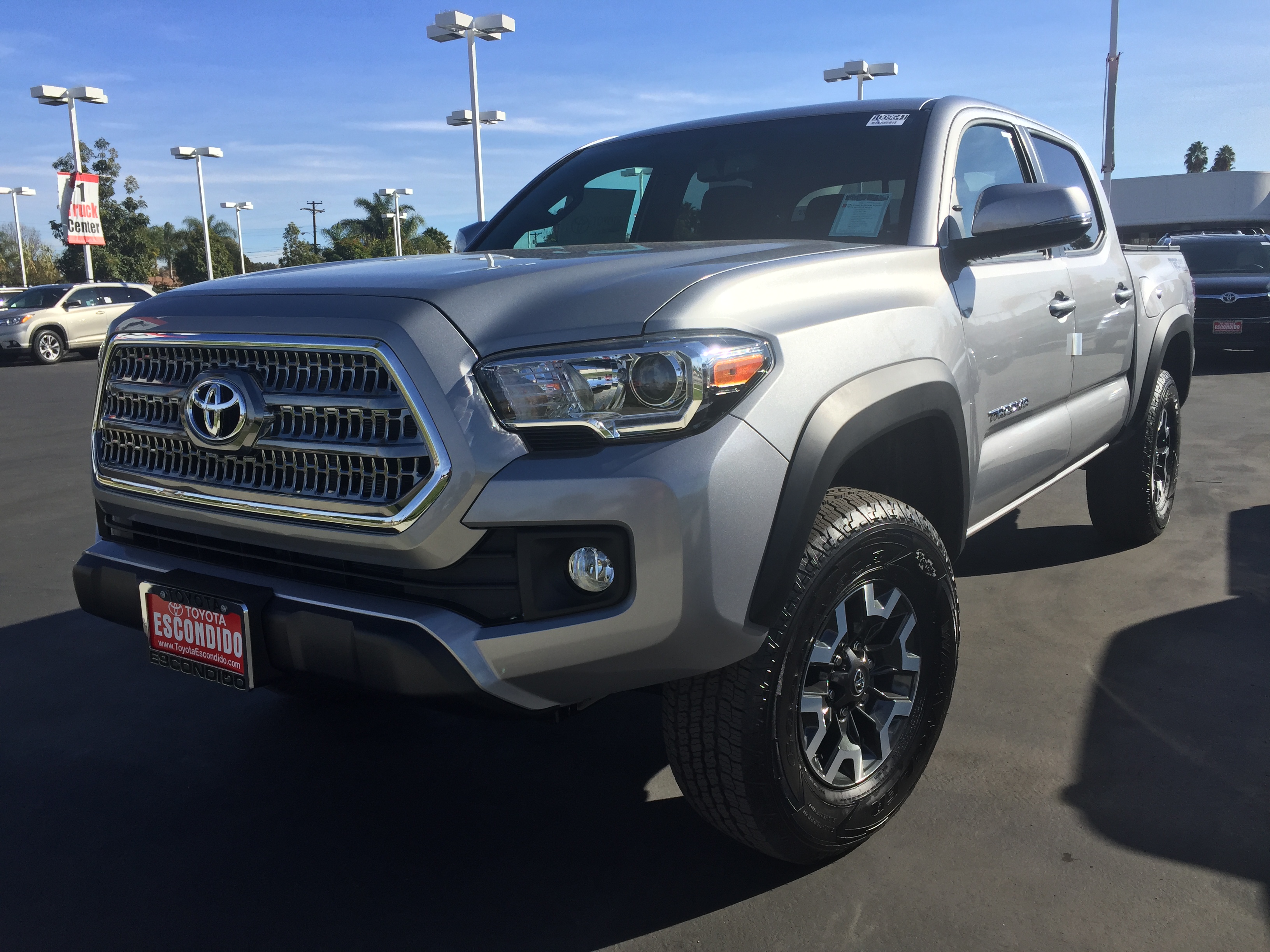
Toyota Tacoma
"I was terrified. I was going to get decapitated by my one time I was installing a trailer hitch on a Tacoma and I was kneeling down behind it."
The Toyota Tacoma is a pickup truck. The host was installing a trailer hitch on it, and while doing so the tailgate popped open unexpectedly.
The Toyota Tacoma is a midsize pickup truck, and it’s commonly used for towing and accessories like trailer hitches. The host describes installing a trailer hitch on a Tacoma and getting hit by the tailgate pop while the key was in their pocket.
key fob
"Can't wait for a camera on my key fob that like notices it's approaching the car and does the right thing."
A key fob is the small remote you carry to lock/unlock and control your car. It talks to the car wirelessly, and the host is joking about making it smarter so it behaves the way you expect.
A key fob is the wireless remote that communicates with the car for keyless entry and remote functions. The host imagines adding more sensing to a key fob (like detecting approach) so the car can react correctly without accidental openings.
non-ionizing radiation
"You can like scan through my pocket with like a low level of non-ionizing radiation. Whatever it takes. Yeah. And notice"
Non-ionizing radiation is a type of electromagnetic energy that’s not strong enough to damage atoms. The host is making a joke that the car could use some kind of scanning signal to figure out where your key is.
Non-ionizing radiation refers to electromagnetic energy that doesn’t have enough energy to remove tightly bound electrons from atoms. The host uses it as a joke to describe the idea of scanning your pocket with a “low level” of radiation to detect the key’s presence.
keyless entry
"something as simple as keyless entry, which I think has been going on for probably more than a decade. [2185.1s] Keyless entry has been going on since the 90s."
Keyless entry is how you unlock your car without putting a key in the door. Your key fob talks to the car wirelessly, and when you’re close enough, it lets you in.
Keyless entry is the system that lets you unlock (and often start) a car without inserting a physical key. It typically uses a wireless signal between the key fob and the car’s antennas, so the car can detect when you’re close and respond.
mature industry
"A lot of the problems we have with cars is that automotive, the automotive industry is a mature industry. [2210.0s] we are not really innovating anymore."
A “mature industry” is when the basics are already figured out and improvements become smaller. The point here is that updates may be more about getting you to buy something new than making the car work better.
A “mature industry” is one where the core product is already good and incremental improvements are harder to notice. The host argues that when an industry is mature, changes aimed at selling more cars can shift away from improving real functionality.
battery life
"if the battery is dead or if you're searching for a plug? And I thought the reality is you just need to have the car, you need to have the phone living like with battery life, right?"
“Battery life” just means how long something can keep working before it needs power again. The host is using it to explain why having power available matters for both phones and cars.
In this context, “battery life” means how long a device (the phone) can run before needing a recharge. The host uses it as an analogy for how a car’s energy storage (and charging availability) affects real-world usability.
super cruise
"I will say personally, I think it's super cruise or any hands-free driving technology. I know we don't technically need these features, but when they work and they work well, it is, it's like magic."
Super Cruise is a feature that helps the car drive with less work from you—like steering for you—on certain roads. It’s not “fully self-driving,” but it can feel very close when it’s working correctly.
Super Cruise is a hands-free driver-assistance system that can steer the car and manage driving tasks on compatible roads. It’s notable because it’s designed to work without the driver constantly gripping the wheel, but only under specific conditions where the system can reliably monitor the environment and the driver.
hands-free driving
"like when you have the features that enable hands-free driving, but do not enable hands-free driving, you know, like a driver attention systems."
“Hands-free driving” means the car can do some driving tasks without you gripping the wheel. But it often still expects you to watch the road and be ready to step in.
“Hands-free driving” refers to driver-assistance systems that can steer and/or control the car without the driver physically holding the wheel. Even when steering is automated, the driver may still be required to monitor the system and be ready to take over.
driver attention systems
"like when you have the features that enable hands-free driving, but do not enable hands-free driving, you know, like a driver attention systems. No, not just driver attention, but facial, like"
These are in-car systems that watch whether you’re paying attention. If you look away too much, the car can warn you or reduce what it will do automatically.
Driver attention systems use sensors (often cameras) to monitor whether the driver is paying attention. If the system detects distraction or lack of monitoring, it can warn the driver or limit certain automated functions.
eye monitoring system
"No, not just driver attention, but facial, like eye monitoring system. Yeah, that's, I looped that all under that."
This is a camera-based system that tracks where your eyes are looking. It helps the car tell if you’re distracted, especially when using driver-assistance features.
An eye monitoring system uses cameras and computer vision to estimate where the driver is looking. It’s commonly used to detect distraction (like looking at a screen) and to enforce driver monitoring requirements for advanced driver-assistance features.
on-screen climate controls
"Or climate controls. If you have a, if you have screen, on-screen climate controls, you better not, you also better not be looking at an address on the side of the road."
Instead of using physical buttons for heat and AC, you adjust them on the touchscreen. That can make you look away more, which can trigger warnings if the car is watching your attention.
On-screen climate controls mean heating/AC settings are adjusted through the infotainment display rather than dedicated physical buttons or knobs. This can increase how often drivers need to look at the screen, which matters when driver-monitoring systems demand constant forward attention.
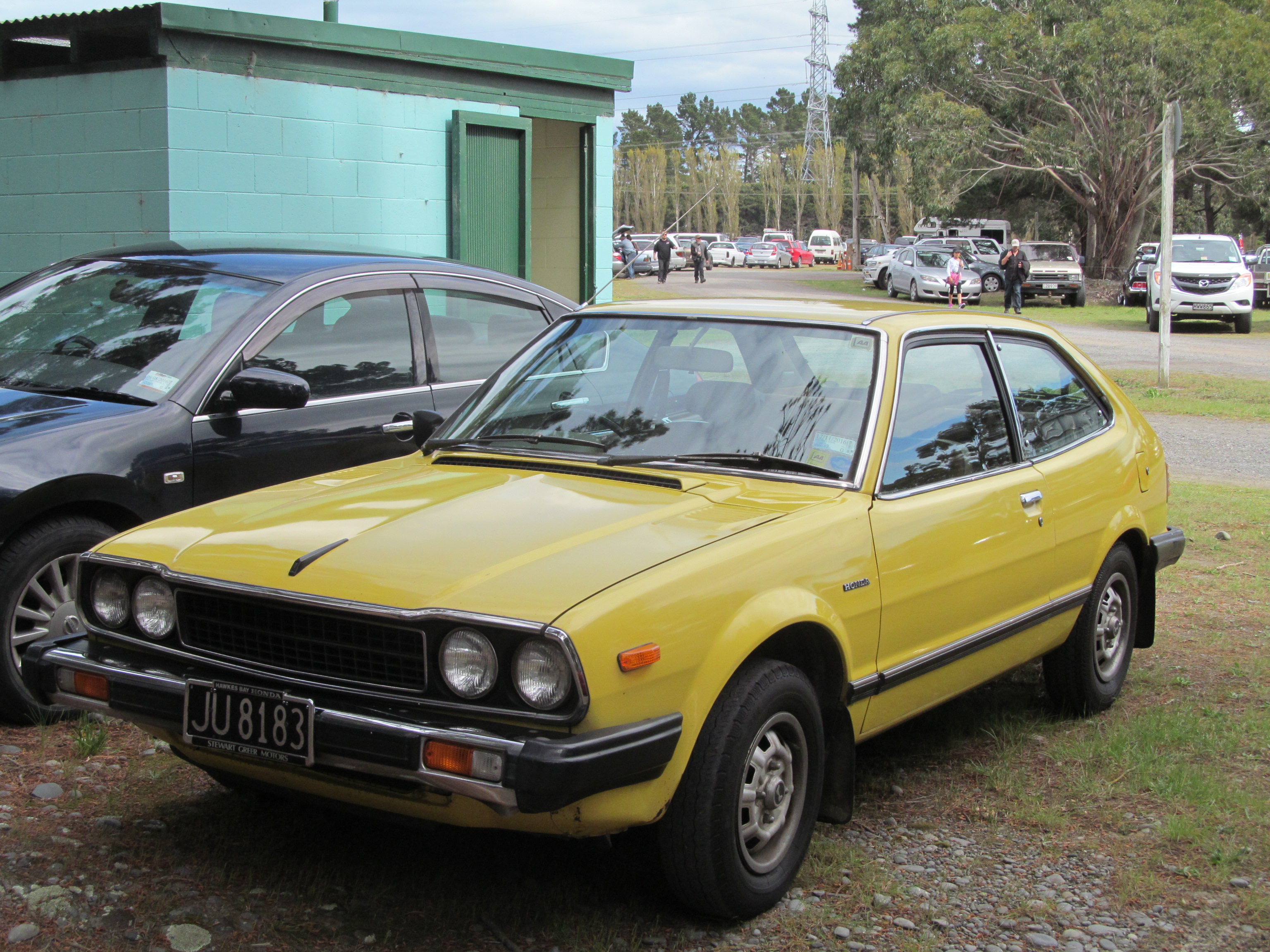
Honda Accord Hybrid
"Yeah, I'm talking about the 2026 Honda Accord Hybrid. You told me something about the Honda Accord Hybrid. Oh, I'm saving it for next week."
The Honda Accord Hybrid is a hybrid version of Honda’s Accord midsize sedan. “Hybrid” here means it uses an electric motor alongside a gasoline engine to improve efficiency, typically without needing a wall plug like a plug-in hybrid.
Request an Explanation
Heard something you'd like explained? We'll add it to this episode.
Sign in to request explanations for terms you heard.
Want to learn more?
Browse our glossary for plain-English explanations of automotive terms, jargon, and concepts.
Help improve this episode
See something that's not quite right? Our annotations are AI-generated and can sometimes miss the mark. Click the flag icon on any annotation to suggest a correction.