Episode 456: Guest Bradley Iger, Czinger 21C Supercar, 2026 Ram 2500 Tow Test, Benjamin Has A Bad Track Day, Bradley Talks Charger Take Two
About this episode
Bradley Iger joins Sammy and Benjamin for a deep dive into the Czinger 21C, focusing on why its “Vmax” and high-downforce variants feel like different tools for different track goals. They geek out over the car’s alien aero—scoops, ducts, and extreme wings—plus the center-seat, single-row layout and the wild “spin and drop” entry. Bradley also explains Czinger/Divergent’s use of 3D-printed metal subframes and how the tech supports lightweight, track-first design. The episode also includes a chaotic heat-wave charging-station story and a bad track-day update from Benjamin.
The Unnamed Automotive Podcast open-door policy is in full effect as we welcome another great guest, journalist Bradley Iger, who jumps in to discuss the unbelievably cool, made-in-America Czinger 21C VMax hypercar. Beyond its amazing looks and incredible design philosophy, Iger talks about what it's like to pilot one of these legitimate racecar for the streets from the centre seat.
Then Benjamin chimes in to review the 2026 Ram 2500 Laramie, which was tasked with his own racecar towing duties. How'd the big diesel truck fare when dealing with the long road between Montreal and Toronto? Maybe a better question is, how did Benjamin deal with a track day gone wrong, and how has that changed his outlook on the sport?
Finally, our hosts discussed the 2026 Dodge Charger one more time, this time with Bradley's perspective of being a multiple-time owner of the previous generation Dodges. What was the American automaker going for, and what mishaps further explain just how compromised this car really is? Thanks for listening!

Czinger 21C
"But can you please walk me through a car known as the finger 21? ... 21 C and the version I drove was the V max. ... There's also a high downforce version. ... the main difference is mainly the arrow pack"
The Czinger 21C is a very high-end supercar built for serious performance. The episode is talking about different versions of it and how the aero setup can be changed to make it stick to the road more at speed.
The Czinger 21C is a track-focused hypercar from Czinger that’s known for using advanced aerodynamics and a lightweight, high-performance design. In this segment, the host and guest discuss the specific “21C” and the version they drove, including how different aero packages change downforce.
high downforce version
"There's also a high downforce version. The, like, like I was telling Ben before, it's the main difference is mainly the arrow pack"
A “high downforce” setup makes the car press down harder onto the road. That usually helps it grip better and feel more stable when you’re going fast or turning hard.
A “high downforce” version is tuned to generate more aerodynamic downforce—extra force pushing the car’s tires into the road. More downforce generally improves grip and stability at high speeds, especially in corners.
arrow pack
"it's the main difference is mainly the arrow pack, just they put on it."
An “arrow pack” sounds like an aero kit—extra bodywork designed to change how air flows around the car. The goal is usually to make the car stick to the road more, especially at speed.
An “arrow pack” (as referenced here) appears to be an aerodynamic package for the Czinger 21C that changes the car’s airflow and downforce characteristics. In practice, aero packages like this typically include specific front/rear elements designed to increase stability and cornering grip.
oversteer
"You know how they say oversteer is one way of hitting the wall and understeer is the other way."
Oversteer is when the back of the car loses traction before the front. The car then starts to rotate more than you expect, which can lead to a spin.
Oversteer is when a car’s rear end loses grip more than the front, so the car tends to rotate toward the outside of a corner. It often shows up as the car “wants to spin” if you add steering or throttle while cornering.
understeer
"You know how they say oversteer is one way of hitting the wall and understeer is the other way."
Understeer is when the front tires lose traction first. The car won’t turn in enough and tends to slide outward in the corner.
Understeer is when the front tires lose grip first, so the car doesn’t turn as much as you want. The driver typically feels like the car “pushes” toward the outside of the turn.
max downforce
"I feel like V max and max downforce are like the other two poles of that equation."
Max downforce means the car is tuned to create the most “suction” downward from the air. That extra grip helps it brake and turn harder, especially in corners.
Max downforce is a configuration optimized to generate the most aerodynamic downforce possible. More downforce increases tire grip by pushing the car harder onto the road, improving braking and cornering—especially at lower speeds.
top speed records
"they wanted one car that was going to, you know, chase top speed records and then another version of the car that was going to chase lab records."
Top speed records are about getting the car as fast as possible. The car is usually set up to reduce air resistance so it can accelerate and keep going faster on straights.
Top speed records are attempts focused on achieving the highest possible velocity over a defined run. They typically require low drag and a setup that prioritizes straight-line efficiency over maximum cornering grip.
center seating
"I think that, you know, the fact that it's center seating kind of defines the shape of the car."
Center seating means the driver sits in the middle of the car. That layout can affect how the car is shaped and how air flows around it.
Center seating is a driver position where the cockpit is arranged so the driver sits in the middle rather than offset to one side. It can influence packaging and aerodynamics, helping shape the bodywork and airflow around the car.
Le Mans prototypes
"And I think to me, it reminds me a lot of like Le Mans prototypes kind of in that way, because that's center seating, but, you know, dialed down a little bit more,"
Le Mans prototypes are race cars built for long-distance endurance racing at Le Mans. They’re known for their aerodynamic shapes and stable handling over long periods.
Le Mans prototypes are purpose-built race cars designed for endurance racing at Le Mans, typically with aerodynamic bodywork and a focus on efficiency and stability over long stints. The speaker is using them as a reference point for the car’s center-seating layout and overall silhouette.
crazy wing
"especially with the V max on having the crazy wing and all that and the canards and all that stuff."
A “crazy wing” is a big, aggressive spoiler/wing meant to push the car down onto the road. More downforce helps cornering, but it can make the car slower on top speed because it creates more drag.
A “crazy wing” refers to an aggressive rear wing designed to produce significant downforce. In high-downforce setups, larger or more highly angled wings increase grip but can also add drag that hurts top speed.
canards
"especially with the V max on having the crazy wing and all that and the canards and all that stuff."
Canards are small fins on the front of a race car. They help shape the airflow so the car gets more grip and better balance.
Canards are small aerodynamic fins mounted near the front of the car, used to manage airflow and generate downforce. They can also help improve front-end balance by influencing how air moves toward the rest of the aero package.
V max car
"[309.7s] V max car, they want it to be as slippery as possible."
“V max” means the car is tuned to go as fast as possible at the top end. That usually involves making the shape less “grabby” for air so the car doesn’t slow down as much from wind resistance.
“V max” refers to a car setup optimized for maximum top speed. In practice, that means reducing aerodynamic drag and shaping the body so airflow stays attached longer, which is why the host talks about making it “as slippery as possible.”
wind tunnel
"[312.6s] So it does have that really sort of alien wind tunnel sort of shape to it."
A wind tunnel is like a giant airflow test chamber. Engineers use it to see how air moves around a car so they can shape the body to reduce drag and improve stability.
A wind tunnel is a testing facility where engineers measure how air flows around a vehicle. The host’s point is that the car’s shape looks like it was designed with wind-tunnel-style aerodynamics in mind—lots of careful surfaces to manage airflow.
duct
"[317.9s] Everything is a scoop or a duct or some kind, you know."
A duct is a channel that routes airflow from an inlet to a specific component or area. On race-oriented cars, ducts are commonly used to cool radiators, intercoolers, brakes, or to shape aerodynamic airflow.
scoops
"[317.9s] Everything is a scoop or a duct or some kind, you know."
Scoops are openings on a car body that capture airflow and direct it where it’s needed. They’re often used to feed cooling air to radiators and brakes or to manage underbody and aerodynamic pressure.
fairings
"[325.8s] looks like there's almost a wicker like surface for a lot of the, the fairings on"
Fairings are shaped panels on the car that help air flow more smoothly. They can also be designed to control airflow in specific areas, not just cover up parts.
Fairings are body panels designed to smooth airflow around the car. The host is describing how the Czinger’s fairings appear to have unusual surfaces to let air pass through in places you wouldn’t normally expect—an aerodynamic detail rather than just styling.
high speed tracks
"[351.2s] designed to live on tracks, either high speed tracks or, you know, road courses."
High-speed tracks are race circuits where you’re going fast for long stretches. Cars that are built for those tracks need strong aerodynamics so they stay stable and don’t waste energy fighting wind.
High-speed tracks are circuits where sustained fast running makes aerodynamic efficiency and stability especially important. The host is using this to explain why the car’s aero-heavy design makes sense for road courses rather than just commuting.
road courses
"[351.2s] designed to live on tracks, either high speed tracks or, you know, road courses."
Road courses are race tracks that feel more like winding roads than ovals. They involve lots of turning and braking, so the car’s handling and aero matter a lot.
Road courses are racing circuits built around roads or road-like layouts, typically featuring repeated braking, cornering, and acceleration. The host groups them with high-speed tracks to emphasize the car’s track-focused design intent.
single seating
"And I think that part of that is the single seating, the, the, the single row seating that you mentioned."
Single seating means the car is set up for one person in the cockpit. Designers use it to make the car narrower and sometimes to improve airflow around the body.
Single seating refers to a one-person cockpit layout rather than a two-seat arrangement. It’s often used in concept cars and some extreme supercar designs to reduce width, improve aerodynamics, and create a more focused driver environment.
single row dual seat vehicle
"Um, there was also a single, a single row dual seat vehicle. It really has that kind of cool proportion..."
It means the car has two seats, but they’re lined up in one row. That layout changes how wide the car feels and how you get into the cockpit.
This describes a cabin layout where the car has two seats but they’re arranged in a single row (not staggered like some exotic layouts). It’s a packaging choice that affects how wide the body needs to be and how the driver and passenger access the cockpit.
door sills
"instead of having enormous door sills, like you still kind of have that, but the body of the car itself is like visually narrowed..."
Door sills are the ledges you step over when you open the door. On very low cars, they can be tall, so getting in may require stepping onto them first.
Door sills are the raised panels/thresholds along the bottom edge of the door opening. In low, exotic cars they can be very tall, which changes entry/exit ergonomics and can make getting in feel awkward or require stepping onto the sill.
purpose built the car
"And like, you know, how, like I said, purpose built the car is and because, [485.5s] you know, so the part of the reason that there's such a huge, you know, sort of, [489.4s] um, you know, gap you have to clear in order to get into the car is because the, [494.1s] the batteries of the car are in those side sills."
A purpose-built car is designed specifically for what it’s trying to do, not just modified from something else. Here, they’re saying that design goal drives where the batteries go and how the car’s shape ends up around the driver.
A purpose-built car is engineered from the ground up for its intended architecture and performance goals, rather than being adapted from an existing platform. The host connects that idea to packaging constraints like battery placement and how that shapes the cabin entry and body width.
side sills
"the batteries of the car are in those side sills. [497.1s] So they, it makes them even a little bit bigger. [499.7s] They're like, they're really small, like batteries."
Side sills are the lower “frame rails” along the sides of the car. Putting batteries there can help protect them, but it can also make the area where you climb in feel wider.
Side sills are the structural rocker-panel areas along the lower sides of a car. Placing batteries in the side sills is a packaging strategy that can protect the cells in a crash zone while also widening the cabin entry area.
front motors
"It's just essentially to just power the, the front motors. [509.6s] There's no electric driving range. [512.5s] Um, but those, they're in there."
Front motors are electric engines that help drive the front wheels. Here, they’re saying the battery mainly powers those front electric motors.
Front motors are electric traction motors mounted to drive the front axle. In this setup, the battery pack is described as powering the front motors, which implies the car uses electric assistance rather than full-time electric propulsion.
electric driving range
"There's no electric driving range. [512.5s] Um, but those, they're in there. [514.5s] I think because they figured that was the best place to protect them."
Electric driving range is the distance a car can go on electricity alone. They’re saying this car doesn’t really have that—its electric system is more for power/assistance than for traveling on battery alone.
Electric driving range is how far a vehicle can go using only electric power (typically measured in miles or kilometers). The host says there’s no electric driving range here, meaning the car isn’t meant to be driven like an EV for any meaningful distance.
carbon fiber tub
"subframes that are attached to the carbon fiber tub, which is where, you know, [548.8s] the passenger and the backbone of the vehicle is located."
This is the car’s main cockpit structure made from carbon fiber. It’s like a lightweight, strong tub that helps the car feel rigid and safe.
A carbon fiber tub is the structural “shell” of a race-style car made from carbon fiber composite. It’s where the cockpit structure lives, and it provides stiffness while keeping weight down compared with traditional steel or aluminum structures.
3d printed
"They're 3d printed. [553.6s] And so like I'm looking at them and it's like, I'm looking at props from like"
3D printing means making a part by building it up layer by layer from a computer design. It lets engineers create shapes that are difficult to make with normal tools.
“3D printed” here refers to additive manufacturing—building parts layer-by-layer from a digital model. In this context, it’s used to create structural components that can be shaped in ways that are hard or expensive with conventional machining or casting.
metal parts
"people have done 3d printing before, you know, in the [598.9s] automotive realm, but this is first off, I mean, I, I mean, I think that the [602.6s] fact that they're doing this for metal parts is kind of unusual."
They’re talking about 3D printing parts out of metal. Making metal parts is harder than printing plastic, because the metal has to be strong and properly finished.
The speaker highlights that the company is 3D printing metal components, not just plastics or non-structural prototypes. Printing metal parts is generally more challenging because you need the right alloys, heat control, and post-processing to achieve strength and durability.
Divergent Technologies
"So Zinger is a, you know, uh, is owned by this larger company. [617.0s] That's, you know, the same people, um, of this larger company we called, uh, [620.5s] Divergent Technologies, which essentially is, is mainly focused on 3d printing [624.8s] and like software development for that."
This is the company behind the 3D-printing and software side of the project. They help make the car using advanced manufacturing methods.
Divergent Technologies is the company the guest says owns Czinger and is mainly focused on 3D printing and related software development. The point is that their manufacturing approach is tied to the supercar’s hardware and how parts are designed.
upright for a wing
"they work with automotive clients, you know, like McLaren and Bugatti [636.3s] and folks like that who need, you know, maybe like, uh, an upright for a wing [640.4s] or submit that something that's going to be low volume for like, you know,"
That’s the metal/structural post that holds a spoiler or wing on the car. It has to be strong so the wing stays in the right position at speed.
An “upright for a wing” is the structural support that holds an aerodynamic wing (like a rear wing) in place. It has to resist bending and vibration while maintaining the wing’s alignment so the car’s downforce stays consistent.
packaging constraints
"okay, how can we make this as light as possible within the packaging constraints [655.7s] that we want to do."
Packaging constraints are the “space rules” for the car—where parts must fit. Even if you want something lighter or stronger, you still have to fit everything inside the available space.
Packaging constraints are the physical limits of where components can fit in the vehicle—space for the engine, cooling, occupants, crash structures, and aerodynamic hardware. When designing a hypercar, these constraints heavily influence how light and how strong the structure can be.
subframes
"they, you know, took this software that they have, that Divergent has, [661.9s] and they said, okay, we're going to plug this information into it for, you know, [666.0s] the, the subframes and for the control arms and every other piece, like pretty"
Subframes are like smaller metal/structural “mounting frames” inside the car. They help attach parts such as the suspension, and they have to be engineered to work with the main body structure.
Subframes are smaller structural frames that mount to the main body and provide hard points for components like suspension and steering. In a carbon monocoque car, subframes must be designed carefully so they don’t weaken the main structure while still supporting suspension loads.
carbon fiber monocoque
"for the subframes and for the control arms and every other piece, like pretty [669.9s] much anything that attaches to that, that carbon fiber monocoque."
A carbon fiber monocoque is the main body structure made from carbon fiber. It’s designed to be very strong while staying light, which helps the whole car perform better.
A carbon fiber monocoque is a vehicle body structure where the carbon-fiber shell carries the main loads, rather than relying on a separate frame. Because it’s both stiff and light, it’s common in high-end hypercars and helps enable aggressive weight optimization.
control arms
"the, the subframes and for the control arms and every other piece, like pretty [669.9s] much anything that attaches to that, that carbon fiber monocoque."
Control arms are suspension parts that connect the wheel to the car’s body. They help determine how the wheel moves, which affects grip and ride behavior.
Control arms are suspension links that connect the wheel to the chassis and control wheel motion through bumps, braking, and cornering. Their geometry and stiffness strongly affect handling, and in a lightweight carbon structure they also influence how loads flow into the monocoque.
optimization
"It is either unnecessary weight or it compromises the strength. [705.0s] Sure. [705.6s] Optimization. [706.4s] That's crazy."
Optimization means using computer tools to tweak a design until it’s as good as possible. In this case, they’re balancing strength and weight so precisely that even small changes can make it worse.
Optimization here means using engineering software to iteratively adjust part shapes and material placement to meet targets like stiffness and strength while minimizing weight. The speaker’s point is that the design becomes so finely tuned that changing mass can hurt performance.
1,200 horsepower
"because I mean, it's ridiculous to say this, but we have a lot [717.2s] of 1,200 horsepower cars now."
Horsepower is a way to describe how much power the engine can make. “1,200 horsepower” is an extremely high number, usually associated with top-tier performance cars.
Horsepower is a measure of engine power output, and “1,200 horsepower” indicates extremely high performance. The speaker uses it to frame how common very high-power cars have become, even before discussing this specific hypercar’s design approach.
aero
"The appearances are also not all that different because so much is driven by [779.5s] Aero these days..."
“Aero” is how the car’s shape interacts with air. Better aerodynamics can help the car stick to the road and go faster, and it can also make many cars end up with similar-looking shapes.
“Aero” is short for aerodynamics—the way air flows around a car. In modern performance cars, aerodynamic design strongly influences downforce, drag, and stability, which can make different cars look more similar because they’re chasing similar airflow efficiency.
generic sized silhouette and profile
"because so much is driven by [779.5s] Aero these days, and it's really created a generic sized silhouette and profile"
A “silhouette and profile” are basically the car’s overall outline and shape. The point here is that aerodynamics can force many cars to adopt similar shapes because those shapes work well against the air.
A “silhouette and profile” describe the car’s overall outer shape and how it presents to airflow. The speaker is arguing that heavy aerodynamic optimization pushes many high-power cars toward a similar-looking body shape because that shape is efficient for cutting through air.
zero tolerance assembly process
"But what's really different about it is we have a zero tolerance assembly process, which is something that I don't think any other automaker has even attempted..."
This means the factory tries to build the car with almost no “slop” or variation between parts. The goal is for every car to come out closer to the exact design, so it drives the way it’s supposed to more consistently.
A “zero tolerance assembly process” refers to an extremely strict manufacturing approach where parts are assembled with minimal allowable variation. The idea is that tighter fitment and alignment improve how consistently the car performs and how well it maintains optimized aerodynamics and mechanical behavior.

Chevrolet C8
"...And I mean, so this car is probably bigger than a C8 Corvette and, you know, a ZR1X is I think like 4,..."
The Chevrolet Corvette is a sports car built for speed and handling. People talk about it a lot because it’s designed to feel exciting to drive. In the podcast, it’s being compared to other versions of the Corvette.
The Chevrolet Corvette is a performance sports car from Chevrolet, known for its strong acceleration and driver-focused design. In the podcast, it’s mentioned in the context of size/positioning versus other high-performance Corvettes, which is why it comes up when discussing how different trims compare. Corvettes are often discussed because they’re a benchmark for American sports-car performance.
sound deadening
"and it makes the same power and it has a similar layout and they got there. Obviously it's part of that is like reduced sound deadening and stuff like that."
Sound deadening refers to materials added to reduce noise and vibration inside the cabin. Reducing it can save weight and improve performance, but it typically makes the car louder and more “raw” at speed.
3D printing
"And I mean, I just, like I said, I think that the, the, you know, the 3D printing element of it is really what kind of caught my attention..."
3D printing is a way to make parts by building them up layer by layer from a computer design. Car companies use it to create complex shapes, especially when they’re making smaller runs.
3D printing (additive manufacturing) builds parts layer-by-layer from a digital model. In automotive, it’s often used for complex prototypes and some production components where custom shapes or small batches are valuable.
tandem seating layout
"they couldn't find one that would fit within the packaging constraints of this tandem seating layout."
Tandem seating means the driver and passenger sit in a line, one behind the other. It can help the car’s shape and airflow, but it also makes the interior and engine space more complicated.
A tandem seating layout places the driver and passenger one behind the other instead of side-by-side. This packaging choice can improve aerodynamics and reduce frontal area, but it also constrains where the engine and other components can fit.
2.8 liter twin turbo V8
"And so they just built their own. They just created their own 2.8 liter twin turbo V8."
This is a V8 engine (eight cylinders) that’s 2.8 liters total, and it uses two turbochargers. Turbos cram more air into the engine so it can make a lot of power even though the engine isn’t huge.
A 2.8-liter twin-turbo V8 is a V8 engine with two turbochargers feeding pressurized air into the cylinders. The “twin turbo” setup helps the engine make high power from a relatively small displacement, and it’s especially notable here because the speaker says it was custom-built to fit the car’s packaging.
750 horsepower
"it makes 750 horsepower on its own."
Horsepower is a number that tells you how strong the engine is. Higher horsepower usually means the car can accelerate harder, especially when paired with good gearing and traction.
Horsepower is a measure of engine power output—how much work the engine can do per unit time. When a supercar claims a specific number like 750 hp, it’s describing the peak power the drivetrain can produce.
Koenigsegg
"for people who are listening... even a company like Koenigsegg started out working from, I believe it was Audi V8s."
Koenigsegg is a company that makes extreme, high-performance supercars. The point here is that even they have used existing V8 engines as a base when designing their own drivetrain solutions.
Koenigsegg is a Swedish supercar manufacturer known for building high-performance cars with advanced powertrains. The speaker mentions the company as an example of using production V8s as a starting point when developing supercar drivetrains.
Audi V8s
"even a company like Koenigsegg started out working from, I believe it was Audi V8s."
Audi V8s are regular, production V8 engines made by Audi. The speaker is saying some supercar makers start with engines like these instead of designing everything from scratch.
Audi V8s refers to Audi’s production V8 engines, which can be used as a base for other manufacturers’ supercar powertrains. The speaker is contrasting typical supercar approaches (using existing engines) with the custom engine approach described for this car.
bespoke supercars
"And we've seen no end of bespoke supercars that come out with like LS [974.1s] power or AMG power, particularly that turbo four liter V8 that's, that's"
“Bespoke” means the car is made to order for a particular buyer. With supercars, that often means it’s not just a standard model off the shelf.
“Bespoke” means custom-built to a specific customer or specification rather than mass-produced. In supercar context, it usually implies one-off or highly tailored engineering, bodywork, and interior details.
LS power
"And we've seen no end of bespoke supercars that come out with like LS [974.1s] power or AMG power, particularly that turbo four liter V8 that's, that's"
“LS power” usually means the car is using a GM V8 from the LS engine family. People mention it because those engines are popular, strong, and have lots of aftermarket support.
“LS power” refers to the GM LS-series V8 engines (famously used in many performance builds). When someone says a supercar has “LS power,” they typically mean it uses an LS-family engine or an LS-based swap.
AMG power
"And we've seen no end of bespoke supercars that come out with like LS [974.1s] power or AMG power, particularly that turbo four liter V8 that's, that's"
“AMG power” means the engine is from Mercedes-AMG, the brand’s performance arm. It’s a shorthand for a more track-focused, high-output engine.
“AMG power” points to engines built by Mercedes-AMG, Mercedes-Benz’s performance division. In enthusiast talk, it signals a high-performance, often turbocharged engine family associated with AMG models.
turbo four liter V8
"particularly that turbo four liter V8 that's, that's [979.0s] out there and everything now."
This describes a V8 engine that’s about 4 liters and uses a turbocharger. The turbo helps the engine make more power by pushing extra air into it.
A “turbo four liter V8” is a V8 engine with a turbocharger and about a 4.0-liter displacement. Turbocharging forces more air into the engine, allowing higher power than a naturally aspirated engine of similar size.
hybrid systems
"Like the drivetrain development seems to be limited to hybrid systems and [985.4s] software attached to an existing off the shelf power plant that's then"
A hybrid system uses both a gas engine and an electric motor. The electric part can help with acceleration and fuel economy, but it makes the car more complicated.
Hybrid systems combine an internal-combustion engine with an electric motor and battery. They can improve efficiency and provide extra torque, but they also add complexity to packaging and control software.
off the shelf power plant
"software attached to an existing off the shelf power plant that's then [989.8s] finagled and messed around with."
This means the car uses an engine that already exists in production, not a brand-new design. It’s usually cheaper and faster, but it may reduce how custom the engineering is.
An “off the shelf power plant” means using an existing, production engine platform rather than designing a new engine from scratch. It’s a cost- and time-saving approach, but it can limit how unique the final car feels mechanically.
10,000 RPM V8
"And I can't impress enough how difficult it is to develop your own 10,000 [1000.1s] RPM V8. [1001.4s] It's not something that is casually done."
This means a V8 engine that can safely rev extremely high—around 10,000 times per minute. High revs demand stronger, more precisely engineered internal parts.
A “10,000 RPM V8” is a V8 engine designed to spin to very high engine speeds (revolutions per minute). Achieving that requires careful engineering of the crankshaft, valvetrain, and lubrication to avoid valve float, vibration, and component failure.
11 grand
"And I think this one's actually 11 grand, which is, I mean, it sounds like, [1012.6s] it sounds like a super bike when you, when you start winding it out."
“11 grand” here means roughly 11,000 RPM. That’s very high engine speed, and it usually makes the engine sound and feel more intense.
“11 grand” is slang for about 11,000 RPM, continuing the theme of extremely high-revving engine design. Revving that high changes the driving feel and sound, and it typically implies a performance-focused valvetrain and calibration.
giant sills
"So with those giant sills, what's visibility like when you're, because you're right in the center of the car. I mean, it's fine."
In car terms, “sills” are the big lower side panels by your legs. If they’re tall, they can block your view out the side and make the car feel more enclosed.
“Sills” are the lower body panels along the sides of the cabin, and in a low supercar they can be very tall. Large sills block part of your view toward the road and contribute to the “hugging the center line” feel the host describes.
center line of the lane
"since you're in the center of the car, you inevitably end up hugging the center, the center line of the lane. Like you want to lean it to or to the left because you're not, you're no longer on the left side of the car, you're in the middle side of the car,"
The “center line of the lane” is the middle reference point you use to keep your car straight. They’re saying the cockpit layout makes you naturally aim for the middle of the lane.
The “center line of the lane” is the visual reference down the middle of your lane. The host is describing how the Czinger 21C’s seating position and limited peripheral cues can bias your steering/positioning toward that reference.
electric motors
"And you mentioned the, so it's a hybrid, but you mentioned no EV mode and that the electric motors are solely for the front wheels. Is that right?"
Electric motors are the parts that use electricity to create pulling force for the wheels. The important detail in this segment is which wheels they power.
Electric motors are the electric traction units that convert electrical energy into torque to move the wheels. Here, the discussion is specifically about which axle they drive (front wheels only) and how that shapes the car’s hybrid behavior.
EV mode
"Yeah. Yeah. Yeah. And you mentioned the, so it's a hybrid, but you mentioned no EV mode and that the electric motors are solely for the front wheels."
EV mode is a setting that lets the car drive using electricity instead of the gas engine. It’s basically the “electric-only” way to drive, depending on the car’s design and battery level.
EV mode is a driving setting where the car runs primarily on its electric traction system instead of relying on the engine. In this case, the host is discussing how the car’s hybrid system behaves when EV mode is available.
front wheels
"And you mentioned the, so it's a hybrid, but you mentioned no EV mode and that the electric motors are solely for the front wheels. Is that right?"
Front wheels means the front axle is the one getting the driving force. If only the front wheels are powered electrically, the car’s grip and handling will feel different than if all wheels were driven.
“Front wheels” refers to the axle that receives drive torque in this hybrid setup. The host is pointing out that the electric motors are solely powering the front wheels, which affects traction, handling balance, and how the car feels in different drive modes.
drive modes
"Um, it's got, I think like three different drive or four different drive modes. There's like a street sport track and track plus."
Drive modes are different settings that change how the car behaves. They can change things like how quickly it responds and how the power system is managed for street versus track driving.
Drive modes are selectable settings that change how the powertrain responds—such as throttle mapping, traction control behavior, and how the hybrid system allocates power. The segment lists multiple modes (street, sport, track, track plus) to explain how the car is intended to be used on different surfaces.
track plus
"There's like a street sport track and track plus. And then track plus, they were like, you can't use this on the street because"
Track Plus is a special driving mode meant for a race track. It usually makes the car more aggressive and less “street-friendly,” so it’s not meant for normal roads.
“Track Plus” is a higher-performance drive mode intended for circuit use, typically enabling more aggressive power delivery and stability/traction settings than street modes. The host also notes it can’t be used on the street, implying it’s calibrated for track conditions.
front splitter
"even [1184.6s] a bump in the road would cause it, the front splitter to bounce off of the [1187.7s] pavement. [1188.6s] So I mean, you're really like, like it's maybe, I'm looking at the"
The front splitter is a low piece under the front of the car. It helps the car “stick” by shaping airflow, but because it sits close to the ground, bumps can hit it.
A front splitter is an aerodynamic extension at the bottom of the front bumper. By running close to the road, it helps manage airflow and can increase downforce, but it also makes the car vulnerable to scraping or bouncing over bumps.
single clutch transmission
"It's got a single clutch transmission, like an Aventador. [1241.1s] So you would think that like it's going to be terrible, but because you [1244.9s] have the hybrid system filling in the torque gaps, you don't really notice"
A single-clutch transmission uses one clutch to change gears. When it shifts, there can be a short moment where power delivery changes, but the hybrid system can help keep it feeling continuous.
A single-clutch transmission uses one clutch to connect the engine to the gearbox. Compared with dual-clutch setups, it can create brief torque interruptions during shifts—though this car’s hybrid system is described as compensating for those “torque gaps.”
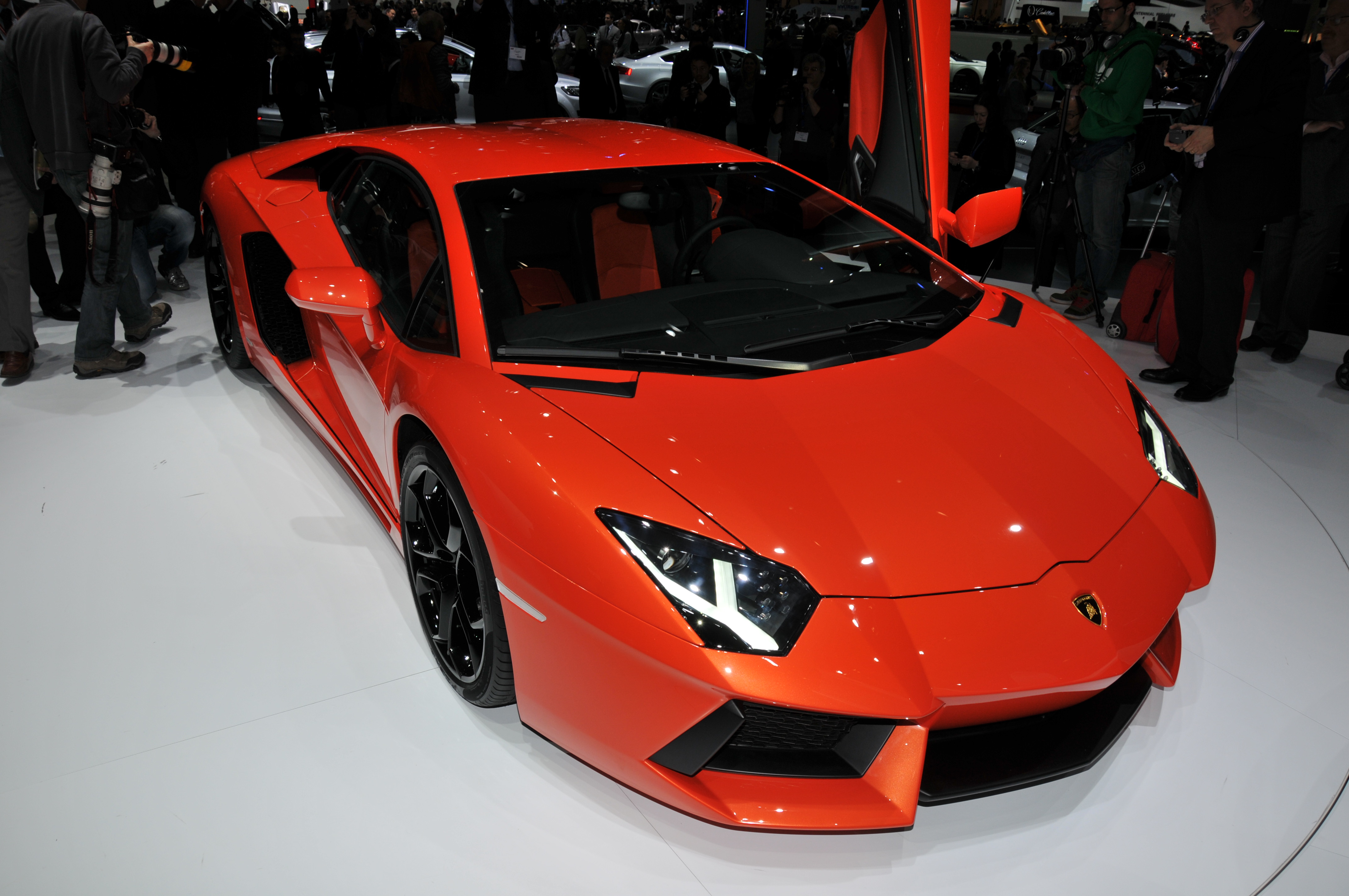
Lamborghini Aventador
"It's got a single clutch transmission, like an Aventador. [1241.1s] So you would think that like it's going to be terrible, but because you"
The Lamborghini Aventador is a supercar from Lamborghini. The comparison is about how its gear shifting can feel with a single-clutch gearbox—sometimes a bit abrupt—unless something else smooths it out.
The Lamborghini Aventador is known for its high-performance V12 and aggressive driving feel, including a single-clutch automated manual transmission. The host uses it as a reference point for how a single-clutch gearbox can feel during shifts.
torque gaps
"So you would think that like it's going to be terrible, but because you [1244.9s] have the hybrid system filling in the torque gaps, you don't really notice"
A torque gap is a tiny pause in pulling power when the car shifts gears. The electric motor can step in during that pause so you feel less of a “jerk” or loss of acceleration.
Torque gaps are brief moments during gear changes when the drivetrain delivers less (or no) twisting force to the wheels. Hybrid systems can reduce the size of these gaps by providing electric torque while the gearbox transitions.
full throttle up shifts
"But what you do get from that is those super gnarly, you know, full throttle up shifts that you get from a single clutch where it, you know, it feels like you're being kicked by a mule every time you shift it, which is kind of, yeah, I mean, I like that stuff."
“Full throttle” means you’re pressing the gas all the way down. If the car shifts up while you’re doing that, it can feel more violent or dramatic because the engine is making a lot of power at the same time.
“Full throttle” means the accelerator is fully opened, so the engine is delivering maximum power. “Up shifts” are gear changes to a higher gear, and when they happen under full throttle they can feel especially abrupt or forceful because the drivetrain is loaded heavily.
not generating lift
"So like also you're, I mean, even with the V max, I doubt that you're really touching any, any speeds where like the arrow would matter, aside from the fact that it's not generating lift."
“Lift” is air pressure that can try to push the car upward. If the car isn’t generating lift, it helps keep the tires pressed to the road so the car feels more stable at speed.
“Lift” is the upward aerodynamic force that can reduce tire grip at speed. A car that’s “not generating lift” is designed to avoid that destabilizing effect, helping it stay planted even when you’re not using maximum downforce.
turbo lag
"And you know, even if it had tons of lag, you know, turbo lag, you wouldn't notice it because the hybrid system is filling those gaps in."
Turbo lag is a short delay before the turbo “kicks in” and power shows up. It can feel like the car hesitates for a moment when you accelerate.
Turbo lag is the delay between when you press the accelerator and when a turbocharger builds enough boost to make power. It happens because the turbo needs time to spool up from exhaust gas flow.
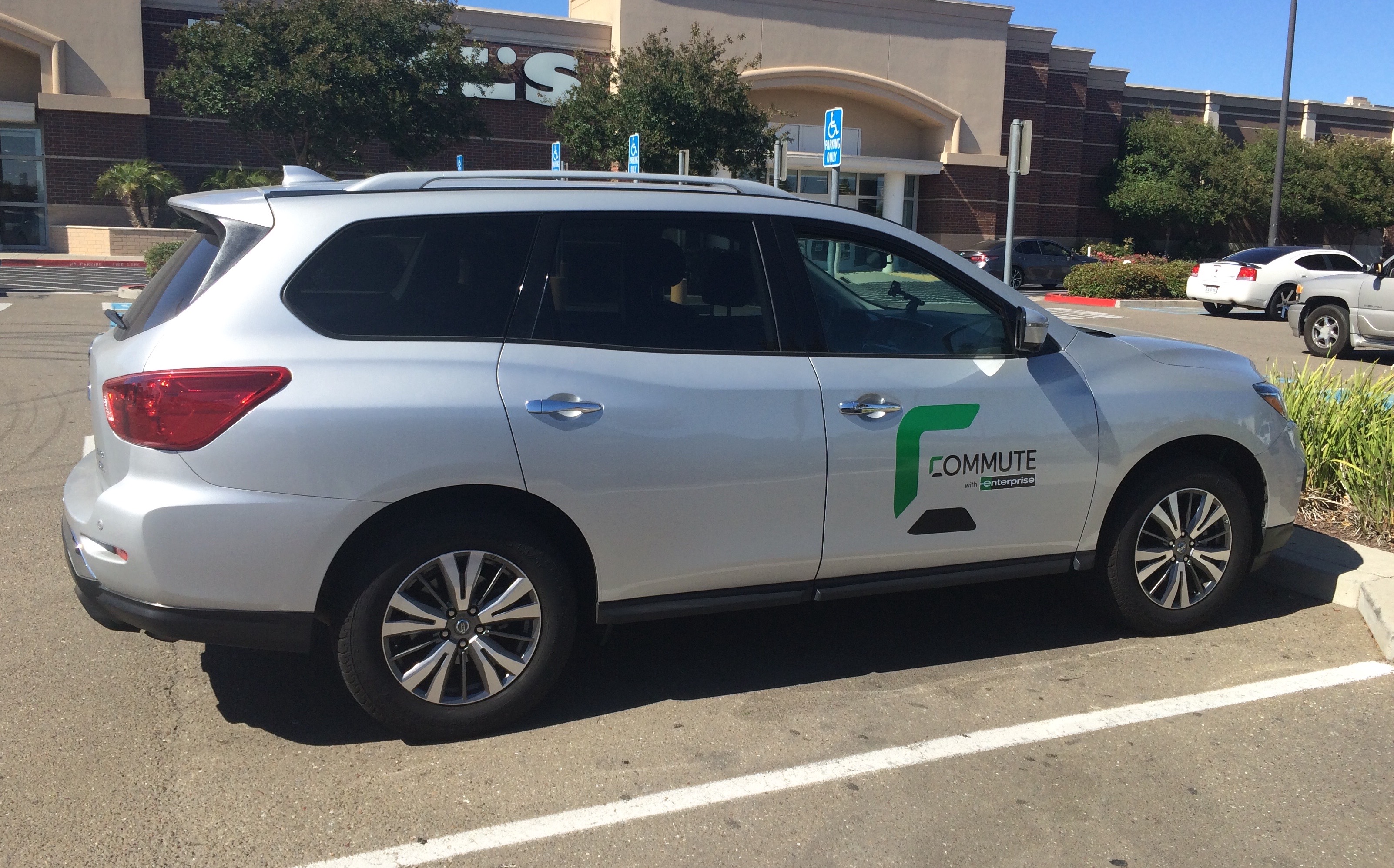
Nissan Pathfinder
"...uh, front brakes are larger than the wheels on my pathfinder. Yeah."
The Nissan Pathfinder is an SUV meant for families and everyday use. The podcast is talking about the brakes—specifically that the front brakes are larger than the wheels on the vehicle. That’s a normal detail people notice when comparing how cars stop.
The Nissan Pathfinder is a family-oriented SUV that’s typically used for daily driving and road trips. The podcast mentions brake size in relation to the Pathfinder, which points to practical details that can affect stopping feel and maintenance. It’s discussed because it’s a common SUV platform people compare based on real-world components.
carbon ceramics
"And like, no, these are pretty standard carbon ceramics. They're just AP racing carbon ceramics..."
Carbon-ceramic brakes are high-performance brake rotors made from a special ceramic material. They’re designed to keep braking power strong even when you’re braking hard repeatedly, but they cost a lot.
Carbon-ceramic brakes use a carbon-based ceramic material for the brake rotor. They can offer strong fade resistance and consistent braking under heavy use, but they’re expensive compared with conventional steel rotors.
AP racing
"They're just AP racing carbon ceramics that you would never see on normal road cars, you know, cause they're probably a bazillion dollars."
AP Racing is a company that makes performance brake parts, often used in racing. Their carbon-ceramic brakes are the kind you’d expect on very high-end track cars.
AP Racing is a motorsport-focused brake manufacturer known for supplying high-performance brake systems and components. When someone says “AP Racing carbon ceramics,” they’re pointing to a track-oriented supplier rather than typical consumer-grade brake hardware.
lap records
"this car is set like more than a dozen lap records across the U.S. ... I know that it's, it's set at least five or six in California alone."
A lap record is the best time anyone has measured for one full lap on a particular track. If a car sets lap records, it means it’s very fast and can keep that speed reliably around the course.
Lap records are the fastest officially recorded times around a specific track layout. When a car “sets lap records,” it’s being judged on real-world track performance—speed plus stability and consistency over a full circuit.
Big Willow
"if you can go into, you know, turn seven at Big Willow at, you know, 170 miles an hour, you're probably not going to want to do that the first time around."
Big Willow is a track in California where people go to drive cars fast and practice racing lines. The speaker mentions it to give a real example of how extreme the speeds and cornering can be.
Big Willow is a motorsports venue in California known for track days and high-speed driving. In this segment, it’s used as a reference point for a specific cornering scenario—entering a turn at very high speed—highlighting how confident you need to be in a downforce supercar.
grip cars
"driving an arrow car is the biggest leap of faith that you can take if you grew up driving grip cars, because it's the exact opposite of everything you've been taught in terms of cornering"
“Grip cars” are cars that mainly stick to the road because of the tires and suspension setup. The guest is saying downforce cars feel different because the car’s grip comes from aerodynamics too, not just the tires.
“Grip cars” refers to cars that rely primarily on tire traction and mechanical grip rather than heavy aerodynamic downforce. The speaker contrasts this with downforce cars, where the driver’s technique and confidence point can be very different because aero grip builds with speed.
limits of a car
"You have to come up with, um, almost a whole new understanding of where [1485.4s] the limits of a car are, because when you, when you're driving a non-arrow [1489.9s] car, aka 90% of the cars, well, most of us will ever drive, you have a"
Every car has a point where the tires can’t keep up with what you’re asking—turning, braking, or accelerating. Once you go past that point, the car starts sliding and feels less predictable.
The “limits of a car” are the boundaries where tires can no longer provide the grip needed for the driver’s inputs. Past that point, the car transitions from predictable handling to slip, requiring different technique to stay controlled.
breaking loose
"whether it's the sound of the tires or the feel of the [1502.5s] gradual breaking loose of the rear end of the car or the front end pushing"
“Breaking loose” is when the tires lose traction and begin to slide. You’ll usually feel it as the car suddenly stops responding the way you expect.
“Breaking loose” describes the moment tires lose traction and start to slide rather than grip the pavement. It’s often felt as a sudden change in steering feel or stability as the car transitions from grip to slip.
front end pushing
"whether it's the sound of the tires or the feel of the [1502.5s] gradual breaking loose of the rear end of the car or the front end pushing"
“Front end pushing” means the front tires aren’t gripping enough. The car doesn’t turn into the corner like you want, so it feels like it’s pushing wide.
“Front end pushing” describes understeer, where the front tires lose grip first and the car won’t turn as sharply as the driver asks. It’s commonly felt as the steering getting less effective while cornering.
rear end
"whether it's the sound of the tires or the feel of the [1502.5s] gradual breaking loose of the rear end of the car or the front end pushing"
“Rear end” means what the back tires are doing. If the back tires lose traction, the car can start turning more (or spinning) than you intended.
“Rear end” here refers to the rear axle’s behavior—especially whether the rear tires are still gripping or starting to slide. When the rear end breaks loose, the car can oversteer and rotate more than you expect.
conventional layout
"there's been hints that they're going to do [1579.6s] one with a more conventional layout. [1581.6s] And, you know, they'll still, from what, you know, they've told me specifically,"
“Conventional layout” means the car will likely use a more traditional design than the most unusual, cutting-edge setup. The idea here is that it could be easier to live with and more affordable, without giving up performance.
A “conventional layout” usually means a more traditional supercar architecture compared with exotic setups. In context, the speaker suggests Czinger may move toward a layout that’s easier to understand and more mainstream, while still aiming for high performance.
technical showcase
"I mean, I think that this is more than anything, a technical showcase and [1600.2s] something that will grab attention because it will set those records."
A “technical showcase” is basically a car made to prove what the engineers can do. It’s less about everyday practicality and more about showing off performance and technology to get attention.
A “technical showcase” is a product built primarily to demonstrate engineering capability rather than to be the most practical or mass-market option. Here, the speaker frames the Czinger 21C as a platform to prove technology and generate attention through record-setting performance.
set those records
"something that will grab attention because it will set those records. [1602.7s] And that's really how you get press, you know?"
“Set those records” refers to achieving measurable best-in-class performance benchmarks (like lap times or acceleration) that can be publicly verified. The speaker connects record-setting to media coverage, implying that public performance metrics are part of the car’s marketing strategy.

Dodge Ram
"...'ve been testing out lately. And that's, uh, your Ram that you've been driving. Right."
Ram is a brand of pickup truck. The podcast is mentioning the Ram because someone has been driving it and comparing it to other trucks. Pickup trucks like this are usually chosen for towing and carrying things.
“Ram” refers to the Ram pickup trucks, which are known for towing and hauling capability. In the podcast, it’s mentioned as the truck someone has been driving, which is why it fits into a discussion about real-world performance. Ram trucks are commonly brought up when comparing how different pickups handle the same load.
1,075 pound feet of torque
"And that's, uh, your Ram that you've been driving. Right. Totally the opposite end of the spectrum in always, but one, because this Ram has a 1,075 pound feet of torque."
Torque is the engine’s twisting force. When you’re towing something heavy, torque is what helps the vehicle pull smoothly without struggling.
Torque is the twisting force an engine makes, and “pound-feet” is a unit for it. High torque matters for towing because it helps the truck move heavy loads and maintain pull at lower speeds.

2026 Ram 2500
"I drove a 2026 Ram 2500 and it had the 6.7 liter Cummins I six that has 430 horsepower and the previously mentioned insane amount of torque."
This is a heavy-duty Ram pickup (the 2500) that’s designed to pull big loads. They’re talking about it because the diesel engine makes a lot of twisting force (torque), which helps when towing.
The 2026 Ram 2500 is a heavy-duty pickup built for towing and work, and this one is being discussed specifically for its diesel torque. In the segment, they highlight the 6.7-liter Cummins I6 and its very high torque output, which is the key reason it’s relevant to a tow-focused test.
6.7 liter Cummins I six
"I drove a 2026 Ram 2500 and it had the 6.7 liter Cummins I six that has 430 horsepower and the previously mentioned insane amount of torque."
That’s the truck’s diesel engine: a 6.7-liter inline-six made by Cummins. Diesel inline-sixes are commonly chosen because they produce strong pulling power for towing.
This refers to the 6.7-liter inline-six-cylinder diesel engine from Cummins. Inline-six engines are known for smoothness, and in diesel form they’re often tuned for strong low-end torque—exactly what towing needs.
diesel prices
"You're asking yourself because in a time when gas prices are absolutely insane and diesel prices are even higher."
Diesel prices are what you pay for diesel fuel. If you drive a diesel truck a lot—especially while towing—fuel cost can make a big difference.
Diesel prices are the cost per gallon (or liter) of diesel fuel, which is typically different from gasoline pricing. For diesel trucks, fuel cost is a major part of operating expenses, especially when towing or driving long distances.

Ford Mustang
"So that's good to know, uh, the, we took my dad's a Mustang and we put it on his trailer, which is like a big hefty steel trailer with a wood, wood floor and like a very high tongue weight because of how the Mustang"
They’re using a Ford Mustang in the example. It’s mainly mentioned to explain what they were hauling and how the trailer setup affects towing.
The Mustang is a Ford sports coupe/convertible platform, and here it’s mentioned as the vehicle they loaded onto a trailer. The point in this segment is the towing setup and trailer weight, not Mustang performance details.
tongue weight
"we took my dad's a Mustang and we put it on his trailer, which is like a big hefty steel trailer with a wood, wood floor and like a very high tongue weight because of how the Mustang"
Tongue weight is how much weight the trailer pushes down on the hitch. It matters for safety because it affects how stable the truck feels while towing.
Tongue weight is the downward force the trailer’s hitch applies to the tow vehicle’s hitch. It strongly affects stability and braking feel—too little can cause sway, and too much can overload the truck’s rear suspension and hitch.
HD pickup
"So using an HD pickup with it solves a lot of problems. Uh, and I hadn't driven this generation of HD, uh, listeners will probably remember two years ago when I drove, uh, the 1500 when it was redesigned."
“HD pickup” just means a heavy-duty truck. It’s built to tow and haul heavier stuff without struggling.
“HD pickup” means a heavy-duty pickup truck, typically with stronger frames, upgraded cooling, and drivetrains geared for towing. These trucks are designed to carry heavier loads and tow larger trailers more safely and comfortably than standard half-ton pickups.
air suspension
"And I told with that I told exactly the same package and I had the air suspension fail on the truck, which is not great. So I figured, well, what could go wrong this time?"
Air suspension is a truck suspension system that uses air bags instead of metal springs. It can raise or lower the truck to make loading and riding easier.
Air suspension uses air-filled springs (instead of steel coils) to automatically adjust ride height and comfort. In this segment, it’s specifically used to lower the rear bed to make loading easier, and the host also mentions a prior failure of the system.
lower the bed
"The first is it has air suspension for the rear, but it's for specifically to lower the bed. There's a button on the console where you push it and it drops the bed, a"
Lowering the bed means the truck can drop the cargo area closer to the ground. That makes it easier to load things in without lifting as high.
Lowering the bed refers to using adjustable suspension/ride height to bring the pickup’s cargo area closer to the ground. This reduces the effort needed to lift items over the side and can make loading bulky cargo much easier.
suspension low
"But with the, with the suspension low, you can do that. No problem. And you can also lower it to hitch up your trailer, which is really convenient."
When the truck’s suspension is lowered, the truck sits closer to the ground. That makes it easier to hook up a trailer because the hitch lines up better.
Lowering the suspension reduces the truck’s ride height, which makes it easier to line up the trailer hitch at the correct height. This is especially helpful with tall HD trucks and trailers, where the hitch can otherwise be too high to connect comfortably.
trailer jack
"And you can also lower it to hitch up your trailer, which is really convenient. Given how tall HD trucks are, I don't have to crank the, uh, the trailer jack. And I don't have to put like six blocks of wood under the trailer jack to get it to where the hitch is."
A trailer jack is the support you use to hold the trailer up when it’s parked. If the truck is too high, you have to raise the trailer a lot with the jack to connect it.
A trailer jack is the stand used to support the front of a trailer when it’s not connected to the towing vehicle. The speaker notes that lowering the truck reduces the need to crank the jack or stack blocks just to reach the hitch height.

GMC 2,500 Sierra
"Uh, that's been a problem for me on the past with like the AT4X version of the GMC 2,500 Sierra, that thing. I had to let six pounds of air out of the rear tires just to get my two inch drop hitch to meet where they, uh, where the trailer tongue was is crazy."
A GMC Sierra 2500 is a heavy-duty truck meant for towing. The speaker is saying that on their AT4X version, the truck sat high enough that lining up the hitch took extra effort.
The GMC Sierra 2500 is a heavy-duty pickup built for towing, and the speaker specifically references the 2500 Sierra as an example of how tall these trucks can be when hitching a trailer. They mention an AT4X version, implying an off-road-oriented trim that can sit higher, making trailer alignment more difficult.
alt trailer height
"Um, the, the other aspect of this like axle thing is it has a thing called alt trailer height and that doesn't put mascara on your trailer. But what it does do is let you maintain the lower rear, um, ride angle."
“Alt trailer height” is a towing mode that changes how high the truck sits. It helps the trailer sit at a better angle so it’s easier to hook up and the setup stays more level.
“Alt trailer height” refers to an alternate ride-height setting (typically on air-suspension or adjustable suspension systems) that changes the truck’s stance for towing. The goal is to keep the trailer’s rear ride angle lower and more level, improving hitch alignment and reducing awkward hookup geometry.
fifth wheel hitch
"But if you have a fifth wheel where the hitch is in the trailer bed, this is something that you might want to look into because you don't necessarily want to have a lot of angle between the fifth wheel hitch and the trailer. If the truck is too tall and you can level out your, your hitch on the fifth wheel with this system very effectively."
A fifth wheel hitch is the heavy-duty trailer connection that sits in the truck bed. It’s common for big trailers, and getting the truck height right helps the trailer sit correctly and makes towing easier.
A fifth wheel hitch is the coupling system used on many large trailers, where the hitch sits in the bed of the truck and the trailer has a kingpin that locks into it. Because the hitch point is in the truck bed (not at the rear bumper like a standard ball hitch), truck ride height and trailer angle matter a lot for safe, smooth towing.
trailer profiles
"like there's [1943.7s] a system where you can program in different trailer profiles, which is cool [1948.4s] because you can set up your brakes."
Trailer profiles are like saved settings for your trailer. Instead of redoing everything every time you change trailers, you pick the right profile and the truck sets itself up.
Trailer profiles are saved setup presets in a towing system that let the truck tailor its behavior to a specific trailer. By switching profiles, the truck can apply the right settings for things like braking and trailer dimensions.
trailer brakes
"like there's [1943.7s] a system where you can program in different trailer profiles, which is cool [1948.4s] because you can set up your brakes."
Trailer brakes are the braking system on the trailer itself, typically controlled by the towing vehicle. Many modern trucks can coordinate trailer braking so stopping is more stable and predictable, especially with heavier loads.
air, tire pressure monitoring
"You can set up whether you have like, um, uh, air, tire pressure monitoring [1956.2s] for your trailer, all that stuff."
Tire pressure monitoring tells you if a tire’s air pressure is too low. Here, it’s being used for the trailer too, which helps you tow more safely.
Tire pressure monitoring (often TPMS) is a system that measures tire air pressure and alerts you when it’s too low or otherwise out of spec. In towing context, the speaker is describing monitoring for the trailer’s tires so you can catch pressure issues before they become a safety problem.
Request an Explanation
Heard something you'd like explained? We'll add it to this episode.
Sign in to request explanations for terms you heard.
Want to learn more?
Browse our glossary for plain-English explanations of automotive terms, jargon, and concepts.
Help improve this episode
See something that's not quite right? Our annotations are AI-generated and can sometimes miss the mark. Click the flag icon on any annotation to suggest a correction.