00:00
Couldn't sleep last night.
00:04
So I was up until like three or something.
00:10
And then I woke up and it was seven and I was like, okay, back to sleep and then I woke up
00:17
and it was like, oh, it's 8.40.
00:23
So that gives me time to make coffee.
00:28
Reboot the computer.
00:30
I had to get up and take Christina's dad to the airport at five.
00:38
And then I dropped him off and he's like, well, should have plenty of time to get through
00:42
security and I was like, what time's your flight?
00:45
I was like, you do not need to be up at five.
00:49
The Traverse City Airport.
00:51
Yeah, we arrived at the airport at 5.08.
00:58
You could have got here at 7.
01:01
I'm going to get the computer.
01:05
Rochester Airport is like that too where it's just like, you know, everybody has this fucking
01:10
two-hour thing in their heads like, dude, you don't know.
01:15
That's like if you're flying out of O'Hare or LAX or Logan or Atlanta or JFK.
01:26
Yeah, it's just show up 30 minutes before my boarding and it's always fine.
01:31
I've only missed one flight in all of my travel.
01:34
I'm just obsessively early to everything so airports are just like more of the same.
01:41
But I also have had bad luck with airports.
01:43
And so I just like, I'm in a budget at the time just in case.
01:48
I one time was playing that game going to Sweden and got stuck in traffic and missed
01:56
my flight and then really fucked up the whole press trip that I was on because I, they were
02:02
like in Sweden one night and then they went to Germany and like it was, it was very bad
02:07
and very embarrassing.
02:08
But like I said, usually it's fine.
02:12
I'm going to close my blue sky tab talking about Jordan Thompson for five minutes
02:17
because I have to get into album mode and my car and driver tab with engine.
02:24
My video, my video disappeared.
02:33
You guys just, oh, wait, now it's coming back.
02:35
The connection is due to problems with your network.
02:38
Um, you know, we might be having network problems.
02:42
I did notice I got an alert overnight that.
02:47
Because our thermostat has an app now because you can't because if you get a new
02:52
thermostat at some point in your house, I know, it has to have an app now.
02:58
Um, I have a small stockpile of dumb thermostats
03:03
that I bought the hardware clearance.
03:05
Yeah, that's a very good idea.
03:07
Anyway, but but I guess the one useful thing is that if the internet goes down
03:12
overnight or at some point when I'm not home.
03:17
I get an alert on my phone saying that the thermostat app can't connect to the
03:24
And so even though like everything has gone back online by the time I wake up.
03:30
Um, I know, oh, there was an outage.
03:33
There's some funkiness going on.
03:36
But it seems like we're back in business here.
03:38
I do think I do think that.
03:43
There should be there should be a price extracted.
03:46
Any time somebody wants you to to download an app.
03:52
You know what I mean?
03:54
Like you should either pay me or you should have to,
04:01
you know, hurt yourself in some way.
04:03
I think that's fair.
04:04
I think you should you should incur you should incur some some sort of,
04:07
I think physical penalty like a little zap every time you force someone to
04:11
download the thermostat app, you coded, you get a little shock.
04:16
I mean, like, or just, you know,
04:18
I mean, it's, you know, it's back to school time.
04:21
So it's like, oh, there's, you know, this this class is on this app and this
04:25
class is on this app and your parents have to sign up and the, you know,
04:28
the field hockey team is on this app and it's just like.
04:37
Enough with the fucking apps.
04:38
What is the fear of talking to me?
04:40
If you're asking me to.
04:44
It's just I don't like it.
04:48
I'm getting I'm getting it like I really am feeling my old manness
04:54
lately of just like being like, I think like, I feel like there should be
05:06
it's I mean, it's the classic old man trope of just being angry, right?
05:11
Of just being being mad that that that the world
05:16
is not like I like it.
05:18
Yeah, it isn't, you know, it's it's it's it's different now.
05:23
and it's like things have gotten worse.
05:26
And it's like in every every fucking generation of people,
05:31
I'm fairly confident throughout human history
05:35
has been convinced, has been convinced that
05:39
that that the world has gone to shit.
05:45
but I kind of feel like like if you were if you were a 55 year old man in
05:53
Russia in 1995 or six,
06:00
I think you could make
06:02
a pretty good case.
06:04
You'd be correct that that your world was in fact worse.
06:08
Yeah, like by a lot.
06:09
I think in this case, too,
06:12
the difference is like if you were an old man in 1950s America and you're like,
06:17
this sucks, these fucking sock hops or whatever.
06:20
All the kids would be like, no, this rips.
06:22
This is great. I have a Corvette.
06:25
But today, if you say this shit sucks, everyone's like, yeah, no, this sucks.
06:31
Everyone, yeah, teenagers.
06:33
We're all gonna kill everybody.
06:35
It's like everyone.
06:37
This time really going to do it.
06:39
It's not just the old people.
06:40
It's like, no, this is no one.
06:44
It's kind of intergenerational, unanimous.
06:52
Speaking of what are we here to talk about today, boyos?
06:56
Well, we got some news.
07:01
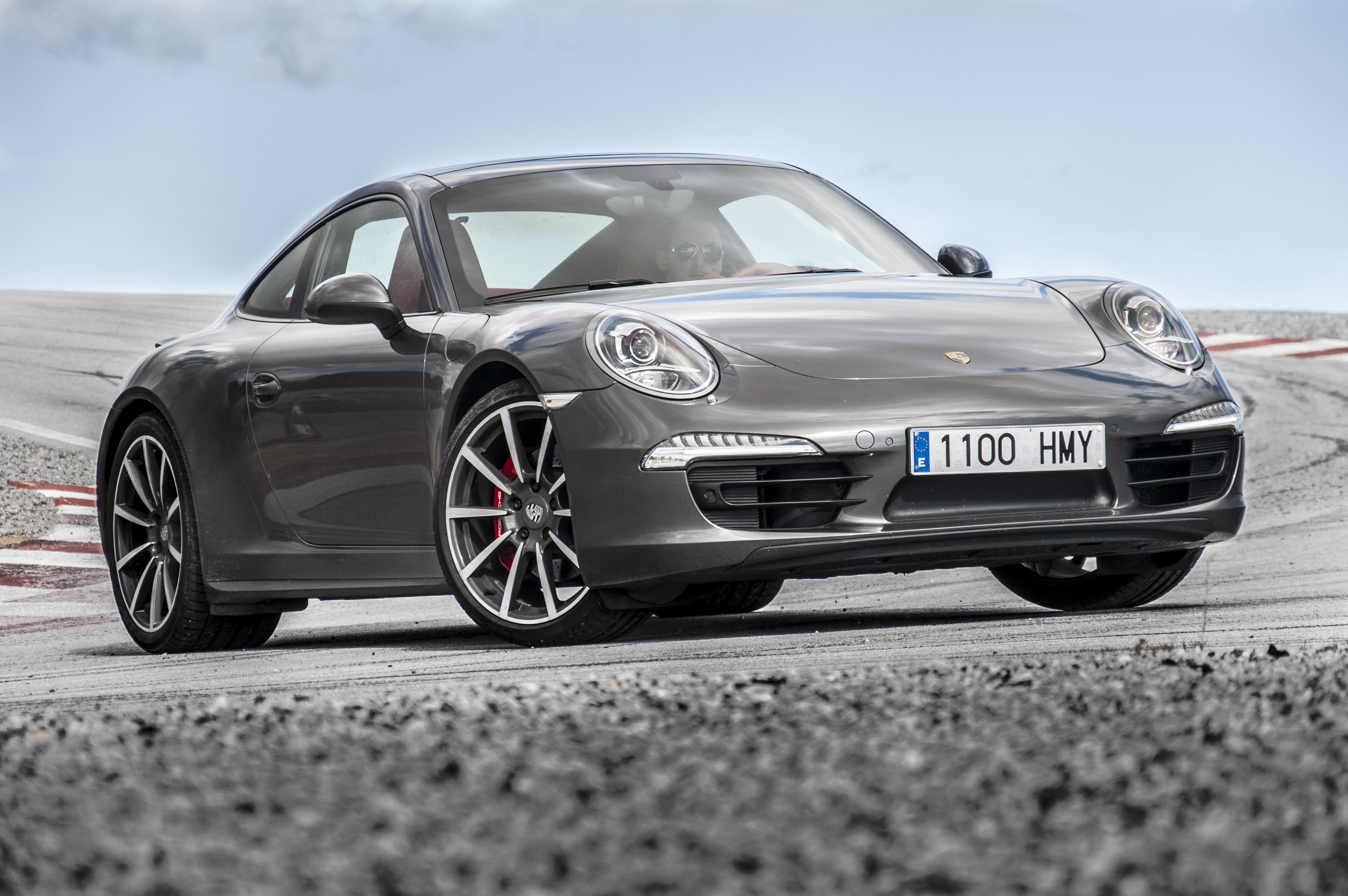
I got the injectors back for the 9-11.
07:08
Sixty five dollars.
07:11
It was, yeah, I think it was like six five bucks.
07:19
But it was as opposed to like six hundred dollars was my initial
07:25
outlay, but it they did.
07:29
They're like painted black and I had like marked them so that I'd make sure
07:32
that I get the correct ones back and they came back unpainted.
07:36
So presumably whatever they soaked them in took all the pain off of them,
07:41
hopefully, but I installed them and they work.
07:46
There's like the fuel pressure seems low because it doesn't want to idle.
07:53
And it does the like really slow, but like you can sit and rev the car
07:58
and it runs like the engine spins at full engine speed,
08:05
which is a huge deal.
08:07
That's like that motor has not turned under its own power in
08:13
probably 10 years, 10 plus years.
08:17
So it sounds incredible.
08:18
It sounds very healthy and which is also funny because like I don't know how
08:22
many miles around that motor and I don't know if it's ever been rebuilt.
08:26
I don't know like it's ever been fucked with.
08:31
And my everybody in 9-11 world is like, oh,
08:34
you need to be rebuilding that every 100,000 miles or so.
08:37
And it's like, yeah, I mean, maybe I do.
08:41
Maybe I don't. Let's let's see.
08:43
You're going to make me.
08:45
I think the engine will eventually make me.
08:47
Yeah. Well, that's that's what what do you do for an engine?
08:55
I know that there are things that one is not what one do, but what does Rory do?
09:02
With an engine that that's been sitting well for 10 years.
09:08
There's a lot you can do.
09:09
I don't do any of it.
09:12
Yeah, that's my question.
09:13
The answer is I know I know that there would be, you know, it's like,
09:16
I mean, at a minimum,
09:19
you make sure that that new oil is in is in there.
09:24
And and I'm sure there are other other considerations.
09:29
Yeah, you can like, you know, put the seafoam on the on the in the cylinders to
09:33
make sure that everything is like Lucy Goosey when you fire at it or whatever.
09:36
But like I will say like my
09:40
strategy such as it is with this is like I was keeping oil fine.
09:46
Yeah, but I will I did have motor in the engine the entire time.
09:50
And then I also like
09:53
would periodically turn it on the key just
09:57
just like to keep it moving, like to keep things lubricated.
10:01
So it's like there's oil in the cylinder or in the,
10:05
you know, there's oil being circulated on all the internal parts.
10:09
And like it's not rusting in there and getting seized up.
10:12
That was kind of like my, you know, like I said, I could have done other
10:17
things, but those those 3.2 how often would you turn it like once a year?
10:22
Yeah, I once or twice a year.
10:23
And like those motors are pretty beefy.
10:27
And I was like I'm just not super worried about it.
10:33
And it's also like, I don't know.
10:35
This is very stupid, but it's like
10:37
if I did blow it up, like I can rebuild the motor.
10:39
Like I just take it apart, you know what I mean?
10:41
Like which is crazy.
10:42
Like rebuilding an analog motor is not rebuilding a small block.
10:46
But it's been sitting for so long.
10:48
Anyways, it's kind of like it's not like you're counting on it to to run.
10:52
So yeah, yeah, kind of that makes sense.
11:02
And it, you know what?
11:03
Once again, it was fine.
11:05
It turned over and runs great.
11:09
Take that universe.
11:11
Do those do those engines have like the what do they call it?
11:15
Like the Nica SIL liners or whatever that kind of wear out.
11:20
So yeah, it's like a nickel thing.
11:23
I think they I think it does.
11:24
And that's something that's something that would require a rebuild periodically,
11:30
right, just for that, right?
11:33
And I think like at some point I will pull that motor out and send it away
11:38
and have somebody to like a ten thousand dollar
11:43
This is this is not that time for me in my life.
11:46
This is the time where you where you cheap out on the
11:50
on the fuel injector cleaning spray some WD 40 in there and just pray.
11:56
Yeah, so I think, you know, at some point,
11:58
you know, I would like to have like have that motor built into like a bigger
12:02
like the hotter motor with more modern fuel injection and
12:08
try to get a little more power out of it.
12:10
But right now it's like, if this thing can get me up the road before it snows,
12:16
we're going to be thrilled with that.
12:18
So got to get those those injectors repainted in time for the first concor concor.
12:27
You know, you don't want to get docked.
12:29
Yeah, that would be incorrect.
12:32
There's a couple other things on there.
12:34
Injectors that would maybe get me before they got to the injectors.
12:42
that thing, it is all reversible.
12:45
I haven't cut anything, which is more than a lot of people can say.
12:52
very different from the way that it left Stuttgart.
12:57
I mean, I think that's that's
13:02
I think that's in keeping with the with the the
13:05
philosophy of all air cooled porches.
13:08
I agree. I think one that is completely stock is is like, what are you doing?
13:12
Yeah. And I also think like my
13:16
it's like I already feel like it air cooled porches like not
13:22
a great representation of like
13:26
my personal taste in automobiles.
13:30
Right. But a really nice one would be like way, you know what I mean?
13:33
Like like a scruffy one.
13:36
A beater fits. Yeah, that works.
13:40
You don't you don't have to.
13:41
That was the lull put on
13:45
Instagram a few weeks ago.
13:46
What's the new performative man car?
13:49
You know, Maddie, are you familiar with the performative man
13:52
trope or like the performative man?
13:54
It's like the guy who has a the
13:57
Japanese tote bag, drinks matcha, has the crop, crop T-shirt.
14:03
Yeah, you know the guy.
14:05
But it's like a man who are performing
14:08
the role of like sensitive, emotionally in touch type of guy.
14:15
Yeah, yeah, yeah, yeah, yeah, yeah, yeah, yeah, yeah, yeah.
14:16
But she was like, what's the performative man car?
14:18
And I was like, it is, unfortunately, either a 90s F-150 or a air cooled Manila.
14:24
Like destroyed space laser.
14:31
yeah, it's like the Silver Lake guy drives the F-150 and the Brooklyn guy
14:35
aspires to drive the air cooled 9-11.
14:38
I'm glad an old I'm glad an old sob is
14:42
now sobs are too no, we're nowhere near that that list for the real heads.
14:47
So an old sob is not any kind of man's car anymore.
14:49
Like I don't you don't see sobs at all.
14:52
It is weird how they really disappeared.
14:55
Like even car shows and like
14:58
you would expect, you know, you'd expect
15:01
like you see 10 10 air cooled 9-11s to to zero sobs.
15:05
Yeah, which is very strange.
15:07
But what does it say if you are 65 and you buy a mid-engine Corvette?
15:15
What is that projecting about a man, Peter?
15:18
That's a good question.
15:20
Well, we should we should get into that.
15:22
Before we do that, I just the thing that you were talking about
15:26
Rory with the the performative man, man car.
15:31
It just it just reminded me of this
15:35
this Tumblr post that I screen capped and was was meant to send you guys.
15:39
I forgot because I was in the middle of making dinner and it just reads.
15:45
And I don't know who this person is that posted it.
15:48
They say you watch a car commercial and the car is presented as a masculinity
15:52
carapace and this idea persists as if we don't all know that the car is actually
15:59
a second womb and every arrival and subsequent exit from the vehicle is a rebirth.
16:05
Well, it's obvious why straight men feel such an attachment and doubly obvious
16:10
why they don't want you to know the trained eye can locate the mother wound
16:15
of every car driver within seconds.
16:22
Air horn, air horn, air horn, you don't you don't get that on on other social.
16:27
Can't get that on Blue Sky.
16:29
No, that's a killer.
16:30
That's great. That's good shit.
16:35
The inherently yonic nature of the car user.
16:41
I don't know what else I've I've I've a genia complex if a genia complex.
16:46
I'm sure that's a reference to something I can't call up on the idea.
16:51
People on Tumblr like I went to grad school and I'm like, that's great.
16:56
I'll just I'll take whatever you got.
16:59
I educated people into very arcane shit.
17:02
Yeah, I I I have to
17:07
studiously avoid people with that kind of insight because they feel like I'm
17:12
always right around the corner of someone pointing something like that out to
17:15
me and being like, oh, fucked up my whole life.
17:18
Like I'm like, I love it.
17:22
I'm seeing the world a different way.
17:23
And I know less employable than ever.
17:27
I crave a horrible epiphany every second of my life.
17:31
I want them all more and more every day.
17:34
I've had a few of those.
17:36
I crave it. Give it to me.
17:38
They're pushing me down.
17:39
I think I've I've had a few too many.
17:42
You read Minima Moralia because you just want to like gorge yourself on horrible
17:46
little epiphanies. I
17:49
I think I yeah, I think like I said,
17:52
each one of the big epiphanies pushes you further and further into
17:55
unemployability and and every every step.
17:59
Yeah, sometimes literally.
18:02
No, for real. Yeah.
18:05
But yeah, we don't need more of those.
18:07
I don't need to be more actualized and more aware of my own.
18:15
We're good on that, as I say.
18:32
The car podcast for people who understand that cars
18:36
are bad with your friends, Rory Carroll, Manny Riley, me, Peter Hughes.
18:41
But yeah, let's should we should we talk about
18:46
some some some some some Corvettes?
18:50
Let's get into it in some songs.
18:59
we are coming up on.
19:04
it's Tuesday as we're recording this
19:08
a week from this Friday will be the day that
19:13
the album comes out and is the album that I made.
19:21
but that Friday is also and this was not planned.
19:27
It's also the day of the the Watkins Glen Festival.
19:32
How do we find Gramp Grand Prix Festival, which is the
19:36
we talked about it last year.
19:39
Oh, yeah, first up that yeah, the fun
19:43
thing that they do in the village of Watkins Glen, New York
19:48
in conjunction with the historic races, the vintage races that they have there
19:53
every year, the Friday before that they have this big kind of Grand Prix
19:58
festival celebrating the history of racing in Watkins Glen.
20:04
And it's it's one of my favorite automotive events, something I try to make
20:09
every every year that I'm in town, which now that
20:15
is every year, which from going forward should be every year.
20:23
But it's also the last year when when I went to to this thing,
20:30
it it inspired a song.
20:32
And it was actually on the drive home that I started composing it in my
20:38
noggin while under the influence of the day's events.
20:54
I mean, the Corvette
20:57
and the Corvette came out in 1953 as General Motors,
21:03
Chevrolet's kind of.
21:05
I mean, it was it it was like an upmarket
21:10
kind of sporty car, I think kind of, you know, European inspired, you know,
21:15
inspired by the European sports cars of the day, but kind of an American take
21:21
I mean, initially a six cylinder has not always been been V8 to speed
21:28
So I mean, so the original that the the what we now refer to as C1 Corvettes,
21:35
I think we've talked about this on the pod before, but it is funny how at
21:43
at some point during my lifetime, that convention of referring to the the
21:48
generations of Corvettes as C followed by a number
21:53
became a thing that was not always the case.
21:56
I mean, when I was when I was getting into cars,
21:59
nobody was talking about C3 Corvettes or C4.
22:03
You know, when the when what we now call the C4 Corvette,
22:07
which came out in 1983 and a half,
22:10
nobody was calling it the C4
22:14
that that I think happened some some time around.
22:17
I think it was C5 was the first five or six.
22:20
That that might be that might be right.
22:23
And that might be the way that it kind of snuck into my consciousness because
22:27
that was at a time when I wasn't paying a ton of attention to car stuff.
22:34
I remember when that car came out.
22:36
I remember when it was in the showroom of the Chevy dealer right down the street
22:41
from Casa de Badger, where I lived with my bandmate, Franklin Bruno.
22:50
it's like, oh, new Corvette kind of looks like the old one.
22:55
But but yeah, so so so the Corvette was
22:59
it pretty quickly became I mean it it quickly changed from from being this kind
23:04
of like sort of sophisticated upmarket thing to being having a little bit more
23:13
aspirations to being like an actual sports car, right?
23:20
I would say like the the the in the second half of the fifties that got,
23:24
you know, with with the introduction of the of the V8 and
23:28
got got a bit a bit sportier.
23:33
there was one one guy really behind that Zora
23:37
Arcus Duntov, who is a Russian, very interesting character in his own right.
23:44
But he he was the one who kind of like
23:49
pushed this from like a styling exercise to like, OK, this is going to be a
23:54
performance car, but he was the V8.
23:56
He was the manual transmission like he was like,
23:59
you know, driving that within General Motors to make this into like a
24:06
very serious car and and pushing it into into competition at a time when
24:12
when General Motors was not doing that officially.
24:15
So it's kind of like kind of figuring out these ways
24:18
to to to get the Corvette into racing.
24:24
But yeah, so so as later fifties like
24:27
Zora kind of moved it pushed it in this this kind of like
24:30
more legitimately sporting direction.
24:32
And then with the the the second generation Corvette, which came out in in
24:37
sixty three, a lot more.
24:42
That was a fully fledged sports car.
24:44
That was yeah, it wasn't like a cute car that they made into a sports car.
24:47
It was like this was a sports car from the jump.
24:51
I mean, the whole plan, I mean, you know, and and and fairly, you know,
24:55
had some some advanced technology for for the day, you know, four wheel discs
25:01
at a time when when that was, you know,
25:07
Yeah, still still far from being
25:13
I mean, just even even just disc brakes
25:16
like two wheel discs were not were not a fully adopted thing at that point.
25:21
Yeah, fully independent suspension when when that was a pretty advanced thing
25:27
and would still continue to be for a long time.
25:31
And yeah, that was that was in and, you know, in that car.
25:36
Yeah, that was a fast car and had some real competition success.
25:41
I think this is this is something I think like it's really to like part of the
25:48
But because C2 Corvettes, this generation of Corvettes are so.
25:55
They were so popular, they sold a lot of them.
25:57
They're everyone probably listening to the pot has probably seen one in real
26:00
life, but they're very like
26:04
they're common, right?
26:05
Like there's a car that you've you've seen, you see them online all the time.
26:11
it's like hard, hard to appreciate how insane they look in real life and how
26:17
insane they must have looked in 1963, like in the context of 1963.
26:21
Like it is a phenomenal looking car
26:25
and really, really exotic.
26:27
Like if you if you want to one of Bill Mitchell's like, like straight up fucking
26:32
masterpieces, yeah, I think like, yeah, one of the one of the all time best looking
26:37
car, they just like it, but it's hard to appreciate again, because it's like
26:40
you've been seeing them since you were three years old or whatever.
26:44
But they really are stunning.
26:46
And like as a product, this is like the other thing that like
26:55
GM cars that we've talked about on the pod before, but it's like the idea that you
26:59
could just go to a dealership in 1963 and buy a car that looked like that is
27:05
bonkers, like and like even like the the working day
27:09
Chevrolet's and stuff like also look bonkers.
27:11
But like this is a really, you know, it's like this like E type,
27:16
like the 250 GTO, like all those cars, like
27:20
those 60 sports cars that the Corvette is not
27:26
worth anywhere near what those cars are worth from a value standpoint, from a
27:30
monetary standpoint, but like and I don't think it's really appreciated in the same
27:34
way, especially by Americans as those cars are, but like really as a design
27:41
statement, yeah, absolutely, absolutely shocking looking car and like still to
27:46
this day looks gorgeous.
27:50
I mean, just just an incredible, incredible, like you said, work of art.
27:53
Like it's a very, very pretty thing.
27:56
But it's just like that's the thing with the Corvette thing is like, you know,
28:02
there's no reason why these cars should not be appreciated on the same level
28:06
as an E type or whatever.
28:07
But they're not and they're like they're just not.
28:09
It's just like, you know, it's just at the end of the day, it's just a
28:13
Corvette, like it's a car that you could buy from Chevy and like they made
28:17
whatever hundreds of thousands of them and like you see them everywhere.
28:20
And yeah, it's just not.
28:25
Doesn't it doesn't have that that that aura of rarity.
28:32
But yeah, and and and I think it was probably around this this time.
28:37
And we're talking about kind of early 60s that
28:44
and I just thought thought of this just now.
28:46
But to talk about it to
28:51
talk about it as as as kind of its its cultural meaning
28:56
started started coalesce and I think a big a big factor in that.
29:02
And this is this is kind of secondhand
29:06
This is not anything that I grew up with with
29:10
awareness of other than just, you know, reading about it.
29:14
But but that show Route 66, which was
29:20
which I've never watched, but a
29:25
early American TV show about a couple of
29:29
buds, a couple of dudes, young dudes who
29:34
you get in a Corvette and and drive back and forth on Route 66.
29:43
Do they just make like one trip?
29:47
I don't know what several years.
29:48
Yeah, I don't know what the conceit of how the show actually worked.
29:51
But I think one of them's name was Buzz.
29:54
And I don't remember the name like Buzz and Tad or something like that.
30:03
but yeah, the show kind of follows their their adventures
30:08
on the open road as like young men in search of of of, you know, fun and excitement.
30:16
You know, you know, a very kind of American conceit of
30:22
the the lure of of, you know, I mean, nothing a bit of
30:28
you know, just the fucking, you know, the
30:32
the ancient tired trope of, you know, the automobile equals freedom, right?
30:38
I think I think this was a big a big part in in kind of cementing that idea.
30:50
and yeah, and the and the Corvette
30:53
being being pretty integral to to this this show.
31:03
I think it kind of kind of cemented the the idea of of this car as being like
31:15
aspirational thing like a vehicle, no pun intended,
31:25
to adventure and excitement and and the the lure of the open road and
31:33
and kind of a celebration of of all of these these kind of, you know,
31:40
American ideals that that we hold dear
31:46
and and and at a time when when there was
31:51
there really wasn't any other
31:55
American car that that
31:59
suited that in quite the same way.
32:01
I mean, Ford Ford kind of, you know,
32:04
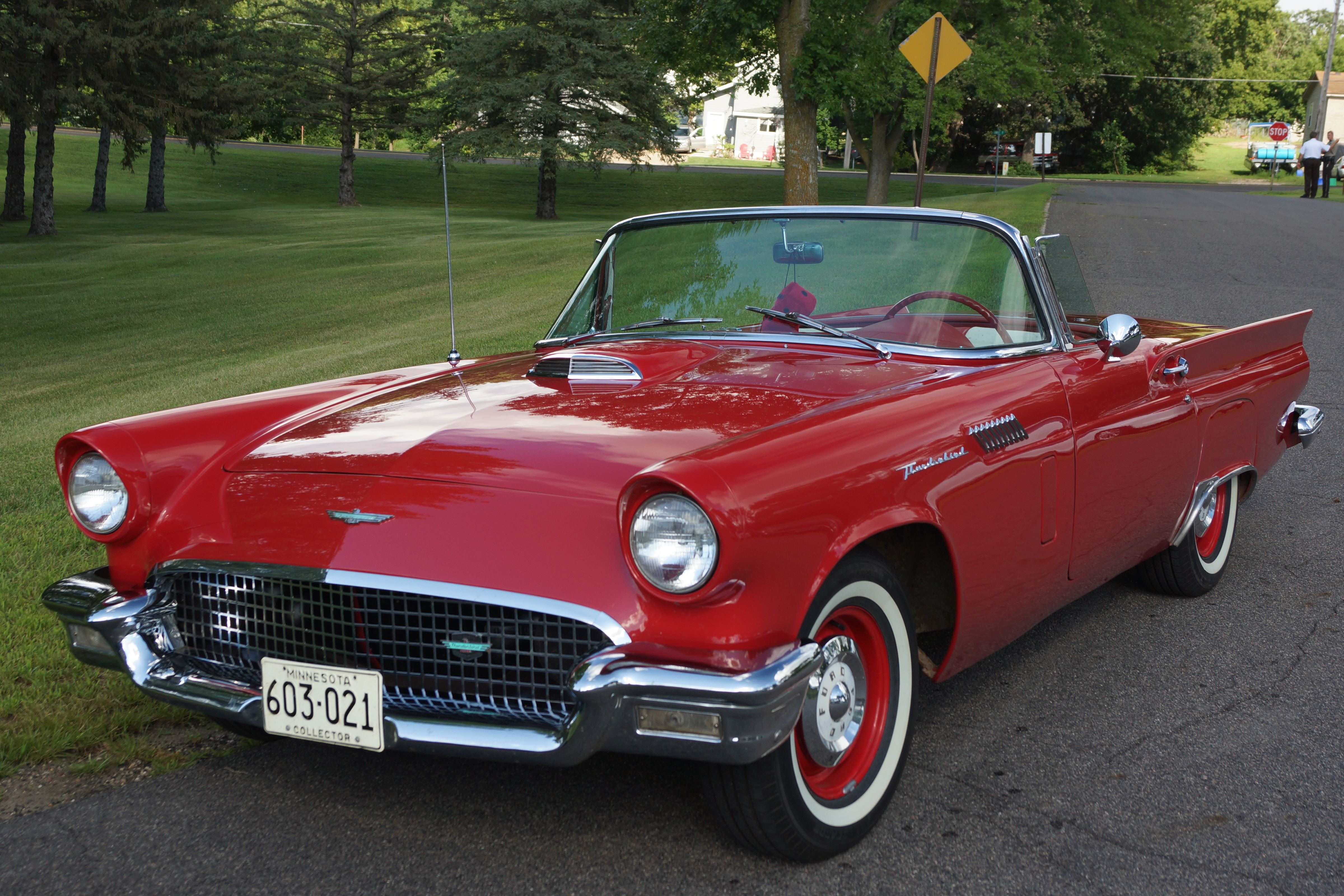
I mean, the original Corvette came out in in 53 and Ford introduced the Thunderbird
32:08
in 55, which initially was, you know, a sporty two-seater kind of in the in the same
32:16
mold as the original Corvette, but but very quickly kind of steered that to in
32:22
another direction, kind of towards, you know, your your classic personal luxury
32:27
thing, whereas the Corvette kind of
32:30
went from being kind of a boulevardier
32:36
to to being like more to being like an actual sports car.
32:42
And so so it it kind of quickly
32:47
was, you know, just just kind of came to to be regarded as America's sports car,
32:57
you know, in quotations.
32:59
And and and I mean, really, to this day, I mean, has has kind of, I mean,
33:07
for for for many of the years since that was that was a pretty uncontested
33:18
Periodically, there have been there have been, you know,
33:22
additional sports cars that that that that you would have to consider,
33:26
whether it's, you know, a Viper or,
33:30
you know, Ford has built a couple of generations of Ford GTs that are much,
33:36
much kind of rarer and higher end,
33:40
you know, pure kind of race car knockoffs.
33:44
Saturn Sky, Pontiac Solstice.
33:47
What's that Saturn Sky?
33:49
Yeah, let's not forget about those.
33:51
Fierro, don't forget Fierro.
33:56
What else is in there?
34:06
The the Australian.
34:08
Yeah, the front front front drive Miata.
34:10
Like, why would you fucking buy that car?
34:21
like, I feel like that's where that really kind of solidified that that idea
34:27
of of of the Corvette as as that.
34:32
But the the other part of it, though,
34:35
that I think it's it's important to to
34:45
while it was aspirational,
34:49
it was always something that
34:54
within the realm of affordability for a working class person.
34:59
This was not like a rich guy's toy.
35:04
Right. Or or, you know, or or a Jaguar.
35:09
We're getting to like Corvette's
35:12
best, biggest advantage and also its greatest flaw.
35:16
Like this is like this for this reason.
35:21
It's like it's it's everything that's good about Corvette and also everything
35:25
that's bad about Corvette in this one, in the idea of it being affordable
35:31
and accessible, like that's that is the trouble with the Corvette and also
35:35
like what's great about it.
35:37
But that was like the the era like
35:43
because it was something you go by at a Chevy dealer and it was not exotic.
35:46
And you could get one if you wanted one, you could get one.
35:50
It's always explaining itself.
35:52
So like the Corvette, even in this era, it was like,
35:57
you know, with the V8, you could get a Corvette.
36:01
And you can go stomp the Ferrari guys.
36:03
You can go beat the Ferrari guys, you can go beat the Porsche guys.
36:05
Like you have a faster car and then like and for less money.
36:10
And then like through the 70s, less so the 70s and not as much in the 70s.
36:15
But definitely like into the 80s and 90s, that was the same thing.
36:21
Like the value proposition.
36:23
Right. It was it was it was always kind of like this this this bargain value.
36:28
It's a value. Yeah.
36:30
Of of of a car that that that is meant to to
36:35
compete and run with
36:38
much more expensive, much more expensive, more prestigious, have have more kind of,
36:45
you know, like social cachet or whatever.
36:47
So so so the Corvette, it's it's it's it's a bit of kind of like a working
36:52
class hero, you know, I mean, still not not cheap, you know, not like
36:58
not not affordable, like like a Mustang or a Camaro, right?
37:05
But, you know, it's it's set above that.
37:08
But but it's it's the kind of thing that like,
37:12
you know, a working class person with a union job in the 60s
37:21
could aspire to to owning if if they stretch a little bit, you know, or or
37:27
it might be the kind of thing that like when you cash out,
37:32
you know, when you sell your construction business or when exactly when you're
37:40
That also hurts the reputation of the Corvette.
37:43
It's like it is the it is the car you buy when you retire.
37:46
So like all the owners are recent retirees.
37:51
And so and I feel like like that's something that kind of,
37:54
I mean, in the evolution of the Corvette's history, I think initially
38:00
there was that that idea
38:04
that that that we we associated it, you know, like the Route 66 thing with youth,
38:12
right, with with youth and vigor and and adventure and and freedom, right?
38:18
The the the freedom of being like a 20 something kid with with no
38:25
responsibilities or or obligations for you to just fuck off in your Corvette
38:32
and, you know, drive from Chicago to L.A. back and forth.
38:36
Again, I've never watched the show or once we don't actually work.
38:43
That's boomer shit, man.
38:47
No offense to any boomers listening to this.
38:51
Sure. The two the two of you.
38:58
but yeah, it's at some point in and I think
39:02
there was also like the the moment that
39:05
or maybe the kind of general period when when we start to see this transition is
39:13
from the the kind of 60s into the 70s.
39:17
The the third generation Corvette is introduced in 1968.
39:21
Again, very wild from a styling perspective,
39:25
you know, like incredibly swoopy, dramatic.
39:28
And these were the Corvettes that I grew up with as as a kid.
39:31
They were the Corvettes that were that were new in the 70s.
39:38
and initially, I mean, these these kind of continued in the the, you know,
39:44
pretty legit performance,
39:47
you know, tradition that had been established by the the previous generation cars.
39:52
They were also like,
39:55
you know, they were still seen as as very like,
39:59
you know, like I mean, these cars had had swagger, you know, and and
40:05
kind of I mean, famously, the Apollo astronauts
40:12
were all issued like Corvettes.
40:15
That was part of their their their deal, you know, when you when you signed up for
40:19
the program, you know, that and there's there are there are these amazing
40:24
photo like portraits of like the various Apollo crews, you know, going
40:30
the Moon landing crews with their their matching kind of his and his and his
40:38
Corvettes where where they're all a little bit different, you know, like one
40:41
guy gets the, you know, they're like red, white and blue or whatever.
40:45
And then they have like the cool gold accents.
40:50
yeah, if you just look up, I don't know what the Google for that, but just, you know,
40:55
astronaut Corvettes or something, you'll see those pictures and and they're
41:00
they're very evocative of the era for sure.
41:05
So it was it it's it had those kind of associations too that like this is,
41:11
you know, I mean, I guess that's the that's the
41:15
10 years on from from Bud and Buzz and Tad or whatever their names were.
41:21
Todd Styles, now you now you have Buzz.
41:23
Yeah, now you have now you have Buzz Aldrin.
41:26
What were the names?
41:27
Todd Styles and Buzz Murdoch.
41:30
Buzz and Todd. I was close.
41:32
It was really close. Yeah.
41:38
But yeah, but the other thing that that happened around that time is,
41:44
of course, as you get into the 70s,
41:48
you got you got your fuel crisis.
41:53
you know, increasing environmental awareness
41:58
and emissions controls, regulations.
42:02
And so like like all cars of that era,
42:06
the Corvette got a little bit
42:13
and and kind of and as as it as, you know, you get further into the 70s,
42:24
circles back to a little bit like what it was initially, which was this this kind
42:29
of like flamboyant styling exercise.
42:38
Making making visual promises that it can't really
42:42
can't really keep as far as performance goes.
42:47
And and you know, and by the time that, you know, I'm an adolescent
42:54
young man getting into cars, I mean, it really was kind of a bit of a gutless
42:59
wonder and and what had been that the kind of radical styling when it was
43:05
fresh and new in 1968, you know, by by the early 80s,
43:09
was just looking like pretty tired and embarrassing and and and and like.
43:19
I feel like like it's kind of like the bloom was off the rose a little bit
43:23
and and and maybe maybe now is when the the connotations of
43:33
the connotations of Corvette ownership shift from being a car that is owned by,
43:42
you know, young, virile, you know, virile young, young men on on the come up
43:49
and comes to be more closely associated with
43:55
with with older dudes retiring, you know,
44:01
moving to Florida to get tan and wear their gold chains and
44:05
and just cruise up and down to go get ice cream or whatever on on cruise night.
44:13
And and and and I feel like since then.
44:20
Even as the Corvette in in subsequent generations has has kind of moved back
44:27
toward being a legitimate performance car
44:32
and and for the last several generations, I would say, I mean, really, I guess,
44:37
like, starting with the the C five.
44:43
Like really being able to back it up and especially like like from the C six,
44:47
which is kind of mid aughts and and and and onwards, like.
44:55
The car, the Corvette is is now
45:00
what it always, I think, had been for a big part of its history had been posing as,
45:06
which which is like a legitimate sports car that can compete on an equal footing
45:12
with the best that that that the Europeans
45:19
could could produce, you know, whether you know, I mean, it's natural rivals
45:22
being like a Porsche 911 or or your kind of entry level
45:27
Ferraris or British, British sports cars too, I guess.
45:31
I do I do think there is something weird, like throughout the entire history
45:35
of Corvette, there's something in car people.
45:41
And in like certainly like influenced by like the David Davis era car and driver
45:48
stuff where there's like an anti-American
45:53
bias, like when it comes to like it's always cooler to have a Porsche
45:57
because they're European or like it's always cooler to have a and it's like
46:01
it's like coastal elitism.
46:04
But it is like a tweed jacket.
46:10
You know, driving gloves type of
46:15
vein in car enthusiasm, like those guys always look down on the Corvette guys
46:20
and to a lesser degree, like Mustang Camaro guys.
46:25
that always really bothered me, like I really hate that type of guy.
46:30
Because like it's like you're from here to like, you know what I mean?
46:34
You eat the fucking slob hamburger.
46:36
Like, what are you fucking talking about?
46:38
Yeah, like, you're not some fucking count.
46:42
you're a you're a slob, just like me.
46:45
And like there is also like a decided from fucking nobility.
46:50
Yeah, yeah, you're a you're a mongrel just like I am.
46:54
Like you've got it.
46:55
Yeah, I feel like this ties into what you guys were saying earlier about the
46:59
perception of Corvette because of the affordability.
47:02
Like we're getting into a kind of constellation of ideas of like
47:07
the old world and the old money versus like the new world and the new
47:10
money and like the like a Corvette is inherently more tacky and more new
47:18
and more new money for Tite Bourgeois sort of like
47:21
it fits into that set of ideas the same way that like the European stuff is older
47:26
and for old money and for like big crazy pervert money that comes from doing
47:31
stuff where you are above the law, whereas you can buy a Corvette by just
47:34
being like a regular with a good job for 50 years.
47:37
Yeah, like I think that all ties together.
47:40
I think we're hitting on a bunch of things that all sort of map to the same plane.
47:48
Yeah. And I for sure.
47:51
Oh, I was just going to say, I mean, I mean, I mean, I think what the Corvette
47:55
did like or has represented, you know, over more than half a century now
48:06
is is kind of like the democratization of
48:13
performance car of a sports car and and
48:19
you know, in a way that that that that does feel
48:23
American in in, you know, the kind of what we like to think of as being American
48:30
values, which of course are completely false and bullshit.
48:34
But it's a nice idea.
48:35
Yeah, there's also go ahead.
48:38
I was going to say, yeah, and it's it's that sort of it's it's the very American
48:42
sense of democratization of like, you know, you you you dangle the thing in front
48:48
of someone and say, ah, if you succeed in what we're telling you was a meritocracy
48:52
for sure, then you also too deserve to have the very fasting that goes very fast
48:57
and has a certain amount of status associated with it.
49:00
Even though it's not fully democratized in the sense of like, you know,
49:04
you still have to find your way up through the rat race to get it.
49:08
But, you know, you're still closer than having to have been born into,
49:12
you know, the super sicko world.
49:15
The there's also, I think, like a fetishization on the part of like that
49:21
that era of the car and driver reader, Peter, I guess, which you probably
49:27
were that era of current driver, but you were you were 13.
49:31
You are a little baby.
49:33
But like of those guys, like for for complexity.
49:36
So it's like the Corvette,
49:40
for all its its power and like, you know, like legit performance has always been
49:46
a very simple machine compared to like the comparable Jag or Ferrari or whatever.
49:52
You know, it's like the
49:54
the pushrod small block V8 is the same V8.
49:58
You can get in a pickup truck.
50:00
You can get in your mom's sedan or whatever.
50:03
And it's like that's the Corvette motor.
50:05
And so there's always been like, oh, it's not this is like not exotic enough
50:09
to be tantalizing, but like I always like like the current
50:15
small block Chevy V8 motors are very technologically advanced,
50:21
but they are very simple.
50:22
They're still a small block Chevy at their core architecture.
50:26
But I love one of the things that I love about Corvette and about that engine,
50:32
whether it's in a Cadillac or whatever, is
50:36
they are they're very lightweight, they're very fuel efficient,
50:40
they're very simple and they can make equivalent, if not greater,
50:44
power than their European counterparts in the the European, you know, Porsche
50:49
and Audi and Ferrari.
50:53
Everybody have built these like monstrously complex engines over the years.
50:58
Like the old example is the Audi with the 17 foot timing chain that you need
51:03
to like remove from the car for like basic services.
51:06
Like these monstrous like plastic, plastic tensioners or whatever.
51:11
Yeah, that explode.
51:13
But but they they've built these insane
51:17
Rube Goldberg motors and it's like they're heavier and, you know,
51:22
oftentimes less powerful, oftentimes about as fuel efficient as the very simple
51:27
Chevy motor. It's like, you know, my contention has been like that
51:33
motor, the small block Chevy, you know, maybe you could say the same thing
51:37
about the Ford motor really represents the like height of industrial capitalism
51:43
where it's like they really just nailed a product.
51:47
It's like a thing that like we can build
51:50
exactly with that like it has not been improved upon.
51:55
It's been 50 years and it has not we can we can iterate it essentially forever.
51:59
70 years even. Yeah.
52:00
And it's like it's just one of those like really special little
52:06
developments in the auto world where it's like you can really like and they've
52:11
people have tried a million different ways to better that power train or
52:16
that that basic package and it really is not, in my mind, been super successful.
52:21
Like it's just like still still the fucking truck motor still still can
52:26
accept the Nurburgring laps.
52:27
It still can go to Le Mans and when like it's like, you know, it's it's very funny.
52:33
And like, you know, there's also like cases where Europeans
52:37
recognize that in the 60s and we're like, why are we building
52:41
these insane two and a half liter V12's?
52:44
You could just go buy a truck motor from Chevy.
52:46
Like, let's pull one out and send it to you like it makes the same power.
52:51
So there are, you know, European cars using that that same motor.
52:56
but there is something I think, like I said, that like keeps
53:00
the one thing I will I will this is a different different car.
53:07
an anecdote from a woman who had done a
53:13
focus group with Cadillac in pretty recently, like in the teens.
53:18
And she was given a Mercedes and she was given a BMW and given a Cadillac to drive
53:25
and like to look over to like
53:32
And at the end of the day, she had scored the Cadillac highest in every category.
53:36
She's like, I like the design better, like the interior better.
53:40
I like the drive better.
53:40
Like she she was much more impressed with that car.
53:44
And they're like, OK, but which one would you buy?
53:47
And she's like, well, I'd buy the Mercedes because I don't ever.
53:50
She's like, I don't have to explain to anyone why I bought a Mercedes,
53:54
which is like a thing in car world where it's like the valet at her country
54:00
club expects her to be in a Mercedes.
54:03
And, you know, she may like the Cadillac better and the Cadillac may be
54:07
better in a lot of meaningful ways.
54:09
But you don't ever want to be as a purchaser of a luxury good or a class
54:14
signifier, you don't ever want to be in a position
54:17
where you have to explain why it's good.
54:19
Like people like the whole point of a signifier of that is that people
54:24
understand immediately that it's good.
54:26
If you pull up in a Ferrari, everyone, no matter what they know about cars,
54:30
knows it's a Ferrari.
54:32
And like the Corvette thing is always like you have to be in the know.
54:38
You have to read car and driver.
54:40
You have to understand like, oh, they took these four cars to VIR and the Corvette
54:44
was a second and a half faster per lap than the Porsche.
54:49
It's a better performance product.
54:51
But it's like it is very funny because there's so much about cars in car
54:56
world that's about numbers and about
55:00
data and about like quantifiability.
55:03
But there's also the other part of that, the vibe,
55:08
which is like it's cooler.
55:10
We have returned to the use value argument that if you're rich, it doesn't matter.
55:14
In fact, it's worse.
55:16
It's worse to have use value on the thing because you prove you don't need it.
55:20
You prove you're rich enough to not need the better thing.
55:23
And that's the that is a conversation that I've had it, you know,
55:27
dozens of times over the course of me being in cars or whatever.
55:30
It's like, well, why don't you just buy the Corvette?
55:31
Like if you're if you're going to track days, it's cheaper to run.
55:35
It's faster and it's like, you know, it's it's probably easier to live with
55:39
day to day and they're like, yeah, but
55:44
Porsche kind of has a certain cache to it.
55:46
You know what I mean?
55:47
It's like, but that that is always like the C8, the new C8 is like
55:53
and really since C5,
55:56
there's been a Corvette or Corvette variant that is like the fastest,
56:00
most capable car in its class at one point or another.
56:04
You know, like there's always like jumps in capability from like variant.
56:09
You know, it's like, OK,
56:10
the new 911 GT3 comes out and like that's faster and then everyone has to catch up
56:14
and then like, you know, that's that's an actual part of it.
56:17
But there's always been, like I said, since since those cars since the late
56:20
nineties, you've been able to make that argument that like
56:24
a Corvette ZO6 or or whatever, ZR1 or is like the
56:30
from a technical standpoint, from a quantifiability standpoint,
56:34
the best car that you could you could own.
56:37
But it's a car you always have to explain and you always have to know that.
56:41
And the other thing too is that they are cheaper.
56:44
Like they're like everyone knows that it's a cheaper car.
56:48
So like everyone knows that you bought even like the ZR1 X,
56:54
whatever, is like two hundred and forty thousand dollars
56:58
and, you know, we'll outperform pretty much anything
57:03
anything within a hundred thousand dollars that, you know, like of its price.
57:08
But everybody knows it's cheaper and it's like that that does at a certain
57:13
level hurt the the perception of the car where it's like
57:18
because you got a value on it, because you got a deal on it,
57:21
it's worse, which is like.
57:23
Right. Yeah, that's the argument of the tacky or just classy thing.
57:27
Yeah, yeah, it's it's you are maybe it performs better,
57:31
but like you you were supposed to pay more for a worse thing to prove you can do
57:37
that and you failed that test.
57:38
It's it's the flip side of the democratization of of performance or of of a good thing.
57:47
Yes, is that because it's accessible to more people.
57:52
It's not we think less of it.
57:56
Yeah, which is it's yeah.
57:58
So so it's I mean, it it's I mean, which maybe is also emblematic
58:05
of of a certain American way of thinking.