
About this episode
Father’s Day sets the tone as the hosts talk travel plans and then dive into a packed stretch of real-world truck troubleshooting. From seat-heater and HVAC controller swaps to EVAP purge valve and lean-code hunts, the episode follows intermittent faults that come and go. Roadside fixes include fuel-pressure testing, mass airflow sensor cleaning, and tracking down grounding/battery-cable issues on GMT 800 trucks. Between racing travel updates and a few personal reflections, the theme stays consistent: keep everyone safe, then diagnose methodically.
Join me in Denver while I recount an adventurous three days of travel with the family. I've also included bonus footage of one of the Fort Collins shows where I'm telling the Harry story on stage for my original Reckon Crew.
blending door
"getting stereo installed, getting the blending door done on the AC and the blending door works great now and taking care of little problems here."
The blending door is a flap inside your car’s heating/AC system. It helps mix hot and cold air so you get the temperature you set. If it sticks or moves wrong, the air can come out too hot, too cold, or in the wrong way.
In an AC/heat system, the blending door is a small actuator-controlled flap that mixes hot and cold air before it reaches the cabin vents. If it’s not working correctly, you can get wrong temperatures or inconsistent airflow modes.
seat heater
"every once in a while the seat heater would just come on. And you turn it off and it'd come right back on."
A seat heater is the heating element built into the seat. It’s controlled by buttons and wiring. If it turns on by itself, something in the control or wiring is likely acting up.
A seat heater is an electrically heated element integrated into the seat cushion and/or backrest, controlled by a switch and electronics. Intermittent behavior—like turning on by itself—often points to a control/electrical fault rather than the heater “just being temperamental.”
controller in the door
"A lot of times that's going on, it's that controller in the door that's bad. Well, those kind of parts really not that expensive."
That door controller is a small electronics box inside the door. It helps control things like seat-related functions. If it’s bad, it can send the wrong commands and make the seat heater act weird.
The “controller in the door” refers to the door-mounted electronics module that can manage functions like seat controls, mirrors, locks, and sometimes seat-heater commands. If it’s faulty, it can send incorrect signals—like a seat heater turning on unexpectedly.
seat element
"I've heard the seat element can short in the seat and make that happen."
The seat element is the part inside the seat that actually makes heat. If it shorts, electricity can flow where it shouldn’t, which can make the heater turn on at the wrong times.
The seat element is the actual heating component embedded in the seat. If it shorts (electrically fails in a way that creates an unintended path), it can cause the heater to behave unpredictably—such as turning on without the switch being commanded.
green connector
"I got up under the seat and I found that there's a little green connector that runs all that. And I disconnected that little green connector for the trip."
A connector is the wiring plug that connects the seat’s heater wiring to the rest of the car. Unplugging it can stop the heater from getting power while you travel.
A connector is the plug-and-socket interface that links wiring between components. Disconnecting the “green connector” under the seat is a diagnostic step to interrupt power/signals to the seat-heater circuit for the trip.
orifice tube
"cleaned up, changed the orifice tube, did some other stuff and they quit doing that."
The orifice tube is a small restriction in the AC system that controls how refrigerant flows. If it’s blocked or not working right, the AC can act up—like cooling inconsistently or freezing.
An orifice tube is a small metering device in many AC systems that controls refrigerant flow into the evaporator. If it’s clogged or the system is otherwise off-spec, you can get intermittent cooling issues or freezing behavior.
mode blend
"Blend door wasn't working right. The mode blend"
Mode blend is how your car decides where the air comes out—like the dashboard vents versus the floor. If the HVAC doors or controls aren’t working right, the airflow direction won’t match what you set.
“Mode blend” refers to how the HVAC system blends and directs airflow between vent locations (like face vs. feet) and sometimes mixes air sources. When the blend door or related actuators are off, mode blend can feel wrong or inconsistent.
Pioneer AWH 4500 series
"Real nice touchscreen space, [625.4s] like a Pioneer AWH 4500 series. Nice, nice stereo."
Pioneer is a well-known electronics brand for car stereos. The AWH 4500 series is a specific model line, and the host is saying it can sometimes act up due to software issues.
Pioneer is an aftermarket electronics brand, and the AWH 4500 series refers to a specific line of Pioneer head units. In this segment, it’s used as the example of a touchscreen stereo that can develop software glitches.
Vaportive Emission Code
"Man, about two hours out of town [701.9s] and I started getting a Vaportive Emission Code for [708.3s] it was a 449 code, Vaportive Emission Code for that down gum, what you call it plunge valve or"
That’s a warning code your truck’s computer stores when it finds a problem related to emissions. It can point to things like the system that controls fuel vapors.
An emission code is a diagnostic trouble code (DTC) stored by the truck’s engine computer when it detects a fault in the emissions-related systems. Here, the host says the truck triggered a code related to the evaporative emissions system (often tied to fuel vapor control).
purge valve
"And I just changed the purge valve and I just changed [720.2s] the purge valve. Got a brand new AC Delco purge valve on it and I checked the connections and"
It’s a valve that lets stored fuel vapors get sucked into the engine to burn off. If it fails, the truck can throw an emissions code.
The purge valve is part of the evaporative emissions system that routes fuel vapors from the charcoal canister into the engine to be burned. Replacing it can clear related emission codes, but the host notes the code later returned, suggesting either an intermittent issue or a related component/connection problem.
dielectric grease
"dielectric grease them and all that good stuff when I put it together and [731.7s] so boy it's weird for that code to pop back up"
It’s a special grease you put on electrical connectors to keep water out and reduce corrosion. It helps the connection stay reliable.
Dielectric grease is a protective compound applied to electrical connectors to help prevent moisture and corrosion. It doesn’t “conduct” electricity; instead, it improves sealing and helps maintain reliable contact over time.
software glitch
"stereo system glitched out. Screen went all wonky, [771.7s] told me it was uh looked it up says software glitch, it's common with them pioneers sometimes"
A software glitch is a malfunction caused by the infotainment software rather than a physical hardware failure. The host says the Pioneer touchscreen head unit can behave this way and may require a reflash (reprogramming) to restore normal operation.
reflashed SIM card
"looked it up says software glitch, it's common with them pioneers sometimes [777.6s] you have to buy a reflashed SIM card or whatever to get them going again. Told me I can unhook the"
The host is saying the fix might involve updating the SIM-related software so the stereo stops freezing or acting weird. It’s like reinstalling/updating the software that runs the device.
A reflashed SIM card (as described here) implies the head unit uses a removable cellular/SIM module for connectivity and that its software/firmware may need to be reprogrammed. Reflashing is essentially updating the device’s stored software so the infotainment system can boot and communicate correctly.
temperature gauge
"just outside of Fort Worth coming up on 287 all of a sudden the the temperature gauge went to Neil on the truck slipped to Neil."
The temperature gauge tells you how hot the engine coolant is. If it suddenly jumps high, the engine may be overheating—or the gauge itself might be acting up.
The temperature gauge is the dashboard indicator that shows engine coolant temperature. If it suddenly spikes, it can mean the engine is overheating or that the gauge/sensor/cluster is malfunctioning.
water leak
"David kept telling me he was having a water leak with that truck he's losing water on it but I never could get it to duplicate that after I changed the intake gaskets"
When someone says “water leak” on a truck, they usually mean coolant is leaking out. Coolant keeps the engine from overheating, so a leak is a big deal.
A “water leak” in this context means coolant loss (often described as water by owners) from the cooling system. Losing coolant can lead to overheating, so the host focuses on finding where it leaks—specifically around the intake area.
intake gaskets
"but I never could get it to duplicate that after I changed the intake gaskets and changed that little there's a little bypass on the front and I put new seals on that"
Intake gaskets seal the interface between the engine intake manifold and the engine. If they fail, coolant or other fluids can leak, and the host ties the suspected leak to the intake area before and after replacing them.
bypass
"after I changed the intake gaskets and changed that little there's a little bypass on the front and I put new seals on that and swapped that out"
In cooling systems, a bypass is an alternate route that coolant can take. The host is saying there’s a small bypass area up front that they serviced because it might have been leaking.
A “bypass” in a cooling system is a flow path that lets coolant route around a component or restriction. The host mentions a small bypass on the front and replacing seals there, implying it was part of the suspected leak path.

Byd Seal
"...here's a little bypass on the front and I put new seals on that and swapped that out and he kept telling ..."
The BYD Seal is an electric car. In the podcast, they mention putting in new seals and making a bypass, which usually means fixing or rerouting parts that help keep things sealed or properly cooled. These repairs can matter because the car needs good protection from leaks and correct temperature control.
The BYD Seal is an electric sedan, discussed here in the context of working on seals and a bypass at the front. That kind of repair usually relates to sealing, airflow/ducting, or cooling-related plumbing—areas that affect how the car manages heat and protects components. It’s the sort of topic that comes up because EVs rely heavily on thermal management and tight sealing to operate correctly.
ant freezing water
"I pulled over to gas station jacked around with it check make sure it had plenty of fluid in it with plenty of ant freezing water in it"
That phrase means the coolant/antifreeze mixture. It prevents the engine from freezing in cold weather and also helps keep it from overheating.
“Ant freezing water” is a casual way to refer to antifreeze/coolant mixture used in the radiator and cooling system. Coolant is formulated to prevent freezing and also helps manage boiling temperature, so checking it is a key overheating response.
GMT 800
"I said damn man you know I know the GMT 800 clusters are known for taking a dive too and I said boy it's probably just my luck it's daggum clusters taking a dive on me on the drive"
“GMT 800” is a GM generation/platform for a lot of older full-size trucks and SUVs. The host is saying the dashboard gauge cluster on those trucks has a reputation for failing or acting up.
GMT 800 refers to General Motors’ truck and SUV platform used for many late-1990s to mid-2000s models, including Chevrolet and GMC full-size vehicles. In this segment, the host mentions that the “GMT 800 clusters” are known for failing in a way that can make gauges behave oddly.
internal warning system
"once again chalked up car truck wouldn't pull no codes I didn't know I do now know that that's part of the internal warning system of the computer system"
This is the truck’s built-in system that watches sensors and warns you if something seems wrong. Even if it doesn’t store a code, the dashboard warnings can still be triggered by sensor readings.
The internal warning system is the vehicle’s onboard monitoring that alerts the driver when sensors detect abnormal conditions. The host says the truck didn’t pull codes, but the warning behavior is still tied to the computer system’s monitoring logic.
pull no codes
"once again chalked up car truck wouldn't pull no codes I didn't know I do now know that that's part of the internal warning system of the computer system"
“No codes” means the truck’s computer didn’t save any error messages. If the problem was temporary or related to the gauge itself, you might see warnings without stored codes.
“Pull no codes” means the onboard diagnostics didn’t record any trouble codes in the vehicle’s computer. That can happen if the issue is intermittent or if the warning is caused by gauge/cluster behavior rather than a stored fault.
thermostat
"temperature gauge to Neil and open the thermostat all the way up 954.6s I didn't have a clue about that"
The thermostat controls how coolant flows to keep the engine at the right temperature. They’re saying the car may force it to open more when it detects a fault.
The thermostat regulates coolant flow to help the engine reach and maintain its operating temperature. The speaker suggests that when errors are detected, the system may command the thermostat to open fully to manage temperature.
limp mode
"in a limp mode uh same way Rachel's Yukon used to do mine was 2000s E71 didn't do that but that 07 Yukon it would go in limp mode everyone's fault was acting up"
Limp mode is when the car automatically reduces power. It does this to protect the engine if it senses something wrong.
“Limp mode” is an engine-management strategy where the car intentionally limits power and sometimes certain functions after it detects a serious fault. It’s meant to keep you from driving aggressively or causing further damage while the problem is diagnosed.

Rachel's Yukon
"just pop like it felt like it was in a limp mode uh same way Rachel's Yukon used to do mine was 2000s E71 didn't do that but that 07 Yukon it would go in limp mode everyone's fault was acting up"
They’re talking about a GMC Yukon they previously owned or drove. They’re saying it had a similar problem where the car limited power to protect itself.
The speaker compares their own issue to a prior problem on a GMC Yukon. The Yukon is a full-size SUV, and the point here is that the same kind of drivability fault led that vehicle into a protective reduced-power state.
PO 171 PO 174 codes
"and it was pulling PO 171 PO 174 codes 1031.9s and it was pulling that 449 mission code again"
Those are check-engine codes that usually mean the engine is getting too much air and not enough fuel. That can make the car run poorly and may cause it to limit power.
“PO171” and “PO174” are OBD-II diagnostic trouble codes indicating the engine is running too lean (not enough fuel for the amount of air). A lean condition can trigger protective strategies like limp mode and can be caused by issues in fuel delivery, air leaks, or emissions-related components.
449 mission code
"and it was pulling PO 171 PO 174 codes 1031.9s and it was pulling that 449 mission code again"
They’re talking about another check-engine code. Since it’s mentioned with other codes about the engine running lean, it likely points to the emissions/fuel-vapor system being the problem.
The speaker is referencing an OBD-II code they heard as “449 mission,” which appears to be related to emissions/engine management. In this context—alongside lean codes—the discussion points toward the evaporative-emissions system (fuel vapors) as a likely cause.
charcoal cancer
"which is you know they say if you take it off you can blow through it then damn thing stuck open 1076.2s sometimes like the charcoal cancer is going bad they'll get a little piece of charcoal stuck in them 1080.6s something like that damn damn damn every other indication that I was getting from the truck"
“Charcoal cancer” is the speaker’s slang for the charcoal canister used in the evaporative emissions system. If the canister breaks down, debris can get into valves like the purge valve and cause them to stick, leading to drivability issues and lean-running codes.
fuel pressure
"was telling me I wasn't getting enough fuel pressure everything was telling me the truck"
Fuel pressure is basically how hard the fuel system is pushing gas to the engine. If it’s too low, the engine doesn’t get enough fuel and can act like it’s starving.
Fuel pressure is how strongly the fuel system pushes gasoline (or diesel) from the tank to the engine. If fuel pressure drops, the engine can’t get enough fuel, which can cause hard starting or stalling.
fuel pump
"if that means fuel pump and granted I will tell you most of the time when a fuel pump takes a dive on me that thing"
The fuel pump is the part that sends gas from the tank to the engine. If it’s failing, the engine may run poorly or not start again after you turn it off.
A fuel pump is the component that pressurizes and moves fuel from the tank to the engine. When a fuel pump fails—especially suddenly—it can lead to a no-start condition right after shutting the engine off.
scan data
"everything I was getting back from scan data and everything was telling me"
Scan data is information a mechanic can pull from the car’s computer with a tool. It helps figure out what’s wrong instead of guessing.
Scan data refers to readings pulled from the vehicle’s onboard computer using a diagnostic tool. It’s used to confirm what system is acting up—like fuel pressure-related faults—before you start replacing parts.
fuel tank
"if I gotta drop this fuel tank that's gonna be a job"
The fuel tank holds the gas. If a repair requires dropping it, that’s a bigger job because you have to deal with fuel safely and get the tank out of the way.
The fuel tank is where the vehicle stores fuel before it’s pumped forward to the engine. Some repairs require dropping the tank, which is labor-intensive and often involves safety precautions and proper support.
scissor jack
"probably gonna need to borrow Jack because I don't want to try to drop that fuel tank with scissor jack"
A scissor jack is the small jack that comes with many cars. It’s okay for simple tire changes, but it can be risky or impractical for bigger repairs like dropping a fuel tank.
A scissor jack is the compact, screw-driven jack commonly included with cars. It’s usually not ideal for heavy or awkward jobs like supporting the vehicle during fuel-tank removal, which is why the speaker mentions needing a different approach.
window regulator cable
"find that the window regulator cable has broke and just dropped the window"
That cable helps the power window move up and down. If it breaks, the window can suddenly drop because the mechanism can’t hold or guide it anymore.
A window regulator cable is part of the mechanism that raises and lowers a power window. If the cable breaks, the glass can drop or fall out of position because the regulator can no longer control the window’s movement.
throwing the codes
"I've limped the truck there and it's still throwing the codes acting full [1282.6s] guys in advance don't have any anything I'm looking for they don't have fuel pressure gauge"
When a car is “throwing codes,” it means the computer noticed a problem and saved an error message. A mechanic can read those messages to help figure out what’s wrong.
“Throwing the codes” means the vehicle’s onboard diagnostics (OBD) have detected a fault and stored diagnostic trouble codes (DTCs). Those codes guide troubleshooting by pointing to systems like fuel delivery, sensors, or emissions components that may be malfunctioning.
mass airflow sensor cleaner
"and I went ahead and got some mass airflow sensor cleaner and some electrical [1303.1s] parts cleaner just in case this was some kind of weird electrical problem you know"
This is a special cleaner for the sensor that measures how much air the engine is pulling in. If that sensor gets dirty, the engine can run wrong and throw codes, so cleaning it can help.
Mass airflow sensor cleaner is a solvent made specifically for cleaning the mass airflow sensor (MAF). The MAF measures how much air the engine is ingesting, and contamination can skew readings, leading to incorrect fuel/air mixture and drivability issues that may set trouble codes.
electrical parts cleaner
"and I went ahead and got some mass airflow sensor cleaner and some electrical [1303.1s] parts cleaner just in case this was some kind of weird electrical problem you know"
It’s a cleaner used on electrical connections and parts. If dirt or residue is causing a bad connection, cleaning it can help the sensors and wiring work correctly again.
Electrical parts cleaner is a solvent used to remove grime, oil, and residue from electrical components and connectors. In diagnostics, it’s often used to clean sensor connectors or wiring areas when you suspect a poor connection or contamination is causing intermittent faults.
383 stroker
"Robert's got his cool uh square body Silverado package square body with a 383 stroker in it"
A “383 stroker” is a modified V8 engine where the crankshaft is changed to make the engine bigger. That typically makes it pull harder and feel stronger, especially at lower speeds.
A “383 stroker” is an engine build that increases displacement by using a longer-stroke crankshaft (stroker) to turn a 383 cubic-inch small-block into a larger, higher-torque configuration. The goal is usually stronger low- and mid-range power compared with a stock setup.
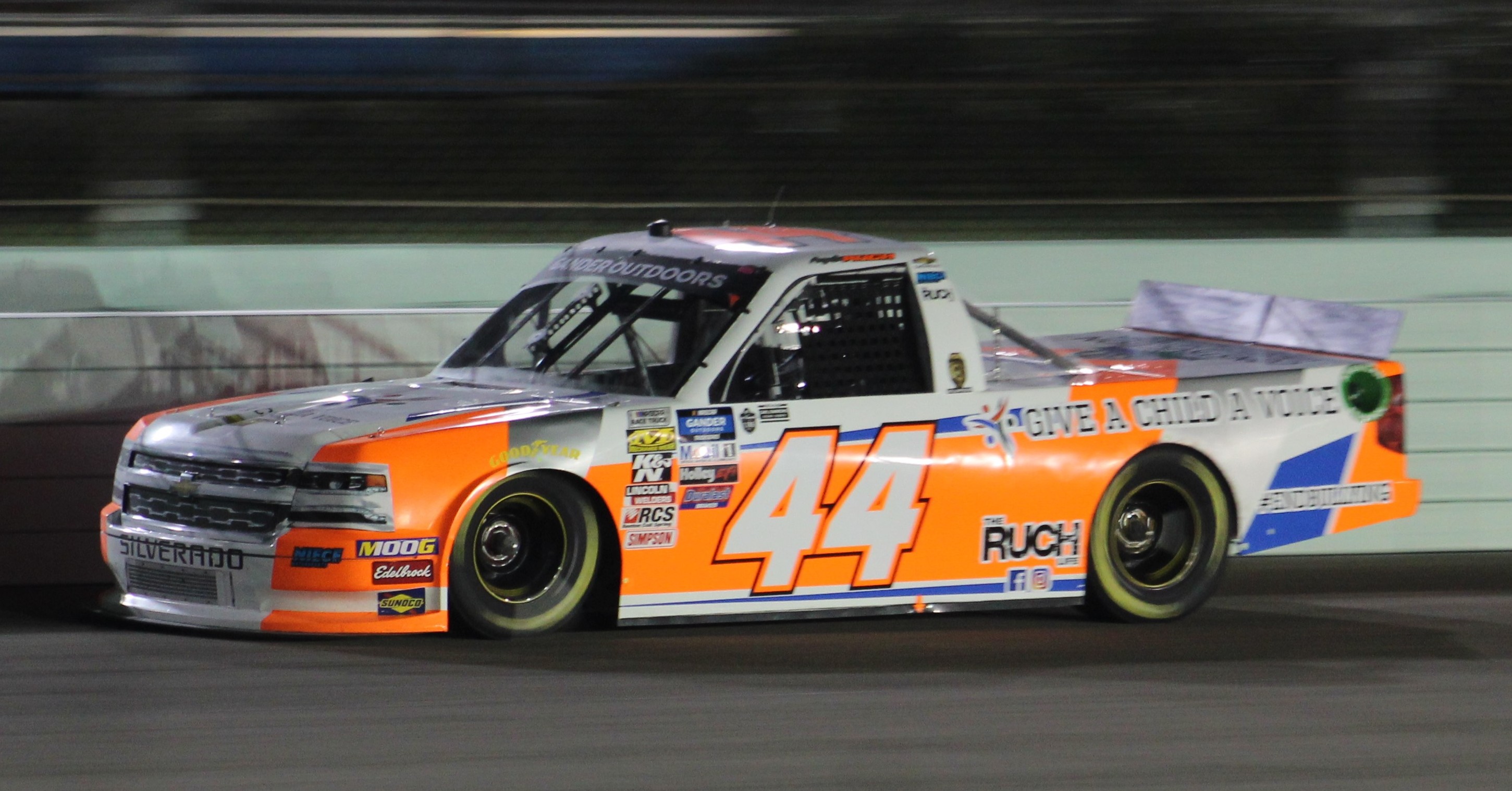
Chevrolet Silverado
"Robert's got his cool uh square body Silverado package square body with a 383 stroker in it"
“Square body Silverado” is a nickname for an older Chevrolet pickup with a boxy, classic look. In this episode, it’s also been modified with a stronger engine than stock.
The “square body” Silverado refers to Chevrolet’s classic 1970s–early-1980s C/K pickup styling, known for its boxy body shape. In this story, it’s specifically a Silverado package truck that’s been upgraded with a performance engine.

Mustang Fox Body
"Jerry Burke the guy with the house on his in his shop he's got this bad ass old fox body that's just built to the hilt in there"
“Fox body” is a nickname for a specific generation of Ford Mustang from the late 1970s through the early 1990s. The host is saying this one is heavily modified for performance.
“Fox body” is the enthusiast nickname for the Ford Mustang’s 1979–1993 generation, recognized by its distinctive 1980s-era body shape. Here it’s described as an “old fox body” built up heavily (“built to the hilt”), implying significant performance upgrades.
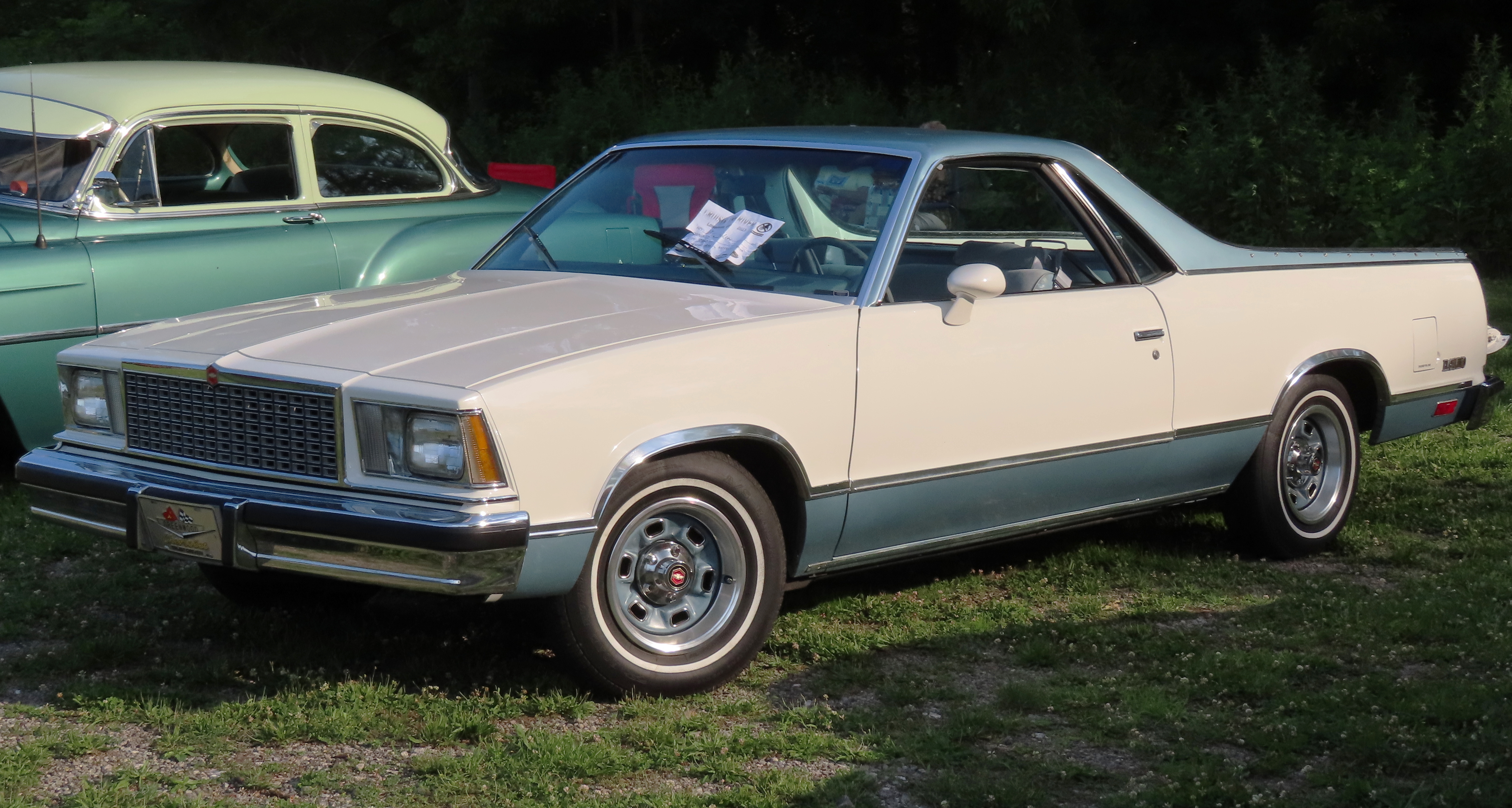
El Camino
"and uh Jerry Burke the guy with the house on his in his shop he's got this bad ass old fox body ... and the other guy's got an El Camino"
The El Camino is a Chevrolet that looks like a car but has a small truck bed. It’s a classic enthusiast vehicle, and it’s mentioned here as another project car in the shop.
The Chevrolet El Camino is a car-based pickup (a “coupe utility”) that blends passenger-car comfort with a small truck bed. In the segment, it’s mentioned as part of the group’s lineup of enthusiast cars.
fuel filter
"there's not an external fuel filter on the rail in those 2006 models only fuel filters in the tank on the actual pump not a problem in the world"
A fuel filter cleans the gas before it goes to the engine. This story highlights that on these 2006 models, the filter is inside the fuel tank system rather than as an external part on the fuel line/rail.
A fuel filter removes contaminants before fuel reaches the injectors and fuel rails. The host specifically contrasts an “external fuel filter on the rail” versus a design where the filter is integrated in the tank/pump assembly (common on many modern GM applications).
fuel rails
"there's not an external fuel filter on the rail in those 2006 models only fuel filters in the tank ... this thing getting fuel to it that fuel rails packed tight and loaded"
Fuel rails are the pipes that spread fuel to the injectors. If the rails are getting fuel correctly, the injectors can spray the right amount.
Fuel rails are the metal tubes/manifolds that distribute pressurized fuel to each fuel injector. The host’s point is that, on these 2006 models, the fuel system design keeps fuel delivery consistent even without an external filter on the rail.
fuel injectors
"and uh this thing getting fuel to it that fuel rails packed tight and loaded and ready to go fuel injectors off plugs are all firing"
Fuel injectors are the parts that spray fuel into the engine when the computer tells them to. If they’re “firing,” they’re being commanded to deliver fuel.
Fuel injectors are electronically controlled valves that spray fuel into the engine’s intake ports or combustion chambers. The segment notes that the “fuel injectors off plugs are all firing,” meaning the injectors are receiving the command to spray.
air box
"to the air box was missing the clamp that clamps the uh intake the mass airflow sensor and all that"
The air box is the part of the intake system that brings filtered air into the engine. If a hose or clamp is loose, air can get in the wrong way and the car’s sensors can get confused.
The air box (air intake housing) is part of the intake system that routes and filters incoming air before it reaches the throttle body and sensors. If a clamp or duct is loose, unmetered air can enter and upset sensor readings like the MAF.
run diagnostics
"cleaned it all up really good put everything back together fire that truck up run diagnostics so it wouldn't pull a single cold run"
Diagnostics are the car’s way of telling you what went wrong. A scan tool checks error codes and sensor readings so you can see if the problem is truly fixed.
Running diagnostics means using the vehicle’s onboard computer (and often a scan tool) to read stored trouble codes and sensor data. This helps confirm what fault triggered the warning or limp mode and whether the fix actually resolved it.
clamps
"I'm gonna get a couple clamps because that's it's kind of a special clamp on that hose I'm gonna get a couple clamps rig something up"
Clamps are what hold the intake hoses and tubes tight in place. If one is missing, air can leak in where it shouldn’t, and the engine can start acting weird.
Clamps are the fasteners that secure intake hoses and ducting to the air box and sensor housings. A missing or misaligned clamp can let air bypass the intended path, leading to sensor errors and drivability issues.

Rolls-Royce Ghost
"...tell me that transmission didn't just give up the ghost you know like i can't there's only so much i can ..."
The Rolls-Royce Ghost is a luxury car designed to be very comfortable and refined. The transmission is the part that helps the engine’s power get to the wheels smoothly. If the transmission has trouble, the car can shift badly or feel like it’s not driving correctly.
The Rolls-Royce Ghost is a luxury sedan known for its high-end comfort, quiet ride, and powerful performance. The podcast context points to a transmission concern (“give up the ghost”), which matters because the transmission is responsible for shifting power to the wheels. When transmission issues come up on a car like this, it’s typically a major repair topic due to cost and complexity.
cruise control
"that thing free wheels goes starts free revving and cruise control i said damn it boy i mean i know what to do so i popped out of cruise control"
Cruise control is the feature that keeps your speed steady without you pressing the gas. If it acts up, it can make the car behave strangely while you’re trying to drive normally.
Cruise control is an electronic system that maintains a set speed by controlling engine throttle and/or transmission behavior. If it malfunctions, it can fight the driver’s inputs—like holding speed while the engine is misfiring or while the car is trying to correct for sensor/engine faults.
free wheels
"we're 200 miles outside of retan that thing free wheels goes starts free revving and cruise control"
It sounds like the truck was coasting like it wasn’t really slowing itself down. That can happen when the drivetrain isn’t connected the way it normally is, so the vehicle feels like it’s “free-rolling.”
“Free wheels” is the driver describing a condition where the vehicle is coasting with little or no engine braking—often because the drivetrain is disengaged or the transmission is in a neutral-like state. In practice, it can feel like the truck is rolling freely rather than slowing down normally when you lift off the throttle.
evaporative mission code
"it was doing that pop piss poor running thing in pop pulled that evaporative mission code pulled that p.o 171 p.o 174 code again"
That’s an error code related to the fuel-vapor system. It’s the system that keeps gas fumes from escaping, and when it finds a problem it can turn on warning codes and make the car run weird.
This appears to refer to an evaporative-emissions diagnostic trouble code (often abbreviated as EVAP). The EVAP system captures fuel vapors from the tank and routes them for combustion; when it detects a leak or malfunction, it can trigger “check engine” style codes and sometimes affect drivability.
third gear
"i took transmission and i dropped it down into third gear i slowed down to like 50 miles an hour and dropped it down in third gear and when i dropped it down in third gear it engaged"
Dropping into a lower gear increases engine RPM at a given road speed, which can help stabilize combustion when the engine is misbehaving. It also changes how the transmission manages torque delivery, which can reduce symptoms like popping if the issue is tied to load/throttle conditions.
overdrive
"minute i cleared those codes that thing run like a champion no problem eased on up in the overdrive no problem shifting transmissions holding strong"
Overdrive is a “cruise” gear that usually lowers engine speed to save fuel. If the car is acting up, the transmission’s shifting into or out of overdrive can feel different.
Overdrive is a higher-ratio gear in an automatic transmission designed to reduce engine RPM for cruising. When a vehicle is having drivability issues, the transmission may avoid or delay overdrive, or the driver may notice shifting behavior changes as the system tries to protect the drivetrain.
air conditioner started freezing up
"about five hours in the trip is the air conditioner started freezing up every time it frees up you turn the a c off just turn the a c off"
If the A/C freezes, the cooling part can get so cold that ice forms and the system can’t work right. Turning the A/C off but keeping the fan running can help melt the ice so it starts cooling again.
When an A/C system “freezes up,” the evaporator can become too cold due to low refrigerant, airflow issues, or control problems. The driver’s workaround—turning the A/C off and running the blower—helps warm the evaporator so it can thaw and resume normal cooling.
blend door
"every time it frees up you turn the a c off just turn the blower motor on blend door all that stuff's working fine"
The blend door is a flap inside the climate system that mixes hot and cold air. If it’s not moving or controlling correctly, the A/C can act weird and not hold the temperature you set.
A blend door is a climate-control actuator that mixes hot and cold air to achieve the selected temperature. If the blend door or its control logic behaves incorrectly, the A/C can run inefficiently and contribute to icing or inconsistent temperature regulation.
Denver
"so now i just have to start cycling it you know because it's 101 degrees outside i ain't trying cook the family as this does that we roll into Denver it doesn't go in limp mode again"
Denver is a big city in Colorado. Here it’s just the next stop on the trip after the problems started.
Denver is a major city in Colorado and a common destination/route point for long drives in the region. In the context of this segment, it marks where the driver expects the truck to continue behaving normally after the A/C and drivability issues.
bad ground wire
"truck and come clues the trucks got a bad ground wire somewhere trucks got some bad grounds"
A ground wire is the car’s electrical “return path” that helps electricity flow correctly. If it’s loose or corroded, the car can act up because signals don’t get a proper electrical connection back to the battery.
A “ground wire” is the electrical return path that completes circuits by connecting components to the vehicle’s chassis/body. If a ground wire is loose, corroded, or poorly routed, you can get intermittent electrical faults—so the host is troubleshooting grounds to fix truck issues.

Chevrolet Avalanche
"gmt 800 are known for that especially the avalanches and they're known for uh that negative battery cable crowding real bad on on the inside"
The host is talking about the Chevrolet Avalanche. They’re saying it’s especially prone to electrical ground problems, and that the battery’s negative cable can be a big part of the issue.
The host is referring to Chevrolet Avalanche, a GM truck/SUV hybrid built on the GMT 800 platform. They mention it specifically because they believe the Avalanche’s common electrical issue involves bad grounds and a problematic negative battery cable routing/fitment.
negative battery cable
"and they're known for uh that negative battery cable crowding real bad on on the inside i start googling part stores dimmer who's got this cable me"
The negative battery cable is the wire that connects the battery’s “minus” side to the car’s metal body. If that connection or routing is poor, the car’s electrical system can have trouble working right.
The negative battery cable connects the battery’s negative terminal to the vehicle’s chassis/ground. The host claims the negative cable can “crowd” or fit poorly inside the engine bay, which can contribute to weak grounding and electrical problems.
ground straps
"and i'll get under there with a wire brush and just start checking all the rest of the ground straps that i can access"
Ground straps are thick wires that connect important parts of the car to the metal body so electricity can return properly. If they’re corroded or loose, the car can get electrical problems.
Ground straps are heavy-duty braided or flexible conductors that bond key components (like the engine, body, or frame) to chassis ground. If a ground strap is corroded or has poor contact, it can cause electrical symptoms similar to a bad ground wire.
wheel chocks
"i don't trust that scissor jack i didn't have anything to block up the wheels with"
Wheel chocks are blocks you put in front of (or behind) a tire so the car can’t roll. They help keep the car from moving while you’re working under or near it.
Wheel chocks are blocks placed against a tire to prevent a vehicle from rolling while it’s lifted or being worked on. They’re a basic safety step when using a jack, especially on a driveway or slope.
contact areas
"wire brush the shit out of everything clean up the contact areas go get the new cable out of the box"
Contact areas are the parts of electrical connectors that actually touch. Cleaning them helps the connection work better and reduces problems from dirt or corrosion.
In automotive electrical work, “contact areas” are the mating surfaces where connectors or terminals touch to make an electrical connection. Cleaning these areas helps reduce resistance and prevents intermittent faults caused by corrosion or oxidation.
wire brush
"it's got two points of contact that come off that cable wire brush the shit out of everything clean up the contact areas"
A wire brush is a tool with metal bristles used to scrub off rust or corrosion. It helps electrical connections by making the metal surfaces cleaner.
A wire brush is used to remove corrosion, oxidation, and grime from metal electrical connection points. In repairs like cable/ground work, cleaning the metal surfaces improves conductivity and connection reliability.
electrical issue
"that's definitely a grounding issue there is definitely an electrical issue with that truck"
An electrical issue usually means there’s a problem with wiring, a connector, or a ground. When it’s intermittent, the car can act up only sometimes—like when the road is bumpy.
An “electrical issue” in modern vehicles often means a sensor, wiring, connector, or ground problem that causes the car’s computers to lose reliable signals. Because many systems rely on stable voltage and good grounding, electrical faults can trigger intermittent behavior—especially over bumps.
pcim ground
"it's either got a pcim going bad or a pcim ground that's not that's losing connection when you get because i know it's on bumpy roads"
A “ground” is the car’s electrical return path. If the PCIM’s ground is bad, the computer can lose its connection and the truck can act weird or go into a protective mode.
“PCIM” is a vehicle control module, and a “PCIM ground” problem means the module isn’t getting a solid electrical reference to the vehicle’s chassis ground. When that ground connection is loose or failing, the module can intermittently lose communication, causing symptoms like stalling, warnings, or limp mode.
cleared codes
"it went in the limp mode for just a little while yesterday and i cleared codes and it was fine again"
“Cleared codes” means using a scan tool (or similar method) to erase stored diagnostic trouble codes from the vehicle’s computer. Clearing codes can temporarily make the car seem fixed, but if the underlying wiring/ground or sensor problem remains, the codes often return.
Auto Zone
"i'm gonna stop i'm still like i still there's part of my brain keeps trying to convince me there's charcoal stuck in that that purge valve so i think i'm just gonna buy another purge valve when i'm in auto zone"
AutoZone is a store where you can buy car parts and sometimes tools to diagnose problems. The speaker plans to pick up a replacement part there.
AutoZone is an aftermarket auto-parts retailer commonly used for quick replacement parts and diagnostic tools. In this segment, it’s where the speaker plans to buy a replacement purge valve.
Request an Explanation
Heard something you'd like explained? We'll add it to this episode.
Sign in to request explanations for terms you heard.
Want to learn more?
Browse our glossary for plain-English explanations of automotive terms, jargon, and concepts.
Help improve this episode
See something that's not quite right? Our annotations are AI-generated and can sometimes miss the mark. Click the flag icon on any annotation to suggest a correction.