
Fixed Ops Friday w/ Rogers, Kaminski, Coyle, and Skinner | Daily Dealer Live
About this episode
Fixed Ops Friday focuses on how dealers protect RO count and service-lane “legacy” through speed, transparency, and disciplined quality control. Guests discuss why RO count is “quietly declining across the industry,” how video multipoint inspections and timed workflows help drive retention and upsells, and how a “lifetime warranty” program is positioned to rebuild trust. The show also covers compliance risks (FTC complaint patterns, fee disclosures), plus insurance and risk topics like hail severity, umbrella limits, and cyber coverage.
pre-orders
"Slate is weeks away from opening non-refundable pre-orders on a mid $20,000 EV with deliveries expected by year-end."
A pre-order is when you pay for something before it’s actually available. For a new EV, it’s a way to reserve one and help the company plan production.
Pre-orders are payments made before a product is available, often with a promise of future delivery. In an EV context, they’re commonly used to gauge demand and fund early production, especially when deliveries are months away.
traditional dealerships
"And it has no plans to use traditional dealerships so far as we know."
Traditional dealerships are the usual car-buying setup: local dealer stores that sell the brand’s cars. The host is saying the EV company may not use that normal dealer network.
“Traditional dealerships” refers to the franchise model where a manufacturer sells through independently owned dealer locations that handle sales, financing, and service. The segment is contrasting that with a direct or non-traditional sales approach that can change pricing, disclosure, and customer experience.
Carvana
"Carvana already owns at least seven Stellanus franchises and is openly building toward 3 million units annually."
Carvana is a company that sells cars largely through an online process. Here, they’re mentioned because they’re growing their footprint and volume.
Carvana is an online used-car retailer known for selling vehicles through a digital-first process and operating large-scale retail operations. In this segment, it’s referenced as having franchise ownership and expanding volume targets, which ties into how dealer networks and compliance risks can shift.
FOIA request
"Next up, CDG News obtained 200 auto-related consumer complaints filed with the FTC between February 2024 and September 2025 through a FOIA request."
A FOIA request is a way to ask the government for records. In this case, it was used to get complaint data so the hosts could look for patterns.
A FOIA request is a Freedom of Information Act request used to obtain government records. Here, it’s how the outlet obtained FTC complaint information to analyze complaint patterns relevant to dealers.
FTC
"Next up, CDG News obtained 200 auto-related consumer complaints filed with the FTC between February 2024 and September 2025 through a FOIA request."
The FTC is a U.S. government agency that protects consumers. In this story, it’s referenced because complaints were filed with them about car-buying practices.
The FTC (Federal Trade Commission) is the U.S. agency that enforces consumer-protection rules, including advertising and deceptive practices. The segment uses FTC complaint data to highlight patterns dealers should treat as compliance risk.
undisclosed or undisputed add-ons
"The three dominant complaint types were advertising and price mismatches, financing related pricing issues, and undisclosed or undisputed add-ons."
Add-ons are extra items or fees added to the deal. The issue here is that they weren’t clearly told to you up front, or customers later say they didn’t agree to them.
Undisclosed or undisputed add-ons are extra charges (often dealer-installed or add-on products) that weren’t clearly revealed up front, or were presented in a way customers later dispute. In compliance terms, the risk is that customers may not have given informed consent to the total price.
advertising and price mismatches
"The three dominant complaint types were advertising and price mismatches, financing related pricing issues, and undisclosed or undisputed add-ons."
This means the price you see in ads or online doesn’t end up being the price you pay in the store. The concern is that it may be misleading or not clearly disclosed.
Advertising and price mismatches happen when the price shown in marketing doesn’t match what the customer is actually charged at the dealership. This is a compliance risk because it can be interpreted as misleading advertising or inaccurate pricing disclosures.
financing related pricing issues
"The three dominant complaint types were advertising and price mismatches, financing related pricing issues, and undisclosed or undisputed add-ons."
This is when the financing terms don’t add up the way they were explained—like fees or monthly costs being different than expected. The point is that customers can get surprised by loan pricing.
Financing-related pricing issues refer to problems in how loan or payment terms are presented—such as payment extension costs, fee structures, or how monthly costs are calculated. The segment later ties this to auto-loan extension fee disclosures, showing why dealers and lenders need tight fee transparency.
FNI add-on disclosure
"For dealers, the clearest compliance risks are areas remain advertising price accuracy, FNI add-on disclosure, and making sure what's on your website actually matches what a customer will pay when they walk in."
FNI add-on disclosure is about whether the dealer clearly explains extra products and fees during the finance step. The concern is that customers may not realize what they’re paying for until it’s too late.
FNI add-on disclosure refers to how finance-and-vehicle-insurance (F&I) products and add-ons are presented and explained during the sales/finance process. The segment flags it as a compliance risk because customers may complain when add-ons aren’t clearly disclosed or match what they were told.
Santander Consumer USA
"And last up today on the regulatory front, Santander Consumer USA has agreed to pay $400,000 to settle claims by New York State that it charged undisclosed fees on auto loan payment extensions."
Santander Consumer USA is a company that helps finance car loans. Here, they’re mentioned because they agreed to pay money back after a dispute about fees on loan payment extensions.
Santander Consumer USA is an auto-lending and consumer finance company. In this segment, it’s the subject of a settlement with New York State over undisclosed fees tied to extending auto-loan payments.
auto loan payment extensions
"Santander Consumer USA has agreed to pay $400,000 to settle claims by New York State that it charged undisclosed fees on auto loan payment extensions."
This is when a lender changes your loan schedule—like extending the time you have to pay. The issue in the story is that borrowers were charged extension fees that weren’t clearly disclosed.
Auto loan payment extensions are arrangements that extend the term of an auto loan or delay/extend payment schedules. The segment highlights that fees for these extensions must be disclosed clearly, because borrowers were charged monthly extension fees beyond what was described.
Fixed Ops
"I didn't understand what that meant when I first started what Fixed Ops meant. But as the years went by, you know, I just became a little bit more engulfed in it."
In a car dealership, “Fixed Ops” usually means the service department. That’s where they do repairs and maintenance and sell parts—basically the work that keeps customers’ cars running after they’ve bought them.
“Fixed Ops” is dealership shorthand for the service side of the business—things like maintenance, repairs, parts sales, and service department operations. It’s called “fixed” because it’s focused on work that fixes vehicles after the sale, rather than selling new cars.
intake form
"You talked in your intake form that your team has dialed in efficiency, culture, and process."
An “intake form” is just a form people fill out to share background information up front. In this kind of interview, it helps the host ask more specific questions based on what the dealership team says is going on.
An “intake form” is a structured questionnaire used to gather information before a conversation or evaluation. In dealership contexts, it often collects details about the store’s goals, metrics, and current processes so the discussion can be targeted.
efficiency
"You talked in your intake form that your team has dialed in efficiency, culture, and process."
Here “efficiency” means the service department is trying to do work with less wasted time. It’s about getting cars checked in, repaired, and out the door in a smoother, faster way.
In dealership “Fixed Ops” talk, “efficiency” usually means how quickly and smoothly the service operation turns work into completed repairs—reducing wasted time in scheduling, check-in, technician workflow, and parts sourcing. It’s typically measured with internal service metrics rather than just “how fast” in a general sense.
process
"You talked in your intake form that your team has dialed in efficiency, culture, and process."
“Process” here means the set of steps the service team follows every time. When the process is well-defined, repairs tend to go more smoothly and with fewer mistakes.
“Process” refers to the repeatable steps a dealership service team follows—from customer intake and vehicle inspection through authorization, parts ordering, repair work, and delivery. Tight processes help reduce errors, delays, and rework in the service department.
culture
"If you say culture again, I'm going to test you on it because I think people drop culture a lot. They don't know what it means."
“Culture” is basically how the team works together day to day. It’s about the attitudes and habits—like how they treat customers and whether everyone follows the same standards.
In dealership leadership discussions, “culture” means the shared behaviors and expectations inside the service organization—how people communicate, handle customers, and follow standards. It’s often used as a shorthand for whether the team consistently executes the right way, not just whether they hit numbers.
RO count
"So not non-franchised repair facilities are taking away RO count from dealers. That is a fact. The challenge is, Chris, why? Why are we losing? And you even in your answer, you flagged RO count as your biggest constraint right now."
RO count means how many “repair orders” the dealership writes. Think of it like the number of jobs customers bring in for service.
“RO count” refers to the number of repair orders a dealership generates. In fixed-ops (service) terms, it’s a key activity metric because more repair orders generally means more service work booked and billed.
multi-point car wash
"You know, we're even as a dealer, even with the full multi-point car wash, we're still able to average an oil change in less than an hour at right at about 35 to 40 minutes."
A multi-point car wash is a car wash done in several steps. The dealership is saying they can still do it quickly even while turning around service work fast.
A “multi-point car wash” is a wash process that uses multiple stages or stations (for example, pre-soak, wash, rinse, and drying) rather than a single-step rinse. Dealerships use it to keep service throughput high while still delivering a clean vehicle experience.
multi-point inspection
"We, you know, everything from washing the vehicle, giving them a health check, multi-point inspection, you know, giving them, I guess you can say also to giving them proof of it, you know, doing video walkarounds,"
A multi-point inspection is a checklist of common things a technician checks on your car. It helps the dealership show what’s okay and what might need attention.
A “multi-point inspection” is a standardized checklist of vehicle checks performed during service—often covering items like brakes, tires, fluids, lights, and under-hood components. It’s meant to catch issues early and create a documented basis for recommendations.
video walkarounds
"We, you know, everything from washing the vehicle, giving them a health check, multi-point inspection, you know, giving them, I guess you can say also to giving them proof of it, you know, doing video walkarounds, [665.6s] you know, with the technicians, you know, showing them, hey, this is your vehicle, this is what your oil, you know, this is what your air filters look like, you know, things like that."
Video walkarounds are videos the technician records to show you what they’re seeing on your car. It’s a way to make the inspection easier to understand.
“Video walkarounds” are technician-recorded videos shown to the customer during service. The goal is to document findings visually (often including close-ups of wear or fluid condition) so customers can understand recommendations without relying only on verbal explanations.
Lifetime warranty
"[710.2s] Lifetime warranty. [710.7s] When did you start it?"
A lifetime warranty is coverage that’s supposed to last for the whole time you own the car. Here, they’re saying if you pay for a repair once, they’ll cover that kind of repair again for as long as you keep the vehicle.
A “lifetime warranty” is a coverage promise that’s intended to last for as long as the vehicle is owned (or sometimes for the vehicle’s useful life, depending on the contract). In this segment, they’re describing it as paying for a repair once and having it covered for the life of the vehicle, including mechanical items like brakes and batteries.
Presidian
"[712.5s] We started it a couple of months ago with a company called Presidian. [716.1s] And the CEO, the Presidian leader, Darren Murray, he's got a huge following, fantastic guy, fantastic team to work with."
Presidian is named as the company they partnered with to launch this “lifetime warranty” program. The context suggests Presidian provides the platform or program structure that the dealership team uses to offer the coverage to customers.
Darren Murray
"[716.1s] And the CEO, the Presidian leader, Darren Murray, he's got a huge following, fantastic guy, fantastic team to work with. [725.0s] Eric Savage, his fix-offs guy, Tom Evans is the gentleman that introduced us to it."
Darren Murray is the leader of Presidian, the company behind the program they’re talking about. They’re saying his team helped make it easy for the dealership to use.
Darren Murray is identified as the CEO/leader of Presidian in this segment. The hosts credit him and his team with making the program “simple” to implement for the dealership.
brakes and batteries
"[733.8s] But essentially what it is is you pay for a repair once and it's covered for a life of the vehicle. [739.9s] Okay. [740.0s] So that includes any mechanical repair, including brakes and batteries."
They’re saying the coverage includes common car items like brakes and the battery. So if those parts need repair, the program is supposed to help cover it.
Brakes and batteries are called out as examples of mechanical repairs that are included under the “lifetime warranty” coverage. For listeners, this signals the program isn’t limited to one narrow component—it’s meant to cover common wear-and-failure items.
transparency
"[744.6s] How does that help you? [745.8s] How does that help you run towards the customer with transparency and efficiency and reduce friction?"
Here, “transparency” means the dealership explains what they’re doing and what’s included in the coverage. They’re describing it as showing customers details (including with videos) so there are fewer surprises.
In a dealership context, “transparency” here means clearly showing customers what work will be done and what’s covered, rather than leaving details vague. The segment ties it to walk-around explanations and video walk-arounds so customers understand coverage and scope before repairs proceed.
12 month, 12,000 mile warranty
"The standard, and I can't speak for every single manufacturer, but I know Nissan, let's just talk about Nissan. Nissan has a 12 month, 12,000 mile warranty. Somebody has a $7,000 transmission that they're needing on their vehicle."
A warranty like “12 months / 12,000 miles” means the company will pay for certain repairs for a limited time and limited driving distance. After that, you may have to pay out of pocket.
This refers to a manufacturer warranty that covers the vehicle for 12 months or 12,000 miles (whichever comes first). It’s a time-and-mileage limit that sets expectations for what repairs should be covered early in ownership.
transmission
"Somebody has a $7,000 transmission that they're needing on their vehicle. 1212. That's what you get. ... I mean, my transmission failed at 80,000 miles."
The transmission is the part that helps the car shift gears and send power to the wheels. If it breaks, it can be expensive to fix, which is why warranty coverage matters a lot.
The transmission is the drivetrain component that changes engine output into usable wheel torque, matching gear ratios to speed and driving conditions. When a transmission fails, repair costs can be very high, and coverage timing (warranty length) becomes a major customer concern.
lifetime complimentary warranty
"And so, you know, that distrust gets lost with the dealership. And what ultimately ends up happening is when we're able to say, hey, listen, not only are we appreciative of the business that you brought to us, we're going to back up everything we stand for by giving you an offering you a lifetime complimentary warranty with that. Yeah."
A “lifetime complimentary warranty” is an extra warranty offer provided at no cost, intended to cover repairs for as long as the customer owns the vehicle (or for a defined “lifetime” period, depending on the program). Dealers use it as a trust-building incentive when customers worry about expensive failures after the standard warranty ends.
increase your retention
"Yeah. And so, you know, it'd probably be interesting to talk about it later once you've got some history behind it. But that's an interesting strategy to increase your retention, get our own count back into the store."
“Retention” here means getting customers to keep coming back instead of leaving. The idea is that better warranty protection makes people trust the brand/dealership more, so they’re more likely to return.
In dealership terms, “retention” means keeping customers coming back for service and future purchases rather than switching to another brand or store. Warranty and coverage messaging are used to improve customer confidence, which can increase how often people return.
OEMs
"And provide something into the area that, you know, a lot of OEMs aren't necessarily doing. Aril Peraris comes in and says, look, Nissan is three years unlimited if you buy a component."
OEMs are the car companies that make the vehicle in the first place. When they talk about warranties, it usually means the coverage rules from the manufacturer, not an independent shop.
OEMs are “original equipment manufacturers”—the companies that build the vehicle and its parts, like Nissan. In dealership fixed-ops discussions, OEM warranty terms and coverage rules often differ from aftermarket or independent shop policies.
unlimited mileage
"Aril Peraris comes in and says, look, Nissan is three years unlimited if you buy a component. Is that true or is it one year?"
Unlimited mileage means the warranty doesn’t care how many miles you drive during the warranty period. So the coverage is based on time (like three years), not mileage.
Unlimited mileage means the warranty coverage doesn’t depend on how many miles the vehicle accumulates during the coverage period. Here, the hosts contrast “three years unlimited” for certain Nissan components with shorter mileage-limited coverage for other parts.
Nissan
"Aril Peraris comes in and says, look, Nissan is three years unlimited if you buy a component. Is that true or is it one year?"
Nissan is the car brand. They’re talking about Nissan’s warranty coverage—how long it lasts and which parts it applies to.
Nissan is the vehicle manufacturer whose warranty coverage rules are being discussed. The hosts are comparing “unlimited” coverage for certain powertrain components versus shorter coverage for basic components.
powertrain components
"I think he's a little, I think on the, unlike the engine, like certain powertrain components may have a three year unlimited. But every part with Nissan is, yeah, like certain powertrain components, like heavy components, like power transmission, stuff like that."
Powertrain components are the main moving parts that transfer power from the engine to the wheels. The discussion here is about which of those bigger, more expensive parts get longer warranty coverage.
Powertrain components are the parts that make the car move—typically the engine, transmission, driveshaft, and related systems. In this segment, the claim is that some powertrain components get longer “unlimited” mileage coverage than smaller “basic” parts.
retention tool
"So again, what happens after that three years, right? We don't expect a transmission to fail after replacement or engine fail after replacement in the next three years. So while the unlimited mileage aspect of it may be okay, what happens to the customer after that, right? What's the metric that you're tracking, Chris, when implementing a retention tool like this?"
A retention tool is something a dealership uses to encourage customers to return for service again. They’re talking about how to measure if it’s working, like whether customers keep booking repairs.
A retention tool is a strategy or program designed to keep customers coming back to a dealership or service department. The hosts discuss tracking metrics like retention and dollars per RO (repair order) to measure whether the warranty/coverage offer improves repeat business.
RO
"What's the metric that you're tracking, Chris, when implementing a retention tool like this? Are you tracking dollars per RO? Is it customer pay? Is it retention?"
An RO is a repair order—basically the paperwork for a service visit. “Dollars per RO” means how much money the dealership makes on average for each service ticket.
RO typically means “repair order,” the document/service ticket that records the customer’s vehicle, the work requested, and the charges. “Dollars per RO” is a dealership metric used to gauge average revenue generated per service ticket.
Grandbury, Texas
"Where are you located? Grandbury, Grandbury, Texas. Very good. Yeah, it's about 30 miles south of Fort Worth."
Grandbury, Texas is where the dealership is located. They’re using the local area to explain why customers keep coming back for service.
Grandbury, Texas is the dealership’s local market being discussed. The hosts use it to explain why retention is high—there are multiple Nissan dealerships nearby and significant aftermarket competition in the region.
Fort Worth
"Very good. Yeah, it's about 30 miles south of Fort Worth. MROS AZ comes in and says engines and transmissions, those are three years unlimited."
Fort Worth is mentioned to help locate where the dealership is. It’s basically a nearby reference point for the local market.
Fort Worth is referenced as a nearby major city to give geographic context for the dealership’s location. It helps listeners understand the competitive service landscape around Grandbury.
video MPI
"You mentioned video MPI as a way of creating that connection transparency with the consumer. What's your delivery tool on video MPI? We talk about it, it seems every fixed ops Friday."
“Video MPI” is a way for a repair shop to show you what they found on your car. The technician records and documents several inspection items, then sends that info to you so you can see the issues before approving work.
“Video MPI” stands for video multi-point inspection. It’s a service-advisor workflow where technicians use video (often with photos) to document multiple vehicle inspection points and share that evidence with the customer so they can understand what’s needed.
XTime
"But our tool that we use is XTime. And with that tool, we're able to send those video multipoint inspections directly to the customer. As soon as the technician pulls into the shop, you know, they have iPads, they're able to go in and start doing those video multipoint inspections, start taking pictures immediately."
XTime is a computer system a shop uses to handle the inspection videos and send them to customers. It helps the shop keep the process organized and share the inspection results quickly.
XTime is the name of a software tool used in fixed-ops (service) operations to manage and deliver inspection content. In this segment, it’s described as the system that sends video multipoint inspections directly to customers.
send open rate
"So you want the 20, 25 or you want the, I think you said 90, 95% send open rate. What are you getting right now? Right now about 85."
“Send open rate” means how many people actually open the message the shop sends. In this case, it’s how many customers open the video inspection the shop sends them.
“Send open rate” is a marketing/communication metric: the percentage of customers who open a sent message (here, the video MPI). The hosts use it as a KPI to track how effectively the inspection delivery is reaching customers.
upsells
"As time goes on, upsells are just increasing. I mean, we, you know, 150 more dollars per RO is what we've ran over the last three months. With the video MPI is what you're saying with the video MPI and with, you know, with proceeding because again, retention aspect."
“Upsells” are additional services or recommendations offered during the repair process that go beyond the original customer request. In fixed-ops, they’re often driven by what the inspection reveals and how clearly it’s communicated to the customer.
retention percent
"So with that in our back pocket, it's an extra, you know, trigger. What's your, what's your retention percent? "
“Retention percent” is a number that tells you how many customers come back to the shop again. Higher retention usually means the shop is building repeat business.
“Retention percent” is a service-business KPI measuring how many customers return for additional work over a defined period. The hosts connect it to the inspection/communication workflow and to offers like warranty coverage.
claims example
"The speed is fine, and I know this isn't exactly what you're asking, but I know you're always interested in a claims example or something that's happened."
A “claims example” is a story about a real incident where someone had to file an insurance claim. The point is to learn how mistakes during service can lead to big problems and costs.
A “claims example” refers to a real-world incident that results in an insurance claim. In fixed operations and service settings, these examples are used to show how small process failures can escalate into accidents and expensive payouts.
lug nut
"but I've seen this happen, and it's happened recently where someone doesn't maybe tighten the lug nut and the tire maybe rolls off the car, which causes a severe accident."
A lug nut is the bolt that holds your wheel onto the car. If it’s not tightened correctly, the wheel can loosen and even fall off, which can cause a serious crash.
A lug nut is the threaded fastener that clamps a wheel to the vehicle’s hub. If a lug nut isn’t properly tightened, the wheel can loosen and potentially come off, which is why it’s treated as a critical safety check after tire or wheel service.
risk management
"So, you think about all of the risk management prevention that comes before any insurance ever happens, you don't want to have to use insurance."
Risk management is about trying to stop problems before they happen. Instead of waiting for insurance to deal with an accident, you look for the weak spots and fix them with better checks and procedures.
Risk management is the process of identifying what could go wrong (like a wheel not being properly secured) and putting procedures in place to reduce the chance of failure. In this context, it means focusing on prevention and process discipline before relying on insurance after something bad happens.
last line of defense
"That's sort of the last line of defense. [1653.0s] You want to think about and partner with your insurance company to say, what are the things that you're seeing?"
“Last line of defense” means insurance is the final safety net. The goal is to prevent the problem in the first place, so you never have to rely on insurance after something goes wrong.
“Last line of defense” means insurance is treated as the final backup after prevention efforts fail. The idea is that the best outcome is avoiding the claim entirely through disciplined service practices, rather than depending on insurance to clean up after an avoidable mistake.
double check
"There are double checks that go on on tires before the vehicle goes out. Now I'm not going to speak to those two scenarios because I don't know enough about it. But in a repair facility, a good double check is having a second look at that lug nut to make sure it's tight as tight as the first person."
A “double check” is a workflow practice where a second person verifies critical steps to reduce human error. Here it’s applied to tire service—specifically verifying wheel fasteners—so quality is maintained even when the shop is moving efficiently.
QC
"So there can be a speed element, but there can also be a QC to help make sure that nobody made a mistake in the process."
QC means quality control. It’s the shop’s process for double-checking work so problems are caught before the car goes back out.
QC stands for quality control, meaning procedures designed to catch mistakes before work leaves the shop. In this segment, QC is described as a second-check process to prevent errors during tire or service work.
Zurich
"Do you advocate for that at Zurich and having a second check in place as a process to balance time and quality? Yes. As an insurance company, we would prefer you check three times."
Zurich is an insurance company. In this conversation, they’re basically talking about how repair shops should double-check their work so mistakes don’t slip through.
Zurich is referenced here as an insurance company involved in how repair facilities handle quality control. The host is asking whether Zurich advocates for a second check process to balance time and quality in service workflows.
hailstone
"They're more jagged. They're more damaging. They're more damaging because of the size and the jaggedness of the actual. Hailstone."
Hailstones are pieces of ice that fall from storm clouds. For cars, bigger or sharper hail can make deeper dents and more damage than small, round hail.
A hailstone is a chunk of ice formed in a thunderstorm’s updrafts and downdrafts. In car-damage terms, larger and more jagged hailstones can punch through paint and dent panels more aggressively than smaller, rounder stones.
Dent Wizard
"So where we used to be able to go in and you have the sort of the Dent Wizard guy, the Dent and Dig Man come in and suck those out."
Dent Wizard is a company that fixes hail dents using a method that can often remove the dent without repainting. That’s usually cheaper than full body-shop work.
Dent Wizard is a well-known paintless dent repair (PDR) brand/service. The idea is to remove dents from the outside of the panel without repainting, which is often cheaper and faster than traditional body-shop repair.
paintless dent repair
"So where we used to be able to go in and you have the sort of the Dent Wizard guy, the Dent and Dig Man come in and suck those out."
Paintless dent repair is a way to fix dents without repainting. It works best when the paint is still intact and the dent isn’t too severe.
Paintless dent repair (PDR) is a process that removes dents by reshaping the metal from behind the panel, typically without damaging the paint. It’s most effective when the paint isn’t cracked and the dent geometry is within the panel’s ability to be worked back.
totaled
"And we're sending these things to body shops or worse. Now they're being totaled. Of course they didn't used to get totaled in hailstorms nearly as frequently."
“Totaled” means the insurer decides it’s too expensive to repair the car, so they treat it as a write-off. Big hail damage can add up quickly across many panels.
When a car is “totaled,” the insurance company decides the repair cost is high enough that it’s not worth fixing the vehicle. Severe hail can drive repair estimates up (especially with multiple panels and hidden damage), making total-loss decisions more common.
body shops
"And we're sending these things to body shops or worse. Now they're being totaled."
A body shop is where cars go for dent and paint repairs. If hail damage is too severe for paintless repair, a body shop usually has to repaint and fix panels the traditional way.
A body shop is a repair facility that handles collision and weather damage, typically involving panel repair/replacement, sanding, and repainting. Compared with paintless dent repair, body-shop work is usually more expensive and time-consuming.
hail nets
"There aren't that many dealers with hail nets and hail tents and [2699.9s] ways to protect it or prevent it."
Hail nets are like a protective cover dealers put over cars during hailstorms. The goal is to keep hail from hitting the paint and windows as hard as it would without protection.
Hail nets are protective coverings used at dealerships to reduce hail damage to parked vehicles. They work by intercepting or dispersing hailstones so the car’s exterior panels and glass are less likely to be struck directly.
hail tents
"There aren't that many dealers with hail nets and hail tents and [2699.9s] ways to protect it or prevent it."
Hail tents are shelters dealers put over cars to protect them from hail. They help keep hail from directly hitting the car’s body and windows.
Hail tents are temporary or semi-permanent structures that cover vehicle inventory to shield it from hail. Compared with nets, tents can provide more complete overhead protection, reducing the chance of dents and broken glass.
totaling vehicles
"That is also a factor in totaling vehicles faster. [2719.3s] So you get some hail damage."
“Totaling” means the insurance company decides the car is too expensive to repair. Even if the car can be driven, the cost to fix it may be more than the car is worth.
When insurers say a car is “totaled,” it means the repair cost is high enough that it’s not financially worth fixing. Modern vehicles can be totaled faster because repairs may involve expensive, tightly integrated parts and advanced materials.
thinner panels
"SWAT team comes back in and says thinner panels, maybe? [2746.6s] So."
“Thinner panels” means the metal on the outside of the car is thinner. Thinner metal can dent more easily when hail hits it.
“Thinner panels” refers to body sheet metal that’s less thick, which can dent more easily under hail impact. If a vehicle uses thinner outer panels, hail may create more visible damage and increase the likelihood of expensive repairs.
technician productivity
"You talked about technician productivity. [3017.0s] You talked about the advisor selling skills, fixed ops focus."
Technician productivity is basically a way to measure how efficiently the service techs are working. It looks at how much work they get done (or how many labor hours they bill) compared to how much time they have.
Technician productivity is a fixed-ops metric that measures how effectively service technicians turn labor time into completed work. In practice, it’s often tracked using output targets like jobs completed per day or labor hours billed versus available time.
tech payroll
"the guys and gals in the stores that started really [3035.3s] monitoring tech payroll, tech, you know, tech production,"
Tech payroll is just the pay the dealership gives its service technicians. The point of tracking it is to make sure the shop’s labor costs match how much work the techs are actually getting done.
Tech payroll refers to the wages paid to service technicians, and in dealership fixed operations it’s commonly monitored alongside production metrics. The idea is to ensure labor costs are aligned with the amount of billable work technicians are producing.
customer pay
"Customer pay is still down a little bit here and there. [3052.8s] We have some stores that's up, but, you know,"
Customer pay means the customer is paying out of their own pocket for the service. If it’s down, it often means fewer customers are approving repairs or buying services compared to before.
Customer pay is service revenue generated from work paid for by the vehicle owner, rather than warranty or other programs. When customer pay is down, it usually means fewer out-of-pocket repairs are being sold or fewer customers are approving recommended work.
closing rates
"And I think, you know, last month, [3058.9s] the worst thing I saw was the closing rates were down 5%."
Closing rate is how often the service advisor’s recommendations turn into real, approved repairs. If closing rates drop, it means fewer customers are saying “yes” to the work being offered.
Closing rates are the percentage of service recommendations that get approved and turned into work orders. A drop in closing rates (like the “down 5%” mentioned) typically points to weaker conversion from advisor recommendations to actual customer authorization.
maintenance schedules
"the manufacturers stringing out these maintenance schedules for a year, [3365.3s] 14 months, they just been kicking, kicking the can into the dealer's pocket."
A maintenance schedule is the carmaker’s plan for when you should do services like oil changes. If the schedule gets stretched out, the car may run longer between services, which can increase the chance of problems.
A maintenance schedule is the manufacturer’s recommended timeline for service items like oil changes and inspections. When schedules are “kicked down the road,” service intervals get longer, which can affect wear and the likelihood of failures.
extended warranty
"I'd say anybody that buys a used car would be crazy not to get an extended warranty because, you know, the manufacturer and the flavors have been, [3377.9s] you know, the media has been, you know, don't change the oil, wait a year,"
An extended warranty is extra insurance for your car after the original warranty ends. If something breaks later, it can help pay the repair bill instead of you paying everything.
An extended warranty is extra coverage beyond the factory warranty period. It’s meant to pay for certain repairs if components fail after the original warranty expires, often for a set time or mileage limit.

Mercedes
"It doesn't matter. [3395.7s] Mercedes, BMW, let the customer say no. [3398.4s] You know what I mean?"
Mercedes is brought up as an example of a brand’s process for scheduling the next service visit. The host is saying the customer should have the choice, not feel forced into it.
Mercedes is mentioned as one of the brands involved in how service appointments are handled after a sale. The host’s takeaway is that customers should be allowed to opt out of the next scheduled appointment rather than being pushed automatically.
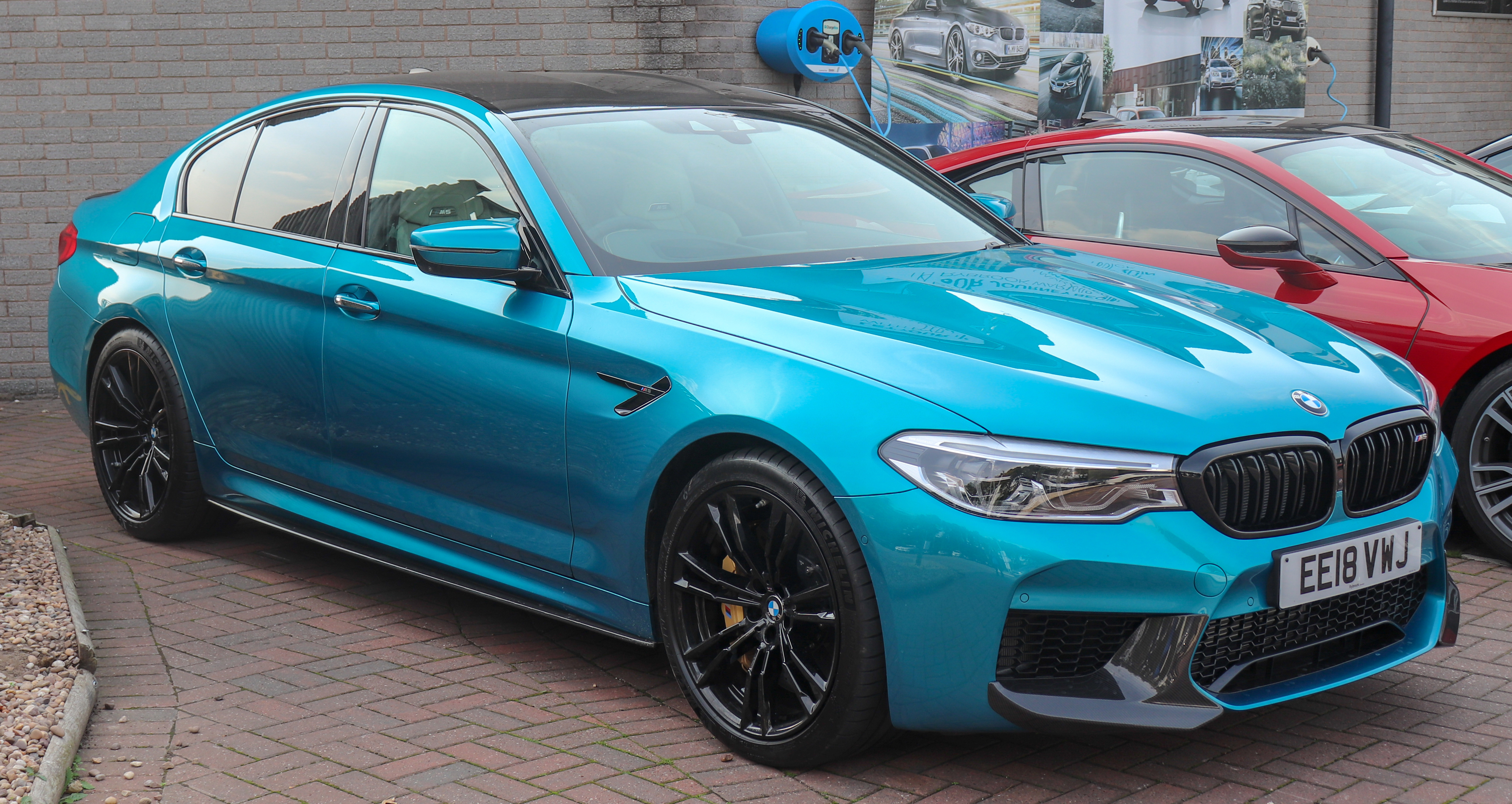
BMW
"It doesn't matter. [3395.7s] Mercedes, BMW, let the customer say no. [3398.4s] You know what I mean?"
BMW is mentioned as another example brand in the discussion about service visits. The host is saying customers should be able to decline the next scheduled appointment.
BMW is referenced alongside Mercedes in the context of dealer service scheduling after the sale. The host’s point is about giving customers control over whether they want the next appointment and service push.
prepaid
"And then, you know, you see some brands getting away from the prepaid or the"
“Prepaid” here likely means you buy a service plan ahead of time. Instead of paying for each visit later, you’ve already paid for the maintenance you’ll need.
In dealer service contexts, “prepaid” usually refers to service plans that are paid for in advance (often bundled with a set number of visits or mileage). The idea is to lock in service pricing and ensure the customer comes back for scheduled maintenance.
Hyundai
"And I think, you know, Hyundai's been a brand that we've struggled with across the board with retention. [3428.6s] I'm not sure why it's been that way. [3430.3s] And I've been dealing with the Hyundai brand since the 1990s."
Hyundai is a car brand. Here, the speakers are saying Hyundai has trouble keeping customers coming back for service, and they think the warranty/service rules are part of why.
Hyundai is a major global automaker, and in this segment the hosts are discussing how Hyundai’s customer retention has been weak. They connect that to dealer service programs and warranty administration, arguing that the rules and process create friction for both technicians and customers.
free maintenance plan
"Every time they throw this free maintenance plan out, it fails miserably. [3437.4s] I think it chases people away more than it ever helps them. [3440.5s] So, you know, I think some of the brands when you have, you know,"
A free maintenance plan is when a car brand or dealer promises to pay for certain routine services. The speaker is saying Hyundai’s plan isn’t working the way it’s supposed to.
A free maintenance plan is a dealer/manufacturer program that covers scheduled service for a period or mileage range. In this segment, the host argues that Hyundai’s version “fails miserably,” implying it doesn’t convert into repeat service visits and may even discourage customers.
warranty compliance videos
"They put so many, the same brand put so many hurdles on technicians and warranty [3458.8s] compliance videos, all this other stuff that they have you doing, right?"
Warranty compliance videos are documentation requirements where technicians must record and submit video evidence to justify a warranty claim. The host argues these extra steps add hurdles to technicians and slow down the repair process, which can frustrate both shops and customers.
technicians
"They put so many, the same brand put so many hurdles on technicians and warranty [3458.8s] compliance videos, all this other stuff that they have you doing, right? [3463.2s] And then the same people will criticize you for not being able to keep text."
Technicians are the mechanics who figure out what’s wrong and do the repairs. The speaker is saying the warranty paperwork/video requirements make their job harder.
Technicians are the shop employees who diagnose and repair vehicles. In this segment, the host highlights how warranty rules and documentation requirements increase the workload for technicians, affecting the shop’s ability to keep jobs moving smoothly.
flat rate labor
"country with, you know, flat rate labor going for retail flat rate hours, right? Yeah."
Flat rate labor means mechanics get paid using a standard time estimate for each repair. So if the job takes longer or shorter than that estimate, the pay usually doesn’t change.
Flat rate labor is a dealership/repair-shop billing system where technicians are paid based on a preset number of hours for a specific job, rather than the actual time it takes. The “flat rate hours” are set using manufacturer labor guides, so the same repair can pay differently depending on the job and the pay plan.
warranty reimbursement
"What happens when warranty reimbursement goes above customer pay labor rate? You mean the dollar amount?"
Warranty reimbursement is how the car maker pays the dealership for fixing a car under warranty. It’s usually based on set time estimates and pricing, not on what the repair actually took.
Warranty reimbursement is the money a manufacturer pays a dealer for warranty repairs, typically based on the same flat-rate labor times and parts pricing rules. If warranty reimbursement rates are higher or lower than what the shop earns from customer-pay work, it can strongly affect staffing and how aggressively dealers pursue warranty work.
labor rate repair rate
"You have the rate reimbursement, the actual dollars per hour, right? And that's, that's based on your effective or your labor rate repair rate."
This is basically the dealership’s effective labor pricing used to figure out how much a repair pays. It connects the standard time estimate for the job to a money amount per hour.
“Labor rate repair rate” here refers to the effective shop labor rate used to calculate what the repair pays out, especially when warranty reimbursement is involved. In practice, it ties the technician’s flat-rate hours to a dollar-per-hour figure the dealer uses for repair billing and internal accounting.
nine states
"And now you have nine states in the country that had this, they passed laws"
They’re talking about laws in some states that change how repair shops and technicians get paid for warranty repairs. The point is that rules can vary by location and affect dealership costs.
The hosts are discussing state-level legal changes that affect how technicians are paid for warranty work, specifically pushing compensation closer to fair pay standards. This is an example of how regulation can change dealership fixed-ops economics across different parts of the country.
due deal with customers
"One of the biggest problems that when I first got here, doing my own due deal with customers and trying to get involved with the search drive a lot more is what's the biggest issue?"
The host is talking about being careful and thorough when dealing with customers and repairs. The idea is to figure out what’s really wrong instead of just doing the quick option.
This sounds like the host is referring to “due diligence” or a careful process when handling customer work, but the transcript is unclear (“due deal”). In a dealership context, it’s about diagnosing the real issue and handling repairs correctly rather than rushing.
oil change
"When I first got here, it takes three hours to do an oil change. And that's why when I get people who come in, about three years ago,"
An oil change is when a shop drains the old engine oil and puts in new oil. It helps keep the engine running smoothly and prevents buildup from dirty oil.
An oil change is scheduled service where the engine’s used oil is drained and replaced with fresh oil, often with a new oil filter. It’s meant to keep the engine lubricated and help remove contaminants that build up over time.
plastic oil fans
"Nissan started coming out with some specific models that have plastic oil fans. So people are getting these oil fans done or these oil changes done at Walmart."
They’re talking about a Nissan part related to the oil system that’s made from plastic. If it gets damaged during an oil change, you can end up with leaks.
The host is describing a Nissan oil-pan-related component made from plastic (they say “plastic oil fans,” likely meaning a plastic oil pan or oil pan cover). Plastic parts can be more vulnerable to cracking or damage if they’re handled improperly during service.
drain plug
"And they're coming in saying, hey, I have oil dripping now. And we come to look at it and the oil fans cracked or the drain plug is stripped because it's plastic."
The drain plug is the bolt that you loosen to let old oil drain out. If it’s tightened wrong, it can get damaged and cause oil to leak.
The drain plug is the bolt that seals the oil pan and is removed to drain used oil during an oil change. If it’s not tightened correctly, it can strip the threads or fail to seal, leading to leaks.
stripped
"And we come to look at it and the oil fans cracked or the drain plug is stripped because it's plastic. They're not tightening it down with manufacturer specifications, you know,"
“Stripped” means the threads got damaged so the bolt can’t grip correctly anymore. When that happens, it may not seal and oil can start leaking.
“Stripped” here means the threads on the drain plug or the mating threads in the oil pan have been damaged so the plug can’t tighten properly. Once threads are stripped, the seal can fail and you may need a repair rather than just a normal service.
manufacturer specifications
"They're not tightening it down with manufacturer specifications, you know, things like that. So what ends up happening is they bring it here."
Manufacturer specifications are the exact instructions from the car maker for how to do a repair. That includes how tight bolts should be, which helps prevent leaks and damage.
Manufacturer specifications are the exact service instructions from the automaker—like the correct torque (tightening force) for fasteners. Following them helps prevent issues like cracked plastic components or stripped drain-plug threads.
obsolescence returns
"Let's look at our returns. [4056.9s] Let's look at our obsolescence returns. [4058.4s] Let's look at our ASR automatic replenishment returns."
Sometimes a dealership ends up with car parts it can’t use anymore because they’re no longer needed. “Obsolescence returns” means sending those unused, outdated parts back so the dealer can recover value and clear shelf space.
“Obsolescence returns” are parts that a dealership can’t sell or use anymore because they’ve become outdated (for example, due to model-year changes) and are sent back to the manufacturer or distributor under a return program. Dealerships track these to reduce dead inventory and improve parts availability for active repairs.
ASR automatic replenishment returns
"Let's look at our returns. [4056.9s] Let's look at our obsolescence returns. [4058.4s] Let's look at our ASR automatic replenishment returns. [4061.5s] Are we returning the right parts?"
ASR is an automated system that helps a dealership reorder parts before they run out. If it orders too many (or demand drops), the extra parts can be returned—those are “automatic replenishment returns.”
“ASR” here refers to an automatic replenishment process for dealership parts ordering, where inventory is restocked based on predefined rules. “Automatic replenishment returns” are the parts that get returned when the replenishment system over-ordered or when demand changes, so the dealer can correct inventory levels.
buy-in
"[4093.3s] Dave, what's the solution? [4094.4s] They've got to buy into it, though. [4095.6s] They've got to buy into the process. [4097.3s] That's the biggest thing is the buy-in."
“Buy-in” means people accept the plan and are willing to actually do it. If they don’t buy in, the process won’t work as well because people won’t fully follow it.
In dealership operations, “buy-in” means employees genuinely agree with and commit to a new process rather than just being told to follow it. Without buy-in, even well-designed procedures (like parts return workflows) tend to break down in day-to-day execution.
customer retention lifecycle
"[4156.9s] Dave is delivering an oil change in a specified period of time. [4160.7s] Important to maintaining customer trust transparency and owning that customer retention lifecycle. [4165.9s] Important?"
This means the dealership’s whole process for keeping customers loyal over time. In this segment, they’re saying that if you meet the customer’s time needs and communicate clearly, they’re more likely to return.
“Customer retention lifecycle” refers to the full set of steps a dealership uses to keep customers coming back—starting with the service visit experience and continuing through follow-ups and future bookings. The host is arguing that fast, transparent service (like meeting an oil-change time expectation) directly supports retention.
appointment
"[4183.5s] I'm not a big fan of the terms and the express terminology for every brand, [4189.8s] but setting the expectation at the appointment right up, that's where the key is. [4194.5s] If a customer lets you know they got to be out of there in 30 minutes,"
An appointment is the scheduled time you bring your car in for service. The point here is that the dealership should be clear up front about how long it will take.
In dealership service, an appointment is a scheduled time slot for a customer’s vehicle to be worked on. The host emphasizes setting expectations at the appointment so the customer knows the time target (like being out in 30 minutes).
loaner car
"[4194.5s] If a customer lets you know they got to be out of there in 30 minutes, [4197.5s] then you got to do your best to get them out of there in 30 minutes. [4199.5s] If you can't get it done because your backlog or your tech's called out, [4202.9s] then put them in a loaner car and get them the hell out of there."
A loaner car is a temporary car the dealership gives you if they can’t get your car back when you need it. It helps you keep moving instead of waiting around.
A loaner car is a temporary replacement vehicle a dealership provides to a customer when their car can’t be finished on time. In fixed-ops service operations, it’s a tool to protect the customer experience when there’s a backlog or staffing issue.
backlog
"[4197.5s] then you got to do your best to get them out of there in 30 minutes. [4199.5s] If you can't get it done because your backlog or your tech's called out, [4202.9s] then put them in a loaner car and get them the hell out of there."
A backlog is when there are too many cars waiting for service and the shop can’t finish them fast enough. That’s what can cause delays for customers.
A backlog is the pile-up of work orders waiting to be completed because the shop can’t process everything as quickly as it comes in. In service operations, backlog is a common reason customers experience delays, which is why the host ties it to the need for alternatives like loaner cars.
Request an Explanation
Heard something you'd like explained? We'll add it to this episode.
Sign in to request explanations for terms you heard.
Want to learn more?
Browse our glossary for plain-English explanations of automotive terms, jargon, and concepts.
Help improve this episode
See something that's not quite right? Our annotations are AI-generated and can sometimes miss the mark. Click the flag icon on any annotation to suggest a correction.