The Chevrolet Tracker is a small SUV. It’s the kind of vehicle people choose when they want SUV space without a large, expensive truck. The podcast brings it up in connection with dealership activity and sales.
“Chrysler Dodge Jeep Ram” (often shortened to CDJR) refers to several related car brands. Dealerships that sell them are often grouped together under that shorthand.
The Dodge Ram is a large pickup truck. It’s made for tasks like towing and carrying things. In the podcast, it’s mentioned because it’s included in the dealership’s franchise name.
An “inflection point” is when things start changing in a noticeable way. In car-dealer talk, it usually means the market is shifting so it could be a good time to act.
They’re doing a quick news roundup about the auto industry before the main conversation. Think of it like the “what’s happening right now” part of the show.
“MMR values” are auction-based price benchmarks used to track how used car prices are changing. When someone says values jumped in MMR, they mean auction prices rose.
It sounds like a data-and-insights approach to understanding how people get around day to day. The goal is to use that information to improve cars and related services.
Fixed costs are the bills that stay pretty steady, and variable costs go up or down depending on how much you’re doing. The speaker is saying the company is trying to control both types of costs.
A franchise model in auto retail means the brand works through independently owned dealer businesses under brand rules and agreements. The idea is that dealers invest locally and sell the brand’s vehicles, while the manufacturer provides product, marketing direction, and standards.
A “platform” is basically the shared base that different cars are built on. If five vehicles use the same platform, the company can build them more efficiently while still making each one fit the market.
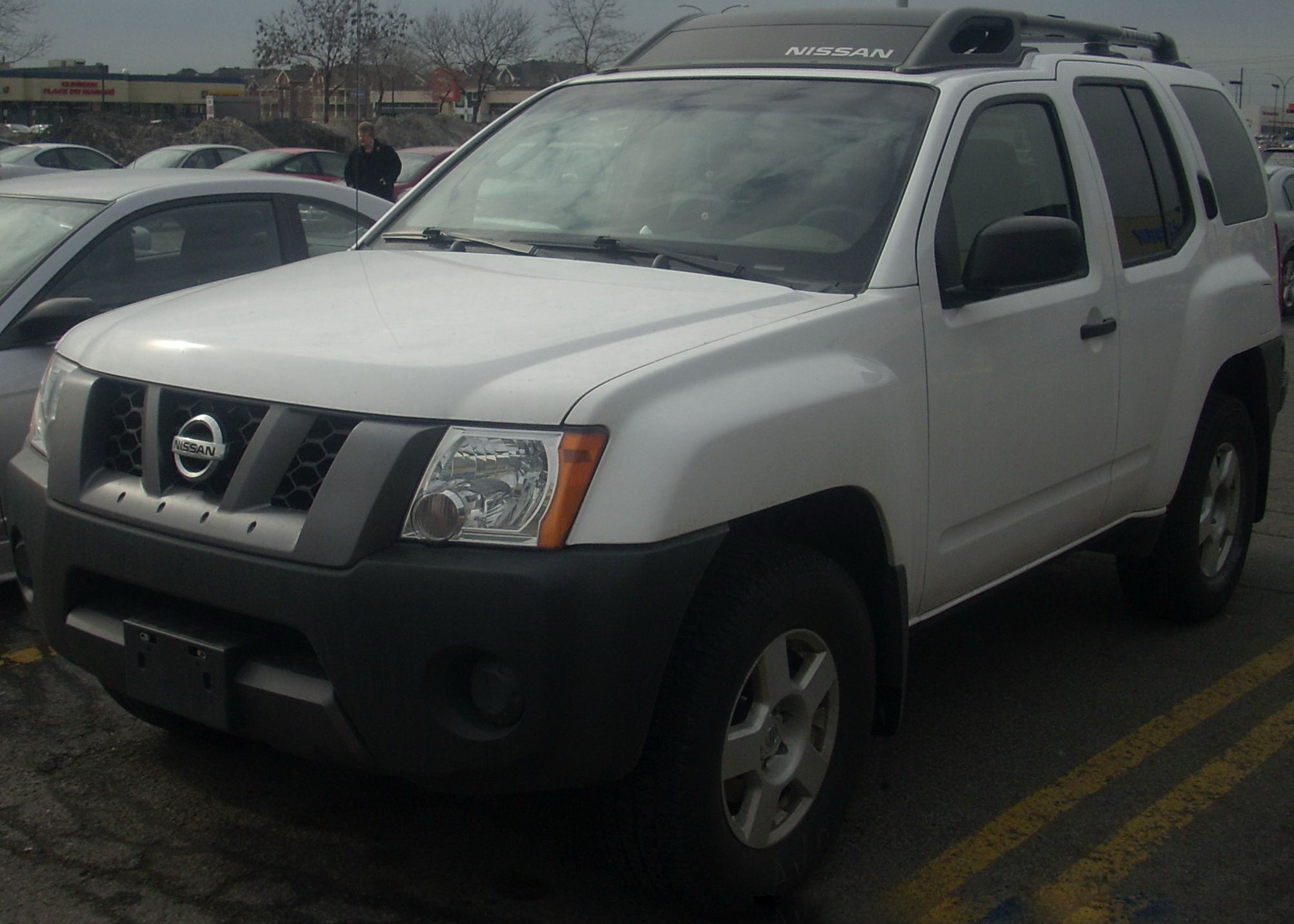
The Nissan Xterra is an SUV model from Nissan. Here, the hosts are saying it’ll be the first SUV made under a new shared platform plan for the U.S. market.
Nissan One is a Nissan program that affects how car dealers are paid when they sell cars. The point they’re making is that Nissan changed it to make dealer pay more straightforward and more rewarding.
“Unit volumes” refers to the number of vehicles sold, often tracked by quarter or month. In this segment, they’re saying about 90% of those sold units were paid through the Nissan One program, linking sales activity to the compensation structure.
Market share is how big a brand’s slice of total car sales is. If it goes up, it usually means more people are buying that brand compared with competitors.
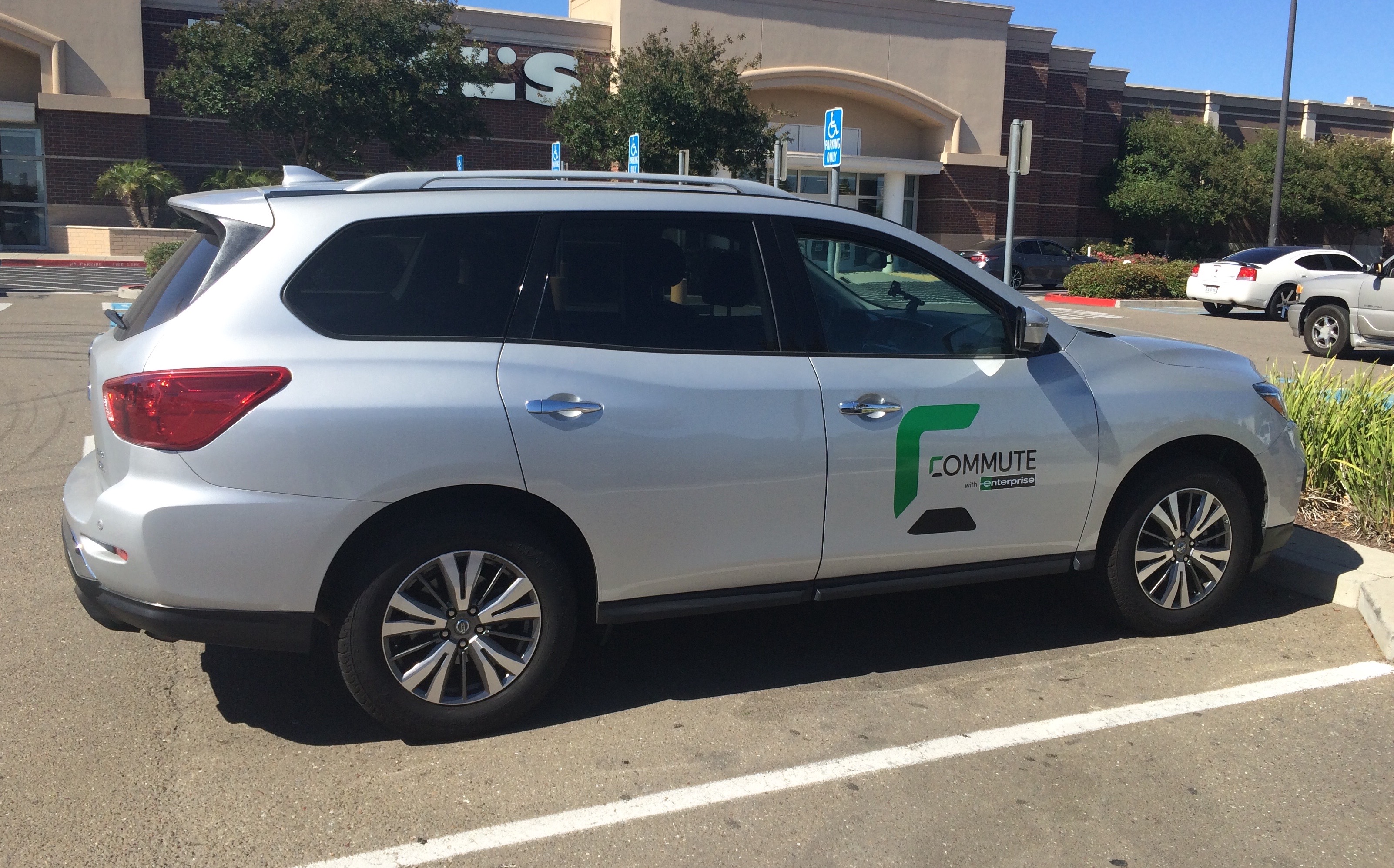
The Nissan Pathfinder is an SUV model. In this discussion, it’s one of the main vehicles they want dealers to focus on for advertising and sales growth.
Term
DNC
“DNC” here sounds like a dealer group or channel where questions get submitted. It’s the place the host says a comment/question came from.
A “Stairstep program” is a dealership rewards plan. Dealers earn better rewards when they hit higher sales targets, and the speaker is saying the plan needs to be set up carefully so it’s sustainable.
Car
QX65
The Infiniti QX65 is a family-sized SUV/crossover. They’re saying it’s just starting to reach dealerships and they expect it to sell well.
The Infiniti QX80 is Infiniti’s bigger luxury SUV. They’re saying it’s been selling very strongly, and that success sets the stage for what comes next.
Term
calendar year
“Calendar year” just means the sales results from January through December. So they’re saying the SUV’s best full-year performance happened recently.
Inventory transparency means dealerships can easily see what cars are available and where they are. That makes it easier to plan and sell the right vehicles.
Day supply is a way to measure how long the dealership’s current inventory will last based on how fast cars are selling. Lower numbers usually mean cars are moving faster.
They mention Infinity, which sounds like they mean Infiniti—the luxury brand tied to Nissan. They’re saying a new Infiniti model (the QX65) is coming and they expect it to be a big deal.
The “E-Power” system is a type of hybrid setup. The idea is to give you the smooth, responsive feel of electric driving, while still using a gas engine in the background to keep the system running.
They’re talking about a real-world shipping chokepoint for oil. If it gets shut down, gas prices can jump, which makes fuel-saving cars—like hybrids—more appealing.
An entry-level vehicle is the cheapest car a brand offers. The discussion is about how important it is to keep a low-priced option to attract budget shoppers.
The Nissan Kicks is a small SUV that’s usually priced to be affordable. It’s meant for people who want an SUV but don’t want to spend a lot. The podcast mentions it as a model that keeps selling and is focused on value.
The Nissan Sentra SV is a regular, affordable daily-driver type of car. Here, it’s being used as the “commuter” so the owner doesn’t put lots of miles on a more expensive Audi.
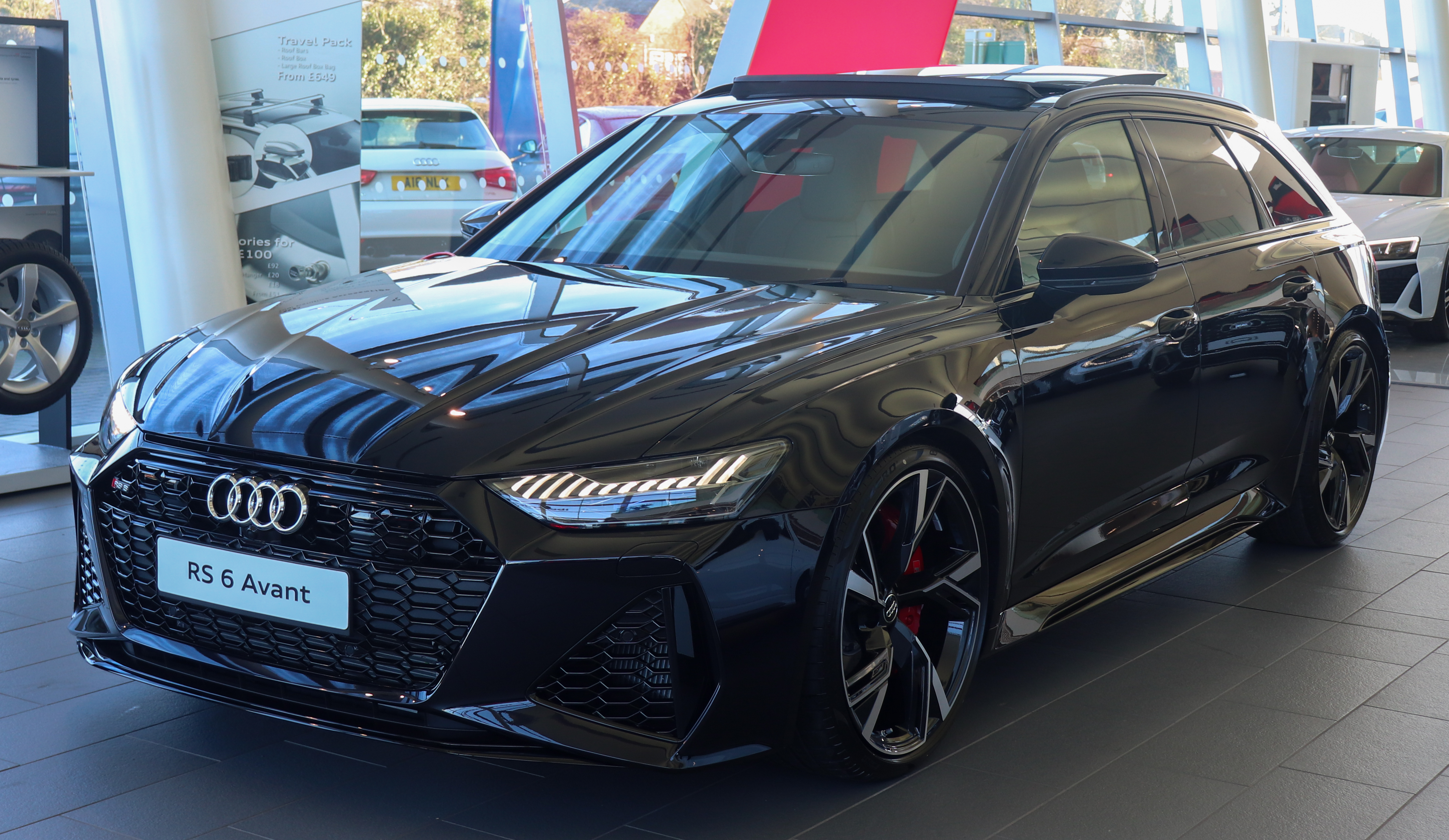
The Audi RS6 Avant is a fast, high-end wagon. In this story, it’s the “nice car” that the owner doesn’t want to drive every day, so they use a cheaper Sentra instead.
An “affordability play” means trying to make cars easier to buy by keeping the price (or the deal) within reach. The speaker says dealers are focused on this because competition is getting tougher.
OEM means the carmaker itself—the company that builds the vehicles. The segment is about an OEM executive talking directly to dealers and answering questions.
This is an award that a car company gives to dealerships for doing well in the service and parts side of the business. They’re using it to show their dealership is performing strongly.
MPS score is a number dealerships use to track how customers feel about their service experience. In this conversation, they’re saying their score went up for Cadillac and Subaru.
“Lost customers” are people who used to come to that dealership but haven’t in a while. The dealership tries to contact them again until they come back.
TVI MarketPro is a tool dealerships use to contact customers with targeted messages. The dealership uses it to send offers and keep reaching out until customers come in.
“Out of market” means customers who aren’t from the dealership’s usual area. If you sell to people farther away, they’re less likely to come back for service, so the dealership has to find more customers locally.
Term
throughput in the shop
Throughput in the shop means how efficiently the service department can get work done. If scheduling and staffing are right, they can handle more cars without chaos.
BDC is the dealership’s customer follow-up and scheduling team. They help set up appointments so the service advisors can handle more work efficiently.
NPS is a way to measure customer happiness. It’s based on whether customers would recommend the dealership to a friend, and it helps the team see if their service experience is improving.
A repair order is the official paperwork for a car’s service job. It lists what the customer says is wrong, what the shop finds, what work gets done, and what it costs.
They’re talking about how long customers typically wait to get through when they call the service department. If it takes too long, customers get frustrated and may not stay with that dealership.
The Toyota Corolla is a small, everyday car made for commuting and errands. People talk about it a lot because it’s common and usually priced competitively. In the podcast, it’s used as an example of where shoppers might go if the price is similar.
MPI is a structured car inspection where the shop checks a bunch of different areas and records what they find. The goal is to give the service team clear, documented results to discuss with the customer.
A group-wide report is a summary that combines results from all the stores together. They want one view to compare everyone, not just separate store-by-store numbers.
Company
X time
“X time” is the name of a vendor/tool they use for video. They’re saying the reporting doesn’t line up well, which makes it hard to measure performance across all stores.
Company
eLeads
eLeads is a software/service used by dealerships. In this conversation, it’s part of the stack they use for sales, especially around reporting.
Term
CoVideo Bolton
CoVideo Bolton sounds like a video tool the dealership uses. They’re saying it works well for individual stores, but it’s harder to combine results across the whole dealership group.
A red-green report is a performance dashboard style where results are color-coded (typically red for under target and green for meeting/exceeding). The speaker wants this kind of group-wide visibility to create internal competition across stores.
“Customer pay” means the money the shop makes when customers pay for service work. It’s a key number because it shows how much business the service department is generating.
“Buy-in” means getting the team to fully support a plan or goal, not just comply with it. In service operations, buy-in is important because process changes only stick when technicians and managers believe in the new standard.
“Hours per hour” is a way to measure how productive the service team is. It checks whether technicians are using their time to generate billable work—so a higher number means more work is getting done per unit of time.
An “express center” is a part of a dealership service department focused on faster, easier jobs. The idea is to get cars in and out quickly while still making the shop productive.
Term
commodity sales
“Commodity sales” in a dealership context usually means high-volume, relatively standardized products or services (like common maintenance items) that are easier to sell repeatedly. The segment ties it to overall store performance and rising records.
“Year-over-year improvement” compares performance in a given period to the same period in the prior year. In dealership operations, it’s commonly used to judge whether changes are producing sustained results rather than short-term fluctuations.
Term
EOS
EOS is a business system for running a company more consistently. It focuses on clear goals and making sure the team follows the same process.
This is a dealership scorecard for the service side of the business. It’s basically asking: are the service department’s sales and labor hours covering the costs and helping the dealership make money?
They’re talking about the dealership’s carwash as a separate business that brings people back. The idea is to grow it by opening another standalone carwash location.
“Flat rate” means mechanics get paid a fixed amount for a repair job, based on an estimate of how long it should take. If the job takes longer than expected, they may not get paid extra.
The “80-20 rule” is a way to manage your time: spend most of it on what matters most. Here, they’re saying leaders should be in the shop with the team, not stuck at a desk doing reports.
Service management is how a car shop runs its service department. It’s about organizing the work—who does what, when it happens, and how the shop keeps things moving.
A shop foreman is the senior hands-on leader in the repair shop who coordinates technicians’ day-to-day work. In many dealerships, that role can be a stepping stone into service management because it requires both technical understanding and leadership.
They’re talking about how to staff and promote people in a car service department. The main point is that you shouldn’t promote someone into a leadership role without training them first.
Term
R O
“R O” means the repair order. It’s the paperwork that starts the repair work and tracks what the shop is doing and what the customer approved.
A pay plan is how employees get paid, and “tiered” means you can earn more only if you hit certain targets. Here, the targets include doing the inspection video to a required quality level.
“Tom Wood standard” is referenced as a specific internal quality benchmark for MPI video output. It implies a dealership-group or operator-defined standard that technicians must meet to qualify for incentives.
They’re talking about using AI to do the “front desk” work—like answering calls and setting appointments. That leaves the service advisor more time for the parts that need a real person, like explaining what the car needs.
“Technical support” is the brand’s help for figuring out what’s wrong and how to repair it. If it’s not good, repairs can take longer and customers get stuck waiting.
A “rental car” is the temporary car a customer uses while their vehicle is being repaired. The discussion here is about dealers having to pay for it when repairs take longer than expected.
“Overnight parts” are parts that are delivered super fast. The point being made is that if the parts aren’t available, the dealer may have to pay extra to get them quickly.
Here, “warranty” means the car maker’s promise to pay for certain repairs. The speaker says dealers can get stuck paying first if the claim process doesn’t go smoothly.
Term
AI
“AI” means computer software that can help with tasks like answering calls or sorting requests. They’re debating whether it will truly help service teams or just be hype.
LIVE
We're doing better as a result of social media presence.
It doesn't do those three things then it's on the chopping block.
It's in return on investment discussion.
Hey everybody, welcome back to another episode of the Daily Dealer Live.
I'm your host Sam Dark. Thanks for choosing to be here on this Friday, the May 8th.
Big show today. Tiago Castro of Nissan North America joins the show live to break down Nissan's
new vision mobility intelligence for everyday life plus a progress report on Nissan's rise back
to market leadership in U.S. auto sales. Then it's Fixed Ops Friday everybody Chuck Turk,
Fixed Ops director at Classic Cadillac in Subaru in Roswell, Georgia joins the show again for a
repeat return appearance. He's winning the tech hiring war across two very different brands plus
Bill Demari is back group director at Fixed Ops of Tom Wood.
Last time he laid out the 46 page advisor handbook, the high school pipeline video MPI at 100%.
And today we're getting an update. Tom Wood University, a brand new facility,
advisors in the curriculum collision next power operator round is at the end.
And as a reminder to everybody, drop your questions into the chat or live or streaming live across all
CDG social media platforms. We'll bring your comments, all of them including for Tiago into
today's show for this our one year anniversary plus one episode. But first today's auto industry
headlines. All right, first up today used EV prices. They're surging in the auction lanes.
Mannheim's index for EVs is up 72.2% year over year and another 1.4% since March alone.
Cox Automotive's chief economist told CDG that three year old EVs have now outperformed
have now outperformed non EVs for five straight weeks, which is unusual given that April is
typically when prices start pulling back after tax refund season. Wonder what's prompting that?
Straight up hormones, gas prices, all the things. Gas prices are up 53%. Can you believe that since
late February? And it's the primary driver pushing more buyers towards used EVs as one of the more
affordable alternatives on the market right now. Speaking of affordability, a new analysis from
the Century Foundation puts total US auto debt at get this $1.68 trillion in 2025. That's up 37%
since 2018 with nearly 86 million Americans, that's roughly one in four, carrying an outstanding
auto loan or lease. The average origination balance hit $33,519 at the end of 25. That's up
from $24,782 in 2018 and monthly payments have climbed to over $680 a month. Subprime borrowers
are back in the market at higher rates, 84 month loans are near double their 2019 share,
and more than a quarter of upside down trade ins now carry at least $10,000 in negative equity.
That's a problem, all of which is making deal structure increasingly complicated at the finance
office. Next up today on a different note, NADA data shows dealer ad spend hit $9.96 billion in
2025. That's a new record with digital now accounting for nearly 75% of every dollar spent.
Search engine marketing captured one in five ad dollars, social media climbed to 14.2% of spend,
and most traditional channels, TV, radio, direct mail, well they each lost about half a point of
share year over year. The average franchise dealer spent $739 per vehicle sold on advertising last
year, and with customer acquisition costs continuing to rise, the question for most stores
is less about spending more and more about spending smarter. Finally up today, three deals to close
out on. Feldman Auto Group, we turn to the CDG by cell tracker, Feldman Auto Group made its largest,
we love it, largest acquisition today picking up four Ohio stores from Fireland's Auto Group,
Toyota, Honda, CDJR in Sandusky and Chevy in Vermillion. That deal closed on Cinco de Mayo,
May 5th. The deal adds Honda and Toyota to Feldman's lineup for the first time and brings their total
to more than 20 stores, including six Ohio locations co-owned with none other than actor Mark
Wahlberg. Garber Automotive Group, personal friend of mine Dick Garber, who is one of the best
auto dealers on the face of planet earth, he closed on Grigors Motor Sales in Valparaiso,
Indiana on May 4th. Now Garber Chrysler Dodge Jeep Ram Valparaiso. It's the group's 26th franchise
location and it's their second store in Indiana. The store's GM is staying on and Garber said,
and he does this commonly, that the 60 year legacy Rogers built is something they deeply
respect and I've sat alongside Dick Garber through many of his acquisitions and he means it and he
lives that every single day. It's part of what makes Dick and his entire organization so great.
Turning to Philadelphia, Robert Palmes and Ahmed Fayed closed on the former Matt Blatt CDJR on May
5th. They renamed it Liberty Chrysler Dodge Jeep Ram under their new venture Palmesi Motors.
What's their brokers read? Well, CDJR is at an inflection point and for operators willing to
put in the work, this is an opportune time to enter the brand. For information on these buy
sales and others, follow the full tracker at cdgbuysale.com. By the way, I love our CDG
buy sell tracker. We need to have many more of these and that folks is a wrap on today's auto
industry headlines. Welcome to Fixed Ops Friday everybody. All right. Love it. Turning to the
chat. Igor Kaye comes in. Long time listener. Thanks for being with us on the anniversary
episode. I'm back today. Happy Friday everyone and Sam Auction today was a mixed bag. Some segments
still going up while some beginning to stabilize. Angelica's price has fixed ops Friday. Let's go.
Yossi, the car dealership guy himself watching coming into the chat. Love it. Schwatt team,
FOF is the best day of the week. Igor Kaye finishes up. Most TVs had already jumped by 7%
in MMR values at auction since the beginning of the Iran conflict. Let's get this thing over, get
the straight open, get gas prices back down so we can go back to our gas hungry ways here in the U.S.
So, welcome to Fixed Ops Friday everybody. We're excited to get this great show underway.
We turn to the head Nissan Hyundai, Tiago Castro, Senior Vice President Marketing and Sales
Nissan Group of North America. Tiago, welcome to the show. Hey Sam, how are you? Good to see you.
Fantastic. It's good to have you back. You know what? I always forget in the intro,
we have Vinay as part of our intro who plays every time, every day, right? Your predecessor's
predecessor. You did say the wrong brand here when introduced, but I'm going to forgive you this
time. What did I say? I can't repeat, but you know, Nissan Infinity, but that's
okay. Nissan Infinity. If I misspoke, it's only because I'm reading three things all at once.
Tiago, it's good to see you. Good to have you back on the show. So, talk to us a little bit
about this mobility intelligence for everyday life. Let's start there. What is it and what does it do
for your average dealer? And then we want to go into some performance metrics. Yeah,
I like that you're asking this question. Last year, we had the new CEO coming in
and we announced the Rini Sun. The Rini Sun was all about bringing the company back
to a sustainable place. A lot of fixed cost focus, variable cost focus on reducing.
We end up reducing number of plans and so forth. We put the company where it needs to be.
The second stage, we just announced now in the vision event that happened on April 14th,
was all about showing what the future looks like. Here's the good news for U.S. dealers.
The future is very promising in the U.S. We announced that we will focus more and more
in the U.S. and let me give you some numbers to emphasize that. Our strategy is U.S.
built vehicles for U.S. customers. In 2024, we built 45% of our vehicles in the U.S. for the U.S.
market. This year, we're going to build about 65%. By the time we end this decade, 80% of our
vehicles will be built here for the U.S. market. These are U.S. specific design vehicles for the
U.S. market. We're going to be selling more than 1000000000 units in the U.S. for the Rini Sun brand
and we're going to do this together with the dealer network because we truly believe in the
franchise model and how we're going to grow together. I would say in a big scheme of things,
this is what I want all the dealers to remember. We will have also focused something that I've
been talking a lot about and our global CEO is very aligned. Sometimes less means more.
In this case, we're going to reduce the lineup globally, number of vehicles we sell,
but we're going to make vehicles that sell a lot more volume per unit because they're
really well designed specifically for that market. In our case, we are announcing in the U.S.
a platform with five different vehicles built under the same platform will be produced here.
This is what's going to help us move to the next level on number of units and guess what's the
first model in that platform? What's the first model? Give it to us. Let's hear it. The Nissan
XTERRA. Let's go. I can't wait to see that one. It's really exciting time. Tiago, how long does
it take before that hits the market? How long is that? I can't give you the date, but it will be
let's say in a couple of years. It's coming. It's hot. We have the design done. In fact,
we reviewed with many dealers in our field team. I'm doing a tour through all the regional offices
and I'm showing each one of the team members because I really believe in one simple view.
Our number one customers are our dealers. I'm visiting the dealers in the regions and explaining
to the regions. It's very simple. If we serve the retailers with excellence, the dealers with
excellence, they will serve the customers with excellence. That's the mindset that we're establishing
as one team. Some of these changes are paying off. There's a lot I can share with you today,
but I'll let you know. Let's do a little bit of a scorecard check. When we first met at NADA,
you had taken on the title and you were getting comfortable at the helm. You've made progress
since NADA. Give us three wins that Nissan and Infiniti have had since that time that you're
proud of, Tiago. Then we'll ask the other question as well. No, this is great. Thank you for the
question. First thing I said is we have to not only hear people telling us, dealers telling us,
we've got to listen and we've got to adjust. We made a big change on how we simplified our
compensation to the dealer network. Our Nissan One program has been simplified even further. We
made it in a way that dealers are being really rewarded. In the first quarter, about 90% of the
volumes of units sold were paid through the Nissan One. It's very good. The results were
extremely positive. We saw the market share going up to 5.5% share. Just to put in perspective,
a year before our share was 4.2% in the same quarter. That's a big, big, big growth for us.
This was it. We continue a mission of growing every single month year over a year. We've done
that 14 months in a row now and Nissan is the fastest growing brand in the US. That's exciting
to see. Being able to continue that trajectory and really accelerate that trajectory has been a win.
The other piece that is very important is seeing dealer profitability progress. In fact,
I asked all my regional vice presidents to start all the dealer calls with, let's show the dealer
profitability. We should make progress. If we're not making progress, we should know exactly why.
We need to make adjustments. What are the results of that, Tiago? Profitability-wise.
Because you said in our last time together, that was an important component to you personally. You
want to make sure dealers are profitable nationwide. Exactly. Year over year, profits are up 50%,
which is really big. I'm not happy about this because profits were not good last year. We made
the trajectory is good. The end result is not good yet. Think about it. You're happy but not
satisfied. That's what we're saying here. This year, we need to take advantage. Here's how we're going
to drive dealer profitability, Sam. We're going to drive with extreme focus on US-built vehicles for
the US. We're going to put a lot of our emphasis, pathfinder, rogue, and frontier. About 90% of our
advertising will go towards those models. We're going to accelerate those models. This is a very
clear mission. Sometimes, how you win is not what you do, it's what you don't do. We can't
be deviating. We're going to stay focused. The other big armada that is a vehicle that dealers
make a lot of money, and I'd like to grow that volume together with the dealer network.
Yeah. A couple of comments from the text group. DNC comes in and says,
does Tiago envision the Stairstep program continuing or changing at all? What's your
take on Stairstep, Tiago? That's a good question. Well, I think our take is simple. We have an
ambition, and we have an ambition to grow, but we want to grow sustainably. To program the
rewards for volume can only be successful if you have the right ambition and the right
intensity. What do I mean by that? Ambition is how much you want to grow. I'll tell you,
Nissan in the US today, we want to grow about 10% year-over-year in retail. Now,
just to put in perspective, in April, we grew 15% already, year-over-year. In fact,
it was a great month in April. The second thing is the intensity is the amount of money you pay
and how you pay it. Right now, our program, as I shared before, paid 90% of the volume. We are
being very careful on ambition and intensity. I expected this program to stay for the long haul.
It is an important part of what we're trying to do, but it needs to be done with the dealers.
Everybody needs to be rewarded. So, next question up. This is something I see a lot of in the dealer
chat. Some dealers say, Tiago, there's too many Nissan dealers nationwide. There was a big push
five, 10 years ago to create more points. Open points were awarded, both on the Nissan and on
the Infiniti side. Do you agree with that? Do you intend to do anything as far as consolidating or
reducing the number of Nissan points given the big overall pin goals you have? You want to grow
Nissan as a brand? Yes, absolutely. Now, right now, we have 1,055 dealers across the US. We see
an opportunity to grow throughput, sales per outlet. Our sales per outlet needs to grow.
It will grow this year by 10%. You can argue for the volume that we will do this year,
maybe we could have less dealers. I don't disagree with the comments, but we have no
intent to reduce the number of dealers. Our intent is to grow sales in a sustainable way.
So, this dealer network that was designed to sell about a million units will sell a million units.
That's the vision right now. So, what message would you give to those dealers that might be
saying, hey, I'm in a small rural community. There's two dealers in a town of X people,
and it just doesn't make sense to have that many. Is it hold on? Is it we're going to grow and
support that eventually? What would your message be, Tiago? I mean, the messages we are going to
grow. The important thing that each dealer needs to look at is they need to grow with us. We need
to do this as a team. And it's very important for them to understand where Nissan wants to go.
We want to reduce friction. We want to improve collaboration. There's three things I've been
telling everyone that I want to do with our dealer network is, number one, improve trust.
Number two, accelerate collaboration. And number three, do all of this with speed.
And then I invite anybody that have questions about specific markets to talk to us,
because it's all about collaboration. Here's what we know exactly what we're going to do. In the next
12 months, we know exactly what we're going to do. In the next 24 months, we know which products
are coming. So, they need to really see where we're going and make sure that they're with us. But I
believe anybody that looks at the plans in the future will want to stay with us. So, let's talk
Infinity for a moment. Infinity QX65, what does the restored focus on Infinity mean for dual brand
dealer specifically? What's your message to the market with Infinity? You know, Infinity is a really
good story for us. We now have confirmed, obviously QX65 we're launching this month actually released
to all the dealers across the nation. It is a phenomenal looking vehicle. It performs really
well. So, we're looking forward to this. We see this vehicle coming in the biggest segment of the
industry and we'll be able to drive a lot of volume for Infinity Network. And it comes in a time that
we're doing well with QX80. QX80 had its best ever calendar year. There was calendar year 25.
April was the best ever April. Think about this in volume. And this is volume through the dealer
network, not total sales with a bunch of fleets. I'm talking about retail sales. And I believe
you will see throughput improving significantly. And then we have one product per year until 2030.
In addition to this, we have powertrain updates. We have refresh of models. So, the company truly
made a decision. We're investing in Infinity. And you will see Infinity going from questionable brand
from a dealer perspective. Should we invest in Infinity to a brand that a lot of dealers will
want to invest with? And in fact, I've been getting a lot of calls about Infinity. One,
what do you think about Infinity? Is this a good investment? Two, when can I buy the Infinity? And
I love that. And this is good news for all of us. So, you've had progress in terms of penetration in
the U.S. market sales month over month out over month. You've gotten to this point in part,
I assume, by listening to dealers. What's this on doing different today and how it communicates
with dealers? Feedback loops, real-time data, inventory transparency. And what's left in that
journey to continue listening? And number one, we're building the right cars. Really the right
cars and sending to the right place. We're spending a lot of time and we do three different meetings
per month called performance review meetings. In fact, I was doing this whole morning for
Infinity and I left in the end of the meeting because I wanted to join you, Sam. I didn't want
to miss you. But this is number one. You've got to build the right vehicle and you have to have
the right inventory. If you look at Nissan Day Supply right now, we're about a 60-day supply.
Infinity is a 40-day supply. Infinity Day Supply is just the only company that has
lower day supply than Infinity now is Lexus. And I promised this 12 months ago and some people
were laughing at me and I said, we're going to do the right thing. We're going to reduce the
availability because we need to sell the vehicles in a different way. So we're moving that direction.
The second thing that I think we need to do is brand building. And it's all about
that trust message that I told you, that trust is very important for consumers. And they need to see
Nissan again for what it is. So going back to what Nissan is, Nissan is a durable, reliable
company or vehicle. We offer durable, reliable vehicles and affordable price,
but they're exciting. And we're trying to convey this in our brand messaging. And we've seen some
success, but I want to really accelerate that. And along with that, I am really excited about
the launch for Infinity, the QX65. We're going to make a big splash in the next few months.
But for Nissan, probably arguably the biggest launch ever for Nissan is the Rogue Hybrid.
This Rogue Hybrid is really unique and I can talk more about it.
Let's actually talk about that. So Paul Salisman comes into the chat and says,
it feels like a lot of companies forget that product is the most important thing.
Bravo for Nissan for getting back on track as it relates to product. Rogue E-Power,
that E-Power hybrid system is needed in a world where the Strait of Hormuz is closed,
gas prices are rising. How does that E-Power system compete against traditional hybrids?
And what's the margin opportunity for that for dealers coming up?
I mean, this Rogue Hybrid is outstanding. I drove it a lot now. I've been, you know,
me, I like products. And I love the comment that somebody made here saying that it's all
about a product. Yes, it's all about a product. But when the product aligns with the dealers,
now we've got to win. So we're going to do that with a Rogue Hybrid. It's unique and I'll simplify.
It's unique because most hybrids, they're just about fuel efficiency. Here's what this hybrid
delivers. It's quick, speed responsive. And so it's quick, it's quiet, and it's efficient.
And that really changed the game. So we're literally flipping the script in hybrid. We're
doing something unique. And I love that this technology has been developed. This is the
third generation. We chose not to bring to the US until the third generation, because we wanted
to be perfect for the US market. It has been developed in the US market. We've driven so far
500,000 miles in the US, believe it or not. So we will launch this car in the end of this calendar
year. And it's going to be exciting. So a lot of great comments coming in from our group online.
Igor K says also bring back Nissan Versa, the cheapest segment model Nissan had. People need
more affordable options. He says more affordable options needed. Nissan can't afford to let go
segment of cars under 20k price point. We need Nissan Versa back. Any thoughts on that affordability
piece? We're in a world where China is producing vehicles at an astonishingly inexpensive rate.
We see legislation by Senator Moreno and others to prohibit Chinese vehicles from ever coming into
the US. What's your take on an inexpensive entry level vehicle for the Nissan brand, Tiago?
So right now, the Versa is going away, as you're pointing out. We don't have a
bring a Versa back, but Centra and Kix are affordable vehicles. Centra is quite affordable.
In fact, we launched the brand new Centra all new in December. In March, we had the best ever retail
market share for Centra, which was really, really exciting for us to see. So this is a model that
will continue to sell and continue to emphasize. The Nissan Kix is another one, very affordable.
It's an SUV. It comes in all wheel drive or front wheel drive. So really, really well positioned
for the market. And if you look against the competitors, not a lot of vehicles available
in those price points, right? $22,000, $23,000. I don't see us bringing a vehicle now below $20,000.
I'm being fully transparent, but we do believe on affordable vehicles and we have those vehicles
to support us. Tiago, we always enjoy having a conversation with you. We appreciate you letting
us go just a little along with you. You've been a great friend of the show. Just two last questions
and we're done. Dan C comes into the chat says, does Nissan have the same objectives, priorities
for Canada and Canadian dealers as the US? Or does it differ? And how do you think about
attainment of goal here across the US? Are dealers hitting in more certain geographies than others
nationwide relative to sales goals and sales attainment Tiago? One on the Canada. I work with
the Canadian team all the time and they have the same goals. Yes, our goal is to sell more cars,
drive more profit with the dealer network and take care of our customers. Those are the three
things we're all focused on. They're focused on simplifying the message. They're focusing on
working better with the dealers. And on the other question about the program, we see the Nissan
1 dealers across the nation being successful in general. There's no specific area that is better
or worse, but it's an exciting time. We need to continue to listen. In fact, Sam, I mentioned
to you earlier, but we had an ADA here. And one of the dealers told me, because overall,
we were reviewing the details of the dealer survey. And I'm big on this, not just the numbers,
but also the comments. And I reviewed with the whole leadership team and our chairman of America,
Mr. Christian Mounier, was with me. So he also values this very much. There's a great Nissan
dealer, Michael Joe Cannon, who was here. And I asked the questions like, we need to do a better
job in what? And he gave me this bracelet. And this little bracelet here says communication.
He told me, you got to make sure the dealers understand what you guys are trying to do and
all the work you're doing because, you know, it takes a little bit of time for dealers to see.
So you need to communicate. So if Michael Joe is seeing this, here you go.
That's awesome. I got the bracelet on me and we're going to continue to do this.
Tiago Castro, we appreciate you being on the show today, sharing your perspective,
senior VP marketing sales. Nissan Group of America, both on the Infinity and Nissan
sides, we appreciate you being here and sharing your perspectives. And we'd love to have you back
at some point in the near future to continue to track and target your success through that time.
Absolutely. Let's stay close. We're going to continue to track this and be transparent.
That's the goal. Improve company. And as I said,
I love it. Communication. I'll have to go get a bracelet myself because we're all
about communication here on Daily Deal Alive. So thanks for being here, Tiago.
Thank you, Sam. Have a good one. Thank you.
Great segment. Lots of great comments coming into the chat. Eager case says,
my son bought a 26 Nissan Sentra SV as his daily since he doesn't want to,
doesn't want to mile up his Audi RS6 Avant, but he did pay more than 24k for Sentra. It's already
to a Camry territory. You know, it is interesting. The affordability play is
something on dealer's minds, particularly as we feel the threat of China on our six.
Not today, but at some point that it'll be interesting to see how dealers respond. And I do
love Nissan's strategy as it relates to hybrid and leaning into the hybrid piece. So let's talk
podium for a moment. Today's episode is brought to you by Podium, the AI platform trusted by one
in three dealerships. Podium helps dealers consolidate sales, service, messaging, and voice
into one connected system that actually runs the work. If your AI isn't driving real outcomes,
it's time to take a closer look at podium.com forward slash car dash dealership dash guy.
And props to Podium for supporting today's content, including that elite conversation we just had
with Tiago, head of Nissan and Infinity, and the conversation as it relates to there.
You got to hand it to him. You've seen in the headlines these past many months
increase sales on the Nissan side. And it is pretty cool to see. And I appreciate him taking
some of the aggressive comments we got, including the dealer count question, and allowing to share
his perspective on the future of Nissan and Infinity. Apologize for it to him for the
misnomer in the very beginning. But let's now turn to Fixed Ops Friday. We dive full bore.
Chuck Turk, Fixed Ops director at classic Cadillac and Subaru. Welcome back to the show, Chuck. How
are you doing? I'm great. How are you guys doing? Doing fantastic. So do you have Nissan and you
don't? You're Cadillac and Subaru, right? Just Cadillac and Subaru. Yeah. Yeah. So from a Fixed
Ops standpoint, what does it mean to you to hear from a head of an OEM coming on a show like this
talking real, you know, pointed questions and answering them as openly as he is? It's refreshing.
I think it is great. It's great that Tiago took the time to come on the show. I mean, I think more
brass from the other manufacturers should come on the show too. I mean, it's
mouse, shall we say. Yeah. Yeah. And you know what? He's somebody who's not afraid to take all
the comments. We got him straight from online and we, you know, our entire audience keep posting
the comments up. We'll bring him into this segment as well. So Chuck, what's harder right now on this
Fixed Ops Friday? Hiring the right techs, marketing the new service customers or keeping your team
from getting poached? What's the toughest gig? Well, I'll answer that backwards. The easiest
thing is stopping my team from getting poached because the way we treat our employees, you know,
ownership is great, very involved. He really takes care of his people as with his managers,
directors in place take care of their people in place. So it's an open dialogue. We have
pretty good communication. It can always be better. But we react quickly to their needs and we try
to anticipate what they need. We're going to be doing more team building events and just
general camaraderie within the store. Secondly is marketing. That's always tricky because we're
in a tight market here. We're in a, it's like a wagon wheel. We're in the middle of the hub. We're
the hub. And then we have five other stores surrounding us, either Cadillac or Subaru. So
everybody's trying to poach in our area. We're just trying to keep our backyard to ourselves.
And, you know, just take care of our customers the best we can. We want to be
our customer's friend in the car business. So when they ever think of any needs they need
for their automotive needs, they think of classic and that's it. You know, and we're winning that
battle. Last year, the last half of the year, GM awarded us the dealer excellence award for
parts and service, which was a huge award for us. We also have two of our Subaru advisors that
were in the top 10 in the Atlanta market last year. Our MPS score year over year, first quarter
for Cadillac was up seven points for Subaru was up 14 points. So we're starting to get ahead of
the curve and win that battle. What's one thing that you've done to increase those MPS scores?
That's a significant measurable increase. We allowed our advisors to handle the customers
without any manager intervention, basically. How do you do that? How do you do that proactively?
Because saying that means one thing, actually empowering them enough to be able to handle it
without the manager thing is a totally different thing. How have you done that in practice?
We give them the tools to use through conversation and just interactions we've
observed. We saw what they've needed and we've given them the tools to use. So it's a more
seamless conversation. Of course, there's questions every day. We try to answer all the
questions as quickly as possible. We tally up things and everybody says about the morning
meetings. We used to have them every day but we thought that every day was too much so we're
only doing it twice a week to make it have more substance and understanding and it's always good
conversation. So basically, it's a whole process from the phone call coming in for our BDC. We've
empowered them to the advisors, to the proper training of the valets, greeting the customers as
they come in. You have your favorite restaurants you go to for whatever reasons they are. You like
everybody. They know you. The food's good. The quality's good. The service is good.
And that's it. It's a whole process. So, Chuck, you have two very different brands,
Cadillac and Subaru, very different customers. How do you adjust the service experience between
those two? That's a great question. Like I said, eight months ago, it's a tell the two cities,
right? Completely demographic of customers. It's the right mix of advisors on the front end to
understand the given needs of each brand's customer. And they do, I gotta tell you,
they do really do a great job of it. I have a younger crew downstairs at Subaru but they get
along great. I mean, one person can finish the other person's sentence. That's how good they
get along. And still, we offer a luxury experience on both sides because that's very important to
me to make sure the customers feel like they are the most important person once they're standing
in front of that advisor. And we do a great job of that. So, one of the biggest challenges in
automotive fixed ops today is all the research is showing are gross is increasing, but we're
actually losing customers to independence. And it's getting that customer back in our bay.
It's being covered up a little bit by the increase in gross, but the defection is real.
What is one marketing tactic, Chuck, you're using to get new service customers coming
through your door that another director could use and steal today?
We, I don't want to say we partnered, but I've enlisted a company to come in.
And when I first came here, our map was too high out of my liking. So, I brought everything down
closer to the Atlanta area, so to scoop it closer in the bucket, which dramatically increased our
our new customers coming in.
Monthly, we get about 30 lost or new customers in for Subaru and probably about 20 lost or new
customers in for Cadillac. So, how do you get that because the company we use, we make special
offers. We don't give the store away, but we just continue to touch them and tell them what we do.
TVI MarketPro. Okay. And what does that outreach look like? Is it emails at a text,
is it a phone call, a mail piece? What are you doing?
It's emails, text and mail pieces. So, some customers we have to touch 6810 times
before they show up, like lost customers or new to the store customers.
But the program is working as design and it's driving new business into here, which is very
important to me because, understandable, let's just pick Cadillac for example. Cadillac has four
EV models and three ICE models this year. Yes. We're so aggressive in our sales that we sell
probably 30% out of market. So, it cuts down my chance of getting these customers back in. So,
I feel I have to work extra hard to find new business to bring it into the store. You know,
three new mainline texts, which has greatly improved the throughput in the shop and all
of the work that we're getting out of here. The guys aren't overworked. We have enough work to
keep everybody going and everybody busy. So, the advisors can schedule more and the BDC can schedule
more part of it to come in. So, of course it's first quarter. Everything's a little quiet,
but we expect a strong pickup through us here. Okay. So, Chuck, what's one thing,
retention is the gold metric it seems today in fixed ops, right? What's one thing in the
retention world you're doing in May of 2026 that's working? So, just and I believe it's the way we
handle our customers. I mean, everybody hears horror stories about dealerships. I mean, just
the proof in the pudding is that our NPS score is up as much as it is
first quarter year over year. That tells me that we're doing something right.
You know, training the valets, you know, to me the first five to seven seconds of an experience
is probably the most important, right? You greet the customer as they're pulling in,
you keep them updated, you make that eye contact, you just don't let them wander around the store
thinking what's going on. You're always touching that customer, always making them feel welcome.
Chuck, tell me this, how long have you been in the business?
Probably 40 years. 40 years. What surprises you most about automotive fixed ops today and what's
changed over these 40 years? What's changed the most and then what has stayed the same, Chuck,
in your mind? That's a great question. So, what's changed the most is the
computer's digital era. I mean, back in the day, we were, you know, we're handling customers and
right now it's all handwritten repair orders and everything is digital now and I think that
clouds a lot of people's thinking that this is the way it's got to be. That's not the way I want
it to be. I want it to be, I think the digital part of it, the computers are a welcome addition,
a very helping part of our system, but you still, it's still a handshake, conversation,
it's still that personal relationship you build with that customer. Don't allow it to become,
you know, just another customer number, number, right? So, it's just not another number.
You have to engage with that customer. You have to answer the phone. You have to be that person
that when the customer comes in, they're looking for you to be the pro. They're looking for your
help. They want to feel comfortable. So, it's, it's that interpersonal relationship that I continue
to drive my people to do and we allow the computers to help us get there. Yeah, in fact, we've taught,
you mentioned the answering the phone calls. We've talked a lot about CDK's stat,
nine-minute average, whole-time and fixed ops. What are you doing to battle that problem in
May of 2026, Chuck? And then we'll wrap to our roundtable. Yeah, we hired another BDC agent,
Malcolm. He's doing a great job for us. Nice. Props to Malcolm, wherever you are.
You know, we have a receptionist on staff that instead of just dumping calls or
dumping a voicemail, she'll walk over and hand a little note to you. Hey, Mr. So-and-so called.
Hey, Mr. So-and-so's on the phone. So, the way we have it set up, it's very convenient for her to
Cadillac store. Sue was a little more difficult, but you know, we try and just keep that, keep a
person in the system. You know, everybody thinks AI is the latest and the greatest. Is it? I don't
know, you know? No. Is it important? It is for marketing and maybe website,
website leads and so on and so forth, but we still like to do things the old school way here.
Chuck, we're going to have a debate about that as part of our roundtable. Excited for that.
Hang out with us for just a moment. Chuck Turk, Fixed Operations Director
at Cadillac, Classic Cadillac and Subaru. Thank you so much for your perspectives. Hang out in
the green room. We'll bring you right back after this next interview and have you be part of our
roundtable. Thanks for being here. Sure. Thank you. All right. Interesting conversation. The
automotive tired guy says, glad to see you here, David. A lot of folks having a conversation
amongst themselves in the chat. The automotive tired guy says, Subaru is a cult type car
company and Cadillac is a premium GM product. They're two very different manufacturers.
Mr. OSSAZ says, advisor empowerment is huge. We let him take, make the decisions that we go over.
The end result and advise if we should try a different solution next time the concern rises.
And then Eureka back in the chat says, if you're charging the same money for Centra as
Toyota dealers for Corolla, guess where the customer will go? Toyota more reliable and hold
stronger resale value. Easy choice to make for the customer. And Eureka, I don't discreet,
but I think what Tiago is trying to do at Nissan is change that calculus, bring a Toyota type feel
to Nissan, but on their own terms. So finally up today, we're excited to have back to the show
Bill Demari, Group Director, Fixed Operations of Tom Wood, Bill. Welcome back to the show.
Excited to have you. Yeah, excited to have you back. It's cool to have actually all of our,
all three of our guests today, a repeat return. So it's great to have. So hey, last time you were
here in January, you walked us through a 46 page advisor handbook. It's the high school program
with 20 students and 50 on the waitlist, video, MPI piloting at a Nissan store, the airport,
old center. A lot's happened since. Let's start here. What's changed at Tom Wood in the last
four months that you didn't see coming. Wow. So what I didn't see coming was all of the high
school kids that are so engaged in the automotive industry that next Wednesday, we're having a
signing ceremony of new technicians that are graduating the first ever Tom Wood University.
All right, let's show the pictures. I think our producers actually have some photos
of students going through the Tom Wood University. I'm told by Hannah. Thanks for that prompting Hannah.
What do we see in here, Bill? Yeah, so they're learning. This is in our forward shop. We haven't
scattered throughout the group. They're learning actually level one and a little bit more tech
training. So hands on, there's an instructor that's over their shoulders doing this. It's what we
call a lab training. So they have classroom, they have lab training, and we're getting ready to
develop our new facility, which will be hopefully in the next 90 to 120 days. So we're pulling them
out of the dealerships, and we have a brand new facility that's going to house the Tom Wood University,
which will continue teaching the high school kids this trade, including automotive service
advisor training from the handbook that we've gotten developed. Do you still have 50 on the
waitlist? We do. We're settling into a higher in 30 that will come through the program. We have
obviously some 11 graders going to senior year, and then like I said, we have seniors,
these young men right here, one students of the year for Hamilton County. So we couldn't be more
excited about what's happening with the university. So let's talk rocket curriculum. Last time you're
on the show, you're filming the advisor handbook into a training program. Did it go live and is
your team using it day to day? And is this something others can get their hands on?
Yes, sign up for Rocket, and I'll allow them to give you access to it. So in the, seriously, though,
in the Rocket, I just met with them yesterday, we are really close to launching the film. We're
going to do an AI bot of the entire 100 guides. So we're controlling what they'll look in the
field of what that's going to be. Bill, what makes you think people will listen to an AI bot?
Because we're making you an AI bot. Sam, you're actually going to piece the program.
I love it. I'll do it. I'm in. That'd be fun. I'll train fixed stops, even though I'm not the
guy. You do not want me training that. So, hey, last time you were on video MPI, you were piloting
at the Nissan store, and you were hitting, you hit 100% for two weeks straight. Where did it land,
and did it go group wide at that 100%? It is group wide. I just ran the numbers an hour ago.
We're at 79.8% on the group. We're getting there. I'm very bold on this 100%. My problem,
and I got to be really honest, I've got a lot of pushback, text messages, a lot of emails
when I made that claim of 100%. And I just came back from the 20 group, and I got smacked around
a little bit there as well, that you can't get to 100%. And at some point, I kind of agree,
but it's the recording problems I'm getting from our vendors. They can't get me proper
recording. Okay, this is good. I want to go down. Who's the vendor that does the video?
X time. Okay. So, here's the deal. They have true video baked into it, and I love true video,
right? Yeah. X time has dumbied down the reporting where it doesn't match, and it's not
linked enough. So, we're having some difficulties with just too many discrepancies.
Well, I'm going to throw something out there. So, CDK, we love it, eLeads, we love it. We use their
new CoVideo Bolton in our sales operation. The individual stores can get good reporting. I can't
get a group-wide report out of it. So, it's one of the challenges, I think, of technology today.
It's like, if you have it, if you can do this, why can't I get a group report showing what
everybody's done across the group? Then we can send out a red-green report and create competition
in our company. I've gone everybody top down. I can't get it from anyone. So,
two questions in this. How have you gotten... So, I had an OEM parts consultant say, hey, look,
I'm struggling. At his OEM, I won't tell who it is, but he said, I'm having a hard time getting
techs to get to 100%. And then, even when we do, the advisors won't send out 100% of them.
How did you overcome that reticence from the tech to create it, and then the advisor to not
block it in some cases? So, I've got to be honest, I am micromanaging the crap out of this.
Good for you. So, wherever I'm at, I have videos playing in the corner. I'm sure
one's sending emails. I'm popping in stores with gift cards. I'm giving away awards.
next Wednesday night, a place... Nintendo Switch, you can barely see it behind my head.
Nintendo Switch and a $500 gift card are the best video playing it for all of the technicians
we have in the group to show them what a good job looks like. I love that. And
that's what will create the buy-in. Has it had an impact on any metrics like customer pay? What
has the impact been of this goal to get 100% across the group? Truly, Nissan was kind of our
pilot. It looks really aggressively go after it. I just saw the numbers this morning. I had a one-on-one
meeting with our service manager, and the express center there was, at a Nissan store,
was 0.3 hours per hour, which I know is terrible. But that's where they've been, 0.3. As of yesterday,
0.71. And we're two months consistent growing. We need to get to 0.9. In an express center that's
growing. This is exactly what we're hoping to see. Commodity sales are up. The store-setting
records, our numbers are going up. And now that we have the whole group coming on, this was the
first month, we really had a solid year-over-year improvement in April, which we're really proud of.
So you've got a Nissan store. You heard Tiago head of Nissan and head of Infinity.
What's your response to what you heard from him today as it relates to new product coming
and their commitment to continuing to grow? I hope they deliver. I was at the Nissan
dealer meeting in Las Vegas. I saw the XTERRA. They took my phones. They wouldn't let me take
pictures of it. I think the XTERRA is cool. I think they have some cool stuff coming,
but I think it's within anything. We've heard a lot of this before, and we really,
really need them to step up. It's time to deliver. Paul Salisman comes into the comments with a
great question. He says, Bill has some interesting books behind him. What's the most impactful?
You do have a lot of books. Oh, I do have some great books. I have to say, Dave Anderson's,
my favorite, you'll see a lot of Dave Anderson, the Windwind traction. I like a degree.
Traction. I'm a big EOS guy, so I'm digging the traction. All right, fixed ops absorption. Last
time we didn't get a number. Where did the group finish the year? What's the target for 26 on the
target of 100? I'm a 100 guy, but we came out of the 60s four years ago. We've been charging
forward. We will hit 100 this year. What do you think is the number one thing that you're doing
in 26 to impact fixed ops absorption today? I really think it's process. It's the service
advisor handbook. It's taking care of every customer the same way every time. If we do that,
we're going to continue to run our business. We're going to continue to get repeat referral
business that comes through some more hours and I'll go in and continue to do what I do. The
stores that are struggling, my team, we're wrapping our arms around them. We're helping,
we're coaching, we're bringing some university kids in and training them on the express centers.
We're putting the first ever express in our Jaguiland Overstore. We've never had express there.
We're going to continue growing these little things. It's incremental things that are going to get us
to that 100. So last time we talked to Airport Oil Center in Carwash, that's one of the most
unique operations in retail, I would say. How's it scaling and would you do another?
So it's scaling. We're looking at property for at least another standalone Carwash.
The Carwash is doing extremely well there. The business is it continued. We're six months
straight of continuing, you know, getting closer to the block. We're not quite there yet, but man,
we were really close in April. I believe we'll be there in May. So last time you were on, you said,
and we're just rolling here. I appreciate your understanding. Last time you were on,
you said Fixed Ops has always been at the cool kids table. No document of process, no close rate,
no standard for what good looks like. Four months later, what have you seen in terms of industry
movement? And you've definitely got some feedback at your 20 group and some other places. Are we
still building the only adult table in Fixed Ops? You know, we are in Santa. It's guys like you
that have opened up Fixed Ops Fridays and we're talking about, you know, the guys in the back
and we're air conditioning shops and we're doing things that we should have done a long time ago
to take care of these definitions. We're trying to implement a new pay plan. I heard rumor of,
and we're going to launch it here soon, a tech time and a half and more to come on the future.
So it's a time and a half pay for technicians. Once they hit a certain productivity level,
we're going to launch it, I think this month and test it in two or three stores. I heard about it
from a dealer group up northeast and I really like it. It curbs the flat rate problem but runs the
performance up to the top. So new stuff. For a Fixed Ops director who heard you talk in January
to us who got fired up. It still hasn't done anything yet. What's one thing you would say you
got to do today as this podcast ends to have an impact in your business today? Shut your computer
off, get out of the shop. You got to get after it. You got to be close to your teams, stay out of the
office, 80-20 rule. 20% in your office is very reports. 80% you're in the shop, drive.
Chuck said that actually at the end of his thing. He's like, hey, computers are great but it's that
person, it's that interaction. I see that in my own role. The handbook hit a milestone you didn't
expect. What was it? The handbook has just been fantastic in getting the state of Indiana to
certify it and to be able to actually train it and come to life from a 30-year-old book that I
wrote. I just read something in the script that's being filmed here really soon and it reminded me
of one of the lines I'd put it in that book a long time ago. So I'm really proud of the handbook
and it's nowhere perfect by any means. What does that mean? It got approved by the state of Indiana.
State of Indiana is approved as a certified curriculum so do it for credits. So the high
school kids will give business credits while taking the service advisor class so it can
be transferred to a four-year college. Is that the same curriculum that sits in RockEd as well?
Yes. What motivated you to do that? A lot of people would say, hey, fixed ops,
you got to be focused on your own group, your own store. Just do things that feed into that.
You're taking a broader approach. You're feeding the industry and thank you for that,
by the way. Why go from your own store to the broader environment?
It's the industry. Just like you said, Sam, I think we got to leave this industry better than we
found it when we talk about EV vehicles coming in and electric cars coming in and all these
things that are going to change. But you know, we found it the way we found it and let's just
leave it better. And I love the industry. space. And if we can help a young high school
student that gets really excited about our industry, and that just compounds across the
state lines. And if we get more and more doing it, then we don't have a tech shortage. We have a tech
supportage problem. And if we can support that, it just goes away. That's awesome. Bill Demari,
group director of fixed ops operations at Tomwood Group. Thank you so much for being on the show
to share your perspectives. We're going to have you back as part of the roundtable here in just a
moment. But thanks for being back on the show with us. Thanks for having me. A lot of great
comments coming in from the text. Igor Kay, thanks, David, for X time info. I didn't know that.
Thanks, brother. So a lot of back and forth going on. And in fact, you can see the props back and
forth. I'll tell you what, something I love about fixed ops Friday on daily deal alive. And I love
the fact that this is our anniversary episode plus one is that this is a community having a
conversation back and forth. And it's happening in the text group. I can't even read all the text
because you all are having a conversation with each other, which I think is, is
awesome. All right, so let's hit the round table. Let's turn back to Chuck Turk and Bill Demari.
Welcome back to the show. And Igor Kay, by the way, comes back in. He says a lot easier to train
a rookie than spending time breaking all the bad habits of veteran mechanics. Where would you go
as we start this round table, Chuck? Do you want a vet or do you want to train somebody up in 2026?
Let's get them. Let's get everybody trained. Let's let's let's work together as a team and get
everybody up and running playing on the same team. You know, the Cubs or the Yankees, they come on
field dressed as a professional team. That's what we have to look like professionals here. Yeah.
So Bill, Bill has said that Fix Ops has always been at the kids table. And we talked about it,
no documented processes, no closing ratios, no standards for what good looks like. Chuck,
is that a fair characterization? Or is that more about the groups that haven't done the work?
Well, both. It's it's it's correct in the groups that don't do the work, you know, and typically
what happens is, Bill and I know that in service management, you usually take your shop foreman
and make him into your service manager or your lead tech and make him into your shop foreman. So
now you have a big hole for that. You have to fix and you're putting something somebody
in position that doesn't have any training to do that job properly. Is that a good idea in 2026?
Or do you want to grow that person up through training and development? You have to you have
to grow them up. You have to I mean, I came up, I was I came up from the shop foreman into a
management when Mercedes Benz back in in my old hometown, your hometown in Northbrook.
And I was trained. I was mentored and brought along for a year or two. And I got a good start.
I had a good foundation, but where a lot of groups are just moving people up because they
think that's the way to do with with no training or they don't have anybody to train them. That's
where the biggest problem starts. So in the management, when the old head guy is not trained,
he can't extend and train his staff to be the best. That's a problem. All right,
eager K comes in says 100%. I agree here. Great point. All right, video MPIs bill,
you've said 100% non-negotiable advisors. They reject the R O without it. You said it last time
you're on the show in January. Chuck, where are you on video MPIs and is video MPI table stakes
for 26 or still a competitive edge bill or Chuck? Chuck, we have just started here. Things are
moving a little bit slower on that front. I plan to meet you. What's the what is causing slow?
This will be fun because you can get comments and feedback from others. What's the biggest
challenge? And by the way, you're not alone. I know, I know. Previous story came from we were
you're about 94% penetration on videos. Okay. Coming here just with
I guess the I would say the culture, but we had a couple of lead in meetings. It got some
traction and it kind of fell off. You know, if anything, two weeks is probably to break even
point whether it's going to stick or it's not going to stick. So I'm probably a little bit of
fault for not keep it on top of it and my manager also. So we're going to have a hard push starting
next week to get back on board with it. It's very important. Don't get me right. So Bill is two weeks
right. I also I sort of think it's 12 months, 12 months to create the habit. Is it two weeks,
12 months? How long does it take to create the habit where everybody's doing it? You've got stores
that are at 100. You've got stores that are far less bill. Yeah, I think it's
unfortunately more than weeks, but it's accountability and you have to be a guardian of
the process. And we just had this conversation in one of our week stores of if you accept that
video, if it goes to the guests and it's not right, it's one thing, let's be clear, 100% video MPI
has to be 100% quality video. Not just a quick video, right? So we have to monitor the video,
look at it and if it's not right, we address it now. Right now we go out. But Bill, we're in an
environment where technicians are highly valuable, pushing them to do something they're uncomfortable
with or they're not even getting directly paid for. Like I could be concerned about them going
somewhere else being in a less quote challenging environment where they don't have to make a
stupid video. What do you say to that technician that's kind of like, you know what, I'm a valuable
employee. I'm going to do what I want. So I say that I'm going to help you make more money and
technicians, they like to be held accountable. They like structure. And if you just throw out
there and say, do a video, it's not going to happen. If you put a structure process together,
train coach and hold accountability, they will hold themselves accountable and follow the video
and they'll start seeing the hours continue to go up. Industries proven that the dollar amounts
of an MPI video is much more than a picture. All right, Chuck, I'm trying to figure out the 100%
as well. There's a Hyundai store I can think of kind of on the Wisconsin Illinois border that
is working to adopt, working to grow this, right? So I'm going to turn to Paul Salisman in the chat.
He says, I bet Bill's incentive program has a major effect on adoption and quality.
What nugget could you give us on adoption as it relates to pay plan? Or is it written into your
pay plan? It is in pay plans. Any bonus structure, tiered pay, anything that ticks up, there is a
requirement. You must have video MPI quality at the Tom Wood standard to qualify or you can forfeit
your bonus. Interesting. Maybe that's the solution, Chuck. You and I should look at that. We'll go
implement it as a pay piece. Yeah. Yeah. All right, AI. Oh, go ahead, Chuck. No, I was going to say,
you know, we're around just to get them started, paying them a small two or three tenths.
If the job doesn't sell, if the job does sell, then they forfeit that two or three tenths. And
all three of us know that videos are very transparent. It's a great selling tool.
I think the biggest push for videos in my mind is there's more work and there's greater retention
to that customer. As a technician, I can build my client base directly with that consumer by
speaking direct to that consumer in a way you could never do because you didn't have time to go out
and have that conversation. Now I can put on a pair of Meta glasses. I can walk around the vehicle
and I can provide outstanding and astonishing value. In fact, Bill, I got a question for you.
You're doing the contest. You're going to share the best video. Will you share it with us? Come back
on the show. Hannah, let's schedule Bill to come back because, Chuck, why don't you and I see the
winning video? I'd love to share it with folks in our group. Excellent. Absolutely. And we'll
highlight it here on a Future Fixed Ops Friday. All right. Just a couple more questions before we
end this roundtable. I'm having too much fun. I'm having so much fun. I knocked over my mic. So
sorry about that to the producers. They're like, what's going on? All right. AI is taking phone
calls, BDCs handling scheduling, customers text more than they call five years out. How does the
service advisor, does the service advisors we know it still exist or is the role getting redefined
in 2026? Bill? Yes. I believe that the roles get redefined. I believe we've now taken the
chaotic administrative stuff away from them and we're allowing AI to handle 80 plus percent of
every phone call it takes. It's handling today in our stores, all the appointments, it's handling
voicemails and it's taking care of that. So now we as a service advisor are going to have more time
to spend with a guest, more time reviewing the videos to make sure everything is just right
before we send it. Advisor does not go away. They get better. Yeah. You know, it shifts the focus,
Chuck. Thoughts on that AI? Does it change the service advisor role as we know it? I think it
enhances the service advisor role. I don't think it changes it. Again, it's that one-to-one contact,
that personal building that AI will allow the advisors more time to do. And I guess it's up
to the individual store how much AI intervention they actually want to have. I could see it could be
helpful to start, maybe for us to start, maybe after hours when the store's closed, maybe to pick
up the call and you have a voice instead of just dumping it to a receptionist's voicemail that
sometimes gets lost. But throughout the day, we like to talk to our customers.
All right. We're going to go into rapid fire. What's one thing OEMs need to stop
doing to fix operations in 2026? They need to stop handcuffing us with technical support.
There has to be better technical support for the technicians, for sure.
What does that look like? You know, it's gone from okay to worse. Just communicating,
especially with the EVs we have. Tiago said it right there with the wristband, right, Chuck?
Bill, what do you say? What's one thing OEMs need to stop doing to fix stops in 2026?
Yeah, I think it's handcuffing us from taking care of the customer. They know they have the
quality problem. They know that what's going on with that vehicle and then we have to eat the
rental car. We have to eat the overnight parts. We can't get parts and we can't take care of
the customers and we're the bad guys. Allow us to take care of the customer, give us a little bit
of a checkbook and let us do the right thing always and pay the claim and don't charge me back on it
and we'll all win. All right, three closing rapid fire. What's the most
overhyped fixed ops trend right now? AI. AI, Bill? Yeah, I'm gonna say AI as well.
All right, most underrated trend in fixed ops 2026. AI. I think you're right. I think you gotta
have both. Yeah, I agree. I agree. State of fixed ops in 2026. Three words as we wrap.
Thriving. Thriving. It's also challenging and we're all fighting for the same piece of the pie.
Yeah. And do you know what I love about this community here, Daily Deal Alive again,
our anniversary episode plus one is we're all coming together to have these conversations.
Eager K comes into the chat says, David and Bill, they're both great. Sam, you should definitely
bring these guys back for sure. Very informative and knowledgeable guys. Love it. And then just
Jordan Cox comes into the chat says 100% is possible when it's a non-negotiable. Damari is
proving that big time. I agree, but here's the challenge. The leverage on the flip side is techs
are higher, hard to hire. So, Bill, I do think like one of the things we got to figure out is how
do you show them that path to the promised land? More revenue, more gross, higher CSI, better job
satisfaction. And ironically, it's through the video and guess who's not great at advocating for it?
Apparently, I'm not because, you know, we're not at 100%, though I think we will soon be. So,
Chuck Turk, Bill Damari, thank you both for being on this Daily Deal Alive roundtable.
Thanks for being here. Thanks for having me. And Bill, we'll have you back. Actually,
we'll have you both back to go through the winning fixed ops video. That would be a heck of a lot
of fun to see. Well, that's our show anniversary one year plus one Tiago Castro from Nissan Chuck
Turk, Bill Damari. Thanks to podium. We're back Monday, 1pm Eastern. Have a great Mother's Day
weekend. And thanks to you, our Daily Deal Alive listening audience for watching where we break down
the biggest moves in the car business as they happen. Don't forget we're here live every Monday,
Wednesday, Friday, 1pm Eastern. So, if this is your world, hit like, hit subscribe, turn on
those notifications so you never, ever miss a beat. We'll see you next episode. Thanks for being here,
everybody.
About this episode
Dealership leaders and guests kick off with what’s moving the market: “Mannheim's index for EVs is up 72.2% year over year,” while “Gas prices are up 53%” and dealer ad dollars keep shifting digital. The conversation then zooms into Nissan/Infiniti franchise strategy—shared platforms, Nissan One, and QX65/QX80 rollout—before landing on Fixed Ops Friday. Service teams tackle hiring, retention, and process: “100% video MPI has to be 100% quality video,” backed by NPS gains and advisor empowerment.
Today's show features:
- Tiago Castro, Senior Vice President, Marketing & Sales at Nissan Group of North America.
- Chuck Turck, Fixed Operations Director at Classic Cadillac and Subaru
- William Demaree, Group Director of Fixed Operations at Tom Wood Group
This episode is brought to you by:
Podium – the AI platform trusted by one in three dealerships. Podium helps dealers consolidate sales, service, messaging, and voice into one connected system that actually runs the work. If your AI isn’t driving real outcomes, it’s time to take a closer look at https://www.podium.com/car-dealership-guy
Check out Car Dealership Guy’s stuff:
CDG Circles ➤ https://cdgcircles.com/
CDG News ➤ https://news.dealershipguy.com/
CDG Jobs ➤ https://jobs.dealershipguy.com/
CDG Recruiting ➤ https://www.cdgrecruiting.com/
My Socials:
X ➤ https://www.twitter.com/GuyDealership
Instagram ➤ https://www.instagram.com/cardealershipguy/
TikTok ➤ https://www.tiktok.com/@guydealership
LinkedIn ➤ https://www.linkedin.com/company/cardealershipguy/
Threads ➤ https://www.threads.net/@cardealershipguy
Facebook ➤ https://www.facebook.com/profile.php?id=100077402857683
Everything else ➤ dealershipguy.com