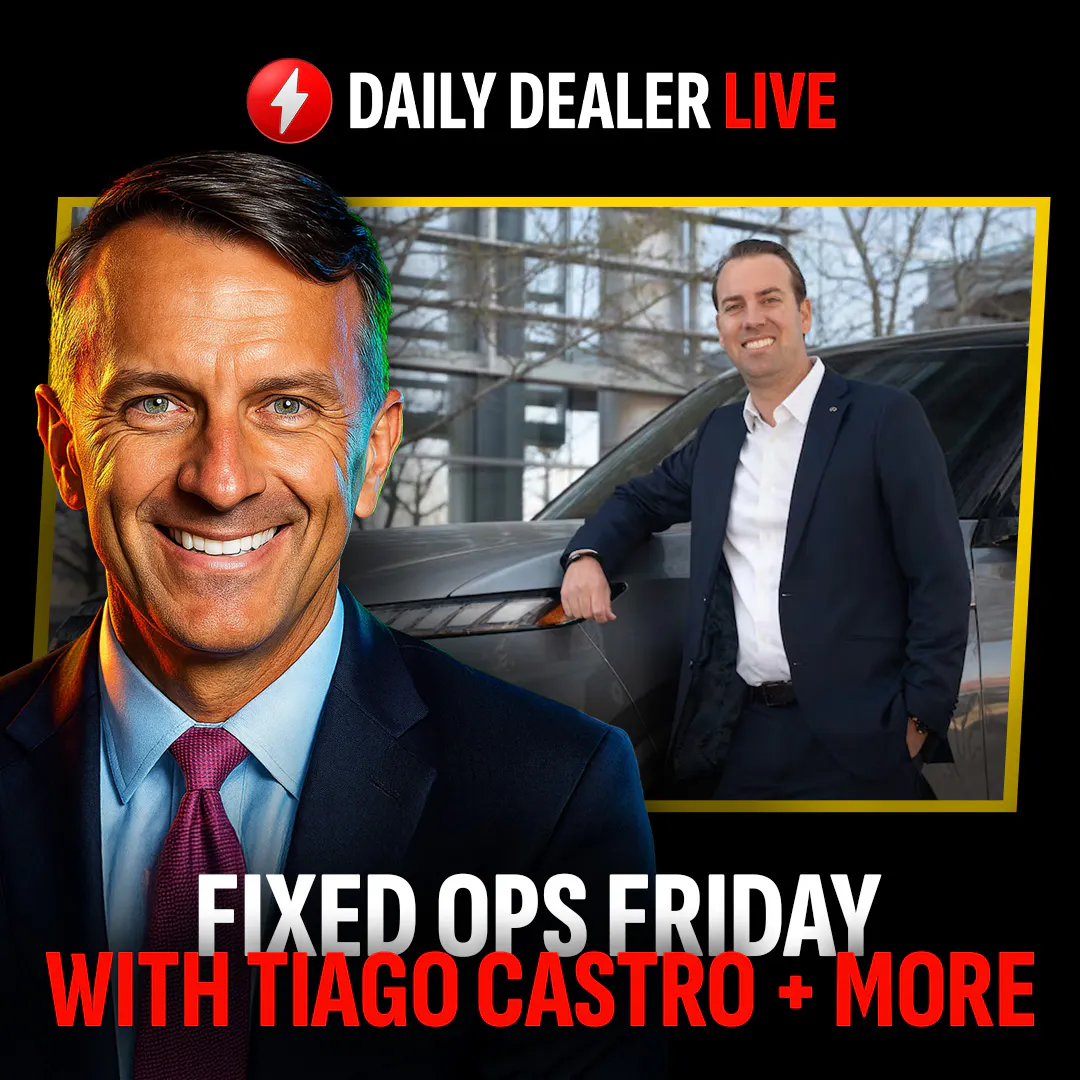
Fixed Ops Friday w/ Tiago Castro, Chuck Turck, & William Demaree | Daily Dealer Live
About this episode
Dealership leaders and guests kick off with what’s moving the market: “Mannheim's index for EVs is up 72.2% year over year,” while “Gas prices are up 53%” and dealer ad dollars keep shifting digital. The conversation then zooms into Nissan/Infiniti franchise strategy—shared platforms, Nissan One, and QX65/QX80 rollout—before landing on Fixed Ops Friday. Service teams tackle hiring, retention, and process: “100% video MPI has to be 100% quality video,” backed by NPS gains and advisor empowerment.

Chevrolet Tracker
"...n. Feldman Auto Group, we turn to the CDG by cell tracker, Feldman Auto Group made its largest, we love it,..."
The Chevrolet Tracker is a small SUV. It’s the kind of vehicle people choose when they want SUV space without a large, expensive truck. The podcast brings it up in connection with dealership activity and sales.
The Chevrolet Tracker is a compact SUV that’s typically discussed as an entry point into the brand’s SUV lineup. In the podcast context, it’s mentioned alongside dealership operations and marketing, implying it’s a model the dealership highlights or sells. That kind of mention usually ties to inventory, customer interest, or sales performance.
CDJR
"Robert Palmes and Ahmed Fayed closed on the former Matt Blatt CDJR on May 5th. They renamed it Liberty Chrysler Dodge Jeep Ram under their new venture Palmesi Motors. [350.4s] What's their brokers read? Well, CDJR is at an inflection point..."
“CDJR” is a shorthand dealers use for a set of car brands. It’s basically a quick way to say “Chrysler, Dodge, Jeep, and Ram.”
“CDJR” is an industry shorthand for Chrysler, Dodge, Jeep, and Ram—four major brands that are often marketed and sold together through the same dealership groups. When someone says “CDJR is at an inflection point,” they’re talking about the combined brand lineup’s market moment and dealer opportunity.
Chrysler Dodge Jeep Ram
"Robert Palmes and Ahmed Fayed closed on the former Matt Blatt CDJR on May 5th. They renamed it Liberty Chrysler Dodge Jeep Ram under their new venture Palmesi Motors."
“Chrysler Dodge Jeep Ram” (often shortened to CDJR) refers to several related car brands. Dealerships that sell them are often grouped together under that shorthand.
“Chrysler Dodge Jeep Ram” is a group of vehicle brands under the Stellantis umbrella. In dealership talk, “CDJR” is commonly used as shorthand for the combined Chrysler, Dodge, Jeep, and Ram lineup.

Dodge Ram
"... 5th. They renamed it Liberty Chrysler Dodge Jeep Ram under their new venture Palmesi Motors. What's th..."
The Dodge Ram is a large pickup truck. It’s made for tasks like towing and carrying things. In the podcast, it’s mentioned because it’s included in the dealership’s franchise name.
The Dodge Ram is a full-size pickup truck line built for towing, hauling, and work-oriented use. In the podcast, it’s referenced in the context of a dealership group’s branding and naming, which is common when franchises re-organize. That’s why it appears here—Ram is part of the broader lineup the dealership represents.
inflection point
"What's their brokers read? Well, CDJR is at an inflection point and for operators willing to put in the work, this is an opportune time to enter the brand."
An “inflection point” is when things start changing in a noticeable way. In car-dealer talk, it usually means the market is shifting so it could be a good time to act.
An “inflection point” is a moment when conditions shift enough that the usual trend changes direction or rate. In dealership/brand discussions, it often means market demand, pricing, or inventory dynamics are starting to move in a new way—creating a window for operators to enter or expand.
auto industry headlines
"that folks is a wrap on today's auto industry headlines. Welcome to Fixed Ops Friday everybody."
They’re doing a quick news roundup about the auto industry before the main conversation. Think of it like the “what’s happening right now” part of the show.
This segment is framed as a roundup of current auto-industry headlines before moving into the main interview. It’s a structural marker for listeners who want the news portion first.
auction
"Sam Auction today was a mixed bag. Some segments still going up while some beginning to stabilize."
Here, “auction” means dealers bidding on cars in a wholesale marketplace. It’s how many dealers buy inventory before selling it retail.
In this context, “auction” means wholesale vehicle auctions where dealers and buyers bid on inventory. The hosts are discussing how some segments are rising while others stabilize—typical auction-market commentary.
MMR values
"Most TVs had already jumped by 7% in MMR values at auction since the beginning of the Iran conflict."
“MMR values” are auction-based price benchmarks used to track how used car prices are changing. When someone says values jumped in MMR, they mean auction prices rose.
“MMR values” refers to Manheim Market Report pricing, a widely used auction pricing benchmark in the U.S. Used-car auction discussions often cite MMR to describe how vehicle values are moving over time.
gas prices
"get the straight open, get gas prices back down so we can go back to our gas hungry ways here in the U.S."
They’re talking about fuel costs and how changes in gas prices can affect what people do with their cars and what they buy.
“Gas prices” are discussed as a macroeconomic driver that can influence consumer behavior and demand for vehicles. Higher fuel costs can affect shopping patterns, while falling prices can encourage more driving and potentially shift sales mix.
Hyundai
"We turn to the head Nissan Hyundai, Tiago Castro, Senior Vice President Marketing and Sales Nissan Group of North America."
Hyundai is another car brand mentioned in the intro. They’re setting up a discussion that compares or groups major automakers.
Hyundai is referenced alongside Nissan as part of the guest’s broader industry context. In dealership conversations, comparing or grouping brands often reflects how marketing, sales, and inventory strategies differ across manufacturers.
mobility intelligence for everyday life
"So, talk to us a little bit about this mobility intelligence for everyday life. Let's start there. What is it and what does it do"
It sounds like a data-and-insights approach to understanding how people get around day to day. The goal is to use that information to improve cars and related services.
“Mobility intelligence for everyday life” describes using data and analytics to understand how people move—then applying that insight to products, services, and marketing. In an automotive setting, it usually means turning real-world mobility patterns into actionable decisions.
fixed cost focus, variable cost focus
"A lot of fixed cost focus, variable cost focus on reducing. We end up reducing number of plans and so forth."
Fixed costs are the bills that stay pretty steady, and variable costs go up or down depending on how much you’re doing. The speaker is saying the company is trying to control both types of costs.
Fixed costs are expenses that don’t change much with sales volume (like many overhead costs), while variable costs rise and fall with production or activity. Focusing on both typically means tightening overhead and also improving how costs scale with demand.
franchise model
"we're going to do this together with the dealer network because we truly believe in the franchise model and how we're going to grow together."
A franchise model in auto retail means the brand works through independently owned dealer businesses under brand rules and agreements. The idea is that dealers invest locally and sell the brand’s vehicles, while the manufacturer provides product, marketing direction, and standards.
platform with five different vehicles built under the same platform
"In our case, we are announcing in the U.S. a platform with five different vehicles built under the same platform will be produced here."
A “platform” is basically the shared base that different cars are built on. If five vehicles use the same platform, the company can build them more efficiently while still making each one fit the market.
A vehicle “platform” is the shared engineering foundation—like the underlying structure, mounting points, and major systems—that multiple models can use. Using one platform for several vehicles helps manufacturers reduce development and production costs while still tailoring designs to a specific market.
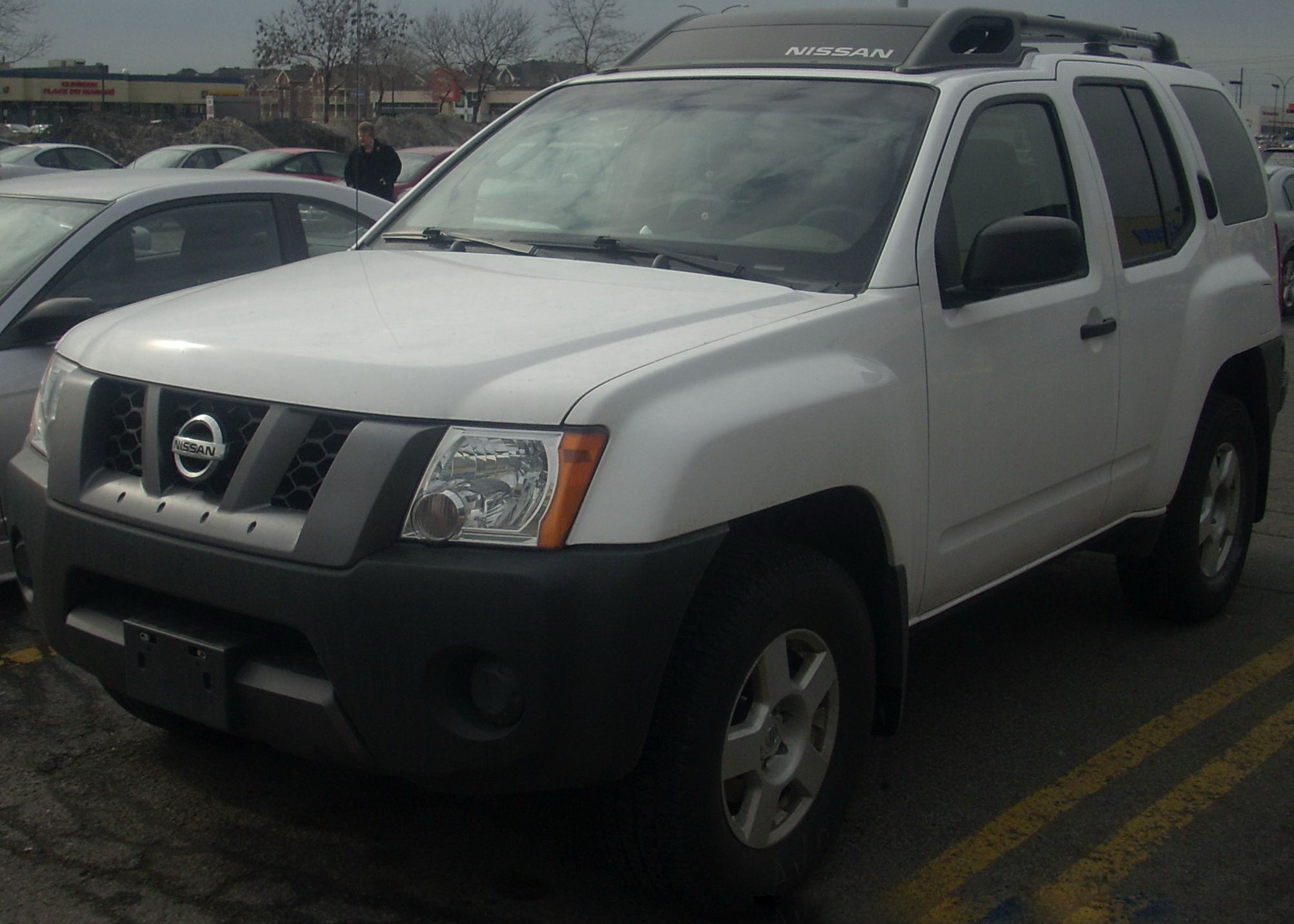
Nissan Xterra
"This is what's going to help us move to the next level on number of units and guess what's the first model in that platform? What's the first model? Give it to us. Let's hear it. The Nissan XTERRA."
The Nissan Xterra is an SUV model from Nissan. Here, the hosts are saying it’ll be the first SUV made under a new shared platform plan for the U.S. market.
The Nissan Xterra is a midsize SUV known for its rugged, off-road-leaning styling and body-on-frame roots. In this segment, it’s presented as the first model on a new shared “platform” strategy for U.S.-built vehicles.
scorecard check
"Let's do a little bit of a scorecard check. When we first met at NADA, you had taken on the title and you were getting comfortable at the helm."
A “scorecard check” is basically a progress report. They’re using it to compare what’s improved since the last time they met.
A “scorecard check” is a structured review of performance against goals. In this segment, it’s used to frame a follow-up discussion about wins and results since a prior industry event.
NADA
"Let's do a little bit of a scorecard check. When we first met at NADA, you had taken on the title and you were getting comfortable at the helm."
NADA is a big organization for car dealers. They’re saying “since we met at NADA,” meaning since that industry event.
NADA refers to the National Automobile Dealers Association, an industry group that hosts major dealer-focused events. Here it’s used as a reference point for when the guest started and when progress is being reviewed.
Infiniti
"Give us three wins that Nissan and Infiniti have had since that time that you're proud of, Tiago."
Infiniti is Nissan’s luxury car brand. They’re talking about progress and wins for both Nissan and Infiniti in the dealer network.
Infiniti is Nissan’s luxury brand, and it’s mentioned here as part of a performance and dealer-results discussion. The segment asks for wins that Nissan and Infiniti have had since NADA.
Nissan One
"We made a big change on how we simplified our compensation to the dealer network. Our Nissan One program has been simplified even further. We made it in a way that dealers are being really rewarded."
Nissan One is a Nissan program that affects how car dealers are paid when they sell cars. The point they’re making is that Nissan changed it to make dealer pay more straightforward and more rewarding.
Nissan One is a Nissan program that structures how dealers get paid for selling vehicles. In this segment, the host says the program was simplified and designed so dealers are “really rewarded,” with most unit sales being paid through it.
volumes of units sold
"In the first quarter, about 90% of the volumes of units sold were paid through the Nissan One."
“Unit volumes” refers to the number of vehicles sold, often tracked by quarter or month. In this segment, they’re saying about 90% of those sold units were paid through the Nissan One program, linking sales activity to the compensation structure.
market share
"We saw the market share going up to 5.5% share. Just to put in perspective, a year before our share was 4.2% in the same quarter."
Market share is how big a brand’s slice of total car sales is. If it goes up, it usually means more people are buying that brand compared with competitors.
Market share is the percentage of total vehicle sales in a market that a brand captures. Here, the discussion uses market share movement (from 4.2% to 5.5%) to show Nissan’s growth versus the prior year.

Nissan Rogue
"We're going to put a lot of our emphasis, pathfinder, rogue, and frontier. About 90% of our advertising will go towards those models."
The Nissan Rogue is a popular SUV/crossover. They’re saying dealers should focus a lot of their marketing on it to help sales and profits.
The Nissan Rogue is a compact crossover SUV and one of the models called out for heavy advertising allocation. The segment ties it to a strategy of focusing on U.S.-built vehicles to drive dealer profitability.

Nissan Frontier
"We're going to put a lot of our emphasis, pathfinder, rogue, and frontier. About 90% of our advertising will go towards those models."
The Nissan Frontier is a pickup truck. They’re saying it’s one of the key trucks they want dealers to advertise heavily to drive sales.
The Nissan Frontier is a midsize pickup truck, and it’s included in the list of U.S.-built vehicles the program will emphasize. The discussion uses it as part of a marketing and volume strategy aimed at improving dealer profitability.
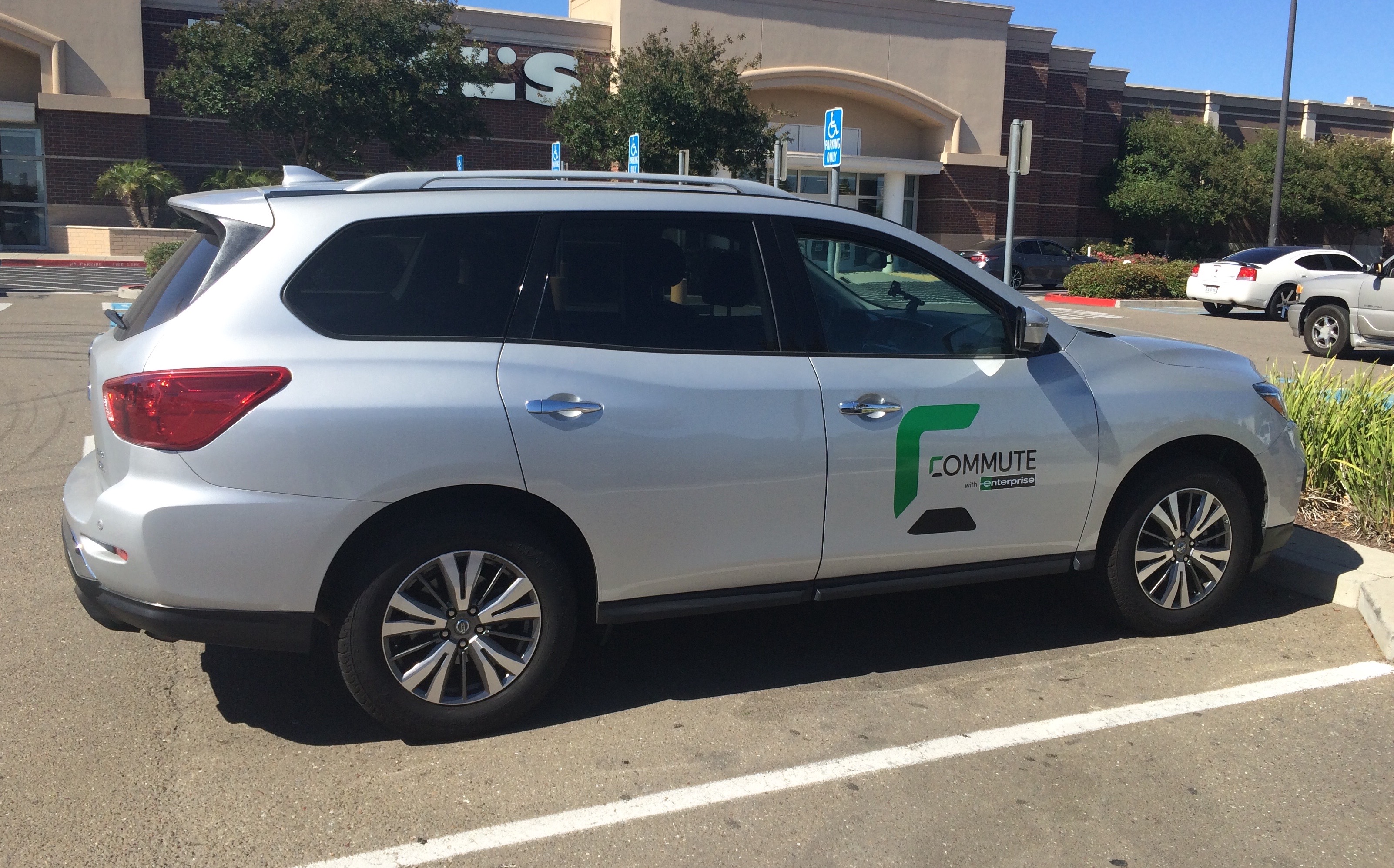
Nissan Pathfinder
"We're going to drive with extreme focus on US-built vehicles for the US. We're going to put a lot of our emphasis, pathfinder, rogue, and frontier."
The Nissan Pathfinder is an SUV model. In this discussion, it’s one of the main vehicles they want dealers to focus on for advertising and sales growth.
The Nissan Pathfinder is a midsize SUV that’s being singled out as a key U.S.-built vehicle for dealer advertising and growth. The hosts are framing it as one of the main models that will receive the majority of marketing emphasis.
DNC
"Yeah. A couple of comments from the text group. DNC comes in and says, does Tiago envision the Stairstep program continuing or changing at all?"
“DNC” here sounds like a dealer group or channel where questions get submitted. It’s the place the host says a comment/question came from.
In dealer-industry contexts, “DNC” commonly refers to a dealer communications channel or dealer network input stream used to collect questions and feedback. In this segment it’s used as the source of a question about whether the Stairstep program will continue or change.
Stairstep program
"What's your take on Stairstep, Tiago? That's a good question. Well, I think our take is simple. We have an ambition, and we have an ambition to grow, but we want to grow sustainably."
A “Stairstep program” is a dealership rewards plan. Dealers earn better rewards when they hit higher sales targets, and the speaker is saying the plan needs to be set up carefully so it’s sustainable.
A “Stairstep program” is a dealer incentive/reward structure that pays out based on achieving certain sales or volume tiers. Here, Tiago explains that it should continue, but only if it’s designed with the right balance of growth goals (“ambition”) and payout structure (“intensity”).

QX65
"We now have confirmed, obviously QX65 we're launching this month actually released to all the dealers across the nation. It is a phenomenal looking vehicle. It performs really well."
The Infiniti QX65 is a family-sized SUV/crossover. They’re saying it’s just starting to reach dealerships and they expect it to sell well.
Infiniti QX65 is an Infiniti crossover/SUV that’s being rolled out to dealers nationwide. In this segment, the hosts focus on its timing and expected sales impact, positioning it as a volume driver in a major market segment.

Infiniti QX80
"So, we're looking forward to this. We see this vehicle coming in the biggest segment of the industry and we'll be able to drive a lot of volume for Infinity Network. And it comes in a time that we're doing well with QX80. QX80 had its best ever calendar year."
The Infiniti QX80 is Infiniti’s bigger luxury SUV. They’re saying it’s been selling very strongly, and that success sets the stage for what comes next.
Infiniti QX80 is Infiniti’s larger, full-size luxury SUV. Here it’s used as a performance benchmark—specifically calling out its best calendar year and strongest April—suggesting the brand’s momentum is helping support the next model rollout.
calendar year
"QX80 had its best ever calendar year. There was calendar year 25. April was the best ever April."
“Calendar year” just means the sales results from January through December. So they’re saying the SUV’s best full-year performance happened recently.
A calendar year is the January-to-December period used for sales reporting. When they say QX80 had its best ever calendar year, they mean the strongest full-year results in that specific time window.
retail sales
"And this is volume through the dealer network, not total sales with a bunch of fleets. I'm talking about retail sales."
Retail sales means regular customer purchases from dealerships. They’re clarifying that the numbers they’re talking about are not fleet/bulk sales.
Retail sales are customer purchases through dealerships, as opposed to sales to fleets or other bulk buyers. The speaker emphasizes that the volume numbers they’re citing are retail, meaning they reflect typical consumer demand.
inventory transparency
"What's this on doing different today and how it communicates with dealers? Feedback loops, real-time data, inventory transparency."
Inventory transparency means dealerships can easily see what cars are available and where they are. That makes it easier to plan and sell the right vehicles.
Inventory transparency means dealers can clearly see what vehicles are available, where they are, and how stock is moving. In a dealer network, better transparency helps reduce guesswork and improves allocation decisions.
real-time data
"What's this on doing different today and how it communicates with dealers? Feedback loops, real-time data, inventory transparency."
Real-time data means information that updates quickly as things change. Here it’s used so the brand and dealers can react faster.
Real-time data refers to up-to-the-minute information used to monitor sales, inventory, and dealer performance. The speaker links it to faster decisions and tighter feedback between the brand and its dealers.
day supply
"If you look at Nissan Day Supply right now, we're about a 60-day supply. Infinity is a 40-day supply. Infinity Day Supply is just the only company that has lower day supply than Infinity now is Lexus."
Day supply is a way to measure how long the dealership’s current inventory will last based on how fast cars are selling. Lower numbers usually mean cars are moving faster.
Day supply is an inventory metric that estimates how many days the current stock would last at the current sales pace. Lower day supply generally indicates tighter inventory (and potentially faster turnover), while higher day supply can mean slower movement or excess stock.
Lexus
"Infinity Day Supply is just the only company that has lower day supply than Infinity now is Lexus."
Lexus is another luxury car brand mentioned for comparison. They’re using it to show which brand has the tightest inventory (lowest day supply).
Lexus is the luxury brand used here as a benchmark for inventory efficiency. The speaker says Lexus has the lowest day supply among the companies being compared, implying faster inventory turnover.
Infinity
"And along with that, I am really excited about the launch for Infinity, the QX65. We're going to make a big splash in the next few months."
They mention Infinity, which sounds like they mean Infiniti—the luxury brand tied to Nissan. They’re saying a new Infiniti model (the QX65) is coming and they expect it to be a big deal.
Infinity (as spoken) appears to refer to Infiniti, Nissan’s luxury brand. The host mentions a specific upcoming model, the QX65, as a major launch meant to create attention and momentum.
E-Power hybrid system
"Rogue E-Power, that E-Power hybrid system is needed in a world where the Strait of Hormuz is closed, gas prices are rising."
The “E-Power” system is a type of hybrid setup. The idea is to give you the smooth, responsive feel of electric driving, while still using a gas engine in the background to keep the system running.
“E-Power” refers to a hybrid powertrain strategy where an electric drive experience is created while using a gasoline engine to generate electricity rather than directly driving the wheels like a conventional hybrid. In the discussion, it’s framed as a way to address rising fuel costs and supply risk while still delivering strong throttle response.
Strait of Hormuz is closed
"Rogue E-Power, that E-Power hybrid system is needed in a world where the Strait of Hormuz is closed, gas prices are rising."
They’re talking about a real-world shipping chokepoint for oil. If it gets shut down, gas prices can jump, which makes fuel-saving cars—like hybrids—more appealing.
The Strait of Hormuz is a major chokepoint for global oil shipping, so disruptions can quickly affect fuel availability and prices. The host uses this geopolitical risk to argue why hybrid technology that can reduce dependence on gasoline matters to consumers and dealers.
entry-level vehicle
"What's your take on an inexpensive entry level vehicle for the Nissan brand, Tiago? ... we do believe on affordable vehicles and we have those vehicles to support us."
An entry-level vehicle is the cheapest car a brand offers. The discussion is about how important it is to keep a low-priced option to attract budget shoppers.
An entry-level vehicle is a brand’s most affordable offering, designed to bring new buyers into the lineup and establish a price floor. This segment frames the debate around whether Nissan can maintain an inexpensive entry point while competing with low-cost imports.

Kicks Nissan Kix
"...l continue to sell and continue to emphasize. The Nissan Kix is another one, very affordable. It's an SUV. It ..."
The Nissan Kicks is a small SUV that’s usually priced to be affordable. It’s meant for people who want an SUV but don’t want to spend a lot. The podcast mentions it as a model that keeps selling and is focused on value.
The Nissan Kicks is a compact SUV positioned as an affordable, easy-to-own option. The podcast specifically calls out the Kicks as another budget-friendly SUV and emphasizes its continued sales. That’s the kind of model dealers often discuss because it tends to attract first-time or value-focused buyers.

Nissan Sentra SV
"my son bought a 26 Nissan Sentra SV as his daily since he doesn't want to, [1704.9s] doesn't want to mile up his Audi RS6 Avant, but he did pay more than 24k for Sentra."
The Nissan Sentra SV is a regular, affordable daily-driver type of car. Here, it’s being used as the “commuter” so the owner doesn’t put lots of miles on a more expensive Audi.
The Nissan Sentra SV is a mainstream compact sedan offered by Nissan. In this segment, it’s mentioned as a daily driver choice—specifically to avoid racking up miles on a higher-end Audi RS6 Avant.
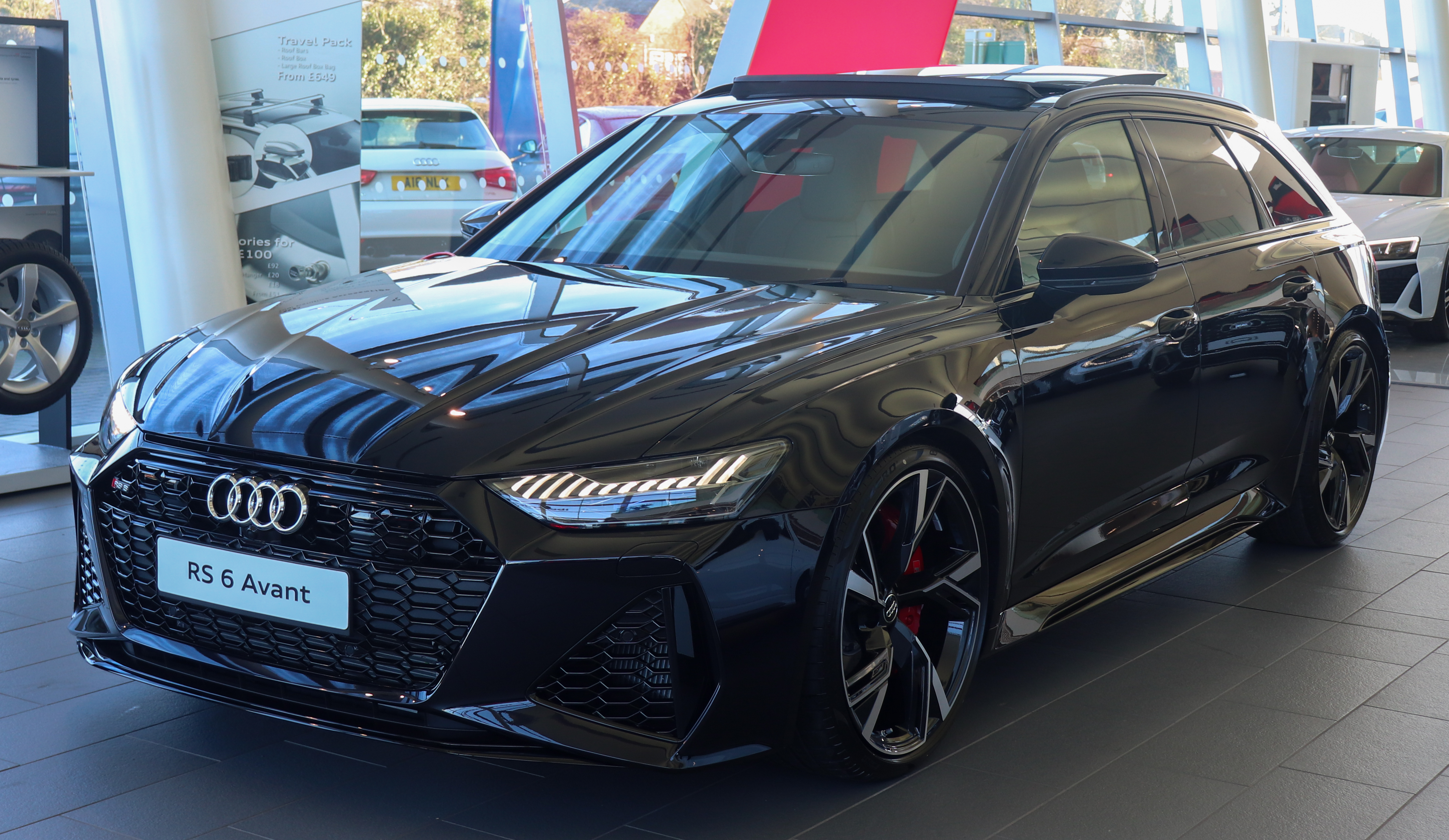
Audi RS6 Avant
"my son bought a 26 Nissan Sentra SV as his daily since he doesn't want to, [1704.9s] doesn't want to mile up his Audi RS6 Avant, but he did pay more than 24k for Sentra."
The Audi RS6 Avant is a fast, high-end wagon. In this story, it’s the “nice car” that the owner doesn’t want to drive every day, so they use a cheaper Sentra instead.
The Audi RS6 Avant is a high-performance wagon from Audi’s RS lineup. It’s the kind of expensive, enthusiast-oriented car people often keep for special use, and the speaker contrasts it with the Sentra as a way to avoid putting miles on the RS6.
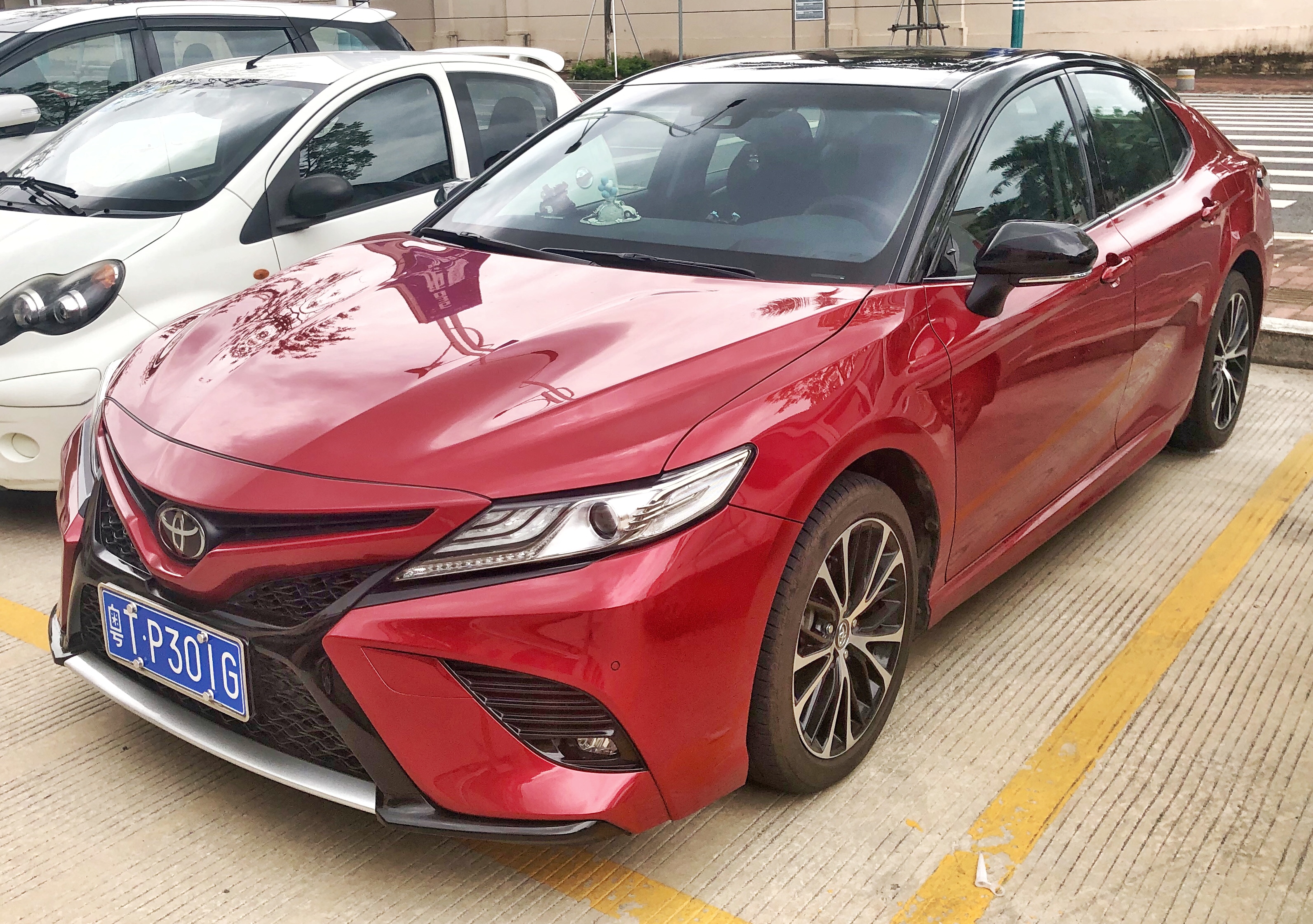
Toyota Camry
"It's already [1711.0s] to a Camry territory. You know, it is interesting."
The Toyota Camry is a very common, practical family sedan. Here it’s used as a “price comparison,” meaning the Sentra is getting more expensive.
The Toyota Camry is a mainstream midsize sedan and a common benchmark for affordability and everyday value. The speaker uses it as a comparison point, saying the Sentra’s pricing is moving into Camry territory.
affordability play
"You know, it is interesting. The affordability play is [1717.0s] something on dealer's minds, particularly as we feel the threat of China on our six."
An “affordability play” means trying to make cars easier to buy by keeping the price (or the deal) within reach. The speaker says dealers are focused on this because competition is getting tougher.
An “affordability play” is a strategy to keep vehicles priced within reach of more buyers—often through pricing, incentives, or product positioning. The speaker frames it as something dealers are thinking about as market pressure increases.
OEM
"Ops standpoint, what does it mean to you to hear from a head of an OEM coming on a show like this [1822.4s] talking real, you know, pointed questions and answering them as openly as he is?"
OEM means the carmaker itself—the company that builds the vehicles. The segment is about an OEM executive talking directly to dealers and answering questions.
OEM stands for “original equipment manufacturer,” meaning the company that designs and builds the vehicles sold under its brand. Here, the speaker is talking about a head of an OEM coming on the show and answering dealer-focused questions.
poached
"What's harder right now on this Fixed Ops Friday? Hiring the right techs, marketing the new service customers or keeping your team from getting poached?"
“Poached” here means other dealerships try to hire away your employees. It’s a common problem in service departments when one store is doing well.
In dealership operations, “poaching” means competitors actively recruiting your technicians or service staff to leave. The segment frames it as a staffing risk that affects service capacity and customer experience.
Cadillac
"And then we have five other stores surrounding us, either Cadillac or Subaru. So everybody's trying to poach in our area... Our MPS score year over year, first quarter for Cadillac was up seven points..."
Cadillac is a luxury car brand. They mention it because another dealership nearby sells Cadillac and competes for customers and service staff.
Cadillac is GM’s luxury brand, and in this segment it’s used to describe a nearby competing dealership. The hosts also mention Cadillac’s MPS score improving, tying brand-level service performance to dealership execution.
Subaru
"And then we have five other stores surrounding us, either Cadillac or Subaru... We also have two of our Subaru advisors that were in the top 10 in the Atlanta market last year... for Subaru was up 14 points."
Subaru is a car brand. They bring it up because nearby Subaru dealers compete for the same customers, and their service metrics are improving.
Subaru is a mass-market brand known for its service-driven dealer network, and here it’s referenced as a competing store nearby. The segment also cites Subaru advisors placing in the top 10 and Subaru’s MPS score rising, indicating strong service performance.
dealer excellence award for parts and service
"Last year, the last half of the year, GM awarded us the dealer excellence award for parts and service, which was a huge award for us."
This is an award that a car company gives to dealerships for doing well in the service and parts side of the business. They’re using it to show their dealership is performing strongly.
A dealer excellence award for parts and service is a recognition program that evaluates how well a dealership performs in its service department and parts operations. In this segment, it’s used as evidence that the dealership’s service process and customer experience are working.
GM
"Last year, the last half of the year, GM awarded us the dealer excellence award for parts and service, which was a huge award for us."
GM is a major car company. They sometimes give awards to dealerships based on how well the dealership performs in areas like service and parts.
GM (General Motors) is the automaker that runs brand and dealer programs, including awards tied to dealer performance. In this segment, GM is cited as recognizing the dealership for parts and service results.
MPS score
"Our MPS score year over year, first quarter for Cadillac was up seven points for Subaru was up 14 points."
MPS score is a number dealerships use to track how customers feel about their service experience. In this conversation, they’re saying their score went up for Cadillac and Subaru.
MPS score refers to a dealership performance metric tied to customer satisfaction and service experience, often tracked over time (year-over-year). Here, the hosts use MPS score changes to quantify improvements for Cadillac and Subaru service advisors.
lost customers
"Monthly, we get about 30 lost or new customers in for Subaru and probably about 20 lost or new customers in for Cadillac. So, how do you get that because the company we use, we make special offers. ... But the program is working as design and it's driving new business into here, which is very important to me because, understandable, let's just pick Cadillac for example."
“Lost customers” are people who used to come to that dealership but haven’t in a while. The dealership tries to contact them again until they come back.
“Lost customers” in dealership operations usually means customers who previously bought or serviced with the store but haven’t returned recently. The segment describes using repeated outreach to re-engage them and bring them back into the dealership.
TVI MarketPro
"So, I brought everything down closer to the Atlanta area, so to scoop it closer in the bucket, which dramatically increased our new customers coming in. Monthly, we get about 30 lost or new customers in for Subaru and probably about 20 lost or new customers in for Cadillac. So, how do you get that because the company we use, we make special offers. We don't give the store away, but we just continue to touch them and tell them what we do. TVI MarketPro."
TVI MarketPro is a tool dealerships use to contact customers with targeted messages. The dealership uses it to send offers and keep reaching out until customers come in.
TVI MarketPro is a marketing/outreach platform used by dealerships to run targeted campaigns. In this segment, it’s described as generating “special offers” and helping the store repeatedly contact customers to bring them back in.
EV models
"Cadillac has four EV models and three ICE models this year. Yes. We're so aggressive in our sales that we sell probably 30% out of market."
EV models are electric cars. They run on electricity from a battery instead of using a gasoline engine.
EV models are electric vehicles—cars powered primarily by an electric motor and battery rather than a gasoline engine. The dealership uses this context to explain how the brand’s lineup affects customer acquisition and retention.
ICE models
"Cadillac has four EV models and three ICE models this year. Yes. We're so aggressive in our sales that we sell probably 30% out of market."
ICE models are cars with a traditional gas (or diesel) engine. They don’t run on a battery like EVs do.
ICE models are internal combustion engine vehicles, meaning they use a gasoline or diesel engine. Here, the speaker contrasts ICE models with EV models to discuss how the dealership’s customer base and outreach needs differ.
out of market
"Cadillac has four EV models and three ICE models this year. Yes. We're so aggressive in our sales that we sell probably 30% out of market. So, it cuts down my chance of getting these customers back in."
“Out of market” means customers who aren’t from the dealership’s usual area. If you sell to people farther away, they’re less likely to come back for service, so the dealership has to find more customers locally.
“Out of market” refers to selling to customers outside the dealership’s typical geographic service/sales area. The speaker argues that selling outside the area reduces the chance those customers will return, so the store must work harder to generate new local business.
throughput in the shop
"You know, three new mainline texts, which has greatly improved the throughput in the shop and all of the work that we're getting out of here."
Throughput in the shop means how efficiently the service department can get work done. If scheduling and staffing are right, they can handle more cars without chaos.
Shop throughput is how many service jobs the dealership’s service department can process in a given time. The speaker links improved customer scheduling and workload balance to higher throughput.
BDC
"The guys aren't overworked. We have enough work to keep everybody going and everybody busy. So, the advisors can schedule more and the BDC can schedule more part of it to come in."
BDC is the dealership’s customer follow-up and scheduling team. They help set up appointments so the service advisors can handle more work efficiently.
BDC (Business Development Center) is the dealership team that handles customer follow-up and scheduling, often for service appointments. In this segment, they coordinate with service advisors to increase how many customers can be scheduled and processed.
NPS score
"the proof in the pudding is that our NPS score is up as much as it is [2333.6s] first quarter year over year."
NPS is a way to measure customer happiness. It’s based on whether customers would recommend the dealership to a friend, and it helps the team see if their service experience is improving.
NPS (Net Promoter Score) is a customer-satisfaction metric based on how likely someone is to recommend a business. In fixed operations, it’s often used to track how well service experience, communication, and follow-through are landing with customers.
repair orders
"we were, you know, we're handling customers and [2389.8s] right now it's all handwritten repair orders and everything is digital now and I think that"
A repair order is the official paperwork for a car’s service job. It lists what the customer says is wrong, what the shop finds, what work gets done, and what it costs.
Repair orders are the job documents service departments use to record a vehicle’s customer complaint, diagnostic findings, parts used, labor performed, and authorization details. They’re the backbone of service workflow, whether they’re handwritten or managed digitally.
CDK's stat, nine-minute average
"we've talked a lot about CDK's stat, [2450.8s] nine-minute average, whole-time and fixed ops."
They’re talking about how long customers typically wait to get through when they call the service department. If it takes too long, customers get frustrated and may not stay with that dealership.
This refers to a service-industry benchmark about how long customers wait on average for a response in fixed operations. The “nine-minute average” is used as a problem metric—if calls aren’t answered quickly, customers lose trust and may go elsewhere.

Toyota Corolla
"...g the same money for Centra as Toyota dealers for Corolla, guess where the customer will go? Toyota more re..."
The Toyota Corolla is a small, everyday car made for commuting and errands. People talk about it a lot because it’s common and usually priced competitively. In the podcast, it’s used as an example of where shoppers might go if the price is similar.
The Toyota Corolla is a compact car known for being practical, efficient, and widely available. It often comes up in dealership discussions because it’s a high-volume model that many shoppers compare when looking for good value. In the podcast context, it’s mentioned as a likely destination for customers choosing between similar-priced options.
MPI
"So, hey, last time you were on video MPI, you were piloting at the Nissan store, and you were hitting, you hit 100% for two weeks straight."
MPI is a structured car inspection where the shop checks a bunch of different areas and records what they find. The goal is to give the service team clear, documented results to discuss with the customer.
MPI usually means a multi-point inspection: a structured checklist-based vehicle inspection that documents condition across multiple areas. In dealership operations, it’s used to generate findings for the service advisor and to support recommendations and estimates.
group-wide report
"Where did it land, and did it go group wide at that 100%? It is group wide. I just ran the numbers an hour ago."
A group-wide report is a summary that combines results from all the stores together. They want one view to compare everyone, not just separate store-by-store numbers.
A group-wide report aggregates performance metrics across multiple stores in a dealership group. The speaker’s issue is that some vendors only provide accurate reporting at the individual store level, not across the entire group.
X time
"Okay, this is good. I want to go down. Who's the vendor that does the video? X time. Okay. So, here's the deal."
“X time” is the name of a vendor/tool they use for video. They’re saying the reporting doesn’t line up well, which makes it hard to measure performance across all stores.
“X time” is mentioned as the vendor that provides the video solution, and the speaker says its reporting has been simplified and doesn’t match or link properly. The discussion centers on vendor reporting discrepancies that prevent accurate group-wide metrics.
eLeads
"Well, I'm going to throw something out there. So, CDK, we love it, eLeads, we love it."
eLeads is a software/service used by dealerships. In this conversation, it’s part of the stack they use for sales, especially around reporting.
eLeads is referenced as a dealership technology provider used in sales operations. The speaker contrasts what they can get at the store level versus what they can’t get at a group-wide reporting level.
CoVideo Bolton
"We use their new CoVideo Bolton in our sales operation. The individual stores can get good reporting."
CoVideo Bolton sounds like a video tool the dealership uses. They’re saying it works well for individual stores, but it’s harder to combine results across the whole dealership group.
CoVideo Bolton appears to be a specific video/communication product used in dealership sales operations. The key point in the segment is that it provides good store-level reporting, but the speaker can’t pull a group-wide report from it.
red-green report
"Then we can send out a red-green report and create competition in our company."
A red-green report is a performance dashboard style where results are color-coded (typically red for under target and green for meeting/exceeding). The speaker wants this kind of group-wide visibility to create internal competition across stores.
customer pay
"Has it had an impact on any metrics like customer pay? What has the impact been of this goal to get 100% across the group?"
“Customer pay” means the money the shop makes when customers pay for service work. It’s a key number because it shows how much business the service department is generating.
“Customer pay” refers to service revenue generated from work billed directly to customers (as opposed to warranty or internal/other programs). Dealerships track it because it reflects how much profitable maintenance and repairs they’re selling.
buy-in
"I love that. And that's what will create the buy-in. Has it had an impact on any metrics like customer pay?"
“Buy-in” means getting the team to fully support a plan or goal, not just comply with it. In service operations, buy-in is important because process changes only stick when technicians and managers believe in the new standard.
hours per hour
"the express center there was, at a Nissan store, was 0.3 hours per hour, which I know is terrible. But that's where they've been, 0.3. As of yesterday, 0.71."
“Hours per hour” is a way to measure how productive the service team is. It checks whether technicians are using their time to generate billable work—so a higher number means more work is getting done per unit of time.
“Hours per hour” is a productivity metric that compares the labor hours sold (or billed) to the available technician time. Higher numbers mean technicians are turning their time into billable work more effectively; the segment discusses moving from 0.3 to 0.71 and aiming for 0.9 in an express center.
express center
"the express center there was, at a Nissan store, was 0.3 hours per hour... As of yesterday, 0.71. And we're two months consistent growing."
An “express center” is a part of a dealership service department focused on faster, easier jobs. The idea is to get cars in and out quickly while still making the shop productive.
An “express center” is a dealership service setup designed for quick-turn maintenance and simpler repairs, often with streamlined scheduling and processes. The segment uses it to discuss productivity targets (“hours per hour”) and how improvements are showing up as the center grows.
commodity sales
"This is exactly what we're hoping to see. Commodity sales are up. The store-setting records, our numbers are going up."
“Commodity sales” in a dealership context usually means high-volume, relatively standardized products or services (like common maintenance items) that are easier to sell repeatedly. The segment ties it to overall store performance and rising records.
year-over-year improvement
"this was the first month, we really had a solid year-over-year improvement in April, which we're really proud of."
“Year-over-year improvement” compares performance in a given period to the same period in the prior year. In dealership operations, it’s commonly used to judge whether changes are producing sustained results rather than short-term fluctuations.
EOS
"Traction. I'm a big EOS guy, so I'm digging the traction. All right, fixed ops absorption."
EOS is a business system for running a company more consistently. It focuses on clear goals and making sure the team follows the same process.
EOS typically refers to “Entrepreneurial Operating System,” a management framework used to run businesses with structured goals, accountability, and process. In this context, the host says they’re an “EOS guy,” implying they like the traction and operational discipline it promotes.
fixed ops absorption
"All right, fixed ops absorption. Last time we didn't get a number. Where did the group finish the year? What's the target for 26 on the target of 100?"
This is a dealership scorecard for the service side of the business. It’s basically asking: are the service department’s sales and labor hours covering the costs and helping the dealership make money?
“Fixed ops absorption” is a dealership KPI that measures how well the service department (fixed operations) is “absorbing” overhead and contributing profit relative to the dealership’s overall volume. In practice, it’s used to track whether service operations are generating enough labor and revenue to cover costs and support growth goals.
service advisor handbook
"I really think it's process. It's the service advisor handbook. It's taking care of every customer the same way every time."
It’s a guide for the people who talk to customers about repairs. It helps make sure every customer experience follows the same steps.
A “service advisor handbook” is an internal playbook that standardizes how service advisors greet customers, write up work orders, explain recommendations, and manage follow-ups. The goal is consistency—so every customer gets the same process and quality of communication.
repeat referral business
"If we do that, we're going to continue to run our business. We're going to continue to get repeat referral business that comes through some more hours"
It means customers not only return for service again, but also tell friends or family to use that same dealership.
“Repeat referral business” refers to customers coming back and recommending the dealership’s service department to others. In fixed operations, it’s often driven by consistent service execution, clear communication, and a reliable repair experience.
Jaguiland Overstore
"We're putting the first ever express in our Jaguiland Overstore. We've never had express there."
This sounds like a Jaguar dealership location name. They’re saying they’re adding a faster-service setup there for the first time.
“Jaguiland Overstore” appears to be the speaker’s name for a Jaguar-branded dealership location or store. The key point is that they’re adding an “express” setup there for the first time.
Carwash
"So it's scaling. We're looking at property for at least another standalone Carwash. The Carwash is doing extremely well there."
They’re talking about the dealership’s carwash as a separate business that brings people back. The idea is to grow it by opening another standalone carwash location.
In dealership fixed-ops strategy, a standalone “Carwash” is treated as an ancillary revenue stream that can drive repeat visits and customer traffic. The discussion here focuses on scaling the carwash operation by adding additional property for another standalone site.
close rate
"Fixed Ops has always been at the cool kids table. No document of process, no close rate, no standard for what good looks like."
Close rate is a percentage metric. It tells you how often customers agree to the recommended service after it’s presented.
“Close rate” is a sales process metric that measures the percentage of service opportunities that result in approved work orders. In fixed operations, it’s commonly tracked alongside service advisor performance and customer communication quality.
technician pay plan changes (time-and-a-half + productivity threshold)
"We're trying to implement a new pay plan... So it's a time and a half pay for technicians. Once they hit a certain productivity level..."
They talk about changing how mechanics get paid. The idea is to fix problems with the usual flat-rate system and reward productivity with higher pay.
The hosts discuss rolling out a new technician compensation plan that uses time-and-a-half pay once technicians hit a productivity level. The goal is to reduce issues associated with flat-rate pay while improving shop output.
flat rate
"It curbs the flat rate problem but runs the performance up to the top."
“Flat rate” means mechanics get paid a fixed amount for a repair job, based on an estimate of how long it should take. If the job takes longer than expected, they may not get paid extra.
“Flat rate” is a pay system where technicians are paid a set amount for each job based on a published time allowance, not the actual hours they take. It can create pressure to work quickly, sometimes at the expense of thoroughness.
80-20 rule
"You got to be close to your teams, stay out of the office, 80-20 rule. 20% in your office is very reports. 80% you're in the shop, drive."
The “80-20 rule” is a way to manage your time: spend most of it on what matters most. Here, they’re saying leaders should be in the shop with the team, not stuck at a desk doing reports.
The “80-20 rule” is a management guideline meaning you spend about 80% of your time on the most important, highest-impact work and 20% on everything else. In this episode it’s applied to a Fixed Ops director staying in the shop rather than buried in reports.
service advisor training curriculum and state certification (Indiana)
"The handbook has just been fantastic in getting the state of Indiana to certify it and to be able to actually train it and come to life..."
They discuss a training program getting approved by the state of Indiana. That means students can earn credits while learning to be service advisors.
The segment covers a dealership training handbook reaching a milestone: approval by the state of Indiana as a certified curriculum. That approval enables students to earn business credits while taking a service advisor class.
service management
"Bill and I know that in service management, you usually take your shop foreman and make him into your service manager or your lead tech and make him into your shop foreman."
Service management is how a car shop runs its service department. It’s about organizing the work—who does what, when it happens, and how the shop keeps things moving.
Service management is the dealership/repair-shop process for running the service department—staffing, scheduling, workflow, and ensuring work gets done correctly and on time. It’s distinct from the actual technician work, because it focuses on organizing people and processes.
shop foreman
"you usually take your shop foreman and make him into your service manager or your lead tech... I came up from the shop foreman into a management..."
A shop foreman is the senior hands-on leader in the repair shop who coordinates technicians’ day-to-day work. In many dealerships, that role can be a stepping stone into service management because it requires both technical understanding and leadership.
service department staffing and training (foreman → management)
"Bill and I know that in service management, you usually take your shop foreman and make him into your service manager... Is that a good idea in 2026?... do you want to grow that person up through training and development?"
They’re talking about how to staff and promote people in a car service department. The main point is that you shouldn’t promote someone into a leadership role without training them first.
This segment focuses on how dealerships/shops promote people within service—moving a shop foreman into service management or lead technician roles. The discussion emphasizes that promotions without training create gaps that hurt the department’s ability to extend training to others.
R O
"you've said 100% non-negotiable advisors. They reject the R O without it."
“R O” means the repair order. It’s the paperwork that starts the repair work and tracks what the shop is doing and what the customer approved.
“R O” here is shorthand for a repair order—the document that authorizes work and records the customer’s vehicle, concerns, estimates, and approvals. The speaker is saying advisors won’t move forward with the repair order unless the video MPI is completed.
table stakes
"is video MPI table stakes for 26 or still a competitive edge bill or Chuck?"
“Table stakes” means the minimum you need to be considered. The question is whether video MPIs are becoming standard or still give a shop an edge.
“Table stakes” means a baseline requirement—something you need just to compete, not necessarily a differentiator. The speaker is asking whether video MPIs are now expected everywhere (baseline) or still a competitive advantage.
tiered pay / pay plan incentives
"Any bonus structure, tiered pay, anything that ticks up, there is a requirement. You must have video MPI quality at the Tom Wood standard to qualify or you can forfeit"
A pay plan is how employees get paid, and “tiered” means you can earn more only if you hit certain targets. Here, the targets include doing the inspection video to a required quality level.
A pay plan with tiered incentives ties technician compensation to specific performance requirements. In this context, the transcript describes bonuses that require meeting a defined MPI video quality standard to qualify.
Tom Wood standard
"You must have video MPI quality at the Tom Wood standard to qualify or you can forfeit"
“Tom Wood standard” is referenced as a specific internal quality benchmark for MPI video output. It implies a dealership-group or operator-defined standard that technicians must meet to qualify for incentives.
AI handling phone calls and scheduling
"All right. AI is taking phone calls, BDCs handling scheduling... we’ve now taken the chaotic administrative stuff away from them and we're allowing AI to handle 80 plus percent of every phone call it takes."
They’re talking about using AI to do the “front desk” work—like answering calls and setting appointments. That leaves the service advisor more time for the parts that need a real person, like explaining what the car needs.
The hosts are describing a dealership workflow shift where AI handles a large share of customer contact—like answering calls, managing voicemails, and scheduling appointments. That frees service advisors to spend more time on higher-touch tasks such as reviewing inspection/video content and communicating recommendations.
technical support
"There has to be better technical support for the technicians, for sure. What does that look like? You know, it's gone from okay to worse."
“Technical support” is the brand’s help for figuring out what’s wrong and how to repair it. If it’s not good, repairs can take longer and customers get stuck waiting.
In dealership service, “technical support” is the manufacturer-backed help that technicians and service departments rely on for diagnosis and repair procedures. When it’s slow or insufficient—especially on newer EV systems—it can delay fixes and increase customer dissatisfaction.
EVs
"Just communicating, especially with the EVs we have. Tiago said it right there with the wristband, right, Chuck?"
“EVs” are electric cars. They often require different troubleshooting and tools than gas cars, so service support can matter a lot.
“EVs” are electric vehicles, which use high-voltage electrical systems and different diagnostic workflows than gasoline cars. The hosts suggest OEM communication and support for EV issues has become a bigger pain point for service departments.
rental car
"They know they have the quality problem. They know what's going on with that vehicle and then we have to eat the rental car."
A “rental car” is the temporary car a customer uses while their vehicle is being repaired. The discussion here is about dealers having to pay for it when repairs take longer than expected.
A “rental car” is the temporary vehicle provided to customers when their car is in the shop for warranty/repair work. The speaker’s point is that dealers can be forced to cover these costs when OEMs don’t approve claims quickly or parts are delayed.
overnight parts
"We have to eat the overnight parts. We can't get parts and we can't take care of the customers and we're the bad guys."
“Overnight parts” are parts that are delivered super fast. The point being made is that if the parts aren’t available, the dealer may have to pay extra to get them quickly.
“Overnight parts” are replacement components shipped with expedited delivery so the shop can complete repairs quickly. The speaker argues that when OEMs don’t supply parts efficiently, dealers may have to pay for rush shipping themselves.
warranty
"Allow us to take care of the customer, give us a little bit of a checkbook and let us do the right thing always and pay the claim and don't charge me back on it"
Here, “warranty” means the car maker’s promise to pay for certain repairs. The speaker says dealers can get stuck paying first if the claim process doesn’t go smoothly.
In this context, “warranty” refers to the manufacturer’s obligation to pay for covered repairs. The speaker is criticizing situations where dealers must cover costs and then struggle to get reimbursed through the claim process.
AI
"What's the most overhyped fixed ops trend right now? AI. AI, Bill? Yeah, I'm gonna say AI as well."
“AI” means computer software that can help with tasks like answering calls or sorting requests. They’re debating whether it will truly help service teams or just be hype.
“AI” here is being discussed as a tool for dealership service workflows—especially to handle calls and triage so service advisors can spend more time with customers. The hosts frame it as both an overhyped trend and a potentially useful assistant depending on how much the store lets it intervene.
Request an Explanation
Heard something you'd like explained? We'll add it to this episode.
Sign in to request explanations for terms you heard.
Want to learn more?
Browse our glossary for plain-English explanations of automotive terms, jargon, and concepts.
Help improve this episode
See something that's not quite right? Our annotations are AI-generated and can sometimes miss the mark. Click the flag icon on any annotation to suggest a correction.