Flat Tires, Risky Trips, and Keeping Your Car Summer Ready!
About this episode
Run-flat tires, worn suspension parts, and hybrid battery warnings all come up as the hosts field listener questions. A caller asks about a 2014 Nissan Juke and whether it’s safe for a long trip after suspension/steering work and “four new tires.” The hosts stress stopping if something feels or sounds different, and they connect cooling-system issues to summer overheating risk. They also cover hybrid battery lifespan, A/C condenser causes, and how to choose oil filters and handle overdue coolant service.
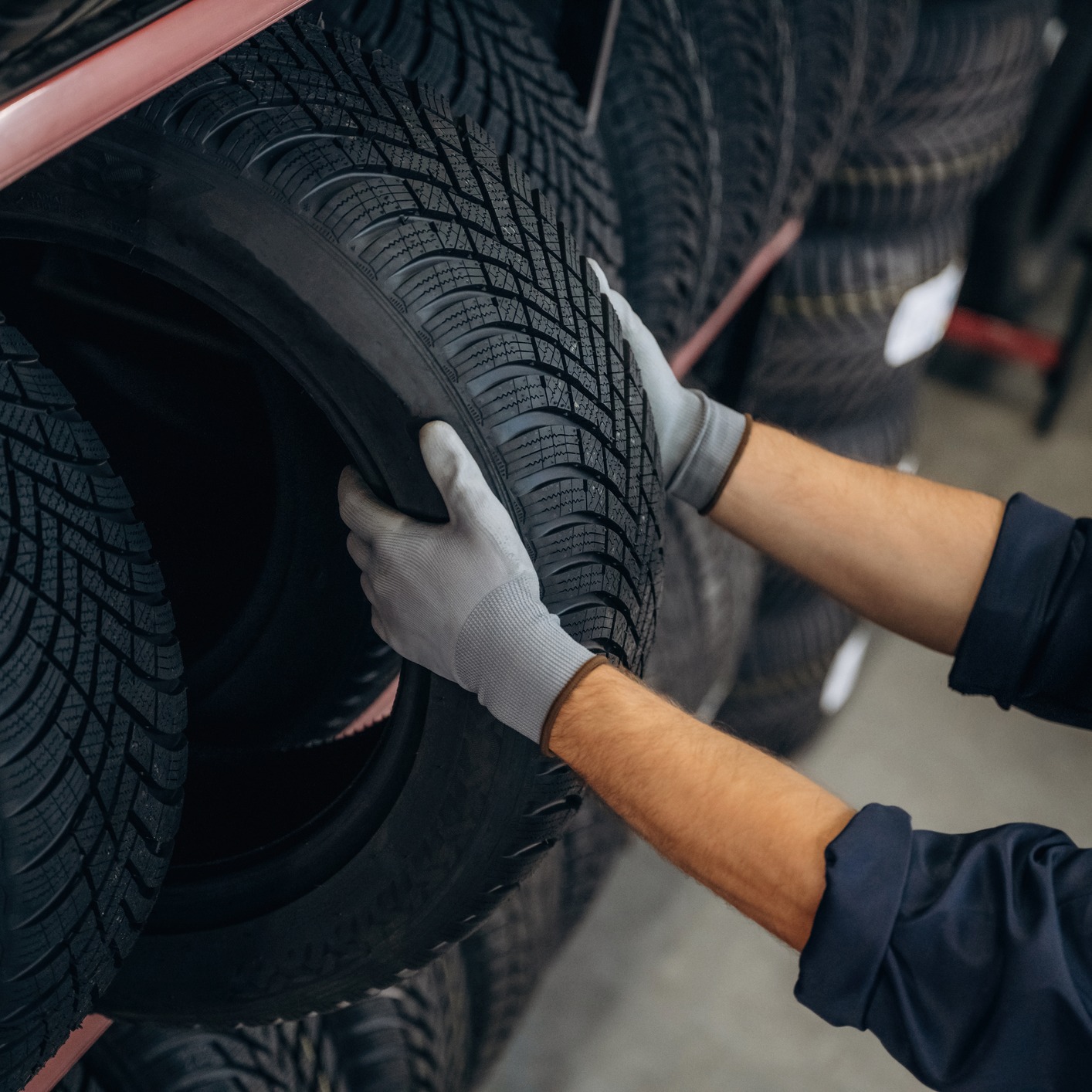
run flat tires
"once your opinion on run flat tires I know we've talked about that ... if your vehicle is equipped with a spare tire it did not come with run flats from the manufacturer ... if you switch to a run flat setup you don't have a spare tire in the event of a flat tire"
Run-flat tires can stay usable for a short distance even after they’re punctured. That means you might not need to change the tire right away, but they can be heavier and more expensive—and some cars don’t include a spare.
Run-flat tires are designed to keep supporting the car even after a puncture, so you can drive to a safe location without immediately changing the tire. The tradeoff is usually extra weight and cost, and some setups remove the spare tire entirely, which changes your options if you get a flat.

2014 Nissan Juke
"so my roommate she has a 2014 Nissan Juke and she just got a new vehicle ... sell this Nissan Juke ... I just got it in for an oil change"
This is a 2014 Nissan Juke. The important part is that it’s not just due for an oil change—there are other problems that make a long trip riskier.
The Nissan Juke is a compact crossover, and this specific mention is about a 2014 Nissan Juke that’s being considered for a long drive. The key point here is that the car is already in the shop for an oil change and has multiple suspension and tire-related issues that affect whether it’s safe to travel far.
lower transverse link
"control arm remove and replace lower uh transverse link one side tie rod and remove and replace"
This is a suspension link that helps hold the wheel in the right position. If it needs replacing, it usually means the suspension isn’t controlling the wheel as well as it should.
A lower transverse link (often part of the front suspension) helps locate the wheel and manage how it moves as you drive. Replacing it typically indicates wear or looseness that can change alignment and steering feel.
four new tires
"brake pads remove and replace and it needs uh four new tires Nick would you uh recommend me driving this to uh Iowa today"
If the car needs four new tires, the current ones are probably too worn to grip safely. That matters a lot for braking and handling, especially on a longer drive.
Needing four new tires means all tires are likely worn enough to affect grip and braking. For a summer-ready and long-distance drive, tire condition is critical because it impacts traction, stopping distance, and stability.
tie rod
"if that tie rod is dangerously loose you know the tie rod's part of the steering if that comes ... but yes if a tie rod is very loose ... that vehicle should not be driven"
The tie rod is part of the steering system that helps move the front wheels when you turn the wheel. If it’s loose, your steering can get unreliable, so it’s unsafe to keep driving.
A tie rod is a steering linkage that helps connect the steering wheel’s motion to the front wheels. If a tie rod is dangerously loose, it can cause steering to feel unstable or even fail, which is why the hosts say the car shouldn’t be driven.
brake pads
"just connect to you don't have steering brake pads are pretty self-explanatory brake pads are worn out you don't stop very well ... if you have a tie rod come apart you don't brake pads you could have trouble"
Brake pads are the parts that help your brakes slow the car by creating friction. If they’re worn down, your brakes don’t stop as well, so it can be dangerous to drive.
Brake pads are the friction material that clamps against the brake rotor to slow the car down. When brake pads are worn out, stopping distance increases and braking effectiveness drops, which the hosts connect to the car being unsafe to drive.
control arm
"control arm which has a ball joint which is the pivot point of the front suspension there um ... if a tie rod is very loose or a control arm ... that vehicle should not be driven"
The control arm is a suspension part that holds the wheel in the right position. If it or its joint is worn or loose, the car can feel unstable and handling can get unsafe.
A control arm is part of the front suspension that locates and supports the wheel while allowing it to move over bumps. The hosts mention it has a ball joint, and if the control arm/ball joint is loose or failing, the front end can become unstable and unsafe.
ball joint
"control arm which has a ball joint which is the pivot point of the front suspension"
A ball joint is a joint that lets the suspension move up and down while still holding the wheel in place. If it’s worn out, the wheel can move in ways it shouldn’t, making the car feel unsafe.
A ball joint is a pivot joint that allows the suspension to move while keeping the wheel aligned. In the front suspension, it’s a key connection point; if it wears out or becomes loose, the car can develop clunks, poor handling, and unsafe wheel movement.
second opinion
"I I guess I would honestly maybe get a second opinion ... if you can find somebody that's able to give that a shake down give it an assessment"
A second opinion means having another shop look at the problem too. It can help you confirm what’s wrong and make a safer decision about repairs.
A second opinion is getting another qualified mechanic to re-check the diagnosis and recommendations. The hosts suggest it when recommendations are unclear or when you want confirmation before deciding whether the car is safe to drive.
stop because something feels different
"if you notice something different ... if you're driving along and all of a sudden something feels different sounds different is behaving differently you need to stop"
If your car suddenly feels weird—like it sounds different or handles differently—don’t ignore it. Pull over and get it checked, because it could be a serious safety problem.
The hosts emphasize a safety principle: if the car suddenly feels, sounds, or behaves differently while driving, treat it as a warning sign and stop rather than waiting to see what happens. That’s especially important when the issue could involve steering or braking components.
hybrid batteries
"listener here at the by the art showroom wants to know about hybrid batteries a good question how long do they last when do you think a person who has a hybrid vehicle will need to change that battery"
A hybrid battery is the main battery that helps the car run using electricity sometimes. The car watches the battery’s health and usually gives warnings if something starts going wrong, so you’re not typically surprised by a sudden failure.
Hybrid batteries are the high-voltage battery packs that store electricity for a hybrid vehicle’s electric motor. They’re monitored by the car, and when cells start underperforming the vehicle can issue warnings rather than failing suddenly.
cells
"there'll be warnings when one of the cells are not operating as they should so it's not that you'll be caught one day and the car won't work"
Think of the hybrid battery as being built from smaller battery pieces. If one of those pieces starts working poorly, the car can detect it and warn you.
In a hybrid battery pack, the battery is made up of smaller units called cells. If one or more cells aren’t operating as they should, the battery management system can flag the issue and prompt service or replacement.
battery management system
"there'll be warnings when one of the cells are not operating as they should so it's not that you'll be caught one day and the car won't work"
The battery management system is the car’s “battery monitor.” It keeps an eye on the battery and can alert you if the battery isn’t behaving normally.
A battery management system (BMS) is the electronics that monitor a hybrid battery pack’s health and performance. It tracks cell behavior and helps trigger warnings or protective actions when cells begin to drift out of spec.
first generation
"oh yeah there's there's still feel those first generation pre-issues out there that still have those original batteries"
“First generation” means the earliest version of that technology. The point here is that some of the earliest hybrid batteries are still working, which is a good sign for durability.
“First generation” refers to the earliest version of a technology or product line. In this context, the host is saying some early hybrid battery packs from the first wave of hybrids are still running, suggesting the technology has matured.

2016 Honda Civic
"a poorly maintained car uh the sun car is a 2016 Honda Civic uh air conditioner condenser went out a couple of years ago per diagnostic testing at the dealership will cost over whoa 3000"
The 2016 Honda Civic is a common everyday car. In this story, the air-conditioning system had a part fail, and fixing it could be expensive.
The 2016 Honda Civic is a mainstream compact car, and this segment focuses on an air-conditioning failure. Specifically, the air conditioner condenser is discussed as a costly repair item that can be affected by related compressor problems.
air conditioner condenser
"uh the sun car is a 2016 Honda Civic uh air conditioner condenser went out a couple of years ago per diagnostic testing at the dealership will cost over whoa 3000"
The air conditioner condenser is a key part that helps your car’s A/C get rid of heat. If it breaks, the A/C may not work well, and repairs can cost a lot.
The air conditioner condenser is the heat-exchanger in the A/C system that releases heat to the outside air. If it fails, the system may stop cooling, and replacement can be expensive—especially if other A/C components (like the compressor) have also failed.
recall
"there was a recall but there's no guarantee that the manufacturer will cover it if replace the condenser uh not gotten in touch with or recall received a call from the manufacturer to discuss that issue"
A recall is when a car maker agrees to fix a known problem. But coverage can depend on whether your exact car and situation match the recall and whether you contacted the manufacturer in time.
A recall is a manufacturer-initiated safety or emissions correction campaign for a specific issue. Even if a recall exists, the host notes there’s no guarantee the manufacturer will cover a particular repair unless the vehicle is properly tied to the recall and the owner follows the process.
compressor
"there where they actually had maybe some issues with the compressor and the compressor failure uh created some debris that made its way into the condenser so i think in that in that case it might be a little more of a job than just the condenser"
The compressor is the main pump that makes the air-conditioning system work. If it fails, it can send debris through the system and cause additional damage.
In a car’s A/C system, the compressor pumps refrigerant through the system. If the compressor fails, it can shed internal debris that travels to other components—like the condenser—making the repair more involved than replacing just one part.
filter or screen
"you can apply like a filter or a screen to catch any debris in the event that there is a problem you don't have it happen again um"
After an A/C component fails, small debris can travel through the system. A filter or screen can help catch that debris so it doesn’t ruin the new parts again.
In A/C repair after a compressor failure, a filter or screen can be added to catch debris circulating in the refrigerant lines. The idea is to prevent the same contamination from damaging the newly replaced condenser or other components.
extended warranty
"those people that have maybe signed a deal where they had that that extended warranty uh you do that kind of work there at Lloyd's right we can absolutely honor an extended warranty"
An extended warranty is extra coverage you purchase after the original warranty ends. It can help pay for repairs, but you need to check what it actually covers before you buy.
An extended warranty is coverage you buy beyond the factory warranty period to help pay for certain repairs. The hosts emphasize reading the fine print because coverage terms and exclusions can vary, and not every repair is handled the same way.
manufacturer warranty
"as far as manufacturer warranties that has to go to French as dealership so whatever make the vehicle is the dealership that has that flag out front is where you need to take that vehicle for any kind of recall manufacturer warranty"
A manufacturer warranty is the warranty from the car company itself. If you need warranty or recall repairs, the hosts say you usually go to the dealership for that specific brand.
A manufacturer warranty is coverage provided by the vehicle maker (not a third party) for defects or covered repairs. The episode notes that manufacturer warranty and recall-related repairs typically go through the dealership associated with the vehicle’s make.

Toyota Prius
"our conversation about batteries uh hybrid batteries the texture says i bought a 2007 Prius new the car has over 200 000 miles on it still the original battery"
The Toyota Prius is a hybrid car that uses both gas and electricity. The big expensive part people worry about is the hybrid battery, and the caller is saying theirs has lasted a long time.
The Toyota Prius is a hybrid car known for using a gasoline engine plus an electric motor. In hybrid models like the 2007 Prius, the high-voltage hybrid battery is a key component, and the episode’s example highlights battery longevity (2007 Prius with 200,000+ miles on the original battery).
oil cooler lines
"texture wants to know oil cooler lines if they need replacing what is that texture talking about Nick uh what an oil cooler line is just that you know uses oil and runs through a cooler to keep the temperatures down"
Oil cooler lines are the parts that carry engine oil to a cooler to keep it from getting too hot. If they’re leaking, they often need replacement, and it can be expensive because they connect to pressurized systems.
Oil cooler lines are the hoses or pipes that route engine oil to an oil cooler. Their job is to help manage oil temperature; if they leak or fail, the replacement cost can be significant because the system may involve pressurized fluids like coolant or oil depending on the cooler design.
engine oil
"transmission fluid power steering fluid engine oil if it's leaking those situations could go from bad to worse really quick meaning that that leak can go from a small leak to a significant leak ... if you run the vehicle out of oil or any one of those fluids you can have trouble very quick"
Engine oil is what keeps the engine’s metal parts from grinding against each other. If you lose too much of it, the engine can overheat and get damaged fast.
Engine oil lubricates the engine’s moving parts and helps carry heat away. If it leaks out or runs low, friction and overheating can escalate quickly into serious engine damage.
power steering fluid
"transmission fluid power steering fluid engine oil if it's leaking those situations could go from bad to worse really quick meaning that that leak can go from a small leak to a significant leak ... if you run the vehicle out of oil or any one of those fluids you can have trouble very quick"
Power steering fluid helps make the steering feel lighter. If it’s low because of a leak, steering can get hard and you can damage the steering system.
Power steering fluid is the hydraulic fluid used by many power steering systems to reduce steering effort. If it leaks out or runs low, steering can become very difficult and the system can be damaged.
transmission fluid
"transmission fluid power steering fluid engine oil if it's leaking those situations could go from bad to worse really quick meaning that that leak can go from a small leak to a significant leak ... if you run the vehicle out of oil or any one of those fluids you can have trouble very quick"
Transmission fluid helps the car’s gears shift properly and protects the moving parts inside. If it leaks out, shifting can get rough and the transmission can fail.
Transmission fluid lubricates internal transmission components and helps the transmission shift smoothly. Low or leaking transmission fluid can cause harsh shifting and can quickly lead to expensive transmission damage.
oil filter
"bought a uh oil filter from a auto parts store and was concerned ... it was not an oem part but it was just a regular oil filter made by someone else ... what would you say that is a good question ... don't buy the bottom of the the rung ... don't have to necessarily buy the top of the line part"
The oil filter cleans the oil as it circulates through the engine. If the filter isn’t doing its job, the engine can wear out faster.
An oil filter removes contaminants from engine oil so the oil can keep lubricating effectively. Using the wrong type or a low-quality filter can reduce filtration performance, which matters for engine wear over time.
OEM part
"it was not an oem part but it was uh just a regular oil filter made by someone else ... keep in mind that ... it could be the original equipment so when you go to the parts store they have all these different varieties good better best"
An OEM part is the “factory spec” version of a part. Aftermarket parts can be fine too, but the episode’s point is to avoid the cheapest, lowest-quality filters.
An OEM part is made to the original equipment manufacturer’s specifications—the same standards the car maker used when the vehicle was built. The host explains that aftermarket filters can still be good, but you should avoid the lowest-quality options.
original equipment (OE) quality
"keep in mind that the manufacturers don't make any of the parts they buy they source out the parts from different vendors they assemble the vehicle ... that oil filter ... it could be the original equipment ... good better best"
The car company doesn’t always make every part itself. The show’s point is that some mid-range replacement filters can be made to similar standards as the original ones.
The episode’s key idea is that car makers often source components from suppliers, then assemble the vehicle. That means a “good” or mid-tier aftermarket oil filter can sometimes match the filtration quality of original equipment (OE) parts, even if it isn’t branded as OEM.

2020 Chrysler Pacifica
"we recently purchased text just says a 2020 christler pacific of van with 117 000 miles on it it smells like something is burning when you turned it off after driving on the freeway"
A Chrysler Pacifica is a family minivan. Here, the discussion is about a 2020 one that seems to be overheating and smells like something is burning, which usually points to a cooling problem that should be checked soon.
The Chrysler Pacifica is a minivan from Chrysler, and the 2020 model is commonly used for family trips—so cooling issues can quickly become a real-world reliability problem. In this segment, the host connects symptoms like a burning smell and overheating behavior to the vehicle’s cooling system.
coolant
"maybe something leaking maybe it's getting low and coolant that that's why you see that gauge you know spiking like that"
Coolant is the fluid that helps keep the engine from getting too hot. If the coolant level is low or it’s leaking, the engine can overheat—so it’s important to check it.
Coolant is the liquid that absorbs heat from the engine and carries it to the radiator to be cooled. If coolant level is low or coolant is leaking, the engine can overheat, which is why the host links spiking temperature readings to coolant problems.
overheats
"you don't want to ignore those types of things because right now which might be just a matter of a hose repair repair or some sort of simpler repair we ignore those things the vehicle overheats"
Overheating means the engine is running too hot. The host’s point is that if you see warning signs, you should get it checked before it becomes a major repair.
When an engine overheats, it means the engine temperature has risen beyond safe operating range. The host warns that ignoring early signs can turn a smaller issue (like a hose repair) into a bigger, more expensive problem.
hose repair
"because right now which might be just a matter of a hose repair repair or some sort of simpler repair"
A hose repair means fixing a coolant hose that might be cracked or leaking. If that hose isn’t working right, the engine can lose coolant and start to overheat.
A hose repair refers to fixing or replacing a damaged coolant hose that can leak or restrict coolant flow. Because hoses are part of the cooling system, a failing hose can contribute to low coolant and overheating.
cooling systems
"when it's going to get in those upper 80s and florida with 90 degrees here we want to make sure where our cars are running properly the cooling systems are working properly"
A vehicle’s cooling system is the network of components that keeps the engine temperature under control, including coolant, hoses, radiator, and the thermostat. The host emphasizes checking that cooling systems are working properly before hot weather to avoid roadside breakdowns.
maintenance schedule
"how often should that be done well as you know i'm going to say check that owner's manual there's a maintenance schedule in there ... look online but i do know for a fact 11 years it's past due"
A maintenance schedule is the car maker’s checklist for when to do things like fluid changes. It’s meant to keep parts from wearing out too soon.
A maintenance schedule is the manufacturer’s recommended timetable for service items (like coolant service) based on time and mileage. Following it helps catch wear items before they fail and can reduce the chance of expensive repairs.
full inspection
"make sure when you bring that vehicle in they do a full inspection they find that maintenance schedule follow that inspection make recommendations based on what they find"
A full inspection is when the mechanic checks more than one thing on your car. They look for problems you might not notice yet and suggest what to fix.
A full inspection is a shop process where technicians check multiple systems and components, not just the specific issue you came in for. The goal is to find other overdue or failing items and then recommend service based on what they observe.
antifreeze
"when i was a kid you know we do the antifreeze every other year ... and you're right you know when i started doing this when i was a kid you know we do the antifreeze every other year"
Antifreeze is the freeze-protection chemical component used in the coolant mixture. Many people use “antifreeze” and “coolant” interchangeably, but the key idea is that the fluid’s chemistry protects the cooling system from freezing and corrosion.
spark plugs
"cooling systems might be seven years 100000 miles spark plugs are 100000 miles radiator hoses we hardly replace"
Spark plugs make the spark that starts the engine. Over time they wear out, so they’re usually replaced on a schedule.
Spark plugs are the ignition components that create the spark needed to ignite the air-fuel mixture in an engine. They wear over time, so manufacturers often specify replacement intervals (commonly measured in miles and/or years).
radiator hoses
"spark plugs are 100000 miles radiator hoses we hardly replace outside of some sort of repair which used to be a much more regular occurring item"
Radiator hoses carry coolant through the engine and radiator. If they get old or crack, coolant can leak and the engine can overheat.
Radiator hoses are rubber (or composite) tubes that move coolant between the engine and radiator. They can crack or degrade with age and heat, so they’re typically inspected and replaced if leaks or deterioration are found.

2019 Mazda CX-3
"my question is i have a 2019 mazda cx3 with just under 50 000 miles and it's a good car i take good care of it and you know i get regular oil changes and things like that"
A 2019 Mazda CX-3 is a small SUV that people use for everyday driving. The point here is that if you keep up with the normal maintenance, short trips like a couple hours usually don’t require an extra shop inspection.
The Mazda CX-3 is a compact crossover SUV from Mazda, and the 2019 model is known for being a small, practical daily driver. In this segment, the host uses it as an example of a car that’s fine for short trips as long as it’s kept up with scheduled maintenance.
oil changes
"i take good care of it and you know i get regular oil changes and things like that um but my question is every once in a while"
An oil change is when the old engine oil is drained and replaced with fresh oil. It helps keep the engine running smoothly, and the caller is saying they stay on top of it.
Oil changes are periodic service events where the engine oil is replaced to keep lubrication effective and remove contaminants. The caller mentions getting regular oil changes to support the idea that their car is being maintained properly for trips.
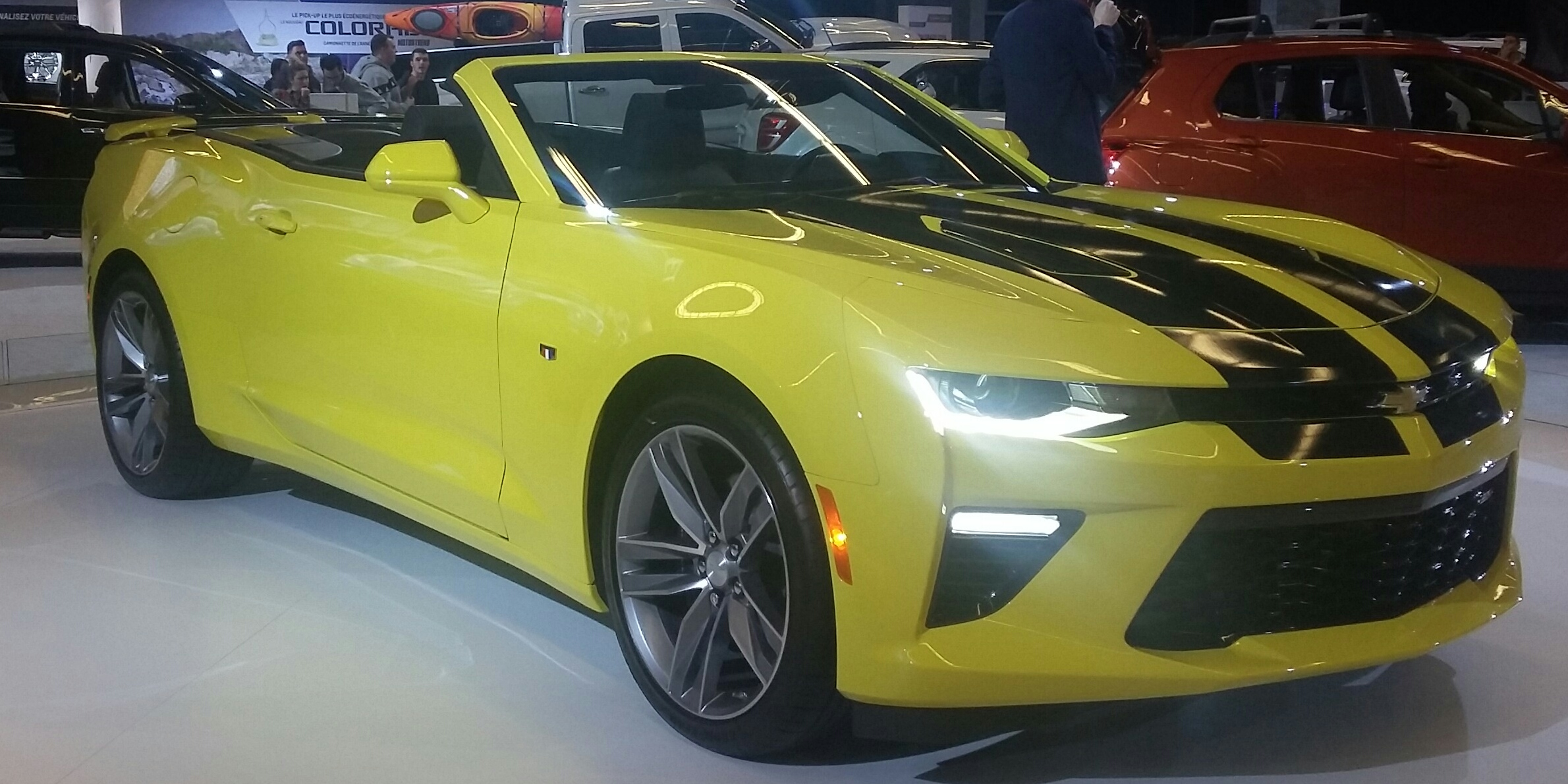
Chevrolet Camaro
"this text it says i'm still driving my 79 camaro after 47 years bravo for that"
The 1979 Camaro is a classic Chevrolet muscle car. The caller’s message is basically: if you take care of a car, it can last and still be driven for many years.
The 1979 Camaro is a classic American muscle car from Chevrolet, and it’s notable here because the caller says they’re still driving it decades later. This is used as encouragement that a well-maintained car can keep going for a very long time.
Request an Explanation
Heard something you'd like explained? We'll add it to this episode.
Sign in to request explanations for terms you heard.
Want to learn more?
Browse our glossary for plain-English explanations of automotive terms, jargon, and concepts.
Help improve this episode
See something that's not quite right? Our annotations are AI-generated and can sometimes miss the mark. Click the flag icon on any annotation to suggest a correction.