00:00
Small businesses are the pulse of every community.
00:02
They bring people together, create opportunities, and drive growth.
00:06
Chase for Business helps business owners like you with personalized guidance and convenient digital tools all in one place.
00:12
With that guidance and your determination, you can take your business farther and help build a brighter future for your community.
00:19
Learn more at Chase.com slash business.
00:22
Chase for Business. Make more of what's yours.
00:25
The Chase mobile app is available for select mobile devices.
00:28
Message and data rates may apply.
00:29
JPMorgan Chase Bank, NA, member FDIC.
00:33
Copyright, 2026, JPMorgan Chase & Company.
00:39
Bloomberg Audio Studios.
00:41
Podcasts, radio, news.
00:48
And I'm Hannah Elliott.
00:49
And this is Hot Pursuit.
00:51
And this is a very special edition of the podcast because, Hannah, you were last week also.
00:58
At Monterey Car Week, but you're still there.
01:00
And you just got to sit down in a room with Ford CEO Jim Farley, who I guess has just finished judging the concord.
01:08
This is actually kind of the climax of the whole week.
01:11
We are in Casa Palmero at the Pebble Beach Golf Links.
01:15
And it's basically the end of the day.
01:17
Jim and I both got up for Dawn Patrol, which is a 5.45 a.m. commitment to watch the cars roll onto the lawn.
01:26
And then Jim, of course, has a car that's entered into the concord, a Lincoln, but also he's the judge.
01:31
So he just finished judging and came in here to talk to us, which was a really great thing.
01:37
And of course, we love to talk to him because he's so fascinating to talk to.
01:47
Like, it's unbelievable how much this guy loves cars.
01:52
And I don't want to gush because everybody's different.
01:56
But I will say not every automaker truly loves and believes in the cars the way that Jim does.
02:04
It's on another level, you know, and it is really fun to be around because he is a true believer for sure.
02:13
Let's get straight into the interview now and I'll meet you back here in 30 minutes.
02:19
I was here at four because I was showing my old Lincoln.
02:22
So I got up at, I was here at four trying to get the car ready.
02:26
We had a fire during the tour.
02:28
So we had to repair the car this morning.
02:31
And I'm also 11 or 12 year into judging here.
02:34
I'm a technical judge for Packards.
02:38
So, um, and I really love the early American cars.
02:43
So I couldn't do both.
02:45
So my son drove the car on the lawn.
02:47
I couldn't do dog patrol this year.
02:50
And then I had to make it to the judges.
02:53
Wait, I want to hear about both of those cars.
02:56
First, I've heard the Packard 12 cylinder motor was a model that Enzo Ferrari loved.
03:03
What's what's the story with Packards?
03:06
You know, if you asked Phil Hill or anyone who knows about cars, they would tell you
03:10
that Packard in the 20s and 30s, you know, had even before that.
03:14
But really became, you know, the Rolls Royce in the United States.
03:18
Um, it wasn't the fanciest car.
03:20
You could buy a Pierce or a locomobile or others that were fancier.
03:24
But for the high end mainstream, you know, dual cowl, uh, Fayton Packard 12 cylinder
03:31
or twin six is about as nice of a car.
03:34
And they're completely silent.
03:35
I mean, you turn it on, they're even quieter than my K Lincoln.
03:39
They were very tasteful cars.
03:41
They were understated.
03:42
They're advertising.
03:43
The slogan was slightly out of touch today, but ask the man who owns one kind of
03:51
Um, and they were really the gold standard in our country.
03:54
Um, the Packard plant in downtown Detroit was, you know, the place to work.
04:00
If you were a factory worker, like my grandfather, he worked a four, but
04:03
he would love to get Packard.
04:05
It's no surprise because Packard took so much pride in the 12 cylinder engine.
04:10
They, they had no need to come out with a 16 like Cadillac.
04:14
They thought that was too heavy.
04:15
And, um, and it's no surprise that they became the, the licensee for the
04:21
Merlin engine in World War two and made all the engines for the P 51s because
04:27
they were so good at manufacturing, uh, and quality.
04:31
It was a great company.
04:33
They, you know, they didn't survive much after that, but when they were on
04:38
their game, they were the best in the world.
04:40
And you said you're a technical judge today.
04:42
So what does that entail?
04:44
What are you looking for?
04:44
What do you have in mind?
04:45
Oh, it's a good question.
04:46
Um, we have basically a small point range for elegance.
04:50
And that's where there's a lot of negotiation.
04:52
It goes into that because everyone's definition is different.
04:55
But you know, the, the most important thing is we're, we're not going to
04:58
give you points off or let's say, you know, you have a great
05:01
piece of paint here or there.
05:03
It's not what people think.
05:04
It's like that hose clamp is wrong.
05:06
That's, that sticker is actually not put on the right way.
05:09
We're not looking to get people, you know, points off.
05:13
We're looking to, is that executed, that car executed in the intent
05:18
of the manufacturer's intention, especially the engineering stuff.
05:21
Like does stuff work as it's spilt to work?
05:25
The vacuum, you know, wipers, uh, they can work really well.
05:29
They don't work really well sometimes.
05:31
And a lot of the owners don't really care as long as they work, but for
05:35
judges, we're looking for the manufacturer's intent when they made the vehicle.
05:41
And a lot of people get it wrong.
05:42
And there's a lot of people who spend a lot of money on these fancy restorations.
05:46
They actually don't know about the cars.
05:47
They don't know what it should do and not do.
05:50
Um, and Packard had a lot of good reasons to do what they did when they braided
05:54
a fuel line or when they, when they didn't, you know, they had
05:57
good engineering reasons for it.
05:59
So we're looking for technical compliance to the manufacturer's intent, not
06:04
to ding people for like a sticker, being there or not.
06:09
But is, you know, is it, is it there to warn the customer, do not touch this?
06:14
And we're looking for, especially the custom body vehicles, are they elegant
06:18
or are they cumbersome?
06:20
Could be a really expensive car that actually isn't very elegant.
06:24
Uh, there are a lot of those.
06:25
So we look for both elegance.
06:27
The genesis of this was, of course, the Pebble Beach races.
06:31
And then not so modern idea.
06:34
The women would pick the most elegant car on Sunday.
06:38
So the guys would race really wealthy people would race on Saturday.
06:41
And eventually they moved out to Laguna Seca because it was so dangerous
06:45
to race in the forest.
06:46
And, and this concourse was an elegance.
06:49
Um, and you picked the most elegant car.
06:52
You know, that's actually a great history that has never been
06:55
strung together to me.
06:56
That was the genesis of this whole week.
06:59
It was always a week years ago or so.
07:02
And Phil Hill was the first person to win the roadways.
07:05
And then he happened to win in his aunt's car.
07:09
One, he restored it, uh, won the concourse the same weekend, same next day.
07:16
And he went to be in the first American world champion.
07:19
So yeah, uh, this weekend is great.
07:21
I worked in a car restoration shop.
07:24
In fact, Hills, uh, Hill and Vaughn, Phil's place.
07:26
I put myself through graduate school.
07:28
I'm an interior guy.
07:29
So I sew frogs, buffalo hide, all sorts of crazy stuff.
07:35
I put myself through graduate school and I was a mechanic.
07:39
And I came up here after we'd worked on the cars for three or four years.
07:42
We weren't allowed in the show, you'd have enough money to be in the show,
07:46
but we would drive the cars on the lawn, you know, before there was
07:49
dawn patrol and all the mechanics who worked on the cars, we would
07:53
look at each other's work and we'd say, Hey, you did a great job of
07:58
You know, and I got my PhD in the car business as a mechanic here.
08:04
And my wife was that how many years I was in 1985.
08:09
So you've been coming for a long, yes.
08:11
And for more than 20 years, I camped at the Monterey campground with my wife.
08:16
That is very authentic.
08:18
I'm a complete dirt bag.
08:21
I do happen to be in CO4 too.
08:23
That's like my other part of my life, but the real Jim Farley is an
08:27
interior guy who frog, frog.
08:31
It takes a lot of frogs to do it.
08:33
That's a lot of hides.
08:36
That's so Jim, Jim, tell us about your Lincoln.
08:39
Yeah, I was just going to say that.
08:40
You know, I always wanted to, um, I'm a kind of reverse commuter.
08:44
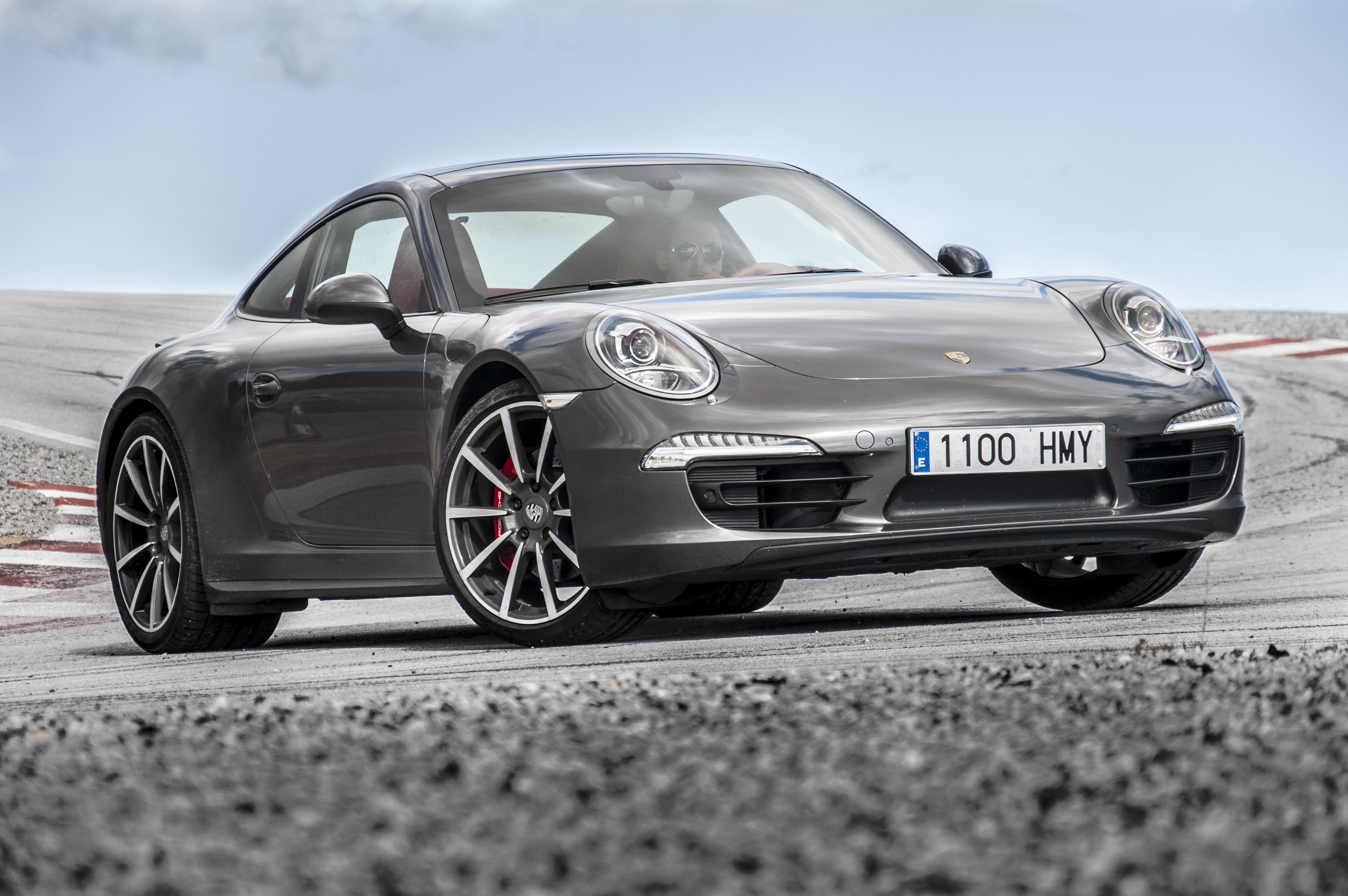
You know, I love cobras and I love Porsches.
08:47
And, you know, my first car I restored was that when my own
08:50
money was a 356 Porsche in the, in the late seventies.
08:55
And I, it's a little known fact.
08:57
I rebuilt the car in my apartment in Manhattan Beach and I did a, an
09:03
outlaw car before there was such a thing.
09:04
It was all aluminum deck lid.
09:06
And, you know, I, I, I did a lot to the car myself.
09:10
And then I moved up to cobras and GT 40s.
09:13
I really only like race cars or cars that on the street were
09:17
intended to be race cars, so to speak.
09:19
And then maybe 20 years ago, I started to get more intrigued by older cars.
09:25
First, they're pre-1900 cars, steam and electric.
09:28
And, you know, in 1910, the industry was a third, a third, a third, a third, a
09:32
third steam, a third electric and a third combustion.
09:36
And is it true the electrics were marketed toward women?
09:39
Because they were clean, quiet, easier to operate.
09:43
Didn't have to do any starting.
09:44
It was much, and actually it was better technology all around.
09:48
Just the batteries weren't advanced.
09:50
I began to look at race cars from pre-war.
09:56
I bought a four and a half liter Bentley.
09:58
It was just normally aspirated Bentley, but I really love those cars.
10:01
They won them all first four years and, you know, they, they were
10:05
incredible cars and we won them all four times at four or two.
10:09
And, you know, they made their brand and kind of the GT 40 made our
10:16
And so I was looking for an early car, but I'm very, I'm a stickler.
10:21
Um, I like original cars.
10:23
So my, like my Bronco, my 72 Bronco, I bought off a Montana farmer.
10:28
And, and I, I looked for 20 years to get a car and I've been looking at, I've
10:32
been after this car for way before I came to Ford.
10:35
It's a 12 cylinder, um, La Baron vinyl topped coupe, which is very
10:41
unusual for these big cars to be a small coupe.
10:44
And I love coupe design.
10:46
I have a lots of Eurelia that I want to bless the class here, best class here.
10:49
And I like coupe design.
10:51
I don't like open cars other than the Bentley because I think it's
10:54
more of a beautiful design and that designers intent.
10:58
So I was looking for this car for a long time.
11:01
It took me more than 20 years to finally, there's only five
11:05
that were ever built.
11:06
And it's a first year that Pierce, Pierce had the copyright for
11:10
the, um, integrating their headlamp into the fender.
11:13
And this was novel at the time.
11:15
Yes, it was huge and it expired in 36.
11:19
So the Lincoln's at 37, I think we're more beautiful because
11:23
they have the integrated headlamp into the fender.
11:26
It was also at Sephora to his father, Henry, he was trying to
11:30
convince his father, you know, dad, I, I know this Model T made the company,
11:34
but we got to get serious about design.
11:37
There's this thing going called choice, bigger engines of four
11:40
cylinder engines and cars are more than just utility.
11:43
And so he was trying to convince his father.
11:46
He eventually convinced Henry Lillian to get rid of Lincoln.
11:50
It was part of General Motors.
11:51
And, um, but for seven or eight years, he didn't have any resources
11:55
to create his own Lincoln.
11:57
So then this Lincoln K, the 12 cylinder Lincoln, so the first
12:01
that's a Ford, Lincoln's, they were all built as chassis.
12:04
They were sent to bodybuilders.
12:06
You, like a yacht, you would pick the body and they're
12:11
That's why I love this car and it's great to drive.
12:14
You know, it's a great kind of technology statement as an American.
12:20
I'm really proud of that car and that's why I bought it.
12:23
I'm always looking at these old cars too, Jim.
12:25
And I wonder why I guess it's just not profitable to make something
12:30
like that these days, like something with a rumble seat or suicide doors or
12:35
like an open wheel, like the Bentley, like nobody makes anything
12:38
like that stuff anymore.
12:39
For less than, you know, a million dollars because they're not safe.
12:43
Yeah, I guess, you know, everyone always asked me, Hey, Jim, why don't
12:47
you just make like an, an old 65 Mustang is such an honest design.
12:52
But you know, we could, we couldn't make a car like that.
12:54
It would never pass crash tests and never, it's a shame, but that's
12:59
We kind of can't learn things like fuel efficiency or dynamics, safety,
13:05
you know, how a car crashes itself and offset crash.
13:08
We can't unlearn those things.
13:09
So it's hard and people didn't know about those things back then.
13:13
But I think there's a lot, you know, like humans are humans, you know,
13:17
we don't really change.
13:19
So when I get in my Lincoln and I turn that key and it starts
13:24
and it goes, whoa, I can't even hear it start.
13:26
I think you're like, well, that's what an electric car is.
13:30
You can poo poo in, but the NVH, you know, when we came out
13:34
to LS 400 when I was at Lexus, you know, if, if there was an
13:38
EV available, uh, yeah, we would have, that first Lexus definitely
13:42
would have been a EV.
13:43
It's quick, as fast as good torque at low RPM or zero RPM and it's quiet.
13:49
And, um, and that's, that's a human condition.
13:53
People wanted that in 1937 and they still want it.
13:56
And now you can get in a 25 or $30,000 Ford with our new affordable platform.
14:01
I'm not trying to sell forwards.
14:02
I'm just saying technology changes, but the human, the humans still
14:07
want the same thing.
14:08
They want fun to drive.
14:09
They want, for me, as a personal car, I want to cause gauging.
14:13
I, I want to feel everything.
14:15
I want the steering field to tell me everything about what's going on.
14:19
I'm interested in mastery.
14:21
A lot of people aren't interested in mastery.
14:22
They just want to get from point A to point B and they want quiet and
14:25
they want good acceleration.
14:27
Not because it feels fun, like me, they want to get around a car really
14:32
So for them, I think, I think there's not much difference actually.
14:36
But we're both, we're both.
14:39
No difference between a 12 cylinder Lincoln and a Model S plaid to me.
14:44
There's no difference.
14:45
That's a shocking statement though, because it's a 12 cylinder Lincoln that,
14:51
you know, I'm sure, and I know you're getting a ton of emotional
14:54
reactions when you drive that.
14:56
People get so excited because it's tangible and it's experiential.
15:01
And, and you're saying that's the same as a plaid.
15:06
Say more about that.
15:07
I'm really curious.
15:08
I mean, that's a pretty strong statement.
15:10
In 1937, most people would drive in Model T's.
15:14
You know, you get in that K Lincoln, it was a spaceship.
15:18
It went faster than anyone could ever imagine going in a car.
15:24
It was like as quiet as this room right now.
15:27
And people were marveled at something other than the silver ghost.
15:31
It was nothing that quiet or a Packard twin six.
15:34
It was effortless performance at all this torque.
15:38
So when you pulled away from a stop sign, the Model T would be making
15:41
all this noise and a lot of drama, a lot of drama.
15:44
And then you got pedals and everything.
15:46
It's like, yeah, that's so much torque you can do in a second gear.
15:49
You could drive up to 50 miles an hour in second gear and not even
15:52
know you made a mistake.
15:54
It was the greatest technology of the day.
15:57
My car had a radio with an antenna hidden underneath the running boards.
16:02
I mean, cars didn't even have antennas, let alone hiding them.
16:06
Yeah, it was a, it was a spaceship.
16:08
Just like the first time I drove a plaid, I was like, holy.
16:13
Not a car for me personally, but there are a lot of people who were
16:17
marveled at the plaid when it came out.
16:19
And 37 Lincoln was no different.
16:22
The only difference maybe is that it looks pretty cool.
16:26
Can I ask, when you're like, when you're out on the field
16:28
walking around, what are you thinking about the status and state of the
16:33
American automotive industry now compared to, we're talking about
16:37
Packard's, we're talking about Lincoln's.
16:39
What's going on in your head when you compare the two?
16:42
I don't really think much.
16:43
Hey, what will Pebble Beach be like in, you know, 2075 or something?
16:48
I think more about not much new has ever been invented.
16:54
It's about 1915 in our industry.
16:56
What's old is new again.
16:58
No, it's just everyone thinks things are new.
17:02
They're actually not new.
17:04
When I look around, you know, there's just not a lot of new thinking
17:08
because people really, in the beginning of our industry, they took a
17:12
lot more risk, you know, look at the genesis of the 9-11 where it
17:17
came from his humble beginnings until, you know, the 993 and 98, you
17:22
know, it was just an incredible evolution, but it was the same
17:26
concept of a vehicle and it was so honest and it was so unusual.
17:31
No one other than Porsche would ever think to put that car that and
17:37
design it that way.
17:38
No one and all our cars because of Arrow and safety, they all
17:45
They all are so generic and I think, you know, why do we have
17:50
to be stuck in this rut of sameness?
17:55
Even though many people want a car to go from point 80 point B
17:59
and they don't particularly like what it looks like as a creator
18:02
of cars, our job is to actually change their mind and to have
18:06
them care about something and that we shouldn't feel obligated
18:11
to copy our competitors.
18:13
Our designers are world-class copiers.
18:16
So we're writes a line on a fast roof on the AMG CLS 25
18:22
And then now Hyundai Sonatas have fast roofs, you know, and
18:26
everyone just go, Oh, this roof, then that's a roof, then
18:28
that's a roof, then that's a roof.
18:30
And like, that's not, that's not what I expect.
18:34
I don't like that to the cafeteria of our industry and
18:38
picking some Jello and some hot dogs and a couple of
18:44
No, I think our job at Ford is to think about our
18:49
customers and to surprise them like pro power on board where
18:53
you can power your house for six days, who would have
18:56
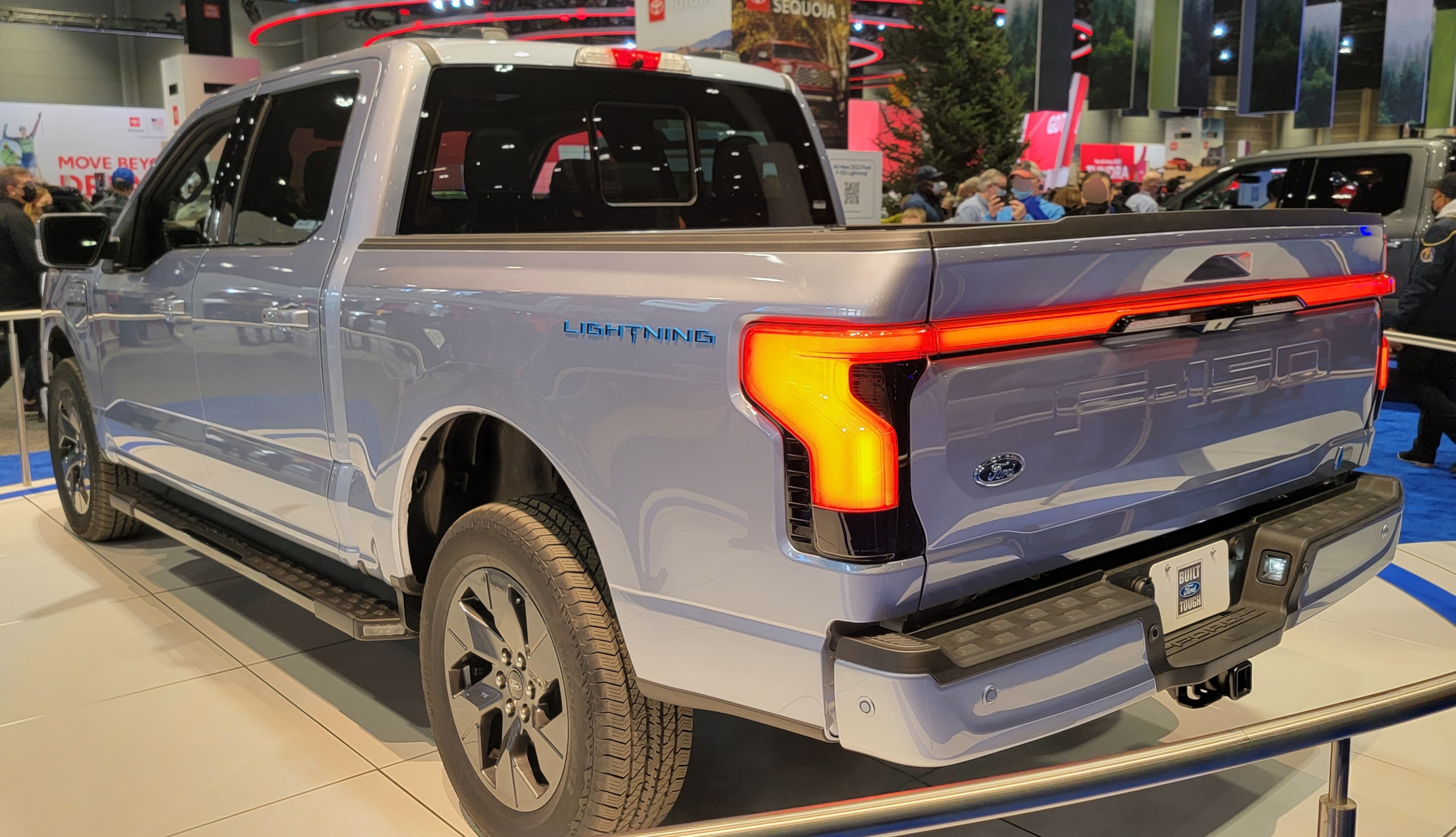
ever thought, you know, it's an F 150 best selling vehicle in
18:59
our industry, but it can power your house for six days.
19:02
You don't need a Honda generator.
19:03
You don't need a Generac generator and all the ads
19:06
I see on TV, but we always had the chance to do that.
19:10
We could have done that with a hybrid 20 years ago, but
19:14
I walk around the show and I say to myself.
19:20
There are not a lot of new ideas.
19:22
So why aren't we more innovative?
19:25
Why can't we do more of the things I see here?
19:28
Just mix it differently and be and put more pressure on
19:32
ourselves to surprise the customer.
19:34
That's what I think about.
19:35
What we, we spoke with Maté Remak and he said, in his
19:39
view, Elon Musk has changed the auto industry more than
19:44
And I bring it up because Tim Higgins or a story in
19:47
Wall Street Journal about Doug Field making this new
19:50
truck for you and kind of implied that he's going to
19:52
change the way you do production.
19:55
And obviously Henry Ford was the last person that
19:57
really changed production, right?
19:58
Maybe in, maybe until you learn, I don't know that
20:01
much about what goes on in the factory as much as
20:03
But do you think something different could be done
20:06
not just in the execution of the car for the
20:09
consumer, but in the way you build the car so
20:11
that it can actually be a great vehicle for
20:16
No, I really believe our Skunk Works team, you know, my
20:20
badge didn't work there for three years and that, that
20:23
team from Formula One and Tesla, they had no prejudice
20:28
and our, our, our industry is filled with
20:30
prejudice, prejudice about how something should
20:35
And when you create a software defined vehicle, you
20:38
know, you have freedoms that we've never had,
20:41
you know, for 120 years, well, let's say 50 years
20:46
we've been putting the computer in when it's
20:49
convenient for the final assembly, which is probably
20:52
we make a car in six hours, make them every 50
20:56
But it takes us six hours to make an F-150.
20:59
That computer goes in with about 15 minutes left.
21:06
But think about if you can put that computer in
21:08
after pain, after the first 45 minutes, and it
21:11
could self diagnose itself, whether every one of
21:14
those connections are correct or not, because it
21:17
knows how it should be built and it can detect
21:21
whether it's the connections are right.
21:23
You don't need any vision systems.
21:24
You don't need any training for your operators.
21:27
You don't need any of that because the line
21:28
stops if the connection is not made for anything.
21:31
So we just wasted four and a half hours of quality
21:35
risk. And one of the biggest issues you have in
21:38
quality today is connectors being seated, but not
21:41
fully seated, you know, that, that is a really
21:46
big innovation in our industry.
21:48
Well, anyone care, the customers will care.
21:52
Well, the business journalists care, they
21:54
don't even know how cars are made.
21:56
But if you knew how a car was made, you
21:59
would say, my God, like putting a computer in
22:02
the first 45 minutes is a game changer for
22:04
our industry in quality.
22:07
Another one would be, you know, the math we do
22:11
about weight, the batteries are so expensive, it
22:14
changes the math in a car.
22:15
You take an ICE engine engineer and, and we
22:19
give him an F-150 or a Maki electric car, say,
22:23
go source, go design the wiring loom.
22:26
So they go do what they've been doing for 120
22:28
years or maybe 30 years now.
22:30
And our wiring loom is a 1.6 kilometers
22:34
longer than the Model 3's.
22:37
It's also 70 pounds heavier, and that's $200
22:40
of battery. That's bad.
22:42
Like you have a prejudice that in an ICE
22:45
world, there's no penalty.
22:46
Well, the weight penalty math changes when
22:50
you go to a battery, because the weight is
22:52
so, the battery is so expensive that it's
22:55
better to spend $70 extra on a wiring
22:59
harness to save 70 pounds.
23:01
So you save $200 on the battery.
23:04
Well, no ICE engineers think that way.
23:06
Is that how you get to profitability on some
23:08
of these a lot cheaper EVs that you're
23:11
talking about, that you're planning?
23:14
When we did the Maki, there was no one
23:16
like the Apollo 13.
23:17
There was no electrical engineers measuring
23:20
the watt, you know, watt drainage from
23:26
Turns out we were 30 percent.
23:28
We could, we could have gotten 30 percent
23:30
more efficient on our gearboxes and
23:32
verters and motors than BYD.
23:35
And that allows our battery to be 30
23:38
And that means that even though they may
23:40
have a big advantage on, you know, labor
23:42
costs in China, we can actually make a
23:45
cheaper battery than BYD because we can
23:47
out innovate them in the efficiency side
23:50
of an EV powertrain.
23:51
That's what I'm saying.
23:52
We have these prejudices about a
23:55
wiring harness and what should a wiring
23:57
harness weigh and how, how, how should
23:59
it be engineered that we need to get
24:02
And I agree that we're in kind of a 1910
24:07
to 1920s era again.
24:09
But EVs are only for certain customers
24:11
and duty cycles for a lot of other
24:15
customers, you know, the things that
24:18
we love like manual transmissions
24:20
and, you know, the people that want
24:22
to master the joy of controlling
24:27
mechanical thing called a car.
24:30
You know, we don't want to get rid of
24:35
As a contractor, I don't pay for
24:36
materials I don't use.
24:38
So why would I pay for stuff I don't
24:39
need in my mobile plan?
24:40
That's why my biz plan from Verizon
24:42
business is so perfect.
24:44
Now I can choose exactly what I want
24:46
and I only pay for what I need.
24:48
Right now with my biz plan, get our
24:50
best price as low as $25 a line.
24:52
Visit Verizon.com slash business to
24:55
New lines only price per month with
24:56
five plus lines includes auto pay
24:57
and paper free billing and
24:58
promotional discounts, taxes fees,
24:59
economic adjustment charge, applicable
25:00
add-ons prices in terms of supply
25:01
guarantee applies to base monthly
25:02
rate and stated discounts only
25:03
add-on prices additional offers in
25:07
Does this mean we can talk about
25:10
I mean, I have a million other
25:11
questions about trucks, but I love
25:12
that video that Chris Harris did
25:14
And they started out with the
25:18
You say you like race cars
25:19
personally, Jim, and that that is
25:21
a race car that was for this
25:24
Weekend, you won your class.
25:26
When the CEO of Ford wins a class
25:28
though, they all think I was
25:29
cheating on my motor.
25:30
So it's kind of like
25:33
and I can't really cut anyone
25:34
off because I don't want to be
25:35
that guy because then they'll
25:37
be talking about that.
25:40
How much time do you get to
25:41
spend on the track practicing
25:43
or in the simulator?
25:44
Do you spend a lot of time
25:46
Sleeping and racing are my only
25:48
two private things.
25:50
I don't have any other private
25:51
time. So it's my when I put
25:53
the visor down, it's my only time
25:57
And I can think about stuff I do
25:59
as much as I can ten times a
26:00
year about as much as I
26:01
can. I like racing modern
26:05
Mustang, Race Del Amal,
26:06
whether challenge car.
26:09
So you guys are there.
26:11
I tend to be a contrarian.
26:14
I feel like the super car
26:15
market is completely over
26:16
served that there's so many
26:18
choices that really don't matter
26:20
that no one will care that people
26:22
are just buying these cars to
26:24
invest as if it's a stock or
26:26
As an old school car
26:28
person, you know, who's an
26:30
enthusiast, I'm more
26:32
excited about what we're working
26:33
on off road than I am on
26:36
And I'm really proud of the GTD
26:37
because it's it's a it's a
26:41
We didn't try to turn it into
26:46
always admired the GT3
26:50
but they're almost too extreme
26:53
If you really wanted to use them,
26:54
yeah, need to go to a track
26:57
And I thought that,
26:58
wow, what what if we could do a
27:00
Mustang that was still
27:02
kind of based on the $30,000
27:04
manual Mustang that
27:07
like me when I was a kid
27:09
and do something that, you
27:11
know, be a top 10 car
27:13
at the Nuremberg ring.
27:14
But do it as an American
27:17
What I mean by that is not
27:18
change the concept of Mustang.
27:24
Yes, we have a transaction.
27:25
Yes, we have push rod rear
27:26
suspension and all that stuff.
27:28
But it's unapologetically
27:31
It's not trying to be anything
27:34
It's just trying to be the
27:35
best version of a Mustang.
27:37
I think we're starting to get
27:39
there. We're starting to find
27:44
with our direction for
27:45
Mustang. Can I ask about the
27:47
pricing of the GTD?
27:48
Sure. Obviously, it's an expensive
27:51
Are you getting pushed back from
27:53
customers who are saying, this
27:55
is more than I want to spend on a
27:58
OK. No, I think what we think
28:00
about more than even the prices,
28:02
how do we make just the right
28:03
level so that if someone
28:05
invests in this, they
28:07
they feel like they're
28:08
not going to lose value.
28:11
I think we've learned enough about
28:12
doing it. Well, so first of all,
28:14
I worked at Toyota for many years.
28:15
Toyota could not sell
28:17
a Corolla at $340,000
28:20
for it's a weird brand.
28:22
Like we have no problem selling
28:27
We have no problem selling our GTD
28:30
We also have no problem selling a
28:36
Yeah, it's a weird brand that way.
28:37
Everyone's like, yeah, because we
28:38
have motorsports history.
28:40
That gives us permission to do
28:42
things that other brands don't who
28:43
don't have that commitment
28:45
to enthusiast products for
28:47
50 years, 60 years.
28:52
no, we don't get pushed back.
28:54
I think what we get pushed back is
28:55
why are you only building 300
28:57
year and we're building
28:59
300 year because we want
29:01
there always to be a next one
29:03
and they're not going to be a next
29:04
one if you build a thousand a
29:05
year because there's not big enough
29:08
the people who invest in.
29:10
We also don't want posers.
29:12
So we have an application process.
29:14
If you're a person who wants a
29:16
GTD and you're going to keep it in
29:18
your car collection, we are not going
29:19
to sell you one. Now you've done this
29:21
And it must have been successful.
29:23
Yes, because we kind of
29:25
yes, we interview people and we're
29:26
like, are you going to bring into
29:29
Now, are you going to flip it after
29:30
two years? I don't want flippers.
29:32
You know, that's not I don't want
29:33
investors, stock investors
29:36
So and we limit the number.
29:38
We kind of know enough after 120
29:41
years, you know, let's not
29:42
screw the people that bought these
29:45
Not not to make it an investment,
29:48
but just because it gives us the
29:49
right to do another one.
29:51
If we do this one right and
29:52
everyone goes, you know what, I didn't
29:53
lose money on that and I love driving
29:56
And you know, then maybe I'll buy
29:57
a second one and we could keep
30:01
And I think that adds value.
30:02
But when I'm more interested,
30:04
there is no Porsche off-road.
30:06
And I'm shocked that people
30:07
don't think about that.
30:09
And I'm very interested in that.
30:12
The on-road performance hierarchy
30:14
is very simple to see.
30:16
And the very top is over-served,
30:19
But no one's ever done this off-road
30:22
Lamborghini may be a bit different.
30:24
Like a Mustang Raptor or a Bronco
30:28
Are you shaking his head?
30:29
For people listening, he's shaking
30:33
Let's see how long it would last
30:34
on the Baja 500 course.
30:36
Let's see how much.
30:37
Like a challenge within the first
30:40
No, I'm talking about like a
30:42
Dakar type of concept.
30:46
No, no, no, no, no.
30:49
A thousand horsepower, partially
30:50
electric, totally digitally
30:52
enabled. You bring your phone, you
30:53
get the max for stopping settings
30:55
or you have everything is just
30:57
with suspension travel, the damping,
31:01
And it's fully capable
31:03
of doing a full-on race.
31:05
It's not a pickup truck.
31:06
I think that is the right
31:08
way for Ford to innovate
31:11
the supercar business.
31:13
People really love the Raptor
31:14
because it's so compliant
31:18
And they do like how big it looks
31:19
and it's intimidating.
31:20
But what they really shocked is
31:22
when they drive on a long
31:23
distance travel, they are
31:24
shocked at how comfortable it is.
31:26
It's it's like the most comfortable
31:28
Lincoln they've ever driven.
31:29
Because to go fast off road, you
31:31
have to have really soft
31:34
A trophy truck is one of the most
31:35
comfortable race cars you'll ever
31:38
But no one's ever built
31:45
dirt, not rock crawling.
31:47
I'm not talking about that kind
31:48
of thing. Not King of the Hammer.
31:50
But some parts of King of the
31:53
And I think that would be
31:55
a great direction for our
31:57
We can always do another fancy
32:00
But I think I'm challenging my
32:02
team to think a little
32:04
Like a Group B kind of thing?
32:06
Group B, but maybe for
32:07
four people or two.
32:13
I'm talking to the team about it.
32:15
Yeah, I am the CEO and I tend
32:17
to know about the changing
32:19
market. But I bet you
32:21
in total revenue for
32:23
enthusiast products for
32:24
outsells Porsche right now.
32:25
If you look at our Raptors and
32:27
our Broncos and our Tremors,
32:29
I bet you our revenue is very
32:30
close and maybe our margin is
32:32
But no one really respect to
32:34
the off road and the off road
32:35
racing world is and WRC
32:37
is so narrow and so
32:39
kind of underserved from a
32:42
People really understand the
32:44
tech that goes into these
32:46
And yet everyone wants one.
32:47
And yet the Europeans have no
32:49
yeah, the Porsche has a long
32:54
But none of the other companies
32:55
really do in performance
32:58
No one's ever built a vehicle
33:01
And that's why I want to win
33:03
Would it only be for 300
33:06
Or would you is that what you're
33:07
saying? Like the next 300
33:09
example car that Ford builds
33:11
could be an off road super car?
33:14
I'm thinking about it.
33:14
That's all I'm saying.
33:15
And I think you really deeply
33:16
about it. And usually that turns
33:19
That's all I could say.
33:21
To be honest, a lot of my
33:22
friends are in that ecosystem
33:24
of the supercars and I'm
33:27
sameness of it all.
33:31
small differentiation between
33:32
this car and that car.
33:34
And I think it's high time
33:36
that American company
33:38
be a little irreverent
33:40
and do something that go left
33:42
one other go right.
33:43
Not to just go left because
33:47
people are telling us something.
33:49
They are not stupid.
33:50
They are really smart people.
33:51
They spend a hundred twenty
33:52
thousand dollars on a 800
33:54
horsepower pickup truck.
33:56
And they're saying to us, I've
33:58
never raced off road.
34:12
You can't say that about an
34:15
And today I'm just saying
34:17
that for me, you know, GTD
34:19
is fantastic because it's
34:22
And if you take that idea
34:23
even further, that the reason
34:25
why we race at Pike Peak.
34:29
I did. I did want to ask
34:31
about the super van at four
34:32
point two since you mentioned
34:33
Pike Peak, but I'll let it go.
34:35
And Ramon DuMas was here.
34:37
He's like my personal hero.
34:38
And yeah, I introduced
34:40
some of my closest friend, Wayne
34:42
Rainey, last night.
34:43
And we were talking about bikes
34:45
And yeah, I love Pikes Peak.
34:47
It's a unique American race.
34:49
The Europeans have always come
34:50
here and and enjoyed the race
34:52
as much as Americans.
34:53
But, you know, it's
34:55
it's very important spiritually
34:57
for Ford because it combines
34:59
our on-road and off-road.
35:00
And we tried to do with
35:01
electric, but do it our
35:03
own way with a pickup and a van
35:05
unlike Volkswagen's attempt,
35:07
which was kind of a global
35:08
attempt. We did as an American
35:11
But I think there's more there.
35:13
And if there's one thing, if you
35:14
ask me, Jim, you know, your
35:16
car person running this company,
35:19
what is the most exciting racing
35:21
that you're looking for, too?
35:22
I would say I want to win the
35:24
car way more than Formula One.
35:27
Cars is the most exciting thing
35:31
And, you know, right now,
35:32
Americans don't care much about
35:33
it, you know, but they should.
35:36
You have no orientation.
35:38
You have to you have to you
35:40
have no idea what's over that
35:41
next tune as a driver.
35:44
You have you have to you have
35:45
to have the skill of orienteering.
35:48
You have to know where you go.
35:49
It's a two week race.
35:52
If you break something, you got
35:53
to fix it yourself.
36:00
And you ask any drivers done to
36:02
car and all the great ones want
36:04
to, they will all say the same
36:06
thing. There's the hardest thing
36:08
And I want for to win that race.
36:10
And I want not only that, I want
36:12
us to build a vehicle so
36:14
that all people could experience
36:16
what it's like to have the joy
36:18
of driving no matter what is in
36:21
And right now, that's not the
36:25
That reminds me of the glory
36:26
days of peeking to Paris, some of
36:28
these old rally from, you
36:30
know, 70 years ago.
36:35
And who knows what's around the
36:37
And what what are you going to
36:40
That's that to me is part of
36:42
being an American company.
36:43
That's why people love the
36:44
Mustang because it's freedom.
36:46
It's a road trip unscheduled.
36:48
You're going to meet someone
36:49
who never knew, you know,
36:51
well, that off road thing is
36:54
And again, it's an underserved
36:57
No one's ever given it the
36:58
respect it deserves.
36:59
Just a narrow like ice racing
37:01
or WRC or Baja, but no one's
37:03
really democratized it.
37:05
The performance part of it.
37:07
I think that's what's exciting
37:10
It brings our pro business
37:12
and our enthusiast brand.
37:14
But we but something we haven't
37:17
I think that's why everyone
37:18
loved the Olig Bronco because
37:20
it was something that people
37:22
didn't expect before.
37:24
A big wing on a Bronco.
37:26
Well, there's a modern version
37:28
too, but it won't look like an
37:33
We're excited for the future,
37:37
Just unbelievable passion,
37:41
He is someone who you can just
37:43
I admit, sometimes I think
37:45
I wish can he just if he
37:47
says something funny, I'll feel
37:49
like it's Chris Farley because
37:50
you know their cousins.
37:52
And they have the same
37:55
They're very similar.
37:56
So I'm sitting on the couch
37:57
excited because he's talking
37:58
about off-roading and all this
38:00
and going after Porsche and all
38:02
these great things.
38:03
And then I'm like, this is
38:04
Chris Farley's cousin, which
38:06
I would honestly have loved to
38:08
see them together and I've
38:09
heard I've listened to Jim
38:11
talk about his relationship with
38:13
Chris and the amount of time
38:14
they spent together.
38:15
And I love to think about that
38:17
because Jim is pretty serious.
38:19
He's pretty laser focused
38:21
on automotive, right?
38:23
And he wants to run the
38:28
He's very competitive.
38:31
I think that's a better word.
38:32
Serious kind of implies maybe
38:34
he doesn't have a sense of humor.
38:36
He doesn't have fun.
38:37
My feeling about Jim Farley is
38:39
he wants to have all the fun
38:41
and you know what's really fun
38:45
That's what's really fun.
38:47
But I love to hear stories
38:48
about him hanging out with
38:49
Chris who must have been in
38:50
a different way also competitive,
38:52
Because he wanted to make you
38:54
I love to hear the Farley family
38:57
And I listened to Jim's podcast.
39:00
And it kind of opens the door
39:02
into those personal moments.
39:04
And that's really the best part
39:07
Because you want, like we're
39:09
want to know what people are
39:12
So the personal things are
39:14
more interesting than just
39:16
the profits and losses and
39:18
you know, lap times and
39:20
horse power figures.
39:21
So very, very, very cool.
39:24
He's not somebody who just talks
39:26
from bullet points.
39:27
He hasn't been overly media
39:30
You know, you get the sense
39:31
when you talk with him.
39:32
He is a present individual who
39:34
was having a conversation with
39:36
And that is a nice thing.
39:38
Well, listen, I hope you guys
39:39
have a fantastic drive back.
39:45
I'm very happy to report.
39:46
I stopped counting at 15 police
39:48
cars on the way from Los
39:50
Angeles to Carmel, California,
39:53
I stopped counting at 15.
39:57
I think we're going to drive
40:00
But I do want to say for
40:02
everybody who came up and said
40:04
something about listening to
40:06
us on the podcast, thank you
40:08
so much for listening.
40:10
It really means a lot to hear
40:12
from you guys and just
40:14
thanks for saying hi.
40:16
And it's really nice to talk
40:18
to some of you, all 12 of