Heatwave Visual is the company selling the safety glasses and protective lens film mentioned here. It’s an ad for gear meant to protect your eyes while working or driving.
Term
Z87
Z87 refers to an eyewear safety rating in the U.S. It indicates the glasses meet impact and protection requirements intended for industrial or similar safety use.
Coilovers are aftermarket suspension parts that let you change how the car rides. People often use them to lower the car and improve handling.
Concept
street car into a track car
“Street car into a track car” refers to converting a daily-driver setup into something that can handle track demands. That usually means upgrading suspension tuning, tires, and alignment so the car can manage higher loads and repeated cornering.
KW suspension is a company that makes performance suspension parts. The host is saying their coilovers can be used for both street driving and track use.
This means the suspension can be tuned in more than one way. Two-way is a simpler tuning setup, while three-way gives you extra control to dial in how the car feels.
The Nordschleife is a famous part of the Nürburgring track. It’s known for being challenging, so people mention it to show they’re testing or driving at a high level.
Slot car tracks are miniature racing tracks where cars run along a guide “slot” and draw power through the track. The cable/remote control idea shows up in RC, while slot cars are typically controlled by the track’s power and the driver’s controller.
Tuning means tweaking the setup of the car so it drives better. In racing, that often includes things like tire choice and how the car handles lap after lap.
The Volkswagen Beetle is a classic “Bug” that lots of car people modify. Here it’s being talked about as a home-built project with older-style fuel setup.
“Sport Compact Car” was a popular magazine/scene label back in the mid-90s. It was mostly about smaller cars—often imports—getting modified for looks and basic speed.
“Mini Truck” refers to the Japanese domestic market (JDM) style of compact pickup trucks that became popular in the U.S. tuning world. Enthusiasts often modified them for stance, wheels/tires, and engine swaps or turbo setups, depending on the build.
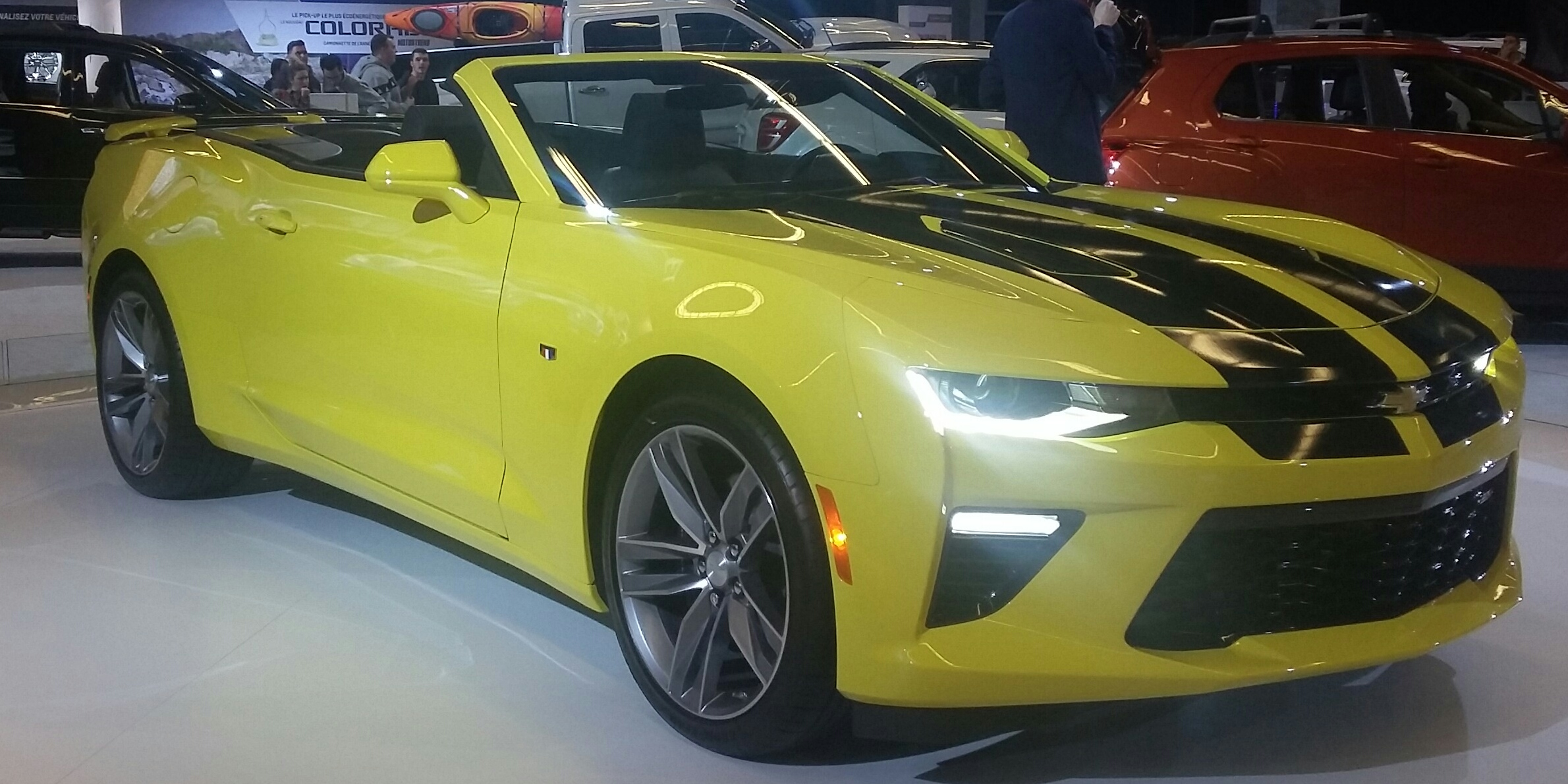
The Chevrolet Camaro is a sporty car from Chevrolet. It’s famous for having strong engines, including V8s. The podcast mentions it as an alternative someone considered but didn’t choose.
The Ford Mustang is a sporty car made by Ford. It’s known for powerful engines, especially V8s, and many people modify them for racing. The podcast is just listing it as one of the cars someone could have chosen.
Dodger Stadium is mentioned as one of the places where some racing-related nights happened. It’s part of the story of where people went before track racing became the main option.
A street takeover is when people take over a public road to do car stunts or racing. It’s usually in busier areas and around intersections, not hidden back streets.
Terminal Island Raceway is a local racing track mentioned as a place people could go instead of racing on streets. It helped make real track events easier to access.
Topic
RC car culture
RC car culture means the community around remote-control cars. The host is saying it was a stepping stone that led into real-car racing and car clubs.
Pomona is a place in Southern California where racing events were happening. The host is using it to show there were lots of options for car people to go race.
In front-wheel-drive drag racing, the front wheels are the ones that push the car forward. That affects how well the car grips and how controllable it feels when you launch.
Import drag racing is drag racing where the cars are mostly non-American brands. The key idea here is that these cars started getting so fast that people stopped seeing them as “just a novelty.”
Drag racing often measures how fast a car can cover the quarter-mile. The speaker is saying that, back then, getting into the 13-second range was a big deal.
Nitrous is a “power boost” system that helps the engine make more power for short bursts. It can be risky—here, the speaker says it helped them go fast but also caused an engine failure.
The Seat Alhambra is a minivan, meaning it’s made to carry passengers and family gear. It’s focused on practicality and space. The podcast mentions it as part of the vehicles connected to the story.
JG Engine Dynamics is the shop where the speaker got a job and learned how race engines are built. It helped him gain the skills he later used for tuning and engine swaps.
The Honda Integra is a Honda that tuners like because it responds well to upgrades. Here, they’re talking about putting a turbo engine in one to make it much faster in drag-racing style runs.
The Acura Integra is a compact car that’s often chosen by enthusiasts. Some versions can be turbocharged, and people also swap engines into other projects. In the podcast, they’re talking about using a turbo Integra engine in a build.
The Honda CRX is a small Honda that tuners liked because it’s light and can be upgraded. Here they’re talking about swapping in bigger engines and tuning the car so it can run fast.
The Honda Civic is a popular small car that’s common in the tuning world. In this story, they’re talking about upgrading it with bigger engines and the supporting work needed to make it run correctly.
An engine swap means putting a different engine into a car than it originally came with. The hard part is making everything work together—wiring, fuel, and how the engine is mounted.
The Honda Prelude is another Honda that tuners could use for parts. In this segment, they’re using Prelude engines in other Hondas to make them faster.
Honda Pro is the name of the tuning shop they opened. It specialized in Honda performance work like engine swaps and making sure the car’s systems work with the new engine.
This phrase means they put a different Honda’s engine into the Civic. That kind of swap usually requires custom mounting and sometimes cutting to make everything fit and work correctly.
A plasma cutter is a cutting tool that uses a super-hot stream of gas to slice metal. Builders use it to cut parts of the car’s metal structure before they weld everything back together.
Frame rails are strong metal beams that help hold the car’s structure together. Cutting them is serious work because it can weaken the car unless it’s reinforced or replaced with something stronger.
Drag racing is racing in a straight line where the goal is to accelerate as fast as possible. Builds often focus on launch power and drivetrain fitment to get better times.
A tube chassis means the car gets a welded metal frame made of tubes. Racers use it because it can be built stronger and stiffer than the original body structure, which helps the car handle better at speed.
Term
EK
“EK” is a nickname for a specific generation of the Honda Civic. In this case, it tells you they’re talking about the 1997-era Civic.
“Into the nines” means the car is running a very fast quarter-mile time—around 9 seconds. They’re using it as a benchmark for how quick the car became.
HKS is a well-known Japanese company that makes performance parts and supports racing. They’re mentioned here because HKS had a similar fast project car in Japan.
The Toyota Celica is a sports car made by Toyota. It has been used in racing and performance projects for a long time. The podcast is referencing it as a car that companies were working with for competition.
Apex is mentioned as another group in Japan working on a fast drag project. They’re included to show multiple teams were chasing the same kind of results.
Term
stage boost
It means turning up the engine’s “push” in steps instead of instantly. That can help the car hook up and accelerate more effectively.
A wheelie bar is like a safety/traction aid for drag racing. If the front wheels lift too much, the bar touches the ground to keep the car from getting out of shape and losing grip.
Unibody means the car’s body and frame are basically one piece. That matters because race parts have to be attached to a structure that can handle the forces of hard launches.
A Volkswagen Jetta is a regular everyday sedan, but in this story it’s been turned into a drag-racing car. They’re using it to explain how traction devices like wheelie bars can help it run faster.
The Chevrolet Chevelle is an older American muscle car. People often associate it with drag racing and performance builds. The podcast is recalling it as a car type that showed up in that racing scene.
When you launch, the car’s weight shifts around. That shift can make the front tires feel lighter, which makes it harder to grip the road unless you set things up to keep weight on the front.
Rebound is how fast the suspension “springs back” after being pushed down. Slower rebound can help the car stay settled instead of bouncing up right after launch.
Compression is how fast the suspension moves down when the car is loaded. If it compresses quickly, the car can settle onto the wheelie bar instead of bouncing.
Locking out the rear means preventing the rear suspension from moving, so it can’t compress or extend during launch. In drag racing, that can reduce how much the rear suspension contributes to weight transfer, helping keep the front tires loaded for grip.
In Top Fuel funny cars, the setup is focused on straight-line traction. Instead of relying on normal suspension movement, the tires and the car’s structure do most of the absorbing.
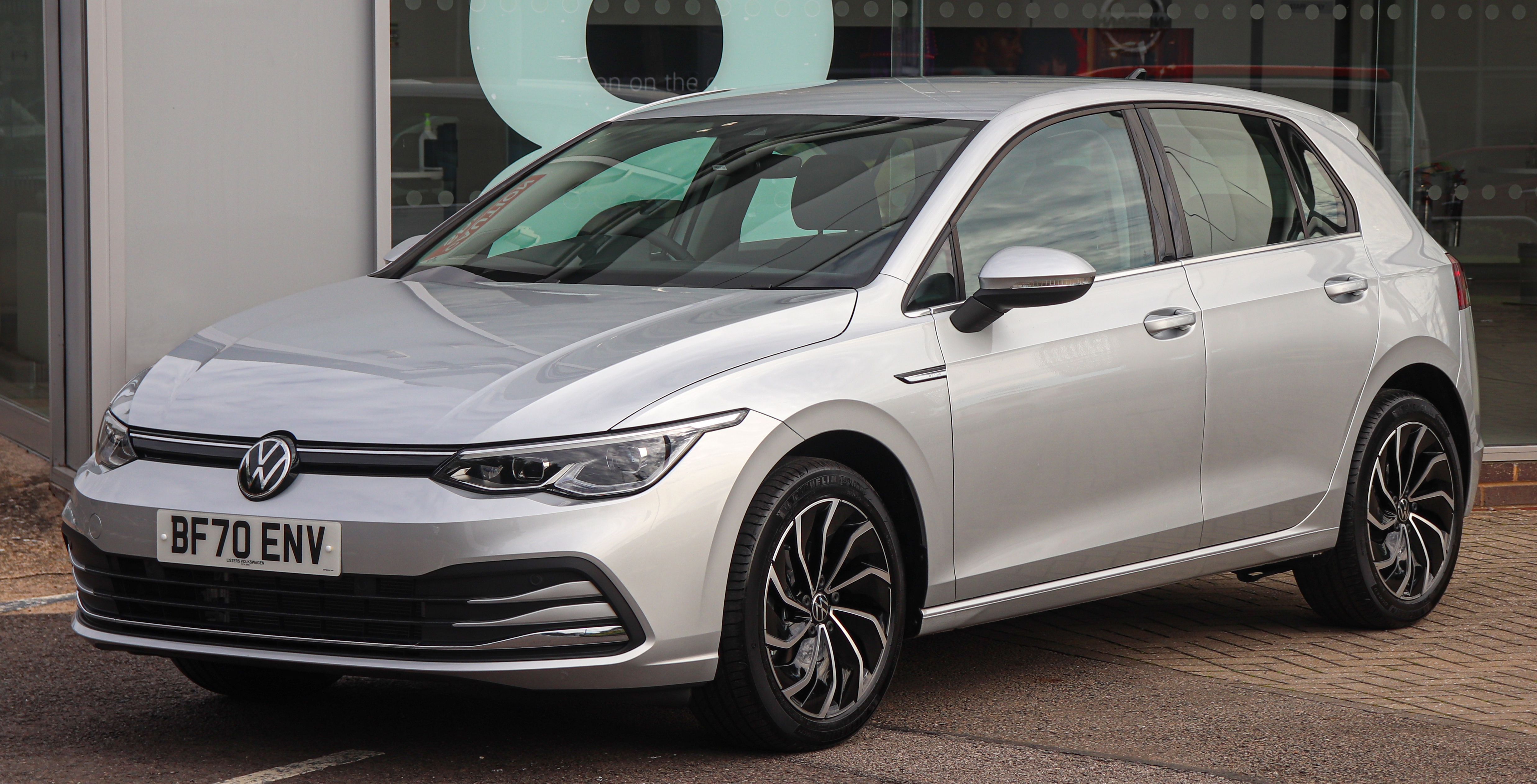
The Volkswagen Golf is a compact car. Some versions, like the GTI, are tuned to feel more sporty than a regular Golf. The podcast is describing a specific Golf as a fun car that people didn’t expect to be special.
A two-step rev limiter is a feature that lets a drag car hold the engine at a chosen RPM before you launch. When you hit the gas to start, it releases the RPM so the launch is more controlled.
The Mazda RX-7 is a sports car made by Mazda. It’s known for using a rotary engine, which is different from the usual engine type in most cars. The podcast mentions it because someone had one and used it in the racing scene.
Car
Honda H22
The Honda H22 is a family of inline-four engines used in certain Honda models, known in the enthusiast world for being a strong base for performance builds. In this segment, the host says the Civic build used an H22 (or H23) short block, which matters because the engine choice affects how much torque the drivetrain has to survive.
Term
preload engine and transmission
“Preload” here means the drivetrain is set up with some built-in loading/tension. The speaker is suggesting that setup made the transmission more vulnerable when they started running very fast quarter-mile times.
Helical cut gears are gears with angled teeth. They can create extra sideways forces inside the gearbox, which matters when you’re launching hard in a drag race.
Term
bevel cut gears
Bevel cut gears are gears shaped to transfer power at an angle. The speaker is saying that angled gear teeth can create forces inside the transmission when you launch hard.
Fortin Racing is the shop/company that built the transmission for the host’s off-road race project. It was made for desert racing and built like a real race gearbox.
The ring gear is a big gear that works with another gear to send power through the drivetrain. Flipping it can help with how the gearbox is arranged or how the power direction works.
SEMA is a big car-industry show where companies and builders display performance parts and custom cars. If someone brings a project to SEMA, it’s usually to show it off to the industry and get attention.
They talk about how Fast & Furious made street racing more popular and more widely seen. They also mention that it could bring more police attention because more people were paying attention.
Drifting is when a driver steers so the car slides sideways through a turn while trying to keep control and speed. It became popular enough that brands shifted toward it.
The Honda NSX is a well-known sports car. Here, they’re talking about a heavily modified version with a twin-turbo setup to make much more power.
Topic
front-wheel-drive vs rear-wheel-drive reliability/traction issues in racing events
They’re comparing different drivetrain setups and saying one group of cars had more problems. They also mention the track getting slick from leaks, which hurt the event.
FCP Euro is a company that sells car parts, especially for European cars. The host mentions them because they have the parts and kits needed to fix the problems he’s researching.
LIVE
Yo, what's up everybody? Welcome back to another episode of Very Vehicular, brought
to you by Viper Industrial. And as always, I'm your host, Brian Scotto. Today, we have
a legend in the industry, none other than Steph Papadakis. This guy forged and pioneered
his way during the early days of import drag racing was a big part in the whole world
of drifting, especially behind building the cars. And we get into a lot of nerdy conversations
as well as some very interesting conversations about what can make all the sports better,
cars, all of that. Enjoy it. I did. If your favorite pair of safety glasses prevented a
catastrophic eyeball loss, those things deserve their place in the trophy cabinet. But if you
just got a bad scratch right in your line of sight, bummer. And Heatwave Visual knows this,
introducing the Skynet, an all new frame that's Z87 plus safety rated with zero horizontal
obstructions. But the highlight feature is the new lens protection film. Think iPhone screen
protector for your safety specs. It even comes with a jig to replace the films yourself for when
you've stared into those mesmerizing grinding sparks for just a breath too long. And on top of
all of that, these are their lightest frames ever. Find them at HeatwaveVisual.com.
Have you ever bought a set of coilovers just to lower your car for looks?
It's okay. Slam cars look great. And while KW suspension has you more than covered for that,
when it's time to step up and make your street car into a track car, they are for the club sport
available in both two way and three way adjustability. This kit offers top motorsport technology
for road going vehicles. It's developed at the Nurburgring, but on street tires. So you can race
on Sunday, but still commute on a Monday. And who doesn't like being able to name drop the infamous
Nordschleife. When bragging specs at cars and coffee,
go find the kit for your vehicle at www.kwsuspensions.com.
Welcome to the show, sir. It's good to have you here. Thanks for having me. I was telling Nick
before the show that like this is a show that I'm really excited about because I don't think you
and I have really had a very long conversation in probably a long time. Like I just want to pick
your brain out a bunch of stuff. And you have been in this for like a really long time now.
I'm not trying to, not trying to out your age, but you're like, I remember reading magazines
with you in them and that was in a completely different sport. Yeah. Well, so I'm 49. Yeah.
And I started getting into modding cars the moment I got my license when I was 16. Yeah.
And I was already going to the racetrack at 17 or 18. So yeah, I mean, we're talking,
we're close to 30 years now. And you grew up here in California. Yeah. Orange County. Yeah.
And I've lived here pretty much my whole life. Yeah. I remember though, you're originally from
New York or you were born in New York? Yeah. So my mom's side of the family is all from New York.
Okay. And I was born in New York and my dad is actually Greek from Greece from the island. Oh,
really? Nothing gives that away. Yeah. So I lived there for a few years when I was really young.
Yeah. But you know, around five years old, they moved to Orange County. Yeah. Where about in New
York? So they're from Westchester County. Okay. Yeah. And Huntington Beach is where I pretty
down here. I was just asking because I lived in Astoria Queens, which is like a predominantly
Greek neighborhood. So it's like, it's like one of the most like Greek neighborhoods in New York,
where if you're not Greek, it's like it's hard to navigate your way around because you'll walk into
restaurants. You're like, Oh yeah, everyone's speaking Greek here. Like literally. So the opposite.
So my mom's family is like Jewish New York family, her sister and they all went to like the city
after and then the only person really Greek in the family is me. Yeah. And my dad, you know,
they got divorced when I was around five or six. So I grew up without much of that culture. Much of
that culture at all. Yeah. Just the name that like attaches to that. Yeah. So I read the other day
because I was like, oh, I gotta do a little background because like, I obviously,
I know you from a bunch of different things and a bunch of different series of both of our lives,
right? From Meyer and the magazines, when you were still sort of making that crossover into
drifting from from drag racing. But I read the other day that so for all that started for you
with RC cars, it's kind of how it all began, which is funny because it's similar for me. But I think
it's actually similar for a lot of people who are our age. So like, what was your RC car like kind
of niche? What were you into? So I anything radio control from when I was single digits,
like 67 years old, I begged my mom to get me the RC car from radio radio shack. Yeah.
And it had originally had the one with the cable that went from remote control or whatever. So
it had the controller and a cable that you're like leashed to the car the whole time. This is
something that I think the younger audience doesn't understand is the running behind your RC car
because it's connected to a cable. Oh man, I remember how much fun it was to walk into radio
shack and there would just be like the craziest stuff there. I had the Turbo Lobo, I think was
like one of the it was like a RC truck that they had that I think was on a cable. It was like, yeah.
The cable RC car and then the the slot car tracks that you would build. I really love the slot car
tracks. Again, you're you've got a cable going from a little remote to the slot car track and I had
the one the basic ones in the house. And then I really begged my mom to get me the one the RC
car from Radio Shack where eventually I had the antenna and it was wireless. And then found the
actual racing track. There was an off-road track in Costa Mesa called RCH and I was probably around
10 or 11 years old and had a little to me a frog and it was the total POS. It was the worst car
and eventually got a RC 10. So this is what the bigger kids and the adults were using and that's
all I wanted to do. And so at the time, this place, Radio Controlled Hobbies in Costa Mesa,
was kind of the epicenter for the engineers and the professional RC racers. This would have been in
the like late 80s. And I got to see people doing this as a career and there every day and I was
like, oh my god, I want to do this. So the next like four years, that's all I wanted to do. RC cars,
go racing. They had club races every night and I was, I wouldn't say I was mentored in any way,
but like the guys that I would look up to, they were maintaining their cars and they were tuning
it and figuring out the tires and lap times and all of these things. So already from like 11 or 12
years old, I'm racing and learning how to kind of tune these cars and maintain them and everything.
So that was my life. I was ready to drop out of high school, go homeschooling because that's
what I wanted to do. And so I could go travel more. Really? Yeah. So you were, you'd gone so
deep in it that you were competitive and going and traveling and doing that stuff in the area or?
I was competitive locally for a 12 year old. Right. But not anywhere nationally or internationally.
But I saw, I was at the club nights with the guys that were. So I can see what my future could be.
I'd be like, oh, I want to be like those guys. And I remember very, very precisely my mom saying,
hey, are you sure that's what you want to do? I don't know if you're going to have much of a
social life. And I didn't really understand what that meant until, you know, many years later.
But by the time I was 15, there were some of the guys at the track that had modified cars.
Because, you know, it's a crossover with guys that are into modifying real cars and then the
RC cars. Yeah, for sure. And I was like, oh, you could do this stuff with real cars? And I remember
watching like Mickey Thompson off road and some road racing stuff. And I was like, oh, I kind of
want to drive real cars, not just RC cars. And by the time I was 15, 16, and got a real car,
the RC car stuff was out. And all they wanted to do was race and modify my real car.
Yeah. Did you grow up reading like radio controlled car action and that as well?
Yeah. Yeah. So but the RC car action was a bit behind because I was literally at the track
with the people that were on the leading edge. Interesting. Yeah. Because as someone who grew
up in New York, and I was never as into it as that, but I was, I loved RC cars. I think for me
getting to a racetrack was really difficult. We had this one place called Queens off-roaders.
And it was like, and kind of a, well, now it's a nice neighborhood, but it was kind of a sketchy
area when I was younger. So it was like, my parents would have to bring me there and then like sit
outside all day. So it was like, it was kind of a big ask to get my parents to do that, you know,
on like the one day off on the weekend. So I only went there a few times, but like,
it was 100% the thing that made me love cars and radio controlled car action. I often give credit
to being the reason why I wanted to make magazines. Because like for me living in New York, which was
not the hub of the culture at all, it was like, I needed that transformation or that transmission
of information of what you guys were doing over to our side to like be cool, right? To be like,
oh, this is what's going on. This is the new thing. And I also had, you know, the gold anodized
tub RC 10. I was more of a Kyosho guy just because that's like what my local hobby shop really pushed.
So it was like that turbo ultimate two and things like that. But the, I did eventually get an RC 10
because that was like the gold standard. So the guys I raced with were Brian Kenwald. I'd go to his
house and they'd make me like polish their dog bones and all that stuff. Cause I was like three
or four years younger than them, but I'd go to the racetrack with them. And so Brian, for you,
people that don't know, like he was like the pinnacle of like global RC car.
Yeah. And the young kid in the group too. Yeah. So he had some medical conditions
when he was young and, and was in and out of the hospital and couldn't go to normal high school.
So he did home study. So during the week when he was bored, his dad will just drop him off
of the RC track. So by the time he was like 17 or 18 years old, he had so many laps and he was,
he was an intelligent guy as well kid. He was just accelerating and, and did really well at it.
And that was the reason why I was like, Oh, I want to drop out of school too and do that.
What he's doing, cause he's got the best life. He gets to play with this RC car and build that
thing all the time and travel the world. So yeah, those were the kind of like Mark Pobedis and like
Novak, like the actual Novak, all those were the, they were at my track. And so we would go to like
rock and bowl bowling after and go to late night cocoa, like dinner at the diner and all these
things. So I'm 13 years old hanging out with these older guys. And so that's, you know,
kind of thinking back. That's where I got a lot of my, I guess I struggled as a professional,
but these guys were professionals. So already at 13 years old, I was seeing professionals
having sponsors and living a life of developing vehicles and racing them and getting the cars
ready and all of this stuff. Yeah. At the time, did you like the driving part more or like the
building and like tuning the cars more or was it a balance for you? It was, it was a balance. It was,
it was the whole process of I need to work on this thing and get it ready and I get these
tires or this motor or whatever it is, make a little bit quicker. Now I'm going to go to the
track and prove it out. The frustrating thing was when I couldn't drive as well as I wanted to.
That was really frustrating. And I learned what being disappointed was a lot when I was that age
because I would just get beat or be out in the front and then crash. And so I was very mature,
which, you know, all of us are 12 or 13 years old. I would try and have, you know, and, but,
but I kind of got over that. I think that kind of earlier in my life, I got that out. Like I
realized, oh, this is not helpful to fall apart and throw my transmitter down and, and just get
upset at things because then I would see older guys do that. And I'm like, yo, that doesn't look
very like adults should do that. And so that just got stuck in my head. And then so, and not that I
don't throw tantrums once in a while to get upset, but like I kind of learned at an early age, like
that's not beneficial. And that's, that will, that's just not professional. Yeah. I mean,
it's a good thing to learn. I think it takes a lot of people in motor sports a lot longer to learn
that. And some people never do. I mean, I think that still to this day I've watched, you know,
especially in drag racing, I don't know why drag racing just is like a different breed of emotional
crash outs than any other sport, but I've watched people absolutely lose their shit in drag racing
and like, and it ended up being handcuffed and like taken off of track, right? And it's like,
it's one of those sports where like, at least in New York, that's like somewhat normal. So yeah,
how did the transition come where you went from 110 scale cars to real cars? So one of the guys
of the track, this guy, RC Justin had a CRX and he had also had a carbureted
Volkswagen bug with like a 21 CCN, 2138 or whatever you probably know all the numbers, but
so built, built motor and he'd build with the carburetors and all this stuff in his house.
So I got a 91 Honda Civic SI basically right when I turned 16 and
took a driving test the day I turned 16, got my license, drove that sucker straight to my buddy's
house and we pulled the springs off and cut them and lowered the car. And because I would just,
I was already staged and ready to knew what I wanted to do.
And that was because of the group of people you were around? Whereas there any, were you reading
what magazines? Because that's mid 90s. So it's like Sport Compact Car and Turbo really because
Super Street's really not a thing yet, right? Or at least not on the level.
Super Street is still years away. So it would be Sport Compact Car, which is mostly show cars
and things like that. Turbo wasn't a thing either because it wasn't really doing import cars.
It hadn't crossed over to imports yet. Yeah. Yeah. So and Mini Truck, because I think probably all
of us kind of wanted Mini Trucks when we were that age as well. So that was the other option of
that it didn't go toward. Could have been a Mini Truck, a Mustang or a Camaro,
but I wasn't about to get a V8 when I was that age and I, or a real-wheel-drive car.
Yeah. So the Honda thing kind of made sense.
And for you, did you or was there much of like a Honda tuning scene that you were aware of
in Southern California yet? Or was that something that you were just like, oh, this is a good car
to get? Because I asked like, because like nowadays it's so easy to see all of that. But back then,
like no one was really paying attention to Hondas on the level that they are now.
So not at the level now, but there was absolutely a tuning scene here in Southern California,
even Orange County at Oscar Jackson, that was based in Orange County. You had light speed racing
that was up in LA. There's a place, I mean, San, San Andrea or something like that. There was
dynamic motorsports in Irvine. There was already, there was Robocard. There's probably 10
or more shops in Southern California by the time I was 16. There was already
a huge street racing scene that was already in the news and getting shut down by the time I got
my license. And that was mostly based sort of South Bay area, right? Was the street racing scene
from, from my understanding of what I like talking to NADS and everybody like that was sort of the
hub for it was up here. There was Long Beach, kind of in the South Bay. There was Ontario,
there was, which is the Inland Empire, there was Silmar and other stuff in the valley.
So it was, it was all over Southern California. And it was a, I struggled to use the word
continuation, but it was a reset of the old hot rod drag racing from the 60s and such.
So now in the 80s and 90s, the folks were using, you know, import cars and stuff,
but they were going to the same industrial streets to do their drag racing. And it was
usually Friday night, Saturday night, there was some Thursday night stuff at Dodger Stadium,
but they were going to the darkest, longest streets with no crossovers in them to try to
do their drag racing. Very different than the street takeovers now where they go to populated
areas and they try to do the intersections. It was very different. We were trying to find the
safest, most out of the way where there's no traffic places. And then, and then that transition
later into like Terminal Island opening and when I was around 17 or so, and that was kind of the
beginning of like, oh, we can go to the track and do this. Yeah. I forget that that, yeah,
because you have Terminal Islands, it's like Brotherhood, like that whole race, like that group,
because that probably made it a lot easier, a lot more accessible for you guys here.
I mean, just like the RC car thing, there was probably five tracks that we could go to all
off road in Southern California area when I was 13 years old. When I started getting into the
real cars at 16, 17, we had Terminal Island Raceway, Pomona would do an event once in a while. You
had Battle of the Imports that was already doing events in Pomona. There was a San Diego track.
There was Bakersfield. You can go up to Sacramento. There was a Vegas thing. So,
and I'm probably even forgetting something. Yeah. You know, so.
I had Erwin Dell even though short of track, but yeah.
There was a ton of stuff and that's the benefit of the Southern California situation is there was
already, you know, in 1995, there was already 50 years or 40 years of racing and tracks and all
that stuff that had, there was stuff closing, but there was tons of infrastructure already here.
Easy to find people like minded. Easy to find people that were also into what I was into.
There was all the car clubs and so I just immersed myself in the car culture that was robust,
just like I did in the RC car culture when I was younger.
Out here, did you find sort of like the old, you know, domestic guys to be
welcoming on the street race side or kind of like annoyed that you guys were there?
Absolutely annoyed. Yeah.
Absolutely annoyed. The front-wheel-drive drag racing thing was,
it made no sense to them. Like why would you make, drag, drag race a car that's worse?
And they weren't wrong. It was worse. It just happened to be what we were into
and it actually worked out probably pretty well for a bunch of us with 130 horsepower cars,
front-wheel-drive, which arguably much more controllable and safer than getting a bunch of
300 horsepower real-wheel-drive mustangs and sending them out when you're, you know, 16 years old.
Right. Yeah. Or like today's generation that has like 1000 horsepower on tap, which is wild to me.
Yeah. Yeah.
Yeah, because, you know, growing up in New York, we obviously had a really healthy street race
community that was actually oddly healthier before Fast and Furious than after. Like I just
felt like there was way more places we could go and all of that. And to your point, it was like
we raced sort of in the shadows. We actually worked as well as we could by trying not to upset the
police. So we used to race Maurice Avenue on the Brooklyn Queens border and we knew like when
shift change was, which gave us like a window to race. But then when the cops would come,
the Brooklyn cops would chase us to Queens and then we'd get to race for another hour.
And then the Queens cops would come and they chased us back to Brooklyn, but they didn't
want to cross, they didn't, they weren't going to cross County lines because they didn't want to
do the paperwork for like what was a small ticket at the time. So it's like we could race for four
or five hours by just crossing the borderline back and forth. I mean, it'd be like crossing into
Seal Beach and Long Beach, like just back and forth all night and go for the whole night.
And then obviously it sort of changed because then it became like a bigger scene and it was
less of just like straight racing. But when we were younger, going in Volkswagen's and Honda's,
we were not welcome. Like all the old Mustang and Camaro boys were just like, what are you doing
here? And this was late 90s. And I think always New York felt a little behind kind of like what
you guys were doing out here. So it was always sort of on a bit of the catch up. But I just remember
how watching import drag racing kind of go from being this thing that seemed like
a novelty to like, oh, wow, these cars are breaking into the nines, now the eights,
now the sevens and so on. What was that kind of transition for you? Because you obviously were
in this sort of building a cool, fun streetcar. I assume that started getting faster. How did
you go from just this being fun to you being sort of one of the biggest pioneers in the space?
Like what was that shift? And in your head, why did you think that there was a future?
Right? Because it's very easy to do something when you see a future in it. It's a little different
when you're one of the first people to do it. Yeah. So there was when I was in the street racing,
there was a parallel path that was like battle the imports. That was really the only import thing.
And some of the street race guys had already stopped going to the street races, basically,
because they had modified their cars so heavily. And the pinnacle was going to the battle the
imports and being the quickest front-wheel-drive car. So around that time, cars were doing 14
second quarter mile, trying to get into like the 13 second quarter mile, which sounds ridiculously
slow nowadays. But back then when your car came with 108 horsepower, it was difficult to do.
And so I blew up my car on nitrous by the time I was 18 or 17, 18, and rebuilt the engine. I said,
and I had been going to the terminal island and liked the idea of I could get a time slip,
see my time, do an improvement, change the driving, and then try to improve that time.
And it wasn't, it was weird because I didn't think of what I'm going to do for work. I just knew
I wanted to do something in cars. So let me just graduate high school and then it wasn't even about
college. It was like, I just want to go work at a place that does car stuff because that's where
I'm going to go learn the thing. And by the time I was 18 and out of high school, my car had been
broken or blown up so many times. It was never really running in a street car anymore. It was
just something I was bringing to the track. And so these guys were running 13, maybe 12
second quarter miles. And I got a job at this place called JG Engine Dynamics up in Alhambra.
And he built race engines for a bunch of the Honda guys. And I was able to work on my car
there. And I just swept the floor, answered the phone, and he was nice enough to give me a job.
And I was able to work my car there. And that was one of the perks. And eventually put a turbo
charged Integra engine in there and made, and this was before the V-tec stuff really, made, I think
it was like a whopping three or 400 horsepower, but was big. That was big back then.
And it had slicks and ran, I think it was somewhere in the 11, 12 or 11,
12 something quarter mile. But now the guys had been in 11 second quarter miles. I was always
like a second behind the leading older guys that had more money and resources than I did.
And at the same time, learning how to build the car as friends with everybody over there.
And after a couple of years of doing that, Buddy and I said, hey, why don't we open up a shop
and we'll do, it'll be a tuning shop. And we're going to put the bigger engines into the smaller
car. So it was Accurant Tiger motors into the CRXs and Civics or the Honda Prelude motors into
the Civics or the Integras. Because by that time, I had a knowledge of building engines,
the wiring on the cars and all and some mechanical stuff. And that was, that was very popular. So
people are buying a car, they'd buy the engine from the Japanese importer or from the wrecking
yard, they bring it to us or we'd source it for them. And we'd put, you know, a Honda Prelude
that makes, you know, a 2.2 liter that's makes what they make back there 180 horsepower in a CRX
that, that, you know, weighs 2000 pounds and the things would rip. And so we knew how to do the
wiring, the fuel system, the mounts, the shifting, all that stuff and get it done. And so we started
having those cars in like Turbo magazine and maybe Super Street was around by that time.
And they'd put our little, the shop was called Honda Pro. And so we just started getting more
and more business. But in parallel, I was racing my, my 91 Civics still, still that first car that
I got when I was 16. And after about two and a half years at the shop, I met this guy, Sean
Carlson, who great fabricator, he had worked with this guy, Jason Whitfield, and built him a really
cool car. But they were never really able to get these cars to the start line of the track, to the
finish line of the build or the start line of the race track. And he promised to help me or we kind
of worked on a deal to help me with my, my old 91 Civic that was now pretty beat up,
wanted to like restore it in a way and make it better for the race track. And so I brought the
car up to his place and the front end was all, let me give you, there's so much to the story that
it's hard to like get into the car. What year is this? This is like late 90s now? This is no, this is
still mid 90s. This is, this would have been like 1997, 1998. Yeah. And I had put a prelude engine
in the car, but they don't really fit in these old EF chassis Civics very well. So I had used the
plasma cutter at my old work and cut a bunch of the, the, the frame rail to make room for the
transmission and the pulley and then just fabricated the mounts and drag races. And it was running 10
sixes, but the front end was all tweaked up and had a primered hood. I didn't care at all about the
look of the car. I just wanted to go faster. And Sean, who's really good at making stuff look good,
and he was a really good fabricator was like, look, you need some help with this stuff. I'll help you
out. So we figured out a deal that he was going to help me out. It brought the car to his house.
And we realized that the front of the car was so bent, we might as well just tube chassis it.
And this was Sean's MO, like everything snow snowballed with this guy. And because he was
such creative and such, he always had the next better idea. He can, he just never finished anything.
So I managed this, the project a little bit or a lot and then was like, okay, this is where we
need it to get to. So he did the fabrication. I did the engine and everything and the turbo stuff.
And we brought the car out maybe like six months later, front half. So it still was a 91 Civic
with the prelude motor, but it was tube chassis in the front ran it. I think it ran like still
like mid tens. And we're like, it's still not great. I think that we could go much faster
if we can get some weight down on it. And so we decided to just tube chassis the whole thing
before the next battle the imports. So we had like, I think five or six months
and decided to like, all right, now we're just going to cut the back of the car off,
keep the front tube chassis and tube chassis the whole thing. And we're like, you know what,
why would we do that to a 91 Civic? Let's just do it to a current car. And at the time it was 97,
that was an EK. And I'm like, oh man, I don't want to buy a whole car to just tear it apart.
So we bought a roof and doors and rear quarter panels and basically parts, body shop parts.
From the dealer and hung it on the tube chassis. And the concept of this car was we
are not going to have any of this, anything on this car that's not needed, only what the engine,
the thing to make the engine work, the tires and everything else behind the front axle,
including me, is just dragging along weight that's going to make the quarter mile slower.
So get the weight down. So it was like minimal tubing, this little aluminum RCI
seat, that was probably the most unsafe thing ever. Like the floor was just thin aluminum
on top of a round tubing and a little metal plate for where my feet went. And then we hung the body
on it. And we came out with that car, I think in 98 or the end of 98. And we were the first
into the nines with that car. Everything worked. Yeah, the concept was right. Get the bigger tires
on there, get the weight down. It weighed 1,650 pounds with me in it. Wow. So I mean, it was
massively or minimally, you know, and that's officially the first ever front wheel drive
tube car, right? At least in the US that we know of, like on record. Yeah, there were other tube
cars being built, real wheel drive, but the guys again, couldn't get to the finish line to finish
them for maybe they didn't know the fabricator that might run out of money. But for whatever reason,
this moment, this was the tube chassis era. Everybody said I needed to build a tube chassis car,
but we were really the ones to kind of come out and complete it and get it down the track
consistently. And so that was yeah, first into the nines and the front wheel drive records,
HKS in Japan had I think a Celica that they were doing that was around the same times.
So like there was a bit of a race and then Apex in Japan came out with an Integra with a
prelude motor as well that they were going after the nines. So there was a lot, a company called
Top Fuel out of Japan. There was just a lot going on at that time trying to break these
front wheel drive records. But because we got this car done quickly, and then it was like,
okay, I can see the next step here. Let's make a little bit more power. Let's put stage boost on it.
Let's put a different tire on it. It was like these, let's put a wheelie bar on it because
the Bergen Holtz figured out the wheelie bar thing soon after on the unibody, but they were heavy.
And we made a little bit more power. So we're like, okay, we're going to take their idea,
put the wheelie bar on it, but we're lighter weight and we make more power and then boom,
we're half a second faster than them. So like we're always-
Let's talk about the wheelie bar for a second because I think that I remember we used to race a
CNN performance team that I used to work with. We used to race a front wheel drive,
Volkswagen Jetta, that we were the first into the nines years later. So like, you know,
it always takes Volkswagen's a while to catch up. It was like 2002 or 2003, we got into the nines.
And I remember like the old like Chevelle dudes would be watching us pull up with the wheelie bar
and having like the bigs up front and the littles in the back and they just couldn't,
like they just could not wrap their head around why we had wheelie bars. Like,
like when Bergenholz first did that, when you guys saw that as an idea, like how did that all
sort of come together and why do you think it became sort of like the thing that, you know,
really kind of moved the cars forward? But like, were you thinking in the same place or was that
like an idea that really stemmed just from them? I was not thinking that way. This is
something that stemmed from the Bergenholz. They had worked with a, I think a Volkswagen
Drag Race guy, maybe Ron Loomis. And I think together they had come up with this idea that
well, if we put the wheelie bar on there, it's going to extend the wheelbase and that's going to
help grip. I don't know exactly what their conversations were, but they were definitely
the first ones to do it. And then after seeing it, I was looking at the car on track and really
thought about it. I was like, Oh, they're right. So the way this works, the way the wheelie bar
works on a front wheel drive car is, so let's take your front wheel drive car without the wheelie
bar. When you launch and the weight transfers toward the rear, the, it has, is picking up the
front of the car. It's kind of pivoting on that back axle. So what we want to do is make as much
weight as we can over that front axle and even in front of the front axle to have that weight that
transfers is farther out on the nose of the car. And so if you put a wheelie bar on the car,
and that wheelie bar is basically touching the ground when you launch,
now your pivot point is not the rear axle. It's all the way back where the wheelie bar wheels are,
and it has less leverage to pick up the car. It has to pick up the entire vehicle
when it launches. So it, you have more weight over your front tires when you launch essentially,
and it helps grip. It keeps the front of the car down. And so they figured that out. And then we
kind of took it to the next step where I thought about that. I was like, Okay, well, then we want
the lightest rear springs that we can get away with. So then on the car, what we did was we put
like, I think it was like 80 pound springs in the back of the car. So when you pushed on the back
you don't need them anymore because the wheelie bar is kind of doing the work for you.
Yeah, we don't want them. We want when that car, the front end lifts up, we don't want the rear
springs to help lift the whole car up. We don't want them to do much. And then what we did is we
tuned the rear shocks. So they had a ton of rebound, really slow rebound, but really fast
compression. So when you launched, it could slam onto the wheelie bar, but it didn't want to come
up. So it would basically lower the rear suspension and hold it up. So it just stayed on the wheelie
bar the whole time. Before the wheelie bar, what were you guys doing for to kind of prevent
the cars from squatting? What was sort of the tech before that? We wanted the rear suspension
as stiff as possible. So when I had my 91 Honda, we got to the point where we literally took the
rear shock and I welded the shaft to the shock body. So there was no rear suspension. And the
concept there was, well, any weight transfer suspension, anything in the rear is going to cause
more weight transfer. So let me just lock out the rear. And that was an idea that came up with from
the top fuel cars. Top fuel funny cars don't use suspension. They just use the tires and the chassis
flex. And I was like, well, we're drag racing. And I came from RC cars on the pan cars had almost
no suspension. I was like, well, if the track is flat, and the tires have compliance,
then what do I need suspension for? And it did help, but it was dangerous if the thing got a
little bit out of line, or if the track was a little bit contoured. But we pretty much stayed
off the guard rails at the track. So that didn't turn it too much of an issue.
Yeah, we in our street race, VR6, we did lockouts for the rear. So that like right before we'd run,
someone would have to go in the back and reach up and put in a lockout so that it wouldn't
squat. So that way we could still drive on the streets to get there. Otherwise, it would just
be miserable. But then we could like lock it out. So it was kind of one of those like little secret
pieces, because we basically had a, we had a full blown track car. And then we had the same engine
in a stock looking car for the street races, which was really fun because, you know, it was just a
black GTI and like no one thought of it at all. You guys had some resources. Yeah, we, I didn't
have much money. I was 19 years old or whatever, 20 years old. And it was like, what can we do
with just the tools in the shop? So as well, the shock, we would take the rear hatch off
and take a piece of Lexan from Home Depot, kind of cut it to shape and then like tape it or try
to screw it onto the rear to get the weight down. I mean, these cars were hacked. But
But when you guys were in the beginning of it, we were so many years later that we were just
watching what you guys did and said, oh, let's, let's try that. But I remember when I saw the
first wheelie bar, I was like, what? That doesn't really make sense. And then it makes perfect sense
when you think about it, because you just don't want the car to squat and lift the front. It's
like the same situation because even though it's not rear wheel drive, it's like, it's still just
like, you know, motion like force moves back. And that's kind of what you're dealing with. And
it's a weight transfer problem. And you just don't want weight to transfer. So it's like that worked.
How much do you think that like, how much different tech sort of do you feel like that
initial group was involved in, in, you know, in the sort of front wheel drive import drag era?
Because if you think about it, at least from my perspective, it didn't run for very long,
but it ran really hot when it was going like it really took over the space. And it was this huge
thing for, I don't know, probably almost a decade. But it felt like every year there was like another
massive improvement, right? Where like, traditional hot rodding and traditional drag racing was sort
of running steady, because that most of the technology that they had brought had spanned
in the 50s and the 60s. And they were kind of continuing to develop there. Like,
how often did it feel like, oh, there's this whole new technology and it's put this other team ahead?
It was constant. Every next event, there was, it felt like there was, you know, every six months,
there was another technology that was coming out. But in drag racing, we had the luxury of,
there was 50 years plus of drag racing knowledge, just not front wheel drive. So then we would learn,
oh, two step rev limiter. Oh, you know, a stronger axle so you don't break. So you find the axle
shop that already exists. Oh, we do a little bit of arrow on the car. Oh, you know, you just kind
of like kept applying stuff that had worked in the past just to our front wheel drive cars.
But in parallel, there was a whole rear wheel drive scene. You had Adam Saratari with his RX-7,
you had Abel Abara doing tube chassis stuff already. So we weren't the fastest cars of the track.
There were people running, you know, eights and sevens, sevens, but there as well. And that kind
of just led into, you know, the bigger stuff in the future. Is that why you shifted to rear
wheel drive eventually? Yeah. So the front wheel drive car that I just discussed that it was a,
that 97 Civic, ultimately the problem with that car was it used an H22 or H23 short block,
but like a preload engine and transmission. We got to the point when we started running high
eight second quarter miles that it couldn't launch and last like three runs, we'd break the
transmission. And the gears inside are like helical cut or bevel cut, so they have an angle
to it. And the best I could understand was when you launch, the ring gear was trying to like shove
out or actually the counter shaft was trying to shove out the side of the transmission.
And so after like two or three launches, we'd break the case. And so I'd go to the track with
a couple of transmissions and break them over the weekend. And I was like, this is
masochism. Like, I don't want to do this. So I was at a SEMA show one year, it would have been
probably 99. And I was looking under the hood of an Audi rally car. It would have been like a 91.
Yeah. And so the Audis used, similar to the Subaru's, used an inline engine with a,
what seemed to be a trans axle on the front. And then part of the out drive would go to the rear.
And I looked at this and I was like, oh, the engine's really far forward.
And the transmission is narrow. So we could have more space for suspension and get the engine
farther out forward to help front grip. Like this seems like the way to go. So then I started
going down and sort of doing researching those transmissions. And eventually ended up looking
at like Volkswagen transmissions. I was like, oh, that's essentially the same thing, but it's just
it's just two wheel drive, which is what we want for the front. But all the Volkswagen transmissions
were from the factory weren't what we needed. They didn't have enough horsepower. So I started
looking after market stuff. The company called Fortin Racing in San Diego built a off road
Baja type transmission that they would put in class one desert buggies and stuff like that.
And it could deal with the transmission. It was straight cut gears. You could choose your gear
ratios. There were dog engagement. So it was like a race transmission. He said he could flip the ring
gear either side, he could flip the transmission upside down. And I was like, all right, well,
this is how I want the configuration. He's like, no problem, I can build a transmission.
So we then took the prelude engine that I was running before, then put it on methanol
and used one of those Fortin transmissions and built a new tube chassis car around it with
better front suspension, again, the weight farther forward, still using the concept of
really lightweight, the wheelie bars, all that stuff was already designed from the beginning.
And Sean helped a bit like with that, but he was already doing some Ford stuff. And my buddy,
Rob Miller, helped with the build on that car. And so he was did most of the build on that one.
And that one we were able to get into the low 88 12 at 184 miles an hour was that
that vehicle. And that's still front wheel drive, drive. This would have been
in you just put the engine further forward, further forward. And with the thing I hate about
Audi's work really well in front wheel drive drag racing. Totally. And so this, let me give you
some context here. This would have been in 1900s. This would have been like in the late
century, late last century. Yeah, it would have been, yeah, it would have been 2000, 2001.
Because we brought it out to SEMA and we ran it for a couple of years, 2001, 2002.
And this is sort of peak like import drag racing era. This is where like the money
starting to run in like brands like General Motors are like starting to think about running
programs, Mazda's involved with Bergenholz, right? Like this is where things are starting to kind
of get bigger, right? Just to, I just want to place the time, right? So yeah. So 2000 ish,
2001 is when fast, the original Fast & Furious came out. Yeah. And now you have like DVD sales
and you have a bit of internet and then you have all the magazines like everything is.
Just to take a quick pause, how was that impact for you? Because like as someone who enjoyed
street racing, Fast & Furious had a little bit of a negative thing because it brought too much
police attention. But for you who were now in the business side of it, like what was the change
that you felt that that movie brought to the industry? The sense and the reality was this went
from like these obscure front wheel drive cars at these obscure import races to more mainstream.
And so you ended up having, it also moved from the import car scene to the sport compact car
scene because you had Chevy building cars for the front wheel drive performance cars. You had
Ford building cars. There was, you know, not just the import cars or the Toyota's and the
Honda's and such. It felt like, oh, this is our time. It's going to go mainstream. We're going to
be professionals and we're going to, you know, be the next greatest thing in motorsport. Yeah.
But, and it was popular for, you know, and it was popular and there were car shows at
Hot Import Nights and there was just so much to it. It was huge boom. But it also went along with
the carryover from the street races. It was kids getting in trouble on the streets. It was news
of crashes and street racing, all of these things, which is not long out of, but there was a, it was
sort of linked. Yeah, it still felt like it tainted it all right. Totally. Yeah. And so it was challenging
to get some of the bigger companies in there. And then our events were big and, you know,
we'd have 15,000 people, but they weren't NHA national events where they had 30,000 people.
Definitely wasn't NASCAR when they had 60,000 people at these events. So in the world of motorsport,
it was small, it was still small. So it was difficult to get bigger sponsors. But, you know,
I was able to now make a living doing it and really enjoy traveling around and building
these cars. And then we were competing against the Chevy guys and they were going after us in our
record. So it was super motivating. And again, I'm still in my 20s. Yeah. And so it was, it was
for sure a boom. And I was loving every minute of it. Yeah. Do you feel like that space sort of
just like, it was almost like someone turned the lights off one day? Because from my perspective
and the outside, it was like, it was the biggest thing. And then all of a sudden it was gone. And
then a year later, it felt like drifting started to fill the void. Do you, do you feel that way
living in it? Or do you feel like it kind of slowly sort of petered out? And I know that
there's still a ton of people racing in ports, but the professional side of it seemed to sort of
turn off one day. All of a sudden, all of the, all of the brands that came running in seemed to
either move to drifting or go do something different. So this is my take on it. I think it
ramped up over a bit of time and it, and it, you know, but when you're 22, two years is so long.
You know, when you're older, you realize how you look back, that was six or eight years or
something. And it was a bit of a blip. But when I was living in it, it felt like an eternity. So
whole entire lifetime. And this is what did it for me. So around 2002, I thought, okay, this is
going to be a bigger series. I want to be in the fastest class at the track. And so we started
building a real wheel drive car. And that's the one, the red one that with AEM that we ended up
building and ran into the sixes. And it was, it was twin turbo NSX engine. It was a really cool car.
So we ran that from 2003 to 2005. But as we're doing that, I'm realizing, oh, these events are
actually not that good. Like we'd only have six to eight cars, maybe in our class with the
real wheel drive stuff. The front wheel drive stuff was kind of breaking down. And we'd always
have oil downs of the track. And I remember very clearly my mom coming to one of the races
at Pomona. And it was one of our big events in probably 2004 or so. And there were some oil
downs and it was hot. And she's like, honey, I love you. And this is great. But I think I'm going
to go now. And so it was like even a sport a mother can't love. Well, and well, I just realized
the show wasn't that good. At least that was my take on it, right? It was sort of built around
us racers. And it was built around the magazines and like these moments that you'd see on the
internet and whatever of the runs. And it was backed by an entire aftermarket industry. So
there was a reason for it to be there. But I thought I'm always into progression. So I was
like, what does this lead to? And I didn't see a bright future. And I was like, this isn't leading
to where I really want to be. And at the same time, we had done a couple of events with the
NHRA Pro series. They had brought us out there and we had oiled down their track and it would
blown up. And I was like, oh my God, maybe we don't know what we're doing. But at the same time,
I met these pro drag racers that had been on tour for their entire life. And they got their red
solo cup and they're getting drunk after and they're just going from track to track. And I was like,
I love cars and I love going on the racetrack. But I don't think I love it that much. Like
there's other stuff that I love to do. It's like carny life. It's like you show up, you build up
the booth, you race and you pack up and you go to the next town and that's your life. And so,
you know, I grew up behind Tim Beach. I'd go to surf class in the morning before high school. I
went snowboarding. I love to go out with my friends and hang out. And like there's all these things
that I love to do in addition to racing. And I wasn't prepared to make it 90 plus percent of my
life. And that was that moment where I realized I'm a car guy, but there's all these other people
that are more car guys than me. Oh, hey, please pardon this little story time interruption brought
to you by my good friends at FCP Euro. A few weeks back, we kicked off a whole new show called
Firing Order. And now I'm searching for BMW's late night on marketplace because I made a big
argument that the BMW Z4 M coupe should have been one of the top five drivers cars after 2000.
While it didn't get into the top ranking, it definitely got into my head. And now I got a
little bit of an itch to scratch. First thing of course you do at this point is you start looking
up all the problems. Sure enough, there's a bunch of garden variety issues, TPS failures, rear
trailing arm bushings, engine mount failures, sticky idle control valves, problematic clutch
delay valves. But the main event, rod bearing replacement and Vanos system rebuilds. I'm
pretty sure Vanos is German for VTEC. I got a double check. The good news is though, I went over to
FCP Euro and not only do they sell all of the parts I listed above, they even make a full refresh
kit for the Vanos. So those of you who are listening, what am I getting into with this whole Vanos
issue? Decide whether or not I really want to get myself into a summer fling with a Z4 M coupe
or am I just on a road to heartbreak? So if you too are thinking about adding a little European
flair to your mid-summer night fever dream, head on over to FCP Euro because they're the best at
helping keep European cars on the road by supplying you with all of the parts you need for those
somewhat unreliable but beautiful vehicles. Check them out. FCP Euro.com.
The adjustable wrench is a shameful little tool, right? While super convenient, it's definitely
a jack of all sizes and a master of none. You wouldn't catch me dead using an adjustable on
camera for fear of comment section scorn. Thankfully, wearer tools created the Joker
self-setting adjustable wrench, which as you apply pressure, tightens down the German engineered
jaws to prevent rounding off. Finally, thanks to the Joker, we can use adjustable wrenches free
of shame in the light of day without the stigma of that oh so convenient but not so precise multi
tool. Come out of the shadows and proudly buy a Joker adjustable wrench at wearertools.com.
There's all these other people that are more car guys than me, you know, and I started getting a
wandering eye and the drifting stuff. I had been to one of the D1 events that they had here in
2003. I was there too. Yeah, and and so this drifting event was I couldn't get my head around
and I remember watching drifting in an option video. Yeah, probably like the JGTC event where
is D1 and JGTC at Fontana. Yeah, but they had that Irwindale one I think that I went to before
that. Okay, okay, yeah. And so maybe it was before 2003 but I remember watching an old option video
because that was some of the earliest that we'd seen like 99 or 98 or whatever and there was
multiple cars drifting on a mountain road at night and my brain couldn't comprehend it like I saw it
but I couldn't believe that people could drive cars on the road and drift in tandem in that way.
Like it just didn't register like I remember later looking thinking back that I saw this on a video
but I was so I just didn't like get it like I didn't think that there could be that
much skill that they could do such a thing. So anyways fast forward I'm looking at these guys
on track and I'm like that looks pretty fun and they're having more track time and I'm like I feel
like I could build an engine for that and I can kind of build a car and so on the side I built a
Nissan 240 in 2004. We had been working a bit with Honda so in 2005 we built a Honda S2000
and I was just kind of playing around on the side and I was like oh dreams of grandeur like
I'm a pro drag racer I'm gonna be a pro drifter at the same time I had a Honda Challenge car that
I was running a NASA I had a little shifter car that I was bringing to the track so I was going to
the track almost every weekend and I had a sand car that I was going off-roading with so my entire
life was I had no kids I was unmarried everything was at the shop and everything was building stuff
but it wasn't just drag racing there was other stuff that I wanted to do and there was this moment
that I felt like there was this moment in drift where I was like oh this feels like drag racing
in 1997 I can backdoor motorsport again like it's something I want to do the cars are inexpensive
to build the technology is relatively low I feel we can get on the front end of the technology
relatively easy and I can learn how to drive these things and I could be a pro drifter.
By then in 2005 I realized I'd crashed my car at my 2000 enough to where I was like oof
maybe I've missed the boat here or maybe I don't have the talent to do it or maybe I'm
spread too thin because I'm doing all these other things whatever the case if we're going to do a
pro drift team I don't think I'm the a driver that can go win these events yeah was that a hard
thing to kind of grab because up until that point you were one of the you were if not the top name
one of the top names in import drag racing and now you're in this other space and you're making
the decision of like oh I might be past my driving prime I'm gonna change to a team owner position
like was that hard to because I've worked with a lot of race car drivers it's not an easy thing for
most drivers to do but I've heard you talk about it before and it seemed like maybe it was an easier
transition for you how was that it was relatively easy so step back to when I
had my old tuning shop and I was at my tuning shop when I was whatever I was 22 years old but also
drag racing on the side and when when Sean and I built that yellow car uh I had to decide like
am I going to go full drag racing or am I going to have the shop and I decided I can't do both
really well I'm going to close the shop and I'm going to go racing so so went over a few I skimmed
over a few parts of my life there but one of them was I'm going to go for a pro I'm going to move
back into my mom's house I'm going to go full pro drag front-wheel drive drag racing and I'm
going to close the shop so I had already decided some big life decisions kind of earlier and now
so I'm here you know fast forward to 2005 and I'm like I need to bring in someone else that could be
a top level driver so I had met Tanner Faust at the same time because I was doing some of the
drifting event or all the drifting events that year that Formula Drift had he was as well so Tanner
had uh some car trouble but he was a great driver and I could kind of see like yeah
because I was now driving I could see the difference between the good drivers and the
bad drivers and I was like oh this guy's a level up so it was Reese Millen, Sammy Hubernett and Tanner
were clearly the best drivers um and you had a couple of Japanese guys and a couple of Americans
that were also good but they were a level up yeah and so Tanner was looking over at our pit and was
like oh he builds pretty cool cars and I'd talk to him about car setup and stuff with as far as
engine stuff goes and um in 2006 uh worked with AEM for the drag racing for years and I convinced
them that hey guys the drag racing thing may have run its course let's go to drift and for the
budget that we had in the drag racing this rear wheel drive car we could do a two car drift team
we'll put Tanner in the A car and we built him a 350Z and I'll be in the B car which is the Honda
S2000 and we'll go to all the the form of the drift events and some D1 stuff that they had it
and they were with it yeah and so we basically retired from drag racing
at the end of 2005 and 2006 built the two car program and were fully invested into to drift
at that point and then that really exploded for you it did yeah and I kind of was watching the
drag racing continue to have to struggle yeah um and the the drift stuff just until this day right
you know fast forwarded 20 years later and it's still as strong as ever so um and then so we did
the drifting for uh we started the drifting program and within the first three years 2006
Tanner got third 2007 won the championship 2008 uh and 2009 we did a deal with
Scion with the Toyota brand and uh we were gonna build a TC Scion TC for them rear wheel drive
converted put Tanner in that car and I made another decision I was like oh I'm kind of not
having that much fun driving anymore I'm spotting for Tanner so I would not qualify put the headphones
on go up and then spot for Tanner and I was kind of almost looking for a way out so we were able to
we reduced it to a one car program uh we brought Rockstar on as the they were already a title
sponsor by this time on the on the z but now we're working with Scion Rockstar energy drink still
AM we're working with Toyo tires at the time and we had a solid sponsored real program and and Tanner
was also doing rally stuff you there was starting to do that's how I knew Tanner
was to rally yeah and Tanner is um he's an amazing driver I mean just like his ability to get into
anything and just instantly be able to wheel it I had a brand new Z06 like no one had even driven
it because I was in the magazine business and like handed it to him and we just went sliding
these roads and like the amount of commitment that he had from go was like was just blew me away
because it's like this is a car you've never driven before had never driven anything similar
to it and was just like yeah I'm just gonna casually put this like six inches off the wall
like great and so there were moments like that and there was a lot of those moments
in addition to Tanner was good with the ladies he was doing he was doing stunt driving
he was a really nice guy yeah he was honest like he checked all of these boxes you're like
what a dick like how did he get so much when others get so little um when I first met him
I thought he was like six years younger than me because he looked so young and I met him and I was
you know I was probably in my late 20s and I figured he was like years younger than me
he's like yeah and then he was like I realized he was actually like a you know for four or so
years older than me I'm like how do you look so young like and then he maintained that for most
of his life it's like it was like yeah how did that work out for him and he had an amazing work ethic
he was flying around the world living out of a suitcase so so anyways um so Tanner did a great
job uh with us eventually he retired and uh and then continued on the rally in the stunt and top
gear and all the amazing stuff that he's done then we brought in Frederick Osbow and continued with
the whole Scion in the Toyota program what was uh to rewind a little bit I mean obviously it was
really controversial when you guys took a TC and made it rear-wheel drive I know that there was a lot
of conversation of like should that be should it not be what was sort of your perspective of it in
the sport um versus maybe some other people who felt like hey rear-wheel drive cars should is what's
all only should be allowed here versus Scion coming in with you know sort of wanting to be in the
space but not making the car for the for the sport what was one what was your perspective in
that from sort of a builder engineer but then two sort of what were some of the hurdles that you
guys had to go through inside of like FD to make that car sort of you know legit and legal
yeah so I came in when drifting was already established from a uh the underground scene
to the core drifters in Japan and there was a core drifters here in the U.S.
and there was a connection I think that they had to the spirit of drift and the way that you drove
and the way that the cars were and kind of looking to the Japanese history of it I came in like this
is really fun I want to kick ass at it and win and so I just looked at the rule book which was like
two pages back then brought in our driver that you know Tanner that that uh was an amazing driver
that that then we just said hey what is the car that we could build that works within the rules
for Scion and what engine do we want so from day one it wasn't about what the guys were doing
before if you're if you're thinking that way then you're always going to be a step behind
the idea the concept was let's leapfrog to the next thing but understand it when we're doing it right
so we did that with the tube chassis stuff we did that with the drag racing stuff and so now
we're doing that with the drag sorry with the drifting and so TC Scion only made front wheel
drive cars and they want us to use the TC and but we need to make a real world drive and uh
if you want to have OEM manufacturer support and it's going to be Scion that cared about it
you have to allow a front a real world drive converted car like there's no other way around
it I guess like I understand that some of the folks maybe wanted to say core or whatever
but the next if you want to do this for a period of time you got to be professional and bring on
sponsors and that was one of the the the I think the necessary things that had to happen
and for me that was right up our alley I've been in the engine swaps for many years
let's do something unique to talk about people love the car because it was again different
and so the car was a 20 let's say it's a 2011 Scion TC and we talked to the Scion guys and we
said hey we want one of those NASCAR Toyota engines that they're using you know in NASCAR
and do you understand that these engines are not modified factory cars they're they're pushrod
they have overhead valves it's basically a small block of small architecture but with like
global engineering experience from Toyota so like the block nothing is small block Chevy
the block is Toyota the camp like everything is like bespoke just for this NASCAR program it's like a
tens of millions of dollars into this thing and uh and like hey can we get one of those engines
and the Scion folks were like we don't know anybody so over there so I was bold enough to
like start making phone calls because I had known people from the drag racing and I was like hey we
want to use one of these things so I connected someone at Scion with someone at TRD and eventually
realized that they had this interesting story so NASCAR I hope I get this right
Toyota said we want to run NASCAR and and so NASCAR is like sure but you got to start in
this lower lower series we're not going to let you straight into cup right so Toyota built these
custom engines for running in I think it was the bush series or whatever like the the lower end
series and the truck series and they were called the phase nine engine and this phase nine engine
made 800 some horsepower and they made hundreds of them because they're in all the trucks and all
these lower class cars and everything and finally NASCAR let them run in the cup they said all right
we'll let you run in cup but you and but you have to make these changes to this engine like the
engine was almost too good and so they went to I believe it was like the phase 13 engine I may be
getting that number wrong but like the next evolution of that engine so all of these previous
engines there's like a hundred or so of these engines all became immediately obsolete so it
was the right timing where they're like uh yeah we'll give you a couple of them yeah but you need
to work like to buy 30 of them well it was nice enough that they donated the engine to the program
but it was a used engine that had been run a short course yeah and we worked with a company called
ed pink racing engines and they worked with and they were here in LA and they worked with
Toyota on their midget engine and some other v8 stuff so the engine was over at ed pink and we
told them what we wanted to do with the engine we want to go drifting so they picked the cylinder
heads with the smaller ports for the short tracks and a different intake manifold uh that was for
the short track and we raised the compression because there were limited compression but we
weren't so we we raised the compression in it um what was the compression on that engine I think
they were limited to 12 ish or something we went up to 13 and a half okay uh it was a different
custom cam I remember the cam being like $2,500 or something like that for like because it's
again it's a bespoke part right so you got to buy the core and everything um and then we put
fuel injection on it because back then they were still carbureted yeah yeah uh so we put an AM uh
a fuel injection on it with eight injectors and a throttle body and I think we made like 650 horsepower
because we needed power from 3,500 rpm up yeah and we needed to live idling and all of these
things that the NASCAR engines don't do like they live at 9,000 rpm right so when you hear these
800 horsepower plus numbers their power band is from like 7 to 9,000 rpm so if we want to make some
power at lower rpm then we have to do a different cam different heads that really restricted a high
rpm uh but we have a much broader torque band and power band so anyways um they built us the engine
we shoehorned that into the uh scion tc uh we put a g-force gsr transmission on it which is a
basically a NASCAR transmission and a mark for supra rear diff and axles and everything
and it was relatively competitive out from the beginning um but we were because now we're in
this world of there was nothing available for this chassis there was no steering
suspension there was no anything we had to make everything right and so the development of the
get right but back to your question which was you know how did you know the the scene and all
this stuff feel about it I think it was it was uh it was polarizing yeah you know some of the some
of the people thought it was it was weird because it wasn't a competitive advantage it was absolutely
a competitive disadvantage yeah yeah yeah because this was not a sorted car yeah and the engine was
really far forward to put some numbers on this you you want closer to 50-50 weight distribution
on these cars maybe 52 percent of the weight on the front 48 percent on the rear to have a good
road race or or drifting car yeah and the s chassis and all that stuff had it the limitation that we
had on the scion tc was it's a front-wheel drive chassis with what they were building back then
all these front-wheel drive cars what they call a cab forward design so the engines out in front
of the axle the whole driver and passengers moved forward in the car so you have more uh space inside
the vehicle but the firewall in the engine bay is only eight inches behind the front axle center line
so most of the engine bay is is is much shorter if you look at the hood line on that compared to
any real-wheel drive cars it's tiny so the engine is mounted very far forward so we found kind of a
loophole in the rules where uh you could modify the firewall to allow like alternator clearance
or or intake manifold clearance so what we did is we removed the firewall from the car
we basically reformed it by hammering it out and everything to have it sort of go rearward
more and then reinstalled it into the car so it was technically the factory firewall but we had
reformed it so we could get the engine i think 12 or 14 inches behind the front axle which helped
the weight distribution and eventually they closed that loophole a few years later and they said you
cannot move the engine rearward of where the factory firewall originally lived yeah um so the next
car that we bit built you know didn't have that mod well it's an interesting thing i think in any
sport where there's always like in the in a recent episode of firing order we did um chris stewart
from gridlife said you know racers are gonna race right meaning like no matter what they're
gonna try to progress they're gonna push the limits they're gonna you know exploit the rule book like
that's just what racing is and that's part of it and i think you get to this point in any sport
where you go from this grassroots element where everyone just really enjoys going and doing it
on the weekend to like okay now we want to win and like when winning becomes the focus it's like
progression comes so i think you know in drifting and a lot of people that i've had like these deeper
conversations of like drifting is now you know it's been around for a while like it's not the
new sport anymore like it probably still feels new to us because we remember before it but there
are kids now who are watching drifting that were born after drifting started in the us right so
drifting's like on it's like you know it's next generation you look turks retiring this year it's
like the the old guard is like moving out right and it's like okay then there's a bunch of young
kids i don't even know who they are anymore but there was definitely this moment where between
you guys and asd like the it was changing like all of a sudden it went from this seems kind of
grassroots to this feels like real race teams like really pushing the limit and kind of going that
at the time did you feel like it was you guys versus asd was that sort of like that that moment
where it was they're building something that you know really feels like it's coming out of
like the dirt track kind of world you guys are re-engineering from the ground up and basically
building you know sort of your own you know your own vehicle to go do this was like you said it's
you don't have built-in geometry how different was that moment and did you enjoy that moment because
i feel like that's where you live is you live in the engineering side of it where it started to
become not just a driver battle but it became a team battle and like all of a sudden people were
now talking about like hey these are good teams to be on right like when tony angelo wanted to
come back to drifting he was like yeah i want to go run one of your cars because he knew it was a
competitive car right so what like did you and is that like a part that really fed you that you
enjoyed it was yes because i wasn't driving anymore yeah so the thing that i was applying
myself to was the team ownership the engineering and the building of the cars and so that's where
i wanted to win on the track because if you can't every weekend there's only one person that wins
everybody else loses that weekend so you have to have other goals got it you have to have other goals
so my goals would be well let's come out let's let's people get people scared of this car let's
make sure it's competitive show that we know how to tune the thing that is reliable it drives back
into the trailer at the end of the day which is not always the case but that was where i think my
guys as well like the crew guys that we had shawn and mario and then they came from drag racing
as well yeah like they loved the building of the car and the maintaining of the car aspect of it
we were not pure drifters right we were motorsports guys for better or worse you know and um and i
think ian that ran asd was the same way and when he linked linked up with uh gone get with vaughn
with vaughn uh they they they connected on that thing because all of us kind of saw the same thing
we want to do this professionally we want the sport to grow we want this to be a good show
we want to have like there was these main things that you just need to have to do this professionally
yeah uh i mean we don't want to shove off or like you know disrespect the past in any way we want to
you know take that as well but we're gonna evolve this thing yeah um and and because we saw i'd
eye on that in that concept uh there was a whole separate competition you're right that was going
on which was the car it felt like the arms race but it was like who was going to bring out a more
competitive machine and those cars all started to look different on track too right like you know the
the monster truck era of the of the mustangs because like they had so much grip that they were
lifting the front and lifting that front corner and you know that era and just the the how i think
fast your cars sort of were able to transition through and like you know just the drivability
of them and obviously also i mean like osbo was a weapon himself right i mean you always had those
kind of drivers along with you um it was interesting because it definitely i think was the first time
that i was on the rally side of it and it's the first time that like rally engineers and techs
were like looking at the cars you guys were building where before it was like these that's
cute they slide cars we've been sliding cars for 50 years you know but then all of a sudden it was
like oh this is interesting that the development had sort of reached a point where hey this was
really interesting and obviously when we built the unicorn you know um ian was heavily involved
in sort of figuring out how do we take sort of everything that we want it to do and have weight
transfer like a you know like a all-wheel drive rally car does but at the same time he was bringing
in these different elements of like how it would transition and do all that from what they were
doing there and it was it that was this moment of i think looking at it going wow there's like a real
you know like i said an arms race of like building the best car possible in fd which i think changed
fd and look some people will say that whether that's for the good or the worse and there's always the
but the purists also have a place to play still in drifting um you know for you um where do you
sort of and this kind of shift into into a different conversation i want to move into but
like you've now been in drifting for 20 plus years like how different does the sport feel for
you from when like you got into it till now because we started the conversation we talked about how
as big as import drag racing was for us at the moment when we were living it because we were
in our 20s i'm 46 so i'm not much younger than you um you look back at it and it really was
a blip drifting's not a blip like drifting has proven some staying power and is i would argue
continuing to get bigger right like it's continuing to expand how do you see it now 20 years later
and not just in fd but just sort of like the whole the whole space of drifting yeah um it
feels like we definitely shifted it away from the core and the the history of drift a bit
and into this kind of professional world where tons of horsepower tons of grip big tires uh
understanding what the judges want conforming to that having a bit of strategy on the track
like these were all things that we kind of brought in you know years ago um not that there
weren't strategies and stuff before but it felt like a little bit more sneaky strategies the drivers
were doing back then right then uh but but um like cutting brake lights and things like that
you know nowadays you know it's it's a professional motorsport you've got kids that like you said
came in that wanted to be drifters when they were young they now have the resources to
potentially buy a car get an engine put a team together and try to make it in drift yeah um
they're starting at the track they're not necessarily canyon guys that have transitioned
to the racetrack they're pure racetrack guys um and sometimes they're even coming over from
motorcycles or maybe some kind of circle track or some other sort of motorsport which
is going to give them a head start for sure I have debates on this whether the show is better
now this the before I can't answer that question I don't know I said there were some amazing d1
shows um and Formula Drift stuff 15 years ago when the cars were simpler the the driving lines
were not as extreme uh but just amazing shows and I and I think having the diversity of the cars
the diversity of the engines the obscureness of the judging from back in the days coming out
emotionally charged because you thought somebody should have went one when they didn't not that
I think those all led to a really good show I think it's backwards when people want all the
stuff to be black and white and I think it drifting not being black and white is the thing
that is you get an emotional attachment to it yeah you go away saying god that was terrible
you go and talk about it you go on the internet and right and and but you're but you come away
with an emotion from it um I think there's become actually there's still still a lot of controversy
but I think as these the the cars and drivers and all this stuff become more technical yeah
uh I think you kind of lose some of that but just looking back at this last Long Beach event
it was chaos I was gonna say are so are you a fan of the more robotic sort of um judging that they
brought in and for those who don't follow drifting FD has started to um sort of roll out this like
what would you call it like computer aided sort of v-box sort of oriented um scoring system right
is that yeah how do you understand it to work yeah so uh yes so the the electronics in the car
can measure your angle your proximity to the other car yeah uh you're driving like all with
with huge accuracy um and I think there's merit there uh but I think for the show I don't think
that helps I think all of that stuff hurts the show but if you don't really know what the judges
sort of want right and having a variety of ways that the drivers drive right like you can have
Chelsea or a Japanese guy with this huge angle then you have maybe uh Frederick when he first started
driving like very extreme to people that are more controlled and more precise like that variety of
driving is the thing that makes the show good as you go to electronics and you start making it more
into this is the thing you need to do to get the round win you have a conformity
of the driving styles which means there's less driving styles and then overall I think that
takes away from uh the the impact of the show over time I I agree but I'm actually really
surprised to hear you say that I always see you as very engineer minded so I would think that you
to appreciate something that feels more like a constant because a constant is always something
you can build to win against right but you actually you think from a show side as a team owner do you
like it better or you still don't really know I don't like it you okay and and and I
would argue your point which is you need to understand what the judges want and what's going on on
the track and adapt to that and that's part of the competition for you part of that is the competition
yeah the competition isn't going in there and they're saying cross the finish line first right
the competition is figure out what the judges want and the things that they don't even know
that they want and give them that that creates progression that creates us figuring out new
stuff in the car that keeps the drivers continuing to figure out new ways of driving and more exciting
ways of driving and a new driver can come up and perform better even with a worse car because
they have some style that no one's seen before I believe that all leads to a better show and that
all leads to a more opportunity for all of us to continue to do this as a profession because
the show is better so let's gear shift you were at the racer creative summit two weeks ago I asked
a question to a bunch of panelists who are up there talking about motor sports and the future
of motor sports and one of the things that they said was that you know the pureness of racing is
more important than the entertainment side of it and I interrupted and kind of said you know hey I
I don't actually think that's entirely true because without entertainment we don't have eyeballs
without eyeballs there's no business without business there's no reason to go racing right and
like that's the reality of it you came up to me afterwards and kind of said thanks for asking
that question you know what how does that and you now have you know 30 years of being in the
business of this and and racing um you've watched series get a massive amount of eyeballs because
of its adjacency to fast and furious and and this massive mainstream exposure you've been through
probably a ton of peaks and valleys on drifting I mean early drifting it's like gq and max and
we're writing about it it felt like it was going to also be the next biggest sport and then it had
its lulls and and then it has it back up again and I would say I think that there's I think drifting
culturally not just fd is it's kind of in a peak moment right now I mean everyone knows what
drifting is like it's not this obscure sport that lives in the hills of japan anymore it's like
you know it's like parents have heard of drifting and young kids all know what it is and rappers
talk about it I mean it's really kind of grown up um but looking at all of that and seeing sort of
you know this like you know we talk about the show of it um what do you think is important for
not just the future of of that but just you know not just the future of drifting but just
motorsports in general because like we didn't get to talk quickly that day but I kind of felt like
you were you know you were agreeing that the purity of racing sometimes isn't as important
as the show like where how what are your feelings on that so I would like I like motorsports because
I like the uh engineering and the cars and watching extreme things on the track I'm not interested
in watching 40 cars on the track that make within five horsepower chase each other down for two or
three hours like that's just not interesting to me um I like seeing diversity and someone coming
out with something interesting so so think back to like old indy car stuff when there was different
engines and different chassis and compared to nas car nowadays which is built around a profile
same thing with indy car which is basically one chassis and a couple of engines right they've
they've kind of turned into spec series and and I think maybe you can make an argument that it's
about driver versus driver but I don't really care that much about the drivers I care about the cars
so if they would show us more of how are these cars built like how was the engine being used
how was the tune up being changed it could be indy car it could be all these formula they're
so secretive about it and I talked to uh one of someone important at indy car um and one of the
teams and and he said it's war out there that was his quote we can't show those things that's war
out there it's like what are we doing here is it about you guys racing on track or is about us
wanting to watch the things on track and being interested in starting to get attracted to connected
to one of these cars yeah kind of shifting around a little bit here because it's it's hard for me to
get all this out because it I don't have a favorite driver right I have I don't even have a favorite
car anymore in like traditional motorsport because it's all the same car to me with a different
livery on it and there might be something different in the cars but they don't show us
what the difference is or how they're doing it different so then there's no link in this so I
end up not watching any other motorsport because it just isn't interesting to me right and maybe
because I'm I grew up where it was mickey tomson off-road and you had these off-road vehicles
and I actually like Baja racing now because the trucks are just amazing the what what they're
able to do with the suspension and get the engines to live and the different terrain that they go
through like all of that stuff in the top class you still have rear wheel drive and all-wheel drive
there's all different engine configurations like there's no set standard still yeah I don't I don't
know I'm going with this other than saying that I like the diversity and I like people to have a
rulebook where they can come in and innovate still and and arguably most mainstream motorsport has
stifled that yeah no I mean look I absolutely love motorsports um but I can't help but notice
that there's just this steady decline um sure formula one has this peak right now I think where
everyone's you know excited about it and mostly probably because they actually told a good story
about a driver about the drivers and that sort of has sunk in but I don't I don't find it as
interesting as other spaces and I was thinking about this while you were talking about you know
how cool indy was back in the day because yeah you had all these different sort of it was different
motor configurations and different setups do you think that in some ways like drifting actually is
the like spiritual sort of um you know follow-up to uh to that era of drag racing where it was a bit
of a run you know run what you brung type of mentality because think how many other sports
are there where you have turbo four cylinders competing against you know v8s right and and
and so many different platforms all in the same place and I think that one of the last places
that that really did sort of exist was in drag racing and sure there was a lot of rulebooks that
sort of continued to tighten that up but it was one of the few places that you could see
two very different vehicles compete against each other where like that just doesn't really exist
anymore like the era of touring car racing where you have all these different stuff racing just
it's not on the high level anymore yeah no I I think that's one of the reasons why it continues
to stay popular because of the diversity of the cars and diversity of the drivers
and the rulebook is relatively thin so you still keep new still see new builds coming in that are
that are different yeah and the evolution is still happening yeah so yeah I think that's
that's continued to be helpful for drift did you ever do much in time attack was that ever a
space you looked at uh no I never did anything in time attack I uh I because I feel like that was
everyone got off the drag racing train and it was like you're either getting onto the time attack
boat or you're getting onto the drifting one and I think the drifting ones obviously had a bit
more success but because I think in the same way time attack has that similar mentality of like
you can put a bunch of different things up against each other yeah I my perception at the time uh
was that time attack couldn't you couldn't do it professionally so it just there wasn't a space for
me there still not sure if you can yeah so so I like some of the main things that are important
to me is I I love doing cars I love building things and I want to continue to do it so whatever
we're gonna do has to have some endurance and it has to see where there could be a professional
outlet to it if it's not it's could be something to fun to do as a hobby yeah right um so we can go
skiing or we can go mountain biking and I'm not pursuing any of those things professionally
although there's many people that do that professionally right but I just do it as a hobby
and it's something fun but you can go pick your bike off out of the garage and go take it out you
can go uh get your skis your snowboard and head up to the mountain for the weekend and go do that
if you want to build a time attack car there's a huge amount of uh infrastructure that you need to
have and continue to develop develop it um the cost and the uh yeah the continuation of and the
the development of something like that is beyond the resources that I have yeah uh so if I can't
I don't have the resources and I can't do it professionally um I just sort of put a little
bit of a blinders on so I don't get distracted uh and and take myself down a road that I can't
you know maintain yeah it's the snack intermission brought to you by Viper industrial welcome to
snack cart that moment where we take a little bit of a break brought to you by Viper industrial
today because I knew this Zach was going to be here I figured I'd try something a little healthier
it's a granola but it is coated as the young kids say as chocolate chip cookie dough it's clean
it's top nine allergen free it's kosher it's whole grain it's ancient grains it's plant-based
and uh some gluten-free bullshit I'm sorry guys it's that's horrible let's give it a whirl
it tastes like a little bit of science I love cold cereal it's like one of my favorite food so if
you if you put this in a bowl with milk I would eat the whole bag I like the expression science
as a flavor yeah definitely it's got some science in there very engineered
I mean you're going for more I'm starving you're just yeah good score as a handheld snack it's
like a two I think this would be good like in a in like a yogurt like brought us up in a Greek yogurt
this is kind of like a seven out of ten for me I'm gonna go to five or six why don't really
eat bad you only eat healthy and it's a little dry is it like a weird burn after
yeah there is a burn no is that okay is there like a side effect on here anyway back to the show
let me ask you a question um back to the like kind of the the idea of the show versus you know
the sport of it how do you make the show better like like how would you if you were in control
let's just say fd because it's something that you're involved in much but like
you know how how would you try to improve the show I mean that's that's the that's the ultimate
question right um I think the flow of the of the event needs to go smoother I learned this
from the drag racing when there's the oil downs and the stalls in between the runs and everything
yeah it's the mom litmus will mom stick around the whole time that's right and so d1 had a solid
tight two hour show yeah they even had a really tight uh qualifying and so they would they would
be cars let's say in qualifying the car was barely at the finish line finishing the run
they're already sending the next car into smoke yeah and they were able to run the whole qualifying
within like 90 minutes or something like that the same thing with with the the events there's no
replays there's none of this stuff the judges were like oh we got a winner move the next pair
move the next pair and what ended up happening was the show was tight you'd have people placed
where maybe you didn't think that they should have uh and then so again back to the whole thing
where you got a little bit emotional about they should have won or they should have but it didn't
matter you moved on to the next thing you forgot about that or maybe you didn't forget about that
the show was good and tight by the end of the night what we're doing now is we're
adding extra layers we're adding more we're basically building this now around the drivers
so they're happy and they're not marching up to get angry at the judges or the series or getting
an instagram uh getting upset where someone at the series has to come in and start writing paragraphs
to start so cringe when that happens uh to try to defend themselves it's like
and and implementing more judging more replays more electronics to still have the same people
complaining at the end of the events so all of this extra infrastructure and complexity
has not fixed the underlying issue of it's a judge sport and people are going to be unhappy
when they lose and they're going to complain we might as well just tighten that whole flow of show
up put a better show together and let the things you know fall out as they may and us as a competitor
have to look at it and and i've watched enough sports where i'll watch basketball and you have
the top players get called on a foul and you they're like that and sometimes they don't get
called on a foul you win some you lose some and at the end you hope that the universe sort of
equalizes out and you be a good sport about it and you realize that the flow of the game is more
important and i've sort of applied that to rationalize myself at these drift events where
sometimes we get a call and sometimes we don't but at the end of the day uh we have to understand
that hopefully there's a balance but the flow of the show and the event itself is the primary
concern because if that doesn't work well none of it matters yeah have you done a drift masters
event no no yeah i i had at mlz on the pod a couple weeks back and um he i asked him to compare
sort of what it's like to be an fd versus drift masters and he said that the show is better in
drift masters um but as a driver fd is better because drift masters doesn't care about your
like five minute rule or any of that like they just keep the show going and he's like so as a driver
like fd is more lenient and allows you to sort of you know worry about this or or
complain or do whatever and drift masters it's just like oh your car broke that's cool we're
moving into the next race or the next round because we we have an audience that we have to
care about you know and because from i haven't been to a drift masters event but i've obviously
seen a ton of it online and it looks crazy right like it looks just like such a bigger show so i was
asking him like kind of how it got there it's kind of curious because you're sort of saying the same
thing that maybe fd's a little too concerned about the driver but then on the flip side i think
there's a lot of other motorsports where their failure is like not worrying about the drivers
at all right so it's like it's this weird mix of how you get there so i would i would ask this
question and it's impossible question to answer but if we could have i would go for the the the
solution that would probably build the series if you could say look there won't be any more five
minute rule or and you might lose a little sometimes you're not sure why but the series
can be twice as big three times as big you know you know five x and it's a real thing absolutely
and then some drivers will not conform to that and not want to compete anymore
yeah but you might be missing out on a on a big growth but if it was not to build it and the
drivers are unhappy then i think that's the worst of everything and that's what i think everybody's
that's that's the thing that's impossible to answer right it's what changed the whole format
so the drivers are unhappy and the sport doesn't grow nobody wants that yeah no that makes sense
shifting gears a little bit but sort of in the same mindset one of the questions i've been asking
everybody who's been around for a little bit you know not like guys like nads although he's been
around a lot longer than us have um you know where do you think sort of the health of the entire
you know industry is for us when i say industry i mean car culture it's not just drifting but
just like everything that's going on we've all lived through sort of these different peaks and
moments do you where do you think we are at right now do you think we're in you know a peak a lull
like how does it see from from sort of your perspective and i and i you you know you work
directly with the automakers you're involved in a lot of these different pieces you're obviously
involved in the competition side you're still involved in seaman things like that how do you
see like the general health of you know where we're at at the moment compared to
you know your experiences from the 90s all the way till now um i don't want to be too much of a
pessimist here yeah i i i think we're definitely on the the downside of it i mean with uh the
tightening of laws the epa and a lot of shops getting in trouble uh it's really limited uh the
motivation we're not there there are no there aren't new tuner shops there's less right there
aren't new tuning companies there's less it's sort of sliding back into the underground again
um i've been building oem plus cars for myself to drive around i were in california it's very
difficult to uh to pass smog over here yep um so the extreme builds are hiding in garages
and uh and you know obviously this whole thing with people which put them on montana plates
and now there's a whole task force cracking down on that whole thing so uh it's way more
challenging um and you have the guys on the the the intersections taking over still and
doing burnouts and all that stuff so for the you know how do they know what's an enthusiast like
you or me versus like the kids that are you know doing burnouts all over the intersection
so there is still probably some negative uh uh perception of the automotive aftermarket folks
so yeah i think it's we're in a challenging situation at the moment it's i've heard this side
of it um i so actually let me let me i want to put some positive spin on it but
i have a 72 silica and i want it has carburetors on it and i want to put fuel injection on it
and so i could do right custom stuff as much as i want there's electronics
wazoo there's fuel injectors wiring stuff like anything i want to do to it i can just do i
can dream it up i can go online i can buy the parts if it doesn't exist i'll go on solidworks
or some kind of CAD software design it get it made like the ability to build stuff now is unlike
anytime in the past and the speed to do it and the knowledge on how to do all the dude i will go
and i used to go around google and search on how to do stuff on forums and everything
i will have engineering questions and go and chat gbt and a whole the whole conversation
about something i'm planning on building and and get more information there than it would
take me hours on the internet or have to like phone a friend so like the ability to have a concept
and get to a design and get the parts and put it on the car nowadays is unlike any time in the
future and is way better today yeah i'm gonna put a little pin in the a i think because that was a
question i was i had on my list of things to ask you but i think that what's interesting for me
and like kind of the health of where we are in the culture is the negatives i'll roll out first i
agree with everything you've said i think from i think it's really difficult to be a tuning company
right now the risk of getting a 15 million dollar fine you know for for evading carb and
things like that it's just it's just a nightmare situation and i don't know why any business
would want to be in it right i know that when i was uh you know at wheel pros um they were like
strict like we do not want to do anything in the tuning market like we don't want to be involved
with tuners we don't want to be involved with exhaust systems like those were those businesses
were businesses that they did not want to buy they just wanted to live in sort of the aesthetic
or suspension world because it was the only thing that wasn't going to get them in trouble with you
know epa or something so like that's a nightmare situation for that side of the industry um
i think that then from the ownership side like yeah it sucks there's task force and all that
that being said there's probably more wild cars on the streets of california right now than there
were 20 years ago right like there's more people running crazy thousand horsepower swaps and all
that stuff it lives in the underground again and everyone figures out a loophole around it right um
but i think that culturally like car culture feels really big to me right now so i think on
you know i always was sort of on that side because i was always on the media whether it
was as magazines or through hoonigan or whatever i was always looking at like what is the the
sort of pulse and like the lifeblood of the space right now and you know when i first
got into it it was in the mid 90s and import tuning was growing and then got big and fast
and furious and that felt like this one peak and then there was like the hip hop car culture
sort of exploded you know and made semen to this massive thing and wheel culture and all of that
through like the mid aughts and then there was this like real lull like it just felt like the
prius era where everybody was driving priuses like if everyone was talking about how young kids
weren't driving anymore and we rolled through that era and then like about i probably i guess pandemic
you know right you know maybe right before it really started to kind of grow um and a lot of
times i think like man we ran hoonigan during sort of like the melise like slowdown era like yeah
it felt big to all of us who were there but when i was looking outside of you know the endemic
sponsors like nobody wanted to do automotive now you've got like fashion brands doing automotive
you've got you know all these other people and not just automotive but like our culture right
you're seeing you know people using golden era jdm cars in ads that have nothing to do with car
culture right you can go to a coffee shop and there's a 911 parked inside of it and they don't
even know the spec on the car right and it's like as a culture that has really gotten to an interesting
place and then the other part um i think that's a positive i think one of the negatives again though
is i don't know what the future enthusiast car is right like we all an enthusiast car was always
a car that was like 10 years old because it was now affordable and you could get into it right for
for you it was you know civics for me it was volkswagen golfs um you know these were approachable
cars i don't know what the modern approachable car is outside of the the twins or the you know the
brz and the you know the gt86 like that's really the only current car in the marketplace that
hasn't really become a car that feels like it's too big too heavy too numb doesn't really feel as
much like an enthusiast car in the lower price point i think like that's a certainly
um a negative side of it but then to your last point like i can get a 3d printer and like make
stuff like that's incredible i wish i could have done that when i was into rc cars i mean think
about when you were like being able to do something like that even at that young age so i don't know
it's an interesting one and i don't know which the answer to it because while culturally
it feels like it's exploding i do know that when that happens sort of like a tidal wave the water
eventually pulls back out like the trend pulls back out and we end up in that era of pre-issues
again where the trend goes the other direction um and then all we're faced with is all these other
problems that we have so i don't know it's a it's an interesting one i just like to ask those who've
been through it a bit because i think everyone has a different vision you and nads have a similar one
that things are on the down i think things are on the up but maybe i'm just trying to be an
optimist yeah look bagged on the kids doing burnouts in intersections and stuff but the word i just
said kids yeah and so i'm starting like all the infinities and three disease and all the vq cars
no but it's clearly a surge in nose yeah there's a surge in the the mopar of course yeah and i'm
i'm starting to see a bunch of old nineties hondas on the road again yeah um so and they're
young kids in those things like they're teenagers early 20s yeah so i mean as bad as the takeover
thing is there is and like i i really i really am not a fan of what it's done because it's so
like and i hate to be we're like old being like when we straight raised we did it with you know
with class and we were composed and we didn't take the risks but there was a
reality to it because it was like in the dark industrial park so there was no one there like
this is a completely different space where it is and i've talked about this probably too much on
the pod but unfortunately i think it's just this thing that we're all we're all trying to kind of
figure out and deal with because for me and when i worked with the sheriff's department here in
los angeles it was like i want to be able to just give these kids a place to do it and and have it
be something that's legal and that's why we were doing the burn yard stuff at urwindale but we
quickly realized that the people who were showing up to our events were not the same people who were
showing up to the takeover it was like part of what made the takeover cool to them was that it was
illegal and it was disruptive and like it wasn't disruptive to go to urwindale and pay ten dollars
and sit in the stands and watch it like it wasn't the part that i thought which was cool which was
which is the actual automotive building a cool car sliding it around and doing that like that
wasn't what was sort of you know moving moving that side but at the same time it's like there is
we are in a place right now where we're dealing with a younger generation that doesn't care about
cars they just care about cars in a way that is probably detrimental to the rest of us all
caring about cars it's like between that and you know diesel trucks like you know um coal running
and stuff like that it's like both of those are bad for the the culture at all the industry doesn't
need to always i mean as long as there's something there and and they don't you know limit us with
too many laws yeah then uh i kind of like having a little bit of an underground thing with my mod car
and and whatever i do i don't have yeah i don't i know why any of us would
have ambitions for it to be some big mainstream thing again yeah and i i don't actually think
that being mainstream has ever been good right i think i think it gets too close to the sun and
whenever that does there's an immediate sort of backlash and we lose a lot of rights and i think
we're also forgetting that automotive aftermarket includes truck and i can't go anywhere without
watch looking at a modified truck so and there's cool jeeps Toyota's everything so they're all
over the place yeah yeah no and that's that's obviously a space that is just continuing to grow
like it was i think it was like 80 percent of the wheel pros business was trucks which is funny
because my mind is still very much sorted in cars but like you go to the middle america
and it's like there's a bunch of really big trucks like parked in every town like that's there
just a little i mean i like i like trucks too i got a f 600 that'll eventually build one day so
yeah i mean you've got a really cool rav 4 so i i actually sold that to a buddy yeah he's been
hounding me for years for it and so he drives it around the west side you took me for a spin in that
when we in hoonigan did the rally event and uh you came out to that and i got a little quick i
was it was funny because i wasn't even working at hoonigan anymore i showed up for something else
you were there and i was like oh sick let me get a ride in this thing that thing was
super cool yes i sold that now i have a lexus gx 550 one of the new gx but i've got 35s on it and
suspension and so that's my new off-road thing yeah um all right this is a complete gear shift but
about i don't know i guess about six years ago so it's like 2020 you dived into youtube and you
were on a tear like i you did i don't know like six or seven videos in a row that were all a million
plus views and i will tell you as those of us who are working in youtube every day we were like
who's this motherfucker like like how did you just show up and you were absolutely crushing it um i
think i i know one of the ones i remember taught my head was like thousand horsepower like you know
build i think you did a tear down of like the new inline six um and you were doing these like
really nerdy um but well sort of explained engine stuff and then you got into more technical stuff
and you had a pretty good run on on doing the youtube stuff i've seen you haven't done much
recently but you're still you're still tapping it you obviously went to a creator summit so you
still see yourself in the creator space that's like a whole different chapter for you and honestly
one that i would have never have predicted because you always were in the race car race team that
side of it um how did that really all sort of come about and did you a did you really study it
because it's not very normal for people to come out of nowhere and have that instance sort of
like success on it yeah i i did a lot of studying so uh in high school i took photography we did
we had a dark room and um so i learned some competet composition and some stuff uh and then
later uh we realized so in you know 2018 20 even before that we realized that in order to be a
professional motorsport team you have to have a strong social presence yeah and um we realized
that tanner was a big uh poll there same with frederick over the years uh but the team wasn't
doing that much and if we lost a driver like it would be difficult for us to continue because
we'd maybe start with a new driver that didn't have much social so we should have our own
and then and uh so that was sort of the impetus on on starting some youtube stuff and i looked
around and said well what would i want to see what do i enjoy talking about like yeah it's i
love engines and i love this stuff and so i started doing some research on so i started
filling a youtube video at first and i it was so overwhelming that i couldn't even get through it
and i'm like okay i need to stop try to do it with cameras and editing and everything so i just got
my cell phone and i said okay i'm gonna do 15 seconds and i'm just gonna do instagram uh little
videos because it's before reels and all that stuff and so i just started i'm gonna film something
do a little better and so at night i would go watch uh youtube videos on how to film
about different gear and i and i realized oh my gosh the people that were some of the best
storytellers and had the best production were the people that were explaining the camera gear
because they were gear heads and they were watching so it was this sort of like self
like revolved like they were building content for themselves like it was this weird thing
so there i'm watching a video and they're talking about how the camera works
and but they knew how to use cameras really well so the way that they were framing the video
and the way they were doing the voiceover with the narration narrating it and everything i was
like oh this is my format yeah so i took the format of the guys that i was watching the videos that
i like to watch on learning something about cameras yep and just applying it to engines
so it was somebody else's kind of format just applied to a new uh a new new industry yeah and
people i guess weren't doing that and i talked to mickey the other day and he's like oh yeah you
did that then then then the oh the dubbed over thing like the narrated thing like that was the
thing you just didn't do and i was like oh i didn't know that i just did the stuff that i was
interested in because i couldn't get i i'm not good at like sitting standing in front of a camera
and just being able to rattle off an entire youtube video for 15 minutes so i i filmed the whole
thing i would uh edit it so it told a story visually first and then i would narrate over it
but i'd have like 50 takes and then so i would spend dude hours editing my audio and
putting it into something that was actually you could actually listen to and then that was sort of
the the the concept that i came up with no we were all surprised because it was one of those
like all of a sudden you're looking at you know top videos in the automotive section and it's like
donut hoonigan stephawk are like wait what like what what did he make like wasn't he just on our
show last week like what is he doing um and it was cool see and i you know i remember reading
like the comments i think there was just something kind of like oddly therapeutic and soothing listening
to you explain stuff that is pretty high tech and nerdy but in a way that people were learning
and like that's just a it's a huge spot in the youtube space which is like educational stuff
just does so well and if it can be you know that sort of cross the line of education and
entertainment that like infotainment world it's like it checks all the boxes right so i i did
enjoy doing it i still would enjoy doing it now uh but the reason i've tapered off is i just don't
want to film my life yeah i feel that yeah and so i i literally saw what the future had in store
for me and i had a couple of conversations with tj hunt uh adamlz and realized from their stories
on how much there is really the the youtube treadmill and uh i i looked into the future and
said i don't want to do that and and the moment i did that the motivation just dropped and uh
and sorry i know people love the videos and i tell you i really do like making them and and
uh i just i just we talk about it on this pot all the time the the youtube trap right it's like
vinnie and i talk about it um that the every week you got to do it um it's the hamster wheel
i talked about it with lz last time like it's just the way the platform works is like to be
successful you just have to keep cranking out more and the reality is is that
that eventually you end up cranking out stuff you don't want to make and that doesn't feel good
right like to be in this thing where you're like oh this i didn't enjoy making this but i had to
make it because i had to have an upload otherwise i was gonna lose my viewership and all of that so
like and it's also the the i think at a certain point too it's like how much of your life do you
want in front of camera or to be to be kind of like attached to that yeah i can't believe i mean
you put your wife in there i think maybe you've had some pictures of your kids and doing my sin i
watch folks do that and i'm like yeah that's just not my that's just my not my style like i'll show
you all the tricks on my race car and stuff like that yeah but at some point yeah i want to be able
to turn i mean some people's lives get really really there like you know as as hudson's gotten
older like i kind of make sure he's if you see him you're just seeing the back of his head and he's
not really like involved in stuff ashley exited out of content pretty quickly at hoonie and she
did a couple things and was like yeah this isn't what i want to do so you know um and for me i never
really wanted to be in front of camera i enjoy the behind the camera thing but you know i enjoyed
podcasting too but all right so i know you've got a heart out um i'm gonna ask you one last question
i read an interview you did and you said that you looked up to robbie gordon because robbie gordon
did it all um you are now sort of in this world where you you know you've you've done drag racing
you've done some amazing builds you've been very good at running a team um everything in
drifting uh you you in this conversation you've teased things like bahas interesting like what
is next what's what's sort of the next chapter for you so we have a whole another division of the
company called papa docus engineering yep and so we've already done several large projects uh in
the non-automotive space we're doing a couple in the energy sector for large hydrogen energy
storage advice and things like that so with our understanding of mechanical fabrication and
everything from wiring to uh heat management to you know a car has all of those things yeah
and because we understand how to lay out a project get that done get to the start line
you know on time on budget it applies itself really well to uh some of these industrial builds
and really an industry that's challenged with that uh you know we're all used to these projects
in industry where they go over budget way past their deadlines they ask more money from the
from public that's just public stuff but also like these private companies will go to build
things as well um so we're supporting like uh like vc venture capital startup companies where
they've got an influx of capital they have a product that they want to build but they may
not have the time to get a rnd facility and staff it and go through the trials and tribulations of
having to get you know to the point to where they can produce yeah like a first article they just
want to you know work with somebody and so we we have a services that we can help i was not expecting
this is the answer i was expecting you to be like i don't know maybe the car maybe this you're like
i'm doing stuff in the public sector now hydrogen so i like that you're on to the next i like to do
things that don't have instructions yeah um but that we can continue to continue to build with
and in motorsport because things have gone so uh everything's kind of the same and spec
it's it's a huge turn off and spending so many times so many days at racetracks i mean
sorry to like kind of but no i'm 49 and i've been going to racetracks for you know so many years
it's nice to have some weekends off when i can do some other stuff yeah yeah i know i get it one of
the best things i did in my life was buy a farm because i go there and i just don't do race car
stuff so or car stuff well sometimes i do car stuff but it's amazing how much fun uh tractoring has
become like it's just something yeah something i just never thought i'd i'd have an interest in
city kid but it's like i i spent the past week like researching you know different strains of
kumquats and it's like oh i didn't know that was going to be a thing that was going to scratch
an inch for me but it does but that's the thing right is i don't know a thing but i should know
a thing i want to research it and then kind of bring and then bring that to fruition like that
whole process uh and i think that that's just a mentality and a certain personality you landed
in in in automotive but that could have been in a bunch of other industries with that and
succeeded in that yeah i think that's a place where you and i are very similar is i really enjoy
the researching something and doing something that that not that hasn't been done because i'd
want to do something that has been done i i vinny and i get into this argument all the time because
vinny's like oh you just like to be different it's like it's not that i like to be different is that
i like the challenge of doing something someone hasn't done before and that's very different
than being like i just want to be different so i'm gonna paint my car like pink and green it's
like no i i like building a something that someone hasn't done so that i have to like go figure it
all out or that a few people have done but they i'm going to try to do it different because like
i enjoy the weird challenge or the the hurdle of doing that right and whether that's building
cars or building brands like hoonigan was sort of this like we're just going to figure it out as
we go but you know there was it was always a different thing but we were doing a lot of it
first and it was like okay how how do we make this how do we make a skate video for cars and
it's junkano okay cool how do how do we figure out how to shut down roads like it was all this
stuff and that was like really interesting to me so seems like you kind of get fueled by the same
thing yeah and if you're able to get to the finish line and finish the project yeah then you might
be able to make a living at it yeah i don't always get to the finish line but on the things that make
money i do yeah it's the personal stuff that it's the personal things that don't get well sometimes
you know having some of that stuff out there is i think important i've gotten to the point where
i've completed my list my inbox out of my email is pretty much gone i cleaned up my house and i'm
like 12 000 unread emails you and i are different there it's but it's a different that goal to get
to the end where i've completed all of the stuff isn't a great feeling because now it's like what
do i do next yeah and so what i do is just okay well that's the next project what's
so i'm starting to learn as i mature more that managing projects and having them overlapping
and realizing that i don't have to finish every project there can be projects that go on your
car bills and stuff like that that can take decades like as long as you enjoy it like i always tell
people i'm like i'm not in a rush you're for me to finish my car like i'm completely happy
at the pace at which it goes you know so there's an entire baker's cart full of parts for like
three different projects i've got going on it's like i don't know i'll pull out a drawer at one
point and fix something it's just how it is it's like it services me so cool man well thank you
for coming on i wish we could talk for another hour but i know i know you got to go so the audience
will have to just forgive you all right thanks for having me brad thanks man all right
of all the sunglass companies out there you might ask why heatwave aside from them being
friends of mine they just make great shades awesome styles cool collabs smart tech they even
have extra large sizes for big heads like me and for those of you wearing this on the job they make
antsy z87 spec safety glasses too but what really attracts me to heatwave is that they are physically
a part of our culture you will find them everywhere from king of the hammers to formula drift you'll
see everyone wearing heatwaves at your local track day event damn you might even turn laps with the
co-founder justin because they're one of us so one more reason to choose heatwave visual
to fix your face i'm a tool dork my obsession might even dwarf my addiction to cars i love
collecting unique and specialty tools which is how i initially fell in love with wearer first off
they just make aesthetically pleasing tools they feel good in your hand they have a great finish
their sizes are universally color coded and they are super strong in two decades i've never broken
a tool from wearer i wish i could say the same about my other tools but the thing i like the
most about wearer is that they create clever solutions for your wrenching woes because you
need over engineered tools to work on today's over engineered cars so if you're ready to step up
your tool game whether it's the zyclop ratchet or the joker wrenches find them at wearertools.com
all anyone wants to talk about nowadays is how great 90s car culture was but what everyone
forgets is how bad our slam cars rode on crappy lowering springs at the time that's all my wallet
commuster but when i finally did step up and get some proper coilovers i went for kw's and never
looked back i've been running their stuff for over two decades now in everything from my 911 to
my rs2 i even have a custom set in my land rover discovery and yes that bloody thing does finally
run anyway because of my long history with them i am very excited to announce kw as the newest
partner in this whole podcast syndicate thing i'm building anyway check them out kw suspensions.com
you
About this episode
From RC cable setups to full-on race team ownership, Stephan Papadakis’s path is a story of learning by doing—tuning tires, chasing lap times, and immediately modifying real cars. The conversation then zooms into drag and drift engineering: wheelie bars, lockouts, tube chassis builds, and transmission durability at high eight-second quarter-mile runs. As drifting professionalizes, rules, reliability, and even computer-aided judging shape what’s “legit and legal,” while Stephan’s team evolves into an engineering arms race.
Joining us this week on Very Vehicular we have Stephan Papadakis! From his earliest beginnings in the SoCal RC hobby scene, to his record-shattering years as a legendary figure of the drag racing world, arriving on the mountain top as race team owner and all-around engineering wizard, we find out: is there anything Steph Papadakis can’t do? Scotto gets the deep backstory on the game-changing FWD drag cars that shattered records (first into the 9s!) and how those cars came to be. It’s a tale stranger than fiction! We find out all about Steph’s move into drifting - again, innovating, taking names and shaking things up. Of course, there’s always time left over to opine on the state of motorsports, youtube, takeovers, and what’s next for Stephan. Enjoy!