
From RC Cars to Race Team Owner - Stephan Papadakis Reveals Everything
About this episode
From RC cable setups to full-on race team ownership, Stephan Papadakis’s path is a story of learning by doing—tuning tires, chasing lap times, and immediately modifying real cars. The conversation then zooms into drag and drift engineering: wheelie bars, lockouts, tube chassis builds, and transmission durability at high eight-second quarter-mile runs. As drifting professionalizes, rules, reliability, and even computer-aided judging shape what’s “legit and legal,” while Stephan’s team evolves into an engineering arms race.
Joining us this week on Very Vehicular we have Stephan Papadakis! From his earliest beginnings in the SoCal RC hobby scene, to his record-shattering years as a legendary figure of the drag racing world, arriving on the mountain top as race team owner and all-around engineering wizard, we find out: is there anything Steph Papadakis can’t do? Scotto gets the deep backstory on the game-changing FWD drag cars that shattered records (first into the 9s!) and how those cars came to be. It’s a tale stranger than fiction! We find out all about Steph’s move into drifting - again, innovating, taking names and shaking things up. Of course, there’s always time left over to opine on the state of motorsports, youtube, takeovers, and what’s next for Stephan. Enjoy!
Partners:
Vyper Industrial
FCP Euro
Heatwave Visual
Wera Tools
KW Suspension
Producer: Nick Rutter @nickrutterarts
Music: SlikSound
Patreon: https://patreon.com/u37266647
https://bio.site/321actionaction
00:00 - Welcome & Introduction
00:34 - Sponsors: Heat Wave Visual & KW Suspensions
02:11 - RC Car Origins and the Racing Mindset
07:48 - From RC to Real Cars
14:46 - SoCal Street Racing Era
20:26 - Import Drag Racing Breakthrough
25:09 - First FWD Tube Chassis Civic
29:52 - Wheelie Bars Explained
35:40 - Tech Arms Race and Limits
38:25 - A Whole New Plan - Ready for SEMA?
39:14 - Fortin Brings the Drivetrain Magic
40:33 - Getting into the Low 8s
40:54 - Fast and Furious Boom
44:01 - Hey, Who Killed the Music? When the Scene Faded
47:45 - Sponsors: FCP Euro & Wera Tools
50:01 - Getting the Wandering Eye… for Drift
53:55 - Enter, Tanner Foust
58:46 - Scion TC Controversy & the Letter of the Rules
01:01:24 - A Toyota Racing Developed NASCAR Truck V8?
01:08:57 - Arms Race Team Era
01:16:22 - What Happens When Tech is Allowed to Judge?
01:19:03 - Motorsport - How to Save the Show
01:23:43 - A Plea for Diversity in Racing
01:27:11 - Snack Cart by Vyper Industrial
01:28:36 - Fixing the Drift Show
01:31:43 - Drift Masters vs FD
01:33:44 - Car Culture Health Check
01:35:59 - Tech Boom vs Regulations (and the EPA)
01:41:37 - Takeovers and Youth Scene
01:45:27 - YouTube Success Formula
01:50:43 - Escaping the Creator Treadmill
01:52:49 - What’s Next for Steph?
Viper Industrial
"Welcome back to another episode of Very Vehicular, brought [5.1s] to you by Viper Industrial."
Viper Industrial is a company sponsoring the podcast. The host is just giving them credit as part of the show intro.
Viper Industrial is the sponsor mentioned at the start of this segment. In podcast terms, that means they’re paying to have their name read during the episode intro.
Heatwave Visual
"But if you [41.8s] just got a bad scratch right in your line of sight, bummer. And Heatwave Visual knows this, [46.7s] introducing the Skynet, an all new frame..."
Heatwave Visual is the company selling the safety glasses and protective lens film mentioned here. It’s an ad for gear meant to protect your eyes while working or driving.
Heatwave Visual is the brand/company behind the safety eyewear product being advertised in this segment. They’re pitching a protective frame and lens film system intended to reduce the risk of debris impact.
Z87
"introducing the Skynet, an all new frame that's Z87 plus safety rated with zero horizontal [52.6s] obstructions."
Z87 refers to an eyewear safety rating in the U.S. It indicates the glasses meet impact and protection requirements intended for industrial or similar safety use.
coilovers
"Have you ever bought a set of coilovers just to lower your car for looks? [76.1s] It's okay. Slam cars look great."
Coilovers are aftermarket suspension parts that let you change how the car rides. People often use them to lower the car and improve handling.
Coilovers are suspension components that combine a spring and shock absorber into one adjustable unit. Enthusiasts use them to lower a car’s ride height and tune handling for street or track driving.
street car into a track car
"when it's time to step up and make your street car into a track car, they are for the club sport [85.9s] available in both two way and three way adjustability. This kit offers top motorsport technology"
“Street car into a track car” refers to converting a daily-driver setup into something that can handle track demands. That usually means upgrading suspension tuning, tires, and alignment so the car can manage higher loads and repeated cornering.
KW suspension
"And while KW suspension has you more than covered for that, [80.6s] when it's time to step up and make your street car into a track car, they are for the club sport [85.9s] available in both two way and three way adjustability."
KW suspension is a company that makes performance suspension parts. The host is saying their coilovers can be used for both street driving and track use.
KW suspension is a performance suspension brand known for adjustable coilovers used by street and track enthusiasts. In this segment, it’s positioned as the go-to option when moving from a “looks” setup to a more track-capable setup.
two way and three way adjustability
"they are for the club sport [85.9s] available in both two way and three way adjustability. This kit offers top motorsport technology"
This means the suspension can be tuned in more than one way. Two-way is a simpler tuning setup, while three-way gives you extra control to dial in how the car feels.
“Two-way” and “three-way” adjustability describe how many damping settings a coilover provides. Typically, two-way adjusts compression and rebound together or separately, while three-way adds an additional damping control so you can fine-tune ride and grip for different conditions.
Nürburgring
"It's developed at the Nurburgring, but on street tires. So you can race [95.9s] on Sunday, but still commute on a Monday."
The Nürburgring is a well-known race track in Germany. People use it as a tough testing ground, so it’s a credibility signal for performance parts.
The Nürburgring is a famous German race circuit complex, often used as a benchmark for vehicle development. Mentioning it here implies the suspension was developed and tested on a demanding track environment.
Nordschleife
"And who doesn't like being able to name drop the infamous [101.9s] Nordschleife. When bragging specs at cars and coffee,"
The Nordschleife is a famous part of the Nürburgring track. It’s known for being challenging, so people mention it to show they’re testing or driving at a high level.
The Nordschleife is the “north loop” section of the Nürburgring, known for its long, technical layout and elevation changes. It’s often treated as a bragging-rights benchmark because it’s demanding enough to expose weaknesses in tires, brakes, and suspension.
radio control
"So I anything radio control from when I was single digits, like 67 years old, I begged my mom to get me the RC car from radio radio shack."
Radio control is how you drive a toy car without touching it directly. You use a remote to send signals to the car so it can steer and speed up.
Radio control (RC) uses a handheld transmitter to send commands to a model vehicle. In RC cars, that typically means steering and throttle inputs are controlled wirelessly (or sometimes via a cable in older setups).
Radio Shack
"like 67 years old, I begged my mom to get me the RC car from radio radio shack. Yeah. And it had originally had the one with the cable..."
Radio Shack was a store that sold electronics and hobby items. The host is describing buying RC parts and gear there as a kid.
Radio Shack is a consumer electronics retailer that sold RC gear and hobby electronics. The speaker’s memories center on walking into Radio Shack to buy RC-related products like transmitters and model cars.
cable-connected RC car
"it had originally had the one with the cable that went from remote control or whatever. So it had the controller and a cable that you're like leashed to the car the whole time. This is something that I think the younger audience doesn't understand is the running behind your RC car because it's connected to a cable."
They’re talking about an RC car that was tied to the controller by a wire. That means you can only drive it as far as the cable allows.
The speaker describes an older RC setup where the car is connected to the controller by a cable (“leashed”). That changes how you drive it—your movement is limited by the cable’s reach and you don’t have the same freedom as wireless RC.

Ford Lobo
"Oh man, I remember how much fun it was to walk into radio shack and there would just be like the craziest stuff there. I had the Turbo Lobo, I think was like one of the it was like a RC truck that they had that I think was on a cable."
“Turbo Lobo” is the name of an RC truck the speaker had. They describe it as an older style RC setup that used a cable connection.
“Turbo Lobo” is mentioned as an RC truck model the speaker had, described as a cable-connected RC vehicle. In RC terms, the “Turbo” label usually implies a higher-output or more advanced version compared with basic kits, but the exact manufacturer isn’t stated here.
slot car tracks
"The cable RC car and then the the slot car tracks that you would build. I really love the slot car tracks. Again, you're you've got a cable going from a little remote to the slot car track and I had the one the basic ones in the house."
Slot car tracks are miniature racing tracks where cars run along a guide “slot” and draw power through the track. The cable/remote control idea shows up in RC, while slot cars are typically controlled by the track’s power and the driver’s controller.
club races
"So that was my life. I was ready to drop out of high school, go homeschooling because that's"
They’re talking about regular races run by a local group. It’s the kind of place where people practice and get better over time.
The speaker mentions “club races every night,” which indicates organized, recurring racing events. In RC (and motorsport generally), club racing is where drivers practice consistency and refine their setups.
tuning
"but like the guys that I would look up to, they were maintaining their cars and they were tuning it and figuring out the tires and lap times and all of these things."
Tuning means tweaking the setup of the car so it drives better. In racing, that often includes things like tire choice and how the car handles lap after lap.
In RC racing, “tuning” means adjusting the car’s setup to improve how it drives and performs. The speaker connects tuning to practical variables like tires and lap times, which is the same mindset as real motorsport setup work.
lap times
"they were tuning it and figuring out the tires and lap times and all of these things."
Lap times are how long it takes to complete one full lap. Racers use them to see if changes to the car are helping.
Lap times are the measured duration for each circuit around the track. In racing, tracking lap times is how drivers and teams judge whether a setup change (like tuning or tire changes) is actually improving performance.
transmitter
"I think that kind of earlier in my life, I got that out. Like I [719.0s] realized, oh, this is not helpful to fall apart and throw my transmitter down and, and just get [726.6s] upset at things because then I would see older guys do that."
For RC cars, the transmitter is the remote controller you hold to steer and control speed. He’s saying he used to get so upset he’d throw that remote.
In RC (radio-controlled) racing, a “transmitter” is the handheld controller that sends steering/throttle commands to the car. Stephan describes throwing his transmitter when frustrated, which highlights the competitive, hands-on nature of RC driving before moving to real cars.

Beetle Volkswagen Bug
"and he had also had a carbureted [787.8s] Volkswagen bug with like a 21 CCN, 2138 or whatever you probably know all the numbers, but [794.3s] so built, built motor and he'd build with the carburetors and all this stuff in his house."
The Volkswagen Beetle is a classic “Bug” that lots of car people modify. Here it’s being talked about as a home-built project with older-style fuel setup.
The Volkswagen Beetle (often called the “Bug”) is an iconic air-cooled Volkswagen model known for its simple, enthusiast-friendly layout. In this segment, it’s mentioned as a carbureted project car that RC Justin built with carburetors and engine work.
lowered the car
"and we pulled the springs off and cut them and lowered the car. And because I would just, [817.4s] I was already staged and ready to knew what I wanted to do."
Lowering a car means making it sit closer to the ground. He did it by modifying the springs so the suspension would drop.
“Lowering” a car means reducing ride height by changing suspension components, often to improve appearance and handling. In this segment, he lowers the Civic by removing the springs and cutting them, which changes spring rate and ride behavior.
springs
"and we pulled the springs off and cut them and lowered the car. And because I would just, [817.4s] I was already staged and ready to knew what I wanted to do."
Springs are part of the suspension that help the car absorb bumps. If you cut them, the car can ride differently and handle differently.
Springs are suspension components that support the vehicle’s weight and control how it moves over bumps. Cutting springs changes how stiff they are and can affect ride quality, traction, and how the car behaves when you push it.
Sport Compact Car
"Because that's mid 90s. So it's like Sport Compact Car and Turbo really because [830.8s] Super Street's really not a thing yet, right?"
“Sport Compact Car” was a popular magazine/scene label back in the mid-90s. It was mostly about smaller cars—often imports—getting modified for looks and basic speed.
“Sport Compact Car” refers to a magazine/scene label from the mid-1990s that focused on compact, import-based performance builds. In that era, it typically meant show-and-go styling plus basic performance mods, before today’s broader “import tuning” mainstream.
Turbo
"So it's like Sport Compact Car and Turbo really because [830.8s] Super Street's really not a thing yet, right?"
“Turbo” means the engine has a turbocharger. A turbo helps the engine make more power by pushing extra air into it.
In this context, “Turbo” refers to turbocharged engines—cars that use a turbocharger to force more air into the engine for more power. The host is contrasting what was popular in the mid-90s versus later when turbocharged import culture became more common.
Mini Truck
"So and Mini Truck, because I think probably all [847.4s] of us kind of wanted Mini Trucks when we were that age as well."
“Mini Truck” refers to the Japanese domestic market (JDM) style of compact pickup trucks that became popular in the U.S. tuning world. Enthusiasts often modified them for stance, wheels/tires, and engine swaps or turbo setups, depending on the build.
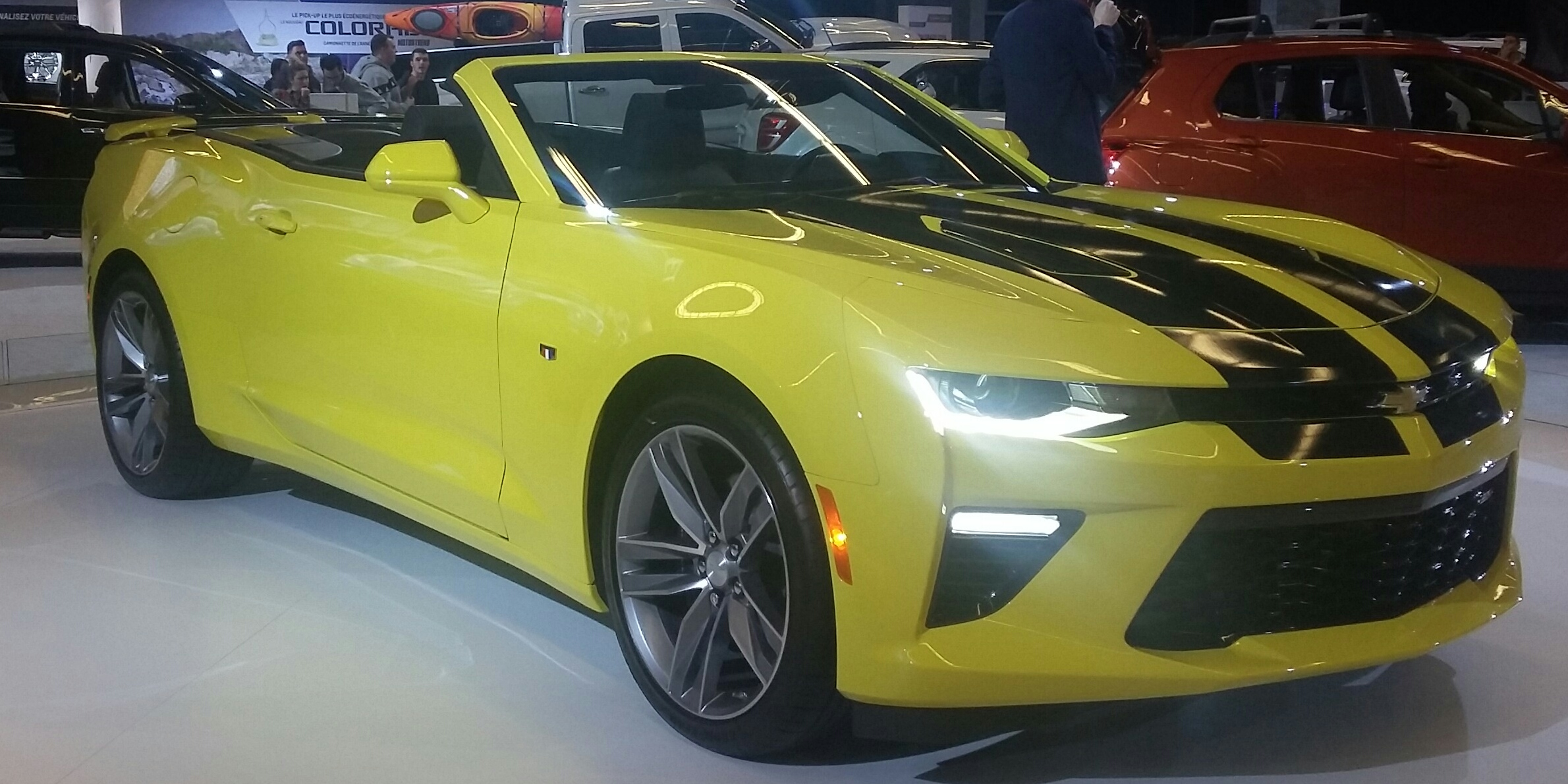
Chevrolet Camaro
"...ard. Could have been a Mini Truck, a Mustang or a Camaro, but I wasn't about to get a V8 when I was that a..."
The Chevrolet Camaro is a sporty car from Chevrolet. It’s famous for having strong engines, including V8s. The podcast mentions it as an alternative someone considered but didn’t choose.
The Chevrolet Camaro is an American performance coupe that’s closely associated with V8 power and track-ready tuning. Like the Mustang, it’s widely supported by the aftermarket, which is why it shows up in conversations about choosing a car for performance. In the podcast, it’s mentioned as another V8 option that someone didn’t want to go with.

Ford Mustang
"...didn't go toward. Could have been a Mini Truck, a Mustang or a Camaro, but I wasn't about to get a V8 when ..."
The Ford Mustang is a sporty car made by Ford. It’s known for powerful engines, especially V8s, and many people modify them for racing. The podcast is just listing it as one of the cars someone could have chosen.
The Ford Mustang is a classic American sports coupe/convertible known for its performance-focused V8 options and strong aftermarket support. It often comes up in discussions of muscle-car culture and drag/track setups because it’s a popular platform for tuning. In the podcast context, it’s mentioned as a possible choice alongside other V8-capable cars.
real-wheel-drive
"but I wasn't about to get a V8 when I was that age and I, or a real-wheel-drive car. [862.4s] Yeah. So the Honda thing kind of made sense."
“Real-wheel-drive” here means rear-wheel drive. It’s a common car-culture way of saying the car puts power to the back wheels instead of the front.
“Real-wheel-drive” is a colloquial way to contrast traditional rear-wheel drive (RWD) with front-wheel drive (FWD). In tuning culture, RWD is often associated with different handling feel and power delivery characteristics, which is why the host brings it up when discussing what they wanted at that age.
Dodger Stadium
"there was some Thursday night stuff at Dodger Stadium, but they were going to the darkest, longest streets with no crossovers in them to try to do their drag racing."
Dodger Stadium is mentioned as one of the places where some racing-related nights happened. It’s part of the story of where people went before track racing became the main option.
Dodger Stadium is mentioned as a venue where some Thursday-night racing activity happened. In the segment, it’s used to illustrate that the scene had multiple “event” locations before the shift toward dedicated tracks.
street takeovers
"Very different than the street takeovers now where they go to populated areas and they try to do the intersections. It was very different."
A street takeover is when people take over a public road to do car stunts or racing. It’s usually in busier areas and around intersections, not hidden back streets.
Street takeovers are events where drivers intentionally block or occupy public roads to stage racing or drifting, often targeting intersections and busy areas. The key difference versus traditional drag-racing spots is that takeovers usually happen in more populated, higher-traffic locations.
Terminal Island Raceway
"and that transition later into like Terminal Island opening and when I was around 17 or so, and that was kind of the beginning of like, oh, we can go to the track and do this."
Terminal Island Raceway is a local racing track mentioned as a place people could go instead of racing on streets. It helped make real track events easier to access.
Terminal Island Raceway is referenced as a local track option that helped shift the scene from street racing toward organized track events. The host frames it as part of the broader “accessibility” to racing for younger enthusiasts in the area.
RC car culture
"just like the RC car thing, there was probably five tracks that we could go to all off road in Southern California area when I was 13 years old... just like I did in the RC car culture when I was younger."
RC car culture means the community around remote-control cars. The host is saying it was a stepping stone that led into real-car racing and car clubs.
RC car culture refers to hobbyist radio-controlled car communities where people learn driving, tuning, and competition habits before moving into real vehicles. The host uses it as a parallel to how local tracks and car clubs later supported the same kind of community growth.
Pomona
"When I started getting into the real cars at 16, 17, we had Terminal Island Raceway, Pomona would do an event once in a while. You had Battle of the Imports that was already doing events in Pomona."
Pomona is a place in Southern California where racing events were happening. The host is using it to show there were lots of options for car people to go race.
Pomona is mentioned as a Southern California motorsports hub where events were held, including occasional track happenings. In the context of this segment, it’s part of the network of venues that made it easier for import and racing communities to find organized competition.
Battle of the Imports
"You had Battle of the Imports that was already doing events in Pomona. There was a San Diego track."
Battle of the Imports is an event series for import cars. The host brings it up to show that import racing had real organized competitions.
Battle of the Imports is referenced as an import-focused event series held in Pomona. The mention highlights how import-car culture had established organized venues, not just street activity.
front-wheel-drive drag racing
"The front-wheel-drive drag racing thing was, it made no sense to them. Like why would you make, drag, drag race a car that's worse?"
In front-wheel-drive drag racing, the front wheels are the ones that push the car forward. That affects how well the car grips and how controllable it feels when you launch.
Front-wheel-drive drag racing means launching and accelerating with the front wheels doing the work, while the rear wheels are free-rolling. It changes traction and control compared with rear-wheel-drive cars, which is why some people thought it “made no sense” for drag racing.
Fast and Furious
"we obviously had a really healthy street race community that was actually oddly healthier before Fast and Furious than after."
Fast and Furious is a movie series that made street racing a lot more famous. The speaker is saying the real-life scene changed after it got popular.
Fast and Furious is a film franchise that heavily popularized street racing culture in mainstream media. In this context, the host is using it as a reference point for how the street-racing scene changed after the franchise became widely known.
import drag racing
"I just remember how watching import drag racing kind of go from being this thing that seemed like a novelty to like, oh, wow, these cars are breaking into the nines, now the eights, now the sevens and so on."
Import drag racing is drag racing where the cars are mostly non-American brands. The key idea here is that these cars started getting so fast that people stopped seeing them as “just a novelty.”
Import drag racing is drag racing focused on non-American brands—often Japanese and other “imports”—that compete on the quarter-mile. The speaker describes a shift where imports went from being seen as a novelty to consistently running faster times (“breaking into the nines… eights… sevens”).
quarter-mile times (14s to 13s)
"So around that time, cars were doing 14 second quarter mile, trying to get into like the 13 second quarter mile, which sounds ridiculously slow nowadays."
Drag racing often measures how fast a car can cover the quarter-mile. The speaker is saying that, back then, getting into the 13-second range was a big deal.
In drag racing, the quarter-mile (1/4 mile) elapsed time is a primary performance metric. The speaker notes a historical progression from roughly 14-second runs toward 13-second runs, emphasizing how hard that was when cars were making far less power than modern vehicles.
nitrous
"And so I blew up my car on nitrous by the time I was 18 or 17, 18, and rebuilt the engine."
Nitrous is a “power boost” system that helps the engine make more power for short bursts. It can be risky—here, the speaker says it helped them go fast but also caused an engine failure.
Nitrous (nitrous oxide) is a performance system that injects gas into the engine to increase oxygen availability, allowing more fuel to be burned and producing a power boost. The speaker says they “blew up” their car on nitrous, which highlights how aggressive power-adders can stress engines if not managed carefully.
time slip
"and liked the idea of I could get a time slip, see my time, do an improvement, change the driving, and then try to improve that time."
A time slip is the result sheet you get from a drag race. It shows how fast you ran, so you can see whether your changes actually helped.
A time slip is the printed (or digital) record from a drag strip showing elapsed time and often speed for each run. The speaker describes using time slips to measure improvements—changing driving and trying to shave time.

Seat Alhambra
"...job at this place called JG Engine Dynamics up in Alhambra. And he built race engines for a bunch of the Hon..."
The Seat Alhambra is a minivan, meaning it’s made to carry passengers and family gear. It’s focused on practicality and space. The podcast mentions it as part of the vehicles connected to the story.
The Seat Alhambra is a family-oriented minivan/MPV, built to carry people comfortably with practical space. In the podcast, it’s mentioned in connection with a job at an engine-building shop, suggesting it’s part of the broader vehicle background of the people involved. It’s relevant because it represents a common type of vehicle that can still be connected to engine work.
JG Engine Dynamics
"And I got a job at this place called JG Engine Dynamics up in Alhambra. [1351.7s] And he built race engines for a bunch of the Honda guys."
JG Engine Dynamics is the shop where the speaker got a job and learned how race engines are built. It helped him gain the skills he later used for tuning and engine swaps.
JG Engine Dynamics is the engine-building shop where the speaker worked, learning to build race engines for Honda racers. It’s presented as a key early career step that led to hands-on experience with turbo and wiring/fabrication work.

Honda Integra
"And eventually put a turbo charged Integra engine in there and made, and this was before the V-tec stuff really, made, I think it was like a whopping three or 400 horsepower, but was big."
The Honda Integra is a Honda that tuners like because it responds well to upgrades. Here, they’re talking about putting a turbo engine in one to make it much faster in drag-racing style runs.
The Honda Integra is a compact, performance-oriented Honda that became popular in the tuner scene. In this segment, they describe swapping in a turbocharged Integra engine before VTEC was widespread, aiming for big quarter-mile gains.
VTEC
"And eventually put a turbo charged Integra engine in there and made, and this was before the V-tec stuff really, made, I think"
VTEC is Honda’s technology that changes how the engine’s valves work depending on engine speed. It helps the engine feel stronger at higher RPMs.
VTEC (Variable Valve Timing and Lift Electronic Control) is Honda’s system for changing valve timing and lift to improve performance across different engine speeds. The speaker contrasts their earlier turbo-era builds with the period when VTEC became more common.

Acura Integra
"... of the perks. And eventually put a turbo charged Integra engine in there and made, and this was before the..."
The Acura Integra is a compact car that’s often chosen by enthusiasts. Some versions can be turbocharged, and people also swap engines into other projects. In the podcast, they’re talking about using a turbo Integra engine in a build.
The Acura Integra is a compact performance-oriented car known for being enthusiast-friendly and, in some generations, available with turbocharged setups. The podcast specifically mentions putting a turbocharged Integra engine into a build, which highlights how the Integra platform can be used for serious performance projects. It’s discussed because it’s a common base for swapping and tuning.
slicks
"And it had slicks and ran, I think it was somewhere in the 11, 12 or 11, 12 something quarter mile."
Slicks are special tires made for drag racing. They have almost no tread so they can grip the track better for faster acceleration.
Slicks are drag-racing tires with little to no tread, designed to maximize grip on a prepared track surface. They help cars launch and accelerate harder, which is especially important for quarter-mile performance.

Honda CRX
"And we're going to put the bigger engines into the smaller car. So it was Accurant Tiger motors into the CRXs and Civics or the Honda Prelude motors into the Civics or the Integras."
The Honda CRX is a small Honda that tuners liked because it’s light and can be upgraded. Here they’re talking about swapping in bigger engines and tuning the car so it can run fast.
The Honda CRX is a small, lightweight Honda that became a favorite platform for engine swaps and turbo builds in the tuner era. This segment describes putting larger engines into CRXs to make them much faster, including wiring and fuel-system work to support the swap.

Honda Civic
"So it was Accurant Tiger motors into the CRXs and Civics or the Honda Prelude motors into the Civics or the Integras."
The Honda Civic is a popular small car that’s common in the tuning world. In this story, they’re talking about upgrading it with bigger engines and the supporting work needed to make it run correctly.
The Honda Civic is a compact Honda that has long been a go-to tuner car because it’s easy to modify and has a huge parts ecosystem. The speaker describes swapping in larger Honda engines and doing the wiring, fuel system, and mounts so the car can handle higher power.
engine swap
"we'll do, it'll be a tuning shop. And we're going to put the bigger engines into the smaller car. ... we'd source it for them. And we'd put, you know, a Honda Prelude that makes, you know, a 2.2 liter"
An engine swap means putting a different engine into a car than it originally came with. The hard part is making everything work together—wiring, fuel, and how the engine is mounted.
An engine swap is replacing a car’s original engine with a different engine, often from another model. In this segment, the shop does not just install the motor—they also handle wiring, fuel system integration, mounts, and shifting so the swap works reliably and makes the intended power.

Honda Prelude
"or the Honda Prelude motors into the Civics or the Integras."
The Honda Prelude is another Honda that tuners could use for parts. In this segment, they’re using Prelude engines in other Hondas to make them faster.
The Honda Prelude is a Honda coupe that, in the tuner scene, was sometimes used as an engine donor for swaps into lighter cars. Here, the speaker mentions using Prelude motors in Civics and doing the supporting fabrication and electronics work.
Honda Pro
"And they'd put our little, the shop was called Honda Pro. And so we just started getting more and more business."
Honda Pro is the name of the tuning shop they opened. It specialized in Honda performance work like engine swaps and making sure the car’s systems work with the new engine.
Honda Pro is the tuning shop name the speaker says they opened to specialize in Honda engine swaps and performance builds. The mention matters because it frames the business model: sourcing engines, installing them, and handling the integration work.
prelude engine
"And I had put a prelude engine in the car, but they don't really fit in these old EF chassis Civics very well."
This phrase means they put a different Honda’s engine into the Civic. That kind of swap usually requires custom mounting and sometimes cutting to make everything fit and work correctly.
“Prelude engine” here indicates an engine swap: using powertrain hardware from a Honda Prelude to replace the Civic’s original engine. The key point is that the swap affects fitment, mounts, and drivetrain alignment, which the host describes as requiring cutting and fabrication.
plasma cutter
"So I had used the plasma cutter at my old work and cut a bunch of the, the, the frame rail to make room for the transmission and the pulley..."
A plasma cutter is a cutting tool that uses a super-hot stream of gas to slice metal. Builders use it to cut parts of the car’s metal structure before they weld everything back together.
A plasma cutter is a tool that uses a high-temperature ionized gas stream to cut through metal. In fabrication builds, it’s commonly used to remove or reshape structural metal quickly before welding and reinforcing.
frame rail
"So I had used the plasma cutter... and cut a bunch of the, the, the frame rail to make room for the transmission and the pulley..."
Frame rails are strong metal beams that help hold the car’s structure together. Cutting them is serious work because it can weaken the car unless it’s reinforced or replaced with something stronger.
Frame rails are the main longitudinal structural members that run along the sides of a vehicle and help carry loads. Cutting them is a major structural change, which is why the host later decides to tube chassis the car when the front is bent.
drag races
"and just fabricated the mounts and drag races. And it was running 10 sixes..."
Drag racing is racing in a straight line where the goal is to accelerate as fast as possible. Builds often focus on launch power and drivetrain fitment to get better times.
Drag racing is a straight-line motorsport where cars accelerate over a short distance, and setup is optimized for launches and traction. The host’s mention of cutting for the transmission/pulley and aiming for faster times fits the kind of drivetrain and chassis work drag-focused builds require.
tube chassis
"And we realized that the front of the car was so bent, we might as well just tube chassis it... So we decided to just tube chassis the whole thing before the next battle the imports."
A tube chassis means the car gets a welded metal frame made of tubes. Racers use it because it can be built stronger and stiffer than the original body structure, which helps the car handle better at speed.
A tube chassis replaces much of the original unibody structure with a welded steel tube frame. It’s used in racing builds because it can be made stronger and more rigid in the exact places that matter, improving how the car stays stable under hard launches and cornering.
EK
"And at the time it was 97, [1631.1s] that was an EK. And I'm like, oh man, I don't want to buy a whole car to just tear it apart."
“EK” is a nickname for a specific generation of the Honda Civic. In this case, it tells you they’re talking about the 1997-era Civic.
EK is the enthusiast shorthand for the Honda Civic’s 1996–2000 generation (the “EK” chassis code). Here, it’s used to pinpoint which Civic they mean when they say the car was a 1997.
into the nines
"And we came out with that car, I think in 98 or the end of 98. And we were the first into the nines with that car. Everything worked."
“Into the nines” means the car is running a very fast quarter-mile time—around 9 seconds. They’re using it as a benchmark for how quick the car became.
"Into the nines" is drag-racing shorthand for running elapsed times in the 9-second range for the quarter mile. The speaker uses it to describe how their lightweight tube-chassis car achieved very fast results and was among the first to do so for their FWD tube-car concept.
HKS
"And so that was yeah, first into the nines and the front wheel drive records, [1739.9s] HKS in Japan had I think a Celica that they were doing that was around the same times."
HKS is a well-known Japanese company that makes performance parts and supports racing. They’re mentioned here because HKS had a similar fast project car in Japan.
HKS is a Japanese performance parts and motorsports company known for turbo and engine development, as well as race support. The speaker mentions HKS in Japan as having a Celica running similar “into the nines” times, framing it as part of the competitive landscape.

Toyota Celica
"...t wheel drive records, HKS in Japan had I think a Celica that they were doing that was around the same tim..."
The Toyota Celica is a sports car made by Toyota. It has been used in racing and performance projects for a long time. The podcast is referencing it as a car that companies were working with for competition.
The Toyota Celica is a Japanese sports coupe that has been used in motorsport and performance tuning for decades. The podcast references HKS in Japan having a Celica around the same time, which points to its role as a competitive platform. It’s mentioned as part of the historical lineage of cars used for racing development.
Apex
"So like there was a bit of a race and then Apex in Japan came out with an Integra with a prelude motor as well that they were going after the nines."
Apex is mentioned as another group in Japan working on a fast drag project. They’re included to show multiple teams were chasing the same kind of results.
Apex is mentioned as a Japanese racing/performance outfit involved in building an Integra aimed at running into the nines. The point is to show that the speaker’s tube-chassis concept was part of a broader, competitive scene in Japan.
stage boost
"okay, I can see the next step here. Let's make a little bit more power. Let's put stage boost on it."
It means turning up the engine’s “push” in steps instead of instantly. That can help the car hook up and accelerate more effectively.
“Stage boost” refers to adding extra boost pressure in steps (stages) rather than all at once. In drag racing, that lets the car build power when traction and engine conditions are favorable, improving acceleration and consistency.
wheelie bar
"Let's put a wheelie bar on it because [1779.3s] the Bergen Holtz figured out the wheelie bar thing soon after on the unibody, but they were heavy. ... [1793.3s] Let's talk about the wheelie bar for a second because I think that I remember we used to race a [1798.3s] CNN performance team that I used to work with."
A wheelie bar is like a safety/traction aid for drag racing. If the front wheels lift too much, the bar touches the ground to keep the car from getting out of shape and losing grip.
A wheelie bar is a drag-racing device mounted at the rear that contacts the track if the car lifts its front wheels (“wheelies”). By controlling how long and how high the front end rises, it helps keep traction and stability, which can translate into faster elapsed times.
unibody
"Let's put a wheelie bar on it because [1779.3s] the Bergen Holtz figured out the wheelie bar thing soon after on the unibody, but they were heavy."
Unibody means the car’s body and frame are basically one piece. That matters because race parts have to be attached to a structure that can handle the forces of hard launches.
Unibody construction means the body and frame are integrated into one structure, rather than using a separate ladder frame. In drag racing, mounting hardware like a wheelie bar to a unibody affects how the car flexes and how effectively the device can control weight transfer.

Volkswagen Jetta
"We used to race a front wheel drive, [1802.3s] Volkswagen Jetta, that we were the first into the nines years later. So like, you know, [1806.2s] it always takes Volkswagen's a while to catch up."
A Volkswagen Jetta is a regular everyday sedan, but in this story it’s been turned into a drag-racing car. They’re using it to explain how traction devices like wheelie bars can help it run faster.
The Volkswagen Jetta is a compact sedan that’s notable here because it was used as a front-wheel-drive drag-racing platform. The hosts discuss how adding a wheelie bar and other setup changes helped it reach very fast “nines” times.

Chevrolet Chevelle
"... into the nines. And I remember like the old like Chevelle dudes would be watching us pull up with the wheel..."
The Chevrolet Chevelle is an older American muscle car. People often associate it with drag racing and performance builds. The podcast is recalling it as a car type that showed up in that racing scene.
The Chevrolet Chevelle is a classic American muscle car from the 1960s–1970s era, known for its performance potential and strong drag-racing presence. The podcast’s “Chevelle dudes” and wheel-related memory suggests it’s being referenced as part of that older racing crowd and culture. It’s mentioned because it’s an iconic platform for enthusiasts and track history.
weight transfer
"When you launch and the weight transfers toward the rear, the, it has, is picking up the front of the car. It's kind of pivoting on that back axle."
When you launch, the car’s weight shifts around. That shift can make the front tires feel lighter, which makes it harder to grip the road unless you set things up to keep weight on the front.
Weight transfer is how a car’s load shifts during acceleration or braking. In a launch, the vehicle’s mass shifts rearward, which can unload the front tires and reduce grip unless you manage the suspension and geometry.
rebound
"So then what we did is we tuned the rear shocks. So they had a ton of rebound, really slow rebound, but really fast compression."
Rebound is how fast the suspension “springs back” after being pushed down. Slower rebound can help the car stay settled instead of bouncing up right after launch.
Rebound is how quickly a shock absorber extends after it has been compressed. In launch setups, controlling rebound helps keep the suspension from popping back up too quickly, which can otherwise reduce how long the car stays planted on the wheelie bar.
compression
"So they had a ton of rebound, really slow rebound, but really fast compression. So when you launched, it could slam onto the wheelie bar, but it didn't want to come up."
Compression is how fast the suspension moves down when the car is loaded. If it compresses quickly, the car can settle onto the wheelie bar instead of bouncing.
Compression is how quickly a shock absorber allows the suspension to move inward when the car hits a load (like slamming down onto a wheelie bar). Fast compression lets the rear settle quickly at launch, while rebound control prevents it from immediately lifting back up.
lock out the rear
"And the concept there was, well, any weight transfer suspension, anything in the rear is going to cause more weight transfer. So let me just lock out the rear."
Locking out the rear means preventing the rear suspension from moving, so it can’t compress or extend during launch. In drag racing, that can reduce how much the rear suspension contributes to weight transfer, helping keep the front tires loaded for grip.
Top Fuel funny cars (no suspension)
"the top fuel cars. Top fuel funny cars don't use suspension. They just use the tires and the chassis"
In Top Fuel funny cars, the setup is focused on straight-line traction. Instead of relying on normal suspension movement, the tires and the car’s structure do most of the absorbing.
Top Fuel funny cars are drag-racing cars built to accelerate in a straight line, and they’re often described as running without conventional suspension. The idea is that the tires and chassis compliance (how the tires and structure flex) handle the “give” instead of suspension travel.
rear lockouts
"we did lockouts for the rear. So that like right before we'd run, someone would have to go in the back and reach up and put in a lockout so that it wouldn't squat."
A lockout is a way to stop the rear suspension from moving as much. That helps the car avoid squatting down when you launch hard.
Rear lockouts are devices used to effectively “lock” the rear suspension so it can’t compress normally. The goal is to prevent squat during hard acceleration, keeping the car’s weight transfer and ride height more predictable for street-to-track launches.
squat
"put in a lockout so that it wouldn't squat. So that way we could still drive on the streets to get there. Otherwise, it would just be miserable."
Squat is when the rear of the car dips down when you accelerate. It can make the car harder to control and less consistent at launch.
Squat is the tendency of a car’s rear end to compress downward under acceleration. It’s a weight-transfer and suspension-geometry effect, and too much squat can hurt traction and make the car’s launch behavior inconsistent.
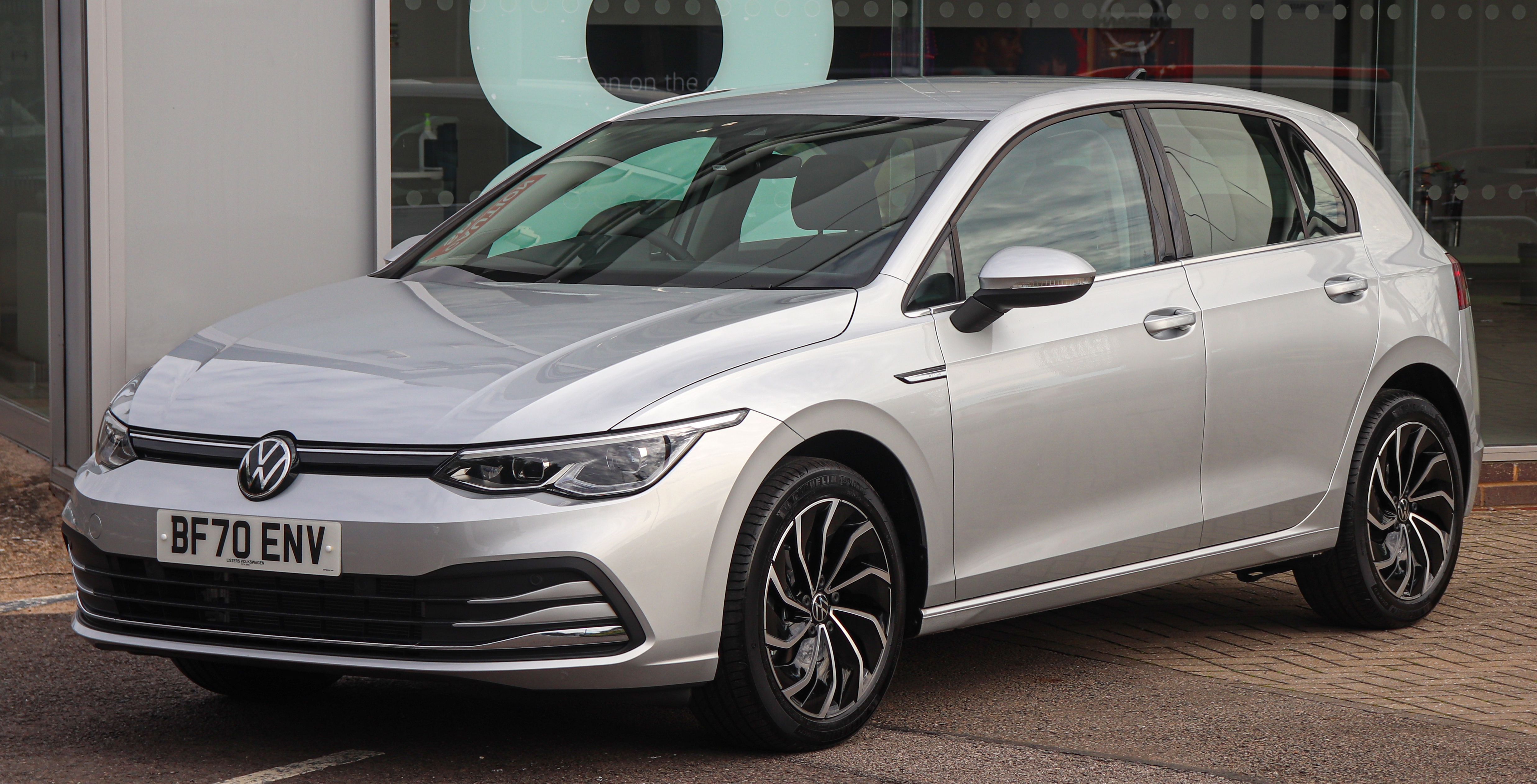
Volkswagen Gti
"...really fun because, you know, it was just a black GTI and like no one thought of it at all. You guys ha..."
The Volkswagen Golf is a compact car. Some versions, like the GTI, are tuned to feel more sporty than a regular Golf. The podcast is describing a specific Golf as a fun car that people didn’t expect to be special.
The Volkswagen Golf is a compact car that can be configured for sporty driving, including performance trims like the GTI. In the podcast, it’s described as “just a black GTI,” emphasizing how a familiar everyday model can still be fun and capable. It’s mentioned because it fits the theme of surprising performance from a mainstream platform.
Lexan
"take a piece of Lexan from Home Depot, kind of cut it to shape and then like tape it or try to screw it onto the rear to get the weight down."
Lexan is a tough, lightweight plastic. Here it’s being used as a DIY material to help reduce weight on the car.
Lexan is a brand name for polycarbonate plastic, often used as a lightweight, impact-resistant material. In this segment it’s used as a hacked “panel” to reduce weight by modifying the rear hatch area.
front lift
"because you just don't want the car to squat and lift the front. It's like the same situation because even though it's not rear wheel drive, it's like, it's still just like, you know, motion like force moves back."
Front lift is when the front of the car comes up during acceleration. It can make the car harder to steer and control.
Front lift is when the front wheels rise off the ground under acceleration. It’s tied to weight transfer and traction limits, and it can be dangerous because it reduces steering and braking effectiveness.
two-step rev limiter
"“...So then we would learn, oh, two step rev limiter. Oh, you know, a stronger axle so you don't break...”"
A two-step rev limiter is a feature that lets a drag car hold the engine at a chosen RPM before you launch. When you hit the gas to start, it releases the RPM so the launch is more controlled.
A two-step rev limiter is an engine control strategy that holds the engine at a set RPM during staging, then releases it when you launch. Drag racers use it to improve consistency and traction by preventing the engine from bogging or spinning the wheels right at takeoff.

Mazda Rx7
"of like kept applying stuff that had worked in the past just to our front wheel drive cars. But in parallel, there was a whole rear wheel drive scene. You had Adam Saratari with his RX-7, you had Abel Abara doing tube chassis stuff already. So we weren't the fastest cars of the track."
The Mazda RX-7 is a sports car made by Mazda. It’s known for using a rotary engine, which is different from the usual engine type in most cars. The podcast mentions it because someone had one and used it in the racing scene.
The Mazda RX-7 is a Japanese sports car famous for its rotary engine, which gives it a distinctive driving character and strong enthusiast following. In the podcast, it’s tied to a rear-wheel-drive scene and a specific person’s RX-7, highlighting how it fits into performance and track culture. It’s discussed as part of the broader conversation about what people built and raced.
Honda H22
"“...ultimately the problem with that car was it used an H22 or H23 short block...”"
The Honda H22 is a family of inline-four engines used in certain Honda models, known in the enthusiast world for being a strong base for performance builds. In this segment, the host says the Civic build used an H22 (or H23) short block, which matters because the engine choice affects how much torque the drivetrain has to survive.
preload engine and transmission
"“...it used an H22 or H23 short block, but like a preload engine and transmission...”"
“Preload” here means the drivetrain is set up with some built-in loading/tension. The speaker is suggesting that setup made the transmission more vulnerable when they started running very fast quarter-mile times.
“Preload” in a drivetrain context usually refers to built-in mechanical loading or tensioning that affects how components sit under load. The host implies that this Civic’s engine/transmission setup had a preload arrangement that contributed to how forces were transmitted during hard launches, leading to transmission failure.
helical cut gears
"“...And the gears inside are like helical cut or bevel cut, so they have an angle to it...”"
Helical cut gears are gears with angled teeth. They can create extra sideways forces inside the gearbox, which matters when you’re launching hard in a drag race.
Helical cut gears are gears with angled teeth, which mesh more smoothly than straight-cut gears but can generate axial (side-to-side) thrust loads. The host connects this gear geometry to drivetrain stress during hard launches, where forces can push components inside the transmission.
bevel cut gears
"“...And the gears inside are like helical cut or bevel cut, so they have an angle to it...”"
Bevel cut gears are gears shaped to transfer power at an angle. The speaker is saying that angled gear teeth can create forces inside the transmission when you launch hard.
Bevel cut gears have teeth cut on a conical surface, commonly used to change the direction of power flow in gearboxes and differentials. In this segment, the host groups bevel-cut gears with helical-cut gears to explain how angled gear teeth can create forces that contribute to transmission damage under launch loads.
trans axle
"Yeah. And so the Audis used, similar to the Subaru's, used an inline engine with a, [2326.0s] what seemed to be a trans axle on the front. And then part of the out drive would go to the rear."
A transaxle is a combined gearbox-and-differential unit. It’s used to save space and make it easier to send power to the wheels.
A transaxle combines the transmission and differential into one unit, usually mounted near the drive wheels. In rally/off-road layouts it helps packaging, because power can be routed efficiently from the front unit to the rear axle via a driveshaft or similar linkage.
front grip
"And I looked at this and I was like, oh, the engine's really far forward. [2337.2s] And the transmission is narrow. So we could have more space for suspension and get the engine [2344.1s] farther out forward to help front grip."
Front grip means how well the front tires can hold the road. More front grip usually makes the car turn and accelerate more confidently.
Front grip is how much traction the front tires have while accelerating, braking, or turning. Moving the engine forward and improving weight distribution can increase front grip by loading the front axle more effectively.
Fortin Racing
"So I started [2364.7s] looking after market stuff. The company called Fortin Racing in San Diego built a off road [2373.0s] Baja type transmission that they would put in class one desert buggies and stuff like that."
Fortin Racing is the shop/company that built the transmission for the host’s off-road race project. It was made for desert racing and built like a real race gearbox.
Fortin Racing is the company the host credits with building a specialized off-road “Baja type” transmission. The key detail is that it’s designed for desert buggy class racing use, with features like straight-cut gears and dog engagement.
straight cut gears
"And it could deal with the transmission. It was straight cut gears. You could choose your gear [2381.4s] ratios."
Straight cut gears are a racing-style gear design. They can handle power well, but they tend to be louder than quieter street-car gears.
Straight cut gears have teeth cut parallel to the gear’s axis, unlike helical gears. They typically provide higher efficiency and stronger torque transmission, but they’re louder and can be harder on gearboxes if not built for racing loads.
dog engagement
"You could choose your gear [2381.4s] ratios. There were dog engagement. So it was like a race transmission."
Dog engagement is a race-transmission shift style that locks gears in quickly. It’s built for fast shifting during hard driving.
Dog engagement is a racing transmission method where gears lock in using sliding “dogs” rather than synchronizers. It enables faster, more positive shifts under load, which is why it’s common in off-road and motorsport gearboxes.
gear ratios
"It was straight cut gears. You could choose your gear [2381.4s] ratios. There were dog engagement."
Gear ratios control how the car accelerates versus how fast it can go. Racing setups let you pick ratios so the engine works best for the course.
Gear ratios determine how many times the driveshaft turns for each engine revolution, shaping acceleration and top speed. In racing transmissions, being able to choose gear ratios lets you tune the car to the track or terrain so the engine stays in its power band.
ring gear
"He said he could flip the ring [2386.9s] gear either side, he could flip the transmission upside down."
The ring gear is a big gear that works with another gear to send power through the drivetrain. Flipping it can help with how the gearbox is arranged or how the power direction works.
The ring gear is the large gear in a differential or final-drive assembly that meshes with a pinion. Being able to “flip” it changes the direction of drive or the packaging/orientation of the drivetrain components.
methanol
"So we then took the prelude engine that I was running before, then put it on methanol [2404.7s] and used one of those Fortin transmissions"
Methanol is a racing fuel. It can help the engine run cooler and is commonly used when teams want more aggressive performance tuning.
Methanol is a fuel used in many motorsports because it burns differently than gasoline and can help with cooling and high-performance tuning. Switching to methanol often goes along with changes to fuel delivery and engine calibration to match its properties.
SEMA
"Because we brought it out to SEMA and we ran it for a couple of years, 2001, 2002."
SEMA is a big car-industry show where companies and builders display performance parts and custom cars. If someone brings a project to SEMA, it’s usually to show it off to the industry and get attention.
SEMA (Specialty Equipment Market Association) is a major U.S. trade show where automakers, tuners, and aftermarket companies showcase performance parts and custom builds. Bringing a car out to SEMA is often a way to generate industry attention and validate a build’s credibility.
Fast & Furious impact on street racing culture
"So 2000 ish, 2001 is when fast, the original Fast & Furious came out. Yeah. And now you have like DVD sales and you have a bit of internet and then you have all the magazines like everything is. Just to take a quick pause, how was that impact for you?"
They talk about how Fast & Furious made street racing more popular and more widely seen. They also mention that it could bring more police attention because more people were paying attention.
The hosts discuss how Fast & Furious shifted street-racing culture from a niche scene toward a more mainstream audience. They also connect that visibility to increased police attention and industry changes.
Hot Import Nights
"But it also went along with, and it was popular for, you know, and it was popular and there were car shows at Hot Import Nights and there was just so much to it."
Hot Import Nights is a popular car show series for the tuning and import-car crowd. It’s an example of how big that scene got during the boom years.
Hot Import Nights is a well-known car show and event series focused on the import and tuning community. Mentioning it signals how mainstream the import/sport-compact scene became during the early 2000s boom.
drifting
"then a year later, it felt like drifting started to fill the void. ... all of the brands that came running in seemed to either move to drifting or go do something different."
Drifting is when a driver steers so the car slides sideways through a turn while trying to keep control and speed. It became popular enough that brands shifted toward it.
Drifting is a driving style where the driver intentionally oversteers so the car’s rear slips while maintaining speed through a corner. It became a major motorsport and media trend, which the speaker says pulled attention away from the earlier scene.

Honda NSX
"we started building a real wheel drive car. And that's the one, the red one ... we ended up building and ran into the sixes. And it was, it was twin turbo NSX engine. It was a really cool car."
The Honda NSX is a well-known sports car. Here, they’re talking about a heavily modified version with a twin-turbo setup to make much more power.
The Honda NSX is a mid-engine sports car known for its handling balance and performance reputation. In this episode, the speaker specifically describes a twin-turbo NSX build, which is a major modification that changes how the car makes power.
front-wheel-drive vs rear-wheel-drive reliability/traction issues in racing events
"Like we'd only have six to eight cars, maybe in our class with the real wheel drive stuff. The front wheel drive stuff was kind of breaking down. And we'd always have oil downs of the track."
They’re comparing different drivetrain setups and saying one group of cars had more problems. They also mention the track getting slick from leaks, which hurt the event.
The speaker contrasts “real wheel drive” cars with front-wheel-drive cars that were “breaking down,” while also mentioning oiling-down the track. This frames how drivetrain choice and car reliability affected the quality of their racing events.
oil downs
"The front wheel drive stuff was kind of breaking down. And we'd always have oil downs of the track. And I remember very clearly my mom coming to one of the races at Pomona."
“Oil downs” means oil got spilled or leaked onto the track. It makes the surface slippery and can be dangerous for cars.
“Oil downs” are track incidents where oil (or other fluids) leaks onto the racing surface. That creates slick conditions, increases the risk of spins or crashes, and often forces cleanup or changes to how the event is run.
NHRA Pro series
"And at the same time, we had done a couple of events with the NHRA Pro series. They had brought us out there and we had oiled down their track and it would blown up."
NHRA is a major organization for drag racing. “Pro series” means they were racing at a more serious, higher-level event than typical local races.
The NHRA Pro series refers to National Hot Rod Association (NHRA) professional drag racing events. It’s a higher level of competition than local club racing, with more standardized rules and expectations around car preparation and track performance.
Pro drag racers
"But at the same time, I met these pro drag racers that had been on tour for their entire life. And they got their red solo cup and they're getting drunk after and they're just going from track to track."
These are professional people who race drag cars. They usually compete regularly and treat it like a full-time job.
“Pro drag racers” are professional competitors who race in organized drag racing series. At the pro level, cars are typically tuned and maintained with tighter tolerances, and teams often travel on a schedule of events.
red solo cup
"And they got their red solo cup and they're getting drunk after and they're just going from track to track."
That’s a common bright-red plastic party cup. Here it’s just describing what the racers do socially after the race.
A “red Solo cup” is a widely recognized disposable plastic cup brand used at casual gatherings and events. In this context, it’s a cultural detail showing the social side of racing after the runs.
FCP Euro
"A few weeks back, we kicked off a whole new show called Firing Order... I went over to FCP Euro and not only do they sell all of the parts I listed above, they even make a full refresh kit for the Vanos."
FCP Euro is a company that sells car parts, especially for European cars. The host mentions them because they have the parts and kits needed to fix the problems he’s researching.
FCP Euro is an aftermarket parts retailer focused heavily on European brands, offering replacement parts and kits for repairs like VANOS refreshes. In this segment, the host points listeners to FCP Euro because they carry the specific parts needed for the issues he listed.
Request an Explanation
Heard something you'd like explained? We'll add it to this episode.
Sign in to request explanations for terms you heard.
Want to learn more?
Browse our glossary for plain-English explanations of automotive terms, jargon, and concepts.
Help improve this episode
See something that's not quite right? Our annotations are AI-generated and can sometimes miss the mark. Click the flag icon on any annotation to suggest a correction.