General Motors is the car company involved in the settlement discussed here. The claim is that they shared driver information with other companies, and California took action over it.
Driver data is information your car collects about how you drive and what you do in the car. The concern here is that it was shared with outside companies.
Term
software in all these cars
Cars today run on a lot of software that can collect information. The segment is saying that software is what makes it possible to gather data about how you drive.
Data brokers are companies that collect and sell information about people. The episode is saying GM shared car-related information with them, and it ended up affecting things like insurance prices.
Automobile insurance rates are what you pay for car insurance. The concern here is that your driving-related data could influence how much you’re charged.
Concept
privacy invasion
Here, “privacy invasion” means your personal information may have been shared in ways you didn’t really expect. The point is that people often sign without fully understanding what’s being collected or sold.
GM is short for General Motors, the car company. In this story, they’re accused of sharing driver information collected from their connected-car service without telling customers.
OnStar is GM’s in-car service that can track and collect information about your driving and vehicle. The allegation here is that the data was kept and sold even after it was no longer needed for OnStar features.
They’re saying dealerships and car companies encourage you to install their app. The incentive is that more app downloads can mean more money for the dealer and the manufacturer.
They’re giving an example of car financing: you pay a set amount each month for several years. The point is to compare the cost of the car payments with the idea that the company keeps earning from data afterward.
The FTC is a U.S. government agency that helps protect consumers. Here, it’s involved because it believes GM handled consumer data in a way that violated rules.
Geolocation means determining a device’s or vehicle’s position—typically using GPS and other location signals. In connected cars, geolocation can be used to understand where you go and when, which is why regulators treat it as sensitive data.
Driving behavior data is information about how your car thinks you drive. It can include things like how you accelerate and brake, and it can be used by companies in ways you may not expect.
Affirmative consent means you have to say “yes” in an active way before your data can be used. It’s meant to prevent companies from assuming permission.
Modern cars are basically computers on wheels that can connect to the internet. Because of that, they can collect and share data, and regulators are paying closer attention.
Your infotainment system is the car’s main screen and controls for things like music, maps, and apps. Here, the hosts are pointing out that ads or marketing messages can show up there.
Remote start lets you start the car without being in it, usually from an app or key fob. In this story, it’s mentioned as an example of connected features that can come bundled with other services and offers.
The Jeep Grand Cherokee is a popular Jeep SUV. Here it’s mentioned because the car’s screen shows an advertisement right after you start it, instead of a normal reminder or message.
Gorilla Glass is a tough type of glass used to protect screens. Here it’s being mentioned because the car’s big display is covered with a stronger glass than you’d expect.
The hosts are saying that even if a car doesn’t explicitly track you, your phone can still create a lot of data. That data can include where you are and how you drive, because the phone is communicating with networks.
Mercedes-Benz is a luxury car brand. The host is saying they’re moving back toward physical buttons because they’re easier to find and use while driving.
Driver distraction means the driver’s attention gets pulled away from driving. The host is saying screens often make you look away to find what you need.
“Touch points” here means physical, tactile controls on the dashboard—things you can feel and operate without looking. The host contrasts this with touchscreen infotainment, arguing that tactile controls reduce the need to visually search while driving.
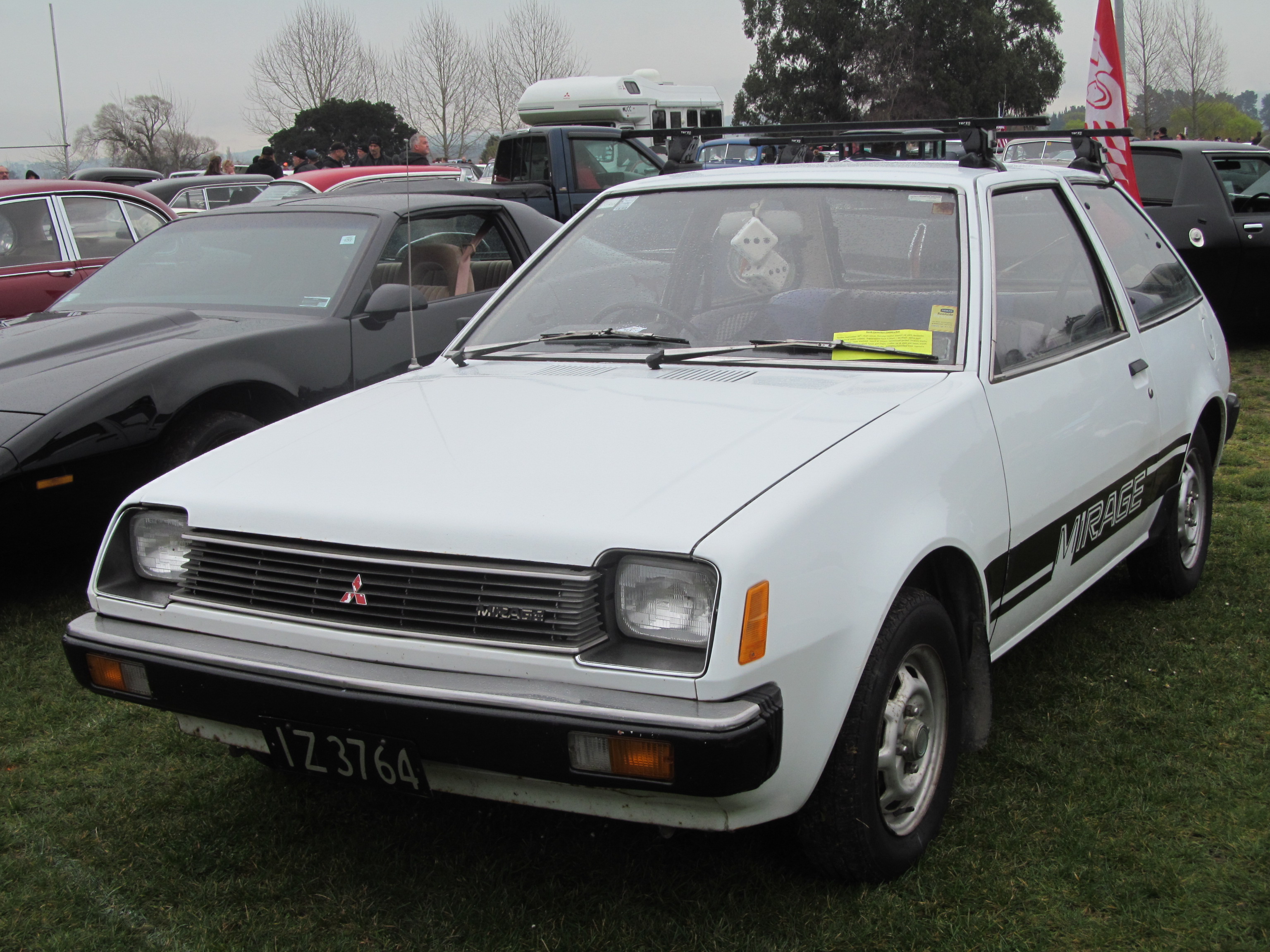
The Mitsubishi Mirage is a budget-friendly car. The host is wondering if it still has older-style window controls instead of newer, more complicated setups.
A window vent is a small extra window that you can open a little for airflow. The host is contrasting that with how modern cars rely more on electronic controls and screens.
An 84 month car loan means you pay for the car over 7 years. It can lower the monthly payment, but you usually end up paying more money overall because of interest.
A backup camera is a small camera on the back of the car. When you put the car in reverse, it shows you what’s behind you on the screen, so it’s easier to avoid hitting something.
Lane keep assist is a system that helps you stay in your lane. If the car senses you’re drifting, it can warn you or even help steer you back.
LIVE
Insurance isn't one size fits all, and shopping for it shouldn't feel like squeezing into
something that just doesn't fit. That's why drivers have enjoyed Progressive's
Name Your Price tool for years. With the Name Your Price tool, you tell them what you want to pay,
and they show you options that fit your budget. Enough hunting for discounts, trying to calculate
rates, and tinkering with coverages. Maybe you're picking out your very first policy,
or maybe you're just looking for something that works better for you and your family.
Either way, they make it simple to see your options. No guesswork, no surprises.
Ready to see how easy and fun shopping for car insurance can be? Visit Progressive.com
and give the Name Your Price tool a try. Take the stress out of shopping and find coverage
that fits your life on your terms. Progressive Casualty Insurance Company and Affiliates,
price and coverage match limited by state law. Now at McDonald's, a McDouble is $250,
so you can get your gym gains on, or just get lunch. For only $250, get more value on the under
$30 menu. Limit time only. Prices and participation may vary. Prices may be higher for delivery.
It's noon here in Ventner City, New Jersey and our nation's capital, Washington, D.C.,
and this is Car Edge Live from Monday, May 11th with your host, me, Ray here in my living room
in Ventner and Zach hanging out with his life ring in Washington, D.C., and I'm pretty sure the
Wizards are going to use that life ring to bring in the number one pick in the NBA draft,
whether he wants to be in D.C. or not. How are you today, handsome?
All right, folks. Thanks for tuning in on this Monday, May 11th. We appreciate it as always.
I'm doing great this morning, Dad, excited to spend some time with you this afternoon.
First things first, however, today's show is brought to you by CarEdge.com. For those of you
that are unfamiliar, me, my dad and our incredible team for the past six years have been providing
car buying services, car research tools, all sorts of things, including even,
I've got to give it some love here, dealer reviews. If you haven't used dealer reviews,
hover over dealer reviews, either go to the map, search dealers, or in this case, Dad,
I'm going to go to the ratings overview. That gives you a second to put your phone on mute.
Over 12,000 car dealers have been scored by CarEdge. These scores are super interesting.
I'm going to scroll down, unfortunately, to some dealers who have gotten some bad scores.
These are dealers, folks, that you should have some concern about before you go into the dealership.
We tell you exactly why. In this case, this particular dealership, 81% of the time that
CarEdge has contacted them, they've added dealer add-ons of almost $5,000. When we've contacted
them, their out-the-door price quote is 14% higher than what they listed online. Use these dealer
scores and dealer reviews to make an informed decision before you buy your next car, get
dealer reviews, click on the overview, and have some fun. Now, Dad, the big story this morning
is we have a settlement from General Motors. They've agreed to pay almost $13 million in the
state of California after selling driver data. You and I have been talking about this story for
years. Can you help us understand what happened here on this settlement and more broadly? What's
going on with all this data? It's a bummer that Delete Me is no longer sponsoring the show, man.
Today would have been the show for them. What's going on with all this data that these companies
are collecting about? All the software in all these cars, one-star things of that nature,
they gather up data, data, however you want to say it, about us, about how we drive the car,
about where we drive the car, what we might listen to, all kinds of interesting tidbits of
information that General Motors was then, I don't know, selling to data brokers. Oh my god,
so they could share that information and collect, I believe they collected $20 million
from the data brokers for this information. A lot of it was used with insurance companies
and things of that nature to determine your automobile insurance rates based on the information
that was shared. It is, how do you say a major invasion of your privacy that you agreed to
when you bought the damn car because, well, you didn't read any of the stuff that they asked you
to read, they just told you, sign here. And like 99.9% of all Americans, you did, I did, we all do.
And then we find out afterwards, oh, poopies. And General Motors has gotten a lot of heat for
this. It's obviously not the settlement has happened, but they've been in the news a lot
recently. You can see here GM illegally sold data on hundreds of thousands of drivers, including
names, locations, and driving behavior to data brokers from 2020 to 2024 in violation of state
law, the California Department of Justice said in a news release, GM did not notify customers
that their delayed data, excuse me, collected through OnStar was being sold and it retained
and sold driver data quote, long after it was used by OnStar, the state said, so debt.
We've heard about insurance companies doing this. We have now obviously got an automaker through
OnStar doing this. And this was from 2020 to 2024. So there are so many angles to this one is,
is this fair? Hundreds of thousands of drivers over four years to your point, they made 20 million
bucks. They're only having to pay 12.75 million in a settlement. So they make money doing it.
Another aspect of this that we need to think about is all of these auto manufacturers now,
it's almost like a mandate at the dealership that you, when you buy a new car, have to download
their app. Like the salespeople and the dealership gets additional commission and profit from the
manufacturer a bonus for the number of penetrations they have on app download. Like this is prolific.
This is happening not only with General Motors, with all automakers.
And sadly, you know, the vast majority of people download the stuff. But the reality is, is based
on this information that they're collecting. And it's not just General Motors. It's every one of
these damn manufacturers that are collecting this information. So think about this for a second.
They're collecting our information. They're selling it for a lot of money. Perhaps, perhaps
they should be sending us a monthly stipend, you know, to help cover the cost of our car
payment, our insurance, our maintenance, our fuel, since, well, they're still making money off of us
long after we bought their damn car. You know, so, so perhaps, you know, when we enter into an agreement
to buy one of these things. And the monthly payments $973 for 84 months. But maybe we're
going to get 73 bucks back every month from General Motors or whoever it is, you know,
to help compensate for the data they're collecting on us that they're going to sell. And if I may,
this GM nonsense, this was the second time they were fined by the FTC, if I'm not mistaken,
a year or so ago. So yeah, this is just a California specific settlement. The FTC took
action against General Motors. I think it was actually the beginning of this year. But you
can see here, the FTC banned General Motors and OnStar from sharing geolocation and driving
behavior data with consumer reporting agencies for five years. The automaker must obtain a
affirmative consent and give drivers greater control of how their vehicle data is collected
and used for the next 20 years. The case underscores growing regulatory scrutiny of data practices
tied to connected and software driven vehicles, which takes us exactly, Dad, into the next story
that we have queued up for today, written by Zarin, who I'm a huge fan of what Zarin does
over on Xland. Dad, we saw this, what was it? Yeah, you can see here, November 24th, 2025.
Zarin posted over on X this screen that he saw in his Jeep Grand Cherokee, his brand new Jeep Grand
Cherokee. And you can see here, it is a marketing notification showing up in his infotainment system
just announced. $1,500 loyalty retail bonus cash, I own a Chrysler Dodge. Well, obviously,
you do, you're sitting in one. Yet $1,500 in additional bonus cash, blah, blah, blah, blah.
This is some of the insanity that's going on in cars now.
Oh, it is. And when I saw this and I was reading ARC and I was thinking,
so what's the prevent StoLanthus or Ford or Chevy or whoever from selling ads?
Literally selling ads that will pop up in your infotainment system.
You know, what is the prevent them from saying, hey, Spotify, you want to get more subscribers?
How about, you know, we put together a marketing plan and it pops up in the infotainment system
when the people turn on their car that if they were to sign up over the next three days, they
can save X, you know, whatever it is, pick a number. There's no reason that, you know,
suddenly there couldn't be an ad for Verizon that says, hey, we know you use a Verizon phone.
Have you thought about getting a new iPhone? How about we'll make it easier for you? Hell,
we can even send the mapping to your car so it can take you to the closest Verizon store.
I mean, what would be the end point for all this? It is, you spend the average new car today
sells for just under $50,000. So you spend just under $50,000 for the car.
The average finance term is 72 months. And so you pay back $50,000, you pay back, I don't know,
an extra $15,000 in interest. They collect your data, they sell it after you've entered into
this agreement. And then they can bombard you with marketing so they can make even more.
Why aren't they paying us to try these mobile platforms that are nothing but advertising for
them? I mean, it's really to the point where they should give us the damn car. It's like, you know,
when you sign up for Amazon, do you want Amazon Prime? Do you want it ad-free? Or we'll give it
to you with ads and it's cheaper for you. Why don't they give us the damn cars and just bombard us
with commercial after-comer? You want to listen to music? Hell no, you're going to listen to this ad.
It is interesting that here's from HVAC. Soldier, I got an ad of my Jeep for Wi-Fi offering remote
start as part of the service. I had remote start installed through another dealer. So
this is already happening and is part of a broader push to keep cars connected and to obviously both
capture data, sell data, and then obviously sell other services as well. And just to make sure,
I didn't do a great job frame this. I'm going to read this briefly. You can see here on the morning
of November 24th, 2025, automotive journalist, Zaryn Dube entered, excuse me, opened the door
of his Jeep Grand Cherokee, settled into the driver seat and pressed the start button. The
dashboard came up, the infotainment screen ran its boot animation, blinked to the home view,
and then loaded an advertisement on top of the home view. Not a service reminder,
not a recall notice, a promotional offer, $1,500 in loyalty retail bonus cash for the purchase
of a new Jeep. Time to appear at startup, configured to linger for 15 seconds and program to return
at the next ignition cycle if you fail to dismiss it. That's what we're talking about here. And
it's fascinating to read this article, this article, for what it's worth was posted on,
what's it called? Nobody asked for this, which is super interesting. You know,
talks through the history of cars. And it's really cool. The Buick Riviera,
first production car with a touchscreen. Yes. You can see it right there. This is all the way back
in 19, what was it? 1986. Yeah. To where we are now with the Mercedes-Benz hyperscreen,
three displays, 56 inches, one piece of gorilla glass. These have just become, and we know,
we talked about last week with Frank Lutz, too, when we were talking about maintenance costs,
air costs, they're computers. They're big, big, big computers. And so the settlement today for
General Motors out of the state of California is definitely interesting. And it's $12.5 million
going back in the right direction. It's probably what, 149th of what should be happening nationwide.
And these other automakers are doing it as well. And then obviously, the other example here is,
they're not tracking your data, but they're marketing to you once you purchase the vehicle.
We know that Stalantis was hoping that at some point, software subscriptions and stuff were
going to be, what was it, $28 to $30 billion a year in revenue. Well, if you can't get the
subscriptions, perhaps another way to get that revenue is to sell ad space. I mean, what is
to prevent them from doing that? I don't know that there really is anything to prevent them
from doing that. And, excuse me, this stuff can be hacked all the time. It's, you know,
I don't know. The whole thing's scary because they have so much information about us, where we
drive, how we drive, what our driving habits are, what we listen to, who we talk to. Okay,
because your cell service, they can do geolocations through that. All that information is available
to governments, to prosecutors, to whoever it is. If you don't realize that, and the truth of the
matter is, you don't even need the card, because your phone's doing it, let's phone's sitting on
the seat. But if you don't realize that Big Brother is not only listening and watching and knowing
everything there is to know about us, you know, I'm going to have to start doing some crazy stuff
just to throw them off a little bit. Do you remember, Dad, I think it was maybe a year or two years ago,
I think it was Hyundai, had come out with some designs for some old school looking cards. You
remember this? Yes. I'm going to try and find them. I'll search for that in a second. I think a
market opportunity is going to come up here. We've seen it in the smartphone market, for example,
there are dumb phones now, and some people walk around with dumb phones because they don't want
apps and be connected all the time. I wonder if the same thing will happen with cars. We see,
and we talked to Frank again last week, it used to be so much cheaper to repair cars. It'd be so
much easier to repair cars. The right to repair as well, do the work yourself. It's impossible
nowadays with all the computers and components and things like that. I'm curious, you know,
if there's an automaker out there, and again, Hyundai, I'm going to find the photos here in a
second, they showed what it could look like for a car to be an old school looking vehicle,
but I still think it had all the inside parts of a new school vehicle. But it really does create,
at least for me, a sense of maybe opportunity for some of these automakers to do things
differently. This episode is brought to you by Progressive Insurance. Do you ever think about
switching insurance companies to see if you could save some cash? Progressive makes it easy. Just
drop in some details about yourself and see if you're eligible to save money when you bundle
your home and auto policies. The process only takes minutes, and it could mean hundreds more in your
pocket. Visit Progressive.com after this episode to see if you could save. Progressive Casualty
Insurance Company and Affiliates. Potential savings will vary, not available in all states.
Part of it is because there is so much that is mandated by government, whether it be the
federal government hearing in the United States or European governments that require
safety features. I mean, every time there's an improvement, the backup camera, for instance,
well, that was an option at one time. Now, it's got to be standard on every car.
There's a huge difference. difference between government-mandated
safety equipment and a 56-inch 3-computer screen. They're not apples to apples, in my opinion.
I'm very pro blind, mandated blind spot monitoring. I'm huge. I don't know anyone who
wouldn't be pro that. My point was going to be with that type of stuff that requires more computers
in the car. It increases the expense of the car, so it becomes harder to be able to produce
a older style car that doesn't have as much stuff in it because you're mandated to have
all this safety. I can apologize for coughing today, ladies and gentlemen.
It's a terrible curse, but I'll learn to live with it.
You could have a dumb car that still has all of the safety capabilities. The dumb car, and I
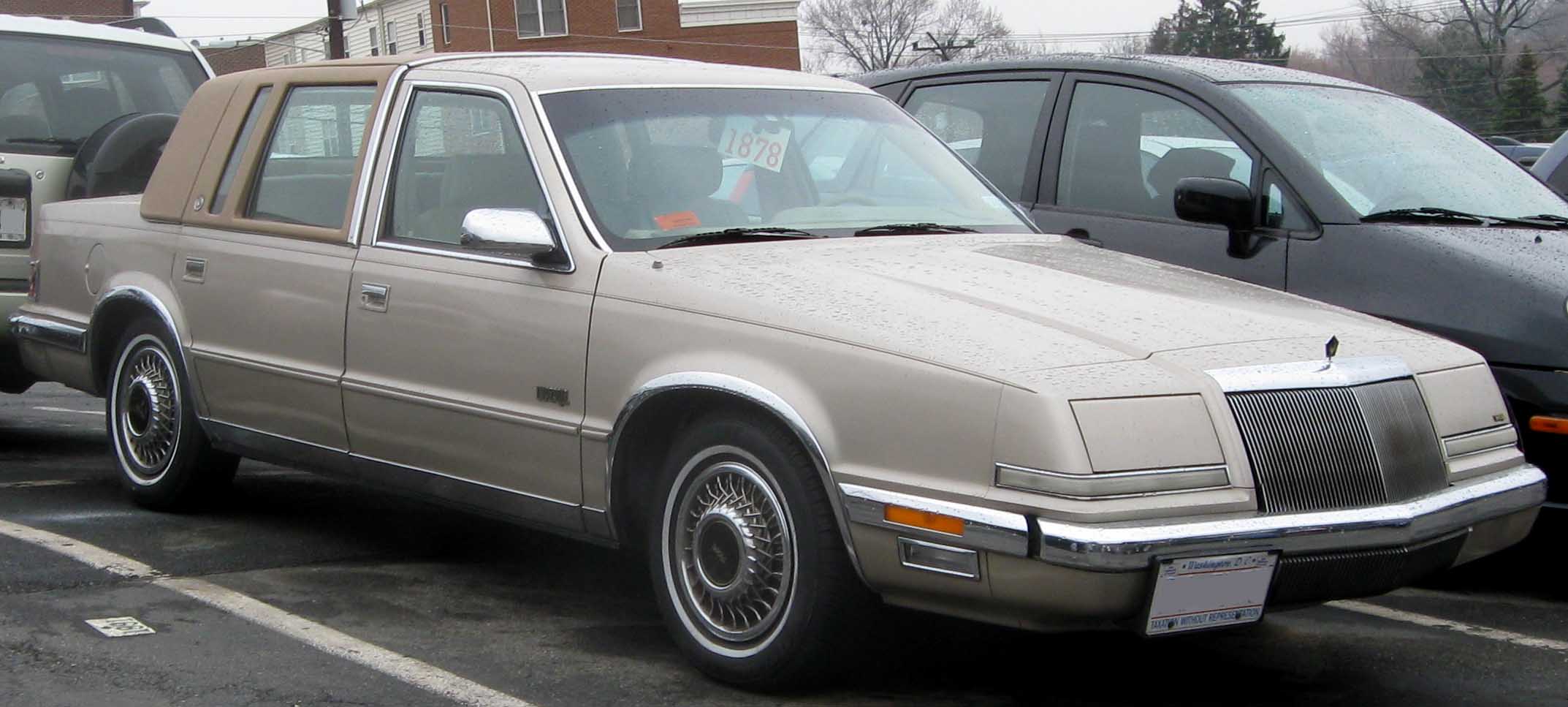
like God, that looks like a Chrysler Imperial. The thing that makes this sad to me is that,
like, why do I still need a giant screen? Anyway, for me, I want to make the point. I definitely
Why can't we have buttons? Why can't we have...
Can you see? Was it Mercedes-Benz, I think, or BMW? One of the German luxury automakers
is going back to buttons. They said they missed the mark.
Well, and because if everybody has the buttons pretty much in the same place,
you don't have to look at it. You know where they are, and you know what you're...
But when you have screens, you have to look at the screen, and they've proven through studies
that you can't use a screen without taking your eyes off the road to locate something in the screen.
So it's certainly not nearly as safe as when we just had buttons and touch points on cars that
you knew where everything was, and it was easy to do. Mercedes is going back to buttons, Dad.
I just pulled this up here on the screen so everyone can see it.
Lesson in their hearts, because sometimes improvements aren't really improvements.
The future isn't really as wonderful as we'd paint that picture to be.
I don't know. Can you even buy a car today with rollier own windows?
I doubt it. I doubt the Nissan Versa has that, but maybe. Maybe the Mitsubishi Mirage,
like the last one that you can still get, maybe it has it. I doubt it.
I remember rollier own windows, and I remember you had a little window vent,
and just be able to open that little window to get some... I mean, we have improved cars to
the point where they might be safer than they were overall, but they're more annoying than
they've ever been. I mean, I'm old. You've seen me struggle with some of the technologies in my car.
How do you find half the stuff? It's not like you can drive down the road and open up the owner's
manual and try and figure it out that way. The owner's manual is in the infotainment.
It could be. Yeah, I mean, the whole thing. So it is... Some aspects of improvement aren't
really improvements. Some things that are designed to make it easier for us
barely miss the mark, and we see that in cars all the time. I mean, how could you be in that
Mercedes-Benz with a 56-inch screen? I mean, why do you need all that?
Dad, actually, here's space. Remind me, we have seen an automaker come out and actually go back
to the basic slate. Yes. Slate's actually a perfect example. This is capitalism 101.
Where there's market opportunities, you'll see innovation. And I think we're seeing, for example,
again, where we started today, with General Motors got caught. They got caught a while ago,
back in 2024. FTC settlement earlier this year, State of California settlement just happened.
I guess it was on Friday of last week. It got reported on over the weekend. At the same time,
you've got articles talking about and showing ads appearing in new cars, new Stalantis cars,
new Jeep cars. That's concerning. And so you pull it all together. Yeah, it's an opportunity.
It's an opportunity for automakers to do things differently, to go back to the basics. And at
the end of the day, it's whoever ends up buying the product. That's what the manufacturers are
going to end up leaning into is wherever they can actually sell more vehicles, sell more...
I am firmly convinced that with all the information they're gathering on us,
that the manufacturer at least should reimburse us, pick a number, X amount of dollars per month
for utilizing their vehicle that allows them to track everything it is that we do,
and then sell all that information to others. To me, it's like it only seems fair and maybe...
Taking a step further, maybe my smart TV, because my understanding is smart TVs
are gathering up information and sending it back to sources unknown that data gets sold.
So maybe my Sony TV, they should be cutting me a check. Maybe they should be paying for a Netflix
for me. Blow your mind. There's a company doing this. They're called Demo. Yeah, they've literally,
what's it say here? Demo is building the infrastructure for the session-based economy
where vehicles, drivers, and services connect on-demand, build apps, and unlock value across
every trip rental and interaction. This whole platform, as far as I'm aware,
is the idea that you can connect to vehicles and then control your data through them.
Privacy by design. Anyway, yeah, there are some people out there, dad, trying to work on this.
And I know... I haven't talked to the Demo guys probably in like four or five years,
but there are people out there that are working on how you can protect your own data and own your
own data, even the data from the car. And at this point, we don't. You know, somewhere along the
line, they will provide documentation that says we signed our rights away. I mean, I don't remember
doing it. Well, that's why I don't remember it being explained in that manner. That's why we're
reporting on what happens here with General Motors because it does set an interesting precedent and
I would push back on you. I think we're going to see more and more of this. If other automakers are
doing it, if other insurance companies are doing it, if other data collection and data broker
companies are doing this, we're going to continue to see pushback on this. FTC and State of California,
both getting settlements here. I think that's good news. Well, and we know insurance companies do it
in the sense where they offer these safe driver things that you connect to your car. So they can
monitor exactly how you drive so they know how to write your policy and what your premium should be.
You know, they're asking you to find us in. For sure. Yeah. And in a lot of cases, it's mutually
beneficial. Someone gives their data and they get a better rate. Like, there are practical
applications of this. It's when, and this was in the case of General Motors, it's when they're
doing it and they're not informing folks or they're doing it in a state, for example, in California,
where it's against the law. That's where you're going to get yourself in trouble. Let's come here
from Baron. Yes. Thank you, Baron. Basic, safe, manual, funds, no screen, $15,000 for a three-year
warranty. If you aren't paying for the product, you are the product. Yes. I like that. And in today's
economy, where people are struggling to be able to afford a car, if somebody would build basic
transportation, reliable, not crap. I'm not asking for you go to come back to the United States,
but basic quality transportation for $15,000, that would save a lot of problems. That would open up
the car market to a lot of people that find themselves on the outside today. And that would
allow more people to participate without getting in way over their heads. So, yes, somebody should
do that. Absolutely. Again, we do see some companies like Slate, for example, trying to do that. It's
where the innovation will come from. Now, let's come here, Rich, keeping us on our toes. Thank you,
Rich. I found another vehicle that doesn't require lard and a crowbar to get right in.
1938. What the heck? The Delahey. The Delahey Pantheon. Did we see one of those when we were at
the Ford Museum? I think so. I almost want to say we did. I'm not 100% certain. Whoa, this thing's
sick. One second. One second. Boop. This thing looks cool, man. Oh, man. Get me in one of them.
Oh, yeah. I could be you. Yeah. Yeah. Man, you talk about a coupe with a long, long hood.
Look at that. Very good. That's gracious. Yeah. That could be me. You know what? Well,
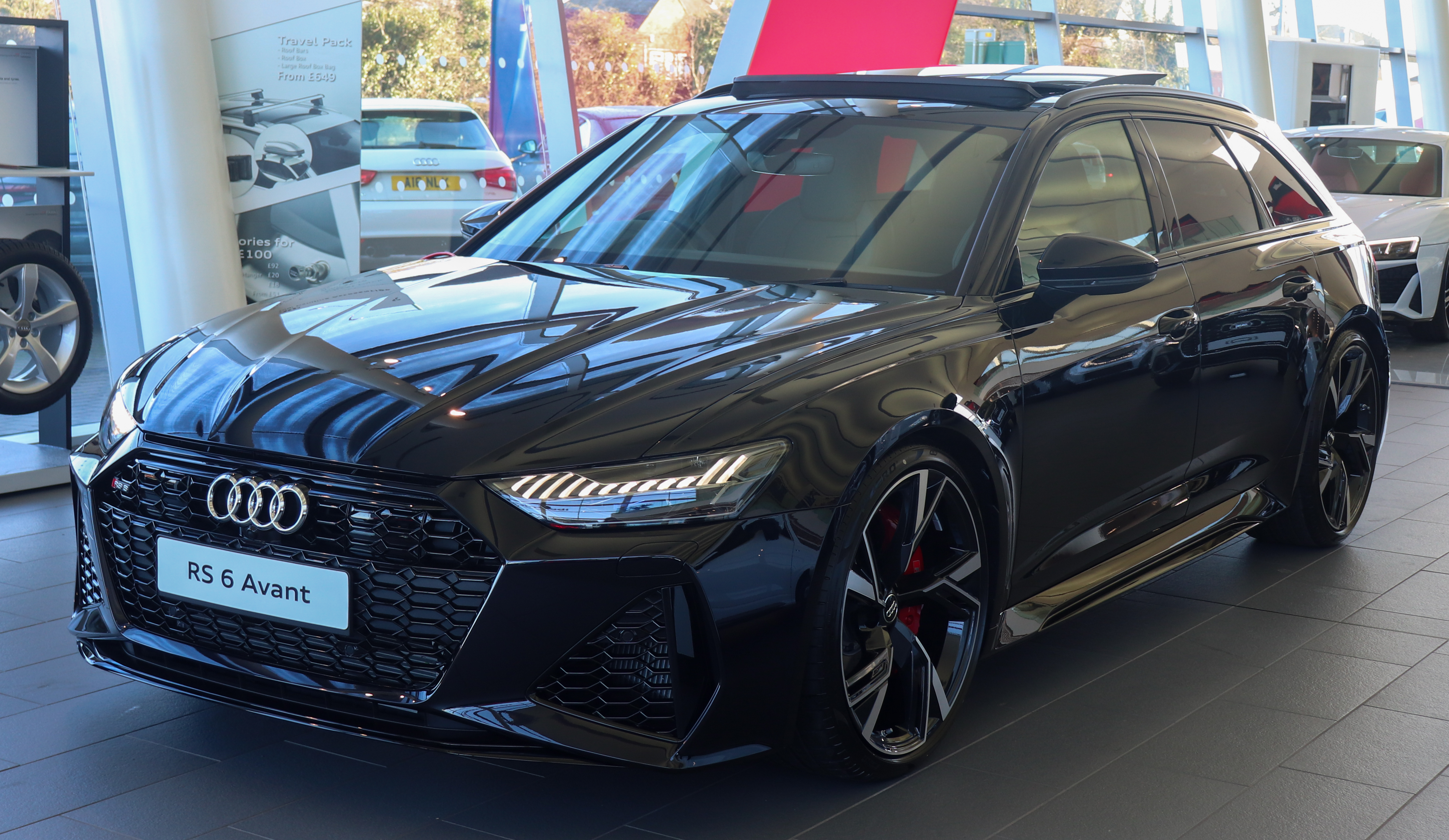
I think will always, that could be me, is that Audi RS6 Avant.
Yeah, one time you got to drive that and that was crazy, but you know what? They are expensive.
Yeah, but that, if I ever had stupid money, and it's getting a little late in my life to have
stupid money, but if I ever did that, that Audi RS6 Avant, that could be me. That was,
not to ever endorse a car, but that was the most enjoyable vehicle I've ever driven.
Wow. That's high praise, Dan. I'm driven a few thousand in my day. I've appraised
thousands in my day, but that is the most enjoyable vehicle I've ever driven.
You're turning 75 on May 25th, right? Two weeks from today, buddy.
Yeah, May 25th. Okay. Yeah, I don't think we're going to be rich enough to afford an Audi RS6
Avant for your 75th, but maybe for your 76th. You know what would be good? A matchbox version of it.
I'm making that happen. It is interesting. The other story I wanted to bring up today,
we don't have to spend a ton of time on it, but there's this op-ed piece written in automotive
news, a real affordability crisis is the 84 month car loan, and it's just fascinating hearing you
talk about how expensive these vehicles have gone, in part because they're trying to build all these
tech into it, in part because they think they can make more money by putting the tech into it,
which again, it's a level set here. State of California, General Motors made $20 million
selling data to data brokers. They paid a $13 million fine. Last time I did the math there,
they made $7 million, so it still works. It still works. We are making it more difficult
for people to afford to purchase vehicles, in part because they are adding all of these
capabilities, but I want to be very clear here. Me and my dad might not see eye to eye on this.
I think safety-related regulations are net positive for humanity, for the auto industry,
for everyone involved. The fact that there are seatbelts, good, airbags, good.
Nobody's disputing that. I am absolutely not disputing that, but I will suggest to you
that there are certain safety precautions that are now either mandated or highly recommended
by governments. Yeah, there's some benefit to them, but I like backup cameras. I'll be 75.
I use my backup camera. I do, but I could still do that. That didn't cost anything. I know that
people are going to say, well, it saves an X amount of people from getting a hit when people are
backing it. I get that. I suppose I should be ecstatic to pay more for something because it
saved one person, perhaps, but perhaps not. I'm not trying to be mean about it, but why does
everybody's cost have to go up? Is the cost increased worth the benefit or the alleged
benefit to the family that might have lost somebody? Definitely. I get it, but there's
just so many. You said before the lane keep assist or whatever, blinds. How the hell have I driven
for 75 years or as many years as I've been driving 59 years without that? How did we do it?
So is it a benefit? Yes, there's a benefit to it. Is the benefit equal to the cost of it?
I'm not 100% certain. So that's my point. I've heard loud and clear. This is the beauty of this
show. You're 75. I'm 30. We think a little bit differently about the world. You're 74. I show
an age. You're 75 in two weeks. Yeah, but 74. You got to get to 75. Anyway, folks, we're back with
more Car Edge Live tomorrow. I should be able to do the show. I will actually be, so for those of
you that don't know, I will be, let me pull it up, I will be keynoting an event tomorrow, the
auto industry AI summit. I am actually the keynote. Oh, look at you. Yeah, that's an old photo of me.
So hopefully I look a little bit older when I show up. They were not too much older.
Yeah. You're going to be wearing the faux turtleneck tomorrow?
No, I have a different outfit picked out for tomorrow. This is at 10 a.m. that I'm doing this.
10 a.m. to 11 a.m. So it should be done. Should be able to come on and hop on and do the show.
I will be doing the show from Maryland Light Casino. Okay. So anyway, I cannot wait for that
video. We'll share it probably once it does come out because this is how I talked to the auto
industry and I'm really excited for our community to see that. It's all about fairness, efficiency,
transparency, trying to make it easier by car. So really excited to share that. So anyway,
that's tomorrow. If there isn't a show, that's why, but dad, I plan on it. I should be here
with you at noon Eastern. Okay. I'm looking forward to it. Just don't do it set up at a
blackjack table because that could get expensive. Yeah. No, no, no. No gambling for me. All right,
folks, we're back tomorrow. Dad, enjoy the afternoon and I love you. Love you too, handsome.
Everybody have a great day. We'll see you hopefully tomorrow.
If you liked the show, please take a moment to rate, review, and subscribe. It really does help
the show to grow. Thank you for listening.
About this episode
Dealers, pricing, and ads take a back seat as the conversation zeroes in on General Motors’ alleged connected-car data practices. Hosts connect a California settlement—“They've agreed to pay almost $13 million in the state of California after selling driver data”—to claims that GM sold OnStar-collected information without notifying customers. They also reference an FTC action limiting sharing of geolocation and driving behavior data, then broaden the discussion to how infotainment can deliver targeted promotions and how touchscreen interfaces may distract drivers.
Today on CarEdge Live, Ray and Zach discuss the latest info on GM's settlement in California. Tune in to learn more! Hosted by Simplecast, an AdsWizz company. See https://pcm.adswizz.com
for information about our collection and use of personal data for
advertising.