
General Motors Just Got CAUGHT | HUGE SETTLEMENT | Episode 1068
About this episode
Dealers, pricing, and ads take a back seat as the conversation zeroes in on General Motors’ alleged connected-car data practices. Hosts connect a California settlement—“They've agreed to pay almost $13 million in the state of California after selling driver data”—to claims that GM sold OnStar-collected information without notifying customers. They also reference an FTC action limiting sharing of geolocation and driving behavior data, then broaden the discussion to how infotainment can deliver targeted promotions and how touchscreen interfaces may distract drivers.
dealer add-ons
"In this case, this particular dealership, 81% of the time that CarEdge has contacted them, they've added dealer add-ons of almost $5,000. When we've contacted them, their out-the-door price quote is 14% higher than what they listed online."
Dealer add-ons are extra charges the dealership adds to your deal. They can make the final price higher than what you saw online.
Dealer add-ons are extra items or services a dealership bundles into the sale price—often after you’ve seen an online price. They can include things like protection packages, accessories, or other fees that raise the total cost beyond the advertised number.
out-the-door price
"When we've contacted them, their out-the-door price quote is 14% higher than what they listed online. Use these dealer scores and dealer reviews to make an informed decision before you buy your next car, get dealer reviews, click on the overview, and have some fun."
Out-the-door price is the final total you’ll pay at the end of the buying process. It includes taxes and fees, not just the car’s sticker price.
Out-the-door price is the total amount you pay to drive the car home, including the advertised price plus taxes, registration, and dealer fees. It’s the most useful number for comparing deals because it reflects the final checkout total.
General Motors
"Now, Dad, the big story this morning is we have a settlement from General Motors. They've agreed to pay almost $13 million in the state of California after selling driver data."
General Motors is the car company involved in the settlement discussed here. The claim is that they shared driver information with other companies, and California took action over it.
General Motors is the automaker at the center of this settlement over driver data. The episode claims GM agreed to pay California after selling driver data to data brokers, which were then used in ways like insurance pricing.
driver data
"They've agreed to pay almost $13 million in the state of California after selling driver data... they gather up data, data, however you want to say it, about us, about how we drive the car, about where we drive the car, what we might listen to, all kinds of interesting tidbits of information"
Driver data is information your car collects about how you drive and what you do in the car. The concern here is that it was shared with outside companies.
Driver data is information collected from a vehicle about how it’s used—such as driving behavior, location, and even what media you interact with. In modern connected cars, this data can be transmitted to the automaker and then potentially shared with third parties.
software in all these cars
"What's going on with all this data that these companies are collecting about? All the software in all these cars, one-star things of that nature, they gather up data, data, however you want to say it, about us, about how we drive the car,"
Cars today run on a lot of software that can collect information. The segment is saying that software is what makes it possible to gather data about how you drive.
Modern vehicles contain extensive software that can collect and transmit data from sensors and vehicle systems. The segment uses this to explain how connected-car features can generate information about driving and usage.
data brokers
"General Motors was then, I don't know, selling to data brokers. Oh my god, so they could share that information and collect, I believe they collected $20 million from the data brokers for this information. A lot of it was used with insurance companies"
Data brokers are companies that collect and sell information about people. The episode is saying GM shared car-related information with them, and it ended up affecting things like insurance prices.
Data brokers are companies that buy, aggregate, and resell personal or behavioral information. In this segment, the claim is that GM shared vehicle-derived driver data with data brokers, who then used it for other industries like insurance.
automobile insurance rates
"A lot of it was used with insurance companies and things of that nature to determine your automobile insurance rates based on the information that was shared."
Automobile insurance rates are what you pay for car insurance. The concern here is that your driving-related data could influence how much you’re charged.
Automobile insurance rates are the premiums insurers charge for coverage. The segment claims that information shared by GM was used by insurance companies to help determine those rates based on driving-related data.
privacy invasion
"It is, how do you say a major invasion of your privacy that you agreed to when you bought the damn car because, well, you didn't read any of the stuff that they asked you to read, they just told you, sign here."
Here, “privacy invasion” means your personal information may have been shared in ways you didn’t really expect. The point is that people often sign without fully understanding what’s being collected or sold.
In this context, “privacy invasion” refers to the idea that sensitive personal information—like driving behavior and location—was shared beyond what drivers reasonably expect. The hosts frame it as happening because consumers sign agreements without fully understanding or reading the data-sharing terms.
GM
"You can see here GM illegally sold data on hundreds of thousands of drivers, including names, locations, and driving behavior to data brokers from 2020 to 2024 in violation of state law, the California Department of Justice said in a news release, GM did not notify customers"
GM is short for General Motors, the car company. In this story, they’re accused of sharing driver information collected from their connected-car service without telling customers.
GM (General Motors) is an automaker that, in this segment, is accused of illegally selling driver data collected via OnStar. The discussion centers on corporate behavior—what data was shared, with whom, and whether customers were informed.
OnStar
"GM did not notify customers that their delayed data, excuse me, collected through OnStar was being sold and it retained and sold driver data quote, long after it was used by OnStar, the state said, so debt."
OnStar is GM’s in-car service that can track and collect information about your driving and vehicle. The allegation here is that the data was kept and sold even after it was no longer needed for OnStar features.
OnStar is General Motors’ connected-car service that can collect vehicle and driver-related information. In this segment, the key point is that data collected through OnStar was allegedly retained and sold long after it was used by OnStar.
download their app
"Another aspect of this that we need to think about is all of these auto manufacturers now, it's almost like a mandate at the dealership that you, when you buy a new car, have to download their app. Like the salespeople and the dealership gets additional commission and profit from the manufacturer a bonus for the number of penetrations they have on app download."
They’re saying dealerships and car companies encourage you to install their app. The incentive is that more app downloads can mean more money for the dealer and the manufacturer.
The segment describes a dealership/manufacturer incentive structure where buyers are pushed to download a connected-car app. The implication is that app downloads drive additional dealer commission and manufacturer profit, tying customer behavior to data-collection goals.
commission
"Like the salespeople and the dealership gets additional commission and profit from the manufacturer a bonus for the number of penetrations they have on app download."
Commission is extra pay based on meeting a sales target. The claim is that dealers earn more when customers download the car company’s app.
Commission is pay tied to sales performance. Here, the segment claims salespeople and dealerships receive additional commission and profit tied to connected-app downloads, which can influence how aggressively the app is pushed at purchase time.
monthly payments $973 for 84 months
"when we enter into an agreement to buy one of these things. And the monthly payments $973 for 84 months. But maybe we're going to get 73 bucks back every month from General Motors or whoever it is"
They’re giving an example of car financing: you pay a set amount each month for several years. The point is to compare the cost of the car payments with the idea that the company keeps earning from data afterward.
This is a financing example: $973 per month over 84 months (7 years). The segment uses it to argue that automakers profit from the customer long after purchase, while also collecting and selling data.
FTC
"So yeah, this is just a California specific settlement. The FTC took action against General Motors. I think it was actually the beginning of this year."
The FTC is a U.S. government agency that helps protect consumers. Here, it’s involved because it believes GM handled consumer data in a way that violated rules.
The FTC (Federal Trade Commission) is a U.S. government agency that enforces consumer protection and privacy-related rules. In this segment, it’s described as taking action against General Motors over how vehicle data is shared.
geolocation
"But you can see here, the FTC banned General Motors and OnStar from sharing geolocation and driving behavior data with consumer reporting agencies for five years."
Geolocation means determining a device’s or vehicle’s position—typically using GPS and other location signals. In connected cars, geolocation can be used to understand where you go and when, which is why regulators treat it as sensitive data.
driving behavior data
"But you can see here, the FTC banned General Motors and OnStar from sharing geolocation and driving behavior data with consumer reporting agencies for five years."
Driving behavior data is information about how your car thinks you drive. It can include things like how you accelerate and brake, and it can be used by companies in ways you may not expect.
Driving behavior data refers to telemetry that describes how you drive—such as speed patterns, braking/acceleration events, and other motion-related signals. Because it can be used for profiling or insurance/marketing purposes, it’s a key focus of privacy regulation.
affirmative consent
"The automaker must obtain a affirmative consent and give drivers greater control of how their vehicle data is collected and used for the next 20 years."
Affirmative consent means you have to say “yes” in an active way before your data can be used. It’s meant to prevent companies from assuming permission.
Affirmative consent means you must actively agree (not just be pre-selected) before a company can collect or share certain data. The segment says GM must obtain this kind of consent and give drivers more control over vehicle data use for the next 20 years.
connected and software driven vehicles
"The case underscores growing regulatory scrutiny of data practices tied to connected and software driven vehicles, which takes us exactly, Dad, into the next story that we have queued up for today"
Modern cars are basically computers on wheels that can connect to the internet. Because of that, they can collect and share data, and regulators are paying closer attention.
Connected and software-driven vehicles rely on internet connectivity and onboard software to enable features like data sharing, remote services, and app-based experiences. The segment links this to why regulators are scrutinizing data practices more heavily.
infotainment system
"Zarin posted over on X this screen that he saw in his Jeep Grand Cherokee, his brand new Jeep Grand Cherokee. And you can see here, it is a marketing notification showing up in his infotainment system just announced."
Your infotainment system is the car’s main screen and controls for things like music, maps, and apps. Here, the hosts are pointing out that ads or marketing messages can show up there.
An infotainment system is the car’s touchscreen/controls that combine navigation, media, phone integration, and settings. In this segment, it’s where marketing notifications and ads can appear, turning the dashboard into a delivery channel for third-party promotions.
remote start
"...I got an ad of my Jeep for Wi-Fi offering remote start as part of the service. I had remote start installed through another dealer."
Remote start lets you start the car without being in it, usually from an app or key fob. In this story, it’s mentioned as an example of connected features that can come bundled with other services and offers.
Remote start is a feature that lets you start the engine from outside the car (often via an app or key fob) so the cabin can warm up or cool down before you get in. The segment frames it as part of a broader push toward connected services that can also enable data collection and targeted offers.

Jeep Grand Cherokee
"...automotive journalist, Zaryn Dube entered, excuse me, opened the door of his Jeep Grand Cherokee, settled into the driver seat and pressed the start button. The dashboard came up, the infotainment screen ran its boot animation..."
The Jeep Grand Cherokee is a popular Jeep SUV. Here it’s mentioned because the car’s screen shows an advertisement right after you start it, instead of a normal reminder or message.
The Jeep Grand Cherokee is a mainstream Jeep SUV known for offering a mix of comfort, off-road capability, and available tech features. In this segment, it’s used as an example of a connected-car infotainment system that can show ads immediately after pressing the start button.
infotainment screen
"The dashboard came up, the infotainment screen ran its boot animation, blinked to the home view, and then loaded an advertisement on top of the home view."
The infotainment screen is the main display in the car. In this story, it’s used to show an ad when you start the vehicle.
The infotainment screen is the primary in-cabin display where the car’s user interface is shown. This segment highlights that the screen can load promotional content at startup, effectively turning the home view into an advertising surface.
gorilla glass
"three displays, 56 inches, one piece of gorilla glass. These have just become, and we know, [757.3s] we talked about last week with Frank Lutz, too, when we were talking about maintenance costs,"
Gorilla Glass is a tough type of glass used to protect screens. Here it’s being mentioned because the car’s big display is covered with a stronger glass than you’d expect.
Gorilla Glass is a brand of chemically strengthened glass used in consumer electronics and some automotive displays. In this context, it’s mentioned to emphasize scratch/impact resistance and durability for a large, exposed screen surface.
connected-car data tracking via phones
"And, excuse me, this stuff can be hacked all the time. It's, you know, [828.6s] I don't know. The whole thing's scary because they have so much information about us, where we [835.3s] drive, how we drive, what our driving habits are... [866.3s] you don't even need the card, because your phone's doing it, let's phone's sitting on the seat."
The hosts are saying that even if a car doesn’t explicitly track you, your phone can still create a lot of data. That data can include where you are and how you drive, because the phone is communicating with networks.
This segment is describing how connected-car ecosystems can still generate sensitive data even if the automaker isn’t directly “tracking” you. The hosts argue that location and driving-related behavior can be inferred from other sources in the car, especially a smartphone providing cell-service location.
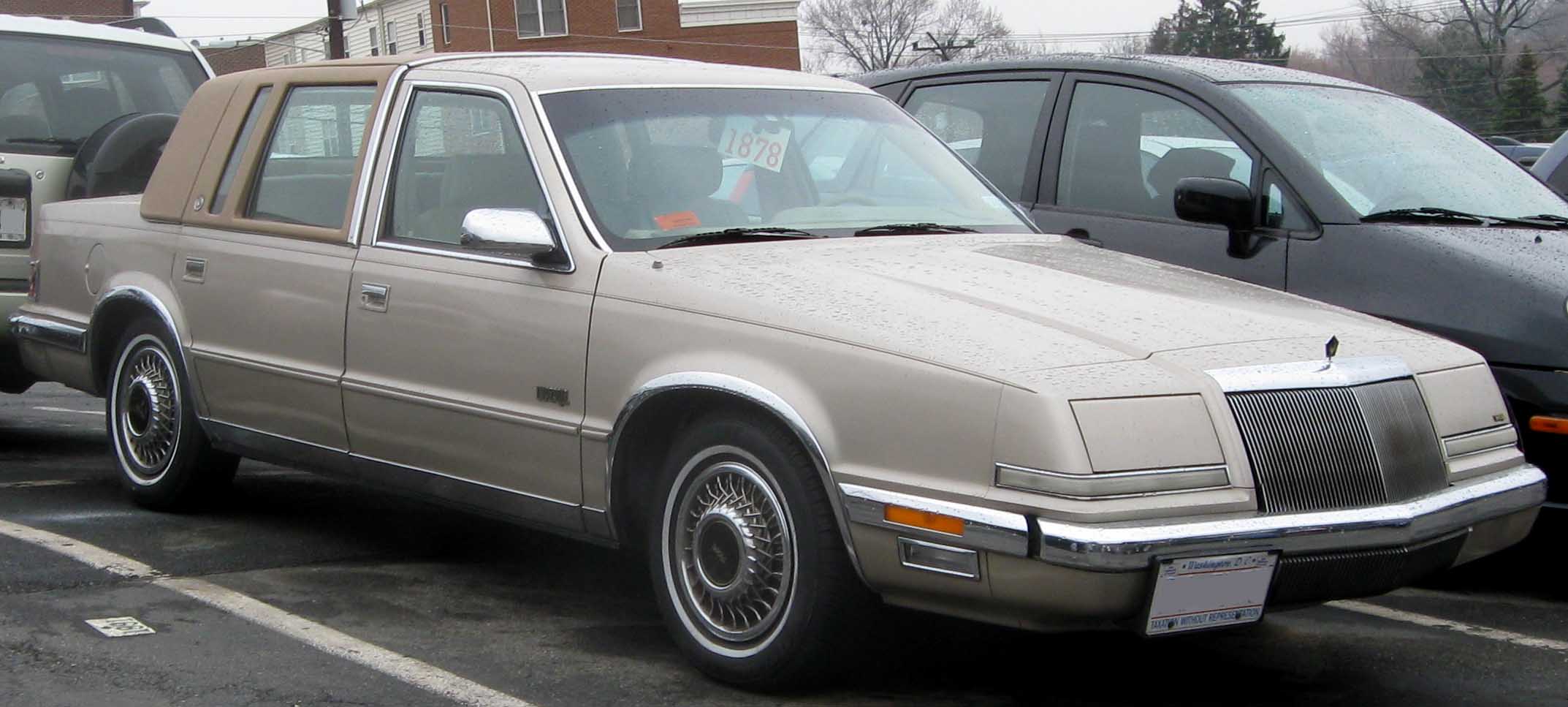
Chrysler Imperial
"like God, that looks like a Chrysler Imperial. The thing that makes this sad to me is that, like, why do I still need a giant screen?"
The Chrysler Imperial is an older luxury car. The host brings it up to make a point that older cars didn’t rely on big screens for everything.
The Chrysler Imperial is a full-size luxury car from Chrysler that’s often remembered for its classic, old-school styling. In this segment, it’s used as an example of a car that looks “giant screen”-free, highlighting the contrast between traditional controls and modern infotainment screens.
Mercedes-Benz
"Can you see? Was it Mercedes-Benz, I think, or BMW? One of the German luxury automakers is going back to buttons... Mercedes is going back to buttons, Dad."
Mercedes-Benz is a luxury car brand. The host is saying they’re moving back toward physical buttons because they’re easier to find and use while driving.
Mercedes-Benz is a German luxury car brand, and the host says it’s “going back to buttons.” The point is that physical controls can be easier to use without visually searching through menus, which can reduce driver distraction compared with touchscreens.
BMW
"Can you see? Was it Mercedes-Benz, I think, or BMW? One of the German luxury automakers is going back to buttons."
BMW is a luxury car brand. The host mentions it in the context of brands shifting back from touchscreens to buttons for easier, safer use.
BMW is a German luxury automaker mentioned here as one of the brands that may be returning to physical controls. The underlying idea is that buttons can be located by touch, while screens often require the driver to look away to find settings.
driver distraction
"but when you have screens, you have to look at the screen, and they've proven through studies that you can't use a screen without taking your eyes off the road to locate something in the screen."
Driver distraction means the driver’s attention gets pulled away from driving. The host is saying screens often make you look away to find what you need.
Driver distraction is when a driver’s attention is pulled away from the road by tasks like interacting with a touchscreen. The host claims studies show you have to take your eyes off the road to locate information on a screen, which can make driving less safe than using well-placed physical buttons.
touch points
"So it's certainly not nearly as safe as when we just had buttons and touch points on cars that you knew where everything was, and it was easy to do."
“Touch points” here means physical, tactile controls on the dashboard—things you can feel and operate without looking. The host contrasts this with touchscreen infotainment, arguing that tactile controls reduce the need to visually search while driving.
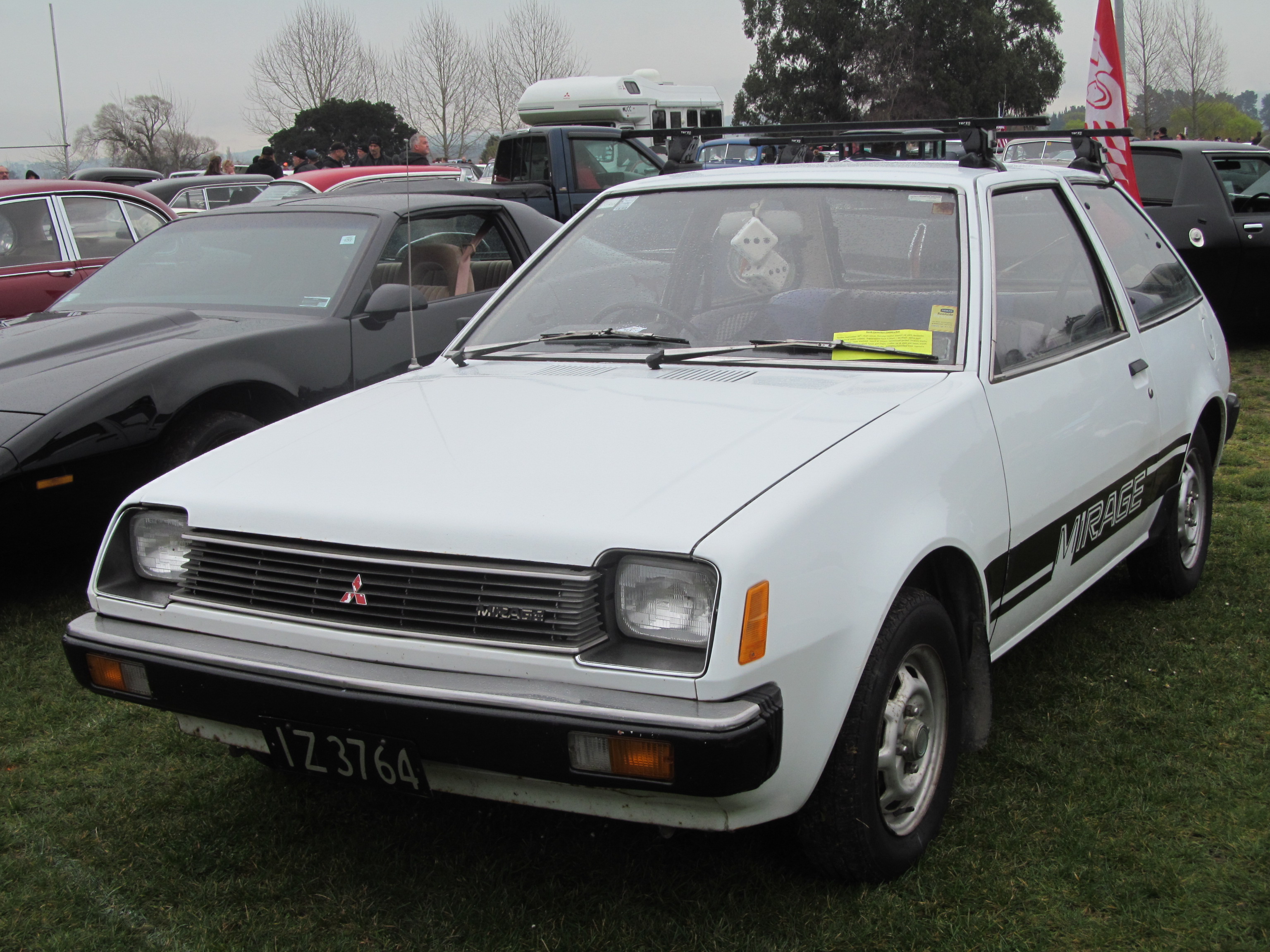
Mitsubishi Mirage
"but maybe. Maybe the Mitsubishi Mirage, like the last one that you can still get, maybe it has it."
The Mitsubishi Mirage is a budget-friendly car. The host is wondering if it still has older-style window controls instead of newer, more complicated setups.
The Mitsubishi Mirage is a low-cost subcompact car mentioned as a possible exception that might still offer older-style window controls. The host’s broader argument is that modern cars have moved away from simpler, more tactile features.
window vent
"I remember you had a little window vent, and just be able to open that little window to get some..."
A window vent is a small extra window that you can open a little for airflow. The host is contrasting that with how modern cars rely more on electronic controls and screens.
A window vent (often a small vent window near the main side window) is an older-style feature that lets you crack airflow without fully opening the window. The host uses it to illustrate how earlier cars offered more physical, mechanical ways to control airflow.
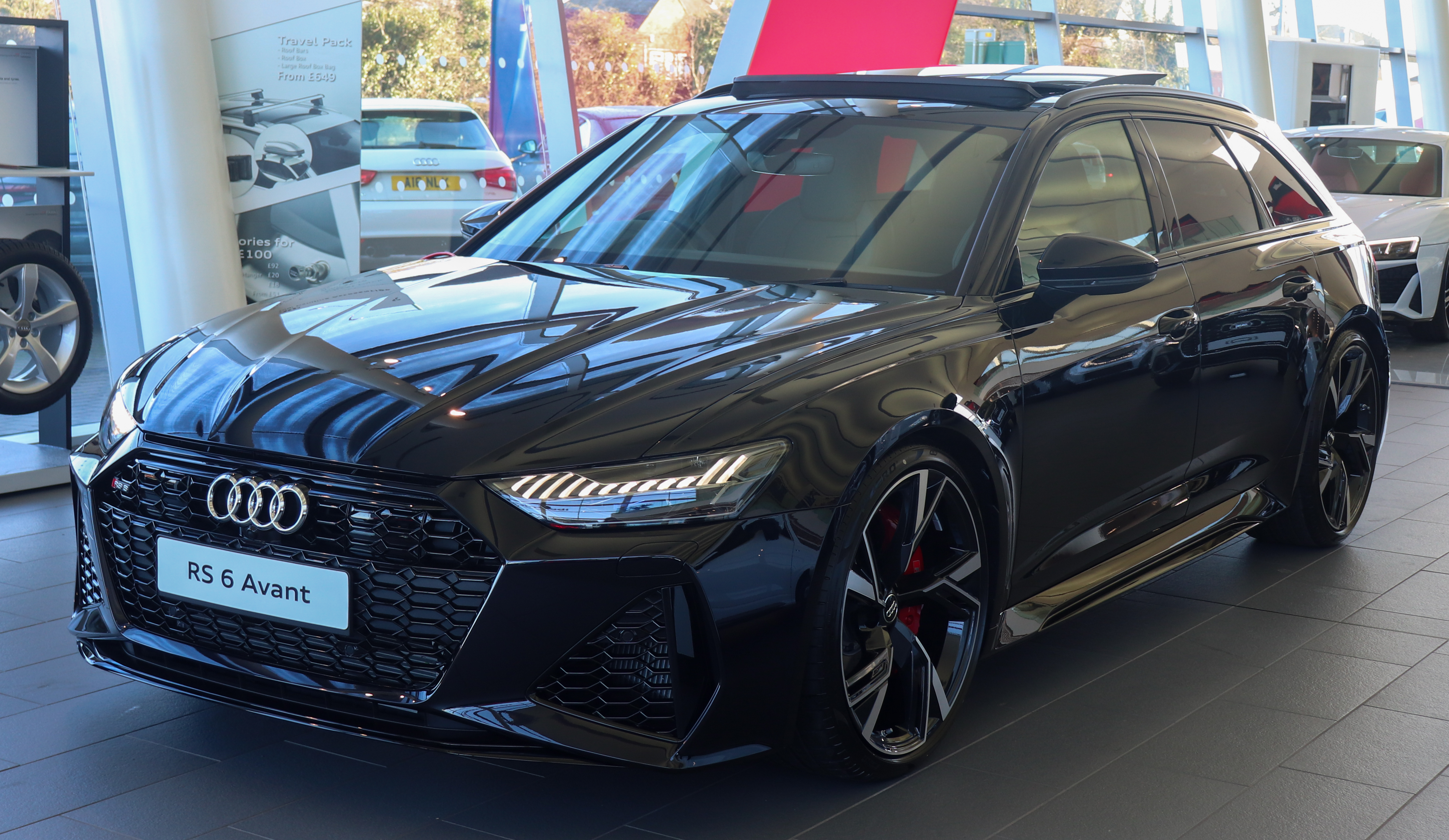
Audi RS6 Avant
"Well, I think will always, that could be me, is that Audi RS6 Avant. Yeah, one time you got to drive that and that was crazy, but you know what? They are expensive."
The Audi RS6 Avant is a fast, high-performance wagon from Audi. It’s meant to be practical like a station wagon, but it drives more like a sports car.
The Audi RS6 Avant is a high-performance wagon from Audi’s RS lineup, known for combining a practical “Avant” body style with serious power and fast, confident driving. It’s especially notable because the RS6 Avant is built for everyday usability while still delivering supercar-like performance in a family-friendly package.
84 month car loan
"we don't have to spend a ton of time on it, but there's this op-ed piece written in automotive news, a real affordability crisis is the 84 month car loan, and it's just fascinating hearing you talk about how expensive these vehicles have gone"
An 84 month car loan means you pay for the car over 7 years. It can lower the monthly payment, but you usually end up paying more money overall because of interest.
An 84 month car loan is an auto financing term that stretches repayment over seven years. Longer terms can make monthly payments feel more affordable, but they also increase total interest paid and can worsen affordability when vehicle prices rise.
affordability crisis
"there's this op-ed piece written in automotive news, a real affordability crisis is the 84 month car loan, and it's just fascinating hearing you talk about how expensive these vehicles have gone"
“Affordability crisis” here means cars are getting too expensive for many buyers. Even with financing, the overall cost can be hard to manage.
An affordability crisis in auto finance usually refers to the gap between what people can comfortably pay and what cars cost once you include loan payments and interest. In this context, the discussion ties the crisis to longer loan terms and rising vehicle prices.
backup camera
"I like backup cameras. I'll be 75. [1771.8s] I use my backup camera. I do, but I could still do that."
A backup camera is a small camera on the back of the car. When you put the car in reverse, it shows you what’s behind you on the screen, so it’s easier to avoid hitting something.
A backup camera (rear-view camera) is a vehicle camera mounted at the rear that shows what’s behind the car on the infotainment screen when you shift into reverse. It’s meant to reduce blind-spot risk while backing up and parking.
lane keep assist
"You said before the lane keep assist or whatever, blinds. How the hell have I driven for 75 years or as many years as I've been driving 59 years without that?"
Lane keep assist is a system that helps you stay in your lane. If the car senses you’re drifting, it can warn you or even help steer you back.
Lane keep assist is an advanced driver-assistance feature that helps keep the car centered in its lane by using cameras and steering or steering alerts. Depending on the system, it may gently steer the vehicle back toward the lane markings or warn the driver when drifting.
Request an Explanation
Heard something you'd like explained? We'll add it to this episode.
Sign in to request explanations for terms you heard.
Want to learn more?
Browse our glossary for plain-English explanations of automotive terms, jargon, and concepts.
Help improve this episode
See something that's not quite right? Our annotations are AI-generated and can sometimes miss the mark. Click the flag icon on any annotation to suggest a correction.