GHiT 0756: Nick Barbato - A Great Race Weekend at CMP with GridLife GLTC
About this episode
Nick Barbato breaks down a strong GridLife GLTC weekend at Carolina Motorsports Park, where he qualified near the front, won race two, and finished P2 overall. The conversation digs into how tighter tire-width rules are reshaping class parity, plus the hard-fought wheel-to-wheel racing that included a turn-five incident and a dramatic final-lap duel. He also talks through winter suspension work, simulator prep, and how he’s getting the E46 back together for future events.
GHiT 0756: Nick Barbato - A Great Race Weekend at CMP with GridLife GLTC
The season has started with Gridlife at Carolina Motorsport Park. Nick Barbato was racing in the GLTC series again this year and was kind enough to review the weekend and how it went. Hint: It went pretty #$@^@ well. This is another good one as we peak behind he visor with one of the top amateur racing drivers.
Did we miss something? Please let us know at [email protected]
A link to the episode is: https://tinyurl.com/BabatoCMP2026
We hope you enjoy this episode!
If you would like to help grow our podcast and high-performance driving and racing:
You can subscribe to our podcast on the podcast provider of your choice, including the Apple podcast app, Google music, Amazon, YouTube, etc.
Also, if you could give our podcast a (5-star?) rating, that we would appreciate very much. Even better, a podcast review would help us to grow the passion and sport of high performance driving and we would appreciate it.
Best regards,
Vicki, Jennifer, Ben, Alan, Jeremy, and Bill
Hosts of the Garage Heroes in Training Podcast and Garage Heroes in Training racing team drivers
Money saving tips:
1) Enter the code GHiT 25 for $50 off the Fire Links hardware system with a 1 year membership included and/or a an extra three months if you subscribe now at https://firelaps.com/
2) Enter code "GHIT" for a 10% discount code to all our listeners during the checkout process at https://candelaria-racing.com/ for a Sentinel system to capture and broadcast live video and telemetry.
3) Enter the code "ghitlikesapex!" when you order and Apex Pro system from https://apextrackcoach.com/ and you will receive a free Windshield Suction Cup Mount for the system, a savings of $40.
4) Need a fix of some Garage Heroes in Training swag for unknown reasons: https://garage-heroes-in-training.myspreadshop.com/
5) Want to show you support to help keep our podcast going? Join our Patreon at: patreon.com/GarageHeroesinTraining
sprint win
"Your first sprint win that wasn't an invert, my second win. Oh, and I'm sorry, you're talking about last year, you got a win in the board."
A sprint race is a shorter race than a long endurance event. Winning a sprint usually means you were the fastest over that shorter distance.
A “sprint win” refers to winning a shorter, faster race format compared with longer endurance events. Sprint races are common in many racing series and often emphasize qualifying position, tire management, and clean driving.
invert
"Your first sprint win that wasn't an invert, my second win. Oh, and I'm sorry, you're talking about last year, you got a win in the board."
An “invert” is when the race organizers shuffle the starting order, often by reversing it. The goal is to make races more exciting by changing who starts up front.
In racing, an “invert” usually means the starting grid is reversed (fully or partially) based on a prior result, like the finishing order of a previous race. This can make the field more mixed and give drivers who finished lower in the prior race a better starting position.
Carolina Motorsports Park
"So, Carolina Motorsports Park, you've been there before. What did you think? How did it go?"
Carolina Motorsports Park is a race track in South Carolina. The host is saying it’s a track where driver skill really shows, not just raw speed.
Carolina Motorsports Park (CMP) is a road course in Kershaw, South Carolina, known for being technical and demanding on drivers. In this segment, it’s framed as a “real driver’s track,” which matters because setup, braking zones, and tire behavior strongly influence lap times and race results.
Nissan Maxima
"...al driver's track, uh, and we executed to, to our maxima. We went, uh, P3 and qualifying, uh, just about ..."
The Maxima is a regular-sized Nissan sedan, meaning it’s meant for daily driving but can still be sporty. In the podcast, they talk about using it successfully in a track session and getting a good qualifying position. That’s why it comes up—its performance on track matters there.
The Nissan Maxima is a mid-size sedan that’s built to be comfortable for everyday driving while still offering performance. In the podcast, it’s mentioned in a qualifying context where the team executed well and achieved a strong result (P3). That kind of discussion usually points to how the car can be driven effectively on track, not just used as a commuter.
qualifying
"We went, uh, P3 and qualifying, uh, just about two tenths off a pole. EMAG on a pole, Coutil P2, me less than a tenth off a Coutil P3 and, uh, got a whole bunch of top fives, finished second race one, got the sprint win race two..."
Qualifying is when drivers try to set the fastest lap to decide where they start in the race. Starting up front usually makes the race easier.
Qualifying is the session where cars set their fastest laps to determine the starting positions for the races. Track position can be especially important on road courses where passing is harder, so qualifying performance often predicts race outcomes.
tire wear
"...passing for the lead in turn one, and then tires started to go away, held onto some strong top four, top five finishes, uh, for an overall P2 for the weekend."
Tire wear is when your tires lose grip as the race goes on. Once that happens, the car feels slower or harder to control, so drivers have to manage pace and driving style.
Tire wear (or “tires started to go away”) refers to how grip and performance degrade as the tires heat up and the tread condition changes over a stint. In racing, managing tire wear affects lap times, braking stability, and how long a driver can defend or push before pace drops.
fresh set of tires
"So could not be happier. I was leading the points there through race two. I think I've had a fresh set of tires."
A “fresh set of tires” means brand-new tires. New tires usually grip better, so the car can feel noticeably faster.
A “fresh set of tires” means the car is running new tires, typically restoring peak grip and allowing faster lap times compared with worn tires. In multi-race weekends, this often explains why a team’s performance can jump between races if tire allocation rules allow a change.
rear trailing arm
"And, uh, actually I had a friend of ours, his, uh, the rear trailing arm broke out of the pockets in a E 46 at the kink."
A rear trailing arm is a metal arm that helps hold the rear wheels in the right position. If it breaks, the rear of the car can steer or move unpredictably, which is why it’s such a serious failure.
The rear trailing arm is a suspension link that locates the rear wheel and controls how the suspension moves under braking, cornering, and bumps. If it breaks or separates from its mounting points, the rear axle can shift, causing sudden instability or loss of control.
BMW E46
"And, uh, actually I had a friend of ours, his, uh, the rear trailing arm broke out of the pockets in a E 46 at the kink."
An E46 is a BMW 3 Series from a particular generation. The rear trailing arm is part of the rear suspension, and if it breaks, the back of the car can lose control—especially when you hit a hard corner or kink.
The BMW 3 Series E46 is a specific generation of the 3 Series. In this story, the key point is that the rear trailing arm failed at a track kink, which can be dangerous because it affects rear-wheel location and stability.
lawn dart lip
"Did he, did he stay, uh, uh, right side up or did he go out or did he go out? He did. He did, he did not do the, uh, lawn dart lip."
A “lawn dart lip” is a dangerous-looking bump or edge on the track that can throw the car off balance. The speaker is saying the car didn’t hit it in a way that would have been much worse.
“Lawn dart lip” is track-slang for a sharp edge or lip that can launch or destabilize a car, often causing it to pitch or go airborne. The speaker is implying that the car avoided a particularly violent impact/trajectory at that section.
apex speed
"So that court, that, that corner, even at GLTC speeds is around a hundred seventeen, a hundred eighteen mile an hour apex speed on my car."
The apex is the point in a turn where you’re closest to the inside. “Apex speed” just means how fast you go through that point, which affects how quickly you can accelerate out of the corner.
Apex speed is how fast you pass through the track’s apex—the tightest point of a corner. It’s a key metric because it reflects how much grip and confidence you have, and it strongly influences your exit speed and lap time.
kink
"And, uh, you know, I raced there one time and, you know, it's a little bit of a pucker moment when you're too wide going through the kink."
A kink is a quick bend in the track that changes direction fast. If you’re too wide through it, the car can feel unstable for a second, which is why drivers get nervous there.
A kink is a short, often fast direction change in the road course—more like a quick bend than a full corner. Because it’s brief and can be easy to misjudge, it can create sudden load changes and a “pucker moment” if you’re too wide or off the ideal line.
too wide
"And, uh, you know, I raced there one time and, you know, it's a little bit of a pucker moment when you're too wide going through the kink."
“Too wide” means you miss the ideal path and end up farther from the inside than you should. It can make the car slower and less stable, especially in quick turns.
“Too wide” means you enter or pass through a corner farther out than the optimal racing line. That usually reduces grip and exit acceleration, and at faster sections like kinks it can also increase the risk of running wide or losing control.
track green
"Um, but, but the track didn't improve over the weekend. It was kind of crazy. I think just because the track was green and there wasn't a lot of, you know,"
When a track is “green,” it means it has relatively low rubber on the racing line and less grip than later in the weekend. As cars run, rubber builds up, improving traction and consistency—so lap times and confidence often improve as the track “comes in.”
low grip track / grip level fell
"The Thursday test day was very low grip. I mean, um, I do not exaggerate when I say it almost felt like you were driving on a damn track is how low the grip level fell."
Grip is how well the tires can stick to the road. If grip is low, the car will want to slide more, and you have to drive more gently and precisely.
“Grip” is how much traction the tires can generate against the track surface. When grip is low, cars slide more easily, braking and cornering feel less predictable, and drivers often need to change line and throttle/brake inputs.
rubbering going in / rubber getting laid down
"But the test day into Friday, I think there's a little bit of like rubbering going in, you know, some rubber getting laid down, getting cleaned up and just a little bit warmer."
Race tires leave a sticky layer on the track. As that layer builds up, the track usually gets grippier and easier to drive.
On race tracks, tires deposit rubber onto the racing line. As more rubber is laid down and the surface is cleaned up, grip typically improves and the track feels more consistent.
narrowed the tire with limits
"Yeah, so the, the single biggest change was they narrowed the tire with limits. And, uh, almost unanimously across the whole paddock, uh, the drivers were in support of this... they narrowed the allowable tire widths, um, and the high end for highway, they reduced the maximum tire width to a 275."
They changed the rules so teams can only use tires up to certain sizes. Smaller limits usually reduce how much grip the tires can provide, which helps keep cars more evenly matched.
The series changed rules to limit tire size, specifically narrowing allowable tire widths. This kind of regulation is used to control performance and keep competition closer by reducing the maximum contact patch.
maximum tire width to a 275
"...they narrowed the allowable tire widths, um, and the high end for highway, they reduced the maximum tire width to a 275."
“275” is the tire width—275 millimeters. A narrower tire usually means less grip available, which can slow the car down and make handling more consistent.
A “275” refers to tire width in millimeters (275 mm). Reducing maximum tire width limits the tire’s contact patch and therefore caps the potential grip and lateral performance.
aerodynamic drag
"[463.2s] So if you couldn't really make the high power flats in, you really were at a [466.0s] disadvantage last year. [467.6s] Plus they, their aerodynamic drag is less too. [471.8s] Exactly."
As you go faster, the air pushes back harder. That pushback is called aerodynamic drag, and it can limit top speed and how much power you need.
Aerodynamic drag is the resistance a car experiences as it moves through air, and it grows rapidly with speed. In racing, reducing drag or having lower drag lets cars maintain higher speeds with the same power, which is why rule changes often consider aero effects.
asset rule set
"[471.8s] Exactly. [473.1s] So what they did, what they did was bring the field lower. [475.8s] Now we're at a more of an asset rule set to 75 limit. [479.5s] Um, and some of the power rules up top or tweak to basically strongly [483.9s] encourage you to run no more than 230 horsepower and no more than a 275."
It’s a way race organizers try to make cars compete more evenly. Instead of letting the fastest cars run away, they use rules that limit or balance things like power and weight.
An “asset rule set” is a handicap-style approach where performance is limited or balanced using rules tied to factors like weight and power. The goal is to keep different cars closer together by preventing one group from dominating due to raw power or tire advantage.
horsepower limit
"[475.8s] Now we're at a more of an asset rule set to 75 limit. [479.5s] Um, and some of the power rules up top or tweak to basically strongly [483.9s] encourage you to run no more than 230 horsepower and no more than a 275. [489.3s] And then on the flip side, they closed the tire with loophole."
Horsepower is how much “pull” the engine can make. If the rules cap horsepower, teams can’t just add more engine power to go faster—they have to work within the limit.
A horsepower limit caps engine output to reduce performance differences between cars. When combined with weight and tire rules, it forces teams to optimize efficiency and traction rather than simply chasing more power.
loophole
"[483.9s] encourage you to run no more than 230 horsepower and no more than a 275. [489.3s] And then on the flip side, they closed the tire with loophole. [492.4s] Basically, um, if you were like, you know, under, under 2600 last year, you know, [498.8s] it didn't matter if you were 2000 pounds, you could run a 245 average with tire. [503.8s] And so that was like a major loophole that some drivers took advantage of this [507.3s] year, they closed that loophole."
A loophole is a “workaround” in the rules that nobody meant to allow. Teams find it, and it can give them an unfair advantage until the rules get tightened.
A loophole in racing rules is an unintended gap that lets teams exploit the regulations to gain an advantage. Here, the discussion suggests that the prior tire/weight rules allowed certain cars (under a weight threshold) to run a relatively large tire size for their mass, improving cornering.
tire size rules (245/235/225)
"[498.8s] it didn't matter if you were 2000 pounds, you could run a 245 average with tire. [503.8s] And so that was like a major loophole that some drivers took advantage of this [507.3s] year, they closed that loophole. [508.8s] So now you can't run lower than a, a, a 245 at 2625. [515.5s] If you go down another 125 pounds, 235 max, et cetera. [519.3s] And then the smallest tire is a 225 with."
The rules limit how wide the tires can be, and that matters because wider tires usually grip the road better. Changing the allowed tire width by weight helps keep lighter cars from getting too much cornering advantage.
Tire size rules restrict maximum tire width based on vehicle weight, which directly affects grip and cornering speed. By setting different maximums (like 245, 235, and 225) at different weight thresholds, organizers aim to control traction advantages across the field.
tire-to-weight ratio
"[519.3s] And then the smallest tire is a 225 with. [522.3s] So, so essentially what they did was control the tire to weight ratio better at [526.6s] the lower weight so that the really low weight cars didn't have a massive cornering [531.2s] speed advantage because of the tire, tire of weight ratio and damage."
It’s basically how heavy the car is compared to how much tire it has. If a lighter car gets too much tire, it can turn much faster than heavier cars, so race organizers try to balance that with the rules.
Tire-to-weight ratio is how much vehicle mass each tire has to support and accelerate. In racing rules, controlling it helps prevent lighter cars from getting an outsized cornering advantage just because they can run relatively wider tires for their weight.
higher horsepower
"So, and, and probably they took away some of the, the higher horsepower, higher, wider tire, cause there's now the GLGT series that the, the higher horsepower cars could go to."
Higher horsepower means the engine makes more power. In racing, that usually makes a car faster, so organizers often separate very powerful cars into different classes.
“Higher horsepower” means more engine output, which generally improves acceleration and top speed. The hosts connect it to class rules—higher-horsepower cars were steered toward GLGT so that TC/GT remains more balanced.
wider tire
"So, and, and probably they took away some of the, the higher horsepower, higher, wider tire, cause there's now the GLGT series that the, the higher horsepower cars could go to."
A wider tire usually grips the road better because it has more rubber touching the ground. Racing rules sometimes limit tire width to keep cars closer in speed.
“Wider tire” refers to using a larger tire width, which typically increases grip by providing a larger contact patch. In racing classes, tire width is often regulated because it strongly affects lap times and how much power a car can put down.
GLGT series
"So, and, and probably they took away some of the, the higher horsepower, higher, wider tire, cause there's now the GLGT series that the, the higher horsepower cars could go to."
GLGT is a racing class that’s meant for faster, higher-power cars. The event organizers moved some of the “big power” cars into this class so racing stays closer.
The GLGT series is a GridLife class created to accommodate higher-horsepower, wider-tire cars. The hosts explain that some performance/tire allowances were shifted into GLGT, which changes where faster cars compete.
TC
"And so even though the vets are still out in, in TC, they were strongly encouraged to run in GLGT and essentially all the vets have now moved to GLGT."
TC is a racing category/class at the event. The discussion is about which cars end up in TC versus the newer GLGT/GT classes.
TC appears to be a track competition class used at CMP/GridLife events. Here, the hosts compare how vets and Corvettes are distributed between TC and GLGT/GT, affecting the competitiveness of each group.
Chevrolet Corvette
"Uh, still, I think a 230 horsepower, a flat tuned Corvette would still kick some serious bot in TC. Um, uh, they are all running in GT right now."
They’re talking about the Chevrolet Corvette. Even when it’s not tuned for maximum power, it can still be quick enough to challenge other cars, and where it races (which class) affects how close the competition is.
The hosts reference the Chevrolet Corvette as an example of a high-performance car that can still be very competitive even with a “flat tuned” setup. They also talk about how Corvettes are distributed across classes (TC vs GLGT/GT), which influences parity and race outcomes.
parity
"So, uh, that sort of makes it a nice, you know, a nice basis of parody in TC, uh, at least, at least for the time being."
Parity means the race is fair—cars have similar speed so the outcome depends more on driving than on one car being way faster. They’re saying the new class structure helps with that.
Parity in racing means keeping cars close enough in performance that races are competitive rather than dominated by one setup/class. The hosts suggest the class reshuffling creates a “basis of parity” in TC for the time being.
traction control
"They were, they were tuning speed based traction control on that thing, man. That's, that's, that's some serious power management."
Traction control helps keep the tires from spinning when you accelerate on slippery or low-grip surfaces. “Tuning” it means changing how quickly and how strongly it steps in, especially depending on how fast you’re going.
Traction control is a driver-assist system that limits wheelspin by reducing engine power and/or applying brakes when the tires lose grip. When the hosts say they were “tuning speed based traction control,” they mean adjusting how aggressively the system intervenes at different vehicle speeds.
power management
"That's, that's, that's some serious power management. Yeah."
Power management is how the car decides how much power to send to the wheels and when. The goal is to keep the car from spinning the tires or feeling unpredictable when you push it.
“Power management” refers to how a car controls and distributes available power to keep it usable and predictable—especially under hard acceleration. In performance cars, this often involves coordinating traction control, throttle mapping, and sometimes drivetrain/brake interventions.
lap time improvement (15 to 20 seconds faster)
"It's like 15 to 20 seconds faster than TC. Yeah."
They’re talking about how much faster one setup or approach is compared to another. In racing, shaving off seconds usually means the car is getting more usable grip and the driver can stay on the throttle more effectively.
The hosts reference a time delta—“15 to 20 seconds faster than TC”—which implies a measurable performance gain tied to traction-control-related setup or strategy. In racing, even small time improvements can reflect better tire grip, smoother throttle application, and reduced intervention from stability/traction systems.
turn one
"first, uh, race started off, looked a little hairy going into turn one. [688.9s] Turn one, race one was tough."
Turn one is the first big corner right after the race starts. It’s usually the most stressful part because lots of cars are trying to get position at the same time.
The hosts are describing the race start and how the field behaved at the first corner. In racing, turn one is often the most chaotic spot because everyone is accelerating at once and braking/turn-in happens simultaneously.
late break
"Coutil outside Paul and Coutil did a great late break around EMAG, EMAG checked up, checked up quite a bit"
“Late break” means braking later than the car in front. That can help you get a better angle into the corner and make a pass.
“Late break” refers to braking later than the car ahead, which can create an opportunity to pass into a corner. It’s a common racing technique because it can reduce the time spent alongside and improve your exit line.
P3
"So started P3 behind EMAG, Coutil outside Paul and Coutil did a great late break"
“P3” means third place. It’s where you are in the race order at that moment.
“P3” means the driver was in third position at that point in the race. Positioning like P3 matters because it determines who you’re racing for, where you can pass, and how much traffic you’ll deal with.
checked up
"EMAG checked up, checked up quite a bit and I was kind of bought pretty bad."
“Checked up” means the car ahead slowed suddenly. When that happens, the cars behind have to react fast, which can mess up their speed and passing plans.
“Checked up” means the car ahead suddenly slowed more than expected, often forcing the following car to react. In racing, this can cause a chain reaction—closing gaps, disrupting braking points, and leading to position changes.
bought pretty bad
"EMAG checked up, checked up quite a bit and I was kind of bought pretty bad."
This sounds like they got thrown off their plan—either their speed dropped or their line got disrupted. When the car ahead changes pace suddenly, it can feel like you’re getting pushed around.
“Bought pretty bad” appears to describe being “bought” or pushed around—likely losing momentum or getting displaced due to the situation ahead. In racing, sudden changes in speed/spacing can make you feel like you’re being shoved off your line.
turn four
"fifth going into turn four, uh, and that kind of was where we stayed for most of the race until the incident."
They’re talking about turn four, where they ended up and stayed for a while. Depending on the track, some corners make it easier or harder to pass.
They mention going into turn four and holding position for much of the race until an incident. This highlights how track sections can determine whether you can pass, defend, or get stuck in traffic.
incident
"until the incident. [734.9s] Yeah. [735.5s] That was a, that was terminal one."
They say the race stayed in a certain order until an incident, described as “terminal.” In motorsports, an incident can end a car’s run (damage, spin, or mechanical failure) and drastically change the results.
HPDA
"I think, uh, you know, Eriton's been, I actually was with him for HPDA. [746.9s] So he's been racing since he was, uh, like 11 or 12"
HPDA is mentioned as something Eriton did when he was younger. It sounds like an early racing program that helps drivers learn and compete.
HPDA is referenced as a program/series connected to Eriton’s early racing. Without the full spelled-out name in this excerpt, it’s likely a youth or development racing category that helps drivers gain experience.
Mazda Miatas
"You know, that was one thing I did notice before, before we went over some of the, the racing changes, it was, uh, even the Miata's got the play this year. Usually the Miata's were kind of midfield at best and they even got to have a"
The Miata is a small two-seat sports car made by Mazda. It’s designed to be light and easy to handle, which is why people often use it for track days and racing. The podcast is saying it’s usually not the very fastest, but it can still do well.
The Mazda MX-5 (often called the Miata) is a lightweight, rear-wheel-drive roadster known for being fun and balanced rather than outright powerful. In racing and track events, it’s frequently discussed because it’s easy to drive consistently and can be competitive with the right setup. The podcast mentions it in the context of how it’s performing this year, noting it’s typically been mid-pack.
tire width rules
"I think, um, again, you know, the, the tire width rules helped the middle classified cars because even though our BOP was not affected, now you're allowing those cars in the middle to compete on a more level playing field..."
Racing series sometimes limit tire width. That changes how much grip the cars can use, which can make races closer and more fair.
Tire width rules limit how wide the tires can be in a racing class. Narrower or controlled tire widths can reduce grip and help balance performance between cars with different strengths, which can tighten up the field.
BOP
"...because even though our BOP was not affected, now you're allowing those cars in the middle to compete on a more level playing field with the low weight and the high weight cars."
BOP stands for Balance of Performance, a set of rules used in racing to equalize cars with different designs. It can adjust things like weight, engine output, or restrictors so no one car is consistently dominant.
middle power category
"...some of the drivers that were disadvantaged last year, running in the middle power category, you know, middle of the weight are now giving, are now being given an opportunity to shine."
The “middle power category” suggests a performance tiering system where cars are grouped by expected power/pace. Drivers in the middle tier can be disadvantaged when rules favor the top or bottom, so changes that affect grip or tire limits can create new opportunities.
weight-based performance tiers
"...some of the drivers that were disadvantaged last year, running in the middle power category, you know, middle of the weight are now being given an opportunity to shine. I think Eritan was, was one of those guys."
The hosts reference “middle of the weight,” implying weight-based balancing within the racing class. In many series, adding or removing weight is used alongside BOP to influence acceleration and overall pace, helping different cars run closer together.
field is really, really tight
"So the field is really, really tight. Like usually I think I would have expected more lapped cars."
A “tight” field means lots of cars are nearly as fast as each other. When that happens, it’s harder to pull away or pass cleanly.
A “tight” field means the cars are closely matched in speed and performance, so lap times are similar. That reduces the number of easy gaps and makes passing more about positioning and racecraft than raw speed.
passing's not easy
"the drivers are all great and the cars are pretty close. So passing's not easy. Not easy."
If passing is “not easy,” it means cars are close enough in speed that you can’t just fly by. You have to time your moves carefully and be precise to avoid mistakes.
When passing is “not easy,” it usually means the cars have similar pace and aerodynamic/handling effects make it hard to stay close. Drivers must manage traffic, braking zones, and traction while avoiding contact in a dense pack.
off season improvements
"So my car handles great, especially with the off season improvements."
“Off season improvements” refers to changes made between race seasons—often setup tweaks, suspension/brake refreshes, or other reliability/handling upgrades. In this context, the host credits these updates for how well their car handles.
cornering grip (low-speed vs medium-speed vs high-speed)
"The low speed cornering grip, medium speed was killer. I was just about as fast or as, or faster than anyone in the low to medium speed corner, high speed corner."
Tires don’t grip the same way in every kind of turn. Slow corners and fast corners stress the car differently, so a car can feel really good in one speed range and not as good in another. That’s what they mean by “low-speed cornering grip” versus “medium-speed” and “high-speed.”
The host is describing how tire grip changes with corner speed. Low-speed corners load the car differently than medium- and high-speed corners, so a setup that feels great in one range can struggle in another. This is why lap times can be “balanced” overall even if the car has strengths and weaknesses by corner type.
splitter
"So basically the corner preceding the kink, I was losing a little bit because I'm not running a splitter, but I basically had the cornering speed advantage..."
A splitter is a flat piece under the front of the car that helps push the car down onto the road. If you don’t have one, the car may not stick as well at speed, and it can feel less planted. It can also make the car feel slower on the straights.
A splitter is an aerodynamic front (or sometimes rear) extension that helps generate downforce. Not running a splitter usually means less aero grip, especially at higher speeds where aerodynamic downforce matters more. That can explain why the car feels strong in corners but weaker on the straights.
straight-line speed vs cornering speed (passing difficulty)
"But my car is not fast in a straight line, uh, at all. I'm, I was easily the slowest car in the straight line... even getting side by side with them at exits, he would just walk away and I couldn't overtake."
They’re saying their car is good in turns but not as fast when the track goes straight. That makes it hard to pass because you need enough speed to get alongside and finish the move. Even if you’re close coming out of a corner, the other car can pull away on the straight.
The host repeatedly contrasts being quick in low-to-medium speed corners with being slow in straight-line acceleration. That combination makes passing difficult: even if you gain time in the corners, you may lose it on the straights and not have enough speed to complete an overtake. This is especially noticeable in traffic or when you’re stuck behind faster cars.
RPM pop off the corner
"Um, and that really is just the, uh, higher RPM pop off the corner. I can hang in the middle range..."
This is basically how the engine feels when you start accelerating out of a turn. If the car “pops” and pulls hard right after the corner, you can make up time there. If it doesn’t, you may lose speed until later.
“Pop off the corner” describes how the car’s engine responds as it transitions from cornering to acceleration. If the engine makes its best power right after the corner (in a specific RPM range), the driver can gain time in the middle of the lap even if the car is weaker at top speed. It’s a common way to describe throttle response and usable power delivery.
flat tune
"I can hang in the middle range, but I'm not flat tune. I'm a natural power band car and my car just runs out of steam up top."
“Flat tune” here likely refers to an engine calibration that keeps power delivery more even across the rev range. The host contrasts this with a “natural power band” car, implying their car makes strong power only in a certain RPM window. That affects how quickly they can accelerate out of corners and how well they carry speed up top.
Honda S2000
"by and that was the same thing with the invert race and race four. So get to later getting runs on Joe Morrison, the S 2000, even getting side by side with them at exits, he would just walk away and I couldn't overtake."
The Honda S2000 is a two-seat sports car from Honda. It’s known for an engine that revs very high and for feeling responsive when you drive it. The podcast is describing how it performs during races, especially when cars are close together.
The Honda S2000 is a performance roadster famous for its high-revving engine and sharp driving feel. The podcast references it in race situations where it can run side-by-side at exits but still fall behind as the race progresses, highlighting its real-world track behavior. It’s discussed because it’s a well-known benchmark car for driving dynamics.
tires fell off quickly (grip degradation)
"So basically Eric Madison's, his, his tires fell off very quickly. That allowed Eric to escape away even more..."
“Tires fell off very quickly” means the tires lost grip over the course of the stint, reducing lap time and making the car harder to drive at the limit. When one driver’s tires degrade faster, they can lose the ability to defend or stay close, allowing others to pull away. This is a key race dynamic in endurance-style or multi-race weekends.
race traffic / getting stuck in a train (drafting/clean air)
"...you sort of had this train with Ayrton Grimm caught behind him, Brian Hedian on Ayrton Grimm's, but, and then I was right behind them and that was allowing me to get backed up into Andy"
The host describes a “train” where multiple cars are close together behind a leader, with others caught behind. In that situation, drivers may lose time due to reduced clean air, altered braking points, and limited passing opportunities. It can also affect tire wear and how quickly you can build a gap or close one.
decreasing radius right hander
"...train in through turn one, two, three, four, five, the little, you know, decreasing radius right hander in the back."
A decreasing-radius turn gets tighter the farther you drive into it. That means you can’t just enter fast and hope—your speed and steering have to be set up early.
A decreasing-radius corner tightens as you go deeper into the turn, which makes it harder to carry speed consistently. Drivers often need to manage entry speed and steering angle carefully because the car can feel like it “runs out of room” mid-corner.
chess level defense
"So that's the sort of chess level defense that I had to play in race one, just to not lose my position until... while I saw things heating up..."
This means the driver is defending like a chess player—thinking ahead and controlling where the other car can go. Instead of just blocking, they manage the gaps so the other driver can’t set up a good pass.
“Chess level defense” describes a high-IQ, position-first driving strategy where the defender manages spacing and timing rather than trying to block aggressively. The goal is to control the opponent’s approach angle and braking/turn-in options so they can’t get a clean pass.
GLTC
"So Eric Magnuson has a very great GLTC setup. So he runs flat tuned 230 horsepower."
GLTC is the racing category they’re competing in. It affects how cars are prepared and what kind of performance you can expect.
GLTC refers to a racing class/series setup used in GridLife’s competition. In this segment, it’s used to frame how a car is prepared and balanced for that specific rule set and track behavior.
LS3 V8
"So he runs an LS3 V8. The thing basically makes 230 horsepower from 2500 RPM."
An LS3 V8 is a Chevy V8 engine that’s popular for performance builds. The hosts are saying his car’s engine makes strong power early, which helps it go fast for a lap.
The LS3 V8 is a Chevrolet performance V8 engine family commonly used in racing and track builds. In this segment, it’s described as making peak power quickly and supporting strong one-lap performance.
275 tire
"So with that BOP, he runs at like 3,100 pounds and change and a 275 tire on an 11 inch wheel. So his car is killer for one lap, but it will fall off."
A 275 tire is a wider tire (275 mm) that usually gives more grip. The hosts are connecting tire size to why the car feels great at first but can drop off later.
A “275 tire” refers to a tire width of 275 mm, which strongly influences grip and how the car loads the suspension and brakes. Combined with the wheel width and the car’s setup, it helps explain why the car is effective for a single lap but may lose effectiveness as conditions change.
11 inch wheel
"...and a 275 tire on an 11 inch wheel. So his car is killer for one lap, but it will fall off."
An 11-inch wheel is the width of the rim. It changes how the tire sits and can affect how the car grips the track.
An “11 inch wheel” indicates wheel width, which affects tire shape (how the tire bulges or stretches) and can change grip and wear. In racing setups, wheel width is chosen to match tire size and the suspension geometry for predictable handling.
one-lap performance vs falling off
"...275 tire on an 11 inch wheel. So his car is killer for one lap, but it will fall off."
They’re saying the car is really fast for a single lap, but it doesn’t stay that way. Something about tires, brakes, or balance changes as the run continues.
The segment contrasts “killer for one lap” performance with the car “fall[ing] off,” implying that grip, balance, or tire/brake effectiveness degrades over time. This is common in racing when setups favor peak traction early but can’t sustain it through longer stints or repeated hard laps.
wide car in the corners
"So even if you're behind him, we'll drive a wide car in the corners, but you're not going to pass them..."
“Driving wide” means taking a wider path through the turn. The idea is to use the track better so you can go faster and keep your position when you can’t easily pass.
“Driving a wide car” is a racing line strategy where you set up wider entry/exit to maximize cornering grip and carry speed. It’s often used to improve traction and positioning, especially when passing is difficult and the goal is to defend or stay ahead.
next apex
"...he's going to have a car to buy the next apex."
The apex is the closest point to the inside of a turn. “Next apex” means you’re thinking ahead to the following corner so you don’t slow down or mess up your line.
The “apex” is the point in a corner where you’re closest to the inside. “Getting to the next apex” is a way of saying the driver will set up the following turn correctly, which is crucial for maintaining momentum and minimizing time loss.
LS swap
"Yeah, because he's a LS swap too, right? LS swap."
An LS swap is when someone puts a GM V8 (the “LS” engine family) into a different car. People do it because the engine is powerful and there are lots of parts and tuning options for it.
An “LS swap” means replacing a car’s original engine with a GM LS-series V8 (commonly from the Camaro/Corvette family). It’s popular in grassroots racing because the LS engines are compact, plentiful, and make strong power with good aftermarket support.
230 horsepower
"It literally makes 230 horsepower right from like 2500 RPM to red line."
Horsepower is how much power the engine makes. Higher horsepower usually means faster acceleration, especially when it’s available at the RPMs you use most while driving.
“Horsepower” is a measure of engine power output—how hard the engine can work to accelerate the car. Mentioning the RPM range where it makes that power helps listeners understand how usable the power is during driving and racing.
340 pound-feet of torque
"...and like, 340 pound-feet of torque. So that's, it's a must."
Torque is the engine’s pulling force. More torque usually helps you get moving quickly, especially when you’re accelerating out of turns.
“Torque” is twisting force that helps the car accelerate, especially at lower RPMs. The hosts pairing torque with the LS swap is meant to show why the car can pull strongly out of corners and maintain speed down the straight.
front row seat
"Yeah, so I had a front row seat to that. I actually got involved in reviewing some video and stuff after the fact..."
“Front row seat” just means they were watching really closely. In a race, that kind of view helps you understand exactly how the incident unfolded.
“Front row seat” is a figurative way to say the speaker had an excellent view of the action. In racing coverage, this often matters because it affects how accurately someone can judge what happened—like whether a move was closing too quickly or if contact was inevitable.
margin
"Brian Hedian made an overly optimistic move to try to go for a gap that very, very quickly closed. Didn't leave enough margin."
In racing, “margin” is the extra space you leave so you don’t hit someone if things happen faster than you planned. If you don’t leave enough margin, a gap can disappear and lead to a crash.
In racing, “margin” refers to the safety buffer between two cars—how much space and time a driver leaves when making a pass. The host says the move was overly optimistic and “didn’t leave enough margin,” which is a common cause of contact when the gap closes faster than expected.
ran into the back of Erdengrim
"Didn't leave enough margin. Ran into the back of Erdengrim. Their tires, you know, contacted rear tire to front tire that launched Brian Hedian's car in the air."
They’re describing a driver hitting the back of another car. In racing, that kind of hit can knock the cars out of position and cause a much bigger accident.
This describes a rear-end contact during a race, which can be especially dangerous because the struck car may be pushed off line or destabilized. The segment then explains the chain reaction: tire contact between cars leads to one car being launched into the air.
rear tire to front tire
"Ran into the back of Erdengrim. Their tires, you know, contacted rear tire to front tire that launched Brian Hedian's car in the air. They both went off the track..."
This is a crash where one car’s tire hits another car’s tire in a way that can act like a ramp. That ramp effect can lift a car off the ground, which is why they say it launched the car in the air.
“Rear tire to front tire” contact is a specific crash mechanism where one car’s rear tire rides up against another car’s front tire. That can act like a ramp, transferring force in a way that destabilizes the cars and can launch one into the air, as described here.
launched ... in the air
"Their tires, you know, contacted rear tire to front tire that launched Brian Hedian's car in the air. They both went off the track and I saw that actually coming."
“Launched in the air” means the car got lifted off the ground. That usually happens when the tires or suspension get caught in a way that suddenly removes stability.
Being “launched in the air” indicates a high-energy rollover/airborne moment, often caused by tire-to-tire ramping, loss of traction, or snagging under load. The host also notes they “saw that actually coming,” implying the incident was predictable from the drivers’ line and decision.
engine issues this weekend
"But then Eric and Teal had a little his first of two engine issues this weekend and turned out to be, you know, Max's tired BMW one, two, E-MAG and Barbado to end the first race."
They’re talking about the car having problems with how the engine was running during the race weekend. In racing, even small issues can ruin your results, so teams try to figure out exactly what failed and prevent it next time.
The segment frames the weekend as having multiple “engine issues,” which is common in endurance-style racing where small problems can compound. Tracking what failed (ignition wiring vs. other systems) helps teams adjust setup, inspection routines, and spares strategy for future races.
coil pack wire
"And then Eric had a was a coil or a coil pack wire. He was hitting curbs and somehow some coil pack lead wire it became disconnected and was sharing. So he was getting a misfire."
This is part of the ignition system that helps the engine spark. If a wire comes loose—like from hitting curbs—the engine can start misfiring and feel like it’s running poorly.
A coil pack wire (often part of the ignition system wiring to the ignition coils) can disconnect or fail, which prevents the engine from firing correctly. When that happens, the engine may run rough and the ECU will register a misfire.
misfire
"So he was getting a misfire. So that makes it BMW on BMW one, two leading to the next race."
A misfire means the engine doesn’t light the fuel in a cylinder the way it should. It can cause shaking, loss of power, and the car may throw a warning code.
A misfire occurs when one or more cylinders don’t ignite properly during the combustion cycle. Common causes include ignition problems (like disconnected coil/coil-pack wiring), fuel delivery issues, or sensor faults; the result is rough running and potential check-engine codes.
Front row lockout
"Front row lockout. That's right."
In racing, a “front row lockout” means the front of the grid got taken by the same person or team. It’s a sign they were fast enough to secure the best starting spots.
A “front row lockout” is a qualifying/race-start situation where the front row (pole and second place) is occupied by a specific driver or team, preventing others from taking those grid spots. In racing, it usually signals strong pace and control at the start of the event.
tires going off
"Eric Magnuson, fantastic driver, heck of a driver, heck of a car, big power, big straight line speed, but tires going off did out of the cornering speed. So it was a classic lightweight maneuver car versus the heavy high power slower"
“Tires going off” means the tires start losing traction. When that happens, the car won’t grip the road as well in corners, so you have to slow down or change how you drive.
“Tires going off” means the tires lose grip as they overheat or wear, reducing cornering speed and making the car harder to control. In racing, it can happen after a stint, a hard push, or a specific driving style that overheats the tires.
lightweight maneuver car versus heavy high power slower cornering car
"So it was a classic lightweight maneuver car versus the heavy high power slower cornering car, but a great driver, great defensive driver as well. And the only chance I had in my little S 52 in line six cylinder was to have a"
This describes a common racing tradeoff: lighter cars often carry speed through corners and are easier to maneuver, while heavier cars with more horsepower may be faster in straight lines but can lose time in slower corners. The speaker’s point is that their strategy depended on exploiting braking and cornering rather than trying to match top-end speed.
braking duel
"And the only chance I had in my little S 52 in line six cylinder was to have a braking duel on the brakes. I started on the outside of turn one."
A “braking duel” is a race where two cars fight for position right when they slow down for a corner. The goal is to brake later or brake better so you can get ahead before the turn.
A “braking duel” is when two cars run side-by-side or close together into a braking zone, with the driver trying to out-brake the other to gain position. It’s a high-skill maneuver because braking points, tire grip, and car balance all have to be managed precisely.
clean driver
"I knew with the cornering speed, if I could just break a little deeper, Eric is a clean driver. "
A “clean driver” is someone who races hard but avoids dangerous moves and unnecessary contact. It also usually means they defend their position in a controlled, predictable way.
Calling someone a “clean driver” is praise for racing with minimal contact and good situational awareness. It implies they defend effectively without being reckless, which makes passing attempts more difficult.
outside line
"He'd give me the outside line. If I could just sneak through two, three, the outside being preferred into two, I could maybe be out in front for turn five."
The “outside line” is the wider route, closer to the outside of the track. Drivers use it to try to pass or to set up a better position for the next corner. It can work, but you often have to manage speed and braking carefully.
The “outside line” is taking the wider path through a corner or into a braking zone, often to set up an overtake. In racing, it can help you carry speed differently and create a better angle for the next turn. The tradeoff is that it may require more braking or can be harder to get back to the optimal racing line.
hard on the brakes
"And if I was out in front and turn five, I was going to have a shot of getting in clean air and taking that win and sure enough, that's what it was hard on the brakes. Both of us break very deep."
It means the driver slows down very strongly for the corner. When you brake hard, you have to do it at the right moment so the car turns in cleanly. Too much or too early can make the car unstable or cause skidding.
“Hard on the brakes” describes aggressive braking—using strong deceleration to slow the car quickly for a corner. In close racing, braking timing and pressure are crucial because small differences can change where the car turns in and whether you can out-brake the other driver. It also relates to brake heat management and avoiding lockup or instability.
break very deep
"Both of us break very deep. I break just a tick later, basically had, basically his nose was at my bumper by turning."
“Brake very deep” means you wait longer before slowing down for the turn. That can help you keep more speed into the corner and potentially pass. But it’s risky if your tires aren’t ready or if you misjudge the distance.
“Break very deep” (brake very deep) means braking later than usual—closer to the apex or the corner entry. Doing this can gain track position, but it requires confidence in braking distance and tire grip. In wheel-to-wheel racing, it’s often a key move for setting up an overtake or defending a position.
manage the pace
"And then maybe two laps left, I knew we were towards the end. I started to back it up just a little bit, managed the pace, saw the wide flag."
“Manage the pace” means you don’t always go flat-out. You adjust your speed to what the race needs—like saving tires or staying in control. Near the end, it’s often about finishing strong without making mistakes.
“Manage the pace” means controlling your speed and effort to match the race situation—often to protect tires, brakes, or a gap to the car behind. Late in a race, drivers may shift from pushing for maximum lap time to maintaining a safe, consistent rhythm. This can be especially important when the goal is to avoid mistakes rather than chase every tenth.
wide flag
"I started to back it up just a little bit, managed the pace, saw the wide flag."
A “wide flag” is a signal that something is going on ahead and you need to be careful. Drivers usually adjust their line and slow down a bit to stay safe. It’s more about avoiding problems than racing for time.
A “wide flag” is a caution/flag indication that tells drivers to adjust their line and speed—often used to warn of traffic, debris, or an incident. The key is that it changes the driver’s priorities immediately: safety and positioning become more important than lap time. Without the exact series’ flag definitions in the transcript, the term is best understood as an instruction to go wider and be cautious.
white flag
"And then, you know, you know, last lap, white flag and see Eric there. [1528.9s] And then I see that, you know, neon green civic, the star finished line."
The “white flag” in racing means the final lap has started. It’s a key moment because drivers adjust their strategy—pushing for position, managing traffic, and setting up the last corner/finish-line pass.
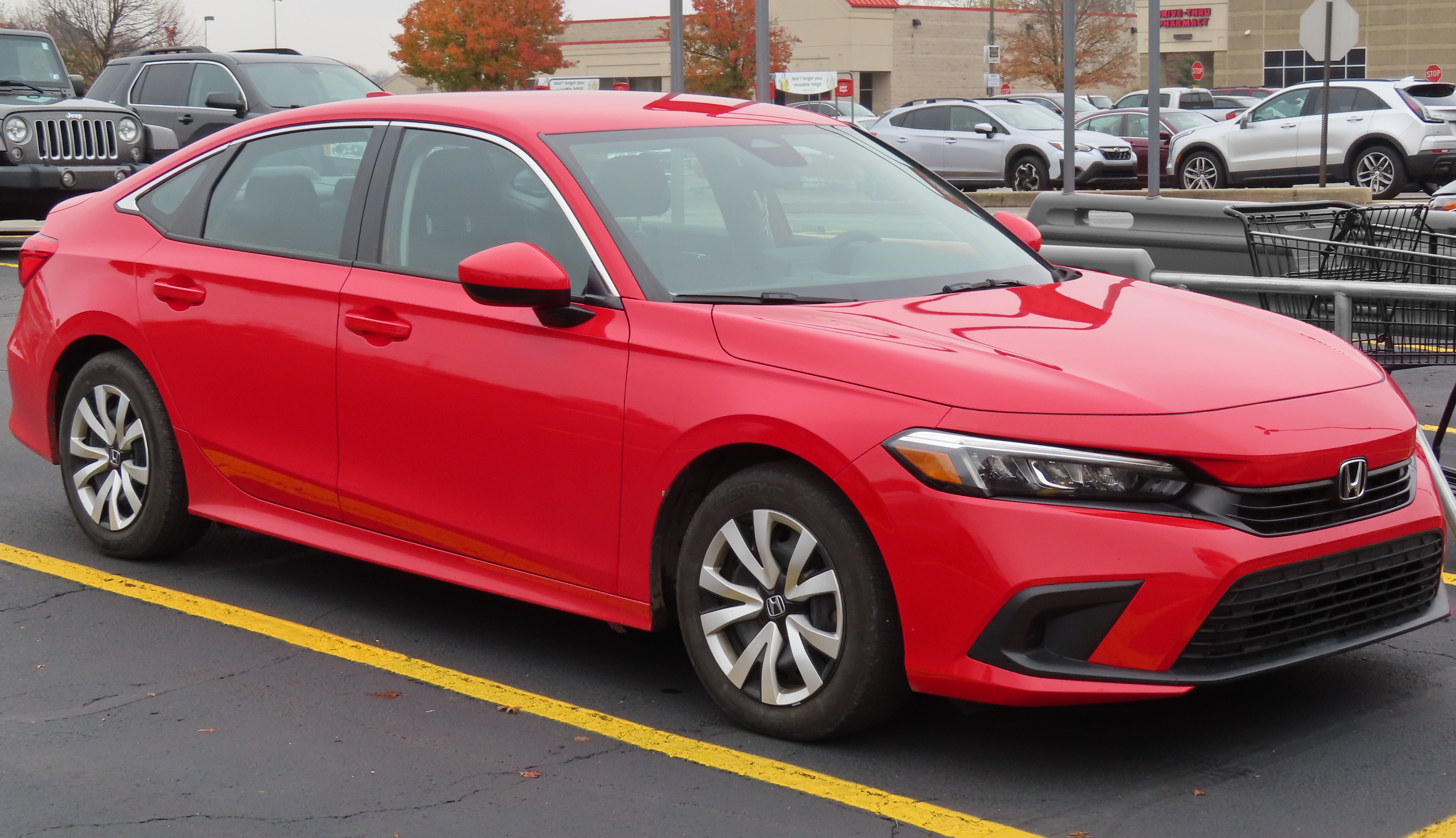
neon green civic
"And then, you know, you know, last lap, white flag and see Eric there. [1528.9s] And then I see that, you know, neon green civic, the star finished line."
They’re talking about a Honda Civic that was painted a bright green color. In racing, people use recognizable cars (and colors) to track who’s where on the track.
The speaker is referring to a Honda Civic painted neon green. In a race context, the car’s color helps identify it on track, and “Civic” tells you it’s a compact, front-drive platform commonly used in amateur and club racing.
victory swerve
"[1535.3s] He should not be there, but he was. [1538.4s] And I did my little, you know, victory swerve and brought it home. [1543.9s] And that was just, just a fantastic moment."
A “victory swerve” is the celebratory steering movement drivers do after winning—often a quick, controlled wiggle or arc as they cross the finish. It’s a show of triumph, but it’s still done with care so the car stays stable and doesn’t upset traction or other cars nearby.
cornering speed advantage
"[1572.2s] From what I saw though, he didn't really hold up. [1574.7s] Eric could deal at all. [1577.5s] You know, he, he still had a significant cornering speed advantage and he went through traffic very smartly."
“Cornering speed advantage” means one driver can carry more speed through turns than others. That usually comes from better grip, braking/turn-in technique, and setup—so the faster car gains time in every corner and can pass or defend more effectively.
CMP
"[1658.6s] I did the test day, all the hard work in the garage, all winter, you know, [1663.9s] 500 laps in the driving simulator to prepare CMP and E36M3 [1668.7s] that I tuned myself on the sim."
CMP is a racing venue referenced here as the track Nick prepared for using simulator practice and car setup work. For listeners, it’s a shorthand for “track-specific prep,” where you tailor suspension and driving approach to that circuit.
driving simulator
"[1658.6s] I did the test day, all the hard work in the garage, all winter, you know, [1663.9s] 500 laps in the driving simulator to prepare CMP and E36M3 [1668.7s] that I tuned myself on the sim."
A driving simulator lets you practice driving a track and learning where to brake and turn without using the real car. It’s a way to get better faster when you finally hit the track.
A driving simulator is used to practice track lines, braking points, and car behavior before real sessions. In racing prep, it helps you build consistency and can reduce the amount of time needed to get up to speed.
preload
"[1689.4s] The, the diff was definitely, it had lost preload. [1691.9s] I had it inspected at the rebuild shop. [1694.4s] We were out of spec on the preload. [1696.3s] So it was basically it was too open."
Preload is like the “starting tension” inside the differential. If it’s not set correctly, the rear end won’t transfer power the way it should, and the car may feel less planted.
Preload is the initial clamping/loaded condition inside a differential (often related to how an LSD is set up). If preload is too low or out of spec, the differential can behave inconsistently, reducing the effectiveness of traction control between the wheels.
valving
"[1698.3s] So refresh dip, rebuild shocks, very, very similar valving. [1704.4s] But the whole rear of the car got converted to spherical bearings."
Valving is the shock’s internal design that controls how much resistance it gives when the suspension moves. Keeping it similar means the car should handle the same way after the rebuild.
Valving refers to the internal flow restrictions in a shock that determine damping force. “Very similar valving” suggests the rebuild restored the same damping behavior so the car’s handling stayed predictable.
shocks
"[1698.3s] So refresh dip, rebuild shocks, very, very similar valving. [1704.4s] But the whole rear of the car got converted to spherical bearings."
Shocks help control the car’s bounce and grip over bumps. Rebuilding them with similar settings keeps the ride and handling behavior close to what you tuned for.
Shocks (dampers) control how quickly the suspension compresses and rebounds. Nick mentions rebuilding the shocks with very similar valving, meaning he kept the damping characteristics consistent while restoring performance.
spherical bearings
"[1704.4s] But the whole rear of the car got converted to spherical bearings. [1708.0s] So went from stock style."
Spherical bearings (often “spherical” or “heim” style) reduce compliance compared to many stock rubber/bushing-style setups. Converting the rear of the car to spherical bearings can improve steering/suspension response and consistency, especially in a race environment.
trailing arm bearing
"Oh yeah. And then the upper control arm enter as well as the trailing arm bearing [1719.0s] all converted to spherical on that way."
A trailing arm bearing helps the suspension arm move as intended. If it’s worn, the rear suspension can feel sloppy and alignment can change more than you want.
A trailing arm bearing supports the trailing arm’s rotation and allows controlled suspension movement. If the bearing is worn or replaced with a different design, it can change how the rear suspension articulates and how predictable the alignment stays under load.
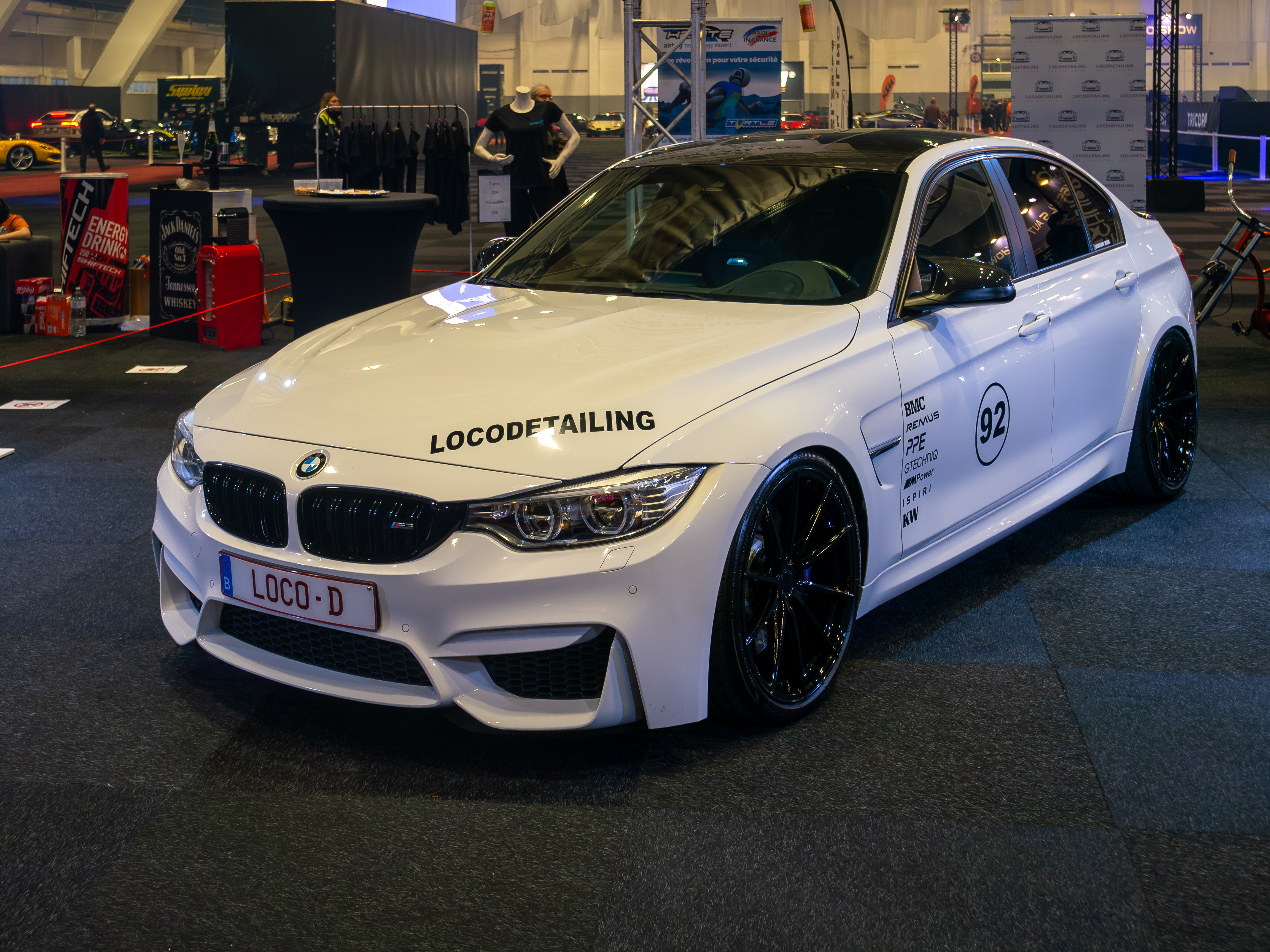
upper control arm
"Oh yeah. And then the upper control arm enter as well as the trailing arm bearing [1719.0s] all converted to spherical on that way."
An upper control arm is a metal link that holds the wheel in the right position. It helps the wheel move smoothly over bumps without losing alignment.
The upper control arm is a suspension link that locates the wheel and controls its movement relative to the chassis. In many setups, changing or upgrading the control arm hardware affects alignment behavior (like camber changes) under bumps and cornering.
E 36 M3
"A lot of my stuff was older in the back for an E 36 M3 in particular. It, it minimizes unintended suspension movement."
The BMW E36 M3 is a classic BMW M3 from the 1990s. Here it’s used as an example of a car where rear suspension refresh and upgrades can make the handling more stable.
The BMW E36 M3 is the third-generation M3 (1990s era) known for its enthusiast tuning community. In this segment, the speaker mentions older rear suspension components on an E36 M3 and how spherical bearing upgrades can improve stability and alignment behavior.
camber and toe movement
"So there's some, some weird sort of camber and toe movement that you [1774.6s] don't want. That's not, that's not ideal."
Camber and toe are alignment settings for the wheels. If they change the wrong way when the suspension moves, the car can feel less stable and less predictable.
Camber and toe are wheel alignment angles that determine how the tire contacts the road. Unwanted camber/toe change during suspension travel can create instability, scrub, and unpredictable grip—especially in performance driving.
bump curve
"This allows you to have a very stable bump curve and a stable camber curve [1782.1s] and combined with some other tweaks."
The bump curve is how the suspension changes as the wheel goes up and down over bumps. A stable bump curve means the car keeps better tire contact and feels more controlled.
The “bump curve” describes how suspension geometry and alignment evolve as the suspension compresses over bumps. A stable bump curve means the car maintains more consistent tire contact and handling through vertical wheel travel.
bushings
"I had the whole rear subframe off, you know, expected, you know, new, new bushings, et cetera, and that too."
Bushings are soft parts that connect suspension pieces to the car. When they wear out, the suspension can move more than it should, making handling feel less tight.
Bushings are flexible mounting components that isolate vibration but also add compliance to suspension movement. Replacing old bushings (often with stiffer or more precise designs) can reduce unwanted movement and help alignment stay more consistent during driving.
rear subframe off
"I had the whole rear subframe off, you know, expected, you know, [1787.7s] new, new bushings, et cetera, and that too."
“Rear subframe off” means removing the rear structure that the suspension mounts to. It’s often done so you can replace worn bushings and tighten up how the rear suspension feels.
Taking the rear subframe off is a major suspension service step that allows access to bushings and mounting points. Doing this alongside new bushings can reduce compliance and improve how accurately the suspension geometry behaves under load.
suspension refreshed
"suspension refreshed. Front of the car was also refreshed."
Refreshing the suspension means updating worn parts so the car handles the way it’s supposed to. It can make the ride and grip feel more consistent, especially during hard cornering.
“Refreshing” suspension typically means replacing wear items (like bushings, links, or dampers) and/or reconditioning components to restore intended geometry and compliance. In this context, it’s tied to improved feel and eliminating wheel hop.
weight reduction
"I got like 20 pounds off the nose, 30 pounds off the rear. Actually have more, more weight reduction to do."
Taking weight out of the car makes it feel quicker and more controlled. Less weight can also help the tires work better because the car doesn’t fight as much inertia.
Weight reduction improves acceleration, braking, and tire grip because there’s less mass to move and less inertia to manage. The speaker quantifies it as pounds removed from the nose and rear, suggesting a focus on improving balance and overall responsiveness.
wheel hop
"...if you ever exit a corner and you feel some, some wheel hop, you know, if you've ever felt that on a front wheel drive car, a little bit of stutter, that the compliance and the bushings can impact that it's a great way to eliminate wheel hop."
Wheel hop is when a wheel starts bouncing instead of staying planted. It usually happens when the suspension parts and rubber bushings aren’t controlling the wheel well, so the car feels like it stutters when you exit a corner.
Wheel hop is a bouncing or chattering of a tire as it loads and unloads over bumps or during hard acceleration/braking. It’s often caused by suspension compliance (flex) and worn or soft bushings that let the wheel move in ways the chassis doesn’t want.
ABS
"You know, my car runs a stock ABS system, stock calipers. So, you know, even, even the braking performance was improved."
ABS is a safety system that stops your wheels from locking when you brake hard. When the wheels don’t lock, you can usually steer a bit and the car stays more controllable.
ABS (anti-lock braking system) prevents the wheels from locking up during hard braking. That helps the car stay steerable and reduces the chance of skidding, especially on track surfaces with varying grip.
stock calipers
"You know, my car runs a stock ABS system, stock calipers. So, you know, even, even the braking performance was improved."
Calipers are the parts that squeeze the brake pads against the rotors. If they’re “stock,” it means they’re the original brakes, not upgraded hardware.
Calipers clamp the brake pads onto the rotors to create stopping force. Mentioning “stock calipers” suggests the braking upgrade or setup changes improved performance without swapping to larger aftermarket calipers.
race car over the winter
"You know, we, we, we made a big step forward in, in, in race car, in the race car over the winter. So, so all those changes, you felt the difference when you were in there?"
This describes the common off-season development cycle where teams use the winter to make setup and hardware changes before the next race weekend. The key idea is that incremental changes can show up immediately in predictability, stability, and drivability on track.
hopping under braking
"less countersteer, you know, less, less hopping under braking, less, less hopping on the throttle, just, just drivable."
Hopping under braking is when the car bounces when you slow down hard. That usually means the suspension isn’t controlling the movement well, so the tires may not grip as consistently.
“Hopping” under braking is a suspension instability where the car bounces or chatters due to weight transfer and insufficient damping control. It can reduce tire contact and make braking feel inconsistent or harder to modulate.
hopping on the throttle
"less, less hopping under braking, less, less hopping on the throttle, just, just drivable. It started looking to me, and you know, this is on a TV."
Hopping on the throttle is when the car bounces or bucks when you accelerate. If it’s less, the car is probably gripping better and the suspension is working more smoothly.
“Hopping on the throttle” suggests instability during acceleration, often tied to suspension/damping settings, traction, and how weight transfers rearward. If it’s reduced, the car likely has better traction and more controlled suspension behavior.
struggle bus
"There was no surprises, you know, the, the, the kink... It started looking to me like it was degrading kind of the end of the third race, and then the fourth race, you look like you were kind of having a little bit of a struggle bus."
“Struggle bus” just means the car started feeling worse and harder to manage. On track, that often happens when tires or brakes get tired after a few races.
“Struggle bus” is a colloquial way to describe a car that’s losing performance or becoming harder to drive as the session progresses. In racing, this can point to issues like tire wear, brake fade, or setup that doesn’t hold up over multiple stints.
managing pace
"I could feel it even toward, basically after lap three, race three, I began to, to, to manage. And then, you know, with the heat and temperatures, it was so hot, the tires really, really took a beating."
Managing pace means you don’t drive at 100% the whole time. You adjust your speed so the tires (and grip) last longer.
Managing pace means adjusting speed and driving inputs to preserve tires and maintain performance over multiple laps. It’s a common race strategy when grip is falling off due to wear or heat.
tire heat and temperatures
"And then, you know, with the heat and temperatures, it was so hot, the tires really, really took a beating. But no, that made it fun."
Tires get hot during a race, and that heat changes how well they grip. If they get too hot, they wear out faster and feel worse, so drivers slow down or change how hard they push.
Track temperature and tire heat strongly affect grip and wear. When tires overheat, they can lose traction and degrade faster, which is why drivers talk about managing after a certain lap.
defensive battle
"Had a great defensive battle against Mr. Smedgaard. Shout out to Andy, by the way."
A defensive battle is when a driver is trying to keep the other car from getting by. They pick smart lines and braking spots to make passing difficult.
A defensive battle is when one driver focuses on preventing a pass rather than chasing outright speed. It often involves choosing the right braking points, holding a line through corners, and forcing the attacker to make a mistake.
rules of engagement, overlap
"...we respected the rules of engagement, you know, overlap. You know, he, he, he, they break me on the inside..."
This is about how racers handle passing when they’re running next to each other. They’re talking about keeping it fair and giving room so you don’t crash while still racing hard.
“Rules of engagement” and “overlap” describe how drivers coordinate when two cars are side-by-side or entering the same corner. It’s a racing etiquette concept: you respect each other’s space while still fighting for position, reducing the chance of contact.
Subaru BRZ
"...whether it's an 86 or BRZ or whatever the trends, twins or triplets..."
The Subaru BRZ is basically the sibling car to the Toyota 86—similar layout and driving feel. They’re saying the car could be an 86 or BRZ depending on which version you start with.
The Subaru BRZ is the Toyota 86’s closely related twin—both are rear-wheel-drive sports coupes built around similar driving dynamics. The segment mentions BRZ as part of the “twins or triplets” idea, highlighting how common this platform is in grassroots racing.
arrow setup
"Yeah. He has a nice little arrow setup, like a, like a max of the rules, arrow setup on that car."
This sounds like they’re talking about how the car’s aero parts are set up. Aero helps the car stick to the road at speed, but it can also add drag, so teams tune it for the track.
An “arrow setup” is likely shorthand for an aerodynamic setup—how the car’s aero devices (wings, splitters, diffusers) are configured to manage downforce and drag. In racing, small changes to aero can strongly affect cornering grip and straight-line speed.
lemon race
"We could use that in a lemons race, about a hundred different teams, but you'd be a great guy to bring us as a lemons, uh, you know, council driver. He would have so much fun in the lemons race because he just sit there"
This is a type of race where people drive inexpensive, sometimes sketchy cars. The goal is usually to finish the race and have fun, not just to be the fastest.
A “lemon race” is a reference to The “ChumpCar”/“Lemons” style endurance racing where teams compete with cheap, often unreliable cars. The culture emphasizes creativity, teamwork, and keeping a questionable car running rather than pure performance.
paddock
"and walk around the paddock looking at the crazy stuff that they try to pull off and shake his head and laugh a lot."
The paddock is the “team area” at a race. Cars are parked there and mechanics/crews work on them between races.
The paddock is the area at a race event where teams park, work on cars, and prepare for upcoming sessions. It’s where you’ll see crew activity, car setups, and often meet drivers and team members.
lemons car
"Yeah. He'd be a guy who would build a lemons car and everyone would be, would get mad."
A “lemon” is a car that turns out to be a problem—like it keeps breaking or never works right. When someone says “build a lemons car,” they usually mean making a car that’s kind of a disaster, just to see what happens.
A “lemon” car is a vehicle that repeatedly fails to meet quality or reliability expectations—often discussed in the context of consumer protection laws. In motorsports banter, “build a lemons car” usually means making something intentionally janky or unreliable, but still racing it for laughs.
race two
"So, so race two went about as well as it could be. And then they interviewed."
“Race two” just means the second race of the weekend. After that race, they usually talk to the winner or top finishers.
“Race two” refers to the second on-track race of the event weekend, typically after qualifying or a first race. Results and driver interviews often follow each race separately.
interview
"And then they interviewed. Uh, Eric Catele after your victory."
After a race, drivers often do interviews to talk about how it went. It’s a chance to hear what they think caused the result.
Driver interviews after a race are common media moments where winners explain what happened on track and how the car performed. They also help fans connect the race outcome to strategy, pace, and conditions.
points
"So, so race two in the books, you are, what were you second and first? So that's gotta be good for the points. I was at that time."
“Points” are how racing series track who’s doing best over the whole season. You earn points based on where you finish, so consistency can be as important as winning one race.
In many racing series, championship standings are based on “points” awarded for finishing positions (and sometimes for things like fastest lap). That’s why a driver can be focused on where they place in each race rather than only chasing the win.
fastest lap
"So race three is done. By fastest lap, right?"
A “fastest lap” is the quickest one lap the driver did during the race. Some series give extra points for it, so it can help your championship even if you finish behind.
“Fastest lap” means the single quickest lap time set during the race. Some racing formats award points or bonuses for the fastest lap, so it can matter even if you don’t win overall.
P one
"It was Eric teal P one. I was, uh, P two on the outside."
“P one” just means first place. Racers use “P” as shorthand for position when they’re talking about results.
“P one” means “position one,” i.e., first place in the race. In racing talk, “P” is shorthand for position, and it’s often used when discussing who led, who finished where, or who was ahead in the points.
P two
"It was Eric teal P one. I was, uh, P two on the outside. All right."
“P two” means second place. “On the outside” usually means the driver was trying to make the pass from the outer part of the track.
“P two” means “position two,” i.e., second place. The “on the outside” phrasing also suggests a strategic pass or starting/approach line that let the driver run second.
race three
"So you want to hear what happened race, race three? Well, I mean, it is the next race."
They’re talking about the third race of the weekend. Some race weekends have multiple races in a row, and each one can feel like its own event.
“Race three” indicates the third on-track race within a multi-race weekend format. Many amateur series and endurance-style events split competition into several separate races, often with different starting grids or points.
nose on him exiting too
"And went around the outside and got by him and had a nose on him, had a nose on him exiting too. And he was at my door and I gave him room through three and we went"
A “nose on” pass attempt means your front bumper reaches the other car’s position at the critical point (often the braking zone or corner entry). “Exiting too” suggests the pass was maintained through the corner exit, which is typically necessary to complete a clean overtake.
side by side through three all the way up to four
"And he was at my door and I gave him room through three and we went side by side through three all the way up to four and then side by side into four."
That’s when two cars are next to each other for more than one turn. It’s risky because small mistakes can cause contact or push one car wide.
Running “side by side” through multiple corners is a high-commitment racing move where both cars share the racing line. It requires careful spacing and predictable steering/braking so neither car forces the other off-line.
tire is the best thing I can do for my race
"So I said right in that moment, I'm not going to be hanging out to Eric Keteal. I know my tire is the best thing I can do for my race is to let Mr. Keteal go. Let's stop battling."
This reflects tire management strategy—prioritizing tire condition over immediate position. By “stopping battling” and following, the driver can reduce wheelspin, scrubbing, and aggressive steering inputs that degrade tires.
tuck in and hang on
"So I said right in that moment, I'm not going to be hanging out to Eric Keteal. I know my tire is the best thing I can do for my race is to let Mr. Keteal go. Let's stop battling. Let me try to, try to tuck in and hang on."
It means you position your car right behind another one to “slipstream” and waste less energy. That helps you stay close and gives you a better chance to pass later.
“Tuck in and hang on” describes drafting—staying close behind another car to reduce aerodynamic drag and gain efficiency. In racing, that can help you maintain speed while you wait for a safer passing opportunity.
lift through five
"And so kind of gave him a little, a little bit of a margin, just a little lift through five and we exited turn five, running down to the high speed right hand six."
It means the driver briefly eases off the gas while turning. That can make the car easier to control and help it accelerate better out of the corner.
“Lift through five” means easing off the throttle while going through a corner. Drivers do this to manage speed, stabilize the car, and set up the exit so the car is pointed correctly for the next section of track.
car lengths
"So, uh, he kind of got, got a few car lengths on you. And then, uh, your car, like I said earlier,"
“Car lengths” is just a way to say how much space is between cars. If someone has a few car lengths on you, they’re noticeably ahead.
“Car lengths” is a relative distance measure used in racing to describe how far one car is ahead or behind. It helps listeners visualize gaps in terms of vehicle length rather than exact meters or seconds.
tire conservation battle
"It very quickly became a tire conservation battle, a tire conservation challenge. And, uh, I knew I was, I was in trouble."
Sometimes in a race you can’t just drive as fast as possible the whole time. You have to save your tires so they last, which changes how you drive.
A “tire conservation battle” is when race strategy shifts from pure speed to preserving tire life. Drivers manage pace, braking, and cornering to avoid overheating or wearing the tires too quickly, especially when track position matters.
clean exits
"I was just trying to, uh, basically focus on clean exits. Um, and also, um, Mr. EMAG, uh, he put on,"
A “clean exit” is how you leave a turn. If you get out smoothly and keep traction, you can speed up sooner for the next part of the track.
“Clean exits” means leaving a corner smoothly with good traction and minimal wheelspin or scrub. In road racing, a clean exit helps you accelerate earlier and carry more speed down the next straight.
fresh sticker tires
"Mr. EMAG, uh, he put on, I think at least one, maybe two fresh sticker tires. I left my tires the same."
“Fresh sticker tires” means brand-new race tires. They usually grip better than tires that have already been used.
“Fresh sticker tires” are newly mounted race tires with full tread and optimal grip. Because they’re not heat-cycled or worn in yet, they often provide a noticeable performance advantage early compared to older tires.
wicked up the power
"So EMAG having now fresh tires and also wicked up the power just a little bit. Um, it was going to be tough to keep him behind."
They’re saying the car felt stronger and accelerated better. With fresh tires, the driver can usually put power down more effectively.
“Wicked up the power” is a colloquial way to say the car’s performance increased—often from a setup change, condition change, or a fresh tire/temperature state that improves traction and effective acceleration. In this context, it’s tied to EMAG having fresh tires and becoming harder to pass.
held off Magnuson
"but basically held off Magnuson, um, until right to the very end."
“Held off” means they kept the other driver behind them. That usually takes smart driving, not just going faster.
“Held off” describes defending track position against an attacking car. In racing, that usually involves choosing lines that protect speed and traction while minimizing mistakes—especially when tires are degrading.
drafting (tucked in behind me)
"He's got the speed. He's tucked in behind me. And, uh, he was able to get net."
Drafting means one car follows closely behind another. The air resistance is lower for the trailing car, so it can catch up faster.
Drafting is when a car follows closely behind another to reduce aerodynamic drag. That helps the trailing car carry more speed and close the gap, especially on straights.
braking into a corner (on the brakes)
"Basically almost next to me before we went for breaking into seven past the kink or I guess that's turn eight past the kink... We go into the final corner side by side on the brakes."
When they say “on the brakes,” it means the driver is slowing down right before turning. In a close race, both cars are trying to brake at the right time so they can turn in without hitting each other.
“Braking into” a corner refers to slowing down while setting up for turn-in, then balancing the car through the apex. In side-by-side racing, drivers often coordinate braking points to avoid contact while still maximizing grip.
side-by-side racing (almost touching)
"Side by side through a clean side by side, almost touching. Side by side to make down the right hander nine and he fell back."
Side-by-side means two cars are racing wheel-to-wheel. It’s risky because there’s very little room, so the drivers have to be precise with where they turn and how they accelerate.
Side-by-side racing is when two cars run the same section of track with overlapping positions, requiring careful line choice and spacing. “Almost touching” highlights how tight the margin is and how small steering/braking differences can decide who gets the better exit.
VA power
"So here he comes back now roaring back with that big VA power into the final corner."
“VA power” sounds like shorthand for the other car’s strong engine power. The point in the story is that it helps him catch up and challenge again near the end of the lap.
“VA power” likely refers to a specific engine or powerplant configuration associated with the car’s make/model (often shorthand used by drivers). Without more context, it’s best understood as the other car’s strong acceleration/torque that helps it close in the final sector.
racing line / exit (exit the corner)
"I leave the room on the outside. I exit the corner a full car like the head. Maybe he was a half a car lane behind me."
The racing line is the best way to go through a turn. Exiting the corner well means you get the car pointed straight and accelerating sooner, which can create a gap.
The racing line is the path that maximizes speed and traction through a corner, usually aiming for the best exit. Exiting with a “full car” advantage indicates the leading car maintained better traction and/or a more efficient line.
better exit
"Yeah. I think it looked like on the TV, he got a better exit on that final turn than you did."
A “better exit” is how well you get out of a turn. If you can straighten the car sooner and start accelerating earlier, you’ll carry more speed down the next straight.
In racing, a “better exit” means you leave a corner with more speed and better traction than your opponent. That usually comes from hitting the right line and throttle timing so the car is stable and accelerating sooner.
wider line
"Yep. I also think that was a factor because, you know, wider angle, you know, if you take the wider line there, basically the radius is a little bit bigger."
A “wider line” means you take a bigger path through the corner instead of turning in sharply. That can make the turn feel smoother and let you keep more speed.
A “wider line” typically means taking a larger arc through a corner by staying farther out before turning in. That increases the corner radius, which can reduce steering angle and help the car maintain speed and traction through the turn.
VA
"So yeah, those two factors, big old, big old, little flat tune VA, you know, America in your ear, side pipe in my air, you know,"
“VA” sounds like shorthand for a specific engine type. The hosts are basically saying the other car’s engine and tune gave it an advantage.
“VA” is commonly used as shorthand for a Nissan VQ-family engine variant in enthusiast slang, but the exact engine code isn’t fully specified in the excerpt. The key idea is that the car’s engine character (and how it’s tuned) is part of why it could pull ahead.
fresh stickers
"Um, and luckily you're independently wealthy billionaire and had another set of fresh stickers. So you were good to go for this race."
“Fresh stickers” usually means brand-new tires. New tires grip the road better, so the car can feel faster and more controllable right away.
In racing talk, “stickers” is often shorthand for fresh tires or tire sets, emphasizing new rubber for better grip. New tires can noticeably change traction, braking, and lap times, especially late in a weekend.
Maxis tires
"Yeah. It's not the Maxis tires. Uh, great, great."
Maxxis is a tire brand. When they mention “Maxis tires,” they’re talking about which tires they’re running, and that matters because tire grip strongly affects how the car performs on track.
Maxxis is a well-known tire brand in motorsports and track-day circles, often used in spec or endurance-style racing classes. Mentioning “Maxis tires” suggests the team’s tire choice and likely the grip/consistency they expect.
P five
"You're starting off in P six. Five. It was five. Yeah. P five. And you know, your tires aren't what you want."
“P” means your place on the track. Starting a few spots back can make it harder to find clear space to drive fast, especially if your tires aren’t great.
“P” refers to position in the race (or session). Starting in P5/P6 matters because it affects traffic, clean air, and how likely you are to get stuck behind slower cars—especially when tires are already worn.
race strategy
"So what was your plan going into four? Cause you knew you weren't. You weren't optimum. My plan was get a hundred percent out of the car. Make, make smart decisions. Um, try to get through turn one clean."
Race strategy is how you plan your driving for the entire race. Instead of going as hard as possible all the time, you make choices to avoid problems and keep the car working well.
Race strategy is the set of decisions a driver makes to maximize results over the whole event, not just one lap. Here, the driver is thinking about tire wear, starting position, and how to approach key areas like turn one to avoid mistakes and preserve performance.
calculated risks
"No mistakes, calculated risks. Um, and that was it and it all, it all worked out great."
In racing, “calculated risks” means you don’t just go all-out all the time. You decide when it’s worth taking a chance and when it’s smarter to play it safe.
“Calculated risks” in motorsport means choosing when to push hard versus when to protect position, based on track conditions, tire wear, and traffic. It’s a strategy mindset: you take chances only where the payoff is worth the downside.
drive to the limit
"Well, the limit is the limit. Even if your car's impaired, if you can drive it to the limit. That's right."
“Driving to the limit” refers to operating at the edge of grip and performance without exceeding it enough to cause a spin or major mistake. The key idea is that even with a compromised setup (like worn tires), you can still aim for maximum safe performance through smooth inputs and good line choice.
tire condition
"...But I actually still, despite my tire condition had a significant cornering a speed advantage only on him."
Tire condition is basically how good the tires are at gripping the road right now. If the tires are worn or overheated, the car won’t turn or stop as confidently.
Tire condition describes how much grip the tires still have, which changes as tires heat up, wear, or get damaged. In a race, tire condition strongly affects braking stability, cornering speed, and how consistently you can hit the same lap times.
go fast, go straights
"...Maybe five or six corners, but he had some go fast, go straights, not on that thing. Yeah."
“Go fast, go straights” is a shorthand for prioritizing acceleration and top speed on straights, often at the expense of some cornering. In racecraft terms, it describes a car/driver that may be stronger in passing opportunities after exits or on longer straight sections.
defending
"Uh, he did a good job though, defending, you know, all the more power to him, right? He's not obligated to let me go."
Defending is what a driver does to stop someone from passing. They don’t just drive fast—they place the car so it’s harder for the other driver to get alongside and complete the pass.
In racing, “defending” means positioning your car to make it difficult for another driver to pass. It often involves choosing where to brake, where to place the car on corner entry/exit, and maintaining a line that limits overtaking opportunities.
run on me exiting five
"that Eric was able to just get a run on me exiting five and, and clear me with ease getting into six."
A “run” is when the car behind gets extra speed when you both leave a turn. That extra speed can help them pull alongside and try to pass before the next corner.
A “run” is the momentum and speed a car gains coming out of a corner, usually from better traction or a more efficient line. If the car behind gets a run exiting a specific turn, it can use that speed to attempt an overtake into the next corner.
blowing dyno post race
"He did end up unfortunately blowing dyno post race. I don't know by how much, but he ended up getting the SQ, but still he did a great job."
“Dyno” is a machine that measures engine power. If someone “blows” the dyno after the race, it usually means the car made more power than allowed by the rules, which can hurt their results.
“Blowing dyno post race” suggests the car failed a post-event dynamometer (dyno) test, typically used to verify power output or compliance with rules. In many racing series, failing dyno checks can lead to penalties or disqualification from results.
SQ
"He did end up unfortunately blowing dyno post race. I don't know by how much, but he ended up getting the SQ, but still he did a great job."
“SQ” sounds like a series-specific shorthand for what happens after a technical check. Since it comes right after the dyno problem, it likely means his result got adjusted or penalized in some way.
“SQ” is likely a shorthand used in the series for a penalty or adjustment related to technical compliance after inspection/dyno. Without the full context from earlier in the episode, the exact meaning can’t be confirmed, but it appears tied to the post-race dyno issue.
10 horsepower
"[2945.1s] Yeah. [2945.2s] It wasn't like 10 horsepower or something like that. [2947.6s] No, it was, it was enough to not be legal, but it wasn't enough to, you know,"
The hosts are discussing a small power difference—“10 horsepower”—as a way to describe how close the competition was. In racing, even modest horsepower gaps can matter, but the conversation suggests it wasn’t the only factor.
Great Lakes
"[2961.6s] He, he, he, he drilled that guy out of that thing and. [2964.3s] Ms. Vicki, do you remember Eirton from Great Lakes? [2968.0s] Eric Meyer?"
“Great Lakes” here appears to refer to a regional GridLife/Great Lakes event or community tied to the racing scene. It’s used as a reference point for who the hosts are talking about.
rush race
"We'll do a rush race to get out of the car. Had to drink a water or hops in the GLTC car."
A “rush race” just means a quick race where you don’t have much time to rest. The goal is to get back in the car and keep racing.
A “rush race” is a short, fast-turnaround race format where drivers minimize downtime between stints. In this context, it’s used to quickly get back out on track rather than fully “celebrate” between sessions.
five minute whistle
"His dad was driving the cars to grid and Eirton would show up at like the five minute whistle hop in the car. Yeah. Nope."
The “five minute whistle” is basically a countdown signal. It means you’ve got only a few minutes to get ready to go back out.
A “five minute whistle” is a race-day timing cue used to signal when drivers should be ready to enter the car for the next session. It implies tight pit/driver-change logistics and quick turnaround between stints.
tough to pass
"I think you probably were better in some areas, but it was tough to pass. GLTC is tough to pass period. So that's the race pretty much."
“Tough to pass” means it’s hard to overtake other cars. That usually happens when the track doesn’t have many good passing spots or when cars get “stuck” in each other’s way.
“Tough to pass” describes track-and-car conditions that make overtaking difficult, such as limited passing zones, traffic, and aerodynamic wake effects. In racing, this often changes strategy—drivers may focus more on qualifying position or timing their moves rather than forcing passes.
rubber banding back and forth
"I was a little bit quicker than Andy and some others who were kind of like rubber banding back and forth behind the Joe Morrison. He had a couple of decent corners."
“Rubber banding” describes a pack dynamic where cars repeatedly gain and lose distance to each other due to traffic, braking zones, and corner-by-corner pace differences. In racing, this can make it harder to pass because you’re constantly being pulled in and pushed out of the draft and braking windows.
fuel pump issue
"But Joel, um, as we were getting into traffic, Erica Teal then had his second issue was a fuel pump issue. Yeah."
The fuel pump’s job is to send gas from the tank to the engine. If it starts failing, the engine may not get enough fuel, so the car can run rough or even stop.
A fuel pump issue means the engine isn’t getting the correct fuel pressure/flow, which can cause hesitation, misfires, or stalling. In racing, even a brief fuel delivery problem can cost multiple laps because you can’t simply “drive through” it.
blocked by the hybrid racing civic
"[3167.2s] Blocked by the hybrid racing civic. [3169.6s] One of them deals. [3171.6s] That was basically my race."
Being “blocked” is when another car prevents you from taking your intended line or lane, forcing you to slow or change your approach. In multi-car racing, a block can cascade into lost position and momentum, which is why drivers obsess over lane choice and timing.
picked the wrong lane
"[3177.3s] I picked the wrong lane, you know, [3179.5s] if I had simply stayed on the outside, [3181.8s] then 80 would have got blocked behind Keteal."
They’re saying they chose a lane that didn’t help them. In a race, where you line up can affect not just you, but also whether other cars get stuck behind you or can get around.
Lane choice in racing affects both your immediate corner entry and what happens to the cars behind you. Picking the “wrong lane” can prevent you from influencing the traffic flow, allowing others to pass cleanly and changing the outcome of the race.
Q
"I think Ayrton won the race, but got the Q. B2. Yeah."
“Q” usually means qualifying, where drivers try to set the fastest lap to determine their starting position for the race.
In motorsport, “Q” usually refers to qualifying. Getting the Q typically means the driver earned pole position or the best starting spot based on qualifying performance.
B2
"I think Ayrton won the race, but got the Q. B2. Yeah."
“B2” sounds like a category or group label used for that event. Without the event’s rulebook, it’s hard to say exactly what it means.
“B2” is likely shorthand for a specific class/group or heat/flight in a multi-group race format, but the exact meaning depends on the event’s rules. It’s not a universal motorsport abbreviation like P2 or pole.
podium
"So really, really stoked about that. Um, and yeah, and you know, just to, you know, so in reflection, right? Coulda woulda shoulda. The reality is, uh, I came in at a weekend hoping to get a strong podium."
In racing, a podium finish means you come in the top three. It’s a big deal because it shows you were one of the fastest cars over the race.
A “podium” finish in motorsport means placing in the top three—typically first, second, or third. It’s a key performance milestone because it reflects both speed and race execution across the weekend.
fresh tires
"And the reality is if I had just brought fresh tires, I will say with 95% certainty would have been able to stay ahead of Mr. EMAG, um, certainly in race three and then a strong performance in four."
Tires lose grip as they get worn. In a race, putting on fresh tires can make the car faster and easier to control, especially for holding off other drivers.
“Fresh tires” means using new or significantly less-worn tires at the start of a stint or after a pit stop. In racing, tire grip and consistency drop as tires wear, so fresh tires can improve lap times and help you defend position.
P2
"I got a sprint win and a P2. And the reality is if I had just brought fresh tires, I will say with 95% certainty would have been able to stay ahead of Mr. EMAG, um, certainly in race three and then a strong performance in four."
“P2” means you finished second place. It’s just racing shorthand for your position.
“P2” is shorthand for “position 2,” meaning a second-place finish. In racing talk, it’s commonly used instead of saying “second” to quickly summarize results.
overall win
"And very, very likely would have been an overall win. Could have been an overall. Yeah."
Sometimes a weekend has multiple races, and the “overall win” is for the best total result across all of them. It’s like winning the whole event, not just one race.
An “overall win” typically means winning the weekend’s overall classification, not just a single race. Many series combine results from multiple races (e.g., races three and four) into a points total or aggregate standing.
roll cage
"[3355.1s] there was aesthetic stuff I did. [3356.5s] I painted the roll cage, you know, clean the interior. [3359.7s] Um, you know, just, just, just really wanted to dig into the car this year."
A roll cage is a strong metal frame inside the car. It’s there to protect you if the car flips or crashes, and it can also make the car feel more solid when driving hard.
A roll cage is a reinforced metal structure inside the cabin designed to protect occupants during a crash or rollover. In racing, it also helps stiffen the chassis, which can improve handling consistency.
flares
"[3364.3s] And, um, so yeah, you know, there's still a lot to do, you know, flares, carbon [3368.0s] fiber hood, livery, polycarbonate windshield, a couple more tweaks that,"
Flares are add-on pieces around the wheel area. They help fit wider tires and keep things from flinging out when you’re driving fast.
Flares are body extensions over the wheel openings, commonly used in racing to cover wider tires and wheels. They also help manage airflow and keep debris from being thrown outward.
carbon fiber hood
"[3364.3s] And, um, so yeah, you know, there's still a lot to do, you know, flares, carbon [3368.0s] fiber hood, livery, polycarbonate windshield, a couple more tweaks that,"
A carbon fiber hood is a lighter hood made from a strong composite material. Less weight up front can help the car feel more responsive, especially in racing.
A carbon fiber hood is a lightweight replacement hood made from carbon-fiber composite. In motorsports it can reduce front-end weight and improve heat management, while also offering a stiffer structure than some stock panels.
livery
"[3364.3s] And, um, so yeah, you know, there's still a lot to do, you know, flares, carbon [3368.0s] fiber hood, livery, polycarbonate windshield, a couple more tweaks that,"
Livery is the car’s artwork—its paint and decals. It’s how the team shows sponsors and looks recognizable on track.
Livery refers to the car’s visual design—paint, decals, sponsor graphics, and color scheme. In racing, it’s both branding and part of the team’s identity, and it often follows series rules.
polycarbonate windshield
"[3368.0s] fiber hood, livery, polycarbonate windshield, a couple more tweaks that, [3373.0s] uh, you know, maybe we'll, we'll talk about offline, you know,"
A polycarbonate windshield is a plastic windshield used for racing. It’s lighter than glass and is designed to be safer if the car gets hit.
A polycarbonate windshield is a safety glass alternative made from impact-resistant plastic. Racing series often allow it to reduce weight and improve safety characteristics compared with traditional glass.
Max's tires
"[3426.1s] the mix. So it's, I mean, it's not just you. It's you. It's Amy. [3430.1s] It's your sponsors who need some love, Nick. They even love. [3434.2s] Thank you. Thank you for the opportunity. Yeah. The first thing Max's tires. [3438.5s] Uh, I've been running their VR too."
This sounds like a tire sponsor or supplier. In racing, tire companies often help teams with tires and support in exchange for visibility.
This appears to be a sponsor or tire supplier referenced by the host (“Max’s tires”). Tire sponsors are common in grassroots and pro racing, and they can provide discounted or contingency support.
VR too
"[3434.2s] Thank you. Thank you for the opportunity. Yeah. The first thing Max's tires. [3438.5s] Uh, I've been running their VR too. You know, I'm not just saying this because [3441.84s] "
“VR too” sounds like the name of the tire model they’re using. Different tire models behave differently, so choosing the right one can make a big difference on track.
“VR too” likely refers to a specific tire model or variant the speaker has been running. Tire model names matter because compound and tread design strongly affect grip, wear, and suitability for a given track and racing class.
condor speed shop
"Durable. Um, also shout out to condor speed shop. They sponsored some parts this year."
They’re a racing shop that helped sponsor the car with parts. Race teams often rely on local performance shops for support.
Condor Speed Shop is referenced as a sponsor that provided parts for the race car. In motorsports, shops like this often support teams with components or fabrication in exchange for visibility.
Garagistic
"Garagistic, uh, sponsors of process. She got, got a new bumper from them."
Garagistic is a company helping the team out with a new bumper. That matters when the car gets damaged during a race.
Garagistic is mentioned as a sponsor that supplied a new bumper for the car. This kind of sponsorship is common in club racing, where teams may need quick replacement parts after contact.
bumper
"She got, got a new bumper from them. [3456.8s] That took a little whack in the third race or the final race."
A bumper is the front or rear cover that takes hits. If it gets damaged in a race, you replace it so the car stays safe and performs correctly.
The bumper is a body component that can be replaced after impact. In racing, a damaged bumper can affect airflow, cooling, and safety, so teams often swap parts quickly between sessions.
Epic Motorsports
"Um, uh, Randy Mueller at Epic [3465.8s] Motorsports down in Florida does all my tuning. He was very helpful."
Epic Motorsports helped with tuning, which is adjusting the car’s settings so it runs right. That can improve how the engine responds and how reliably it performs.
Epic Motorsports is credited with handling the car’s tuning. Tuning typically means calibrating engine management and related settings to match the car’s setup and track conditions.
Shaft works USA
"Um, Shaft works USA. We're doing all this on a non remote reservoir, [3485.7s] single rebound, adjustable mono two shock built by John Lugat out at Shaft"
Shaft works USA made the shocks for the car. Shocks help the tires stay planted and control how the car moves over bumps and during cornering.
Shaft works USA is credited with building the shock setup used on the car. Suspension components like shocks are critical for controlling wheel motion, traction, and stability during hard driving.
non remote reservoir single rebound adjustable mono two shock
"Shaft works USA. We're doing all this on a non remote reservoir, [3485.7s] single rebound, adjustable mono two shock built by John Lugat out at Shaft"
This describes a specific shock absorber configuration. A non-remote reservoir means the fluid reservoir is integrated with the shock body, while “single rebound” indicates the damper is tuned to control rebound (extension) rather than both rebound and compression; “adjustable” means the damping can be changed to suit conditions.
ST track power parts
"And, um, last but not least, um, ST track power parts out in the Netherlands. [3502.2s] We got some cool arrow stuff coming."
ST track power parts is a company supplying performance parts for the race car. They’re working on new components the host plans to show off soon.
ST track power parts is mentioned as a Netherlands-based supplier providing race parts. The host specifically teases upcoming brake-related components, suggesting ST is supplying track-focused hardware.
rear arrow discs
"We got some cool arrow stuff coming. I can't wait to debut, um, some photos [3506.0s] of their new, uh, rear arrow discs and some other trick arrow stuff."
“Arrow discs” appears to refer to rear brake rotors/discs, and the host is planning to debut photos of the new hardware. Brake rotors are a key track component because they manage heat and affect braking consistency and fade resistance.
Kelby Hayhoe
"a nice gentleman named Kelby Hayhoe, who I met last year. [3519.1s] He came out and, and crew for me this weekend. That was a big help."
Kelby helped out as part of the crew during the weekend. More help usually means faster, smoother work on the car between races.
Kelby Hayhoe is thanked for coming out and helping the crew during the race weekend. In motorsports, having extra hands can improve turnaround time between sessions and reduce the chance of missing setup details.
one man show to having a guy who could help out in the grid
"So, you know, it really helps when you go from being a, a one man show to [3530.0s] having a guy who could help out in the grid and stuff."
They’re saying it’s a lot easier when you’re not doing everything alone. With help, you can get the car ready faster and handle problems between races.
The host contrasts running the team solo versus having additional support in the paddock/grid area. More crew members typically improves workflow—car prep, adjustments, and quick fixes—especially during multi-race weekends.
Road Atlanta
"Um, that, that will come after road Atlanta when we have, uh, a little bit of a break... Yeah. It's about a month away... No, it's like less than two weeks... You've done road Atlanta, correct?"
Road Atlanta is a race track. The hosts are talking about getting ready for that specific event and how they’ll run the car there.
Road Atlanta is a major road course in the U.S. used for sports car racing and track-day events. In this segment, it’s the next stop on the team’s schedule, and they’re talking about how they’ll prep the car and what the event format will feel like.
up the wick
"...but then, then we're going to up the wick on some changes and some configuration stuff..."
“Up the wick” just means “turn it up” or “go harder.” In this context, they’re saying they’ll make more aggressive changes after the next race.
“Up the wick” is racing slang meaning to increase effort or intensity—here, moving from a stable, reliable setup to more aggressive changes. It signals a planned escalation in performance and configuration after the next event.
Walkins Glenn
"...And we're, we're, we're going to be at a real hundred percent for Walkins Glenn. And then my rock is, uh, you know, is the goal."
They’re talking about Watkins Glen, another well-known race track. They’re saying the car will be fully ready for that race.
“Walkins Glenn” is almost certainly Watkins Glen, a famous road course in New York. The speaker is saying they’ll be at a “real hundred percent” for that event, implying more complete prep and performance configuration.
no test day. There's no practice
"Never done road Atlanta... And there's no, there's no test day. There's no practice. So I'm just going to put in 500 laps in the simulator."
Some race weekends don’t give you time to test or practice on the track. That means you have to be ready from the start because you can’t fine-tune as much during the weekend.
A race weekend with no test day and no practice is a “limited track time” format, which makes setup and preparation more critical. Without practice, teams rely more on prior data, simulator work, and conservative setup choices to stay reliable and legal.
500 laps in the simulator
"So I'm just going to put in 500 laps in the simulator. I was just doing it before I got on the podcast here. It's all good."
If you can’t test or practice on the real track, you can still train in a racing simulator. Doing lots of laps helps you memorize the track and improve your driving before race day.
Using a simulator to rack up laps is a way to learn braking points, turn-in, and racing lines when there’s no on-track test day or practice. It can reduce the learning curve, especially on a track you haven’t driven before.
SRO
"...went to Indie Speedway, never driven the car before SRO, DC, America in the rain, put it on pole position..."
SRO is the group that organizes certain road-racing events. When someone says they’ve never driven the car before SRO, they mean they haven’t raced in that specific kind of event format yet. It’s a clue that the weekend may have different rules or competition than what they’re used to.
SRO is a motorsport organizer/promoter that runs and sanctions several road-racing series and events. In the transcript, it’s used to describe the kind of racing weekend/format the speaker is stepping into. Knowing SRO helps you understand the rules, paddock culture, and typical competition level.
pole position
"...DC, America in the rain, put it on pole position, put it on Poland, wrote America in 2017."
Pole position means qualifying fastest—starting the race at the front of the grid. It’s a big deal because it usually gives cleaner air and track position, which can be especially important in rain or on tracks where overtaking is harder. In the transcript, it’s used to highlight the speaker’s prior success in a tough scenario.
technical parts
"...it’s probably slower than the top 12 or 13 cars on the, on the straights. Uh, you get them in the, in the technical parts..."
“Technical parts” means the twisty, skill-demanding sections of the track. Even if a car isn’t the fastest on the straight, it can still catch up in corners if it handles well. The speaker is basically saying their car will struggle on speed but may do better in the turns.
“Technical parts” refers to the more complex sections of a circuit—corners and transitions that demand precision rather than just top speed. Cars that lose time on straights can still make up ground in these sections if they brake well, rotate through corners, and maintain traction. The speaker is contrasting where their car is slower versus where it can recover time.
terminal velocity
"We were, we were at terminal velocity before the concrete on the right hand side coming out of seven ended and then we just sat there."
Terminal velocity is the point where the car can’t keep speeding up because resistance from air and friction cancels out the engine’s push. On a race track, it usually happens on long straightaways.
“Terminal velocity” is the maximum speed where drag forces balance acceleration, so the car stops accelerating and just holds a top speed. On track, it often shows up on long straights when aerodynamic drag and rolling resistance dominate.
limiter
"Right there on the limiter. Oh, it's brutal. That's brutal."
The limiter is a safety cutoff that stops the engine from spinning too fast. If you hit it, the car’s speed gain can flatten out, and it can feel harsh or violent.
A “limiter” is the engine’s rev limiter (or sometimes a speed/boost limiter) that prevents the engine from exceeding safe RPM. When the car is “on the limiter,” it’s effectively capped, which can feel brutal and can also affect acceleration and passing on straights.
trim my wing
"I don't usually trim my wing. I'm going to be doing a little bit of trim on the wing to… try to buy myself a little bit more paced in the straights there."
Trimming the wing means changing how “steep” the spoiler is. A bigger angle helps the car stick in turns, but it can make the car slower on straightaways because it creates more air resistance.
“Trimming” a rear wing means adjusting its angle to change downforce and drag balance. More wing angle usually increases grip in corners but can slow you on straights due to added aerodynamic drag; less angle does the opposite.
NJMP
"Are you going to NASA Northeast NJMP? Maybe."
NJMP is shorthand for New Jersey Motorsports Park, a road course used by many racing organizations for events and track days. It’s a common venue for regional series like NASA and other grassroots racing.
NASA Northeast
"Are you going to NASA Northeast... NJMP? Maybe."
NASA Northeast is a group that puts on amateur motorsports events in the Northeast. If you hear “NASA classes,” it means they have rules that define what cars can compete together.
NASA Northeast is a regional branch of NASA (National Auto Sport Association) that organizes club racing and track events. Drivers often compete in NASA’s class structure, which can differ from other series like GridLife.
new motor
"Same car, new motor? Fixed. Thank you to Hugh. Hugh at High Speed Motor Sports. That's right. So, you were able to salvage the motor but replace parts?"
“New motor” means they put a different engine into the car. Even if you fix parts, if the engine is too far gone, you replace it to make the car dependable.
A “new motor” here means swapping in a replacement engine rather than repairing the original. The segment highlights the practical reality of motorsport troubleshooting: sometimes you salvage what you can, but you still end up replacing the engine to get the car reliable again.
salvage the motor
"That's right. So, you were able to salvage the motor but replace parts? We were able to salvage the motor, replace parts and then replace the motor. Okay. Okay. Because then we killed the motor."
“Salvage the motor” means they tried to save the engine they already had. They replaced some pieces, but later they ended up swapping in a new engine anyway.
“Salvage the motor” means reusing the existing engine after diagnosing what failed, rather than replacing the whole unit. They describe a process where they saved the engine, replaced some parts, then ultimately installed a replacement motor after the original was killed.
drive shaft
"But yeah, we figured that out and we figured out the drive shaft issue. So, that car is gold. Awesome."
A drive shaft is the rotating shaft that sends power from the gearbox to the wheels. If it’s having a problem, the car can feel rough or make noise, and it can affect how well power gets to the road.
The drive shaft (prop shaft) transfers torque from the transmission to the differential/axles. Here, the hosts say they figured out a drive shaft issue, which is often critical for driveline vibration, noise, or power delivery problems.
tires start to go away
"the only thing where [4123.3s] I, where my heart rate goes up a little bit is [4126.6s] as the tires start to go away and you're not in other cars sliding around, there's [4130.8s] countersteer."
When they say the tires “go away,” they mean the tires are losing grip. Once that happens, the car won’t turn or stop the same way, so you have to drive more carefully.
“Tires start to go away” refers to grip fading as a tire heats up, wears, or loses its optimal temperature and tread condition. As that happens, braking, turn-in, and steering response change, so drivers often need to adjust technique to stay smooth and precise.
countersteer
"as the tires start to go away and you're not in other cars sliding around, there's [4130.8s] countersteer. You have to be especially with my stock ABS system"
Countersteer means you briefly steer the opposite way of the slide to help the car straighten out. It’s a common technique when the tires start losing traction.
Countersteer is the steering input you apply to help correct oversteer or a slide—turning the wheel in the direction that helps the car rotate back toward the intended path. In track driving, it becomes more important as tires wear and grip drops.
ice mode
"that the tires go away. You're more likely to ice mode. So you got to be thinking about those things."
Ice mode is a setting that helps the car move more gently when the road is slippery. It reduces how hard the car accelerates so the tires don’t spin.
“Ice mode” is a driver-assist or traction-control strategy that reduces throttle response and limits wheelspin to maintain grip on low-traction surfaces. In racing or aggressive driving, it can change how the car delivers power and how stable it feels when traction is marginal.
misshifting
"So making smart decisions, taking care of the car, not misshifting, washing the cool and gauge, managing temperature, race craft."
Misshifting is when the driver selects the wrong gear or engages the transmission incorrectly, which can upset engine speed and upset traction. In motorsport, it’s especially costly because it can cause driveline shock, loss of momentum, and even mechanical stress.
race craft
"So making smart decisions, taking care of the car, not misshifting, washing the cool and gauge, managing temperature, race craft."
Race craft means the smart driving habits you use during a race. It’s about where you place the car and how you handle other cars so you can stay fast and safe.
Race craft is the set of driving skills and decision-making used to be fast and consistent in traffic—things like positioning, braking points, and managing gaps. It’s as much about how you drive around other cars as it is about pure car speed.
managing the car
"So yeah, there's no holding on. You're managing the car. You're controlling the yaw."
Managing the car means you’re constantly adjusting your driving to keep the car under control. Instead of just flooring it, you’re making small changes to stay stable and fast.
“Managing the car” refers to continuously adjusting inputs and line choice to keep the vehicle stable and in the right operating window. In this context, it includes controlling how the car responds as grip changes and as traffic forces you to adapt.
controlling the yaw
"You're managing the car. You're controlling the yaw. He is one with the car."
Yaw is how the car “turns” sideways in the air—like whether the nose wants to swing out or tuck in. Controlling it means keeping the car pointed the right way so it doesn’t slide too much.
Yaw is the car’s rotation left/right around its vertical axis. Controlling yaw is about managing oversteer/understeer behavior so the car points where you want while maintaining traction—especially during cornering and when you’re dealing with other cars nearby.
economy of your brain
"Well, no. That's the simple fact. It's the economy of your brain. So by worrying about it, you're just making it worse. Stay in the moment."
This phrase describes how mental attention is a limited resource during driving. The idea is that worrying about what’s behind you or what might happen consumes focus that could be used for better line choice, braking, and smooth inputs.
stay in the moment
"So by worrying about it, you're just making it worse. Stay in the moment. No, no, no. Yeah, that's true."
“Stay in the moment” means don’t get stuck thinking about what just happened or what might happen next. Focus on the current part of the track so your driving stays smooth and controlled.
“Stay in the moment” is a mental-performance concept: focus on the current corner and immediate inputs rather than dwelling on threats or mistakes. In racing, this helps reduce overcorrection and improves consistency because you respond to what the car is doing right now.
race experience reduces surprises
"Yeah, but most likely, look, that takes time. That's just an experience thing. You know, a crew a certain amount of hours and you realize there's no surprises."
The speaker is describing how experience turns unknowns into predictable patterns—so the driver and crew can plan and execute without being thrown off by unexpected events. In racing, that’s tied to preparation, practice, and learning how the car behaves under load.
Request an Explanation
Heard something you'd like explained? We'll add it to this episode.
Sign in to request explanations for terms you heard.
Want to learn more?
Browse our glossary for plain-English explanations of automotive terms, jargon, and concepts.
Help improve this episode
See something that's not quite right? Our annotations are AI-generated and can sometimes miss the mark. Click the flag icon on any annotation to suggest a correction.