Delaying routine maintenance means putting off regular car services. The segment says some people are doing it because they’re trying to save money, but it can lead to bigger problems later.
A VIN report is a vehicle history report generated from a car’s Vehicle Identification Number (VIN). Dealers use it to document things like prior ownership, accidents, and service/registration history so buyers can make decisions with more complete information.
Delayed maintenance is when routine car upkeep gets put off. Instead of fixing small issues on schedule, they can turn into bigger, more expensive problems later.
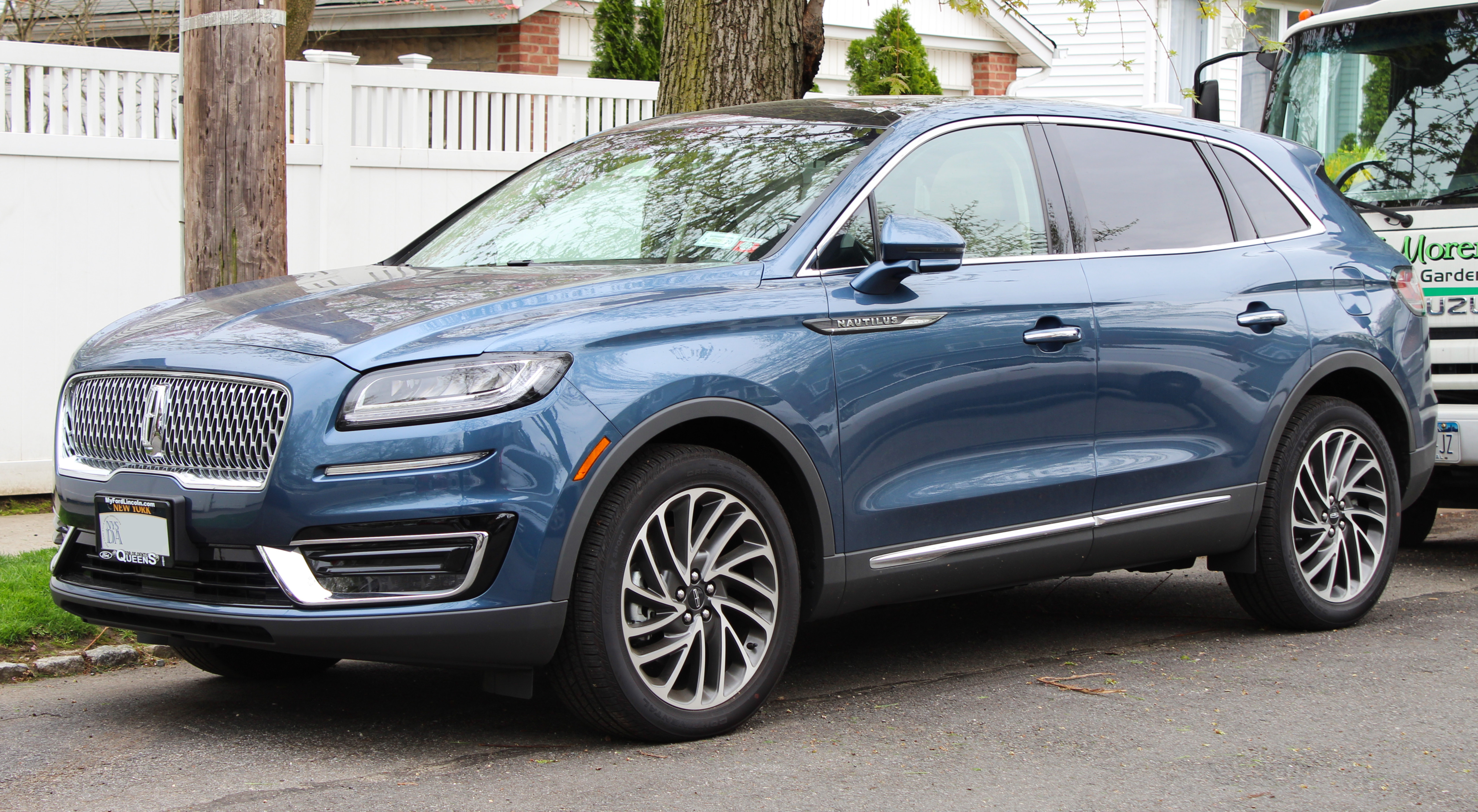
The Lincoln Nautilus is a luxury SUV. This episode segment is about whether Ford can legally keep selling it in the U.S. because of U.S. rules about certain connected-vehicle software coming from China.
Connected vehicle software is the part of the car’s computer that lets it connect to the internet or networks for services. The segment is saying U.S. rules may limit certain connected features depending on where the software is installed.
“Buick Model 27” sounds like a specific model year or version of a Buick. The podcast says a software restriction starts with that 27 model year. That means the car’s software behavior changes for vehicles built in that timeframe.
“Fixed ops” is dealership shorthand for the service side of the business—repairs and maintenance. If key supplies like motor oil are hard to get, it can slow down service work.
A motor oil shortage means there isn’t enough engine oil available for car services. If oil shipments get disrupted, dealerships may struggle to keep up with routine maintenance.
The Strait of Hormuz is a major shipping route for energy-related goods. If it’s closed or disrupted, it can make it harder to get supplies like oil and lubricants.
Toyota is mentioned because it’s telling its dealers what to do when certain vehicles or parts are in short supply. In this case, it’s about substituting one vehicle type for another.
Nissan is mentioned because it’s setting limits on what dealers can get during a shortage. Here, it’s about limiting oil supply compared to last year.
Term
OW8 vehicles
“OW8” and “OW16” sound like code names for different versions of a vehicle. The important part is that Toyota is allowing dealers to swap one version for another when supply is tight.
Term
OW16
“OW16” is the alternative vehicle version Toyota is telling dealers they can use instead of “OW8” when supplies are limited.
“Allocations” are the limited amounts a company allows each dealer to get. Here, it’s about limiting how much of a specific product (oil) dealers can receive.
In a dealership, “fixed operations” usually refers to the service and parts business. It often makes steadier money than selling new cars, so it can help keep the dealership afloat when sales are slow.
A “product gap” means the brand doesn’t have enough new or appealing cars available to sell. That makes it harder for a dealership to meet customer demand and hit sales goals.
Here, “throughput” basically means how many cars the dealership can get sold and into customers’ hands. The more cars they move, the more money the dealership tends to make.
The Infiniti QX-80 is a big luxury SUV. The speaker says their dealership relied on it (and another model) because they didn’t have many other cars to sell.
Car
QX-65
The Infiniti QX-65 is a newer SUV model the dealership recently started selling. The speaker thinks it will help keep both employees and customers interested when there aren’t many other options.
“Units in operation” means cars that are actually being driven by customers. The speaker is saying that having more of those cars helps the dealership make money over time.
Concept
inventory calculator
An “inventory calculator” is a planning tool that helps a dealership figure out how many cars it should have on hand. The goal is to avoid running out when customers want to buy.
CSI is a score that measures how happy customers are after they get service at a dealership. Dealers track it because it often affects incentives and how well the store is judged.
Front-end gross is the profit the dealer makes on the car when it’s sold. The idea here is they’ll accept smaller profit on the car sale if it helps them make more money later.
“Below-the-line money” means the dealership makes money from things like service work and parts, not just the car sale. It’s often where the bigger long-term profit comes from.
Service retention means getting customers to return for future maintenance and repairs. It’s basically how well the dealership keeps people coming back.
Concept
SSI
SSI is another customer-satisfaction score, focused on the service department. Dealers use it to see whether customers feel the service experience was good.
Fixed absorption is a way to judge whether the dealership is covering its overhead costs with its sales and service volume. Higher usually means the store is running more efficiently.
A “stair step” is a tiered incentive or pricing plan that changes once you hit certain sales targets. Some dealers like it because it pushes volume; others worry it makes pricing feel inconsistent or harms the brand.
The Lincoln Navigator is a big luxury SUV. It’s designed to be comfortable and roomy, especially for families or long trips. If someone brings it up in a pricing conversation, they’re usually comparing what you get for the money.
The Dodge Ram is a large pickup truck. People use it for towing, hauling, and everyday driving. When a podcast talks about more online activity for it, it usually means more people are looking at or shopping for it.
The Challenger is a performance car. It’s built for strong acceleration and a sporty driving feel. When it comes up in marketing talk, it’s usually because it’s a well-known model that helps attract attention.
A “digital experience” here means buying a car with more steps happening online instead of in person. The hosts are discussing whether that’s becoming what customers want.
An “internet sales department” is the part of a car dealership that handles people who contact them online. They’re basically the online sales team, and the show is asking whether that model might face competition from Carvana.
“Subprime” means the customer’s credit isn’t as strong, so getting a car loan can be tougher. Dealers may need more details to figure out what they can actually qualify for and what car makes sense.
AI chatbots are computer programs that talk to people through chat or messages. Dealers use them to respond fast and help gather the information needed to move a customer forward.
Term
Cloudbot
Cloudbot is a software tool for running chatbot conversations. The dealer is using it to help automate parts of how they talk to leads.
ChatGPT is an AI tool that can write and answer questions like a conversational assistant. In this episode, it’s being used to help a dealership respond to shoppers and collect details.
Lead providers are services that bring dealerships potential customers who are already looking for a car. The dealership’s job is to contact those people and turn the interest into a sale.
Stellantis Prime is a program connected to Stellantis that helps generate leads for dealerships. The idea is that the dealership gets customer inquiries more directly from the automaker ecosystem.
Facebook Marketplace is where people can browse listings on Facebook. Dealerships can advertise there, and some shoppers click through to the dealer’s site to contact them.
This means dealerships are using fewer people specifically for lead follow-up. Instead, technology helps handle some of the work, and sales staff may do more of it themselves.
They’re talking about software that helps the dealership respond to interested buyers faster—sometimes automatically. The goal is quicker contact so the customer doesn’t cool off.
Concept
digital handoff
“Digital handoff” means moving a customer from the online part of the buying process to a real person who can help them. If it’s done well, the customer gets contacted quickly and keeps moving toward a sale.
The Ford F-150 Lightning is an electric pickup truck. Instead of using gasoline, it runs on electricity from a battery. The podcast is talking about whether it’s smarter to buy it new or used, which affects price and overall value.
The “ownership cycle” is the length of time customers keep a vehicle before replacing it. Dealerships talk about shortening it (for example, through leasing or trade-in incentives) because it can increase how often customers return to buy again.
Concept
UIO
UIO is likely a dealership scorecard number they track to measure sales/volume. They’re saying leasing helps raise that metric.
A lease ends with the car having an estimated value. That estimated value is called the residual, and it affects the monthly lease price—protecting it helps keep leases attractive.
The Jeep Grand Cherokee Limited is a popular Jeep SUV trim. They’re saying it’s the top-selling new vehicle on their lot right now because it fits what most buyers want.
“MPI” typically means Multi-Point Inspection, where a technician checks multiple areas of a vehicle and documents findings. “Video MPIs” are inspections recorded and shared with customers, helping them understand issues visually rather than relying only on a checklist or photos.
It’s a summary report that combines data from all your dealership locations into one place. Instead of looking at each store separately, you can compare them.
CDK is a company that makes software dealerships use to run their day-to-day operations. Here, they’re talking about the tools CDK provides for leads and reporting.
They’re saying you need a person to manage the AI—checking that it’s working and making sure customers get the right follow-up. The AI can help, but someone has to steer the process.
Auto Hub is referenced as a dealership software platform used to run or manage AI-driven processes. The host frames it as part of a system that improves efficiency, but still requires human oversight.
Alpha Drive is another software system dealerships use to automate or speed up parts of their workflow. The hosts emphasize that it doesn’t replace people handling customer conversations.
This is an AI tool that helps the dealership reach out to customers. They say it seems to get more people to book appointments, even if they can’t fully prove it’s boosting revenue yet.
Day supply is a way to estimate how long your current inventory will last. If you have a lot of parts sitting around, day supply is high; if you sell through them quickly, day supply is low.
The parts department is the dealership team that finds and sells replacement parts. They also help make sure the service shop can get what it needs to fix cars.
EV means electric vehicle—cars that run on electricity instead of gasoline. The hosts are discussing how dealership service and parts demand may shift as more EVs show up.
Concept
pivot in the service department
A pivot in the service department means changing how the dealership’s service operation is run—often in response to supply issues, shifting customer demand, or new vehicle technology. Here, it’s framed as a response to constraints affecting service workflows and parts availability.
Concept
hybrid than all electric
They’re saying that hybrids will probably grow more than fully electric cars for a while. A hybrid uses both a gas engine and an electric motor, so it can be easier to live with than an all-electric car.
LIVE
Hey
everybody. Welcome back to another episode of the Daily Dealer Live. I'm your host Sam Darkin.
Thanks for choosing to be here with us this Wednesday, the June 17th as we broadcast live
from Ziggler Studios, high atop Kalamazoo Honda here in Kalamazoo, Michigan. We've got a big lineup
today. Patrick Hagerty, president and GM at Faulkner Infinity of Willow Grove on running a
high throughput store through a brand product gap and why he's feeding ground level Intel
straight up to infinity's leadership. Then Peter Massimola Jr. from a govern CDJR on tightening
up internet sales and turning tier three shoppers into closed deals. And Mark, your calendar for
this Friday, we launched a brand new sub segment. It's called reposted came up with that off the
cuff. We'll take a dealer's take that blew up online and bring them on to back it up live. Do
you have a post you want to share with us? Reach out. You can DM me, you can contact Hannah. We'd
love to hear your take. First up, I read a post recently made by Matt Bowers on LinkedIn that's
blown up on whether outside money has gone soft on the dealership workforce. We'll post that,
share that with you on Friday and have Matt joining to share his take on that. So excited to
have Matt Bowers on for this new mini segment on Friday. As a reminder to everybody we're
streaming live across all CDG social media platforms. Post your comments into today's show
to join. We've got one of the most loyal listening audiences in all of I guess production internet
technology here, but certainly in automotive. So let's dive into today's automotive industry
headlines. Up first, we've got some interesting news from Carvana. CDG news was invited to an
announcement. The online retailers pulling back the curtain on a new quote test drive center
concept debuted today at its Dallas locations across the street from Love Field. The setup
features the LED cube in the showroom where shoppers scan a QR code to browse inventory. Then
they head to an outdoor playground. You can see the cube right there. They call it a playground.
We call it a lot to walk vehicles before requesting a test drive. And guess how they request the
test drive? You got it through their phone. Carvana president of special projects, Tom Tiara,
says the goal is presentation, not pressure. Advocates are on site to answer questions,
but customers can move through the entire experience without ever stepping inside the building,
although the cube is technically inside the building. But never you mind. The Dallas store
is the second of seven Carvana franchise locations, all carrying Stellanus brands.
Tiara says Carvana chose Stellanus specifically because the four brands, Chrysler, Dodge,
Jeep, Ram, cover every major segment from entry level to luxury all under one roof. No haggle
pricing applies. Financing runs through Carvana for now and every purchase closes online with a
seven day return window. Carvana has not committed to expanding the concept beyond Dallas, but
they're trying it there. Tiara calls it a starting point and it's definitely a glimpse on what may
be coming next from Carvana. As an aside, would love to have any dealers on the show to comment,
give their take on this and also ask questions. I've been monitoring comments and circles this
morning. A lot of great debate on the way Carvana is executing with Stellanus versus how
dealers are required, training requirements, branding requirements, process requirements
to do business as a traditional retailer and is Carvana held to that same standard? Love to
have a conversation with a rep from Carvana and or any other Stellanus dealer. Up next,
back to the news. Two new surveys put a number on something dealers already feel in the used
car lane. The bumper.com study of approximately 2000 buyers found that 62% skipped a VIN check
before purchasing. And among those who experienced problems, nearly six in 10 found issues within
the first three months. More than half spent over $1,500 on repairs within two years and almost
a quarter spent more than 3000. The split between buyers who had problems at dealerships versus private
sellers was nearly even. A separate G law group survey of 2000 adults adds another layer 27% of
car owners are currently delaying routine maintenance like brakes and tires all due to
rising gas prices with Detroit leading at 42%. That's astounding 42% as an aside 42% of car owners
delaying routine maintenance because of gas back to it worth noting the delay rate among households
earning 85 to 95,000 was actually higher than among lower income brackets at 35%. Bumper consumer
advocate Aaron Kemp says dealers have a real opening here. Walking buyers through a VIN report
and being upfront about inspection findings can turn transparency into a selling point rather
than a liability. Seems like the meshing of two ideas or stories. The delayed maintenance is an
aside. That's a fascinating piece to me. Back at it, a story to monitor Ford is asking the federal
government for authorization to keep selling the Lincoln Nautilus in the United States. Yes,
they're asking the feds. Can we continue to sell the Nautilus? Guess why? The Nautilus is built at
the Chang'an Ford's plant in Hangzhou, China. Yes, and while its software is developed domestically,
it's installed in China, which puts it in conflict with the Commerce Department's ban on Chinese
connected vehicle software. The restriction kicks in with the 27 model year. Ford expects to begin
importing 2027 Nautilus vehicles in January, and that gives the company roughly six months to secure
a decision. Ford isn't alone in navigating this GM has already directed suppliers to strip Chinese
components from their vehicle supply chains by 2027 and Volvo majority owned by Geely has received
government authorization, but must still comply with the rules full requirements. A supplier
coalition has flagged that separating software and hardware developed by global teams
is more complicated in practice than the rule anticipates for Lincoln dealers specifically
Nautilus availability going into 2027 depends directly on how quickly that exemption moves.
And then as an aside, that brings up a fascinating conversation. What's the difference between
assembled there stripped of electronic components and exported versus a BYD built here with guard
rails to help protect national security here. That Chinese vehicle in the US debate continues.
We'd love to have that here as well. Back to the story shifting gears to the service lane
dealers running high volume fixed ops need to be watching closely. There's a motor oil shortage
and it's tied to Middle East supply disruptions which may or may not be done specifically the
fallout from an attack on a shell plant and Qatar and the closure of the Strait of Hormuz
is squeezing lubricant supplies in the US and the Independent Lubricant Manufacturers Association,
the ILMA says relief isn't expected till at least mid 2027. A potential US Iran deal isn't
expected to change that timeline in any meaningful near term way. So even though a deal may or may
not be put together, the shortage, the supply chain disruption continues. Toyota and Nissan have
issued guidance to their dealers. Toyota has directed dealers to substitute OW8 vehicles with
OW16 in 20% of cases. Nissan has capped allocations of genuine oil including mobile mobile and mobile
one variants at 55% of prior year volumes. The practical message for dealers shore up supplier
relationships now revisit allocation strategies and get ahead of customer communication before
service timelines start slipping. And closing out today we go to the M&A tracker, the CDG
Bicell tracker, ClearShift. We love our tracker. ClearShift the Colorado based youth car operation
founded by Jeff Vanderwall in 2016 has made its first franchise dealership acquisition.
Purchasing Freedom Ford in Gunnison, Utah from husband and wife team JL and Sarah Larson in
June 2015. The store is a 40 year old family operation about two hours south of Salt Lake City
carrying the president's ward and strong CSI scores. Vanderwall is keeping the name retaining
most of the staff and Sarah Larson stays on as general manager. ClearShift is targeting roughly
one acquisition per year with a goal of 10 to 15 stores focused in on the Mountain West, Colorado,
Utah, Idaho, Montana, Wyoming and Arizona. Also out this week Ed Morse automotive group has signed
a definitive agreement to acquire Mercedes Benz of Billings in Montana from DMN auto holdings with
the deal expected to close in July. And that's a wrap on today's auto industry headlines.
All right let's turn briefly to the chat today. Love this Paul Salisman, a great idea talking
about the Map Hours piece Friday Dance. He says, Map Hours made some commentary about Carvana buying
another CDJR franchise in Texas. Would love to hear some additional insights. Give us your
questions we'll bring it in. Eager K first auction since I came back auction values were all over
the place. Very weird day reports Eager. We're in the slower season right now and usually seasonably
see values drop but they keep on climbing up. Something's off in the market not your seasonable
MMR values hike. The automotive retired guy, hey Sam, howdy from Fort Lauderdale, Florida
and everybody starts to jump into the conversation. Eager K, Sam Carvanas talking to Central CDJR
dealerships to make another acquisition in Norwood Mass after they bought one CDJR dealership in
Massachusetts last year. And the automotive retired guy Teddy Morse, he's a good friend of mine. Well
we need to have you on the automotive retired guy. Come out of the chat and on to the show. But
speaking of on to the show, let's turn to our first guest today, Pat Hagerty, President General
Manager at Faulkner Infinity of Willow Grove. Pat, welcome. Welcome to the show. Thanks for having
me, Sam. So to be on. It's good to have you here. Tell us where you are. How long you've been in the
role and how's business June of 26, Pat? Sure. I'm in Faulkner Infinity of Willow Grove just outside
of Philadelphia. I've been with the Faulkner Organization for 20 years and I've been with
Infinity since 2016. I would say that business right now is below average. I would say our fixed
operations are covering the dealership right now and we hope to have a strong close with Newcar
the next two weeks or so here. Yeah, yeah, very good. So you're in Philly. There have been a lot
of World Cup stuff going on around there. Are you a soccer fan at all or what? How are you
following World Cup? I'm fascinated by this because it's traditionally not a big American sport,
but it's taken over the United States and North America this year. I actually played soccer all
the way through college. That was my best sport. I probably don't love watching as much as other
sports, but yeah, it's congested here. There's a lot of traffic here. You got to get out a little
bit earlier, but it's exciting. You've got people from all over the world visiting and it's an
exciting time to be in the area. Where did you play? I played at Tows in my freshman year and
then transferred to Westchester Division II School of Peace Act in Pennsylvania. How did you get
automotive? Why not go into professional sports pack? Come on. My roommate's dad was the president
of Faulkner Toyota and I went to go there to be an intern for the summer and I've been here 20 years
later. So it's a crazy ride, but it's one that I'm grateful for and I work for an unbelievable
company. Now you say President General Manager, are you part owner in the organization or are you
not part owner? There are certain metrics, Sam, that you have to hit to become a president.
That's profitability, growth, President's awards. There are certain metrics within our company and
it's just a feather in the cap for doing a nice job. Yeah, and retention piece, right? And you're
fully involved, I would imagine, in the community and outreach and whatnot. So let's talk the
community. You're heavily engaged with Infinity. You're all in on that brand. That's your store.
And we've talked a lot on this show. There's a product gap in the brand. We've had
we've had executive leadership from Nissan and Infinity who I actually, Tiago, I support his
plan. I think he's doing everything he can to rocket the brand back in and they've had some
records these past many months. But how are you dealing with that product gap? What does that
look like day to day? Yeah, I'm fortunate to be on the franchise value committee. So I get to work
closely with the leadership staff at Infinity. I'm confident in the direction they're heading,
but we're in a little bit of gap, like you said. So for us, the biggest decision for me that hasn't
changed or wavered is throughput. We have to continue to put units in operation and that
decision is driven by our people. It's my responsibility and our responsibility as a company
to provide them with opportunities and that starts and ends with throughput. So for most of the
year, we've had the QX-80 and the QX-60 as our only products. Fortunately, we just added the QX-65
which brings some excitement and freshness to our employees. So we're hoping that that can
kind of hold us a little bit. But for us, our decision is we have to stay aggressive, keep our
foot on the gas, because ultimately units in operation drive Infinity dealerships. That's
what drives profitability and it's a huge gamble. Don't get me wrong, it's a huge gamble. You have
to hit every other metric to make sure you're getting the payoff from the performance program.
That's where we're at right now with our operations. So throughput depends on units that you can
sell into the marketplace. Do you have enough? And then what are some of the strategies that you're
doing to ensure throughput in a challenging marketplace? Because product availability is
one thing. Tiago has committed a new product a year into the future, which I think is awesome
if I remember his comment. But you can only sell what you have on the lot. What are you doing today
to ensure throughput that goal, Pat? Yeah, so we have an inventory calculator that we look at
weekly. And again, staying with the aggressive side, we have taken 100% of our allocation every
single time. And I think what separates us from our competitors in the district and region is
although it's not economically pleasing or attractive to look at on the financial statement,
we are surrendering to win. So we are surrendering front-end gross to win the below-the-line money
at the end of the month or end of the quarter by maintaining CSI, SSI, improving service retention
and hitting 110% of our sales objective every month and every quarter. And that's where the real
return is. And then you can see that going through customer pay and service and parts as well. And
our fixed absorption is 98%, which is about 25% above everybody else. And that stems from the
decisions we made three years ago when this happened with the product gap. So we feel confident
in this strategy and feel like it's going to pay off in the long run. So
stair step's been a big debate on the show. Some dealers love it. Some dealers don't.
You've gone all in on it. You can't afford not to hit it once you get to a certain point.
But you've said, hey, we're all in. We've made that decision and we're chasing that. That's a
strategy. But what do you say to a dealer that says, hey, stair step's harmful to the brand. It
devalues it. I'd rather have consistent pricing across all stores and focus on the experience
that the customer gets. Help protect, resell that way as well.
Yeah, I would say I'm not in favor of the stair step program. But it's the world I live in, Sam.
So I have to embrace it. And I think you have to conceptually really understand the programs
and be an elite communicator with all your leadership team. So everyone's aligned on the
same page of hitting this common goal. Because like I said, if you miss one objective,
you are in trouble. You One thing that I wish and that we're communicating with
Infinity right now is simplifying the rules. Similar to what Nissan is doing right now,
we feel like if it's just a hit win situation, instead of moving targets or complex
programs, that would help the dealerships and the leadership team if we had in that direction
going forward. So you have the leadership teams here, Tiago and others. You communicate
regularly. You're on the board if I remember right, you said. Have you made that recommendation?
And do you think that's something that will be adopted? I guess I don't get why. If it's good
enough for Nissan, let's bring it to Infinity. What I'm hoping, Sam, is I'm hoping that they are
spending their time and investing in Nissan first and then it trickles down. Obviously,
they have eight models right now and we have three. So it makes sense for them to focus on
Nissan first. But we have Nissan dealerships in our group and talking to those presidents and
general managers, it's going very well for them. Just from a program standpoint, the customers
appreciate it. Their employees appreciate it. And then from a profitability standpoint, it seems to
be in the Infinity brand. We're going to talk about your personnel, your personnel development
and whatnot here. But I'd love to give us something that most people don't understand or realize about
the Infinity brand that is a strength, whether it's on the product, the advertising strategy,
their go-to-market strategy. What's something a lot of people under state about Infinity in
2026, Pat? Yeah, I would say this. Although there's only three models, they are three incredible
models. The QX80 is a beautiful vehicle. I mean, the technology is above par from our competitors.
The comfort is above par, I would say affordability comparing to the escalator, the navigator.
I think the QX60 is an incredible mid-size SUV. Affordability is great. And then the new QX65,
for those that don't want the third row but still want to be in a luxury brand,
have that opportunity to go that route too. So to answer your question, I would say the product
itself, Sam, is very strong and our customers give us incredible feedback when they buy or
lease or return to service. So you said this year one key driver of your success outside of service,
and we'll talk about that in just a minute, has been this continuous personnel improvement.
And that's a core driver of the performance, the increase that you've had. Talk to us specifically
about what that looks like day to day. And is this something you've always had or was it kind of,
you know, were you kind of brought to it with the brand situation?
I think it's something I've always had as a person, how I'm wired. I'm also a coach outside of,
you know, leading it at Finney. And so I coach. I coach basketball, high school basketball.
Okay, very cool program. So we have three things that we live by here. It's attitude,
energy and effort. And, you know, very rarely will you hear me asking our leadership team about
the results. It's kind of like the math problem when you're in grade school, you know, I want to
see the work. And if we're doing the work, we feel like the positive outcomes will be
more so than not. And, you know, we're obsessed with fundamentals, Sam. We're obsessed with the
details. And we train every day 15 minutes a day, not just in sales, but also in parts and service
as well. What's the platform or what's the program or who does the training? Where do you get the
material from? Because a lot of people talk about training, but then executing on training and
automotive is one of the most overhyped, underdone things, I think. Sure. Yeah, it takes some real
discipline. I would say it takes me about four hours. I usually do it the last day or the second
or last day of the month to plan for the for the following month. And we have various topics
anywhere from operations to process improvement to mental toughness to situational awareness.
And we have different presenters, whether it's trying to get them comfortable with a specific
topic or even just to develop them as future leaders for the Falker organization,
in front of, you know, leading a meeting in front of others, getting out of their comfort zone.
And we usually take, you know, what's the hot topic or what's what's beating fast in the
dealership or the market right now that we need to talk about or, you know, let's look ourselves in
the mirror and hold ourselves accountable. What are we not doing a good job in that that we need to
improve on? You know, so it could be various things. So you're not offloading that to another
platform or program, you don't have an LMS that you're saying, hey, go take six courses in the
next week, your leaders are actually challenging themselves and coming back with the training.
Yes. So our leaders are doing it, they get it a month ahead of time. So they have to research
and plan. And what we feel is that they are already getting that information and learning it on their
own before they present it. And then they're putting it on steroids when they present it.
And now when they get in front of the customers, now it just makes us, you know, stronger and
more knowledgeable about whatever we're discussing in that topic. Yeah. So I think, you know,
Matt Bowers is going to come on Friday to talk about his post. One of the things he lamented was
there's just not enough training development going on an automotive today. And that seems to be a
theme that I see. We see that deal that Carvon announced today, this cube, where basically a
customer can walk into a store or not, they can engage, and they can basically go through the
process on a mobile device without ever talking to a human if they want, they can probably engage
with a human, I would suppose, possibly as well. That takes some training, but also a great process.
Do you think there's a demand for that sort of, what do you think of Carvon as a deal there,
what they announced today? I mean, reading and learning, and I think there's a happy medium
there, Sam. I think creativity and, you know, exploring new processes and ideas for our customers
is good. I'm also a believer in personal touch. And I think just being with this organization
and what we're all about and how we've been able to grow over 90 years, we have 31 dealerships,
22 different franchises, and it always comes back to customer satisfaction. And we always want to be
a resource for our customers, you know, before, during, and after the sale. But I'm open just
like Carvon for new ideas, and I'm probably more so on the, let's try it out than others are.
So it's interesting to see what happens, and I'm looking forward to following that.
Yeah, it will be, you know, I agree with you. I think it's a fascinating strategy by them,
and I'd love to have someone from their organization come on and talk a little bit more
about it. So your fixed absorption is impressive. Give us a couple tips that helped you get there.
Was that managing expenses and variable to help bring that down, or did you do some things to
help increase revenue profitability in the fixed department, Pat? Yeah, I think it's a multitude
of things. I think it was, again, going back to our strategy, you know, three years ago when
our competitors were scaling back when the new QX60 came out, and there was again another product
that we kept our foot on the gas. So we're seeing the benefits from, you know, staying aggressive.
You know, our labor rate increase, our customer pay is up, you know, 100%
videos on multi-point inspections now, which are, you know, driving significant revenue.
And I think just growing the service capacity, making sure that we are, you know, fulfilling
our appointments every single day, and making it a highly efficient experience and transaction for
our customers, you know, pick up and delivery is a big thing we do here at Infinity. So I can't say
what the brand is telling you or the opposition has paid off for us at this store.
Yeah, yeah. You know, it's interesting as you talk about this and your commitment to the brand,
your commitment to sell in a challenging marketplace. There are a lot of dealers, and I get calls from
time to time, people saying, hey, I have this issue, I have that issue with my OEM. I'm like,
come on the show. Well, I don't want to come on the show. They kind of will talk off air, which,
you know what, that's fine, because it kind of points in some good conversations for us.
But you've chosen, look, we're going to sell and we're going to actively work with Infinity
leadership. You build reports, you do ground level feedback. A lot of GMs don't operate that way.
What made you, Pat, decide to have that commitment, but then also engage at such a high level
to help progress the brand? I mean, a lot of people should do that, but not everybody does.
Yeah. Yeah, I've always wanted to be honest in a professional manner, and I would expect the same
thing from Infinity to be honest and professional with me. And I think, you know, if we want to
continue to grow this brand together, there needs to be open dialogue between us. And sometimes
those conversations are uncomfortable. But at the end, we both want to win. Like we both want to win
and we want success for our people. And, you know, it sounds like I'm beating the same drum here,
but if I walk through a service department and don't see a tech with a car in the bay,
or if I have to go up to the detail department and see them without a car or walk by the sales floor
without a customer, you know, that drives our decision making and what we're doing here.
And that's really important. And that's the feedback that I'm giving Infinity.
We can't afford to scale back. I can't afford to use personnel by 50%. Like we need to keep these
opportunities coming for our people. And one of our pillars is growth and sustainability. And
that's what we believe in. And that's my responsibility in our company is the organization
to create those opportunities for our people. Yeah. Well, and on that note,
I would say props to Tiago and team for what they're doing to make the brand
Elite an excellent and props to you for going all in the way you are. Because at the end of the day,
it's that type of feedback and direction taken that creates an Elite brand. And I like a lot
of the things that Tiago is doing. So Patrick Haggerty, President, General Manager of Faulkner,
Infinity of Willow Grove. We'd love to have you back as part of the roundtable. Thanks for sharing
your perspectives with us today. Thanks, Sam. Appreciate it. All right. Thank you.
I got to ask him, how's the high school basketball? But we'll ask that in the next segment. So all
right, today's episode, let's talk Open Lane. Today's episode is brought to you by Open Lane,
who are gearing up for the dealer fest 2026 this July with more energy, more prizes and more ways
than ever to win. Learn how you can earn up to $2,500 in buy and sell fee credits right now at
openlane.com forward slash CDG props to Open Lane for sponsoring that great conversation with Pat
Haggerty on all things infinity, including what he's doing to get his team focused today in June
2026 to win to sell more cars, despite a challenging environment. So I also appreciate his take on
stair step candidate take on stair step and some of the things he needs to be able to continue
to win in the marketplace. And to our teams online, I can't go through all these comments,
but if the producers want to put some up, Lauren Klein comes in of Pat says, that is a strong
Philly accent. And I should have asked this Dan C will ask him in the back, he says, hey,
how does Patrick know the training's been effective? So it's one thing to pick a training item.
It's another thing to be able to quantify the impact. And just a lot of conversation in the
background eager case as 50th anniversary V rod in green. And then a lot of conversation around
the Carvana story, which matches the circles conversations that have gone on as well. All
right, let's go to our next guest, Peter Massimilla Jr. internet sales at McGovern CDJR. Peter,
welcome to the show. I say, I'm thank you for having me. I'm so thrilled to be talking to you.
Thanks for being here. So you're in Medford mass. Are you near any world cup? By the way,
is there any world cup going on near you? Yeah, there's so four or five games happening here
in Massachusetts at Gillette Stadium, where the Patriots usually play, excuse me. Do you see any
Do we get any business off that as automotive benefiting from, you know, I see Hyundai,
there's Hyundai advertising, Hyundai's all in on the World Cup, it seems right now. But
is it benefiting us from an internet sales standpoint at all? Peter, a little bit. I've seen
an increase in Instagram and activity and a little bit more activity from people seeing the new,
I mean, the new Ram had dropping for the Bumblebee, you know, the Transformers thing. In fact, our
marketing department put together a brilliant Hellcat Durango video that's so unbelievable,
very Transformers like. So I mean, the things that are going on during the game and the hype
around it, there's definitely more more traffic online than anything. Dan C says the Scots are
drinking mass out of beer, Massachusetts. So they put a cone on Sam Adams the other night. Oh,
did they really? Yeah, that's that is that is awesome. So you saw the Jeep ad. Was that a world
cup thing where Jeep is basically coming out and they're saying, Hey, you know what, if the US wins
the World Cup, then everybody who whose name is legally and legitimately George Washington,
they get a Jeep. Have you seen this? I've seen it. I just don't know if it's I didn't know if it was
sincere. Was it a joke? I don't know. I would assume so. That seems like a lot of George Washington.
Yeah, does it help? It is the US going to win the World Cup. There's probably better people
for that. We'll bring that up in the 50%. Yeah. All right. Before we go into your piece, I would
like to talk about this Carvana thing. You saw the video in the intro. You saw what they're trying
to do. They're trying to create this more digital experience, give buyers another option rather
than talking to humans. You run an internet sales department at a CDJR store. Presumably,
you could be competing against Carvana one day. What's your take on this? Is that a path that's
viable where customers want to go? Or is this noise right now? Well, if you look at the metric that
comes with the things like an iPad or a large screen in a showroom where somebody can walk up
and select a car and see the images, see the car facts, that's good interaction. But there's a
learning curve because some people just don't know how to navigate it. So I think, you know,
have you been to an Amazon fresh store? There's nobody in those stores. Well, there's nobody
there. And it's an awkward situation where you're walking into somewhere where you usually have
to interact with other humans to get what you want. And the thing that I've noticed is that,
you know, Carvana is, you know, trying to get to the edge of things. And it might be an okay idea,
but it's going to take a learning curve. Because if you're just walking in and talking to nothing,
you're talking to yourself, that could be a very awkward situation for a customer in a showroom.
Yeah, you know, when you think about brand standards that Stellanus has for its franchise
dealers, we have several Ziggler does across several states. I don't know that the brain with
the brand standard allow us to go to market that way and have kind of a cube and then have kind
of a fully digital, you know what they probably would I suppose, I guess dealers are independent,
they're able to do what they want. Pat. Yeah, I would say it's a possibility, but I think it's
going to take a lot of implementation. I think it's going to take more people to implement that than
actually just selling cars with humans. Yeah. Yeah. All right, well, let's get into it. You run
this internet sales at a CDJR store in this in your market in Massachusetts. Digital leads can be
all over the map in terms of quality for Stellanus stores. What does your day to day look like right
now? And what's the problem you're most focused on in June of 26, Peter? So right now is focusing on
subprime leads, people that need a value car that don't have perfect credit that are also maybe a
member of a certain community that rallies around a certain type of vehicle. And one of the things
that I noticed with the leads that come in, a lot of them will have missing pieces of information
that are pretty vital to my existence, being able to articulate to a customer, oh, this is exactly
what you're looking for. And this is what I have and what I can show you. And there's this constant
threshold that you're at the cusp of all the time that you have their email and part of their name
and the vehicle they want or their name, their email and their phone number and no car. So it's
like you said, it's kind of a battle up and down for internet leads. But one of the ways to be able
to pinpoint exactly what it is is being presentable and not computer like because there's so many
times nowadays, especially the advent of AI where people are, they're essentially either directly
speaking with an AI bot, or they're getting an AI prewritten response a very robotic way.
And it's such a cold interaction that I think we're losing the life or the heart
of car sales is the interpersonal connectivity and it's kind of going away.
So two problems you bring up. Number one is incomplete information, particularly in subprime.
And then the second is putting life back into what AI may have taken away. What's one thing you're
doing to overcome the incomplete information on subprime in June 26?
Relentless contact, email, phone calls, text messages, but presentable in a way that, hey,
I'm your friend and I'm not trying to bother you and I'm really trying to get you the info that
you're looking for, but I'm missing a couple of key pieces of information. And also, Google is a
thing. You know, you can look your customer up. I mean, we live in a public society now where
things are available online. If you put in someone's phone number on a website that searches,
you know, like the white pages essentially, you can find out information, you can find some things
out, you know, and you can fill some gaps and it might give you an upper hand in the verbal
communication and then they're in showroom visit where you can pinpoint things that they're really
after or the type of customer they are that they off-road or they go mudding or whatever the case
is, you know, you have another point of sale to pitch. So you're talking about focusing people on
gaining additional information to be able to help with quality of outreach, better connect with
consumers. Are there any tech-driven tools that you're implementing into your BDC process that
are helping do that as well? Or are you more manual and more human? Well, no, I've implemented a
couple of AI chatbots through Cloudbot and through ChatGPT where I can feed it as much information
as I can handle, you know, there's no amount of data that can, you know, really choke an AI,
but I can build a chatbot for the staff so that they can put in the customer's name, the car,
and what they're looking for and it will give them, you know, at least a word track to start with
when they're speaking to the customer. They have a set, you know, a normal word track is usually
something that comes off the top of the head and then it stays there in a pre-written form and it's
very cut and dry. There's nothing to it, but even with AI and a personal integration, you can get
a more personal interaction. You can get a, you know, it has heart to it, if that makes any sense.
So being able to connect like an AI system that can give you a prompt to interact with the customer
is big. What's your CRM that you use at your store? We use E-leads. Okay. Yeah. And then so are you
doing these chatbots, you say, chat, GPT, Clawd and others? Are you using those as kind of bolt-ons
or do you have an AI-driven tool like, I know, Impel's an option in the E-lead world? I know E-leads
coming out with their own AI-driven type tool to help with follow-up in the CRM or are you pursuing
that just with people in the BDC? So both parts. There's Ava within E-leads that is our Maggie McGovern
that's our chatbot people talk to and you'd be surprised 90% of the people have no idea they're
talking to a machine. And then the other side of things is yes, as an add-on, I will use it in a
separate window on multiple screens so that I can have, you know, all the relevant information that
I need that I can get, you know, instantaneously is just, I'm ahead of the customer's questions,
inquiries and concerns and I have an answer right away. That's something that I've always seen as a
bit of an issue is that, you know, some BDC agents or people in the realm of having an internet
lead and they're interacting with, they think they have all the information and then the customer
throws a curveball and they can have an answer. So having those things available to you because
you can tailor make a response right then and there. So subprime deals are tougher deals by
by any measure, right? And there's a lot of folks in a dealership that don't necessarily want to go
through that grind, whether at the desk and sales, BDC, how are you rallying your team
around the opportunity that is subprime, even deep subprime? There's a lot of lenders that are
retreating from the market. There are a lot of lenders that are retreating from that market
gently because the returns in that aren't quite what they used to be. How are you rallying your
team to focus on this in June 26? Well, the big thing right now that I'm getting the salespeople
to focus on is that put yourself in the position of that subprime buyer and think they need a car,
they need to function. And the big thing is that you need to have a bit of empathy in the situation
and show them in a gentle and respectful way. This is where you fit into the market and this
is how I can get the deal done for you. And yes, the people don't want to do that. They want to
all of the money on every deal. But I've heard things articulated to me that one buyer spending
$20,000 is okay, but one buyer spending $20,000 every five years is a bigger deal. You get
retention and you can get them into the sales department. You can create a pattern of things
for them of things that they like and you can continue to earn their respect and their business
throughout it all. So one of the big debates we have on this show quite often is who are the
best lead providers? Where are you as a internet manager getting your best leads? Give us your
top three. CarGurus is number one. CarGurus, Stellantis Prime leads we get direct. Those are
amazing more often than not. And then believe it or not, Facebook Marketplace puts out really good
lead sources coming to us because they push our ads. So people say I interacted with this on Facebook
and now I'm on your website. So it's clearly doing its job. And has it changed over the past three
months, six months? Or has it been CarGurus consistently for you for a period of time, Peter?
I'd say it's very, very consistently CarGurus. CarGurus goes with a really great name.
It's a good reputation. And is it the marketplace, the type of buyer or you just think overall it's
just a higher quality lead? I think it's overall a higher quality lead because people can trust
that name. It's been around for so long that it's not like pick any website that you can go on or
any service that you can go on and do car leads or search for a car or a particular type of car.
I get a lot of people in other parts of the country looking for specific hellcats. You
know what I mean? You find in the right hellcat is really great, but they might be in Michigan
or Tennessee or wherever. Leave them in Michigan. Ziggler gets them in Michigan, Peter. We'll just
make that deal right now. That's fair. We'll trade hot dogs and kicking farms. There you go.
That'll work out well. Yeah, but I think the big thing is that it's a position where a subprime
lead can be pushed by CarGurus and they have a perception of things that may be a little bit
broken. So being able to correct it from CarGurus that has all of the information that we want them
to have is really good because some of the lead sources, they're partial information that goes
up on their website even though we supply all of it. So at your store, how many BDC agents do you
have? How many staff? You have one. Is it you? Okay, it's only me. How many vehicles do you sell
a month? Averaging right now around 120. We're pushing for more this month. And to be honest,
it was the GM here took over about six months ago and then we're kind of rebuilding the store.
McGovern took over a longtime family store that's been here for 35 years that just
it's very set in its ways and it's time. We're getting things back in order to where
you know, there's a standard operating procedure that just works. Yeah. And so you're the only
are you handling sales and fixed ops in the service department or just sales?
Both sales. Just sales. Okay. And and did you have a bigger BDC department in the past or is it
a trend to reduce the size of the class? I came from a really big store. Okay. I was with a large
Toyota store in Wuburn Mass. Then you know, there was 10 people in the BDC department,
BDC sales manager, BDC service manager. And a lot of people, you know, if you were a good BDC
agent, you were between the office and the sales floor more often than you were sitting at your
desk. Yeah. So are you are you part of the trend? There's a trend, I think, in automotive today
where the BDC is getting compressed and using AI and technology, sales people are encouraged to
act in that BDC function. So you get to that ultimate person with whom you have a relationship
quicker. Is that kind of your trend, Peter? Is that what you're doing at McGovern?
Yeah, connecting faster. And one of the things that I did to connect faster with people is that
we live in a very high Hispanics, you know, community here where we are in Medford, Massachusetts,
going Everett, Chelsea, Boston. And if you if you look at, you know, what's going on with the World
Cup and the amount of Spanish people in Boston and the celebration and the lifestyle of it all,
the music, the gallantry of it all, we weren't tapping into that market. And now we are. So,
you know, we have a direct Instagram that's garnered towards Hispanic speaking people,
customers that are usually subprime, actually. Yeah. And I am curious, you know, the World Cup
is such a big event. It's here for what, four months, four weeks, six weeks, whatever.
Six weeks. How does the US how does US automotive benefit from it? How do you, you know, Grant
Cardone's been on this show and he said, Hey, you've got to take every great event that happens and
use it as an opportunity to connect with people. I mean, obviously, there's people out there that
are watching it that are buyers. But then there's also a ton of travelers here internationally.
There are people probably watching Daily Deal Alive that have never watched it before.
It's just curious to me as an internet manager, any take on how you can capitalize on it before
we ask our last question. Connecting, I think is the biggest thing, Sam, is that the human connection
one of the things that I had message to you about and Hannah about is human connection is
there's a difference between earning business and lying to somebody. And one of the things
that I think is really important is like, you know, the pinpoint where we have AI availability
versus the salesperson's interaction with the customer being less personal.
And I think the connection aspect of the World Cup is that everyone that's here in Boston,
that's in Chicago, that's wherever the World Cup is taking place in the United States is
there's a connection point. And it introduces people to Stellantis products like a Hellcat. I
ran into somebody who's from Chechnya. He had never seen a Hellcat before, but he was absolutely in
love and make, you know, maybe he finds one and exports it to Chechnya. Who knows? Yeah. Yeah. I
think it's such a cool event to see so many people from all over the world here. And I think you're
right. It's a great opportunity to reach out and connect. Peter Massimilla Jr. Internet sales
manager at McGovern CDJR. Thanks so much for being on Daily Deal Live. Hang out. We're going to
bring you back for the roundtable. So thanks for being here. A lot of great conversations online.
Paul Salisman. Proof again, the automotive has always been a relationship business. He says
eager K coming in a lot of comments. I can't even bring them all. Paul Salisman asked a question
or I'm sorry. Lauren Klein says, Facebook marketplace lead traction is a surprise.
And I agree with you on that. We'll actually ask him a little bit about that when he comes back.
And Paul Salisman says, which platform is the best ROI? We'll ask that question as part of the
roundtable. So let's get into it. Patrick Haggerty, President General Manager of Faulkner Infinity,
Willow Grove and Peter Massimilla Jr. Internet sales manager McGovern CDJR. Welcome back to the
Daily Deal Live roundtable. Pat, our audience wants to know, how's the high school basketball team
going? Is it boys, girls, basketball? What are you coaching? High school boys. We're doing very
well. If anybody has like a six, 10, seven footer, please send our way. We're looking for one.
Send them your way. And Lauren Klein, by the way pointed out, you've got a great Philly accent. So
that's fantastic. I don't hear it obviously, but I love that. Thank you. Yeah. Yeah. And
Lauren Klein also surprised Peter at the way your Facebook Marketplace is performing. And Paul
Salisman says, which platform is the best ROI? So which platform would you say, Peter, as we dive
into our roundtable today? And if you're searching for a car and you just type it into Google,
usually the first one or two results is car gurus. Yeah. Yeah. Yeah. All right. Let's do lightning
round here. New or used? Where's the better deal for a customer in June of 2026?
A new customer or an existing customer? The first time buyer?
That's a good question. Don't qualify. Just answer however you want.
Pre-owned. Pre-owned? All right, Pat, what would you say?
For our Infinity, for us, it's a new lease.
Yeah. You know what? I would have been disappointed had you not said that. So
we've talked a lot on this show about reducing the ownership cycle as a way of increasing
UIO units and operation, Pat. Is Infinity doing a good job on the leasing side right now? Are
there great leases out there for customers? Because that will help UIO. They can do a little bit
better. I would say the deals are fair, Sam. But the walk from the new QX65 to the QX60 is a little
complex if you're a customer. The 7-pasture QX60 is more affordable than the 5-pasture QX65. So
there's similar prices. So until they get creative and put some incentives on the 65, I think it's
a little bit of a tough ass for the customer. Yeah. We want to see OEMs come up with great leases
and then protect the residuals so they can keep doing great leases by not flooding the market.
And I think that's going to ultimately win in the years coming up in automotive America. So
best performing vehicle on your lot this month, Peter. New.
Grand Cherokee Limited. 2026. Chief Grand Cherokee Limited. The best thing coming right now.
It checks all the boxes for most people. Okay, Pat.
I would say the QX65, it's about a month old. So there's still some excitement. And we're starting
to gain a little bit of demand in that area once the marketing piece strengthens. So the QX65,
for sure. Yep. It's an exciting vehicle. All right, Pat, leading into this. What's the, what
closes more deals today? A phone call, a text, or an email to a customer?
I would say if you're talking about an incoming, it's phone. And if it's outbound, I would say a
text. Yeah. Yeah, Peter. I'd say to close to close a deal. The best thing after text communication,
because that's usually the best way for people to interact right away. You call somebody from a
number they don't know, they're not going to answer, you leave them a nice greeting. Yeah.
And then a text message is a gentle way to interact. So it's usually a text.
You're on E-leads. E-leads has a co-video partnership. Are your sales people utilizing
the video feature? And is it working? Yeah. Yes, and it is. It's because it's giving them
something more than a still image to look at, because it's still as clear as images get with
time with technology. Nothing's going to change a video. You get to see slight edges and light hit
things differently. I think it actually plays a really big role in the whole sales process.
Pat, you're doing video MPIs and service. Do you do them in sales as well?
Yes, we do. We do them for new and used. We're fortunate to have a big lot and everyone is
equipped. We also have E-leads too, so we utilize that tool. It's doing very well for us.
I love the tool. My only challenge is I don't have an enterprise report yet. So on top of 41
stores, I can't send out a ranking report. So if anybody from CDK is listening, give me my
enterprise report. I need it. You've been asking for that for years, Sam. You're not the only one.
Have you? Well, you know what? If you get it, call me because I can't, like at CoVideo, I had it
when we had multiple stores on CoVideo. I don't understand how it doesn't transfer across. So
don't hate me, CDK, because we're on you guys. We love the system, the platform. Obviously,
the video tool works, but give us the enterprise. All right. Next question up, AI and the dealership.
I'm going to start with you on this, Peter. Is it hyper here to stay? I know it's a little bit
of a ridiculous question, but defend it. Okay. So gently, it's here to stay. It's not going anywhere.
All right. Is it perfect right now? No. There are a lot of faults within it because it's a very
cut and dry system. It's a yes that you can get a great yes and no and a great appointment out of
the AI, but you can't get a great conversation that's going to lead and pull the customer back
into the situation. Okay. All right, Pat. Yeah, I also think it's here to stay,
and I just think we just have to be careful about how we use it. We like to have a term.
We need somebody to quarterback our AI platform. So we have Auto Hub and we have Alpha Drive,
and we use it to be more efficient, consolidate time, but at the end of the day, we still need
somebody to quarterback those programs and communicate effectively. Earlier this week,
we had an exec from Impelon, and she actually advocated for every dealership having an AI
quarterback, and I'm like, that's kind of a cool. So Pat, you saying it is the second time I've
heard it. I'm like, that's kind of a cool idea. It's so new. Peter says AI doesn't do a great
job in 26 of bringing a customer back in or reengaging with them. Would you agree with that or
disagree? I would probably ask you, Sam. Yeah, yeah, yeah, yeah. I just seen with the Alpha AI
outbound tool that it has increased our appointments. We can't say because of reporting if it's
directly increasing our revenue, but we feel since getting on that tool and using that outbound
avenue that has increased our appointments for sure. What's wrong with the reporting? Why
doesn't the reporting help that? Why can't you quantify that? I guess it's a little bit of a
gray area from how our leadership staff and corporate want to quantify it and how Alpha AI
wants to quantify it. So each one can say it's doing its part, but it's hard to cut that line in half.
Yeah, yeah. All right, Peter or Pat, let's do you the most underrated metric in automotive today
in your opinion. Day supply. Day supply, Peter.
That's a difficult question. It is a tough one. You could pass. I'm going to pass on it. I don't
think I can answer that correctly. All right, all right. Best hire you've ever made. So Peter,
you're a party of one there. I'm going to go to Pat on this one. As a coach, former soccer player,
current basketball coach, I like how you bring a lot of the coaching ideology into your business
world. Who's the best hire you've ever made? And what made them great in three words or less?
I think the best hire I ever made was a gentleman named Raul. Back in 2017,
hired him as a lot guy, and he is now running a parts department at a Hyundai dealership. And
this was somebody when we acquired the store, he was considered somebody that was not going to
make the new team. And he's had incredible success and really invested himself. So happy to see
Raul do it very well right now. That's awesome. Way to go, Raul. Yeah, that is awesome. And then
as we wrap up just a curiosity on EV, we reported in the news segment that many OEMs are having to
pivot in the service department as a result of supply constraints in oil. I think that's
creating a little bit more demand in the EV area than we've seen. In five years, what's your take?
Will EV be a bigger segment of your business at Infinity and at Stellanus or smaller? Peter,
you up first. Definitely bigger. And I think just like Toyota is doing, like Jeep is doing,
Honda is doing, it's going to be more hybrid than all electric. It's just going to keep expanding
on the hybrid side of things. Yeah, Pat? Yeah, it's going to be bigger. It's not existing at
Infinity right now. We're following what everybody else is doing, which is a gift and a curse. I think
there's things that we learned from others and what the risk is. But yeah, so it'll grow in the
next five to seven years for Infinity as well. There's plans. Yeah. Well, we appreciate you both
coming on Daily Deal Live today, sharing your perspectives, participating in this lively round
table. Patrick Haggerty, President, General Manager, Faulkner Infinity of Ola Grove and Peter
Masmola, Internet Sales Manager, a group of one right in the BDC area at McGovern CDJR. Thanks
to you. Thank you both for being on the show. Thank you so much. I appreciate it. Thanks, Pat.
And again, to our loyal listening audience, my gosh, I can't possibly go through all the
texts in the chat. A ton of great conversation happening online in and around us, including
Lauren Klein. Yep, good to look higher from the hospitality biz. Tesla is going to become Elon's
pet project. And then the rest of the EV market will have a shot. All right. Thank you for watching
Daily Deal Live. We break down the biggest moves in the car business as they happen. Don't forget
we're here live every Monday and Wednesday, Friday, which means we're back this Friday. It'll be
Fixed Ops Friday. Don't forget Matt Bowers, a new segment talking about his LinkedIn post. If you
haven't checked it out, check it out on LinkedIn. So if this meeting automotive is your world, hit like,
hit subscribe, turn on those notifications so you never ever miss a beat. And we'll see you next
episode. Thanks for being here, everybody.
About this episode
Dealership leaders break down how to keep sales and service moving through product and lead gaps. Pat Hagerty discusses handling scarcity with disciplined inventory and throughput, plus tradeoffs like protecting CSI/SSI and service retention. The conversation then shifts to digital handoffs: incomplete subprime lead data, AI chatbot workflows, and why human connection still matters. They also cover operational tactics—training leaders ahead of time, using video MPI for revenue, and choosing phone for inbound vs text for outbound—while debating how to measure AI’s impact.
Today's show features:
- Patrick Haggerty, President/General Manager at Faulkner Infiniti of Willow Grove
- Peter Massimilla Jr, Internet Sales Manager at McGovern CJDR
This episode is brought to you by:
OPENLANE – OPENLANE is getting ready for DealerFest 2026, its biggest customer event of the year. For the entire month of July, earn points for every transaction you make on OPENLANE, and redeem them for incredible prizes! Make sure you’re ready for the rockin’ sales event of the summer. If you’ve never used OPENLANE before, you’re eligible to earn up to $2,500 in buy or sale fee credits. Learn more at https://www.openlane.com/cdg.
Check out Car Dealership Guy’s stuff:
CDG Circles ➤ https://cdgcircles.com/
CDG News ➤ https://news.dealershipguy.com/
CDG Jobs ➤ https://jobs.dealershipguy.com/
CDG Recruiting ➤ https://www.cdgrecruiting.com/
My Socials:
X ➤ https://www.twitter.com/GuyDealership
Instagram ➤ https://www.instagram.com/cardealershipguy/
TikTok ➤ https://www.tiktok.com/@guydealership
LinkedIn ➤ https://www.linkedin.com/company/cardealershipguy/
Threads ➤ https://www.threads.net/@cardealershipguy
Facebook ➤ https://www.facebook.com/profile.php?id=100077402857683
Everything else ➤ dealershipguy.com
Show less