
Hamilton FINALLY wins with Ferrari + 24 Hours of Le Mans
About this episode
Lewis Hamilton’s first Ferrari win sparks a lively F1 strategy debate, from his alternate three-stop plan and a virtual safety car timing boost to Ferrari’s engine upgrade tokens and Mercedes’ concerns. The conversation then jumps to Le Mans, where Toyota’s #7 finally takes the hypercar win using an early short-fuel stop and undercut. NASCAR and feeder-series topics follow—Denny Hamlin’s road-course kryptonite, Allgaier’s points lead, and why drivers often stay in their lane.
Sir Louis Hamilton
"Yes, I'm I'm afraid you've been pipped to main news by Sir Louis Hamilton, [93.2s] who won his first race for Ferrari, in case anyone needed reminding"
Lewis Hamilton is a famous Formula 1 race driver from the UK. The hosts are saying he finally won a race with Ferrari, which is a big deal because he’s one of the most successful drivers of his era.
Sir Lewis Hamilton is a British Formula 1 driver known for record-setting race wins and championships. In this segment, the hosts highlight his first F1 win for Ferrari, emphasizing how significant it is given his long career and prior dominance with Mercedes.
front row
"He started on the front row, pulled off an alternate strategy, [112.2s] did the three stop, Mercedes stuck to their guns and did the two stop"
The front row is the two spots at the very front of the starting grid. Starting there usually makes it easier to control the race early and avoid getting stuck in traffic.
Starting on the front row means qualifying in the top two positions for the race grid. It’s valuable because it reduces the need to overtake early and helps a driver maintain track position while tires and fuel loads are at their best.
alternate strategy
"He started on the front row, pulled off an alternate strategy, [112.2s] did the three stop, Mercedes stuck to their guns and did the two stop"
An alternate strategy means the team planned a different race plan than the usual one. In F1 that often comes down to when you pit and what tires you run.
An alternate strategy in F1 usually means deviating from the expected pit-stop plan—often changing the number of stops or the timing of when you switch tires. Because tire wear and pit-lane time matter, the “best” strategy can change lap by lap.
three stop
"did the three stop, Mercedes stuck to their guns and did the two stop, [115.9s] aided a little bit by the timing of a virtual safety car"
A “three stop” means the car pits three times for things like tires. It can help performance if the tires wear out quickly, but it also costs time in the pit lane.
A “three stop” refers to making three pit stops during the race, typically to change tires and adjust the car’s setup balance over time. More stops can be faster if the tire degradation is severe, but it also increases time spent in the pit lane.
two stop
"Mercedes stuck to their guns and did the two stop, [115.9s] aided a little bit by the timing of a virtual safety car"
A “two stop” means pitting twice during the race. It’s a strategy choice—sometimes fewer stops are better, but it depends on how quickly the tires wear out.
A “two stop” is the opposite pit strategy: making two pit stops instead of three. Teams choose between two-stop and three-stop approaches based on tire wear, track position, and how much time they lose or gain during pit lane.
Mercedes
"did the three stop, Mercedes stuck to their guns and did the two stop, [115.9s] aided a little bit by the timing of a virtual safety car"
Mercedes is another top Formula 1 team. The hosts are saying Mercedes chose a different pit-stop plan than Hamilton’s Ferrari, and that strategy battle helped decide who won.
Mercedes is the Formula 1 constructor referenced here as the team that chose a two-stop plan while Hamilton went for an alternate strategy. In F1, teams’ pit-stop timing and tire choices are often decisive because track position and tire wear can swing the race.
virtual safety car
"aided a little bit by the timing of a virtual safety car [119.7s] that sort of reduced the amount of time he lost on pit lane."
A virtual safety car is when race control tells drivers to slow down using electronic rules, not by following a real safety car. It can help teams because pitting during that slower period costs less time.
A virtual safety car (VSC) is an F1 race control period where cars must slow down using onboard speed limits rather than driving behind a physical safety car. It can reduce the time lost during pit stops because the field is moving slower than normal.
tyres were just falling off
"where the tyres were just falling off during the stints [132.4s] and brought home his first win for Ferrari."
This means the tires lost grip quickly during the race. When tires wear out fast, teams have to change strategy—often pit sooner or more often—to stay quick.
“Tyres were just falling off” describes rapid tire degradation, where grip drops noticeably over a stint. When this happens, strategy (how many stops and when) becomes crucial because the car can’t stay fast on worn tires.
Michael Schumacher
"Interestingly enough, 30 years on from Michael Schumacher, [138.7s] taking his first Ferrari victory also at the circuit to Barcelona, Catalonia."
Michael Schumacher is one of the most famous Formula 1 drivers ever. The hosts mention him because he also won a first Ferrari race at the same track, making the story feel connected.
Michael Schumacher is a legendary German Formula 1 driver known for multiple World Championships and record-setting performances. The hosts reference him because he also took a first Ferrari victory at the Barcelona circuit, creating a “full circle” comparison.
Barcelona, Catalonia
"taking his first Ferrari victory also at the circuit to Barcelona, Catalonia. [144.4s] So a nice kind of full circle, full circle moment there."
Barcelona in Catalonia is a well-known race track area in Spain. The hosts are pointing out that two different Ferrari “first wins” happened there, which makes the moment feel special.
Barcelona in Catalonia refers to the Circuit de Barcelona-Catalunya, a major Formula 1 venue used for races and testing. The segment notes that both Hamilton and Schumacher’s first Ferrari wins happened at this circuit, tying the story together.
energy management
"It wasn't too dependent on, you know, energy management [156.4s] and all of that kind of stuff. It was just proper racing, really good fun."
Energy management is how F1 teams control the car’s power so it lasts and stays within the rules. The hosts are saying this race felt more like normal racing than a “save energy” contest.
Energy management in modern F1 refers to controlling how the car uses stored or harvested energy (and related power limits) to stay within rules while maintaining performance. The hosts say this race wasn’t overly dependent on it, implying more emphasis on pure racing pace and strategy.
George Russell
"The Mercedes guys, really interesting battle between those two. [164.8s] George Russell had taken the pole and we've been saying for the last few races,"
George Russell is another Formula 1 driver. The hosts mention him because he started from pole (the front of the grid) and was involved in the main race battle.
George Russell is a Formula 1 driver whose performance is highlighted here through his pole position. The segment frames him as part of a key battle, noting that he needed to “swing back” and win after recent results.
pole
"[164.8s] George Russell had taken the pole and we've been saying for the last few races,"
Pole means you start the race from the very front. It’s earned by being fastest in qualifying and usually gives you a big advantage at the start.
Pole position is the right to start first on the grid, awarded to the fastest car in qualifying. Starting from pole is a major advantage because it reduces early-race traffic and can make it easier to control pace and pit timing.
tire deck
"But when we talk about tire deck, George was falling off in the second half of the stints, Kimmy was catching him up."
It’s basically how good the tires feel during a race stint. If the driver starts strong and then “falls off,” it means the tires are losing grip later on.
“Tire deck” is shorthand for the tire’s working condition over a stint—how much grip and performance the tires still have as they wear and heat-cycle. When a driver “falls off” in the second half, it usually means the tires are degrading faster than expected, reducing lap-to-lap pace.
DNF
"And then Kimmy's engine gave out. So that's one DNF for him from an engine, one DNF for George in Canada"
DNF means the race ended for the driver early—they didn’t finish. If it’s due to the engine, the car can’t keep running, so the driver has to retire.
DNF means “Did Not Finish,” i.e., the car retired from the race before completing the required distance. In this segment, both drivers’ DNFs are attributed to engine problems, which is a major reliability/strategy swing because it ends their race immediately.
engine
"And then Kimmy's engine gave out. So that's one DNF for him from an engine, one DNF for George in Canada"
They mean the car’s engine failed. In a race, if the engine stops working, the car can’t continue and the driver has to retire.
Here, “engine” is specifically the power unit failing—“gave out”—leading to a DNF. In racing, engine failures can be sudden (catastrophic) or progressive (overheating, oil pressure issues), and they often force teams to change strategy or accept retirement.
track limits
"He would have got a post race penalty anyway for sort of exceeding track limits. But either way, Antonelli DNFs."
Track limits are the rules about staying within the track boundaries. If you go over the line (like cutting a corner), you can get a penalty even after you cross the finish line.
“Track limits” are the boundaries of the circuit that drivers are allowed to use; going beyond them can mean cutting corners or gaining an advantage. Exceeding track limits can trigger penalties after the race, even if the driver finishes normally.
Jackie Stewart
"Last one, by the way, was Jackie Stewart, Graham Hill and John Sertes."
Jackie Stewart is a famous British race car driver who won the Formula 1 world championship three times. He’s brought up here as a historical benchmark for past races.
Jackie Stewart is a legendary Formula 1 driver and three-time World Champion, known for his dominance in the 1960s and early 1970s. Mentioning him alongside other past winners highlights how long it’s been since an all-British podium in that era.
Graham Hill
"Last one, by the way, was Jackie Stewart, Graham Hill and John Sertes. So and that at Watkins Glen in the US."
Graham Hill was a famous British racing driver, known for winning major races. He’s mentioned here because he was part of the last all-British podium group.
Graham Hill was a highly successful British Formula 1 driver and a motorsport icon, including wins at Le Mans and in F1. His name here is used to reference a past all-British podium lineup.
John Sertes
"Last one, by the way, was Jackie Stewart, Graham Hill and John Sertes. So and that at Watkins Glen in the US."
John Sertes was a British race car driver. In this segment, he’s named to point to a past race where British drivers dominated the podium.
John Sertes was a British racing driver who competed in Formula 1 and other series. He’s mentioned as part of the historical trio that last produced an all-British podium in the context the hosts are discussing.
Watkins Glen
"So and that at Watkins Glen in the US. So yeah, man, it was it was a fun race."
Watkins Glen is a famous race track in the U.S. Drivers and teams care about it because it’s tough on tires and handling.
Watkins Glen is a well-known racing circuit in the United States, famous for its high-speed corners and elevation changes. It’s a venue where teams often talk about tire management and stint performance because the track can be demanding on grip.
Lewis Hamilton
"But it's Lewis Hamilton. So to have him back in Victory Lane, massive for F one, but for the racing world in general, just it's it's fun to see Lewis Hamilton winning in a Ferrari massive story."
Lewis Hamilton is one of the most famous Formula One race drivers in the world. In this segment, they’re celebrating that he’s winning again—this time while driving for Ferrari.
Lewis Hamilton is a British Formula One driver who became one of the sport’s most successful modern champions. The hosts frame this win as especially meaningful because it’s Hamilton returning to victory “in a Ferrari,” and because he’s reunited with a key figure from his earlier development.
Victory Lane
"So to have him back in Victory Lane, massive for F one, but for the racing world in general, just it's it's fun to see"
“Victory Lane” is a nickname for the place where the winner celebrates right after a race. When they say Hamilton is back in Victory Lane, they mean he’s winning again.
“Victory Lane” is motorsport slang for the winner’s podium/celebration area where the race winner is presented immediately after the checkered flag. It’s used across series (including Formula One) to mean “the winner’s spot,” not a literal lane in the car.
F one
"So to have him back in Victory Lane, massive for F one, but for the racing world in general, just it's it's fun to see"
“F one” means Formula One, the highest level of open-wheel racing. They’re saying Hamilton’s win is a big deal for the whole sport.
“F one” is the transcript’s spoken form of Formula One, the top level of open-wheel racing run by the FIA. In this context, the hosts are saying Hamilton’s win matters not just for his team, but for the sport overall.
Fred Vassar
"because it was Lewis getting back together with Fred Vassar. And for those who aren't aware, Fred Vassar was sort of the architect of a lot of Lewis's success in the junior formulas"
Fred Vassar is a key person in Lewis Hamilton’s early racing career. The hosts say he helped shape Hamilton in the junior series before Formula One, and that reuniting with him could help Hamilton perform like he did when he was coming up.
Fred Vassar is described here as the architect behind much of Hamilton’s early success in the junior “ladder” series that feed into Formula One. The hosts connect Vassar’s role to Hamilton’s development in junior formulas (including F3 and GP2/F2), and suggest that reuniting with him could bring back the same driving style Hamilton showed earlier.
F three
"Fred had kind of created this very raw, exciting driver in the junior formulas. And I don't think even for all of his success in Formula One, ... Fred Vassar was sort of the architect of a lot of Lewis's success in the junior formulas on his way up to Formula One. He ran his F three team,"
“F three” is a junior racing series that helps young drivers learn and prove themselves before Formula One. The hosts are saying Hamilton’s early success in these lower categories mattered.
F3 (spoken here as “F three”) refers to Formula 3, a junior open-wheel racing category used to develop drivers before they reach Formula One. The hosts mention it as part of Hamilton’s early career path, emphasizing how Vassar helped shape his talent in these feeder series.
GP two
"He ran his F three team, he ran his GP two, which we now call F two team. And for me, Fred had kind of created this very raw, exciting driver in the junior formulas."
“GP two” is a racing series that was used to develop drivers before Formula One. The hosts also note it’s now called Formula 2, and they’re explaining it as part of Hamilton’s early climb.
“GP two” refers to GP2, a former feeder series that has since been rebranded as Formula 2 (F2). The hosts use it to describe the ladder system Hamilton moved through on his way to Formula One, and they credit Vassar’s team-running in that environment.
Ferrari
"And, you know, I think we kind of saw the writing on the wall. So great news for him. Great news for Ferrari."
Ferrari is one of the top Formula 1 teams. The hosts are saying Hamilton’s success is a big boost for Ferrari because it means their car is competitive again.
Ferrari is the Formula 1 team being credited with a major turnaround—Hamilton’s win and improved competitiveness are framed as good news for Ferrari. In F1, team upgrades and car development can quickly change who’s fighting at the front.
points
"He's second in the points with Kimmy DNFing. He's cut that gap back."
In F1, drivers earn points at each race based on where they finish. The more points you have over the season, the higher you are in the championship standings.
In Formula 1, “points” are the championship scoring units awarded based on race finishing positions. Drivers accumulate points across the season, so being “second in the points” means they’re close to the championship lead.
upgrades
"And I think Mercedes have got to be worried about Ferrari, about Lewis, about the upgrades that they can bring, the advancements that they can bring"
Upgrades are new parts the team installs to make the car faster or easier to drive. In racing, even small changes can help a lot once they’re tested and tuned.
In Formula 1, “upgrades” are new or revised parts and systems the team brings to improve performance—commonly aerodynamic components and engine-related refinements. The hosts link upgrades to why the competitive order can change quickly.
momentum swing
"And do we think we can really have a true battle for the championship [460.1s] as as we go down the road or is it too far gone? [463.4s] Time will tell, you know, last week, you'd say it's it's done, [468.0s] even though with this early in the season."
A “momentum swing” means one team suddenly looks much stronger, and that can carry into the next races. It’s not just luck—teams often learn and improve after a big result.
A “momentum swing” is a narrative and performance shift where one team’s strong result changes expectations and can lead to better outcomes in subsequent races. In championships, it often comes from confidence, setup learnings, and improved reliability/performance after upgrades.
bulletproof
"But you know, I think the fact that reliability still isn't bulletproof [473.3s] for Mercedes says that this championship isn't over."
“Bulletproof” here just means “almost impossible to break.” The host is saying Mercedes (and/or the field) still isn’t fully dependable, so DNFs and setbacks can still occur.
In racing talk, “bulletproof” is a metaphor for near-perfect reliability—meaning the car rarely fails under race stress. When the host says reliability “isn’t bulletproof,” they’re saying mechanical issues can still happen and affect results.
bounce back
"[586.1s] You know, this was another weekend where he needed to bounce back. [589.0s] We said it in Canada."
“Bounce back” just means getting back on track after things didn’t go well. In racing, that usually means improving results and speed again.
“Bounce back” is used here in a racing context to mean recovering performance after a poor result or setback. Teams often talk about this as a short-term turnaround in pace, strategy, and confidence.
pace
"[597.1s] Kimmy had the pace. [599.0s] And so if you're Mercedes, do you have to say to George, let Kimmy through."
“Pace” is the car’s and driver’s speed over a stint or race distance, not just a single fast lap. When they say “Kimmy had the pace,” they mean he was consistently quicker and could control the race.
pull ring
"So on the side of the car, right, we know that there's the the little [668.6s] pull ring, right? [670.4s] When when when a car retires, you pull the ring if you're a marshal"
Track marshals have a safety handle on the car. If they pull it, it activates emergency systems like fire suppression and shuts down the car’s electrical power so responders can work more safely.
The “pull ring” is a marshal-operated safety handle on the side of an F1 car. Pulling it triggers the car’s emergency systems—most notably discharging the fire extinguisher and cutting power/electronics to reduce risk after an incident.
fire extinguisher
"When when when a car retires, you pull the ring if you're a marshal [670.4s] and it sets the fire extinguisher off and it kills all the electronics in the car, right?"
Race cars have a built-in system to put out fires quickly. If something goes wrong and the system is triggered, it can also shut down the car’s electronics so it’s safer for the crew to approach.
In Formula One, cars carry an onboard fire-suppression system. When triggered—often by a marshal pulling a cockpit pull-ring—it discharges to put out a fire and can also disable the car’s electrical systems for safety.
Nico Hülkenberg
"[678.5s] Nico Hülkenberg, this is unreal. [681.4s] So Liam Lawson's ahead of him, runs off track, kicks up some gravel from the gravel trap."
Nico Hülkenberg is a Formula One race driver from Germany. In this story, he’s the driver who gets impacted by what happens ahead of him.
Nico Hülkenberg is a German Formula One driver known for long stints across multiple teams and for being a frequent “next-up” option when seats open. In this segment, he’s referenced as the driver affected by the incident.
gravel trap
"So Liam Lawson's ahead of him, runs off track, kicks up some gravel from the gravel trap. [686.7s] A piece of gravel flies back, hits the O-ring, pulls it out,"
A gravel trap is a rough area next to the track made of loose stones. If a car goes off, the gravel helps slow it down—and it can kick stones back into the air.
A gravel trap is an off-track runoff area filled with loose gravel designed to slow a car that leaves the racing surface. It increases stopping power and can also throw debris back toward the track, which is what makes this incident plausible.
Liam Lawson
"So Liam Lawson's ahead of him, runs off track, kicks up some gravel from the gravel trap. [686.7s] A piece of gravel flies back, hits the O-ring, pulls it out,"
Liam Lawson is a Formula One driver. In this moment, he’s the driver who goes off track and throws gravel, which then leads to the safety system being triggered.
Liam Lawson is a Formula One driver who has competed for multiple teams. Here, he’s mentioned as the driver who runs off track and kicks up gravel, setting up the chain reaction that triggers the fire-suppression system on the car behind.
O-ring
"A piece of gravel flies back, hits the O-ring, pulls it out, [692.1s] sets off the fire extinguisher and kills the electronics."
An O-ring is a small rubber seal that helps stop fluid or gas from leaking. Here, gravel hits that seal, and it causes the fire-suppression system to activate.
An O-ring is a rubber sealing ring used to keep pressurized systems leak-free. In this story, a gravel piece hits the O-ring associated with the fire-suppression system, causing it to release and trigger the extinguisher.
Monaco
"Mate, last week we talked about Monaco and the podium... It all came down to the fact that the distance between the sensors in the pit lane were done incorrectly in Monaco."
Monaco is a famous Formula 1 race location. In this story, something about the pit-lane speed measurement there was wrong, which led to penalties being issued and then corrected. That’s why the podium changed after the race.
Monaco is referenced as the location where the pit-lane sensor spacing problem affected race enforcement. Because Monaco is a tight, high-precision circuit, small procedural or measurement errors can have outsized consequences for penalties and race outcomes. This segment ties the “right to review” and rescinded penalties directly to Monaco’s pit-lane sensor setup.
right to review
"Alpine registered their right to review over the race and the pit lane speeding penalties that he was given. And because he hadn't taken them in the race and they were applied after the race, the FIA actually rescinded those penalties."
Teams can sometimes ask officials to double-check a decision using the data they have. If the officials agree it was wrong, they can change the result. That’s what happened here with the penalty and the podium.
The “right to review” refers to a team’s formal ability to challenge certain race decisions using available evidence (like timing/telemetry and officiating records). If the stewards determine the decision was incorrect, they can change the outcome—such as rescinding penalties. This is why Gasly’s podium was adjusted after the race.
pit lane speeding penalties
"Pierre Gasly was given the podium. Alpine registered their right to review over the race and the pit lane speeding penalties that he was given."
Racing cars have to slow down in the pit lane. If they go too fast there, officials can punish the driver with a penalty. Here, those punishments were later taken back, which changed the final podium order.
In Formula 1, there are strict speed limits in the pit lane. If a driver exceeds that limit, race officials can issue penalties that affect track position or the race result. In this segment, the penalties were applied after the race and then rescinded, changing who finished on the podium.
FIA
"And because he hadn't taken them in the race and they were applied after the race, the FIA actually rescinded those penalties."
The FIA (Fédération Internationale de l’Automobile) is motorsport’s governing body that oversees rules and officiating for series like Formula 1. In race weekends, the FIA’s stewards can review incidents and apply or rescind penalties. Here, the FIA rescinded pit-lane speeding penalties after a review.
sensors in the pit lane
"It all came down to the fact that the distance between the sensors in the pit lane were done incorrectly in Monaco."
To enforce pit-lane speed limits, the track uses sensors to figure out where the car is and whether it’s going too fast. If those sensors are set up wrong, drivers can get penalties unfairly. That’s what the hosts are describing for Monaco.
Pit-lane speed enforcement in modern F1 relies on sensors that measure a car’s position and speed relative to the pit-lane limit zone. If the sensor setup or spacing is wrong, drivers can be incorrectly judged as speeding (or not speeding). The segment says Monaco’s sensor distance was done incorrectly, leading to penalties being issued to drivers who thought they were within the rules.
alternative tyre strategy
"Rafael Camara executed an alternative tyre strategy to charge back through the field late and secure the win."
Tyres don’t last forever, and they also change how much grip they have as the race goes on. Teams choose when to pit and what tyres to use, and a different plan can help a driver catch up. Here, Camara’s different tyre timing helped him move through the field late.
An alternative tyre strategy means using a different plan for when to pit and which tyre compounds to run than the “default” approach. Because tyre wear and grip change over a stint, strategy can let a driver gain time relative to others who pit at different moments. The segment credits Rafael Camara’s alternative tyre strategy for charging back late in F2.
safety cars
"[924.6s] flawless management of safety cars, ultimately, handing him that win."
A safety car is a pace car the organizers send out when the track isn’t safe. It slows everyone down so drivers can get past hazards safely, and teams often adjust their pit plans because the race is effectively paused.
In endurance racing, a safety car is deployed when there’s danger on track (like an accident or debris). It neutralizes the race pace so cars can pass safely, and it can strongly affect strategy because pit stops and tire/fuel timing change.
Campos Racing
"[929.6s] And Nayel secured his first FIA Formula Three victory [933.3s] at Campos Racing's home track."
Campos Racing is a racing team that runs cars in junior open-wheel championships. Here, it’s mentioned because the win happened at their home-track setting.
Campos Racing is a motorsport team that competes in FIA junior categories like Formula 2 and Formula 3. In this segment, it’s referenced as the team’s home track context for Nayel’s first F3 win.
24 hours of Le Mans
"[947.4s] can we go by Ashi along with Mike Conway and Nick De Vries [951.4s] in the number seven Toyota won the 94th running of the 24 hours of Le Mans."
Le Mans is a famous race in France where teams compete for 24 hours. It’s not just about going fast—it’s about lasting the whole race and managing tires and fuel while dealing with slower cars.
The 24 Hours of Le Mans is the famous endurance race in France where teams race for a full day, emphasizing reliability, fuel/tyre management, and driver consistency. It also has multiple classes, so strategy and traffic management matter as much as outright speed.
hypercar category
"[963.0s] And this year, finally, the number seven Toyota [968.3s] won the hypercar category."
Hypercar is the top class of race cars at Le Mans. These cars are built for maximum performance over 24 hours, and teams have to manage things like energy use, tires, and reliability to win.
The hypercar category is the top class in modern Le Mans prototype racing, featuring the most advanced endurance race cars. Teams balance high performance with strict rules on hybrid systems, aerodynamics, and reliability—so winning often comes down to strategy as much as speed.
first stops
"[991.5s] Normally, you wait until the end of the first hour to take your first stops in [994.1s] hypercar."
“First stops” are the first pit stops teams make during the race. When you stop first (and how you refuel) can change who comes out ahead and what strategy you can use next.
In endurance racing, “first stops” refers to the initial pit stops where teams switch tires and/or refuel according to their strategy. Timing those first stops is crucial because it determines track position relative to rivals and affects whether you can use tactics like an undercut.
undercut
"[991.5s] Normally, you wait until the end of the first hour to take your first stops in [994.1s] hypercar. They stopped after 30 minutes, short fuelled, [998.4s] pulled the undercut and got themselves, like, massively up into contention."
The undercut is when a team pits earlier than the competition to come out ahead. Because the track is clear and the tires are fresh, they can set quicker laps and gain position before the other team stops.
An undercut is a pit strategy where a team pits earlier than a rival to get back on track in cleaner air and build a time advantage before the other car’s next stop. In endurance racing, it can be especially effective when tire performance and fuel load allow the early stint to be faster.
short fuelled
"[994.1s] hypercar. They stopped after 30 minutes, short fuelled, [998.4s] pulled the undercut and got themselves, like, massively up into contention."
Short fuelled means the team puts in less fuel at that stop. That makes the car lighter for a while, so it can often run quicker laps before it needs another stop.
“Short fuelled” describes a pit stop where the car takes less fuel than usual so it can run a lighter, faster stint. In endurance strategy, teams use fuel amounts to shape lap times and timing of subsequent stops.
make your car survive anymore and get to the finish
"It's not just make your car survive anymore and get to the finish."
This is describing how modern endurance racing has evolved: it’s no longer enough to simply avoid breaking and “survive” to the end. Teams now balance reliability with performance through detailed planning—car setup, driver execution, and race strategy all have to work together for 24 hours.
LMGT three class
"In the LMGT three class, Keating Katzberg and Edgar led what was a pretty crazy multi-manufacturer podium."
LMGT3 is a category of race cars used at Le Mans. It’s for GT cars that are built to a common set of rules so different brands can compete more fairly.
LMGT3 is a Le Mans–based GT racing class for cars built to GT3 rules. It’s designed to let teams run relatively standardized, customer-racing-style GT cars in endurance events like Le Mans, rather than bespoke prototypes.
multi-manufacturer podium
"Keating Katzberg and Edgar led what was a pretty crazy multi-manufacturer podium."
A “multi-manufacturer podium” means the winners weren’t all from the same car brand. Different brands managed to place at the very top in that race.
A multi-manufacturer podium means the top three finishers came from different car brands. In GT racing, that’s a sign the competition is close enough that multiple manufacturers’ cars can win rather than one brand dominating.

Chevrolet Corvette
"They drove their 33 TF Sport Corvette to what was a dominant victory in the end over Lexus and Aston Martin."
That’s a race car: a Chevrolet Corvette run by the team TF Sport. The “33” is the car’s entry number, and it’s competing in the GT3 class against other similar race-prepped cars.
This refers to a TF Sport-run Chevrolet Corvette entered in the LMGT3 class. In endurance racing, the car is identified by its team and entry number, and the Corvette is the specific model competing against other GT3-spec cars.
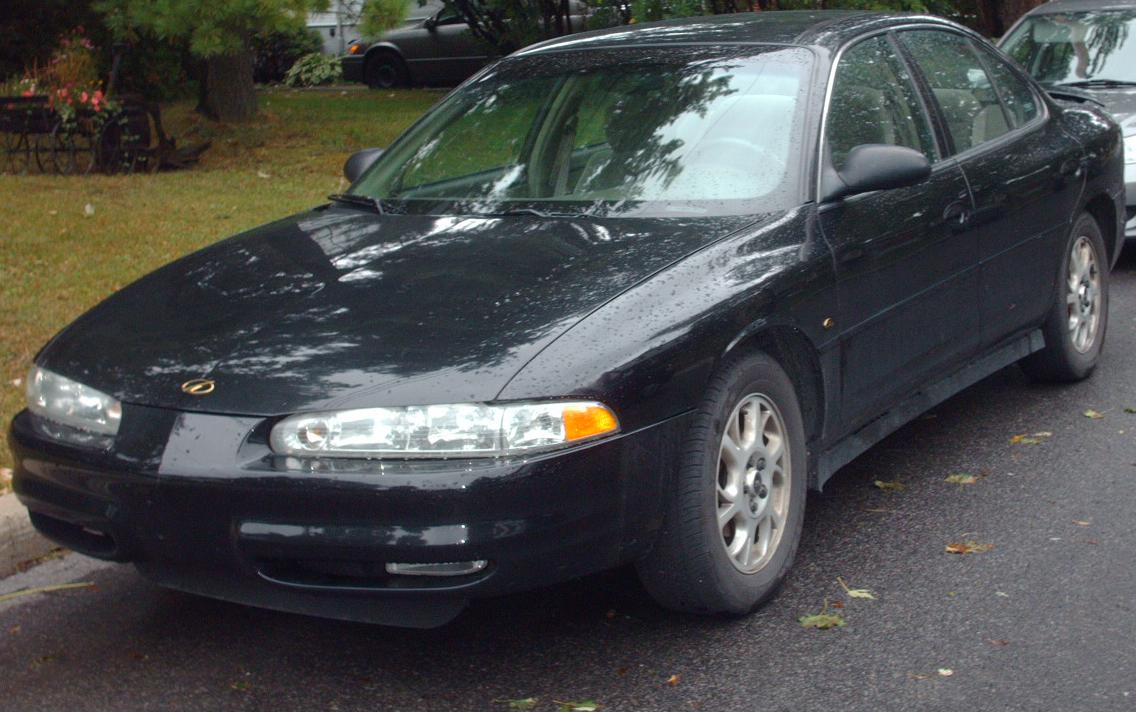
Oldsmobile Intrigue
"...is race. And it obviously has, you know, a lot of intrigue to it around the world. So fun to see you imagine..."
The Oldsmobile Intrigue is a mid-size car (a sedan) that was made in the early 2000s. It was built to be comfortable for everyday driving. Since it’s older and no longer sold new, it’s often mentioned as a historical or nostalgic model.
The Oldsmobile Intrigue is a mid-size sedan that was produced in the early-to-mid 2000s, known for its styling and comfort-focused design. It’s significant mainly as a piece of Oldsmobile’s lineup history, which can make it a fun topic when a podcast uses it as an example of “intrigue” or automotive storytelling. It may be discussed because it represents a specific era of American sedan design and branding.
gen seven car
"…seeing the car kind of transform into what would be suitable to go over to the law the changes that they made to what is our gen seven car in the cubfield"
“Gen seven” is NASCAR’s name for a particular generation of race car rules and design. It determines what the cars look like and how teams build and set them up for NASCAR races.
“Gen seven” refers to NASCAR’s seventh-generation car platform used for the Cup Series. It’s a specific rules/vehicle generation that affects aerodynamics, bodywork, and how teams set up cars for oval racing.
downforce
"to be able to take the weight out of it and the power and the downforce and just everything that they went through."
Downforce is the “suction” effect from the car’s shape and wings that presses the tires harder to the road. More downforce usually means better grip and faster cornering, but it can make the car slower in top speed because it creates drag.
Downforce is the downward aerodynamic force that pushes a race car toward the track. It increases tire grip so the car can carry more speed through corners, but it usually comes with tradeoffs like added drag.
NASCAR
"to be able to see NASCAR bring their race car over there and it's it's loud, it's heavy. It's just totally different."
NASCAR is a type of racing where cars compete mostly on oval tracks. It’s known for being loud, heavy, and very strategy-heavy—especially around pit stops and tire wear.
NASCAR is a stock-car racing series that typically runs on oval tracks, emphasizing close-quarters racing, drafting, and pit strategy. Compared with many road-course or endurance categories, the cars are heavier and the racing style is more about momentum and tire management over long stints.
Cup O'Reilly
"Dude, it's wild for me that, you know, talking about, you know, running Cup O'Reilly and trucks at the same time, I just always find it amazing,"
In NASCAR, the “Cup” is the top-level series. “O’Reilly” is the sponsor name attached to it, so “Cup O’Reilly” means NASCAR’s main top-tier championship.
“Cup” refers to NASCAR’s top national series, and “O’Reilly” is a title sponsor name that has been used for that series. The point here is that the speaker is talking about competing at NASCAR’s highest level (Cup) while also racing in another series.
trucks
"running Cup O'Reilly and trucks at the same time, I just always find it amazing, even though Le Mans is a is a massively long course."
“Trucks” means NASCAR’s truck racing series, where the cars look like pickups. It’s a separate championship from the top “Cup” series, so racing both at once is a big challenge.
In NASCAR context, “trucks” refers to the NASCAR Camping World Truck Series, which uses pickup-truck-bodied race cars. It’s a different racing category than the Cup series, with its own car setup norms, competition, and race rhythms.
hypercars
"you know, obviously at different competitive levels for the hypercars in particular to have to be lapping people all the time from very early on."
“Hypercars” here means the fastest, most advanced race cars in endurance events. Because they’re so quick, they constantly have to deal with slower cars on track and still keep their pace.
In modern endurance racing, “hypercars” are the top prototype class—high-tech, purpose-built race cars designed for maximum performance and efficiency. They often have to manage traffic because faster cars must lap slower classes throughout a race.
LMP2
"You've got to be contending with passing LMP2 cars, passing the GT cars. The sort of the mental acuity that you need in daylight, in the nighttime"
LMP2 is one of the race-car categories in endurance racing. It’s a slower class than the very top cars, so when you’re in a faster car you have to pass LMP2 cars while staying focused and safe.
LMP2 is a prototype racing class used in endurance events, typically featuring cars that are less powerful than the top prototype category but still very quick. In multi-class racing, faster cars must pass LMP2 cars while maintaining speed and avoiding mistakes.
GT cars
"You've got to be contending with passing LMP2 cars, passing the GT cars. The sort of the mental acuity that you need in daylight, in the nighttime"
GT cars are race cars that are related to real production models, but built for racing. In endurance races, they share the track with faster prototype cars, so passing them is part of the challenge.
“GT cars” refers to Grand Touring class race cars, which are based on production-style platforms (though heavily modified for racing). In endurance events, GT cars run in the same race as prototypes, creating constant multi-class traffic and passing situations.
daylight, in the nighttime
"The sort of the mental acuity that you need in daylight, in the nighttime"
Endurance racing often spans both daylight and nighttime, which changes visibility, track grip, and driver workload. That’s why the speaker highlights “mental acuity” across day/night conditions—fatigue management and concentration are critical.
road courses
"So unfortunate timing for the momentum of Denny Hamlin having to go to the two road courses in a row..."
Road courses are race tracks with lots of turns and braking, more like driving on roads than a simple oval. Cars and drivers that handle well through corners tend to do better there.
Road courses are tracks that use a mix of turns and braking zones, often resembling real streets more than an oval. They reward drivers who can manage traction and car balance through corners, not just straight-line speed.
fuel strategy
"They they had beat him with with fuel strategy and details and got them in the 11 car out in the front of the pack."
Fuel strategy is the plan for how teams use fuel during a race—when they pit and how much fuel they try to run with. The goal is to keep the car fast while still having enough fuel to finish, and it can affect who ends up leading late.
In NASCAR-style racing, fuel strategy is how teams plan when to pit and how much fuel to carry so the car can run at the right pace without running out. Small changes in fuel load and pit timing can determine track position at the end of a race.
chase
"my money would would probably be on on Denny Hamlin to to make that run and surpass Tyler Reddick by the time we get to the start of the chase."
The “Chase” is the part of the NASCAR season where the championship is decided. After the regular races, drivers compete for the title, and points and finishing positions matter a lot.
The “Chase” is the playoff-style championship phase in NASCAR, where drivers accumulate points during the regular season and then compete for the title. The key idea is that late-season results can strongly affect who advances and who wins the championship.
modulation of the brake pedal
"Well, I feel like when we go to San Diego, the things that SVG does so well with the modulation of the brake pedal and being patient with the throttle..."
Brake pedal modulation means gently and smoothly changing how hard you press the brakes. On twisty tracks, that helps the car stay stable and turn in better instead of getting too abrupt or sliding.
Brake pedal modulation means smoothly varying brake pressure rather than on/off braking. On road courses, that helps keep the car balanced and prevents locking up or upsetting the chassis mid-corner.
throttle
"...and being patient with the throttle and having the experience on on the street courses."
Throttle is how much you press the gas pedal. Being patient with it means you don’t go full-throttle too early in a turn, so the tires can grip and the car can accelerate cleanly.
In racing, throttle refers to how much power you request from the engine by controlling the accelerator. Being patient with the throttle on road courses often means delaying full power until the car is pointed and traction is available, improving corner exit.
Pocono
"Well, mate, while we're talking about Pocono, let's take a quick look if we can at Brent Cruz, rising talent, because he won the race's second stage..."
Pocono Raceway is a famous NASCAR track in Pennsylvania. Because the track is shaped a little differently than most ovals, teams have to set up the cars to match how it drives.
Pocono refers to the Pocono Raceway oval in Pennsylvania, a NASCAR venue known for its distinctive triangular layout and long straights. Track characteristics can strongly affect car setup and driving style, especially tire and braking management.
cup car
"…when I look at Brent Cruz, I feel like he's kind of in that same category and driving the cup car is drastically different than anything that these kids have ever driven in their whole life."
In NASCAR, a “cup car” means the stock car used in the top-tier NASCAR Cup Series. It’s a different machine than lower feeder categories, so drivers often need time to relearn braking, throttle response, and racecraft.
feeder series
"…There was a time back in the early 2000s where Formula 3000, which was the feeder series for Formula One was no longer really relevant to what Formula One cars were."
A feeder series is like a training league for race drivers. It’s meant to help them get ready for the top series by racing in cars that teach similar skills.
A feeder series is a lower-level racing championship designed to develop drivers and prepare them for a higher “main” series. The idea is that cars and competition should be close enough to the top level that skills transfer.
Formula 3000
"…There was a time back in the early 2000s where Formula 3000, which was the feeder series for Formula One was no longer really relevant to what Formula One cars were."
Formula 3000 was a lower open-wheel racing series that helped drivers move up toward Formula One. The point here is that its cars started to feel too different from F1.
Formula 3000 was a European open-wheel feeder category that historically served as a stepping stone toward Formula One. The host argues it became less relevant when its cars no longer matched the characteristics of modern F1 machinery.
GP2
"So they ditched Formula 3000 and they created GP2 to have cars that were closer in line with what a modern Formula One car was."
GP2 was a racing series created to replace Formula 3000. It was meant to be a better “practice step” toward Formula One by using cars that were closer to F1.
GP2 (later rebranded as Formula 2) was created to replace Formula 3000 and provide cars closer in feel to Formula One. The goal was better skill transfer by using machinery more aligned with modern F1.
Formula Two
"GP2 then got replaced with Formula Two."
Formula Two is the next step in the open-wheel ladder after GP2. The discussion here is whether its cars are close enough to Formula One to prepare drivers properly.
Formula Two is the modern successor category to GP2 in the FIA open-wheel ladder. The host’s point is that even today, the Formula Two car may still not match Formula One closely enough for ideal driver development.
power steering
"For example, Formula Two car has no power steering. A Formula One car does today, particularly with the new regulations this year."
Power steering helps you turn the wheel with less effort. Without it, steering takes more strength, so the car feels harder to drive, especially when parking or turning a lot.
Power steering uses a mechanical or hydraulic/electric assist to reduce the driver’s effort when turning the steering wheel. A car that lacks power steering feels heavier and more demanding, especially at low speeds and during repeated steering inputs.
new regulations
"A Formula One car does today, particularly with the new regulations this year. It's all about the bells and the whistles and the harvesting and the buttons and, you know, dealing with all of that."
Racing has rules that control what teams can do with the car. “New regulations” means the rulebook changed recently, and that can change how the cars feel and what technology they’re allowed to use.
In motorsport, “regulations” are the rulebook constraints that define what teams are allowed to build and how cars must be configured. When the host says “new regulations,” they’re pointing to recent rule changes that affect car systems and driver experience (like steering assist and other tech).
development standpoint
"So, the O'Reilly series is kind of in this weird spot, in my opinion, from a development standpoint as to what's right? Do we just send them to trucks and let them race trucks?"
They’re talking about how well a racing series helps drivers improve for the next level. It’s basically asking: does this series teach the right skills for the bigger cars, or is it too different?
“Development standpoint” here means the series’ role in preparing drivers for the next step, not just putting on races. The discussion is about whether the feeder series’ car/format should be closer to the top-tier “cup” cars to build relevant skills.
seat time
"but I think as you say, there is no replacement for seat time and more testing would be helpful for everybody."
“Seat time” just means how long a driver gets to actually drive the car. The more time they spend behind the wheel, the better they learn how it handles and how to race it.
“Seat time” means the amount of time a driver spends actually driving the race car. In racing, more seat time helps drivers learn the car’s behavior, improve consistency, and build racecraft beyond what simulator or limited testing can do.
Gio Ruggero
"We have to move on, though, and we move on to NASCAR ARCA series, which was also at Pocono, where Gio Ruggero led 51 of the 60 laps and won by a staggering 13.356 seconds."
Gio Ruggero is the driver highlighted for a dominant ARCA performance at Pocono. The host cites his lead-lap dominance and the margin of victory, framing it as a sign he’s ready for the next level.
Kevin Harvick
"Just dropping you in it and making you feel a little bit uneasy, because apparently things were a little too easy for you at Cars Tour West, where a certain Kevin Harvick fended off several challenges after some late race restarts to win the pro-late model race in front of, let's be honest, a packed crowd mate in Idaho at Stateline Speedway."
Kevin Harvick is a well-known race driver. Here, they’re talking about a win he had where late-race restarts and aggressive racing decided the outcome.
Kevin Harvick is referenced as a driver who won a pro-late model race after late-race restarts. The segment uses his example to argue about how different racing series and preparation styles can (or can’t) translate to higher levels.
Stateline Speedway
"a certain Kevin Harvick fended off several challenges after some late race restarts to win the pro-late model race in front of, let's be honest, a packed crowd mate in Idaho at Stateline Speedway."
Stateline Speedway is the race track in Idaho where they’re talking about a recent event. The host uses it to set the scene for how the race played out.
Stateline Speedway is the Idaho track where the host places Kevin Harvick’s pro-late model win. The mention also ties the venue to crowd size and the racing style—especially how restarts and aggression affect results.
late race restarts
"a certain Kevin Harvick fended off several challenges after some late race restarts to win the pro-late model race in front of, let's be honest, a packed crowd mate in Idaho at Stateline Speedway."
A “restart” is when the race begins moving at racing speed again after a caution. “Late race restarts” are near the end, so drivers are under a lot of pressure and things can get chaotic.
“Late race restarts” are restarts that happen near the end of a race, usually after a caution period. They create high-pressure situations because positions can change quickly and drivers often push harder for track position.
Keelan Harvick
"Keelan Harvick, less of a successful weekend for your boy. Wrecked from fourth with six laps to go. What happened?"
Keelan Harvick is the driver they’re talking about who had a rough race. They say he got wrecked late and also had a penalty connected to a restart, which hurt his chances.
Keelan Harvick is discussed in contrast to Kevin Harvick’s earlier success, with Keelan having a difficult weekend. The host describes a wreck from fourth and a late-race penalty on a restart, illustrating how quickly fortunes can change in stock-car racing.
three-wide
"Tyrell, who competes full-time in the NASCAR-Crustman Truck Series, pulled off a daring and decisive three-wide path on a restart with only six laps remaining"
“Three-wide” means three cars are driving next to each other at the same time. It’s exciting but risky because if one car moves wrong, they can all get into trouble.
“Three-wide” is a racing situation where three cars run side-by-side in the same corner or straight. It’s especially risky on short tracks because there’s less room for error and it increases the chance of contact during restarts.
pit area
"especially after a late-race collision between Jones and Pulsater Carson Brown triggered what was a brief fiery scuffle between their teams in the pit area."
The “pit area” is where the race teams go to work on the car during stops. It’s also where team members are close to the action, so arguments can happen after crashes.
The “pit area” is the service zone beside the track where teams work on the car during pit stops and where team personnel gather. It’s also where tensions can flare after incidents because teams are directly involved in repairs and strategy.

Ford Edge
"...igh-intensity short-track action kept fans on the edge of their seats until the very end, especially aft..."
The Ford Edge is a family-sized SUV that’s designed for normal daily driving. It’s meant to be comfortable and roomy, without being as large as the biggest SUVs. People often talk about it because it’s a common vehicle on the road.
The Ford Edge is a mid-size crossover SUV built for everyday driving, balancing passenger space with a more car-like ride. It’s the kind of vehicle that can come up in sports or entertainment contexts because it’s common, practical, and widely recognized by viewers. In a podcast, it may be mentioned as part of a broader discussion about vehicles people actually drive or see around events.
Hendrick Motorsports
"Back in the day with Hendrick Motorsports was you can't race anything else. Jeff Gordon, Jimmy Johnson, Casey Kane, whoever drove there, you weren't racing anything else unless you got it approved"
Hendrick Motorsports is a big NASCAR racing team. The host is saying that the team used to be strict about drivers racing other series.
Hendrick Motorsports is a major NASCAR team organization. The host contrasts its earlier “you can’t race anything else” approach with other drivers’ schedules, explaining how team rules can shape a driver’s career path.
open-wheel racing
"I think that the big question becomes open-wheel racing when you got guys that want to go to the Indy 500 and you see the injuries can be bad for your back or life-threatening at times and sprint cars."
“Open-wheel racing” is racing where the wheels are exposed instead of hidden under the body. The hosts mention it because crashes can be especially dangerous for drivers.
“Open-wheel racing” describes cars with exposed wheels (not covered by bodywork), such as IndyCar and Formula-style categories. The hosts bring it up because the car design and crash dynamics can lead to severe injuries, influencing how drivers and teams think about risk.
Indy 500
"I think that the big question becomes open-wheel racing when you got guys that want to go to the Indy 500 and you see the injuries can be bad for your back or life-threatening at times and sprint cars."
The “Indy 500” is a huge open-wheel race in the U.S. The hosts mention it because some drivers want to go there, even though the racing can be dangerous.
The “Indy 500” is the Indianapolis 500, one of the most famous open-wheel races in the world. In this segment it’s used as an example of a career goal that can pull drivers toward higher-risk racing categories.
sprint cars
"I think that the big question becomes open-wheel racing when you got guys that want to go to the Indy 500 and you see the injuries can be bad for your back or life-threatening at times and sprint cars."
Sprint cars are small, powerful open-wheel race cars that race on dirt tracks. The hosts bring them up because crashes can be serious.
“Sprint cars” are a type of open-wheel dirt-track race car known for high power-to-weight and frequent sliding through corners. The host mentions them in the context of injury risk, highlighting how intense and physical this style of racing can be.
Tony Stewart
"We went through a phase where we were breaking backs and having injuries. Tony Stewart used to do it all the time. He broke his leg, got in some trouble."
Tony Stewart is a famous race car driver. They mention him because he’s had serious injuries, showing how dangerous racing can be.
Tony Stewart is a well-known NASCAR driver and team owner who also competed in other motorsports. Here he’s referenced because he had a leg injury, illustrating how severe injuries can be in high-intensity racing.
Kyle Larson
"There's a lot of things that can go wrong. You see Kyle Larson at Hendrick Motorsports now and in order for Hendrick Motorsports to hire Kyle Larson, they had to let him race."
Kyle Larson is a well-known NASCAR driver. They’re using him as an example of how big teams decide who to hire and what racing opportunities come with it.
Kyle Larson is a top NASCAR driver, and the host uses his move to Hendrick Motorsports as an example of how teams manage driver opportunities. The point is that for a major team to hire a driver, they may need to allow them to race in other series or commitments.
Bernie Eccleston
"Whereas in Europe, it's quite protectionist around we've employed you for this job. We want you to do this job and only this job. A lot of that stemmed from Bernie Eccleston and his kind of rule of Formula One."
Bernie Ecclestone was an important leader in Formula One’s business. In this conversation, he’s being blamed/credited for making drivers stick to F1 so the league could market them as exclusive stars.
Bernie Ecclestone was a major figure in Formula One’s business side, strongly influencing how the sport was packaged and marketed. In this discussion, he’s credited with pushing the idea of locking drivers into Formula One to build a valuable, exclusive media platform.
Formula One
"A lot of that stemmed from Bernie Eccleston and his kind of rule of Formula One. You need to lock down your drivers on an exclusive contract to only race in Formula One because he wanted the teams, the circuits, the broadcasters to be able to say,"
Formula One is the most famous kind of open-wheel race series in the world. Teams race on tracks around the globe, and drivers earn points across the season.
Formula One (F1) is the top tier of open-wheel, single-seater racing, run as a global championship with teams competing for points across many Grand Prix events. In this segment, it’s used as the example of why drivers were historically kept “exclusive” to one racing platform.
exclusive contract
"You need to lock down your drivers on an exclusive contract to only race in Formula One because he wanted the teams, the circuits, the broadcasters to be able to say,"
An exclusive contract means a driver is only allowed to race in one main series. It helps the series sell the idea that the biggest stars are only seen there.
An exclusive contract is an agreement that restricts a driver to racing in a single series (here, Formula One) rather than appearing in other categories. The goal is to keep the driver tied to one brand/platform so the series can market star power as “only here.”
virtual world
"A lot of that up to this year was done in the virtual world which has opened up possibilities to drivers to go and race different types of car."
They’re talking about racing in a computer/simulator. It lets drivers try different types of racing more easily before doing it for real.
The “virtual world” refers to sim racing/esports-style competition where drivers can race different cars and series without the same real-world logistics and physical risk. In this segment, it’s presented as a stepping stone that expanded what drivers can try before moving into real events.
Nürburgring 24
"But then he wanted to put that into the real world this year and went and race the Nürburgring 24 and there was so much hype around that that I think that was a very positive thing."
The Nürburgring 24 is a famous 24-hour race in Germany. Drivers and teams have to keep the car going for an entire day, not just race fast for a short time.
The Nürburgring 24 is a 24-hour endurance race at Germany’s Nürburgring circuit, where teams run for a full day and manage driver stints, pace, and reliability. The segment frames it as a real-world event that lets drivers cross into different racing disciplines.
World Endurance Championship
"I think where they've got it right though is when you look at Formula E and Formula E drivers they're all contesting the World Endurance Championship or the majority of them are doing World Endurance Championship as well"
The World Endurance Championship is a racing series focused on long races. Teams plan around driver changes and strategy because the cars have to last for hours.
The World Endurance Championship is a top-level endurance racing series where teams compete across multiple long-distance events (typically involving driver rotations and strategy over many hours). The host notes that Formula E drivers often also race in endurance, which enables them to compete in multiple categories during the year.
Formula E
"I think where they've got it right though is when you look at Formula E and Formula E drivers they're all contesting the World Endurance Championship"
Formula E is a racing series for electric cars. The drivers often race in other types of racing too, which is why the host brings it up here.
Formula E is an electric open-wheel racing series designed around battery-electric powertrains. In this segment, it’s mentioned as a category whose drivers frequently also compete in endurance racing, allowing them to race across disciplines.
Cup series
"Hey I love that and look we want to see him race and I love the fact that Chase Elliott and some of these guys from the Cup series they've stepped out and said okay we're going to go race we might not be good at it but we're going to learn and we're going to figure it out"
“Cup series” refers to NASCAR’s top-level stock-car racing series (often called the NASCAR Cup Series). The segment uses it to describe drivers who step outside their usual discipline to try other forms of racing.
F2 and F3
"I'd love to see an F1 driver leave their ego at the door and say this weekend I'm going to do F2 and F3."
F2 and F3 are lower-tier open-wheel racing series that help drivers prove themselves before reaching Formula 1. The speaker wants F1 drivers to try them to measure their skill.
F2 and F3 are Formula 2 and Formula 3, which are junior open-wheel racing series that sit below Formula 1. They’re often used to develop drivers and evaluate readiness before moving up.
pit crews
"Nothing's left to guess work. The setups dialed in, the pit crews drilled, everything behind the scenes just works so the driver can focus on driving."
Pit crews are the team members who work on the car during the scheduled stop in the pits. They’re responsible for fast tire and service work so the driver loses as little time as possible.
Pit crews are the specialized teams that service the car during pit stops—typically changing tires, refueling (depending on series rules), and making adjustments. Their work is critical because a small delay can cost track position.
setups
"Nothing's left to guess work. The setups dialed in, the pit crews drilled, everything behind the scenes just works so the driver can focus on driving."
“Setups” are how a race car is adjusted for a specific track and conditions. The goal is to make the car handle predictably so the driver isn’t fighting it.
In racing, “setups” means the car’s configuration—adjustments to things like suspension, tire pressures, and aerodynamic settings to match track conditions. The speaker’s point is that good setups reduce uncertainty so the driver can focus on driving.
Bristol Dragway
"Let's talk NHRA and the Thunder Valley Nationals because rain had pushed last weekend's New England Nationals finals to Bristol Dragway."
Bristol Dragway is a drag racing track where NHRA events are held. The track and weather conditions can make a big difference in how fast cars can launch and grip.
Bristol Dragway is a drag racing strip in Bristol, typically associated with NHRA events. It’s known for high-stakes eliminations where weather and track conditions can strongly affect traction and performance.
Thunder Valley Nationals
"Let's talk NHRA and the Thunder Valley Nationals because rain had pushed last weekend's New England Nationals finals to Bristol Dragway."
This is the name of the NHRA drag racing event they’re talking about. The segment then goes through who won each class.
This is the event name the hosts are discussing within NHRA drag racing. It’s used as the anchor for the winners and results they list in this segment.
top-fuel
"Lea was making her first top-fuel start since 2023 and secured her 13th career victory by defeating points leader Sean Langdon with a blistering 3.794 second run at 332.43 miles an hour."
Top Fuel is the fastest, most powerful class in NHRA drag racing. These cars are built specifically to accelerate hard over a short distance.
Top Fuel is the premier class in NHRA drag racing, using purpose-built dragsters with extremely powerful engines and specialized fuel systems. The speaker is describing a Top Fuel driver’s first start since 2023 and the performance of that run.
funny car
"In funny car, past world champion Beckman claimed his 38th career win and the first of the 2026 season."
Funny Car is a class in NHRA drag racing with a different car shape than Top Fuel. They’re still purpose-built drag racers designed for huge acceleration.
Funny Car is another NHRA drag racing class, using shorter, wider bodies mounted over a drag-racing chassis. It’s distinct from Top Fuel and is known for dramatic acceleration and high-speed runs.
pro stock motorcycle
"Two-time pro stock motorcycle world champion Gage Herrera bounced back from recent struggles to complete a flawless weekend defeating teammate Richard Gadsen to become the event's first ever two-time category winner."
Pro Stock Motorcycle is a top-level drag racing class for motorcycles. The rules are designed so the bikes are still based on real production designs, not totally custom race machines.
Pro Stock Motorcycle is a class in professional drag racing for motorcycles, with strict rules that keep the bikes closer to production-based designs than many other racing categories. The speaker is reporting results and win counts for a rider in that class.
wire-to-wire
"In pro motocross, a pair of wire-to-wire performances and the 20th 1-1 result of his career gave Jet Lawrence his 26th win in 30 premiere class starts with back-to-back victories."
“Wire-to-wire” means the rider was in front the whole time—from the start to the end. It’s a way of saying they controlled the race.
“Wire-to-wire” means leading from the beginning of the event through to the finish. In racing coverage it highlights dominance across the entire race rather than just a late surge.
IndyCar's Freedom 250
"Just a reminder, IndyCar's Freedom 250 takes place on August 23rd. Hopefully no one goes up in the air. [3600.9s] Time for driver of the week, Kevin, and you didn't know, other than your own pick this week, who had gone into the top four, our nominees were."
“IndyCar’s Freedom 250” is a named IndyCar race. The hosts are just reminding people when it happens and joking about safety for the event’s big entertainment moments.
“IndyCar’s Freedom 250” is a specific IndyCar race event, named and scheduled as a distinct weekend on the IndyCar calendar. The hosts mention it as a date-based reminder, tying it to the “Freedom 250” branding and the event’s on-track spectacle.
Le Mans 24
"Now, we have to caveat this. Can we Kobayashi? And there was some pushback online by people saying you can't nominate one driver for the Le Mans 24, you have to nominate all three. [3618.5s] But Kobayashi's stints, his consistency, pace, aggression, everything across his stints marked him out for us when we were deciding, as the man of the three, obviously, hat-tip to Conway and DeVries,"
“Le Mans 24” is the famous 24-hour race at Le Mans. Since it’s so long, each team uses multiple drivers, so the hosts are saying you can’t judge it fairly by just one driver.
“Le Mans 24” refers to the 24-hour endurance race at Le Mans, where teams compete with multiple drivers per car. The hosts discuss driver nomination rules specifically tied to the event’s format—because endurance success depends on all drivers performing well.
stints
"But Kobayashi's stints, his consistency, pace, aggression, everything across his stints marked him out for us when we were deciding, as the man of the three, obviously, hat-tip to Conway and DeVries, [3636.5s] because you don't win a 24 hours unless all three drivers are absolutely on point."
A “stint” is a driver’s turn in the car. In long races, drivers swap, so each person drives for a chunk of time before the next driver takes over.
In endurance racing, “stints” are the time periods a driver is behind the wheel before handing off to a teammate. The hosts are using it to evaluate drivers across multiple segments of the race, emphasizing consistency and pace throughout the full event.
Request an Explanation
Heard something you'd like explained? We'll add it to this episode.
Sign in to request explanations for terms you heard.
Want to learn more?
Browse our glossary for plain-English explanations of automotive terms, jargon, and concepts.
Help improve this episode
See something that's not quite right? Our annotations are AI-generated and can sometimes miss the mark. Click the flag icon on any annotation to suggest a correction.