Henry Catchpole shares his journey from a passionate car enthusiast to a prominent motoring journalist, discussing the evolution of his career and the challenges of adapting to video content. He reflects on his early inspirations, including the impact of magazines like Evo, and the importance of authenticity in presenting cars on camera. The conversation touches on the balance between confidence and humility, and how personal experiences, including a significant crash, shaped his approach to driving and journalism. Catchpole's insights offer a unique perspective on the competitive world of automotive media.
Make sure to use code RTS at https://go.obdeleven.com/success
In this episode, I sit down with Henry Catchpole — one of the most respected voices in modern motoring journalism — to unpack what truly separates great drivers, great writers, and great films from the rest.From Evo Magazine to Hagerty, Henry reflects on a 20+ year career that’s taken him from dreaming of being a staff writer to confidently sliding some of the most valuable and significant cars in the world — including the McLaren F1 and GMA T.50.Don’t forget to subscribe to our channel for more exciting content about your favourite shows and celebrities. Hit the bell icon to stay updated on all our latest episodes👍 Like, Comment, and Share this episode. Join our discussion in the comments sectionCheck out Tweak: https://www.tweakuk.com/🔗 Follow Us:Instagram: @Roadtosuccessofficialpodcast@benedictfowlerContact: [email protected]
"...McLaren F1 versus T50 Video. It's T50F1. It's an in the absolute dream."
The McLaren T50 is a new supercar designed to be very fun to drive, featuring a powerful engine and a lightweight body. It's made for people who love driving and want a thrilling experience.
The McLaren T50 is a modern supercar designed by Gordon Murray, featuring a naturally aspirated V12 engine and a lightweight construction aimed at delivering an engaging driving experience. It's known for its focus on driver involvement and performance.
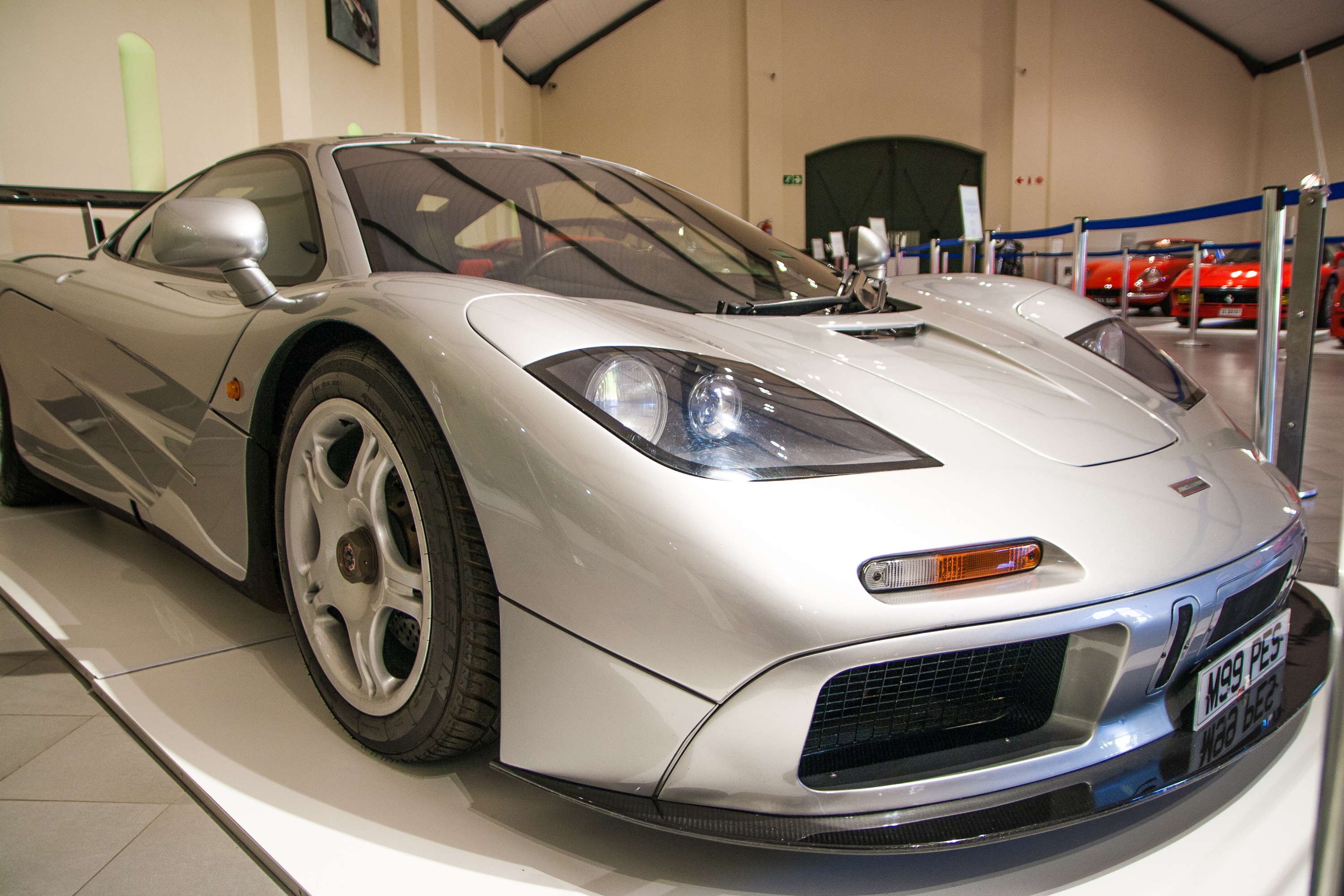
"...you just ring up your mate at McLaren and say, can I borrow F1 Joy? Henry!"
The McLaren F1 is a famous sports car from the 1990s that's known for being very fast and having a unique design with three seats. It's considered one of the best supercars ever made.
The McLaren F1 is a legendary supercar produced in the 1990s, known for its exceptional performance and engineering. It features a lightweight design, a powerful BMW-sourced V12 engine, and a unique three-seat layout.
"...evious Monday if we're Friday. McLaren F1 versus T50 Video. It's T50F1. It's an in the absolute dream..."
The T.50 is a super-fast car created by a famous car designer named Gordon Murray. It's very light and has a powerful engine, making it all about giving drivers an exciting and enjoyable experience when they drive it.
The Gordon Murray Automotive T.50 is a lightweight supercar designed by renowned automotive engineer Gordon Murray, famous for his work on the McLaren F1. It features a naturally aspirated V12 engine and focuses on driver engagement and performance, embodying the philosophy of pure driving pleasure. The T.50 is considered a modern masterpiece, pushing the boundaries of automotive design and technology.
"What was that? That was a Mitsubishi Evo 7 Xtreme, and it was like a brunting talk in the wet. When you fill the front slip, lift it off, backwards before you know it."
The Mitsubishi Evo 7 Xtreme is a special version of a sporty car called the Lancer Evolution. It's designed for fast driving and is great for handling corners, making it popular with people who love cars.
The Mitsubishi Evo 7 Xtreme is a high-performance version of the Mitsubishi Lancer Evolution VII, known for its rally-inspired design and all-wheel-drive system. It offers exceptional handling and acceleration, making it a favorite among driving enthusiasts.
"Escort Mart 2 rally car, a Clio 182, and a few bicycles. Scribble words for Evo and EI,"
The Renault Clio 182 is a fun and sporty small car that many people enjoy driving. It's known for being quick and responsive, which makes it exciting on the road.
The Renault Clio 182 is a sporty variant of the popular Clio hatchback, known for its agile handling and performance. It features a 2.0-liter engine and is often praised for its driving dynamics, making it a favorite among enthusiasts.
"I think he'd be delighted that I was writing for Evo when I started out. That was my goal."
Evo is a popular car magazine that talks about fast cars and racing. It's a favorite among people who love cars and want to learn more about them.
Evo is a well-known automotive magazine that focuses on performance cars, motorsport, and car culture. It has a strong following among car enthusiasts and is recognized for its in-depth reviews and features.
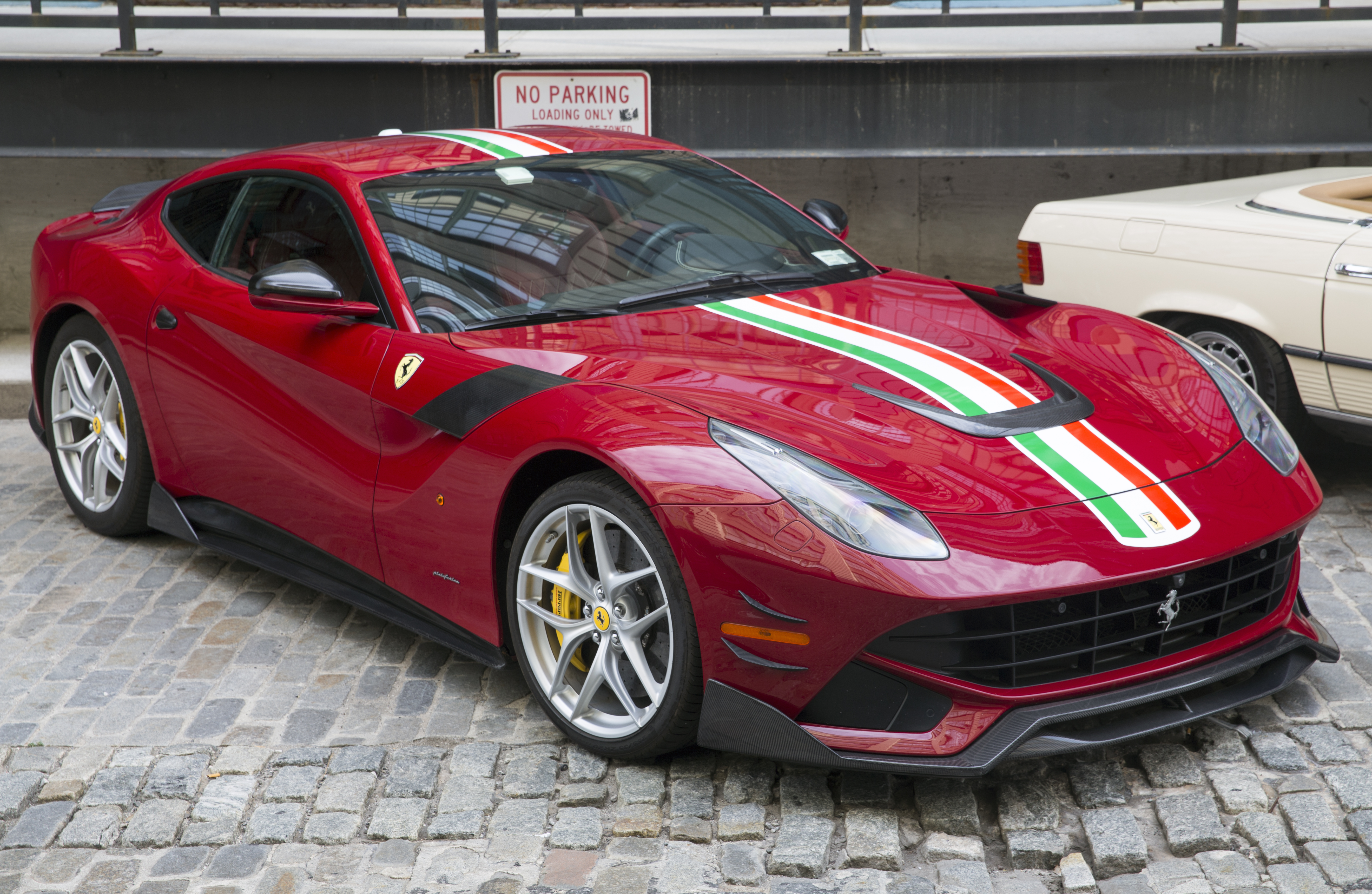
"...Lamborghini have entered all versus Ferrari F12, like a versus Aston Martin Vanquish, or the V12..."
The Ferrari F12 is a super-fast sports car made by Ferrari. It has a very powerful engine and is designed for high performance on the road.
The Ferrari F12 is a high-performance sports car that was produced by Ferrari. It features a powerful V12 engine and is known for its speed and handling capabilities.
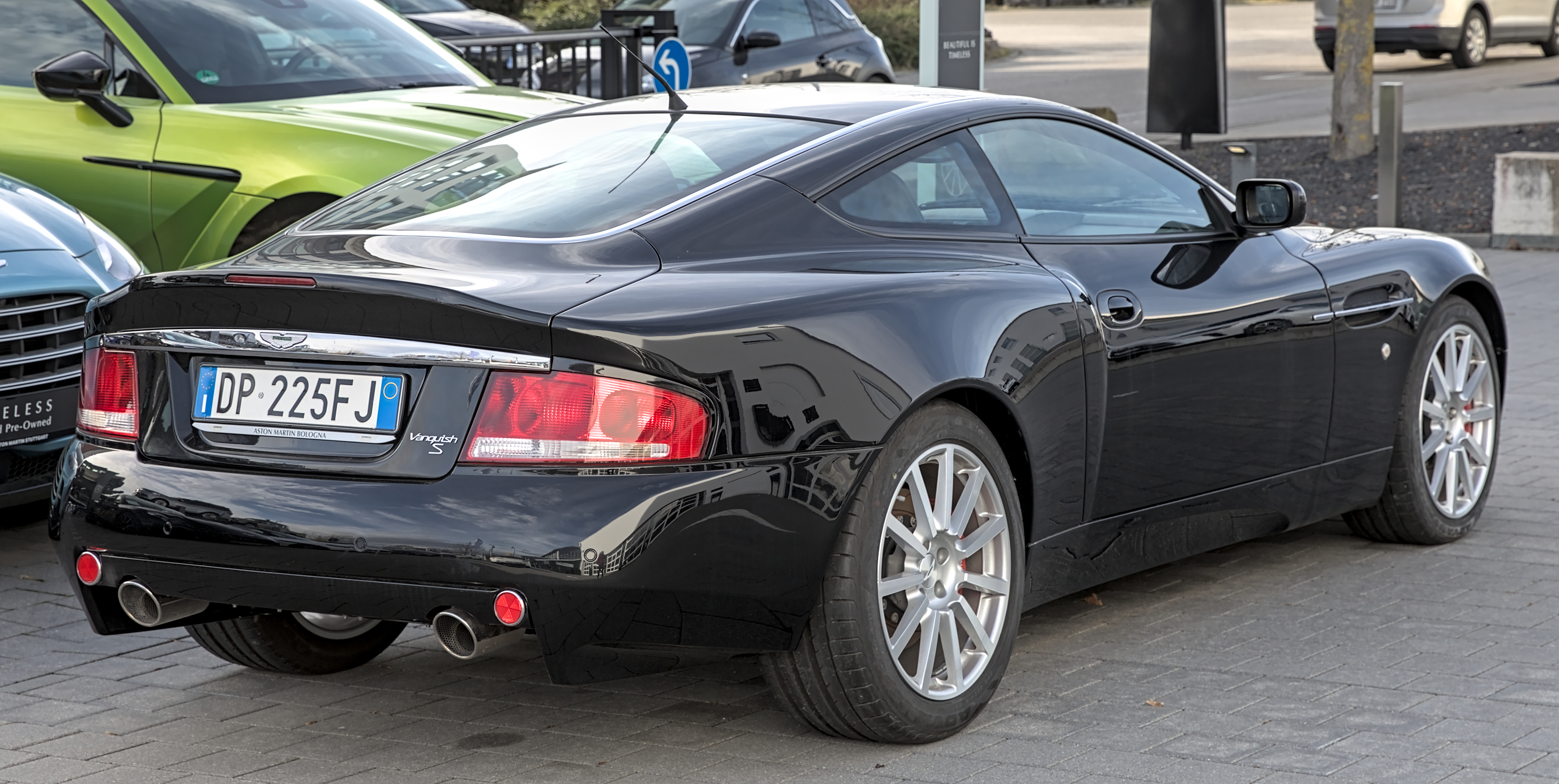
"...l versus Ferrari F12, like a versus Aston Martin Vanquish, or the V12. Icote every year looking for car of ..."
The Aston Martin Vanquish is a fancy sports car that looks really beautiful and goes very fast. It has a strong engine and is designed for a smooth and comfortable ride, making it a popular choice for those who want both style and performance.
The Aston Martin Vanquish is a luxury grand tourer that combines high performance with elegant design, featuring a powerful V12 engine. It is known for its stunning looks and refined driving experience, making it a symbol of British automotive excellence. The Vanquish is often compared to other high-end sports cars, showcasing its capabilities in terms of speed and luxury.
"...like a versus Aston Martin Vanquish, or the V12. Icote every year looking for car of the year..."
A V12 is a type of engine that has twelve cylinders. It is known for being very powerful and smooth, often used in high-end sports cars.
A V12 engine is a twelve-cylinder internal combustion engine arranged in a V configuration. It is known for its smooth power delivery and high performance, commonly found in luxury and sports cars.
"... I going to do here to sideways in Anastomart in Valhalla so confidently and putting together shots and sce..."
The Aston Martin Valhalla is a high-tech sports car that uses both a regular engine and electric power to go fast while being more efficient. It's built to be really quick and has a sleek design, showing how car companies are starting to mix traditional engines with new technology.
The Aston Martin Valhalla is a hybrid supercar that represents the brand's commitment to performance and innovation, featuring a powerful V8 engine paired with electric motors. It is designed for both speed and efficiency, showcasing advanced technology and aerodynamic design. The Valhalla is part of Aston Martin's future lineup, emphasizing the shift towards hybrid performance vehicles.
"...this is an OBD-11. In fact, I've got one in every single one of my cars. And this small pocket size device plugs into the vehicle's OBD-2 port..."
OBD-2 is a system in cars that helps mechanics and car owners understand what's wrong with the vehicle. It connects to a small device that reads error codes from the car's computer.
OBD-2 stands for On-Board Diagnostics II, a standardized system that allows external devices to communicate with a vehicle's onboard computer. It provides access to diagnostic information and fault codes, helping to identify issues with the vehicle.
"...it's even able to scan hybrid batteries to check their condition."
Hybrid batteries are special batteries in hybrid cars that help save fuel by using both gas and electricity. They store energy so the car can run more efficiently.
Hybrid batteries are rechargeable batteries used in hybrid vehicles to store energy from both the gasoline engine and regenerative braking. They are crucial for the vehicle's efficiency and performance.
"...you shouldn't be traveling without an OBD-11 and you really shouldn't be, then you can grab one using the link in my description..."
OBD-II is a system in cars that helps you check if everything is working properly. It can tell you if there's a problem with the engine or other parts of the car.
OBD-II stands for On-Board Diagnostics II, which is a standardized system in vehicles that monitors performance and emissions. It allows users to access diagnostic information about their vehicle's engine and other systems, helping to identify issues and ensure proper functioning.
"...I would have read auto car and Top Gear and car magazine as it was then, which was slightly different to what everybody sort of harks back to."
Top Gear is a famous TV show and magazine about cars. It shows car reviews, fun challenges, and interesting stories about vehicles, making it very popular with car fans.
Top Gear is a British television series and magazine that focuses on automobiles, featuring car reviews, challenges, and entertainment segments. It is known for its engaging presentation and has a significant following among car enthusiasts.
"...It wasn't a traction control at the time. There wasn't that yet."
Traction control is a system in cars that helps them stay on the road when it's slippery. It stops the wheels from spinning too fast, which can help prevent accidents.
Traction control is a safety feature in vehicles that helps prevent wheel spin during acceleration. It works by reducing engine power or applying brakes to specific wheels to maintain grip.
"...spending the afternoon down there with our long-term catering, learning to slide it around corner..."
Caterham is a car company that makes small, lightweight sports cars. They are fun to drive and great for racing or just enjoying the road.
Caterham is a British manufacturer known for producing lightweight sports cars, particularly the Caterham Seven. These cars are designed for agility and driving pleasure, often appealing to enthusiasts who enjoy track days and spirited driving.
"But I think rallying helped a lot. That was, that was a massive help because it just, you know, unfortunately, the fire of competition and all that. And you sort of, you want to be good, you've got to push yourself."
Rallying is a type of car racing that takes place on different kinds of roads, often in the countryside. Drivers race against the clock and have to deal with different surfaces like dirt and gravel, making it a unique and exciting sport.
Rallying is a form of motorsport where drivers navigate through a series of timed stages on public or private roads, often in challenging conditions. It emphasizes skill, precision, and the ability to handle a car in various terrains, such as dirt, gravel, and tarmac.
"...I'd had my race license since university. Again, because I thought I want to be a motion journalist..."
A race license is like a driver's license but specifically for racing. It shows that you have the skills to compete in races.
A race license is a certification that allows an individual to participate in competitive motorsport events. It typically requires passing a test that assesses driving skills and knowledge of racing rules.
"...when I drove a Cayman, it was an entire thing. I wouldn't really be able to pick out, think, really think about the steering and the brakes and how the suspension was..."
The Porsche Cayman is a sports car that is designed to be fun to drive. It has a unique engine placement that helps it handle well on the road.
The Porsche Cayman is a mid-engine sports car known for its balance and handling. It shares many components with the Porsche 911 but is designed as a more affordable option with a coupe body style.
"...we did it with the 849 Testarossa film we did yesterday as we're talking now. I like being able to just come back and have that bit of thought about a car..."
The Ferrari Testarossa is a famous sports car from the 1980s. It has a unique look and a very powerful engine, making it a symbol of luxury and speed during that time.
The Ferrari Testarossa is a classic sports car produced by Ferrari from 1984 to 1991. Known for its distinctive design and powerful flat-12 engine, it became an icon of 1980s automotive culture.
"I remember, I don't think the Garni were terribly happy with me because I talked about the Chinquay Zonda, which was one of the five of us. That was the first time they put in a paddle shift in a Zonda."
The Pagani Zonda is a supercar that is very fast and has a unique look. It's made with special materials to keep it light and powerful, which makes it exciting to drive.
The Pagani Zonda is a high-performance sports car known for its unique design and engineering. It features a lightweight construction and powerful engines, making it a standout in the supercar category.
"It wasn't a dual clutch, kind of absolutely super smooth kind of thing. I think they weren't so."
A dual clutch is a type of car transmission that helps change gears very quickly. It makes driving smoother and faster because it can prepare the next gear while you're still in the current one.
A dual clutch transmission (DCT) is an automated manual transmission that uses two separate clutches for odd and even gears, allowing for faster gear shifts and improved performance compared to traditional automatic transmissions.
"If a car understeers, way more than it should do, that's just what it does. So you report that. And the engineers will know as well."
Understeer happens when a car doesn't turn as much as you want it to. Instead of going around a corner, it goes straight, which can be tricky to handle.
Understeer is a handling characteristic where the front wheels lose grip before the rear wheels, causing the car to continue straight instead of turning. This can make a car feel less responsive and can be a safety concern in certain driving conditions.
"...you drive something like a Rivalto, and you sort of think, hang on a minute, we've kind of, we have got something that's actually better here..."
The Pagani Rivalto is a super-fast and very expensive car made by Pagani, a company known for creating unique and high-quality vehicles. It's a great example of how car technology has advanced over the years.
The Pagani Rivalto is a high-performance hypercar known for its advanced engineering and design. It represents the pinnacle of automotive technology and craftsmanship, showcasing what is possible in modern car manufacturing.
"...it's got a natural aspirated engine. This is a hybrid, but it's amazing. It's brilliant. But manufacturers are struggling..."
A naturally aspirated engine gets air into the engine without any extra help from devices like turbochargers. This means it uses just the air pressure around it to work, which can make it feel more responsive when you drive.
A naturally aspirated engine is one that relies on atmospheric pressure to draw air into the combustion chamber, rather than using a turbocharger or supercharger. This type of engine typically offers a more linear power delivery and can provide a more engaging driving experience.
"...I review lots of RESTO mods at the moment. Yeah, we are in the age of the RESTO mod."
A restomod is when someone takes an old car and fixes it up with new parts and technology. This way, the car looks classic but drives like a modern vehicle, making it more fun and reliable.
A restomod is a classic car that has been restored and modified with modern components, such as updated engines, brakes, and technology, while retaining its original aesthetic. This trend allows enthusiasts to enjoy the style of vintage cars with the performance and reliability of contemporary vehicles.
"...Does that would be like comparing the new Renault 5, which is electric to the Renault 5 of old, wouldn't it? Because they are completely different things..."
The Renault 5 is a small car that was made a long time ago and was very popular in Europe. Now, there's a new electric version of it that looks different but carries the same name.
The Renault 5 is a compact car produced by the French manufacturer Renault from 1972 to 1985. It was known for its distinctive design and was popular in Europe, especially in urban settings. The newer electric version retains the name but features modern technology and design.
"...with the and Scarbo F1 and the Dan Gurney Eagle and sort of Carl, that's sort of the F1 car from the road, 60s F1 car from road, mad car..."
An F1 car is a special type of race car built for Formula 1 racing. These cars are very fast and use the latest technology to perform well in races.
An F1 car, or Formula 1 car, is a high-performance racing vehicle specifically designed for the Formula 1 racing series. These cars are known for their advanced technology, speed, and agility on the racetrack.
"...I'm driving a super car, kind of, you know, even if it's not my favorite one, I'm still learning about it..."
A supercar is a very fast and expensive sports car. These cars are designed for high performance and often have unique and stylish designs.
A supercar is a high-performance sports car that typically offers extreme speed, advanced technology, and luxury features. They are often produced in limited quantities and are known for their exceptional design and engineering.
"...the only bit I disagree with, which is going to upset a lot of people, probably even, is I'm not really a BMW person..."
BMW is a well-known car brand from Germany that makes luxury cars. They are famous for their sporty designs and good handling.
BMW, or Bayerische Motoren Werke, is a German automotive manufacturer known for producing luxury vehicles and high-performance sports cars. The brand is recognized for its engineering excellence and driving dynamics.
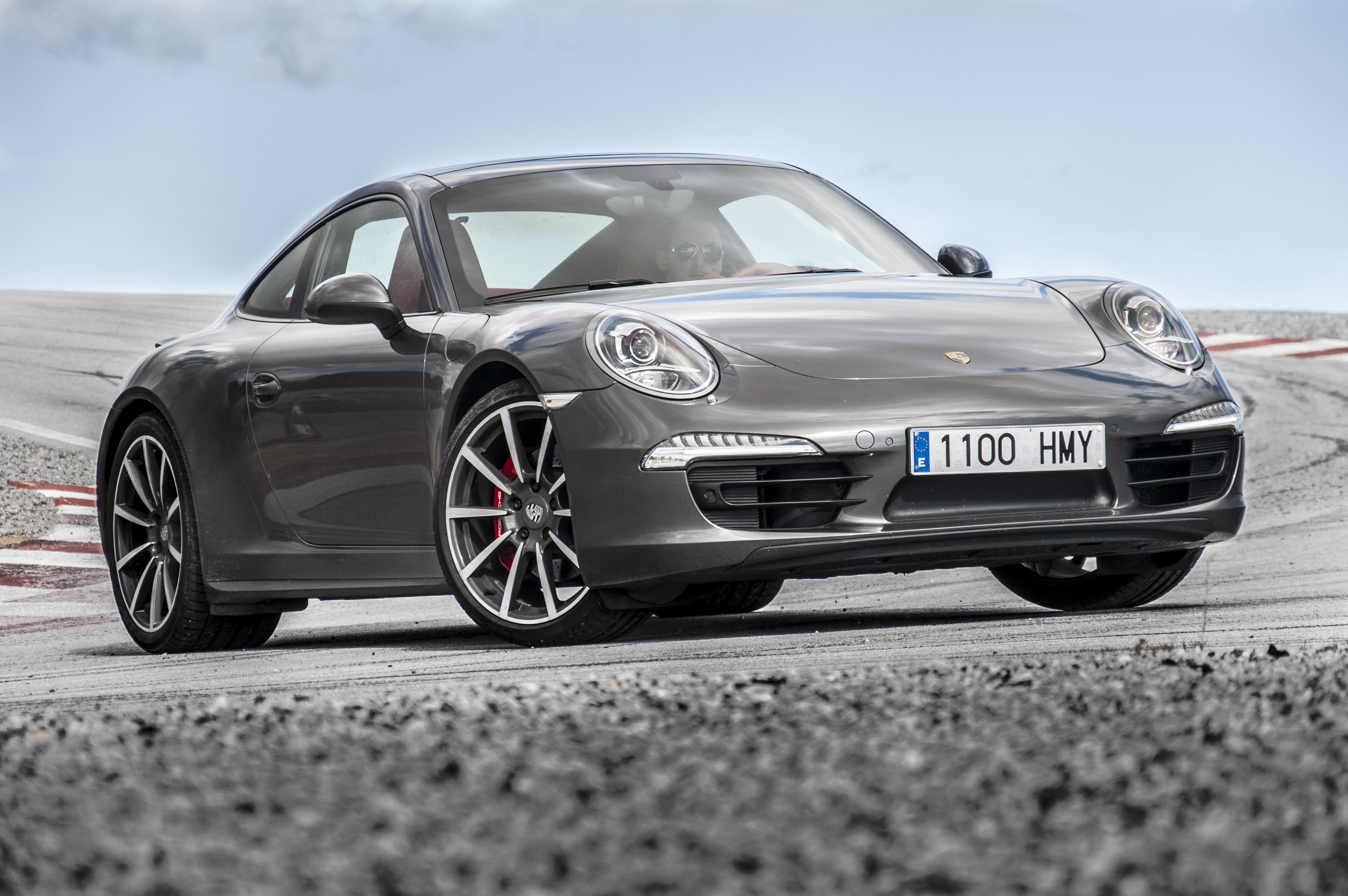
"cars are incredibly fast, incredibly quick. They're also, tires are better now than they ever were before. You know, in early 9-11, we'll get you into trouble. If you turn it all off, you're going to, you're on your own."
The Porsche 911 is a famous sports car that has been around for a long time, known for being very fast and fun to drive. It's recognized for its unique shape and powerful engine, and many people love it for how well it handles on the road.
The Porsche 911 is a high-performance sports car that has been in production since 1964, known for its distinctive design and rear-engine layout. It is celebrated for its exceptional handling, speed, and engineering, making it a favorite among car enthusiasts and a benchmark in the sports car segment. The mention of its early models highlights the evolution of its performance and driving dynamics over the years.
Select text to request an explanation
This time of year everyone talks about going dry, but at Athletic Brewing Company we're skipping that
because we prefer going athletic, which isn't dry at all. From crisp, goldens to hoppy IPAs,
and limited releases in between, you'll find something that fits your style. Every single
non-alcoholic brew is packed with flavor and the same craft experience you love. So yeah,
you could call it dry, but there's really nothing dry about it. Find your new favorite
near beer at athleticbrewing.com. Athletic Brewing Company, fit for all times.
by Bart Layton. Read it out. Under 70, not a middle without Farad. Special sneak previous Monday
if we're Friday. McLaren F1 versus T50 Video.
It's T50F1. It's an in the absolute dream. Those cars, that road, you just want to do
the very best. You just ring up your mate at McLaren and say, can I borrow F1 Joy? Henry!
Riding for Evo when I started out, that was my goal. Wow. The thrill of driving, which is
absolutely what I still love about cars. Oh, what a fun car.
Well, I want to just read you some of the quotes you said in that episode, which is,
fireworks in the top end. It's not as fluidly slick. It's a deathly shit of heaven.
Being able to slide and just play with it like puffy.
I had a fairly big crash whilst I was on work experience at AutoCop.
That made me think about driving more. What was that? That was a Mitsubishi Evo 7 Xtreme,
and it was like a brunting talk in the wet. When you fill the front slip, lift it off,
backwards before you know it. Henry, in sport, there are a few standout individuals that just
magically sit that little bit above the rest, whether it be Ronaldo in football, Max Verstappen
in Formula One, Luke Littler in darts. I often think it's the same thing when I watch people
with pure talent doing what it is that they're good at in whatever industry.
That's how I feel when I watch one of your videos. Henry, in your own words, who are you and what do
you do? Personally, thank you. That's very kind of you. I now can't think about a party with
Ronaldo, Luke Littler, and Max Verstappen. That's quite the trio, isn't it? Who am I?
I'm a motoring journalist, I suppose, and I've been doing it for 20-something years now. I mostly
do films for Hagerty on YouTube, but still write as well, so there are various columns for Evo
or other people. I'm a motoring journalist. Occasionally, I'm a cycling journalist as well,
but that's another story. I actually thought I'd read out your Instagram bio.
This is how you'll write yourself from writing it down, which was a tall smiley owner of an
Escort Mart 2 rally car, a Clio 182, and a few bicycles. Scribble words for Evo and EI,
mumble on camera for Hagerty. What would younger Henry think of that bio?
I think he'd be pretty excited. I think he'd think that was done pretty well.
He'd be delighted that I was writing for Evo when I started out. That was
my goal. That was the light bulb moment of when passion for cars,
so lover cars, turned into that, hang on a minute, I could do this for a job.
It was that first issue of Evo when it came out. I read it and it spoke to me in a way that
other car magazines hadn't, and I thought that's what staff writer Evo, that's what I want to be.
The fact that that's on my bio would make young Henry very happy. I think the
video side of it, the fact that I'm talking to camera, I think I'd be pretty shocked about,
to be honest, because that's not something I ever grew up thinking would happen,
because it wasn't, it was Top Gear. That was out there. Obviously, I watched that,
but it was such a different realm. It never occurred to me that I would ever. I know that,
obviously, James Clarkson went from performance car to Top Gear, he made the leap. Obviously,
it was May as well, but it just didn't seem like something that you would do. I wanted to be a
writer and I loved writing. That was really what I wanted to do.
I didn't want to present to camera. Even when the opportunity first came along, it was something
I jumped at the thought, wow, YouTube's here. Yes, I can go and finally stick my face in front of
a camera and mumble at it. It took a bit of, I suppose, it was a certain amount of career
preservation, if you like, when it first came about, because at the time,
everybody was saying magazines were dying. Thankfully, they haven't. We now know that's
not going to happen. The iPad came out, people said, we're going to go to that,
and YouTube was out there. It was a financial crash. Obviously, the sales of magazines went
down as well. When I was too young at that point, my career was just getting going.
I'd written my first Evo card of the year. It's like, yes, this is amazing. I want it to
continue. The video seemed to be something that actually was going to give it more longevity,
so I took a deep breath and found a way to make it work for me, I suppose.
See, the reason I love to get into these stories so much, especially one with a character like
yourself, is because I grew up one of those kids that would wander around where we are
today, outside Pagatee at Bista, just loving the magic of cars. I would open YouTube, and long
before all the car rebuilders had entered the scene, the videos that would pop up would be
Car Fection. I remember one of the early ones, Lamborghini have entered all versus Ferrari F12,
like a versus Aston Martin Vanquish, or the V12. Icote every year looking for car of the year,
and I would think to myself, how can I get close to that? How does that happen? How can you do that
as a job? What has always baffled me about the individuals I meet that end up doing some of
this work? As you mentioned, Top Gear, when I think of a motoring journalist on camera,
the first second of that is shouty, brash, like a loud, room-filling individual that's got
unbelievable confidence to throw that car sideways and just go for it and send it.
And when I've always met you, you're so humble, so reserved, yet you're so utterly
fabulous on camera, and come out of your shell. Where does that bit come from? Was that ever in
you growing up? I think I had a certain confidence around cars for whatever reason.
I knew I could speak publicly to some degree probably, but no, I mean, my parents, for example,
thought it was, they didn't have any confidence in me, but when I said, well, I'm going to be some
video stuff, I'm doing some of this now, and apparently they only told me subsequently that
they said literally to each other, well, how on earth is he going to do that? He hasn't got the
skills for he mumbles and looks down. Is that where that mumbling word came from? Is that how
they would describe you? I don't know. I'm not sure of it. I think I'd probably describe myself
as that, but it's a good word, mumble, isn't it? It's sort of on a matter of fact, and I like
that sort of, I like that word, but it's, you just have to learn. And I discovered that I think
the first thing I ever did was publishing, even at the time, I sent people off on courses because
video was coming out and we all had to go and do this. And I sort of went and did it because I had
to. And so I probably didn't take it if I'm perfectly honest, terribly seriously, which was
probably the best thing I could have done because actually I relaxed and I wasn't trying to do it.
And it's like in sports actually, half the time, it's the goal shot you're not trying to hit that
goes 300 yards down the fairway. It's when you're trying to do it, when you're standing on the first
team, you desperately want to hit the best shot of your life. That's the one that disappears
off into the gardens on the right. I've just started playing songs. It's exactly the same.
There you go. Exactly. Yeah, you've got to hit double top and it's kind of, you can't do it when
in the Friday night, sort of when it doesn't matter. You can do it every time. So I think the
fact that I kind of relaxed into it and just sort of thought, well, I'll kind of be who I am
and kind of not take it that way. That really worked. And suddenly you think, well, actually,
you watch your back and go, well, that's actually sort of all right. I'm not saying it was great
straight off the bat at all. And I was lucky that it started at the very early days of video as well
because, you know, there weren't huge sums of people watching, I hope there weren't. But you could,
I was in a position where I could look at it, critique it, work out what I wasn't doing well.
And you looked at it and think, well, if I don't like what I'm doing, how do I improve that?
And you realize that you can't be, you can't mumble at the camera
for a video in real life, but you can't do it there. So you have to be 150% of yourself.
It just so happens that 150% of myself is still about sort of 25% of, you know,
a normal television presenter, probably, but you do, you realize that you can't turn up
with your head completely all over the place. You can think, I don't care what I look like.
But actually, you realize that if you turn up on camera, looking at a complete mess,
that is what people will concentrate on rather than the car that you're trying to talk about,
and people should be there for. And that's not what you want. So just all these little things
that you kind of, you worked it like anything else, like you, you learn to write better,
you learn to drive better, you want to do it, you work at it, and you try and be the best you
can and watch other people, what are they doing? Well, kind of all that sort of thing. So, yeah.
But in this podcast, I'd love to unpack so many questions about how someone goes from
just sort of wandering into a very kingdom. What am I going to do here to sideways in
Anastomart in Valhalla so confidently and putting together shots and scenes and plans,
because I want to understand how you built all of that up. And then I think that relaxation that
you describe is where the 1% magic is. I think it sits in there because it disarms the audience and
it actually makes them thoroughly relax. And I only think that's strangely because YouTube's
become a tough game, but I only think that's going to get stronger because of AI and things like
that. True English will flourish and come through.
Good luck AI, Trina.
I want to understand, was your like mum, dad, or any part of your family like a writer,
or was that anybody really into English?
So, my father definitely read a lot. Lovely English language he introduced me to,
PG Woodhouse at a pretty young age, I'd say, again through golf, grew up playing
golf with him and my grandfather as well. And the PG Woodhouse short stories, collection
short stories is clicking a cuthbert in the heart of a goof. And the Woodhouse has this
incredible way with language. And I just remember, I obviously idolised my father and so he loved
these books and so I took a real interest in them and appreciated the language.
My godfather used to write these wonderful letters to my father and to me as his godson.
And he's a very funny, very self-deprecating and again, beautifully written. And again,
I could see how much my father appreciated these letters and he would read them to me
before I was too young to kind of probably decipher the handwriting because they were
handwritten at the time. And so I had this appreciation for language and writing.
Didn't make me think I could go and do it necessarily, but it's in there and it's not
that something that's obviously not necessarily taught at school. Or perhaps it needs to come from
somewhere other than school for you to really cotton onto it, if that makes sense. You're going to
enjoy certain things about the texts that you read, but you have to do it. This was from home,
so therefore you want to do it. So I suppose that's where the love of language and writing came
from. And the more I did it, that's probably one of the things that surprised me most as well,
because obviously, yeah, there's not a bit about the bush, I got into this because I love cars and
I watched it on the other side in the round and I liked all the pictures and EVO of people
going sideways. I want to do that. That's the dream. But then the more I wrote, the more you
realise I love the writing side of it as well. I love the scripted side of it and then that evolves
into such a video as well. There's two such odd parts there, which is the part of you aimed for
what you wanted to do and got it, which almost sits completely separate from the guy that just
walked into EVO and not really knowing what to do and was really relaxed if you know what I mean,
figuring it out. Because you got the dream, but in the moment, maybe you didn't realise it was
actually happening? No, I never just wondered into EVO, wondering what was going on. I very much
there was a definite goal there and I entered. There was a daily set of I've had a young
motoring writer's competition. I entered that and I would write stuff in a style that I knew
would appeal to an EVO. I thought would appeal to an EVO reader. It was all geared around
writing that way because that's what I wanted to do. That's really interesting. EVO was the
first place I applied for work experience when I was at university. Didn't get it the first year,
got it the second time I applied for work experience. Then, yes, there was a certain
amount of luck after university that I rocked up with my CV of stuff I'd written and portfolio
work, et cetera, and handed it to them. That was a complete cold call. I got very lucky because
there was a certain amount of change at the time. Dickey had just gone freelance, that's
Richard Meaden. There was a bit of a shuffle around. Jethra had moved up that. There was this
opening there, which I couldn't have known, but that's where you make your own luck. I turned
up. I obviously hadn't irritated them too much in the week that I'd done there before. They said,
well, there's an opportunity here. Come back, do a month of work experience, see how it goes.
There might be a bit more after that. I knew at that point if there was a month,
then there was a job there and it was up to me to make it work. Again, I think I was
calculating enough, but just aware enough as well that what they wanted from me at that point was
not to go out and try and slide a Ferrari around, but equally if you stand up on deadline week and
say, they were on to tea or coffee, yeah, that'd be lovely. You do the proofreading because that's
not necessarily what people want to do. They've written the articles. They don't want to read
their own stuff back, but if you can really apply yourself to it and be the person that they need,
then you make yourself, if not indispensable, and at least not somebody that they want to
get rid of at the first opportunity. It definitely wasn't, I didn't stumble into it.
Now, some viewers may not know this, but this podcast is recorded in the back of a van,
one of two van studios that I have, one based here in the UK and one based in the USA. To get to
our guests, sometimes we have to go on rather large drives, sometimes from England to the
Nürburgring or from LA to Carmel, but whether it's one of those long drives or even a shorter one,
I never want to not be able to get to a guest, bring you guys an episode and sometimes we only
have one chance to get a recording. And this can be the same in many situations in life,
whether it's an important family event, you're traveling for work in a van, maybe you're a
tradie or traveling for work in a car to get to a really important meeting. Now, there's nothing
worse than if you're on one of those drives, then seeing a fault code appear on your dash. Also,
a lot of fault codes can be hidden where it doesn't necessarily display.
And that's why we use one of these. This is an OBD-11. In fact, I've got one in every single one
of my cars. And this small pocket size device plugs into the vehicle's OBD-2 port, which is usually
under the dashboard, like it is in this van. And then using your phone, the application is able
to scan for any faults. Faults can get thrown on vehicles for a variety of reasons, but this
morning I had 15 faults appear on the VW Crafter van. And I was able to just swipe up and clear all
those faults. And when I re-scanned, they were completely gone. This gives complete peace in
mind that there's no issues with the van and that I'm able to get to my guests safely and on time.
So yes, this little device really is capable of giving full dealership level diagnostics,
especially for the brands listed on screen, but also basic diagnostics for any vehicle
after 2008 fitted with one of those OBD-2 ports. An OBD-11 will use its car buying assistant to
run lots of checks on the vehicle, making sure it's in good health and something that you should
be buying. It's even able to scan hybrid batteries to check their condition. But the most common thing
I hear the audience using this OBD-11 for is to use the 1000 plus one touch applications that
you're able to unlock in many vehicles, just like Apple CarPlay. So if you think that you
shouldn't be traveling without an OBD-11 and you really shouldn't be, then you can grab one using
the link in my description or pin comment of this video and using the code RTS, road to success.
This will give you 20% off, chunky, 20% off one of these little devices to make sure that you
always have peace of mind and can do diagnostics. This question then will apply to getting into
what your world of cars look like growing up to understand why you were so passionate about them.
How did you know what an EVO reader was?
How did you know who that was?
I suppose, well, I'm not sure I'm writing it in an EVO reader's style.
An EVO style, yeah.
If you say to me, are you going to do that video in a Armstrong style versus a film on EVO?
They're two very different things. Let's hopefully understand what you mean by that.
But what was that EVO style in writing? Because again, my generation is so bad with
just knowing what it is on films. How would you see it?
Yeah, I think so. Obviously, I read various car magazines, so I would have read
auto car and Top Gear and car magazine as it was then, which was slightly different to what
everybody sort of harks back to. That was a little bit before my time. But when EVO came out,
it was a photography as well. I think that was definitely a visual person in the outset.
But it was longer form, generally, with EVO. And it was detailed. It focused on the driving,
the thrill of driving, which is absolutely what I still love about cars as much as it is
that feel of driving. And the way they described that was what I really liked.
It seemed to go that bit deeper and just a real love for the cars, which spoke to me.
Where did that thrill come from being young? What was one of the most first thrills?
First thrills, I suppose. I mean, my parents loved cars. They met through cars. They had MGs.
Both my parents had MGs when they met.
So there's definitely that in my background. Equally, riding a bicycle, the thrill of
going quickly on that. I've always loved the idea and the feel of driving,
and that feel of movement on four wheels, which I've always understood better than
two wheels, very amateur-level bicycles. And I never as confident on a bicycle as in a car.
So yeah, I don't know what it is. It's something clearly in me,
must be sitting in the passenger seat, my father driving quickly or something instead of thinking
this is... But when you see a father driving quickly, I don't think it's long enough that
we can dub him in now. But would he fully slide around about with traction control off in second
gear? It wasn't a traction control at the time. There wasn't that yet.
I think for so many petrolheads, if they've got into cars through their dads or their moms,
then their parent is always going to be a semi-hero for them in their cars. If I think back to
2016, buying a Maserati for the first time with dad his first sports car and one day,
and I'm sure people can relate to this, their parent would get a little wiggle on it. It goes
sideways like an inch. I'd be glad you see that. And you'd always think, wow, dad just slid a car.
Now, the bit I want to understand that so many people would, is how did you go from arriving at
Evo with such a passion for riding in cars to being able to slide a McLaren F1 on a shoot,
like and know how to deal with that and be confident enough, you're not going to smash up 25
million and take an Aston Martin Valhalla and just play him with it like putty, like
what happened? Where's the pivotal moment of being able to do that?
I don't know. I still wouldn't say I'm the best at doing it, but I kind of
there's practice, definitely, kind of which you get a lot of it even. I was very lucky that when
I joined, it was still, I kind of served an apprenticeship, if you like. And I remember
going down to Bedford Auto Drone with Jethro for photographer Kenny P and spending the afternoon
down there with our long-term catering, learning to slide it around corner catering is actually
necessarily the easiest thing to slide and sort of big angles. Yeah, exactly. You sit on the rear
wheels and it kind of feel bigger because of the angle when you're sitting so far from the front
and the point that it's sort of arcing around and stuff. I think I thought about it. It probably
comes across, I think, fairly deeply about stuff to the point where you'll probably assume I'm
daydreaming a lot of the time, but I'm probably thinking about something and kind of analyzed it.
I had a fairly big crash while I was on work experience at AutoCars. That made me think about
driving. What was that? That was a Mitsubishi Evo 7 Xtreme that was a long termer and it was
like a brunting thought in the wet. Somebody else crashed at Brunting Thought that came on here
in the wet and that was there. Early days, I cannot remember who it is. If I can remember,
I'll overlay it here or something because there's somebody else that's been on here that's been
not the only one to do it, I think. What age were you then? I would have been about 20, I
suppose, probably. I'd been at university. I'd done the work experience at Evo the year before
and then worked experience at AutoCars the year after. I remember being terrified picking the
thing up and driving it up the M1 to get to Brunting Thought and kind of delivered it there
safely. It was all fine. Absolutely. I wasn't reckless or anything like that. It definitely
was very respectful, but then I had taken around this place and sliding cars around saying,
where do you learn to do this? And chap saying, well, places like this when you've got spare time
and there's nothing to hit. Famous last words. And driving, I clearly remember most of these
formative things. We had to take the cars from the gatehouse, the entrance across to the staging
post, which is the bottom of the main runway. It was wet and I remember going to the standing water
thinking, be careful and then also thinking, no, you've got this opportunity here. There's nothing
around. There's nothing to hit and there's nothing to turn on. I remember just coming over this
rise, pushing it, thinning the front, go light, lifting off. So it wasn't that I went into it
and just gave it a big, scanty flick and booted the throttle, which would, in hindsight, probably
have been better. It was the wrong way to go about it. It was almost being too cautious.
And you said, when you fill the front, lift it off. Backwards before you know it. And then you're
wet grass and then you're in the trees and then you're trying to start the car. And then you're
looking over and going, oh, there's a massive dent in that side. And I'm glad I wasn't in the
passenger seat. Do you think that's the moment for so many people that have become fabulous for
sliding cars around? Is that they probably had a moment in their early point learning to do it,
where they know they realize they've just got to grab it by the scruff of the neck and boot the
throttle? Because when I remember Chris Harris F12 video, probably, I think it was on Anglesey,
had all the tires stacked up, off we go. And it's like, oh my God, I'd love to be able to do that
one day. That is unbelievable. And it must just be that grab it by the scruff of the neck moment.
I think for some, it is. I definitely don't have the absolute confidence when I first,
some people can just do it and have that absolute
self-belief, I think, as well. I'm almost still quite surprised when I discover I can do it.
But I think rallying helped a lot. That was, that was a massive help because it just,
you know, unfortunately, the fire of competition and all that. And you sort of, you want to be good,
you've got to push yourself. And that was, this is pretty unforgiving on narrow lanes and forests
and stuff, but also a huge amount of fun. So how would you just start rallying like that?
That was, that was again, it was early days and everyone else had done racing. And it was a sort
of, you know, right of passage in a way that you become a motion journalist and you do the car
stuff and you sort of, you learn how to slide a car. But really kind of, you want to prove yourself
as a driver, I think, in some form of competition. And everyone else that had gone through had
generally done the Catering Academy. But from a journalist perspective, that had been already
done, that had been done before. So couldn't do that. And I'd done a couple of races. I'd had
my race license since university. Again, because I thought I want to be a motion journalist.
How do I prove I can drive? Well, I could go and get my race license. It doesn't necessarily
prove you can drive. It doesn't mean slide a car under corner, but it shows willing. At least if
you turn up somewhere, you can show them a piece of an article you've written, a column about
something and it's like, okay, this is good. This would fit in the magazine. Can he drive?
Well, here's my race license. At least it shows something. So I'd have that and I'd done a couple
of races and I enjoyed it. But it hadn't kind of, it hadn't been quite what I was looking for,
but for whatever reason, I don't have that discipline. I probably might more now. But at
the time, I didn't have that sort of ability to just sort of hit a lap time, hit a breaking point,
lap after lap after lap after lap. And I think being jostling in amongst other cars as well,
I wasn't sort of too afraid of making a mistake, I think. And that's something I know is a fault
of mine. I don't like making a mistake. It's probably why I go back to the sliding thing.
I'm not as confident as other people because I would much rather work up to the limit,
knowing that I can do it rather than, you know, I'm too fearful instead of just getting it and
booting it and it all going wrong. Do you think you've had opportunities to drive other cars?
Maybe others haven't because people have seen that in you that you're a little bit more thoughtful?
Maybe. I don't know. You'd have to ask other people that have lent me cars. But I think it's
something you, again, you learn over the years that sort of if you're sitting next to somebody
and maybe you've got the opportunity to drive round a track on a launch and they've put a
driver next to you. They don't know you from Adam. And, you know, you've got five laps in this car,
two sessions or whatever it is. First point for me is not to sort of try and reach that first
corner and throw massive shapes in it. It's to, you probably spend that first lap talking to them,
a, getting to know the car, not driving it flat out because you're going to learn more about the
car in those first few laps from just soaking it all in, seeing what all the control weights are,
all that sort of thing, but also giving them confidence and saying, look, this is fine. We've
got this. I know my way around here. We're going to be fine. So that when you do start pushing it,
they've got the confidence in you and they let you push it further than they might have done
otherwise. Is that how you got up to speed with talking about individual elements of a car?
Because when I first started driving sports cars, you know, completely new to it, it felt like an
entire thing. You know, when I drove a Cayman, it was an entire thing. I wouldn't really be able to
pick out, think, really think about the steering and the brakes and how the suspension was. It was
only until I'd driven lots of stuff and probably after like four or five years where I'd be like,
really like the steering in those McLarens. I prefer a hydraulic rack. Like, I get it. Like,
suddenly, you know, like it, I get it. How long did it take for you from when you started to get
those I get it moments so that in your writing, you could talk so well about the brakes, the engine
at the top end and make those differences? Yeah, I think, again, it comes back to you do a lot of
reading, you read the magazine, you read it with intent and you felt like you were in the car
driving. You soaked it all up from the different writers and different
perspectives and they would all talk about these things. And yes, fine, I hadn't driven the cars
at that point. But then when I first joined, you know, and you're going through this apprenticeship
and you jump into cars for the first time, like Clare, which is sitting outside here, which is
my everyday car. And you jump into Clare 182 for the first time and you go and drive it.
And then you come back and you'll do it's up there already. And you know what it's
meant to be like or what you've you're matching it to what you read.
Or you come back and read the article and get, oh, okay, right. So I get that. Or I'm not guessing
that. Why am I not getting that go back out, drive it again. And just and you build up this
picture over time with all the cars. And it's something I think if I have a
car, so I don't know if it's a talent or not, but I can recall what it's like to drive
different cars, kind of, you know, pretty easy. I'm terrible with names and faces.
You know, walking to room for people and if somebody walks up to me,
it's really not great. But I can remember I can drive down a piece of road that I haven't
something or twig that corner. I've been here before or kind of or you get back into a car
and instantly just you remember how it all feels and it kind of and even without driving,
you can sit there and I can recall what certain cars are like and how they felt.
It's so weird how so many individuals that are passionate about oils and fluids and petrol
feel so comfortable going so quickly. But that's the spot where you feel most at peace.
And it's about feel isn't it is about that sort of and it's about feeling
it is that wonderful point where you feel comfortable with a car.
And and that's sort of that's the point you're trying to get to with the car and feel comfortable
sliding it and then because then you feel absolutely when you know what all the cars are
doing, you know how the steering reacts, you know how the engine reacts, you and it's just
that is the best feeling because then it's the whole manner machine together sort of thing.
That's that is the and it's the feel like like so many things. It's like the feel of a good
golf shop and that's what I find or skiing down a mountain is sort of that is what I find really,
really exciting. I think at the end of the day, it's that that feel and understanding what it's
all all doing. And then yeah, if you're enjoying my conversation today with Ben, please would you
consider hitting the subscribe button to the channel. Thank you. Well, I want to tell you a
little bit about my day yesterday. Excellent because I spent a lot of time writing as I do
being a YouTuber. And I you know, I have to research my guests, I have to write how we're
sometimes going to put trailers together to give to the guys I have to write. If I'm researching
a video that I'm going to do a piece about a certain car my fishery channel videos I have
to write spend so much time writing. And naturally, occasionally, if I want facts or figures or,
you know, give me the drivers that have joined last on the grid in X order, I use AI, I just go on
and use chat and I've always loved English and horrendous at spelling horrendous at spelling.
But I like to think that I'm good with words a little bit. But I spent my day consumed on a
computer writing, writing, get that fact. And then I thought, right, I'm going to so I always do it
as late as possible. I'm going to put some of Henry's episode together. So I started watching
a load of videos ones I'd seen before just because I wanted to pull out some quotes.
I started watching the McLaren F1 versus TV 50 video again. And 40 minutes I was absolutely
captivated again. And I watched that video the way you started it in the cinema,
the way that even the light from the cinema screen was playing so it made it look like
you were in there. And I was soaking up all these details. And it made me realize there's so many
of us when we watch a video, we are just consuming content, we're burning time. So I'm going to watch
that because it's, you know, we're going to watch that guy competitive eat because I'm eating and
I want something on TV. But that video, I something happened like I felt a sense of tension release,
I felt so relaxed watching it. And I thought, my God, this is such a skill. And I want to just
read you some of the quotes and things you said in that episode, which was fireworks at the top end.
It's not as fluidly slick. An up change in this is a devilish sort of heaven.
The main beams actually still need some work to throw light slightly wider on narrow roads,
but they are brighter than a fictional love child of Miss Marport and Sherlock Holmes.
How would those are you coming up with those statements on the spot? How long do you spend
writing them? Take me through that video as a construction masterpiece.
So first of all, need to give huge credit to Glenn Winnell and Aaron. But Glenn, who
I work with on all the Haggerty films I've worked with in my work to make Car Faction as well.
And everyone that I've worked with over the years, Sam Riley, it's such a collaborative process as
it was for me, certainly always at magazines. And I will get back to the videos in a minute, but that
matching of images and words, which I think for me, a film is very much an extension of a magazine.
Once you realize that, oh, hang on, a really good magazine feature should be the case where
that you're talking about something down here and you've got the image of it up here,
and you're adding to the image that you can see there. And it's the same with the film.
I think. And I love that process. I love the images. And that's what excited me about doing
the films. So huge credit to them because they're flickering the lights and stuff. Yeah,
you can have it in your head, but you need somebody that you work with and you go, oh,
can we try and do that? Or they go, why don't we do this? And you go, oh, yeah, that's going to
look great. And it was his idea for the opening. So go find a cinema that will play you something
on the screen and then sit there that has that exact style of seat. I could see me in a video
creator every detail that went into that. It must take hours and hours. Yeah, it takes a lot of
time. I mean, it's a lovely thing to work for Haggerty as well. That's been so nice that we
do have that little bit of extra time. We still produce a lot of films a year and it's not always,
we kind of always spend the extra time doing what we do with that film. And you know that that's
that's a really big film. You want to get it right. It's T-50FY. It's the absolute dream.
And we somehow convinced them to, you know, watch it all together. So you get those cars,
that road, you just want to do the very best job possible because you I wanted it for me
because I have that, you know, I want to watch it. I want to feel like I've done the best job
possible. But also for everybody out there watching is like, this is this is the opportunity.
Let's put it to bed. Let's do the best job we possibly can. And it doesn't come around that
often. So with something like that, you, yeah, you probably do go the extra mile.
Did it start with notepad and pen? Yeah, yeah, definitely kind of a bit of that. But there's
also a bit of and you I'll often write out all the facts about the two cars if we're comparing
or even just the one kind of going to do because I think it's useful to put the the facts out.
So you know, you're getting those right for a start because I want to get everything right.
I've been like making mistakes as I said before. So you start from start from the facts and then
you can build everything up there. And the other thing is that I don't plan too much. Because
I don't tend to script stuff overly before we shoot or before I've driven the cars, you know,
I hadn't driven 250 before I went out there. And so I don't know what that car's like.
Will you start with will you start with like a sequence like I've got the do you have the idea
to open it in the cinema before you have actually shot the film for argument's sake? Like do you
go right? We've got a start. We need to drive T 50 on its own. We need to drive F1 on its own.
We need to have shots of them driving together. We need to have a section to talking about the
facts and figures. We need to have five really beautiful shots. Do you structure it like that
so that you have like a base? No, we know we know that we there are going to be certain shots that
you're going to build a film upwards. You've got your drone shots, you've got your passing shots,
you've got the bolt-ons, we start to come to the car, obviously my pieces to camera in the car,
driving, all that sort of stuff we know we've got to get. So you have location cars, you can get
all that. And you can then the specific shots you need to be thinking about probably whilst
you're out there. So again, if I've said if I've talked about something, make sure you've got a
shot of it, because otherwise that's the film thing was something we want to do. We didn't
know if we'd have the time afterwards to go and get it. So you plan that you can make the film
without it. But then we got a chance to go and do that. And it's again, we used to have the
opportunity when you went on a launch, you would go there, drive the car,
just do the first grasp, then you come back and you'd write the story afterwards. Whereas
when you film and you go out to something like that, if you haven't driven the car before,
you've kind of got to make your mind up pretty quickly about what the car's like. You have to
rely on that bank of information that's somewhere in you to compare it, instinctively compare it
to other cars and what's this doing brilliantly, what it's not doing brilliantly, what stands out
about all these facets. And you don't know that till you've driven the car. So those are the bits
you've got to do there and then. But if I can, we did it with the 849 Testarossa film we did
yesterday as we're talking now. I like being able to just come back and have that bit of thought
about a car, because it's frequently quite hard to really put it into context without
just that little bit of distance. And it was lovely doing that sheep as well, because we had
two and a half days to shoot it. So I could go to sleep, get up the next morning,
get back in the car. And that's always a nice thing because you're comfortable
kind of knowing, but also fresh again and kind of see what stands out.
So talk me through, because obviously it's your world. But to so many people that watch you,
they'd love to understand, do you just ring up your mate at McLaren and say, can I borrow F1
Joyner? I drove it 10 years ago. Can I borrow it again for a shoot? How does that process work?
It varies a lot. So I had certainly pitched T50 and F1 to Gordon Murray Automotive sort of
probably a year before sort of said, can we try and aim for this? I'd love to make it happen.
And it takes a long time. And like you say, it's the trust, it's the relationships you build up
over the years and stuff. They also knew that I wasn't stuff I didn't like about the car.
I was going to talk about this is not just, it's not marketing for them. Obviously, to some extent,
they'll view it as that because it is. But I genuinely went into that not knowing if I was
going to enjoy T50 more than the F1. So it's a risk on their part as well still, which I think
people don't. There's a fine line there, isn't there? Just to jump back, was there you mentioned
your first crash which you obviously remember? Yeah. Do you remember the first time you upset a
brand? Blimey. Which one? I remember, I don't think the Garni were terribly happy with me because I
talked about the Chinquay Zonda, which was one of the five of us. That was the first time they
put in a paddle shift in a Zonda. And I wasn't terribly complimentary about it. The rest of the
car was amazing, kind of had the carbide titanium chassis in it. And it was set up beautifully,
cradle engine, absolutely loved it. Just paddle shift felt kind of like it wasn't.
Yeah, it wasn't a dual clutch, kind of absolutely super smooth kind of thing. I think they weren't
so. And when you've got perfection everywhere else, that stands out, isn't it?
So is it. And I think a genuinely thing, and it's, again, I've got more confident with it
over the years is that as long as you're honest and you're talking objectively about the things
you don't like. So don't be, if I don't like the color of a car, that's subjective. Somebody else
out there might absolutely love the color of that car. I can say I don't like it, but don't
make it the whole thing because that's, you're not being objective there. If a car understeers,
way more than it should do, that's just what it does. So you report that. And
the engineers will know as well. That's the other thing. You're not probably about to tell,
find some departments might not be. You talk to the engineers of engineering, they will know.
They're better drivers than me. They're much better engineers than me. So when you report back,
so, well, this car is doing this. Yeah, you're just being honest about it. They know it.
With your passion, do you ever feel like you've gone to drive some men,
maybe not like the Chinquay, maybe like maybe a new GT3 over the years, something like that,
and been like, you better be good? Like, do you get in that mindset, like you better be good
because you mean a lot to me? Have you ever walked away from those shoots like disappointed sometimes?
Go to McDonald's and get it while you can.
Yeah, I mean, I think we're sort of in interesting times at the moment with cars.
You know, it's not, again, the manufacturers know this, is sort of the, we haven't got the
wonderful. We still have got amazing. And you drive something like a Rivalto,
and you sort of think, hang on a minute, we've kind of, we have got something that's actually
better here. It feels like, you know, it feels like progress. We're not just
treading water. This is actually doing things we haven't been able to do with cars before. It's
giving you everything, and it's got a natural aspirated engine. This is a hybrid, but it's
amazing. It's brilliant. But manufacturers are struggling. It's why we're seeing,
I review lots of RESTO mods at the moment. Yeah, we are in the age of the RESTO mod.
Yeah, absolutely. All the cars going back to all the cars, you know,
but the manufacturers can only do what they can do with legislation.
It's a very tricky, tricky time. How do you approach something? Do you compare it to what's
gone before and say, well, it's not as good as the car that's 10 years ago, but you're playing
to different rules. Does that would be like comparing the new Renault 5, which is electric
to the Renault 5 of old, wouldn't it? Because they are completely different things. Would you
step into that as I'm reviewing an electric car or I'm reviewing Renault 5 to Renault 5?
No, you're definitely reviewing. You're reviewing an electric car, but we did do it with a
RGT, and it's fun to look back and see design cues that they've picked up. And
oh, actually, yeah, there is a bit of that sort of four square feeling in it. It's obviously
totally different. But again, the engineers know that this turbocharged engine here,
yes, it has more power, but it's not as, you know, emotional as the
natural aspirated engine that went before. They're car people too. They get it, but they can only
work with what they're given. And if they're aiming for that goal, then that's what it is.
Going back to some of the quotes in that video, you know, the brighter than a fictional
lumbar child of Miss Marple and Sherlock Holmes. Do you write those the night in between the shoot
between day one and day two? Do you write down front lights and then come off of that with
like different things you could say about them?
Yeah, there's something like that where I've got the time to go and think about it, or
if it's only a one day shoot, you'll sit down and try and have 10 minutes in the car just
thinking through it. And I don't, I can't read a script in a car. I tried that.
I try to remember this, but I think I had big post-it notes sort of there with like
specific lines that I'd written out to say. Just, I can't do that. I can.
So it's got a hit to remember it. I can kind of remember it. If there's a specific line,
I can probably remember that. But what I found is I'll spend too much time. You can always see
the cogs wearing basically. If you look down the camera, you'll see me sort of thinking about that
sentence I'm trying to say rather than just being natural. So I'll have the points that I want to
hit. And obviously I know what I want to say about the car. And there might be a word or nugget
that I want to weave in there, but I can't construct it.
It's like the great filter, isn't it? Because if something's really, really good, you will remember
it. Yeah. So it's like, if it doesn't quite hit, it's like, it doesn't quite get through.
And the first time I was ever captivated by what somebody said on camera, it was Clarkson
talking about one of my top three all-time favorite cars, a 458. And he was going down
the runway. It's like, it's like a bear. Sounds like a burning bear. I'm like, how the hell?
Did you come up with burning bear for that engine? And it was only when I
understood and started speaking to the team Clarkson had around him. I've had a conversation
on here with Richard Porter about his writing, just how much was also given and dropped in
the Clarkson. But do you, everything, call your quotes and statements and things that solve
your writing? Yeah. Yeah. Yeah. That's all. I mean, sometimes I get to talk to
Glennon Hill, sort of say, oh, I thought that was, and yes, Glenn, I'll have that.
Thank you very much. And I'll pinch it off him. But no, no, this, this, it's me. It has to come
from up here somewhere. And it's, you have to remember as well, you're seeing the edited version.
Yeah. There are lines in there where, you know, the, the dark days where I have to sit there
looking at myself, messing up lines or getting it wrong or, oh, come on, Henry, just say something.
You should get really frustrated with yourself.
On one of those dark days, 10, 15 years? No, no, it's still not because I still have to kind
of like, so where it works is it will come back off a, you know, shoot. Glennon will send me all
of my pieces to camera that I've said in the car or outside the car, or if we've done an interview,
he'll send me that as well. And then I'll sit down and I will go through, I will watch myself
in some sort of, and I don't think anybody, unless you're a real sort of pathological narcissist
or something really enjoys watching themselves that much. And I, I know what I sound like,
so it's got easier. I don't have that sort of, whoa, the sort of moment every time I open up the
browser, but it's not for me particularly enjoyable. And just occasionally think, oh,
that was right. I've done, I've done okay there because I know that it's going to work well in,
in the film, but there's definitely times when you're sort of just hoping that
you've said something that sounds right. And you're not going to have to work too hard to cut it up.
To me about, and I bet you've had some fiery debates and, and agreement sessions in bars
on the Evo shoots about this. How frustrating do you find YouTube as the platform that you publish
on? Because I feel it's almost so far away from what you do. Now YouTube is a bit like, it's just,
it's retention, retention, retention, retention, retention. How can you build retention?
And your films should be on Netflix. Like they really should. I think anyone would agree with
that, like that F1 TV, that's a Netflix grade movie. Like, do you find it annoying that you
have to publish on YouTube? I suppose what I find frustrating at times is that, or difficult is that
you are, you're judged by a number. And I'm not saying that, you know, how do you necessarily
judge it by numbers, but, but instinctively everybody does. It's like, that film has done
more views than that film. Therefore, that film is better for his suit. And, and that's,
and I think in the last year or so we've seen YouTube numbers generally
drop down sort of very much across across the board. And that's difficult because then you're
sort of thinking, hang on a minute, why is this not done? You have to, and it takes a couple of
months to reset and realize now everybody's numbers are down. But that's sort of, but
all you can do is put something out there that you're proud of and happy with. And I'm very lucky
that the, you know, by and large, the comments under the films are really nice, which is not the
case. Obviously over a lot of the incident we did a film recently, and it was with the
and Scarbo F1 and the Dan Gurney Eagle and sort of Carl, that's sort of the F1 car from the road,
60s F1 car from road, mad car, one of those films you think, if that doesn't go down well,
I don't know what, what will. And Neil, who owns it, said, we can be quite a nice place, can't
it? Because we've got lots of nice comments and even Dan Gurney's son even commented underneath
the film, which is was lovely. So I draw a lot of kind of, you know, heart from that and I've
got better at ignoring the bad comments, because there'll always be a few, some people that just
they said they've had a bad day and they want to get a hand on Top Gear. No, it's the bit that Tiff
never had. I was speaking to him, they never, I think they were shielded and asked Andy Willman
about this. I said, because, you know, they're such big personalities and big characters,
and if someone's going to upset them, you're going to see it with those three. And Willman said,
if they'd have had a comment section, he thinks it would have broken
a couple of those presenters. So it is a different land that we operate in.
Yeah, very much so. And it's, and again, sort of the magazine, it was, I thought about this in
the past, that you do as a letter's page. But, you know, you've got a long period between writing
the article, magazine getting published, somebody buying it, somebody sitting down writing a letter
or an email, and that coming in, and then it being, and then probably having a team of people,
you know, there in the office who can read it and go, well, yeah, you did get that right. And
you know it, it's kind of at that point, or, or it's praised. It's lovely. So you've kind of,
it's a very different world to kind of hit publish on YouTube. And instantly you've got,
you know, you've got your sales figures, if you like, kind of equivalent in terms of,
you know, how much the views are going up, and you've got all the feedback in the comments.
What was your peak automotive journalism favorite years, especially with the cars,
is what I'm on about? Was it like, I have been lucky enough to buy some of my favorite cars,
and even as someone that likes the modern stuff, you know, as I get a little bit older,
a little bit older, I've now got my 2000, really, it's 2003, but for me, it's 2012 to 2018. That's
the stuff I'd buy, it's 2012 to 2018. Like, were they like the golden years for reviewing cars for
you? I think for reviewing cars, is there a special LA coming out? Yeah, they're still cars,
I saw one the other day, and you just, but there's, but there are still things like 250,
you know, that car. What you saw on camera, it's not, it's not fake. You know, people can always
tell kind of, if I'm really enthusiastic about a car, or perhaps, you know, just enjoying it,
because let's face it, I'm driving a super car, kind of, you know, even if it's not my favorite
one, I'm still learning about it, it's something new, it's fun, I'm not sitting by, I'm incredibly
lucky, but I'm open chest. In that film, you go from the only bit I disagree with,
which is going to upset a lot of people, probably even, is I'm not really a BMW person,
sauce, everybody, but I know you weren't really careful, I'm not. I don't like that engine,
the way it sounds in an F1 when you hear it on film, and then the minute that T50,
you're like, oh, that's an engine, like, that's Cosworth, that's an engine, like,
that was just unbelievable.
Well, weirdly, I was the other way around, so I knew that I loved the McLaren F1
engine, and that, you know, induction note from the re-scooping of it, it's kind of,
I knew I loved that. I'd heard T50 from the outside before, and it's such a different sound,
and it's so, so sort of high pitched, I wasn't sure how I was going to feel about that, and then
in the car, you know, it's absolutely spine tingling in kind of, and when it all comes together,
sort of, is just, just magical, and I had a drive in that car that's not, yeah,
sure lots of people have said to you before that, sort of, a lot of the magic moments happen
off camera, and those drives, you know, it's to and from the hotel or whatever, and sort of,
and I had definitely had one of those, too, in that.
If you had to add to that Instagram bio, the same appallant, McLaren and Gordon Murray were even
kinder, and they said, you know what, at the end of this show, you get to keep one of them,
you get to keep a car, and you can, you can have it, you're not ever allowed to sell it,
but you get to add it to your bio, so it's there become tall smiley owner of an Escort
Mart 2 rally car, a Clio 182, and, oh wow, just just just to have that super car to
bumble on, and would you be taking the T50? I mean, you said, however, my, you know,
tell yourself, looking at, they would want me to have the F1, absolutely, sort of,
no questions asked, but the pure driving pleasure, as I said in the film, the T50 is
See something that's not quite right? Our annotations are AI-generated and can sometimes miss the mark.
Click the flag icon on any annotation to suggest a correction.