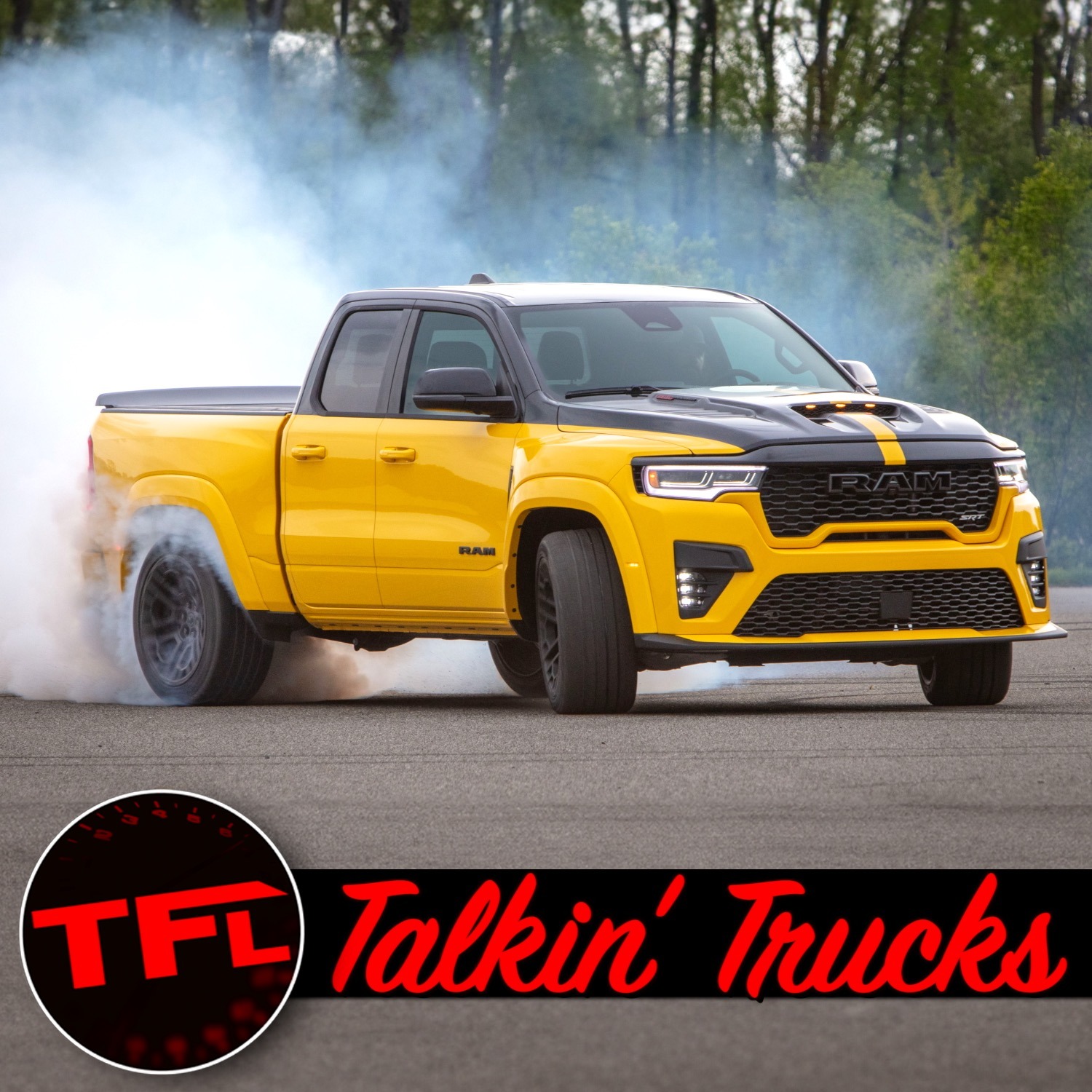
Here's Everything You Want To Know About The New HEMI And Hellcat Powered Ram Trucks! | Ep. 332
About this episode
Ram’s new street-focused lineup takes center stage, with the hosts zeroing in on HEMI-powered SRT/Hellcat-style trucks, their sound, and how Ram is branding them as “muscle truck” pickups. They compare Hellcat/Rumble Bee street intent versus TRX off-road focus, then dig into drivetrain choices (no low range, rear-wheel-drive-only button), track-pack performance, and big brake/launch-control details. The conversation also covers timing in the truck market, plus off-road Power Wagon and even a Ram 5500 camper build.
( https://www.alltfl.com/ ) Check out our new spot to find ALL our content, from news to videos and our podcasts! In this episode of TFL Talkin' Trucks, Roman sits down with Andre to get the exclusive, boots-on-the-ground breakdown of his recent trip to Stellantis’ legendary Chelsea Proving Grounds. Ram is officially throwing their hat back into the high-performance street truck ring. Andre got access to walk around the entire new lineup, and he tells Roman exactly how these track-tuned rigs handle on the limit.
The guys break down every single version, starting with the entry-level Rumble Bee packing the classic 395-horsepower, 5.7L Hemi V8, before moving up to the 6.4L Rumble Bee 392. After things heat up even further with the 392 Track Pack, and finally, Ram unleashes the crown jewel: the TRX-based Rumble Bee SRT, a 777-horsepower, 6.2L supercharged Hellcat monster.
( http://www.patreon.com/tflcar ) Visit our Patreon page to support the TFL team!
Advertising Inquiries: https://redcircle.com/brands
Privacy & Opt-Out: https://redcircle.com/privacy
6.4 liter Hemi
"it's a it's an exhaust note of something wonderful it's a big 6.4 liter Hemi inside SRT Hemi inside of a Ram 1500 yeah"
A “HEMI” is a special type of engine design that helps the fuel burn more efficiently. “6.4 liter” means the engine is pretty big, which usually helps it make strong power.
A HEMI is an engine design where the combustion chambers are shaped to promote better airflow and efficient burning. The “6.4 liter” part tells you the engine’s displacement, which is a rough indicator of how much air/fuel the engine can move.

Dodge Ram
"... a big 6.4 liter Hemi inside SRT Hemi inside of a Ram 1500 yeah and this podcast guys if you're listeni..."
The Dodge Ram 1500 is a large pickup truck. Some versions can come with a big V8 engine, including Hemi options, for stronger acceleration. The podcast is talking about a high-performance Ram 1500 setup.
The Dodge Ram 1500 is a full-size pickup truck that can be ordered with performance-oriented engines, including Hemi V8 options. The podcast specifically mentions a 6.4-liter Hemi in an SRT-flavored Ram 1500 context, which is significant because it points to a high-performance truck configuration. That’s why it’s included in a discussion about powerful truck setups.
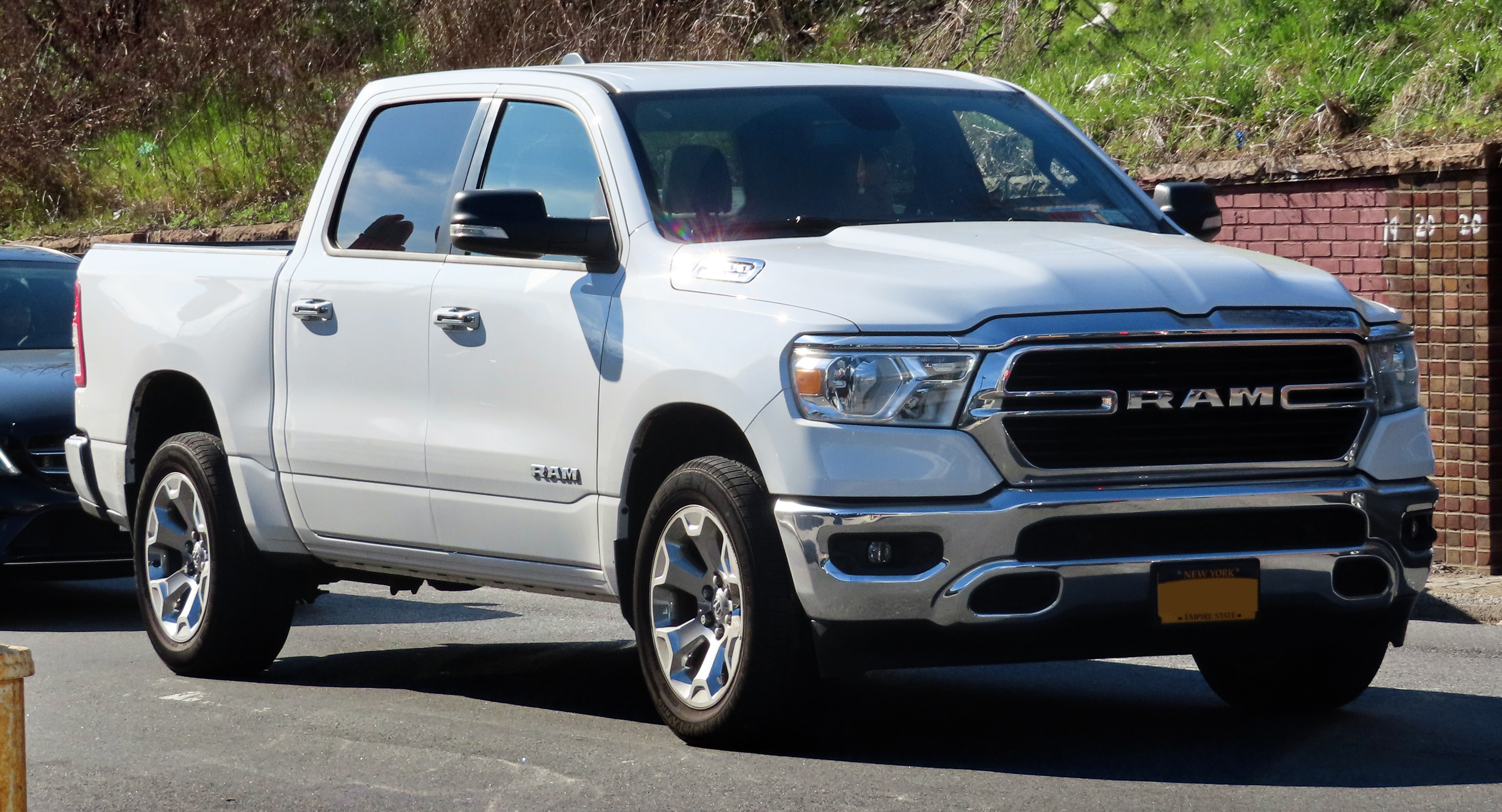
Ram 1500
"it's a big 6.4 liter Hemi inside SRT Hemi inside of a Ram 1500 yeah and this podcast guys if you're listening to this"
The Ram 1500 is a popular half-ton pickup truck. Here, they’re talking about it with a performance HEMI V8, which is what makes it feel more like a muscle truck than a regular truck.
The Ram 1500 is Ram’s half-ton pickup, and this episode highlights it specifically because it can be configured with a HEMI V8 in an SRT trim. That matters because it turns the truck into a more performance-focused “street” pickup rather than a purely work-oriented one.
SRT Hemi
"it's a big 6.4 liter Hemi inside SRT Hemi inside of a Ram 1500 yeah"
SRT is a performance trim level associated with Chrysler/Dodge-era high-output models, and “SRT Hemi” here means the truck is using a HEMI V8 tuned for that performance package. It signals more aggressive engine calibration and hardware than a standard HEMI setup.

Dodge Challenger
"... introduced the last helicat in the charger slash challenger so Andre you just came back from Detroit exactly ..."
The Dodge Challenger is a sports car designed for speed and power. The podcast is referencing a special high-performance version and the fact that the current lineup is changing. It’s brought up because it shares that performance heritage with the Charger.
The Dodge Challenger is a performance-focused American muscle car, offered in high-output trims such as Hellcat. The podcast references it in the same breath as the Charger, pointing to the “last” of a specific Hellcat-era configuration. That makes it relevant to discussions about what performance packages are changing over time.

Dodge Charger
"... they actually introduced the last helicat in the charger slash challenger so Andre you just came back from..."
The Dodge Charger is a large car made for strong acceleration. Some versions are built to be very fast, and the podcast is talking about the latest/last high-performance setup for that model line. It’s mentioned because it’s part of the Charger and Challenger performance story.
The Dodge Charger is a full-size American muscle sedan that’s known for high-performance versions like the Hellcat. In the podcast, it’s mentioned alongside the Charger/Challenger lineup, which is significant because it highlights the end of a particular high-output configuration. That’s why it comes up in a discussion about what’s being introduced or retired.

Ford Maverick
"... which has been about three years yeah he got the Maverick what was the Maverick one Maverick Lobo well that..."
The Ford Maverick is a small pickup truck meant for everyday use. It’s easier to park and drive than big trucks, and it comes in different trims. The podcast mentions a specific Maverick variant as part of a discussion about trucks.
The Ford Maverick is a compact pickup truck designed to be practical and relatively affordable compared with larger trucks. In the podcast, it’s brought up as a recent truck purchase and discussed in the context of model variants like the Lobo. That’s why it appears in a conversation about truck sizing and ownership choices.

Ford Lobo
"...t the Maverick what was the Maverick one Maverick Lobo well that's okay but it's not as much as it's as ..."
The Ford Lobo is mentioned as a specific Maverick version. It’s basically a name for a particular trim or configuration of the Maverick. The podcast brings it up to identify which one is being discussed.
The Ford Lobo is referenced in the podcast as a Maverick-related variant name, suggesting a specific trim or configuration. In this context, it’s used to clarify which Maverick version someone is talking about. That makes it relevant mainly as a naming/trim detail in the conversation.
sidepipes
"did you spin the tires no well there's not a lot of horsepower in 1978 but it does have those sidepipes and then of course following next to that is the Viper powered V10 SRT"
Sidepipes are exhaust pipes that stick out along the side of the vehicle. People like them because they change the look and usually make the truck sound louder or more aggressive.
Sidepipes are exhaust pipes mounted along the sides of a vehicle rather than exiting underneath or at the rear. They’re often chosen for the look and the sound, and they can make an older truck’s exhaust note more noticeable.

Dodge Viper
"... and then of course following next to that is the Viper powered V10 SRT sport truck you know back in the ..."
The Dodge Viper is a sports car that’s famous for having a very powerful V10 engine. The podcast is talking about the V10’s performance and how it could be used in a truck-style vehicle. It comes up because the Viper’s engine is a standout piece of performance hardware.
The Dodge Viper is a discontinued American sports car known for its big V10 engine and track-focused performance. The podcast references a “Viper powered V10 SRT sport truck,” which highlights the idea of using that V10 performance character in a truck concept. It’s mentioned because the Viper’s engine is a memorable performance benchmark.
dyno
"remember we put them on a dyno and that was that was insane dude because people used to customize them"
A dyno is a test machine that measures how much power a vehicle is making. It helps compare performance before and after mods.
A dyno (dynamometer) is a machine used to measure a vehicle’s output—typically horsepower and torque—by running the drivetrain against controlled resistance. It’s a common way to quantify how modifications change performance.
Ram DC 650
"the next truck the silver one if you're watching us on CFO talk it's the new truck that I just recently reviewed here in Colorado this is their new DC 650 which is a direct connection which is kind of like performance parts right for Ram it's a Fox factory supercharged 5.7 Hemi"
The Ram DC 650 is a special Ram truck that’s been turned into a higher-performance model with a supercharged 5.7-liter Hemi engine. It’s sold through dealers as a ready-to-buy performance setup.
The Ram DC 650 is a dealer-sold performance Ram pickup built around a supercharged 5.7 Hemi. In this segment, the hosts describe it as a Fox Factory–built package sold through dealers, positioned as a competitor to supercharged Ford F-150 variants.
supercharged
"it's a Fox factory supercharged 5.7 Hemi so the smaller Hemi and Fox factory builds it for Ram and sold it at the dealers"
A supercharger forces extra air into the engine. That helps the engine make more power than it would naturally.
A supercharger is an engine-driven forced-induction device that compresses incoming air, allowing more oxygen to enter the engine. More oxygen generally means the engine can burn more fuel for higher power output.
Fox factory
"this is their new DC 650 which is a direct connection which is kind of like performance parts right for Ram it's a Fox factory supercharged 5.7 Hemi"
Fox Factory is a well-known performance brand. In this episode, they’re mentioned as the company involved in building the supercharged Ram performance package.
Fox Factory is a performance brand known for suspension and off-road components, and here it’s referenced as the builder behind the supercharged Ram DC 650 package. The hosts are emphasizing that it’s a curated performance parts setup rather than a one-off conversion.
5.7 Hemi
"Fox factory supercharged 5.7 Hemi so the smaller Hemi and Fox factory builds it for Ram and sold it at the dealers"
The 5.7 Hemi is a specific 5.7-liter V8 engine used in Ram trucks. “Hemi” refers to the engine’s combustion-chamber shape, which helps it breathe and make power.
The “5.7 Hemi” refers to a 5.7-liter V8 engine from Chrysler/Dodge/Ram’s Hemi family, known for its hemispherical combustion chambers. In this segment it’s the engine used in the supercharged DC 650 package.

Ford F150
"sold at the dealers so it's kind of kind of competes with the supercharged Ford F-150 Lobo that Ford does as well"
The Ford F-150 Lobo is a high-performance version of the F-150. The hosts bring it up because it’s similar to the Ram DC 650 in that it’s aimed at buyers wanting a supercharged performance truck.
The Ford F-150 Lobo is a supercharged F-150 variant referenced as a competitor to the Ram DC 650. The key point in the segment is the matchup: both are dealer-accessible performance trucks built around forced induction.
SEMA
"the lime green truck came out what the year year and a half ago remember you and I saw it at SEMA it's called the dude concept"
SEMA is a big auto show where companies show off new trucks, concept builds, and aftermarket parts. The hosts mention it to say they saw the concept there before it became a real thing.
SEMA (Specialty Equipment Market Association) is a major U.S. trade show where automakers and aftermarket companies showcase concept vehicles and performance parts. The hosts reference it to place when they first saw the “Dude Concept.”
NASCAR truck series
"behind it it's Ram's Ram truck series I mean sorry NASCAR truck series NASCAR truck yeah kind of the feeder series for NASCAR yeah start with trucks they move up"
The NASCAR Truck Series is a racing league where the cars are based on pickup trucks. The hosts say it’s a stepping-stone series where drivers can work their way up to bigger NASCAR races.
The NASCAR Truck Series is a national stock-car racing series where teams race pickup trucks. The hosts describe it as a “feeder” series—meaning drivers often move up from trucks to higher NASCAR divisions.

Ram 5.7 Hemi
"so it all starts with the 5.7 Hemi by the way these engines have been around for quite some time sure this is nothing new ... the first truck has just a regular old Hemi yes 5.7"
This is a V8 engine used in Ram trucks. “Hemi” refers to how the engine’s combustion chamber is shaped, and it’s the starting engine they’re talking about here.
The Ram 5.7 Hemi is a V8 engine in Ram trucks, part of Chrysler’s “Hemi” family known for hemispherical combustion chambers. In this episode it’s the entry point for the new sport-truck lineup before they move up to the higher-output variants.
quad cap
"they shortened the frame they didn't have to do this in my opinion right but they shortened the frame it's still a four door but it's a shorty right the rear doors on this quad cap are pretty short"
Quad cab is a truck cab configuration with four doors, where the rear doors are shorter than the front doors. The hosts use it to describe the new Ram’s proportions—“shorty” rear doors while still being a four-door layout.
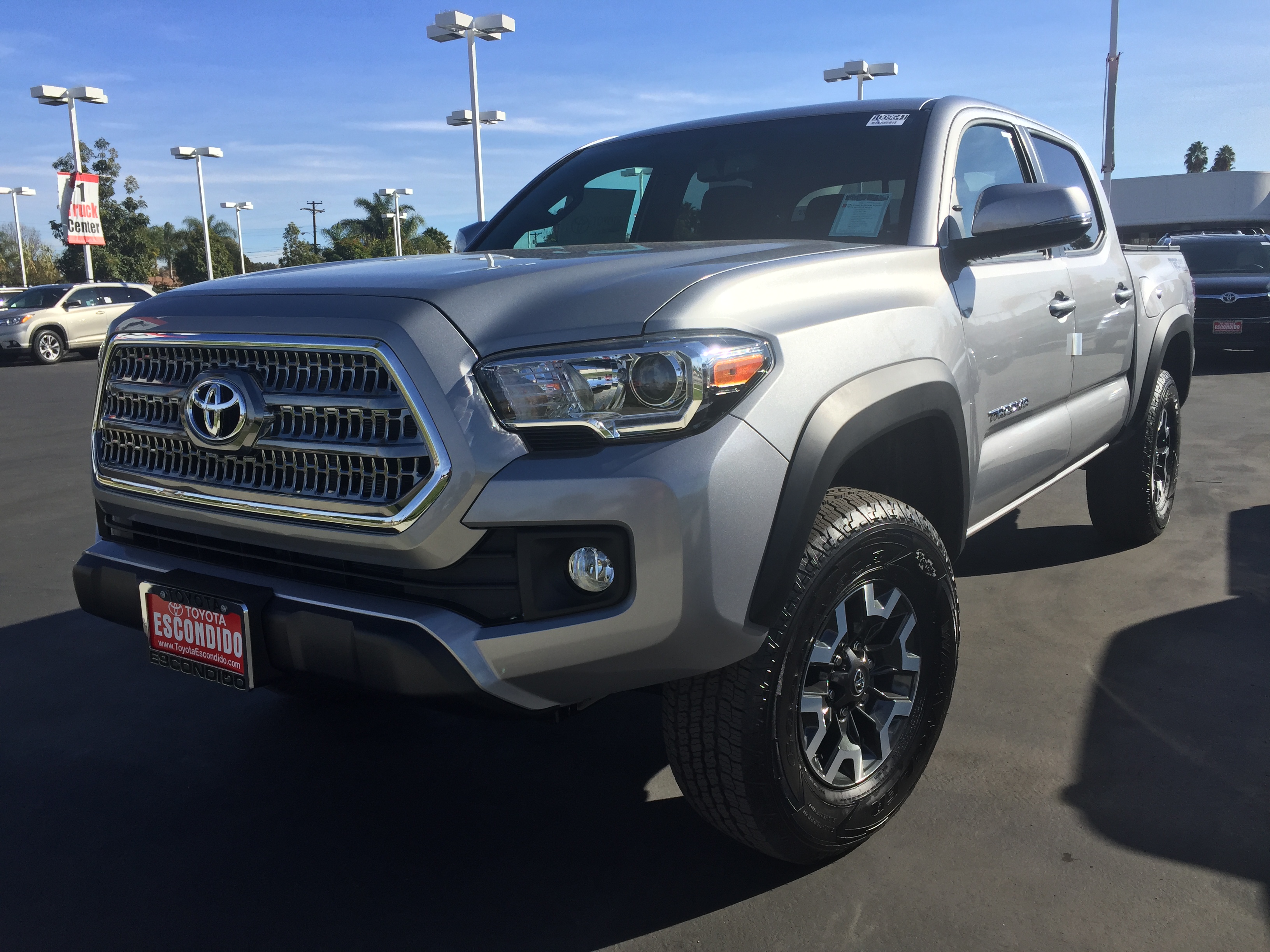
Toyota Tacoma
"and the wheelbase of the Ramble B57 is about the same as a Tacoma wow"
The Toyota Tacoma is a popular midsize truck. They’re using it as a comparison so you can picture the Ram’s size more easily.
The Toyota Tacoma is a midsize pickup that’s often used as a benchmark for size and proportions. Here, the hosts compare the new Ram’s wheelbase to the Tacoma to give listeners a familiar reference point.
e-torque
"the first truck has just a regular old Hemi yes 5.7 without e-torque without oh good so how much horsepower is it putting out"
E-Torque is a mild-hybrid add-on that uses a small electric motor to help the engine, especially at low speeds. It’s not a full electric car, but it can make the truck feel more responsive.
E-Torque is a mild-hybrid system used on some Ram Hemi engines. It adds an electric motor/generator to assist the engine, improving low-end response and enabling features like engine-off coasting and smoother stop-start behavior.
TRX hood
"no it's respectable but it's got a TRX hood dude it's got those white fenders"
The “TRX hood” is a styling/appearance piece tied to the Ram TRX. It’s meant to look more aggressive and performance-focused.
A TRX hood refers to the hood design associated with the Ram TRX performance model. It’s typically a more aggressive, functional-looking hood treatment that helps visually signal the truck’s performance orientation.
hybrid technologies
"but look no hybrid technologies because I know you know we know that a lot of fans of these in kind of old-school muscle are they want as few technology bits as possible right"
Hybrid technologies mean the truck uses electricity to help the engine. The hosts are basically saying this version avoids the hybrid-style features that some people don’t want.
Hybrid technologies refer to powertrain systems that combine an internal-combustion engine with electric assistance. In this segment, the hosts are contrasting the new Ram’s approach with mild-hybrid/stop-start features that some buyers consider too “modern” for classic muscle vibes.
stop start
"no hybrid technologies because I know you know we know that a lot of fans of these in kind of old-school muscle are they want as few technology bits as possible right yeah they don't like including stop start yeah they don't like stop start like hybrid it's gone in this truck"
Stop-start automatically turns the engine off when you’re stopped and turns it back on when you start driving again. Some people don’t like it because it changes how the car feels at idle.
Stop-start is an engine management feature that shuts the engine off when the truck is stopped (like at a light) and restarts it when you’re ready to move. The hosts mention it because some muscle-car fans dislike it, and they’re saying this truck avoids it.
ZF 8-speed
"all right so so I think what Ram did here... how many how many gears in the transmission so this there's a still zf8 speeds right"
An “8-speed” transmission is an automatic gearbox with eight different gear ratios. It helps the engine stay in the right range for smoother driving and better acceleration.
“ZF 8-speed” refers to an eight-gear automatic transmission made by ZF. More gears generally help keep the engine in a more efficient or responsive part of its powerband across different speeds.
wheelbase
"but I did not expect them to come out with not like two or three but four different variants of this truck and then also shorten the wheelbase and just have a quad cap short bed"
Wheelbase is the length of the car measured from the front wheels to the rear wheels. Changing it can affect how the truck drives, especially turning and stability.
Wheelbase is the distance between the front and rear axles. Shortening the wheelbase typically makes a truck feel more agile and can change ride/handling balance compared with a longer wheelbase.
off the shelf
"so let's so the transmission is they just took it off the shelf okay let's talk about let's just stick to this truck"
“Off the shelf” means they used parts that already exist and are ready to buy, instead of inventing new ones. That can reduce cost and development time.
“Off the shelf” means using an existing, production-ready component rather than designing something new from scratch. In this context, they’re saying the transmission hardware is already available, so the truck can be built faster and cheaper.
zero to 60
"they said 6.1 seconds zero to 60 two-wheel drive or all wheel four-wheel drive all of the above so there's no for low"
It’s a stopwatch test: how many seconds it takes the truck to go from standing still to 60 mph. Faster times generally mean quicker acceleration.
“Zero to 60” is a common performance metric that measures how many seconds it takes a vehicle to accelerate from a complete stop to 60 mph. It’s used to compare acceleration between different engines and drivetrains.
four-wheel drive
"6.1 seconds zero to 60 two-wheel drive or all wheel four-wheel drive all of the above so there's no for low"
Four-wheel drive powers all four wheels, which helps the truck grip better on slippery or rough surfaces. It’s especially useful in bad weather or off-road.
Four-wheel drive (4WD) sends power to all four wheels, improving traction in snow, mud, or off-road conditions. Many modern 4WD systems can switch modes depending on speed and grip needs.
two-wheel drive
"6.1 seconds zero to 60 two-wheel drive or all wheel four-wheel drive all of the above so there's no for low"
Two-wheel drive means only two wheels get power. That can be fine on dry pavement, but it usually has less grip than four-wheel drive when roads are slippery.
Two-wheel drive (2WD) means the truck sends power to only one axle—either the front or the rear. This typically reduces drivetrain complexity and can improve efficiency, but it usually offers less traction than four-wheel drive.
low range
"okay no low range but they have all wheel drive auto they have for high and they have a special button"
Low range is a special low gear for off-roading that helps you move very slowly with lots of pulling power. Without it, you generally can’t crawl over tough obstacles as effectively.
Low range is an off-road gearing mode (via the transfer case) that multiplies torque for slow-speed crawling. If a truck lacks low range, it may be less capable for technical rock crawling and similar situations.
all wheel drive auto
"okay no low range but they have all wheel drive auto they have for high and they have a special button"
This is an automatic mode where the truck figures out when it needs extra traction. You don’t have to manually switch between drivetrain settings all the time.
“All wheel drive auto” refers to an automatic AWD mode where the system decides when and how much torque to send to the additional axle(s). It’s designed to balance traction and everyday drivability without requiring constant manual mode changes.
rear wheel drive only
"they have a special button that I also show in this video which is rear wheel drive only so if you do want to do a little bit you know of drifting"
In this mode, only the rear wheels get power. That can make the truck easier to control for things like drifting on a closed course.
“Rear wheel drive only” means power is sent only to the rear axle. Enthusiasts often use this mode for controlled driving events because it can make the truck behave more like a traditional RWD vehicle.
drifting
"rear wheel drive only so if you do want to do a little bit you know of drifting you know responsibly right on a close course there you go"
Drifting is when the car intentionally slides sideways while still moving forward. It takes skill and should only be done where it’s safe and legal, like a track.
Drifting is a driving technique where the driver intentionally over-rotates the car so the tires lose grip while the vehicle is kept moving in a controlled slide. It’s typically done on closed courses because it requires precise throttle and steering inputs.
Chelsea Proving Grounds in Michigan
"this introduction was at Chelsea Proving Grounds in Michigan yeah which is the Stalantas Proving Grounds"
This is a vehicle testing facility in Michigan. The episode says the demo they’re talking about happened there.
Chelsea Proving Grounds in Michigan is a test facility used for vehicle development and media driving events. The hosts mention it as the location where they saw demonstrations like burnouts.
Stalantas
"this introduction was at Chelsea Proving Grounds in Michigan yeah which is the Stalantas Proving Grounds"
They’re talking about Stellantis, a big car company. The mention is about their testing location where the truck demo happened.
The speaker refers to “Stalantas Proving Grounds,” which is a misspoken/ASR variant of Stellantis, the automaker formed from the merger of Fiat Chrysler Automobiles and PSA. The context is the company’s testing facility in Michigan.
burnouts
"and I see a lot of burnout like yes you see a lot of rubber on on the asphalt and the concrete"
A burnout is when the tires spin and smoke because they’re not gripping. People do it for show, usually on a track or closed area.
A burnout is when the driver spins the tires while the vehicle is stationary or moving slowly, usually to heat the tires and produce visible rubber smoke. It’s often used for demonstration on dry pavement or tracks.

Lancia Kappa
"... the concrete that's that's over here and so Nick Kappa is one of their you know PR managers hey Nick hey..."
The Lancia Kappa is a car model name. In the podcast, it’s being mentioned because someone named Nick Kappa is being introduced. The focus is on the person, not on detailed car specs.
The Lancia Kappa is a model from Lancia that the podcast references through a person named Nick Kappa, who is described as a PR manager. In other words, the car name is being used as part of a conversation about the guest’s name and role rather than as a deep technical discussion. It’s mentioned because it connects to the person being introduced.
Top Gear
"so I mean I get that you had top gear out they are coming from across the pond yes"
Top Gear is a famous car show. They’re bringing it up as part of the media coverage around the truck.
Top Gear is a UK automotive TV show known for car reviews and driving challenges. In this segment, it’s referenced as having media coverage related to the truck launch.
extended cab
"small so like this old fork you know with those little it's kind of like an [730.0s] extended cab right yeah it's an extended cab but with four forward opening [734.6s] doors so they still open in the normal manner not backwards way"
“Extended cab” means the truck has some extra space behind the front seats for kids or occasional passengers. It’s not as roomy as a full four-door crew cab.
An extended cab is a pickup-truck body style that adds extra rear seating space behind the front seats, typically with smaller rear doors than a full crew cab. It’s meant to fit occasional passengers without the full footprint of a crew cab.
suicide doors
"not not [739.5s] suicide yeah exactly but but there's still limited space Tim Kuniscus called [743.7s] it I think he said spousal alibi basically you if you're a gentleman"
“Suicide doors” are doors that open the other way than normal—hinged differently. In this case, the host is saying these doors open normally, not like that style.
“Suicide doors” are rear-hinged doors that open from the opposite side of the usual front-hinged layout. They’re often discussed in pickup and classic-car contexts, but modern trucks typically use conventional forward-opening doors for safety and packaging.
spousal alibi
"Tim Kuniscus called [743.7s] it I think he said spousal alibi basically you if you're a gentleman you [749.8s] know purchasing this truck and if you are married get the kids in the back"
It’s a joke phrase for the excuse you give your spouse when you buy a truck—like, “It’s fine, we can put the kids in the back.”
“Spousal alibi” is a humorous way to describe the justification someone uses to buy a truck with limited rear space. In this context, it’s the idea that the truck’s back seat is “for the kids” so the purchase makes sense to a spouse.

Porsche 911
"know purchasing this truck and if you are married get the kids in the back but in the 9-11 I'll tell you that exactly you tell your beautiful wife you say but honey it has four doors we can put all the kids in there and we could still go"
The Porsche 911 is a sports car made for performance driving. It’s usually thought of as a two-door car, but some versions have four doors and can seat people in the back too. The podcast brings it up to talk about how usable it is for passengers.
The Porsche 911 is a long-running sports car famous for its distinctive design and rear-engine layout. The podcast mentions it in the context of practicality—specifically seating and access—because it has four seats and four doors. That makes it a talking point when discussing “can it fit the family?” in a performance car.
20 inch wheels
"how about like tire size wheel size what are we looking at here so 20 inch wheels [781.8s] yeah and they go up to 22s on the SRT and you know the Halcat trucks and [787.8s] good year sport Eagle Sport tires"
Wheel size is measured in inches. Bigger wheels usually mean shorter tire sidewalls, which can make the ride feel a bit firmer.
Wheel size is commonly discussed in inches for pickups and SUVs, and it affects ride comfort and tire sidewall height. Larger wheels (like 22-inch) typically pair with shorter sidewalls, which can change how the truck feels over bumps.
Hoosiers
"how long before somebody slams one of [801.6s] these when they actually hit probably one day yeah probably exactly and throws [806.7s] on some Hoosiers but these are all seasons"
Hoosier is a tire brand that’s popular with racers. The host is basically saying you’d swap to those for better grip than the stock tires.
Hoosier is a tire brand known for motorsport-focused tires, often associated with track use and higher-grip compounds. In the transcript, it’s mentioned as an upgrade someone might make to get more “sticky” performance than the factory all-seasons.
all seasons
"probably exactly and throws [806.7s] on some Hoosiers but these are all seasons because I mean I mean it's still a [811.3s] factory truck right"
All-season tires are meant to handle a mix of weather, not just one season. They usually don’t grip as aggressively as summer performance tires.
All-season tires are designed to work across a range of temperatures and weather conditions, trading peak dry-weather grip for broader usability. They’re typically less “sticky” than dedicated summer performance tires, especially in hot, dry conditions.
wide body
"so the one you see here on this 5.7 liter truck is a 20 [818.7s] inch wheel but dude this is a wide body so they're using the same fenders you [823.4s] know the bed sides and the front basically"
“Wide body” means the truck’s fenders are wider than usual. That usually lets it fit wider tires and gives it a more aggressive look.
A “wide body” refers to a truck configuration that uses wider fenders and body panels to increase track width and give the vehicle a more aggressive stance. It’s often paired with wider tires and helps visually (and sometimes dynamically) emphasize performance or off-road capability.

Ford F-150 Lightning
"... you think Ford will answer this and use the name lightning again oh hell yeah yeah Ford's already working ye..."
The Ford F-150 Lightning is an electric pickup truck based on the F-150. The podcast is talking about whether Ford will bring back or reuse the “Lightning” name for an electric truck. It’s mentioned because it’s tied to the EV version of the F-150.
The Ford F-150 Lightning is an electric version of the F-150 pickup, designed to bring EV power to a full-size truck platform. The podcast discusses whether Ford will reuse the “Lightning” name, which matters because naming often signals a specific performance/EV direction for the model. It’s brought up as part of speculation about future electric truck branding and offerings.
two-year start
"so Tim mentioned in one of his remarks yeah the CEO of Ram he said that he thinks he has a two-year start yeah the on the others the problem is if if you're forward and you'll say let's see if these things sell by the time they come to market..."
“Two-year start” means getting a new truck ready earlier than competitors. The point is that if you wait too long, you miss the moment when buyers are looking for that kind of truck.
A “two-year start” here is a product-timing advantage: the idea is to begin development early enough that the truck can be on sale when competitors’ similar models hit the market. In the truck performance segment, being early matters because it takes time to engineer, certify, and ramp production.
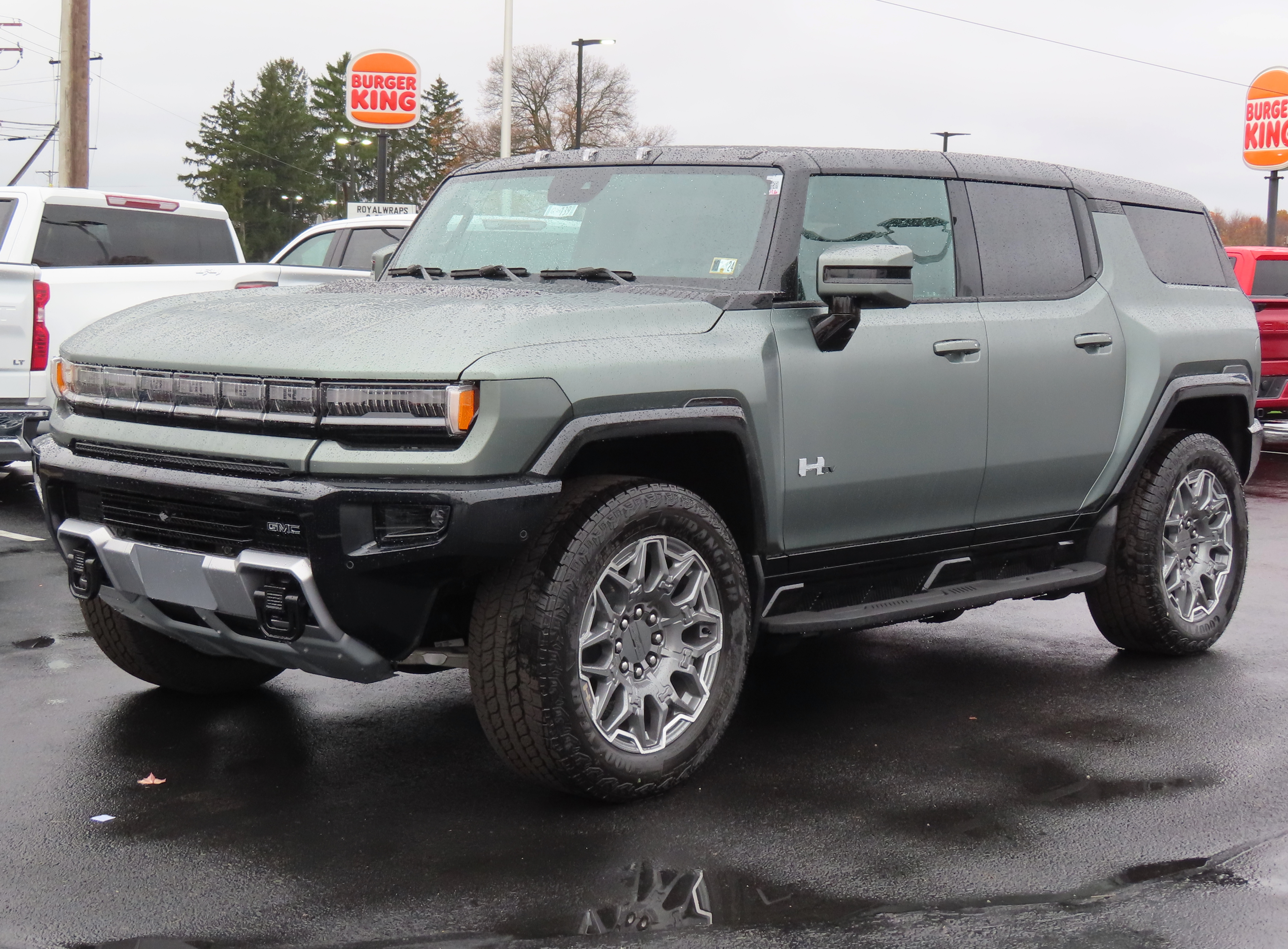
Hummer Ev Hummer
"...eally did a TRX competitor I guess the Hummer the EV Hummer sort of kind of is right but I think for most let..."
The Hummer EV SUV is an electric SUV. It’s designed to handle rough terrain and it’s meant to feel like a tough, high-performance vehicle. The podcast mentions it as an electric competitor in the off-road/performance space.
The Hummer EV SUV is an electric SUV built for off-road capability and heavy-duty styling. The podcast compares it to a TRX competitor idea, noting that it’s an EV alternative in the performance/off-road conversation. It’s discussed because it brings electric power to a segment that’s often dominated by gas performance trucks.

Ram TRX
"the internal combustion engine the that just does not compete with a TRX or a Raptor or Raptor R"
The Ram TRX is a supercharged, off-road-focused version of a Ram pickup. It’s meant to be fast and capable on rough terrain, not just comfortable for commuting.
The Ram TRX is a high-performance off-road pickup built around a powerful HEMI V8 and aggressive suspension/tires for desert-style driving. In this segment, it’s contrasted with other trucks to highlight how performance-focused trucks can still offer real off-road capability.
F-150 Raptor
"...ne the that just does not compete with a TRX or a Raptor or Raptor R and really GM by the way there are ne..."
The Ford F-150 is a large pickup truck. The podcast is discussing how it fits into the market compared with more extreme off-road performance trucks. It’s mentioned as the baseline F-150 model while they talk about bigger performance expectations.
The Ford F-150 is a full-size pickup truck and one of the most widely recognized trucks in its class. The podcast mentions it in the context of not competing with certain high-performance off-road trucks, while also referencing upcoming changes to Silverados. That makes it part of a broader comparison about what “serious” performance trucks are aiming to do.
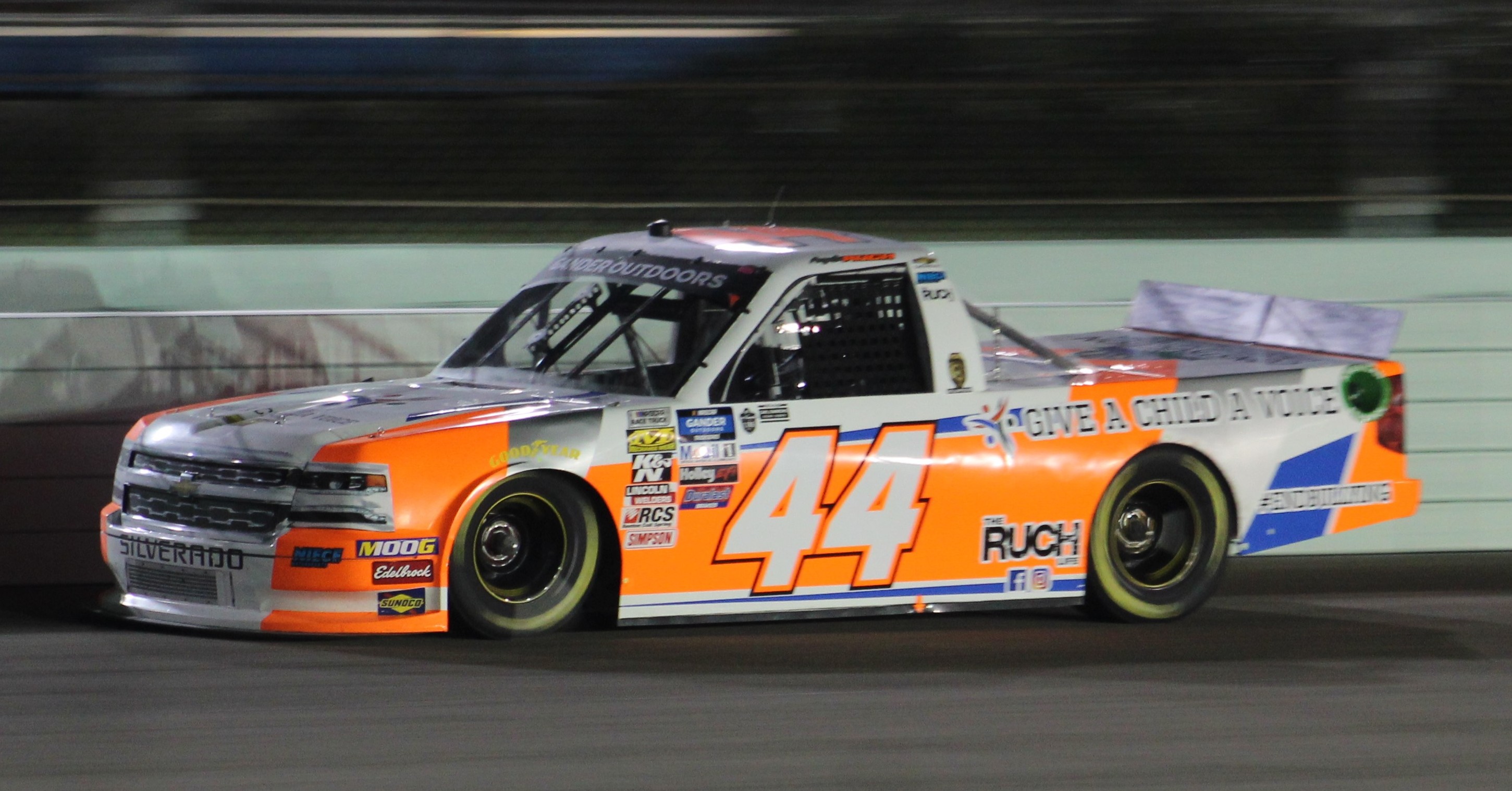
Chevrolet Silverado SS
"for GM I mean they do have some history here they used to have the SS Silverados right"
The Silverado SS was a past performance version of the Silverado. The point here is that GM has tried making the Silverado more performance-oriented before.
The Chevrolet Silverado SS refers to an older performance trim of the Silverado, where the truck was offered with a sportier, higher-output setup. The host brings it up as GM’s performance-truck history when discussing what’s coming next.
sport truck vs desert runner trade-offs
"let's kind of go down the list with a sport truck and let's call it a desert runner you're losing towing so both ways you're losing towing but with the desert runner you're gaining capability off-road"
They’re comparing two styles of trucks: one built more for driving/handling on-road (“sport truck”) and one built for off-road desert use (“desert runner”). The point is that making a truck great at off-road can mean it’s worse for towing and everyday practicality.
The host contrasts “sport truck” setups with “desert runner” setups, arguing that you trade away utility (space, comfort, and towing) when you bias the truck toward off-road capability. The key idea is that optimizing for one kind of use changes how well the truck works for the others.
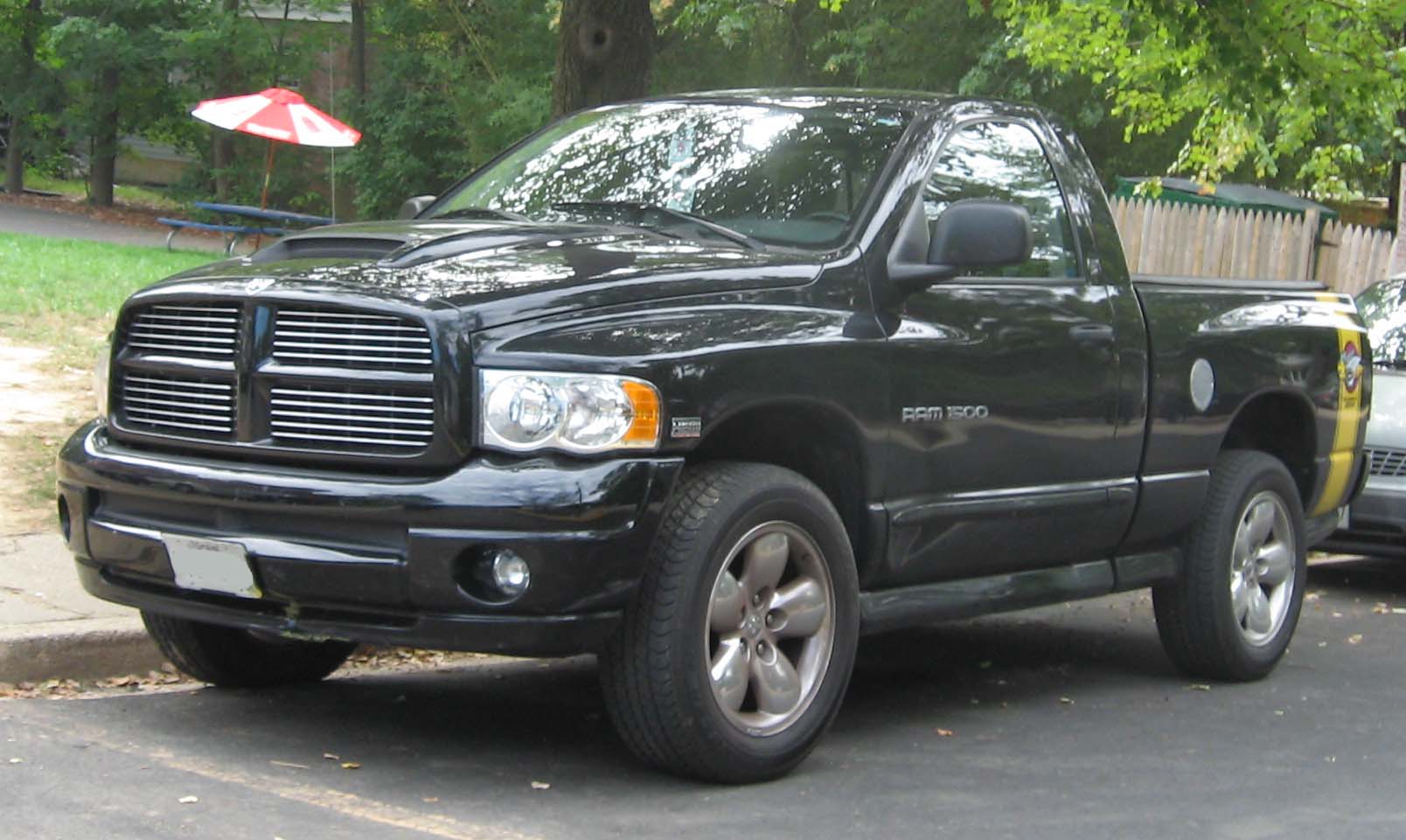
Ram Rumble Bee
"you walk into the ram dealership and you've got two trucks sitting there on the showroom floor you've got the rumble bee which we'll get to in a second and you've got the TRX"
The Ram Rumble Bee is a special Ram truck. In this discussion, it’s the street-focused one that still uses the same kind of high-power Hellcat engine, but it’s meant to be more usable day to day.
The Ram Rumble Bee is a special-edition Ram pickup concept that’s being discussed as the more street-oriented counterpart on the showroom floor. The hosts frame it as a “sports car of trucks” idea—using the same Hellcat-based powertrain as the TRX, but aimed at buyers who want more everyday utility and comfort.
helicat engine
"both have the same powertrain basically both have the helicat engine both have same horsepower"
The “Hellcat” is a famous high-power engine used in some Dodge and Ram models. Here, they’re saying both trucks use that same supercharged V8 style of power, so the difference is more about how the truck is set up (street vs off-road).
“Hellcat engine” refers to Dodge/Chrysler’s supercharged V8 family known for very high output. In this segment, the hosts say both the Ram TRX and the Ram Rumble Bee use the same basic Hellcat powertrain, which is why they’re comparing them as two different “personalities” rather than two totally different engines.
off-road truck
"one's an off-road truck and one's a street truck yes one is shorty and the other one is longer"
An off-road truck is built to handle dirt, rocks, and uneven ground better than a normal street truck. They’re saying the TRX is the off-road-focused choice.
An off-road truck is set up for traction and durability on rough terrain—typically with suspension tuning, tires, and drivetrain behavior designed for loose surfaces. In this segment, the Ram TRX is described as the off-road one, contrasted with the more street-oriented Rumble Bee.
street truck
"one's an off-road truck and one's a street truck yes one is shorty and the other one is longer"
A street truck is meant to feel better and be easier to live with on normal roads. They’re describing the Rumble Bee as the street-oriented one.
A street truck is tuned more for everyday driving—comfort, ride quality, and usability—rather than maximum off-road capability. Here, the hosts use “street truck” to describe the Rumble Bee as the more practical, less trail-focused option.
sports car of trucks
"it's going to just be a more useful truck because you're really creating a sports car of trucks with the rumble bee"
They mean the truck is supposed to feel fun and exciting like a sports car, not just like a work truck. It’s a way of saying the Rumble Bee is aimed at people who want that kind of driving thrill.
“Sports car of trucks” is a enthusiast phrase meaning the truck is being marketed/imagined as having sports-car-like driving appeal—quick response and excitement—while still being a pickup. In this segment, it’s used to argue that the Rumble Bee targets a different buyer than the TRX.
Challenger Hellcat
"...'re spending they didn't say pricing right on the Hellcat but i'm guessing if you're spending you know six ..."
The Challenger is a performance muscle car. The podcast is talking about the Hellcat version and guessing what it might cost. It comes up because pricing is part of the discussion about the car’s high-performance trim.
The podcast’s “Challenger” reference is tied to Hellcat pricing speculation, indicating a high-performance trim within the Challenger lineup. It’s mentioned because the conversation is about how much buyers might pay for the latest/last Hellcat-era performance configuration. That makes it relevant to the cost and positioning of these muscle-car variants.
64 hemmy
"so first of all this is a new v not the new v8 so the 64 hemmy is inside of this but rumble bee right"
“6.4 HEMI” means a big 6.4-liter V8 engine. The HEMI design is Chrysler’s way of shaping the combustion chamber to help the engine breathe and make power.
“64 hemmy” refers to a 6.4-liter HEMI V8 engine. A HEMI is Chrysler’s hemispherical combustion-chamber design, which helps airflow and combustion efficiency, and it’s commonly associated with strong V8 performance in modern Mopar trucks.

Dodge Power Wagon
"...ble bee right so basically what used to be in the power wagon yes but it's a whole different animal it's the sa..."
The Dodge Power Wagon is a special off-road version of a pickup truck. It’s built for tougher driving, like rough trails and low-traction conditions. The podcast is talking about how the Power Wagon concept has changed in newer models.
The Dodge Power Wagon is a heavy-duty off-road-oriented version of the Ram pickup line, built for serious traction and durability. The podcast notes it as something that used to exist in the Power Wagon and describes it as a “whole different animal,” implying a modern reinterpretation. It’s mentioned because it’s a key nameplate for off-road capability within the Ram family.
392
"isn't this also in the uh wrangler yes 392 yeah so it's the same engine so they're putting a 392 into everything now it's pretty soon the pacifica 392 might be coming"
“392” is shorthand for the engine’s size—this is the 6.4-liter HEMI V8. They’re talking about putting that same engine into more trucks so it feels more powerful.
“392” here refers to the 6.4L (392 cubic-inch) HEMI V8 used in certain Jeep models. They’re discussing how the same engine is being placed into more vehicles (and specifically asking for it in other Ram trucks), which is a big deal because it changes the character from work-focused to performance-focused.

Jeep Wrangler 392
"isn't this also in the uh wrangler yes 392 yeah so it's the same engine so they're putting a 392 into everything now"
The Jeep Wrangler 392 is a Wrangler with a 6.4-liter V8. They mention it because it already has the engine they want in other trucks.
The Jeep Wrangler 392 is the Wrangler equipped with the 6.4L (392) HEMI V8. In this segment, it’s used as proof that the 392 engine already exists in Jeep form, and they’re hoping Ram offers the same engine across more models.

Chrysler Pacifica
"...ng a 392 into everything now it's pretty soon the pacifica 392 might be coming hell yeah now you're talking ..."
The Chrysler Pacifica is a minivan, meaning it’s built to carry families and passengers comfortably. The podcast is discussing the idea of a high-performance version (the “392”), which would be unusual for a minivan. It’s mentioned because it would change what the Pacifica is known for.
The Chrysler Pacifica is a minivan designed for family use, with space and comfort as its main strengths. The podcast mentions a possible “Pacifica 392,” which would imply a high-performance engine option for a vehicle type that’s usually about practicality. That’s why it’s brought up—because it would be an unusual performance twist on a minivan.
four by four
"around we're ball parking in here yeah because it does have four by four yeah right so that it already has that"
“Four by four” means four-wheel drive (4WD), where power is sent to both the front and rear axles. They mention it to explain why the base truck’s price might land around a certain number, since 4WD typically costs more than 2WD.

Jeep Gladiator
"and now if you go with the 392 in the jeep you can't get it in the gladiator"
The Jeep Gladiator is Jeep’s truck. They’re saying the 392 engine isn’t available in it, so you can’t get the same big V8 performance there.
The Jeep Gladiator is Jeep’s pickup truck, and in this segment they say you can’t get the 392 engine in it. That matters because the 392 is the performance-focused HEMI they’re discussing, so availability affects which trucks can get the same powertrain.
discretable sway bar
"those are 80 000 and they're coming out with the willies which is losing the discretable sway bar [1354.6s] and the front locker for base price of 70 so i think it's not a stretch to say that this truck"
A sway bar helps keep the vehicle from leaning too much in turns. If you remove it, the suspension can flex more over bumps and uneven ground—useful for off-roading.
A sway bar (anti-roll bar) helps reduce body roll during cornering by linking the left and right suspension. Removing or “losing” it can let the suspension move more independently, which can improve wheel articulation off-road.
front locker
"and the front locker for base price of 70 so i think it's not a stretch to say that this truck [1361.3s] with the same engine is going to be at least 10 more if not more i think so yeah so we might"
A locker makes both wheels on the same axle spin together. That helps when one wheel is slipping, so the truck can keep moving in tough off-road conditions.
A locker is a differential feature that forces the left and right wheels on an axle to rotate together. A front locker improves traction when one front wheel loses grip, which is common on rocks, mud, or steep climbs.
crash print
"whenever you create a new chassis new wheelbase new vehicle you have to do entire crash print you [1405.8s] know certification you have to have emissions millions there are tens of millions yeah if not"
Crash testing is how car makers prove a vehicle is safe in crashes. If you change the frame or wheelbase, they often have to test it again to make sure it still meets safety rules.
Crash testing is the process of validating a vehicle’s safety by measuring how it performs in controlled collisions. The host is emphasizing that new chassis and wheelbase changes require redoing safety validation work, not just styling updates.
hood scoop
"it still has this hood scoop is it functional yes okay so these hoods scoops are functional [1430.7s] do you ever go into the hood is there a place where we could see what the engine looks like"
A hood scoop is a raised opening on top of the hood. If it’s functional, it helps channel air toward the engine instead of just being for looks.
A hood scoop is an opening on the hood that can direct airflow toward the engine. When it’s functional, it can help feed air to an intake system, improving how the engine breathes under certain conditions.
performance air intake
"yes and on the left there if you're seeing on the passenger side there's that performance [1449.0s] air intake that's big that also comes through the hood right so there's a passageway where that air [1454.5s] comes in uh through the hood scoop so um yeah so um"
A performance air intake is a system that helps the engine pull in more air. More (and better) airflow can help the engine make more power.
A performance air intake is an intake system designed to improve airflow into the engine. Better airflow can support higher power output by helping the engine get the air it needs for efficient combustion.
eight speed
"but still the same eight [1474.3s] speed um or i think uh it's maybe even uh upgraded eight speed transmission also all will drive also [1481.5s] rear wheel drive mode so you can disconnect the front end and you can still do those burnouts"
An eight-speed transmission has more gear steps than a smaller-gear gearbox. That helps the engine stay in the right “sweet spot” for smooth driving and quicker response.
An eight-speed transmission has eight forward gears, allowing the engine to stay closer to its ideal RPM range. That can improve both acceleration and drivability by matching gear ratios to different speeds and loads.
disconnect the front end
"rear wheel drive mode so you can disconnect the front end and you can still do those burnouts [1486.26s]"
Disconnecting the front end means the truck can stop sending power to the front wheels. It can run like a rear-wheel-drive vehicle for normal driving, then re-engage the front when traction is needed.
Disconnecting the front end typically means the vehicle can disengage the front drivetrain so it effectively runs as rear-wheel drive. This can reduce drivetrain drag and improve efficiency, while still allowing full 4x4 engagement when needed.
GT exhaust
"has that gt remember the gt exhaust which is a little bit louder yeah cool can you play the exhaust note again just so people missed it at the beginning because we kind of just jumped into it"
They’re talking about a special exhaust on the truck. That exhaust changes how the truck sounds—so they’re playing the audio again to show the difference.
“GT exhaust” here refers to a performance-oriented exhaust configuration associated with the truck’s GT trim/variant. Exhaust systems can change sound character (tone/rasp) and sometimes flow, which is why they’re replaying the exhaust note for listeners.
cutaway
"we could start looking at it um at the yellow truck but you've got a cutaway here yes i'm so happy they brought the cutaway here there's diesel dave do you see them him he's there with us"
A cutaway is a truck display with sections removed. It lets you see how the truck is built underneath and inside instead of only looking at the outside.
A cutaway is a vehicle display where part of the body is removed so you can see the interior structure and components. In truck shows, cutaways are often used to highlight packaging, chassis layout, and how systems are arranged.
track pack
"there is a 392 track pack so think of the track that's the fourth truck right third truck in our the way we're going yeah third truck but overall we talked about four being introduced right so you can get the 392 with a track pack yes and the track pack basically gives you some of the performance like aerodynamics tires some like for"
A Track Pack is a bundle of performance upgrades from the factory. In this segment they mention it includes things like better tires and aerodynamic changes to help the truck handle harder.
A Track Pack is a factory performance package that bundles track-oriented upgrades. Here, the host says it adds things like aerodynamics and tires, aiming to improve grip and overall on-road/track behavior.
rear locking differential
"example rear locking differential for those massive burnouts that are available on the [1650.1s] hellcat version but just with a different engine right the 392 comes with some of those"
A locking differential makes both wheels on the same axle spin together instead of letting one spin faster than the other. That can help the truck hook up better when traction is poor or when you’re doing big burnouts.
A locking differential forces the left and right wheels on an axle to rotate at the same speed. That helps put power to both wheels during low-traction situations, which is why it’s useful for aggressive launches and burnouts.
aero
"[1655.5s] performance upgrades including aero um yeah we there's a there was moment we'll [1661.0s] get to that there was a moment where you were showing actually the little spoiler on the back"
“Aero” means the parts that help the truck move through the air more efficiently. Things like spoilers can help the truck feel more stable and controlled at speed.
“Aero” is short for aerodynamic changes that affect how air flows around the vehicle. On performance trims, aero pieces like spoilers and air-control surfaces can improve stability and reduce drag at speed.
Bilstein shocks
"[1664.2s] yeah and that's one that one that's on the hellcat so the chassis is cool because you [1669.2s] can kind of see the suspension um this this also has bilstein shocks by the way um and"
Bilstein shocks are the truck’s shock absorbers made by a performance-focused suspension company. They help control how the truck bounces and how firmly it responds over bumps.
Bilstein is a suspension brand known for shock absorbers tuned for handling and ride control. Mentioning Bilstein shocks signals the truck has performance-oriented damping rather than basic, comfort-focused shocks.
six piston calipers
"[1675.0s] a massive brakes we just saw that massive 16.1 inch diameter rotors and giant six piston calipers [1683.2s] in the front those are brambos um and also air suspension is available oh okay"
The caliper is the part that clamps the brake pads onto the disc. More pistons usually means stronger and more even clamping, which helps the brakes work better when you’re driving hard.
A multi-piston brake caliper squeezes the brake pads against the rotor more evenly and with more clamping force. Six-piston calipers are a common upgrade on performance vehicles to improve stopping power and consistency under hard use.
16.1 inch diameter rotors
"[1675.0s] a massive brakes we just saw that massive 16.1 inch diameter rotors and giant six piston calipers [1683.2s] in the front those are brambos um and also air suspension is available oh okay"
Rotors are the brake discs. Bigger rotors can help the brakes stay cooler and fade less when you brake hard repeatedly.
Rotor size matters because larger rotors provide more braking surface area and can better manage heat during repeated hard stops. The hosts call out 16.1-inch rotors as part of a big brake package for the performance trim.
air suspension
"[1683.2s] in the front those are brambos um and also air suspension is available oh okay so when diesel [1689.4s] dave came on all fours or just in the rear yeah all four corners"
Air suspension lets the truck change its ride height using air-filled springs. That’s why it can be lowered dramatically for a “slam” look.
Air suspension uses air-filled springs (bags) instead of steel coils to adjust ride height. Because it can quickly change clearance, it’s often used for “slam” looks and for lowering the truck during certain driving modes.
brambos
"[1683.2s] in the front those are brambos um and also air suspension is available oh okay so when diesel [1689.4s] dave came on all fours or just in the rear yeah all four corners"
Brembo is a company that makes high-performance brakes. When a truck has Brembo calipers, it usually means the braking system is upgraded for stronger stopping.
“Brambo” (spoken as “brambos”) refers to Brembo, a well-known brake manufacturer. Using Brembo calipers is a signal that the truck’s braking system is designed for higher performance than typical factory brakes.
launch control
"[1694.7s] can you slam it i think he meant you know let's drop it right now let's use oh i see you know [1700.8s] you know i'm saying like he just wanted to dump the air out of the bags is there a launch control [1706.4s] yes but only on the track pack and the hellcat versions all right so let's say we're talking"
Launch control is a mode that helps the car launch as hard as possible from a stop. It controls things like power delivery and traction so the wheels don’t just spin.
Launch control is a driver-assist feature that manages engine output and traction systems to optimize acceleration from a standstill. In this segment, it’s limited to the Track Pack and Hellcat versions, implying those trims have the calibration and hardware to support repeated hard launches.
brake controller
"now in the srt you're going to the hellcat truck you're going to 14 and a half inch display and look they have a brake controller"
A brake controller helps your truck control the brakes on a trailer. That way the trailer can slow down safely along with the truck.
A brake controller is an in-cab module that controls the brakes on a trailer with its own electric brake system. It helps the truck apply trailer braking in a controlled way, improving stopping stability when towing.
rear locker
"and then also east pool so east pool is a different name for a rear [1915.8s] locker basically right so you click east pool and it basically locks the rear end"
A rear locker makes both back wheels turn together. That can help the truck put power down more effectively when traction is limited, like on a drag strip.
A rear locker is a type of differential lock that forces both rear wheels to rotate together. The hosts say “East Pool” is the name used for this feature, and that it locks the rear end to help traction—especially relevant to drag racing.
spools
"so so that's this is kind of the coming from the drag racing [1938.8s] days um which is i think is cool cool connection and let's do we talk horsepower did i miss that"
A “spool” is a way to lock the rear differential so both rear wheels spin together. It helps grip for drag racing, but it can make the truck harder to steer smoothly.
In drag racing, a “spool” is a rear differential setup where the differential is effectively locked so both wheels turn together. That eliminates the normal left/right speed difference, improving straight-line traction but making the car less forgiving in turns.
supercharger
"there's the engine with the big supercharger sitting on top [1965.6s] of it and the orange valve covers and the orange block that's where the orange is coming from yeah"
A supercharger is like an air pump for the engine. It squeezes more air in, which helps the engine make more power.
A supercharger is an engine-mounted forced-induction device that compresses incoming air before it enters the engine. More compressed air lets the engine burn more fuel, which is why supercharged engines can make very high horsepower and torque.
air ducts
"no it's going to be a lot easier to do yeah it's going to be [2037.3s] a drift monster but do you see those white things in the very front by the frame yeah those are air [2043.1s] ducts uh for the front brakes okay so basically directing some cooler air towards the front brakes"
Air ducts are channels that move cooling air where it’s needed. In this case, they help cool the front brakes so they don’t overheat as easily.
Air ducts are openings/channels designed to route cooling air to a specific component. Here, they’re directing cooler air toward the front brakes to help manage brake temperatures during hard use like towing or aggressive driving.
brakes
"because our big complaint has always been remember the me in case smoked the trx brakes when we were [2054.8s] towing yeah um for a little bit we didn't ruin the brakes they were just getting hot and also people complained about like the derango hellcats you know warming up their brakes"
Brakes are what slow the truck down. If you use them hard for a long time, they can get too hot and start smoking or fading.
Brakes are the components that slow the vehicle by converting motion into heat. This segment focuses on brake heat management—how repeated hard use can cause brake fade or smoke when pads/rotors get too hot.
brake fade
"lap and a half the brakes failed it was terrifying i was coming around the corner uh ... and then i went and there was nothing in the brake there was nothing"
Brake fade is when your brakes stop working as strongly because they get too hot. The host’s “nothing in the brake” description is what it feels like when braking power disappears.
Brake fade is when braking performance drops because the brakes overheat, reducing friction at the pads/rotors. The host describes “nothing in the brake” after a lap and a half, which is consistent with fade during track-style use.
tire speed rating
"most trucks have tires that are rated up to maybe a hundred ... and 1000 and twenty miles an hour well usually it's 106 ... but then like the raptors and the trx's are about 116 118 and then the fastest truck we've seen ... rivian ... 130"
Tire speed rating is the maximum speed the tire is designed to handle. The host is using it to explain why top-speed attempts depend on tires being built for that speed.
A tire speed rating is the maximum speed a tire is engineered to sustain safely under specified conditions. The host discusses how most pickup tires are rated around ~100 mph, while higher-performance trucks (like Raptors and TRX) use tires rated higher, and they mention a Rivian rated around 130 mph.
top speed
"so what will this truck do they talk about top speed yes okay because they want to beat the original srt 10 which did 154.5"
Top speed is the maximum speed the vehicle can reach. They’re saying the truck is being shaped and equipped so it can safely go that fast.
Top speed is the highest sustained speed a vehicle can reach, limited by aerodynamics, gearing, and traction. The host connects the truck’s aerodynamic changes (like a low front end and spoiler) and tire ratings to the goal of beating the earlier SRT 10’s top speed.
understeer
"they understeer like crazy because all the weight is in the front yes"
Understeer is when you steer into a corner but the car doesn’t turn as much as you expect. The host says trucks tend to do this because they have a lot of weight up front.
Understeer is when a car turns less than the driver intends—typically the front tires lose grip first. The host ties it to truck weight distribution (more weight over the front), explaining why these vehicles can feel difficult to rotate in corners compared with sports cars.
center of mass
"so it rotates around the center of mass with this same problem you're going to have all the weight a big engine in the front"
The center of mass is the “balance point” of the vehicle. Where that balance point sits—especially if it’s heavy in the front—changes how the car rotates when you turn.
The center of mass is the point where the vehicle’s weight effectively balances. The host says the truck’s rotation behavior is affected by having a lot of weight in the front, and compares it to how sports cars can rotate around their center of mass more predictably.
ceramic brake option
"would there be like a ceramic option talk about that they didn't talk about that"
Ceramic brakes are a brake material option meant to stay effective at very high heat. The host is wondering if the truck could offer that to help prevent brake fade.
Ceramic brakes (ceramic brake pads/rotors in performance applications) are designed to handle high temperatures and resist fade better than some conventional setups. The host asks whether there would be a ceramic option, implying it could help with the heat-related braking problems discussed earlier.
tube frame
"it's a tube frame there's not they don't share almost anything right it's not it's not really a truck it just it just looks like a truck it just they made it look like a pickup truck right but it's a tube frame unique chassis"
A tube-frame chassis is built from welded steel tubes that form the vehicle’s structural “skeleton.” It’s common in purpose-built race cars because it can be very stiff and lightweight, and it allows teams to tailor mounting points for suspension and safety equipment.
camber
"look at the camber you know the wheels leaning you know to one side because"
Camber is how much a tire tilts when you look at it from the front or rear. Race teams set it so the tire sits in the best position for grip when the car is turning.
Camber is the inward or outward tilt angle of a wheel relative to vertical. In racing, teams adjust camber to keep the tire’s contact patch working efficiently through cornering and to manage grip as the suspension loads the tire.
Request an Explanation
Heard something you'd like explained? We'll add it to this episode.
Sign in to request explanations for terms you heard.
Want to learn more?
Browse our glossary for plain-English explanations of automotive terms, jargon, and concepts.
Help improve this episode
See something that's not quite right? Our annotations are AI-generated and can sometimes miss the mark. Click the flag icon on any annotation to suggest a correction.