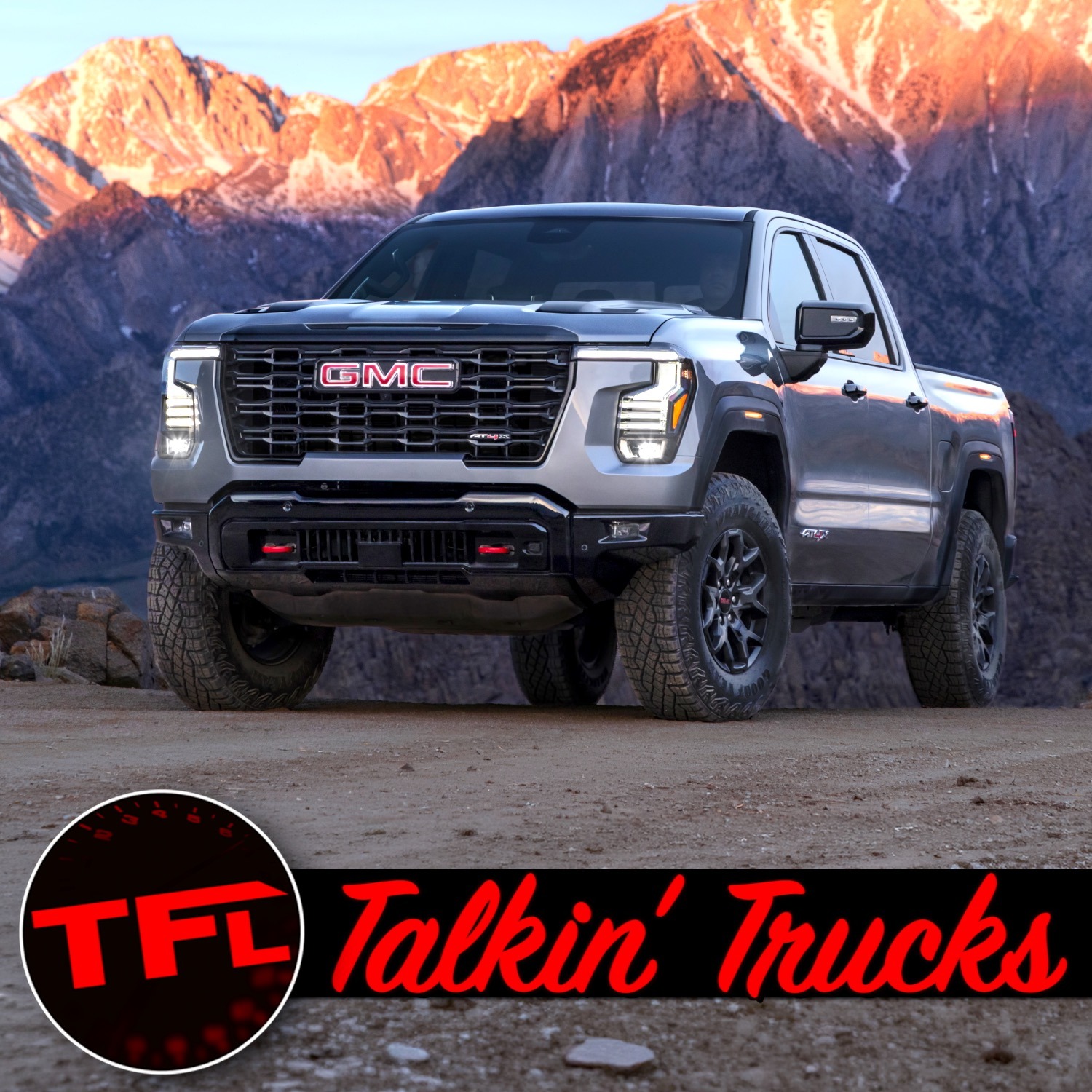
Did GM Go Too Far With The New 2027 GMC Sierra 1500? | Ep. 337
About this episode
The hosts kick off with the “world debut of the 2027 GMC Sierra 1500” and connect its changes to earlier Silverado updates. They dig into what’s visually new—like Sierra EV-inspired headlight styling—and why photos can mislead until you see the truck in person. The conversation then turns to interior tech (rising screens, persistent climate controls) and towing/driver-assist details like Super Cruise while towing. Off-road trims get quantified with 34- and 35-inch tire upgrades, plus pricing and option “creep.”
( https://www.alltfl.com/ ) Check out our new spot to find ALL our content, from news to videos and our podcasts! It’s an absolutely packed episode of TFL Talkin' Trucks because the entire automotive industry is exploding with major news all at once! The guys kick things off with the massive world debut of the next-generation 2027 GMC Sierra 1500. They dive deep into the truck's over-the-top new luxury interior, which features a James Bond-style articulating center screen that uncovers a hidden storage cubby, passenger screens with integrated covers, and a massive full-length panoramic sunroof.
But the truck news doesn't stop there! The team dives into the official, mind-boggling price announcement for the all-new modular Slate truck, starting at just $24,950. The hosts reveal that the company has an official reservation and is actively customizing their very own Slate build. They debate the endless DIY aftermarket potential, from $50 factory armrests to $500 multi-zone wraps, and dream up how a base, two-wheel-drive utility machine holds up against classic, old-school work trucks. Finally, the guys look at recent engineering trips to Germany testing heavy-duty ZF semi-truck tech, trail wheeling trips in Moab, and a major production announcement from the tiny EV truck competitor, Telo.
( http://www.patreon.com/tflcar ) Visit our Patreon page to support the TFL team!
Advertising Inquiries: https://redcircle.com/brands
Privacy & Opt-Out: https://redcircle.com/privacy

2027 GMC Sierra 1500
"Yes, so this week is the world debut of the 2027 GMC Sierra 1500, the new generation of the truck."
This is the next-generation GMC Sierra 1500 pickup truck. The hosts are excited because the 2027 version is a big new release for GM’s popular full-size trucks.
The GMC Sierra 1500 is a full-size pickup, and the 2027 model is a new generation of that truck. In this episode, the hosts treat the Sierra 1500’s world debut as the biggest news because it’s a major seller in the GM full-size lineup.
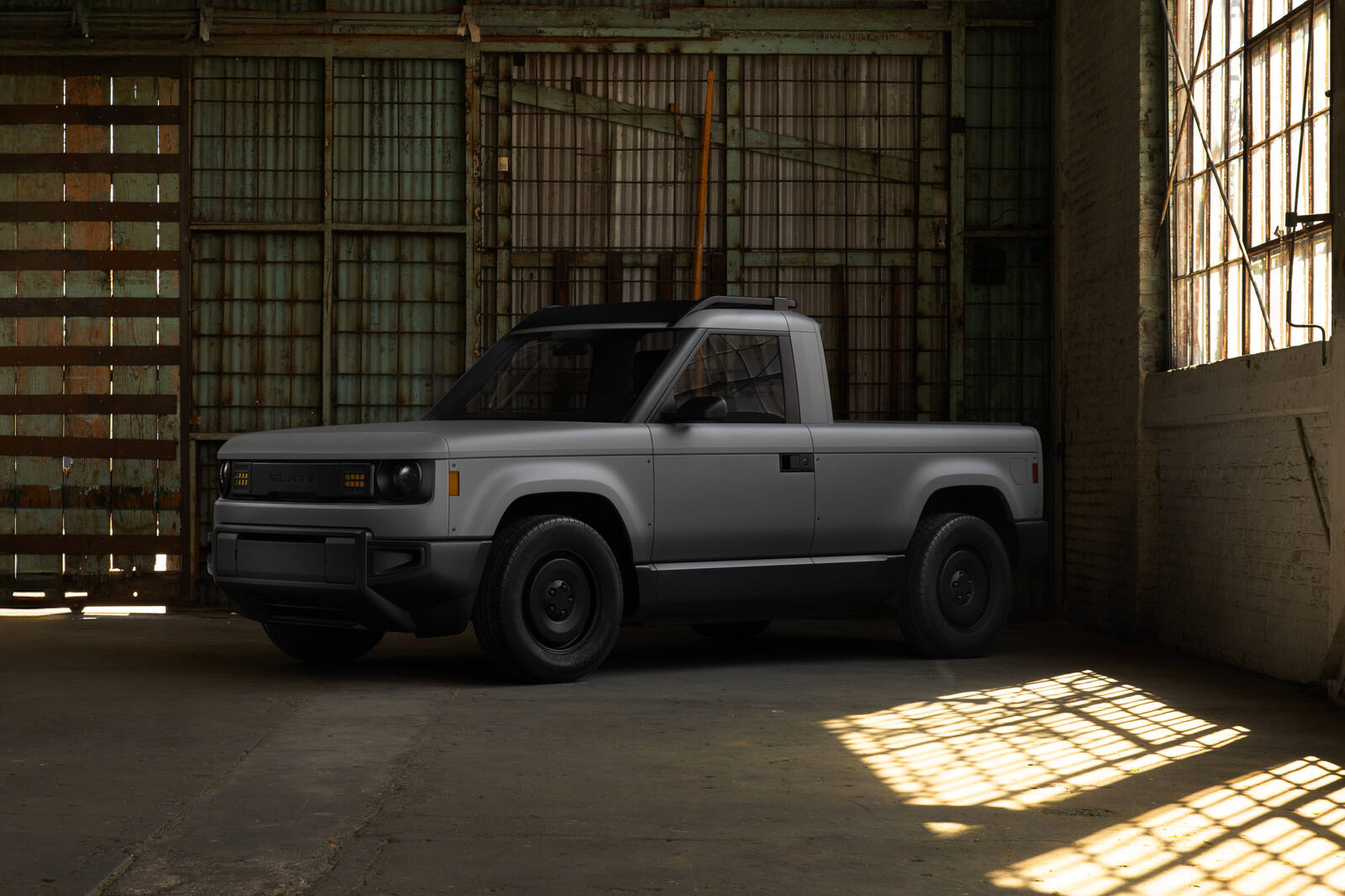
Truck Slate Truck
"...g along in it. We have pricing information on the Slate truck, which is a pretty big deal. And we're actually c..."
The podcast is talking about a particular truck and sharing pricing information. Knowing the price helps you understand what it would cost to buy that truck.
In this podcast context, “Truck” appears to refer to a specific truck being discussed for pricing information, including mention of a “Slate truck.” Without a clearer make/model, the key point is that the episode is covering cost details for a particular truck offering. Pricing talk is often central because it helps listeners understand value and affordability.
ZF
"And you were also just in Germany with ZF testing a lot of big truck technology."
ZF is a company that supplies parts and technology for trucks and cars. In this episode, they’re testing heavy-duty truck tech with the hosts.
ZF is a major automotive supplier, and here it’s mentioned in the context of testing “big truck technology.” That suggests ZF is providing components or systems used in heavy-duty trucks (like transmissions, axles, or related driveline tech).
Germany
"And you were also just in Germany with ZF testing a lot of big truck technology."
They’re talking about testing in Germany, where ZF is based and does a lot of engineering work. It’s a clue that the tech being discussed is coming from a major supplier.
Germany is referenced as the location where ZF testing of big truck technology took place. For listeners, it signals that the discussion includes supplier-driven engineering work rather than only North American truck updates.
semi-trucks
"Yeah, semi-trucks, actually, producer Cole and I were there for several days, and so we can talk about all that and much more."
Semi-trucks are the big freight trucks that pull trailers. They’re built for hauling loads over long distances, not like a pickup truck.
Semi-trucks are heavy-duty tractor-trailers used for long-haul freight. They’re distinct from pickup trucks because they’re designed for sustained highway loads and typically use different driveline and control systems.
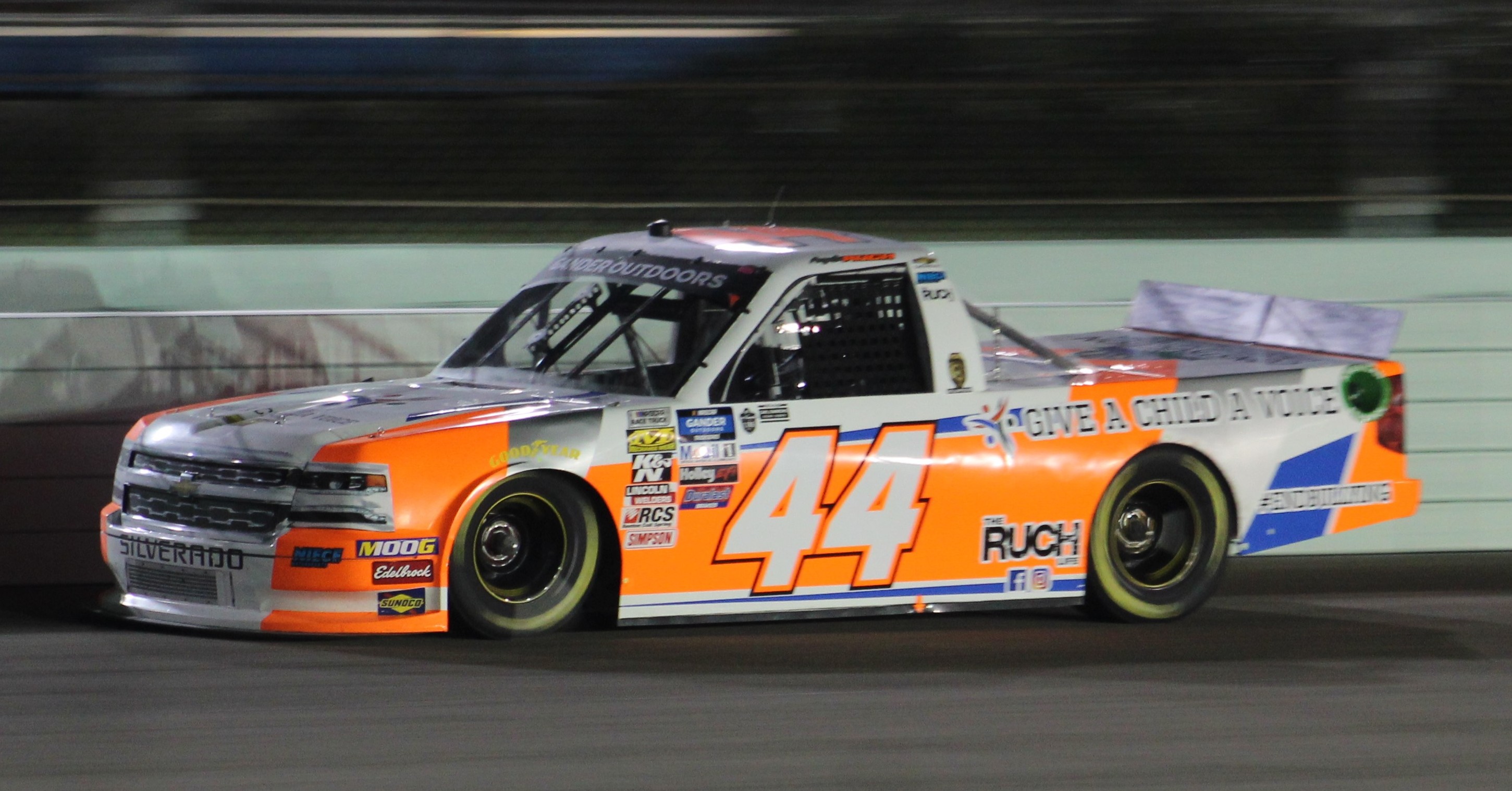
Chevrolet Silverado
"...eal. We spent an entire podcast talking about the Silverado and all the updates made to it, and a lot of the ..."
The Chevrolet Silverado is a large pickup truck made for work and everyday use. People talk about it a lot because it’s common and gets updates that can change things like power, towing ability, and comfort.
The Chevrolet Silverado is a full-size pickup truck built for everyday driving, towing, and hauling. It’s a major player in the truck market, so updates to its engines, tech, and comfort are often discussed because they affect how it drives and what it can do. In a podcast focused on trucks, it’s a natural topic to cover in depth.

Dodge Ram
"...if you compare that combined number against Ford, Ram, and everybody else, I mean, they're on top as fa..."
The Dodge Ram is a large pickup truck. It’s popular because it can be configured for different jobs, including towing and hauling, and it’s often included in comparisons of how many trucks different brands sell.
The Dodge Ram is a full-size pickup truck line known for strong towing and a wide range of configurations. It comes up in truck discussions because it’s one of the top-selling and most prominent options in the segment. The podcast context suggests it was mentioned in a sales or market comparison.

Sierra EV
"the main thing about the styling of these new Sierras is that they've kind of adopted the Sierra EV headlight design and headlight signature. So the front end of this truck looks a lot more like the Sierra EV."
The Sierra EV is the electric GMC Sierra. They’re saying the regular Sierra pickup now borrows the EV’s headlight look, so the front end resembles the electric model more than before.
The Sierra EV is the electric version of the GMC Sierra line, and here it’s used as the styling reference point. The hosts say the new Sierra 1500 has adopted the Sierra EV’s headlight design and “signature,” which changes the truck’s front-end appearance.
radiator
"And obviously, it has a large grille, because it needs to allow air into the radiator and [227.6s] the rest of the engine bay, because they have some big engines underneath the hood."
The radiator is part of the cooling system. It helps move heat out of the engine so the truck doesn’t overheat.
A radiator is the heat exchanger that removes heat from the engine’s coolant before the coolant circulates again. The grille’s job is to bring airflow to the radiator so the engine bay can shed heat effectively.
engine bay
"And obviously, it has a large grille, because it needs to allow air into the radiator and [227.6s] the rest of the engine bay, because they have some big engines underneath the hood."
The engine bay is the space under the hood where the engine and cooling parts live. Airflow there helps keep everything from getting too hot.
The engine bay is the compartment under the hood that houses the engine and related components like the cooling system. Airflow through the grille and around the engine bay helps manage temperatures, especially when the truck uses larger engines.
in-person reveal
"because neither for the Silverado nor for the Sierra has GM [261.3s] done any actual in-person reveal of these trucks. [270.4s] For the media and the journalists and the rest. [274.3s] So no one's really gotten to see these trucks up close."
An in-person reveal is when a manufacturer shows the vehicle physically to media and the public, rather than only sharing photos or videos. The hosts argue that seeing a truck up close can change how its styling and proportions “read” compared with images.
all terrain
"So the 84 now moves up to 34 inch diameter all terrain and 84X, their high-end truck, moves up to a 35 inch tall tire. Yeah, which we're especially excited about because we're based here in Colorado in the mountain."
“All terrain” tires are made to work on both regular roads and rougher surfaces. Here, they’re talking about bigger all-terrain tires as part of the off-road truck package.
“All terrain” refers to a tire category designed to handle a mix of pavement and light-to-moderate off-road use. In this segment, they’re tying the tire choice to the truck’s off-road trim strategy by increasing tire diameter.
running gear
"It does get you some nice running gear. Here's where I am on this because I think everybody's thinking the same thing you and I are thinking is how's the Sierra going to differentiate itself from the Silverado?"
“Running gear” means the key parts underneath the truck that help it move and handle bumps—like the suspension and related off-road hardware. They’re saying the AEV version adds better off-road parts.
“Running gear” is a broad term for the components that support the vehicle’s motion—typically suspension and drivetrain-related hardware that affects how the truck rides and handles. The hosts say the AEV version of the 84X includes “nice running gear,” implying upgraded off-road hardware.
Sierra differentiating from Silverado
"Here's where I am on this because I think everybody's thinking the same thing you and I are thinking is how's the Sierra going to differentiate itself from the Silverado? We talked about styling. We haven't touched on the interior, which is where the big changes are as well."
The hosts start asking how the GMC Sierra will be different from the Chevrolet Silverado. They say styling has been covered, but the biggest differences might be inside the cabin.
This segment pivots to a comparison question: how GMC’s Sierra will stand out from Chevrolet’s Silverado. They mention that styling has been discussed, but the interior is where they expect the biggest changes.
understated luxury
"I mean, apparently there's a big demand for this type of thing. And I think it has to do with the brand kind of identity and also like understated luxury."
“Understated luxury” means it feels premium, but it doesn’t try to scream for attention. In this segment, they’re saying the GMC Sierra 84X goes for a more subtle, classy vibe instead of a loud, flashy one.
“Understated luxury” describes a premium look and feel that’s more subtle than flashy styling cues. Here, the hosts tie it to the GMC Sierra 84X’s color palette and design direction—less attention-grabbing than competitors’ supertruck aesthetics.
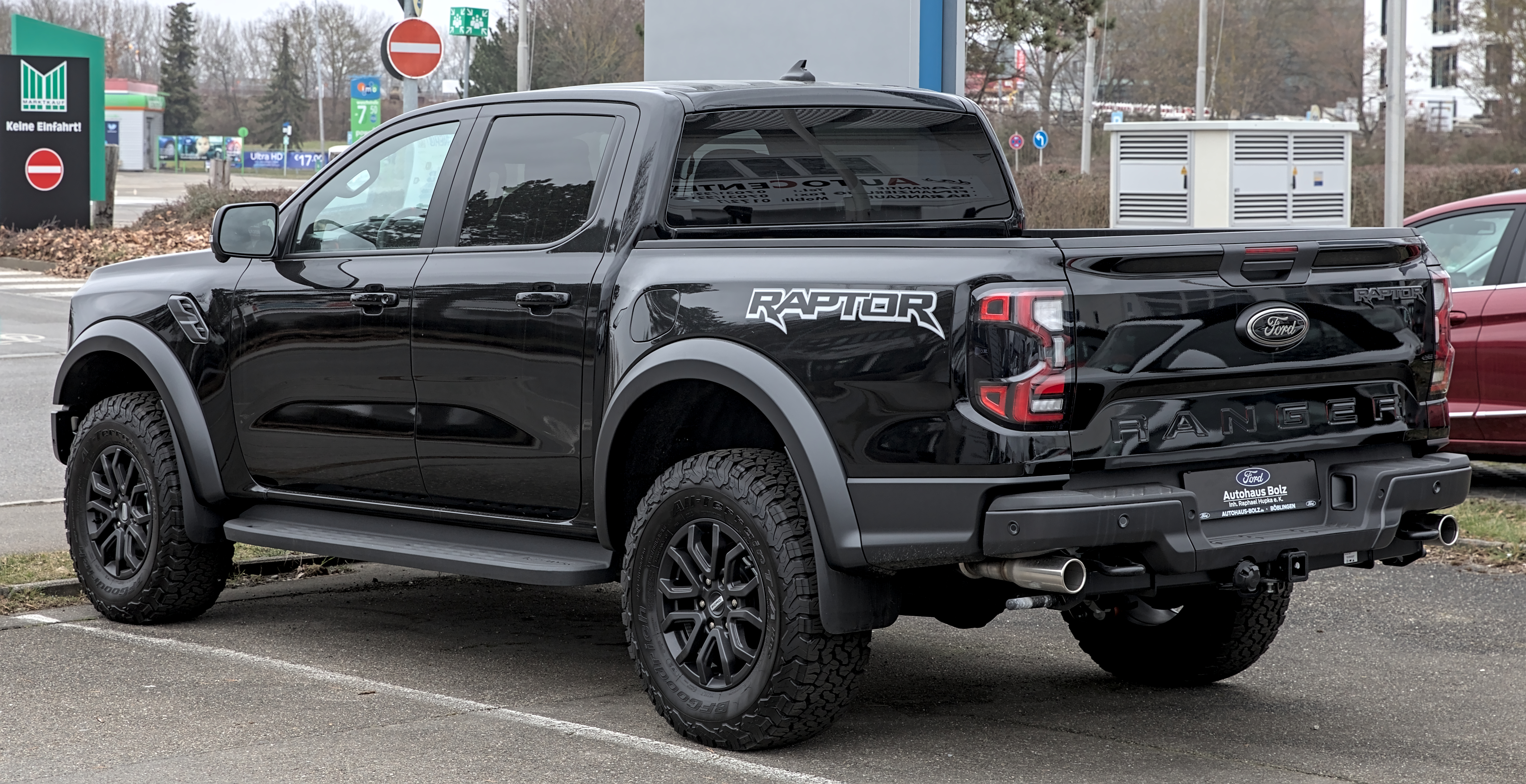
Ford Raptor
"And it's not as over the top as a lot of the other flagship off-road trucks that you could buy from Ram or from Ford, because a TRX that's coming back and the Raptor are more expensive, more powerful, they're wide body trucks, and they are flashier."
The Ford Raptor is Ford’s top off-road truck. In this conversation, they’re using it as an example of the more expensive, more dramatic-looking trucks compared with the GMC Sierra 84X.
The Ford Raptor is Ford’s flagship off-road truck line, famous for high power and a wide, aggressive stance. Here it’s specifically contrasted with the GMC Sierra 84X as being more expensive, more powerful, and visually flashier.

Ram TRX
"And it's not as over the top as a lot of the other flagship off-road trucks that you could buy from Ram or from Ford, because a TRX that's coming back and the Raptor are more expensive, more powerful, they're wide body trucks, and they are flashier."
The Ram TRX is one of the most extreme off-road trucks Ram makes. They’re mentioning it because it’s louder, more dramatic-looking, and typically more expensive than the more low-key option they’re discussing.
The Ram TRX is a high-performance, flagship off-road truck known for big power and an aggressive, attention-grabbing stance. In this segment, it’s used as a benchmark for “flashier” trucks that cost more than the more understated GMC Sierra 84X approach.
flagship off-road trucks
"And it's not as over the top as a lot of the other flagship off-road trucks that you could buy from Ram or from Ford, because a TRX that's coming back and the Raptor are more expensive, more powerful, they're wide body trucks, and they are flashier."
A “flagship off-road truck” is the brand’s top off-road model—usually the most capable and most expensive. They’re using the term to compare the GMC Sierra 84X to the best, priciest off-road trucks from other brands.
“Flagship off-road trucks” refers to the top, most capable and most expensive models a brand sells for off-road use. In this segment, it’s used to group the highest-end off-road offerings from competitors (Ram TRX and Ford Raptor) for comparison against the GMC Sierra 84X.

F-150 Raptor
"...om Ford, because a TRX that's coming back and the Raptor are more expensive, more powerful, they're wide b..."
The Ford F-150 is a large pickup truck. People talk about it a lot because it comes in many versions, including high-performance ones that cost more and are built to be more powerful.
The Ford F-150 is a full-size pickup known for being widely available in many trims and powertrain options. It often comes up in performance discussions because certain versions are built to be extremely capable and powerful. The podcast context mentions an F-150 variant (including references to TRX and Raptor pricing/power), suggesting the conversation is about performance and how different models compare.
wide body trucks
"because a TRX that's coming back and the Raptor are more expensive, more powerful, they're wide body trucks, and they are flashier."
A “wide body” truck has extra-wide fenders and a broader stance than a standard truck. The hosts are saying that this wider, more dramatic look is part of why some top off-road trucks feel more flashy.
“Wide body” trucks use widened fenders and bodywork to increase track width and give the truck a broader, more aggressive stance. In off-road “flagship” builds, that look often pairs with wider tires and a more planted feel, which is why the hosts connect it to the more “flashy” TRX/Raptor style.
GMC Sierra 84X
"So the buyer for a GMC Sierra 84X maybe doesn't want something that has as wide of a track with, maybe doesn't want something quite as brash and loud and flashy."
The GMC Sierra 84X is a special version of the Sierra meant for serious off-road use. Here, they’re saying it’s aimed at buyers who want that capability without the loud, flashy look of some other top off-road trucks.
The GMC Sierra 84X is an off-road-focused Sierra variant positioned as a more understated alternative to flashier “supertruck” builds. In this discussion, the 84X is contrasted with wider, more aggressive trucks like the Ford Raptor and Ram TRX, implying a different buyer preference and styling direction.

Raptor R
"We don't have pricing on the new trucks yet, but that is less expensive than a lot of the other flagship off-road trucks like a Raptor R or a TRX that are 100,000 plus."
Raptor R is a higher-end, more hardcore version of the Ford Raptor. They’re bringing it up to show that some of these top trucks can easily push past $100,000.
The “Raptor R” is a more extreme, higher-performance version within Ford’s Raptor lineup. In this segment, it’s cited as costing $100,000+ and positioned as a more powerful, more premium alternative to the Sierra 84X pricing.
Ford F150
"So the current 2026 model of the F-150 Platinum Plus is also near $90,000. So it's very comparative to where GMC Sierra's currently are."
This is a high-end version of the Ford F-150 pickup. The hosts are mainly talking about how much it costs compared to other trucks.
The Ford F-150 is the best-selling full-size pickup in the U.S., and the Platinum Plus is a high-trim version aimed at buyers who want luxury features in a truck. In this segment, the hosts use its pricing to compare how expensive top-end trucks have become.

Denali
"Yeah, and the thing is, I think the person or the family that's buying a Denali or an 84X, they can afford this."
Denali is a nicer, more upscale trim level on GMC trucks. In this segment, it’s used to talk about the type of buyer who can afford very high truck prices.
Denali is a GMC luxury trim level that’s positioned above the mainstream Sierra trims, typically with more comfort and convenience features. The hosts mention it to describe the kind of buyer who might be willing to pay Raptor R–level money.
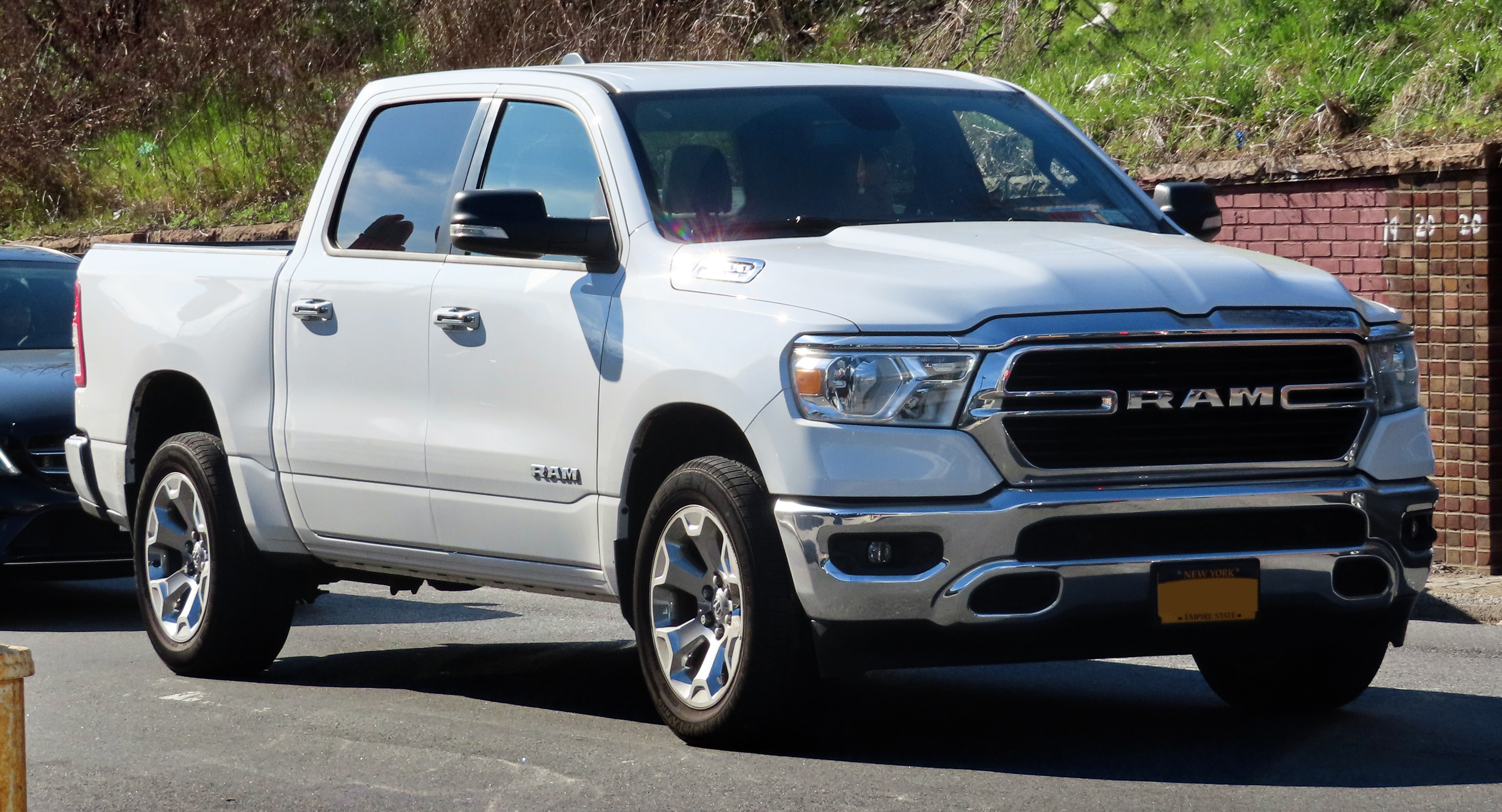
Ram 1500 tungsten
"So in the lower right corner, MSRP on a Ram 1500 tungsten with many options is $95,000 plus destination. plus destination."
This is a high-end version of the Ram 1500 pickup called Tungsten. They’re pointing out the sticker price when it’s loaded with options, and how that adds up fast.
The Ram 1500 is a full-size pickup, and the “Tungsten” trim is Ram’s upscale, luxury-leaning configuration. The hosts call out the MSRP on a heavily optioned Ram 1500 Tungsten as $95,000 plus destination—nearly $98,000—highlighting how quickly truck prices climb with options.
MSRP
"So in the lower right corner, MSRP on a Ram 1500 tungsten with many options is $95,000 plus destination."
MSRP is the sticker price the manufacturer sets for the car. It’s the starting point before you add things like destination fees, taxes, and other charges.
MSRP (Manufacturer’s Suggested Retail Price) is the price a manufacturer lists for a vehicle before taxes and fees. In this segment, they use MSRP to show how expensive a loaded Ram 1500 Tungsten is even before the final “out-the-door” total.
sticker shock
"[618.0s] Yeah, which does have an impact on the sticker shock with a lot of vehicles, [621.3s] not necessarily something like a Raptor R or especially when TRX has hit the dealership."
“Sticker shock” means the price feels way higher than you expected. It’s the moment you look at the listed price and go, “Whoa, that’s expensive.”
“Sticker shock” is the reaction people have when the listed price on a vehicle feels unexpectedly high. In car shopping, it’s often tied to how pricing changes (or lack of discounts) make the final cost feel surprising.
upcharges
"[628.4s] Maybe upcharges. [629.7s] Yeah, unfortunate. [631.0s] Yeah, maybe upcharges."
An upcharge is extra money added to the price. So even if the dealer doesn’t offer a discount, you might still pay more for certain add-ons or availability.
An “upcharge” is an extra fee added on top of the base price—often for options, dealer-installed add-ons, or limited availability. In this segment, it’s used to describe how some trucks may cost more even if there are no discounts.
GMC Sierra
"[647.0s] Yeah, and this is where a lot of the updates are. [649.4s] And it makes sense because GMC Sierra is a more luxury trim of a truck."
The GMC Sierra is a big pickup truck from General Motors. In this segment, they’re saying the new Sierra is getting more “luxury” interior features, especially screen and storage tech.
The GMC Sierra is General Motors’ full-size pickup line, and in this discussion it’s framed as a more luxury-leaning truck. That matters here because the hosts are talking about interior tech updates that are meant to feel more premium than a typical work truck.
center screen will rise up out of the dash
"[671.3s] on the new Sierra is that the center screen will rise up out of the dash to reveal a cubby [678.0s] behind, kind of like what you used to have in GM products in the past."
They’re describing a screen that physically moves—rises up from the dashboard. The benefit is that it can also reveal hidden storage behind it.
This describes a motorized, vertically moving infotainment display that lifts out of the dashboard. The point is both visual drama and function: it can reveal storage space behind the screen.
cubby
"[678.0s] behind, kind of like what you used to have in GM products in the past. [681.6s] Yeah, this is cool. [682.5s] They're ringing that back."
A “cubby” is a little storage space in the cabin. In this case, it’s hidden behind the screen and comes out when the screen moves.
A “cubby” is a small, enclosed storage compartment built into a vehicle’s interior. Here, the host is specifically talking about a hidden storage area revealed behind the moving center screen.
passenger screen
"[698.6s] the higher trim Silverados, have a passenger screen. [701.8s] So love it. [703.1s] I hate it."
A passenger screen is a display meant for the person riding in the front seat. Instead of being always visible, this one is covered and then revealed, so it can hide when you’re not using it.
A passenger screen is an infotainment display aimed at the front-seat passenger rather than the driver. In this segment, the hosts describe a screen that’s covered, then revealed, and even tucks away folds underneath—an unusual approach compared with a fixed dash screen.
16 and a half inches
"But man, as far as screens go on these Sierra's, they've gone completely over the top because [772.0s] the center screen, 16 and a half inches."
They’re saying the screen is about 16.5 inches wide. Bigger screens are easier to read and feel more noticeable inside the truck.
Sixteen-and-a-half inches describes the size of the center passenger/infotainment display being discussed. Screen size matters because it affects usability (touch targets, viewing distance) and how “in-your-face” the interior tech feels.
instrument cluster
"It's what, 12.2 for the instrument cluster? Yes."
The instrument cluster is the screen or gauge panel behind the steering wheel. It shows things like your speed and warning lights.
The instrument cluster is the driver-facing display behind the steering wheel that shows key vehicle information like speed, engine status, and warnings. In modern trucks, it’s often a digital screen rather than traditional analog gauges.
heads up display
"And like 14 something for the heads up display. And then I think an eight and a half inch digital rear view mirror."
A heads up display shows key info on the windshield. That way you don’t have to take your eyes off the road to check your speed or directions.
A heads up display (HUD) projects important driving information onto the windshield so you can see it without looking down at the instrument panel. It’s commonly used for navigation prompts, speed, and driver-assist cues.
digital rear view mirror
"And then I think an eight and a half inch digital rear view mirror. So as far as screen real estate goes, if you struggle with your eyes, maybe you have a lot"
A digital rear view mirror is a screen that shows what’s behind you using a camera. It can help you see better than a normal mirror in certain situations.
A digital rear view mirror replaces the traditional mirror with a camera-based display. The camera feeds an image to the screen, which can improve visibility and reduce blind spots in some designs.
climate control settings
"So since the orientation of the screen is different than the Silverado in the Sierra, the climate control settings are actually in the digital screen in the center."
Climate control settings are how you control the heat and A/C in the cabin. If they’re on a screen instead of physical knobs/buttons, it can be harder to adjust quickly.
Climate control settings are the controls for heating and air conditioning—temperature, fan speed, and airflow direction. When they’re moved into a touchscreen layer, it can change how quickly and reliably the driver can adjust them while driving.
persistent
"So they're at the bottom, they called it, they're persistent. So that bottom layer of the screen is always there, but it's not my favorite because when"
“Persistent” here means that part of the screen stays on all the time. So you don’t have to dig through menus to find the climate controls.
In this context, “persistent” means the climate-control area stays visible as a constant on-screen layer. That’s meant to let you reach those settings quickly without navigating menus, even though the controls are still touch-based.
trailer brake
"There is still a line of physical buttons underneath the screen and underneath the vents for some of your shortcuts. Of course, there are physical controls for your trailer brake, which is very important. That has to be there."
Trailer brakes are brakes on the trailer itself. A trailer brake controller helps the truck manage them so the trailer slows down safely when you brake.
A trailer brake controller lets the truck apply braking force to the trailer’s brakes, improving stopping stability and reducing strain on the tow vehicle. It’s especially important for heavier trailers where trailer braking needs to be coordinated with the truck.

Tesla Cybertruck
"Yeah. I mean, the the Cybertruck. Yeah."
The Tesla Cybertruck is a pickup truck that runs on electricity instead of gasoline. It’s built to do truck jobs like carrying things, but it uses a battery and charging instead of a gas engine.
The Tesla Cybertruck is an all-electric pickup designed to combine truck utility with battery-electric power. It’s often discussed because of its unusual design and the way it approaches range, charging, and everyday usability. In a truck podcast, it’s a key example of how electric trucks are changing the category.
four wheel drive controls
"So love that. [911.2s] Also the four wheel drive controls for for high, for low, two wheel drive, all of that. [918.4s] Right next to the trailer brake controller."
Four-wheel-drive controls let you choose how the truck sends power to all four wheels. Modes like 2WD, 4WD high, and 4WD low are used depending on whether you need extra traction or more crawling power.
Four-wheel-drive (4WD) controls select how power is delivered to the front and rear axles. The segment specifically references common modes like 2WD, 4WD high, and 4WD low, which are used for different traction and torque needs.
massive sunroof
"They have also gone to a pretty massive sunroof on these vehicles. [927.6s] Yes. [928.0s] So it's basically the entire length of the cab."
A sunroof is a panel in the roof that lets in more light (and sometimes air). They’re saying this truck has a very large one that covers most of the cab area.
A sunroof is a glass or panel opening in the roof that can be opened for ventilation and light. Here, the hosts emphasize a “full sunroof” spanning much of the cab, which changes cabin lighting and can affect headroom/visibility perceptions.
Super Cruise
"something that GM still has that their competitors don't have is supercruise primarily because supercruise can be active while you're towing. [955.2s] So supercruise is a really impressive system. [986.2s] You still have to pay attention and kind of monitor the system, of course, but"
Super Cruise is a GM feature that helps the truck drive more on its own. It can keep working even when you’re towing, but you still have to watch the road and be ready to take over.
Super Cruise is GM’s hands-free driver-assistance system that can steer and manage driving tasks on compatible roads. In this discussion, the key point is that it can remain active while towing, which is unusual compared with many competing systems.
digital control
"because last time, remember, [1003.4s] we were talking about light controls, headlamp controls. [1008.2s] And I'm not sure it seems like they went to a digital control for these trucks for headlamps."
A “digital control” here refers to moving physical lighting/headlamp switches into a screen-based interface. The hosts are comparing the truck’s headlamp controls to what they saw on the Silverado, suggesting a more software-driven cabin layout.

Chevrolet Silverado EV
"...so I'm assuming, by the way, like their CREVs and Silverado EV, I think have more comfortable seats in general."
The Chevrolet Silverado EV is a pickup truck that runs on electricity. It’s meant to do truck tasks, and the discussion here is about how comfortable it is to sit in.
The Chevrolet Silverado EV is an all-electric version of the Silverado pickup, designed to deliver truck capability with battery-electric power. It’s discussed in terms of day-to-day comfort and usability, including things like seating. The podcast context specifically points to comfort differences, suggesting the EV version’s interior experience was part of the conversation.
ventilated massaging functions
"But I'm assuming heated functions, ventilated massaging functions are available on these seats on the higher trim levels, like the Denali Ultimate."
Ventilated seats blow air through the seat to help you stay cooler. Massaging functions add built-in movements so the seat can “massage” you.
“Ventilated” seats use fans to move air through the seat cushions to reduce heat buildup. “Massaging” adds built-in actuators that create vibration or massage motions, typically offered on luxury-oriented trim levels.
heated functions
"But I'm assuming heated functions, ventilated massaging functions are available on these seats on the higher trim levels, like the Denali Ultimate."
Heated functions means the seat can warm you up. It’s usually a higher-end option on more expensive truck trims.
“Heated functions” refers to seat heating features that warm the seat surfaces. On higher trims, these are typically controlled by the infotainment or seat controls and are meant to improve comfort in cold weather.
dual wireless chargers
"There's also dual wireless chargers for two phones built into the center console."
Dual wireless chargers mean you can charge two phones at once without plugging them in. They’re built into the truck’s center console here.
Dual wireless chargers let you charge two phones at the same time without plugging in cables. In this segment, it’s described as being built into the center console, making it a convenience feature for daily use.
MagSafe
"With MagSafe. MagSafe, which is nice. You get a nice positive engagement when you place your phone there."
MagSafe is Apple’s way of wireless charging that uses magnets to line your phone up. The phone “clicks” into place so it charges more reliably.
MagSafe is Apple’s magnetic wireless-charging ecosystem that helps align a phone to the charger. The hosts highlight the “positive engagement” you feel when the phone snaps into the correct position on the charger.
MultiPro
"So MultiPro has made its way from just the tailgate into the center console, because that's what they're calling their new center armrest that can fold forward and create a large platform for you to use as kind of a workspace."
MultiPro is GM’s name for a flexible, multi-position feature. In this case, it’s being used in the center console so the armrest can fold into a bigger work platform.
MultiPro is GM’s branded name for a modular, multi-position utility feature. Here, the hosts say it has moved from the tailgate into the center console, where the armrest folds forward to create a larger work surface.
USB-C ports
"And it even has a couple of USB-C ports for you to charge devices."
USB-C ports are the common newer charging/data connectors you see on many phones and laptops. Here, they’re built into the console so you can charge devices while you work.
USB-C ports are modern USB connectors used for charging and data transfer. The hosts mention a couple of USB-C ports in the console so you can power devices like tablets or laptops while using the console workspace.
panoramic roof
"And the panoramic roof from the others. [1191.0s] Yeah, from both of them. [1192.0s] Yeah."
A panoramic roof is a big glass section on the top of the truck’s cabin. It makes the inside brighter and can make the cabin feel more open.
A panoramic roof is a large glass roof panel (often spanning much of the cabin) that lets in more light and can make the interior feel more open. In this segment, it’s discussed alongside other screens and packaging, suggesting it’s part of the new Sierra/Silverado interior design.
antennas
"they mentioned with that panoramic new sunroof, [1205.4s] they, Sam was looking at it and he didn't see any antennas on the roof."
Antennas are the parts that help a vehicle pick up signals for things like radio and navigation. The point here is that the truck’s roof looks clean, with no obvious antenna sticking out.
Antennas are the receiving/transmitting hardware used for signals like radio, cellular, GPS, and other connectivity. The hosts note that with the new panoramic sunroof, Sam didn’t see any antennas on the roof, which can imply the truck uses hidden/embedded antenna designs or different placement.
powertrains
"So we got to talk about powertrains, because that's that's another big piece of news. So they're sticking with the same basic formula for powertrains that they've had in the past."
A powertrain is the truck’s main set of parts that make it move. It includes the engine and how that power gets sent to the wheels.
Powertrains are the complete set of components that generate and deliver power—typically the engine (or engines), transmission, and drivetrain. In this segment, the hosts use it to frame the big news about new V8 engines being introduced for the truck lineup.
V8
"the big news are the two V8s that are going to be brand new going into these trucks, the 5.7 and the 6.6."
A V8 is a type of engine with eight cylinders. It’s often used in trucks because it can make strong pulling power.
A V8 is an engine with eight cylinders arranged in a V shape, which is common in many trucks and performance cars because it can produce strong low- and mid-range torque. Here, the hosts highlight two new V8s for the 2027 GMC Sierra 1500: the 5.7 and 6.6.
torque
"They did not let us know the horsepower and torque numbers on these big V8s, these new engines that they're coming out with."
Torque is the engine’s pulling force. Higher torque usually helps a truck get moving and pull more easily.
Torque is the twisting force an engine produces, and it strongly influences how quickly a vehicle can accelerate from low speeds—especially in trucks. The hosts note GM didn’t reveal the horsepower and torque numbers for the new V8s yet.

Chevrolet Corvette
"...ut with. Of course, they share a lot with the new Corvette engine. That's going to be available with just a ..."
The Chevrolet Corvette is a sports car made for fast driving. When people talk about its engine updates, they’re usually talking about how quickly it accelerates and how it drives.
The Chevrolet Corvette is a performance sports car known for strong acceleration and a driver-focused layout. It’s significant because new engine and technology changes can meaningfully alter how it feels and performs. The podcast mention suggests discussion around shared components or an engine direction for the next Corvette.
cold start
"they did mention that the growl, especially a cold start on some of these V8s is pretty spunky"
A cold start is when an engine is started after it has been sitting and the engine is at a low temperature. The hosts mention the “growl” on a cold start being especially noticeable on these new V8s, suggesting the sound character changes when the engine is first fired up.
Coyote
"It's a big displacement V8 when you think about the fact that the Coyote is a 5 liter. The Hemi is a 5.7."
“Coyote” is a name Ford uses for a particular V8 engine. Here it’s mentioned just to compare engine size and what kind of sound you might expect.
“Coyote” is a Ford V8 engine family (a 5.0-liter V8) known for modern overhead-cam design and strong aftermarket support. The host uses it as a comparison point for displacement and expected sound.
Hemi
"The Hemi is a 5.7. Of course, you're going to have the Rumblebee trucks as 6.4 or supercharged."
“Hemi” is a nickname for a Chrysler V8 engine design. In this segment it’s used to compare engine size (5.7 liters) and what the sound might be like.
“Hemi” refers to Chrysler’s hemispherical combustion-chamber engine design, commonly associated with the 5.7-liter V8 in this comparison. The term is used as shorthand for that engine family and its characteristic performance and sound.
supercharged
"Of course, you're going to have the Rumblebee trucks as 6.4 or supercharged. But a 6.6 liter naturally aspirated V8 is a big naturally aspirated V8."
Supercharged means there’s a device forcing extra air into the engine. That usually boosts power and can make the engine feel more responsive than a non-turbo engine.
“Supercharged” means the engine uses a belt-driven forced-induction compressor to push more air into the cylinders. Compared with naturally aspirated engines, supercharging can increase power and change the sound and throttle response.
big naturally aspirated V8
"But a 6.6 liter naturally aspirated V8 is a big naturally aspirated V8. It's going to sound like a nice boat probably, like a Corvette sometimes."
Naturally aspirated means the engine isn’t using a turbo or supercharger to force air in. With a large V8, that usually gives a fuller sound and a different driving feel than turbo engines.
“Naturally aspirated” means the V8 makes power without a turbocharger or supercharger; it relies on atmospheric pressure and engine displacement. A “big naturally aspirated V8” typically emphasizes strong low-to-midrange character and a distinct exhaust note compared with forced-induction engines.
aftermarket
"Especially if you go in there and rework things a little bit with the aftermarket, I'm sure it's going to sound fantastic."
Aftermarket means upgrades or parts that aren’t made by the car’s original manufacturer. People use them to change things like sound, power, or appearance.
Aftermarket refers to parts or modifications made by companies other than the original vehicle manufacturer. In the context here, the host suggests reworking the exhaust/engine setup with aftermarket parts to improve sound and performance feel.
performance exhaust systems
"Well, also GM has offered performance exhaust systems within their accessories. So they can probably do that as well."
A performance exhaust is an exhaust system designed to change how the engine sounds and how easily exhaust gases can leave. It’s often chosen for a louder or more aggressive sound.
A performance exhaust system is an aftermarket or factory-offered exhaust designed to change flow characteristics and sound. The goal is often a better exhaust note and potentially improved engine breathing, depending on the full setup.
Duramax
"The 3 liter Duramax is going to return, which is also great news because it's the only diesel in this segment of trucks that you can still buy."
Duramax is GM’s line of diesel engines. Diesel engines are often chosen for their strong pulling power, and here they’re saying the truck will still offer a diesel option.
Duramax is General Motors’ diesel engine family used in trucks, known for torque and towing capability. In this segment, the host highlights the “3 liter Duramax” as a key diesel option that remains available.
Turbo Max, Turbo 4
"And then there's also going to be some updates to the base Turbo Max, Turbo 4. Yes, the 2.7 liter."
This refers to a smaller engine that uses a turbocharger to make more power than a naturally aspirated small engine. The discussion is mainly about how that turbo engine will be matched with a 10-speed transmission.
“Turbo Max” and “Turbo 4” are used here to describe a smaller turbocharged engine option (a turbocharged four-cylinder). The key point is that this downsized, forced-induction setup is getting paired with a 10-speed transmission.
10 speed
"That engine is also going to have a 10 speed. So 10 speed across the board for every configuration. No more 8 speed."
A “10-speed” is an automatic transmission with 10 different gear ratios. More gears can help the engine stay in the right rev range more often, which can make the truck feel smoother and sometimes more efficient.
A “10-speed” refers to a 10-gear automatic transmission. More gears can keep the engine closer to its most efficient or powerful operating range, improving both acceleration and fuel economy versus fewer-gear setups.
2.7
"And then that Turbo Max, the 2.7, they are also calling it an enhanced version of the engine."
The “2.7” is the engine size in liters. Bigger numbers usually mean more potential power, but with turbocharging a smaller engine can still make strong power.
The “2.7” refers to a 2.7-liter engine displacement, which is a key sizing metric for how much air/fuel the engine can move. Here it’s tied to the Turbo Max concept, implying a smaller-displacement turbo engine rather than a larger V8-style displacement.
towing
"So we're figuring that it is going to have some more horsepower. But again, we don't have figures on that. We also don't have figures on towing and payload."
Towing is how much weight the truck can safely pull behind it. They’re saying GM hasn’t released the final towing numbers for the new setup yet, but current trucks already tow a lot.
Towing capacity is the maximum weight a truck is rated to pull, and the hosts note that GM hasn’t published final towing figures yet. They also discuss how the new Sierra/Silverado shouldn’t need to “chase” higher towing numbers because current ratings are already high.
Silverado 1500
"I mean, the current, if you buy the maximum tow package on the Sierra 1500 or Silverado 1500, I believe it's like 13,300 pounds of towing..."
The Chevrolet Silverado 1500 is a pickup truck that’s being compared to the GMC Sierra 1500. The point here is that both trucks can tow a lot already, especially with the right tow package.
The Chevrolet Silverado 1500 is another half-ton pickup, and the hosts compare it directly to the Sierra 1500 for towing capability. They use the Silverado as a reference point for how GM’s truck lineup is already “pretty capable” without needing to chase extreme numbers.
maximum tow package
"I mean, the current, if you buy the maximum tow package on the Sierra 1500 or Silverado 1500, I believe it's like 13,300 pounds of towing..."
A “maximum tow package” is a set of factory options meant to help the truck tow at its highest rating. It’s the difference between towing “okay” and towing at the top number the manufacturer allows.
A “maximum tow package” is a factory option bundle that typically includes towing-oriented hardware and calibration (like cooling and hitch-related components) to support the highest rated towing. The hosts use it to justify a specific towing number for the current Sierra 1500 and Silverado 1500.
heavy duty
"And if you want to tow 13,000 all the time, I would just say get a heavy duty on that point."
“Heavy duty” means you pick the more capable towing setup. The hosts are saying if you’re towing heavy loads all the time, you should choose the truck/package meant for that kind of use.
“Heavy duty” here refers to choosing a higher-capability configuration (often a heavier-duty towing setup or package) when the truck will be used for frequent, high-weight towing. The hosts recommend it if someone plans to tow near the top end all the time.
trim levels
"But speaking of the AEV addition, we can go into some more detail as far as the different trim levels that are going to be available on these Sierra's."
Trim levels are the different versions of the same truck model. Each version comes with different equipment, and that can change things like towing gear and off-road options.
Trim levels are the different equipment/feature configurations offered for a model line, often affecting what powertrain options, towing packages, and off-road accessories are available. The hosts say they’ll go into detail on the different trim levels coming for the Sierra.
34 inch tire
"And now these 84s are going to run on a 34 inch tire."
A “34 inch tire” means the tire is about 34 inches tall. Bigger tires usually make the truck sit higher and look more off-road-ready.
“34 inch tire” refers to the tire’s overall diameter, which is a common way to describe how large the tires are on a lifted or off-road-oriented truck. Larger tires can improve ground clearance and the truck’s stance, but they can also affect ride comfort and steering feel.
front and rear lockers
"It makes a huge difference because that's what gets you front and rear lockers, 35 inch tires, [1581.1s] DSS feed dampers, spool valves, which is also a pretty big deal."
Lockers are off-road traction features that help the wheels keep turning together when the ground is slippery. With lockers on both the front and rear, the truck is less likely to get stuck when one wheel spins.
“Lockers” are off-road differentials that can force the wheels on an axle to rotate together. Having front and rear lockers improves traction when one wheel loses grip, which is why the host says the “84X” setup makes a huge difference.
DSS feed dampers
"It makes a huge difference because that's what gets you front and rear lockers, 35 inch tires, [1581.1s] DSS feed dampers, spool valves, which is also a pretty big deal."
Dampers are the shock absorbers that control how the suspension moves over bumps. “DSS feed” sounds like a particular shock design meant to better control the truck when driving off-road.
DSS feed dampers refer to a specific damper design used to control suspension motion more precisely. The host groups them with other “84X” hardware, implying they’re part of the truck’s off-road suspension tuning rather than a cosmetic change.
spool valves
"It makes a huge difference because that's what gets you front and rear lockers, 35 inch tires, [1581.1s] DSS feed dampers, spool valves, which is also a pretty big deal."
Spool valves are internal valve components inside certain dampers/shocks that meter fluid flow to control damping force. By changing how the valve opens and closes, the suspension can respond differently to bumps and impacts.
new jounce bumper
"And those, the new jounce bumper, yeah, that's available. [1589.7s] Yeah, which is available now for the 2027 models."
A jounce bumper is like a safety cushion for the suspension. If the truck compresses too far over a big bump, the bumper helps prevent metal-to-metal contact and protects the suspension.
A jounce bumper is a suspension bump stop designed to limit travel when the suspension compresses hard. The host calls out a “new” jounce bumper as an available 2027 feature, suggesting it’s part of the truck’s off-road durability and ride-control package.
starting price
"But now it's confirmed the starting price is $24,950. Before destination. Or taxes at least."
“Starting price” means the lowest price the truck is advertised at. The hosts point out that the final amount you pay is usually higher once you add extra fees and taxes.
“Starting price” is the manufacturer’s base MSRP for the entry trim, before adding extra charges. In this segment, they emphasize it’s $24,950 before destination and taxes, which can make the real total higher.
destination
"Before destination. Or taxes at least. Yes, they didn't talk about destination charge, which is odd because most manufacturers do talk about this."
Destination charge is the fee manufacturers add to cover shipping the vehicle from the factory to the dealer. The hosts note it’s “odd” they didn’t mention it, and they speculate it could be built in or around $1,000.
plated
"So ultimately by the time you have it in your hands, plated and everything, it is going to be a little bit more expensive."
“Plated” means the truck is officially registered and has license plates. That’s usually part of the extra steps and costs beyond the base price.
“Plated” refers to getting the vehicle registered with license plates, which typically requires paying taxes/fees and completing paperwork. The hosts use it to explain that the out-the-door cost is higher than the advertised starting price.
SUV version of the truck
"And then the SUV version of the truck is going to be just under 30."
They’re comparing a truck to an SUV version that’s related. The point is that the SUV will likely cost more—just under $30,000—than the truck’s starting price.
The hosts are comparing pricing between a truck and an SUV variant that shares the same overall platform or product family. They suggest the SUV version will cost just under $30k, highlighting how trim/vehicle type affects total pricing.
blank slate
"That's what the name is. It's a blank slate for you to start customizing and they have mind boggling numbers of options"
They mean the truck starts out very simple, and you add features later. It’s like buying a basic setup so you can customize it to your taste.
The host is describing a “blank slate” approach where a pickup is sold in a very basic configuration so owners can add features later. In practice, that usually means lots of optional interior/exterior pieces and a design intended to be upgraded after purchase.
DIY
"Yeah, so they're encouraging the DIY aspect of it, which is cool. And they've made this vehicle very modular."
DIY just means doing the work yourself instead of paying a shop. Here, they’re saying the truck is set up so owners can install some add-ons on their own.
DIY means “do-it-yourself,” and in this context it refers to the idea that owners can install certain accessories or options themselves. The episode frames this as part of the truck’s modular design and the availability of compatible parts.
modular
"And they've made this vehicle very modular. So it should be easy for you to DIY and fit pieces to it yourself."
Modular means the truck is set up so parts can be added or changed more easily. It’s meant to make customizing simpler, either by you or a shop.
“Modular” here means the truck is built with components designed to be added, swapped, or upgraded more easily than on a traditional fixed configuration. That supports DIY customization and also makes it easier for third-party shops to install accessories.
remote battery monitoring
"Yeah, like remote battery monitoring or like remote start, something like that."
Remote battery monitoring means the truck can report battery status to your phone. It helps you see if the battery is low or acting up without guessing.
Remote battery monitoring is an app-based feature that reports battery status (like charge level or health) to your phone. The host mentions it as part of a device that provides phone-based access for the truck.
remote start
"Yeah, and that's a feature in most cars if you want remote start. But you don't have to."
Remote start lets you start the truck from outside, usually with a key fob or an app. People use it to warm up or cool down the cabin before they drive.
Remote start is a feature that lets you start the engine from outside the vehicle (usually via a key fob or a phone app). It’s commonly used to warm up or cool down the cabin before you get in.
speakers
"you can add speakers, obviously. You could have you could bring your own like a mobile speaker into it. But they also have built in speakers that go into the dash."
Speakers are the audio parts that play music in the truck. Where they’re placed—like in the dash or doors—changes how the sound fills the cabin.
In-car speakers are part of the audio system, and their placement affects sound quality and coverage. The transcript mentions speakers in the dash and doors, which is a common setup for distributing midrange and treble across the cabin.

Ford Edge
"...e seen some bad stuff. I just recently saw a Ford Edge that was red, kind of a burgundy red, and it had ..."
The Ford Edge is a mid-size SUV that’s built for regular driving, not off-roading. People talk about it because it’s common, and the podcast reference sounds like they’re describing a particular one they noticed.
The Ford Edge is a mid-size crossover SUV focused on everyday comfort and practicality. It often shows up in real-world discussions because it’s common and can be found in many trims and model years. The podcast mention suggests the host is referencing a specific example they recently saw, likely tied to condition or appearance.
jailbreak edition
"Oh, you know what else is like that is the jailbreak edition on the Durango. Exactly."
“Jailbreak edition” is a special trim level on the Durango that’s mainly about unique looks. Think of it like a factory styling package with more freedom to be flashy.
“Jailbreak edition” is a named trim/appearance package on the Dodge Durango that emphasizes distinctive styling. It’s the kind of option where the point is letting you choose more dramatic colors and finishes rather than changing the vehicle’s core mechanical layout.

Dodge Durango
"Oh, you know what else is like that is the jailbreak edition on the Durango. Exactly."
The Dodge Durango is a popular family SUV from Dodge. Here they’re talking about a special “jailbreak” version that’s mostly about bolder styling and color combinations.
The Dodge Durango is a midsize SUV known for offering a wide range of trims and powertrains, including performance-oriented options. In this segment, the hosts specifically mention the “jailbreak edition,” which is a styling-focused variant that lets buyers go more extreme with interior/exterior color choices.
electric motor
"I do wish that they had an option to have this vehicle be modular enough for you to put an electric motor in the front."
An electric motor is the part that uses electricity to make the wheels turn. They’re saying the vehicle might not be set up to easily add one in the front.
An electric motor is the traction device that converts electrical energy into rotational force to move the vehicle. The hosts are discussing whether the platform is modular enough to add an electric motor in the front, which would be a major engineering change.
rear wheel drive only
"Yes, because right now it's rear wheel drive only. It's what it's like."
“Rear wheel drive only” means the car powers just the back wheels. In bad weather it can be less sure-footed than all-wheel drive, depending on tires and conditions.
“Rear wheel drive only” means the vehicle sends power only to the rear wheels, not all four. That affects traction and handling in rain/snow, and it can also influence how efficiently the vehicle packages components for different powertrains.
205 miles or 208 miles
"It's like 205 miles or 208 miles, right? So yes, you're buying it very cheaply."
“205 to 208 miles” is how far the vehicle can go before it needs recharging. If you drive longer trips, range is one of the biggest things to pay attention to.
“205 miles or 208 miles” refers to the vehicle’s driving range on a single charge (or equivalent energy capacity). Range is a key real-world metric for electric vehicles because it determines how far you can go before needing to recharge.
two wheel drive
"But it doesn't have super great range if that matters to you. It performance apparently is pretty good. But it's only two wheel drive."
“Two wheel drive” means power goes to only one pair of wheels. It can be fine for everyday driving, but it may not grip as well as all-wheel drive in snow or heavy rain.
“Two wheel drive” means only one axle (typically rear-wheel drive in this context) receives power. It generally simplifies the drivetrain and can reduce cost/weight, but it can also limit traction compared with all-wheel drive.
lowering kit
"But they do have a lowering kit for the suspension. [2139.5s] They do have a lift kit for the suspension."
A lowering kit is an add-on that makes a truck sit lower to the ground. It usually changes the springs and shocks so the suspension has less travel and a different ride feel.
A lowering kit is an aftermarket suspension setup that reduces ride height. It typically uses shorter springs and/or different shock/strut components to make the truck sit lower, which can change handling and ride comfort.
lift kit
"They do have a lowering kit for the suspension. [2139.5s] They do have a lift kit for the suspension."
A lift kit raises the truck higher off the ground. People use it to clear bigger tires and handle rougher terrain, but it can change how the truck drives.
A lift kit is an aftermarket suspension modification that increases ride height. It’s often used to fit larger tires and improve ground clearance for rough roads or off-road use, but it can also affect steering feel and ride quality.
altering tires
"They do have a lift kit for the suspension. [2141.6s] They have altering tires that you could add. [2145.6s] So I mean, you kind of I wonder if lower it and make a drift truck out of it."
Swapping or changing tires can change how well the truck grips and how it rides. In snow, the right tire matters a lot for traction.
Changing tires (the transcript says “altering tires”) can significantly affect traction, ride comfort, and how the truck behaves in snow or on loose surfaces. Tire choice and size also interact with suspension height and wheel alignment.
traction control system
"But I wonder like their traction control system. [2157.5s] We haven't driven the one actually. [2158.8s] But I wonder if you could like pull up use."
Traction control is a safety system that prevents the wheels from spinning too much. On ice or snow it helps the truck get moving, but it can also make it harder to slide on purpose.
A traction control system (TCS) detects wheel slip and reduces engine power and/or applies brakes to regain grip. On slippery surfaces like snow, it can help you move forward, but it may also limit how much the vehicle can “play” for drifting.
diff lock
"Well, a lock like a diff lock. [2165.4s] I wonder if it has that feature, you know what I'm saying? [2168.1s] Where you could lock both wheels in the rear together."
A diff lock is a feature that makes both wheels on the same axle work together. If one wheel starts slipping, locking the differential helps the other wheel keep pulling.
A diff lock (differential lock) forces the differential to send equal torque to both wheels on an axle. That can improve traction when one wheel loses grip, such as in deep snow or mud, because it prevents the slipping wheel from spinning freely.
Request an Explanation
Heard something you'd like explained? We'll add it to this episode.
Sign in to request explanations for terms you heard.
Want to learn more?
Browse our glossary for plain-English explanations of automotive terms, jargon, and concepts.
Help improve this episode
See something that's not quite right? Our annotations are AI-generated and can sometimes miss the mark. Click the flag icon on any annotation to suggest a correction.