This is basically an early-access event where the car company invites reviewers to drive a brand-new car first. It helps the company get early impressions and publicity.
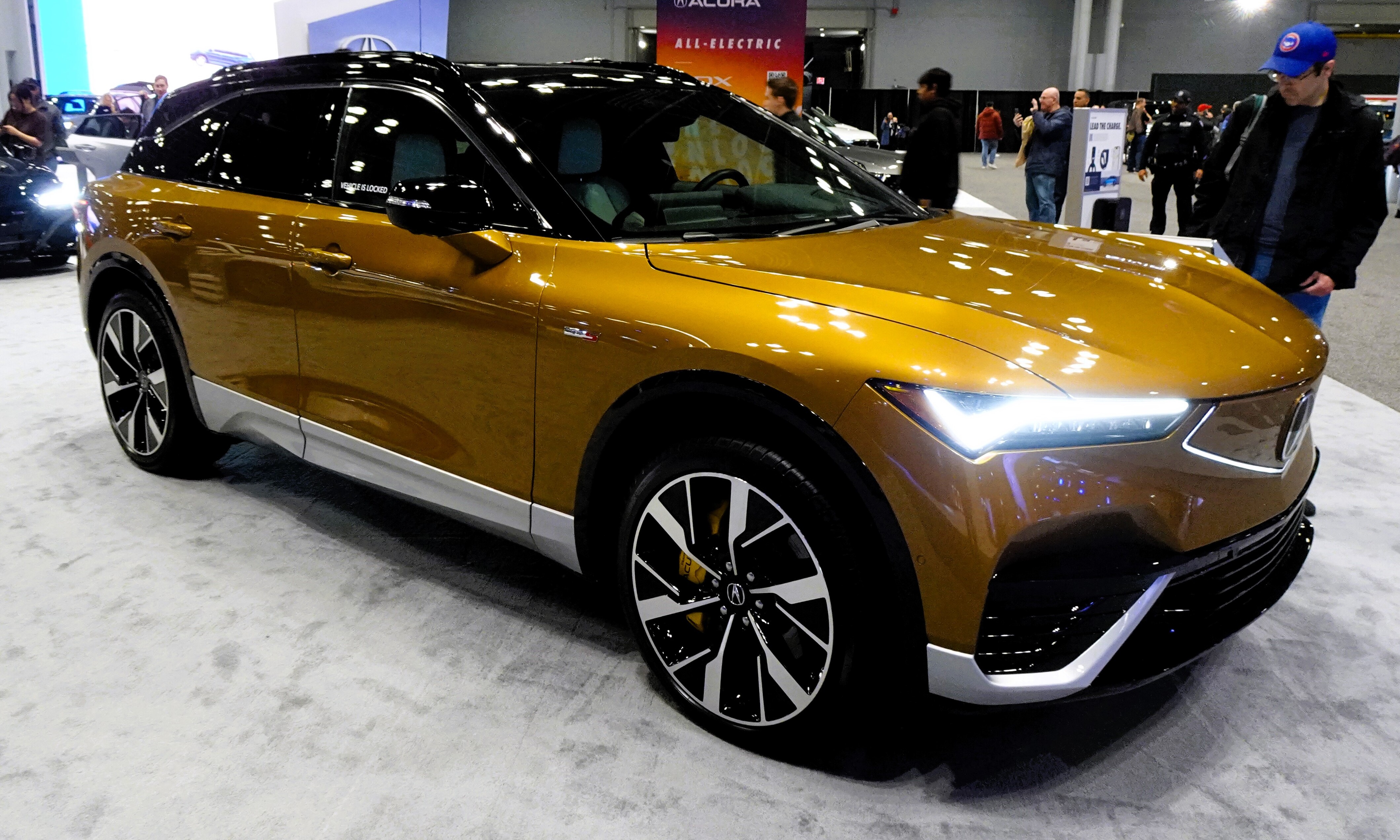
The Acura ZDX Type S is a higher-trim, sportier version of the ZDX crossover. The hosts are talking about it like a real option they could buy, based on color and interior.
Cross-country shipping means you buy the car somewhere else and have it delivered instead of driving it home. They’re debating whether that actually saves money compared to making the trip yourself.
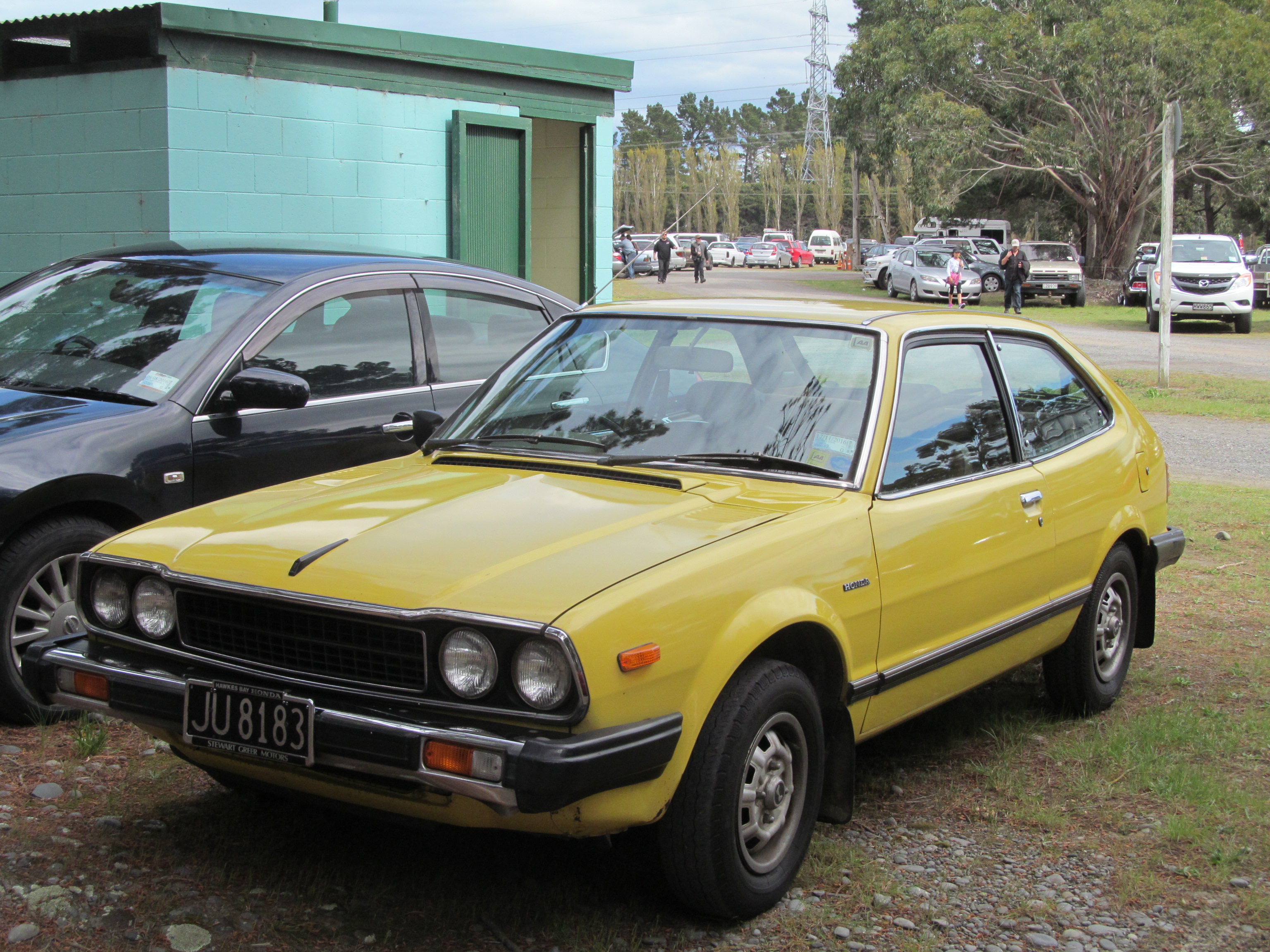
The Honda Accord is one of Honda’s most common cars. The hosts are saying Honda plans to delay major updates for it until after 2030, which could make it harder for the Accord to stay competitive.
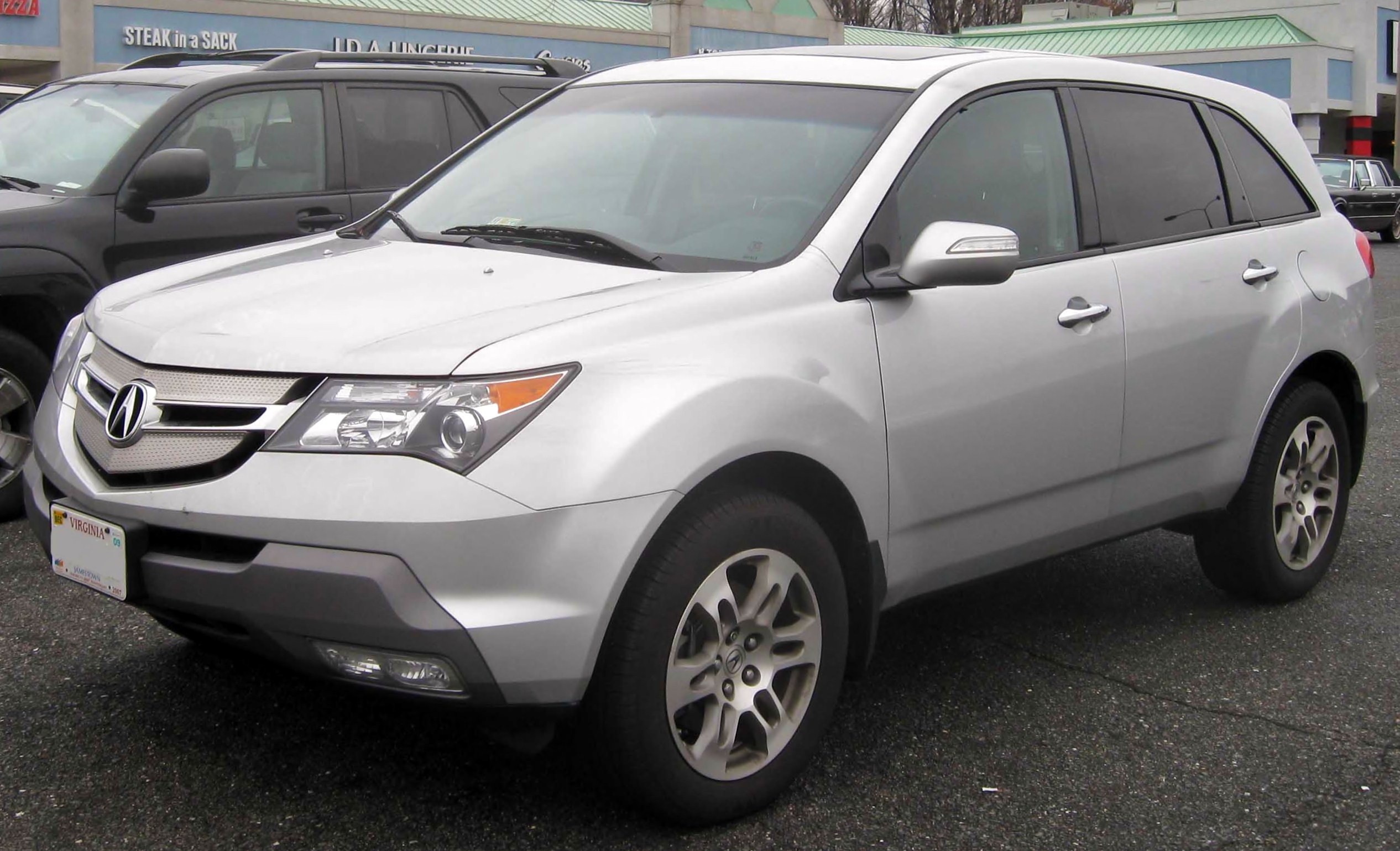
The Honda MDX is Honda’s larger SUV meant for families, with room for more than just two people. The discussion suggests Honda’s update delays could be a problem for it, especially if the MDX needs newer hybrid technology to compete.
The Acura RDX is a smaller luxury SUV. The hosts are saying Acura has paused building it and expects changes later, likely including a newer hybrid-style setup to keep it competitive.
“Hellcat” is a name Dodge uses for its very high-performance cars. The host is saying the MDX isn’t trying to be that kind of super-aggressive performance machine.
The Challenger is a sporty two-door car made by Dodge. In the episode, it’s discussed as a performance option that isn’t necessarily the most extreme version, but still aims to be fun to drive.
“EV models” refers to battery-electric vehicles (fully electric cars) and their specific model programs. The hosts are discussing product timing—how pulling back or delaying EV model readiness affects consumer choice and competitive positioning.
General Motors is the big automaker that owns brands like Chevrolet. The point here is that GM’s lineup choices affect what kinds of electrified cars are available right now.
The Prologue is Honda’s electric SUV. The episode says Honda plans to keep it going and continue other electric models too, which matters if you’re waiting for an EV to buy.
Battery management is the system that watches the battery and makes sure it’s charged and used safely. It helps prevent damage and keeps the battery cells working evenly.
A joint venture is when two companies team up to work on something together. Here, the host is saying Honda could have continued collaborating instead of backing away.
Battery factories are the plants that build the battery cells and packs. The idea here is that sharing manufacturing capacity can solve supply problems faster than just buying parts.
In Formula 1, teams don’t just build their own cars—they also rely on partners for key technology. An “engine partner” means the company provides the engine that powers the race car.
A “technical partner” is a company that helps a racing team with important engineering work. In F1, that can mean supplying parts or expertise that affects how fast and how well the car works.
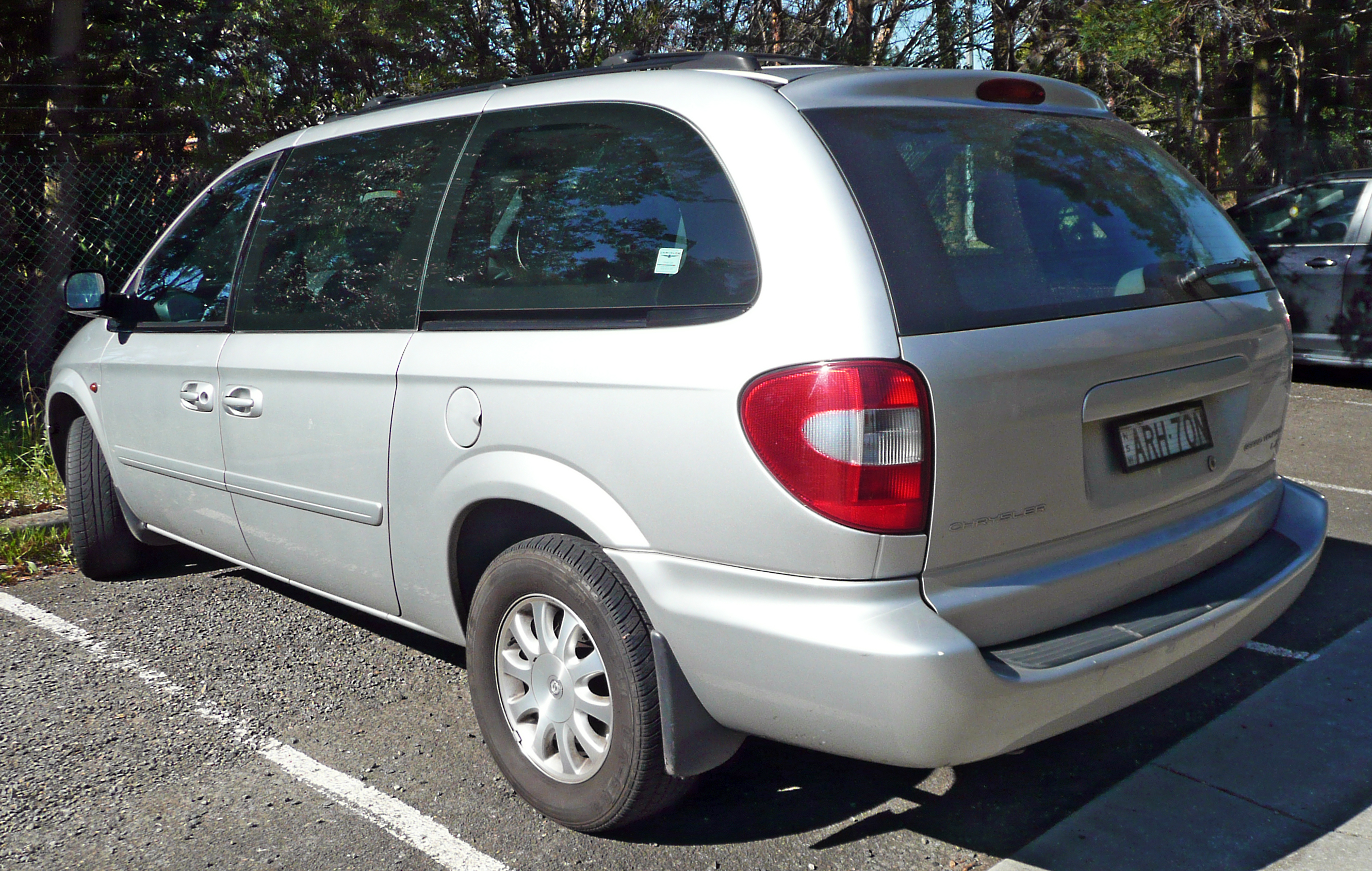
The Honda Odyssey is a family minivan. They’re talking about whether Honda might reduce or stop selling it in the US, and how other minivans and hybrid choices could change the market.
The Hyundai Staria is a van model. They’re talking about rumors that Hyundai could bring a next-generation version to the minivan market, which would make competition tougher.
The Pacifica is a minivan. In this segment, the host is talking about a future 2027 update that changes how it looks on the front, and how Chrysler is branding it.
The Wagoneer S is an SUV model. The host is basically asking why that SUV got a certain approach instead of Chrysler putting the same idea into the Pacifica.
Instrumented testing means evaluating a vehicle using data-logging equipment—so results like efficiency, acceleration, or real-world behavior can be measured more objectively than by feel alone. The host says they did instrumented testing on the RAV4, implying they gathered measurable performance/efficiency data.
A tire’s compound is the rubber formulation, and “grippier” means it’s designed to generate more traction. Changing to a tire with a stickier compound can improve handling because it helps the tire maintain grip during acceleration, braking, and cornering.
This is a Volvo XC60 that can drive on electricity for a while, but it also has a gas engine. The host is basically saying it’s one of the better plug-in hybrid options in the U.S.
The XC90 plug-in hybrid is a big Volvo SUV that can use electricity sometimes, but it also has gas power for longer driving. The host is saying it’s among the better plug-in hybrid choices.
A tax credit is a government incentive that reduces the amount of income tax you owe (or can sometimes be claimed as a refund, depending on the program). In plug-in hybrid discussions, it can materially change the effective price of the vehicle and whether the plug-in version is worth the extra cost.
The Sportage is a Kia compact SUV. The episode mentions it because some versions can qualify for tax credits, which can make a plug-in hybrid easier to afford.
A battery pack is the set of rechargeable cells and modules that stores electrical energy in a hybrid or electric vehicle. In plug-in hybrids, the extra battery weight can reduce acceleration unless the powertrain compensates, which the host says is why the “extra power bump” exists.
The Mazda CX-50 is a compact SUV, and the host specifically compares the RAV4 to the CX-50 turbo. This is used to argue that the RAV4 plug-in hybrid’s acceleration advantage holds up even against turbocharged competitors.
The BMW X3 is a compact luxury SUV, and the host uses it as the benchmark for speed in this comparison. The claim is that you generally have to step up to a BMW X3 (or similar) to beat the RAV4’s performance in the small-SUV category.
The RAV4 is a compact SUV from Toyota. In the episode, they talk about a plug-in hybrid version and compare its price to other non-plug-in options, which helps shoppers decide what’s worth it.
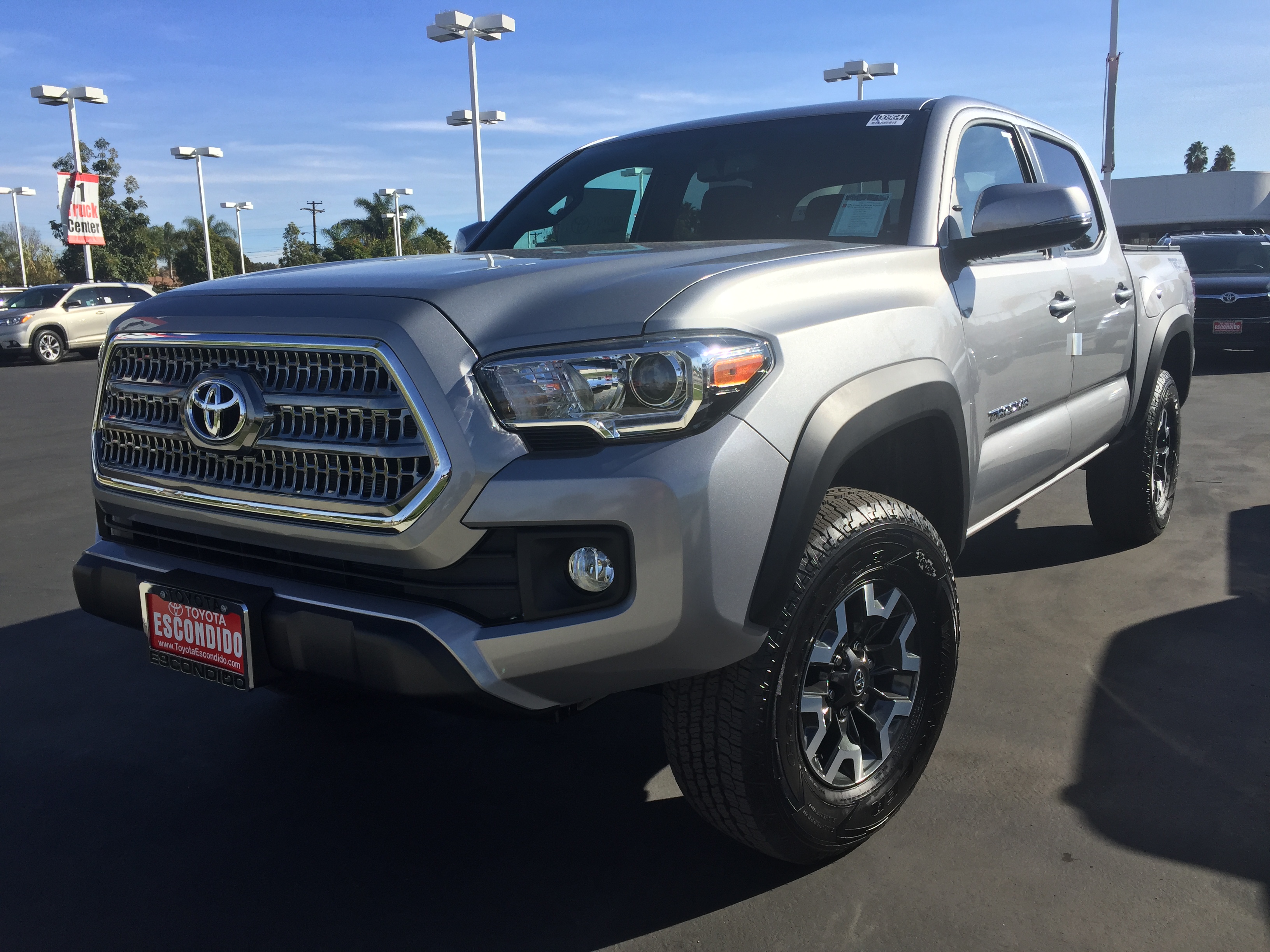
The Tacoma is a pickup truck made by Toyota. It’s built for hauling and everyday use, and it’s often compared to other Toyota vehicles when people talk about fuel economy and real-world expectations.
EPA numbers are the official fuel-economy estimates you see in ads and on spec sheets. The point here is that real driving often doesn’t match the test results exactly.
The Land Cruiser is a large Toyota SUV designed for both road trips and rough terrain. It’s brought up when people compare it to other Toyota vehicles, including how efficient it is compared to the ratings you might see.
The Toyota Prius is mentioned as a benchmark for efficiency. The hosts are saying some Toyota models can do better than the EPA estimates in real driving.
The Corolla Cross is another Toyota crossover they bring up in the same efficiency comparison. They’re implying it can beat the EPA fuel-economy expectations in practice.
The Tesla Model 3 is one of the most popular electric cars, so it’s often used as a reference point. They’re basically saying the RAV4 plug-in is becoming the “default pick” in its group.
The Tesla Model Y is another benchmark EV in the conversation, paired with the Model 3. The hosts use it to emphasize how the RAV4 plug-in is expected to dominate recommendations the way these Teslas do in EV discussions.
Destination is the delivery/shipping cost to get the car to the dealer. It’s part of the price you’ll see when shopping, not just the car’s base sticker price.
Payback time is how long it takes for the cheaper-to-run costs to offset the higher purchase price. They’re saying the savings could start paying off in a little over four years.
Independent rear suspension helps each rear wheel react separately to bumps. That usually improves grip and ride/handling compared with a simpler rear setup where both wheels move together.
They’re talking about a previous Audi plug-in that only went about 18 miles on electricity. That’s why some people might feel skeptical about plugging in—until they see a car with enough EV range for their daily drive.
The Mitsubishi Outlander is being used as a comparison car. The hosts are saying it doesn’t get as efficient results in hybrid mode as the Toyota does in electric mode.
A Level 2 charger is a faster EV charger you might install at home or find at parking lots. The point here is that you may not need one because the car can cover your daily driving on electricity.
This means charging from a normal home outlet instead of installing a special charger. The hosts are saying it’s easier for everyday people to charge the car.
Front-wheel drive means the front wheels do the work. The hosts are saying many budget EVs use this layout, but it may not feel as engaging as rear-wheel drive.
The Mustang is a sporty car from Ford. The episode mentions it while talking about plug-in hybrid options, meaning some people are looking at electrified versions instead of only gas-only models.
The Toyota Crown is a Toyota model name that’s been around for a long time. The host is basically saying the Crown doesn’t quite fit the needs of the buyers they’re talking about.
The Ford Explorer ST is a performance-oriented trim of the Explorer, positioned above the standard models. In a comparison like this, it’s being used to represent a sportier, more powerful alternative to the more efficiency-focused plug-in hybrid segment.
The RAV4 is a popular SUV, and in this segment it’s being called the best plug-in hybrid choice. The idea is that it’s efficient and still feels strong enough compared to other options.
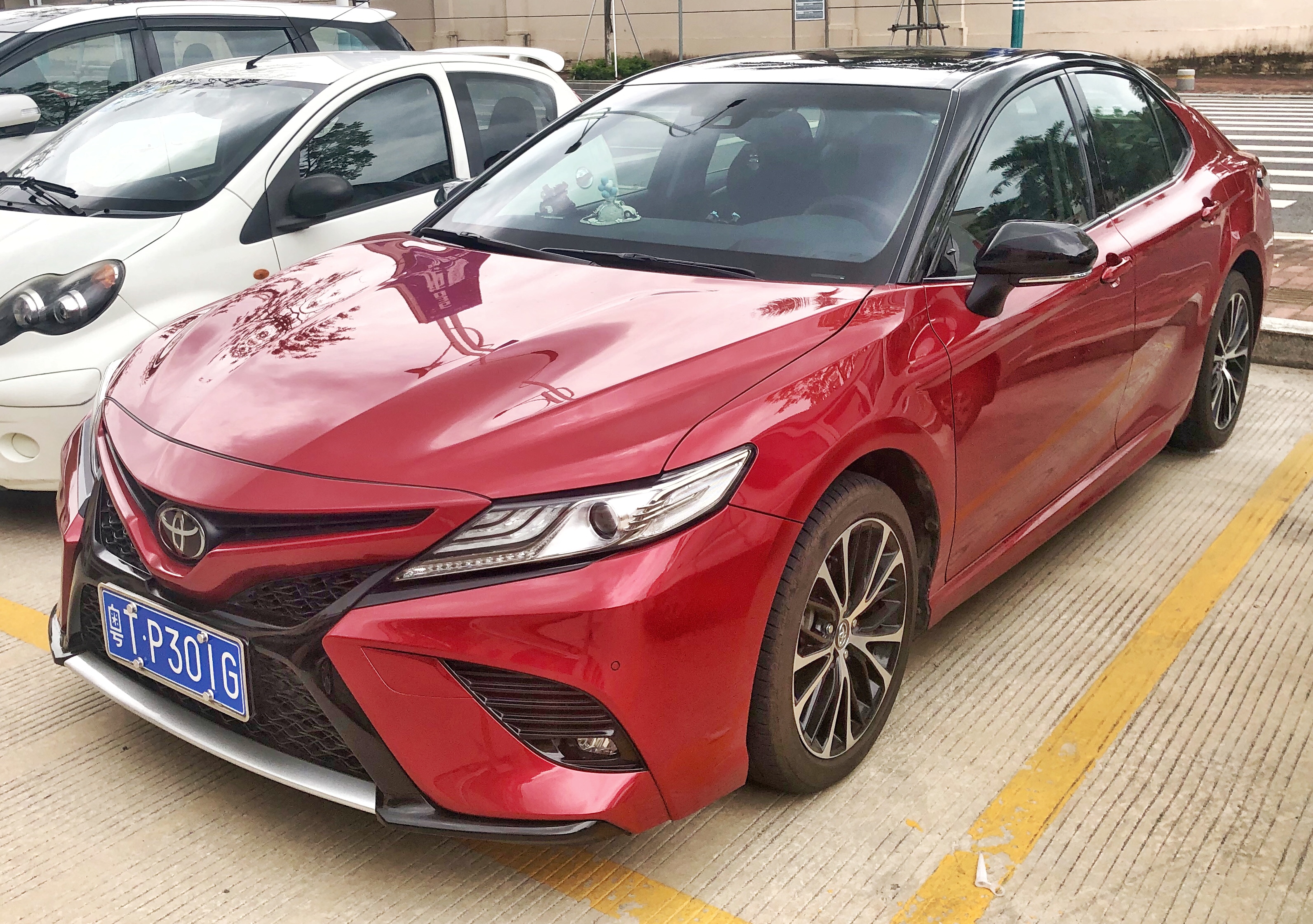
The Camry is Toyota’s regular midsize sedan. They’re wondering if Toyota could put the same hybrid setup into it without losing space for passengers or luggage.
The Sonata N Line is a more sporty version of the Hyundai Sonata. The speaker is using it as an example of another car you could drive more aggressively.
Miles per gallon (MPG) tells you how efficiently a car uses gas. Higher MPG generally means you spend less on fuel, especially when you’re not using electricity.
The Nissan Rogue is a popular SUV people buy for commuting and family use. Here, they’re talking about why it’s taking longer than expected to get to market.
Nissan’s e-Power is a hybrid system where an electric motor moves the car, and a gas engine mostly generates electricity. It’s meant to drive more like an electric car than a traditional hybrid.
The EPA cycle is the official testing routine used to calculate the fuel-economy numbers you see on the label. Your actual driving can come out different, depending on how and where you drive.
Fuel economy numbers tell you how far the car can go on a certain amount of fuel. City vs highway numbers are different because stop-and-go driving uses energy differently than steady highway driving.
DC fast charging is the “quick” charging method for EVs. It can refill a battery much faster than regular charging, but the host says plug-in hybrids usually don’t benefit as much because they don’t have a long all-electric range.
Charging etiquette is just the “be considerate” behavior at public charging stations. The idea is to avoid blocking fast chargers if other drivers with EVs might need them.
Level 2 charging is a faster way to charge than a normal wall outlet. It usually uses a 240-volt charger and can refill a plug-in car’s battery in a few hours.
Kilowatts are a measure of how much charging power the charger can deliver. More kilowatts usually means faster charging, but the car and battery can limit the actual speed.
The TX is a vehicle name mentioned in the episode as part of a lineup comparison. The host then points to a Lexus TZ as the current comparison point to help explain which vehicles are being compared to the Highlander-type category.
Car
Lexus Highlander
The Highlander is a common family SUV model, and the hosts are using it as a reference for where the Lexus TZ fits. That suggests the TZ could be aimed at people who want a larger, family-friendly layout.
A “three-row EV” is an electric car with seating for more people—usually three rows of seats. It’s meant for families or groups, but it can affect battery range and overall size.
Car
Lexus BZ
Lexus BZ is one of Lexus’s electric vehicle models. The hosts are saying Toyota learned from early versions and made changes after the first attempt.
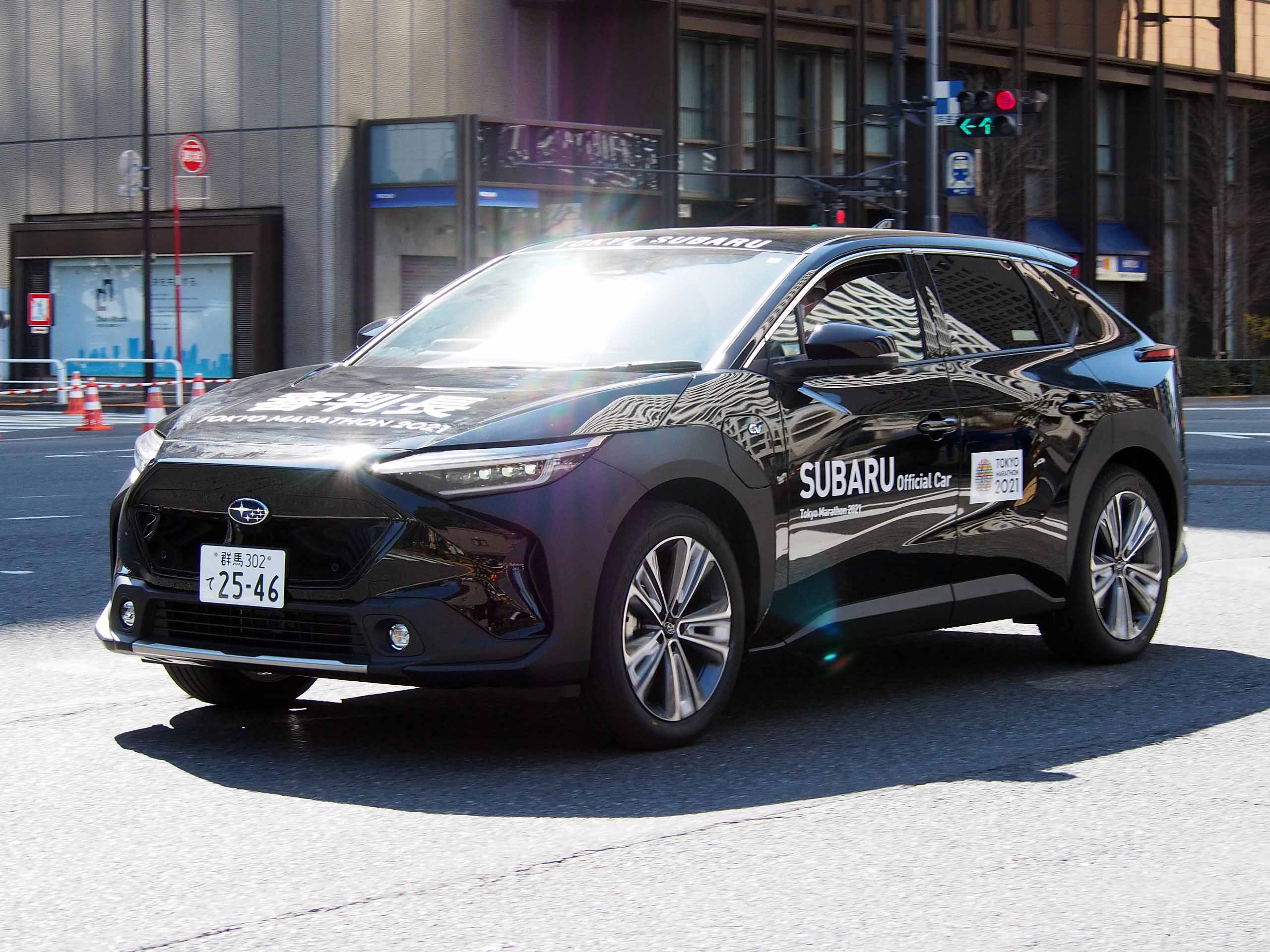
The Solterra is Subaru’s electric SUV. In the episode, it’s mentioned as an EV that came from an earlier idea and then got adjusted, because the first version didn’t work out exactly as planned.
LIVE
Welcome to another episode of the auto buyer's guide podcast.
Today, we're going to be talking about child safety seats.
We're going to be talking about the death of the two-door vehicle.
And speaking of death, what exactly is going on at Honda delaying four of their
most important vehicles for another four plus years?
And then we're going to dive into used cars.
What could you or should you get for under $10,000?
So Travis, I'm not driving a Volvo EX60 this week.
Are you, are you driving a Volvo EX60 this week?
I, I, I'm not, and I didn't, and I probably won't be for a little while, unfortunately.
Sorry, I'm apparently putting my caddy cap on right now here.
Listen, it's a good way to start today, depending on what you're going for.
But yes, the, the first drive global program for Volvo's new EX60,
arguably their most important product launch in quite some time is going on
in Europe and somehow our invitation got a little bit lost in the mail.
And I'm tiny bit salty about that.
But mainly because I am really considering an EX60 for the next family vehicle
since the Blazer EV lease is up in June.
And I don't know where that leaves us.
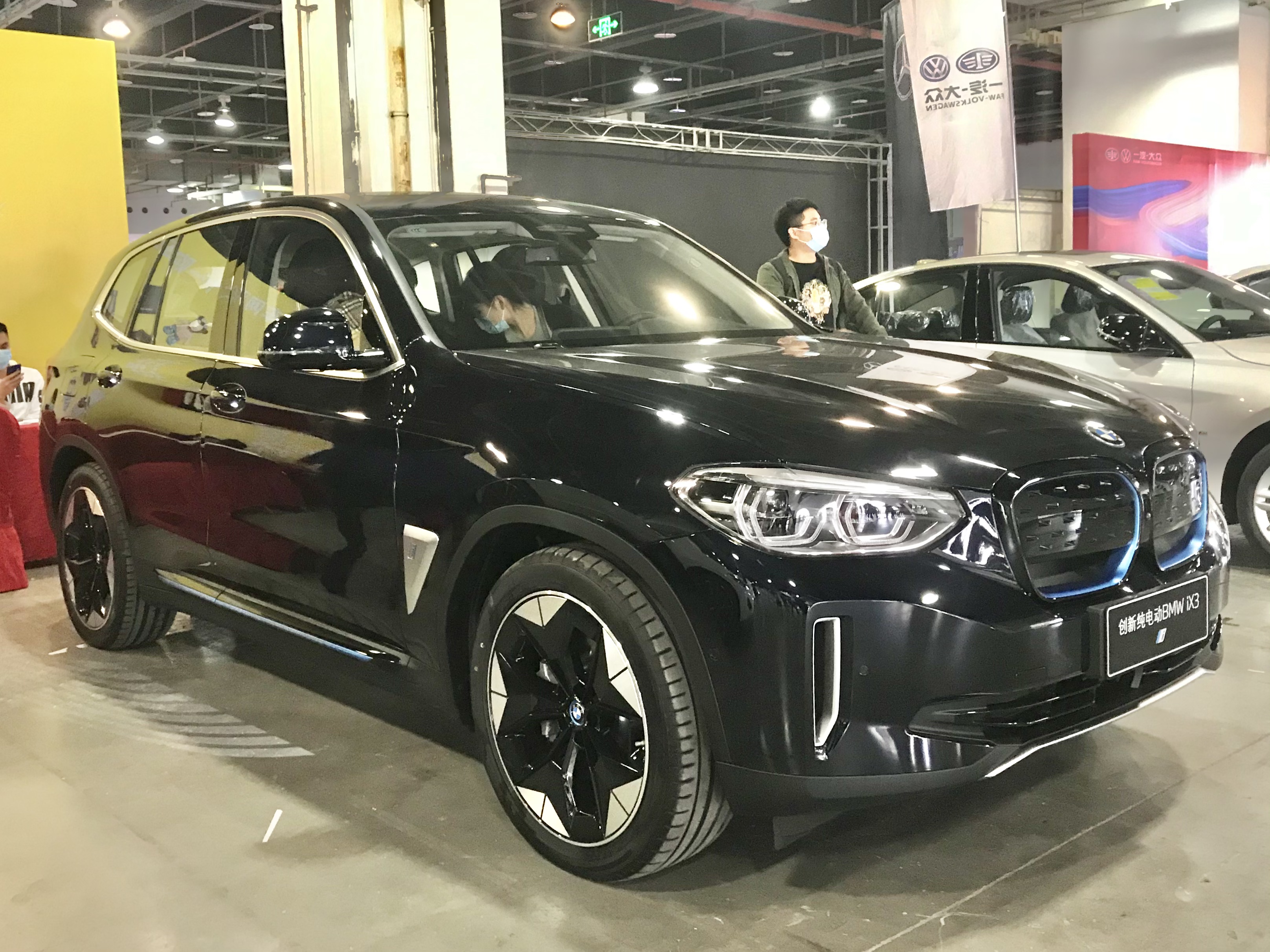
Does that leave us in an IX3?
Or a Polestar or another Blazer.
Another Blazer.
And I, you know what?
It's not a bad idea, but it's so not exciting.
I'm like, we can't go to the Blazer.
We got to do something different there.
Or do I find a lightly loved Acura ZDX Type S, which is basically the Acura Blazer?
Yeah, I found one in my area for 34-2, not a Type S, but still MDX or ZDX, excuse me,
for $34,000.
I found a ZDX in that sort of a bloody puss color, tiger eye, whatever,
which I absolutely love.
People hate that description, but that's what reminds me of somehow
that gold knee color thing.
Yeah, absolutely fantastic.
I would own one of those if I could get it through the approvals committee.
It's a Maryland, it's 34 for a Type S with the light colored interior and super crisp.
I don't think I would road trip that somehow.
No, no, no.
It does charge faster than our Blazer.
But I mean, hey, it would A, put miles on it and B, cross country shipping is
actually not too expensive.
No, no, it is.
If you want to do it for an adventure, go for it, but it's not really cost savings.
Even if your flights are covered, we have a bunch of miles.
If our flights are covered, you're still having to do hotels and you're charging
and your food and your time, right?
What else could you do with that?
And my daughter can only sit in her car seat without screaming for about 45 minutes
to an hour.
So I'm going to go with that would probably be three to four days of eight
to 10 hours of screaming.
Yeah, yeah.
So not worth it.
You'd pay to not do that.
I mean, that's, that's how that one comes out.
Yeah, plus, plus charging.
Yeah, but it turns out that Honda's EV woes are not just sticking with their
EVs, they are having roll on effects, aren't they?
They are, they are.
Honda is delaying the Odyssey, the Accord, the HRV and the MDX until after 2030,
which is a wow.
Anyone taking notes, that's a lot of cars, cars that have not been
updated significantly in the last couple of years.
So that is really stretching it.
And it adds to the whole, they're not building the RDX right now.
And we have to wait a couple of years to see what changes with that.
It has got to come out with a hybrid.
Otherwise they are, I mean, almost like stick a fork in it, right?
But that's a lot of cars now getting updated.
It is, it is.
And it indicates that these products, their Odyssey especially is already
getting pretty darn old.
And let me separate that a bit, I guess, just in my personal thought.
Let me know how you follow along with this one.
I think it's a big problem for the Odyssey and the MDX.
The Accord, I really like, I think they can actually keep that around for
quite a lot longer.
There aren't very many sedans to choose from.
If they just, you know, made the hybrid system more available, gave it a
little bit of a freshening, tweaky tweak here and there, bigger screen,
whatever, call it good.
That'd be just fine.
I think the Accord is also really pretty.
And the HRV, that's a really cost conscious segment.
So I think as long as it is, as long as it gets cheaper, that would be the
solution there for having to hang on to 2030.
But Odyssey and MDX.
I mean, those are, you know, the Odyssey isn't the flagship of the MDXes.
And the MDX is already falling behind in a number of different categories, right?
It's, it's got a performance model and it's a good drive, but is a performance
oriented model really pushing that segment?
It is a three row vehicle.
And, and it's, and it's not a Hellcat style performance, right?
This is a much better to drive than it is on paper.
And that's still one of those.
You got to get him in the car for an owner to experience that.
The Odyssey is already falling behind.
It does not have a hybrid.
It does not have all wheel drive.
So what is it?
Well, I think it's a good looking vehicle.
And I think it drives nicely.
And I think there's tons of space inside.
And that's the minivan, to me, seems like one of the things you can stretch
out the longest, right?
That also has the eyebrow raising safety scores.
Right.
And, and so it actually raises the question, why pull the plug on all of these
EV models when it's not like you're ready to go with everything else anyway?
And, and it's, it's not an exact corollary, but Chevrolet General Motors is
in a position where they right now in the United States have no hybrids
and no plug in hybrids at all, but they do have a full line of just refreshed
or ready to be refreshed, you know, continuing pipeline of standard internal
combustion products.
And yes, they've just pushed back some of their full sized truck work on the
EV side, but that makes sense, right?
That really does make sense, but they still have a full EV line that is leaps
and bounds above or something like Honda is.
And you look at, you know, what people are going to shop Honda against
is Toyota and Toyota just introduced 34 new EVs, including one we'll
talk about in a minute, and that's over on the Lexus side.
And this Honda's decision here strikes me as, as hubris and bad planning
combined, because if, if these things aren't going to be ready for another four
years, that indicates to me that the redesign has only just barely started.
That maybe they started this redesign process a year or two ago, because the
typical design process tends to be on a really short order, maybe five years on
the average order, more like seven years from, you know, defining what this
redesign is going to do for you to starting the engineering and the focus
grouping and, and everything that goes into actually getting that vehicle
out the door is, is a pretty long process for most traditional auto manufacturer,
especially for a manufacturer like Honda.
So that means that means they, they hit that delay button quite some time ago
in a very deliberate fashion.
Yeah.
And we're all those resources pushed towards EVs.
And then if that was the case, what, what, what came of it, right?
And the answer at this point is nothing.
And are we looking at that's a blame game, not competitive right now?
Like, do they not have the resources they need?
I have this feeling that that's also a blame game because the articles don't
cite any sources at Honda.
This, this is the people, people out there pontificating about why these
might be delayed saying, well, it's because of Honda's EV push.
But I have to say two things on that one.
A, if that's true, then they have such narrow engineering bandwidth that
it's insane because they didn't really have a big EV push.
They had two, maybe three models.
It was one platform, you know, sedan wagon, SUV looking thing, and then
an Acura variant.
So I guess 44 total, you know, and, and if, but all very
closely related, all sharing the same platform.
If you can't do that, if you can only do that, and you had to put
everything else on hold for that one thing, then you shouldn't have done
it in the first place.
If, if this was truly a bandwidth issue, then it was hubris for Honda to
delete the agreement with GM.
They should have stuck with that agreement and said, you know what, we're
going to continue the prologue and we're going to continue the ZDX and we're
going to, we're going to redesign them.
We're going to build them in a Honda factory to Honda development standards.
And then we're going to share technology where it makes sense.
We're going to share batteries and the battery management stuff, the
expensive core stuff.
Um, they could easily have done that with the next generation product and
just shared old team batteries, bought the cells, you know, et cetera.
They could have bought into the joint venture.
So it didn't look like, Hey, we're just buying cells.
They could have said, you know what, we're going to, we're going to prop up
one of these battery factories.
Why don't, why don't you GM, you're having a volume issue.
Why don't you sell us one of your battery factories?
We'll continue this joint development.
We'll get deeper into the trenches and this thing and learn something.
Um, but yeah, it's just such an odd one.
And MDX is, is pivotal for Acura, but volume wise, Odyssey is more important.
Yeah.
And, and I, and I kind of want to bring it in, uh, from a motorsports perspective.
And I only do that because Honda had this big deal with, uh, in Formula one over
in Red Bull, and they won a bunch of championships with them.
And then there was a, Hey, Honda's out Ford is in as the technical partner,
the engine partner.
And then it was, yeah, Honda's not going to be here producing engines, but now
they are, and they're doing it for Aston Martin, Formula one.
And honestly, that is not going well by any, any stretch of the imagination.
And it's sort of a Honda pulled back from Formula one because they said, Oh,
it doesn't make any sense.
And then their car went in one, uh, the year after basically their whole design.
Now we're going, what, what is happening with Honda's resources?
Obviously it's not going to tank the company because they're investing in
motorsports here or motorcycles over here or, you know, whatever.
But like, what is going on over there?
Because the last Honda product reveal I went to, if I'm not mistaken,
I want to make sure I'm accurate with it.
But the last thing I went to was I'm showing off a camper.
Yeah.
And I have a feeling that, I have a feeling that there's a little bit of hybrid
Odyssey, right?
I have a feeling that there's a little bit of, of scatterbrain going on there.
They're just, you know, re investing in things randomly here and there.
The, the funny part of it is Honda definitely has the cash to do the investing.
It's not like they're, you know, riddled with debt burden that way.
Like some car companies are, um, I think they're just playing it too cautious.
The other part of this, I will say though, when I started looking into their
numbers in 2025, I think they have a big problem in China that they're also trying
to counter here because their sales were down about 24% in 2025.
Pretty significant drop.
Um, and when you look at their sales in China, what's it, what is selling now?
CRV and Accord are selling in decent volume.
Actually CRV is selling really quite well, about 270,000 units split between
their two joint ventures, which is the tricky part.
So these joint ventures are only half owned by Honda, approximately half
owned, and they have two of them, one with GAC and one with Dongfang.
And the, the CRV is the crown jewel there, but its sales have been down since, uh,
you know, it started its first run there.
And Accord, they're selling about 130,000 units in China.
Not a lot for a market that likes sedans generally speaking.
And I think that's because of their, their lack of, of, uh, EVs.
Suzuki is a bigger car company than Honda is.
Which is crazy considering.
I mean, we are not the end-all be-all as much as we, the US would like to be,
but what Suzuki model can you buy in the US right now?
You know, like a Suzuki dealer?
It's also a larger car company now than Honda, interestingly.
Yeah.
And those are a lot happening.
And again, I, I don't think we mean to brag on Honda.
Some of this is one of the headlines where people talking about, but, but that is a,
that's a, a huge segment and also a huge identity, right?
Accord is a little sad and concerning.
Odyssey is a big, you know, Honda is a family product company.
And okay, we've somewhat got a redesigned pilot and passport.
So those are going to be more important than the Odyssey.
Honestly, you know, we know that, but Odyssey is still there at this point.
How long to the Odyssey just doesn't exist.
And that would be crazy just from a, just from a market standpoint.
You go, Honda, it has been, has built off of its family friendliness.
And we're going to, I don't know, I think we're looking at losing
minivan in the next couple of years, you know, 56 years, but still.
And I think the bigger problem there in a way is that they,
they're hybrid systems that they do have, because there is a hybrid Odyssey
somewhere in the world, just not here because they say it's not appropriate
for the US market, which I probably agree with.
It's a little on the underpowered side for the US market, they believe.
We don't, we don't, we don't like that.
Yeah.
The, the problem I have a feeling for Odyssey is going to be if we actually
see continued development of Carnival, which is really rising in sales volume.
And if we see Hyundai join the minivan party, as has been rumored with somewhat
next generation Euro funky Staria, that could be an interesting twist.
The Sienna is probably the toughest competition for Odyssey.
It's relatively new and Pacifica's, you know, dying on the vine itself, you know,
so I guess Odyssey is fine in the Chrysler portfolio.
And I got to tell you that that keeps blowing my mind.
So I'm going to pivot there for a second because it was New York, I think, where
we looked at the, the new 2027 Pacifica, I think it was never before seen Chrysler
has a new nose on their only model.
And they did a new nose because they have a new logo.
But why in the world are you doing a new logo rather than a new model?
It just call it the forget Chrysler.
The company is now called Pacifica.
And that's all that exists because I got rid of the Voyager, which I thought
was hilarious, which is just the, it was the Ram classic of Pacifica's, right?
So just call it Pacifica.
And, and then you have your different Pacifica models, although there is no
difference in the Pacifica models.
There is no plug-in version these days.
Or, you know, you know what though?
You know what?
I'm ready for the, the Stellantis Pacifica e-rev.
Let's do that.
Like, like you want to, you want to make waves with the new product, put
the e-rev system in that Pacifica.
I don't know.
Um, and, and, and why, why that Wagoneer S was not a Chrysler product.
It will continue to baffle me because again, you have a freaking car.
You have one car.
And you could have, you could have made it look the exact same and just
changed the grill and said, this is a Chrysler.
And they go, okay, cool.
Especially since Jeep has the Recon thing.
Cause Jeep's trying to have the two EVs.
Like one's fine for you.
Make that a Chrysler thing.
They're sold at the same dealer anyway.
I know.
Uh, like I said, it's not just a Honda issue.
We go, what is happening out here?
How do you have a brand that sells one model?
And we're not talking about a, a boutique experience here.
It's here's your freaking Pacifica.
Enjoy.
I have to admit the killing off of the plug in hybrid as much as it saddens me is
a very logical thing to do.
Right now I'm driving the RAV for a GR sport, which I think is chef's kiss.
Fantastic, to be honest.
Um, something I did not expect, expect to say that, to be honest.
Because when I first saw it, I was like, what's the point of this thing?
Like, I don't get it.
Um, well, who does it make sense for?
But actually after having driven it and done our instrumented testing on it,
I'm starting to get it zero to 65 seconds.
It does stop shorter than the regular hybrid RAV, even though it weighs about
600 pounds more cause the tires.
So the tires are doing a lot of the heavy lifting better handling sport.
That's how different tires, not like a world of difference, but they are
better tires.
Same similar size, grippier compound actually makes a whole lot of difference.
So good example for people out there that want to take their car to the next
level handling wise, just swap in some better tires.
And these are not even fancy, fancy tires.
They're Dunlop SP sport tires decent, but like not, not, you know, sport
not performance, right?
Not a sport cup tire, you know, from Michelin.
Anyway, so, but the zero to six time fantastic, we actually were getting
about 40, 49, 48, 49 miles of EV range out of it.
It's the lowest EV range rated plug-in, but fuel economy wise, we were way
over indexing EPA were running around 41 miles per gallon.
Yeah, the thing to me though is I, I think, and I challenge you to think
of another EV that makes more sense than these pairings.
I think the only plug-in hybrids in the United States that are currently
on sale here that actually makes sense are the RAV4 plug-in hybrid, the
Volvo XC60 and XC90 plug-in hybrids, and that is it.
And the reason they make sense is because because they're attempting to
make these vehicles the performance alternative and they have priced them
similar to performance entries from the competition rather than simply
as a plug-in hybrid.
So if you look at that, so like bear with me for a second.
So if you think of, especially Hyundai and Kia, because Hyundai and Kia
really went into the plug-in hybrid game, and I don't mean to rag on them
because I have said many times I would buy a Hyundai Kia plug-in, but that
was with the tax credit because in the before times, a Sportage or a
Tucson plug-in had very little compromise, but you got the tax credit on it.
And that meant that you could either buy it in that window when that existed
there, or you could lease it for the same rate as a regular hybrid and you'd
save some cashola on your daily drive, buy it out at the end of the lease,
still saving, right?
And have a little bit pepier jump off the line, a little more power.
Minor, just very minor.
The extra power bump is largely to compensate for the added weight of the
battery pack.
But without that tax credit, you would probably be dead by the time you
quote unquote saved money on it.
The RAV4, though, that's different because the RAV4 is the fastest entry
in the segment.
So that puts it in this whole desirable category all in its own.
Being like, ooh, that's the fast one.
Even if you don't charge it, it is still going to be faster than a CX-50
turbo, faster than any other turbo in that segment.
In fact, you have to go BMW X3 or similar in that category before you are
faster in a small SUV than this RAV4, which is not so, right?
And you don't have to get the GR Sport to do that because it's the same
power train in all of the plug-in options.
They expanded the plug-in options available so you can do that in the
woodland if you want the off-road trim.
And you can do it in the, oh gosh, what's the other, what are their
sport trims?
It's the, oh, the, the SE XSE woodland, SE, those are the ones.
XSE is what I'm thinking.
Yeah, so you can get a loaded up version or you can get a somewhat unloaded version.
And the big thing that's I think interesting here is that when you look
at the pricing, importantly, it is not much more expensive to get a base plug-in
hybrid RAV4 versus a base turbocharged CX-50.
And like for like feature for feature, I think it actually compares strangely well.
And it's not just about the performance.
You're also getting enormous efficiency that comes along with it.
These, it's such a weird world where Toyota has two entirely different hybrid systems,
hybrid and plug-in hybrid, because they're going to lump together.
You have the truck ones, which you get in the Tacoma and the RAV, or the
forerunner and the Land Cruiser.
And those do not get anywhere near the EPA numbers that they say they will.
Or, you know, it's not like worlds apart, but they don't hit it.
In real world driving, you're not going to get it.
And then you hit the RAV4, Prius, Camry, you know, everything else, right?
The smaller crossover or sedan vehicles and the Corolla Cross, right?
And those will exceed those EPA numbers and still be pretty powerful.
I mean, would I immediately jump to buy a RAV4 plug-in?
Not necessarily, but by the numbers, it has to be on every single list without a doubt.
It's it's the new benchmark like the Tesla Model 3 and Model Y are.
It has to be in every conversation.
And it's strangely well priced.
$43,095 is currently where it starts with destination.
It tops out at $51,070.
So a fully loaded RAV4 is only about $6,000 more than a fully loaded CX50 Turbo.
But it will cost you an eye-popping $1,400 less to operate just on gasoline,
meaning that the payback time versus that Mazda is just over four years.
Yeah, which most people are going to keep it within a three to five year window.
Yeah.
So if and it's going to be more than a full second faster zero to 60 than that CX50
and actually handle better with an independent rear suspension.
And it is worth plugging in because you actually get decent performance in EV mode
and it has a range that says it actually makes sense, right?
What was it last week?
You're saying that Hyundai says the Onyc 9 driver drives 35 miles a day.
Well, guess what?
Your drive is now completely electric if you're driving a RAV4 in that situation.
And I'm someone who plugs in anything with a plug as much as I can within reason.
But if you're somebody who says, oh, it had, I had an A3 e-tron that had 18 miles of range.
There are going to be people who go, yeah, whatever, it doesn't matter.
It's only 18 miles.
I'm driving 35, I'll forget it.
This one you go, no, I'm plugging this thing in all the time.
Yeah.
And because Toyota decided to really focus on economy here with this vehicle,
it is notably more efficient in EV mode and a bazillion times more efficient
than an Outlander in hybrid mode.
So an 18 kilowatt hour battery gets you 50 miles of range.
That's a decent actual, you know, a bump there in efficiency over some of the other options.
It's obviously not like model three efficient, mind you.
In electric mode, but it means that the average person is probably going to be
able to do their daily commute without worrying about a level two charger.
You could just plug it into a regular wall socket and you'd be fine.
Regular 110, and that makes it so much more accessible.
And to your point, Volvo's done the same thing with the XC60 and the XC90 where you
actually get usable range.
I mean, it's over 20 miles.
So again, it feels like it's worthwhile to plug in.
And, uh, oh, do I mention 455 horsepower?
I mean, the thing flies.
And it's a weird driving experience.
If you're really pushing it, right?
Because of the way the power is split up and whatnot.
But if you are, if you're in EV mode, it's a rear wheel drive vehicle.
That's fantastic because all of your economy EVs out there, pretty much
all of them are front wheel drive, which is fine, but not the most engaging
driving experience for people who are looking for that.
So yeah, I don't, I don't disagree.
I would, a small part of me wants to throw the Prius plug in in there as well.
Um, but it's just so much less hard.
That's a harder sell.
Yeah, it's, it's, especially in that segment, if you can do the, if you
can do the Camry plug in, right, that would be, listen, Toyotas one, not only
they have EVs that are now competitive and strant and expand all the segments.
They also have good internal combustion options, but the hybrid market seems
to be where they have found their bread and butter, plus they're putting
plug in hybrids and the things that matter.
Um, no, what I would love, love is a, a grand RAV four.
If the RAV four was three inches longer in the midsection, I would probably
be just fine with one as a family car.
The problem is I just can't easily fit two child seats in the back.
That's, that's my particular problem there.
Do you, do you think in it?
Cause I'm, I'm on a Toyota's website right now.
I think the, the dark horse winner here would be if you can do a plug in
hybrid, uh, Crown Signia, because I love the, I love the Crown Signia's space.
I love a wagon and I like the way it drives in it.
And I like it a lot better than the Crown because the Crown is a little bit
weird for this market, but really what, what would be the, again, hand the
Crown move along again, it had to be in every conversation would be a
Grand Highlander plugin.
That would be the, yep, this is the Mac daddy of them all.
I think in that space, that space is trickier though, because there are
higher performance options and no, no plug in hybrid Grand Highlander is
going to take the fight to, you know, a Hellcat Durango or even an Explorer ST
or a Grand Cherokee.
If they resurrect the V eight or jam the, the twin turbo.
Which is just a matter of time, yeah, but, but in the segment that
RAV4 is playing in, there is nothing even close.
I mean, it is, it is a really wide gap, a huge gaping chasm, if you will,
between it and the next best performer in that segment.
And I think Camry would have that same, that same, uh, vibe.
If they could jam that system in the Camry without compromising the trunk
or the back seat, like it would be, yeah, cause nothing else is close.
You got, you know, a Sonata N line and, and you, you could, you could whip
that puppy easily with the plug in hybrid.
And I think the corollary with the, with the Volvo lineup is you
get in that segment, you also get performance that is similar to the
European other competitions in their lower to mid end engine.
It's not a BMW V eight competitor, but you also get 27 miles per gallon.
So even if you don't plug it in, you get the power and you get the
hybrid benefit of that.
That's basically what you get in the RAV4.
Yeah, I don't know.
Toyota's, Toyota's in kind of league of its own.
The only other thing that I'm thinking of, uh, in, in this segment is
the upcoming Rogue, the Rogue hybrid with e-power.
And I was having this conversation the other week, you know, why is, what,
what's taking the Rogue so long?
And we were talking about, you know, we had the opportunity to drive
the, the cash guy, the cash key, whatever, whatever the, the pronunciation
as I believe cash guy, yeah.
With the e-power system and Nissan said, and so far, Nissan's been pretty good
about, we're going to do this and it comes pretty quickly afterwards.
Um, we're working on e-power to make sure it's ready for this
market because the e-power system is very much like the Honda hybrid system.
I was in an e-power presentation for North America in 2018.
So, um, yeah, so it's a very similar system.
And they said, we are working on it right now to make sure that the deficits
you see at high speeds are less impactful.
But what they said, I want to know what that means, right?
And, and there's also a reality where people are going to shop based on the
sticker and the sticker is going to be tested on EPA cycle, which means it's
not going to account for yours.
65, 70, 75, 80, 85 mile per hour driving.
Um, so people will still buy it.
They'll just be a little disappointed economy.
I will say though, one thing that's beneficial for Nissan is that customers
that are buying plug-in hybrids may see the EPA label, but they don't
actually do anything with that information.
Otherwise they would not claim that an outlander is magically
efficient when it is absolutely not.
Yeah, but I, but I'm talking about regular hybrid, right?
Where it's just going to be, here's your fuel economy numbers.
And, uh, it would, it would be good city and it'd be decent highway.
Um, but is the e-power going to come in a little, a little, uh, you know,
daylight and dollar short, I think it's probably going to be paired up
right with the CRB hybrid.
But again, Toyota's taking this huge leap forward, uh, in their
hybrid system and their plug-in hybrid system.
And yes, they have a GR sport, which I do think is a little bit ridiculous.
And, and I'm, I'm looking at it going, who is this for?
Because who is, who is looking for a, uh, a practical or fun to drive
daily driver, uh, and is going immediately to Toyota.
And I don't mean that in a bad way, but like Toyota is not the most
interesting in the crossover segment.
There aren't a whole lot of interesting crossovers.
And then who's looking for, you know, the, the daily race car driver.
And it's like, I should get a RAV4.
Yeah.
But it's, but it's fun to look at.
And it's, it's just a, it's a little, I don't know, it's, it's a thought
experiment, right?
What, what sticks here.
And they didn't spend a ton of money on it.
And it's not a full GR model, but they did put GR on it.
So, yeah.
The weirder part there is that they didn't harmonize the charging
door location on all of them.
So if you get the base SE or GR sport, the plugs on the left.
And if you get the middle two models, the plugs on the right, and it has
a DC fast charge port on it.
No one needs to DC fast charge their plug in hybrid getting, getting 70%
of your 50 mile range, which is not a lot of miles for those that want
to do the math, uh, not a lot of miles in 30 minutes.
Not a great deal.
Just, just skip it.
Don't, that's a great at the grocery store situation.
And the grocery store puts in 50 kilowatt chargers instead of 250
kilowatt chargers.
And so they, they add, but like no one's doing that.
No, you're, you're an asshole.
You're an asshole.
If you, if you charge your plug in hybrid, I'm going to go on record
and say this right now, you're an asshole.
If you are in urban or suburban America in any place that has a collection
of EVs around and you are plugging your plug in hybrid and it's not the
dead of night and you're plugging your plug in hybrid into a DC fast
charge station where other people with EVs might actually need to use this thing.
No bad policy, bad policy.
That's a big conversation about charging etiquette, but I will tell you
when I drove that outlander plug in from, from the Bay area up to here.
I did just for curiosity, plug it into a level level or a DC fast charger.
And, um, I ended up like, did get an air and then I ended
up with like 13 kilowatts and I was like, that's level two charging.
I mean, obviously it's a little bit more, but, uh, it peeked out at
somewhere around the mid thirties and, and there's no world where it
makes sense, not real sense.
So yeah, I don't know why, especially since the RAV4 plug in has an 11
kilowatt charger in those mid trims, so it can charge that battery in about
two hours.
So, right, you know, that, yeah, but you know what is interesting?
Um, when we look at, uh, at Honda's trajectory versus Toyota, Toyota's been
doing RAV4, they've been doing Land Cruisers, this and that and the other
thing, everything all at the same time.
And somehow magically they have erupted into seven EV models in North America.
Well, and that's what I was going to say, you know, uh, we didn't get
invited to another event, but this one doesn't seem like there was an event.
It was just an announcement.
It was just sort of, hey guys.
Yep.
Yeah.
Lexus has a new EV and, uh, and honestly, this is one that makes a whole
lot of sense.
Uh, it's, they did not bring a Lexus CHR.
They did not do a Lexus woodland.
Um, although I wouldn't hate to see that.
Uh, no, instead we have the Lexus TZ, which is now the Highlander slash
getaway comparative.
Um, but with more interesting features, but there's still a lot of questions
on the full details.
Yes.
How far will it go?
How much power does it have?
How many seats does it have?
Don't know, but it looks like it might be six.
Uh, for the three row Lexus EV over 300 miles.
They're saying in some configurations, we don't know any of the details yet,
but it's going to come out soon ish after, of course, Highlander after
getaway we'll get TZ.
But for those that are counting here, we have, uh, the CHR, we have the BZ,
the BZ woodland, the Highlander, the ES, the TZ and the RZ from Lexus.
Then we have the four Subaru's that are related to this thing.
So really 11 EVs have just burst out of the seams here.
And what I think is actually more surprising than the sheer quantity is
that it didn't take Toyota too long to tweak the original formula with the
BZ and Solterra.
They were like, oops, that was, that was not quite right.
I mean a little under the bar.
Yeah.
And then they were like, eh, we can fix that.
And they actually fixed it enough that I was like, okay, price is right.
Yeah.
I mean, there's not, there was not a spot where I would have said, uh, in
my competitive comparisons, a BZ, four X or Solterra would have ended up.
It just, it just fell short in so many categories.
It was kind of the Nissan Leaf of the current generation.
I don't mean the current leaf.
I mean, oh, here's a new EV and now the leaf looks very old, very quickly.
And this felt like, you know, day late, dollar short, uh, behind the times.
And there, there's an argument.
There's still components that are behind the times, but it is so much more
competitive, so much more quickly.
And, and now we're leapfrogging off of that into all these new models.
Yeah.
And, uh, let's move on to our next viewer question here.
This one comes from Jason.
He's asking about coupes and two door trucks.
Talk about fitting second car seats in here and asking, you know, what's happened
to the, the days where the kids crawled in the back of the truck?
Why are there so few, uh, coupes and cross, sorry, coupes and two door trucks around.
He's wondering maybe if child seat safety laws killed the economy,
coop and the two door truck.
Um, let's start with what those laws are and why, like what, what the changes have
been because you need to have your kids in a seat of some variety for a lot
longer than you used to.
Yes, but importantly, not rear facing for too long.
Most states have a, have required this usually around two or so when you
can go forward facing, um, and then afterwards they need to be in a booster
state for a seat for some period of time, but a lot of parents with smaller,
narrowing family, it seems like there's also an interest now in more child
seat safety, whereas, you know, when, when I was a kid, especially they just, a
concerned more than average, there was not a lot for you to choose from.
Um, and there was also the social norm of you go on a road trip and the kids
are doing whatever the kids do in the back of the minivan with a little bit,
a little bit less care about what might be, be going down.
And let's, let's say that it's up to ignorance, just not the awareness of
the impact that seatbelts can have and making things better or society.
Yes.
Society marches on.
Um, and, but I think that the bigger problem is not really the car seats
themselves and the car seat requirements, because when, when we were facing
child seats really started coming on board the infant seats, et cetera, we
had cars that, that had a little bit more room, but not necessarily a whole
lot more room than we have now.
That's changed based on, pardon me here, driver preferences, um, sedans.
Used to be a little bit easier to get child seats in and out just because
they were, they were a little bit longer.
So the seating position was more relaxed.
There was more distance between one seat back in the other.
And in a crossover, being more upright, oftentimes that distance is a little
shrunk because you're sitting like you're in a kitchen chair.
So you can squeeze things a little bit more closely.
Um, think about sort of like an airline seat in, in that respect, getting a,
a rear facing infant seat in a modern airline seat can be a little tight sometimes.
Um, but I think the bigger problem actually is just the general death of,
of two door vehicles due to practicality.
People prefer to different format and the loss in extraneous vehicles.
You know, the family that has the third car, the weekend car, that's just
not happening anymore.
So I remember, you know, my grandparents weren't people of great means, but
they had a convertible because it was relatively affordable in the fifties.
And they could, you know, go out on weekends with the kids, jumped in the back
seat and the tiny little back seat that was there and go off and do whatever.
And that was much more of a thing when you looked at car sales and, and who was
buying the cars, the true middle class was buying more new cars.
They were less expensive.
Mustangs and, and Wranglers were seen as this ex, this, uh, optional vehicle
in the family, whereas now Mustang grew four doors because it turned from the
occasional use vehicle into the commuter that can also do off-roading things.
And the truck had to turn into the Camry with a pickup truck bed because you
couldn't afford to have a two door truck for work things on a weekend and a car
to commute.
You needed the one car.
And then I think the last part of that is the average buyer age question.
The average buyer of a new car is not a childbearing years anymore.
No, I mean, they're the grandparents, right?
Is, is sort of where we're falling into.
And, uh, you would, you would hope the grandparents are also seeing the kids
regularly and I wouldn't be surprised if that was part of the decision making.
If they lived near the family, but, you know, it's, it's not like our
families aren't spread out these days.
Um, I was just with somebody who literally lives across the street from
their family, right?
They're their parents.
So the grandparents are right there.
Um, but then, you know, you have, we live in a world where there's states away,
where there are many, many zip codes and, and they're probably not thinking
about that a whole lot, uh, not, not in their day to day life.
So it really does change the way it looks, the whole market.
Yeah.
I mean, it's, I had my daughter, well, we had our daughter way after the
average childbearing age, let's just put it this way.
If I was a woman, I would be deep in menopause.
Um, and, uh, and by the time my daughter is nine years old, I
might be approaching the peak of a new car buyer as far as the age demographic goes.
It should be out of a child seat by then.
So the, the average family, if you're having kids under 30 years old or even
at 30 years old, um, you know, your kids are going to be way out of school.
By the time you're in the average buyer demographic age wise.
So those cars just aren't made for you, I think is the problem in a way.
Um, and it affects even, even quote unquote family focused vehicles like minivans who
seem to be more frequently purchased or, or which seem to be more frequently purchased
than by older people, than younger people, which sounds weird.
Well, and some of that actually is, you know, the shift of the crossover is not only because
a lot of people realize that they like sitting higher up and the,
there's no longer driving a truck based SUV and it just drives like a car,
but it's also the easier to get in and out of.
And there is, there are a few things in this world easier to get in and out of than a minivan.
Great on the joints, right?
It's, it's people at different heights.
They can, they can make that work.
It's a big tall seating position.
There's great visibility.
So there's an argument that a minivan or anything that approaches a minivan,
we talked about like the Kia Soul the other day,
and, and some of the, the Hyundai alternative over in Korea, they're just so upright.
You go, yeah, that's, that's what that looks like.
But there's also this switch.
So we're moving away from the super family friendly vehicle,
but also an empty Nester category vehicle.
You know, the, the new infinity QX 65 feels like the kids have moved out and you like your QX
60, get a QX 65.
It's four to your looking.
It's more interesting.
But, but we don't need three rows of seats.
Luckily that still has a sliding, you know, second row,
because that that's a good way to accommodate those larger seats,
but not everything has it.
Yeah.
The other thing that's, that's worth knowing is that the age of 2.5 children
plus a dog on average is long gone.
Like the U.S. fertility rate now is 1.6 children per woman in 2025.
It's what, what the rate that we're currently running here.
So one single family, single child households are significantly more common
than existed when I was a kid or when my parents were kids.
You know, in the 1950s, it was, I think 43 3.9 for children per household.
So like that was the average.
Now we're under two.
So now the, the, and remember people don't generally have twins.
Twins are relatively rare and people generally don't have Irish twins either
where you just have your kids real close together like we are because we're crazy.
So needing to fit two kids rear facing is not that, that common.
A lot of people wait a few years between kids and one could be forward facing
the other rear facing, right?
So a lot of cars and a lot of families, they put the child in the middle
because you get a little bit more room for that rear facing seat or
women are statistically shorter than men.
So it goes behind bomb, right?
And that, that is one way to make this function.
And so a wide variety of vehicles, if I was five foot 456
yeah, I could probably fit my daughter easily behind me,
especially my legs were shorter, not a problem.
And women's legs tend to be shorter.
So that's just a statistical thing, right?
It's funny, one feedback line that I've get on videos now is,
why do you put your daughter behind you in, in the driver's side of the car?
There's not, there's not a lot of data on this,
but the data that we do see indicates that there are more impacts
on the driver's side of the vehicle,
but the impacts that we get on the passenger side of the vehicle,
sided paths are more deadly than the ones on the other side.
So there's, there's that.
But bottom line, I think it doesn't really matter
because the incidence rates are really quite close.
The bigger thing is, if I'm driving the car
and I'm driving the car with my daughter, it's easier.
And I don't live in an urban area.
It's the same side.
You don't have to navigate.
You don't have to walk over.
And I live, and I live in rural America and I work in suburban America.
And so I am never street parking.
There's never a worry about getting my child out in traffic.
Which is a valid reason to put your child on the curb side.
Because you don't want to get the child seat out in traffic.
I just, those, those are not things that apply to me.
So it is inconsequential.
It's a simple ease thing.
But also when you got two of them,
they got to go behind both people up because there's nowhere else for them to go.
Yeah, there's not, there's nothing that you can set up
where you can stack them in the middle, right?
So you're going to have to offset.
And then you can always make one person really uncomfortable
by getting rid of all of their, their space.
Put them as far forward and make that work.
But yeah, not really the sacrifice people are willing to make.
That's sort of a what you would do if you had,
like a Mustang or any other like coop back in the day is like, no, no, no.
I've got kids, but I've got a coop.
But don't worry that passenger seat, right?
I hate to say it's like the single parent or like,
this is not the family car.
But don't worry, you know,
we just sacrifice whatever that seat space is and that's how you make it work.
But, but again, people aren't willing to make those sacrifices these days.
And I'm not saying they should.
We just go, oh, there's a better way.
We're going to go with that.
And I've noticed that, that there,
the era of disableable front airbags seems to be truly gone.
I'm sure there might be one or two out there that still will do this.
We'd have to look into this a little bit more closely, but
we had a Mercedes Maybach that arrived and I thought to myself,
God, this is going to be a disaster to get everybody in this thing and drive at home.
I'm going to have to just cram myself against the steering wheel.
So that way her child seat will actually fit in the back.
Turns out it wasn't a problem because it didn't even have a back seat.
So that was problematic.
And then I thought, well, that's okay.
She can ride with me.
I'll turn off the airbag in the front seat.
Nope, can't do that.
Airbag does not turn off.
So, you know what?
And admittedly that's what I haven't thought about in a while.
I remember where the key used to be or the, you know,
disengage the airbag, but no, no, kind of gone are those days.
Yep, I'm just like the rear jump seat.
You know, if there are vehicles that have a rear seat,
I can't think of anything right now on the market.
Obviously there are not a whole lot of just extended cabs,
but nothing's going sideways these days.
You're facing forwards.
Correct. Yeah.
The jump seat, that was bad.
That was a stupid error.
But my dad has a 99, 2000 Ram 2500.
And we went and visited recently and somehow don't know why.
He thought I was going to go visit all by myself.
Like I was going to leave my precious child alone.
That doesn't happen, by the way, for anyone who's wondering.
Alex has not got somewhere on his own these days.
The umbilical is real short.
So, um, so he, I text him and I'm like, we landed.
I have the bags and he's like, we was like, yeah, we, we landed.
And he's like, Oh, I brought the truck.
And I was like, Oh, that's, um, that's going to be interesting.
So we all squeezed into the, into the truck,
which has the little baby suicide doors in the back and the,
the most uncomfortable back seat I have ever sat in in my entire life.
The back is Ramrod straight.
The, the bottom cushion is super, super short lap belt only in the center
because it was that era.
So I had a shoulder belt, but we had to strap Elizabeth in the center there
because that was the only place that had room and the front passenger seat
in that one also does not have an airbag that is disableable.
And I wasn't sure if the middle seat in the front,
because it has a bench seat.
I was like, I don't know.
I don't remember whether that era of front airbag covered the middle passenger or not.
So you have the drivers, but as the passengers expand,
yeah, some of them had that weird shape airbag for the bench seat up front.
I was like, Oh, I don't remember in the back.
She goes with me and it was a, it was a squeeze.
Yeah. Yeah.
And that's the situation you don't want to be in.
Certainly not regularly, but not, not often in any regard.
Yeah, but I think the bottom line answer here in many nutshells is
the lack of people buying occasional use vehicles has really shrunk that market.
The average age buyer is obviously shrinking that market.
And the reality that people having multiple children,
in especially rear facing restraints at the same time is relatively low.
I know a lot of people that were committed initially to extended rear facing,
where you keep your kid rear facing for up to 60 to 65 pounds.
I don't know anybody personally that has actually made it to that mark.
So if you have, let us know by emailing us at hayadautobuyersguide.com
or giving us a jingle at 669-842-1947.
Who would love to hear from you?
I would especially love to hear from you because
think I'm going to try and make that happen.
Oh, you're totally going to try.
I just don't want to try.
At some point when you-
Kids don't want to be doing that.
That's what the issue is.
The interesting thing, a really good friend of ours was on this train
with their four and a half year old still rear facing
and they were patting themselves on the back like it's fantastic.
Then grandma drove them and the two cousins together
and one cousin was sitting forward facing
and the other one was rear facing and that broke the seal
and all of a sudden kid was like,
well, why does so and so get to go forward facing?
Yeah, I mean, it's the same.
I understand it, right?
But it's the same thing like with helmets, right?
I remember the first time you see one of your friends not wearing a helmet,
right, in their bike, you go, I don't want to do this anymore.
It looks way cooler.
I'm way more free.
Why would I want to face backwards when other people are not?
And it's the same thing with regular booster seats, right?
It becomes a shame thing.
It's like, oh, oh, I don't want to buckle into my booster seat.
I want to-
Yeah.
I get it.
And this is a picture battles thing on the list of battles
that I'm willing to fight with my toddler, where exactly does this lie on the thing?
I don't know, risk of serious injury possibly and or death,
I think ranks pretty high.
But in the moment, does it rank high?
Every day, every time.
You know, that's the challenge.
By the way, everyone wear your helmets.
You're skiing, snowboarding, bicycling, e-scootering, wear your helmet.
If you can.
But yeah, no, that's a tough one.
But I'll just, I'll close on this.
So I'm 34 years old and, you know, people tend to clump together.
But I have to tell you, in my clump, I know more people my age,
in relationships or married that don't have children than do.
And they're still sitting and facing?
No.
Well, I don't know.
I'm not around them.
They have kids.
They're busy.
But most of them have one kid if they have a kid.
So you were talking about this average.
And I can tell you, in my bubble, it is low on the child per person.
Not that there aren't still big families out there.
You know, my in-laws have lots of kids.
But the average is definitely not with them.
The average is definitely on the low side.
My brother's like, nope, one kid.
Now it's time to get a vasectomy and the tubes tied.
And all the things like irradiate body parts.
No more children ever possible.
Again, this is the absolute end of the road.
And I'm just like, but what if something happens to him?
And wouldn't you want another one to be like, nope, it's done.
It was meant to be.
There you go.
And I'm like, and I'm like, you know, I think I don't think I would want three.
But if three accidentally occurred, like if number two turned out to be twins,
which is not happening, I'd be like, maybe, maybe, you know,
but also adoptions an option.
But for sure, maybe, maybe, you know, how bad could it be?
I don't know.
I don't know how bad it could be because I've never done it.
So yeah, no, it's just it's an interesting world.
And I, and I won't quote it because I didn't go look it up.
But it was a conversation about there are more people having geriatric pregnancies.
So like 35 and above, then there are having 30 states for like the first time ever.
There was interesting commentary about whether that was a good thing or a bad thing.
And I'll leave that to the side.
But yeah, there's definitely, definitely a shift happening.
Oh, but don't worry with the new rules going on down south,
they're going to be more of those teen pregnancies soon.
See, I was going to leave it, but it's not my podcast.
Moving on, we have a question here asking about our thoughts on Chinese EVs or Chinese brands
generally in the US domestic market.
Personally, I can't wait for Geely and other Chinese EV companies to the USDM.
Eventually, I'd love to buy a Geely Galaxy M9 in a heartbeat.
And the context here is Ford CEO going on record recently
and admitting Chinese EV automakers terrify him and rightly so.
It's time, about time for consumers to finally get competitive choices for car products.
China is a technology iceberg, which forward of all companies has been
laughably failing to steer clear of.
So we've talked about this a lot and it's fair because it's one of the big topics out there
right now and all the new exciting, especially EVs are coming out of China.
It seems like there's just money on being thrown at these
and its scale and its production and its availability and its time to market.
But here's where I think the big question lies for me.
If we bring in, we allow a $15,000 competitive or ultra competitive
Chinese vehicle into the US, what is the drawback?
Because truthfully, there have to be drawbacks in the vehicle.
It's not about a cut corner, but what does this not have that other vehicles have?
I think I'm more curious about, they'll come in, there'll be a
flood of people run into these vehicles because they're so cheap, they're so accessible.
But then what happens five years down the road?
What is the reliability?
What's been the ownership experience?
Is that something that it might sound too good to be true?
Not that it's all fake, but is it too good to be true?
And is it the base models that we buy today?
They're $25,000 and say you're going to get one of these, again, $15,000 to $18,000 products
that is supposed to be competing with the $35,000 product in the comparative US landscape.
Is it going to hold up?
And I honestly don't think it would, but it would definitely change the landscape
and what we're looking for.
And would it lower our expectation of entry-level product?
Or would it go by the wayside because new car buyers would go,
yeah, this isn't what we're looking for.
I think this is more of an economic and geopolitical question than a true
buyer benefit question or not.
If we look at the corollary of the rise of especially Japanese imports in the US,
we're seeing some impacts from the Koreans, but I think less so because of the era that
the Korean manufacturers entered the US market.
Unquestionably, however, when Toyota especially entered the US market with relatively inexpensive,
efficient, affordable vehicles over the decades, we saw a definite decline in US
manufacturing jobs in the auto industry it had to.
If you're building cars outside the US, those jobs aren't going to be here.
Those jobs are going to be somewhere else.
So we did see a reduction in especially high-paying union jobs in the automotive industry.
And then over the decades, we have seen an ever-expanding growth in non-union jobs
in the auto industry, even those that have occurred here.
So the net result, I think, of these imports for the US market is,
fewer jobs than there would be if the US market had been and still was,
and totally isolated Waldorf universe.
If you could not import a car into the US and you could not be a foreign company making cars in the
US, they would all be US built, we probably would still be buying about the same number of cars here.
The cars would probably look different, but unquestionably, there would be more jobs in that
sector. But that has to be coupled or talked about in the same sentence as what would we be
getting now if we didn't have the competitive push of those Japanese car companies.
The US companies had to scramble to try and create more efficient things, smaller things,
because customers wanted what Japan was selling.
I think that's the critical part, is you can have yourself a Waldorf secret garden,
but what harm is that doing to the consumer and the rest of the market
by having this isolated market? What does that actually do for you?
Is it a structural benefit or is it not? In the US, we definitely saw customer preference moving
towards these vehicles from Toyota, the promise of reliability, which turned out to be a promise kept,
the promise of lower emissions, the promise of higher fuel economy in an era where fuel costs
were high, which is what we're seeing again. The interesting part of that has been,
I would say, permanent damage and permanent disinterest from the car companies in the US
for that segment that was initially championed by the Japanese and is now being championed
by the Koreans largely. When you look at affordable cars in the US, people make fun of
the ease of stealing a Kia Soul or a Hyundai Elantra. That's because they're cheap-ass cars.
You bought a cheap Kia Soul. What did you expect, buddy? If you wanted a better car,
you could have bought a better car, but you didn't. You bought the cheap car that was easy to steal
and you knew it didn't have an immobilizer. It didn't have keyless entry. Maybe it had a remote.
You got what you paid for. The reality is that no one else was making cars in that price category.
The very few that existed had that exact same deficiency. The volume was just there for Hyundai
and Kia and they were able to embrace it because the Japanese had already abandoned it. Doing the
same calculus the American car companies did before, which was there's less money to be made
in inexpensive cars. We should build more expensive cars. When you look at the market
currently today, it is interesting that GM Korea is building the only American-branded
affordable cars for the US market. The Buick, the Chevy Trax, the Trailblazer, etc., they're all being
built by GM Korea, not just for the US but for other world markets. It is interesting that basically
all of the affordable cars in the US are coming from Korea now, not Japan anymore, and is China
next? If they were allowed to be, I would argue yes.
Yeah. I think you're getting two different swings there, right? Because if you look right now at
buying a small car, and I mean car, sedan or hatchback potentially, that list does not include
American vehicles. It's just not present. Those are vehicles from companies that exist in other
world markets in the way the US doesn't. But on the flip side, if you look at our ultra large
vehicles, if you look at every Tahoe Suburban and every GM equivalent there, and you look at things,
even like a Traverse and an Enclave, etc., the Expedition and the Expedition Max,
you don't see those coming from foreign companies. The biggest things we get are Grand Highlanders,
and we get Honda Pilots, and yeah, we get Minivans, but that's sort of an interesting segment on its
own. You don't get these enormous vehicles coming from anything other than US. It's something like
a stay in your lane. Yeah, and the few attempts Armada and Sequoia haven't landed quite right,
you know? Right. Yeah. It's just interesting swing. Yeah, the other interesting thing here,
I think that's worth noting is that like General Motors especially, yeah, they're built in Korea,
but it's still a GM product. This is still part of the GM portfolio, so I'm not bashing on that.
It's not like GM's not buying a small car from somebody else. This is a GM thing inside General
Motors, and they would not be as good as they are, I would argue, if it wasn't for the competition.
If they could just phone in a tiny car, GM and Ford, because you couldn't get them in this country,
we'd probably have some pretty crappy small cars like they did in the 1970s when they were
struggling to compete. And for those people that are Ra Ra Honda and Ra Ra Toyota, if you talk to
Toyota and Honda, they are absolutely making better products today because of the Korean entry
in the US market than they would otherwise. They're pretty upfront by that. Most car companies are
very clear-eyed about these things, just like the CEO of Ford is. Like if Chinese cars came to the
US, it would be a disaster because they would have to up their game. They would have to try and
compete. And I would argue that that is exactly why we see the pickup truck segment in America
like we do, because we don't have that ability to compete. We don't have small trucks in America,
even the Maverick's not really that small, but we don't have small trucks because you have to
build them here in order to sell them here. Importing them just doesn't make much sense
because of our walled garden tariff situation on trucks.
And the strangest little trucks that we have out there are the Ridgeline, which has definitely
been very Americanized since its first generation, and the Santa Cruz, which is not long for this
world. Also, all three of those designed specifically for the US market. Ridgeline, Santa Cruz,
and Maverick designed for the American market. Each hitting slightly differently, the runaway
success, of course, being Maverick because it's forward and trucking. It turns out that what
people wanted was a little thing that looked like a big thing, right? And the high fuel economy of
Maverick was a stellar hit. People really wanted the fuel economy, but we don't have the ability to
see what a Subaru brat could be. We don't have the ability to even get a Australian ute made by
General Motors. It's an American company. We don't even get the ability for them to just ship one
of those over here and see how that would go as a resurrection of the El Camino.
The closest thing you can do is conversion. And there are more than one conversion company out
there. And I'll admit, I looked at them for a little bit and thought this would be interesting
because they do like stuff at the bed, but we don't need a resurrection of the SSR.
But I think that the bottom line and the tricky part here is the bottom line with the Chinese
entries are it would unquestionably increase competition in the US. It also might not necessarily
be a zero sum game for every one Chinese car you sell in the US. It doesn't necessarily mean one
less car from the others, depending on what the Chinese car companies are bringing. If the Chinese
car companies are bringing a luxury car into the US, then that's probably a zero sum game.
For every $70,000 Chinese car you buy, you're probably not buying a $70,000 American, European,
Japanese or Korean car, right? But for every $20,000 car they bring or $15,000 car they bring,
it's likely that that could at least in small measure be additive volume. For every 100 cars
you sell at $15,000, maybe there is a portion of that that would have bought a $25,000 car.
But I think largely that group of shopper would be buying a Chinese car instead of a used car,
right? And then we begin with a used car problem, not a new car problem.
Exactly. So that's kind of a different question there in a way. But then on the EV side of it,
I think that we actually see the perfect examples of a lack of a competitive market in the EV
segment in the US right now. Because the dominant player is Tesla, and I would argue that Tesla's
competitive edge is well and truly gone at this point in time. They don't have the fastest EVs
or the fastest charging EVs or the longest range EVs or the broadest EV portfolio,
they're down to three models in the US. An ugly pickup truck that very few people seem to want to
buy, a Model Y that sells incredibly well, and then a Model 3 that sells decently. So you got
three things, really only two things worth keeping around in my opinion. One of themselves
fantastically. We should clearly be building more models of variants of Y and whatever Y is doing,
make more of that thing, right? And the YL supposedly on its way, which won't all of a sudden
change the whole landscape of Tesla, but it would definitely be a more competitive option.
But we see the battery technology, battery technology isn't even Tesla's strong point at
this point in time. We're seeing big problems with their new battery design in Europe, where
they're dumping the new batteries into Model Ys over there. People are complaining about charge
speeds, they're complaining about range. The efficiency of, sorry, the volumetric energy density
of the pack is a problem, much lower energy density than promised. And the Chinese are really
running away with LFP batteries that will charge faster than a Tesla, that will take you further
than a Tesla that are actually even lighter than a Tesla produced battery pack. But I think that in
the US it's a non-issue because there isn't that level of competition. We do see some good solid
entries from the Koreans and now from the Japanese that are interesting, but they're kind of okay
entries. The honestly, the lack of competition in the US benefits Toyota and their enormous EV
portfolio because they're not overly competitive, especially compared against the Chinese market.
And not having a Chinese option here kind of helps them sell those to American shoppers.
All right, it raises the bar by not lowering the bar or the, you know, the target point there.
Yeah, no, there's definitely a lot going on. But I will say these are all new car problems.
And Alex, one of the things that we get on this channel is, on our main channel,
Auto Buyer's Guide, is that we get a lot of people who are still shopping for used cars. And it's
one of the things I love, right? We are trying to tell everyone as much as we can about this
brand new vehicle. But what we're doing is we're building in a place that can go shop for later
also. And we get so many comments about, hey, I'm shopping for this five-year-old vehicle. And I
love going through all your videos. And I had somebody ask me today, hey, I'm looking for a
first car for my kid. And what do you think of this? And they sent me a couple of different
options. And I was just thinking, we talked about like a $15,000 price point here. But what if you're
looking at a car 10 years old, under $10,000, under 100,000 miles? And I gotta tell you,
not only have I owned a couple of these, but I've recommended them to a lot of people over the years.
I have 60 cars within 100 miles that match that category. And unfortunately, none of them
diesels. But this is specifically looking at 2016. I only have 39. And I have to say it's
sort of an interesting mix. But straight to the top, the car that I keep going to
that we just mentioned for some negative reasons, but no in advance and work around it. Kia Soul.
The Kia Soul is a fantastic first car. And I know many people who have purchased that for their
first car or a used car and have absolutely loved it. And I have a smattering of these out here,
including some EVs, which you want to make sure you're not picking up an EV on accident,
because those do not have the greatest range, still very usable. And I would argue a low range EV
is a perfect first car for a kid. It teaches responsibility. Also, they cannot just often
go anywhere they want. So just a nice little safety barrier built in. But a lot of Kia Souls
and a lot of Chevy Sonics, both hatchbacks and sedans. Interesting. And some Chevy Cruze and
a Ford Focus. I'm seeing a lot of those in the area. What what jumps out to you as a, hey,
great first car, especially considering fuel costs these days. Top on the list is actually a Kia
Soul as well. This one is a fun one because $6,000 will buy you an 81,000 mile 2016 Kia Soul
with a six speed manual. It's the only soul on the list and it has a manual, which is interesting.
The other interesting thing that's on this list is there are a lot of smart fortes, which I have
yes, totally forgotten. They actually sold enough of those to make it on this list.
I would not pay $10,000 for a used smart fort to I would be too scared about how much that would
cost you later. So just don't do that one. There also are a strangely large number of Volkswagen
e-golfs with high miles. And you know what, e-golfs have been under $10,000 for a long time.
So in a weird way, they're kind of holding value. And I have to say, there's a lot of leafs on here,
a lot of e-golfs. I've got a Chevy Spark, which is like the craziest little hot rod,
but we're talking tin can hot rod for sure. You want to burn up your front tires. That's a great
way to do it, but you won't be happy with a lot of freeway driving and a couple i-threes. But the
e-golf is going to be a step above all of those in the ownership experience because it feels like
a golf. Yeah, it's going to have 70 or so hours of range. Yep. But it's practical in its space.
It's good looking and it's definitely going to be the premium option in here. If I had a small
commute, I would 100% own an e-golf without issue. But I do really like these i-threes and a couple
of them with range extenders. They are not the most reliable range extender, you know,
little motor in the world. But you want something that's real, real quirky, $110,000, you can go get
an i-3. Yeah, I wouldn't do that for the cost of keeping that puppy around. If you want to look
like a low-level government employee, there is a 2016 Impala Limited. 7,500 bucks will get you one
of those. That was the really boring mid-sized Impala, of course, not the one that is still kicking
around some dealer lots today. That's probably not the worst idea. I would say for people that
are shopping in this segment, it's worth noting, when I look down this list of things that are
in this price range that we are talking about, there is not a Toyota or Honda in the bunch
in this area. No. Actually, the closest thing I have is a Scion IA, which is absolutely a Toyota.
Also, the Mazda 2 for those who may be in the know. But $90,000, $9,000 for a Scion IA, and I assure you
that's going to be a base model with zero options. Yeah, and part of this is going to be obviously
the resale value on some of the Hondas and Toyotas, which is why you're not going to find them in
this grouping. But I would also say at the same time that if you are looking at this, like, let me
see how much I'd have to raise this to before I started getting some Hondas in here. So to get
10 Hondas on this list, I have to let the list go up to 140,000 miles. And then let's see what
Honda it actually has pulled out for me. So let's click that little filter. Then we have a,
then we have a Honda HRV that is on the list with 139,000 miles on it. And I will tell you
that Honda HRV from 2016, it looks a little rough here. And yeah, going down through it,
yeah, it looks a little rough. It's double the price of the Kia Soul from that same time period
with twice the number of miles on it almost. Half the miles, you know, 80,000 miles on the Soul.
It's not worth that much more. And that I say is the big problem and the one important thing to
think about when you're shopping for a used car like this is if I'm looking down this list of
things, there are a few little Honda fits here, which I think are adorable. One recently flipped
and tumbled in my front yard. In case anybody wants to check out that video, be sure and check
it out. If you haven't seen it, you really need to. At any rate, so there are two fits on this list.
Those actually, I think probably would be the better option for me versus the HRV if you could get
one. But I will say also at the same time, if you think that that's going to be a better
financial decision, I would say generally no, especially if you're going to be borrowing money
on it because you're going to be borrowing twice the cash for a vehicle that doesn't
necessarily have many more miles on it to live. Will this Honda fit last longer than a Soul?
Maybe, you know, statistically it's hard to tell, but I would go, sure, why not? If you believe that,
that's fine. How many more miles will it last you? Not enough more to make a difference. How
much more will it cost you to fix a lot more than that Kia Soul? And that's also going to apply
to the Chevy's and the Ford's on that list. Remember that, by and large, a lot of those
things like the spark, the cruise, the Impala, even repair parts are pretty darn cheap. And if
you're a semi-handy on your own, oil changes, oil filters cheap, belts, et cetera, cheap,
body parts are also cheap. So if you need to replace a headlight or a tail light,
pub caps, things like that, generally speaking, those are going to be cheaper on
an American branded vehicle. And on the E-Golf side, I would give the same caution.
The Honda or Toyota Cross is generally going to be less expensive to maintain.
Volkswagen's definitely have been known for expensive repair parts, and those E-Golfs are
very specific parts, of course. And not a lot of them. I mean, there's a lot of them used here
in this category, but in general, it's not like they sold like hot cakes. And I have to say,
if there's one cool standout, sounds a little bit strange, the Kia Forte on here,
there are a couple different varieties. There's a Forte Coupe spelled with a K, K-O-U-P,
that is just a much more interesting version of the Forte, right? And it doesn't change anything
drastically, but it looks more fun. So for a first car, getting a coupe, by all means, do it. You
are never going to not need two extra doors more than you do for your first car. And the hatchback,
the Forte 5, I think they called it. But that is another great option. So it's all the Kia,
it's all the Kia Soul running gear, basically, but in a more interesting package, just a little
less practical. Just remember, fuel economy wasn't Kia's Forte in that era. No, it wasn't. And
you could go, the Forte Coupe is like the poor man's Civic Si. You can find a little rear spoiler
put on it and you go, hey, this is sporty looking. And you know what? Honestly, that goes a lot
farther for a first car than it probably should. Yep. And with that, we will let everybody get
back to whatever they were doing before they started this podcast and remind you, you can send
your questions and comments into heyatautobuyersguide.com. That's H-E-Y at autobuyersguide.com.
You can send us an email, record us a voice memo there where you can give us a jingle on the
telephone at 669-842-1947. See you everybody later. Keep them coming. See you next time.
About this episode
Honda’s product plans take center stage as the hosts debate why the Odyssey, Accord, HR-V, and MDX are delayed until after 2030, tying it to EV resource bandwidth and broader strategy concerns. Alex stays in “car shopping” mode, and the discussion pivots to PHEVs: the RAV4 Prime stands out as the only PHEV pairing that really makes sense in the US, with real-world EV range, competitive pricing, and practical 110V charging. They also cover PHEV charging etiquette and used-car picks for tight budgets.
The Auto Buyer's Guide podcast is back with a packed episode covering everything from major manufacturer shakeups to savvy used car shopping. This week, the hosts dig into Honda's shocking decision to delay four of its most critical vehicles — the Odyssey, Accord, HR-V, and MDX — past 2030, and what that says about the brand's strategic direction and engineering bandwidth. They also put the Toyota RAV4 Plug-in Hybrid GR Sport under the microscope, break down why the two-door vehicle is nearly extinct, and tackle the real-world challenges of fitting child safety seats in modern cars. The conversation then opens up to the big-picture debate everyone in the auto world is talking about: should Chinese EV brands be allowed to compete in the U.S. market, and what does history tell us about what happens when foreign automakers enter the scene? Rounding out the episode, the hosts get practical and walk listeners through what the used car market actually looks like under $10,000 — including some surprising finds and a few cars to avoid. Whether you're shopping for your next vehicle or just love a sharp take on the auto industry, this episode has something for you. 00:00:00 - Introduction & Episode Overview 00:00:32 - Volvo XC60 First Drive: Why We Weren't Invited (& What's Next for the Host's Family Car) 00:03:24 - Honda Delays Odyssey, Accord, HR-V & MDX Until After 2030 00:10:33 - Honda's China Sales Slump & What It Means for the Brand 00:16:17 - Toyota RAV4 Plug-in Hybrid GR Sport Review & PHEV Market Analysis 00:32:44 - Toyota vs. Honda: Who's Winning the EV Strategy Race? 00:35:27 - The Death of the Two-Door Vehicle: Who Killed the Coupe? 00:36:06 - Child Safety Seats, Rear-Facing Laws & the Cars That Can't Handle Them 00:53:52 - Should Chinese EV Brands Enter the U.S. Market? 01:09:18 - Used Cars Under $10,000: Best Buys & What to Avoid 01:16:19 - Outro & How to Contact the Show