
Honda's Product Delays, The RAV4 Is The only PHEV That Makes Sense & Alex Is Still Car Shopping
About this episode
Honda’s product plans take center stage as the hosts debate why the Odyssey, Accord, HR-V, and MDX are delayed until after 2030, tying it to EV resource bandwidth and broader strategy concerns. Alex stays in “car shopping” mode, and the discussion pivots to PHEVs: the RAV4 Prime stands out as the only PHEV pairing that really makes sense in the US, with real-world EV range, competitive pricing, and practical 110V charging. They also cover PHEV charging etiquette and used-car picks for tight budgets.
The Auto Buyer's Guide podcast is back with a packed episode covering everything from major manufacturer shakeups to savvy used car shopping. This week, the hosts dig into Honda's shocking decision to delay four of its most critical vehicles — the Odyssey, Accord, HR-V, and MDX — past 2030, and what that says about the brand's strategic direction and engineering bandwidth. They also put the Toyota RAV4 Plug-in Hybrid GR Sport under the microscope, break down why the two-door vehicle is nearly extinct, and tackle the real-world challenges of fitting child safety seats in modern cars. The conversation then opens up to the big-picture debate everyone in the auto world is talking about: should Chinese EV brands be allowed to compete in the U.S. market, and what does history tell us about what happens when foreign automakers enter the scene? Rounding out the episode, the hosts get practical and walk listeners through what the used car market actually looks like under $10,000 — including some surprising finds and a few cars to avoid. Whether you're shopping for your next vehicle or just love a sharp take on the auto industry, this episode has something for you. 00:00:00 - Introduction & Episode Overview 00:00:32 - Volvo XC60 First Drive: Why We Weren't Invited (& What's Next for the Host's Family Car) 00:03:24 - Honda Delays Odyssey, Accord, HR-V & MDX Until After 2030 00:10:33 - Honda's China Sales Slump & What It Means for the Brand 00:16:17 - Toyota RAV4 Plug-in Hybrid GR Sport Review & PHEV Market Analysis 00:32:44 - Toyota vs. Honda: Who's Winning the EV Strategy Race? 00:35:27 - The Death of the Two-Door Vehicle: Who Killed the Coupe? 00:36:06 - Child Safety Seats, Rear-Facing Laws & the Cars That Can't Handle Them 00:53:52 - Should Chinese EV Brands Enter the U.S. Market? 01:09:18 - Used Cars Under $10,000: Best Buys & What to Avoid 01:16:19 - Outro & How to Contact the Show

Volvo EX60
"So Travis, I'm not driving a Volvo EX60 this week... But yes, the, the first drive global program for Volvo's new EX60... is going on in Europe"
The Volvo EX60 is an upcoming Volvo electric SUV. In this episode, they’re considering it as a possible replacement for their current family EV.
The Volvo EX60 is a Volvo electric SUV that the hosts are discussing as a potential next family vehicle. It’s notable here because the episode frames it as Volvo’s major upcoming product launch, and they’re talking about getting access to drive it.
first drive global program
"But yes, the, the first drive global program for Volvo's new EX60... is going on in Europe and somehow our invitation got a little bit lost in the mail."
This is basically an early-access event where the car company invites reviewers to drive a brand-new car first. It helps the company get early impressions and publicity.
A “first drive global program” is an organized media event where automakers invite journalists to drive a new vehicle before it’s widely available. The goal is to generate early reviews and coverage across multiple regions.

Chevrolet Blazer EV
"I am really considering an EX60 for the next family vehicle since the Blazer EV lease is up in June."
The Blazer EV is Chevrolet’s electric SUV. They’re talking about it because their lease is ending soon, so they need to plan the next vehicle.
The Blazer EV is Chevrolet’s electric SUV, and the hosts mention it in the context of a lease ending. That timing matters because it drives what they can realistically replace with next.
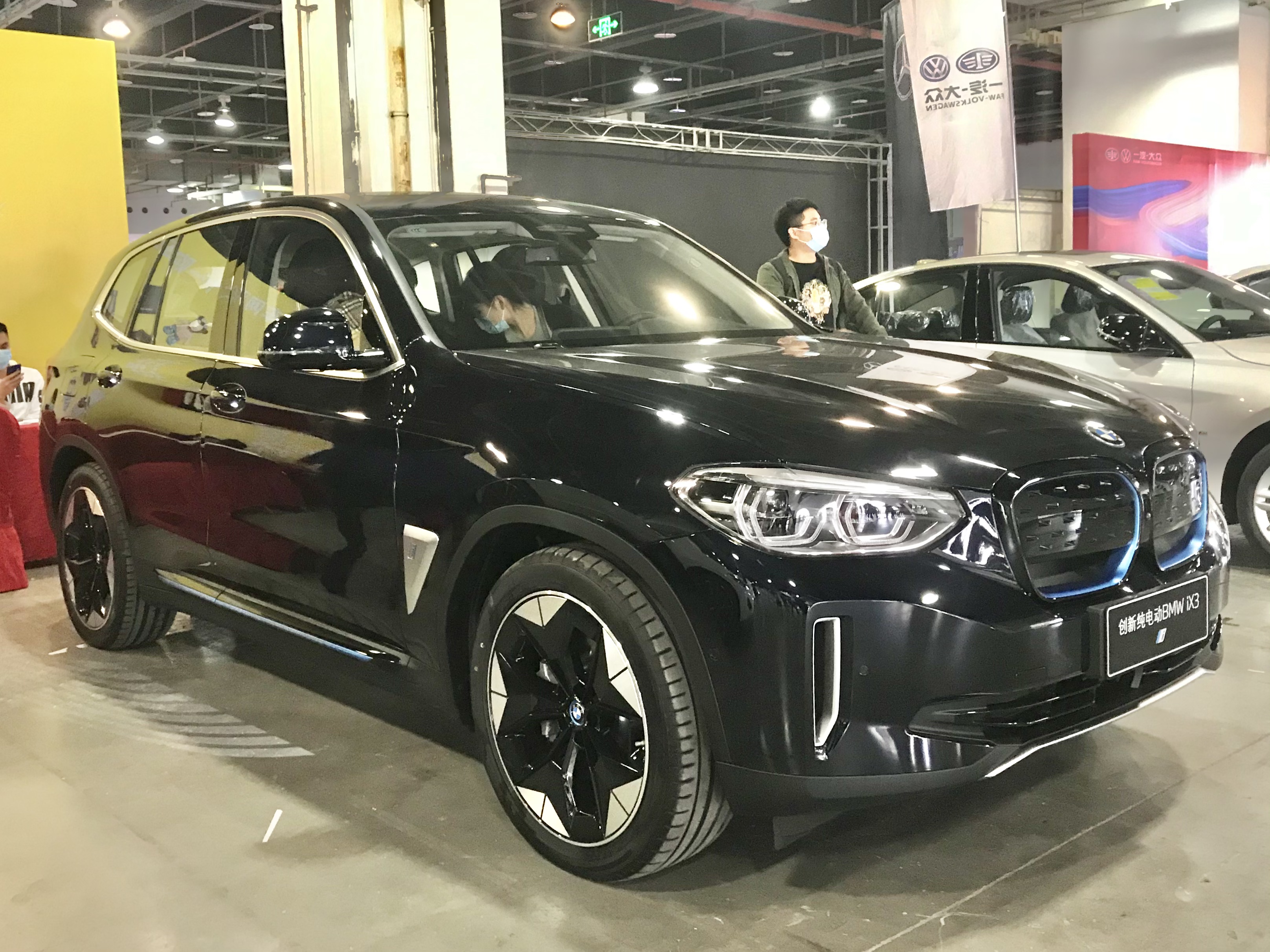
iX3 (G08)
"...ow where that leaves us. Does that leave us in an IX3? Or a Polestar or another Blazer."
The iX3 is an electric SUV from BMW. The episode mentions it as one of the electric options someone might choose when comparing different EV models.
The BMW iX3 (G08) is an electric version of the X3 platform, discussed as part of the EV options people might consider. In the podcast, it’s mentioned as a possible choice compared with other EVs like a Polestar or a Blazer. That context makes it relevant to shoppers evaluating which electric SUVs fit their needs.
PHEV
"We got to do something different there. ... It does charge faster than our Blazer. ... you're still having to do hotels and you're charging and your food and your time, right?"
A PHEV is a plug-in hybrid car. It can run on electricity sometimes, and you can recharge it, which affects how convenient it is for trips.
PHEV stands for plug-in hybrid electric vehicle, which combines a gasoline engine with an electric motor and a battery you can recharge from an outlet. Charging speed and how often you can rely on electricity are key factors when comparing PHEVs for road trips and daily driving.
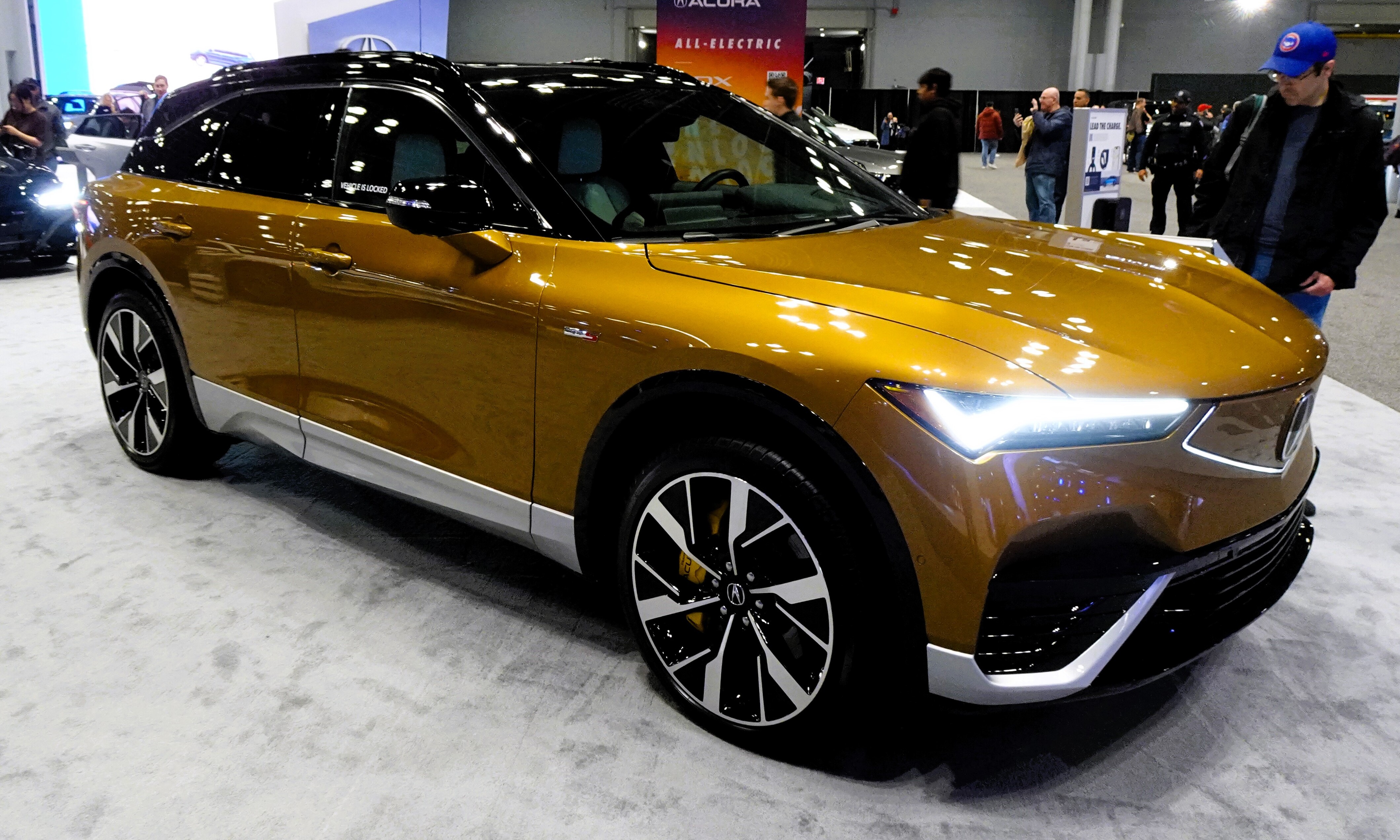
Acura ZDX Type S
"Or do I find a lightly loved Acura ZDX Type S, which is basically the Acura Blazer? ... It's a Maryland, it's 34 for a Type S with the light colored interior and super crisp."
The Acura ZDX Type S is a higher-trim, sportier version of the ZDX crossover. The hosts are talking about it like a real option they could buy, based on color and interior.
The Acura ZDX Type S is a performance-oriented version of Acura’s ZDX crossover, positioned as a sportier alternative within the brand’s lineup. In this segment, it’s discussed as a specific shopping target with particular trim and interior/color choices.

Acura MDX
"Yeah, I found one in my area for 34-2, not a Type S, but still MDX or ZDX, excuse me, ... I don't think I would road trip that somehow."
The Acura MDX is Acura’s bigger family SUV with room for more people. In this conversation, it’s being compared to the ZDX for everyday usability.
The Acura MDX is Acura’s three-row midsize luxury SUV, commonly used as a family hauler. Here it’s part of the comparison set against the ZDX, with the hosts discussing how charging and road-trip practicality would differ.
cross country shipping
"But I mean, hey, it would A, put miles on it and B, cross country shipping is actually not too expensive. ... you're still having to do hotels and you're charging and your food and your time, right?"
Cross-country shipping means you buy the car somewhere else and have it delivered instead of driving it home. They’re debating whether that actually saves money compared to making the trip yourself.
Cross-country shipping is transporting a purchased vehicle from one region to another rather than driving it home. The hosts weigh it against road-tripping, noting that while shipping can be less expensive than expected, it still may not be cheaper once you factor in travel time and lodging.
roll on effects
"Yeah, but it turns out that Honda's EV woes are not just sticking with their [200.7s] EVs, they are having roll on effects, aren't they?"
They’re saying if a company has trouble with electric vehicles, it can cause delays for other cars too. So one problem can “spread” to many models.
“Roll on effects” here means delays and problems in one part of a company’s vehicle lineup can spill over into other models and timelines. The hosts argue Honda’s EV development issues are causing broader schedule impacts across multiple nameplates.

Honda Accord
"Honda is delaying the Odyssey, the Accord, the HRV and the MDX until after 2030, [213.5s] which is a wow."
The Honda Accord is one of Honda’s most common cars. The hosts are saying Honda plans to delay major updates for it until after 2030, which could make it harder for the Accord to stay competitive.
The Honda Accord is a mainstream midsize sedan that’s historically been one of Honda’s core volume models. Here, it’s mentioned as part of a group of Honda vehicles whose updates are being delayed until after 2030, which is notable because sedans typically need frequent refreshes to keep up with competitors’ tech and efficiency.
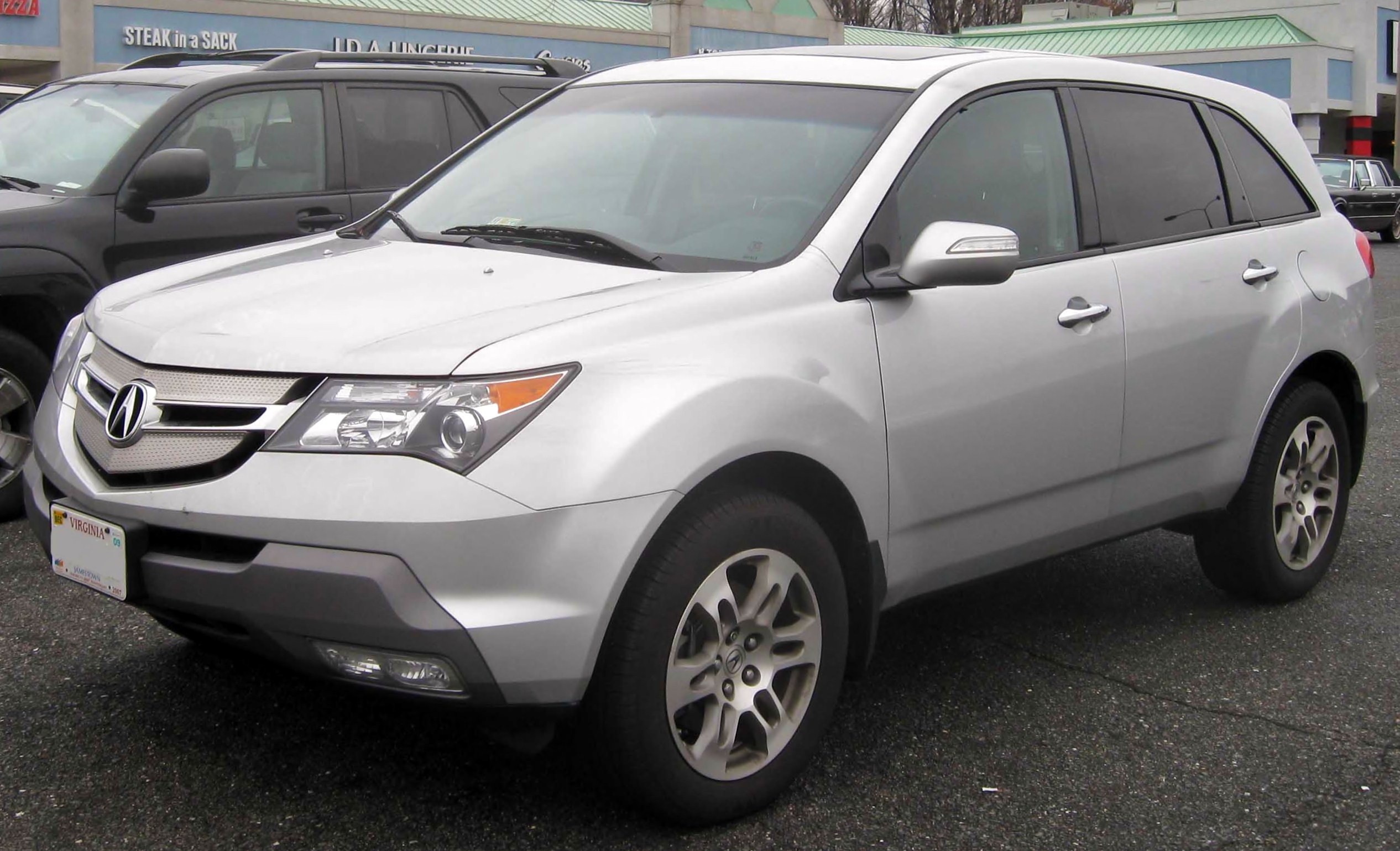
Honda MDX
"Honda is delaying the Odyssey, the Accord, the HRV and the MDX until after 2030... I think it's a big problem for the Odyssey and the MDX."
The Honda MDX is Honda’s larger SUV meant for families, with room for more than just two people. The discussion suggests Honda’s update delays could be a problem for it, especially if the MDX needs newer hybrid technology to compete.
The Honda MDX is Honda’s three-row luxury-leaning SUV, positioned as a family hauler with more upscale features than typical mainstream crossovers. The hosts connect delays to the MDX’s need to refresh its powertrain strategy, implying it may require a hybrid to stay relevant.

Acura RDX
"And it adds to the whole, they're not building the RDX right now. [229.5s] And we have to wait a couple of years to see what changes with that."
The Acura RDX is a smaller luxury SUV. The hosts are saying Acura has paused building it and expects changes later, likely including a newer hybrid-style setup to keep it competitive.
The Acura RDX is a compact luxury crossover from Acura, Honda’s luxury brand. The hosts say Acura isn’t building the RDX right now and expects changes in a couple of years, implying a powertrain shift—potentially toward hybrid—to keep the model current.
hybrid
"If they just, you know, made the hybrid system more available, gave it a little bit of a freshening, tweaky tweak here and there, bigger screen, ... The Odyssey is already falling behind. It does not have a hybrid."
A hybrid uses both a gas engine and an electric motor. The electric part helps the car use less fuel, especially in stop-and-go driving.
A hybrid powertrain combines an internal-combustion engine with an electric motor. The electric assist can improve fuel economy and reduce emissions, which is why the hosts focus on making the hybrid system more available.
three row vehicle
"It is a three row vehicle. And, and it's, and it's not a Hellcat style performance, right?"
A three-row vehicle has extra seats in the back for more passengers. It’s usually aimed at families that need room for kids and friends.
A three-row vehicle has seating for three rows (typically 6–8 passengers), which is common in family-focused SUVs and minivans. The hosts use this to frame how the MDX competes as a family hauler rather than a pure performance car.
Hellcat
"It is a three row vehicle. And, and it's, and it's not a Hellcat style performance, right?"
“Hellcat” is a name Dodge uses for its very high-performance cars. The host is saying the MDX isn’t trying to be that kind of super-aggressive performance machine.
“Hellcat” refers to Dodge’s high-performance muscle-car branding, associated with very aggressive power and track-ready attitudes. Here it’s used as a comparison point to say the MDX’s performance isn’t that kind of extreme.

Challenger Hellcat
"... three row vehicle. And, and it's, and it's not a Hellcat style performance, right? This is a much better t..."
The Challenger is a sporty two-door car made by Dodge. In the episode, it’s discussed as a performance option that isn’t necessarily the most extreme version, but still aims to be fun to drive.
The Dodge Challenger is a two-door muscle car known for performance-focused driving. The podcast specifically contrasts it with a Hellcat-style setup, describing this version as a better fit for the kind of driving people want without going all the way to the most extreme performance. It’s mentioned in the context of choosing the right performance level.
all wheel drive
"The Odyssey is already falling behind. It does not have a hybrid. It does not have all wheel drive. So what is it?"
All-wheel drive means the car can send power to all four wheels. That usually helps it grip better on slippery roads.
All-wheel drive (AWD) sends power to more than just the front or rear wheels, improving traction in low-grip conditions like rain, snow, or loose surfaces. The hosts mention the Odyssey lacks AWD as a reason it’s falling behind in the segment.
EV models
"[340.8s] And, and so it actually raises the question, why pull the plug on all of these [348.0s] EV models when it's not like you're ready to go with everything else anyway?"
“EV models” refers to battery-electric vehicles (fully electric cars) and their specific model programs. The hosts are discussing product timing—how pulling back or delaying EV model readiness affects consumer choice and competitive positioning.
Chevrolet General Motors
"[352.3s] And, and it's, it's not an exact corollary, but Chevrolet General Motors is [357.1s] in a position where they right now in the United States have no hybrids [360.2s] and no plug in hybrids at all..."
General Motors is the big automaker that owns brands like Chevrolet. The point here is that GM’s lineup choices affect what kinds of electrified cars are available right now.
General Motors (GM) is the company behind Chevrolet and other brands. In this segment, the hosts are contrasting GM’s current hybrid/plug-in-hybrid lineup (or lack of it) against its ongoing focus on internal-combustion vehicles.
Toyota
"[386.0s] And you look at, you know, what people are going to shop Honda against [388.7s] is Toyota and Toyota just introduced 34 new EVs..."
Toyota is being used as the comparison point. The hosts say Toyota is launching a lot of new electric vehicles, while Honda’s plans seem delayed.
Toyota is highlighted as the benchmark competitor in electrified vehicles. The hosts mention Toyota introducing a large number of new EVs, including one they plan to discuss, and they frame it as stronger execution than Honda’s current strategy.
Lexus
"[388.7s] is Toyota and Toyota just introduced 34 new EVs, including one we'll [393.2s] talk about in a minute, and that's over on the Lexus side."
Lexus is Toyota’s luxury brand. The hosts are saying Toyota’s electric-vehicle push also includes its luxury lineup.
Lexus is Toyota’s luxury brand, and the hosts tie it to Toyota’s EV expansion. Mentioning Lexus signals that the electrification push isn’t limited to Toyota’s mainstream lineup.

Honda Prologue
"... said, you know what, we're going to continue the prologue and we're going to continue the ZDX and we're goi..."
The Prologue is Honda’s electric SUV. The episode says Honda plans to keep it going and continue other electric models too, which matters if you’re waiting for an EV to buy.
The Honda Prologue is Honda’s electric SUV offering, and the podcast mentions it alongside other upcoming or related models. The point in the episode is that Honda plans to continue the Prologue and also continue the ZDX, implying ongoing EV product development. That makes it relevant for buyers tracking what electric models Honda will keep supporting.
battery management stuff
"We're going to share batteries and the battery management stuff, the expensive core stuff."
Battery management is the system that watches the battery and makes sure it’s charged and used safely. It helps prevent damage and keeps the battery cells working evenly.
“Battery management” refers to the electronics and software that monitor and control a battery pack’s cells. It helps keep the cells balanced and operating safely, which is why it’s described here as part of the “expensive core stuff.”
joint venture
"They could have bought into the joint venture."
A joint venture is when two companies team up to work on something together. Here, the host is saying Honda could have continued collaborating instead of backing away.
A joint venture is a formal partnership where two companies collaborate on a project—often sharing costs, technology, and production. In this segment, it’s referenced as a structure Honda could have leaned on to continue developing vehicles and battery-related work.
battery factories
"They could have said, you know what, we're going to, we're going to prop up one of these battery factories. Why don't, why don't you GM, you're having a volume issue."
Battery factories are the plants that build the battery cells and packs. The idea here is that sharing manufacturing capacity can solve supply problems faster than just buying parts.
“Battery factories” are manufacturing plants that produce battery cells and/or battery packs at scale. The host’s point is that a company with capacity issues could partner by supplying manufacturing capability, not just raw cells.
Formula one
"And I only do that because Honda had this big deal with, uh, in Formula one over [583.7s] in Red Bull, and they won a bunch of championships with them. [586.5s] And then there was a, Hey, Honda's out Ford is in as the technical partner, [590.6s] the engine partner."
Formula 1 is the highest level of auto racing. The hosts are using it to talk about Honda’s racing decisions and what that might mean for the company.
Formula 1 is the top level of open-wheel racing, where teams compete using highly engineered cars and tightly managed technical partnerships. The segment uses F1 as a lens to discuss Honda’s involvement and shifting priorities.
engine partner
"And then there was a, Hey, Honda's out Ford is in as the technical partner, [590.6s] the engine partner. [591.7s] And then it was, yeah, Honda's not going to be here producing engines, but now [595.5s] they are, and they're doing it for Aston Martin, Formula one."
In Formula 1, teams don’t just build their own cars—they also rely on partners for key technology. An “engine partner” means the company provides the engine that powers the race car.
In Formula 1, an engine partner supplies the power unit used by a team’s car. The “engine partner” relationship is a technical partnership that can strongly affect competitiveness because engine performance and integration with the chassis are critical.
technical partner
"And then there was a, Hey, Honda's out Ford is in as the technical partner, [590.6s] the engine partner. [591.7s] And then it was, yeah, Honda's not going to be here producing engines, but now [595.5s] they are, and they're doing it for Aston Martin, Formula one."
A “technical partner” is a company that helps a racing team with important engineering work. In F1, that can mean supplying parts or expertise that affects how fast and how well the car works.
A technical partner in Formula 1 is a company that provides engineering support and/or major components that help a team build and run its car. These partnerships can include areas like powertrain integration, electronics, and other performance-critical systems.

Honda Crv
"when you look at their sales in China, what's it, what is selling now? CRV and Accord are selling in decent volume. Actually CRV is selling really quite well, about 270,000 units"
The Honda CR-V is a popular Honda SUV. In this part, they’re talking about how well it’s selling in China compared with other Honda models.
The Honda CR-V is Honda’s compact SUV that’s selling strongly in China in this segment. The hosts discuss its sales volume and how it’s affected by Honda’s broader lineup strategy there.
EVs
"And I think that's because of their, their lack of, of, uh, EVs."
EVs are electric cars. In this segment, they’re saying Honda’s limited EV lineup may be hurting sales in China.
EVs means electric vehicles—cars powered primarily by electricity rather than gasoline. The hosts argue that Honda’s lack of EVs is a reason its sales in China are under pressure, especially as consumer demand shifts toward electrified models.

Honda Odyssey
"Accord is a little sad and concerning. [756.1s] Odyssey is a big, you know, Honda is a family product company. [772.7s] How long to the Odyssey just doesn't exist."
The Honda Odyssey is a family minivan. They’re talking about whether Honda might reduce or stop selling it in the US, and how other minivans and hybrid choices could change the market.
The Honda Odyssey is a minivan built around family use—practical space, easy access, and comfort-focused packaging. In this segment, the hosts discuss whether Honda is effectively phasing out the Odyssey for the US market and how hybrid availability and competition could affect its future.

Honda Passport
"And okay, we've somewhat got a redesigned pilot and passport. [764.9s] So those are going to be more important than the Odyssey."
The Honda Passport is a family SUV. They mention it because Honda is updating its SUVs, which may matter more than the Odyssey for buyers.
The Honda Passport is a midsize SUV positioned as a family-friendly alternative to the Pilot, typically with a more rugged, less minivan-like vibe. The hosts mention it in the context of Honda redesigning key family models, suggesting a strategic shift in what Honda emphasizes in the US lineup.

Honda Pilot
"And okay, we've somewhat got a redesigned pilot and passport. [764.9s] So those are going to be more important than the Odyssey."
The Honda Pilot is a larger family SUV with three rows of seats. In the discussion, it’s used as an example of Honda updating its family vehicles.
The Honda Pilot is a midsize three-row SUV that competes in the family-vehicle segment. Here, it’s mentioned alongside the Passport as having been redesigned, implying Honda is shifting attention toward SUVs rather than keeping the Odyssey as the main family play.

Hyundai Staria
"And if we see Hyundai join the minivan party, as has been rumored with somewhat [824.2s] next generation Euro funky Staria, that could be an interesting twist."
The Hyundai Staria is a van model. They’re talking about rumors that Hyundai could bring a next-generation version to the minivan market, which would make competition tougher.
The Hyundai Staria is a people-mover/van that’s been discussed as a potential next-generation minivan entrant. The hosts frame it as a rumored product direction that could “join the minivan party,” which would increase competition for established minivans like the Odyssey.

Toyota Sienna
"And if we see Hyundai join the minivan party, as has been rumored with somewhat [824.2s] next generation Euro funky Staria, that could be an interesting twist. [829.6s] The Sienna is probably the toughest competition for Odyssey."
The Toyota Sienna is a minivan, and it’s especially known for offering a hybrid powertrain. They’re saying it’s the hardest rival to the Odyssey.
The Toyota Sienna is a minivan known for being one of the most prominent hybrid minivan options in the US. In this segment, it’s called out as the toughest competition for the Honda Odyssey, highlighting how hybrid availability can drive minivan sales.

2027 Pacifica
"we looked at the, the new 2027 Pacifica, I think it was never before seen Chrysler has a new nose on their only model."
The Pacifica is a minivan. In this segment, the host is talking about a future 2027 update that changes how it looks on the front, and how Chrysler is branding it.
The Chrysler Pacifica is a minivan, and the episode is discussing a future 2027 refresh. The host focuses on changes to the front-end styling (“new nose”) and branding, which can signal how the model is being repositioned even without major powertrain changes.

Chrysler Voyager
"The company is now called Pacifica. And that's all that exists because I got rid of the Voyager, which I thought was hilarious, which is just the, it was the Ram classic of Pacifica's, right?"
The Voyager is another minivan model name from Chrysler. The host is saying it was discontinued so the brand focused on the Pacifica name instead.
The Chrysler Voyager is a minivan nameplate that the host says was removed (“got rid of the Voyager”). In the episode’s context, the point is that Chrysler consolidated its minivan lineup under the Pacifica name, changing how many distinct variants exist.
Stellantis
"I'm ready for the, the Stellantis Pacifica e-rev. Let's do that. Like, like you want to, you want to make waves with the new product, put"
Stellantis is the company behind several car brands. Here, the host is connecting Stellantis to what’s planned for the Pacifica’s new powertrain.
Stellantis is the automaker group that owns multiple brands in the U.S. market, including Chrysler. In this segment, the host ties Stellantis to the Pacifica’s “e-REV” plan and product strategy.

Jeep Wagoneer
"and, and, and why, why that Wagoneer S was not a Chrysler product. It will continue to baffle me because again, you have a freaking car."
The Wagoneer S is an SUV model. The host is basically asking why that SUV got a certain approach instead of Chrysler putting the same idea into the Pacifica.
The Wagoneer S is a Wagoneer-branded SUV model line. The host is comparing it to Chrysler’s lineup and questioning why a particular technology or strategy wasn’t applied to a Chrysler product instead.

Jeep Recon
"Especially since Jeep has the Recon thing. Cause Jeep's trying to have the two EVs."
The Jeep Recon is an upcoming Jeep electric vehicle. The hosts mention it to talk about how Jeep is planning multiple EVs.
The Jeep Recon is a Jeep-branded electric vehicle concept/near-future model that’s discussed here as part of Jeep’s plan to offer two EVs. The host is using it to illustrate how Jeep is structuring its electric lineup versus other brands.
instrumented testing
"But actually after having driven it and done our instrumented testing on it,"
Instrumented testing means evaluating a vehicle using data-logging equipment—so results like efficiency, acceleration, or real-world behavior can be measured more objectively than by feel alone. The host says they did instrumented testing on the RAV4, implying they gathered measurable performance/efficiency data.
grippier compound
"Same similar size, grippier compound actually makes a whole lot of difference."
A tire’s compound is the rubber formulation, and “grippier” means it’s designed to generate more traction. Changing to a tire with a stickier compound can improve handling because it helps the tire maintain grip during acceleration, braking, and cornering.
better tires
"So good example for people out there that want to take their car to the next level handling wise, just swap in some better tires."
Tires are one of the easiest ways to change how a car feels. Better tires can help the car grip the road and turn more predictably.
The host is emphasizing that tire choice can be one of the biggest “bang for the buck” handling upgrades. Even without changing the car’s suspension or powertrain, tires affect grip, steering response, and how confidently the car can corner.
Dunlop SP sport tires
"They're Dunlop SP sport tires decent, but like not, not, you know, sport not performance, right?"
Dunlop SP Sport is a type of tire line. The host is saying you don’t need super-race tires to get better grip and handling.
Dunlop is a tire brand, and “SP Sport” is a model line focused on road-going performance and grip. The host uses it as an example of a non-extreme tire that can still noticeably improve handling.
Michelin
"they are better tires... grippier compound... They're Dunlop SP sport tires decent... not a sport cup tire, you know, from Michelin."
Michelin makes tires. The host mentions it to compare everyday “better tires” versus more specialized, track-focused tires.
Michelin is a major tire manufacturer known for performance and motorsport-developed tire technologies. In this segment, it’s mentioned as a reference point for “sport cup” tires that are more extreme than what the host is recommending.
EV range
"we actually were getting about 40, 49, 48, 49 miles of EV range out of it."
EV range means how far the car can go using electricity alone. After that, it switches to using gas.
EV range is how many miles a plug-in vehicle can drive using only its electric motor and battery before the gas engine has to take over. The host cites real-world EV range numbers and compares them to how the car is rated.

Volvo XC60 plug-in hybrid
"I think the only plug-in hybrids in the United States that are currently on sale here that actually makes sense are the RAV4 plug-in hybrid, the Volvo XC60 and XC90 plug-in hybrids, and that is it."
This is a Volvo XC60 that can drive on electricity for a while, but it also has a gas engine. The host is basically saying it’s one of the better plug-in hybrid options in the U.S.
The Volvo XC60 plug-in hybrid is a compact luxury SUV that combines an electric driving mode with a gasoline engine. The host groups it with the RAV4 plug-in hybrid as one of the few plug-in hybrids in the U.S. that they think makes sense, largely due to how it’s positioned and priced.

Volvo XC90 plug-in hybrid
"I think the only plug-in hybrids in the United States that are currently on sale here that actually makes sense are the RAV4 plug-in hybrid, the Volvo XC60 and XC90 plug-in hybrids, and that is it."
The XC90 plug-in hybrid is a big Volvo SUV that can use electricity sometimes, but it also has gas power for longer driving. The host is saying it’s among the better plug-in hybrid choices.
The Volvo XC90 plug-in hybrid is a larger luxury SUV that, like other plug-ins, can run on electricity for short-to-medium trips and then uses its gas engine when needed. In the segment, it’s mentioned as one of the few plug-in hybrids the host believes actually makes sense in the U.S., alongside the RAV4 plug-in hybrid and XC60.
tax credit
"but that was with the tax credit because in the before times, a Sportage or a Tucson plug-in had very little compromise, but you got the tax credit on it."
A tax credit is a government incentive that reduces the amount of income tax you owe (or can sometimes be claimed as a refund, depending on the program). In plug-in hybrid discussions, it can materially change the effective price of the vehicle and whether the plug-in version is worth the extra cost.

Kia Sportage
"...ith the tax credit because in the before times, a Sportage or a Tucson plug-in had very little compromise, b..."
The Sportage is a Kia compact SUV. The episode mentions it because some versions can qualify for tax credits, which can make a plug-in hybrid easier to afford.
The Kia Sportage is a compact crossover that can be offered with plug-in hybrid variants depending on the model year and market. The podcast mentions it in relation to tax credits and suggests that, “before times,” the plug-in version had relatively little compromise. It’s included as part of a discussion about what buyers can get for the money when incentives apply.
battery pack
"The extra power bump is largely to compensate for the added weight of the battery pack."
A battery pack is the set of rechargeable cells and modules that stores electrical energy in a hybrid or electric vehicle. In plug-in hybrids, the extra battery weight can reduce acceleration unless the powertrain compensates, which the host says is why the “extra power bump” exists.

Mazda Cx50
"Even if you don't charge it, it is still going to be faster than a CX-50 turbo, faster than any other turbo in that segment."
The Mazda CX-50 is a compact SUV, and the host specifically compares the RAV4 to the CX-50 turbo. This is used to argue that the RAV4 plug-in hybrid’s acceleration advantage holds up even against turbocharged competitors.

Bmw X3
"In fact, you have to go BMW X3 or similar in that category before you are faster in a small SUV than this RAV4, which is not so, right?"
The BMW X3 is a compact luxury SUV, and the host uses it as the benchmark for speed in this comparison. The claim is that you generally have to step up to a BMW X3 (or similar) to beat the RAV4’s performance in the small-SUV category.
turbocharged
"it is not much more expensive to get a base plug-in hybrid RAV4 versus a base turbocharged CX-50. And like for like feature for feature, I think it actually compares strangely well."
A turbocharged engine uses a device that squeezes more air into the engine. That can make the car feel stronger without needing a bigger engine.
Turbocharged engines use a turbocharger to force more air into the engine, allowing higher power output from a smaller displacement. In this segment, “base turbocharged CX-50” is used as the non-plug-in-hybrid baseline for comparing cost and features.

RAV4 Hybrid Rav4
"... is not much more expensive to get a base plug-in hybrid RAV4 versus a base turbocharged CX-50. And like for li..."
The RAV4 is a compact SUV from Toyota. In the episode, they talk about a plug-in hybrid version and compare its price to other non-plug-in options, which helps shoppers decide what’s worth it.
The RAV4 is Toyota’s popular compact SUV, and the podcast specifically discusses the base plug-in hybrid version. It’s compared against other vehicles by price and notes that the plug-in hybrid RAV4 can be close in cost to a base turbocharged alternative. That’s why it’s a key reference point for buyers weighing electrified versus conventional power.
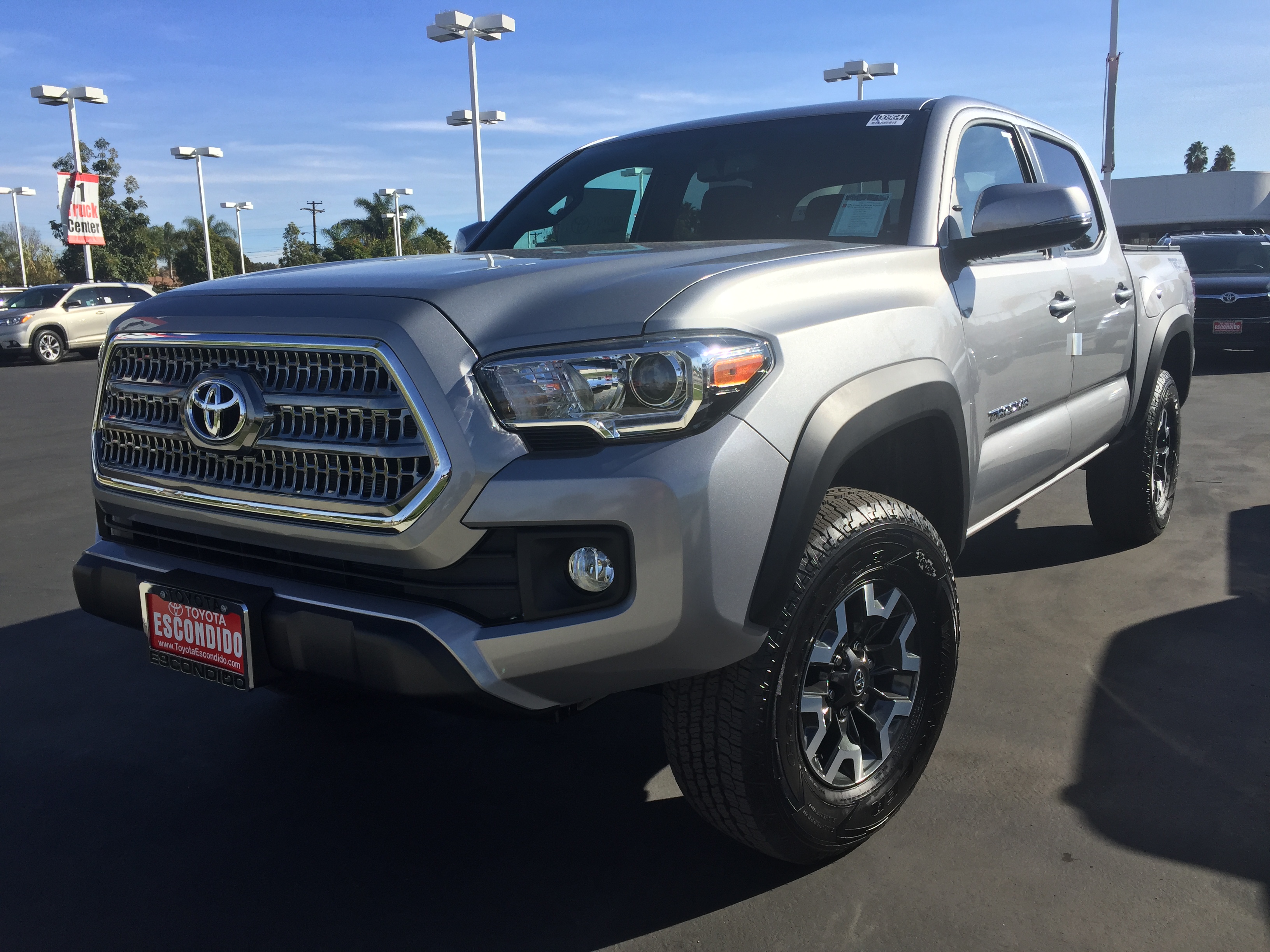
Toyota Tacoma
"...er. You have the truck ones, which you get in the Tacoma and the RAV, or the forerunner and the Land Cruis..."
The Tacoma is a pickup truck made by Toyota. It’s built for hauling and everyday use, and it’s often compared to other Toyota vehicles when people talk about fuel economy and real-world expectations.
The Toyota Tacoma is a midsize pickup truck known for being durable and practical for everyday driving plus light work. It often comes up in discussions of “truck” options alongside other Toyota SUVs because buyers compare size, capability, and fuel economy. In this episode, it’s mentioned in the context of EPA numbers and which vehicles are realistic for buyers to consider.
EPA numbers
"And those do not get anywhere near the EPA numbers that they say they will. Or, you know, it's not like worlds apart, but they don't hit it. In real world driving, you're not going to get it."
EPA numbers are the official fuel-economy estimates you see in ads and on spec sheets. The point here is that real driving often doesn’t match the test results exactly.
EPA numbers are the fuel-economy or efficiency ratings published by the U.S. Environmental Protection Agency based on standardized test procedures. The hosts argue that some Toyota hybrid configurations don’t achieve those figures in real-world driving, even if they’re not “worlds apart.”

Toyota Land Cruiser
"...the Tacoma and the RAV, or the forerunner and the Land Cruiser. And those do not get anywhere near the EPA numbe..."
The Land Cruiser is a large Toyota SUV designed for both road trips and rough terrain. It’s brought up when people compare it to other Toyota vehicles, including how efficient it is compared to the ratings you might see.
The Toyota Land Cruiser is a full-size SUV built for long-distance comfort and serious off-road capability. It’s frequently discussed as a “go anywhere” vehicle, and it can be compared to other Toyota models when talking about how their fuel economy ratings stack up. In the podcast, it’s referenced alongside the Tacoma and other Toyota nameplates in the context of EPA numbers.

Toyota Prius
"In real world driving, you're not going to get it. And then you hit the RAV4, Prius, Camry, you know, everything else, right?"
The Toyota Prius is mentioned as a benchmark for efficiency. The hosts are saying some Toyota models can do better than the EPA estimates in real driving.
The Toyota Prius is referenced as part of the group of Toyota models that tend to exceed EPA fuel-economy expectations. In this segment, it’s used to contrast with other Toyota hybrid configurations that don’t achieve their advertised numbers.

Toyota Corolla Cross
"The smaller crossover or sedan vehicles and the Corolla Cross, right? And those will exceed those EPA numbers and still be pretty powerful."
The Corolla Cross is another Toyota crossover they bring up in the same efficiency comparison. They’re implying it can beat the EPA fuel-economy expectations in practice.
The Corolla Cross is mentioned as one of the smaller Toyota crossover models that, according to the hosts, can exceed EPA efficiency numbers. It’s used to support the broader point that some Toyota hybrid configurations translate better to real-world driving than others.

Tesla Model 3
"It's it's the new benchmark like the Tesla Model 3 and Model Y are. It has to be in every conversation."
The Tesla Model 3 is one of the most popular electric cars, so it’s often used as a reference point. They’re basically saying the RAV4 plug-in is becoming the “default pick” in its group.
The Tesla Model 3 is used here as a benchmark because it’s widely recognized and discussed in the EV market. The comparison is about how the RAV4 plug-in is becoming a default recommendation in its category, similar to how the Model 3 is for EVs.

Tesla Model Y
"It's it's the new benchmark like the Tesla Model 3 and Model Y are. It has to be in every conversation."
The Tesla Model Y is another benchmark EV in the conversation, paired with the Model 3. The hosts use it to emphasize how the RAV4 plug-in is expected to dominate recommendations the way these Teslas do in EV discussions.
destination
"$43,095 is currently where it starts with destination. It tops out at $51,070."
Destination is the delivery/shipping cost to get the car to the dealer. It’s part of the price you’ll see when shopping, not just the car’s base sticker price.
Destination charge is the fee a car buyer pays to cover shipping the vehicle from the factory to the dealership. When the hosts quote a starting price “with destination,” they’re using a more realistic “what you’ll pay” figure than the base MSRP alone.
payback time
"meaning that the payback time versus that Mazda is just over four years. Yeah, which most people are going to keep it within a three to five year window."
Payback time is how long it takes for the cheaper-to-run costs to offset the higher purchase price. They’re saying the savings could start paying off in a little over four years.
Payback time is the estimated period it takes for the extra upfront cost of a plug-in hybrid to be “earned back” through lower operating costs. Here, they’re comparing the RAV4 plug-in’s gas savings versus the Mazda to estimate it takes just over four years.
zero to 60
"So if and it's going to be more than a full second faster zero to 60 than that CX50 and actually handle better with an independent rear suspension."
Zero to 60 is a simple test of how fast the car goes from stopped to 60 mph. They’re using it to compare acceleration between the two cars.
Zero to 60 mph (0–60) is a common performance metric measuring how quickly a car accelerates from a standstill to 60 mph. The hosts are using it to argue the RAV4 plug-in is quicker than the CX-50 Turbo by “more than a full second.”
independent rear suspension
"So if and it's going to be more than a full second faster zero to 60 than that CX50 and actually handle better with an independent rear suspension. And it is worth plugging in because you actually get decent performance in EV mode"
Independent rear suspension helps each rear wheel react separately to bumps. That usually improves grip and ride/handling compared with a simpler rear setup where both wheels move together.
Independent rear suspension means each rear wheel can move somewhat independently, helping the tire maintain contact with the road over bumps. The hosts credit this setup for better handling compared with the CX-50 Turbo.

Audi Etron
"But if you're somebody who says, oh, it had, I had an A3 e-tron that had 18 miles of range. There are going to be people who go, yeah, whatever, it doesn't matter."
They’re talking about a previous Audi plug-in that only went about 18 miles on electricity. That’s why some people might feel skeptical about plugging in—until they see a car with enough EV range for their daily drive.
The “A3 e-tron” is mentioned as a prior plug-in experience with a short electric-only range, which shapes how some buyers perceive plug-in hybrids. The hosts contrast that with the RAV4 plug-in’s higher EV usefulness for a 35-mile-a-day commute.

Mitsubishi Outlander
"it is notably more efficient in EV mode and a bazillion times more efficient than an Outlander in hybrid mode."
The Mitsubishi Outlander is being used as a comparison car. The hosts are saying it doesn’t get as efficient results in hybrid mode as the Toyota does in electric mode.
The Mitsubishi Outlander is referenced here as a comparison point for plug-in hybrid efficiency. The hosts specifically contrast its hybrid-mode efficiency against the Toyota RAV4’s EV-mode efficiency.
kilowatt hour battery
"So an 18 kilowatt hour battery gets you 50 miles of range."
A kilowatt-hour (kWh) is how big the battery is. Bigger usually means you can drive farther on electricity before the car needs to switch to gas.
A kilowatt-hour (kWh) is a measure of battery capacity—how much electrical energy the battery can store. In this segment, the hosts tie an 18 kWh battery to an estimated electric range, using it as a practical way to judge how far the car can go on electricity.
level two charger
"it means that the average person is probably going to be able to do their daily commute without worrying about a level two charger."
A Level 2 charger is a faster EV charger you might install at home or find at parking lots. The point here is that you may not need one because the car can cover your daily driving on electricity.
A Level 2 charger is a home or public charging station that uses higher-voltage power than a standard outlet, allowing faster charging. The hosts argue that the car’s electric range is enough that many drivers won’t need to rely on Level 2 charging for daily use.
regular wall socket
"You could just plug it into a regular wall socket and you'd be fine. Regular 110, and that makes it so much more accessible."
This means charging from a normal home outlet instead of installing a special charger. The hosts are saying it’s easier for everyday people to charge the car.
Charging from a regular wall socket means using a standard household outlet (often called Level 1 charging) instead of a dedicated EV charging station. The segment highlights accessibility—if the plug-in hybrid can be charged this way, more people can realistically plug it in at home.
rear wheel drive
"but if you are, if you're in EV mode, it's a rear wheel drive vehicle. That's fantastic because all of your economy EVs out there, pretty much all of them are front wheel drive"
Rear-wheel drive means the power goes to the back wheels. The hosts think that setup can feel more fun to drive than front-wheel drive.
Rear-wheel drive (RWD) means the car’s driven wheels are the rear wheels, which can change how the vehicle feels during acceleration and cornering. The hosts contrast it with many economy EVs being front-wheel drive, arguing the RAV4’s EV-mode layout is more engaging.
front wheel drive
"That's fantastic because all of your economy EVs out there, pretty much all of them are front wheel drive, which is fine, but not the most engaging driving experience"
Front-wheel drive means the front wheels do the work. The hosts are saying many budget EVs use this layout, but it may not feel as engaging as rear-wheel drive.
Front-wheel drive (FWD) means the front wheels are the ones receiving power. The segment uses FWD as a baseline for many economy EVs, then suggests that FWD can be less engaging than an EV-mode RWD setup.
EV
"listen, Toyotas one, not only they have EVs that are now competitive and strant and expand all the segments."
EV means electric vehicle. It’s a car that runs mainly on electricity from a battery, not a gas engine.
EV usually means “electric vehicle,” a car powered primarily by an electric motor and a battery. In this segment, it’s used to contrast Toyota’s battery-electric offerings with its hybrid and plug-in hybrid lineup.

Ford Dark Horse
"...on a Toyota's website right now. I think the, the dark horse winner here would be if you can do a plug in hybr..."
The Mustang is a sporty car from Ford. The episode mentions it while talking about plug-in hybrid options, meaning some people are looking at electrified versions instead of only gas-only models.
The Ford Mustang is a well-known sporty car that’s often discussed in terms of performance and powertrain choices. In the podcast, it’s referenced in a context that includes plug-in hybrid possibilities, suggesting buyers are looking at electrified versions rather than only traditional gas power. That’s why it appears in a list of vehicles people are considering.

Toyota Crown
"I love a wagon and I like it the way it drives in it. And I like it a lot better than the Crown because the Crown is a little bit weird for this market, but really what, what would be the, again, hand the Crown move along again, it had to be in every conversation would be a Grand Highlander plugin."
The Toyota Crown is a Toyota model name that’s been around for a long time. The host is basically saying the Crown doesn’t quite fit the needs of the buyers they’re talking about.
The Toyota Crown is a long-running Toyota nameplate that’s offered in different body styles and market positions over the years. In this segment, the host says the Crown feels a bit “weird” for this particular market, implying it doesn’t match buyer expectations as well as other options.

Hellcat Durango
"no, no plug in hybrid Grand Highlander is going to take the fight to, you know, a Hellcat Durango or even an Explorer ST"
The “Hellcat” is a very powerful engine option from Dodge. Putting it in a Durango means a big SUV that can still feel very fast.
“Hellcat” refers to Dodge’s high-output supercharged V8 performance package, and the Durango is the Dodge three-row SUV. Pairing Hellcat power with a family SUV is a big part of why it’s used as a benchmark for “higher performance” in this discussion.

Ford Explorer
"a Hellcat Durango or even an Explorer ST"
The Ford Explorer ST is a performance-oriented trim of the Explorer, positioned above the standard models. In a comparison like this, it’s being used to represent a sportier, more powerful alternative to the more efficiency-focused plug-in hybrid segment.

Jeep Grand Cherokee
"or even an Explorer ST or a Grand Cherokee."
The Grand Cherokee is Jeep’s SUV. It comes in different versions, including some that are built to be more powerful.
The Jeep Grand Cherokee is a mainstream SUV that’s offered in a wide range of trims, including performance-focused variants. Here it’s mentioned as another “higher performance” option that the plug-in hybrid Grand Highlander can’t match.
twin turbo
"If they resurrect the V eight or jam the, the twin turbo."
A twin-turbo engine uses two turbochargers to push more air into the engine. That usually helps the car feel stronger and quicker.
“Twin turbo” means a setup with two turbochargers feeding the engine, typically to improve boost response and overall power. It’s often used on performance engines to make more torque across a wider range of speeds.
RAV4
"but in the segment that RAV4 is playing in, there is nothing even close... That's basically what you get in the RAV4."
The RAV4 is a popular SUV, and in this segment it’s being called the best plug-in hybrid choice. The idea is that it’s efficient and still feels strong enough compared to other options.
The Toyota RAV4 is being discussed as the standout plug-in hybrid option in its segment, with the speaker emphasizing a “wide gap” versus the next best alternative. The key point is that it combines practical SUV packaging with hybrid efficiency and enough power to make it feel competitive.
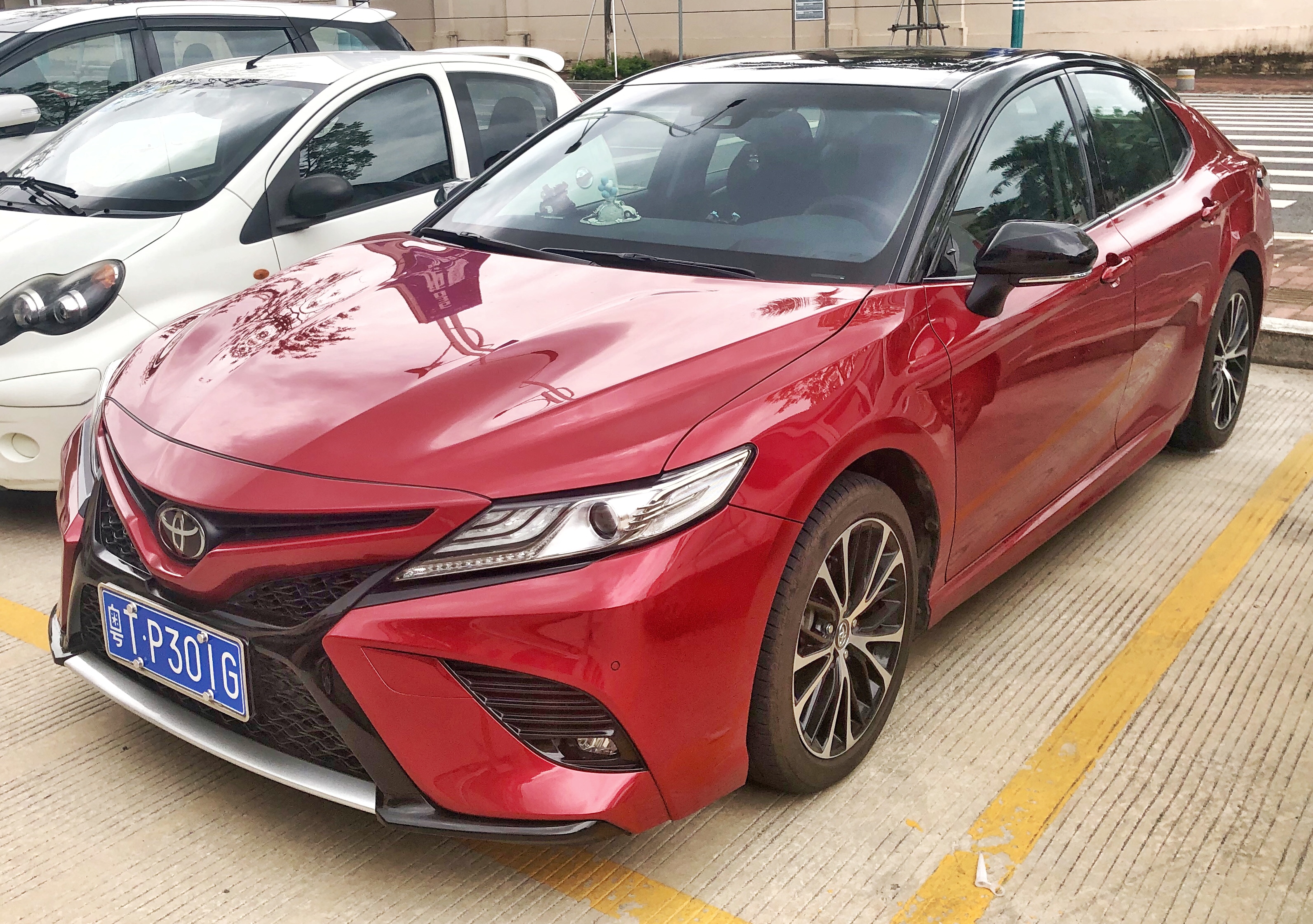
Camry
"And I think Camry would have that same, that same, uh, vibe. If they could jam that system in the Camry without compromising the trunk or the back seat"
The Camry is Toyota’s regular midsize sedan. They’re wondering if Toyota could put the same hybrid setup into it without losing space for passengers or luggage.
The Toyota Camry is a midsize sedan, and the speaker is speculating about fitting the same hybrid/plug-in hybrid “system” into it. The point is whether that would preserve everyday usability like trunk space and rear-seat room.

Hyundai Sonata
"You got, you know, a Sonata N line and, and you, you could, you could whip that puppy easily with the plug in hybrid."
The Sonata N Line is a more sporty version of the Hyundai Sonata. The speaker is using it as an example of another car you could drive more aggressively.
The Hyundai Sonata N Line is a sportier trim of the Sonata, aimed at buyers who want a more dynamic feel than the base models. In this segment comparison, it’s mentioned as a non-plug-in-hybrid alternative that still could be “whipped” (driven enthusiastically) compared to the RAV4’s niche.
miles per gallon
"It's not a BMW V eight competitor, but you also get 27 miles per gallon. So even if you don't plug it in, you get the power and you get the hybrid benefit"
Miles per gallon (MPG) tells you how efficiently a car uses gas. Higher MPG generally means you spend less on fuel, especially when you’re not using electricity.
“Miles per gallon” (MPG) is a fuel-economy measure that estimates how far a car can travel using one gallon of gasoline. Even when a car is a hybrid, MPG is still used to describe efficiency when you’re not running purely on electricity.

Nissan Rogue
"And I was having this conversation the other week, you know, why is, what, what's taking the Rogue so long?"
The Nissan Rogue is a popular SUV people buy for commuting and family use. Here, they’re talking about why it’s taking longer than expected to get to market.
The Nissan Rogue is a mainstream compact crossover SUV that’s often used as a benchmark for what buyers expect in a daily driver. In this segment, the hosts discuss delays affecting the Rogue’s timeline, tying it to Nissan’s powertrain readiness.
e-power system
"With the e-power system and Nissan said, and so far, Nissan's been pretty good about, we're going to do this and it comes pretty quickly afterwards... the e-power system is very much like the Honda hybrid system."
Nissan’s e-Power is a hybrid system where an electric motor moves the car, and a gas engine mostly generates electricity. It’s meant to drive more like an electric car than a traditional hybrid.
Nissan’s e-Power system is a hybrid setup where the wheels are driven by an electric motor, but a gasoline engine acts mainly as a generator to supply electricity. That design can feel like an EV at low speeds, while still using fuel for longer range.
EPA cycle
"people are going to shop based on the sticker and the sticker is going to be tested on EPA cycle, which means it's not going to account for yours."
The EPA cycle is the official testing routine used to calculate the fuel-economy numbers you see on the label. Your actual driving can come out different, depending on how and where you drive.
The EPA cycle is the standardized test procedure the U.S. Environmental Protection Agency uses to estimate fuel economy and emissions. Because it follows specific driving patterns, real-world results—especially at steady high speeds—can differ from the label.
fuel economy numbers
"Where it's just going to be, here's your fuel economy numbers. And, uh, it would, it would be good city and it'd be decent highway."
Fuel economy numbers tell you how far the car can go on a certain amount of fuel. City vs highway numbers are different because stop-and-go driving uses energy differently than steady highway driving.
“Fuel economy numbers” are how efficiently a hybrid or plug-in hybrid uses fuel, usually reported as miles per gallon (MPG) or miles per gallon equivalent (MPGe) for electrified vehicles. City and highway figures are measured under different driving conditions, so they can differ a lot.
DC fast charge
"And if you get the middle two models, the plugs on the right, and it has a DC fast charge port on it. No one needs to DC fast charge their plug in hybrid getting, getting 70% of your 50 mile range"
DC fast charging is the “quick” charging method for EVs. It can refill a battery much faster than regular charging, but the host says plug-in hybrids usually don’t benefit as much because they don’t have a long all-electric range.
DC fast charging is a way to recharge an electric vehicle using direct current at high power, which can dramatically reduce charging time. The host is arguing that plug-in hybrids (PHEVs) often don’t need this speed because their electric range is relatively short.
charging etiquette
"That's a big conversation about charging etiquette, but I will tell you when I drove that outlander plug in from, from the Bay area up to here."
Charging etiquette is just the “be considerate” behavior at public charging stations. The idea is to avoid blocking fast chargers if other drivers with EVs might need them.
Charging etiquette refers to the unwritten social rules around using shared charging stations—like not occupying fast chargers longer than necessary. The host frames the PHEV/DC fast charging debate as a “policy” issue tied to how EV charging infrastructure is shared.
level two charging
"up with like 13 kilowatts and I was like, that's level two charging. [1918.5s] I mean, obviously it's a little bit more, but, uh, it peeked out at"
Level 2 charging is a faster way to charge than a normal wall outlet. It usually uses a 240-volt charger and can refill a plug-in car’s battery in a few hours.
Level 2 charging is an AC charging setup that uses a dedicated home or public charger (typically 240V) and delivers more power than a standard outlet. It’s common for plug-in hybrids and EVs because it can recharge the battery in a few hours depending on the charger and battery size.
kilowatts
"up with like 13 kilowatts and I was like, that's level two charging. [1918.5s] I mean, obviously it's a little bit more, but, uh, it peeked out at"
Kilowatts are a measure of how much charging power the charger can deliver. More kilowatts usually means faster charging, but the car and battery can limit the actual speed.
Kilowatts (kW) measure charging power—how quickly energy can be delivered to the battery. Higher kW generally means faster charging, though the car’s onboard charging limits and battery state of charge also affect the real-world charging speed.

TX Lexus Tz
"...n't hate to see that. Uh, no, instead we have the Lexus TZ, which is now the Highlander slash getaway compar..."
The TX is a vehicle name mentioned in the episode as part of a lineup comparison. The host then points to a Lexus TZ as the current comparison point to help explain which vehicles are being compared to the Highlander-type category.
The TX is mentioned in a comparison that points to a Lexus TZ as an alternative, with the podcast noting it’s now the Highlander/getaway comparison. In other words, the episode is using the TX name as a reference point while discussing how Toyota/Lexus-style crossovers are being positioned. It’s included because it affects how buyers interpret the lineup and what models are comparable.
Lexus Highlander
"Uh, no, instead we have the Lexus TZ, which is now the Highlander slash [1988.2s] getaway comparative."
The Highlander is a common family SUV model, and the hosts are using it as a reference for where the Lexus TZ fits. That suggests the TZ could be aimed at people who want a larger, family-friendly layout.
The Lexus Highlander is referenced as a comparison point for the Lexus TZ, implying the TZ is being sized/positioned similarly to the Highlander. That matters because the Highlander is typically a three-row family SUV, so listeners can infer the TZ may target that same buyer need.
EV power
"How far will it go? [1999.9s] How much power does it have? [2001.3s] How many seats does it have?"
They’re asking about how much power the EV has. In simple terms, more power usually means stronger acceleration and easier passing or climbing.
“How much power does it have?” refers to the vehicle’s output, typically expressed as horsepower or kilowatts for EVs. Power affects acceleration feel and how strongly the vehicle can respond under load.
three-row EV
"Uh, for the three row Lexus EV over 300 miles. [2008.5s] They're saying in some configurations, we don't know any of the details yet,"
A “three-row EV” is an electric car with seating for more people—usually three rows of seats. It’s meant for families or groups, but it can affect battery range and overall size.
A “three-row EV” is an electric vehicle designed with three rows of seats, typically to fit more passengers and enable family-style seating. It’s a practical packaging category because it impacts weight, range, and interior space tradeoffs.
Lexus BZ
"But for those that are counting here, we have, uh, the CHR, we have the BZ, [2025.2s] the BZ woodland, the Highlander, the ES, the TZ and the RZ from Lexus."
Lexus BZ is one of Lexus’s electric vehicle models. The hosts are saying Toyota learned from early versions and made changes after the first attempt.
Lexus BZ is referenced as part of the brand’s EV lineup, and the hosts later talk about Toyota’s “original formula” being tweaked with the BZ and Solterra. That implies the BZ platform/strategy had early issues that were addressed in later updates.

Toyota Chr
"...or those that are counting here, we have, uh, the CHR, we have the BZ, the BZ woodland, the Highlander,..."
The C-HR is a small Toyota crossover SUV. The episode mentions it while listing different Toyota models people might consider.
The Toyota C-HR (often written as C-HR) is a compact crossover that’s included in the podcast’s list of vehicles being discussed for their availability and electrified options. It’s mentioned alongside other Toyota models like the BZ and Highlander, suggesting it’s part of a broader lineup comparison. In this episode, it’s mainly a reference point in the “what’s on the list” sense.

Lexus RZ
"the BZ woodland, the Highlander, the ES, the TZ and the RZ from Lexus. [2033.0s] Then we have the four Subaru's that are related to this thing."
The Lexus RZ is an electric Lexus model. It’s mentioned as one of several EVs Lexus is offering, as part of a larger wave of new electric vehicles.
The Lexus RZ is named as part of the brand’s EV lineup. The hosts’ broader point is that Lexus (and Toyota) are rapidly expanding EV offerings, and the RZ is one of the models in that push.
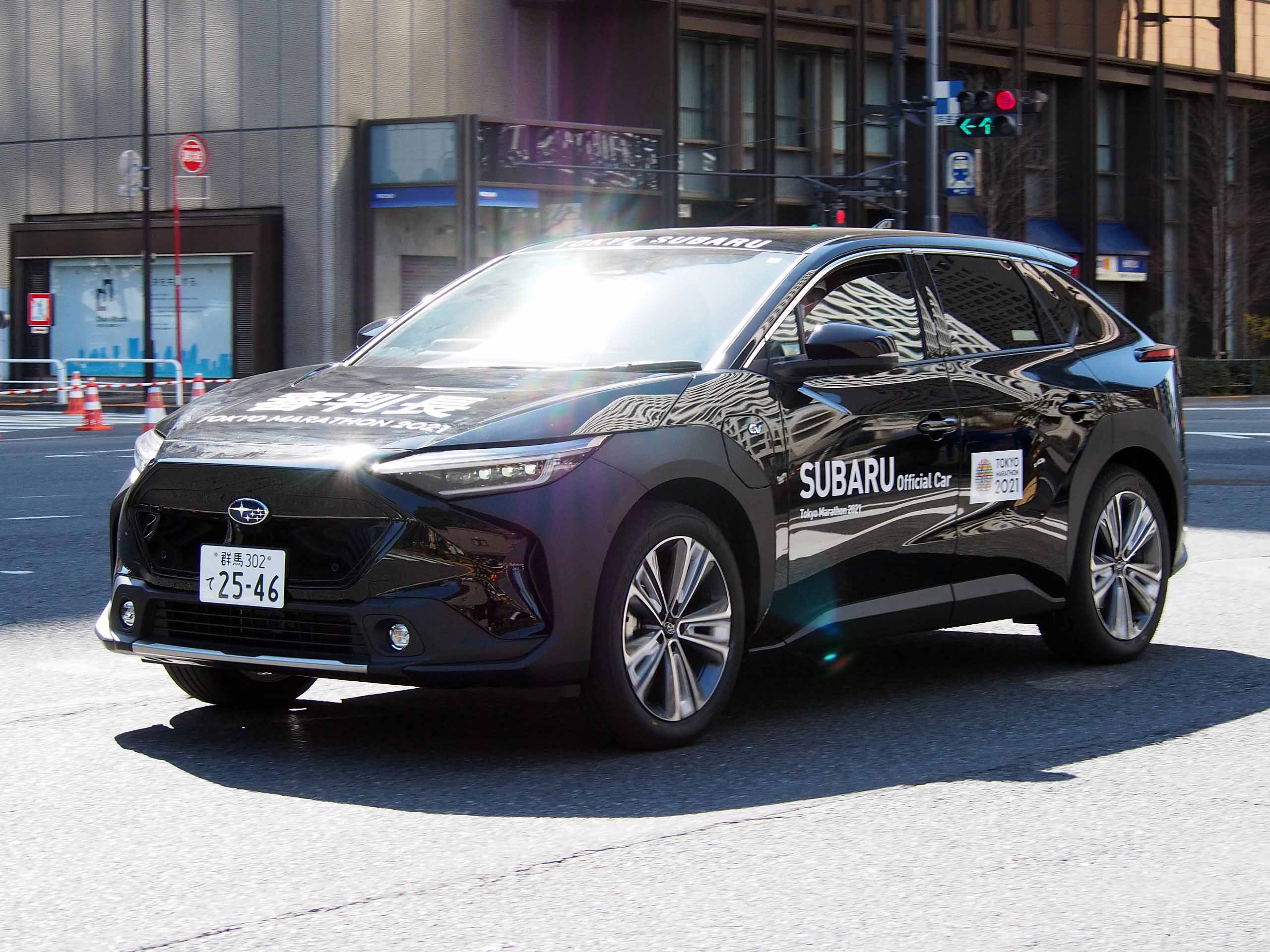
Subaru Solterra
"...ong to tweak the original formula with the BZ and Solterra. They were like, oops, that was, that was not qui..."
The Solterra is Subaru’s electric SUV. In the episode, it’s mentioned as an EV that came from an earlier idea and then got adjusted, because the first version didn’t work out exactly as planned.
The Subaru Solterra is an electric SUV that’s discussed as part of a “tweak the original formula” theme, referencing how it relates to another EV platform. The podcast suggests there were issues with the earlier approach and implies the Solterra is part of that evolution. It’s mentioned to highlight how EV designs can change over time.
Request an Explanation
Heard something you'd like explained? We'll add it to this episode.
Sign in to request explanations for terms you heard.
Want to learn more?
Browse our glossary for plain-English explanations of automotive terms, jargon, and concepts.
Help improve this episode
See something that's not quite right? Our annotations are AI-generated and can sometimes miss the mark. Click the flag icon on any annotation to suggest a correction.