00:00
Hi there! Welcome to another episode of the Unofficial Podcast of Art Center. No, this is
00:06
the inevitable. This is the Motor Trend Podcast, Vodcast, where we talk about the future of the
00:10
automobile, the future of transportation, where are we going, how are we going to get there,
00:14
and are we going to be driving off-road Hyundai's?
00:21
Welcome to the inevitable, a podcast by Motor Trend.
00:32
Yes, you heard me, off-road Hyundai's, but before we get to our guests,
00:37
Mr. Lowe here has got a message just for you. The inevitable podcast is brought to you by
00:41
no sponsor currently, although a couple have reached out, so maybe this will change.
00:47
Yeah, so if you have interest in sponsoring one of our episodes or the whole series,
00:51
please shoot me a note at Edward.Loweathurst.com or slide into our DMs, and we will route
00:58
the inquiry to the right person. The right person we have on today's podcast is a very nice
01:06
gentleman by the name of Bradley Arnold. He is the head of design for Hyundai Design North America.
01:14
He has a long career in automotive, worked for a few different car companies. He's younger
01:21
than Johnny and I by about 10 years. It's super annoying because he's very smart, very clever.
01:30
But we look good, we look about the same age as him.
01:33
Keep talking yourself that. And yeah, we're going to talk a lot about Hyundai's
01:39
ascent, what they've been doing, what he's been doing to help from the design perspective,
01:44
and then where they're going off-road. Because that is a big, it's not even a niche,
01:52
it's actually a major segment for every manufacturer is selling off-roady the aesthetic
01:59
and the capability, but honestly, mostly the aesthetic. Gotta have the capability though.
02:04
Yeah, gotta have it to sell it. It's a bit debatable with some brands. But if you look at
02:09
everything from Toyota, TRD, Nissan's trying to make Nismo into their off-road brand,
02:17
Honda has done a bunch of, what do they call it, is it X-Trail or?
02:21
Yeah, X-Trail. But more importantly, look at Jeep and the Ford Bronco and all the Ford Raptor
02:28
everything, GM with their ZR2 stuff or AT4, these are capable vehicles. And so Hyundai
02:37
doesn't really have that yet. But I think our guest is going to explain how, how they might get there.
02:43
So without further ado, let's bring him on. Yeah, welcome, Bradley Arnold.
02:50
Thank you very much. Thanks for having me.
02:51
Head of Design, Hyundai North America. Yes, Hyundai Design North America.
02:56
Okay, cool. We got lots to talk about. We're going to get to, I think XRT to finish,
03:02
but I want to go through a little bit of your background. Art Center?
03:06
Yep. Another Art Center.
03:08
Another Art Center. I know. Yes, I'm off of you.
03:10
The force is strong. The unofficial podcast of Art Center is undefeated.
03:16
You know what though? I mean, I think now, one of the things we find often when we interview
03:21
car designers is like, I never knew I could be a car designer. I didn't know there was a university
03:26
that taught you to do that. Now the kids don't have an excuse because we've been doing this for
03:30
you know, several seasons and four years. Mine is perhaps slightly more embarrassing.
03:36
My dad's house was in La Crescenta, so 10 minutes from Art Center. And he would drag me on road
03:41
bike rides throughout junior high and high school and we would climb Lido, Lida, Lida,
03:46
and climb up and I would look over at that sign and be like, college, what college is back here?
03:51
We just, you know, and then keep, but I'd be like dead tired and then I'd rattle up over the hill
03:55
and then later attended. You didn't know anything about it?
03:59
Nothing. I was like, why is there a college back here?
04:02
Do you go to, you went to school in La Crescenta?
04:04
I went to school in Sun Valley.
04:05
Sun Valley. Yeah. Village Christian. So like the base of that, La Tuna Canyon, bottom.
04:10
Oh yes. That's for those of you not from Southern California, that's miles away.
04:14
Yes, right. La Crescenta is right there.
04:17
Yeah. I always tell people, you watch Leno's garage where he drives?
04:20
Yes. That's where I grew up. Right.
04:22
Yes. Sun Valley, Shadow Hills.
04:23
I mean, as embarrassing, back in, gosh, 25 years ago, I had a gym that was literally
04:30
next to the Peterson Museum and I'd go to the gym every day for a year and never thought to,
04:35
I didn't know what I was like, Peterson. I don't know what that is.
04:38
Yeah, yeah. That's hilarious.
04:40
So were you driving cars when you were growing up in Sun Valley?
04:45
I don't think so. I grew up, my dad worked for Honda for 40 years in the motorcycle department.
04:51
He was a mechanic and then a race team manager and then was in R&D. So I was really into bikes.
04:56
So we raced BMX growing up. I rode motocross and so it was motorcycles really that was my
05:02
But you like to draw motorcycles?
05:04
I don't even think that. I mean, I wasn't until I was graduating high school and
05:09
we were talking about what I might want to do. I think I had gotten into like Long Beach State.
05:13
I'm like, I don't know. I'll go there and figure it out.
05:15
And then my dad at that point was in R&D and he would work with designers.
05:20
And so he invited Damian Bassett over which is like one of their top motorcycle designers
05:24
and he showed me his portfolio and that was like two months before I graduated high school.
05:28
So I canceled Long Beach State and got an art center at night to develop the portfolio
05:33
and to learn how to draw. I didn't really sketch or do any other than art class.
05:38
Absolutely. Because like I wanted to be a car designer, but I also knew I couldn't draw like
05:43
a square. So I never, I just was not in my head that there's something I could do.
05:49
You didn't take any art in school in high school?
05:52
Like in high school, yeah, like art class. And in hindsight, I have had high school buddies
05:56
like, oh yeah, I always knew you would like design something. But I was unaware that I was doing
06:01
artistic things. I would paint RC car bodies. I would paint my buddies like motocross helmets.
06:06
Say no more. Okay. So I fussed around, but I wasn't like, I didn't know about art or design
06:13
really. And then art center, seeing that portfolio, you know, my senior year of high school,
06:18
that was like, whoa, you, you, you're getting paid to do this. You draw motorcycles. I'm in,
06:23
you know? Interesting. Wow. So.
06:25
But you know, it was commuting from Sun Valley to Torrance.
06:27
Yeah. He was on a motorcycle.
06:30
La Crescenta. La Crescenta. So he did the two to the 110 every day.
06:34
This morning. Yeah. It's terrible.
06:35
But on a motorcycle, I got passed by many. So it'd be a lot. I assume you rode a bike.
06:39
Yeah. I don't know if you ever rode a bike. I mean, you rode a ton of dirt bikes,
06:43
but I don't think he ever had a street bike. Oh, really?
06:45
Yeah. So he was driving in a Honda Accord every day to Torrance.
06:49
Now, I'm looking at your LinkedIn. And so you were, it says design internet fisker,
06:53
which we'll get to, but 2007. So you're like art center in the early 2000s?
06:58
Yeah. So I started in 03, I think, and then left in 07, 08, 08.
07:03
Yeah. We're old, dude.
07:06
Entering 50 like last week or something. That's great. So you're like 10 years younger than me.
07:10
Well, now to make you feel better, I've got designers now. They're like,
07:13
I was born in 01 and you're like, oh my God. Oh yeah.
07:15
Okay. All right. Yeah. That sucks.
07:18
I had to explain what an e-brake was the other day. Yeah.
07:21
We were looking at pictures of an old Hyundai Excel and I was like,
07:24
this is the fun lever and they had no idea the joke went right over their heads.
07:28
Then I had to explain like the parking brake.
07:30
And then they're like, why is that fun?
07:31
Yeah. Right. That's for parking.
07:33
Because front-wheel drive cars weren't fun unless you could.
07:36
Okay. So you did art center at night to learn to draw circles and squares.
07:41
Yeah. Exactly. The cubes and all that.
07:43
Yeah. And a little bit of PCC. I took some art classes at PCC to like.
07:47
Passing to City College.
07:48
Yes. Yes. Great place. Yeah. So yeah.
07:52
Okay. Very cool. And then, so how does that work? You go night school and then you get accepted
07:57
to the transportation program?
07:58
Yeah. You had to build your portfolio and I was leaving high school with nothing.
08:02
So I worked at PCC and an art center at night to build projects.
08:07
And how long does that take? That process?
08:08
I did like a year, year and a half. I was.
08:11
So I graduated high school 02 and I was in art center like middle of 03.
08:14
So I think like starting summer semester, fall, spring, and maybe summer.
08:20
I then I was starting. So it took a little over a year.
08:23
Who did you name check any other designers that we would know that were in your class?
08:29
A little bit ahead of me was Sasha when I was like lower term.
08:34
Actually, that whole term that he graduated in was like the all stars.
08:39
That was what we all went up to Sasha.
08:41
But in that semester was graduating.
08:44
I'm pretty sure I'm right on this. It was Sasha Richard Kim.
08:48
It was Michelle Christensen or Michelle Wilbur.
08:54
Yeah, Acura and Karma.
08:56
And then I'm going to miss I'm going to miss like three, but it was just loaded.
09:02
And I was like, man, if we can be that good when we graduate, you know,
09:06
and I still I like all those guys and gals. They're so talented and Sasha's amazing.
09:10
Yeah. Who are some of your instructors?
09:12
Oh, man, that's the great thing about design school, right?
09:15
You have such a loaded cast of people that still work.
09:19
So Ian Cardiobiano, John Krzyski, the head of the Genesis studio.
09:23
Ian's at Toyota, yeah.
09:26
Richard Petruska, who's just a long time like Arts Center institution.
09:31
Yeah, I just I just met him somewhere.
09:32
I think I met him at your booth at LA at the end of the show.
09:36
LA. He was hanging around at LA.
09:37
Yes, right. We took a picture of me, Sang up and Richard.
09:40
And I was like, this is insane. He taught this guy.
09:42
Yes, he taught. That's the thing.
09:43
He was like, Sang up was so I've never seen Sang up be like.
09:47
Reverential. Yes, exactly.
09:50
No, it's funny because I noticed that too.
09:52
And it was instantly I'm like, oh, yeah, you were a student too.
09:55
And I was of this one person, you know, that's wild.
09:58
I'm sure I'm missing some.
09:59
But that was that was the crew that I remember.
10:02
I'm still really good friends with John, obviously.
10:03
Now we're, you know, sort of I'm running the Genesis or Hyundai studio.
10:07
He runs the Genesis studio.
10:08
But I really look up to that guy and his mentorship and weird to have an instructor
10:13
that then I worked for him for a long time.
10:15
And then fast forward 15 years and I'm at his daughter's wedding.
10:18
I'm like, what do we what happened here?
10:20
Oh, that's cool. Hey, that's how it works.
10:23
And then so so you get an art center and did you do an internship first
10:27
or did you go straight to work?
10:29
No, I did two internships.
10:30
My first one was at Fisker.
10:32
And he was doing the coach building at the time
10:36
and he was designing the car.
10:37
The Mustache Mercedes SLs and BMW 6 series.
10:41
Yeah, you're going to.
10:42
You're going to test my memory.
10:43
It was Fisker or something.
10:45
It's going to hit me in traffic on the way home.
10:47
It was Fisker design, but there was.
10:48
I can't remember the name of those two cars.
10:52
But the operation at the time was very humble.
10:54
I mean, it was an office building in Irvine
10:56
and it was him, Barney, the head of engineering.
11:00
And I think they had both left Aston together.
11:03
And they were the two that they're the two symbols in the Fisker logo.
11:07
It's him and Barney.
11:09
And then they had like a marketing gal, I want to say,
11:14
And then the design team was two interns at a time.
11:16
And when you got hired in, was the karma something you worked on?
11:22
He worked on is being very kind.
11:25
He would do the design.
11:26
He would send you home with a vellum sketch
11:28
and you would render it in Photoshop
11:30
because your job as an intern, at least what I was assigned to do,
11:33
is like take my sketches and make them cool Photoshop renderings.
11:36
And so we would render, render, render.
11:38
But it was the karma.
11:40
So he was he had the front three quarter.
11:42
He had that he had the views.
11:43
He's like, just render this for me.
11:45
And then he would mark it up a thousand little red marks.
11:47
I mean, what a neat thing to be involved.
11:50
Because like, look, this was awesome.
11:51
Despite everything that's happened.
11:53
Like, you know, the Rivera karma Rivera,
11:57
I think just went out of production in January.
12:00
Like that thing was in production from that body shape.
12:03
You know, but it was so good looking.
12:06
It couldn't die type of thing.
12:08
It was the experience for me because I was, you know, at fifth term,
12:15
you still know basically nothing.
12:16
Or at least I felt like I didn't.
12:18
You scrounge together a portfolio.
12:20
And at the time the internship interviews were you had to get dressed up in a suit
12:24
and like Honda was at two and and Fisker was at three and Nissan was at four.
12:29
And you stood out in front of the college front doors with your suit on 30 of you.
12:32
And she would come out and go you and you.
12:35
And then the rest of you are like and go back to class.
12:37
And so I got some portfolio or just randomly pointing.
12:41
So Henrik is in there and he's looking at 50 portfolios.
12:44
And he says this one of this one.
12:46
And I thought I might be in the running for a Honda or something that day.
12:50
I'm like, they'll probably like me.
12:51
And then nothing all day.
12:53
And then in the afternoon, Fisker, I'm thinking that is not the one that I'm qualified for.
12:57
I don't feel like I'm, you know, ready for that.
13:00
And at that time, too, in the car design world, he was a God, right?
13:04
The Z8, his work at Aston.
13:06
It's like the, I mean, the, the Vantage.
13:08
Everyone went Gaga for the 2005 Vantage.
13:13
So walking into this, you know, blonde hair.
13:15
He's got a sharp suit on.
13:16
I mean, I was like, palms were sweating, but he could not have been nicer.
13:20
And the whole internship was fantastic.
13:22
He was super nice guy.
13:24
At the height of the relaunch of the ocean.
13:25
And then yeah, well, yeah, it's happened.
13:29
Did you, you didn't do, was this, this 2007, I'm looking at your, your LinkedIn.
13:33
Was that white star?
13:35
Did he, did he, did he do, which became Tesla?
13:37
No, I didn't see anything like that.
13:40
And then you said you had a second internship?
13:42
Volkswagen at DCC when it was in, on the airport, on Santa Monica airport.
13:47
Oh, that's, that's a good internship.
13:49
Derek was the head of the studio at that time.
13:52
Also on the podcast.
13:54
He's the head of Lucid, our chief brand officer or whatever.
13:58
I got to, got to intern for him.
14:00
And then he, he's been so gracious over the years to like,
14:03
every time I'm hitting like a, I need some advice, you know, and he's been awesome here.
14:06
Weirdly friendly and approachable and accessible guy.
14:09
Super, super friendly.
14:12
What did you work on there?
14:17
One of the things I got picked, I think, I don't know if it ever made it anywhere,
14:20
but I remember like, okay, your design for the hubcap on like a steel wheel of like a commercial van.
14:26
Alex, Alex Oral did the commercial van and I think I got to do the hubcap and
14:30
it was like the first thing that got made that I had drawn at a company and
14:40
And then I think I had a proposal for a Passat.
14:43
We were doing Passats and that studio at that time was definitely a satellite studio.
14:47
Like I remember Derek going to Germany with like all of our work and scale models and,
14:51
you know, images and generally the sentiment was like, thanks for that.
14:56
We'll take what we want and go back to Santa Monica, you know.
14:58
So it, at least that's how I perceived it.
15:01
You know, I was, I don't know, at the time, 21.
15:05
But it was just so exciting to be in that building and walking into a real car design studio
15:09
on the airport runway and watching jets fly by and you're like,
15:13
this is what you guys do all day.
15:16
Johnny, 21 in 2007.
15:17
I don't want to talk about that.
15:18
I don't do, I'm not sure I'm doing the math right.
15:20
Maybe I was the early 20s.
15:22
But okay, so that internship ends.
15:26
What's your first hire?
15:29
So I'm leaving, leaving school.
15:31
I had offers from, there was some potential there at Volkswagen through Derek,
15:36
but it would be in Wolfsburg, California kid.
15:40
It looked pretty cold.
15:41
And everybody that I talked to it at, at Volkswagen was designer on the designer level
15:46
was like, don't go over there.
15:48
But I, in hindsight, that would have been an amazing experience, just different, you know.
15:54
So, and then Honda and I remember going to the Honda interview and I think two people
16:00
stopped by the room and they're like, you're Dave's kid.
16:02
And I was like, I'm not going there.
16:03
I don't want to be Dave's kid walking down the hallway just because he,
16:06
my dad had been there for 40 years.
16:07
Was he still there at the time?
16:10
Oh, so that was like.
16:10
He might have been retiring, right?
16:13
Was it, was it really the stench of nepotism?
16:15
Or just you wanted to.
16:16
I just didn't want to be noticed as Dave's kid.
16:18
It really like weirded me out.
16:19
It's a very easy holiday.
16:20
What stench of nepotism?
16:21
That's like, that's all there is.
16:22
I would love some stench of nepotism.
16:25
I gotta work for everything I got.
16:28
So, no, I just felt that would be weird.
16:31
And then, John Krzyski was my favorite instructor at Art Center.
16:34
And he was hiring at Hyundai and he was a design manager there.
16:38
And I'm like, well, this guy got really good stuff out of me in school.
16:41
I think it would be great to work with him.
16:42
And Hyundai in 2008 was, was cool, right?
16:45
The YF Sonata was really expressive.
16:48
And stood out from the accord and the Camry at that time.
16:50
So, I just felt like, well, this is a place that's obviously pushing.
16:54
So, you were able to deduce that like fresh out of, because I, you know, I would say like,
16:59
if I had looked at in 2008, like, you know, they made one interesting looking car where
17:03
they made a lot of not so interesting looking cars.
17:07
But you might even have some insider baseball knowledge like.
17:09
Well, I just, that YF Sonata had just come out, I think, as I was graduating and it was,
17:15
And I remember thinking like, well, they're trying some wild stuff over there and I really
17:20
And then he was a really tough instructor.
17:22
But I felt like this place seems to be building momentum.
17:26
And so happy that I made that decision.
17:29
And you've, you've been there since.
17:32
No, I, I did, I did three years.
17:36
So, yeah, I did spent three years there.
17:39
You did work on there.
17:42
First thing was, no, I got to do the launch of Veloster, but Korea did that.
17:47
I'm not sure how he got roped into that.
17:48
But yeah, I was like, sure, I'll do it.
17:51
And then you're standing on stage at Detroit.
17:53
You're like, I don't want to do this.
17:56
No, I did Genesis there.
17:59
They launched the Veloster.
17:59
I did the one at the end.
18:01
I did the graphics for that silly one that had like demonstrated the girl's lifestyle or
18:05
something like that.
18:06
They were trying to illustrate.
18:08
It was like a social lifestyle vehicle.
18:10
So that was when they would build, that was when they still do it.
18:14
But like you make up the your ideal customer.
18:20
But she loves guitar amps and one and a half friends.
18:23
So you need a three door.
18:26
But at that show, what I did do is the interior of the curb concept.
18:31
So that little white SUV, I did the interior for that.
18:33
I had a proposal for the exterior.
18:37
And I was like, well, I want to get a show car.
18:39
You know, so I just tried the interior and it worked out.
18:42
But in addition to that, I did the Genesis Coupe facelift.
18:45
So that was my first production thing that I got chose.
18:50
I mean, I remember I got that was so exciting when that the Genesis Coupe came out.
18:55
We put on the cover.
18:56
I think we put Mustang killer.
18:58
We put a yellow one on, which got a lot of cool letters.
19:02
Well, you know, cool letters.
19:06
So you do that leave Hyundai and then GM.
19:09
I go to GM and the satellite studio in North Hollywood, the advanced studio.
19:16
Our head of advanced in Michigan.
19:21
So who we reported to was Clay Dean at the time and that was during the Ed Wilburn years.
19:25
And limited interaction with Ed, but seemed amazing and super friendly and easy going.
19:31
But Frank, I love Frank.
19:32
He was a Pasadena guy and that studio at that time was just killers.
19:37
Everybody there was a senior designer and everyone had done something somewhere else.
19:42
So you walked into this like frat house of like the best designers from
19:46
every studio they recruited from.
19:47
And it was intensely competitive.
19:51
But they were doing that.
19:51
So the single was long gone at that point, right?
19:54
Because it was like 2011.
19:57
He had already done Camaro.
19:59
Camaro and then left for Bentley.
20:04
So 2011, what were you working on when you got there?
20:08
Right when I got there, they had these pair of coupes because I had just done the concept
20:13
So I got brought on and as like you can do interiors or exteriors, depending on the project.
20:17
So I did the interior.
20:19
They had a pair of coupes that was like code 130R and true 140S.
20:25
It was like a little white mid-engine.
20:26
And then like code 130R, I remember.
20:28
And then a little red front engine.
20:31
Oh, that was like that.
20:32
Did it become a Buick?
20:33
Like they're going to do the Grand National or something?
20:39
Oh, yeah, they were a little too serious things.
20:42
So I think they were like testing like, do you want the mid-engine or do you want,
20:45
you know, the more classic profile?
20:46
And so I did the interior for that thing.
20:48
And then after that got to work on some of those Cadillac concept cars.
20:53
It's man, such a, yeah.
20:55
And it's funny because one of the podcasts I listened to with you,
20:57
you were talking about that unveil at Clint Eastwood's place.
21:01
Again, we were outdoors and like the air left the room.
21:04
I've never seen anything like it because they brought out something else.
21:07
I don't remember what it was at the time.
21:09
And then the CL rolled out.
21:11
And I mean, it was like dead silence outdoors.
21:17
Clint Eastwood's place was Elmerash.
21:19
The, they did two years in a row.
21:20
So the CL, the four-seater convertible, that was the one.
21:24
The Elmerash was fantastic.
21:25
But I remember that CL no one had ever, and that was like with the olive wood interior.
21:30
I remember the Elmerash drove.
21:31
Did you do the Elmerash from scratch?
21:34
Were you, were you used?
21:35
No, I was very much a support role on that project.
21:38
I did early interior theming, which they used some of it.
21:42
And Gail Buzan, the interior manager nailed that thing.
21:45
And then I transitioned at the end of the project onto helping Nikki Smart,
21:49
still a good friend of this day, amazing designer, did the aerial atom.
21:53
And then, yeah, did the CL Elmerash.
21:55
And there was one Cadillac before that that you had done, the ULC.
22:00
But yeah, I got to work with him on Elmerash.
22:02
He was having his second kids.
22:03
I remember like he had to kind of be places at a certain time.
22:07
And so I got to help basically execute the car and design a bunch of the details.
22:10
But just happened to be part of it.
22:12
Those are so strong.
22:13
If you're not familiar, just look at like, you know, Cadillac concepts of the, of the teens.
22:19
Like the strength of that design studio was just monsters.
22:23
Like, you know, just, just crazy.
22:24
I remember being a pebble and having people go like, when are you going to make the CL?
22:28
When are you going to make, you know?
22:29
And it's like, well, I'm glad you like it.
22:31
We agree, you know?
22:33
Not really up to us.
22:35
Right. That was, yeah, the follow through.
22:37
So when you were at both Hyundai and GM, did you get to travel much to HQ?
22:43
Did you go back to Korea at all?
22:45
Hyundai, you, I did any, we have monthly presentations, which we send designers to
22:51
to build the model and then all the models, you know, typically one from Europe,
22:55
one from us and one from Korea, or multiple from each will join in the HQ and view it in
23:02
front of everybody.
23:03
And all the different teams will go through it.
23:05
And then at the end of that week, chairman comes in and views it and makes the final call.
23:09
So we do that monthly, basically, almost every single month.
23:12
So I think you had to go every month or did some different?
23:14
No, like, depending on if you got something selected, you'd go.
23:16
So I think I went a few times in the first three years.
23:19
And then at GM, we were building all of our show cars in Detroit in the shops.
23:25
So when I, so after CL, then I did these little electric, they call PEV2 and PEV3.
23:32
They've later released them kind of unofficially, but at the time they kind of died a slow death
23:36
and they didn't release them.
23:38
We made two of the kind of a tandem cedar, a little electric personal electric vehicle,
23:45
PEV, and then we did like a three cedar, which one person in the front, two in the rear.
23:50
But we built four of those.
23:52
They look like big head smarts.
23:55
Exactly, that's a good description.
23:57
So they're right now, they're at somebody sent me the other day, they're at, what's the Disney
24:02
They're a whole ride is like GM design and my sketch is like huge on this wall.
24:06
And I'm thinking, where did you see this?
24:08
He's like, I'm at Epcot.
24:09
I'm like, wow, okay.
24:09
That's pretty cool.
24:13
Yeah, that's all, yeah.
24:14
All right, so then you're at GM and then how do you get back to Hyundai?
24:18
So John was still there.
24:20
John was now sort of like the lead exterior manager and Sengup and Luke had just joined.
24:28
And he was like, man, this is like the next level, the Momentum's building.
24:36
So the year prior had just become the brand, right?
24:40
It went from, if you recall, Genesis was a model of in the Hyundai lineup.
24:47
Right, yeah, Hyundai Genesis.
24:49
And the Hyundai Equus, don't forget the Equus.
24:51
And the Genesis Coupe.
24:52
And it became, it was like, here Hyundai's trying to build a Lexus competitor.
24:57
Here's a rear drive, luxury sedan, and then spun off into its own brand,
25:03
which we'll talk about when we get to XR, what might be coming for XRT.
25:08
So a year after the introduction, they start putting in the super group, like the Avengers.
25:15
That sounds like Peter Schreyer, right?
25:17
Yeah, Schreyer had been there for a little bit, but Luke and Sang Up had come.
25:21
And yeah, John was just saying, I mean, he had been kind of talking to me to come back
25:26
But he said, look, these guys mean business.
25:30
They're going to change, I think, the trajectory of the company.
25:34
So I think I joined like three or four months after Sang Up did.
25:38
And yeah, it's been an awesome ride.
25:42
That's 10 years since rejoining.
25:45
So all together, I think I'm at 13.
25:47
But in two different, I'm one of the rare cases that left and came back.
25:51
Yeah, that's right.
25:52
So how does that go?
25:54
How does the recruiting go within design?
25:56
Like you have this, you guys all know each other.
25:57
You have this relationship.
25:59
You've got a pretty good gig at GM.
26:02
Like the Overture is made, they recruited you, right?
26:06
So they go, they're like, we want this guy based on all this cool stuff he's done with us.
26:11
And then also with Cadillac, by the way, we're launching a luxury brand.
26:15
So this guy kind of slots right in here.
26:18
How do they sell you on it?
26:20
I don't think I needed much selling.
26:21
I think I had that Pev 2 and Pev 3 that I mentioned had just died
26:25
or seemed like it was going to die.
26:27
And it's like, man, I don't know if I can work in a studio where I work on something
26:31
for two and a half years and then it goes in the bin.
26:34
And that's common at large companies.
26:36
Yeah, well, satellite studios, typically that happens.
26:39
Hyundai doesn't do a lot of that.
26:41
Even at our, we are technically a satellite studio in California.
26:44
But a pretty major size studio.
26:46
Yes. Everything you work on is used.
26:49
There's no room for throwing stuff in the bin.
26:52
So that was attractive to me, having experienced the other side and that studio.
26:56
And I don't think it's like that anymore, but during that time.
26:59
So I don't think I needed much selling.
27:00
I was looking for, I want to make sure that whatever I draw is helpful
27:03
and I don't care if that's a hubcap or a car.
27:06
I want whatever I'm sketching to be used.
27:09
And then the Genesis thing was kind of being mentioned.
27:12
Like we might have a separate studio and I was like, that, that looks fun.
27:17
So when I came back, it was right when John got to kind of separate himself internally.
27:22
So what you visited as the sandbox was the Genesis studio for a while.
27:25
And we were the first four people in there.
27:27
So two interior, two exterior with John.
27:29
And it was like, this is great, you know.
27:32
Right. So the sandbox is this over and following along.
27:36
The old Genesis studio is now the sandbox, meaning it's the XRT studio.
27:41
And we'll get to that because I was like, that was very cool.
27:44
I love, I love studios rarely get to go on them.
27:46
And that's like one of the coolest ones I've ever seen.
27:48
Awesome. Well, thank you.
27:50
So, but, but real quick, sorry.
27:53
So what I admire about, I'll say the Korean companies,
27:57
but Hyundai Kia Genesis is how they're so quick to move.
28:01
Something that, you know, American and Japanese and European car companies are really
28:09
welded to, wedded to eight-year cycles.
28:13
And it seems that like, you know, that's not the case with Korea.
28:17
So was that an attract, did you know about that going in?
28:20
And was that attractive where it's like, you know what,
28:22
if it's not working, kill it and do something else.
28:25
Yeah. And I mean, it can be good and bad for you personally, right?
28:29
Because you may be going down the path and you've got the design selected,
28:32
the last minute chairman or saying up or somebody shows up and goes,
28:36
you know what, this is not the right, we're going to do this.
28:38
Right. And you're like, no, no, it's good, you know.
28:41
But a lot of times it works in your advantage, right?
28:44
Where like it is going down a certain path and we collectively go,
28:47
this is not what we should be doing.
28:49
Let's pivot over here.
28:50
And I liked the nimble, fast nature I still do of the company.
28:55
I think that's an asset of ours.
28:57
Yeah, I totally agree.
28:58
I think I always during interviews with design prospects just say, look,
29:03
if you are made uncomfortable by lots of changes and schedule changes
29:07
and deliverable changes, this is not the place for you.
29:09
And no judgment, it's not for everybody.
29:12
But it's exciting for designers, I think.
29:15
So yeah, it's been great.
29:17
So what did you work on at Genesis initially?
29:20
So the first thing I worked on when I came back was a GV80 concept.
29:25
So that was right when Luke and Sang-up were like penning,
29:28
you know, like, this is what we want for the first SUV.
29:31
So that's crazy because I think we drove the GV80 for the first time during COVID.
29:35
It was like 2020, four years of development or three and a half years.
29:39
So I did the concept right when I got back.
29:42
And that was launched in, what have been 12, I guess, like maybe the next year.
29:48
And then after that, the production version, one of my colleagues, Tony Chen,
29:52
went to Korea and did it with some of them.
29:54
Did the production version.
29:56
How was it, was the concept significantly different than the production car?
30:00
The rear, the whole thing got like a little bit more formal and a little more square,
30:04
like the current car now is a bit more robust, I would say more handsome.
30:08
The first concept version was a little bit lower and sleeker and sort of like nose down.
30:14
But I mean, the production car, I still think that thing looks super sharp
30:17
and carries all the best attributes of the concept, but just improved.
30:21
And then you moved to Hyundai design.
30:25
So I think there was a promotion available and the head of the Hyundai studio at the time,
30:33
Chris Chapman, was like, hey, Brad would be a good person to lead projects and lead a team,
30:38
because I was a senior designer up until that point.
30:40
So the promotion was available on the Hyundai side.
30:43
So I think it was exciting for me.
30:44
I always felt more comfortable doing Hyundai's, frankly.
30:47
I didn't really feel making something look expensive has always been a challenge for me.
30:52
Making something look tough or sport.
30:56
And also I just, it was just more natural to me.
30:59
Like, these are the people that I grew up with.
31:02
I can understand how to design for them, but designing a Genesis or a Cadillac was intimidating.
31:07
It was, I could do it, but it took a lot more sort of like,
31:11
how do I get into their mindset?
31:14
I just didn't never really felt like a part of that customer.
31:17
So it did feel uncomfortable on the Hyundai side.
31:19
So how do you get into their mindset?
31:22
Yeah, at the time, probably a lot of mood boards.
31:26
Stare at a big dive.
31:27
No, no, like really.
31:29
No, mood boards, right?
31:30
I mean, designers, you do a lot of that.
31:32
It's funny because you're expecting designers who don't really make enough
31:37
to be part of that luxury lifestyle, to be like, think like luxury customers.
31:41
You're like, well, I would love to.
31:43
I mean, that's, but surely one of the higher ups, and I'll call out saying,
31:49
yeah, they would, he would like, oh, let's go do a fancy thing.
31:52
And they do do that.
31:54
And I think, and also, you know, they've, he had all the training and sort of knowledge
31:59
and know how from Bentley and had that sort of, that thought process coming in.
32:04
So he was great and guiding.
32:06
And the first Genesis, the GB80, I mean, he was telling us what to do.
32:10
Basically, what did he want?
32:11
He was the section, here's the sections.
32:13
You would do theme sketches to get it rolling.
32:14
And then he would go, okay, got it.
32:15
Now do the section like this.
32:17
And so he was an awesome, still is an awesome teacher and somebody that you learn a lot from.
32:22
And you guys have had them on, you know how like passionate and excited he is.
32:26
And not an amazing individual.
32:30
So he's, yeah, he's always safe from saying up to Sun Yong.
32:34
Sun Yong is one of my younger designers.
32:35
They're all killers, you know?
32:37
But I watched saying up still will do a little sketch for me and set it on telegram.
32:40
Like this, you know, and you're like, perfect.
32:43
That's what designers want is to interact with other designers that know what they want.
32:46
And you can kind of build on that excitement.
32:48
Well, I wanted to get a little bit on this.
32:50
So how do you, how do you go from, you know, Locker Center or Sun Valley
32:55
and sort of get in that mindset of like, you know, the headliner material should be
33:03
more like this and not so much like this.
33:06
Like do you, I think designers are naturally observant people.
33:10
Like if I think about my childhood, I was often like watching those around me and like
33:15
observing and it could be misconstrued as shy, but I think I was really enjoyed kind of like watching.
33:22
So I think designers are all like that.
33:23
We're more comfortable kind of watching the scene unfold and then getting inspired by that
33:27
and thinking about how we could challenge for like at GM for the Cadillac stuff.
33:32
I really like looking at old Cadillacs.
33:34
And I don't think I saw a lot of those when I was growing up.
33:37
It was typically like 64 and Paula's or something.
33:39
That was as cool as it got in where I grew up.
33:42
But the Cadillacs, it did hold a special place.
33:45
I think in any American's heart, that imagery is, is quite rich.
33:50
And so I think that's where I looked a lot was past Cadillacs and American architecture helped a
33:55
lot because you can imagine the people that are designing those cars are in these buildings, right?
34:00
The GM headquarters is a great example.
34:01
So I would gain inspiration from that and sort of think about what is the modern version of
34:08
that, right? That experience, that pride and also that Cadillac opinionated design where it didn't
34:15
care about what the Europeans were doing. It will do this.
34:18
Standard of the world, right?
34:20
Okay, so that's for Cadillac.
34:21
But then how do you get that mindset for a brand new luxury car company from Korea?
34:26
You're a white guy from the valley.
34:28
Like do you, do you go?
34:29
Not even like really the proper valley.
34:30
No, it's the edge of the valley.
34:33
Did you go, did they send you to Korea and here's, go to Gangnam and like do it up and like?
34:38
No, I don't think so.
34:39
Because what, I mean, what was the brief on GV80? Was it for, was it for America, North America?
34:44
Right, who was yours?
34:45
I had a global premium.
34:47
It was global for sure.
34:49
But I think Desani in California, my influence when I look at that car and how it's used,
34:54
and you can see kind of my, some of my like scene renderings towards the end,
34:57
I was trying to depict the lifestyle, but it was definitely a modern, I always viewed,
35:01
we get to start a luxury brand here.
35:03
So we don't have any sort of like being tied down to legacy stuff.
35:07
And I think it, I viewed it as semi-affluent young families.
35:12
What do they want and what are they surrounding themselves with?
35:14
Part of the products that they're interested in.
35:16
They are not the typical luxury car buyer.
35:21
So I thought it gave us a lot of license to try whatever we wanted.
35:25
But I looked a lot at like, you know, semi-affluent young families in like California or New York,
35:30
what are they doing?
35:31
What are they interacting with?
35:33
And then how do we gain inspiration from that?
35:36
So that was sort of the, my sort of deep dive into who I thought would buy it.
35:40
And what's funny now is like early days of Genesis, especially,
35:43
what I noticed was a lot of like old white doctors would have that car.
35:47
Cause they're like, you get the same thing as this, but for less money, like very pragmatic.
35:52
Yeah, it's funny how often like the, the psychographic misses like,
35:57
I don't know if you get like the, the scion XB was like,
36:00
yo kids will steal, they'll be digging out of the back of their bottle.
36:03
It's like, oh, old people would like to garden,
36:05
you know, the Santa Cruz get soil into it.
36:08
Yeah. The Santa Cruz is the exact same way.
36:10
Like had this idea of who we could be.
36:12
It'll be small compact.
36:13
So you could park it anywhere, but it's active.
36:15
You can throw stuff in the back.
36:16
And it's a lot of empty nesters doing Home Depot runs, which is great.
36:21
But you had to know, you have to know that like the secondary.
36:25
Yeah. So what I inspiration you're saying comes from,
36:28
like they're going to throw their motorcycle in the back and whatever.
36:32
All right. So you, you, you get back to your more every man roots at Hyundai, which is great.
36:39
You've been there basically ever since your site hustle though,
36:42
is your teaching at Art Center?
36:44
I did. I did. I stopped a few years ago.
36:47
Once I got into like a leadership role where now you have to keep track of eight or nine
36:51
projects, I was like, man, I don't, I'm burning the wick at both ends here.
36:54
Plus, because you live in Orange County, plus that commute must have been.
36:58
That's a tough stuff.
37:00
And John, and John for several decades has locked down the Saturday.
37:03
So Saturday classes are the only availability is John's class.
37:06
So, so I, you, the rest of us had to do like Wednesday and you're leaving work at
37:10
315 and wide open through traffic on a motorcycle, you know?
37:14
Or that, that flying autonomous car can't come fast enough.
37:22
The GV80 and then was Palisade the next big thing you did?
37:30
So that was the first project that I managed.
37:32
So working with several designers and, and making sure that,
37:36
yeah, guiding a team and learning how to do that.
37:38
That's a whole different challenge.
37:40
You know, being a good designer doesn't prepare you for being a good leader and helping.
37:46
So that was a big, you know, transformation of my career and understanding how to do that.
37:51
But Santa Cruz was awesome.
37:53
I grew up riding, driving trucks.
37:55
So I had a, a lot of conversations with the designers when we first started.
38:01
What is this thing?
38:02
It's, it's, let's say it's not a truck.
38:05
And it has an identity that all its own, right?
38:10
So we have to talk about it like that.
38:11
And once we kind of came upon this term sport adventure vehicle,
38:15
it really took on that lifestyle image.
38:19
And we understood that, okay, it's not a CUV.
38:21
It's not a Tucson, which is what it's based on,
38:23
but it's definitely not a truck as people would traditionally recognize it.
38:27
So I think that helped us sort of free ourselves from
38:31
any sort of preconceived ideas of what a truck is or what a car is.
38:35
Can I ask you, was there a real like, no, we're not going to, like,
38:39
I think about like the Ford Maverick, which is based on the Ford Escape,
38:42
Which is a competitor to the Tucson.
38:44
And it looks like a pickup truck.
38:46
Was it, was it really like we're not going to make the Santa Cruz look like a pickup truck?
38:50
I mean, keep in mind when we were doing Santa Cruz,
38:53
it was before the Maverick existed, right?
38:55
So we didn't, and also we don't have a truck legacy to reference.
38:59
So I think they, it serves them.
39:01
I think both decisions were correct.
39:03
They should make it look like trucks because they make trucks.
39:05
So that makes sense.
39:06
I'm just asking, since it really, you know, it looks like a Subaru Brack.
39:12
More than anything.
39:13
You know, we're a weird El Camino type thing.
39:16
But like, was there like, we don't want it to look like a three box pickup?
39:21
Was that like a thing or just wasn't even a contention?
39:28
as a growing up driving trucks, I was very aware that like, don't try to make it look
39:33
like something that it isn't.
39:34
So any sort of like indication of a bed separation when it's a unibody,
39:39
why are we doing that?
39:40
They know it's not a separate bed.
39:42
So let's design it.
39:44
And people forget how sophisticated truck buyers are.
39:47
Or at least I would say, no, they have a huge knowledge base.
39:50
And you can't trick them, you know?
39:52
No, that's a very good point.
39:54
So you can see on the facelift, we made a concerted effort to try and make it look a
39:58
little tougher because now we do have the Maverick in the landscape,
40:01
and that definitely looks like a truck.
40:02
There was adjustments afterwards to try to make it look more vertical.
40:07
And we had this little, on the facelift, we had this little tagline internally,
40:11
less football, more football.
40:13
So like they're both agile.
40:14
They're both athletes, but this one is running downfield,
40:18
and this one is making dynamic cuts, you know?
40:23
And then when did, so, sorry, what else?
40:26
What other vehicles will we talk about?
40:29
Yeah, I mean, Santa Cruz, and then, I mean, it really started after that,
40:34
doing like a lot of the early XRT work.
40:37
And at the time, it was a lot of like, you know,
40:41
just sort of variants of this vehicle that's already been out.
40:44
Can we do an XRT version of it?
40:46
Let's just get to XRT.
40:47
Let's talk about what is XRT.
40:50
Extreme rugged terrain is what the letters stand for,
40:53
but it's Hyundai's effort to produce lifestyle outdoor vehicles,
40:58
similar to what other companies do, but in our own way.
41:02
And I think slowly when we're building capability,
41:04
design always wants to do stuff like this, right?
41:06
We know that there's an appetite from the customer,
41:09
even with their base CUV, being blacked out is attractive to them,
41:13
blacked out with a roof bar already.
41:15
Or like what Subaru's doing with the wilderness stuff, like it's just, you know,
41:19
and, you know, I know with Subaru, they were like,
41:22
hey, everyone buys our stuff, and then they do this to it.
41:25
Let's cut out the middleman and sell it to them.
41:28
What was the first XRT?
41:30
Yeah, Santa Cruz XRT.
41:32
And the time was done by like the customization team in Korea.
41:36
And they, you know, do normally the accessory design and things like that.
41:40
But for a company like Hyundai accessories,
41:42
historically have been kind of limited to floor mats and roof rails, right?
41:48
As you venture into focusing on the American customer,
41:51
that's not good enough.
41:52
We've got to do better at those things.
41:53
So XRT is tied to accessory sales and all that stuff.
41:57
We want to build that.
41:58
You're sort of the perfect guy for this growing up.
42:00
Like who your father was and what he did.
42:03
But also like, you know, riding dirt bikes as a kid.
42:06
I mean, that's the Southern California desert lifestyle.
42:09
It all goes back to like, let's go out in the dunes and run around and get muddy.
42:14
And that's, you know, I look at like with the, you know, I walked in.
42:17
First of all, Ed, you should go down to the studio.
42:20
But like, it's like,
42:22
haven't been in one.
42:23
Yeah. Well, you got to work on your personality.
42:26
But on one wall, it's just like they have monster truck tires.
42:31
Like they have like 18 inch wheels on 33s, on 35s, 20s on, you know, and up to like
42:36
Arctic truck 40s, 44s, and you can walk up the desert and walk up and like spin them
42:42
and see them in motion.
42:43
And then they have all the like outdoor gear that you, you know,
42:47
people are so into like not only bolting to their trucks,
42:49
but like the backpacks and the water solutions and the, it was crazy.
42:54
I mean, that stuff is also for us to remind ourselves of like where the industry is now
43:00
and where we're at.
43:01
Let's be honest about that.
43:02
And how do we need to bridge the gap and get to the point where customers are,
43:06
like you said, are already doing this.
43:07
There's clearly a desire to, to modify more, to engage with their vehicle more.
43:12
And that engagement builds a personal connection to that vehicle and your brand.
43:16
And we've seen other companies do this so successfully.
43:19
And I think Hyundai does fun and does engagement quite well.
43:24
We haven't yet done it in this space, which is why we're focusing more on it.
43:28
So it starts off with the Santa Cruz.
43:30
It's a, it's essentially now a trim level, is that fair to say, on a lot of the Hyundai SUVs.
43:40
And the plan is that it might become its own with the crater concept,
43:47
become potentially a standalone brand.
43:50
I don't know that we're committing to saying that, but we definitely want to encourage
43:54
each model to bring more capability beyond just the unibody SUVs that we've done right now.
44:00
So we're constantly fighting for that.
44:02
And we'd love to kind of explore different expressions of what that is.
44:06
Sometimes it's not necessary on a Kona.
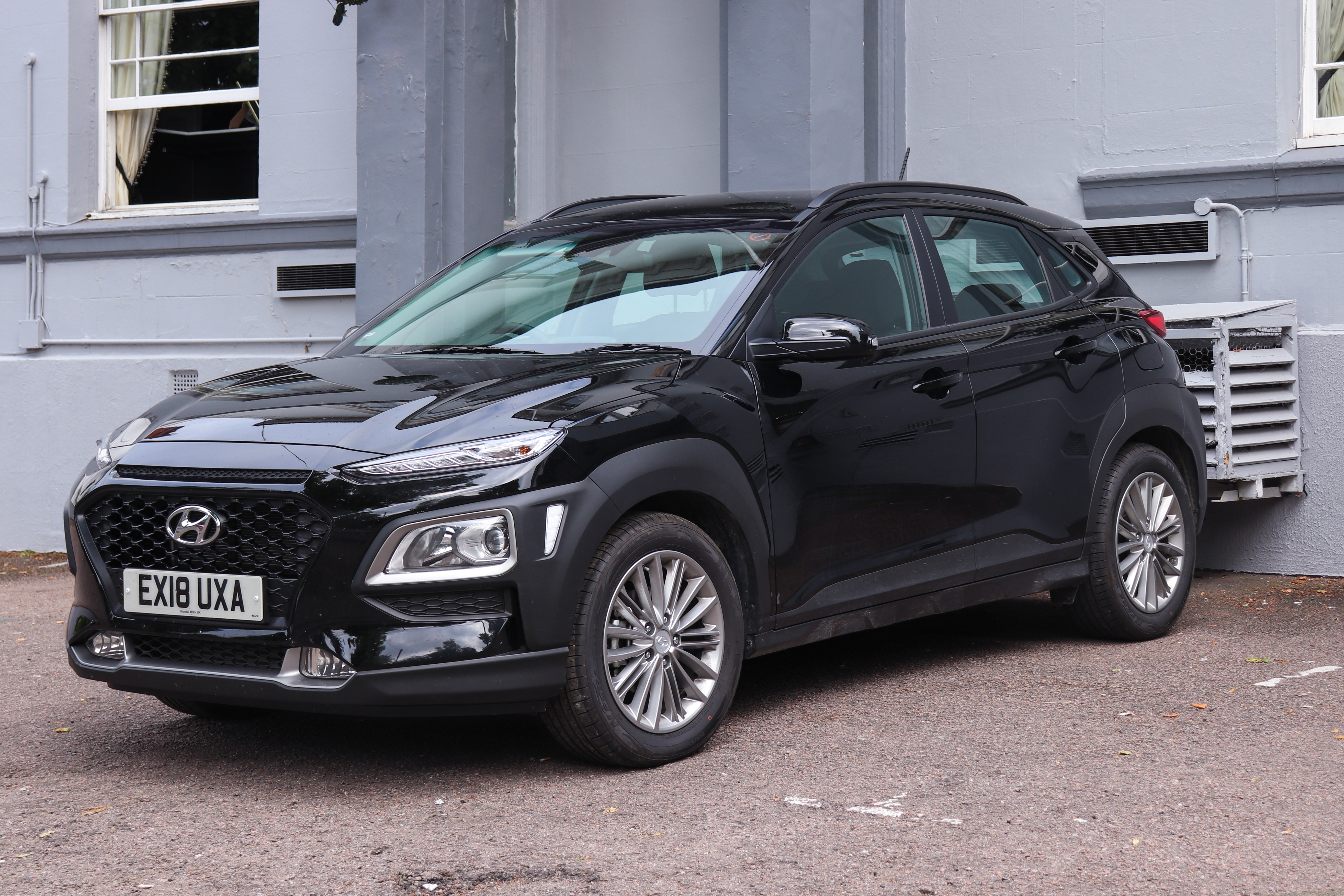
44:08
You don't maybe don't need to do a ton of capabilities,
44:11
but they still do like it to be customized in some way.
44:14
But on the other end of that, we're definitely exploring the most extreme versions of outdoor
44:18
lifestyle and how the vehicle needs to support.
44:21
But like, you know, cause I mean, you said, you know, some of your competitors have done
44:24
it very successfully.
44:25
Like I went on the launch of the forerunner and we didn't have time to drive all the variants
44:32
that they sold initially, you know what I mean?
44:34
Just out the gate and, you know, they have a $30,000 price spread among models.
44:40
And they have two that are basically 70 grand, you know, the old man.
44:49
But I mean, it's like, it was just, I was just fascinated.
44:52
Like, man, they know this segment.
44:54
Like they know their customers and they know what people will be paying.
44:58
That's the dollar signs for the corporate execs at Hyundai Motor.
45:02
Like we need to deliver more on this side.
45:06
But then you're the guy who has to make it legit.
45:10
So XRT at launch was some accessories, some styling cues, right?
45:17
Make it look a little tougher.
45:19
What vehicle currently would you say has the most sort of mechanical upgrades for XRT?
45:26
I think we've, Palisade XRT was the first XRT Pro.
45:29
So we've gotten to front and rear tow hooks.
45:31
We've gotten to, you know, a bit more of a suspension lift, all-terrain tires.
45:35
So that's the base level that we need to expect from ourselves,
45:39
regardless of whatever car it comes on, right?
45:41
And I love this phrase that the car has to start earning the badge.
45:46
And I think we, you know, like anything starts out in humble beginnings and we say,
45:50
okay, we'd like to do this.
45:51
What can we do at first?
45:52
So we're slowly building that capability.
45:54
The opportunity that I see in front of us is what I saw with N.
45:58
We're doing N in a way that in some ways is consistent with what customers have expected
46:03
from performance brands.
46:05
But Ioniq 5N set a new precedent for like how we'll do this kind of car.
46:10
And it's such, I'm sure you guys have driven that.
46:14
It's such a fun experience and shifted my perception of where the opportunity is with XRT.
46:20
We don't have to do what certain legacy brands have done.
46:23
We know the capability that you're asking for.
46:25
We can definitely improve and get better at that.
46:27
But from an experience standpoint, we've got to do it in a fun way.
46:31
And I think Ioniq 5N in some ways is like my North Star for when we develop XRTs.
46:36
If we can deliver that in an XRT in this format,
46:40
that's where the opportunity is and where we can stand out from others.
46:44
So can we talk about Crater because I like two things.
46:48
One, so Crater pause Google Hyundai Crater concept.
46:52
And it's a little, it looks like to me, it's maybe an Ioniq 5 base,
46:56
but it's a jacked up off-road EV.
46:59
But like no bumpers, like exposed big, like for there's 33s or 35s, 18-inch wheels,
47:07
super tough, you know, invade Mars rover type thing.
47:10
Looks like out of the halo.
47:12
Yeah, looks like a little bit of a reference.
47:14
Yeah, a little bit of a halo mask.
47:15
Or an E-launcher on the back or something.
47:17
And then, so I'd like you to talk about the exterior,
47:22
but then I don't think you did this, but I think that's like
47:25
one of the best interiors I've ever seen on a vehicle.
47:28
Like please tell me that is somehow making production because
47:32
it is just so wildly great.
47:38
It's such a good interior.
47:40
And that's what I mean by that that's our opportunity is to bring fun.
47:45
And whether that's through the UI UX or whether that's through the shape of something
47:48
or the little hidden crater men everywhere,
47:51
I think that's our opportunity and how we can remain true to Hyundai,
47:55
but do products that we know the American customer and global customer for that matter
48:00
To me, I look at that and I'm like, how does this,
48:03
I don't want to say like not interproduction immediately, but like.
48:06
Includes an incident.
48:06
But Hyundai's been doing this, I'm blanking on the name,
48:09
but that DeLorean looking thing.
48:13
Like that should have been in production.
48:16
You know, I remember I spoke with your chairman and I was like, I pull, you know, at Pebble.
48:23
And I said, listen, I go, you know, I do a lot of, you know, social media stuff.
48:28
Everybody was like, that's a Hyundai.
48:31
Like I'm like, go with that.
48:34
And not that the crater is, you know, that universal, but like, yeah, that's that thing.
48:39
Should be, I showed the option to buy that, you know,
48:41
especially that interior.
48:44
So the interior, yeah.
48:45
Good point was done in the Nam Young studio.
48:47
And that was, the interior was Korean.
48:49
And the exterior was done in our studio.
48:51
Actually, one of the designers that we have coordinators that'll come over for four or
48:55
five years at a time, he's an exterior design manager.
48:59
So he came over and with our American designers designed that crater concept.
49:05
And so it's such a cool intersection of like, you can see,
49:09
I mean, he's a tremendously accomplished sumo guru, tremendously accomplished
49:12
Hyundai designer, did a bunch of the Genesis, did the G80, all blank on all that.
49:17
But I've done a ton of cards for Hyundai and Genesis, really awesome designer.
49:20
But you can see him learning American culture through a different lens over the course of
49:26
And the crater was kind of towards the end of his time in our studio and working with
49:30
our American designers and myself.
49:32
You can see the influence of both sides, right?
49:35
Let's do off-road, but what's a different perspective on off-road?
49:38
And the Korean designers did that really well with the interior.
49:42
They listened to all my feedback and like, all our sort of learnings from California
49:46
Proving Grounds and you can use the floor mats to get the car unstuck from sandy pits.
49:52
And you need a handle here and you need this.
49:54
But it just looked like it was so smart, like the instrument panel,
49:59
it was that round tube thing, which looked like it was strapped on.
50:03
And the seats looked like bedrolls.
50:05
If you're in the backpacking, you're climbing into a backpack.
50:09
It's like climbing into an REI.
50:11
I just thought, I was like, it blew me away.
50:14
When she first did that sketch of the cylindrical...
50:19
I knew you'd ask me something.
50:20
Yeah, sorry, but she was very nice.
50:22
And I was like, you did this?
50:23
Wow, this is amazing.
50:25
But yeah, when she first did that seat sketch, I was like, that looks like just a roll.
50:29
Like at REI, when you go to find your mattresses, the air mattresses and they're all rolled up.
50:32
I was like, that's genius.
50:33
In fact, could we take one of those out and make it a...
50:35
But it also had like a very like 82 Camaro kind of...
50:39
Something sporty and cool about it.
50:41
I don't know the way the black leather was pleated.
50:46
Did you in the design of the exterior, did you guys do any field trips?
50:52
Did you take the team out and go camping or...
50:55
Not specifically for the crater, but the last three or four years have been sort of
51:03
because if you imagine you're an engineer in Korea and the designers from America are calling
51:08
you telling them, we need 35-inch tires, he's thinking, why would you ever need that?
51:11
And by the way, I can look at the data and it shows that you guys never go off-road.
51:16
So why do you need 35-inch tires?
51:17
So from an analytical product planning engineering brain, that those requests seem ridiculous.
51:23
And they are for most customers.
51:26
But when you're in Newport Beach with your...
51:27
Look at cheap some Broncos.
51:29
When you're in Newport Beach with your Raptor all armor all the up, it doesn't matter.
51:32
That you want the...
51:34
You like the idea that it could do that.
51:36
And I think that's part of that room.
51:38
Plus it just looks good.
51:39
I mean, let's like the Bronco on Sasquatch.
51:42
America's all about show.
51:43
Broncos on with the Sasquatch package looks a lot better than a standard Bronco,
51:49
which doesn't look so good.
51:50
So that's part of that room is an educational sort of library for the designers here while
51:56
they're designing, but also for visiting engineers and visiting product planners to
52:00
slowly get comfortable with the precedents that we're setting within the company saying,
52:04
we will do this size tire for these reasons.
52:07
But the field trips, we've done like an off-roading experience in Big Bear.
52:12
We got super lucky that it poured rain the day before.
52:15
So up there was just three and a half feet of snow.
52:17
The whole day was just four by fouring through a postcard.
52:22
But it's CPG's Jeeps.
52:25
So it's the four by four Jeep experience.
52:27
I would highly recommend.
52:30
I wish I remembered his name, gosh darn it.
52:31
I'm familiar with it.
52:32
Yeah, I know the trail.
52:33
Awesome. Super clapped out Jeeps.
52:36
But Jeeps are good in snow.
52:38
Weirdly good in snow, yeah.
52:40
This is how sort of naive I am to how extreme four by fouring at times because,
52:44
yeah, we drive off road to go to the dirt bike track or to...
52:47
But I hadn't done like crawling and I called Desi.
52:50
I called him the day before.
52:51
I'm like, hey, it's pouring down here.
52:53
And he's like, yeah, it's fine.
52:57
But it was just such a blast.
52:58
And so learnings like that, I think you take away what other companies have done well,
53:03
but you also start thinking about, okay, but at Hyundai,
53:06
how can we do this differently?
53:07
And I keep coming back to Ioniq 5N, but when the shifting was explained to me,
53:12
like on paper, I have to admit the first time I'm like, that's kind of silly.
53:16
Why would I want that?
53:17
And then you go outside the gates in Simon Loseby's Ioniq 5N and he shifts through the gears
53:22
and you're like, oh, five seconds in, you're like, this is the most fun ever.
53:25
I don't care if it's not real shifting.
53:30
It's fun for fun sake.
53:32
And I'm good with that.
53:33
And the crater has a lot of that too.
53:34
So we want to build on that notion.
53:37
So I think what's important to point out for the audience who's maybe not so familiar
53:42
with Hyundai or its product line and what we're talking about is,
53:46
I think you bring up in line, it's a great North Star.
53:50
Because culturally, if you compare Korean car culture versus certainly American car culture
53:58
and even Japanese car culture, very different.
54:01
There is not a performance pedigree in Korean car culture.
54:06
Hyundai Motor Company, the Chable, whatever, the whole, that thing, it's from industry.
54:14
And it's from helping the country survive out of some tough times and we're going to
54:17
consolidate and you're the guy to run this.
54:20
Not a lot of time for the Frippery School racing around, right?
54:26
And it's reflected in the cars.
54:28
You take the cars that came here, right?
54:30
And all the jokes when Hyundai's Excels were running around, but it's like,
54:32
hey man, this is what Japanese car companies did too.
54:35
You start with the economy vehicles.
54:36
You learn how to build them.
54:38
They got pretty slim margins, but you make a ton of them.
54:41
Now the interesting thing is Toyota, Honda, and even Nissan all at the same time
54:47
did very early develop a motorsports arm.
54:50
Honda in particular, right?
54:51
Like Honda's got this great legacy of Formula One.
54:56
You can drive an F1 car great.
54:58
So really a huge challenge for you, the design team.
55:04
Like how do you build credibility on motorsports, on N-line?
55:09
How do you do it in the off-road space, right?
55:12
Like because I think there's people listening going,
55:14
you guys, this is ridiculous.
55:17
In fact, a lot of manufacturers lean really hard on some of these like Toyota and the Land Cruiser.
55:23
They have this credibility.
55:25
It goes all the way back to the first two cars sold in the US.
55:30
One's a Toyota Crown, the other's a Land Cruiser.
55:32
Crown's burned up on the highway.
55:34
And for a while, the Land Cruiser is the only car Toyota ever had here, right?
55:38
So they have that unbroken.
55:39
I think I asked this saying up at the LA show,
55:42
like Hyundai actually has, it's a Galopur.
55:47
Galopur, yeah, yeah, yeah.
55:47
Right, they have an off-road vehicle that they could sort of pull from.
55:53
But I don't think you guys are going that direction, right?
55:56
No, and there's some reasons.
55:57
I mean, that was partnership with Mitsubishi.
55:59
So it's not like such a fun thing to bring up.
56:03
So for us, we've got to build it here organically.
56:06
I think if you would have told me joining the company in 2008,
56:11
you'd have something like the Ioniq 5N, there's no way.
56:15
We were a really solid sedan and CUV company.
56:18
That's how I viewed it in the States.
56:20
There's a ton of products in Korea that we don't know about here.
56:24
They do have a legacy of building really heavy industry stuff.
56:27
So they're not a company that doesn't build tough products, right?
56:31
We've got to build that sort of narrative and image here in the States.
56:35
But we've got a history of building heavy industry stuff, right?
56:39
I think we need to look it up.
56:40
Yes, Hyundai commercial translate.
56:43
The company is, as you said, born out of necessity and built as a company first
56:50
that provides very practical products.
56:53
But we've established ourselves as a company that has new approaches to each of these,
56:58
whether it's developing EVs or developing performance vehicles.
57:02
And that's going to be the same with XRT.
57:04
And I think we do go into that space with a lot of respect and reverence
57:08
for our competitors that have been here for a long time and are very established.
57:12
But you also come in and go, well, we can do that better.
57:16
There's lots of things that we can do better coming in with less legacy or less attachment to
57:21
if you change too much on the next gen, whatever, the customer's pissed.
57:26
And we don't have that.
57:27
It's like, yeah, I talked to Jeep guys a lot about this.
57:30
But yeah, if a Jeep didn't have two solid axles, like literal revolt.
57:35
And the G-Wagon, which arguably might be better with two solid axles,
57:41
they got rid of one sales one way up.
57:44
In fact, the best year ever for G-Wagon was 2025.
57:49
So it's one of those things where it depends on the customer.
57:53
And so since you don't have legacy, I think it would be very easy to say,
57:57
hey, look what Ford did.
57:58
Like the Bronco, they had it for a couple of years, they brought it back.
58:01
It's basically a Jeep clone and like, wow, they're selling a lot of them.
58:07
But no solid axle in front, just the rear.
58:09
Yeah, which Jeep guys will point out forever.
58:12
I've driven the Bronco Raptor on chocolate thunder.
58:16
It doesn't need a solid axle.
58:19
So yeah, so I'm just curious, I guess my question, what I'm trying to say is,
58:25
to me, if I'm going to start an off-road sub-brand or whatever,
58:28
I'd say like, let's make our Wrangler, whatever that is, could be the crater.
58:33
Is there a push within?
58:35
Like we need a dedicated like one mile per hour off-roader?
58:39
Or you guys are like, eh, we can do something.
58:41
I think all of the above.
58:43
I think we want to push ourselves to compete on the highest level of capability.
58:47
And if that demands body on frame, and then we're doing that.
58:51
But we're also doing, we see a need for, like keep coming back to like Kona,
58:55
because I don't think you ever expect a Kona or something like that to like conquer certain trails.
59:00
But through all of our testing and experiences, it is shocking even to me,
59:06
with all-terrain tires and all-wheel drive, you can kind of go up whatever you want.
59:10
I'll never forget it was, I don't know if you know, row or flat, but since I was in Clarita.
59:14
Pretty serious trail.
59:16
And, you know, I fear we were driving something heavy duty and we're like, wow, we made this thing
59:21
And then a super outback wilderness.
59:24
The guy destroyed the car getting up the trail, but he got up the trail.
59:27
And I'm like, what are you doing, dude?
59:29
He's like, I don't know, just keeps going.
59:31
We did some stuff in Jawbone with our cars and competitor vehicles and all-terrain tires
59:37
with a one-inch lift and all-wheel drive.
59:40
You can kind of go up whatever you want it to go.
59:42
Now, body on frame with really serious off-roading capabilities, you do it with no concern.
59:47
So that's the difference, I think, and what we're striving for.
59:50
But yeah, I mean, I think all levels will be considered, and it depends on the customer
59:55
and depends on the price point, of course.
59:58
But yeah, we got to do it in our own way.
00:00
Well, let me talk about your own way, because maybe the narrative's changed.
00:04
One of the things Sanyam showed me at the crater walk around at the LA show was a little tiny,
00:13
like stamped steel mock-up of the body of the crater.
00:19
And at the time he said, because we were talking about, I asked him a sort of similar question,
00:24
like how do you start from scratch?
00:26
Again, no credit, no product line, no Willys Jeep that helped win World War II or whatever.
00:33
Yeah, no problems in the 60s.
00:34
No problems in the 60s, no Land Cruiser.
00:36
Where do you start?
00:37
And he showed me this little body in steel, and he's like, we're going to talk about a Hyundai
00:43
Is that still, is that part of the XRG narrative?
00:46
And that's part of our design narrative, and has been for a little while, this idea of art of
00:52
steel, letting the material kind of honestly be portrayed.
00:56
I think Hyundai is a company at this stage that's searching for really great proportions,
01:02
but design that's not tortured or sort of asking the material to do something it's not supposed
01:06
to do, whether that's inside the car or outside the car.
01:09
So we're looking for a more honest representation of each vehicle.
01:13
And I don't think that term honesty gets applied more appropriately than to off-road vehicles.
01:20
What you like about that 65 Bronco is the honesty with which it was produced.
01:25
It's just a box, the wheels are here, there's not crazy lines everywhere.
01:30
So I think even the crater, it is definitely gestural and the most expressive XRT that we
01:36
have at the moment.
01:37
But if you really evaluate the form language from that little sculpture, it's quite honest
01:40
in terms of, there's not really styling, there's really just the folds of the steel
01:44
to get to the correct proportions.
01:46
It's a turnout stretching.
01:48
With giant wheel arches for show muscles.
01:52
A lot of facets that create that really cool look.
01:57
What's unique, I think, and this is the point I'm getting at, the story is interesting because
02:02
you don't have the legacy and the history of these other vehicles, you take it down to the
02:07
element and it's not like, I'm not talking about Hyundai Aluminum, I don't know,
02:12
Hyundai Steel, like Steel is a big part of, it's actually a big part of Korean culture.
02:16
We'll look at one of the bowls and the chocolates we're made of.
02:18
It's because Steel is so prevalent and we're going to build all of our stuff out of it.
02:22
So let's build our off-roaders and make this sort of a, this becomes our brand,
02:28
our part of the ethos.
02:30
That's a funny thing you bring that up, the first couple trips to Korea because I had
02:34
never been outside the country until, other than Mexico, until my first trip to Korea.
02:38
So talk about cultural shock, like the food and you didn't go to Seoul.
02:42
We were in Namyang.
02:43
Namyang at the time, especially, you're in the middle of nowhere.
02:46
You're in the middle of nowhere.
02:47
It's so funny still to this day, neighbors will go like, that's cool, you get to go to Korea.
02:50
I'm like, I've seen it three times.
02:52
I couldn't tell you, you know.
02:55
So anyways, when I first got there, the gratuitous amounts of stainless steel in an
03:00
otherwise like, this is an industry town.
03:02
This is not like a fancy place and stainless steel everywhere.
03:06
And I'm like, man, in America, that's like a expensive material that we only use
03:11
if we absolutely have to or in a kitchen or something.
03:14
You're watch, yeah.
03:16
So to see it just everywhere, you understood, oh, this is a big part of this culture.
03:20
They produce a lot of steel.
03:22
I think it's a clever use.
03:24
And the only thing, I had this in my head for a long time because I want to ask you about it next
03:29
because we have talked, we didn't have on the pod, but what was his name?
03:35
When he came to from, you know, Korea, Korean manufacturer, Korean company.
03:42
Hyundai's been very smart.
03:43
Hiring Peter Schreyer, first non-Korean to be anything like the board of management.
03:50
And he had all this influence and design.
03:51
He also helped bring my understanding is Albert Beerman over.
03:55
That dude ran BMW M like forever.
03:58
I talked to him shortly, about 18 months after he arrived.
04:03
Actually, I think in Korea, I went to Namyang.
04:04
I think it was for Stinger.
04:06
I was the cutest thing I was ever talking about.
04:08
And I asked him like, what's the difference between working at a German company for like
04:13
30 years and coming to Korea?
04:15
And he basically summed it up as like hustle culture.
04:17
He's like, we will.
04:19
He's like, we'll do a design review on like late on a Friday and talk about some stuff.
04:24
And then I'll show up on Monday and there will be like five iterations of what I,
04:31
just some thoughts I had thrown out.
04:33
And that means the guys had worked the entire weekend.
04:36
Based on stuff that I had said.
04:38
Like you would never see that in Germany.
04:41
No, especially in Germany.
04:43
Maybe especially in England, but then Germany.
04:45
Is this something you have seen?
04:46
And then do you think this helps make up this deficit in sort of
04:53
credibility or authenticity in the spaces of motor sport and off-roading?
05:02
We have a review right after this in El Segundo with Sang Up.
05:06
And he's coming to our studio at eight o'clock Monday morning.
05:08
So what do you think has to happen between 4.30 on a Friday afternoon?
05:13
And so, and we all, yeah, at times it can be like, man, we got to work at night or we got to do this.
05:19
But you, you, I think we're all bought into that mentality that like,
05:25
because we have this culture within Hyundai,
05:27
it does allow you to be a lot more competitive with a lot less, less time or less budget or less
05:33
But we can be quite, as you mentioned at the start, quite nimble and fast.
05:38
My understanding is like, this is how Chinese car companies operate.
05:43
Like just the speed, which they can just iterate and throw stuff away.
05:45
But I just, when I got, I didn't know when I started writing about cars that like,
05:52
there's an eight-year cycle.
05:54
You do four years, you do a mid-cycle refresh, rinse, repeat, Porsche 911 every eight years.
06:01
And the first major manufacturer I started to really break that was Hyundai Kia Genesis,
06:05
where it's just like, you know what?
06:07
Everyone likes the Stinger and not selling, gone, you know?
06:11
Like, no, like, you know, and there's one example.
06:14
And, or, you know, just the amount of like-
06:19
That's what the smart companies do.
06:20
I mean, Hyundai, Hyundai kills stuff all the time.
06:22
Oh, not at the rate.
06:24
Yeah, but not at the, well, the CRC was a niche of a niche, but like, you know,
06:27
not at the rate that like Hyundai and Kia, no, just like by the amount of, you know,
06:31
Sonatas and, you know what I mean?
06:34
It's just fascinating to watch.
06:37
No, it's a really awesome internal company culture.
06:43
They are not messing around.
06:45
And I've always liked that energy.
06:46
And I think that's part of what I missed when I was gone for a short period of time was,
06:51
I like, like, we're here, if you're going to be here, let's make an impact.
06:55
Let's give them something that they're asking for and let's do it quickly.
06:58
So I've always really appreciated that and saying up and Luke and the whole company culture,
07:02
even Chairman, I mean, Chairman shows up to those monthly reviews and he'll catch stuff that
07:06
is always shocking to me like, man, this guy is running a massive operation here.
07:12
And he's like, isn't there supposed to be a windshield wiper on the back of that hatchback?
07:15
And you're like, wow, how did he, how did he notice that?
07:19
So it's, the whole company is, is driven, excited and motivated.
07:24
And the quality of the products overall is just like, you know,
07:26
Like, like some, somebody was just telling me their wife traded in a Porsche for a
07:30
We didn't talk about that.
07:32
So my wife, my wife has, we have an Ioniq 5.
07:35
He has an Ioniq 5 for a year.
07:37
We got, so we got one of the first that has the NACS on board, which is like a perfection.
07:42
It drives, I love it.
07:45
We didn't even talk about you, you, you did a lot of the, the pixel motif, right?
07:49
No, I won't take credit for that.
07:51
We evolved it because we were like, well, when you do the XRT version of the Ionix,
07:55
you got to use the pixel, right?
07:56
Everyone loves the pixel.
07:58
And what I love about the pixel is Ioniq 5 was designed in Korea by a bunch of people,
08:03
but Bumsu chose now the head of exteriors in that building, but kind of globally.
08:11
Super creative designer, did the N74, just such an all-star talent.
08:16
But I, the Ioniq 5, when him and Simon and Sangha developed that with the team in Korea,
08:21
the pixel, it comes down to like a symbol in Korean alphabet and was like one of the first
08:28
sort of icons in, in, I'm using the wrong words, but you know what I'm saying.
08:32
And so the, but the representation of it was, we've zoomed into the final pixel, right?
08:37
We've taken care of every little piece on this vehicle.
08:40
And it resonated so well with like multiple generations.
08:43
Either you thought it looked like Tetris, or you thought it looked like Mario,
08:46
or you thought it looked like Minecraft.
08:48
But regardless, it clicked, right?
08:53
So it clicked with everyone like, oh, this reminds me of, and Simon,
08:57
Simon mentioned, what's the ping pong back and forth?
09:03
And I go, and just joking, I was like, what's that?
09:06
I did, I do remember, God, I was five, so 1980, getting in the tari and Pong.
09:13
And we had, we had literally had the, yeah.
09:15
And it was so exciting to have Pong and we had Tank.
09:19
So, but at XRT, then we're like, well, it's got to be in the pattern of the pixel
09:24
camo, you know, like let's make the cladding have that.
09:27
So we've developed it and kind of seen value in it.
09:30
And it's definitely a motif that is ours.
09:33
And we sort of put the flag in the ground.
09:34
So we're going to continue.
09:35
Who did, who did the Easter egg crater man?
09:38
Whose idea was that?
09:39
We had started playing around with this idea of an Easter egg.
09:42
There was a proposal on a vehicle that, where they had kind of a little figure.
09:48
And marketing for that region eventually killed it was like,
09:52
we don't want to put a face on this.
09:53
And Simon had to be in his bonnet about that's a cool idea.
09:57
We're going to do that on some car.
09:58
I'm going to sneak it in somewhere else.
10:00
So it, as we started doing crater, he was like, why don't we have like a little cartoon of a guy?
10:05
And so they started kind of developing, kicking the idea back and forth.
10:08
But yeah, it's like a pixel version of a little character.
10:12
And since then, it's been a fun like exercise for the design team to go like, okay,
10:16
if this is the icon and the superhero for this vehicle, how does the car look or vice versa?
10:22
And is it, it is a nod to the graffiti artist invader, right?
10:26
Have you known invader?
10:27
No, no, no invader.
10:29
If you go into any major city, actually a lot of like second tier, third tier cities,
10:34
there's a guy who does tile art tile graffiti.
10:39
And if we're just coloring the lines, no, he's, he's actually taking tile.
10:42
And they'll be about, you know, maybe less than a foot in the overall.
10:47
And he slaps them like on major, like if you go into Paris, it's, it's very close to all the major
10:54
icons and invader, UC invader was here.
10:57
And it's like, it will be, it will be like a little dragon.
11:02
It'll be something really cool.
11:03
And it's pixelated in the same way.
11:05
We're going to have to do a collaboration.
11:07
Can you find people like this?
11:09
I feel like their identities are often-
11:10
No, this guy is, he's apparently, I mean, this guy's been around forever.
11:15
And everywhere, every time I travel and I see an invader artwork, I try to Instagram it.
11:19
Or I'm going to have to find this person.
11:21
So interesting that it's not, it's not a nod.
11:23
I mean, maybe one of your designers was like, I want to put Steve this thing in.
11:26
I think it was originally the, that symbol specifically came from a front view sketch
11:31
and the way that the skid plate was designed kind of looked like teeth.
11:36
And we were like, oh, that's kind of cool.
11:37
He's like a, he's got like a little kind of Pac-Man influence, like chom-chom.
11:42
So that's sort of what built, built upon that image.
11:46
I only have a couple of questions left.
11:48
We're, we're pretty far over here.
11:50
I guess we liked them.
11:55
We kept talking, we keep talking about, or you keep mentioning body on frame.
12:00
Good, good, good segue.
12:01
You know, in, with, not within, not in the Hyundai brand, but within the broader group,
12:06
IKEA, there's this Kia Tasman pickup truck.
12:09
It is a global, it's a, it's not in the US.
12:12
It does compete against the Hilux, the Ranger, Ford Ranger.
12:18
It's a body on frame pickup truck.
12:20
It seems like something that you could easily slump a Hyundai badge on and turn into-
12:25
Before you answer, there's also, I've seen a bigger truck, maybe camouflaged,
12:29
much bigger truck, kind of, you know, kind of in between like a Rivian and a Ford F-150 size thing.
12:36
We know you can't comment on these potential future products.
12:39
I just got this job.
12:41
I really like my job.
12:42
But does, does XRT need the credibility?
12:45
And first of all, is there credibility?
12:47
You're a, you're a dirt bike guy.
12:49
You know all the same, right?
12:51
Is there inherent credibility in body on frame trucks and SUVs?
12:56
And then does XRT need it?
13:00
I think there's, everyone sort of sees that that's the level of capability that
13:05
unlocks a different, yeah, a level of capability, right?
13:08
Gets us to a stage where we can, we can have a more authentic discussion
13:13
about products that we can make.
13:15
So yeah, without, without losing my job that I like very much.
13:19
I mean, I look, I got to shove my dirt bike into the back of the Santa Cruz.
13:25
But I think eventually that's a thing that has to get transferred to-
13:28
And you want two dirt bikes.
13:29
You want your friend to come with.
13:32
So I think, as I mentioned earlier, we're looking into all forms of outdoor sort of
13:36
lifestyle vehicles.
13:37
But yeah, body on frame is the key to the next level.
13:42
So I don't really see a body on frame vehicle.
13:44
I think that information's out there.
13:47
I think, luckily for me, the term that I was given was, yeah, before 2030.
13:54
Oh, hey, it's 2026 and-
13:57
My head is still 2006.
13:59
Yeah, that's right.
14:01
Yeah, I had to write down for my son's flag football signup.
14:04
Year of graduation, I was like 2037.
14:07
Which seems like a million years away, but apparently-
14:10
Uh, no, he's seven.
14:15
I only know because the 529 account for my son is 2038 entry into college.
14:23
My kid's eight, so, yeah.
14:26
Yeah, get that 529 going.
14:26
Get that 529 going.
14:29
Tax-free compounding interest.
14:31
Yeah, but they're also saying like, hey, by the way, it'll be like 700 grand for career education by then.
14:38
This is what gets people annoyed.
14:40
By the time my kid goes to college, President Sasha Obama will have made it free or
14:46
Emperor Barron Trump will have made a two million dollars.
14:49
Or shut all the universities down.
14:52
Could go either way.
14:53
It could go either way.
14:54
The right word going.
14:55
We're along for the ride.
14:56
We're along for the ride.
14:57
Uh, oh man, we made it almost, yeah, without talking politics.
15:02
Well, this was great.
15:03
Great conversation.
15:06
Yeah, I appreciate it.
15:07
Yeah, thanks for having me.
15:08
Really appreciate it.
15:09
And thank you so much for coming on, Brad.
15:17
We didn't have these ready when you visited.
15:20
But we've got a crater book with all the design development,
15:23
a bunch of sketches that weren't released.
15:24
So, and then we got more stickers that we already gave you.
15:27
I didn't have any more belts, unfortunately.
15:29
I was going to try to bring a belt.
15:30
I already got a belt.
15:31
And did you give me a belt?
15:31
Did we give you two?
15:32
I didn't give you a belt.
15:33
I have two bags for the belt, but I would love that.
15:35
Well, yeah, absolutely.
15:36
It's a really fun one.
15:36
Oh, that's so cool.
15:40
There's your, there's your face.
15:41
No to future guests.
15:42
Yeah, that's right.
15:44
This is how you do it.
15:47
Well, this is great.
15:48
Bradley, head of design,
15:50
100 Design North America.
15:51
Thanks so much for coming on.
15:52
Really appreciate it.
15:53
Good luck with XRT and everything else.