
Why Most EVs Feel Wrong to Drive | Joakim Rydholm on Steering, EVs & the Polestar 5
About this episode
A factory-and-steering deep dive that connects why EVs can feel “wrong” to drive with how Polestar engineers tune the details. The hosts compare Hyundai’s MetaPlant scale and Tesla’s Fremont shutdown-to-Optimus pivot, then shift to Polestar 5: GT comfort, quick pace, and the engineering behind confidence. The guest argues steering precision, feedback, and harmony between torque and response matter more than raw specs—plus tires, suspension, and long mule-phase development.
What makes a car truly fun to drive? In this episode of The Inevitable, Ed Loh and Jonny Lieberman sit down with Joakim Rydholm, Polestar's Head of Driving Dynamics, to explore the art and science of steering feel, chassis tuning, suspension development, and why software alone can't create a great driver's car. Rydholm also shares stories from his decades at Saab, Volvo, and Polestar, his experience as a rally driver, and how Polestar developed its unique driving DNA.
The conversation also dives into the future of EV performance, reactions to Ferrari's first electric car, the philosophy behind the upcoming 900-horsepower Polestar 5, benchmarking against Porsche and Honda, tire development, and why the smallest suspension changes can completely transform a car's personality. It's a fascinating look inside the mind of one of the industry's most respected chassis engineers.
Hyundai MetaPlant
"The MetaPlant is on this... It's hard to explain, but it has several names... The Hyundai MetaPlant is where they actually build Hyundai's."
The Hyundai MetaPlant is a big factory campus where Hyundai makes cars. The host is describing it as a huge, modern place with different production buildings.
The Hyundai MetaPlant is a large manufacturing campus where Hyundai builds vehicles. In this segment, it’s described as a massive facility with multiple specialized production areas on-site.
LG Joint Venture with Hyundai Battery Plant
"on the campus of this facility they have, there is the LG Joint Venture with Hyundai Battery Plant, which is insanely humongous, and that's what got rated."
This is a partnership between LG and Hyundai to build batteries. The host is saying the battery factory on the site is huge and important to the whole operation.
This refers to an LG–Hyundai joint venture focused on producing Hyundai’s batteries at a dedicated battery plant. The host highlights the battery facility as a major, extremely large production operation within the campus.
stamping press
"They have a stamping press. I don't know if you've ever been to..."
A stamping press is a big machine that shapes metal sheets into car parts. It uses special tools (dies) to cut and form the metal into the right shape.
A stamping press is a heavy industrial machine that forms sheet metal into parts using dies (tooling). In car plants, stamping presses are commonly used to make body panels and structural components.
Ford Hamtrak Plant
"I don't know if you've ever been to... I went to the years ago into the Ford Hamtrak Plant where they stamp out F-150 panels..."
The host mentions a Ford factory they visited before to describe how loud the metal-forming machines are. It’s mainly a comparison to help you picture the noise and scale.
The Ford Hamtrak Plant is referenced as a prior factory visit where the host heard and experienced stamping operations firsthand. It’s used as a comparison point to explain how loud and forceful stamping presses can be.

Ford F150
"I went to the years ago into the Ford Hamtrak Plant where they stamp out F-150 panels, and it's deafening."
The Ford F-150 is a popular pickup truck. The host brings it up because they were stamping out its body panels in a factory, and that stamping process is extremely loud.
Ford’s F-150 is a full-size pickup truck, and the host is using it as an example of stamped body panels produced in a factory. The point here is the manufacturing process (stamping) and the extreme noise/scale, not driving the truck.
Boston Dynamics little dogs
"So the Boston Dynamics little dogs? Yeah, they have two of the dogs, Phytos, or whatever they call them, and they actually inspect the cars as they come off the line."
These are robot “dog” machines made by Boston Dynamics. They can walk around and use sensors/cameras to check things on a car production line.
Boston Dynamics’ “robot dogs” are quadruped robots designed for dynamic movement and sensor-based inspection. In this segment, they’re used to inspect cars as they come off the production line, with cameras and other sensors mounted on the robot’s head/snouts.
inspect the cars as they come off the line
"Yeah, they have two of the dogs, Phytos, or whatever they call them, and they actually inspect the cars as they come off the line."
This is a factory quality check. Robots look at the cars right after they’re finished assembling them to make sure everything is correct.
This describes an automated quality-control step where robots check vehicles immediately after assembly. It’s typically done with cameras and other sensors to verify fit, alignment, and the presence/condition of components before the cars move on.
Ioniq 5
"But a couple takeaways, one is that right now, they do the Ioniq 5 and the Ioniq 9, and they're a little under 100,000 units a year."
The Hyundai Ioniq 5 is an all-electric car. Here, it’s brought up because the factory is making and checking that model as it comes off the line.
The Hyundai Ioniq 5 is a modern battery-electric vehicle (EV) built on Hyundai’s dedicated EV platform. In this segment, it’s mentioned as one of the models being inspected/produced at the factory.
Ioniq 9
"But a couple takeaways, one is that right now, they do the Ioniq 5 and the Ioniq 9, and they're a little under 100,000 units a year."
The Ioniq 9 is another electric car model mentioned in the factory context. The host is using it to talk about what vehicles are being built and how many per year.
The Hyundai Ioniq 9 is referenced here as another EV model produced at the same facility. The key point in this segment is production scale and what models are in the factory workflow, not detailed engineering.

Hyundai Ioniq 5
"...ple takeaways, one is that right now, they do the Ioniq 5 and the Ioniq 9, and they're a little under 100,0..."
The Hyundai Ioniq 5 is an all-electric SUV/crossover. It’s made to be practical for daily driving and charging. People bring it up because it’s one of Hyundai’s main EV models right now.
The Hyundai Ioniq 5 is a battery-electric crossover designed for everyday usability and efficient driving. It’s significant because it helped establish Hyundai’s EV lineup with a practical, modern package and strong charging/efficiency focus. It may be discussed in terms of production volume and the brand’s current EV strategy.

Hyundai Ioniq 9
"...ne is that right now, they do the Ioniq 5 and the Ioniq 9, and they're a little under 100,000 units a year."
The Hyundai Ioniq 9 is an electric car planned or discussed as part of Hyundai’s Ioniq EV lineup. It’s expected to be a larger EV than the Ioniq 5. People mention it when talking about Hyundai’s future EV plans and how many cars they expect to build.
The Hyundai Ioniq 9 is an upcoming or discussed EV model in Hyundai’s Ioniq lineup, positioned as a larger vehicle than the Ioniq 5. It’s mentioned in the context of Hyundai’s EV production plans and annual volume targets. In a podcast, it may come up as part of the brand’s roadmap for expanding its electric lineup.
body on frame
"the body on frame, Hyundai and Kia's that are coming, are going to be built there. [241.5s] Pick up truck and off-roade SUVs."
“Body on frame” means the car’s body sits on a separate metal frame underneath. It’s often used in trucks and off-road SUVs because it’s strong and can handle rough roads and heavy use.
“Body on frame” is a vehicle construction method where the body is mounted on a separate ladder-like frame. It’s common on trucks and off-road SUVs because it can handle heavy loads and uneven terrain, and it’s easier to build variants on the same underlying structure.
Kia
"the body on frame, Hyundai and Kia's that are coming, are going to be built there. [241.5s] Pick up truck and off-roade SUVs."
Kia is a car company. In this segment it’s mentioned together with Hyundai as part of plans for new truck-like and off-road SUV-style vehicles.
Kia is another large automaker in the Hyundai Motor Group, mentioned here alongside Hyundai in connection with upcoming “body on frame” vehicles. The point is that multiple brands in the group are planning truck/SUV-style architectures.

Tesla Model S
"Speaking of EVs, I think the week after you were there, I went to Tesla Fremont factory [272.8s] for the Model S and the Model X."
The Tesla Model S is Tesla’s well-known electric sedan. Here, the host is talking about visiting Tesla’s factory for the Model S as part of a special delivery event.
The Tesla Model S is a flagship electric sedan from Tesla, known for its long-range capability and performance-focused engineering. In this segment, it’s specifically tied to a Tesla factory visit, highlighting how Tesla’s production and delivery events are organized around the Model S (and the Model X).

Tesla Model X
"I went to Tesla Fremont factory [272.8s] for the Model S and the Model X. [275.8s] It's called the Sunset Event, Final Delivery Event."
The Tesla Model X is Tesla’s electric SUV. The host mentions it alongside the Model S during a factory tour and delivery event.
The Tesla Model X is Tesla’s electric SUV, built around the same core EV platform philosophy as the Model S but packaged for a higher-riding, family-oriented body style. The segment mentions it in the context of a Tesla Fremont factory tour and a “Final Delivery Event,” emphasizing how Tesla markets and delivers these vehicles.
Tesla Fremont factory
"Speaking of EVs, I think the week after you were there, I went to Tesla Fremont factory [272.8s] for the Model S and the Model X."
Tesla’s Fremont factory is Tesla’s big car-making plant in the U.S. The host is describing a tour there and an event related to the Model S and Model X production.
Tesla’s Fremont factory is a major EV manufacturing site in the U.S., historically associated with producing the Model S and Model X. In this segment, it’s the location for a tour and an event tied to production changes.
Final Delivery Event
"It's called the Sunset Event, Final Delivery Event. [279.0s] It was funny, it was supposed to be two weeks prior to that, and then on super short notice,"
A “Final Delivery Event” is basically a send-off moment when the last vehicles from a particular production phase are delivered. It’s like a milestone event before the factory changes to something else.
“Final Delivery Event” is Tesla’s internal/marketing-style name for a wrap-up moment when a specific production run or facility phase is ending. The host pairs it with “Sunset Event,” implying the factory area is being transitioned away from those models.
Optimus humanoid robots
"they're starting to tear it apart, they're going to build [319.7s] Optimus humanoid robots there. [323.0s] Met a bunch of employees, had a fun thing."
Optimus is Tesla’s humanoid robot project. The host is saying the factory space they toured is being torn down and repurposed so Tesla can build these robots there.
Optimus is Tesla’s humanoid robot program, intended for general-purpose tasks in industrial and potentially everyday settings. The segment suggests Tesla is repurposing parts of the Fremont facility to support Optimus production, which is a major shift from vehicle manufacturing.
Motor Trend's car of the year
"Elon says on camera, there's a live stream on YouTube, he says, winning Motor Trend's car of the year was like winning an Oscar, it's like an automotive Oscar"
Motor Trend is an automotive magazine, and “Car of the Year” is one of its big annual awards. The hosts are saying it’s a big deal, like an Oscar.
Motor Trend’s “Car of the Year” is an annual award from the automotive magazine Motor Trend. The hosts use it as a comparison point—framing an EV win as a major industry recognition.
Polestar
"All right, well, all this is a setup for another EV manufacturer that we're going to talk to, Polestar. So let's bring them on."
Polestar is a company that makes electric cars. Here, they’re talking about how Polestar tries to make its EVs feel good to drive.
Polestar is an EV brand focused on performance-oriented electric cars and driver feel, with models designed around chassis tuning and software-driven features. In this episode, the hosts bring in Polestar’s driving-dynamics leadership to discuss why many EVs feel “wrong” to drive.
Joachim Rydholm
"Joachim, ride home, head of driving dynamics from Polestar. Joachim, welcome."
Joachim Rydholm works for Polestar and leads the team that focuses on how the car drives. In this conversation, he’s there to explain what makes an EV feel right or wrong.
Joachim Rydholm is Polestar’s head of driving dynamics, meaning he’s responsible for how the car behaves—steering feel, stability, and overall chassis tuning. That makes him a key source for the episode’s theme about why EV driving can feel off.
driving dynamics
"Joachim, ride home, head of driving dynamics from Polestar."
Driving dynamics is how a car behaves when you steer and drive—how it feels stable, turns predictably, and grips the road. It’s basically the “handling feel” side of engineering.
Driving dynamics is the set of engineering choices that determine how a car responds to steering, throttle, and braking—especially handling and stability. It covers things like steering calibration, suspension tuning, and how the car controls traction and balance.
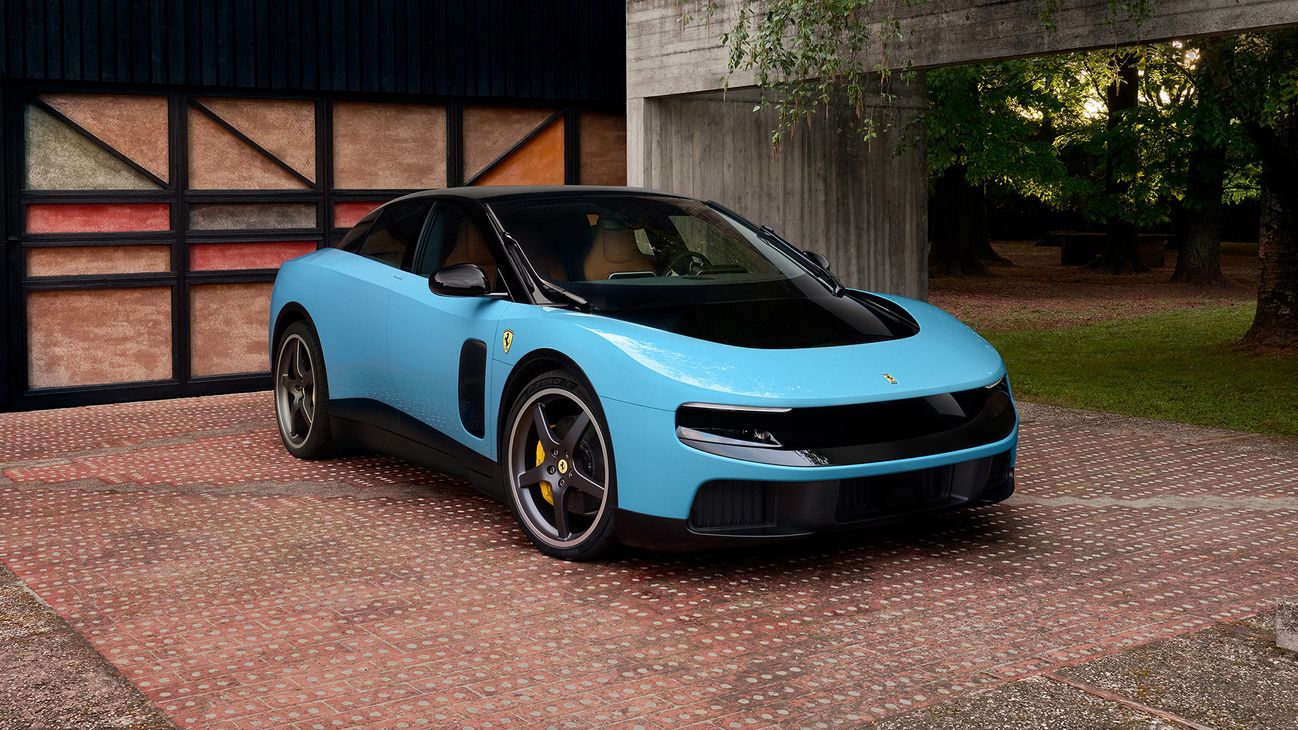
Ferrari Luce
"You get all the money in the options. The Luce. Yeah."
The Ferrari Luce is a car name that comes up in discussions about future Ferrari models. It’s not typically described like a current, widely known production car. In the podcast context, it sounds like they were talking about how options and pricing can work.
The Ferrari Luce is a name that’s been discussed in the context of Ferrari’s future product planning and options strategy. It’s significant mainly as a rumored or referenced model name rather than a widely established, current production vehicle. In a podcast, it may be mentioned as part of a conversation about how buyers can configure cars with many options.
halo vehicle
"Also these are four digit horsepower, halo vehicle, big money and just rejected. Just the car community seems to not be happy."
A “halo vehicle” is a special, attention-grabbing car that’s supposed to make people excited about the brand. Even if it’s expensive and high-profile, it can still disappoint if it doesn’t meet driving expectations.
A “halo vehicle” is a flagship model meant to generate excitement and brand prestige, even if it isn’t the highest-volume product. The speaker uses it to explain why EVs with big budgets and attention can still get rejected if enthusiasts don’t like how they drive.
electric cars
"It's 2026 now. We cannot have the same engine as we had in the past. We need to move. And electric cars, that's the future."
Electric cars run on electricity from a battery instead of burning gasoline. The speaker is saying the industry has to keep moving forward with EVs.
“Electric cars” refers to vehicles powered primarily by electric motors and a battery pack rather than a gasoline engine. The speaker frames EVs as the future and contrasts them with the need to move away from traditional combustion-engine design.
daily car
"But as a daily car, what you use every day, electric cars, it's much better."
A “daily car” is the one you use most days for normal driving. The host is saying EVs can make more sense for that everyday role than for how some people expect cars to feel.
A “daily car” is the vehicle you rely on for everyday errands and commuting, not a weekend toy. The host’s point is that electric cars can feel better suited to this kind of use than they do for more traditional driving expectations.
heritage
"True. I think so because they don't have the heritage for me, a Ferrari."
“Heritage” here means the background and reputation a car brand has built over time. The host is saying younger people may not have the same emotional attachment to old-school brands, so EVs can feel less “wrong.”
In car culture, “heritage” refers to a brand or model’s history and reputation—often built through motorsport, iconic designs, and long-term ownership identity. The host suggests younger drivers may respond more favorably to EVs because they don’t feel the same emotional “history” tied to traditional brands like Ferrari.

Ferrari
"I think so because they don't have the heritage for me, a Ferrari. It's something historic, iconic car."
Ferrari is a famous car brand known for high-end sports cars. The host is using it as an example of a brand with a strong history that shapes what people expect a car should feel like.
Ferrari is an Italian performance brand famous for its iconic sports cars and motorsport legacy. Here, it’s used as an example of a traditional “historic” car that the host feels has a clear expected behavior—even though he says he’s never driven one personally.

Cybertruck
"I was just like, all the adults I know in the auto industry, they hate the Cybertruck. But it's true. There's no preconceived ideas."
The Tesla Cybertruck is an electric pickup with a very unusual, boxy look. The point here is that some car people hate it, but others—especially younger people—like it because it’s different and sparks debate.
The Tesla Cybertruck is a distinctive, angular EV pickup that stands out visually from most trucks. The hosts are pointing out that many people in the auto industry dislike it, while younger people may be drawn to its controversial, unconventional styling.
EV
"I'm going to remember this conversation about this Ferrari EV when we talk about it in five years time."
EV just means an electric car. Instead of using gasoline, it runs on electricity stored in a battery.
EV stands for electric vehicle, meaning the car is powered primarily by an electric motor and a battery rather than a gasoline engine. In this segment, the hosts are discussing how an “EV” version of a brand (they mention Ferrari) can clash with people’s expectations.
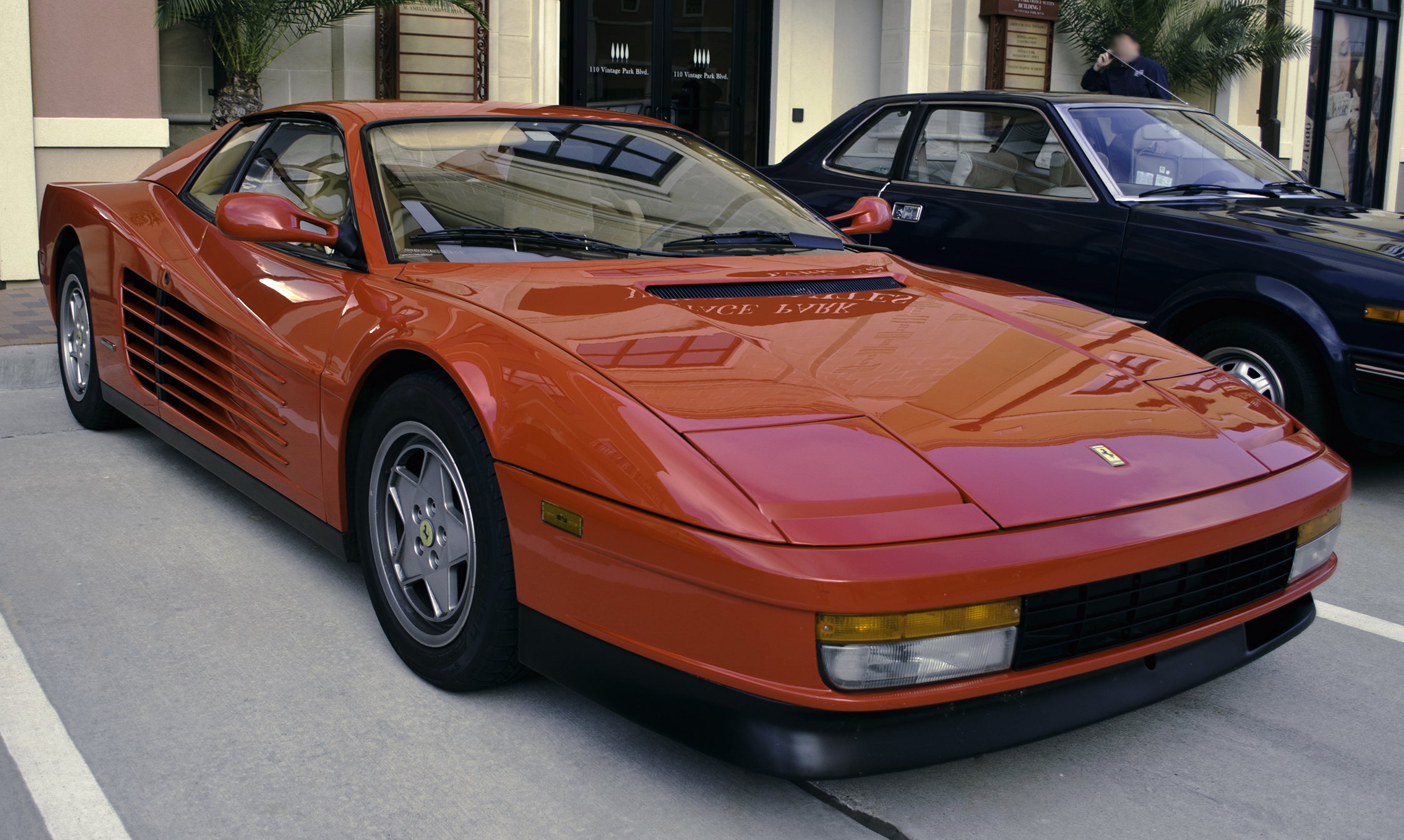
Ferrari Testerosa
"When I hear the word Ferrari, I instantly think of a Ferrari Testerosa. In 1987, when I was 12 years old, that's all I could think about."
The Ferrari Testarossa is a classic Ferrari from the 1980s that many people instantly picture when they hear “Ferrari.” In this conversation, it’s being used to explain how people’s expectations about what a Ferrari “should” look like can be very specific.
The Ferrari Testarossa (often misspoken as “Testerosa”) is a famous 1980s Ferrari supercar known for its iconic side strakes and wedge-like silhouette. The host is describing how the word “Ferrari” triggers a specific mental image of that classic design rather than the brand’s broader history.
EV brand
"But that is also quite important because because you're an EV brand, still you have to design [830.3s] the car so it looks beautiful."
An “EV brand” means a car company that focuses on electric cars. The idea here is that even if it’s electric, the design still has to look good to people.
An “EV brand” is a company identity built around electric vehicles, where design, messaging, and product feel are part of the brand promise. The host’s point is that if you’re marketing as an EV brand, you still need the car to look attractive and not alienate drivers.
design cars that look like a spaceship
"It should not look like a spaceship or something. [834.9s] Sure. [835.9s] A lot of EV brands come with cars that looks like, I don't want to drive that car."
This refers to a common EV styling stereotype: futuristic, highly aerodynamic shapes that can make the car feel alien or less approachable. The host argues that Polestar avoids that extreme look so the car feels more normal and more inviting to drive.

Volvo S80
"Not only the Volvo cars that came out, like the S80, one of those beautiful cars of all time."
The Volvo S80 is a Volvo luxury sedan. In the conversation, it’s brought up as an example of a really good-looking car from that design era.
The Volvo S80 is a mid-size luxury sedan from Volvo, mentioned here as an example of a particularly beautiful Volvo-era car. The host is using it to highlight the quality of Volvo’s design output during the period when Polestar’s leadership background intersected with Volvo.

Polestar 5
"But now we are following up the pool star one with pool star five. [956.0s] It's the same kind of car."
Polestar 5 is an electric grand touring car from Polestar. The host is saying it’s meant to feel like the earlier Polestar concept/car, but as a newer EV.
The Polestar 5 is a Polestar flagship EV positioned as a performance-oriented grand tourer. It’s the follow-up to the Polestar 1, and the episode frames it as continuing the same “kind of car” idea while moving fully into the EV era.

Ferrari F40
"We talk about Ferrari F40. I mean, it's the same performance here."
The Ferrari F40 is a famous old-school supercar from Ferrari, built to feel raw and fast. They bring it up as a reference point for how strong the performance is.
The Ferrari F40 is a mid-1980s supercar known for its lightweight, race-bred attitude and brutally simple, analog driving feel. In this segment, it’s used as a benchmark for performance, with the hosts comparing the F40’s reputation to the EV’s acceleration numbers.

Saab 900
"What was the first Saab you worked on? Saab 900. Oh, okay."
The Saab 900 is an older Saab model that many people recognize. It’s a compact car that Saab made for a long time. It comes up in stories because it’s a common starting point for people who worked on Saabs.
The Saab 900 is a classic compact car from Saab, known for its distinctive character and long production history. It’s significant because it represents one of Saab’s most recognizable model lines and a major part of the brand’s identity. It may be mentioned in a podcast as the first Saab someone worked on or as a reference point for their experience.

Saab 92X
"...d you guys being Saab actually do any work on the 92X on the Subaru or was it just a body kit?"
The Saab 9-2X is a Saab-branded car that shares a lot of its basic design and mechanical parts with another manufacturer. It’s often discussed because it’s not a completely unique Saab from the ground up. People ask whether Saab changed much of it or mostly added Saab styling and branding.
The Saab 9-2X is a compact performance-oriented car that was built in collaboration with Subaru, using Subaru’s core platform and mechanicals. It’s significant because it’s a Saab model that reflects the brand’s partnership era rather than a fully independent design. It may be discussed when someone asks whether Saab did engineering work on it or if it was mainly a body/branding adaptation.
turnkey project
"[1081.0s] I think the statute of limitations is up. [1084.8s] Yeah. [1085.8s] It was a turnkey project."
“Turnkey” means it’s basically done for you—ready to use with the main work already handled. Here, they’re implying Saab didn’t reinvent everything for the 92X.
A “turnkey project” means a complete, ready-to-use solution delivered with most of the work already done. In this context, it suggests Saab’s role in the 92X may have been more about adopting an existing base and delivering a finished product rather than starting from scratch.
Saab 92X
"Fun fact is for me, the first car I ever reviewed and got paid for writing a car review was the 92X... Because I had a WRX and they wanted me to review. My buddy had a 92X, so I knew it would be easy because I knew the WRX."
The Saab 92X is a sporty Saab that was closely related to the Subaru WRX. The host brings it up because they already knew the WRX, making it easier to review the 92X.
The Saab 92X is a compact sport sedan/hatch that was built around Subaru’s WRX platform, so it shares a lot of the same core driving feel. In this segment, it’s mentioned as the first paid car review the speaker did, and it’s tied directly to having a WRX for comparison.
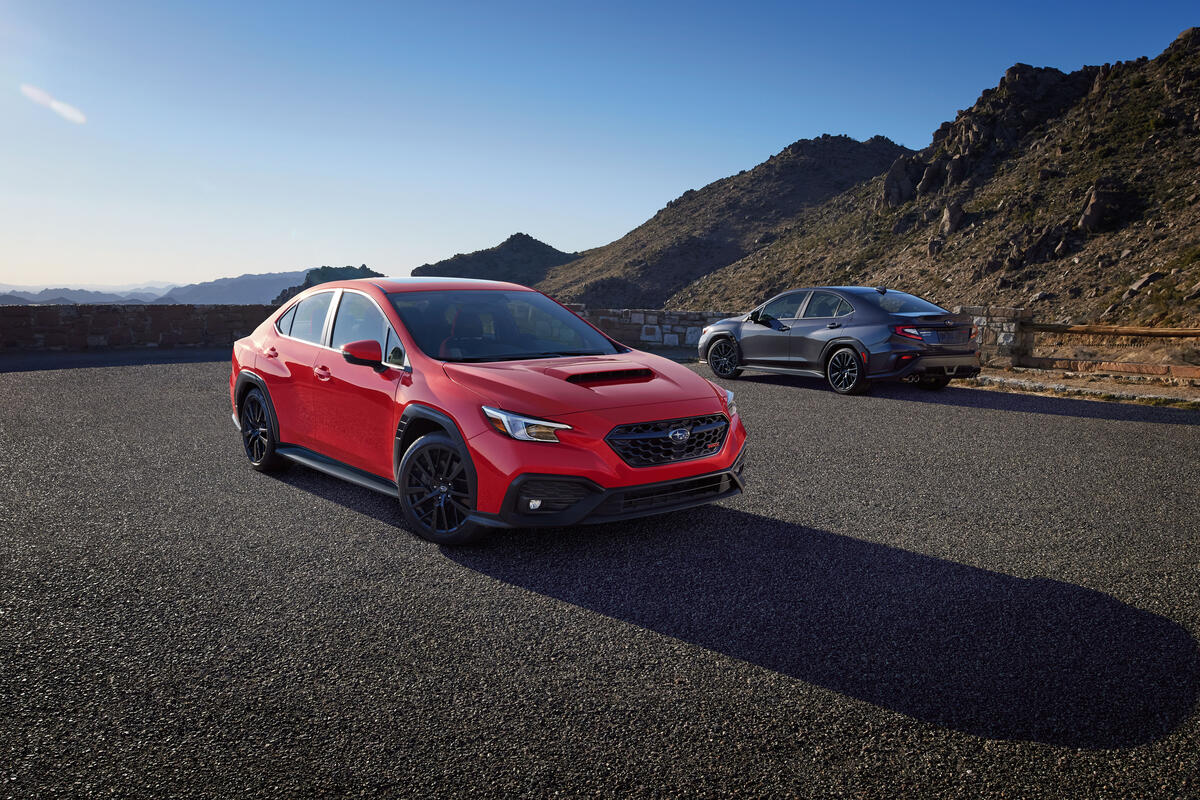
Subaru WRX
"Because I had a WRX and they wanted me to review. My buddy had a 92X, so I knew it would be easy because I knew the WRX."
The Subaru WRX is a popular sporty Subaru with a turbo engine and all-wheel drive. The speaker mentions it because they already had one, so they could quickly understand how the Saab 92X would drive.
The Subaru WRX is a turbocharged performance compact known for its rally-bred all-wheel-drive traction and punchy response. Here, it’s used as the baseline the speaker already owned, which made reviewing the Saab 92X easier because of the shared platform/feel.

Volvo C30 drive-E
"So I jumped to Volvo and start working with C30 drive-E cars. Great car."
The Volvo C30 drive-E is a version of the C30 that uses Volvo’s more efficient engine lineup. The host mentions it as the kind of Volvo they started working with after switching from Saab.
Volvo’s C30 drive-E refers to the C30 model fitted with Volvo’s “drive-E” engine family, which emphasized efficiency and modern turbocharged powertrains. In this segment, the speaker says they moved to Volvo and started working with C30 drive-E cars.

Volvo S40
"Great car. Yeah, S40."
The Volvo S40 is a smaller Volvo sedan. In this part of the conversation, it’s just named as another car the host considered great while working with Volvo.
The Volvo S40 is a compact sedan from Volvo’s lineup, and it’s mentioned here as another “great car” the speaker worked with. The context is the speaker’s Volvo period after Saab, not a deep technical comparison.
rolling resistance
"So it was driving cars with covered rims and we focused on range and fuel consumption at that time... start pushing our tire suppliers to focus on rolling resistance. Before that time, no one talked about rolling resistance."
Rolling resistance is the “drag” that makes tires use energy as they roll. For an EV, less rolling resistance usually means you can drive farther on the same battery. But you still need the tires to grip the road so braking on wet pavement stays good.
Rolling resistance is the energy lost as a tire (or wheel) rolls along the road surface. It’s influenced by tire construction and how much the tire deforms, and it directly affects how much energy an EV needs to keep moving. Lower rolling resistance helps range, but you still need enough grip for safe braking and handling.
NVH
"You should have good comfort and NVH should be good as well because you want to create... steel wheel for rolling resistance."
NVH is how loud, bumpy, or rough a car feels and sounds while driving. Engineers try to keep it low so the ride feels smooth and quiet. But making tires more efficient can sometimes make noise or vibration worse, so it’s a trade-off.
NVH stands for Noise, Vibration, and Harshness—how much unwanted sound, vibration, and harsh feel a vehicle transmits to occupants. Tire and wheel choices that reduce rolling resistance can sometimes increase vibration or noise, so engineers balance efficiency with NVH. The goal is a quiet, smooth ride while still keeping tires efficient.

Volvo V40
"So I did the C30, S40, V15 and then it turns to V40. Right. And there I start creating the driving performance in that one."
The Volvo V40 is a small Volvo hatchback. The speaker connects it to improving how the car drives, saying this is where they began focusing on driving performance.
The Volvo V40 is a compact hatchback that Volvo positioned as more than just practical transportation, aiming for a more engaging driving feel. In this segment, the speaker says this is where they started creating “driving performance,” tying the model to their work.
torque distribution between front and rear
"So I'm tuned the tires, shock absorber, torque distribution between front and rear, steering, shifting points."
It’s how the car decides how much “push” goes to the front wheels versus the rear wheels. Changing that balance can make the car feel more stable or more eager to turn.
Torque distribution between the front and rear axles determines how much pulling force each axle gets. In an EV, that can be tuned to change traction, steering feel, and how the car rotates during cornering.
shock absorber
"So I'm tuned the tires, shock absorber, torque distribution between front and rear, steering, shifting points."
A shock absorber is the part that helps the car settle after hitting bumps. Better tuning helps the tires stay planted instead of bouncing around.
Shock absorbers (dampers) control how quickly the suspension compresses and rebounds over bumps. Their tuning affects ride quality and, more importantly for driving feel, how consistently the tires stay in contact with the road.
shifting points
"So I'm tuned the tires, shock absorber, torque distribution between front and rear, steering, shifting points."
“Shifting points” are the moments when the car changes how it delivers power. The goal is to make those transitions feel smooth instead of jerky.
Shifting points are the engine/transmission timing thresholds that decide when to change gears or adjust drive modes. Even in EV contexts, the idea maps to how the car transitions between different torque delivery states to keep the feel smooth and predictable.

Volvo V60
"...drove that was a pool star, I want to say was the V60. Yes."
The Volvo V60 is a wagon, meaning it has extra space behind the seats for cargo. It’s made for everyday practicality but still aims to drive comfortably. It’s the kind of car people mention when they’re talking about test drives or favorite models.
The Volvo V60 is a wagon (estate) that blends practical cargo space with Volvo’s comfort and driving dynamics. It’s often discussed because it’s a mainstream, versatile model that can be configured for different performance levels. In a podcast, it may come up as a “pool star” or a car someone drove and evaluated.
six cylinder
"It went from the six to the four cylinder, but it still made more power and it was lighter in the front and it was a really fantastic car."
A six-cylinder engine is an engine with six cylinders. Here they’re comparing it to a four-cylinder and explaining how the car can still feel better if it’s lighter and the power is managed well.
A six-cylinder engine (inline-six or V6) typically delivers power with a different torque curve and smoothness than a four-cylinder. In this segment, the guest argues that moving from six to four can still improve driving feel if the car is lighter and the torque delivery is tuned.
four cylinder
"It went from the six to the four cylinder, but it still made more power and it was lighter in the front and it was a really fantastic car."
A four-cylinder engine has four cylinders. In this discussion, they’re saying that even with a smaller engine, the car can feel more agile if it’s lighter and tuned well.
A four-cylinder engine has fewer cylinders than a six-cylinder, which often changes how power is produced and how the engine package affects weight distribution. The guest’s takeaway is that even with fewer cylinders, careful tuning and reduced front weight can improve steering agility.
lift the car one level
"So actually, when we went to four cylinder engine, we lift the car one level. Well, it also wasn't, if memory serves, wasn't the six cylinder point in the wrong direction?"
They mean the car feels like it “moves up” to a better driving level. In their case, it’s because the car got lighter and the steering felt sharper.
“Lift the car one level” here is describing an improvement in the car’s dynamic tier—how much more agile and responsive it feels. The guest attributes that to the switch to a four-cylinder setup that reduced weight and improved steering behavior.
went sideways
"Well, it also wasn't, if memory serves, wasn't the six cylinder point in the wrong direction? It was like an in 16 that went sideways."
“Went sideways” means the car starts sliding and turning more than you expect. They’re talking about how different engine setups can change how easily the car rotates in a corner.
“Went sideways” describes a loss of directional control where the car rotates so the tires slip laterally. The guest is contrasting handling behavior—suggesting the six-cylinder setup produced a tendency to rotate in an undesirable way compared with U.S.-market cars.
BTCC
"Back in the days, it was a racing team, pure racing team competing in the BTCC or... British touring car."
BTCC is a well-known UK race series where production-based cars race each other. The host mentions it to explain Polestar’s racing roots.
BTCC refers to the British Touring Car Championship, a major UK touring-car racing series. It’s relevant here because Polestar’s early identity is described as coming from racing in that kind of competition.
software tuning
"So, they did software tuning. You can buy a chip and a blue batch."
Software tuning is when someone changes the car’s computer settings to make it run differently. In this case, it’s presented as a way to get more performance out of a Volvo without changing the whole car mechanically.
Software tuning means changing a car’s electronic control settings—like engine management—to alter performance. In this segment, it’s described as Polestar doing tuning work for Volvo, including upgrades that could be purchased and installed.
chip
"You can buy a chip and a blue batch. You put in a radiator or in the front of the car."
A tuning chip is an add-on that changes the car’s computer behavior. It’s used to try to make the engine respond more aggressively than stock settings.
A tuning “chip” is an aftermarket electronic module used to change how the engine control system behaves. The host describes it as something you could buy and install as part of performance tuning.
AMG
"So, it becomes to be more like a M-Sport AMG for Volvo. So between 2010 to 2017, it was step by step being the AMG for Volvo."
AMG is Mercedes-Benz’s performance brand. The host is basically saying Polestar became Volvo’s “go-to” performance partner, similar to how AMG is for Mercedes.
AMG is Mercedes-AMG, the performance division known for high-output engines and sport-tuned models. The host uses AMG as a comparison point to describe Polestar’s role for Volvo—step-by-step becoming Volvo’s performance brand equivalent.
M-Sport
"So, it becomes to be more like a M-Sport AMG for Volvo. So between 2010 to 2017, it was step by step being the AMG for Volvo."
M Sport is BMW’s performance brand. The host is using it as a familiar example of a company that handles performance upgrades and sport tuning.
M Sport is BMW’s performance and motorsport-oriented branding, associated with sport-tuned versions and handling packages. Here, it’s mentioned alongside AMG as a reference for what Polestar’s performance role felt like within Volvo’s lineup.

Volvo S60 Polestar
"The first V60 and S60 pool star, I drove the second gen and they were just getting better and better... When we tested the Volvo S60 Polestar concept, it did the lap around Laguna Seca as fast as an Audi R8."
This is a performance version of the Volvo S60 that Polestar helped tune. The host is saying it drove really well and was fast for its time.
The Volvo S60 Polestar is a performance-focused version of Volvo’s S60, tuned by Polestar for sharper steering and driving feel. In this segment, it’s used as an example of how Polestar’s early work translated into real on-road speed and handling improvements.

Polestar 1
"And then, Polestar 1 came out and I was like, oh, this is what it's like with actual horsepower... like 600 horsepower... 1,000 newton meter... it's like, it's a lot of torque."
Polestar 1 is Polestar’s early big performance car. The host is highlighting that it feels much more powerful—especially because it makes a lot of torque right away.
The Polestar 1 is a high-performance Polestar flagship that helped define the brand’s early EV/plug-in hybrid performance identity. Here it’s specifically called out for delivering “actual horsepower” and very high torque, which changes how the car feels compared with earlier Volvo/Polestar-tuned models.
horsepower
"Polestar 1 came out and I was like, oh, this is what it's like with actual horsepower. Because that was, you know, I think it was like 600 horsepower, which at the time was a lot."
Horsepower is a way to measure how much “pulling power” a car has. Higher horsepower usually helps the car accelerate strongly and keep going fast.
Horsepower is an engineering measure of how much power an engine or motor can produce. In EV discussions, it’s often used alongside torque because horsepower relates more to how strongly the car can keep pulling at higher speeds, while torque is what you feel immediately during acceleration.
Laguna Seca
"When we tested the Volvo S60 Polestar concept, it did the lap around Laguna Seca as fast as an Audi R8."
Laguna Seca is a well-known race track in California. If a car can do a fast lap there, it usually means it handles and accelerates really well.
Laguna Seca is a famous road course in California known for its challenging layout and elevation changes. Using lap-time comparisons there (like to an Audi R8) is a common way to argue that a car’s performance and balance are genuinely impressive, not just marketing claims.

Audi R8
"When we tested the Volvo S60 Polestar concept, it did the lap around Laguna Seca as fast as an Audi R8."
The Audi R8 is a high-performance supercar. The host is using it as a “serious fast car” comparison to show how quick the Volvo Polestar concept was.
The Audi R8 is a performance supercar known for its mid-engine layout and track-capable dynamics. In this segment, it’s used as a benchmark for lap speed around Laguna Seca to emphasize that the Volvo S60 Polestar concept was genuinely quick.
0-60 miles per hour
"If you drive some super performance cars and you do acceleration 0-60 miles per hour in three seconds, you don't have any smile."
0-60 mph measures how fast a car can accelerate from a stop to 60 mph. It’s a simple “straight-line” test, but it doesn’t capture whether the car feels fun and controlled when you start turning.
0-60 mph is a common acceleration benchmark: how many seconds it takes a car to go from standing still to 60 miles per hour. It’s useful for comparing straight-line speed, but it doesn’t tell you how the car feels when braking, turning, and exiting a corner.
first corner
"They do that. But the difference is when you come to the first corner, then you're still to keep your smile."
The “first corner” is the first time you have to turn after you’ve started moving. The host is saying a car should feel confident and fun right when you begin turning, not just when it’s accelerating in a straight line.
“First corner” here refers to the earliest turning phase after initial acceleration—when steering response, balance, traction, and confidence all show up immediately. The host’s point is that true “performance” isn’t just fast acceleration; it’s how composed and smile-worthy the car feels right away when you turn.

P1800
"Okay. [1839.6s] But also P1800 is a car which a lot of people are looking for right now. [1845.6s] Sure."
This is a Volvo sports car from the past. People look for it because it’s a classic and not as common as many other Volvos.
The Volvo P1800 is a classic Volvo sports coupe known for its distinctive styling and long-running enthusiast popularity. It’s often sought after because it’s a relatively rare, iconic model compared with more common Volvo cars.

Mitsubishi Evo 10 Rally Art Spec
"But there was like Mitsubishi Evo 10 Rally Art Spec, Golf 2 Rally Spec, 32 Ford Harawah [1884.0s] with a flathead VA."
This is a Mitsubishi Lancer Evolution, a turbocharged car built to do well in rally-style driving. The “Rally Art Spec” is a rally-themed version/option package that makes it feel more like a competition car.
The Mitsubishi Lancer Evolution (often called the Evo 10) is a rally-bred performance sedan known for its turbocharged all-wheel-drive grip. The “Rally Art Spec” refers to a factory-backed rally-oriented trim/package associated with Mitsubishi’s rally branding.
flathead VA
"But there was like Mitsubishi Evo 10 Rally Art Spec, Golf 2 Rally Spec, 32 Ford Harawah [1884.0s] with a flathead VA."
A “flathead” is an older style of engine where the cylinders sit in a flat arrangement. People love flathead V8s in hot rods because there are lots of parts and it’s a classic hot-rod engine.
A “flathead” refers to a flathead engine design where the cylinders are arranged in a flat layout. In hot-rod culture, flathead V8s are especially popular because they’re compact, simple, and have a huge aftermarket for performance builds.
CV's hot rod
"[1901.3s] And for me, I've been a dream car. [1904.5s] Yeah. [1905.5s] A CV's hot rod with 32 Ford. [1908.5s] Yes."
A “hot rod” is a modified car—usually an older model—built for a more aggressive look and driving feel. The “CV’s” phrasing suggests the host’s personal or group nickname for the car, but the important concept is the hot-rod culture of customizing classic platforms.
open wheels
"It was a black Ford from 1942 with open wheels, no roof."
“Open wheels” means the wheels are exposed instead of being covered by fenders. It gives the car a more race-like, old-school look.
“Open wheels” describes a layout where the wheels are not covered by bodywork, so you can clearly see the tires and suspension components. It’s common on certain classic roadsters and race-inspired designs, and it visually emphasizes the car’s mechanical “presence.”
matching numbers
"And it's matching numbers and all that stuff."
“Matching numbers” means the important parts on the car are the original ones that were recorded for that specific vehicle. Collectors like it because it usually means the car is more authentic.
“Matching numbers” means the car’s major components (most often the engine and sometimes the transmission/body-related identifiers) have the same serial-number markings as when the vehicle left the factory. For classic cars, it’s a big authenticity and value signal because it suggests the car hasn’t been heavily swapped or rebuilt with different parts.
Nürburgring
"Because every time I go to the Nürburgring, you look at the parking lot, GT3, M4, GT3, [2009.4s] M4, M2, GT3, GT3, Corvette."
The Nürburgring is a very famous race track in Germany. People use it to judge how good a car is at handling and speed because it’s long and challenging.
The Nürburgring is a famous motorsports circuit in Germany, best known for the Nordschleife (“North Loop”) with its long, twisty layout and big elevation changes. It’s commonly used by enthusiasts and automakers as a benchmark for how well cars handle and how quickly they can lap.
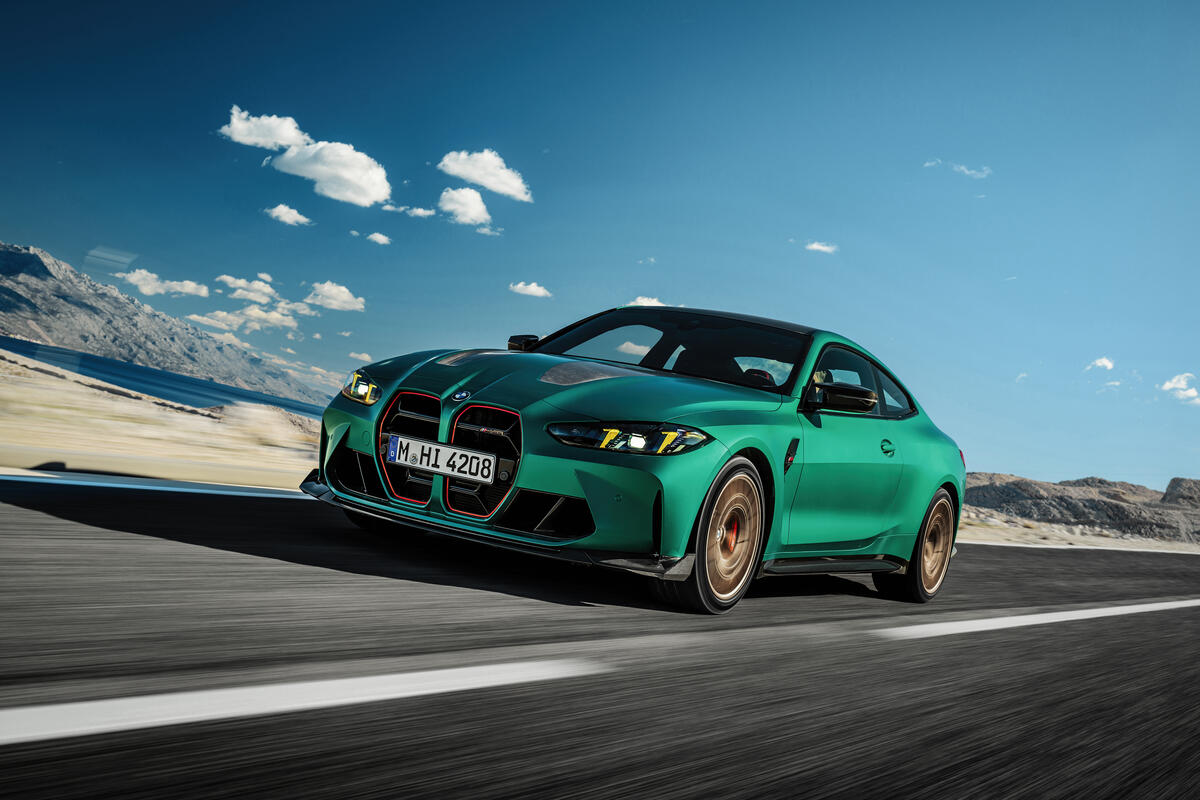
BMW M4
"Because every time I go to the Nürburgring, you look at the parking lot, GT3, M4, GT3, [2009.4s] M4, M2, GT3, GT3, Corvette."
The BMW M4 is BMW’s high-performance version of the 4 Series. It’s made to feel more aggressive and fun to drive than a regular BMW 4 Series.
The BMW M4 is a performance version of BMW’s 4 Series, built by BMW M to deliver a more track-focused driving feel than a standard 4 Series. In enthusiast circles, it’s often discussed alongside other German track-capable cars because it balances power with a sporty chassis setup.

Chevrolet Corvette
"And the Corvette, it's a guy from Sweden, has come down on the Corvette. [2016.7s] What is it? [2017.7s] I don't know, but it's huge."
The Chevrolet Corvette is a famous American sports car. It’s known for being powerful and for having a big, classic performance-car vibe.
The Chevrolet Corvette is America’s long-running sports car, known for its strong V8 heritage and performance reputation. In the transcript, it’s used as an example of a “huge” American car that shows up in Sweden’s enthusiast scene.
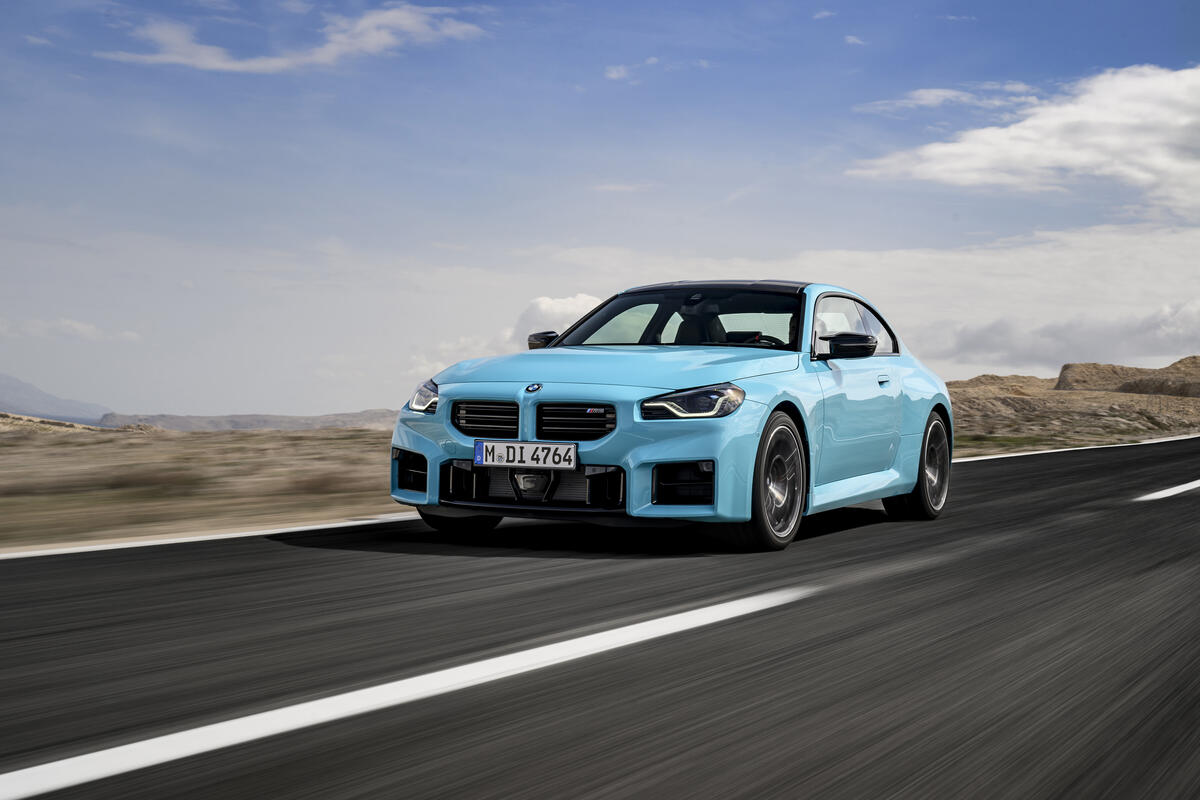
BMW M2
"[2009.4s] M4, M2, GT3, GT3, Corvette. [2011.9s] And the Corvette, it's a guy from Sweden, has come down on the Corvette."
The BMW M2 is a smaller BMW performance car. People like it because it’s more compact and feels more nimble than bigger performance BMWs.
The BMW M2 is BMW M’s smaller, more compact performance coupe compared with the M4. It’s known for being a driver-focused “enthusiast” BMW, often chosen for its nimble size and sporty steering feel.
muscle cars
"But in Sweden, it's very popular with American cars, muscle cars. [2040.2s] Muscle cars, yeah."
“Muscle cars” are American performance cars that are known for big engines and quick acceleration. They’re also part of a certain car culture and style.
“Muscle cars” are American performance cars from the mid-20th century onward, typically characterized by large engines (often V8s) and strong acceleration. The term also carries a cultural vibe—big, loud, and focused on straight-line power.
V4
"Is it just maybe because you saw and Volvo never did big V8s. [2050.8s] There's always smaller V4s and whatever Volvo, straight V4s Volvo's doing back in the day."
A V4 is an engine configuration with four cylinders arranged in a “V” shape. The speaker contrasts this with the V8 idea, implying that Volvo historically used smaller, different-cylinder-count engines rather than big V8s.
V8
"You eat your hamburger, you have your V8 or pickies. [2071.5s] It's just a different style."
A V8 is a type of engine with eight cylinders. It’s often linked with powerful American cars and muscle cars.
A V8 is an engine configuration with eight cylinders arranged in a “V” shape. It’s strongly associated with American muscle and traditional performance because it can produce lots of power and torque.

Audi Quattro
"... world champion. He was the one who drove out the Quattro. Yes."
The Audi Quattro is associated with Audi’s all-wheel-drive technology. It means the car can send power to more than just the front or rear wheels, which helps traction. People mention it because it became famous through racing and performance.
The Audi Quattro refers to Audi’s iconic all-wheel-drive system and the cars built around it. It’s significant because it helped establish Audi’s reputation in motorsport and performance driving, especially during the era when rally success mattered. In a podcast, it may be mentioned when discussing a driver’s connection to the Quattro and its competitive history.
steering wheel feedback
"Or you have a steering like a TV game without any feedback. It's boring... You have to have a steering wheel feedback so you can close your eyes, feel, I'm driving on ice now. Or I'm driving on hot asphalt."
Steering wheel feedback is how the steering wheel “talks back” to you. It’s the feel that tells you what the tires are doing and how much grip you have. The point here is that you should be able to sense changes like ice vs. wet pavement just by feel.
“Steering wheel feedback” is the information transmitted through the steering wheel about what the tires and suspension are doing. The guest wants the driver to feel differences in grip and surface (ice, hot asphalt, gravel, wet roads) so the car communicates traction and handling changes clearly. In an EV context, this is especially important because the power delivery and torque response can feel different than in a traditional car.
balance, harmony in the steering between torque build up and response
"And you should have balance, harmony in the steering between torque build up and response. So you cannot have a response with it going in that direction and torque in that direction."
They’re talking about how two things should match up: how the car turns and how the power comes on. If the steering feels like one thing while the power feels like another, the driver won’t feel confident. The goal is a smooth, predictable connection between turning and acceleration.
This describes a coordinated “feel” target: the steering’s turn-in response should line up with how the drivetrain’s torque increases. The guest argues that if the car responds in one direction (steering/handling) while torque increases in a mismatched way, the driver loses confidence. It’s essentially about making the car’s dynamics communicate consistently through both steering and power delivery.
roll bar
"If you change the pushing at the roll bar in the rear, you can feel it in the steering. So you need to make sure that you have the correct stiffness at the bushings."
A roll bar helps stop the car from leaning too much when you turn. If you change how it’s adjusted, the car can feel different through the steering because the suspension behaves differently.
A roll bar (anti-roll bar) is a torsion bar that resists body roll when the car corners. Changing how it’s set up—like the “pushing” at the roll bar in the rear—can alter how forces transfer into the suspension, which then changes steering response and feel.
bushings
"So you need to make sure that you have the correct stiffness at the bushings. Everything results in steering feel."
Bushings are the soft mounts in the suspension that let parts move a little. If they’re too soft or too stiff, the car can feel less precise—especially through the steering.
Bushings are rubber (or elastomer) mounts that connect suspension components while allowing controlled movement. Their stiffness affects how much the suspension “gives” before forces reach the chassis, which can directly change steering feel and how the car responds over bumps.
steering feel
"Everything results in steering feel. So and the second thing is balance."
“Steering feel” is how the steering wheel talks to you. It’s about whether the car feels precise and smooth, or vague and twitchy, especially when you hit bumps or change direction.
“Steering feel” is the subjective feedback you get through the steering wheel—how quickly the car responds, how much effort it takes, and how smoothly it communicates grip and road surface. It’s influenced by suspension geometry, compliance in bushings, and how the chassis loads transfer during cornering and bumps.
pitch
"You need to have balance in the car. It's not allowed to pitch."
Pitch is when the car’s nose goes up or down. Good tuning keeps that motion controlled so the car doesn’t feel like it’s bouncing or pitching over every bump.
Pitch is the up-and-down rotation of the car’s body around its lateral axis—think nose diving or lifting when you hit a bump or brake/accelerate. Tuning aims to control pitch so the suspension can absorb the input and then return to a stable attitude.
mule phase
"So when we start a mule phase, when we start with early prototypes, we drive without any kind of electronic systems."
A “mule phase” is an early testing stage where engineers drive a prototype to check how it behaves. They use it to dial in basic driving feel before adding the full set of electronics.
A “mule phase” is an early development stage where engineers test prototypes using a test vehicle (often with key components from the target car) before the final production systems are ready. The point is to validate fundamentals like ride and handling behavior before layering in complex controls.

Polestar 2
"sure that you have the balance. When we did Polestar 2, I tested around 500 kilos of different springs b..."
The Polestar 2 is an electric car made by Polestar. It’s designed to drive well, not just to be efficient. People talk about it when discussing how the suspension and ride feel are tuned.
The Polestar 2 is an all-electric performance-oriented sedan from Polestar. It’s often discussed in engineering contexts because it’s a platform where suspension tuning and ride/handling balance are key development topics. In the podcast, it sounds like the conversation involved testing different suspension components to achieve the right feel.
electronic stability systems
"when you have this in place, you start working with electronic stability systems, active "
Electronic stability systems are safety features that help the car stay in control when traction is low. They can automatically brake individual wheels or adjust power to reduce skids.
Electronic stability systems are driver-assistance and vehicle-control technologies designed to keep the car from sliding or spinning during loss-of-grip situations. They typically use sensors plus braking and/or power management to help the car follow the driver’s intended path.
dampers
"[2572.4s] dampers, tuning software, steering, torque distribution."
Dampers are the shock absorbers that help the wheels stay in contact with the road. If they’re tuned well, the car feels steady and doesn’t bounce around.
Dampers (shock absorbers) control how quickly the suspension compresses and rebounds after hitting bumps. Their tuning strongly affects ride quality and steering stability, because it changes how the tires maintain contact with the road.
tuning software
"[2572.4s] dampers, tuning software, steering, torque distribution."
“Tuning software” means the car’s computer settings. Those settings decide how the car responds when you steer, brake, or accelerate.
In modern cars, tuning software refers to the calibration of control systems—how the car’s computers translate driver inputs into actions. For EVs, it often coordinates steering assist, braking response, and traction/torque behavior.

Polestar 5
"So when you drive the Polestar, you will feel that it has balance. ... And then, so these three things, when they come together, you have a Polestar and a Polestar DNA."
The Polestar 5 is an electric car. The point here is that it’s not just about having power—how it steers and brakes matters a lot for whether it feels easy and confident to drive.
Polestar 5 is an EV where the driving “feel” is treated like a system: steering, braking, and chassis control have to work together. The host argues that when those elements are tuned to behave predictably, the car feels balanced and confident in real driving.
brake by wire
"Your car uses electric power steering and brake by wire. Isn't it just all software?"
Brake by wire means the brake pedal signal is handled electronically rather than through a purely mechanical connection. The car then controls the braking pressure to make braking feel consistent.
Brake by wire replaces a direct mechanical/hydraulic link between the brake pedal and the brakes with electronic control. The pedal input is interpreted by the car, and actuators manage hydraulic pressure to achieve consistent, repeatable braking response.
electric power steering
"When you mentioned the bushing in the back end specifically. ... Your car uses electric power steering and brake by wire."
Electric power steering uses a motor to help you turn the wheel. Since it’s controlled by software, the car can be made to feel heavier or lighter depending on how it’s set up.
Electric power steering (EPS) uses an electric motor to assist the driver’s steering effort instead of a hydraulic pump. Because the assist is controlled electronically, engineers can shape steering “feel” by changing how much help is added versus speed and input.
hardware versus software
"But do you really need to do the, how much of it is hardware versus software these days? Yeah. And it's a once again a good question because you can hide a lot of things with software tuning."
This is about what actually makes the car feel the way it does: the physical parts (hardware) or the computer settings (software). With EVs and modern stability systems, software can change how the car reacts a lot—if the car’s basic setup is already good.
“Hardware versus software” in vehicle development refers to how much of a car’s driving feel and behavior comes from physical components (hardware) versus electronic control logic and calibration (software). In modern cars, software can significantly shape response—especially when the underlying chassis and tuning baseline is already solid.
elk test
"Some cars when you do an elk test, I would say it starts before you enter the elk test because you have to hide the base chassis."
The elk test is a standardized driving test where you suddenly swerve to avoid something and then steer back. It’s used to see how well a car handles quick lane changes without getting unstable.
The “elk test” is a standardized obstacle-avoidance maneuver used to evaluate a car’s handling and stability during sudden steering inputs. It’s closely related to the Swedish moose test concept—both involve rapidly swerving to avoid an animal-like obstacle and then returning to the lane.
ESC
"Okay. So ESC, electronic stability control and then explain what the elk test is."
ESC is a safety system that helps the car stay pointed the way you’re steering. If the car starts to slide or spin, it can brake individual wheels and reduce power to help you recover.
ESC (electronic stability control) is a driver-assist system that helps keep the car from sliding out of its intended path. It uses sensors to detect loss of traction or yaw (turning) and then selectively applies brakes and/or reduces engine torque to regain stability.
double lane change
"It's called a double lane. You might know this as a double lane change. But if you watch the Moose test though..."
A “double lane change” is when you swerve to one side and then quickly swerve back, like avoiding something and then returning to your lane. It tests whether the car stays controllable during quick steering changes.
A “double lane change” is a specific steering pattern used in handling tests: the driver swerves to one side and then quickly returns to the original lane. It stresses transient stability—how the car behaves during rapid left-right weight transfer.
Moose test
"But if you watch the Moose test though, because they do hold it for that 10 meters, like a double lane, you can quickly swerve and quickly serve back. It's a very severe test."
The “Moose test” is a safety test that checks how well a car can dodge something quickly and then get back under control. It’s meant to mimic a sudden obstacle, like a moose running into the road.
The “Moose test” is a standardized vehicle handling test that simulates a sudden obstacle-avoidance maneuver. A car is driven into a quick steering input and then steered back, checking whether it can stay stable without excessive body motion or rollover risk.
roll over
"And we have noticed that because some cars, when you do this, roll over. Every five years, it's like the so-and-so failed the Swedish Moose test."
“Roll over” means the car tips over during a hard maneuver. In extreme steering tests, some cars can become unstable and risk flipping if they can’t handle the sideways forces.
“Roll over” here refers to a rollover event during an aggressive maneuver, where the vehicle tips enough to lose contact with the road. In handling tests like the Moose test, rollover risk can increase if the car’s suspension geometry and stability control can’t manage the lateral forces.
Request an Explanation
Heard something you'd like explained? We'll add it to this episode.
Sign in to request explanations for terms you heard.
Want to learn more?
Browse our glossary for plain-English explanations of automotive terms, jargon, and concepts.
Help improve this episode
See something that's not quite right? Our annotations are AI-generated and can sometimes miss the mark. Click the flag icon on any annotation to suggest a correction.