
Jay Leno’s Garage Secrets: Tesla Semi, Corvette ZR1X & American Cars Dominating
About this episode
Jay Leno’s Garage gets treated like a whole car culture tour: Tesla Semi impressions, EV charging and instant torque, and the practical reality of hydrogen trucking. The conversation then zooms into American performance—Corvette ZR1X and ZR1 engine details, Carbon Revolution carbon wheels, and why the Mustang GTD stays out of reach. California rules, smog history, and diagnostics lead into a broader debate about regulation, tariffs, and what makes cars “real” versus just branded halo vehicles.
Jay Leno returns to The InEVitable Podcast for an epic deep dive into the future of cars, EVs, and American performance. From driving the Tesla Semi to breaking down the Corvette ZR1X, Mustang GTD, and Rolls-Royce Specter, Jay shares unmatched insight from decades of experience as a collector, historian, and true car enthusiast.
We also dive into:
- Leno’s Law 2.0 and the fight to preserve classic cars
- Why American automakers are leading again
- The rise of EVs, hydrogen, and new tech Tesla, Cybertruck, and the future of trucking
- The insane engineering behind the Czinger hypercar
- His latest acquisitions (and why he bought them)
- Thoughts on Chinese EVs and global competition
Plus, classic Jay Leno stories you won’t hear anywhere else. If you love cars—past, present, or future—this is a must-watch.
Leno's Law version 2.0
"including Leno's Law version 2.0, also his love of American performance vehicles. So we're going to cover Mustang GTD, we're going to cover Corvette ZR1X, vehicles like"
“Leno’s Law version 2.0” is Jay Leno’s idea for helping classic cars stay legal to own and drive. It’s basically about making the rules less difficult for older cars.
“Leno’s Law version 2.0” refers to Jay Leno’s proposed approach to making it easier to keep and drive older vehicles legally. In practice, it’s about reducing barriers for classic-car ownership—especially around emissions and registration rules.
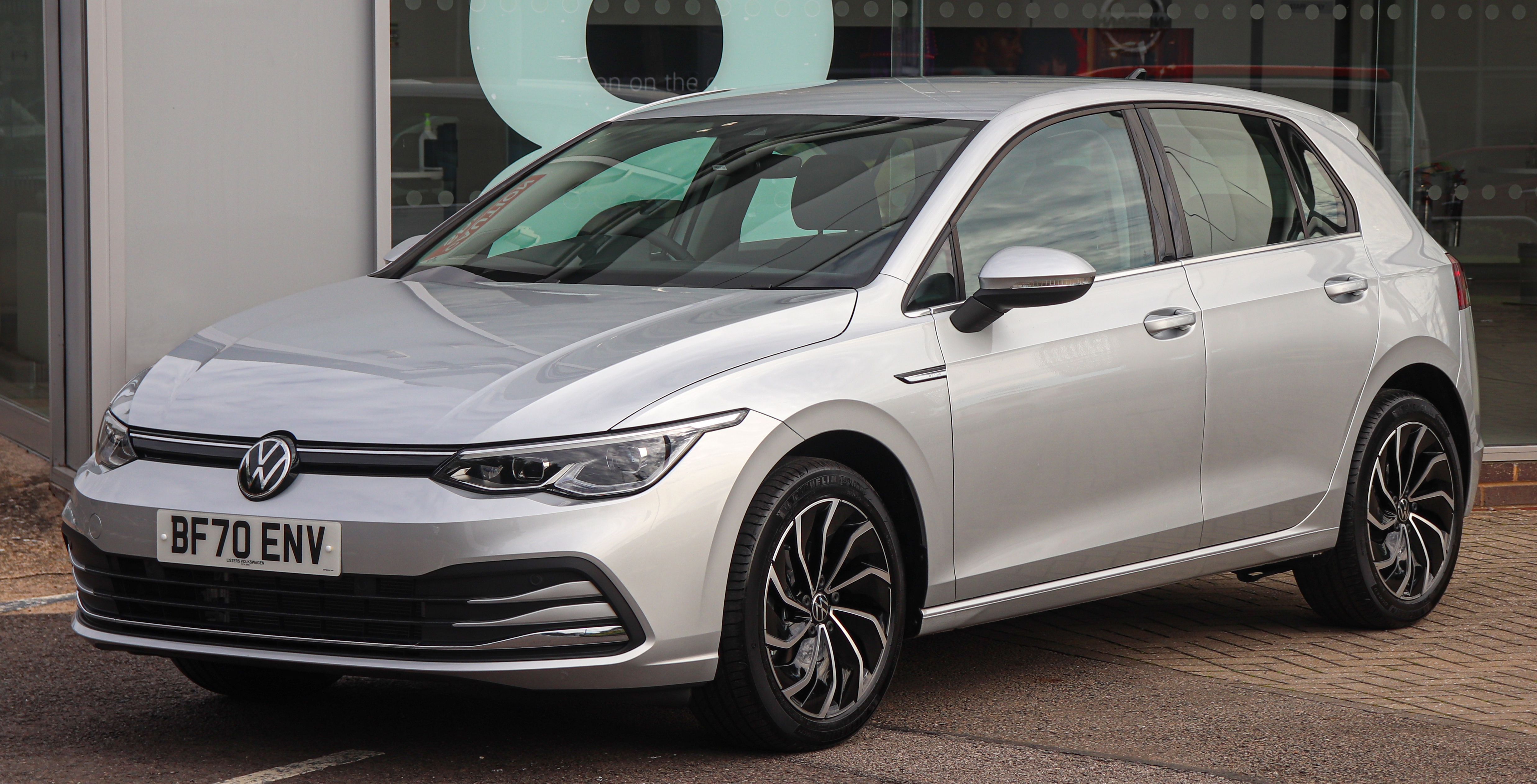
Golf Gtd
"...ormance vehicles. So we're going to cover Mustang GTD, we're going to cover Corvette ZR1X, vehicles lik..."
The Golf is a compact car model that’s usually meant for everyday driving. The podcast mentions it alongside performance cars, suggesting there are versions that can be more sporty. It’s being used as an example of a smaller car that can still be fun.
The Golf is a compact car model that’s often discussed as a practical platform with a wide range of versions. In the podcast, it appears in the same performance-vehicle grouping as other cars, implying attention to how the Golf can be configured for more spirited driving. That makes it relevant when talking about performance beyond just big sports cars.
onboard diagnostics
"But to me, see any car post-76, especially onboard diagnostics came in in 98, 96. That's where you just plug in and they tell you right away and you get out."
Modern cars have computers that watch how key systems are running. If there’s a problem, they save a code that a mechanic can read with a plug-in tool. Older cars may not support that kind of easy “plug in and find the issue” diagnosis.
Onboard diagnostics (often called OBD) are the built-in computer systems in a car that monitor engine and emissions-related parts. When something goes wrong, they store trouble codes so a shop can plug in a scanner and quickly see what’s failing. The host is contrasting newer cars that can be diagnosed easily with older cars that require more specialized equipment to troubleshoot.
rolling road
"The older you got to get on a rolling road, you got to do all that. And the equipment does not exist anymore to fix old cars."
A rolling road (dyno) is a test setup where the car’s wheels are driven on rollers while the engine and emissions can be measured under controlled load. The host is saying older cars often needed this kind of specialized testing equipment to diagnose or verify issues, because the newer plug-in diagnostic approach wasn’t available. It’s also commonly used for emissions and drivability checks.
smog
"But then they came out with .08. Okay. So above that, you're drunk, you lose your license. Same thing with smog. I mean, there's not enough cars in that window to make people criminals."
Here, smog means dirty air from pollution. The host is talking about rules meant to reduce pollution from cars, and how enforcement works as the number of older, more polluting cars changes over time.
In this context, smog refers to air pollution—especially vehicle-related emissions—that regulators try to reduce. The host argues that emissions rules can make it seem like drivers are “criminals,” but the overall goal is to reduce pollution as the number of polluting vehicles declines. It’s tied to the broader idea of emissions compliance and enforcement.
55-mile-an-hour speed limit
"there are bad laws, like, you know, the 55-mile-an-hour speed limit, national limit, the entire country is a criminal, suddenly."
This is a reference to a past U.S. rule that limited highway driving to 55 miles per hour. The point in the conversation is that the speaker thinks it didn’t make sense and affected how people and businesses operated.
A 55-mile-an-hour speed limit refers to a specific U.S. federal maximum speed rule that historically capped highway speeds. It’s discussed here as an example of “bad laws” that affected driving behavior and business planning across the country.

Tesla Semi
"... first person outside of Tesla to drive the Tesla Semi. I mean, you looked like you drove it quite a lot..."
The Tesla Semi is a large electric truck meant for hauling goods. The podcast talks about it because someone got to drive it, showing it’s a real vehicle being tested and used. It’s important because it’s aimed at replacing diesel trucks with electric ones.
The Tesla Semi is an electric heavy-duty truck designed for long-haul freight. The podcast mentions it in the context of someone driving it, which highlights its role as a major step in electrifying trucking. It’s discussed because it represents a shift from diesel trucking toward electric power for commercial use.
mega charger
"you go 500 miles, and you can get a 60-80% charge in like 30 minutes, you know, with a mega charger."
A “mega charger” is a fast electric-vehicle charger. It can add a lot of battery energy in a short time, which is why they’re talking about charging for around 30 minutes.
A “mega charger” here refers to very high-power DC fast-charging hardware used to recharge an electric vehicle quickly. The key idea is that higher charging power can shorten the time to add a meaningful amount of battery energy, which is why they mention reaching a large state of charge in about 30 minutes.
60-80% charge
"you go 500 miles, and you can get a 60-80% charge in like 30 minutes, you know, with a mega charger."
“60-80% charge” means the battery is filled to 60 to 80 percent. They’re saying you can get to that level fairly quickly with a fast charger.
“60-80% charge” refers to charging an EV’s battery to a higher state of charge (SOC), meaning the battery holds more usable energy. Fast charging is often most efficient for adding energy in the mid-range, so the segment’s claim focuses on how quickly you can reach a substantial SOC before continuing the trip.

Dodge Charger
"... charge in like 30 minutes, you know, with a mega charger. I mean, it's pretty interesting, and you're savi..."
The Dodge Charger is a car that’s built to feel sporty and powerful. The podcast mentions it in connection with charging quickly, meaning it’s being discussed as a fast-recharge option. That’s useful if you care about how long you spend plugged in.
The Dodge Charger is a performance-oriented sedan that’s known for powerful engines and a muscular driving feel. It’s discussed in the podcast alongside fast-charging talk, which suggests attention to how quickly it can be recharged in an electric or electrified context. That makes it relevant for listeners comparing practicality and speed of ownership.

Tesla Cybertruck
"I know a lot of people, not fans of the Cybertruck, but just the interesting, the Cybertruck is two tons lighter than the Hummer. Did you know that? Yeah. It's 4,000 pounds lighter just through battery technology."
The Tesla Cybertruck is an electric pickup. Here they’re talking about how much it weighs compared with a Hummer, and they say the battery design helps keep the Cybertruck lighter.
The Tesla Cybertruck is an electric pickup known for its unusual stainless-steel body and for how its battery pack affects vehicle weight. In this segment, the hosts compare its mass to the Hummer, attributing the difference largely to battery technology and packaging efficiency.
battery technology
"It's 4,000 pounds lighter just through battery technology. About 3,000."
“Battery technology” means how the battery is designed and built. They’re saying better battery design can let a vehicle carry energy while staying lighter.
“Battery technology” refers to the chemistry, cell design, and packaging choices that determine how much energy a battery can store for its weight. In this segment, the hosts credit differences in vehicle weight between the Cybertruck and a Hummer largely to advances in battery technology.
instant torque
"You just got instant torque right now."
Torque is the force that makes the car pull. “Instant torque” means an electric motor can give you that pulling force right away, without waiting for the engine to rev up.
Torque is the twisting force that turns the wheels. With electric drivetrains, “instant torque” means the motor can deliver strong pulling force immediately when you press the accelerator, which can make acceleration feel very sudden.
hydrogen
"But the fundamental problem is like, where do you get the hydrogen? And then also like, how do you produce the hydrogen?"
Here, hydrogen means using hydrogen fuel for vehicles. The key issues are making hydrogen in a way that isn’t wasteful, and having places to refill it.
In automotive discussions, hydrogen usually refers to using hydrogen as an energy source—most commonly in fuel-cell vehicles where hydrogen is converted to electricity. The big practical questions are hydrogen production (how “clean” it really is) and hydrogen distribution (where you can actually get it).

Chevrolet Corvair
"Had nothing to do. It's like, is that a Corvair? The guy says to me, those blow up, right?"
The Chevrolet Corvair is an older Chevrolet car. In the podcast, someone is asking about whether it has a reputation for being unsafe or unreliable. The point is that people remember it for a certain story or concern.
The Chevrolet Corvair is a classic Chevrolet model that’s brought up in the podcast as a question about whether it “blows up.” That kind of mention suggests the car is associated with a reputation people remember, whether accurate or not. In a podcast context, it’s often used to discuss how myths and perceptions form around older cars.
Honda Clarity hydrogen car
"No, I drove the 2007 or 2008 Honda, the Clarity hydrogen car, which was great."
The Honda Clarity hydrogen car runs on hydrogen instead of gasoline. It makes electricity from hydrogen using a fuel cell, and then drives like an electric car.
The Honda Clarity hydrogen car is a fuel-cell vehicle that uses hydrogen to generate electricity onboard. Instead of a gasoline engine, it runs an electric drivetrain powered by a hydrogen fuel cell, with water as a byproduct.
union shop
"It's built in America in a union shop at an extremely reasonable price."
A union shop means the factory workers are represented by a labor union. The union helps negotiate things like pay and working conditions.
A union shop is a workplace where employees are represented by a labor union and typically must join the union (or meet union-related requirements) as a condition of employment. In automotive discussions, it’s often brought up to contrast labor practices and manufacturing costs.
unsprung mass
"I always tell the story about a company called Carbon Revolution came here with a wheel. ... And boy, you can feel the difference."
Unsprung mass is the weight of parts that the suspension doesn’t directly support—like the wheels. If those parts are lighter, the car can react to bumps more quickly and feel smoother.
Unsprung mass is the weight of components not supported by the vehicle’s suspension (like wheels and brakes). Lower unsprung mass helps the suspension react faster to bumps, improving ride quality and handling feel.
Carbon Revolution
"I always tell the story about a company called Carbon Revolution came here with a wheel. ... And boy, you can feel the difference."
Carbon Revolution makes carbon-fiber wheels. Lighter wheels can help the car feel more responsive, and the host says you can feel the change after installing them.
Carbon Revolution is known for carbon-fiber wheel technology, which can reduce unsprung mass compared with heavier metal wheels. In the segment, the host describes having a Carbon Revolution wheel installed and feeling a difference after driving it.
amortized
"Yeah. And like with the Corvette specifically, like, okay, the same chassis for all Corvettes. [793.7s] Right, the amortized."
They’re saying the cost of designing the car’s main structure gets spread out over lots of cars. So each individual Corvette doesn’t have to “pay” the full development cost by itself.
“Amortized” here means spreading the development cost of a shared platform (like a common chassis) across many vehicles. That lowers the per-car cost, which helps explain how the same underlying structure can appear across multiple Corvette models while keeping pricing more reasonable.

Corvette ZR1
"That engine is also in the ZR1. And it's a twin-turbo version of the ZO6 motor."
The Corvette ZR1 is the strongest, fastest version of the Corvette. Here they’re talking about what kind of engine it uses—specifically a twin-turbo setup.
The Corvette ZR1 is Chevrolet’s top-performance Corvette, known for a high-output supercar-style engine and track-focused tuning. In this segment, the hosts discuss its engine architecture, including that it’s a twin-turbo version of the Z06 motor.
twin-turbo
"And it's a twin-turbo version of the ZO6 motor. And an exotic motor."
“Twin-turbo” means the engine uses two turbochargers. They cram more air into the engine so it can make more power.
A twin-turbo setup uses two turbochargers to force more air into the engine, allowing it to make more power than a naturally aspirated version. With two turbos, the goal is often better throttle response and stronger midrange performance than a single-turbo design.
flat-plane crank
"I mean, four-valve, four cam, exotic, you know, flat-plane crank. I mean, it's exotic as any Porsche motor or Ferrari motor."
A flat-plane crank is a specific way the engine’s crankshaft is shaped. It’s often used in performance engines that are meant to rev higher and feel more “sporty.”
A flat-plane crankshaft is an engine crankshaft design where the crank pins are arranged in two banks, creating a distinctive firing order and sound. It’s commonly associated with high-revving performance engines because it can support smoother high-RPM operation compared with some other crank layouts.
four cam
"I mean, four-valve, four cam, exotic, you know, flat-plane crank. I mean, it's exotic as any Porsche motor or Ferrari motor."
“Four cam” means the engine uses four camshafts to control the valves. That can help the engine time valve opening more precisely for better performance.
“Four cam” refers to a camshaft arrangement where there are four camshafts total, usually meaning two per cylinder bank in a V-type engine. More camshafts can allow more precise control of valve timing and lift, supporting high-performance engine behavior.
four-valve
"I mean, four-valve, four cam, exotic, you know, flat-plane crank. I mean, it's exotic as any Porsche motor or Ferrari motor."
“Four-valve” means each cylinder has more than one intake and exhaust valve. That can help the engine move air in and out more efficiently, especially when revving.
“Four-valve” means each cylinder uses four valves total—typically two for intake and two for exhaust. More valves can improve airflow into and out of the engine, which helps high-performance engines breathe better at higher RPM.
off the e-ray
"Yeah, but then the electric stuff is off the e-ray. Right."
“E-Ray” is the Corvette’s electrified setup. They’re saying the electric part is based on that system.
“E-Ray” refers to Chevrolet’s Corvette hybrid/electrified system approach, where an electric motor is integrated to assist performance. In this context, the hosts imply the discussion is about how the Corvette’s electric components relate to the engine/overall setup they’re describing.
cast-iron bell housing
"Corvette came out to C8, I said, okay, it's probably got, you know, a cast-iron bell housing. No, I don't see any place where they skimp to save money."
A bell housing is the housing at the back of an engine that connects to the transmission. Using cast iron for the bell housing is often about strength and vibration control, since cast iron can be very rigid and helps keep drivetrain noise and harshness down.
heating and air conditioning
"And it has, you know, the one place where America excels, heating and air conditioning, all that kind of stuff."
Heating and air conditioning (HVAC) is what keeps the car’s cabin comfortable. Heating warms the cabin, and air conditioning cools it down.
In a car, the HVAC system controls cabin temperature and airflow using heating (usually from engine heat) and air conditioning (refrigerant-based cooling). The host is using HVAC as a real-world measure of how livable a car is during heat exposure.

McLaren F1
"You know, I've got an F1 McLaren. The thing is, the 20 minutes after the air conditioning, I mean, it's like, it's nothing."
The McLaren F1 is a famous supercar with a very distinctive design. Here it’s mentioned to compare how well its air conditioning works in real use.
The McLaren F1 is a landmark supercar known for its unusual three-seat layout and a high-revving V12 engine. In this segment, it’s used as a comparison point for cabin HVAC performance—specifically how quickly the air conditioning seems to lose effectiveness.

Ford Mustang GTD
"It's like with the Mustang GTD. Ford Motor Company makes a million of these, whatever the electronic unit is for the radio."
The Ford Mustang GTD is a more track-oriented version of the Mustang. The speaker brings it up to make a point about how some performance cars don’t prioritize comfort features as much.
The Ford Mustang GTD is a track-focused Mustang variant positioned as a high-performance, aero-heavy special. The host mentions it in the context of how some cars prioritize essentials over comfort features—like relying on ventilation rather than heavy HVAC performance.
GPS
"And you've got that wonderful system, that Lyft system, that's GPS. [962.9s] Yeah."
GPS is the satellite system that tells your exact location. They’re saying the car uses GPS to help with navigation and road awareness features.
GPS (Global Positioning System) uses satellites to determine a vehicle’s location. In this segment, the hosts mention a “Lyft system” that’s described as GPS-based, used to help the car react to real-world road conditions.
pothole
"You just, anywhere there's a pothole, you just press the button and it will list, it lists, [968.5s] and it's fantastic, it lists the front end."
A pothole is a hole or damaged spot in the road. They’re talking about a button-based feature that helps you deal with road damage hazards like that.
A pothole is a damaged section of road pavement that can cause sudden bumps and tire/wheel impacts. The hosts describe a feature where, when you press a button, the system “lists” front-end-related information tied to road hazards like potholes.

Porsche Cayenne
"...ean, yeah. So, you know, you can get a portion of Cayenne for 200 grand or a Rolls Cullinan for 400."
The Porsche Cayenne is a luxury SUV, meaning it’s a bigger family-style vehicle with a premium feel. It’s made by Porsche and is meant to drive more like a performance car than a typical SUV. The podcast mentions it as a high-cost option.
The Porsche Cayenne is a luxury SUV from Porsche that blends everyday practicality with Porsche-like performance and handling. It comes up in the podcast as an example of how you can spend a lot of money on a luxury vehicle, even if it’s not the most expensive option mentioned. That makes it a useful reference point for pricing and positioning.

Rolls-Royce Cullinan
"...get a portion of Cayenne for 200 grand or a Rolls Cullinan for 400. So it's not like crazy money."
The Rolls-Royce Cullinan is a luxury SUV made by Rolls-Royce. It’s designed to be extremely comfortable and upscale. The podcast mentions it to show how much money some luxury SUVs can cost.
The Rolls-Royce Cullinan is a luxury SUV from Rolls-Royce, known for high-end comfort and a very premium ownership experience. The podcast mentions it as a price reference point when comparing luxury vehicles. That makes it relevant to discussions about how expensive top-tier luxury can be.
General Motors
"It was nothing. [1156.7s] It was a V8 with General Motors."
General Motors is a big car company. They’re saying the V8 engine in that Rolls-Royce came from GM.
General Motors (GM) is a major automaker that supplies engines and other components to other brands. In this segment, GM is referenced as the source of the V8 used in the Rolls-Royce the speaker worked with.
V8
"It was nothing. [1156.7s] It was a V8 with General Motors."
A V8 is a type of engine with eight cylinders. They’re saying the car they worked around had a V8.
A V8 is an engine with eight cylinders arranged in a “V” shape. The speaker is describing an older Rolls-Royce setup that used a V8 sourced from General Motors.
transmissions
" [1160.1s] Yeah. [1160.3s] Three transmissions. [1161.6s] Yeah."
A transmission is what helps send power from the engine to the wheels. They’re saying that particular car had a more complicated drivetrain than you’d expect.
A transmission is the drivetrain component that manages how engine power is delivered to the wheels. The speaker’s “three transmissions” comment is a specific claim about the vehicle’s drivetrain layout, implying a complex setup beyond a single gearbox.
multi-matic
"And then I saw the chassis. Yeah. I went, oh my God. It's multi-matic. Yeah. This is really, this is very, very impressive."
“Multi-matic” is a fancy suspension setup. It helps the car control how the wheels move over bumps and during hard driving, which is part of why the race car costs so much.
“Multi-matic” refers to a multi-component suspension system used on some high-end performance and racing cars, typically involving adjustable dampers and sophisticated chassis control. The point in this segment is that the Mustang’s hardware is advanced enough to justify the price.
Nürburgring under seven minutes
"Say, how much will it cost me to do Nurburgring under seven minutes? And it's going to be two or 3000000 dollars."
The Nürburgring is a famous, very challenging race track in Germany. Getting “under seven minutes” means the car is extremely fast there, and the host is saying that reaching that goal is very expensive.
“Nürburgring under seven minutes” is shorthand for achieving a sub-7:00 lap time at the Nürburgring Nordschleife, one of the world’s most demanding road courses. It’s treated as a benchmark for how capable a car is on a very technical track, and the speaker uses it to illustrate the cost of building/operating a car to that level.
purpose-built vehicle
"So, I mean, the fact that the Mustang, the Mustang is expensive because it's a purpose-built vehicle meant to do one thing."
A purpose-built vehicle is made for one main job. The idea here is that if a car is engineered for a specific goal, it usually costs more because it’s not just a generic design.
A purpose-built vehicle is designed from the ground up to do a specific job, rather than being adapted from a general model. The speaker uses this idea to explain why the Mustang can be expensive: you’re paying for engineering and parts aimed at one primary mission.

Aston Martin Valhalla
"...you can buy. Like the, you know, I think like the Valhalla is the next one. Multi-matic makes a lot of race ..."
The Aston Martin Valhalla is a very high-performance supercar made by Aston Martin. The podcast mentions it as a car people are looking forward to. It’s being discussed in terms of advanced performance engineering.
The Aston Martin Valhalla is a high-performance Aston Martin supercar discussed as a next-generation type of vehicle. The podcast also references “multi-matic,” which suggests attention to the car’s advanced engineering and how it’s built for performance. It’s brought up as part of a lineup of extreme cars people want to know about.
Aston Martin Valkyrie
"Like Aston Martin, you know, Valkyrie, the 4GT."
The Aston Martin Valkyrie is a very high-end supercar. It’s brought up here to illustrate the level of specialized, expensive performance cars that the speaker groups together.
The Aston Martin Valkyrie is a hypercar built with an emphasis on extreme performance and specialized engineering. The speaker name-drops it as an example of the kind of high-end, race-derived product that “multi-matic” style companies produce.
Aston Martin 4GT
"Like Aston Martin, you know, Valkyrie, the 4GT."
The Aston Martin 4GT is a special, limited hypercar project. The host mentions it as an example of the expensive, specialized cars made by companies that focus on racing-level hardware.
The Aston Martin 4GT is a limited, track-focused Aston Martin concept/production project associated with specialized performance engineering. In this segment, it’s used as another example of the kind of niche, high-performance car that specialized builders make.

Bugatti Veyron
"And like a Bugatti, you know, Veyron was like 250 pound-feet of torque to each wheel. 1348.3s This is 500."
The Bugatti Veyron is a famous ultra-expensive supercar. The speaker brings it up to compare how much twisting force it sends to the wheels.
The Bugatti Veyron is a hypercar known for extremely high power and for being one of the benchmark “supercar” cars of its era. Here, it’s used as a comparison point for how much torque is delivered to each wheel.
traction issues
"This is 500. And it has no traction issues. And you can drive it every day."
Traction issues are when the tires don’t grip the road and start spinning. They’re saying this car can handle its power without constantly breaking traction.
“Traction issues” refers to a lack of grip between the tires and the road, which can cause wheelspin and reduced acceleration. The host claims the Corvette ZR1 can put down its torque without these problems, implying effective tire grip and drivetrain behavior.

911 Gt3 Porsche
"The GTT. Oh, the GT3 Porsche. Yeah, I mean, it's stiff."
The Porsche 911 is a famous sports car model. The podcast is talking about how it feels to drive, including that it can be quite firm. It’s mentioned because it’s a well-known benchmark for sports-car driving.
The Porsche 911 is an iconic sports car line known for its long-running design and performance heritage. The podcast mentions it in the context of stiffness, which points to how it feels to drive and how firm its setup can be. It’s a natural reference point when discussing handling and track-oriented characteristics.
best handling
"I mean, it really is the best handling Mustang anyone has ever built. [1504.4s] And Farley's been very transparent about that."
When people say a car has “best handling,” they mean it turns in cleanly and stays stable when you push it. It should feel predictable so you can drive it hard without it getting sketchy.
“Best handling” is shorthand for how predictable and controllable a car feels at the limit—things like steering response, balance between front and rear grip, and stability under braking and cornering. It’s not just “fast”; it’s about confidence and consistency through corners.
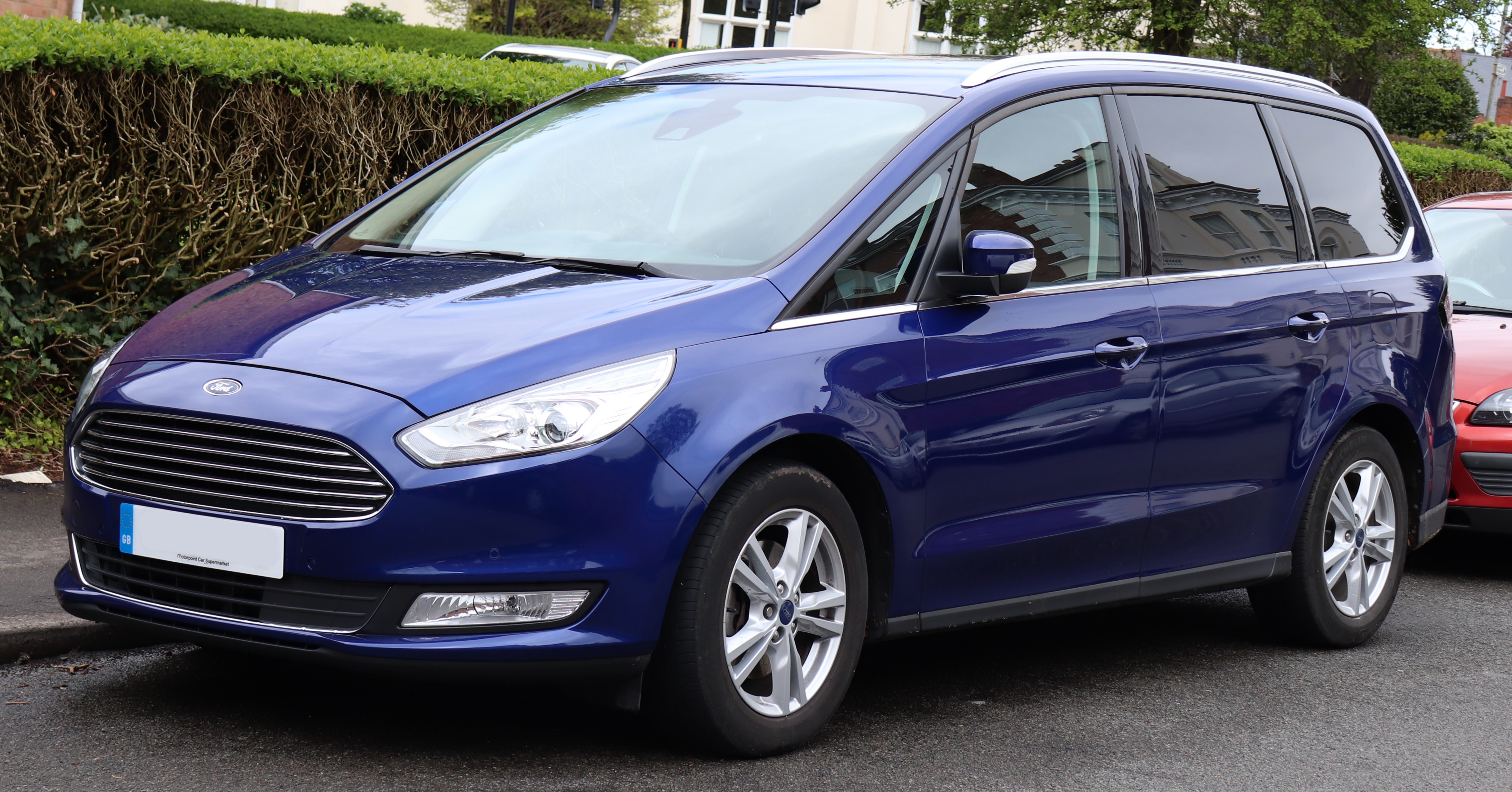
Ford Galaxy
"...te a letter to Henry Ford. You know, my dad has a galaxy. My mom's got a falcon."
The Ford Galaxy is a Ford vehicle model that’s typically meant for family or everyday use. In the podcast, it’s mentioned because someone’s family had one. It’s being used as a reference point in the conversation.
The Ford Galaxy is a family-oriented vehicle name from Ford’s lineup, mentioned in the podcast as part of a personal story about what family members owned. It’s brought up to contrast with other cars in the conversation and to add context about everyday vehicle choices. In this setting, it’s more about the memory than technical details.

Ford Falcon
"You know, my dad has a galaxy. My mom's got a falcon. I'm saving for a Mustang."
The Ford Falcon is a model of car made by Ford. In the podcast, it’s mentioned as a car someone’s family owned. It’s being used as an example of classic cars people remember.
The Ford Falcon is a car model associated with Ford’s mid-century lineup, mentioned in the podcast as part of a personal family-car story. It’s brought up to illustrate how different classic vehicles were owned and remembered. That kind of mention is usually about nostalgia and the variety of cars people had.
Porsche 911 GT3 RS
"Okay. Well, I'm glad you brought up the 911 GT3 RS. ... And this car was built and you just said it handles exactly like a GT3 RS."
The Porsche 911 GT3 RS is a super track-oriented 911. People bring it up because it’s famous for feeling very “race-like” when you drive it hard.
The Porsche 911 GT3 RS is a track-focused version of the 911, built around Porsche’s rear-engine, rear-wheel-drive layout and tuned for high-speed cornering. In enthusiast circles it’s known for its aggressive aero and “race car feel,” which is why people compare other cars’ handling to it.
lap record
"And, yeah, Ford and General Motors recently have now beaten the GT3 RS's record around the Nurburgring."
A lap record is the fastest officially measured time to complete one circuit lap. When the hosts say a car “beat the GT3 RS’s record,” they mean it set a quicker benchmark lap time under the conditions of that record attempt.
rear drive
"645 with 520 horsepower, naturally aspirated, rear drive."
Rear drive means the power goes to the back wheels. That can change how the car grips and feels when you accelerate hard.
Rear drive (rear-wheel drive) sends engine power to the rear wheels. This affects traction and handling balance, especially during hard acceleration where the rear tires do most of the work.
naturally aspirated
"645 with 520 horsepower, naturally aspirated, rear drive."
Naturally aspirated means the engine doesn’t use a turbo or supercharger to force extra air in. It relies on normal airflow through the engine.
Naturally aspirated means the engine draws air in without forced induction like a turbocharger or supercharger. That typically changes how power is delivered—often with a more linear response compared with boosted engines.
supercharged
"Sorry, 815 horsepower, supercharged, V8 rear drive."
Supercharged means there’s a device that forces extra air into the engine. That helps the engine make more power.
Supercharged means the engine uses a belt-driven compressor to force more air into the cylinders. More air generally allows more fuel to be burned, which can raise power output.
all-wheel drive
"And then, Corvette, it's like, hey, we got a 1250 all-wheel drive twin-turbo V8."
All-wheel drive means power goes to all four wheels. It can help the car stick to the road better, especially when accelerating.
All-wheel drive (AWD) sends power to both front and rear axles. It can improve traction and stability, especially when grip is limited or during aggressive launches.

Plymouth Barracuda
"...hrysler had the, you know, the 340 to 383 and the Barracuda, even the 440 if you wanted, you know, Pontiac an..."
The Plymouth Barracuda is an older American muscle car. It was made to be fast, and it came with different engine choices. The podcast mentions it while talking about classic performance cars and their power options.
The Plymouth Barracuda is a classic American muscle car known for its performance options and strong enthusiast following. In the podcast, it’s referenced alongside engine sizes and other muscle-era models, emphasizing the variety of powerful configurations people could choose. That context makes it a natural example when discussing the muscle-car era.
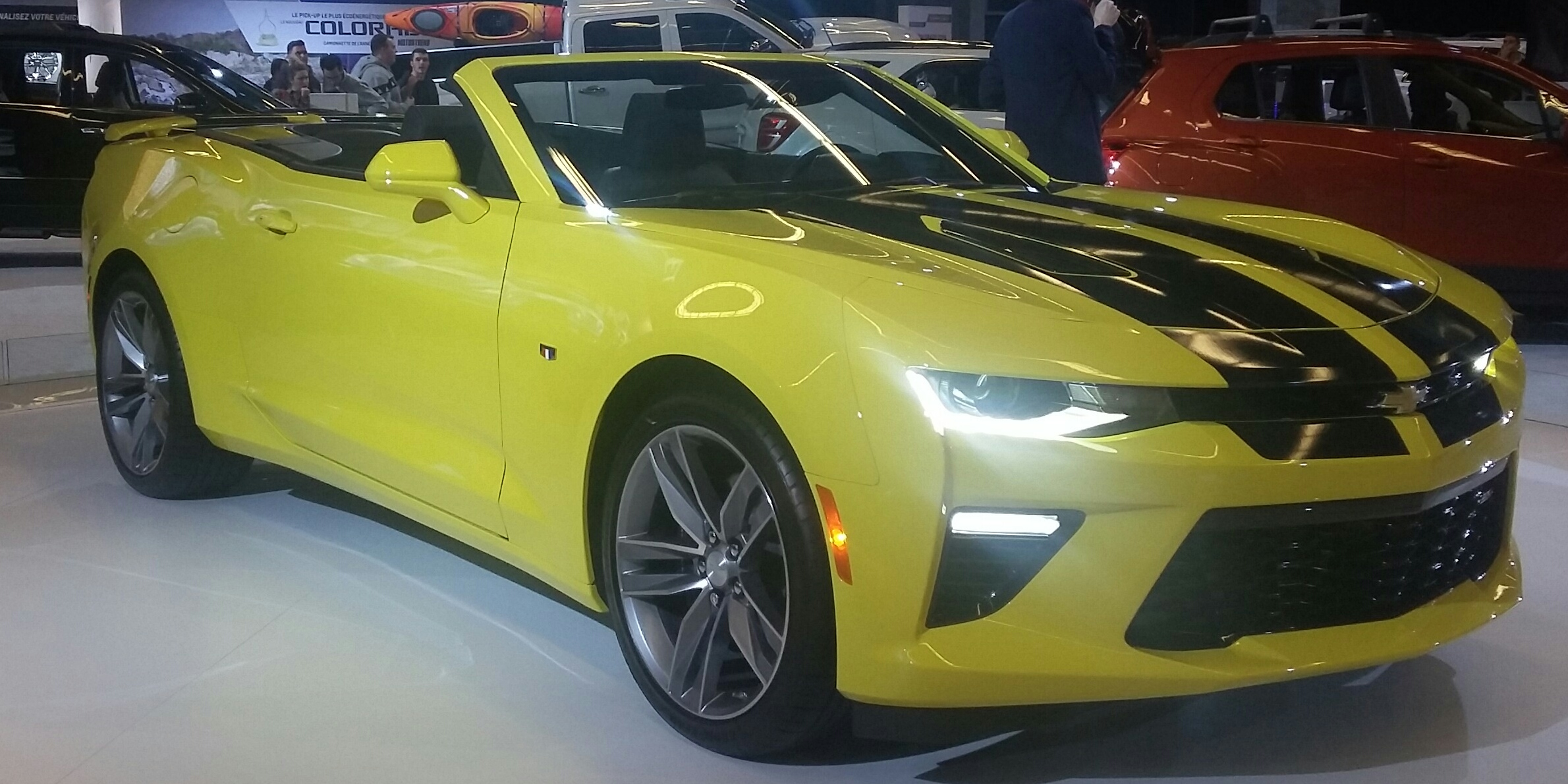
Chevrolet Camaro
"...even the 440 if you wanted, you know, Pontiac and Camaro. We had a 289."
The Chevrolet Camaro is a sporty car, usually a coupe, made for performance and style. People often talk about it because it has had different engine options over the years. The podcast is referencing it as part of that muscle-car era.
The Chevrolet Camaro is a performance coupe/pony car known for its styling and engine options. In the podcast, it’s referenced in a historical context alongside other muscle-era cars, highlighting how people remember specific engine choices. That kind of mention usually points to the Camaro’s role in American performance history.
GT cars
"Like, just the performance, like, you know, Porsche has been at it for a long time with [1859.9s] the 911 in building GT cars and tackling the Nurburgring."
“GT cars” refers to grand touring–style race cars built to compete in GT categories. They’re typically based on production models but heavily modified for track use, with emphasis on balance, braking, and tire management rather than just raw power.
forced induction
"The Americans come in with a very American approach, right? [1867.0s] Like, massive horsepower, forced induction, in the case of the Corvette, all-wheel drive,"
Forced induction means the engine gets extra air pushed into it. That extra air helps the engine burn more fuel and make more power, usually using a turbocharger or supercharger.
Forced induction is a way to increase engine power by forcing more air into the cylinders. It’s commonly done with turbochargers or superchargers, which can help an engine make more power without needing a larger displacement.
GT2
"They're going to go to the GT2. [1891.4s] Yeah. [1891.8s] Because it's very clear to beat now the GTD in 11 seconds off their time."
GT2 is a higher-level GT racing category than GT3. The idea here is that moving to GT2 is a way to chase more speed and competitiveness.
GT2 is another GT racing class/specification that generally sits above GT3 in terms of performance potential and technical complexity. In this segment, the host suggests the competition will shift toward GT2 because it offers a better path to closing performance gaps.
downforce
"And, you know, like, maybe a couple hundred pounds of downforce. So you take the GT3 RS, which has a ton, literally a ton of downforce."
Downforce is the “suction” effect from the car’s shape and wings that pushes the tires harder onto the road. That helps the car grip better in turns and stay stable at speed. It’s a big reason race cars can go faster in corners.
Downforce is aerodynamic force that pushes the car downward, increasing the normal force on the tires. More downforce generally improves cornering grip and braking stability, especially at higher speeds. Race cars often tune wings and body shape to create downforce without excessive drag.
horsepower
"So you take the GT3 RS, which has a ton, literally a ton of downforce. And I think Andy said at least 800 horsepower."
Horsepower is a way to describe how strong the engine is. More horsepower usually helps the car accelerate harder, but it doesn’t guarantee the fastest lap by itself. Tire grip and aerodynamics also matter a lot.
Horsepower is a measure of engine power—how much work the engine can do over time. In racing discussions, it’s often used as a shorthand for how quickly a car can accelerate and how much power it has available under load. However, real-world speed also depends heavily on traction, gearing, and aerodynamics.
NASCAR
"You know, the reason I lost interest in NASCAR was everybody had the same motor. Yeah."
NASCAR is a type of car racing, mostly on big oval tracks. The host is saying that when the cars are too similar—like sharing the same engine—races can feel less exciting or less different from one another. They’re contrasting that with other kinds of racing.
NASCAR is a stock-car racing series where cars compete on oval tracks and road courses. The host’s point is that when many teams run similar engines and chassis, the racing can feel less varied to fans. That’s why they mention losing interest when “everybody had the same motor.”
Pontiac
"Yeah. I like Pontiac ran this. Same chassis. Same chassis."
Pontiac was a well-known American car brand, including some performance cars. Here, the host brings it up to make a point about racing—different brands competing, but with similar parts. It’s about who was involved, not a specific car model.
Pontiac was a U.S. automotive brand known for performance-oriented models and racing involvement in earlier eras. In this segment, the host mentions “Pontiac ran this” to emphasize that different brands can compete using similar hardware rules. It’s a reference to brand identity within a spec-like racing environment.
F1
"A little bit like that in F1, I find too. You know, that's why I find like, like GT3 racing is more exciting is because like,"
F1 (Formula 1) is the top tier of open-wheel motorsport, with teams developing highly advanced cars and technologies. It’s known for intense engineering focus where tiny efficiency gains can matter a lot.
GT3 racing
"You know, that's why I find like, like GT3 racing is more exciting is because like, I recognize that's a 911."
GT3 racing is a type of race where teams use cars based on real production models. The rules are designed so different brands can race each other more fairly.
GT3 racing is a class of sports-car competition built around production-based cars. The rules aim to keep cars from different brands competitive by limiting performance differences.
Drive to Survive
"The greatest thing that ever happened to F1 was drive to survive. Of course."
Drive to Survive is a TV show about Formula 1. It helps explain what’s happening behind the scenes so new viewers can get into the sport.
Drive to Survive is a reality-documentary series that helped bring Formula 1 to a wider audience. It focuses on the teams and personalities, which can make the sport feel more accessible to new fans.
aerodynamic
"$1,500 lug nuts and, you know, aerodynamic were going for a hundredth of a millionth of a second off by using this little oil."
Aerodynamic means how the car moves through the air. In racing, the shape can make the car stick to the road better or go faster by reducing drag.
Aerodynamic refers to how air flows around a car or race car. In racing, small changes to aero can affect downforce, drag, and ultimately lap time.
BattleBots
"Maybe you built robots and the robots for each other. Battlebots. Battlebots, yeah."
BattleBots is a show where robots battle in an arena. The host is comparing that kind of tech interest to getting into racing.
BattleBots is a competition show where robots fight each other in an arena. The mention here is about how the host got interested in technology and competition through similar media.
certification
"Is this going to be sold in California? We're waiting for certification. We should have our certification any day now. It never comes."
Here, “certification” means the car has to be approved by regulators before it can be sold in California. That approval usually checks things like emissions and safety.
In this context, “certification” refers to government approval needed for a vehicle to be sold and driven legally in a specific market (here, California). It typically involves meeting emissions and safety requirements before deliveries can begin.

Gordon T50
"Right. The T-50. Right."
The Gordon Murray Automotive T.50 is a supercar made for performance. The podcast mentions it because it’s a notable car in the supercar category. It’s the kind of vehicle built to feel special when you drive it.
The Gordon Murray Automotive T.50 is a modern supercar known for its focus on driver experience and high-revving performance. The podcast mentions it directly, indicating it’s part of the conversation about standout cars and how they compare in feel or capability. It’s typically discussed as a purpose-built performance machine rather than a mainstream sports car.
Cosworth
"It was Cosworth. It was a pretty established engine. Cosworth. I mean, and I love it."
Cosworth is a company that makes performance engines. In this conversation, they’re pointing out that the engine used here was already well-proven.
Cosworth is an engine and motorsport engineering company known for building high-performance powertrains for racing and performance cars. In the segment, the host emphasizes that the T-50’s engine was a “pretty established” Cosworth unit.
engine built in Torrance, California
"this is an engine built in Torrance, California in a shop. It goes from the shop to carb. And it passes everything."
They’re emphasizing where the engine is made (Torrance, California) and how it moves through the production process. The point is that it’s built and then tested/approved successfully.
The host is highlighting the engine’s manufacturing location and workflow—built in Torrance, then moved to another stage (“shop to carb”) before final compliance testing (“passes everything”). This is presented as a credibility point for how the car’s powertrain is produced and validated.
cold start
"Your car is filthiest on a cold start. Yeah, right. Where you turn the key."
A cold start is when you start the car after it’s been parked and cooled off. The car runs differently at first, and it can put out more pollution until it warms up.
A cold start is when you start an engine after it has been sitting long enough that it’s fully cooled down. During this time, the engine and emissions systems aren’t at operating temperature, so exhaust can be dirtier until everything warms up.
catalytic converter preheats
"You turn the key into Zinger. The cat preheats like red hot. So you have instant burn of exhaust from zero before you pull away."
The catalytic converter is the part that cleans exhaust. Preheating it means it warms up faster so it can start cleaning right away instead of waiting.
Catalytic converter preheating uses a heater to bring the catalytic converter up to temperature quickly. That helps it start cleaning exhaust sooner, reducing emissions right after you start and before the converter would normally heat up.
instant burn of exhaust from zero
"So you have instant burn of exhaust from zero before you pull away. Maybe 10 seconds."
The idea is that the car cleans its exhaust right after you start it. Preheating helps the emissions system start working immediately instead of after a warm-up period.
This describes the goal of getting the exhaust emissions system working immediately after start-up. By heating the catalytic converter quickly, the engine can begin converting pollutants right away instead of waiting for normal warm-up.
glow plug
"It's a bit like a glow plug on the diesel on the old. Right. You'd wait a minute. And there you go."
A glow plug is a small heater used on diesel engines to help the engine start smoothly. It warms things up so combustion can happen right away.
A glow plug is a heating element used on diesel engines to warm the combustion chamber for easier starting. The host compares catalytic-converter preheating to glow plugs because both are about getting heat into the system quickly for fast ignition/clean-up.
octane
"They say 2.88 liter. 2.9 liter twin turbo V8 that on 91 makes 750 horsepower. Right."
Octane is a measure of a fuel’s resistance to knocking (uncontrolled combustion) in an engine. Higher-octane fuel generally allows more aggressive tuning—like higher boost or ignition timing—without knock, which can increase power.
E85
"And I think on 100 octane, it makes 850 and they haven't released the ethanol. But you can put ethanol in it, E85 and it's going to make, you know, I don't know, whatever."
E85 is a gas-ethanol blend (mostly ethanol). Some performance engines can make more power on it because it burns differently than regular gasoline.
E85 is a fuel blend containing about 85% ethanol and 15% gasoline. Ethanol has different combustion characteristics than gasoline, and many high-performance engines can make more power on it when tuned for the blend.
tandem seating
"Oh, because it's tandem seating. [2357.8s] Yeah. [2358.2s] But then I realized when I drove it, I do most of my driving by myself."
Tandem seating means the driver and passenger sit one behind the other. It can make the vehicle narrower and sometimes helps it cut through the air better.
Tandem seating means the driver and passenger sit in a line (one behind the other) instead of side-by-side. It’s common in some motorcycles and certain military or experimental vehicles because it can reduce width and improve aerodynamics.
full throttle
"I'm like, okay, that's actually too fast. [2396.7s] Like because if you ever go full throttle, you have to be on the brake immediately because [2400.2s] you reach the end of whatever you're on."
Full throttle means the accelerator is fully opened, commanding maximum engine power (or maximum motor output in an EV). In practice, it can make a vehicle surge quickly, which is why the speaker mentions needing to brake immediately after going all the way down.
red line
"I mean, to me, the reason I would buy a 250 is that 12,200 RPM red line."
The red line is the highest RPM your engine is designed to safely spin to. If you go past it for too long, you risk damaging the engine.
The red line is the engine’s maximum recommended RPM range. Past it, the engine is more likely to over-stress components, so drivers typically avoid sustained operation beyond it.
RPM
"I mean, to me, the reason I would buy a 250 is that 12,200 RPM red line."
RPM tells you how fast the engine is spinning, measured in revolutions per minute. More RPM generally means the engine is working harder.
RPM (revolutions per minute) measures how fast the engine spins. Higher RPM usually means the engine is producing power differently, but it also increases stress and fuel use.
center driving position
"Does it compare to like your F1? You know, center driving position. You know, it is such, well, you have the center driving, which is the best because you're in the middle."
A center driving position means the driver sits and steers so the car tracks near the middle of the lane. In performance driving, that can reduce the need for large steering corrections and helps manage where the tires sit relative to road edges.
driving line
"I go up to the crest and you're driving a Viper or something and you always have one wheel on the yellow line. Whereas this, you're right in the center of the road..."
Your driving line is the route your car follows through a turn or over a bump. Where you place the car can change how much grip you have and how close you get to the lane lines.
A driving line is the path a car takes through a corner or over a road feature, including where the tires track relative to lane markings. Small changes in line can affect grip, steering effort, and how close you end up to the road edges.
V-Max
"And yeah, the V-Max, actually the one. The one you see is the big downforce wing and the long tail V-Max."
“V-Max” sounds like the name of a particular version of the car they’re talking about. In this segment, it’s linked to the car’s special aero setup (wing and long tail).
“V-Max” here appears to be the model/variant name tied to the car’s aero package (big downforce wing and long tail). In this context, it likely refers to a specific configuration rather than a generic “top speed” term.
only making 80
"The one you see is the big downforce wing and the long tail V-Max. They're only making 80."
“Only making 80” indicates a limited-production run, which usually means the car is rare and targeted at a niche audience. Limited numbers can also affect pricing, availability of parts, and how the car is valued by collectors.

Mazda MX-5 / Miata
"...rich guy. If I was going racing, I'd do it with a Miata, you know, because then you're like, there's an e..."
The Mazda Miata (MX-5) is a small two-seat sports car made to be fun to drive. It’s known for being light and easy to handle. The podcast mentions it as a good option if you want to drive hard without needing a huge, complicated car.
The Mazda MX-5 (Miata) is a lightweight, affordable roadster designed for fun handling and driver engagement. It’s frequently discussed as a “go-to” car for enthusiasts because it’s relatively simple and encourages skill over brute power. The podcast mentions it as a choice for racing-style driving.
3D printing
"When you look at that chassis, you know, I do 3D printing here. So we make steam car parts and we look what wore out."
3D printing is a way to make a part by building it up in thin layers. Instead of machining it out of metal, you “print” the shape, which can help engineers make parts faster and with complex geometry.
3D printing (additive manufacturing) builds parts layer-by-layer instead of cutting them from a solid block. In automotive contexts, it’s often used for prototypes and can also be used for production parts where complex shapes or rapid iteration matter.
chassis
"When you look at that chassis, you know, I do 3D printing here. So we make steam car parts and we look what wore out."
The chassis is the car’s main frame/structure. It’s what everything else mounts to, like the suspension, and it helps the car stay strong when you drive.
A chassis is the vehicle’s structural foundation—what suspension components attach to and what carries loads through the body. When someone discusses a chassis in detail, they’re usually talking about stiffness, mounting points, and how the structure flexes under driving forces.
corrosive
"Well, steam is very corrosive with the heat. So when we make the part, we just build up that area with a little more metal where the steam has to make the turn, you know, put like a big knuckle of metal there."
Corrosive describes something that chemically attacks and degrades materials over time. In this context, the speaker is saying steam and heat can accelerate material wear by attacking the metal surfaces.
suspension
"And look at the suspension. You see places where it's wavier and it's heavier here and heavier here."
Suspension is what connects the wheels to the car and helps it handle bumps. It also affects how the car behaves when turning or hitting uneven roads.
Suspension is the system that connects the wheels to the chassis and controls how the car moves over bumps and during cornering. It affects ride quality and handling by managing wheel travel, damping, and how forces are transferred into the chassis.
additive manufacturing
"If you're watching at home, Google Zinger and it's called additive manufacturing. And if you look at some of the parts on the Zinger, they look incredibly organic."
Additive manufacturing means making a part by building it up in layers, like 3D printing. It lets engineers create shapes that are hard to make with normal metalworking methods.
Additive manufacturing is a process where parts are built up layer-by-layer, usually from a digital model, instead of being machined or cast from a solid block. In automotive, it’s often used to create complex shapes—like lightweight, organic-looking structures—that would be hard or expensive to make with traditional methods.
clean room
"And it's done essentially in a clean room."
A clean room is a workshop space kept very free of dust and dirt. That helps the manufacturing process stay precise and avoid contamination.
A clean room is a controlled environment with tightly regulated dust and airborne particles. Using a clean room for manufacturing helps prevent contamination, which can be important for precision processes and certain materials used in advanced fabrication.

Fisker Karma
"The Fisker Karma. And that's what they did. So you had this great looking car... I know Lutz bought the body design... And he put a... LS7."
The Fisker Karma is a plug-in hybrid—so it can run on electricity, but it also has a gas engine to help when needed. Here, they’re talking about modifying it by putting in a different engine (an LS7) instead of the original setup.
The Fisker Karma is a plug-in hybrid that’s known for its distinctive design and for using an electric drive system supported by a gasoline engine. In this segment, the host also discusses swapping in an LS7 V8, which highlights how people have modified the Karma’s powertrain setup.
LS7
"I know Lutz bought the body design. And he put a... LS7. A 7 liter... That was interesting."
LS7 is a powerful V8 engine used in some high-performance GM cars. Here, they’re talking about putting that engine into a different car (the Fisker Karma), which is a big change from the original design.
LS7 refers to a high-performance V8 engine from General Motors’ LS family, commonly associated with the Corvette Z06 era. In this context, the host is saying someone swapped an LS7 into the Fisker Karma, which is a major modification because it changes the vehicle’s powertrain character.
electric car that's powered by a gas engine
"Now it's got the BMW 3 cylinder. It's an electric car that's powered by a gas engine. Yeah."
This is describing a car that mostly drives like an electric vehicle, but it also has a gas engine to help when the battery isn’t enough. You can often charge it from a plug, then use gas only as backup or for extra range.
That description points to a plug-in hybrid setup where the car is primarily driven electrically, but a gasoline engine can generate electricity or assist propulsion. It’s different from a traditional hybrid because the battery can be charged from an outlet, letting it run on electricity for a meaningful distance.

Bmw 3
"...t a little rough from the edges. Now it's got the BMW 3 cylinder. It's an electric car that's powered by ..."
The BMW 3 Series is a luxury sedan, meaning it’s a comfortable car with a premium feel. The podcast mentions it as an electric car, so it’s being discussed in terms of electric power. That matters if you’re comparing how different luxury cars handle electrification.
The BMW 3 Series is a compact luxury sedan line known for balancing comfort with sporty driving dynamics. In the podcast, it’s referenced in an electric-car context, suggesting discussion of a BMW 3 Series variant that uses an electric powertrain. That makes it relevant when talking about how mainstream luxury models are moving toward electrification.

Chevrolet Volt
"Much like my own Magnetic over there. Or Chevy Volt. Chevy Volt. Yeah... It's a Chevy Volt in the Tuxedo basically."
The Chevy Volt is a plug-in hybrid that can drive on electricity most of the time. When the battery needs help, it can use the gas engine too—sometimes alongside the electric system depending on the mode.
The Chevrolet Volt is a plug-in hybrid built around an electric motor, with a gasoline engine used mainly to extend range. The segment compares it to the Karma, emphasizing the idea of running both the engine and electric system together in a specific operating mode.
sustain mode
"You get 80 miles free. Right. And then you can drive it on sustain where you run the engine and the electricity at the same time."
Sustain mode is a setting that helps keep the battery from running out. The car uses the gas engine and the electric system together to maintain the battery level while you drive.
Sustain mode is an operating strategy used in some plug-in hybrids where the vehicle manages battery state-of-charge by running the engine and electric system together. The goal is to keep the battery from draining too low while still using electric drive.
Request an Explanation
Heard something you'd like explained? We'll add it to this episode.
Sign in to request explanations for terms you heard.
Want to learn more?
Browse our glossary for plain-English explanations of automotive terms, jargon, and concepts.
Help improve this episode
See something that's not quite right? Our annotations are AI-generated and can sometimes miss the mark. Click the flag icon on any annotation to suggest a correction.