
How to get sued, even when you are only guilty of ignorance and how to handle a complaint with a car dealer
About this episode
Lawsuits can start from “ignorance” as much as intent—whether it’s a photo on a website, a demo car accident, or missing paperwork and required window labels. The show walks through how dealer disputes escalate into civil court, including rescission and punitive damages, and what to do when you’re the customer. Practical steps include documenting everything, escalating to the manufacturer for a case number, and sending a lawyer’s letter if the dealer ignores you—while staying calm and avoiding premature review threats.
Email Lennie at [email protected]
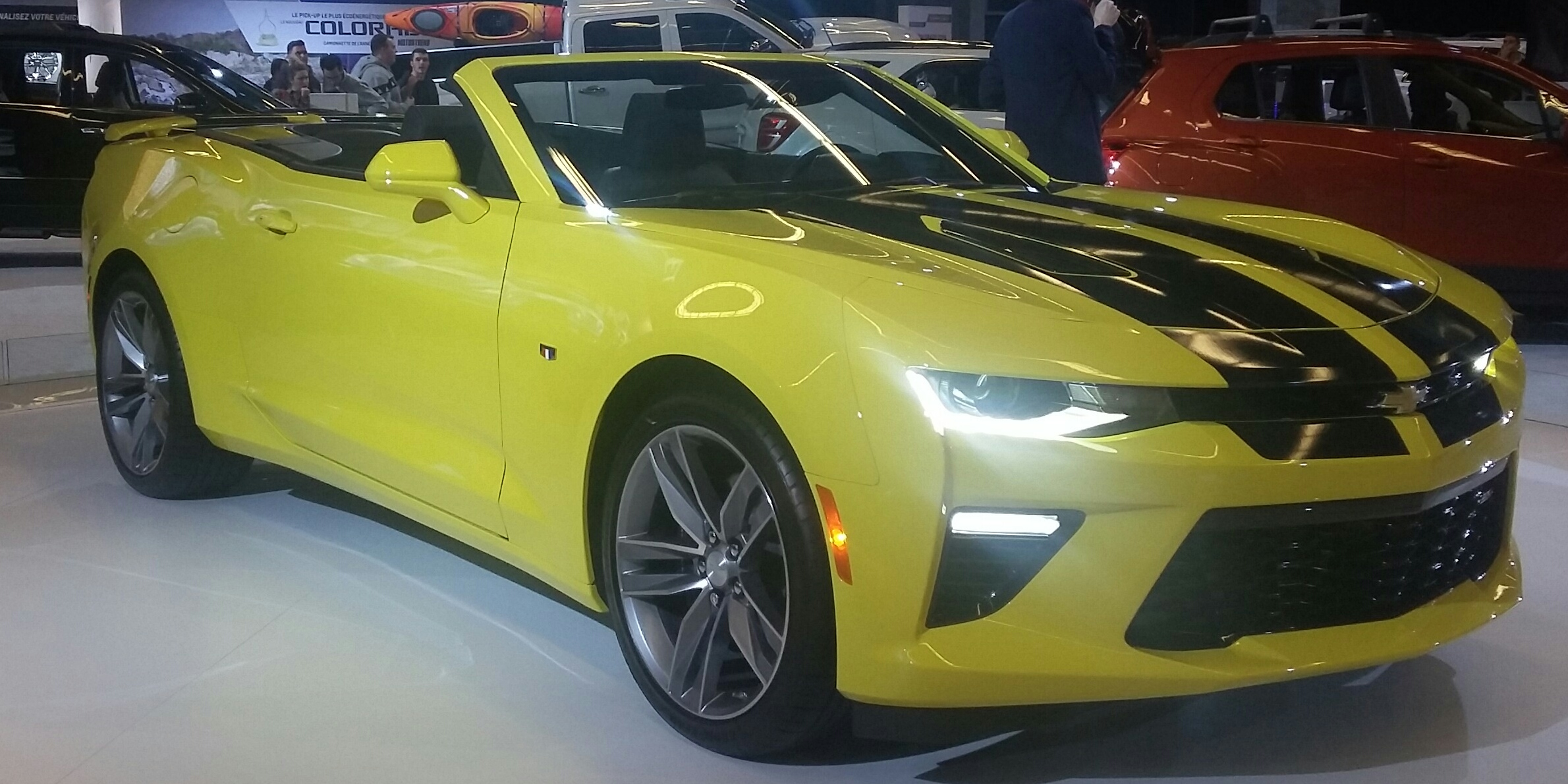
1985 Camaro Z28
"So that's more like 41 years. [186.5s] But one of my salespeople was selling a 1985 Camaro Z28 that had been a demo. [194.3s] One of my salespeople had driven it."
A Camaro Z28 is a sportier, higher-performance version of the Chevrolet Camaro. Here, the host says a demo 1985 Camaro Z28 got into an accident, and that experience led them to stop using demo cars.
The Chevrolet Camaro Z28 is a performance-focused trim of the Camaro, and the 1985 model is part of the fourth-generation Camaro era. In this story, the key detail is that a 1985 Camaro Z28 demo car was involved in a crash after being driven to work, which the host ties to eliminating demos due to the lawsuit fallout.
demo
"which, when you're selling a demo, you have to put these FTC labels in the window just like you do with any used car."
A “demo” is a car the dealership uses for customers to look at or test drive. Since it’s been used by the dealer, it may have extra wear or issues, so the sale usually includes extra disclosures.
A “demo” is a vehicle used by a dealership for display and/or test drives, so it may have been driven more than a typical new car. Because demos can have damage or wear, dealers often use specific disclosure language and window labels when selling them.
as is
"Well, we put it out there on the lot and we were selling it as is with all its faults,"
“As is” means the car is sold in its current condition. The seller is basically saying they’re not guaranteeing it’s problem-free, even if it still has some coverage left.
In car sales, “as is” means the seller is offering the vehicle without certain promises about its condition. It’s commonly paired with a disclaimer like “no warranty,” which can affect what claims the buyer can successfully make later.
FTC labels
"which, when you're selling a demo, you have to put these FTC labels in the window just like you do with any used car."
The “FTC labels” are required stickers/disclosures that tell buyers important legal terms. They’re meant to make sure the buyer knows what coverage or disclaimers apply before buying.
“FTC labels” refers to required consumer-disclosure labeling rules enforced by the Federal Trade Commission. In this context, the labels are used to clearly inform buyers about warranty/disclaimer terms, especially for demo or used vehicles.
Federal Trade Commission
"Even though the car has never been titled before, the FTC doesn't care that FTC is the Federal Trade Commission."
The Federal Trade Commission is a U.S. agency that helps protect consumers. In car sales, it can require clear disclosures so buyers aren’t misled about warranty or vehicle condition.
The Federal Trade Commission (FTC) is a U.S. government agency that regulates consumer protection and certain business practices. Here, it’s mentioned because its rules drive what disclosures must be shown on demo/used cars.
remaining factory warranty
"And it said, as is no warranty, but it still had the remaining factory warranty."
This means the car still has some of its original warranty left from the manufacturer. Even if the dealer says “no warranty” for other parts, the factory coverage may still help for certain issues.
“Remaining factory warranty” means the original coverage from the manufacturer hasn’t fully expired and still applies after the dealer sells the car. The transcript contrasts selling “as is” with the fact that some manufacturer warranty coverage may still be active.
wrecked
"And that was a big mistake because that guy sued us about, let's see, it's about a year. He came back and he said, well, I found out this thing's been wrecked."
“Wrecked” means the car had crash damage at some point. The dispute is about whether the buyer was told about that damage clearly and in writing.
“Wrecked” here is being used as a claim about prior collision damage that the buyer later alleges was not properly disclosed. In dealer disputes, whether damage was disclosed and documented can become central to liability and consumer-protection complaints.
radiator support
"I took it to a shop and they saw overspray on like the radiator support. And of course, whoever painted the thing, I guess my body shop had gotten a little overspray on there and didn't get it off."
The radiator support is the front metal frame that holds the radiator and keeps the cooling parts positioned. If it shows repair paint or damage, it can mean the front end was hit before.
The radiator support is the front structural panel that holds the radiator and related cooling components in place. Because it’s near the front end, damage or repainting there often suggests prior collision repair, which can matter when discussing whether a car was “wrecked.”
overspray
"I took it to a shop and they saw overspray on like the radiator support. And of course, whoever painted the thing, I guess my body shop had gotten a little overspray on there and didn't get it off."
Overspray is when paint gets sprayed onto parts that weren’t supposed to be painted. It can show that a car was repainted and that the shop didn’t clean up or mask everything perfectly.
Overspray is paint that lands on areas that weren’t meant to be painted, usually from spraying nearby panels or parts. In bodywork disputes, overspray can be a clue that a car was repainted or that repairs weren’t cleaned up properly after masking.
civil lawsuit
"Fast forward, he sued me in, I don't know which court it was, but they even had a jury. It was a civil lawsuit."
A civil lawsuit is when someone sues to try to get money or a remedy, not to send someone to jail. In car situations, it’s commonly about disagreements over what was disclosed or what condition the car was in.
A civil lawsuit is a legal case where one party sues another to seek compensation or other remedies, rather than pursuing criminal penalties. In car-dealer disputes, it often centers on claims like misrepresentation or failure to disclose prior damage.

SS Monte Carlo
"remembered when we were sued by a guy that had an SS Monte Carlo with a fast-backed-looking glass."
The Monte Carlo SS is a sporty version of the Monte Carlo, a classic American car. The host is using it as an example of a car that seemed fast back then, even if it wouldn’t feel that way compared to today’s cars.
The Chevrolet Monte Carlo SS is a performance trim of the Monte Carlo, a classic American coupe. In the story, the host describes it as a “hot car” for its era, contrasting it with modern cars like the Nissan Versa.
fast-backed-looking glass
"remembered when we were sued by a guy that had an SS Monte Carlo with a fast-backed-looking glass."
“Fast-backed-looking” is describing a car roof shape that slopes toward the back. It’s meant to give the car a sportier look.
“Fast-backed-looking” refers to a fastback-style roofline, where the roof slopes smoothly into the rear. It’s a visual body shape associated with a sportier profile, even though the transcript doesn’t name a specific body style term.

Nissan Versa
"what passed for a hot car back then would be like nothing right now, be like a Nissan Versa, because those cars were not fast."
The Nissan Versa is a regular, everyday car model. The host is saying that even a typical modern car would seem faster than older cars that people once considered “hot.”
The Nissan Versa is a modern compact car that’s often used as a baseline example of “not fast” compared with older performance cars. Here, the host uses it to illustrate how perceptions of speed have changed over time.
customer assistance hotline
"Number one, complain to the manufacturer. File a complaint with the customer assistance hotline and get a case number."
A customer assistance hotline is where you call the car company to complain about a dealer issue. Asking for a case number creates a record so you can track what happened.
A customer assistance hotline is a manufacturer-run support channel where you can formally report a dealer-related problem. Getting a case number helps document the complaint and ties your issue to a specific reference for follow-up.
case number
"File a complaint with the customer assistance hotline and get a case number."
A case number is like a ticket ID for your complaint. It helps you keep track of the complaint and makes it easier to follow up later.
A case number is the unique reference ID assigned to your complaint by the manufacturer’s support system. It’s important because it lets you prove you reported the issue and helps ensure your complaint isn’t lost or treated as a vague verbal complaint.
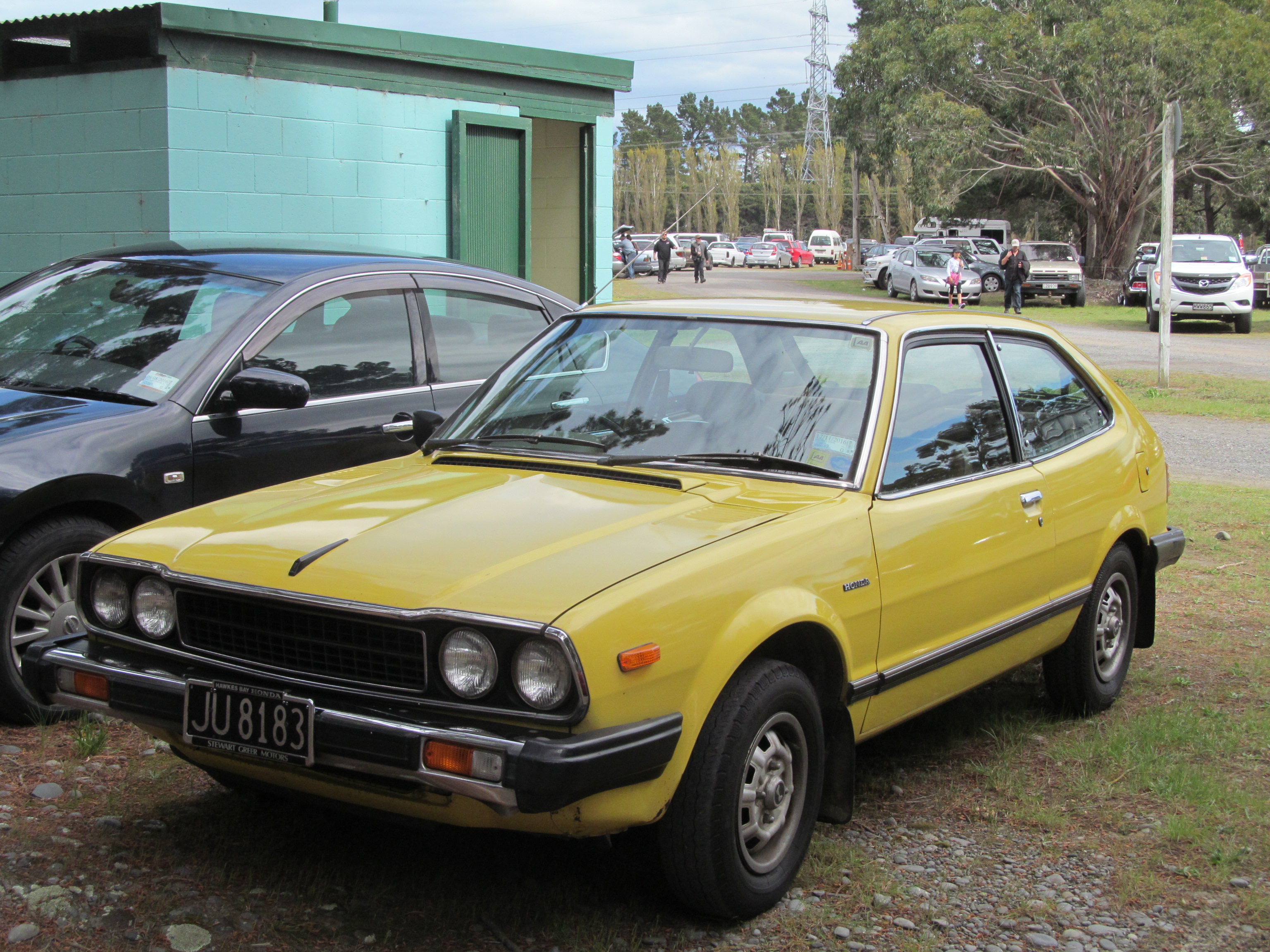
Honda Accord
"... that in your household, your wife drives a Honda Accord and you drive a Chevy Silverado. And you're havin..."
The Honda Accord is a regular, everyday car that’s meant to be comfortable and practical for commuting and errands. It’s commonly used as a family or daily driver because it’s designed to be easy to own and maintain. In the podcast, it’s mentioned as the kind of car someone might drive in their household.
The Honda Accord is a mainstream midsize sedan (and sometimes wagon in earlier years) built for everyday comfort, practicality, and efficient driving. The podcast context uses it as an example of a household’s daily driver, which is common because the Accord is designed to be easy to live with. It often comes up in conversations about dependable transportation and routine ownership.
Request an Explanation
Heard something you'd like explained? We'll add it to this episode.
Sign in to request explanations for terms you heard.
Want to learn more?
Browse our glossary for plain-English explanations of automotive terms, jargon, and concepts.
Help improve this episode
See something that's not quite right? Our annotations are AI-generated and can sometimes miss the mark. Click the flag icon on any annotation to suggest a correction.