How to Keep Your Car Running in cold Weather | Mechanics Winter Survival Guide
About this episode
Cold weather can be tough on vehicles, but with the right tips, you can keep your car running smoothly. Motor Mouth Jenkins shares essential advice on maintaining fluids, checking battery health, and preparing a winter travel kit. He emphasizes the importance of using proper washer fluid and inspecting drive belts to prevent breakdowns. With anecdotes from his experience in extreme cold, Jenkins provides practical insights to help you avoid costly repairs and keep your vehicle in top shape during winter months.
Cold Weather is brutal on vehicles - and every winter we see preventable breakdowns that cost drivers thousands. In this episode, Nile "Motormouth " Jenkins breaks down how cold temperatures affect your battery, oil, fluids, tires, and starting system, and what you can do right now to keep your car reliable all winter long.
Whether you're driving an older vehicle, a daily commuter, or a winter beater, this episode gives you real mechanic advice that can save you money, stress, and roadside headaches.
1) Learn what fails first in cold weather
2) Simple checks most drivers skip
3) What actually matter vs winter myths
4) How to protect your car without over spending
If life is hard right now, the last thing you need is a dead car. See a need, fill a void - this episode is for you.
More episodes and ... project details & links are available at Car Connection Business Network.com (ccbusnet.com) you'll find everything on our homepage if you'd like to follow the build & connect with our program partners. Click on the logos for our program partners to connect with them, please let them know I sent you tnx. Links for Youtube, Facebook, Instagram, stevensvilleontheweb.ca click on the bus' tab, iHeartRadio, merch store top right hand corner on our homepage, Happy Healthy Motoring Friends, I'm here to help you save money on vehicle repairs! Peace, Patience, Kindness, NMJ
winter tires
"...it needs to have winter tires on and I've I've gone out on the snow covered roads with the three season tires honestly."
Winter tires are special tires made for driving in snow and ice. They help your car grip the road better when it's cold outside, making it safer to drive in winter conditions.
Winter tires are specifically designed for cold weather conditions, providing better traction on snow and ice compared to all-season or summer tires. They have a unique tread pattern and rubber composition that remains flexible in low temperatures, enhancing grip and control.
summer tires
"...those of you who are driving a vehicle with summer tires on."
Summer tires are made for warm weather and help cars grip the road well when it's hot. However, they don't work well in cold or snowy weather, which can make driving dangerous.
Summer tires are designed for optimal performance in warm weather conditions. They provide excellent grip on dry and wet roads but are not suitable for cold temperatures or snowy conditions, as their rubber can harden and lose traction.
parts cannon
"...not just throwing parts on the vehicle with the parts cannon. If that's of interest to you is to learn how to keep your vehicle longer..."
A 'parts cannon' is when a mechanic just replaces a lot of parts in a car without really figuring out what's wrong. It can end up costing more money and not really fix the issue.
The term 'parts cannon' refers to a misguided approach to automotive repairs where mechanics replace multiple parts in hopes of fixing a problem without proper diagnosis. This can lead to unnecessary costs and ineffective repairs.
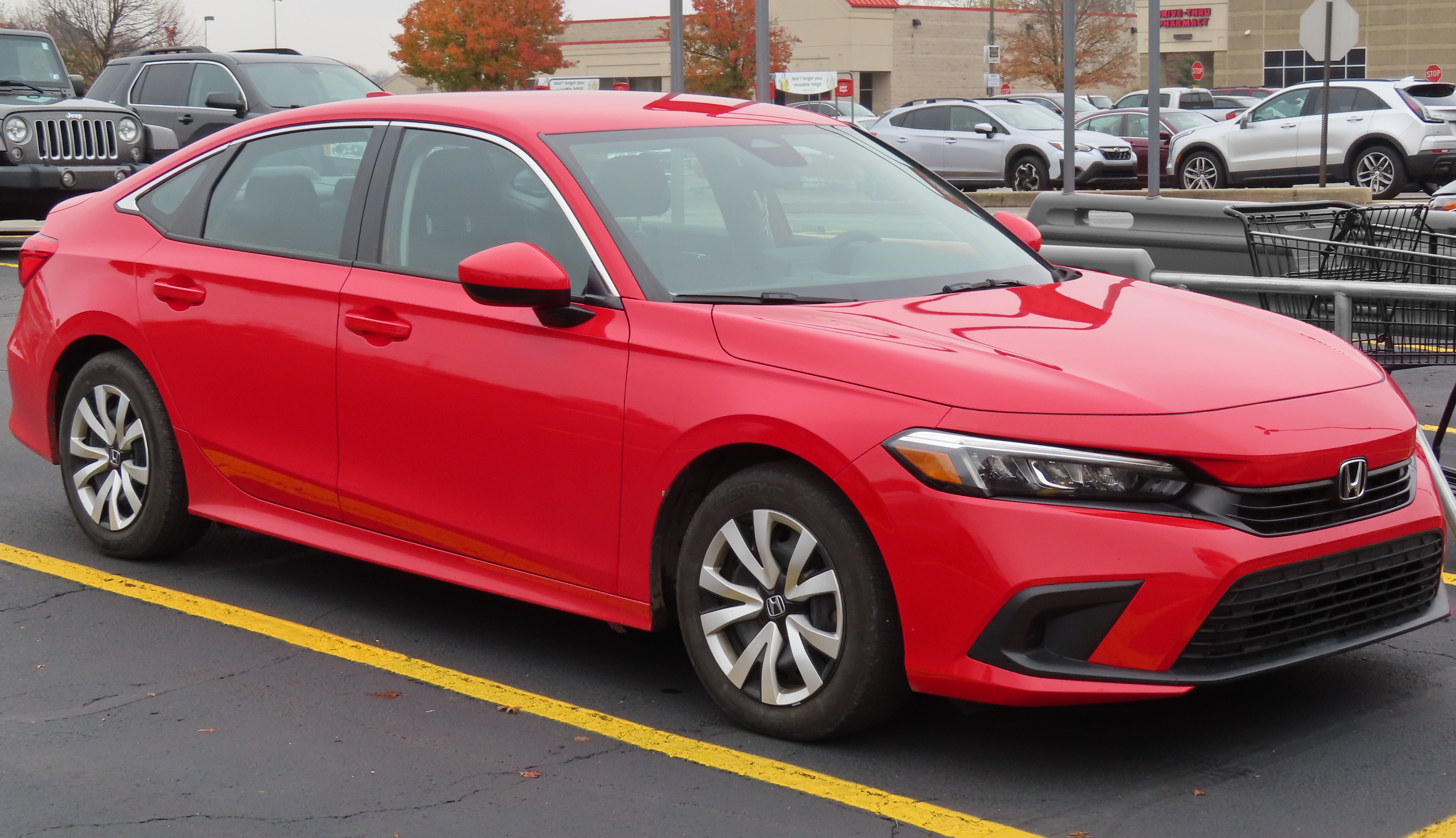
Honda Civic DX
"...we're on our way to 400,000 on the F07 FJ three officially as of yesterday 310,000 kilometers on the 99 Honda Civic DX two door hatchback. I'm trying to keep that off road this winter..."
The Honda Civic DX is a type of car that is known for being dependable and good on gas. The 1999 version is part of a series of Civics that many people liked because they were small and economical.
The Honda Civic DX is a variant of the popular Civic model known for its reliability and efficiency. The 1999 model is part of the sixth generation of Civics, which were well-regarded for their compact size and fuel economy.
high RPMs
"...you guys drive them like you stole them. You're running them flat out high RPMs for extended periods of time like a motorcycle."
High RPMs mean the engine is working really fast. If an engine runs too fast for too long, it can wear out or break down.
High RPMs refer to the engine running at high revolutions per minute, which can lead to increased wear and potential failure if not properly managed. This is often a concern in performance driving or racing scenarios.
tight tolerances
"That's why motorcycles are designed with very tight tolerances because high RPMs all the time."
Tight tolerances mean that the parts inside the engine fit together very closely. This helps the engine work well, but it can cause problems if the engine gets too hot or is used too hard.
Tight tolerances refer to the precise engineering specifications within an engine that allow for optimal performance but can also lead to issues if not maintained properly, especially under high-stress conditions.
zero W 20
"They got to go to thinner oils like zero W 20. And this is where the big discussion comes in zero W 20 flows easy and really cold temperatures."
Zero W 20 is a kind of oil for engines that helps them work better, especially when it's cold outside. It helps the engine start easily and run smoothly.
Zero W 20 is a type of engine oil with a low viscosity rating, meaning it flows easily at low temperatures. This oil is often used in modern engines to improve fuel efficiency and cold start performance.
camshaft
"All the components camshafts crankshafts connecting rods bearing surf all bearing surfaces."
The camshaft is a part of the engine that helps open and close the valves, which let air and fuel in and exhaust out. It's important for how well the engine runs.
A camshaft is a crucial component in an engine that controls the opening and closing of the engine's valves. It plays a vital role in regulating airflow into and out of the combustion chamber, impacting engine performance and efficiency.
connecting rod
"All the components camshafts crankshafts connecting rods bearing surf all bearing surfaces."
Connecting rods are parts that link the pistons (which move up and down) to the crankshaft (which spins). They help turn the engine's motion into power for the car.
Connecting rods are components that connect the pistons to the crankshaft in an engine. They transfer the force from the pistons to the crankshaft, allowing the engine to produce power.
crankshaft
"All the components camshafts crankshafts connecting rods bearing surf all bearing surfaces."
The crankshaft is a part of the engine that turns the up-and-down movement of the pistons into a spinning motion that makes the car go. It's very important for how the engine works.
The crankshaft is a major engine component that converts the linear motion of the pistons into rotational motion, which ultimately powers the vehicle. It is essential for the engine's operation and overall performance.
motor oil
"So they need a motor oil that will flow into a very tight crevice."
Motor oil is a special liquid that helps keep the engine running smoothly by reducing friction and preventing wear. It's important to check and change it regularly.
Motor oil is a lubricant used in internal combustion engines to reduce friction, protect against wear, and help keep the engine clean. It is essential for maintaining engine health and performance.
oil changes
"...make sure you're not extending your oil changes."
An oil change is when you replace the old oil in the engine with new oil. Doing this regularly helps keep the engine running well and prevents damage.
Oil changes involve draining old motor oil from the engine and replacing it with new oil. Regular oil changes are crucial for maintaining engine performance and longevity.
195 degrees Fahrenheit
"Here's what happens in the winter is we we have a vehicle that needs to maintain 195 degrees Fahrenheit continuously."
195 degrees Fahrenheit is the temperature that many engines need to stay at to work well. Keeping the engine at this temperature helps it run smoothly and prevents it from getting too hot.
Maintaining an engine temperature of 195 degrees Fahrenheit is important for optimal performance. This temperature helps ensure that the engine runs efficiently and reduces the risk of overheating.
thermostat
"Well, what happens in the cold weather, the thermostat is constantly adjusting, hold back coolant, get the engine back up to 195."
A thermostat helps keep the engine at the right temperature by controlling how much coolant flows through it. If the engine gets too hot, the thermostat opens to let more coolant in.
A thermostat is a component in an engine that regulates the temperature by controlling the flow of coolant. It opens and closes at specific temperatures to maintain optimal engine operating conditions.
air-fuel mixture
"...it's sniffing the exhaust and getting an idea what's going out tailpipe making adjustments to air fuel mixture."
The air-fuel mixture is how much air and fuel are mixed together before going into the engine. Getting this mix right helps the engine run smoothly and efficiently.
The air-fuel mixture refers to the ratio of air to fuel in the combustion chamber of an engine. Proper adjustment is crucial for efficient combustion and engine performance.
engine oil
"So the engine oil gets contaminated with unburnt fuel. So that's why that's a long trip around to get back to why is it important to make sure your oil changes are on time."
Engine oil is a special liquid that keeps the engine parts moving smoothly. It helps prevent damage and keeps the engine clean.
Engine oil lubricates the moving parts of an engine, reducing friction and preventing wear. It also helps to clean the engine and remove contaminants.
spark plugs
"...pull the spark plugs out. Give them a tune up and check it over..."
Spark plugs are small parts in an engine that create a spark to ignite the fuel and air mixture, helping the engine run. They need to be checked and replaced regularly for the engine to work well.
Spark plugs ignite the air-fuel mixture in the engine's cylinders, enabling combustion. They are crucial for engine performance and efficiency.
transmission oil
"...we'd have transmission oil it was so burnt it looked like motor oil..."
Transmission oil is a special fluid that helps the car's transmission work smoothly. It needs to be clean and at the right level to keep the car shifting gears properly.
Transmission oil lubricates the components of the transmission, ensuring smooth gear shifts and preventing wear. It is important to maintain proper levels and quality.
oil filter
"...You'll want it to be clean and healthy quality oil filter on there..."
An oil filter is a part that cleans the motor oil by removing dirt and debris. Changing it regularly helps keep the engine oil clean and the engine running well.
An oil filter removes contaminants from the engine oil, ensuring that only clean oil circulates through the engine. Regular replacement is crucial for engine longevity.
windshield washer system
"...let's not forget about the squirters. That's right the windshield washers because what today is going to be one of those weather days where you're going to need lots of washer fluid."
The windshield washer system is what sprays water or cleaning fluid on your windshield to help keep it clean. It has a pump and nozzles that do the spraying.
The windshield washer system is a component of a vehicle that sprays washer fluid onto the windshield to help clean it. It typically includes a pump, nozzles, and a reservoir for the fluid.
washer fluid
"...make sure today before you head out you've got a full jug of windshield wash the fluid in the vehicle minus 45 nothing laps. Leave that stuff at the center aisle in the grocery stores that's on sale for like 299."
Washer fluid is the liquid that sprays onto your car's windshield to help clean it. It's important for keeping your view clear, especially when it's rainy or snowy.
Washer fluid is a liquid used in windshield washer systems to clean the windshield. It helps remove dirt, grime, and other debris to improve visibility while driving, especially in adverse weather conditions.
freeze up
"...so that way you know in the fall I don't have to run around flushing out washer bottles and nozzles and lines and everything so that you know you don't get caught and have a freeze up. Crack your washer bottle destroy the pump and wreck your nozzles..."
A freeze up happens when the washer fluid in your car freezes, which can stop it from working. This can break parts of the system if it gets too cold.
A freeze up in the context of a vehicle's washer system refers to the situation where the washer fluid freezes in the lines or reservoir, preventing the system from functioning properly. This can lead to damage if not addressed.
tachometer
"Look at your your tachometer. Most vehicles have a tachometer even if it's an automatic. As soon as you see the needle go past 2000 RPM I want you to just listen very closely to this sound."
A tachometer shows how fast the engine is spinning. It's important for knowing when to change gears in a car, especially if you're driving a manual transmission.
A tachometer is an instrument that measures the rotational speed of an engine's crankshaft, typically displayed in revolutions per minute (RPM). It helps drivers understand how hard the engine is working and when to shift gears, especially in manual transmissions.
fuel economy
"Because there is no fuel economy for you no matter what you're driving when you get over 2000 RPM when you hit 2500 it's completely old."
Fuel economy tells you how far a car can go on a certain amount of gas. Better fuel economy means you spend less on fuel for the same distance.
Fuel economy refers to the efficiency of a vehicle in terms of how much fuel it consumes relative to the distance traveled, usually measured in miles per gallon (MPG). Higher fuel economy means the vehicle uses less fuel for the same distance.
wiper transmission
"...you're not going to break anything in the wiper transmission and white pivot system."
The wiper transmission helps your windshield wipers move back and forth. If it's not working well, your wipers might not clean the windshield properly.
The wiper transmission is the mechanism that connects the wiper motor to the wiper arms, allowing them to move across the windshield. Proper maintenance can prevent issues like wiper failure or damage to the pivot points.
drive belt
"So next was the last time your drive belt was inspected. Your accessory drive belt under the hood probably not too many not too many. Well keep this in mind."
The drive belt is a rubber belt that helps power parts of the car like the air conditioning and power steering. If it breaks, it can cause serious problems for the engine, especially if it's cold outside.
A drive belt, often referred to as an accessory drive belt, is a crucial component in an automobile that connects the engine's crankshaft to various accessories like the alternator, power steering pump, and air conditioning compressor. If this belt fails, it can lead to significant engine issues, including overheating.
coolant
"Because the coolant is operating at between two twelve and two twenty five Fahrenheit most of the time."
Coolant is a liquid that helps keep your car's engine from getting too hot. It works by moving heat away from the engine and preventing it from freezing in cold weather.
Coolant is a fluid used in engines to regulate temperature by absorbing heat and preventing overheating. It typically consists of a mixture of water and antifreeze, which lowers the freezing point and raises the boiling point of the fluid.
electric cooling fans
"And that's why we have electric cooling fans. The cooling fans come on at between two twelve and two twenty five water boils at that temperature."
Electric cooling fans are fans that turn on to help cool the engine when it gets too hot. They pull air through the radiator to keep everything at the right temperature.
Electric cooling fans are used in vehicles to draw air through the radiator, helping to cool the engine coolant. They activate at specific temperatures to maintain optimal engine operating conditions.
water pump
"But if those fans don't come on at two twenty two twelve to two twenty five and the belt broke the water pump stops."
The water pump is a part of your car that moves the coolant around the engine to keep it from overheating. If it stops working, the engine can get too hot and cause problems.
The water pump is a critical component of the cooling system in a vehicle, responsible for circulating coolant throughout the engine and radiator to maintain optimal operating temperatures.
service light
"If you're afraid of the service light you will definitely be wanting to jump out of the car run away screaming because just about every warning lamp is going to come on in the vehicle in your face on the dash panel."
The service light is a warning light on your dashboard that tells you something might be wrong with your car. It usually means you need to check or fix something soon.
The service light is a warning indicator on the dashboard that alerts the driver to potential issues with the vehicle, often related to maintenance or system malfunctions.
engine damage
"It's going to super heat and you're going to do some engine damage and automatic transmission damage as well."
Engine damage means something is wrong with your car's engine that can make it not work properly. This can happen if the engine gets too hot or if parts inside it break.
Engine damage refers to any harm that affects the performance, reliability, or longevity of an engine, often resulting from overheating, lack of lubrication, or mechanical failure.
Amphicar
"You can Google that today when you have a moment an amphicar. Yeah it can drive on land and you can just drive off the land right into the lake and it just keeps going."
An Amphicar is a special kind of vehicle that can drive on roads like a car and also float and drive on water like a boat. They were made a long time ago and are quite interesting!
The Amphicar is a unique vehicle that was produced in the 1960s, designed to function both as a car and a boat. It could drive on land and transition into water, making it a rare amphibious vehicle.
timing belt
"If your vehicle is equipped with a timing belt a rubber belt instead of a chain you should find that out as well because this I'm going to talk about that in a minute."
The timing belt helps keep your engine parts moving in sync. If it gets wet or damaged, it can cause big problems for your engine.
The timing belt is a critical component that synchronizes the rotation of the engine's camshaft and crankshaft. If it gets damaged or wet, it can lead to serious engine problems.
starter motor
"A battery is there to get the engine cranked over via the starter motor to get the engine started. And once the alternator kicks in, it will put back the voltage that was removed from the battery to get the engine cranking over and get it started."
The starter motor is what helps your car's engine start. When you turn the key, it uses power from the battery to make the engine turn over and start running.
The starter motor is an electric motor that initiates the engine's operation by turning the engine over when the ignition is engaged. It draws power from the car battery to start the engine and is essential for starting the vehicle.
Request an Explanation
Heard something you'd like explained? We'll add it to this episode.
Sign in to request explanations for terms you heard.
Want to learn more?
Browse our glossary for plain-English explanations of automotive terms, jargon, and concepts.
Help improve this episode
See something that's not quite right? Our annotations are AI-generated and can sometimes miss the mark. Click the flag icon on any annotation to suggest a correction.