Ethanol is a fuel alcohol that’s usually made from corn or sugarcane. It can be mixed into gasoline and can help with emissions, but it doesn’t pack as much energy as regular gasoline, so you may need more fuel to travel the same distance.
E15 is a type of gas that’s mixed with ethanol—15% ethanol and 85% regular gasoline. Some cars can use it and some can’t, so it depends on what your vehicle is designed for.
Tailpipe emissions are the gases and pollutants that come out of a car’s exhaust. The idea here is that ethanol blends can reduce some of those emissions compared with regular gasoline.
“Energy dense” just means how much “go” you get from a certain amount of fuel. Ethanol has less energy per gallon than regular gas, so you usually have to buy more to go the same miles.
Fuel injectors are the parts that deliver fuel into the engine. If you’re using ethanol blends, the engine may need to inject more fuel to get the same driving range.
The fuel pump moves fuel from the tank to the engine. If ethanol requires more fuel to go the same distance, the pump may need to be sized to deliver that extra volume.
A carburetor is a device that mixes fuel and air for the engine. If ethanol-blended fuel has water in it, it can gum up the carburetor and make starting harder.
A drivability problem means the car runs poorly, like it’s hard to start or feels rough. Here, the issue is water getting into the fuel, which can mess up how the engine burns it.
Fuel additives are chemicals you add to gas to help it stay stable. The idea here is to reduce the chance of water causing problems when the car sits for a while.
E10 is a common gasoline blend that contains 10% ethanol and 90% petroleum gasoline. It’s lower ethanol content than E15 or E85, so it generally has less ethanol-related moisture sensitivity than higher blends.
A flex-fuel vehicle can use different ethanol blends, like E85. It has a sensor that tells the car how much ethanol is in the fuel so the computer can adjust to run correctly.
E85 is a type of gas that has a lot more alcohol (ethanol) mixed in than normal gasoline. Some cars are built to handle it, but regular cars aren’t, so the engine may run poorly or even get damaged if you use it.
Your car has a computer that controls things like how much fuel gets injected. If you use a fuel the computer isn’t set up for, it can’t adjust correctly and the car may run rough or poorly.
The engine needs the right balance of air and fuel to burn correctly. If you use a fuel blend the car isn’t tuned for, that balance can be thrown off and the car can start running badly.
Energy density is basically “how much energy is packed into the fuel.” If the fuel has less energy per gallon, your engine has to use more of it to get the same results.
Some fuels with lots of ethanol can be harder on parts over time, especially if the fuel sits unused. That’s why the host says not to use it in small engines that may sit for months.
“91 recommended” means your car is designed to run best on gas with an octane rating of 91. Using lower octane can cause knocking in cars that are tuned for higher octane.
Premium gas just means the gasoline has a higher octane number than regular. Some cars are built to use it, and that can help them run smoothly. If your car doesn’t require it, premium usually won’t make the car faster or last longer.
Octane is basically how resistant the fuel is to igniting too early inside the engine. Higher octane helps prevent “knocking,” especially in cars that are designed to run hotter or with higher compression.
To “tune the engine” means setting how the engine computer controls ignition and combustion. If you use higher-octane fuel, the engine can sometimes be adjusted to burn more smoothly and avoid knocking.
Compression ratio is how much the engine squeezes the air-fuel mixture before it ignites. Squeezing more can make the engine more efficient, but it can also make knocking more likely unless the fuel has enough octane.
“Top tier fuel” means the gas has extra cleaning additives that help keep the engine from getting clogged with carbon. It’s meant to reduce buildup so the engine stays cleaner.
An “operation point” is basically what the engine is doing at a given moment—how hard it’s working and how hot it is. The fuel recommendation depends on those conditions and how likely knocking is.
Knock is when the fuel-air mixture ignites at the wrong time inside the cylinder. It can cause rough running and potential engine stress, which is why the right octane matters.
A warranty claim is when you ask the manufacturer to pay for a repair. If you didn’t use the fuel type the manual says to use, they might refuse to cover it.
The Chevrolet Corvette is a sports car made for speed and fun driving. People talk about it a lot when they’re discussing performance cars because it’s well known and built to be quick. It’s the kind of car you’d expect to hear about in conversations about fast vehicles.
The Civic Si is a sportier version of the Honda Civic. Here it’s used as an example of a car that says “premium is recommended,” but you can still use regular fuel without getting knocking sounds.
“Pinging” is a common enthusiast term for spark-knock-like noise caused by abnormal combustion. It can happen when the fuel’s octane is too low for the engine’s operating conditions, leading to inefficient or damaging pressure spikes.
Cars have computers that watch sensors and automatically adjust how the engine runs. If you put in a different type of gas than usual, the computer tries to adapt so the engine still runs correctly.
The Toyota Prius is a car that runs on gas and also uses electricity to help it use less fuel. It was one of the early popular hybrid cars, so many people remember buying one when gas prices were high. The podcast is referencing someone’s experience with an early Prius generation.
“Time the market” means trying to guess when prices will be best so you can buy or sell. The point here is that it’s hard to predict, and people often end up making things worse by waiting too long or selling too early.
“Non-hybrid versions” are the regular gas-only versions of a car model. The speaker is comparing them to hybrids to show why hybrids can save more fuel when gas prices rise.
Dollar cost averaging means you buy in smaller chunks over time instead of trying to pick the exact best moment. The goal is to avoid getting unlucky with one bad timing decision.
Used EVs are electric cars you can buy secondhand. They can cost less than new EVs, and if they’re still under warranty, that can make them less risky to buy.
Under warranty means the car is still covered for certain repairs. If something breaks, the warranty can help pay for it, which lowers the risk of buying a used EV.
Reliability means how often a car has problems or needs repairs. The hosts are saying EVs can be less proven at first, while hybrids and gas cars have a longer track record.
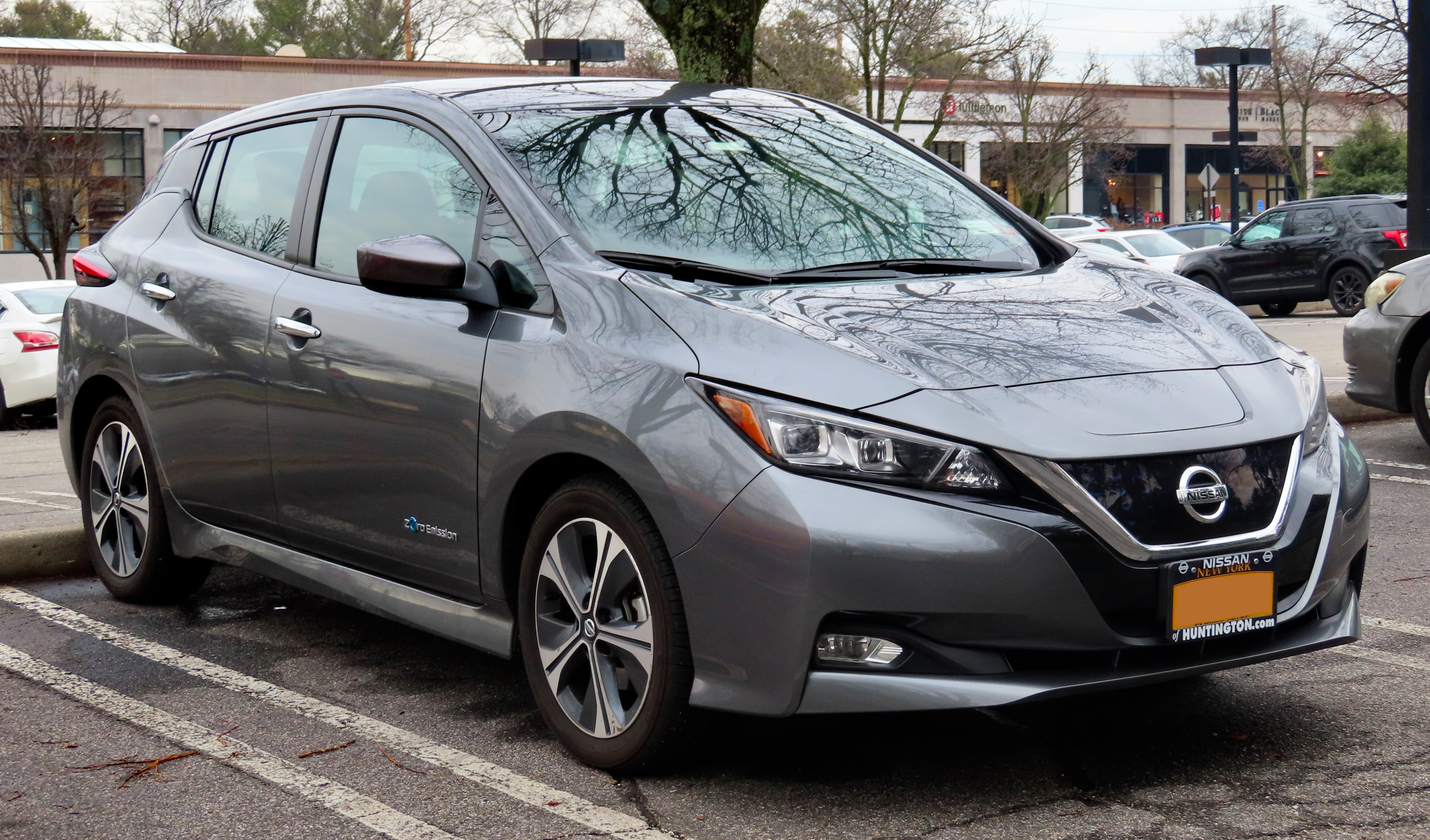
The Nissan Leaf is a popular electric car. The hosts mention it because you can often find one for a low price used, and they’re about to explain what drives that low price.
For EVs, the connector is the plug that has to match the charger. If your car uses an uncommon connector, you might struggle to find chargers that fit it.
A fast charger is the kind of EV charger that can add a lot of battery power quickly. The host is saying that some older cars have connector/compatibility issues, so they may not work well with the chargers you can find today.
The host is talking about the big battery that powers an electric car. If that battery degrades a lot, the car can’t go as far, and if replacement batteries are hard to get, the repair can become very expensive.
Range is how many miles the car can drive before the battery runs low. The host is saying some early EV batteries degraded faster, so the car could end up going much fewer miles than expected.
“Totaled” means the insurance/repair math says it’s not worth fixing the car. The host is saying that if the EV battery is very expensive to replace, the car can end up being treated as a total loss.
Most cars have a smaller 12-volt battery that runs the electronics. The host is using it as a comparison point to show how expensive batteries can be, even on hybrids.
“Warrantied” means the company promises to cover certain repairs for a period of time and miles. The host is saying newer EV battery warranties can protect you from the worst-case battery replacement costs.
ICCU is an EV’s control module that helps manage charging and power. If it has problems, the car may not charge correctly or may need service to get back to normal.
Car
Ford Mach-E
The Ford Mustang Mach-E is an electric SUV. The host says early versions had some recurring reliability problems, but later updates improved things—so newer used ones can be a safer bet.
Public charging means charging your EV at stations outside your house. The host says it usually costs more than charging at home, so it can change whether an EV saves you money.
The DeLorean DMC-12 is a sports car with a very unusual look, especially its doors that open upward. The podcast mentions it in a joking way that reflects how people talk about owning or maintaining it. It’s remembered as a memorable, character-filled car rather than a typical daily vehicle.
The Mercedes-Benz W123 is an older Mercedes model line that’s famous for being tough and long-lasting. The host brings it up as an example of a car that feels like it would keep running reliably.
Plug-in hybrids are cars that can run on electricity, but they also have a gas engine. You can charge them at home, and if you run out of battery, you can switch to gas.
Payback period is the time it takes for the extra cost of a technology (like a hybrid or plug-in hybrid) to be recovered through savings. In this context, it’s about comparing electricity and gas costs versus the upfront price difference.
0W8 (and 0W16) are types of engine oil with a specific thickness. They’re designed to flow easily when it’s cold and to be thinner during normal operation to help the engine run more efficiently.
0W16 is a very thin engine oil grade meant to reduce resistance inside the engine. Some newer hybrid engines are designed to use it, but if it’s hard to find, that can complicate oil changes.
Oil change intervals are how often you’re supposed to replace your engine oil. Newer hybrids can sometimes go longer between changes because the oil and engine are designed to last.
Synthetic oil is a specially made engine oil. It tends to work better in both hot and cold conditions, which can help some modern cars go longer between oil changes.
Viscosity is how thick or thin the oil is. If a manual allows a slightly higher viscosity, it means you can use a thicker oil than the exact one listed, usually without harming the engine as long as it meets the spec.
A diesel engine runs by squeezing air really hard so it gets hot, then injecting fuel so it ignites. Diesels can go farther on the same fuel, but they can also create more soot/smoke particles if the emissions controls aren’t doing their job.
Volkswagen is a car company that was known for selling diesel cars that were advertised as “clean.” Later, it became famous for emissions problems, which is why diesel’s reputation took a hit.
The Toyota Corolla is a small, everyday car designed to be practical and efficient. The podcast mentions it because someone was comparing it to another car they leased, and they had one main issue with the Corolla. It’s often used as a baseline for what a normal car is like.
Particulate emissions are the tiny soot-like particles that can come out of a car’s exhaust. They’re a health concern, and that’s one reason diesel passenger cars have declined in popularity.
Carbon dioxide is the main gas released when you burn fuel. The segment is saying that even when diesels get good MPG, they may not always be as good for CO2 emissions.
Miles per gallon tells you how far the car goes on a gallon of fuel. The host’s point is that you shouldn’t look at MPG by itself—what matters is how much the fuel costs.
The Chevrolet Silverado 1500 is a pickup truck. The host mentions it because diesel engines are mostly found in trucks like this, not in most regular passenger cars.
The Chevrolet Tahoe is a full-size SUV, and the host includes it among the relatively rare passenger vehicles that were offered with diesel engines. This supports the broader point that diesel passenger availability has shrunk.
The Chevrolet Cruze is a small car. This “diesel” version runs on diesel fuel instead of gasoline, and the engine type can affect fuel costs. The host is using it as an example of a diesel car that was offered.
The Chevrolet Equinox is an SUV. A “diesel” version means it uses diesel fuel instead of gasoline, which can change fuel costs. The host is listing it as another diesel example that didn’t last.
This sounds like a misheard version of Stellantis, a car company. The host brings it up while discussing why certain diesel engine plans didn’t work out.
The Jeep Grand Cherokee is an SUV. The host is talking about its diesel version and saying that, in their experience, the diesel setup didn’t work out well and didn’t lead to a successful long-term solution.
VM Motori is a company that makes diesel engines. The host is saying the diesel engine used in some Jeep models caused problems and didn’t lead to a successful outcome.
Eco mode is a setting that tries to help you use less fuel. The host says it mostly makes the car less eager to accelerate (so you drive more gently), and in their tests it didn’t save much fuel.
Test cycles are repeatable driving routes or procedures used to measure things like fuel economy. The host is saying eco mode didn’t perform dramatically better in their usual measurements.
A drive cycle is a set script for how a car is tested—how fast it goes and how often it speeds up or slows down. It helps compare fuel economy in a consistent way, like doing the same practice run for every car.
Sport mode is a setting that makes the car respond more aggressively when you press the gas. It can make the car feel quicker, but it often uses more fuel because it encourages harder driving.
Full throttle is when the accelerator is effectively asking for the engine’s maximum response. Some sport modes make the car react more sharply to even small pedal presses, so it feels faster.
Partial throttle means you’re not flooring it—you’re only pressing the gas partway. The car’s computer can still make it respond more aggressively in sport mode, which can affect how you drive.
Aerodynamics is how the car cuts through the air. If you reduce things like roof clutter and other sources of extra air resistance, the car can go farther on the same amount of fuel.
Incentives are policy or market levers—like tax credits, rebates, or regulatory pressure—that encourage consumers and automakers to choose certain technologies. The hosts connect incentives to how quickly EV adoption and fuel-efficiency improvements can accelerate or stall.
Fuel economy means how efficiently a car uses energy to go a certain distance. Better fuel economy usually means you spend less money to drive the same miles.
Product cycles are how long it takes car companies to plan and build new cars. They can’t change their lineup overnight when rules or fuel prices shift.
Concept
American lifestyle
The speaker is talking about how Americans typically get around—lots of driving and car-focused infrastructure. They’re saying that affects how quickly and in what way people adopt EVs and hybrids.
Fuel efficiency means how far a car goes on a gallon (or how little fuel it uses). When gas is expensive, a more fuel-efficient car costs less to drive.
EV batteries are the big rechargeable battery packs that power an electric car. If the battery can go farther on a charge (longer range), and the batteries get cheaper, more people are willing to buy EVs.
Electrification means moving toward cars that use electricity more—like electric cars and plug-in hybrids. The idea here is that people may want the benefits of electric driving without giving up everything about how they live.
A V8 is an engine with eight cylinders arranged in a V shape. It’s known for strong power and a loud sound, but it can use more fuel than smaller engines.
LIVE
Hey, welcome back. I'm Keith Barry. I'm Alex and Isaac. And I'm Jake Fisher. And this
week we're going to talk about what everyone's been talking about, automatively and, you
know, just sort of in their own lives, gas prices. So it's the end of May when we're
filming this. And right now the Strait of Hormuz has been open, it's been closed, it's
been closed, prices have gone crazy. We don't know what's happened in the, you know, days
since we filmed this, but the word unprecedented gets used, like on the news, like every 10
minutes, to describe something entirely different. So, you know, we headed to YouTube, we put
a post, we asked folks out there, what do you want to know about gas? It's expensive,
people want to save money, and we got a ton of questions for us. So we're just going to
dive into them. First up, we got a ton of questions about ethanol. And ethanol is something
up, you know, we're located in Connecticut, in the Northeast, we don't see, you know, gas pumps
that have, you know, the E15 or the various, you know, some of the blends that are out there.
But it's a real important question. So we're just going to throw it to our expert, Mike
Croson.
Ethanol fuel is something you may have seen at your local filling station or heard about in the
news recently. And here's what you should know. Ethanol is an alcohol based fuel. It comes
from sugarcane or corn. And that's where the the positives of it, right? It is largely
renewable. But it is a double edged sword. So let's talk about the differences here. It's a
high octane fuel. It helps lower tailpipe emissions. And it is largely renewable, we can
grow more corn and make more fuel. All that sounds great, right? It does. But there are some
downsides. So when we talk about those, the first thing is that ethanol fuel is not as
energy dense as regular petroleum gasoline, meaning you need more of it. It's going to take
about 30% more ethanol fuel to get you down the road as compared to regular petroleum fuel. So
your car needs to be set up in order to use it. You need a larger fuel pump, larger fuel
injectors and the programming within your cars ECU to be able to do all the calculations to
let your car run on this higher ethanol content fuel. Now, there are some other downsides, and
this isn't just exclusive to cars, you may have encountered this on small power equipment,
things like lawnmowers. You're going to start the lawnmower up the first cut in the spring,
and it doesn't want to start or making starts, but it wants terrible. You ended up having to
drain out the fuel, clean out the fuel lines and possibly even open up the carburetor and
clean it out too. That's because ethanol absorbs water. There's water in the air in this room,
there's water in the air outside, there's water in the air in your gas tank, that water
settles in the fuel at the bottom of the tank, and you go to start up your vehicle, it sucks
all that water up, it can cause a drivability problem or maybe even actual damage. So if
you don't use your car a lot, you want to try to use the least content of ethanol in your fuel
as you can. Or if you do run E85, if you have a flex fuel vehicle, you want to make sure that
you're really using some fuel additives if the car is going to sit around, or ideally just don't
let the car sit around, right? Just use it, burn through that fuel, keep the fuel fresh and you
shouldn't have any kind of water intrusion or corrosion problems. Now, when we talk about
ethanol fuel, it's typically represented by E meaning ethanol and then a numerical number. So
E10, E15, E85. What that number is, that's the percentage of ethanol within the gallon of fuel.
So E10 is 10% ethanol, 90% petroleum gasoline, E85 is 85% ethanol, and only 15% petroleum
gasoline. So that's what it means when you actually see it at the pump. And E15 is actually out there
right now. It's typically noted as idiot octane, which you may see some areas though in the Midwest
where they grow a lot of corn, it is quite prevalent. And that's where they sell these cars
that are called flex fuel cars. But the nice thing about those flex fuel cars are that you can
actually run 85 ethanol fuel, one day, and then maybe you're on a chip, you're away from your area,
you're up here in Connecticut, where it's tough to get, you can put regular 87 octane in the car
because there's a little sensor in line in the fuel system that can detect the percentage of
ethanol in the fuel. Therefore, it lets the engine's computer make all the right calculations and
control the engine in the way that needs to be controlled when you're running fuel that has
different ethanol contents. If your car is a regular non flex fuel car, you definitely do not
want to put E85 in it. Let's keep all the corrosion stuff to the side. Just simply your car isn't
set up to run it, meaning the engine's computer doesn't know that it may have E85 in it, your
fuel injectors are big enough, the air fuel mixture is going to be off, you have all kinds of drivability
problems at best. If you keep running that fuel, you could have actual malfunctions and breakdowns
damage that could happen. You want to be very careful of that.
So, I think I definitely learned something from that, that's for sure.
Yeah, always do, talking to Mike.
Yeah, exactly. So, this is corn.
Yeah, this is corn. This is right. This is adding corn to your fuel with the idea of making it less
expensive is ultimately the goal of adding ethanol to fuel.
But the price on the pump doesn't necessarily correspond to great value, not necessarily.
Yeah, I mean, there's a couple of things with ethanol fuel. The energy density of fuel is not
as high. There was a period of time where E85 was kind of all the rage and we were seeing a lot
of vehicles with flex fuel capabilities, but the fuel economy isn't as great usually when
you're running E85 versus fuel with a lower ethanol content. So, that's one problem.
And as Mike told you about, there's corrosive aspects of this fuel versus regular gasoline
and all these different things. So, you don't want to put it into your
snowblower or your small engine or anything, it's going to sit for a long time.
Yeah, definitely, definitely not. So, another way that you could save money,
people are asking us questions, a lot of questions about premium fuel. And there's a lot of, I think,
misinformation and people misunderstand a lot of things about this. So, you pull up to the gas
tank at the pump and you see, you know, regular mid-grade in premium and then your car, you open
the flap and it might say, you know, some of the cars we have out here will say 91 recommended or
it'll say premium recommended or in some cases, premium required. So, can you sort of...
Well, I'll add one other thing to the commercials for premium like 93 octane, 94 octane, your car
deserves better and they almost make it sound like, you know, you're putting in rocket fuel
into your car and somehow it's going to perform better and your car is going to last longer.
And it's... The name alone, premium, right? Yeah, premium, right? Like, I want to get the
premium car wash, you know, I want to get the premium... If you bought a premium car...
I got a premium car, I need premium fuel. Exactly. I want to have a premium lunch,
why not give my car the same? But octane doesn't make gas better.
It is so strange that it even is called premium because it is... I mean, higher octane fuel
is called premium for some reason, but it's just higher octane fuel.
And actually, it kind of makes it work. In worst case of an explode.
Let's talk about knock, let's talk about all this fun stuff, but that's literally...
The higher the octane, the less basically flammable it is.
So the lower octane actually ignites easier. So you'd think like, I want gasoline that kind of
like burns, right? You get the stuff that doesn't burn and that's the higher octane stuff.
So it's just some engines are designed to work with that higher octane fuel. And if you have
that higher octane fuel, because it's not explosive, you could tune the engine slightly
differently. Maybe a more controlled burn or whatnot. And some engines can benefit from that.
You can get a higher compression ratio and you could get more horsepower potentially
out of a certain engine if you tune it for that higher octane fuel. It's not a premium
burn. It's a higher octane burn. But the truth is, is that if you have a vehicle that is designed
for regular fuel, you're really not doing anything. You're just wasting your money. It'll
probably drive fine on the higher octane fuel, but it's not going to be any better. Your engine's
not going to last any longer. You're just going to be out of money quicker. I think people get
confused sometimes because there is this thing called top tier fuel. And we talk about this a
lot. And this is a detergent that goes in the gasoline and can keep carbon deposits from getting
built up in your engine. Top tier fuel can help any engine. Right. And top tier, I mean,
generally it's like the name brand, like places are going to be your Costco, which is another good
way to save money on gas. Well, absolutely. Yeah. And the worst thing you would want to do
is to get premium fuel, high octane fuel from a non top tier brand that you're actually
throwing money away. Not only are you throwing money away, but also you're not doing the best
thing for your engine there because it's not a top tier fuel. So your best bet is to have a top
tier fuel. So get, you know, I mean, essentially a brand that you recognize because otherwise
you get to some of the other gas stations and basically they're bringing in gas from all different
types of suppliers. They're not necessarily maybe one day that it will have a top tier fuel, but
they're finding whatever's cheapest. Get something that you really know where it's coming from
and get the right fuel for your car, which also could be confusing because yes, if your car requires
premium fuel, do what's required. Got it. If it recommends it, it doesn't mean you
have to use the premium fuel. It doesn't mean you have to use it. So Alex, what kind of,
I mean, I know in our fleet of cars out here, most of the ones take regular, some say premiums
recommended. Occasionally we get in or in, it tends to be a real fun car that requires premium.
So what, how is, do manufacturers decide essentially? Yeah. Well, I mean, Jake was
talking about the design of the engine, right? If they're optimizing for performance in certain
ways, fuel economy potentially, right? It's really the operation point, if you will, that that engine
is designed to run at. And there are certain situations where you may want that higher octane
fuel, right? If you're chowing a load up a hill or a mountain in Colorado, right? So these really
high demanding situations can help prevent something called knock, which we can get into,
or if it's unusually hot out, right? And you're going to be putting a lot of demand
from both a heat perspective and a load perspective on that engine. Maybe it makes sense, but
most of the time on a vehicle where it's recommended, you can get away with regular fuel
just in day to day driving. So if it's not recommended and you're going to tow,
just put in regular, because the engine's designed to do that. If it's hot, just put in what the
manufacturer recommends because that's what it's designed to. But if it says recommended, maybe
you put it in, if you're going up a mountain pass, if you're taking a car on a track day.
That's right. If it says it's required, that means that that engine's been benchmarked.
You got it. And maybe even a warranty claim might even get denied if you haven't put it in.
I mean, this can make a big difference in the cost of fueling that car over time. So knowing this
up front before you, I mean, the worst thing would be to buy a new car and all that. And
then you find out later that it requires premium fuel, right? So definitely do your research first
and understand what the vehicles require. It isn't that many cars that require these days.
Required is really, it tends to be kind of performance cars. It's, you know, your Corvette,
your, you know, a few other, you know, vehicles out there. Yeah. The ones that are on the front page
of car and driver that advertises spec and they're able to get two more horsepower than the competitor
because they, you know, they designed that engine to work with 93. Yeah. But generally,
I mean, you're paying about 25% more for that premium fuel if you don't need to use it. So I
have a Civic Si at home and it is a car that recommends premium fuel, does not require it.
What do you put in? And what I put in is top tier regular. And I've been running on regular,
and it's funny because I look on the forums or on Reddit and everyone's like, well, of course,
I want to keep this car for a long time. Of course, I'm going to put premium, right? Well,
I've been running regular on it. I've never experienced any pinging or knocking or any
kind of funny sounds. The car in rives fine. And knock is, just to get back to that knock is an
issue where it used to happen on older engines a lot more. Knock is an issue where the flame
detonates sort of incorrectly. Or too early. Yeah. And you might hear something that's where the
name knock is coming from. But yeah, that nation. Yeah. If you're younger than 75,
you probably haven't heard knock on an engine. No, you probably have. They all have the ability to
correct for what you put in, right? Because we're talking, fill it up sometimes with this and then
other times with regular. And ultimately, unless you drop every, you know, or take every drop,
have fuel out of your tank, you're going to have some mixture going on in there, right? So the
vehicle can compensate and adjust for it. They have smart electronics that can go adjust for it.
Jake, if you were going to drive that car in the track and it was 100 degrees outside,
maybe you'd fill it up with the premium pump. Maybe. Maybe. I'm not sure how many people,
you know, are doing that and driving on the track. Oh, come on. At 100 degrees.
With the air conditioning on towing. So, okay, so we're just going to say it once.
Check your owner's manual. If it says required premium fuel, put in premium fuel. If it says
recommended premium fuel, most of the time, you're fine with regular unless it's one of these
conditions that, you know, like Alex was talking about. And again, your owner's manual may even
describe those things like towing, driving real hard, that sort of thing. Your highway cruise,
not a problem. Money in your pocket. And there's other ways of saving
money at the gas pump. Oh, and let me just, but if it doesn't say, if it says regular fuel,
if it doesn't say anything about premium fuel, you are completely wasting money if you're putting
anything other than 87 in that, in that, that's right. Now, I do like the ways that you actually
can save. And we looked into this, you know, Costco, we mentioned, you know, I don't drive
50 miles to get to one of these places, but there are other loyalty programs that exist,
you know, the Cumberland Farms, the Cumbies up the street from us, as if you sign up for the app
and they put the thing and some credit cards will give a percentage back up to an amount.
So just kind of keep that in mind. You know, it's, it's not going to make gas a ton cheaper,
but if it's something you have to purchase anyways, and it's more expensive than ever,
keep these things in mind. Also say shop around too. So again, don't drive 50 miles out of your
way to save a few cents. But especially when gas prices are volatile. So what you got to consider
is like each one of these, these gas stations are buying gasoline at different times. And when
it's volatile because the prices are going up and down and whatnot, when they purchased it could
make a difference. So you may find that even with a very close section, you know, within a few miles,
you might see 20 cents here are their swings just because when they actually purchased that fuel.
So, I mean, I was just doing, I took a, took a trip this weekend and like, you know, I looked
up and like almost even the same brands, you know, I mean, it's like the mobile at Sonoka,
like they're swinging like 20 or 30 cents from station to station that are just along my route.
So it's just worthwhile and it's easier than ever to kind of check those prices. I mean,
you could look at, you know, Google maps and you could see a gas buddy, all those sites, like you
don't need those anymore because it's right there on, on the map applications. Yeah. Although do
check because I have, I also took a trip recently and some of those were a couple, by the time I
got there, it had gone up 15 cents. Well, this is it. It's very volatile. Yeah. When it's volatile,
it changes all the time. They're, they're out there changing the signs as you're pumping it up.
Yeah. Right. So another question we've been getting is from people who, and I've been getting this
one, not just from YouTube, but sometimes journalists will call us up and they'll ask us,
hey, I'm doing an article on gas prices. Should, what does consumer reports think that you should
buy a car with better fuel economy or buy an electric car? And we're in this interesting period
because all the subsidies for electric cars went away, both at the, at the consumer level and
also at the, at the level for manufacturers. Kind of, there was this sea change where the
United States kind of decided we're going in a different direction than the rest of the world
when it comes to EVs. And then all of a sudden, gas prices go crazy and interest in EVs goes up.
So, so the incentives, the government incentives went away, but the actual incentives just
exploded. Market forces. That's crazy. Exactly. But it is interesting though, because we,
you know, you think about it and say, hey, I want to, I want to save a few bucks every week,
so I'm going to go out and spend $45,000 on a new car. It doesn't. That math doesn't,
I don't think so. I remember so, you know, we see these shocks sometimes. You know, I remember after
the, you know, some of the, the, the BP Deepwater Horizon situation, gas prices, right before that
I had bought a Prius when it first came out. And it was second generation Prius when it first came
out. And the dealer asked to buy it back from me like six months after I purchased it, because
gas prices went crazy and they were selling them more than I paid for it. But, so are you saying
I should, I should sell, we should sell our Prius now? Is this the time? You should time the market.
Time the market, no. Time the market always works. Yeah, trading and time the market,
you heard it. Well, it's the same. No, don't do that. Get rid of the Prius. Right. Yeah.
It's the same mentality that causes somebody to sell at the worst time in the market, right,
and buy it at the worst time, right? Panic. Absolutely. If you're selling your car that
gets 15 miles a gallon, you're probably going to get a worse price for that than the one you're
sure. Right. Yeah. Right. So what is the time in the market, not timing the market, right?
Yeah, exactly. Yeah. So I don't know, if you're already shopping for a car and you happen to
just naturally in your cycle of car ownership be looking now for something, then okay, yeah,
it makes sense to maybe, I don't know, widen the options. Maybe we're only looking at the
15 mile per gallon cars, but maybe you change that. But to totally course correct and try to go
buy something when you weren't shopping to save money on fuel, like you said, the math doesn't
necessarily end that out. Well, I mean, what we've often said, I mean, in our testing,
I mean, there's a lot of reasons to buy hybrids. Even if gas was two bucks a gallon or gas was
six bucks a gallon. Yeah, this isn't like my old Prius. This isn't like my old Prius.
These cars are sometimes better cars than the non-hybrid versions. They are.
And you're kind of almost a little bulletproofed for whatever happens in the future. Yeah, if
there's a spike, the people who are driving, you know, their hybrid versions of their small SUV
getting 36 miles per gallon instead of 27 miles per gallon are kind of better off. And if the
prices go down, then they're still in pretty good shape because they're reliable and they drive well,
and they're not making any compromises. So I mean, if you look at our advice, because it
boards advice over the years, like, we were like, hybrids are really nice, you know, back when
gas was two or gas was six. So it's kind of like, it's dollar cost averaging as opposed to like
market timing, right? For a financial section of their show. Yeah, exactly. Yeah, that's what
really this is about. But yeah, I mean, we, and you saw that right with the demand for hybrid
vehicles from Toyota, whatever the brand might be, long before these gas prices went the direction
they've been going later, the demand was really, really high, just because I think to what we're
saying that they're good vehicles regardless of the price of gas. Now, what about pure electrics?
Because this is where things get because we're losing some vehicles from the market,
but also we're getting this kind of influx of used EVs hitting the market. And whenever I talk
to you about this, you have a great thing you say about that sweet spot for the EV is that like,
it's like used under warranty, right? Yeah, I'm trying to remember what I said,
that's a lot of pressure. At one point, yeah, story of my life.
Every once in a while, while. Yeah, but we have these cars that are hitting the
market that are still in a warranty. Correct. That are, they've been on the on for a while.
So we know they're more reliable. Yeah, relatively. Yeah, relatively speaking,
they're, I don't know, EVs are tricky, right? Because the technology is moving really quickly.
Yes, the reliability is generally not as high as certainly hybrids, right?
Gas cars in general. So they can be a trickier thing to buy, but we do see prices of them
on the used market being really low. Well, and part of that is demand. And there's a reason for
that. And again, going to reliability, which yes, some EVs are actually improving, but it's always
this kind of like early disadvantage when something is kind of the first or something
is that growing pains. And when you get into the used EVs, you're kind of getting more into like
the early experiments into EVs. And not just that, you're getting into, I mean, like if you look at
the used EV market, you get a lot of, you could get a leaf very inexpensive, for sure. For sure.
The problem is, is that, well, and there's reasons because, and it's not because they're
horribly unreliable, don't get me wrong. But it's like one, it's got a connector that you can
shot a moe. Yeah, you can barely find it anywhere, right? For a fast charger, they're pretty much
kind of going away. So you have a connector that doesn't connect with anything out there.
That's a problem. And also the way they cooled the battery on the early ones, they don't hold,
basically the charge, the amount of charge they could hold gets, for those older ones, they
get really short ranges. And Nissan, for a lot of the used EVs, they don't make the battery anymore.
So sourcing one, if you wanted to replace it to solve some of that is really difficult. And if
you do find one, it's expensive, right? So now you've almost totaled the car because it costs the
battery. So if you go five years old, used EVs are basically Tesla or Nissan. And then if you go a
little end, and then a crop of kind of weirdos with like 80 mile ranges that we just, you know,
whatever. And then you get the slightly newer ones. And then you get to those,
what you're talking about, those newer ones that were hot off the press and maybe they
hadn't figured everything out right. Yeah, which, I mean, again, you talk about like
totaling it was with the battery. I mean, this is what we're seeing, it's not happening with
older hybrids. So if you're looking at a older hybrid, I wouldn't really have a problem with it.
So recently, so I guess our older Prius, we have a 20 year old Prius that my son was driving back
and forth to school and had 170,000 miles. Oh, no, the battery failed. So it was like, oh,
no, well, the car wasn't told. We found a guy, wound up replacing the battery in half an hour,
charged us 500 bucks, you know, he replaced the cell, not a whole lot more than the 12 volt
battery, by the way, on that car. I know those batteries are so expensive. They're very expensive.
I think over 400 bucks for the 12 volt, it was 500 bucks with installation to get that. So I mean,
there's people who've almost like created this cottage industry on these older Toyotas.
So that's not a game changer. The EVs, yeah, that big lithium ion battery is a little bit.
But most of them are warrantied for eight years and 100,000 or even more miles. So if you're
getting that one that's just coming off a lease, that's kind of where you're at. Now, obviously,
look at our reliability scores, you know, some of those great Hyundai's, they all,
many of them, not they all, but many of them have had similar issues around the the ICCU,
which we've seen in our reliability surveys, some of the earlier Mach-E's, some of the earlier
Altium platform, those are starting to get, you know, the Mach-E, we've seen it get sorted out
over the years. They, you know, figured it out along the way. So if you're looking for a used EV,
buy a new one, wait. Buy the newest one, buy you can afford that still took
that depreciation hit, but that's still under warranty. Buy the one you hold on. Yeah. And I
I'm not saying it's not legitimate, but charging it at home certainly is going to be cheaper than
using public charging, right? Lower rates and all that stuff, but just make sure it's really
what you want long-term, because if you just in a, I don't know, some amount of time, right,
the gas prices go back down and you say, okay, I'm done with this and I want to go back to what I had,
or what's your cost savings at that point, right? If you got to go sell that EV and buy
something else. So just and make sure you actually enjoy the experience of having an EV,
which can be great. And also look at where you live, because in some places like Connecticut,
we have relatively low gas prices. And as many places in the Northeast have very expensive
electric prices and cold weather, which shortens the range and all that. What you really need is
what you need is, what was it? Was it back to the future three when he had like, you just put
garbage in the, in the DeLorean and it'll just work it out because they've made modification
in the future biodiesel old Mercedes W123. We just want to be able to kind of like go to like a
dumpster and just like put everything. Well, and the closest thing we probably have to that is,
is the plug in hybrids. Yeah. Which is basically like, it would gas in, you could charge it at home,
right? You know, you can do whatever you want. And the math on those doesn't always math, as you can
see our, the math on the bar. Well, actually, check out, you know, our hybrid EV, you know,
area where you could actually put in your, your fuel rates and you could actually do a calculator
and you can actually figure out what is going to be cheaper for you in your area because
electricity is all over the map and, and actually, you know, hour to hour gas prices change. But,
you know, in, in a way, those plug in hybrids are kind of insurance to whatever happens.
So you could go, if you have a plug in hybrid and suddenly the EV, you know, electric rates
spike in your area, but you're more gas than, you know, some of the gas prices spike, well,
I'll run an electricity, you're kind of covered. It's, the math is a little more, you folks are
engineers. The math, the math on those and figuring out the payback period, that's more, and for me,
it's like, that's, I have to sit down with a spreadsheet. It takes me all afternoon, you know,
it's not, it's not just, you know, multiplying and dividing my miles per gallon or something.
I love, you know, we're talking about hybrids and also, you know,
these, especially Toyota hybrids, Priuses, another shortage that we've heard of is
this, this incredibly lightweight oil, the 0W8 and the 0W16 that we've talked about.
Again, Mike Crossen has a great video on those. And if you look at them, this stuff looks like
someone's, you know, doing the Pepsi challenge. It's this like light, light brown. It's a special
oil that's used in a lot of newer Toyota hybrids. And unfortunately, due to where the refinery is
located in the process, we're expecting a shortage of them, maybe of availability through
like 2027 is what we're hearing. Well, I mean, the good part is, is that those, those hybrids,
I mean, the oil change intervals are very, very long now. I mean, the days of like changing your
oil every 3,000 miles are pretty much gone. And a lot of times you're changing your oil 10,000
miles. So they do last long. And there's these, you know, part of it is they're, you know,
there's just a lot of synthetic, there's a lot of good stuff. And, and, and the tolerances on
these engines are very, very, very tight. So they can use this kind of like lightweight oil. So,
so it's not like, you know, I mean, 2027 in terms of oil change intervals isn't actually that far
away. For the average driver, it's two or three or maybe one depending on your hybrid work,
to be honest with you. But yeah, I mean, so far that they have made some changes. So, so they
have said, you know, even in the manual where you can use slightly higher viscosity oil, maybe
every other one kind of do it. So you're not going to destroy your engine if you're not going to be
able to use that, that exact one. But just something to keep in mind, if you, if you have an oil
change coming up, I want to, you know, if you're at 9,000 miles, you might want to bring that up
just a little bit just ahead of time to get that in. But we also, you know, we got a lot of questions
about diesel. Yeah, yeah. It feels like it's like 2014 again. I wish I still had my hairline from
then. But, but yeah, Volkswagen did clean diesel, all of that stuff. And then all of a sudden diesel
is, I owned a diesel passenger diesel car. I owned one of the last, it was introduced, it was the
Ingenium engine from Jaguar Land Rover. And they put it in the XE and they sold about a couple
hundred of them. And I remember I went to the introduction of it. And it was kind of, it was
like the week the diesel gate happened when they introduced this car. And I thought, oh, this isn't
going to go well. And it didn't, which is why I was able to lease one for less than a Corolla.
But my biggest issue with that car was, was, well, first of all, I think we found
particulate emissions are still an issue with diesel. And that's why a lot of the
European car makers have gotten rid of them. And then also finding a diesel station
that isn't somewhere where trucks go, finding one in sort of a neighborhood is, you know, it's
a bit of an issue. So I mean, diesel, I mean, just a little diesel one-on-one. I mean, yeah, not to
get into like the cycle and stuff like that, how it does. Diesel in 18 figures. Well, in 18.
Yeah. No, but I mean, peanut oil and volumetric efficiency. Yeah. Okay. So just diesel engines
are more efficient. They give out less heat. So what happens with these diesels is you can get
better miles per gallon with a diesel. And certainly Volkswagen showed that with all,
all their small, small diesels and stuff like that. They were literally too good to be true.
They were literally, but they were very, very fuel efficient. What they were not good is about
emissions. So the reason why they're kind of like gone for the most part in passenger vehicles is
because they put out a lot of particulates and stuff that causes cancer and whatnot. Also,
they're not super great in terms of, of carbon dioxide because of this diesel cycle, they're
actually more, more carbon dioxide. What they're good about is miles per gallon. But that's not
necessarily the measurement that you should be looking at, what you, the measurement you should
be looking at is kind of like your cost. And actually right now, and, you know, a lot of times
green number on the sign is the way higher number. So, so it's very possible that the diesel,
the cost of diesel might be so much more. I mean, especially for us where we're using
basically the same fuel to heat our homes, a lot of like the Northeast, it may not be a savings,
even at the higher miles per gallon. Yeah. So there are very few passenger vehicles left
selling offered in diesel, right? I think it's like the Silverado 1500 and Tahoe,
like some of these GM trucks. Yeah, GM I think is, yeah. But really then it's just the heavy duty
stuff and then agriculture and things like that, right? So, I mean, we got a Chevy Cruze diesel in,
we got an Equinox diesel when I, you know, and it was sort of, that was where things were headed.
But I think a lot of that, there was a, oh gosh, the, the, the Stilantis, well at the time, FCA
with the VM Matori engine that was in them and the Grand Cherokee diesel, which was another
nightmare for these, a lot of these. And I think some of that, that just became a dead end for
development. Yeah, yeah. So unless you're hauling cargo or towing. Right, right. Yeah.
On a totally different question, we, we, we, we got some questions about, you know, cars will
have an eco mode button or, you know, what does that do? And can it actually help you save fuel?
Yeah, we've done some testing on eco mode and other drive modes for that matter and eco mode in
particular. We didn't really see much of a difference in terms of fuel economy when we
measured it. I'm using our regular test cycles out on the highway, out on our track, that type of
thing. What it, what it's really doing is encouraging you in various ways to kind of drive,
let's say in a more fuel efficient way, right? It dulls the throttle response. So you're not
accelerating maybe more than you need to. You can override that just by pressing the
accelerator pedal more, right? But it changes the tuning a little bit of the vehicle, but
ultimately, uh, if you just, it doesn't really save you that much fuel. So, so we have, we have
regimented fuel tests that we do here and we, we measure the fuel intake with a fuel meter that
we, we splice into the, the fuel lines. And, um, you know, when we do our tests, we were like, okay,
and in this area, you have to accelerate from like 10 miles per hour to 30 miles per hour. And this,
this is a drive cycle. It's a drive cycle or we go on a highway and we're going steady 65.
Doesn't affect any of that. What it may affect is our, the driver needs to put their foot down a
little bit more in order to make those things. And actually, alternatively, we see very similar
stuff with sport. So usually the sport, it almost encourages you to drive it faster because you hit
the gas and all of a sudden it's giving it full throttle when you're only putting in
partial throttle. It feels faster or feels slower. It's how it encourages you, but it's really not
going to go and save you much. And it's not going to necessarily make the car faster if you want.
Yeah. Some sport modes will cause the car to hold a higher gear, right? So it won't upshift into,
it'll keep it in six instead of up to shifting to eight, which could have some effect if you're
driving longer. If you floor it, it's going to go down. It's going to go down no matter what,
right? So kind of depends on how you drive, but by and large, um, you know, maybe avoid sport mode,
but it's not going to make a huge difference whether you put it in normal or eco. Yeah,
there you go. There are other ways to kind of adjust the way you drive or
take the stuff that you have in your roof that you're not using off to improve your aerodynamics,
take the weight out of your car that you don't need in there, right? Some of these other things
that help stretch your tank, right? We can link to that article, um, to help save fuel.
Yeah. Yeah. Don't pick up your, don't give your friends rides. I would never. Yeah, never, never,
for a whole series. Exactly. Yeah. So, yeah. So, you know, I think the question that everyone's
asking, uh, is kind of what happens now? Cause we've been through, we've been through fuel
spikes, some of us more than others and, and you know, we've, we've watched the, the auto industry
respond to these things and we've seen, you know, small cars get popular and then as prices go down,
they start to get larger and again. And the same thing kind of happens.
We see these kind of incremental gains in fuel economy. What, what is next? What, what is,
what is happening? And you know, another question we get is there, there's a new crop of highly
efficient EVs coming from China that for sale in the United States. Right, right. Yeah.
I don't know. I see, I mean, there's some probably amount of fatigue. This is all speculation
or at this point, right? But fatigue in terms of reacting to the incentives being there and
being away and EVs this EVs going like it's been a lot between regulations changing and
all that. So I don't know. We were talking earlier about time in the market versus time in the
market, right? To bring it back to our financial discussion, right? Is, is I think in the long
term, if you can zoom out a little bit, yes, along the way, there's going to be spikes of
certain on makers, bringing back V eights and things like that in the short term, but longer
term still going to go more towards fuel efficiency, electric vehicles, I think have their place,
right? And maybe there's a dip now, but catch on more later, whether it's things coming in
from different countries or our own, uh, automakers, you know, continuing to refine that
technology. And part of the reason I'm saying that is because when we ask consumers, fuel economy
is always up at the top in terms of what they care about when they're buying their next car,
right? Regardless of the price of gas at the time we ask or which regulation is or isn't in place.
It is important. And I think that's going to continue to be important regardless.
And the other thing is that, you know, the, the regulations are still ongoing in other countries
in the direction that the U.S. was going. Automakers are global. These product cycles are
decades. I mean, only a hand, I can only think of one automaker that, that chases year to year.
Well, look, I'm, yeah. And even they have a bunch of these coming out.
I mean, they can't, I mean, we're not necessarily going the same way in the same
direction of the rest of the world. I mean, this is, this is the thing. I mean, we're kind of like
the Australia. So we've got, you know, our kangaroo vehicles. Well, everyone else has got
different species going on. And China has gone and said, yeah, EV is the way. Europe is kind of
still going that EV is the way. The answer for America may be different. And there's other
reasons why the American lifestyle, the fact that we don't have, I mean, you look at how much high
speed rail that they have in other parts of the world. How much driving we do? We have none.
We drive, we've created our entire infrastructure around the car. So it may develop differently.
And I think, you know, where the issue is that politics change, but the consumer doesn't change
that much. So the politics, I mean, again, we talk about diesels. Well, Europe basically decided
that diesels for everybody and then decided, oh, never mind, we're not going to go for diesels.
So, and now it's, now it's EVs and that changed, but the consumer doesn't. So going back to what
you said, exactly right, that consumers are like, I like fuel efficiency. They're not all begging
for a pure electric vehicle. And that's where it comes back to hybrids. You know, I think that's
where we're going. You want to be speculative. I think in five years from now, we're going to see
a lot more hybrids. We're going to see a lot of these automakers that are getting into the hybrids,
and they're making them so well. Look at Honda. I mean, Honda, I mean, they were one of the first
ones in hybrids, but they didn't quite get it right. You know, right now, I think they're getting
it right the same way Toyota was. And I think we're getting to the point where like you look at Toyota
and Honda or some of these major automakers, and it's like everything is going to be hybrid.
Yes, because the new default, it's the default. And it's right. I think, I think that's exactly it
because you get that fuel efficiency, but you don't get the compromise. You don't have to change
your life around it. And you also talk about hedging your bets too, because as we start to see
these longer range EV batteries, we start to see prices come down. We start to see more places to
plug in. Someone picks up a three-year-old used EV and says, I really like this, and maybe their
next new car is, I think electrification is where things are going, and electrification includes
hybrids includes. And I think what American consumers want is they want options. They don't
told what their options are. And no one told them what to do in the past, but people heard.
Well, they were told. What doesn't help is like, we're going to make internal combustion engines
illegal or whatever it is. And that's like, well, no. If I want an EV, EV. Let me go do
that. And Tesla figured that out too, just make them desirable. So people want options. And you
know what, if a couple of people buy V8 engines, not every car is going to have a V8, but having
that as an option is not going to end the world. I also don't think that's where the majority of
the American market is headed either. Absolutely not. I think people are getting back to our
smaller, more powerful engines, getting back to our hybrids. I mean, the loudest engine
might not necessarily, it might also have the loudest proponents, but it doesn't necessarily
mean that's where things are headed. So if you want more information on fuel economy,
how to save money, investment tips from Alex. No, we're not going to know. Legally obligated
to say no investment. But if you want any more information, head to cr.org. We have a whole
bunch of information about everything from ethanol, best EVs, best hybrids. I update this
article about a hybrid payback period. It feels like every week I'm going in there and changing
the gas price to show how much quickly the difference in cost between a hybrid pay and
spoiler. Some of them are, it's instantaneous as soon as you buy the car, you're saving money.
Any information you need, head over to cr.org. And also, if you're watching this on YouTube,
you'll see that there's this donate button, and that's because we're a nonprofit. So if you get
our old fashioned paper magazine or go to cr.org, you're not going to see ads from car manufacturers
or ads from fuel companies. We are an independent voice out there, and we're funded by you. So
help us do that job in keeping who we are, because there are precious few folks like that out there
who are still able to do what we do, and we do it with your help. So really, I believe in the
mission, I hope you folks do too. So make that donation there. If you have any questions,
send them to talkingcarsaticloud.com. And thanks so much. We'll talk cars again soon.
About this episode
High gas prices lead the hosts through practical fuel choices and ownership strategy. They break down ethanol blends—why E85 needs more fuel, how flex-fuel sensors help, and why non-flex cars shouldn’t use E85. Then they tackle premium fuel myths: octane prevents knock in engines designed for it, while the wrong grade can waste money and even complicate warranty claims. Finally, they zoom out to buying decisions, arguing hybrids and carefully chosen used EVs (under warranty) can reduce risk as prices and incentives shift.
As gas prices fluctuate and drivers look for ways to cut costs, on this week's episode we answer the questions drivers are asking most: Is premium fuel worth the extra cost? Does ethanol save money? Do Eco modes actually improve fuel economy? And should high fuel prices push you toward a hybrid, plug-in hybrid, or EV? From choosing the right fuel and finding the best prices at the pump to understanding the long-term costs of different vehicle types, we separate fact from fiction and share practical strategies to help drivers spend less on fuel without sacrificing performance or reliability.
Join CR at https://CR.org/joinviaYT to access our comprehensive ratings for items you use every day. CR is a mission-driven, independent, nonprofit organization.
SHOW NOTES
-----------------------------------
00:00 Intro
00:15 Gas prices
00:51 Ethanol fuel blends
08:30 Premium vs. regular gas
17:04 Real ways to save at the pump
18:47 Hybrids, EVs, and PHEVs
29:08 Oil shortages, diesel, and alternative fuel
34:17 Eco mode and fuel-saving driving tips
37:06 The future of fuel efficiency and electrification