
How to Survive High Gas Prices
About this episode
High gas prices lead the hosts through practical fuel choices and ownership strategy. They break down ethanol blends—why E85 needs more fuel, how flex-fuel sensors help, and why non-flex cars shouldn’t use E85. Then they tackle premium fuel myths: octane prevents knock in engines designed for it, while the wrong grade can waste money and even complicate warranty claims. Finally, they zoom out to buying decisions, arguing hybrids and carefully chosen used EVs (under warranty) can reduce risk as prices and incentives shift.
As gas prices fluctuate and drivers look for ways to cut costs, on this week's episode we answer the questions drivers are asking most: Is premium fuel worth the extra cost? Does ethanol save money? Do Eco modes actually improve fuel economy? And should high fuel prices push you toward a hybrid, plug-in hybrid, or EV? From choosing the right fuel and finding the best prices at the pump to understanding the long-term costs of different vehicle types, we separate fact from fiction and share practical strategies to help drivers spend less on fuel without sacrificing performance or reliability.
Join CR at https://CR.org/joinviaYT to access our comprehensive ratings for items you use every day. CR is a mission-driven, independent, nonprofit organization.
SHOW NOTES
-----------------------------------
00:00 Intro
00:15 Gas prices
00:51 Ethanol fuel blends
08:30 Premium vs. regular gas
17:04 Real ways to save at the pump
18:47 Hybrids, EVs, and PHEVs
29:08 Oil shortages, diesel, and alternative fuel
34:17 Eco mode and fuel-saving driving tips
37:06 The future of fuel efficiency and electrification
----------------------------------
Best deals on fuel-efficient cars & SUVs
https://www.consumerreports.org/cars/buying-a-car/best-deals-on-fuel-efficient-cars-a4329802409/?EXTKEY=YSOCIAL_YT
Expert fuel-saving tips
https://www.consumerreports.org/cars/fuel-economy-efficiency/expert-fuel-saving-tips-how-to-get-more-miles-per-dollar-a1096060259/?EXTKEY=YSOCIAL_YT
10 tips to get the most out of a tank of gas
https://www.consumerreports.org/cars/fuel-economy-efficiency/10-tips-to-get-the-most-out-of-a-tank-of-gas-a2642110189/?EXTKEY=YSOCIAL_YT
Most fuel-efficient SUVs
https://www.consumerreports.org/cars/suvs/the-most-fuel-efficient-suvs-best-mpg-a5599990140/?EXTKEY=YSOCIAL_YT
Cars with the best gas Mileage
https://www.consumerreports.org/cars/fuel-economy-efficiency/the-most-fuel-efficient-cars-best-mpg-a1198903400/
Will a hybrid, PHEV, or EV save me money?
https://www.consumerreports.org/cars/hybrids-evs/buying-guide/?EXTKEY=YSOCIAL_YT
Top Tier gas is worth the extra price
https://www.consumerreports.org/cars/fuel-economy-efficiency/top-tier-gasoline-worth-the-extra-price-a7682471234/?EXTKEY=YSOCIAL_YT
Find the best hybrids and EVs
https://www.consumerreports.org/cars/hybrids-evs/?EXTKEY=YSOCIAL_YT
Most reliable used electric vehicles
https://www.consumerreports.org/cars/hybrids-evs/most-reliable-used-electric-vehicles-a8864540677/?EXTKEY=YSOCIAL_YT
10 best deals on electric vehicles
https://www.consumerreports.org/cars/hybrids-evs/best-deals-on-electric-vehicles-a1198228201/?EXTKEY=YSOCIAL_YT
Popular EVs to avoid and what to get instead
https://www.consumerreports.org/cars/hybrids-evs/electric-vehicles-to-avoid-and-the-evs-to-get-instead-a6654236864/?EXTKEY=YSOCIAL_YT
Should you use synthetic oil in your car?
https://www.consumerreports.org/cars/car-maintenance/should-you-use-synthetic-oil-in-your-car-a9220487946/?EXTKEY=YSOCIAL_YT
CR's real-world electric car range comparison
https://www.consumerreports.org/cars/hybrids-evs/real-world-ev-range-tests-models-that-beat-epa-estimates-a1103288135/?EXTKEY=YSOCIAL_YT
Tested: Does eco mode really save gas?
https://www.consumerreports.org/cars/fuel-economy-efficiency/does-eco-mode-really-save-gas-a6653523930/?EXTKEY=YSOCIAL_YT
ethanol
"First up, we got a ton of questions about ethanol. And ethanol is something you may have seen at your local filling station or heard about in the news recently. And here's what you should know. Ethanol is an alcohol based fuel. It comes from sugarcane or corn."
Ethanol is a fuel alcohol that’s usually made from corn or sugarcane. It can be mixed into gasoline and can help with emissions, but it doesn’t pack as much energy as regular gasoline, so you may need more fuel to travel the same distance.
Ethanol is an alcohol-based fuel made from crops like corn or sugarcane. In cars, it’s used as a gasoline blend to reduce tailpipe emissions, but it has less energy per gallon than petroleum gasoline, so you typically need more of it to go the same distance.
E15
"we don't see, you know, gas pumps that have, you know, the E15 or the various, you know, some of the blends that are out there."
E15 is a type of gas that’s mixed with ethanol—15% ethanol and 85% regular gasoline. Some cars can use it and some can’t, so it depends on what your vehicle is designed for.
E15 is a gasoline blend that contains 15% ethanol and 85% petroleum gasoline. Because ethanol has different fuel properties than pure gasoline, not every vehicle is approved to use E15—your car needs to be set up for that blend.
tailpipe emissions
"It's a high octane fuel. It helps lower tailpipe emissions. And it is largely renewable, we can grow more corn and make more fuel."
Tailpipe emissions are the gases and pollutants that come out of a car’s exhaust. The idea here is that ethanol blends can reduce some of those emissions compared with regular gasoline.
Tailpipe emissions are pollutants released from a vehicle’s exhaust system while driving. The segment claims ethanol blends can help lower tailpipe emissions, which is one reason ethanol is used in some fuel strategies.
energy dense
"ethanol fuel is not as energy dense as regular petroleum gasoline, meaning you need more of it. It's going to take about 30% more ethanol fuel to get you down the road as compared to regular petroleum fuel."
“Energy dense” just means how much “go” you get from a certain amount of fuel. Ethanol has less energy per gallon than regular gas, so you usually have to buy more to go the same miles.
“Energy dense” refers to how much usable energy a fuel contains per unit volume. Ethanol is less energy dense than petroleum gasoline, which is why the host says you need about 30% more ethanol to drive the same distance.
ECU
"So your car needs to be set up in order to use it. You need a larger fuel pump, larger fuel injectors and the programming within your cars ECU to be able to do all the calculations to"
The ECU is the car’s engine computer. It has to be programmed to account for ethanol blends so the engine gets the right amount of fuel.
ECU (engine control unit) is the car’s computer that manages engine operation. With ethanol blends, the ECU needs updated programming/calculations to adjust fueling so the engine runs correctly and efficiently.
fuel injectors
"You need a larger fuel pump, larger fuel injectors and the programming within your cars ECU to be able to do all the calculations to"
Fuel injectors are the parts that deliver fuel into the engine. If you’re using ethanol blends, the engine may need to inject more fuel to get the same driving range.
Fuel injectors are the components that spray fuel into the engine in precise amounts. Because ethanol has lower energy per volume, the engine typically needs more fuel delivery—so the host mentions larger fuel injectors for ethanol-capable setups.
fuel pump
"You need a larger fuel pump, larger fuel injectors and the programming within your cars ECU to be able to do all the calculations to"
The fuel pump moves fuel from the tank to the engine. If ethanol requires more fuel to go the same distance, the pump may need to be sized to deliver that extra volume.
A fuel pump supplies pressurized fuel to the engine’s fuel system. For ethanol blends, the system may need to move more fuel volume, which is why the segment mentions a larger fuel pump for vehicles designed to run on those blends.
carburetor
"You ended up having to drain out the fuel, clean out the fuel lines and possibly even open up the carburetor and clean it out too."
A carburetor is a device that mixes fuel and air for the engine. If ethanol-blended fuel has water in it, it can gum up the carburetor and make starting harder.
A carburetor is a fuel-mixing device used on many older engines that blends fuel and air before it enters the engine. The transcript suggests that water-contaminated ethanol fuel can require cleaning the carburetor to restore proper starting and running.
drivability problem
"it can cause a drivability problem or maybe even actual damage. So if you don't use your car a lot..."
A drivability problem means the car runs poorly, like it’s hard to start or feels rough. Here, the issue is water getting into the fuel, which can mess up how the engine burns it.
A drivability problem is when the car doesn’t run smoothly—such as hard starting, rough running, or hesitation—often caused by fuel contamination or incorrect fuel chemistry. In this segment, the cause is water absorbed into ethanol-blended fuel.
fuel additives
"Or if you do run E85, if you have a flex fuel vehicle, you want to make sure that you're really using some fuel additives if the car is going to sit around..."
Fuel additives are chemicals you add to gas to help it stay stable. The idea here is to reduce the chance of water causing problems when the car sits for a while.
Fuel additives are aftermarket products mixed into fuel to improve storage behavior or protect the fuel system. In this segment, they’re recommended when a flex-fuel vehicle will sit, to reduce water-related problems.
corrosion
"keep the fuel fresh and you shouldn't have any kind of water intrusion or corrosion problems."
Corrosion is rust or metal damage. If water gets into ethanol-blended fuel, it can speed up corrosion in parts of the fuel system.
Corrosion is the chemical breakdown of metal surfaces. With ethanol blends, absorbed water can promote corrosion inside the fuel system, which can contribute to fuel flow and starting issues.
E10
"Now, when we talk about ethanol fuel, it's typically represented by E meaning ethanol and then a numerical number. So E10, E15, E85..."
E10 is a common gasoline blend that contains 10% ethanol and 90% petroleum gasoline. It’s lower ethanol content than E15 or E85, so it generally has less ethanol-related moisture sensitivity than higher blends.
flex fuel vehicle
"And that's where they sell these cars that are called flex fuel cars. But the nice thing about those flex fuel cars are that you can actually run 85 ethanol fuel..."
A flex-fuel vehicle can use different ethanol blends, like E85. It has a sensor that tells the car how much ethanol is in the fuel so the computer can adjust to run correctly.
A flex-fuel vehicle is designed to run on varying ethanol blends, including E85. It uses a sensor in the fuel system to detect the ethanol percentage so the engine computer can adjust fueling and timing appropriately.
E85
"If your car is a regular non flex fuel car, you definitely do not want to put E85 in it. Let's keep all the corrosion stuff to the side. Just simply your car isn't set up to run it..."
E85 is a type of gas that has a lot more alcohol (ethanol) mixed in than normal gasoline. Some cars are built to handle it, but regular cars aren’t, so the engine may run poorly or even get damaged if you use it.
E85 is a fuel blend that contains 85% ethanol and 15% gasoline. It requires a flex-fuel capable setup so the engine computer can adjust fueling and timing for the higher ethanol content; otherwise the air-fuel mixture can be wrong and cause drivability issues or even malfunctions.
engine's computer
"Just simply your car isn't set up to run it, meaning the engine's computer doesn't know that it may have E85 in it, your fuel injectors are big enough, the air fuel mixture is going to be off..."
Your car has a computer that controls things like how much fuel gets injected. If you use a fuel the computer isn’t set up for, it can’t adjust correctly and the car may run rough or poorly.
The engine computer (engine control unit, ECU) manages how much fuel to inject and how to run the engine under different conditions. With higher-ethanol fuels, it must compensate for changes in fuel properties; otherwise the air-fuel mixture can be off, leading to drivability problems.
air fuel mixture
"your fuel injectors are big enough, the air fuel mixture is going to be off, you have all kinds of drivability problems at best."
The engine needs the right balance of air and fuel to burn correctly. If you use a fuel blend the car isn’t tuned for, that balance can be thrown off and the car can start running badly.
The air-fuel mixture is the ratio of air to fuel entering the engine. Ethanol blends change how the fuel behaves, so if the mixture is wrong the engine can misfire, run inefficiently, and develop drivability issues.
energy density of fuel
"The energy density of fuel is not as high. There was a period of time where E85 was kind of all the rage..."
Energy density is basically “how much energy is packed into the fuel.” If the fuel has less energy per gallon, your engine has to use more of it to get the same results.
Energy density of fuel is how much usable energy is stored in a given volume of fuel. Ethanol has lower energy density than gasoline, so for the same driving you may need more fuel volume when running higher-ethanol blends like E85.
corrosive aspects
"And as Mike told you about, there's corrosive aspects of this fuel versus regular gasoline... so, you don't want to put it into your snowblower or your small engine or anything, it's going to sit for a long time."
Some fuels with lots of ethanol can be harder on parts over time, especially if the fuel sits unused. That’s why the host says not to use it in small engines that may sit for months.
Ethanol blends can be more corrosive to certain materials than regular gasoline, and they can also contribute to issues when fuel sits unused. The host warns not to use E85 in equipment that will sit for a long time, like a snowblower or small engine.
91 recommended
"it might say, you know, some of the cars we have out here will say 91 recommended or"
“91 recommended” means your car is designed to run best on gas with an octane rating of 91. Using lower octane can cause knocking in cars that are tuned for higher octane.
“91 recommended” means the vehicle manufacturer suggests using gasoline with an octane rating of 91 for best operation. Octane helps prevent knock (detonation) in engines that are calibrated for higher compression or more aggressive ignition timing.
premium fuel
"it'll say premium recommended or in some cases, premium required... But octane doesn't make gas better... So it's just some engines are designed to work with that higher octane fuel."
Premium gas just means the gasoline has a higher octane number than regular. Some cars are built to use it, and that can help them run smoothly. If your car doesn’t require it, premium usually won’t make the car faster or last longer.
“Premium fuel” is a marketing label for gasoline with a higher octane rating than regular. Some engines are designed to use it to prevent knock and allow more aggressive tuning, but using premium in an engine that’s designed for regular usually doesn’t improve performance or longevity.
octane
"Well, I'll add one other thing... commercials for premium like 93 octane, 94 octane... But octane doesn't make gas better... The higher the octane, the less basically flammable it is."
Octane is basically how resistant the fuel is to igniting too early inside the engine. Higher octane helps prevent “knocking,” especially in cars that are designed to run hotter or with higher compression.
Octane is a measure of a gasoline’s resistance to knock—unwanted, premature combustion in an engine. Higher-octane fuel is less likely to ignite early, which is why some engines specify it when their compression ratio or tuning makes knock more likely.
tune the engine
"So it's just some engines are designed to work with that higher octane fuel. And if you have that higher octane fuel... you could tune the engine slightly differently. Maybe a more controlled burn or whatnot."
To “tune the engine” means setting how the engine computer controls ignition and combustion. If you use higher-octane fuel, the engine can sometimes be adjusted to burn more smoothly and avoid knocking.
“Tuning the engine” here means adjusting engine control parameters (like ignition timing and fuel/air strategy) so it can take advantage of the fuel’s octane. With higher-octane fuel, an engine may be calibrated for a more controlled combustion event to reduce knock and potentially improve output.
compression ratio
"And if you have that higher octane fuel... you could tune the engine slightly differently... You can get a higher compression ratio and you could get more horsepower potentially out of a certain engine if you tune it for that higher octane fuel."
Compression ratio is how much the engine squeezes the air-fuel mixture before it ignites. Squeezing more can make the engine more efficient, but it can also make knocking more likely unless the fuel has enough octane.
Compression ratio is the relationship between the cylinder volume when the piston is at its lowest and highest positions. Higher compression generally improves efficiency, but it also increases the tendency to knock—so engines designed for higher compression may require higher-octane fuel to run safely.
carbon deposits
"And this is a detergent that goes in the gasoline and can keep carbon deposits from getting built up in your engine."
Carbon deposits are gunk that can build up inside the engine from burning fuel. Gasoline additives can help prevent that buildup from getting worse.
Carbon deposits are solid buildup that can form inside an engine from combustion byproducts and fuel impurities. Detergents in gasoline are intended to limit how much of this buildup forms, helping maintain cleaner combustion surfaces.
top tier fuel
"Top tier fuel can help any engine. Right. And top tier, I mean, generally it's like the name brand, like places are going to be your Costco, which is another good way to save money on gas."
“Top tier fuel” means the gas has extra cleaning additives that help keep the engine from getting clogged with carbon. It’s meant to reduce buildup so the engine stays cleaner.
“Top tier fuel” is a fuel-branding standard that indicates the gasoline meets higher detergent and deposit-control requirements. The idea is that better detergents help reduce carbon buildup in the engine over time, which can help keep performance and drivability more consistent.
operation point
"It's really the operation point, if you will, that that engine is designed to run at."
An “operation point” is basically what the engine is doing at a given moment—how hard it’s working and how hot it is. The fuel recommendation depends on those conditions and how likely knocking is.
An engine’s “operation point” is the combination of conditions it’s running under—like load and temperature—that determine how the combustion process behaves. Manufacturers choose fuel requirements based on where the engine is most likely to operate and how knock risk changes across those conditions.
knock
"can help prevent something called knock, which we can get into, or if it's unusually hot out, right?"
Knock is when the fuel-air mixture ignites at the wrong time inside the cylinder. It can cause rough running and potential engine stress, which is why the right octane matters.
Knock (often called engine knock) is abnormal combustion where the air-fuel mixture ignites too early or unevenly. It can be harmful, so higher-octane fuel is used in engines calibrated to run at higher compression/loads to reduce knock risk.
regular fuel
"but most of the time on a vehicle where it's recommended, you can get away with regular fuel"
Regular fuel is the cheaper, lower-octane gas. Many cars can use it safely unless the owner’s manual says premium is required for your engine.
Regular fuel refers to the lower-octane gasoline grade compared with premium. If a manufacturer recommends premium, it’s because the engine’s calibration may be more knock-sensitive under certain operating conditions; otherwise, regular is typically sufficient for normal driving.
warranty claim
"That's right. If it says it's required, that means that that engine's been benchmarked. ... And maybe even a warranty claim might even get denied if you haven't put it in."
A warranty claim is when you ask the manufacturer to pay for a repair. If you didn’t use the fuel type the manual says to use, they might refuse to cover it.
A “warranty claim” is a request to have the manufacturer cover repairs under the vehicle’s warranty. If you use fuel that the manufacturer says is required (or recommended for certain conditions), the company may deny coverage if they argue the fuel choice contributed to the problem.

Chevrolet Corvette
"...be kind of performance cars. It's, you know, your Corvette, your, you know, a few other, you know, vehicles ..."
The Chevrolet Corvette is a sports car made for speed and fun driving. People talk about it a lot when they’re discussing performance cars because it’s well known and built to be quick. It’s the kind of car you’d expect to hear about in conversations about fast vehicles.
The Chevrolet Corvette is a performance-focused sports car known for its strong acceleration and driver-oriented handling. It’s often brought up in discussions about “performance cars” because it represents a mainstream, recognizable American sports-car option. In a podcast, it may come up as a benchmark for what people mean when they say they want something fast and engaging.

Civic Si
"So I have a Civic Si at home and it is a car that recommends premium fuel, does not require it. What do you put in? And what I put in is top tier regular."
The Civic Si is a sportier version of the Honda Civic. Here it’s used as an example of a car that says “premium is recommended,” but you can still use regular fuel without getting knocking sounds.
The Honda Civic Si is a performance-oriented trim of the Civic that’s known for being a driver-focused, relatively affordable sporty car. In this segment, the host uses it as an example of a car that recommends premium but does not require it, and discusses running regular without knock.
pinging
"Well, of course, I'm going to put premium, right? Well, I've been running regular on it. I've never experienced any pinging or knocking or any kind of funny sounds."
“Pinging” is a common enthusiast term for spark-knock-like noise caused by abnormal combustion. It can happen when the fuel’s octane is too low for the engine’s operating conditions, leading to inefficient or damaging pressure spikes.
smart electronics
"So the vehicle can compensate and adjust for it. They have smart electronics that can go adjust for it."
Cars have computers that watch sensors and automatically adjust how the engine runs. If you put in a different type of gas than usual, the computer tries to adapt so the engine still runs correctly.
“Smart electronics” refers to the car’s engine control computer(s) that monitor sensors and adjust fueling and related settings in real time. If you use different fuel than the car expects, these systems try to compensate to keep combustion stable and efficient.
towing
"With the air conditioning on towing. ... your owner's manual may even describe those things like towing, driving real hard, that sort of thing."
Towing makes the engine work harder. When the engine is under heavy load, higher-octane gas can help prevent knocking.
Towing increases engine load, which can raise cylinder pressures and temperatures. That’s one of the conditions where higher-octane fuel may help prevent knock and keep the engine operating as intended.
highway cruise
"like Alex was talking about. ... Your highway cruise, not a problem. Money in your pocket."
Highway cruise is mostly steady driving at a moderate load. In that situation, the engine usually doesn’t need premium fuel.
Highway cruise is steady, moderate-load driving where the engine typically isn’t under the heavy stress that triggers knock risk. That’s why the host says it’s “not a problem” for using regular when premium is only recommended.
87
"if it doesn't say anything about premium fuel, you are completely wasting money if you're putting anything other than 87 in that, in that, that's right."
“87” is the octane rating for regular gas. If your car is designed for regular, paying for higher-octane gas usually won’t make the car run better.
“87” refers to 87-octane gasoline, which is the common baseline for regular fuel in the U.S. The host’s point is that if a vehicle specifies regular (or doesn’t mention premium), using a higher-octane fuel than required typically doesn’t provide benefits for that engine.
Costco
"And we looked into this, you know, Costco, we mentioned, you know, I don't drive 50 miles to get to one of these places..."
Costco is a store that sometimes has cheaper gas prices. The point here is saving money at the pump.
Costco is a retailer that often sells fuel at competitive prices to members. The host mentions it as a practical way to reduce gas costs, not as an automotive technology.
Cumberland Farms
"but there are other loyalty programs that exist, you know, the Cumberland Farms, the Cumbies up the street from us..."
Cumberland Farms is a gas-station/convenience-store chain. The host is mentioning it for its app/loyalty discounts.
Cumberland Farms (often called “Cumbies”) is a regional convenience store and gas station chain. The host brings it up as an example of loyalty programs that can discount fuel.

Toyota Prius
"...ion, gas prices, right before that I had bought a Prius when it first came out. And it was second generat..."
The Toyota Prius is a car that runs on gas and also uses electricity to help it use less fuel. It was one of the early popular hybrid cars, so many people remember buying one when gas prices were high. The podcast is referencing someone’s experience with an early Prius generation.
The Toyota Prius is a hybrid car that uses both a gasoline engine and an electric motor to improve fuel economy. It’s historically significant because it helped popularize mainstream hybrid ownership, especially during periods when gas prices were a major concern. In the podcast context, it’s mentioned around the time of early Prius generations and ownership experience.
time the market
"But, so are you saying I should, I should sell, we should sell our Prius now? Is this the time? You should time the market. Time the market, no."
“Time the market” means trying to guess when prices will be best so you can buy or sell. The point here is that it’s hard to predict, and people often end up making things worse by waiting too long or selling too early.
“Time the market” means trying to predict the best moment to buy or sell based on future price movements. The host argues against it for car buying/selling, saying it often leads people to act at the worst time due to panic or uncertainty.
panic
"It's the same mentality that causes somebody to sell at the worst time in the market, right, and buy it at the worst time, right? Panic. Absolutely."
Here, “panic” means making a car decision out of fear or stress instead of logic. The host’s point is that rushing usually leads to worse prices.
In this context, “panic” refers to emotionally driven decisions—like selling a car quickly when prices are volatile. The host connects panic selling to getting a worse deal than if you sell when you’re actually ready and have a plan.
non-hybrid versions
"These cars are sometimes better cars than the non-hybrid versions. They are."
“Non-hybrid versions” are the regular gas-only versions of a car model. The speaker is comparing them to hybrids to show why hybrids can save more fuel when gas prices rise.
“Non-hybrid versions” means the gasoline-only (or otherwise non-hybrid) variants of a model family. The host uses the comparison to argue hybrids can be better cars and can reduce the impact of gas-price spikes because they typically get higher MPG.
dollar cost averaging
"So it's kind of like, it's dollar cost averaging as opposed to like market timing, right?"
Dollar cost averaging means you buy in smaller chunks over time instead of trying to pick the exact best moment. The goal is to avoid getting unlucky with one bad timing decision.
Dollar cost averaging is a strategy where you invest a fixed amount over time rather than trying to time the market. In this episode’s analogy, it’s used to explain why buying hybrids/EVs gradually can reduce the risk of making one “perfect timing” decision.
used EVs
"but also we're getting this kind of influx of used EVs hitting the market. And whenever I talk to you about this, you have a great thing you say about that sweet spot for the EV is that like, used under warranty, right?"
Used EVs are electric cars you can buy secondhand. They can cost less than new EVs, and if they’re still under warranty, that can make them less risky to buy.
Used EVs are electric vehicles sold after their original owner period, often at lower prices than new ones. The episode frames them as a way to benefit from EV pricing while still having some coverage via warranty, which can reduce the risk of buying a new, fast-changing technology.
under warranty
"you have a great thing you say about that sweet spot for the EV is that like, used under warranty, right? ... we have these cars that are hitting the market that are still in a warranty."
Under warranty means the car is still covered for certain repairs. If something breaks, the warranty can help pay for it, which lowers the risk of buying a used EV.
“Under warranty” means the vehicle is still covered by the manufacturer’s warranty terms, so certain repairs may be paid for if they fail due to defects. For EV shoppers, this can be especially important because battery/electronics-related issues can be expensive.
reliability
"So we know they're more reliable. Yeah, relatively. Yeah, relatively speaking, they're, I don't know, EVs are tricky, right? Because the technology is moving really quickly."
Reliability means how often a car has problems or needs repairs. The hosts are saying EVs can be less proven at first, while hybrids and gas cars have a longer track record.
In automotive context, reliability refers to how consistently a vehicle avoids breakdowns and major repairs over time. The hosts contrast EV reliability with hybrids and gas cars, arguing that EVs can have early “growing pains” as the technology evolves.
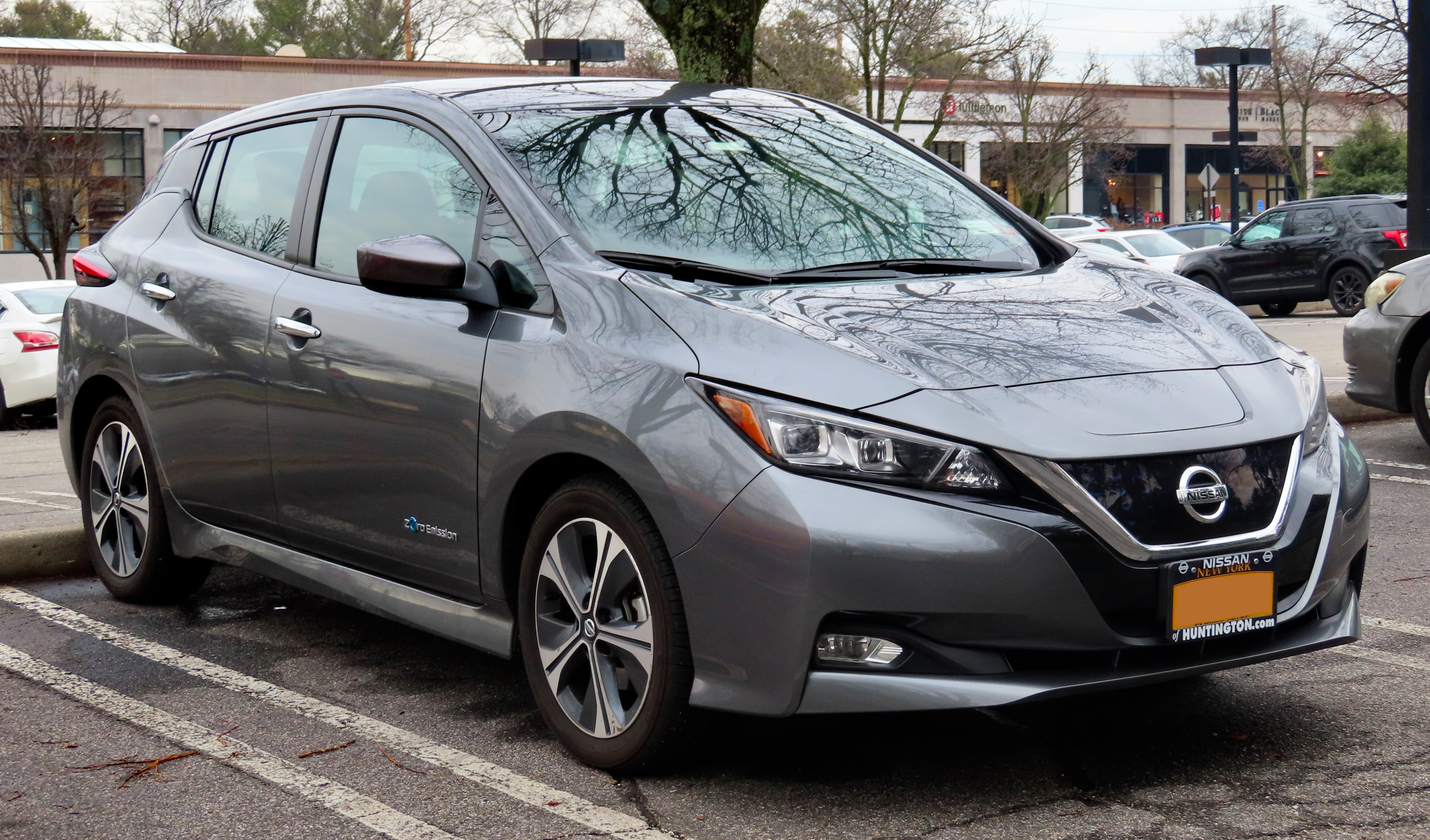
leaf
"And when you get into the used EVs, you're kind of getting more into like the early experiments into EVs. And not just that, you're getting into, I mean, like, if you look at the used EV market, you get a lot of, you could get a leaf very inexpensive, for sure."
The Nissan Leaf is a popular electric car. The hosts mention it because you can often find one for a low price used, and they’re about to explain what drives that low price.
The Nissan Leaf is a long-running mass-market electric car, and the episode uses it as an example of an inexpensive used EV you can find. The point is that older EVs like the Leaf can be cheap on the used market, but buyers should understand why prices are low.
connector
"But it's like one, it's got a connector that you can shot a moe. Yeah, you can barely find it anywhere, right? For a fast charger..."
For EVs, the connector is the plug that has to match the charger. If your car uses an uncommon connector, you might struggle to find chargers that fit it.
In EV charging, the connector is the physical plug/interface that mates with a charger. If an EV’s connector standard is outdated or rare, it may not work with the chargers people actually use, creating a real-world charging problem.
fast charger
"Yeah, you can barely find it anywhere, right? For a fast charger, they're pretty much kind of going away. So you have a connector that doesn't connect with anything out there."
A fast charger is the kind of EV charger that can add a lot of battery power quickly. The host is saying that some older cars have connector/compatibility issues, so they may not work well with the chargers you can find today.
A fast charger is a high-power charging station designed to recharge an EV much quicker than standard home charging. The host notes that some older EVs use a connector that may not be compatible with today’s charging ecosystem, which can make charging difficult.
battery
"And also the way they cooled the battery on the early ones, they don't hold, basically the charge, the amount of charge they could hold gets, for those older ones, they get really short ranges."
The host is talking about the big battery that powers an electric car. If that battery degrades a lot, the car can’t go as far, and if replacement batteries are hard to get, the repair can become very expensive.
Here, “battery” refers to the EV’s high-voltage traction battery, which determines how much energy the car can store and how far it can drive. The host says early EV battery cooling/pack design led to rapid range loss, and that discontinued batteries can be hard to replace—making the car’s repair cost potentially comparable to totaling it.
range
"they don't hold, basically the charge, the amount of charge they could hold gets, for those older ones, they get really short ranges."
Range is how many miles the car can drive before the battery runs low. The host is saying some early EV batteries degraded faster, so the car could end up going much fewer miles than expected.
Range is how far an EV can drive on a full charge. The host says early EVs could lose range quickly due to how their batteries were cooled, leading to “really short ranges” as the battery aged.
totaled
"And if you do find one, it's expensive, right? So now you've almost totaled the car because it costs the battery."
“Totaled” means the insurance/repair math says it’s not worth fixing the car. The host is saying that if the EV battery is very expensive to replace, the car can end up being treated as a total loss.
“Totaled” means the car is declared a total loss because the repair cost is too high relative to the vehicle’s value. The host argues that on some older EVs, a battery replacement can be so expensive that it effectively forces a total-loss outcome.
12 volt
"he replaced the cell, not a whole lot more than the 12 volt battery, by the way, on that car. I know those batteries are so expensive."
Most cars have a smaller 12-volt battery that runs the electronics. The host is using it as a comparison point to show how expensive batteries can be, even on hybrids.
A 12-volt battery is the small auxiliary battery that powers the car’s electronics (like computers, lights, and many control systems). The host compares the cost of replacing a 12-volt battery on a Prius to the much larger cost of EV high-voltage battery work.
warrantied
"But most of them are warrantied for eight years and 100,000 or even more miles. So if you're getting that one that's just coming off a lease..."
“Warrantied” means the company promises to cover certain repairs for a period of time and miles. The host is saying newer EV battery warranties can protect you from the worst-case battery replacement costs.
“Warrantied” here means the EV’s battery is covered by a manufacturer warranty for a set time and mileage. The host uses this to argue that newer EVs are less likely to leave owners stuck with an extremely expensive battery replacement.
ICCU
"many of them, not they all, but many of them have had similar issues around the the ICCU, [1424.0s] which we've seen in our reliability surveys"
ICCU is an EV’s control module that helps manage charging and power. If it has problems, the car may not charge correctly or may need service to get back to normal.
ICCU stands for an onboard control unit used in many EVs to manage charging and power electronics. When people talk about “ICCU issues” in reliability surveys, they usually mean failures that can prevent proper charging or limit vehicle operation until repaired.

Ford Mach-E
"some of the earlier Mach-E's, some of the earlier [1429.0s] Altium platform, those are starting to get, you know, the Mach-E, we've seen it get sorted out over the years."
The Ford Mustang Mach-E is an electric SUV. The host says early versions had some recurring reliability problems, but later updates improved things—so newer used ones can be a safer bet.
The Ford Mustang Mach-E is an all-electric crossover, and the host is citing reliability survey issues that showed up in earlier versions. They also say those early problems were “sorted out” over the years, which is relevant if you’re shopping used EVs.
public charging
"but charging it at home certainly is going to be cheaper than [1459.0s] using public charging, right?"
Public charging means charging your EV at stations outside your house. The host says it usually costs more than charging at home, so it can change whether an EV saves you money.
Public charging refers to using EV charging stations outside your home, typically at retail locations or along highways. The host’s point is that public charging often costs more than home charging, which affects the real-world cost savings of an EV.

Delorean DMC-12
"... he had like, you just put garbage in the, in the DeLorean and it'll just work it out because they've made m..."
The DeLorean DMC-12 is a sports car with a very unusual look, especially its doors that open upward. The podcast mentions it in a joking way that reflects how people talk about owning or maintaining it. It’s remembered as a memorable, character-filled car rather than a typical daily vehicle.
The DeLorean DMC-12 is a distinctive sports car known for its gull-wing doors and its strong pop-culture presence. In the podcast context, it’s mentioned with a humorous reference to the car’s reputation and how people talk about keeping it running. It’s often discussed less for everyday practicality and more for its unique design and the stories around ownership.

Mercedes W123
"because they've made modification [1503.7s] in the future biodiesel old Mercedes W123."
The Mercedes-Benz W123 is an older Mercedes model line that’s famous for being tough and long-lasting. The host brings it up as an example of a car that feels like it would keep running reliably.
The Mercedes-Benz W123 is a classic 1970s–1980s-era model line known for durability and long service life. The host uses it as a contrast to modern EV uncertainty, implying that some older designs felt more “it’ll just work” than newer tech.
plug in hybrids
"is the plug in hybrids. Yeah. Which is basically like, it would gas in, you could charge it at home, [1518.6s] right?"
Plug-in hybrids are cars that can run on electricity, but they also have a gas engine. You can charge them at home, and if you run out of battery, you can switch to gas.
Plug-in hybrids (PHEVs) combine a gasoline engine with an electric motor and a battery you can recharge from an outlet. The host frames them as the closest real-world alternative to “always works” fuel flexibility—because you can drive on electricity but still have gasoline as backup.
payback period
"The math, the math on those and figuring out the payback period, that's more, and for me, it's like, that's, I have to sit down with a spreadsheet."
Payback period is the time it takes for the extra cost of a technology (like a hybrid or plug-in hybrid) to be recovered through savings. In this context, it’s about comparing electricity and gas costs versus the upfront price difference.
0W8
"this, this incredibly lightweight oil, the 0W8 and the 0W16 that we've talked about."
0W8 (and 0W16) are types of engine oil with a specific thickness. They’re designed to flow easily when it’s cold and to be thinner during normal operation to help the engine run more efficiently.
0W8 and 0W16 are viscosity grades for engine oil, where the “0W” indicates cold-weather flow and the number indicates how thick the oil is at operating temperature. Lower-viscosity oils can reduce internal friction, which helps hybrids achieve better efficiency—assuming the engine is designed for it.
0W16
"this, this incredibly lightweight oil, the 0W8 and the 0W16 that we've talked about."
0W16 is a very thin engine oil grade meant to reduce resistance inside the engine. Some newer hybrid engines are designed to use it, but if it’s hard to find, that can complicate oil changes.
0W16 is an even lower-viscosity engine oil grade than many conventional oils, intended to reduce friction and improve fuel economy. It’s used in some newer Toyota hybrid applications, but availability can be affected by supply constraints.
oil change intervals
"the good part is, is that those, those hybrids, I mean, the oil change intervals are very, very long now."
Oil change intervals are how often you’re supposed to replace your engine oil. Newer hybrids can sometimes go longer between changes because the oil and engine are designed to last.
Oil change intervals are the scheduled mileage/time between engine oil replacements. Modern hybrids often use longer intervals because of synthetic oil, improved engine materials, and tighter operating tolerances that reduce wear.
synthetic
"a lot of times you're changing your oil 10,000 miles. So they do last long. And there's these, you know, part of it is they're, you know, there's just a lot of synthetic"
Synthetic oil is a specially made engine oil. It tends to work better in both hot and cold conditions, which can help some modern cars go longer between oil changes.
Synthetic oil is engineered to have more consistent performance across temperatures than conventional petroleum-based oils. In hybrids, synthetic oil can support longer oil change intervals and help maintain lubrication under the engine’s efficiency-focused operating conditions.
viscosity
"so they have said, you know, even in the manual where you can use slightly higher viscosity oil, maybe"
Viscosity is how thick or thin the oil is. If a manual allows a slightly higher viscosity, it means you can use a thicker oil than the exact one listed, usually without harming the engine as long as it meets the spec.
Viscosity describes how easily an oil flows—its thickness. The host mentions that manuals may allow “slightly higher viscosity” oil, which means a thicker oil grade than the one originally specified, typically to address availability or operating conditions.
diesel
"But we also, you know, we got a lot of questions about diesel. Yeah, yeah. It feels like it's like 2014 again."
A diesel engine runs by squeezing air really hard so it gets hot, then injecting fuel so it ignites. Diesels can go farther on the same fuel, but they can also create more soot/smoke particles if the emissions controls aren’t doing their job.
Diesel engines use compression ignition: air is compressed until it heats up, then fuel is injected to ignite. Compared with gasoline engines, diesels are often more fuel-efficient, but they can produce higher levels of particulate matter unless emissions systems are well-managed.
Volkswagen
"But, but yeah, Volkswagen did clean diesel, all of that stuff. And then all of a sudden diesel is, I owned a diesel passenger diesel car."
Volkswagen is a car company that was known for selling diesel cars that were advertised as “clean.” Later, it became famous for emissions problems, which is why diesel’s reputation took a hit.
Volkswagen is the automaker most associated with the modern “clean diesel” marketing push and the later Dieselgate scandal. In this segment, it’s used as an example of diesels being very fuel-efficient while also having problematic real-world emissions.

Toyota Corolla
"...ch is why I was able to lease one for less than a Corolla. But my biggest issue with that car was, was, wel..."
The Toyota Corolla is a small, everyday car designed to be practical and efficient. The podcast mentions it because someone was comparing it to another car they leased, and they had one main issue with the Corolla. It’s often used as a baseline for what a normal car is like.
The Toyota Corolla is a compact car that’s widely known for being practical, efficient, and relatively easy to live with. In the podcast, it’s referenced in a leasing context, with the speaker comparing it to another car and calling out a personal drawback. That makes it a useful example when discussing what people expect from a mainstream, everyday vehicle.
particulate emissions
"But my biggest issue with that car was, was, well, first of all, I think we found particulate emissions are still an issue with diesel."
Particulate emissions are the tiny soot-like particles that can come out of a car’s exhaust. They’re a health concern, and that’s one reason diesel passenger cars have declined in popularity.
Particulate emissions are tiny solid or liquid particles (often called soot) that come out of the exhaust. Diesel engines can produce more particulates than gasoline engines, and those particles are a health concern, which is why many automakers reduced or removed diesels from passenger cars.
volumetric efficiency
"Well, in 18. Yeah. No, but I mean, peanut oil and volumetric efficiency."
Volumetric efficiency is a measure of how well the engine “fills up” with air. If it fills better, the engine can burn fuel more effectively.
Volumetric efficiency describes how effectively an engine fills its cylinders with air compared to the cylinder’s theoretical maximum. Higher volumetric efficiency generally helps an engine make more power and can influence how efficiently it burns fuel.
carbon dioxide
"Also, they're not super great in terms of, of carbon dioxide because of this diesel cycle, they're"
Carbon dioxide is the main gas released when you burn fuel. The segment is saying that even when diesels get good MPG, they may not always be as good for CO2 emissions.
Carbon dioxide (CO2) is a greenhouse gas produced when fuel is burned. The host claims diesel passenger cars can be less favorable for CO2 due to how the diesel cycle works, even if they can be efficient in MPG.
miles per gallon
"actually more, more carbon dioxide. What they're good about is miles per gallon. But that's not necessarily the measurement that you should be looking at"
Miles per gallon tells you how far the car goes on a gallon of fuel. The host’s point is that you shouldn’t look at MPG by itself—what matters is how much the fuel costs.
“Miles per gallon” (MPG) is a measure of how far a vehicle can travel per unit of fuel. The host argues that MPG alone can be misleading for cost because fuel prices (like diesel vs gasoline) can change the real expense.
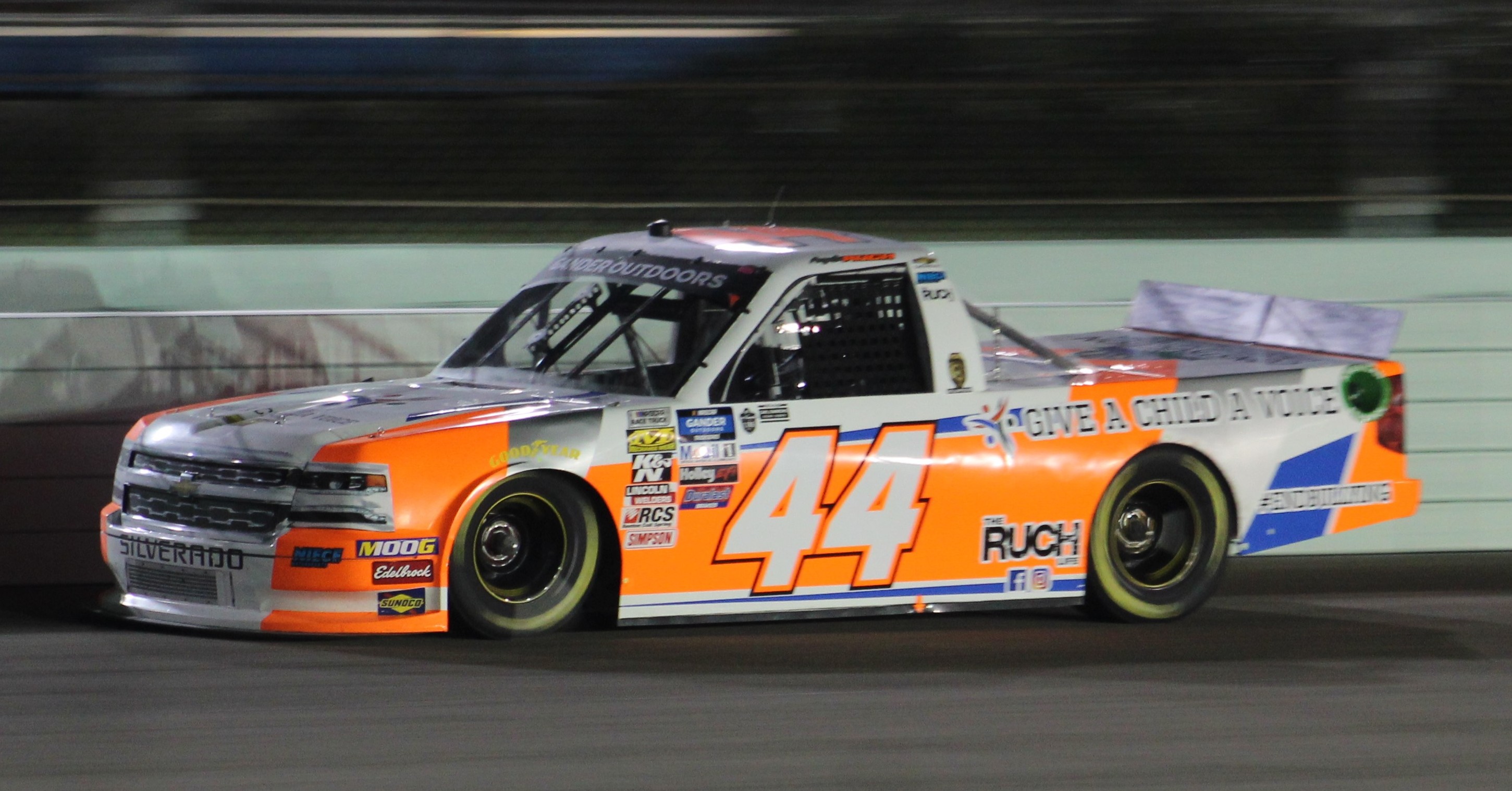
Chevrolet Silverado
"Yeah. So there are very few passenger vehicles left selling offered in diesel, right? I think it's like the Silverado 1500 and Tahoe, like some of these GM trucks."
The Chevrolet Silverado 1500 is a pickup truck. The host mentions it because diesel engines are mostly found in trucks like this, not in most regular passenger cars.
The Chevrolet Silverado 1500 is a full-size pickup, and in this discussion it’s cited as one of the few passenger vehicles that were offered with diesel power. The point is that diesel availability is mostly limited to heavier-duty vehicles rather than mainstream cars.

Tahoe
"I think it's like the Silverado 1500 and Tahoe, like some of these GM trucks."
The Chevrolet Tahoe is a full-size SUV, and the host includes it among the relatively rare passenger vehicles that were offered with diesel engines. This supports the broader point that diesel passenger availability has shrunk.

Chevrolet Cruze
"So, I mean, we got a Chevy Cruze diesel in, we got an Equinox diesel when I, you know, and it was sort of, that was where things were headed."
The Chevrolet Cruze is a small car. This “diesel” version runs on diesel fuel instead of gasoline, and the engine type can affect fuel costs. The host is using it as an example of a diesel car that was offered.
The Chevrolet Cruze is a compact car, and the “diesel” version uses a compression-ignition engine rather than the more common gasoline setup. In this segment, the host mentions it as an example of a diesel passenger vehicle that existed briefly in the market.

Chevrolet Equinox
"So, I mean, we got a Chevy Cruze diesel in, we got an Equinox diesel when I, you know, and it was sort of, that was where things were headed."
The Chevrolet Equinox is an SUV. A “diesel” version means it uses diesel fuel instead of gasoline, which can change fuel costs. The host is listing it as another diesel example that didn’t last.
The Chevrolet Equinox is a compact SUV, and the “diesel” variant would use a diesel engine for potentially better fuel economy than gasoline. Here it’s mentioned as part of the host’s point that diesel passenger offerings were limited and didn’t pan out broadly.
Stilantis
"But I think a lot of that, there was a, oh gosh, the, the, the Stilantis, well at the time, FCA with the VM Matori engine"
This sounds like a misheard version of Stellantis, a car company. The host brings it up while discussing why certain diesel engine plans didn’t work out.
“Stilantis” appears to be a transcription error for Stellantis, the automaker formed from the merger of Fiat Chrysler and PSA. The host references it while talking about diesel engine development and partnerships.
FCA
"the Stilantis, well at the time, FCA with the VM Matori engine that was in them and the Grand Cherokee diesel"
FCA is an automaker company. Here it’s mentioned because it was involved with the diesel engine setup the host is criticizing.
FCA stands for Fiat Chrysler Automobiles, a major automaker that (at the time referenced) worked with engine suppliers for certain diesel applications. In this segment, FCA is mentioned in the context of the Grand Cherokee diesel and the engine used there.

Jeep Grand Cherokee
"the Stilantis, well at the time, FCA with the VM Matori engine that was in them and the Grand Cherokee diesel, which was another nightmare for these, a lot of these."
The Jeep Grand Cherokee is an SUV. The host is talking about its diesel version and saying that, in their experience, the diesel setup didn’t work out well and didn’t lead to a successful long-term solution.
The Jeep Grand Cherokee is an SUV, and the host specifically calls out a diesel version as part of a “nightmare” experience tied to an engine supplier. The mention is used to argue that certain diesel powertrain efforts became a dead end for development.
VM Matori
"FCA with the VM Matori engine that was in them and the Grand Cherokee diesel, which was another nightmare"
VM Motori is a company that makes diesel engines. The host is saying the diesel engine used in some Jeep models caused problems and didn’t lead to a successful outcome.
VM Motori is an engine manufacturer that supplied diesel engines used in some FCA/Jeep applications. The host links the VM Motori engine to their “nightmare” experience and says that diesel development became a dead end.
eco mode
"we got some questions about, you know, cars will have an eco mode button or, you know, what does that do? And can it actually help you save fuel?"
Eco mode is a setting that tries to help you use less fuel. The host says it mostly makes the car less eager to accelerate (so you drive more gently), and in their tests it didn’t save much fuel.
Eco mode is a driver-selectable setting that changes vehicle behavior to encourage more efficient driving. In this segment, the host says it mainly dulls throttle response and slightly alters vehicle tuning, and that their testing didn’t show a big fuel-economy improvement on standard test cycles.
drive modes
"We've done some testing on eco mode and other drive modes for that matter and eco mode in particular."
Drive modes are different settings you can choose in a car. They change how the car behaves, like how quickly it responds when you press the gas.
Drive modes are selectable settings (like Eco, Sport, or Normal) that change how the car responds to inputs such as throttle and steering. The host groups eco mode under drive modes and discusses how they can alter tuning even if they don’t always deliver big fuel-economy gains.
test cycles
"We didn't really see much of a difference in terms of fuel economy when we measured it. I'm using our regular test cycles out on the highway"
Test cycles are repeatable driving routes or procedures used to measure things like fuel economy. The host is saying eco mode didn’t perform dramatically better in their usual measurements.
Test cycles are standardized driving procedures used to measure fuel economy in a repeatable way. The host says their eco-mode results didn’t change much when measured using their regular highway and track testing routines.
throttle response
"It dulls the throttle response. So you're not accelerating maybe more than you need to."
Throttle response is how the car reacts when you press the gas. If it’s “dull,” the car feels less jumpy and doesn’t speed up as quickly.
Throttle response describes how quickly and how strongly the car reacts when you press the accelerator pedal. The host says eco mode dulls throttle response, meaning the car won’t accelerate as aggressively for the same pedal input.
drive cycle
"And, um, you know, when we do our tests, we were like, okay, [1956.9s] and in this area, you have to accelerate from like 10 miles per hour to 30 miles per hour. And this, [1960.9s] this is a drive cycle. It's a drive cycle or we go on a highway and we're going steady 65."
A drive cycle is a set script for how a car is tested—how fast it goes and how often it speeds up or slows down. It helps compare fuel economy in a consistent way, like doing the same practice run for every car.
A drive cycle is a standardized pattern of speeds and accelerations used to test how efficiently a car uses fuel. It lets labs compare vehicles fairly by running the same “type of driving” over and over, like city stop-and-go or steady highway cruising.
sport mode
"And actually, alternatively, we see very similar [1977.4s] stuff with sport. So usually the sport, it almost encourages you to drive it faster because you hit [1983.0s] the gas... [1995.8s] Yeah. Some sport modes will cause the car to hold a higher gear..."
Sport mode is a setting that makes the car respond more aggressively when you press the gas. It can make the car feel quicker, but it often uses more fuel because it encourages harder driving.
Sport mode is a driver-selectable setting that changes how the powertrain responds—often by sharpening throttle mapping and holding gears longer. That can make acceleration feel stronger (or slower) depending on how it manages shifting, but it usually doesn’t “save” fuel.
full throttle
"So usually the sport, it almost encourages you to drive it faster because you hit [1983.0s] the gas and all of a sudden it's giving it full throttle when you're only putting in [1986.2s] partial throttle."
Full throttle is when the accelerator is effectively asking for the engine’s maximum response. Some sport modes make the car react more sharply to even small pedal presses, so it feels faster.
Full throttle means the driver is commanding the engine to open the throttle completely, which typically increases airflow and fuel delivery. In sport modes, the car may respond more aggressively to partial pedal input, making it feel quicker even if the overall fuel-savings benefit is limited.
partial throttle
"So usually the sport, it almost encourages you to drive it faster because you hit [1983.0s] the gas and all of a sudden it's giving it full throttle when you're only putting in [1986.2s] partial throttle."
Partial throttle means you’re not flooring it—you’re only pressing the gas partway. The car’s computer can still make it respond more aggressively in sport mode, which can affect how you drive.
Partial throttle means the driver is requesting only a portion of the engine’s maximum throttle opening. The key point here is that sport modes can map partial pedal input to a more aggressive throttle response, changing how the car “feels” without necessarily improving efficiency.
a higher gear
"Yeah. Some sport modes will cause the car to hold a higher gear, right? So it won't upshift into, [2002.5s] it'll keep it in six instead of up to shifting to eight, which could have some effect if you're [2006.2s] driving longer."
A higher gear usually means the engine spins slower at the same speed. That can affect how the car feels and how it responds when you press the gas.
Holding a higher gear means the transmission stays in a gear ratio that keeps engine speed lower for a given road speed. That can reduce engine revs and noise, but it can also change how quickly the car responds when you demand power—especially over longer drives.
aerodynamics
"There are other ways to kind of adjust the way you drive or [2024.8s] take the stuff that you have in your roof that you're not using off to improve your aerodynamics, [2029.4s] take the weight out of your car that you don't need in there, right?"
Aerodynamics is how the car cuts through the air. If you reduce things like roof clutter and other sources of extra air resistance, the car can go farther on the same amount of fuel.
Aerodynamics is how air flows around the car, strongly affecting drag. The segment mentions removing unused items on the roof and reducing weight—both can lower drag and rolling resistance, helping stretch fuel range.
incentives
"But fatigue in terms of reacting to the incentives being there and being away and EVs this EVs going like it's been a lot between regulations changing..."
Incentives are policy or market levers—like tax credits, rebates, or regulatory pressure—that encourage consumers and automakers to choose certain technologies. The hosts connect incentives to how quickly EV adoption and fuel-efficiency improvements can accelerate or stall.
fuel economy
"And part of the reason I'm saying that is because when we ask consumers, fuel economy is always up at the top in terms of what they care about when they're buying their next car, regardless of the price of gas at the time we ask..."
Fuel economy means how efficiently a car uses energy to go a certain distance. Better fuel economy usually means you spend less money to drive the same miles.
Fuel economy is how efficiently a vehicle turns fuel into distance—typically expressed as miles per gallon (MPG) for gas cars or miles per kilowatt-hour (for EVs). It’s a key metric because it directly affects how often you have to refuel and what your energy costs look like over time.
product cycles
"Automakers are global. These product cycles are decades. I mean, only a hand, I can only think of one automaker that, that chases year to year."
Product cycles are how long it takes car companies to plan and build new cars. They can’t change their lineup overnight when rules or fuel prices shift.
Product cycles are the long, planned timelines automakers use to design, engineer, test, and launch new vehicles. Because these cycles span years to decades, companies can’t instantly pivot their lineup in response to short-term changes in gas prices or regulations.
American lifestyle
"reasons why the American lifestyle, the fact that we don't have, I mean, you look at how much high [2205.6s] speed rail that they have in other parts of the world. How much driving we do? We have none."
The speaker is talking about how Americans typically get around—lots of driving and car-focused infrastructure. They’re saying that affects how quickly and in what way people adopt EVs and hybrids.
The “American lifestyle” here is a shorthand for how people live and travel—especially how much they drive and how transportation infrastructure is built around cars. The speaker argues that this makes the transition to EVs/hybrids different in the U.S. than in places with more rail and different commuting patterns.
fuel efficiency
"So going back to what [2236.6s] you said, exactly right, that consumers are like, I like fuel efficiency. They're not all begging"
Fuel efficiency means how far a car goes on a gallon (or how little fuel it uses). When gas is expensive, a more fuel-efficient car costs less to drive.
Fuel efficiency is how much distance a car can travel for a given amount of fuel (or, more broadly, how little energy it uses). In the context of high gas prices, it’s a key metric because it directly affects running costs.
EV batteries
"And you also talk about hedging your bets too, because as we start to see [2292.1s] these longer range EV batteries, we start to see prices come down. We start to see more places to [2297.8s] plug in."
EV batteries are the big rechargeable battery packs that power an electric car. If the battery can go farther on a charge (longer range), and the batteries get cheaper, more people are willing to buy EVs.
EV batteries are the battery packs in electric vehicles that store electrical energy for the electric motor. The segment links “longer range EV batteries” to lower prices and more charging options, which are major factors in EV adoption.
electrification
"and maybe their [2305.8s] next new car is, I think electrification is where things are going, and electrification includes [2313.9s] hybrids includes."
Electrification means moving toward cars that use electricity more—like electric cars and plug-in hybrids. The idea here is that people may want the benefits of electric driving without giving up everything about how they live.
Electrification is the broader shift toward using electricity to move vehicles, including full EVs and plug-in hybrids. In this segment, the speaker argues that electrification “includes hybrids,” because consumers want efficiency benefits without fully committing to a pure EV lifestyle.
EV
"illegal or whatever it is. And that's like, well, no. If I want an EV, EV. Let me go do [2336.3s] that."
EV just means an electric car. It runs on electricity stored in a battery, not gasoline.
EV stands for electric vehicle, meaning the car is powered primarily by one or more electric motors and a battery pack. Instead of burning gasoline, it draws energy from electricity, typically charged from the grid or a charging station.
V8 engines
"know what, if a couple of people buy V8 engines, not every car is going to have a V8, but having [2348.4s] that as an option is not going to end the world."
A V8 is an engine with eight cylinders arranged in a V shape. It’s known for strong power and a loud sound, but it can use more fuel than smaller engines.
A V8 engine is an internal-combustion engine with eight cylinders arranged in a V shape. Because it has more cylinders and typically higher displacement than smaller engines, it often produces strong power and a distinctive sound, but it can be less fuel-efficient.
Request an Explanation
Heard something you'd like explained? We'll add it to this episode.
Sign in to request explanations for terms you heard.
Want to learn more?
Browse our glossary for plain-English explanations of automotive terms, jargon, and concepts.
Help improve this episode
See something that's not quite right? Our annotations are AI-generated and can sometimes miss the mark. Click the flag icon on any annotation to suggest a correction.
1 community members have helped improve this episode.